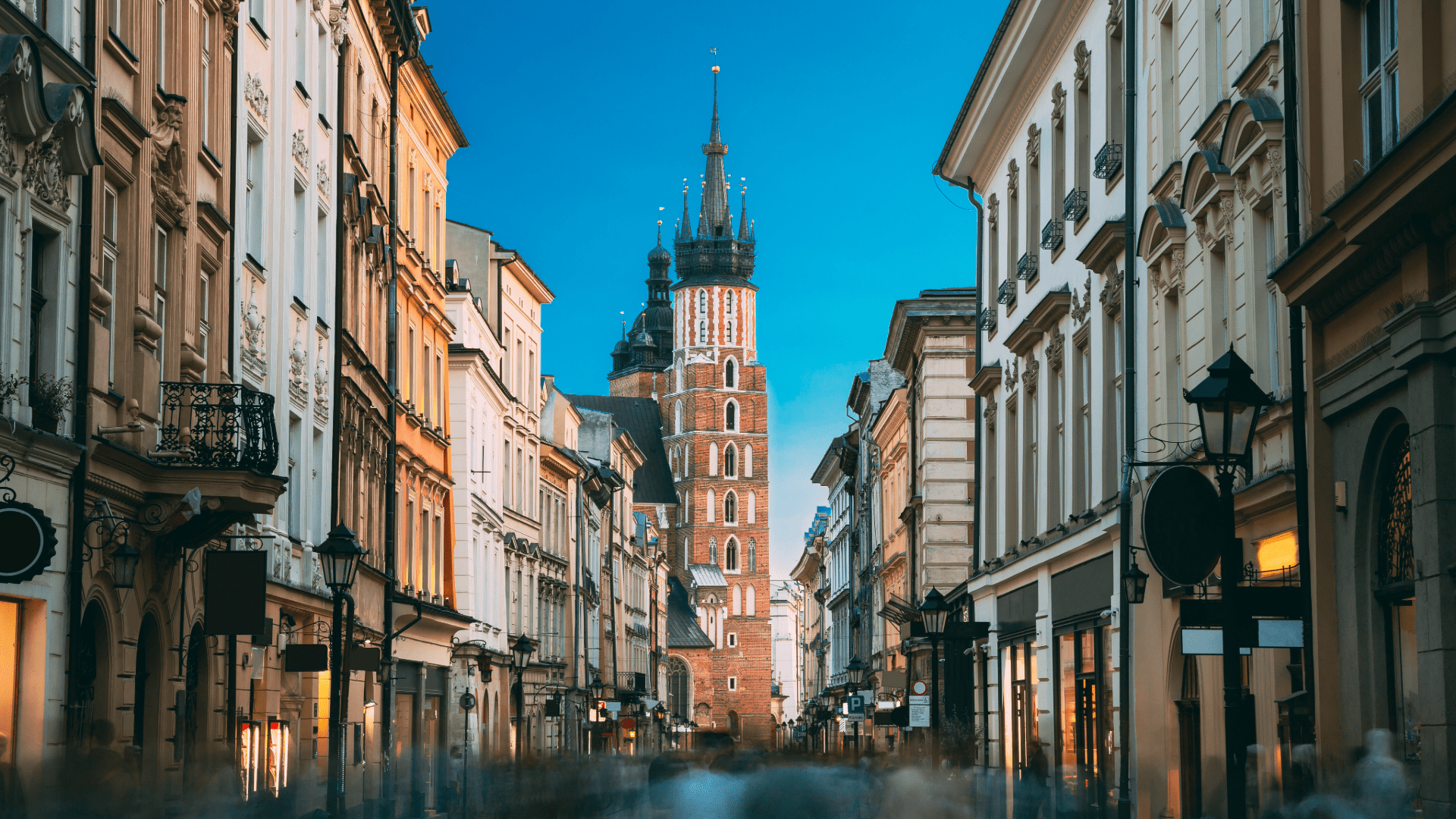




What Should You Book Before Visiting Krakow? A No-Stress Planning Checklist
There is a particular kind of Krakow trip that starts badly for a very ordinary reason. You arrive on Friday afternoon, leave your suitcase at the hotel, and open your phone to book Auschwitz for Sunday. The English tours are gone. Schindler's Factory has no tickets until Tuesday. The restaurant you saved on Instagram is fully booked. None of these problems will ruin the weekend, but suddenly the itinerary is being decided by whatever happens to be left.
A little planning avoids that without turning a city break into a spreadsheet. Krakow still leaves plenty of room for long walks, unexpected cafes and evenings that continue because you like the neighbourhood. The important thing is knowing which experiences depend on a specific time, guide, language or number of available places. Think of your reservations as the frame around the trip, not the trip itself.
| Experience | When to book | Why |
|---|---|---|
| Auschwitz-Birkenau | As soon as your dates are confirmed | Entry is personalised, time-specific and only available online. |
| Wieliczka Salt Mine | Before arrival, especially for weekends | Tours run at set times and preferred languages can disappear. |
| Schindler's Factory | Several days ahead | A small museum with limited timed entries. |
| Wawel Castle exhibitions | Up to one month ahead | Each exhibition has its own ticket and time slot. |
| Zakopane, thermal baths or Tatra tours | Early for weekends and peak periods | Transport, activity places and bath entry are easier to secure. |
| Airport transfer | Before flying if your arrival is late or awkward | It removes the first piece of travel logistics after landing. |
| A specific restaurant, show or concert | Before arrival if it really matters to you | The most popular tables and small venues do not usually hold space for walk-ins. |
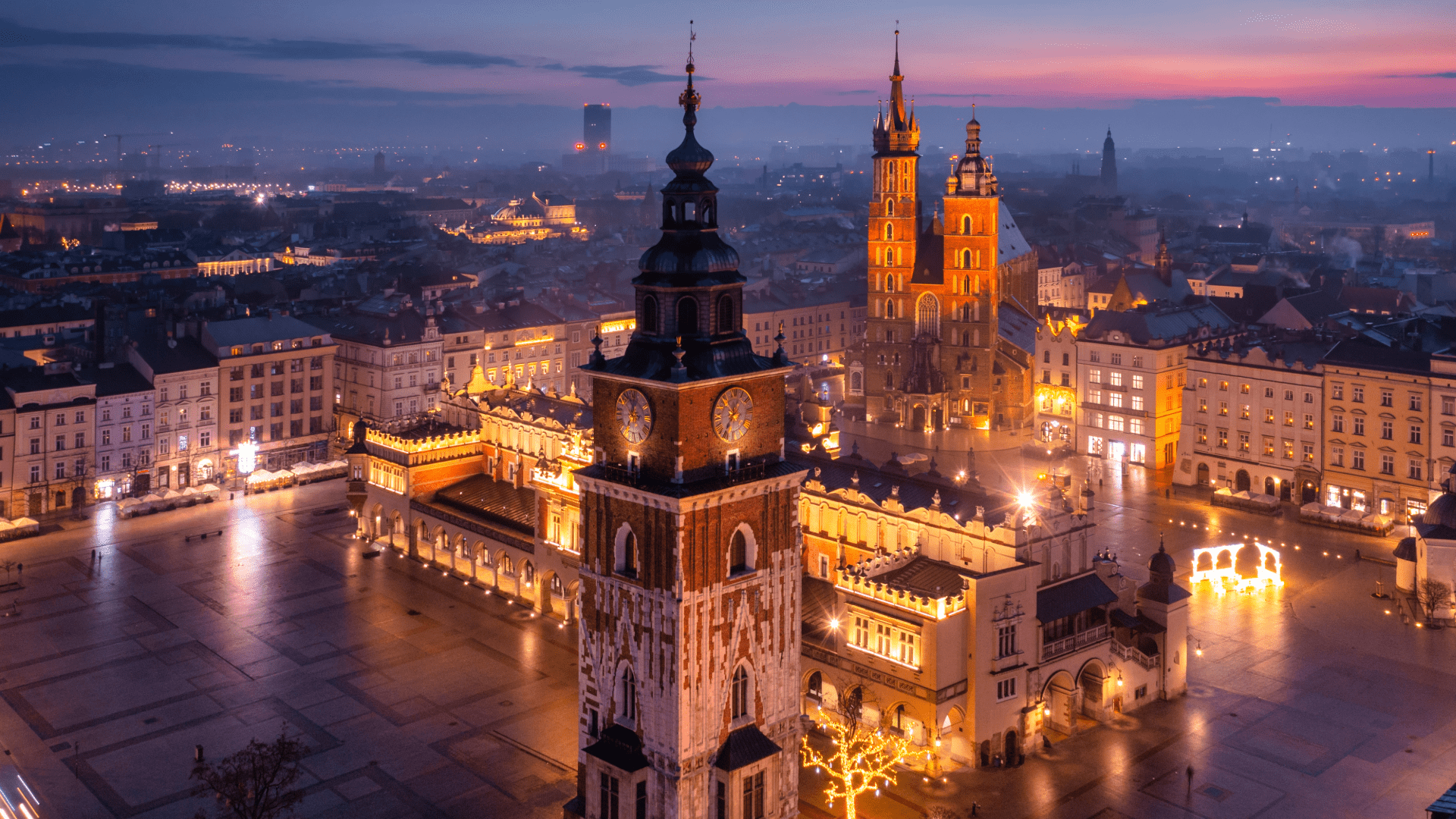
Begin with Auschwitz-Birkenau
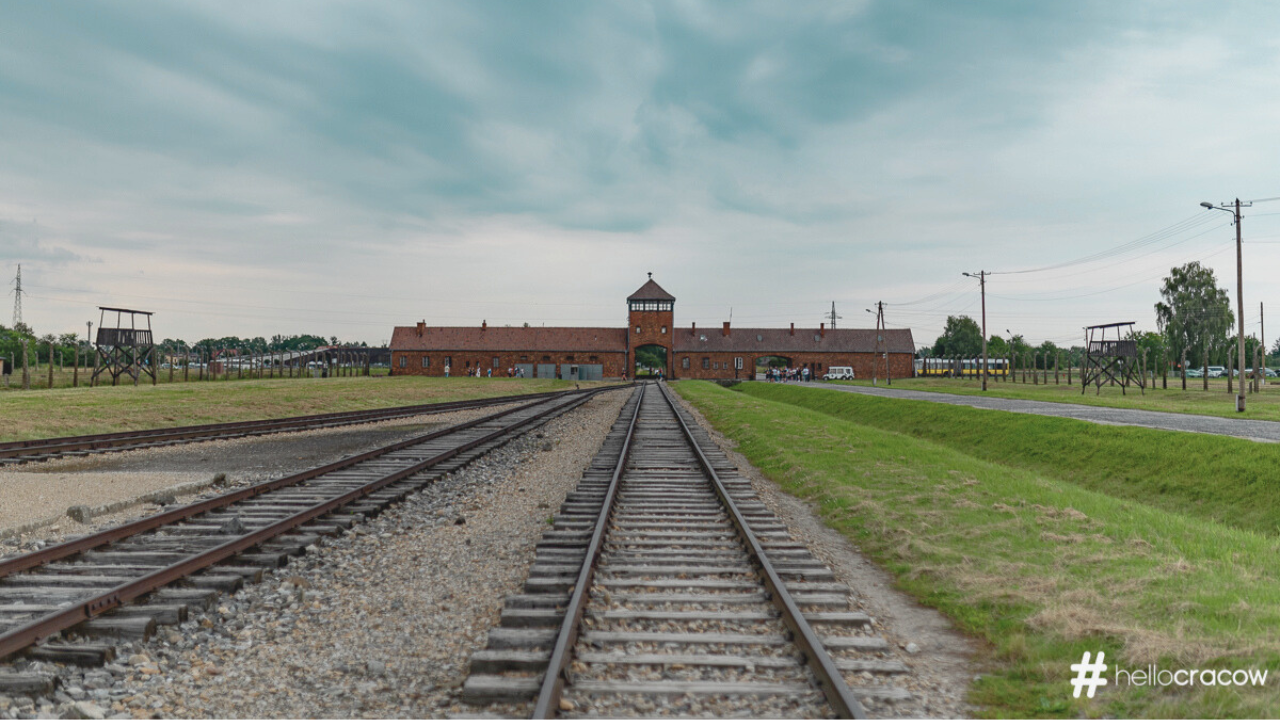
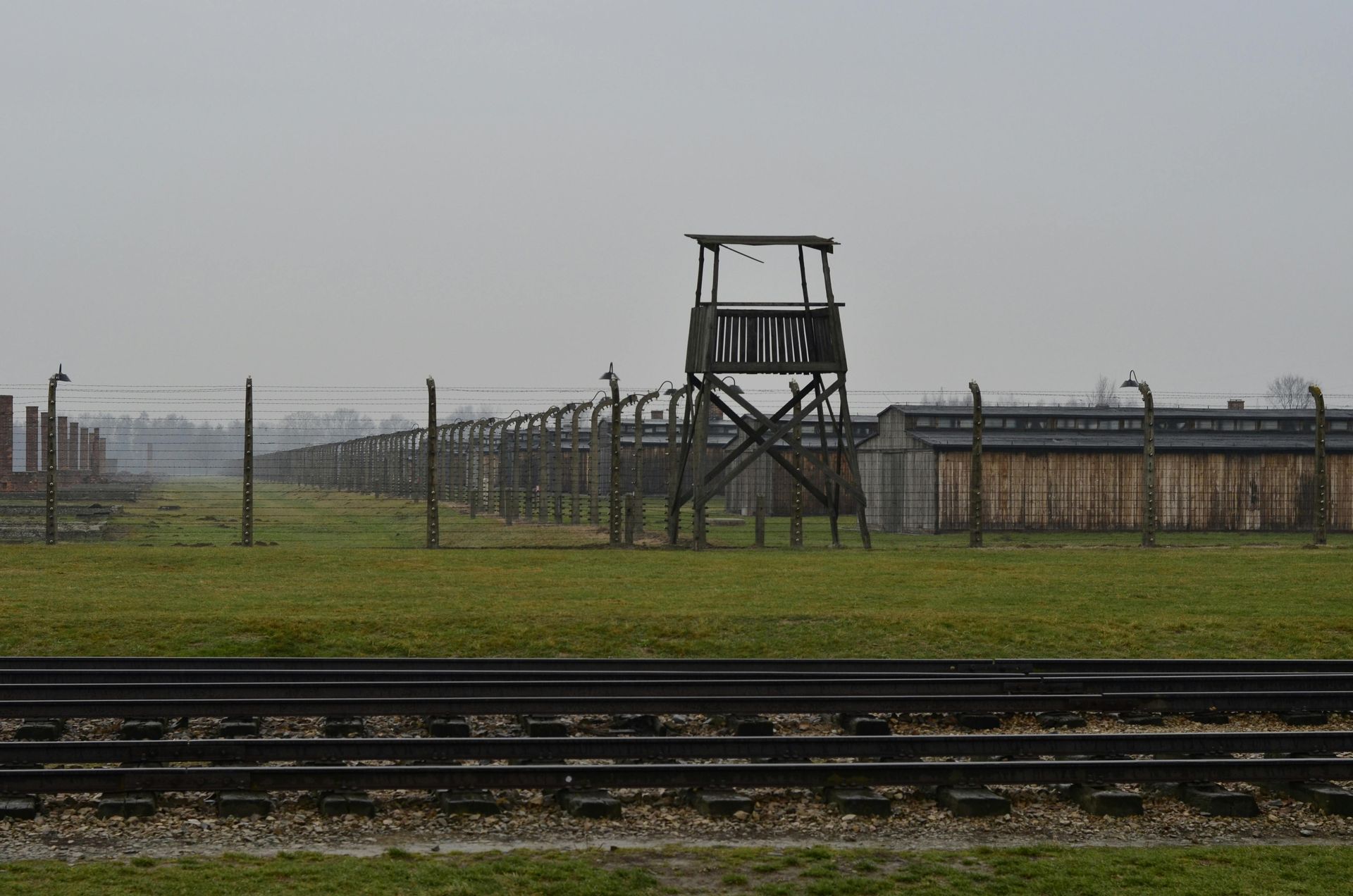
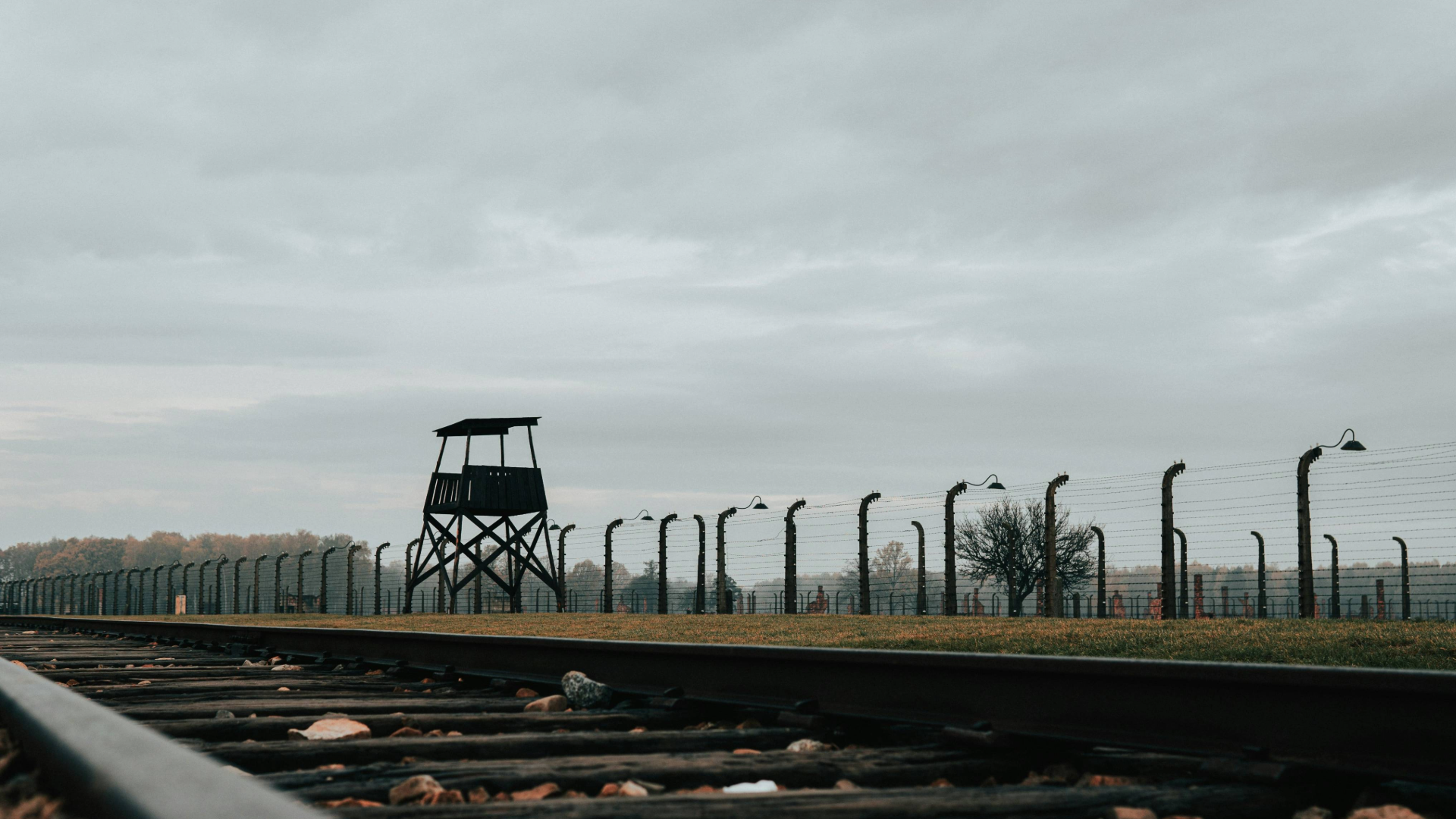
Auschwitz-Birkenau should be the first major booking in the trip. The visit takes a full day from Krakow, and it needs more space than many visitors expect. There is the drive to Oswiecim, entry and security procedures, the visit to Auschwitz I, the transfer to Birkenau and the journey back to Krakow. The emotional weight of the experience also matters. Most people do not want to return and immediately rush into another major attraction or a loud night out.
Once this date is fixed, the rest of the itinerary becomes easier to build. You know which evening to keep free, which day should not include another long excursion and how much time remains for the Old Town, Wawel or Kazimierz. Auschwitz-Birkenau operates with personalised entry and limited visitor numbers. In 2026, availability can be especially difficult during spring, summer, early autumn and holiday periods. Our detailed guide, Auschwitz in 2026: The Ultimate Guide to Booking Tickets Before They Sell Out, explains why planning matters and what the day from Krakow actually involves.
For most first-time visitors, an organised tour removes the practical pressure from an already demanding day. A Hello Cracow Auschwitz-Birkenau guided tour includes transport from Krakow, entry arrangements and a licensed guide through both Auschwitz I and Birkenau. If a smaller group is important to you, compare the available formats on our Auschwitz tour options page before choosing.
This is also the visit where preparation goes beyond a booking confirmation. A compact bag, comfortable shoes, respectful clothing and realistic expectations about the day all matter. For a fuller guide to the atmosphere of the Memorial, photography, silence and the practical details visitors often overlook, read
The Respectful Traveler's Guide to Visiting Auschwitz.
Wieliczka Salt Mine: reserve the time, then plan around it
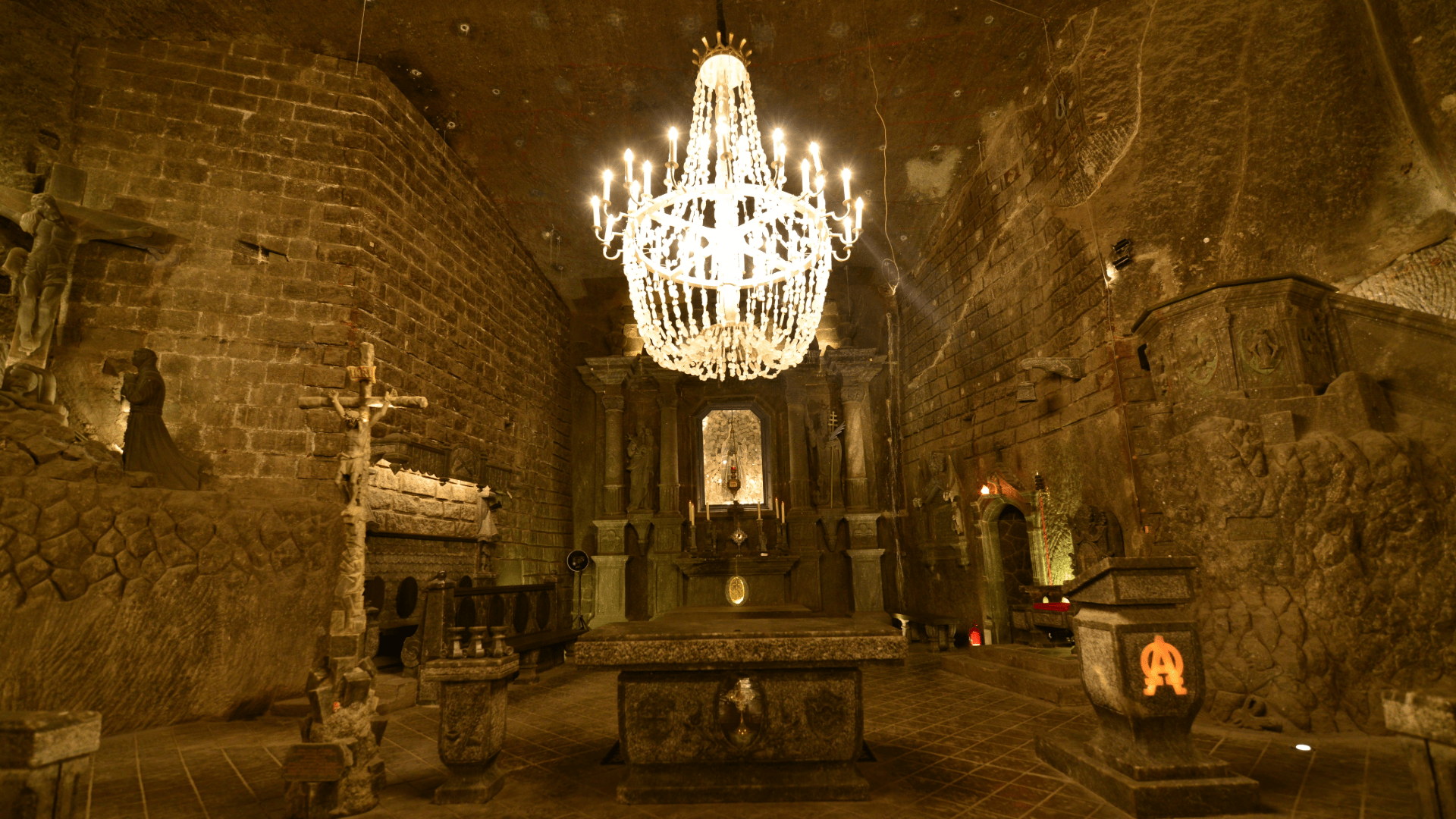
Wieliczka is one of the easiest excursions from Krakow to underestimate. It is close to the city, so many visitors think they will simply decide on the morning. But the mine runs through timed guided groups, and the hour you choose changes the shape of the whole day. A morning tour leaves room for lunch and an afternoon in the Old Town. A mid-afternoon entry can mean returning to Krakow close to dinner. A late entry may be perfect if rain has arrived and you want to spend the day below ground, but it is less useful if you already have tickets for an evening concert.
The Tourist Route is substantial. It lasts around two to three hours, leads through salt chambers, underground lakes and St. Kinga's Chapel, and includes around 3.5 kilometres of walking with approximately 800 stairs. This is why it deserves a planned half-day rather than a gap between two other reservations. A Hello Cracow Wieliczka Salt Mine guided tour keeps the transport, entry and guided visit together. It is a useful choice for travellers who want the day to run smoothly without spending time matching their own travel plans to a fixed underground entry.
For more on the mine's history, the route, the underground temperature and what you will actually see beyond the famous chapel, read our
comprehensive guide to visiting Wieliczka Salt Mine. It will also help you decide whether Wieliczka is best for your first free afternoon in Krakow or for a day when the weather is working against outdoor sightseeing.
Only have one day free? Make the choice early
A common planning dilemma is choosing between Auschwitz-Birkenau and Wieliczka when there is only one day available. They are completely different visits, and the decision should depend on what you want from the trip rather than on which one happens to have a convenient slot left.
Auschwitz-Birkenau is a historical Memorial that asks for emotional attention and time. Wieliczka is an extraordinary underground monument shaped by centuries of mining, labour and craftsmanship. Both are important, but they create very different days. If your Krakow stay is short and you want to experience both, the Auschwitz-Birkenau and Wieliczka Salt Mine one-day trip is the most efficient option. It is a long day, so it works best for travellers who are comfortable with an early start and a full itinerary.
If you are still uncertain which experience fits your trip better, our article Auschwitz vs. Salt Mine: If You Only Have One Day, Which Should You Choose? compares the logistics, duration and reasons to choose each one.
Wawel: give Krakow's royal history a proper morning
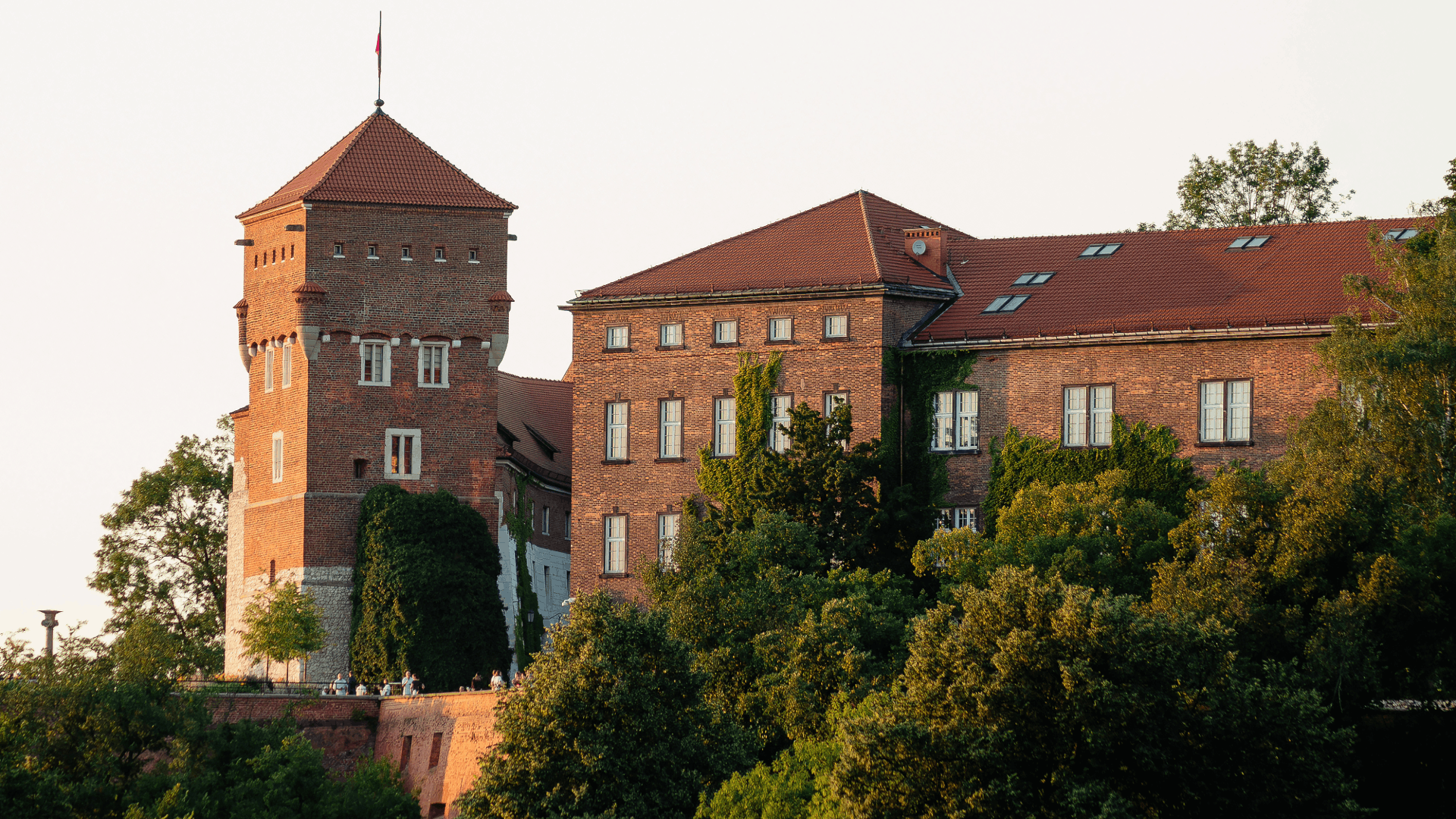
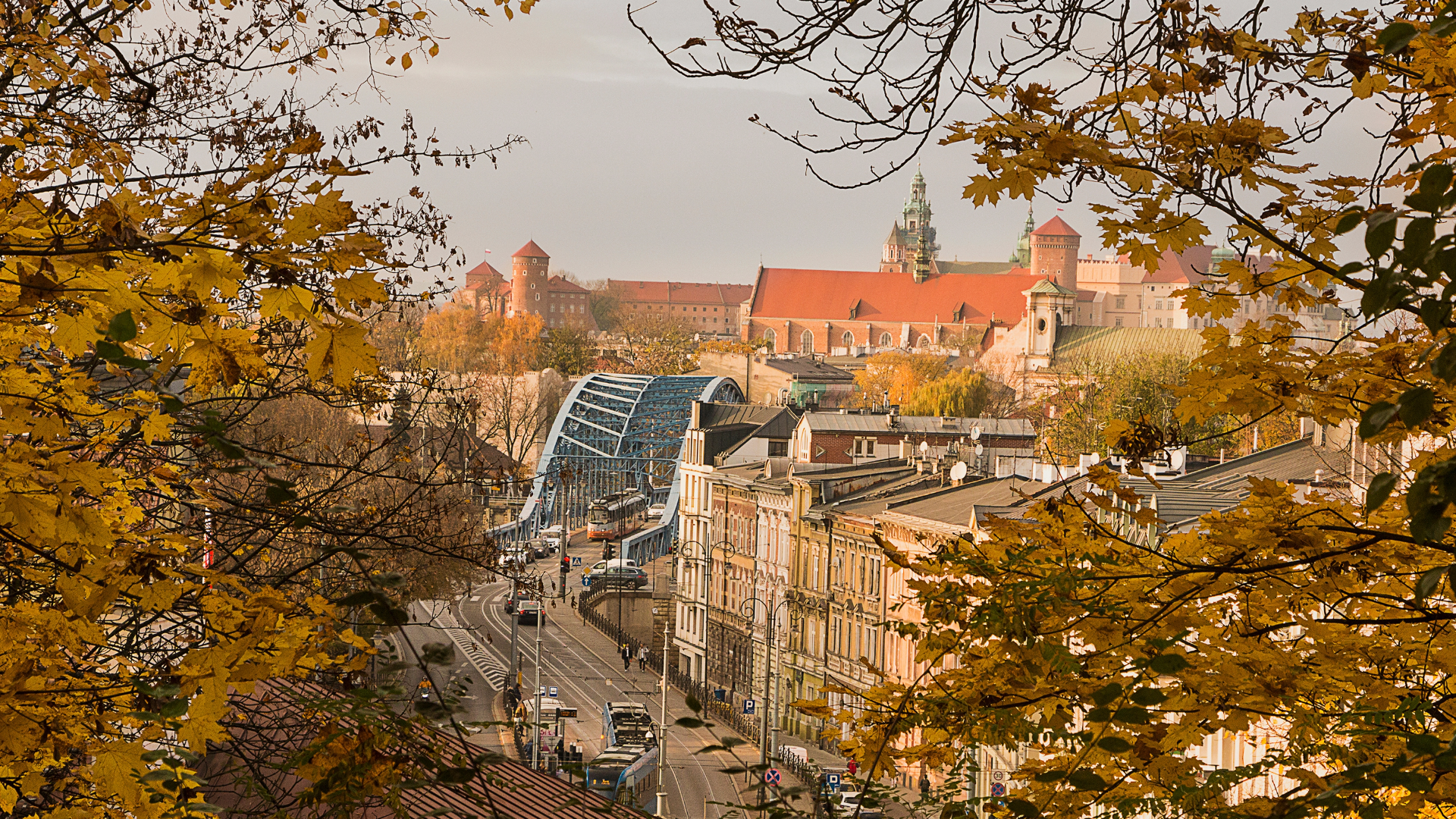
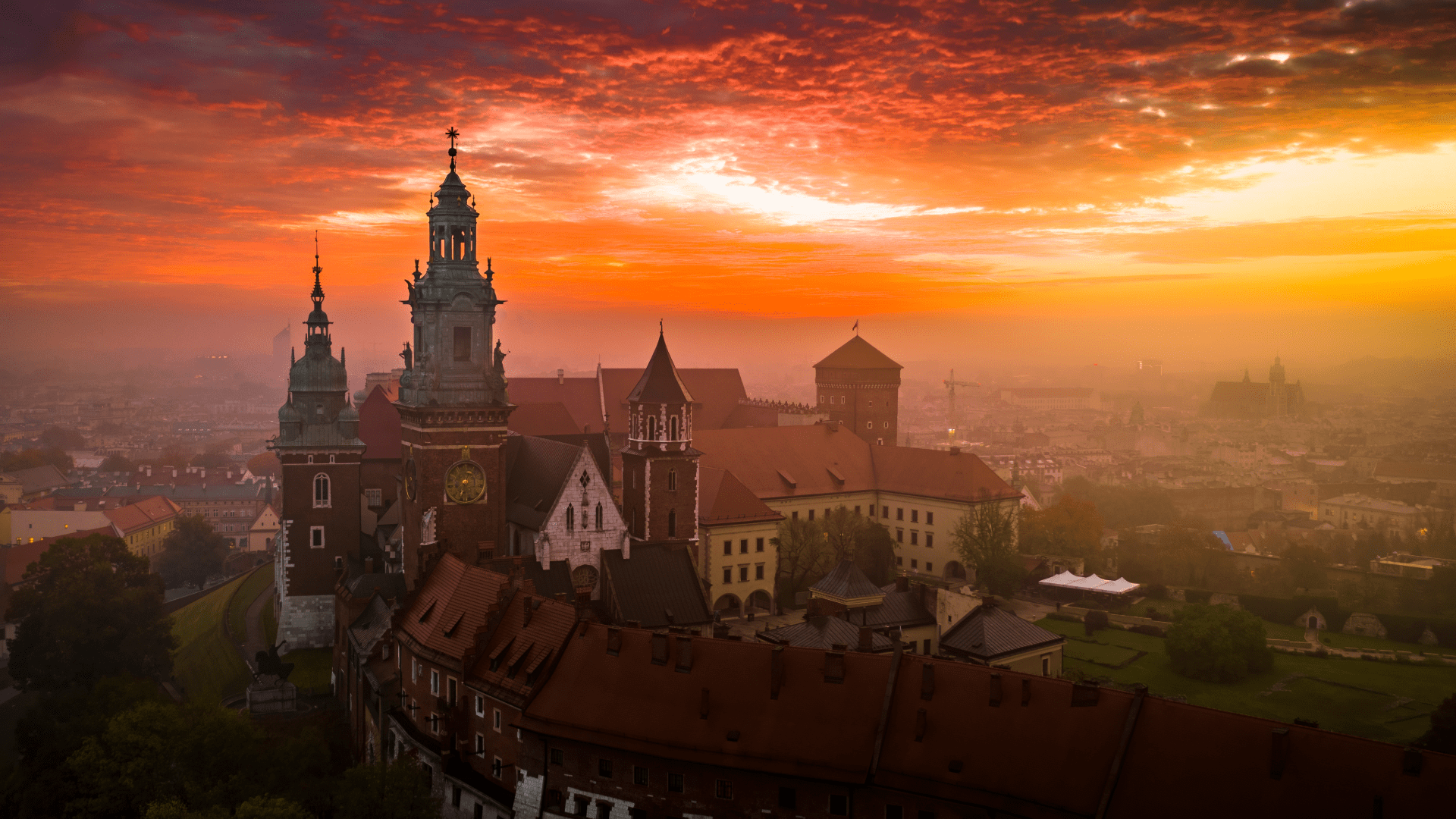
Wawel Hill is one of the easiest places in Krakow to visit casually. You can walk up from the Old Town, look across the Vistula and enjoy the architecture without booking anything at all. But the castle and cathedral deserve more than a quick look from outside. This was the centre of Polish royal life for centuries. Kings were crowned in the cathedral, royal funerals took place in its crypts, and the castle rooms still hold tapestries, portraits, armour, collections and objects that reveal how Krakow once functioned as a political and cultural capital.
The difficulty for first-time visitors is that Wawel has several areas, each with its own story. Going in without a plan can mean seeing a few rooms without understanding how the castle, cathedral and hill relate to one another. A guided visit gives the place a narrative: who lived here, why Wawel mattered and how the site changed across the centuries. Our Wawel Castle and Cathedral guided tour is a good booking for your first or second morning in the city. It gives you arranged entry and a licensed guide, then leaves the afternoon free for a walk through Old Town or lunch in Kazimierz.
If your time is limited, the
Wawel Castle, Cathedral and Wieliczka Salt Mine tour with lunch brings two of the region's most recognisable landmarks together in one day. It is a practical solution for travellers who want structure without spending their whole stay moving between separate meeting points.
Schindler's Factory: book the museum, then follow the story outside
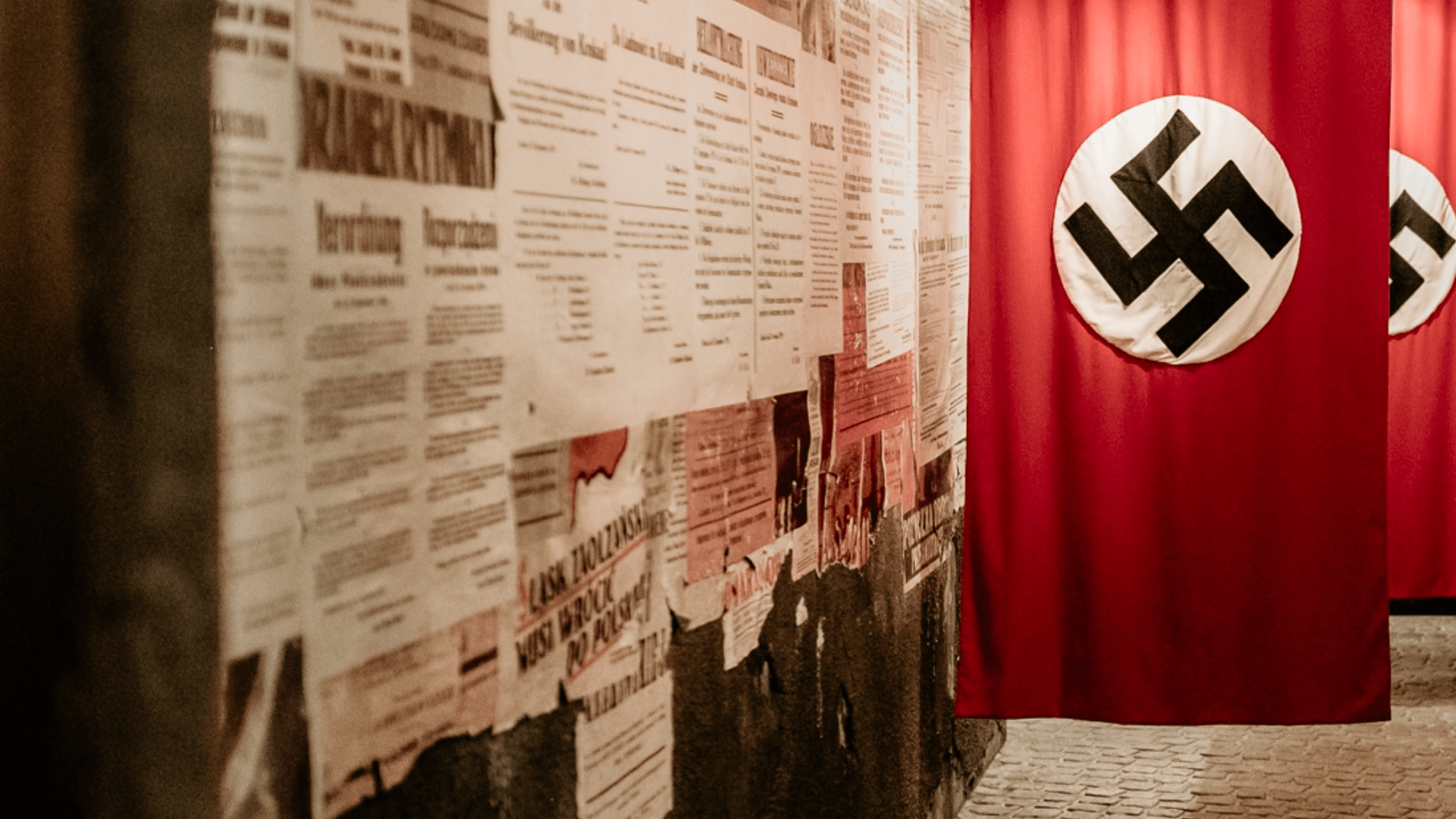
Schindler's Factory is one of Krakow's most requested museums, and its limited capacity can make it difficult to visit at the last minute. But the reason to reserve it early is not simply the ticket. The museum is part of a much larger story that unfolds across the city. Kazimierz was the historic centre of Jewish Krakow for centuries. During the Nazi occupation, Podgorze became the site of the Krakow Ghetto. Across the river in Zablocie, Oskar Schindler's enamel factory became a place associated with the survival of more than a thousand Jewish workers.
Seeing only the museum gives you one part of that history. Seeing the streets, squares, ghetto fragments and factory area gives the story a physical shape. You begin to understand how close these districts are to one another, and how radically the city changed during the war. A Hello Cracow Schindler's Story of Courage tour connects Schindler's Factory, the former ghetto and Jewish Kazimierz in one route. It is worth booking before arrival, especially for a weekend, because the museum itself has restricted capacity.
If the film is part of what brought you to Krakow, continue with
Shadows of History: Exploring the Real-Life Locations of Schindler's List in Krakow. It explains which places belong to the historical story, which were used by Steven Spielberg during filming and why the two should not be confused.
Give the Tatras one uninterrupted day
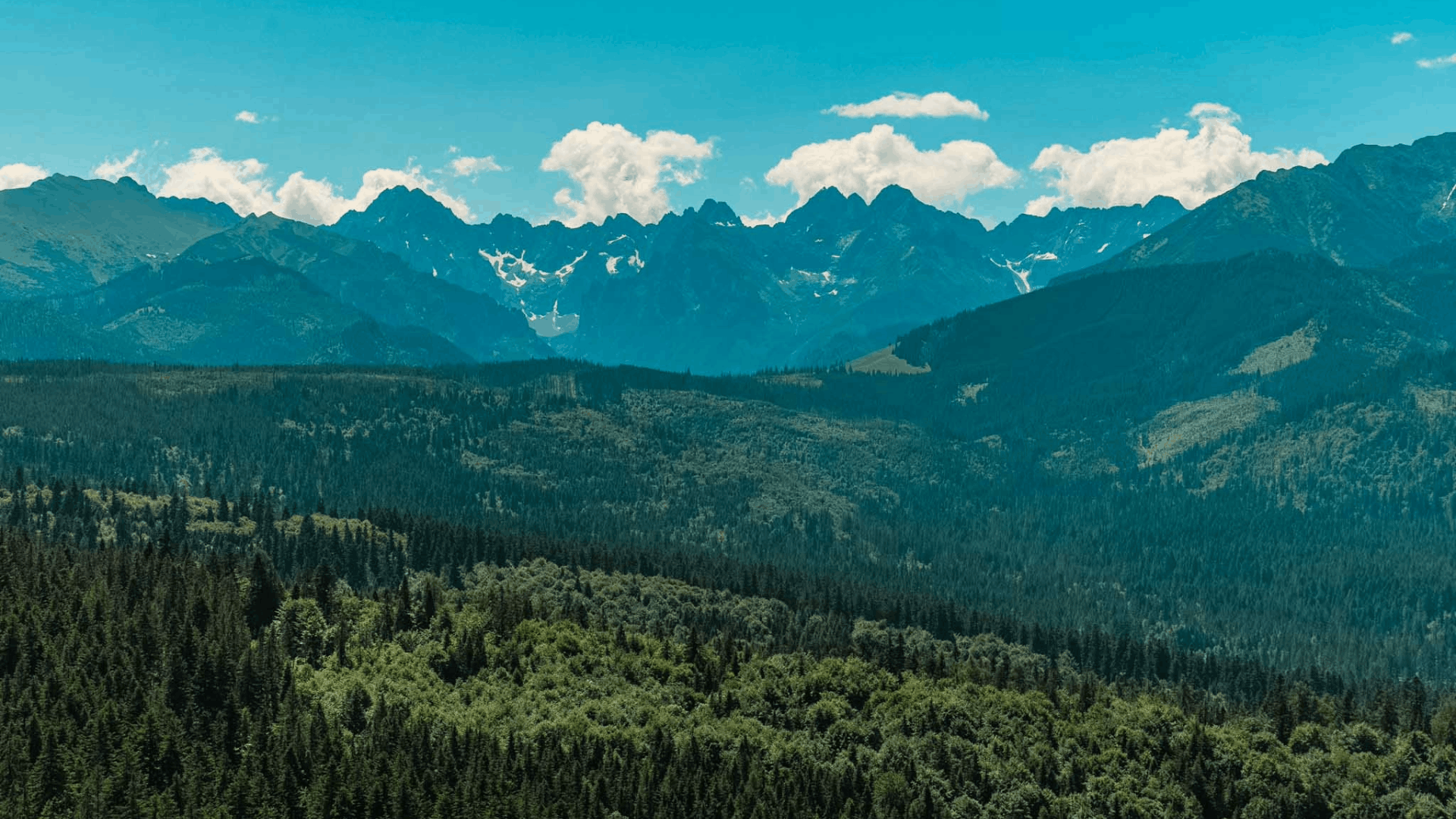
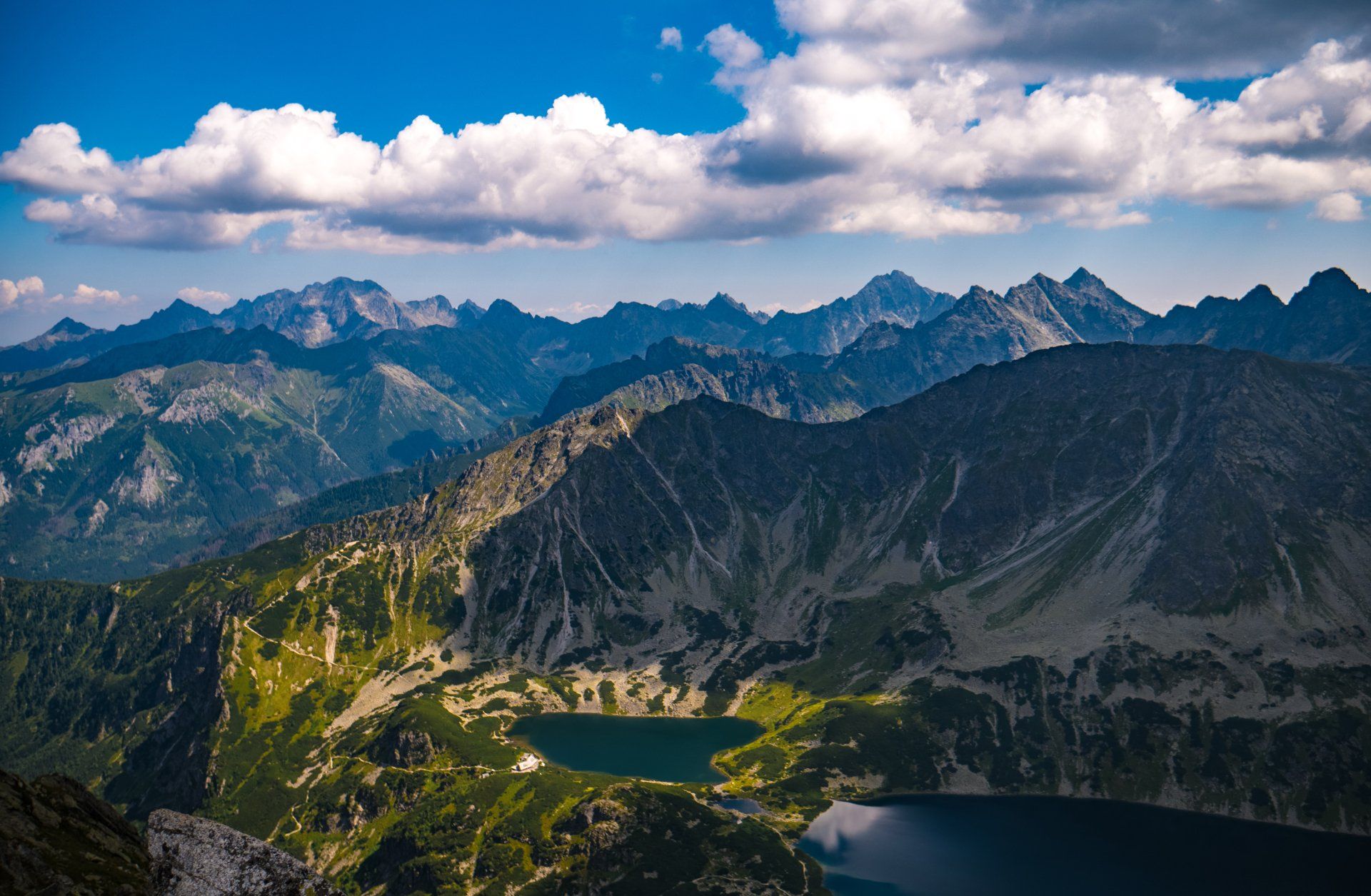
Zakopane and the Tatra Mountains should not become the plan you make only if you happen to have time left. A full day outside Krakow needs transport, weather awareness and a realistic idea of what you want to do once you arrive. Some visitors want Zakopane's wooden architecture, Krupowki Street, a Gubalowka view and time in thermal pools. Others are looking for forest tracks, a Sky Walk, quad riding or open Tatra panoramas. These are different days, and choosing between them before your trip makes booking much easier.
If your priority is a slower mountain day with highlander culture and warm water at the end, start with our Zakopane and Thermal Baths guide. If the views matter more than a long hike, read Panoramic Peaks: The Best Tatra Mountain Viewpoints Accessible Without a Long Hike. It is especially useful for families, travellers with limited mobility or anyone who wants a mountain day without turning it into a technical trek.
For a more active option,
our
Tatra quad tour guide
explains how the off-road experience, bonfire and optional thermal baths fit together. Book the day itself early, particularly if you are visiting over a weekend. Keep the evening after the trip open. The return journey can be affected by traffic and weather, and most people are happier with an unplanned dinner than a reservation they have to rush across Krakow to reach.
Arrival day: decide how much energy you want to spend
A private airport transfer is not essential for every visitor. The airport train is quick and works well if you are travelling light, arriving during the day and staying near Krakow Glowny. But there are times when the cheaper option is not the easier option. If you land late, travel with children, carry several bags or stay in Kazimierz, Podgorze or an apartment away from the main station, the final part of the journey can become more tiring than expected. There is the train platform, the station exit, another tram or taxi, then cobblestones and the search for the right entrance.
A
Hello Cracow private airport transfer means that part is already arranged. Your driver meets you after landing and takes you directly to your address. It is a simple booking, but it changes the tone of the first evening. You can check in, leave the bags and go out rather than spending the first hour solving transport. For a straightforward comparison of train, taxi, rideshare and private-transfer options, see
Krakow Airport to City Centre: The Honest Comparison.
Plan one good evening, then leave the others open
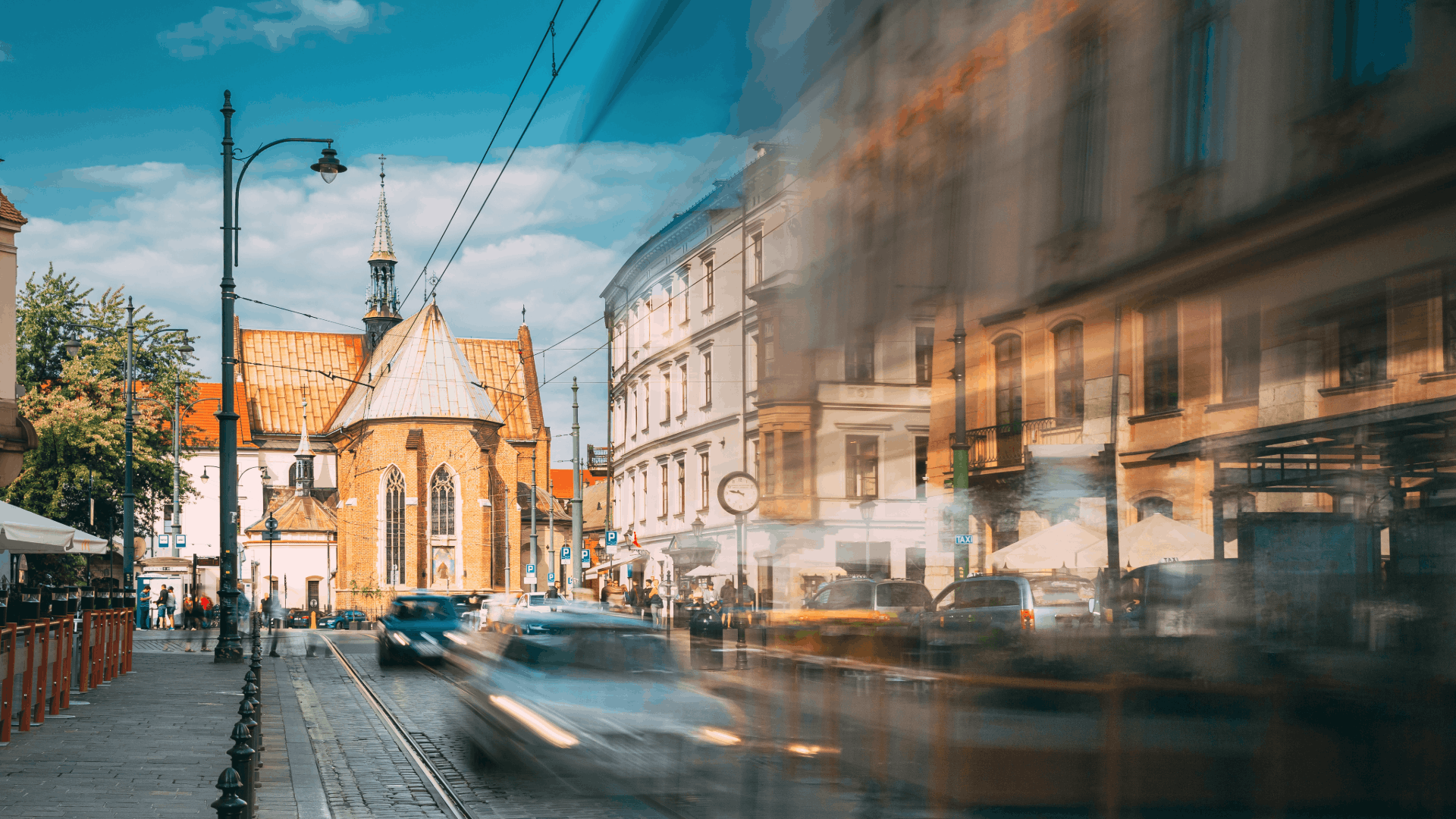
You do not need dinner reservations every night. Krakow has enough cafes, bars and casual restaurants that it is usually better to keep some evenings flexible. You may find a neighbourhood you want to stay in, finish sightseeing later than expected or simply prefer a quieter meal close to the hotel. Reserve ahead when there is one place or experience you genuinely want to include. It could be a small restaurant in Kazimierz, a concert, a festival event or a Polish folk show with dinner. One planned evening can give the trip shape without making every night feel scheduled.
Friday and Saturday are the moments when reservations matter most. If you are travelling in a group of four or more, booking ahead is also kinder to yourself than walking from restaurant to restaurant in the rain.

Master the city with our Guidebook
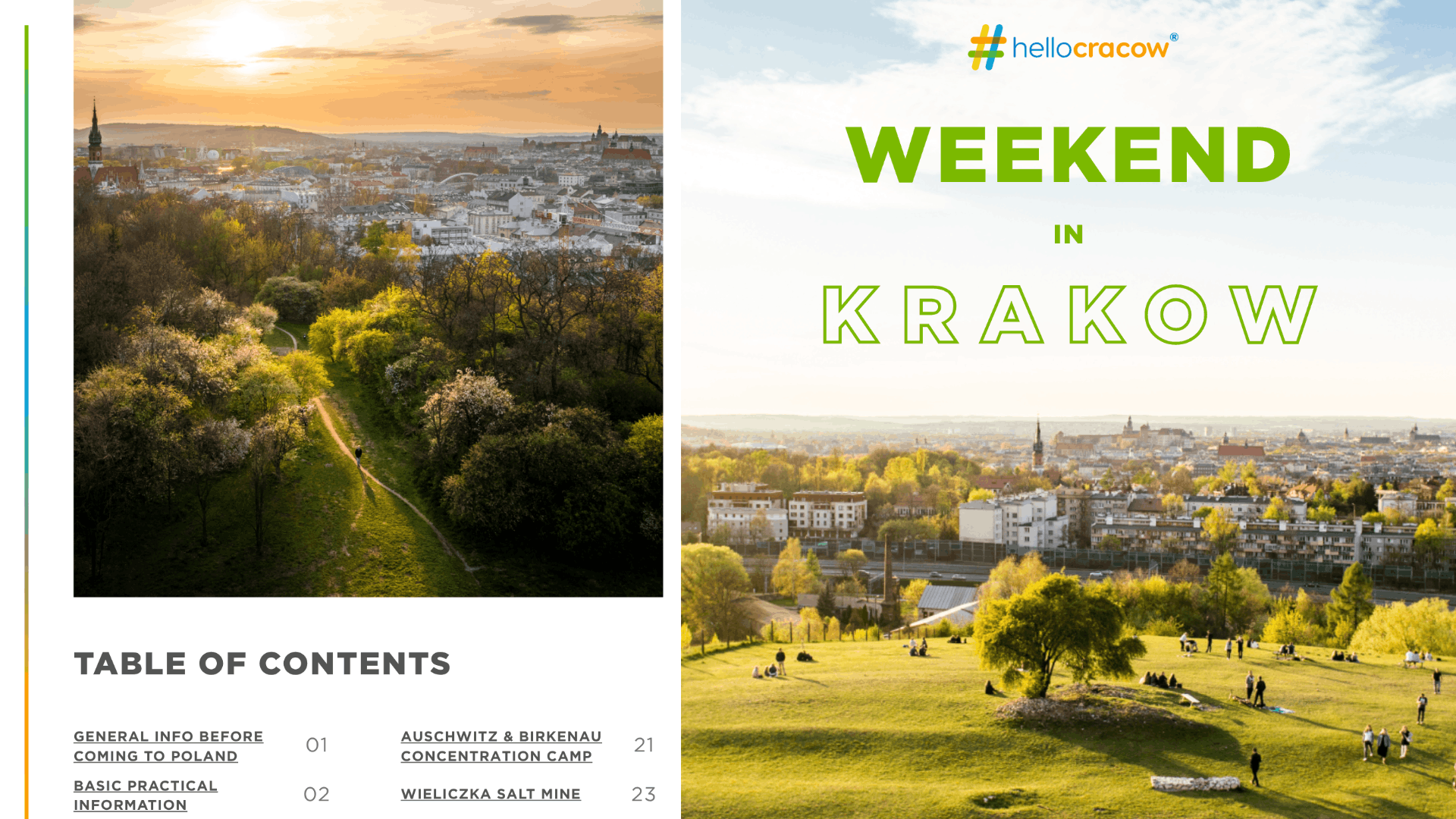
Planning a trip to Krakow is one thing. Knowing how to make the most of your time once you arrive is another. The city centre is easy to explore on foot, but a few local tips can make a big difference — especially when you're visiting during a busy cultural season. We've put our favourite practical advice into a Free Guidebook, designed to help you spend less time worrying about where to eat, how to get around or what to see next, and more time actually enjoying Krakow.
Inside the guide, you'll find:
- Where to eat: Local restaurants, cafés and less obvious places to stop for a meal away from the busiest tourist streets.
- Getting around Krakow: Simple advice on public transport, walking and moving between the city's main neighbourhoods.
- Local customs: A few useful tips on Polish etiquette and everyday habits that can make your visit feel more natural.
- Walking ideas: Suggested routes through the
Old Town, Kazimierz and beyond, so you can explore without constantly checking your phone.
Book the anchors, leave the rest to Krakow
Once the main parts of your Krakow trip are planned, leave some time for spontaneous experiences. The city is best enjoyed when every moment isn’t carefully scheduled. A sudden rain shower might lead you into a cosy café in Kazimierz. An evening walk along the Vistula can become an unexpected highlight. You may also discover a small gallery, quiet courtyard, or local shop along the way.
Krakow often feels different as the day goes on. The Old Town becomes more atmospheric in the evening, while Planty Park grows quieter after the crowds leave. Podgórze can also be better appreciated when explored at your own pace. Use the bookings in this guide to make the essential parts of your trip easier. Leave the remaining time flexible and allow yourself to discover Krakow naturally. After all, the best memories often come from places you never planned to visit.