








MINE DE SEL DE WIELICZKA
EXCURSION GUIDÉE AU DÉPART DE CRACOVIE
AUSCHWITZ ET BIRKENAU
VISITES GUIDÉES AU DÉPART DE CRACOVIE
ZAKOPANE & THERMES
EXCURSION AU DÉPART DE CRACOVIE
QUAD ET BAINS THERMAUX
EXCURSION AU DÉPART DE CRACOVIE
PARCOURIR PAR CATÉGORIE
HelloCracow's Blog
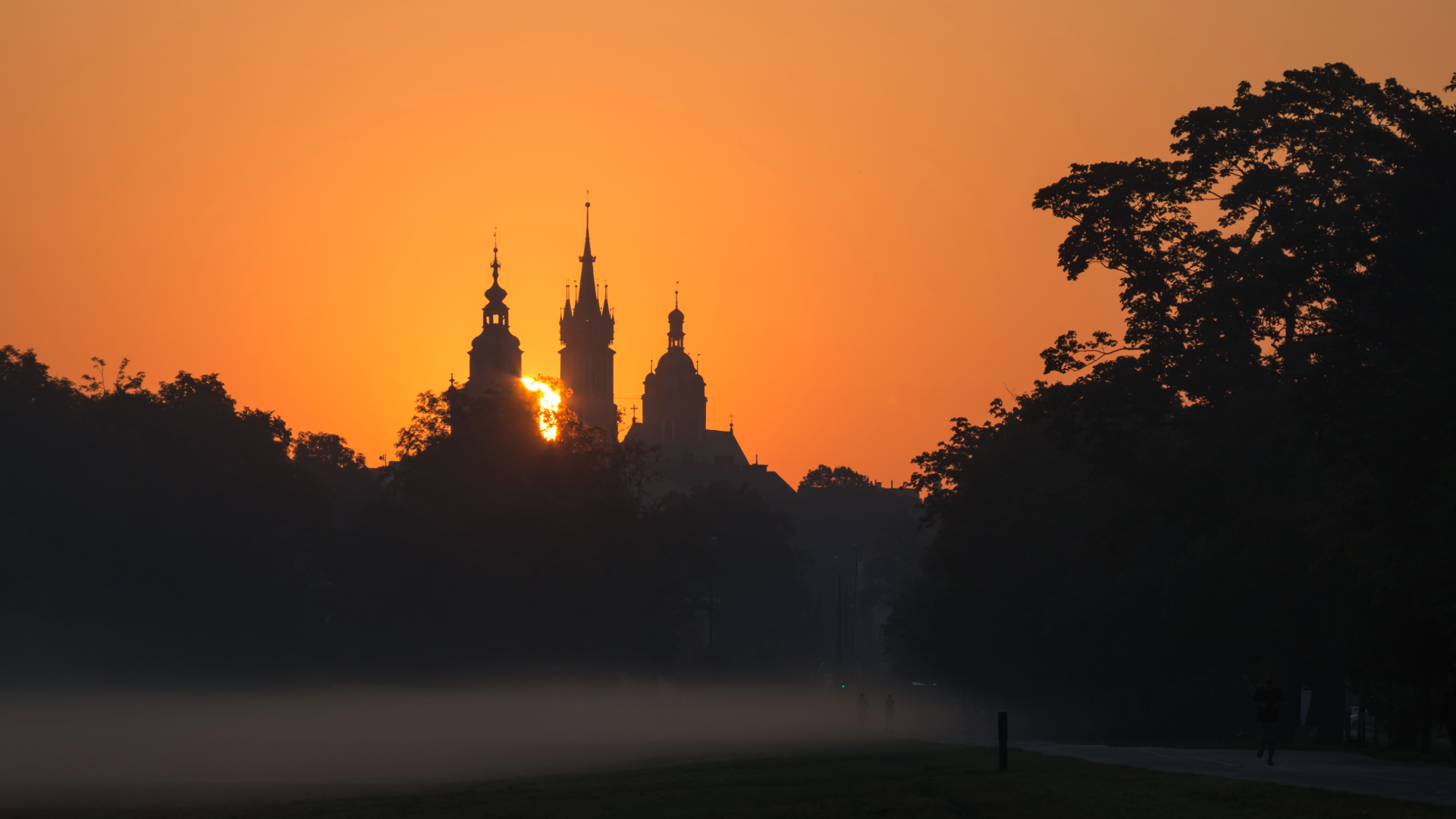
Krakow looks composed in daylight. Church towers rise above tidy rows of townhouses, cafe tables fill the squares and the sound of footsteps disappears into the rhythm of the city. Yet some of its strangest stories are not hidden at all. One hangs on a chain beside a cathedral door. Another is marked by a stone lantern that once warned travellers to keep their distance. Others wait beneath palaces, inside a forest or far below ground, where every sound seems to travel further than it should. This is not a ranking of Krakow’s most haunted attractions, and we are not going to pretend that every old wall conceals a ghost. It is a journey through the darker edge of local folklore: stories people used to explain dangerous places, preserve memories and give a shape to fears they could not always name. Around Halloween, they feel especially close. But most of them have followed Krakow for centuries.
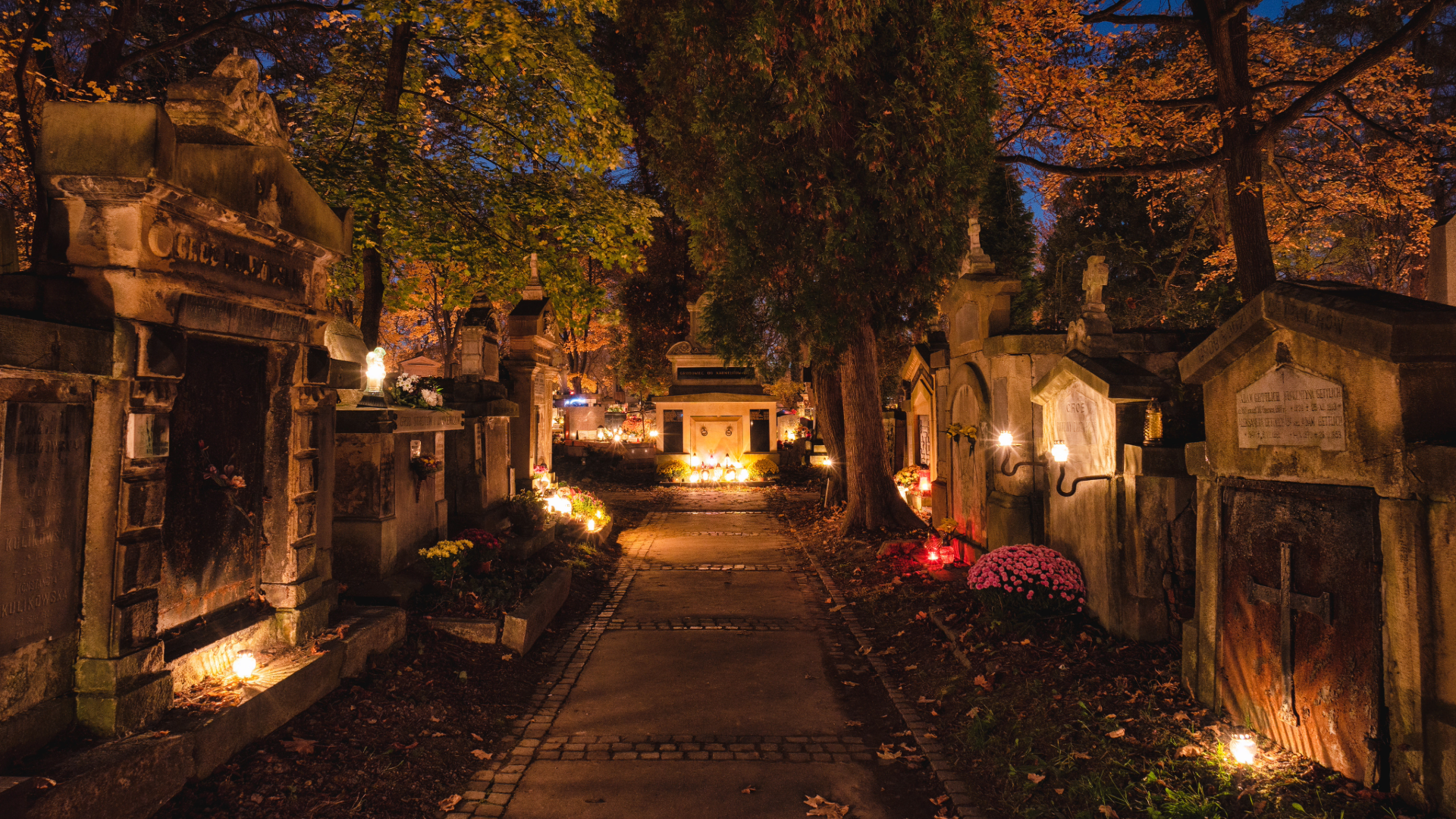
On November 1, Krakow wakes up to flowers. Chrysanthemums appear outside small shops, candle stalls line the streets near cemeteries, and trams carry families holding bags that seem too full for an ordinary Sunday. By evening, thousands of candles turn the city’s cemeteries into fields of light. For visitors, this can be one of the most moving moments to see Krakow. It should also be approached differently from a museum visit or a sightseeing stop. All Saints' Day is a public holiday, a religious observance and, above all, a day when people come to remember relatives and friends. Rakowicki Cemetery is open to visitors, but the right approach is quiet, patient and respectful.
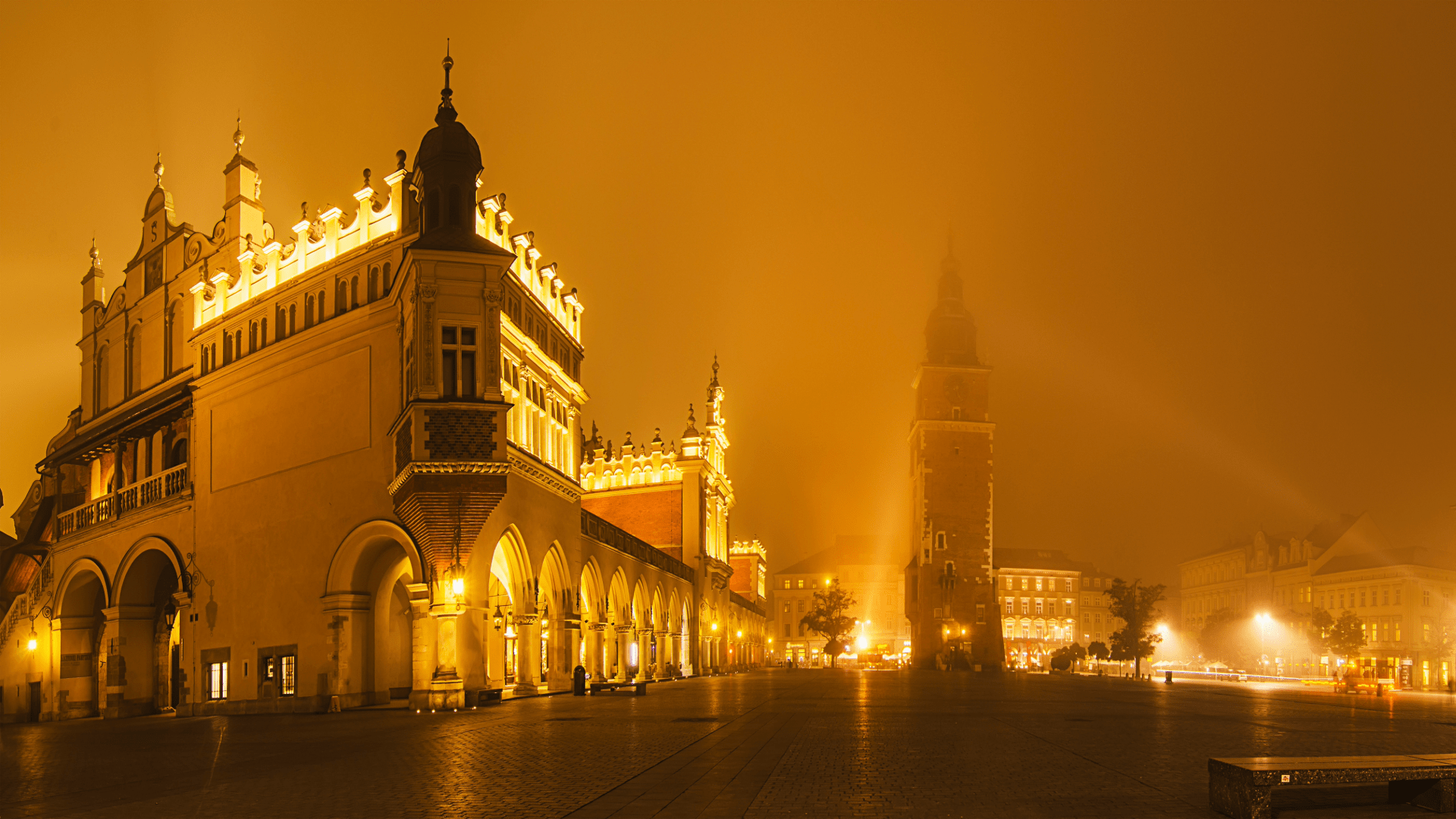
Krakow in November is a city of earlier evenings. At four o'clock, the lamps are already on around Planty Park. The windows of cafes begin to glow, the Vistula is usually wrapped in mist, and a walk that felt straightforward at lunchtime suddenly calls for a warm table somewhere nearby. That can sound like a reason to wait for spring. In practice, it gives a short stay in Krakow a different rhythm. You do not try to spend twelve hours outdoors. You walk while there is light, choose one place worth lingering in, then let the evening belong to music, film, food or a museum that would have been too easy to skip in July.
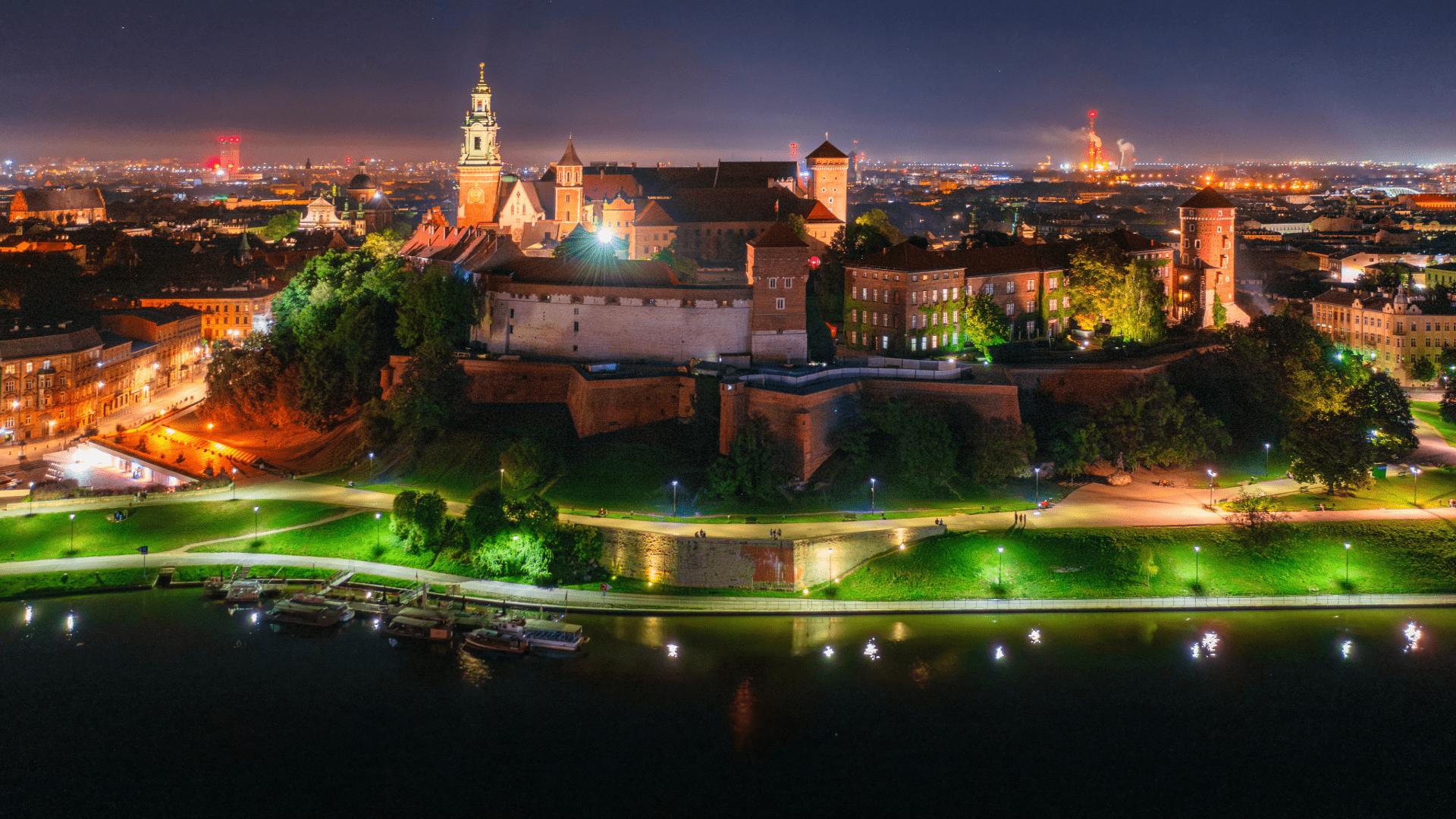
There is a particular kind of Krakow trip that starts badly for a very ordinary reason. You arrive on Friday afternoon, leave your suitcase at the hotel, and open your phone to book Auschwitz for Sunday. The English tours are gone. Schindler's Factory has no tickets until Tuesday. The restaurant you saved on Instagram is fully booked. None of these problems will ruin the weekend, but suddenly the itinerary is being decided by whatever happens to be left. A little planning avoids that without turning a city break into a spreadsheet. Krakow still leaves plenty of room for long walks, unexpected cafes and evenings that continue because you like the neighbourhood. The important thing is knowing which experiences depend on a specific time, guide, language or number of available places. Think of your reservations as the frame around the trip, not the trip itself.