








WIELICZKA SALT MINE
GUIDED TOUR FROM KRAKOW
AUSCHWITZ & BIRKENAU
GUIDED TOURS FROM KRAKOW
ZAKOPANE & THERMAL BATHS
EXCURSION FROM KRAKOW
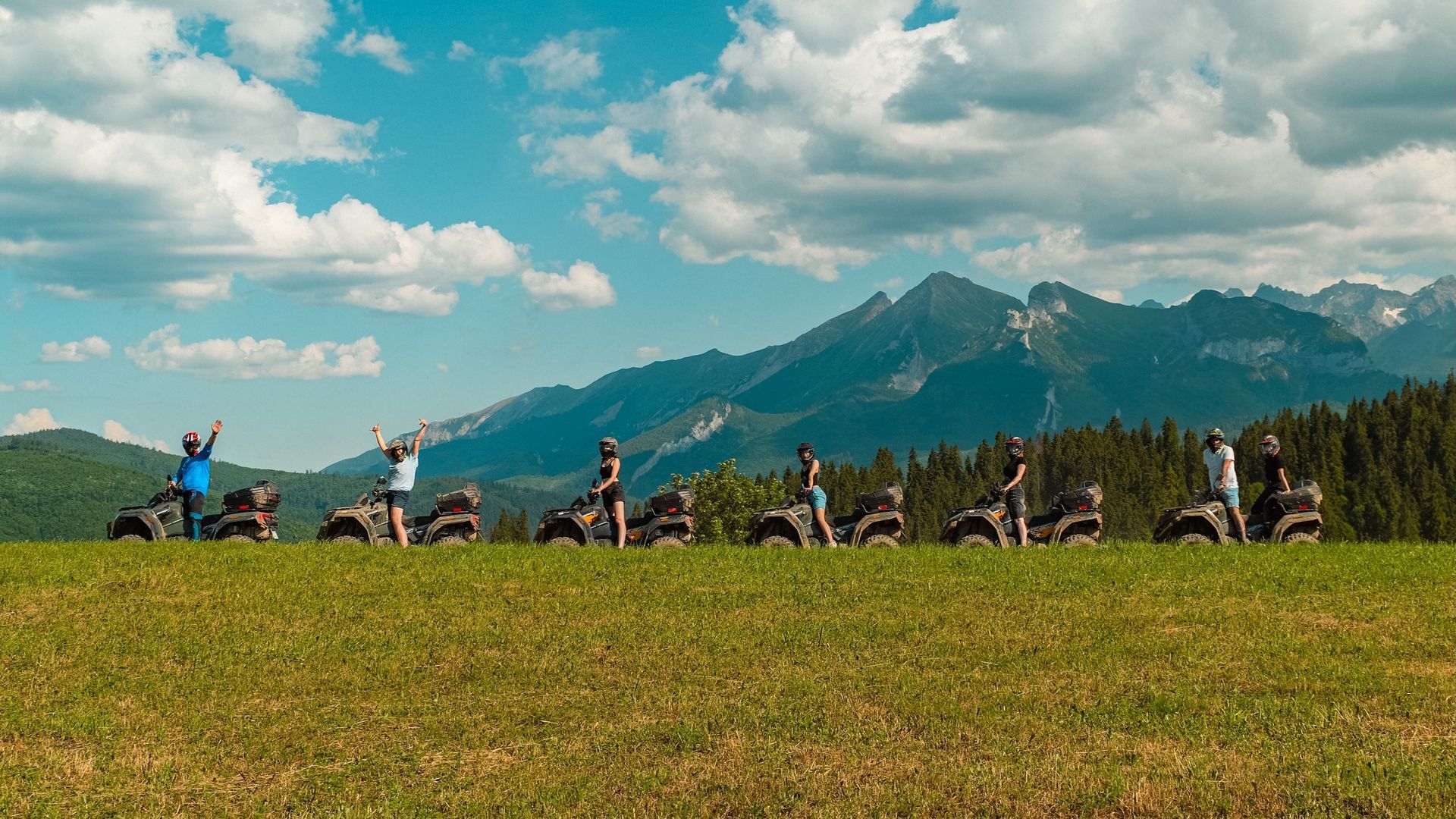
QUAD BIKE & THERMAL BATHS
EXCURSION FROM KRAKOW
BROWSE BY CATEGORY
HelloCracow's Blog
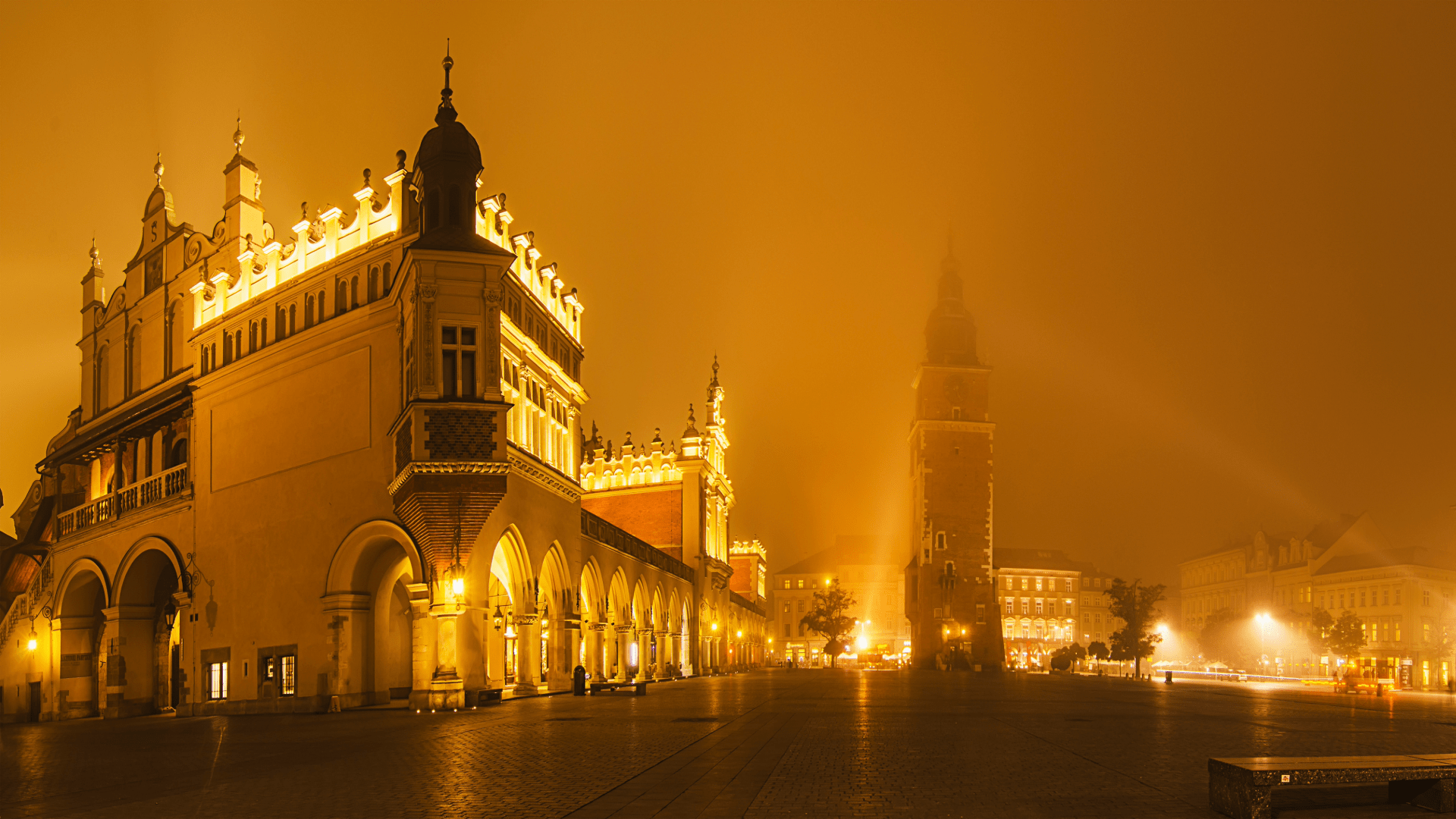
Krakow in November is a city of earlier evenings. At four o'clock, the lamps are already on around Planty Park. The windows of cafes begin to glow, the Vistula is usually wrapped in mist, and a walk that felt straightforward at lunchtime suddenly calls for a warm table somewhere nearby. That can sound like a reason to wait for spring. In practice, it gives a short stay in Krakow a different rhythm. You do not try to spend twelve hours outdoors. You walk while there is light, choose one place worth lingering in, then let the evening belong to music, film, food or a museum that would have been too easy to skip in July.
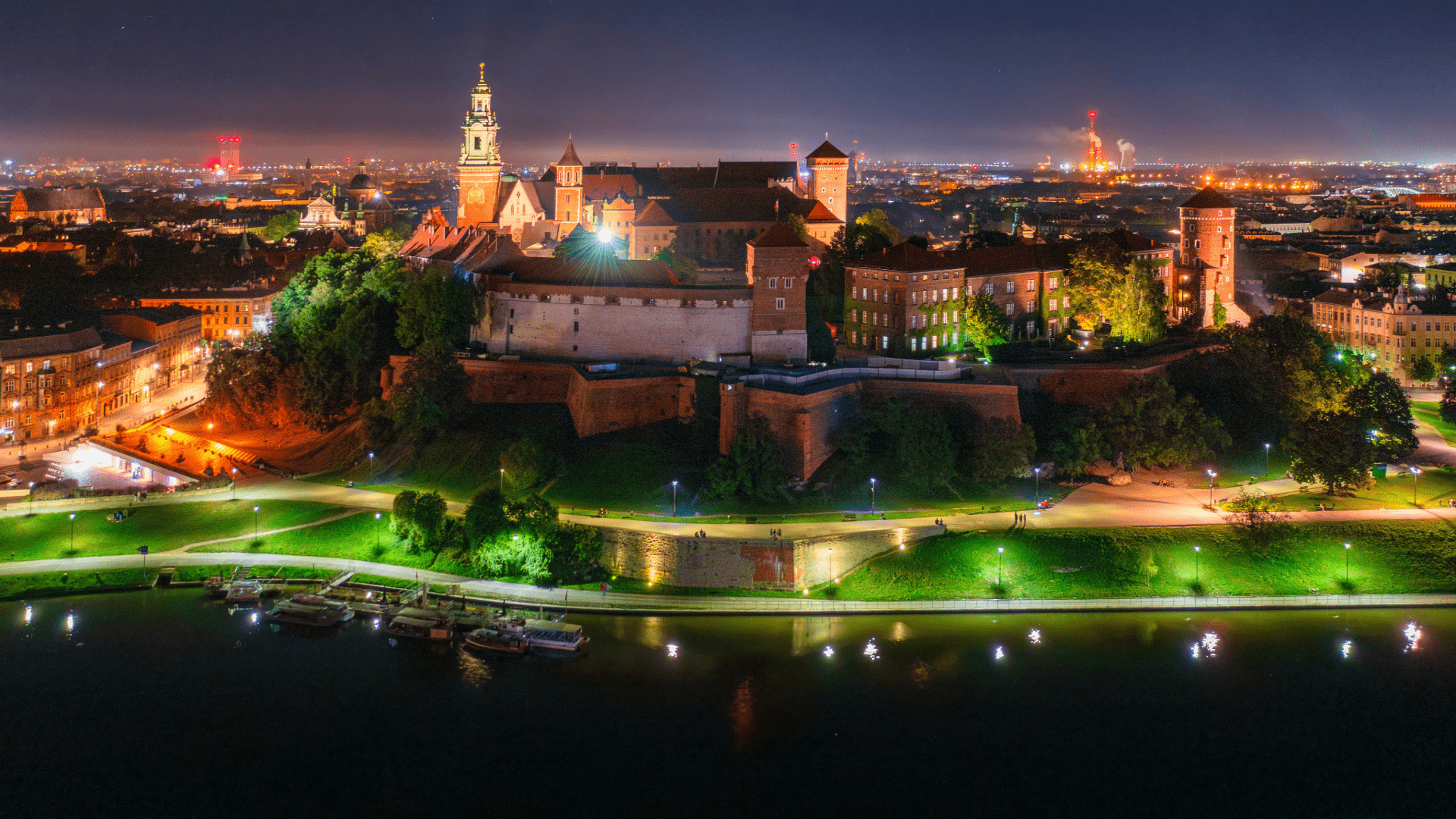
There is a particular kind of Krakow trip that starts badly for a very ordinary reason. You arrive on Friday afternoon, leave your suitcase at the hotel, and open your phone to book Auschwitz for Sunday. The English tours are gone. Schindler's Factory has no tickets until Tuesday. The restaurant you saved on Instagram is fully booked. None of these problems will ruin the weekend, but suddenly the itinerary is being decided by whatever happens to be left. A little planning avoids that without turning a city break into a spreadsheet. Krakow still leaves plenty of room for long walks, unexpected cafes and evenings that continue because you like the neighbourhood. The important thing is knowing which experiences depend on a specific time, guide, language or number of available places. Think of your reservations as the frame around the trip, not the trip itself.
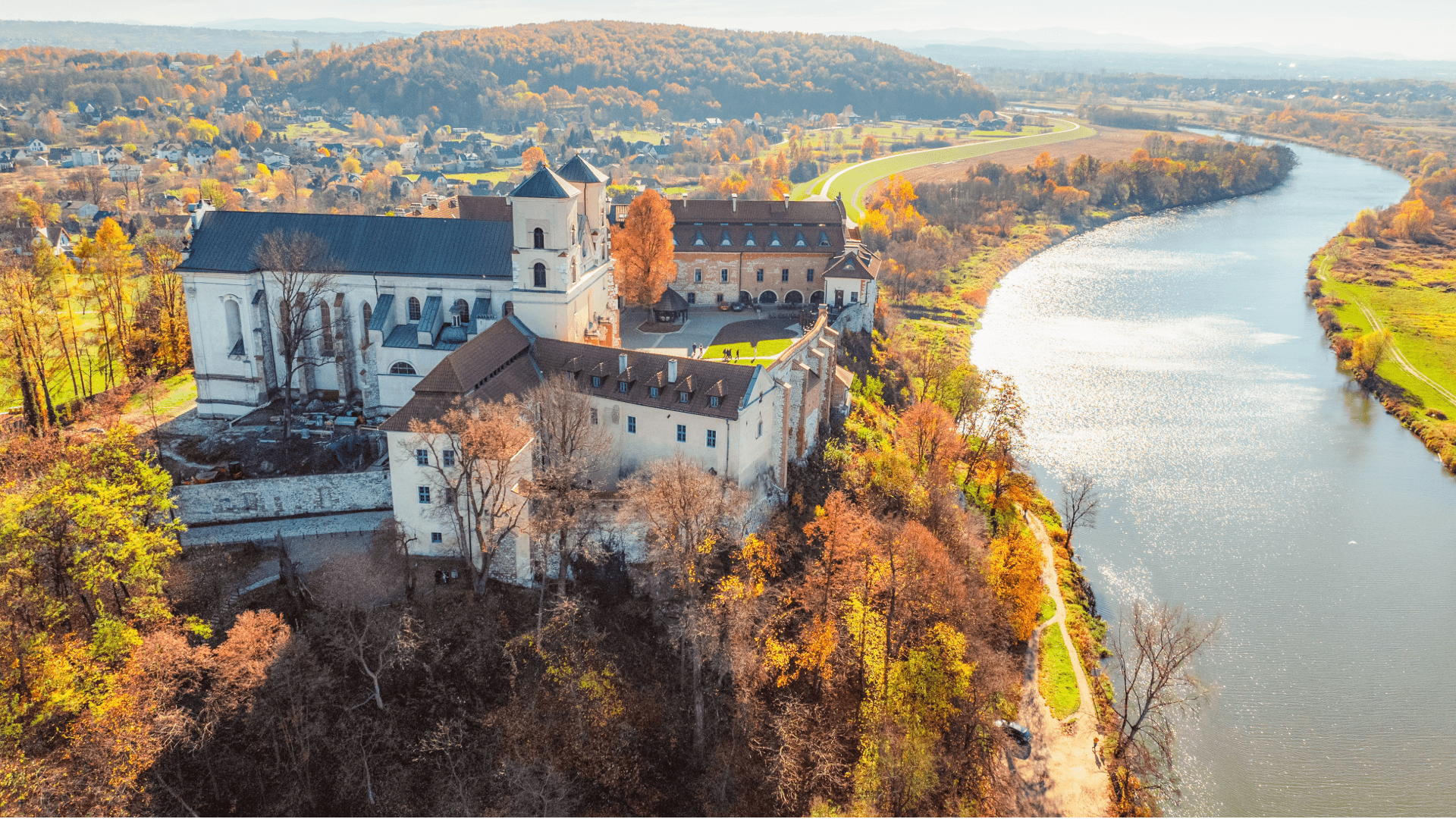
Autumn in Krakow often begins quietly. In September, you can still sit outside with a coffee near Main Market Square, walk through Planty Park in a light jacket and feel almost no urgency to leave the city before sunset. A few weeks later, the same streets look completely different. The chestnut trees drop their leaves, the light becomes softer, and an October morning that begins with clear skies can end with cold rain over Wawel Hill. That change is exactly why Krakow is so rewarding in autumn. The city feels less hurried, cafes become part of the itinerary rather than a quick stop between attractions, and a warm dinner in Kazimierz feels deserved after a day on foot. Packing well means you can enjoy all of it without cutting a walk short because your shoes are wet or your jacket is still back at the hotel. The key is not packing for cold weather alone. It is packing for several versions of the same day.

Arriving in Krakow is usually straightforward, but the first hour can shape the whole trip. A late flight, heavy suitcase or unfamiliar ticket machine can quickly make a simple transfer feel more complicated than it needs to be. The good news is that Krakow is well connected by air and rail, and its main airport sits close enough to the city centre that getting to your hotel is usually fairly simple. For most visitors, the choice comes down to Krakow Airport, the main railway station at Krakow Glowny, or a private transfer booked in advance. Each option works slightly differently, depending on what time you arrive, where you are staying and how much luggage you have. Public transport is often enough, but there are situations when paying for a direct transfer can make the first part of your trip much easier.