



7 Common mistakes tourists make when visiting Krakow (and how to avoid them)
Planning a trip to Krakow? Then there are a few things worth knowing before you arrive. Every year, tourists make the same avoidable mistakes — overpaying at currency exchange points, booking popular attractions too late, or using taxis that charge far more than they should. And while Krakow is generally a very safe, affordable, and tourist-friendly city, knowing a few local tips can make your experience much smoother. The good news is that most of these problems are incredibly easy to avoid once you know what to look out for. In this guide, we’ll share the most common tourist mistakes in Krakow and simple ways to avoid them, so you can spend less time stressing and more time enjoying the city’s cafés, history, nightlife, and unforgettable atmosphere.
1. Waiting too long to book tours
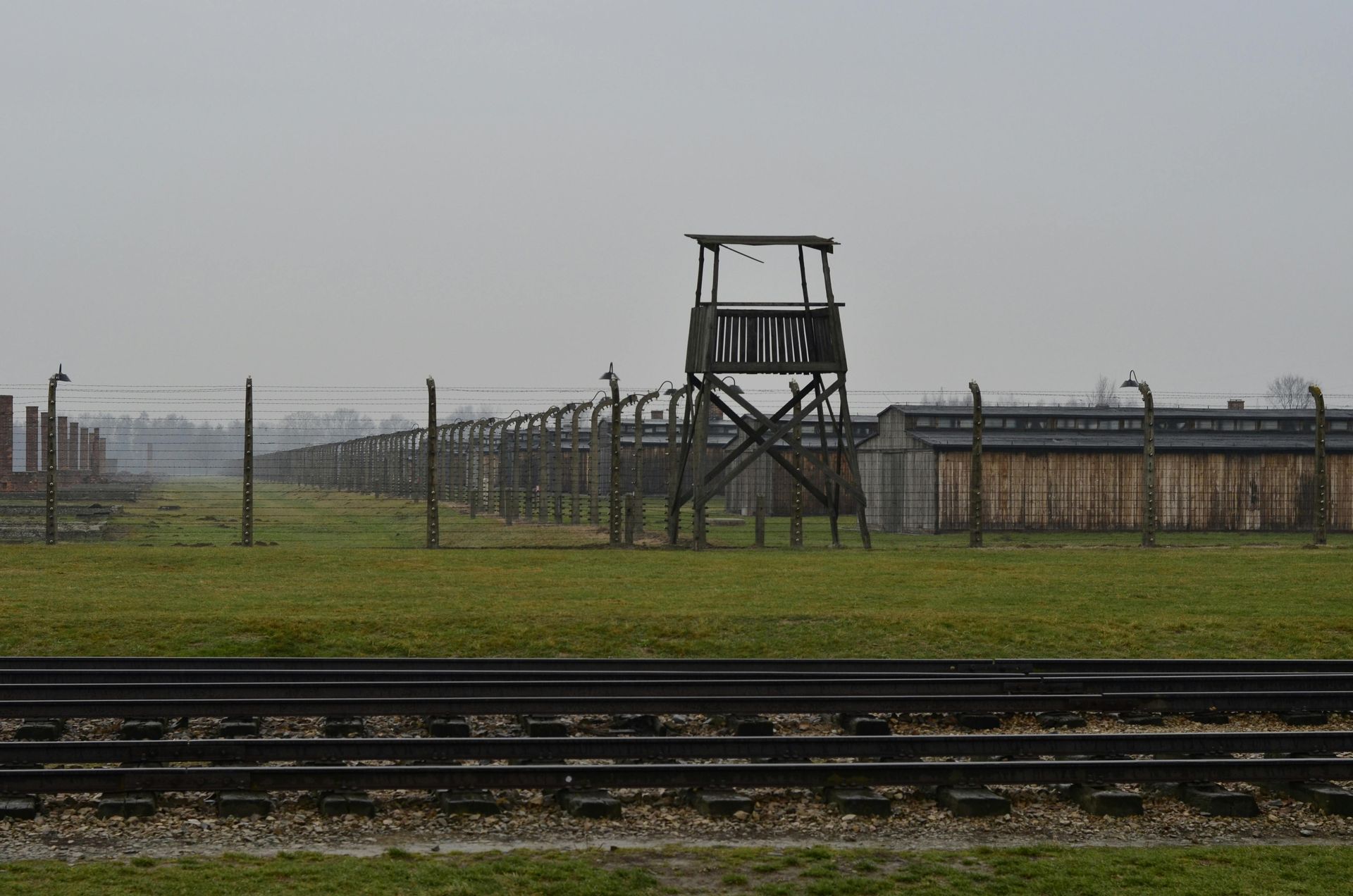
Can you book Auschwitz or Salt Mine tickets after arriving in Krakow?
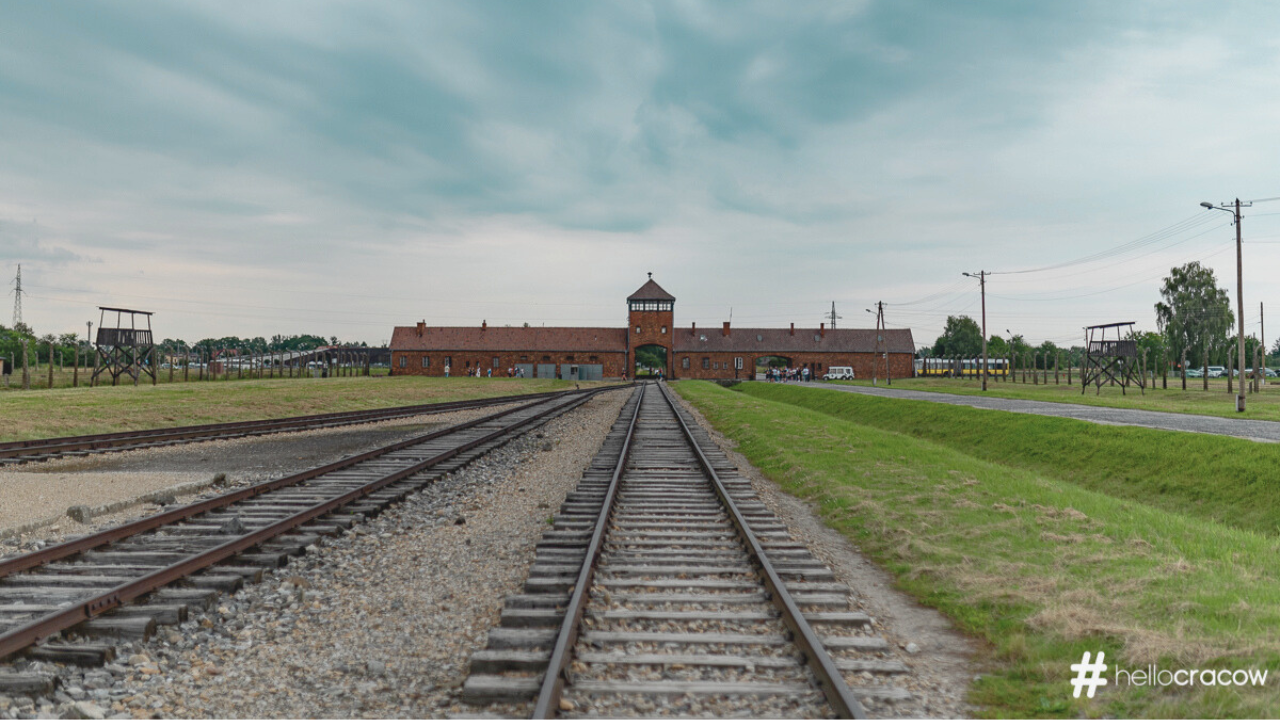
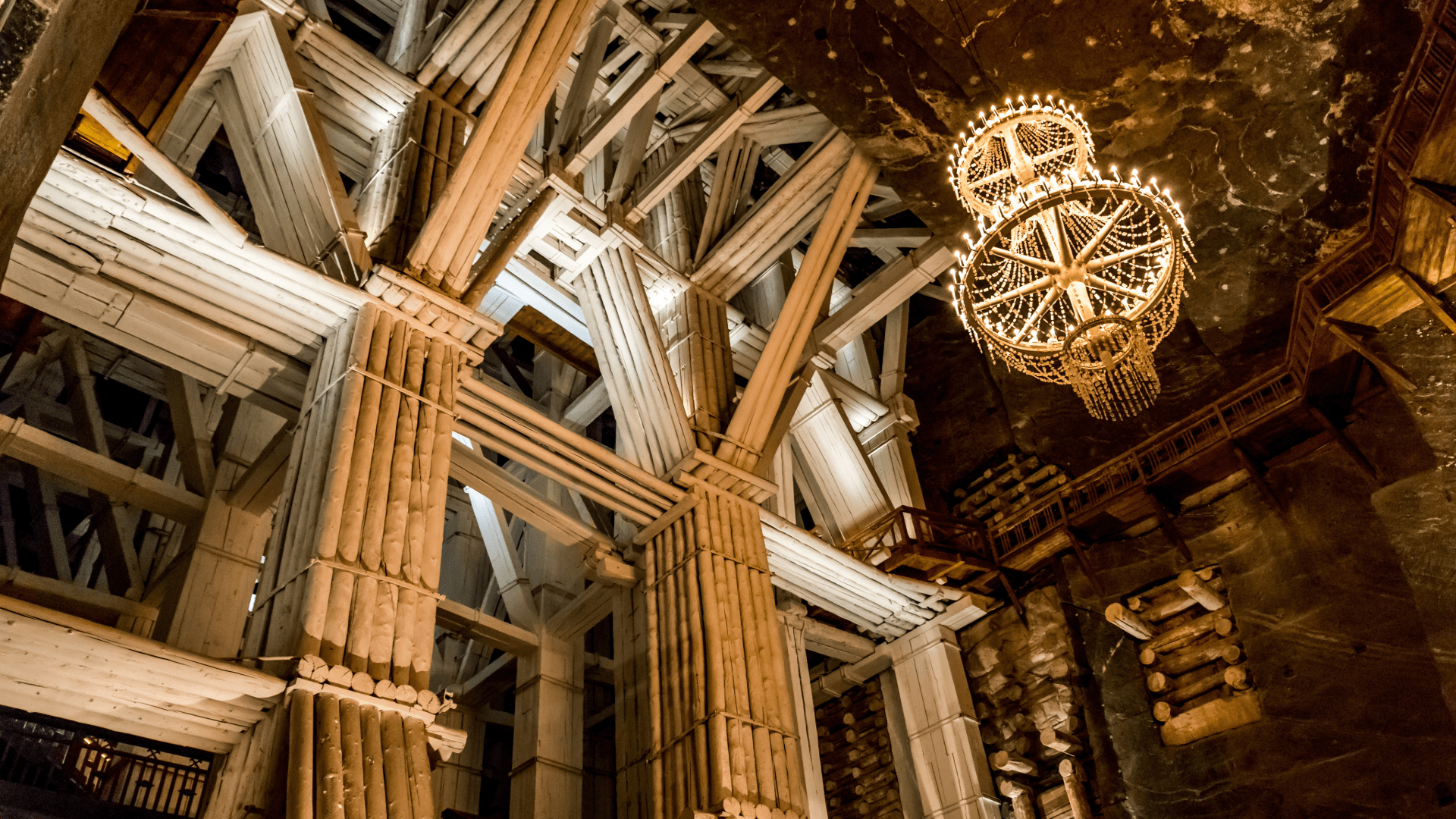
Technically — yes. Realistically, especially during the busy season, it can be very difficult. One of the most common situations we see is travelers arriving in Krakow assuming they’ll organize everything once they get here, only to discover that Auschwitz-Birkenau or the Wieliczka Salt Mine are already fully booked for the next several days.
During spring and summer, tickets for both attractions often sell out weeks in advance due to the huge number of visitors and limited daily entry slots. A lot of people underestimate just how popular these places are. They assume they can simply buy tickets at the entrance, book a last-minute bus, or arrange a tour the night before. Unfortunately, that’s rarely how it works anymore (especially between May and September). Last-minute options usually mean paying much higher prices through resellers or settling for inconvenient departure times.
Getting there on your own can also be more stressful than many tourists expect. Coordinating trains, buses, transfers, and entry times isn’t always straightforward, particularly if you’re unfamiliar with Poland or traveling on a tight schedule. Auschwitz also requires a respectful, well-organized visit, while the Salt Mine involves a long underground route with hundreds of stairs. That’s why we always recommend booking your tours as early as possible once your travel dates are confirmed.
2. Losing money on ATMs and currency exchange
What’s the best way to pay in Krakow?
For most tourists, the easiest way to lose money in Krakow isn’t through expensive restaurants or attractions, but through bad exchange rates. If you spend even a few minutes walking around the Old Town, you’ll notice Euronet ATMs everywhere. They’re easy to spot, usually bright blue and yellow, and placed in the most tourist-heavy areas. While they seem convenient, many travelers end up paying surprisingly high conversion fees without even realizing it.
The biggest mistake happens when the ATM or card terminal asks whether you’d like to pay in your home currency instead of Polish zloty (PLN). It may sound safer to see the amount in dollars or pounds, but in reality, this option usually comes with a much worse exchange rate. The same thing can happen in some currency exchange offices (called "kantors” in Polish) near the Main Square, where attractive rates displayed outside don’t always reflect what you actually receive. The good news is that Krakow is one of the most card-friendly cities in Europe. In most places, paying by card or phone is completely normal.
Local tips that can save you money
- Always choose PLN when paying by card or withdrawing cash. Your own bank will usually give you a far better exchange rate.
- Avoid tourist-area ATMs whenever possible, especially Euronet machines in the city center.
- Use bank-operated ATMs instead, such as those from PKO Bank Polski, Bank Pekao, or ING Bank Slaski.
- Pay contactless whenever you can; it’s fast, safe, and widely accepted across Krakow.
If you’re exploring the city, you’ll quickly notice that locals rarely carry much cash anymore. In most situations, your card or phone is all you really need.
3. Sundays and museum timetables in Krakow
Are shops and museums open every day in Krakow?
One of the biggest surprises for visitors in Poland is how different the weekly rhythm feels compared to places like the UK or the USA. You might plan a relaxed Sunday of shopping, only to discover that most large stores and shopping malls(including places like Galeria Krakowska) are closed due to Poland’s Sunday trading restrictions.
It catches a lot of people off guard because it’s simply not something they’re used to. While cafés, restaurants, and parks remain open and busy, most supermarkets and retail chains shut their doors completely on Sundays. Museums can be just as tricky, but in a different way. Krakow’s cultural institutions often run on very specific schedules. Some are closed one day a week (often Mondays or Tuesdays), while others offer free entry on certain days. That might sound like a great deal, but in practice it usually means long queues and crowded exhibitions, especially at popular places like the Rynek Underground or Schindler’s Factory. Without a bit of planning, it’s easy to lose half a day just because the place you wanted to visit isn’t open.
A few simple rules to plan better
- Do shopping on Saturday, that’s your safest bet for supermarkets, pharmacies, and malls.
- Use Sundays for experiences; cafés, restaurants, walks, and guided tours work perfectly on that day.
4. Only seeing the surface of Krakow
Is the Main Market Square all there is to Krakow?
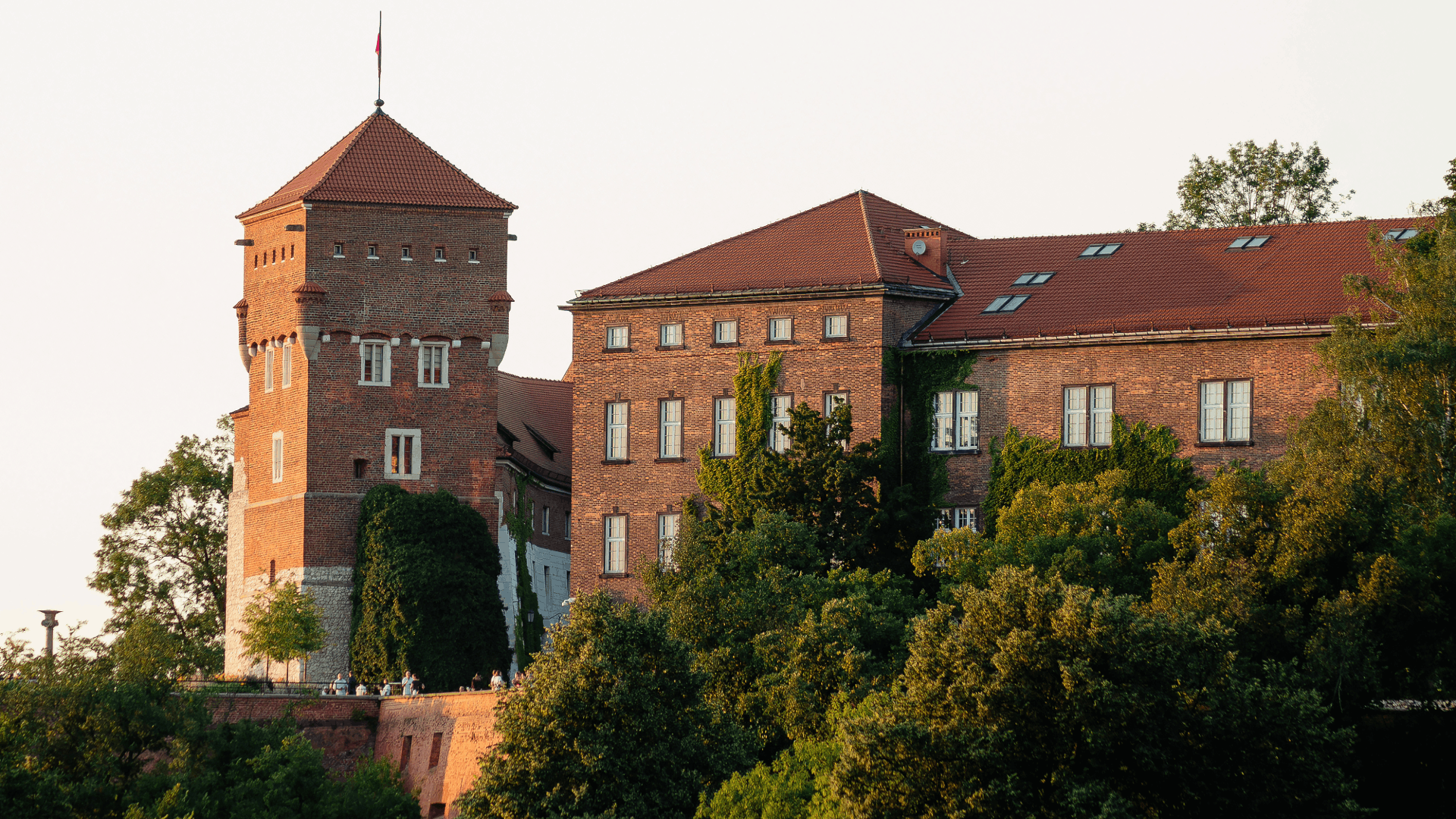
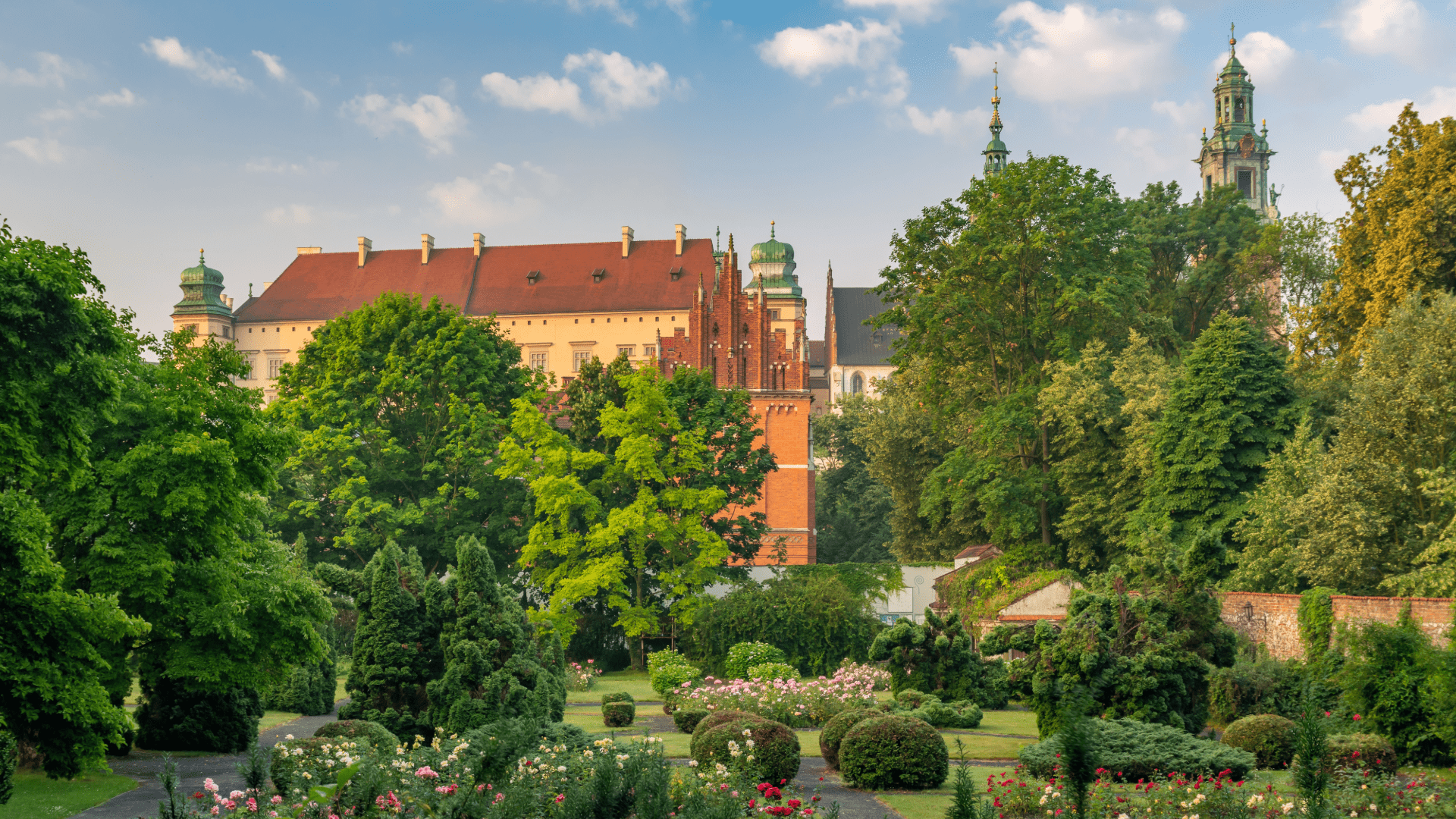
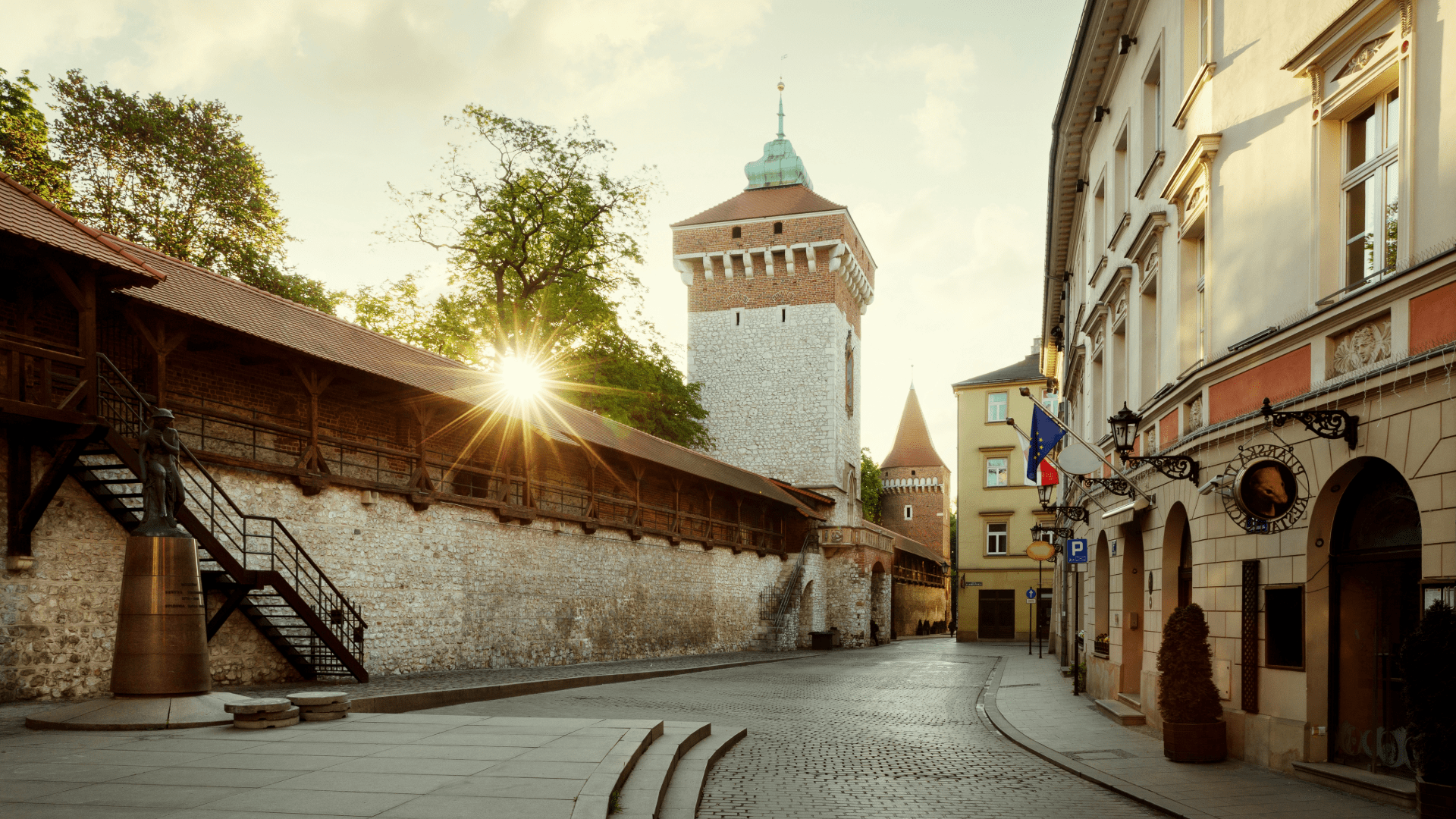
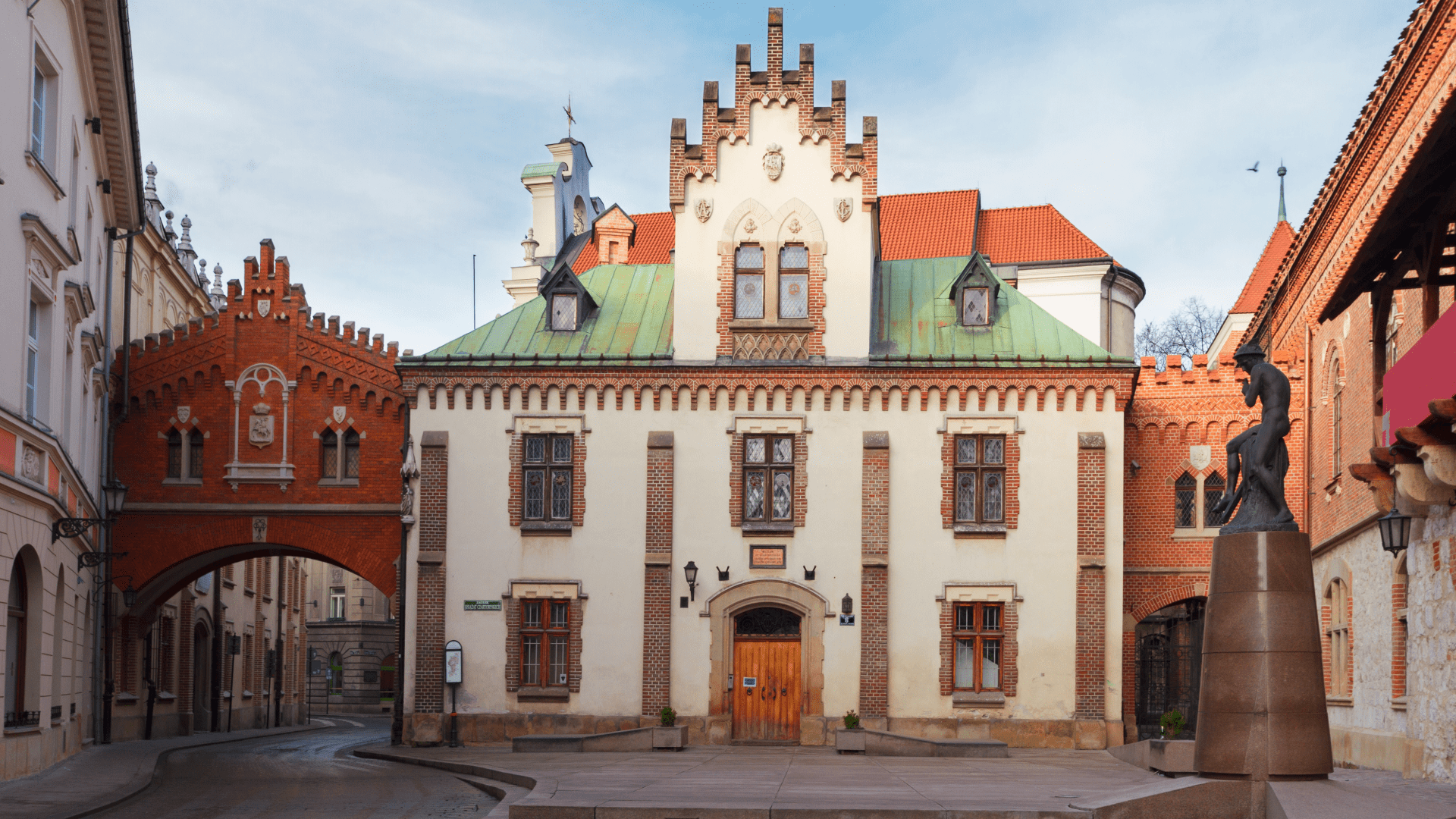
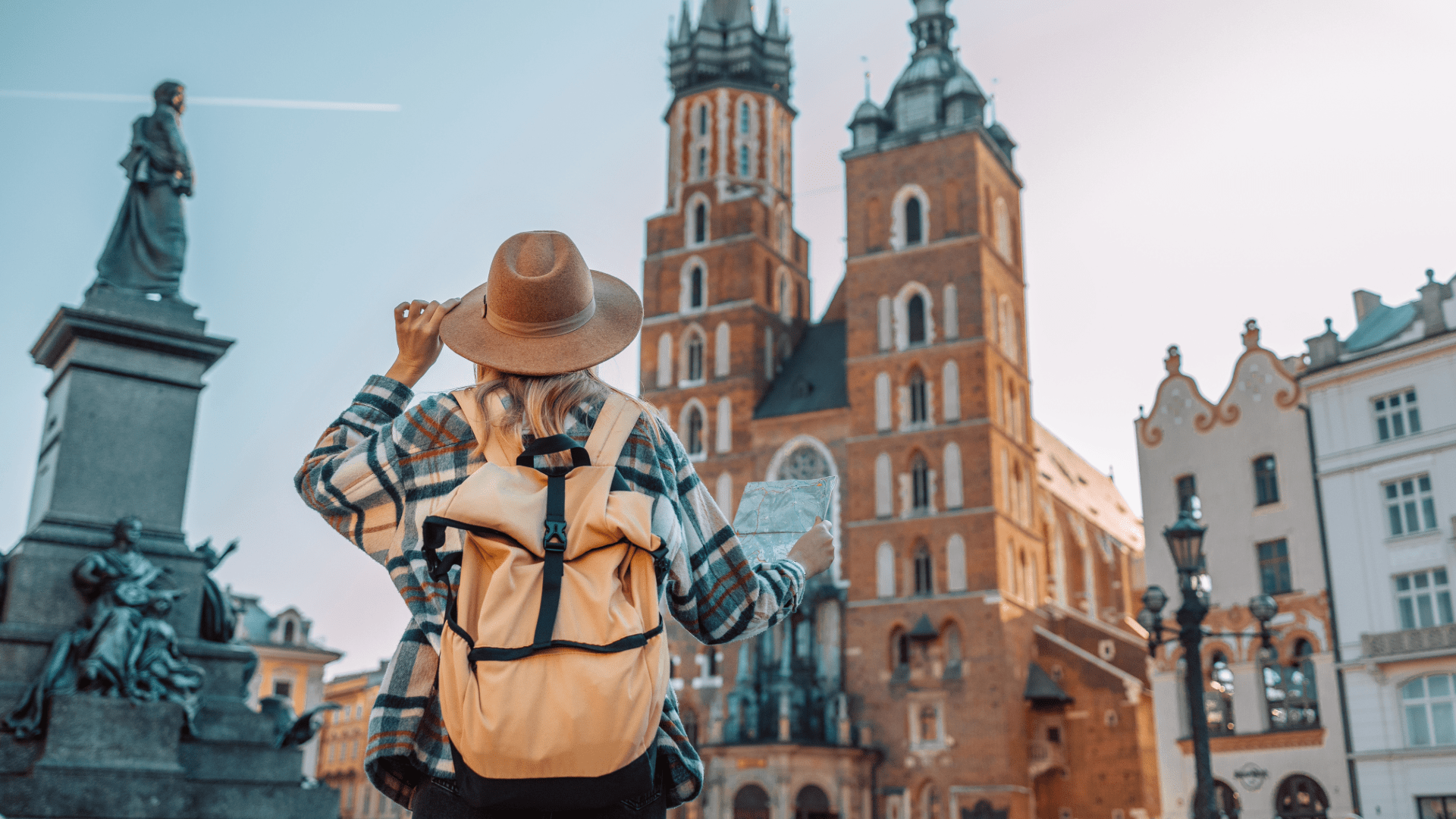
It’s completely understandable why so many visitors feel like Krakow is the Main Market Square. Rynek Glowny is stunning: the Cloth Hall, St. Mary’s Basilica, street musicians, cafés, and that constant buzz of life make it feel like the whole city revolves around it. The Royal Route leading up to Wawel Castle only reinforces that impression. But one of the most common travel mistakes is stopping there. If you stay only within the Old Town, you’re essentially experiencing Krakow as a beautifully preserved postcard. It’s impressive, but it doesn’t show the full picture. The area is heavily oriented toward tourism, and while there are still good places to eat and explore, many spots are designed for volume rather than authenticity. The real character of Krakow starts to appear once you step just beyond that central loop.
A short walk will take you to Kazimierz, which today feels like the creative heart of the city. It’s a mix of old courtyards, independent cafés, street art, and lively squares like Plac Nowy, where you’ll find some of the best casual street food in town. It has a very different rhythm from the Main Square: less polished, more local, more lived-in.
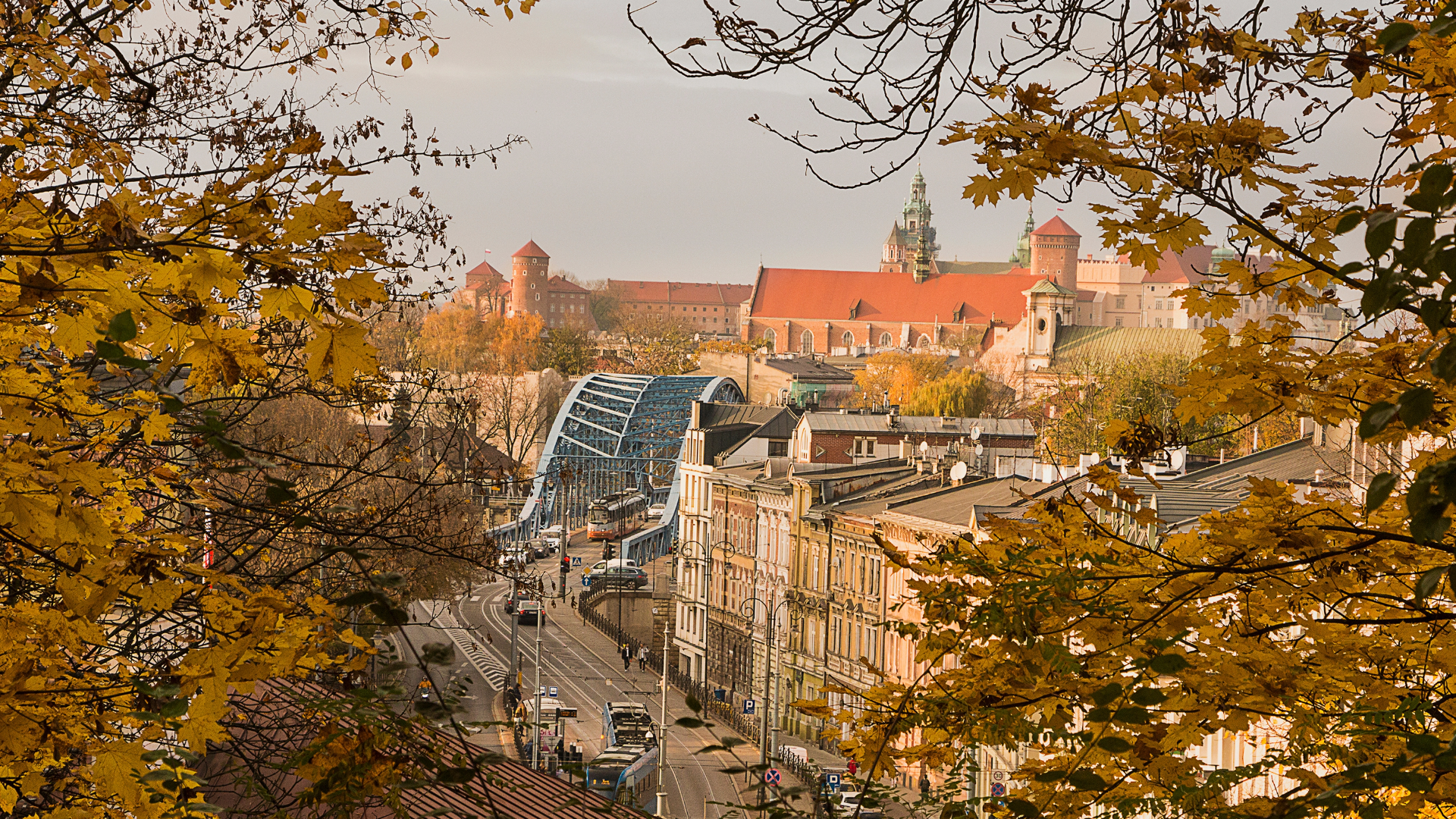
Cross the river a bit further, and you reach Podgórze, an area shaped by a much heavier history, including the wartime ghetto and sites connected to Schindler’s Factory. Today it’s quieter, greener, and more residential, offering a completely different perspective on the city’s past and present.
A few simple ways to see the “real” Krakow
- Go beyond the Old Town early; even one afternoon in Kazimierz changes how you see the city.
- Walk across the river; the Father Bernatek Footbridge is a great route into Podgórze, especially around sunset.
- Don’t stay in one zone; Krakow is compact, and each district feels like a different city.
If you’re looking for even more hidden gems around Krakow, you’ll find them on the interactive map included in our free guidebook. It’s packed with lesser-known spots, local favourites, and off-the-beaten-path places that most tourists never discover.
5. Unofficial taxis and overpriced apps
How do you get from Krakow Airport to the city center?
Transport in a new city is usually straightforward - until it isn’t. In Krakow, two very common mistakes can easily lead to paying far more than necessary right from the start of your trip.
The first is what we call
“wild taxis”. Right outside the airport, train station, or near major landmarks like Wawel Castle, you may notice cars that look like taxis but don’t have clear company branding or official pricing. Some of them operate legally, but others target tourists who are unsure of local rates. Unfortunately, there are cases where short rides that should cost around 25 PLN end up being charged at several times that amount.
The second mistake happens even before you arrive in the city. Many travelers use global travel platforms to book the short airport train from Balice, assuming it’s the most convenient option. While those apps are fine for long-distance travel, they often add extra fees or convert prices into euros, making a simple journey more expensive than it needs to be. In reality, the airport train is frequent, affordable, and easy to use, with clear signage and multilingual ticket machines directly at the station.
A few simple rules to avoid overpaying
- Use ride apps for city transport, Uber, Bolt, or FreeNow, which give you a fixed price before the ride starts.
- Buy airport train tickets locally; ticket machines and onboard payments are simple, fast, and always priced at the official rate.
6. The “public pub” mistake
Can you drink alcohol in public parks in Poland?
One thing that often surprises visitors in Krakow is how strictly alcohol regulations are enforced in public spaces. While the city may feel relaxed, the rules themselves are quite clear. In Poland, drinking alcohol in public places is prohibited by law. This includes streets, squares, parks, and riverbanks. Even if the setting looks informal or others appear relaxed, consuming alcohol outside designated private or licensed areas can result in a fine if noticed by city guards or police.
There is also a form of alcohol sale restriction at certain times, including limits on night-time sales. This can come as a surprise for visitors used to 24/7 availability in shops and gas stations elsewhere in Europe.
What to keep in mind
- Public consumption is not allowed; parks, streets, and riverbanks are not designated drinking areas.
- Rules are enforced, and city guards do issue fines for violations, even in low-key situations.
- Alcohol sales can be restricted; purchases may not be possible due to local regulations.
7. Souvenirs, “Oscypek”, and tourist traps
Where can you find authentic Polish souvenirs in Krakow?
Buying souvenirs in Krakow can be surprisingly tricky. At first glance, the Main Market Square looks like the perfect place to pick up something traditional — wooden crafts, amber jewelry, regional food products, all neatly displayed in the stalls around the Cloth Hall. But not everything you see there is as authentic as it appears.
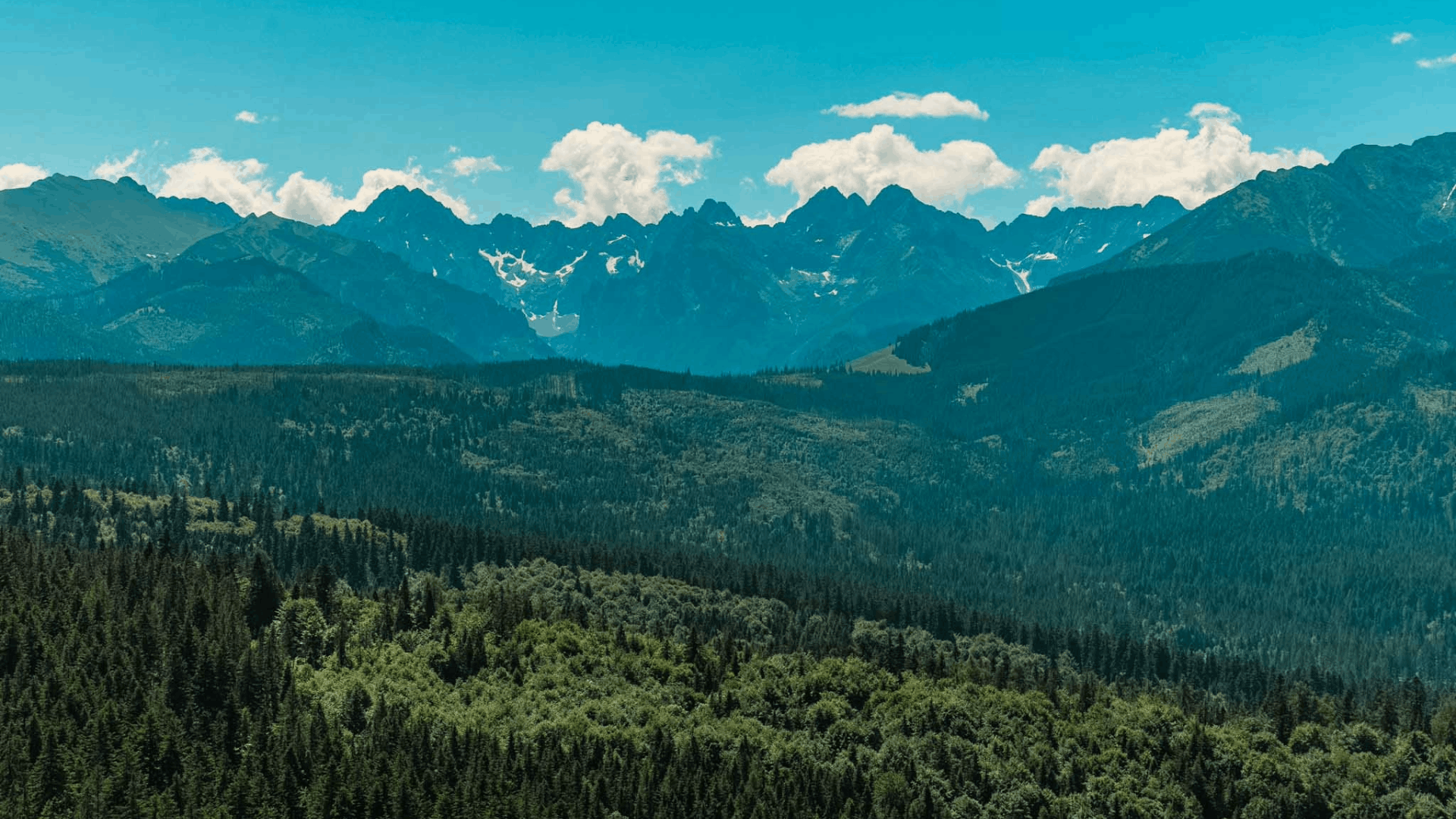
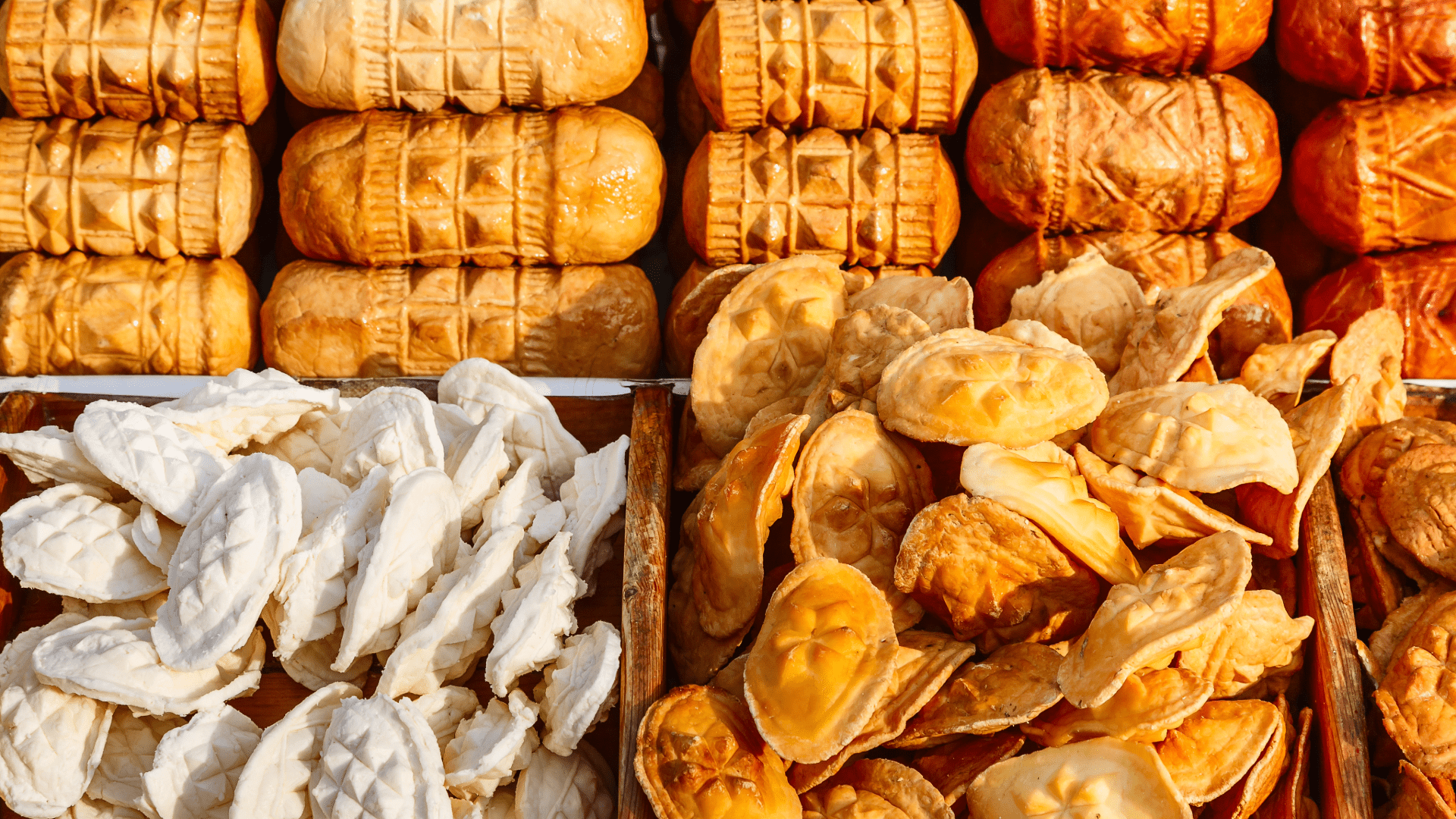
A common example is the grilled smoked cheese often sold in the city center, usually with cranberry jam. Many visitors assume it is the famous Oscypek, a traditional highlander cheese from the Tatra Mountains. In reality, true Oscypek is a seasonal product made from sheep’s milk and produced under strict regional rules, typically in the mountainous south of Poland. What you often find in tourist-heavy areas is a similar-style cheese made on a larger scale, not always reflecting the traditional method or origin. The same applies to many souvenirs sold in the busiest parts of the Old Town. Items like wooden figures, “traditional” magnets, or amber jewelry are often mass-produced imports that don’t necessarily support local artisans or reflect Polish craftsmanship.
How to avoid common souvenir mistakes
- Look for certified regional products, especially when it comes to food like Oscypek.
- Be cautious in the Main Square; it’s convenient, but not always the most authentic source.
- Explore side streets and smaller shops, because that’s where you’re more likely to find handmade goods and local workshops.
- Try simple local foods, like obwarzanek krakowski, a traditional ring-shaped bread sold from street carts across the city.
The "Krakow Pro" cheat sheet
To save you time and help you plan your perfect trip, we’ve distilled the most important advice into this quick-reference table.
| The common mistake | The local solution |
|---|---|
| Last-minute tour planning | Book Auschwitz & Salt Mine ahead. |
| Using Euronet ATMs | Use traditional bank ATMs and always choose to "Pay in PLN". |
| Sunday shopping spree | Malls are closed; plan your shopping for Saturday instead. |
| Staying only in the Old Town | Head to Kazimierz and Podgorze for an authentic vibe. |
| Hiring "wild" taxis | Use Uber, Bolt, or FreeNow for fixed, fair pricing. |
| Drinking on the Planty | Keep the drinks for the pub gardens or river barges. |
| Buying "tourist" cheese | Look for the Obwarzanek carts for a real local snack. |
Ready to experience Krakow without the stress?
Krakow is the kind of city that really opens up when you go beyond the obvious sights. If you’re aware of a few common pitfalls before you arrive, you’ll not only avoid unnecessary costs and stress, but also get much more out of your time here. At Hello Cracow, our goal is simple: to help you experience the city in a smooth, meaningful way, without the typical travel confusion. From complex visits like Auschwitz-Birkenau to quiet corners of Kazimierz, we focus on making Krakow easier to understand and easier to enjoy.
Don’t leave your Krakow memories to chance. Explore our top-rated guided tours and secure your spot today!