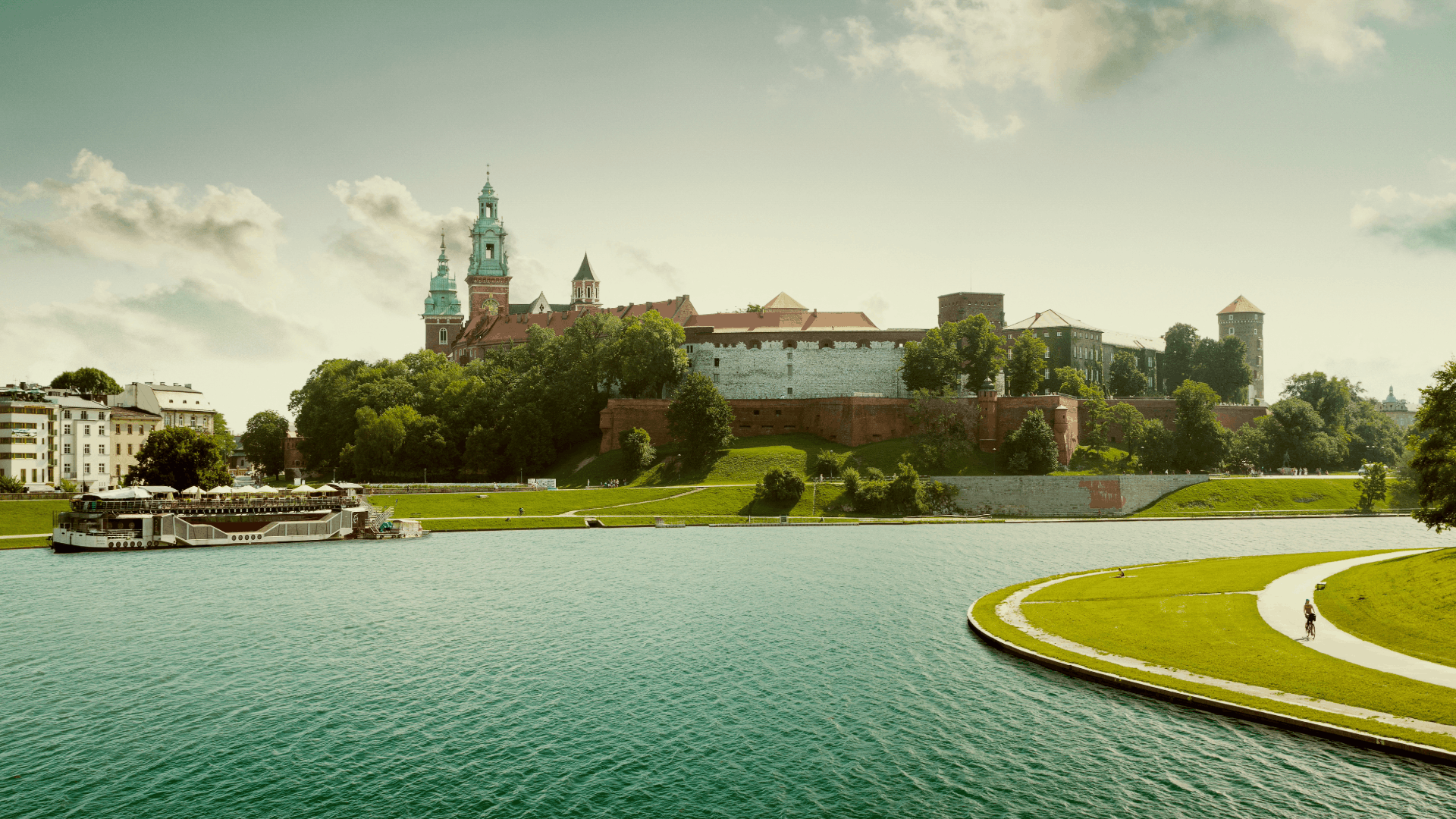




48 Hours in Krakow: The Ultimate First-Timer’s Itinerary
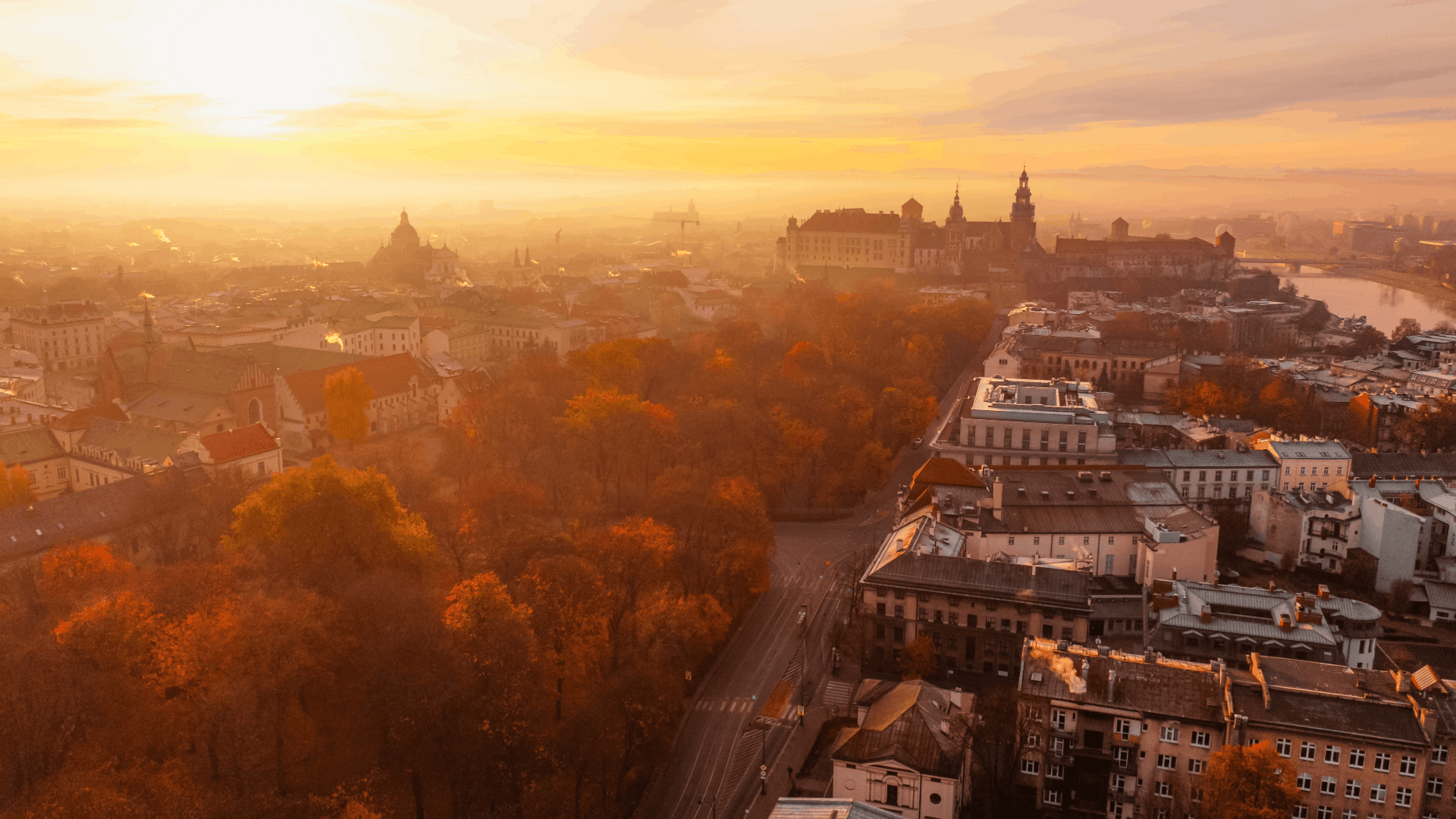
Walking through Krakow feels like stepping into a story that is still being written. The 700-year-old stone walls of the Cloth Hall house modern craftsmen, and underground cellars once used by kings now host some of the most vibrant jazz clubs in Europe. There is a unique rhythm to this city, especially when the trumpet signal echoes from St. Mary’s Basilica over the morning crowd. Forty-eight hours gives you the perfect window to experience this blend of grand heritage and modern energy, where even a short walk reveals layers of history tucked away in hidden courtyards.
Krakow remains a favorite for travelers because it feels remarkably genuine. While many historic centers across Europe can feel disconnected from daily life, Krakow’s heart belongs to its residents. This creates an atmosphere where medieval architecture serves as a backdrop for a thriving social scene. The city offers the royal elegance of Vienna and the moody, gothic charm of Prague, yet it maintains an artistic soul that is uniquely its own (we've discussed it more in
this article). Even as we move into 2026, Krakow stands out as one of the most budget-friendly destinations in Europe. You can enjoy world-class dining in historic settings for the price of a simple meal in London or Paris. To help you plan, we’ve even put together a real-world budget breakdown for 2026
here.
Day 1: Royal Roots and Medieval Magic
09:00 – How to experience the Main Market Square like a local?
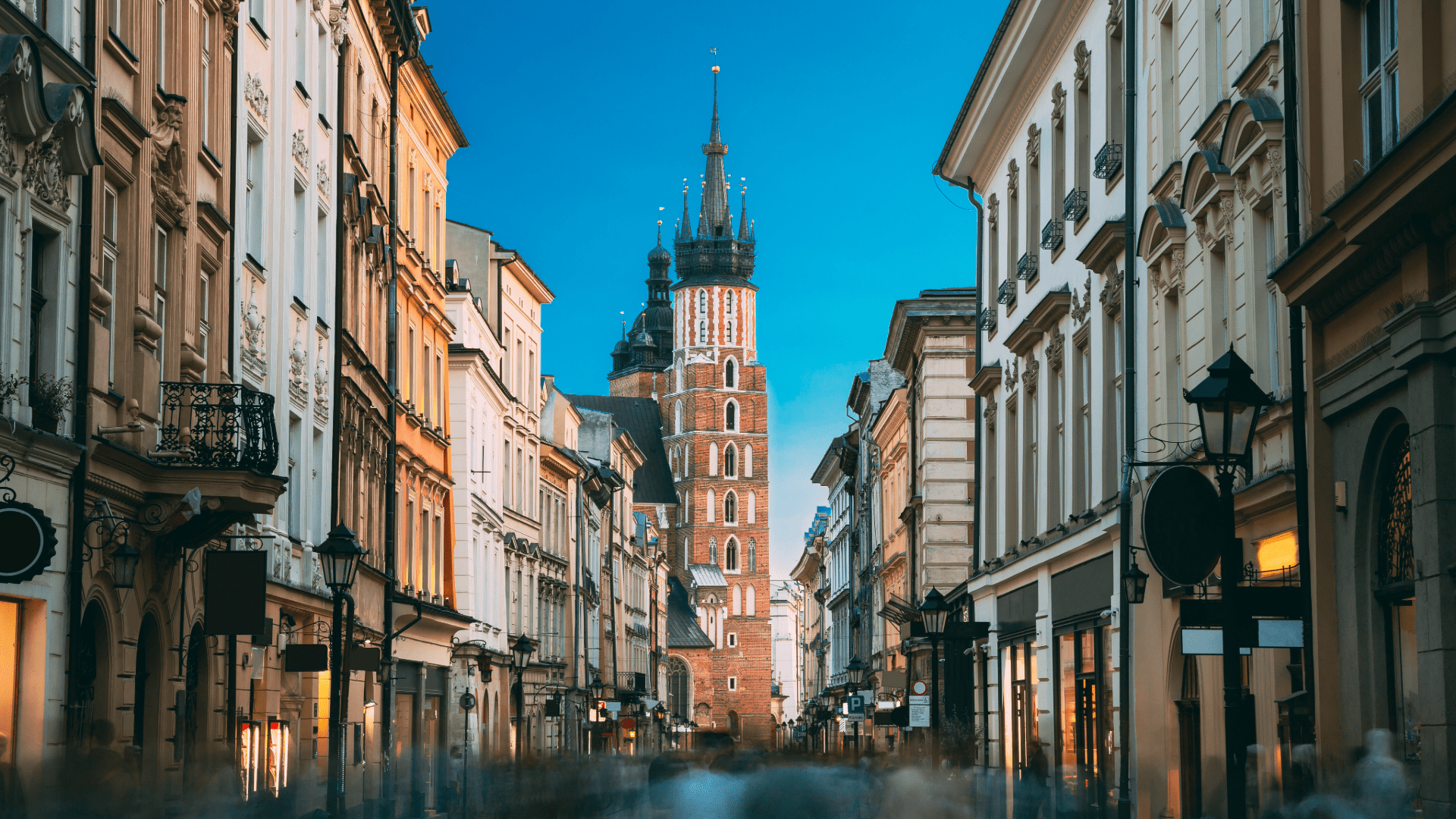
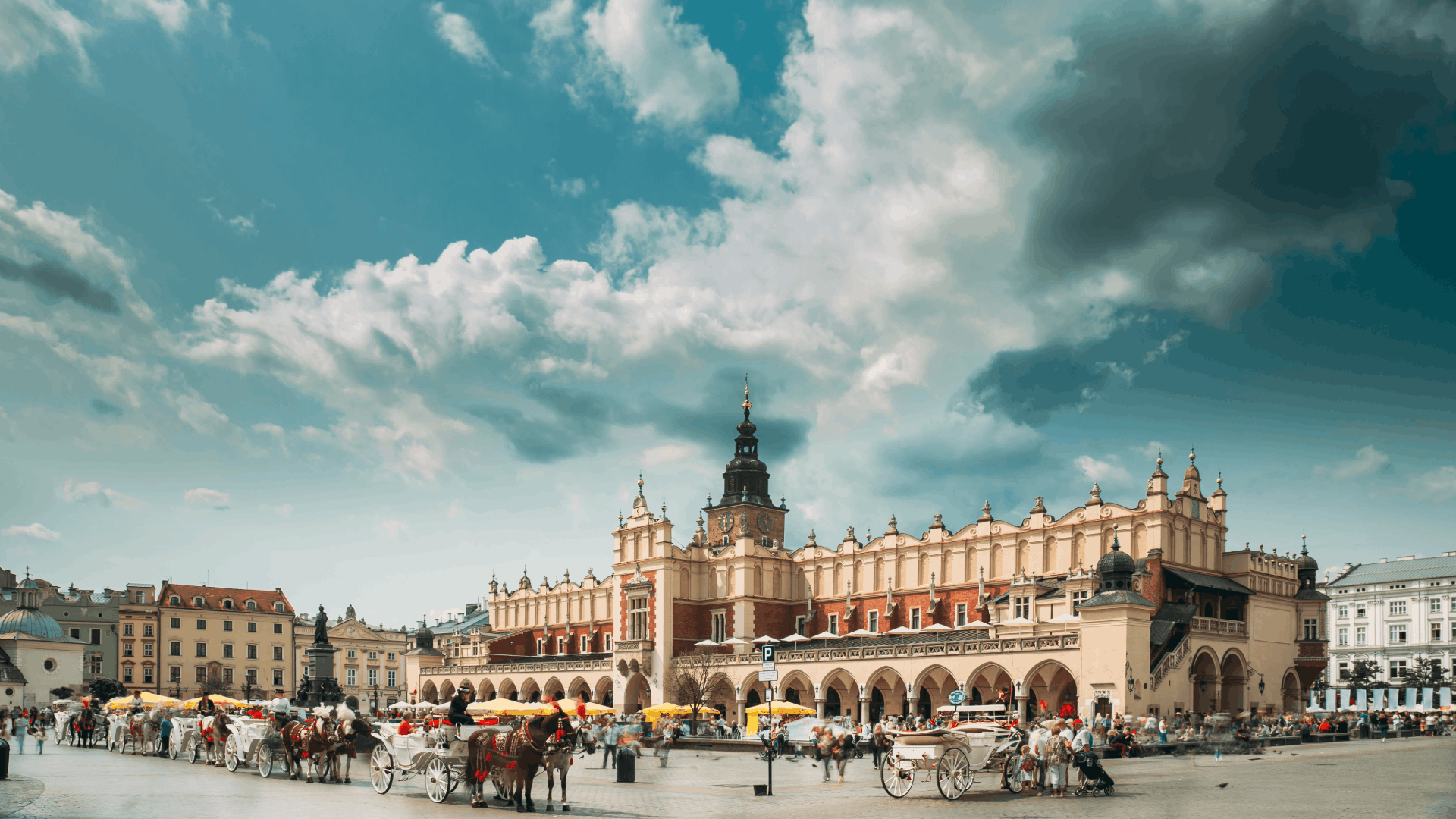
Start your 48-hour adventure in the heart of it all: Rynek Glowny (Main Market Square). Built in 1257, this UNESCO World Heritage site is one of the largest medieval squares in Europe. Our guides often notice that visitors are overwhelmed by its scale, but the secret is in the details.
- St. Mary’s Basilica: Step inside to witness the world-famous Veit Stoss Altarpiece, the largest Gothic altarpiece in Europe. If you arrive at noon, you can see the daily opening of the altar — a ceremonial tradition that dates back centuries.
- The Bugle Call: Every hour on the hour, look up at the taller tower of the Basilica. A trumpeter plays a melody that stops mid-note. Tourists find the legend behind this fascinating: it commemorates a 13th-century watchman who was shot with an arrow while warning the city of an incoming Mongolian invasion.
- The Cloth Hall: Originally a centre for international trade, this Renaissance building now houses stalls selling authentic Polish crafts. Look for Baltic Amber (often called "Polish Gold"), hand-painted Boleslawiec pottery, and intricate wooden carvings.
Note: For the best panoramic view of the square, climb the Town Hall Tower. It’s a steep climb, but the photo opportunities are worth the effort.
10:30 – Coffee with a View and Architectural Gems
Once you have explored the ground level, it is time to change perspective.
- Cafe Szal: Our favorite spot for a mid-morning break is the rooftop of the Cloth Hall. From the terrace of Cafe Szal, you can enjoy a coffee while looking directly at St. Marys Basilica from an elevated position — perfect for photography without the crowds.
- A "City of Churches": Krakow is often called the "Northern Rome" due to its density of historic churches. Just off the square, you will find:
- St. Annes Basilica: A masterpiece of Baroque architecture that our guides often compare to the finest churches in Italy.
- St. Peter and Pauls Church: Famous for the 12 statues of the Apostles guarding the entrance. If you are lucky, you might catch a classical music rehearsal inside.
- St. Andrews Church: One of the oldest in the city, built in the Romanesque style, which even survived the Mongol raids of the 1240s.
11:30 – Academic Heritage and the Green Belt
A five-minute walk from the square takes you back in time to the origins of European education.
Collegium Maius - the oldest building of the Jagiellonian University - where Nicolaus Copernicus once studied. You can enter the arcaded courtyard for free to see the historic clock play a musical procession of wooden figures every odd hour. Instead of walking through crowded streets, follow the
Planty. This unique "garden ring" surrounds the entire Old Town, located where the city walls once stood. It is a peaceful, shaded escape that connects all the major landmarks.
13:00 – What is a "Milk Bar" and what should you order?
For lunch, immerse yourself in a unique piece of Polish culture: the Bar Mleczny (Milk Bar). These are state-subsidized cafeterias that originated in the socialist era to provide affordable meals. Today, they are beloved by students and professors alike for their "Grandma’s kitchen" quality.
| Dish | Recommended for... | Description |
|---|---|---|
| Pierogi ruskie | First-timers | Dumplings filled with a savory mix of white cheese, potato, and fried onions |
| Barszcz czerwony | Health-conscious | A vibrant, clear beetroot soup, often served with small "uszka" (ear-shaped) dumplings |
| Placki ziemniaczane | Comfort seekers | Crispy potato pancakes with goulash or simply a dollop of sour cream |
Note: Milk Bars are often "no-frills" and self-service. If you prefer a more refined dining experience with English-speaking waitstaff, we recommend Morskie Oko on Plac Szczepański for a taste of Polish highland culture.
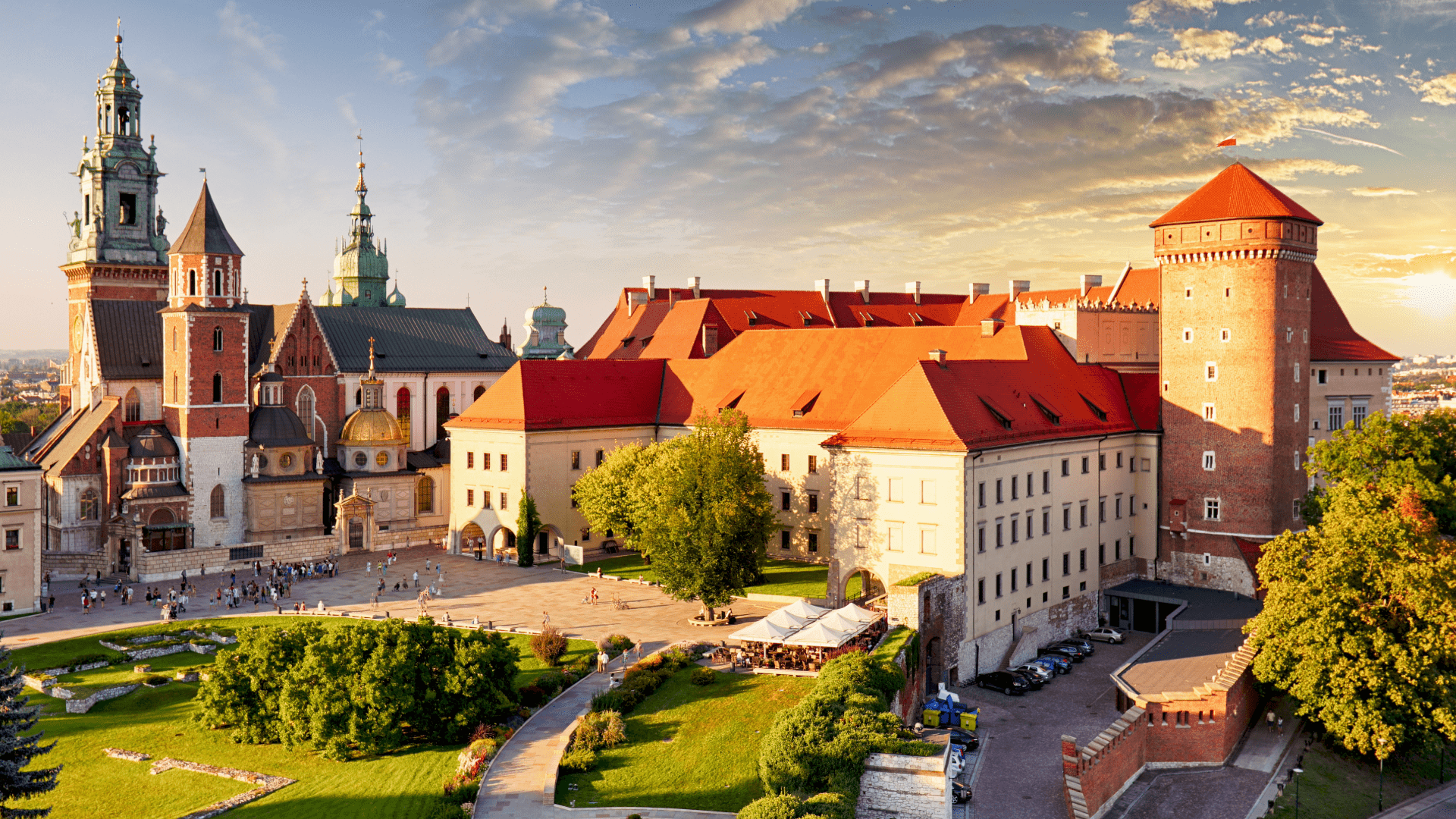
15:00 – Why is Wawel Royal Castle the soul of Poland?
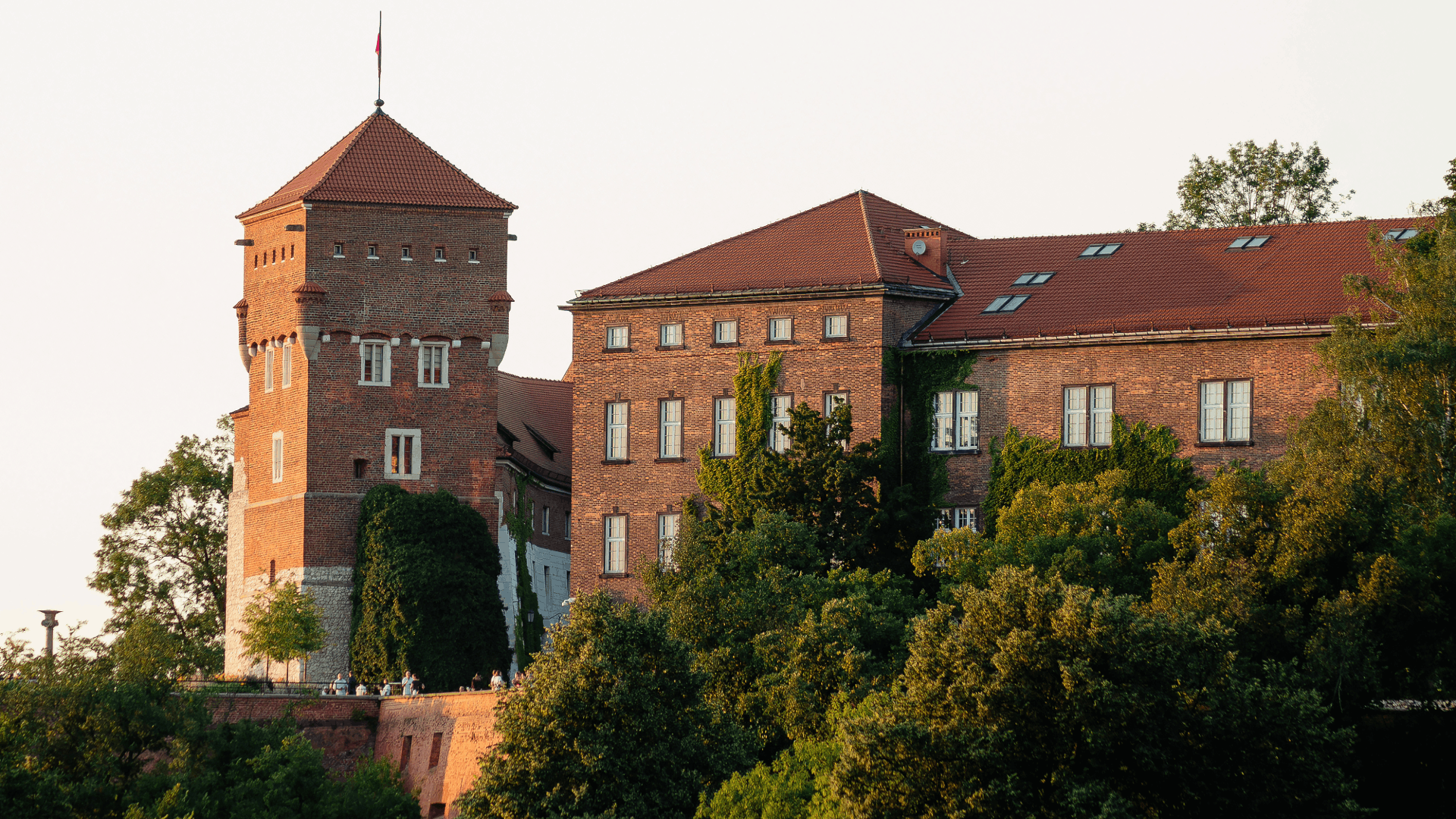
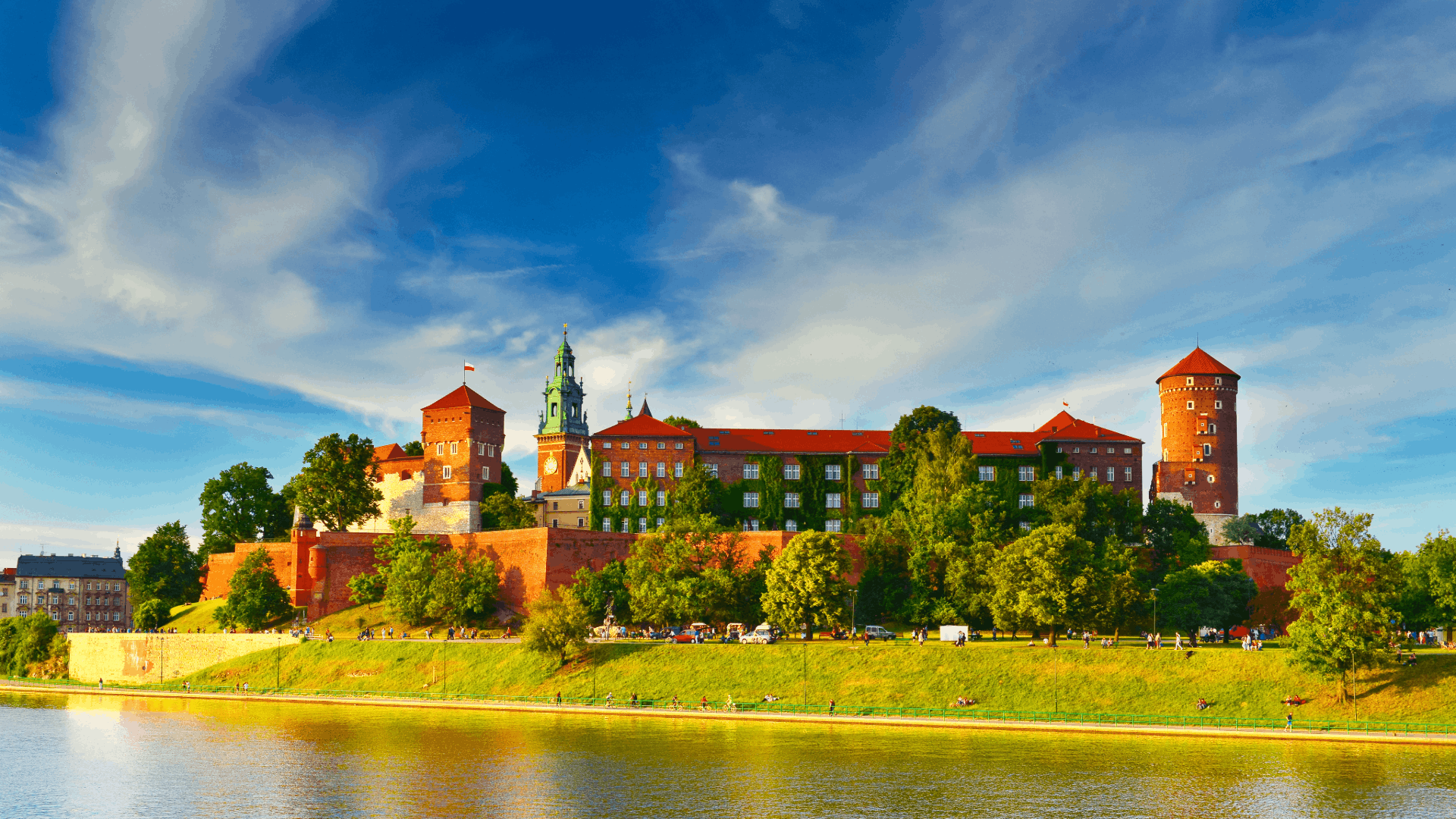
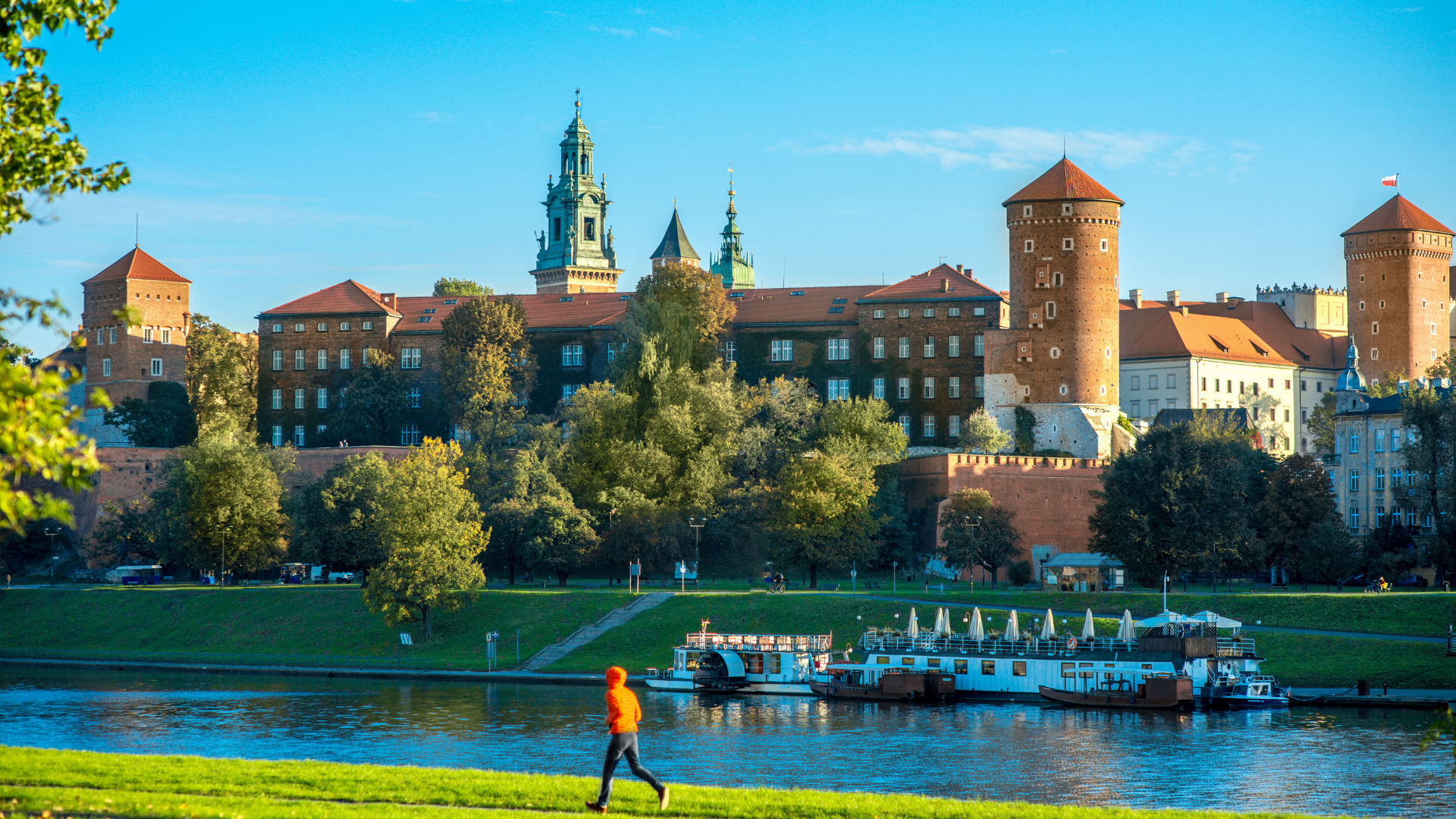
After lunch, stroll down Grodzka Street or the more picturesque Kanonicza Street — widely considered the most beautiful street in Krakow — towards Wawel Hill. For centuries, this limestone outcrop was the seat of Polish kings and the heart of the nation's political and religious life.
- Wawel Cathedral: This is not just a church; it is a national sanctuary. It is an architectural masterpiece where Gothic, Renaissance, and Baroque chapels sit side-by-side. Look for the golden dome of the Sigismund Chapel, often called the "Pearl of the Renaissance north of the Alps."
- The Sigismund Bell: We highly recommend climbing the bell tower. It houses the legendary Sigismund Bell, which is so large that it requires 12 people to ring it. According to local legend, touching the bell with your left hand brings good luck in love.
- The Royal Private Apartments: Home to the world-famous collection of 16th-century Flemish Tapestries. These were rescued and hidden during WWII, and their return to Krakow remains a symbol of national pride.
Note: Wawel Hill is free to enter, but tickets for the specific exhibitions are limited and often sell out by midday. To ensure you don't miss out on the interiors, booking a pre-arranged Wawel tour (book here) is the smartest move for a short stay.
17:30 – The Dragon and the Riverbank
As you descend from the hill, you have two choices: take the stairs or travel through a secret passage.
- The Dragon's Den: This is a real limestone cave beneath the castle. Legend says a terrifying dragon once lived here, terrorising the city until he was tricked by a clever shoemaker.
- The Fire-Breathing Statue: At the exit of the cave, you will meet the Wawel Dragon statue. Every few minutes, he breathes real fire — a guaranteed highlight for families and photographers alike.
- Wisla River Boulevards: From the dragon's feet, walk onto the river boulevards. This is where Krakow residents come to jog, cycle, and relax. It offers the best sunset view of the castle reflected in the water.
19:00 – Evening: Cellar Bars and Jazz
Krakow is famous for its "cellar culture"; many of the city's most atmospheric restaurants are located in vaulted 14th-century basements. For a refined atmosphere, explore the restaurants on Kanonicza Street. For something more lively, head back towards the Main Square. Our favorites for a nightcap include Harris Piano Jazz Bar or Piedmont. These underground clubs offer world-class live music in an intimate, historic setting that feels like a trip back in time.
Day 2: Soul, History, and Remembrance
10:00 – Why is Kazimierz the most atmospheric district in Krakow?
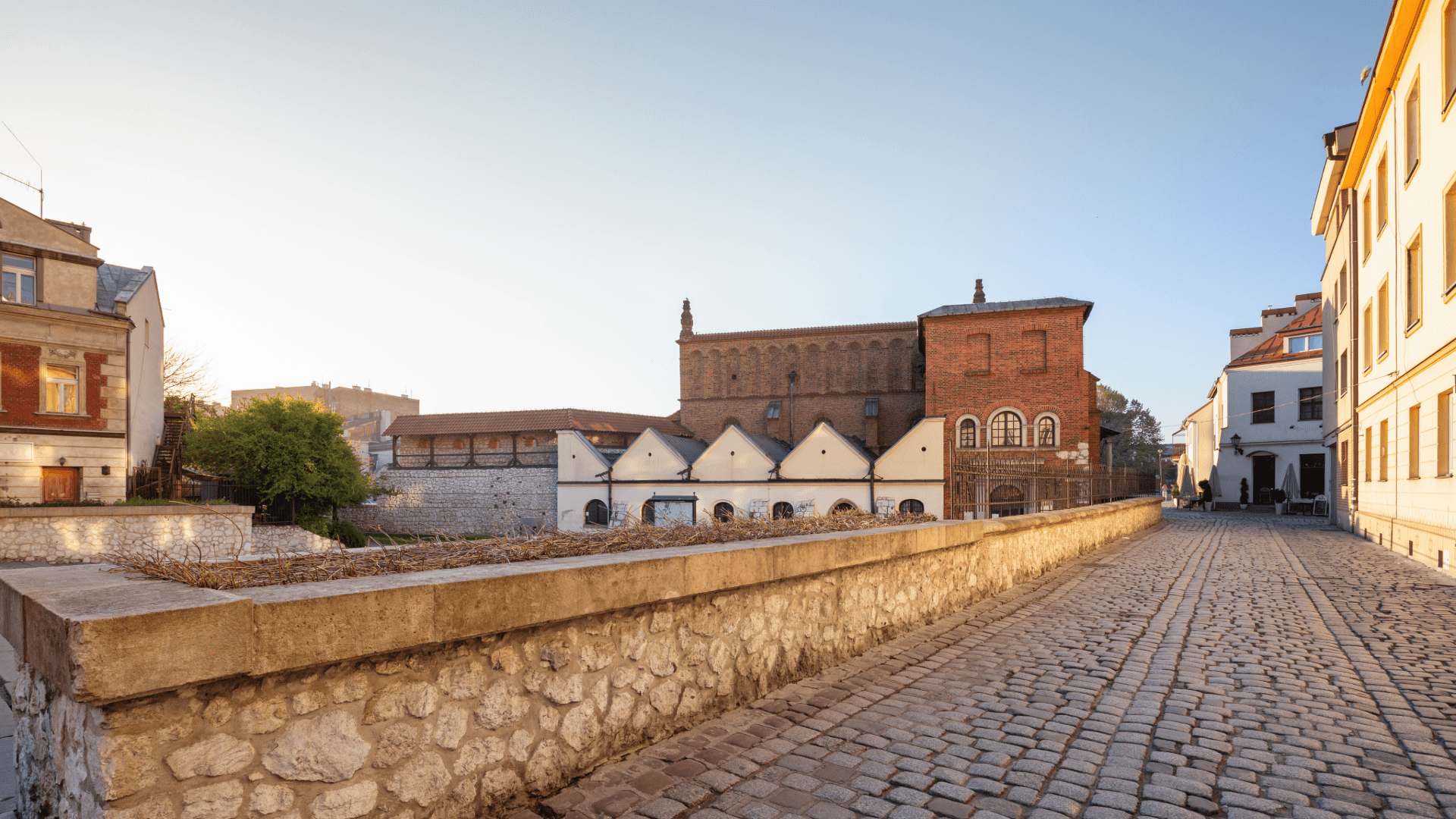
While your first day focused on royal grandeur, Day 2 explores the "soul" of the city. Kazimierz, the historic Jewish Quarter, is a place where time feels suspended. For centuries, it was an independent city where Jewish and Christian cultures thrived side-by-side. Today, it stands as the bohemian heart of Krakow, filled with independent galleries and historic synagogues.
- Szeroka Street: This long, rectangular square served as the centre of Jewish life. It is home to the Old Synagogue (the oldest surviving example in Poland) and the active Remuh Synagogue.
- The Remuh Cemetery: Dating back to 1551, this is one of the oldest Jewish cemeteries in Europe. Local experts recommend visiting the "weeping wall" made of broken headstones, a powerful tribute to the heritage lost during WWII.
- The "Schindlers List" Courtyard: Tucked between Jozefa and Meiselsa streets, this picturesque courtyard served as a key filming location for Steven Spielbergs masterpiece. It remains one of the most photographed spots in the district.
Note: Beyond the main squares, the true magic of Kazimierz lies in its "brama" (gateways) and hidden courtyards. Our team’s favorites include the small artisan shops along Jozefa Street, where you can find unique handmade gifts.
13:00 – What is a "Zapiekanka" and where to find the best one?
By lunchtime, follow the crowds to Plac Nowy, the central hub of Kazimierz. In the middle of the square stands the "Okraglak" — a circular building famous for serving the ultimate Krakow street food: the Zapiekanka.
This giant, open-faced baguette is toasted with cheese and mushrooms, then customised with various toppings. While dozens of stalls compete for your attention, look for the ones with the longest queues—a sure sign of fresh ingredients. It is an affordable, local rite of passage that captures the casual spirit of the district.
15:00 – How to explore the history of the Krakow Ghetto?
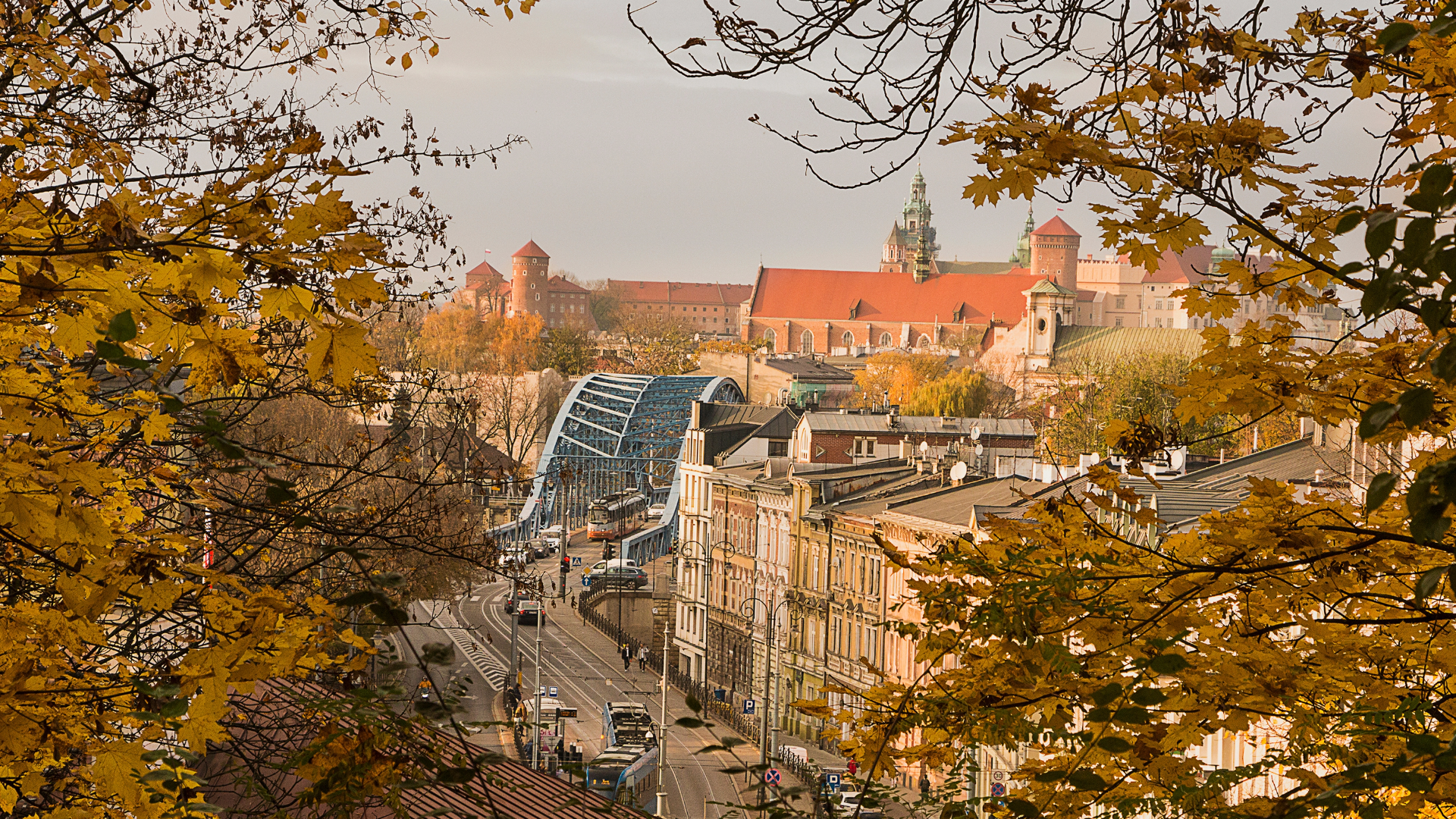
Cross the Father Bernatek Footbridge, famous for its hanging acrobatic sculptures and thousands of "love locks," to reach the Podgorze district. During WWII, the Nazi occupation forces turned this area into the Jewish Ghetto.
- Ghetto Heroes Square: The square features 68 empty bronze chairs, each representing 1,000 victims of the Krakow Ghetto. It is a quiet, powerful place for reflection.
- The Eagle Pharmacy: This museum, located on the corner of the square, tells the story of Tadeusz Pankiewicz, a non-Jewish pharmacist who risked his life to provide medicine and hope to Ghetto residents.
- Oskar Schindler's Enamel Factory: This world-class interactive museum tells the story of Krakow from 1939 to 1945. It provides a cinematic journey through the occupation, focusing on the lives of ordinary citizens.
Note: Tickets for Schindler's Factory are strictly timed and often sell out weeks in advance. To avoid missing this essential piece of history, our combined Podgorze and Schindler's Factory tours (book here) provide guaranteed entry and expert historical context.
19:00 – Evening: Klezmer Music or Riverside Views?
For your final evening, choose between two distinct Krakow experiences:
- Jewish Culture: Return to the heart of Kazimierz for a traditional Jewish dinner accompanied by a live Klezmer music performance at Klezmer Hois or Ariel.
- Modern Hangouts: Head to Forum Przestrzenie on the banks of the Vistula. This former socialist-era hotel is now a vibrant cultural space where you can grab a craft beer and enjoy a panoramic view of the illuminated Wawel Castle.
Out of town: Auschwitz, Salt Mines, and Mountains
While 48 hours in the city is incredible, many first-timers choose to use their second day to explore Poland's most famous UNESCO sites or seek adventure in the nearby mountains. If you prefer to focus on these historical or adrenaline-filled landmarks, we recommend these dedicated day trips.
The Historical Essentials: Auschwitz and Wieliczka
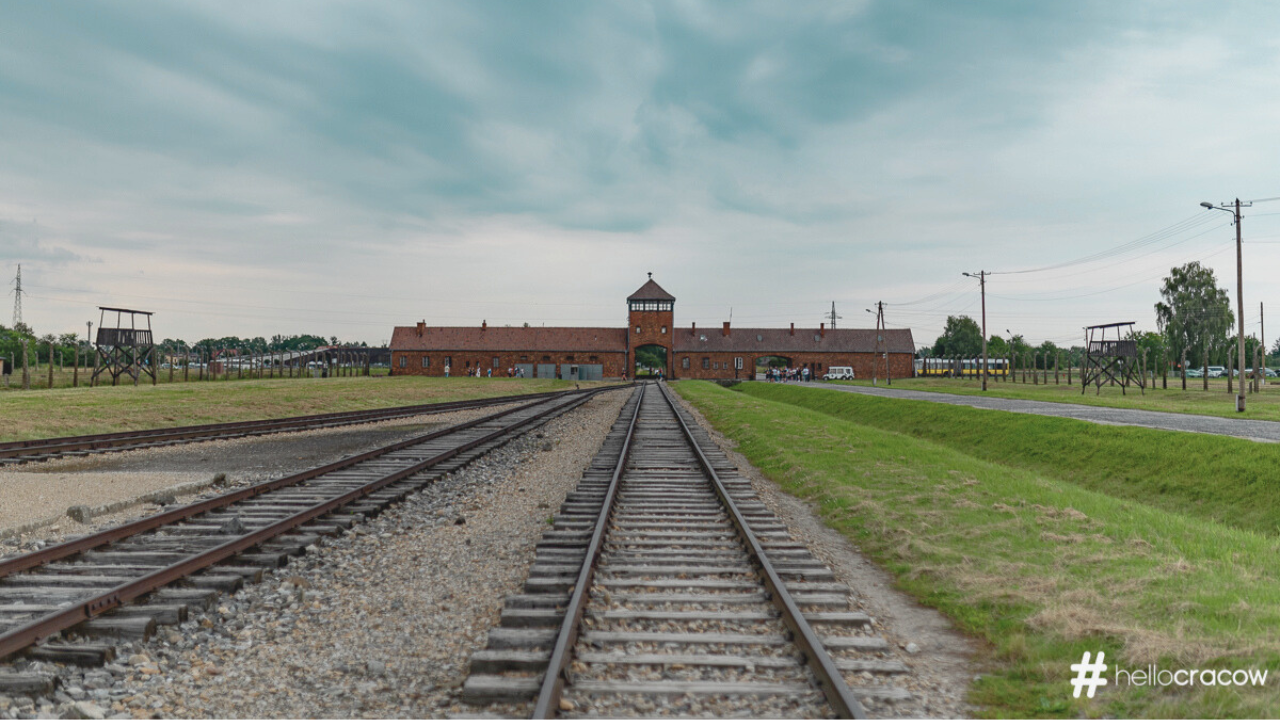
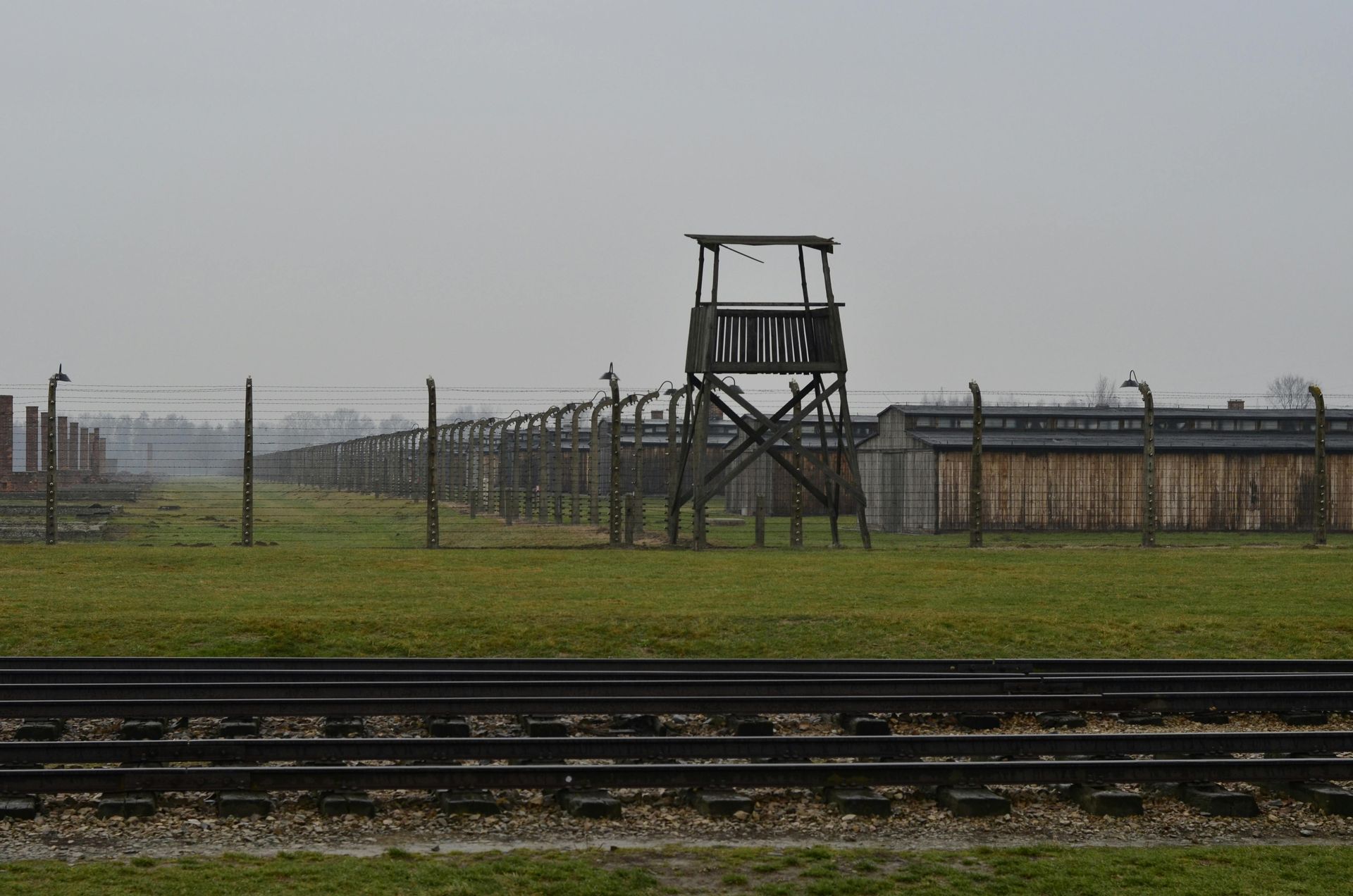
For many, a trip to Poland is incomplete without paying respects at the Auschwitz-Birkenau Memorial. Located about 70km from Krakow, this site stands as a deeply moving memorial to the victims of the Holocaust. A thorough visit requires a minimum of 7-8 hours, including travel. But that's just one of the most-visited locations. The second one, just 20 minutes from the city centre, is the Wieliczka Salt Mine, often called the "Underground Salt Cathedral." This labyrinth of tunnels reaches depths of 327 metres and features entire chapels, emerald lakes, and intricate statues carved entirely out of rock salt by generations of miners. The unique microclimate underground is also famous for its health benefits.
Note: If you only have 48 hours and want to see both, combining these sites into a single "Super Saver" day is the most time-efficient choice. Our combined Auschwitz and Salt Mine tours (book here) include door-to-door transport and expert guides, allowing you to return to Krakow in time for an evening meal.
The Adventure Pick: Tatra Mountains and Quads
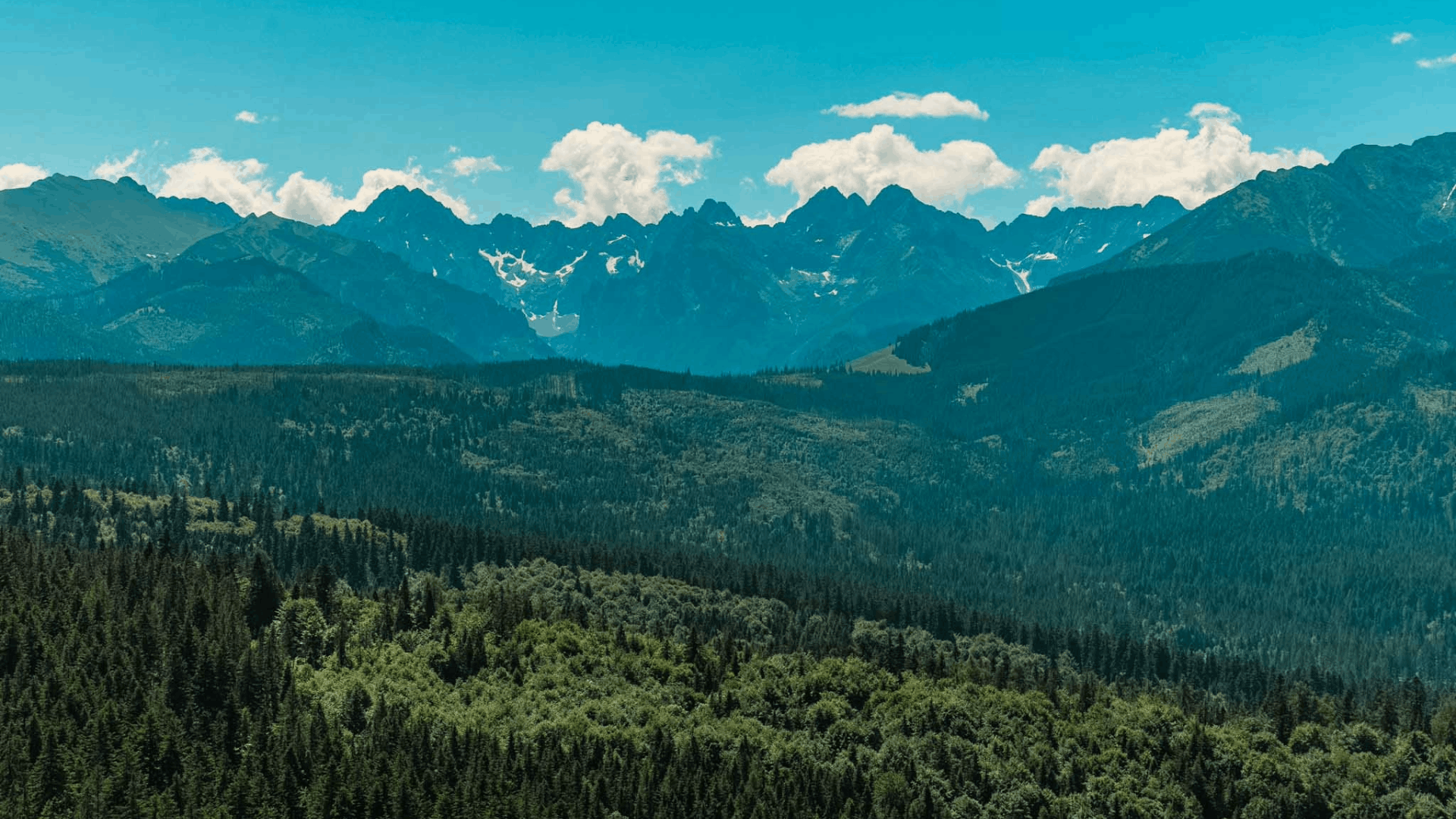
With the warm May weather arriving, now is the perfect time to head south towards the Tatra Mountains. For those who want to swap cobblestones for mountain trails, we offer a high-octane alternative to traditional sightseeing. Our Tatra Mountains Adventure (book here) is a full-day experience that combines adrenaline and relaxation:
- The Skywalk: Walk among the treetops on a massive wooden structure offering panoramic views of the Tatra peaks.
- Quad Biking: Navigate through rugged mountain paths with professional instructors. It is a thrilling way to see the Polish countryside from a different perspective.
- Thermal Baths: End the day soaking in mineral-rich outdoor pools, the perfect way to recharge your muscles after a day of exploration.
Special Offer for our Readers:
If you feel like adding some horsepower to your Krakow stay, use the code
RIDE15 at checkout to get a 15% discount on our Quad and Thermal Baths adventure!

Practical Information for Your Visit
How much does a trip to Krakow cost? How should you get around? Here is a quick breakdown of what to expect in 2026.
| Category | Estimated cost (PLN) | Estimated cost (GBP/USD) | Local tip |
|---|---|---|---|
| Traditional dinner | 50 - 90 PLN | £10 - £18/$13 - $23 | Try the "Set Lunch" for huge savings |
| Single tram ticket | 4 - 6 PLN | £0.80 - £1.20/$1.00 - $1.50 | Use the "JakDojade" app or pay by card on the tram |
| Coffee & Cake | 25 - 40 PLN | £5 - £8/$6 - $10 | Kazimierz has the best artican cafes |
Making the Most of Your 48 Hours
Krakow is a city that rewards those who look beyond the surface. From the royal chambers of Wawel to the candlelit cellar bars of Kazimierz, this itinerary ensures you experience the absolute best of the city in a limited timeframe. The key to a successful first-time visit is balancing the major historical landmarks with moments of local relaxation — whether that is a coffee on a rooftop overlooking the square or an evening of live Jazz in a 14th-century basement.
To make your planning even easier, we have compiled all our local knowledge into one essential resource. Before you arrive, make sure to download our Free Krakow Guidebook (click here).
This comprehensive digital guide includes:
- The Interactive Krakow Map: A curated Google Map with every location mentioned in this post, plus our favorite "hidden gem" cafes and viewpoints.
- Hidden Gems: Explore local secrets, including off-the-beaten-path trails and unique spots that reveal Krakow’s charming side.
- Practical Essentials:
Important tips on local payment methods, transport, and interactive links to Google Maps locations for every spot mentioned.
Navigating the logistics of a historic city can be complex. Let our local experts take the stress out of your visit. Whether you need a seamless airport transfer, a fast-track tour of the Royal Castle, or a professionally guided trip to Auschwitz, we ensure your 48 hours in Krakow are unforgettable.