



Is Krakow Expensive in 2026? A Real Daily Budget Breakdown
Krakow remains an exceptionally affordable destination for international travelers in 2026, offering a high-standard European experience at a price point significantly lower than Western capitals like London, Paris, or Vienna. While global inflation has led to moderate price increases, the city continues to offer ca. 50% discounts on hospitality, dining, and cultural attractions compared to the UK or Scandinavia. A mid-range traveler can expect to spend approximately 350-500 PLN ($ 110–$140/£75–£100) per day, which covers boutique accommodation, a restaurant meal, and entry to major historical sites. The retention of the Polish Zloty (PLN) and high card acceptance across the city mean visitors can get the most from their spending while enjoying easy digital payments.
| Category | Typical 2026 Pricing (PLN) | Best Time to Visit |
|---|---|---|
| Budget Daily Total | 130 – 215 PLN | March (Lowest rates) |
| Mid-Range Daily Total | 350 – 500 PLN | May–June / September |
| Luxury Daily Total | 665 – 1,100+ PLN | December (Christmas) |
| Obwarzanek (Bagel) | 3.50 – 5.00 PLN | Any time |
| Zapiekanka (Street Food) | 20 – 35 PLN | Late night |
| Milk Bar Meal | 15 – 30 PLN | Weekday lunch |
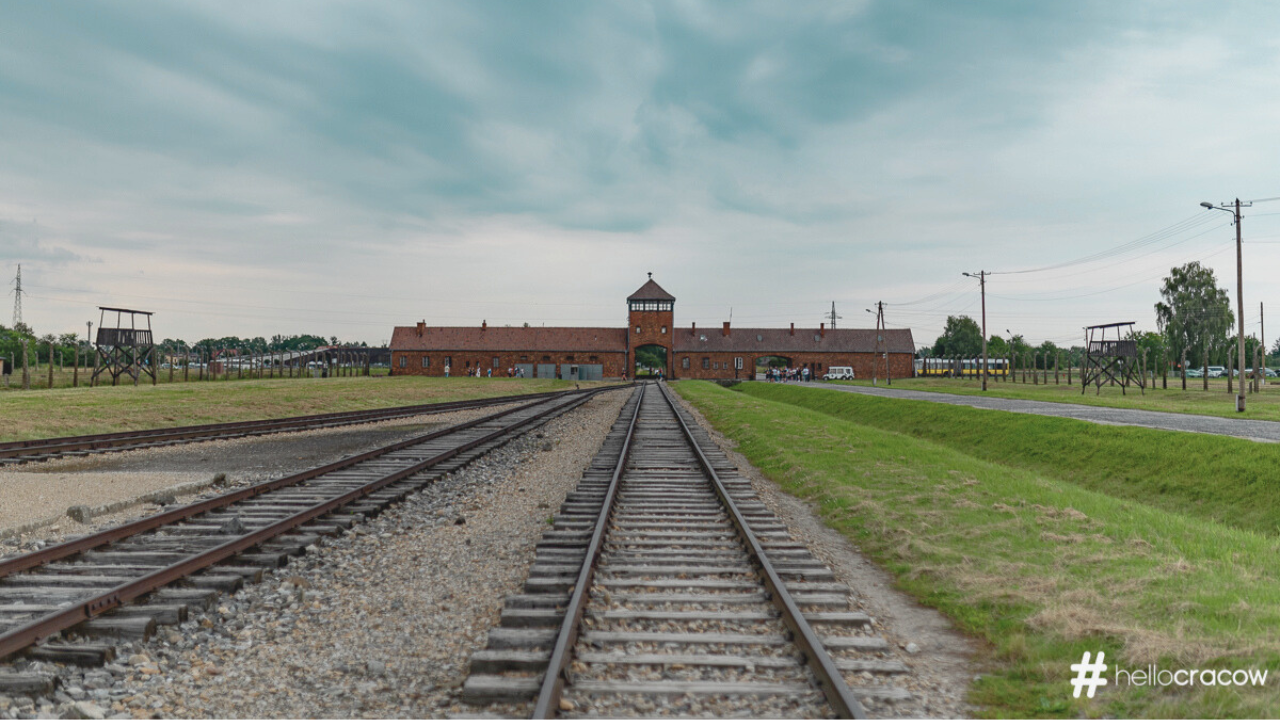
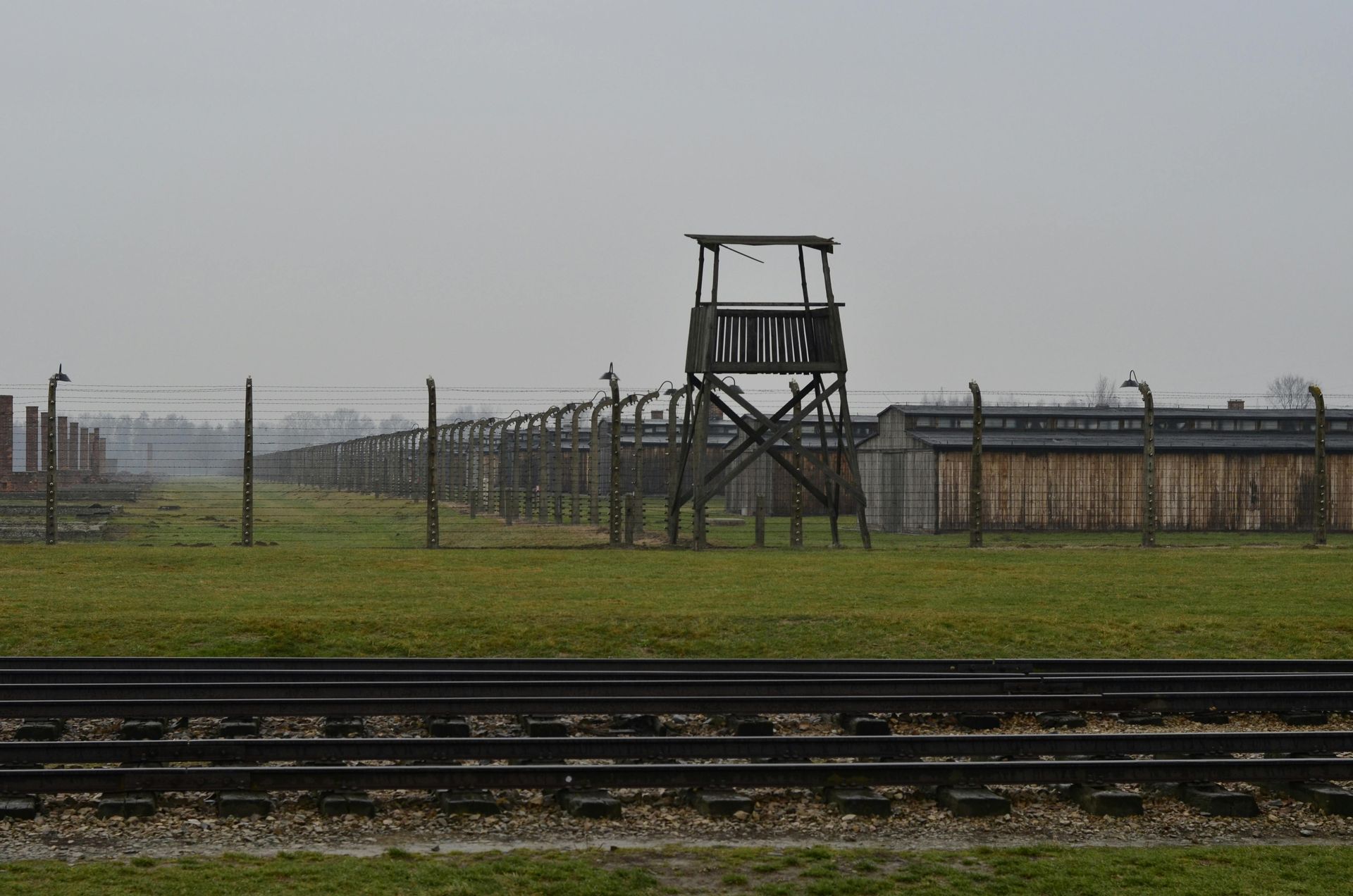
| Auschwitz Guided Tour | 200 – 300 PLN | Year-round |
| Salt Mine (Wieliczka) | 250 PLN | Year-round (14°C) |
| 24-Hour Transport Pass | 17.00 PLN | Any time |
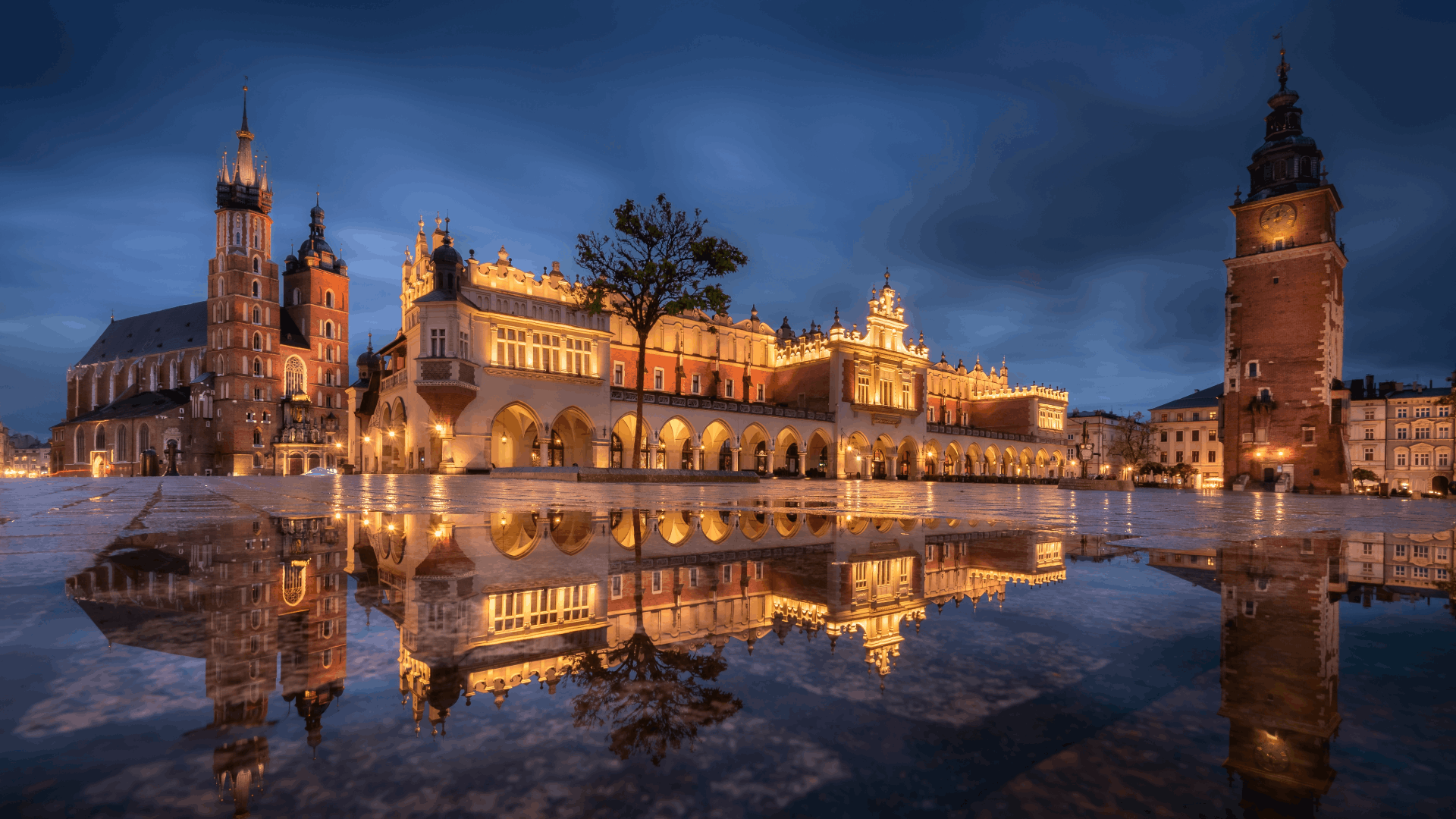
The Economy of Krakow in 2026
The fiscal landscape of Krakow in 2026 is defined by a unique intersection of historical preservation and modern economic strategy. Despite the integration of the Polish economy within the European Union, the decision to maintain the Polish Złoty (PLN) rather than adopt the Euro serves as a primary driver for the city's affordability. This currency independence allows for lower labour costs and production expenses in the local hospitality sector, which translates into lower prices for international visitors.
Comparative analysis suggests that a visitor will find their purchasing power nearly doubled in Krakow. For instance, while a mid-range dinner in Central London might cost £30 to £55, a comparable meal in Krakow’s Old Town averages between 60 and 80 PLN (approx. £12 to £18). This disparity is even more pronounced in the luxury sector, where five-star establishments in Krakow offer services at roughly ca. 30% of the cost of their counterparts in New York or Paris.
Currency Management and Card Acceptance
In 2026, Krakow has achieved a state of near-total digital payment integration. Contactless payment is the standard, and it is accepted by almost every vendor, including small market stalls, souvenir shops in the Sukiennice, and the ubiquitous blue obwarzanek carts. Travelers will find that carrying significant amounts of cash is largely unnecessary.
However, the use of Polish Zloty (PLN) remains the bedrock of the local economy. When using international cards, it's recommended to choose the "Pay in Local Currency" option on card terminals to avoid the high fees associated with Dynamic Currency Conversion. While the Euro is occasionally accepted in larger hotels, the exchange rates offered are invariably inferior to the official interbank rate, making the use of PLN the most cost-effective strategy.
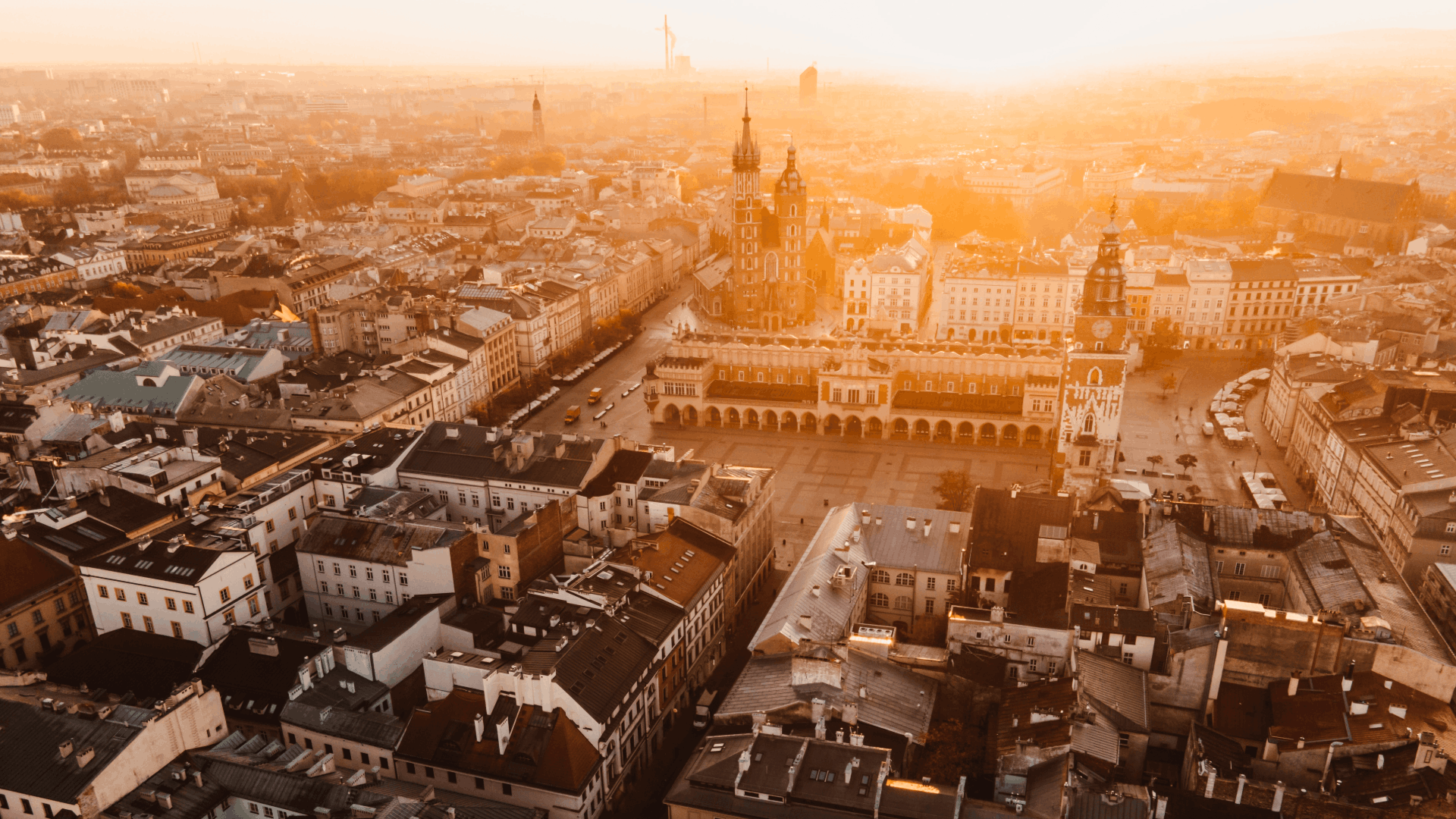
Detailed Daily Budget Categorisation
The 2026 travel market in Krakow caters to three distinct budgetary styles, each offering a high level of relative value.
- The Ultra-Budget Traveler (130 – 215 PLN/$30 – $50) - A budget-conscious visitor can navigate the city effectively by utilizing the city’s extensive network of hostels and milk bars. This budget assumes accommodation in a dormitory bed, meals primarily from grocery stores or subsidized canteens, and a focus on the city’s numerous free attractions, such as the Main Market Square, the Planty Park, and the Vistula Boulevards.
- The Mid-Range Traveler (350 – 500 PLN/$110 – $140) - The majority of visitors fall into this category, which reflects a balance of comfort and value. This budget accommodates a private room in a three-star hotel or a central apartment, dining in traditional Polish restaurants, and participating in at least one major guided excursion, such as a visit to the Wieliczka Salt Mine or Auschwitz-Birkenau. The mid-range experience in Krakow is frequently described as affordable luxury, as the quality of service and food often exceeds what is available at similar price points in Western Europe.
- The Luxury Traveler (665 – 1,100+ PLN/$155 – $250+) - Luxury in Krakow is defined by high-end boutique hotels located in former aristocratic palaces and fine dining experiences that rival those of London or Paris at a fraction of the cost. This budget covers stays in five-star properties, private guided tours in electric golf carts, and multi-course tasting menus at restaurants.
Accommodation Strategies Across Krakow’s Districts
Accommodation is the most significant variable in a traveler’s budget, and in 2026, Krakow offers a diverse range of options situated within its historic districts. Unlike many European cities, where budget options are relegated to the outskirts, Krakow’s value-driven lodging is often located in the heart of the action.
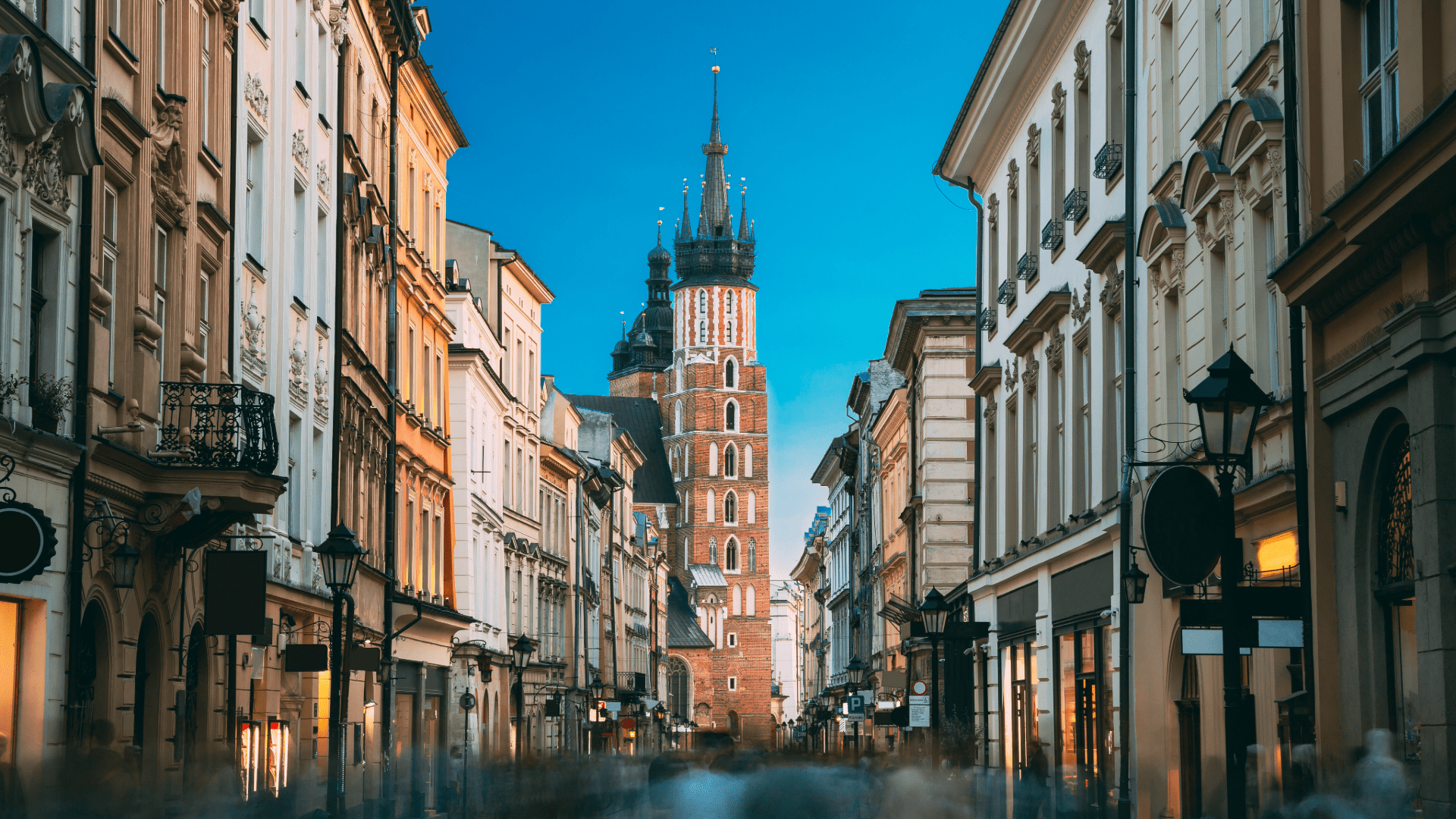
- Stare Miasto - The Old Town remains the most popular choice for first-time visitors. In 2026, properties offer an immersion into medieval aesthetics. While this area commands the highest prices, travelers can still find exceptional value during the shoulder seasons (March–May and September–October), with boutique rooms occasionally dropping below $120 USD.
- Kazimierz - The former Jewish district of Kazimierz has solidified its reputation as the city's centre for creative energy and nightlife. Accommodation here often features modern industrial design and integrated wellness facilities. This district is highly recommended for travelers who prioritize a vibrant evening scene and access to independent galleries and boutiques.
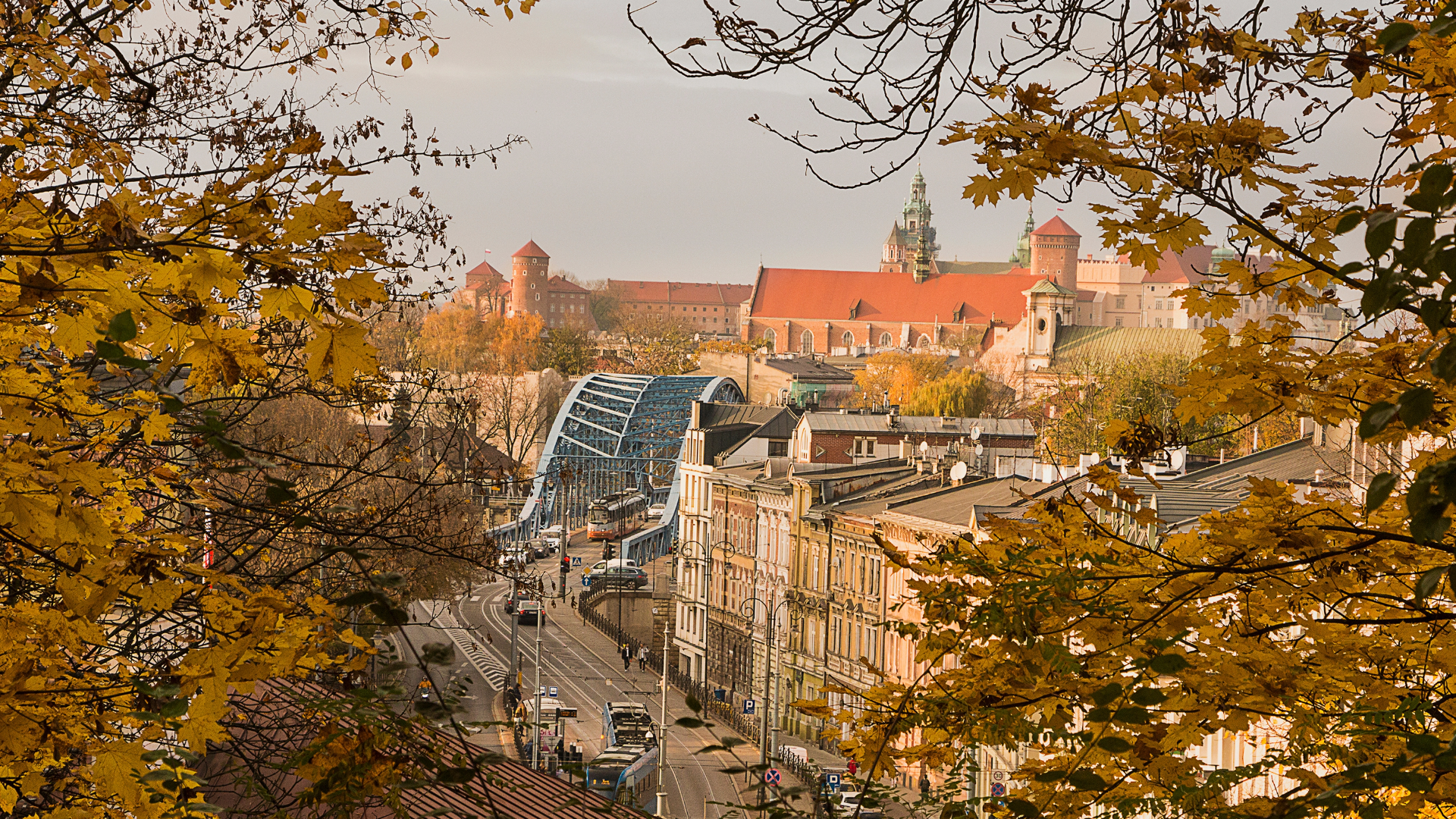
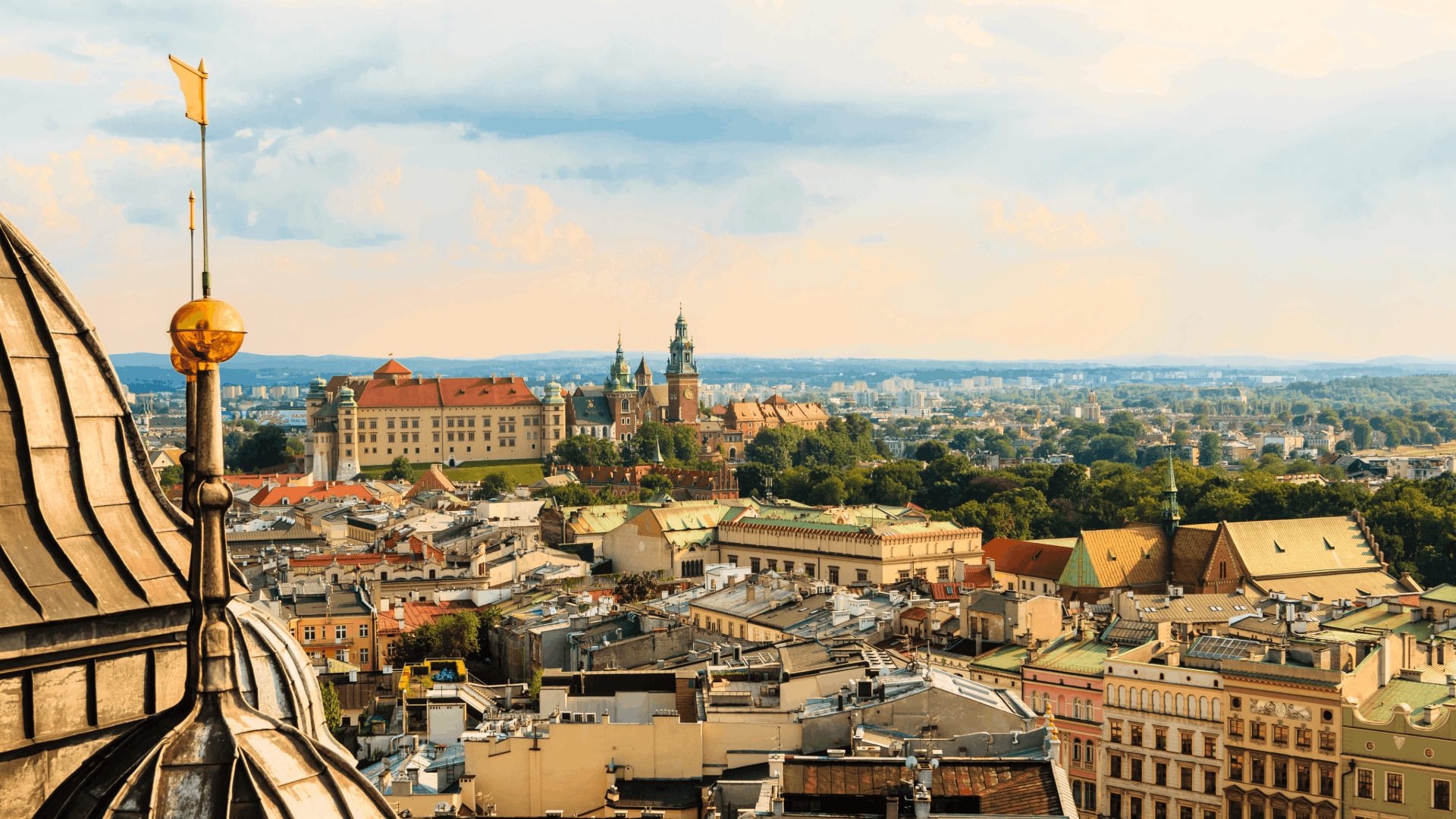
- Podgorze and Zablocie - Located across the Father Bernatek Footbridge, Podgorze and Zablocie offer a more residential and authentic experience. This area is home to the Schindler’s Factory Museum and the MOCAK Museum of Contemporary Art. In 2026, these districts provide some of the city's best-value apartments and modern hotels, often at a 15% to 20% discount compared to the Old Town.
Local Insight: The "Hidden" Fees of 2026
A subtle but important logistical detail for 2026 is the Municipal Infrastructure Fee. While Poland does not have a formal
tourist tax in the traditional sense, many short-term rental providers have implemented a fee of approximately €2.00 per person, per night. This fee is used to support urban infrastructure and historical preservation, and it is typically collected separately from the booking portal payment.
Additionally, travelers must be aware of the Clean Transport Zone, which came into effect on January 1, 2026. This zone restricts the entry of older, high-emission vehicles into the city centre. For visitors who choose to drive, non-compliance with these environmental standards can result in high fines, making public transport or walking the preferred mode of navigation.
Gastronomy: From Traditional Milk Bars to Michelin Stars
The culinary landscape of Krakow in 2026 is an arena where the Krakow advantage is most evident. The city provides a spectrum of dining options that allow for high-quality nutrition on any budget.
- The Enduring Legacy of the Bar Mleczny - For the budget traveler, the milk bar remains an essential cultural experience. These state-subsidized canteens offer traditional Polish dishes at prices that are accessible to all. In 2026, a hearty plate of dumplings or a bowl of sour rye soup costs between 15 and 30 PLN. Notable locations like Milkbar Tomasza or Bar Pod Temidą serve as a bridge between the communist past and the modern city, offering fresh, home-cooked food in a no-frills environment.
- Street Food - Krakow’s street food is legendary and highly cost-effective. The obwarzanek krakowski, a ring-shaped bread sprinkled with salt, poppy seeds, or sesame, is a protected local speciality that costs as little as 3.50 PLN from the blue carts found on nearly every street corner. The zapiekanka, an open-faced baguette toasted with mushrooms and cheese, is the staple of the Plac Nowy in Kazimierz. In 2026, these large, filling snacks cost between 20 and 35 PLN and are frequently large enough to replace a full lunch or dinner.
- The Fine Dining Scene - For those seeking a world-class culinary experience, Krakow hosts Poland’s only two-star Michelin restaurant, Bottiglieria 1881. Located in Kazimierz, this establishment offers a "Full Experience" tasting menu for approximately 980 PLN.
- Craft Beer and Nightlife - Poland has emerged as a global leader in the craft beer movement. In 2026, a pint of high-quality local ale in a Kazimierz pub costs between 15 and 25 PLN.
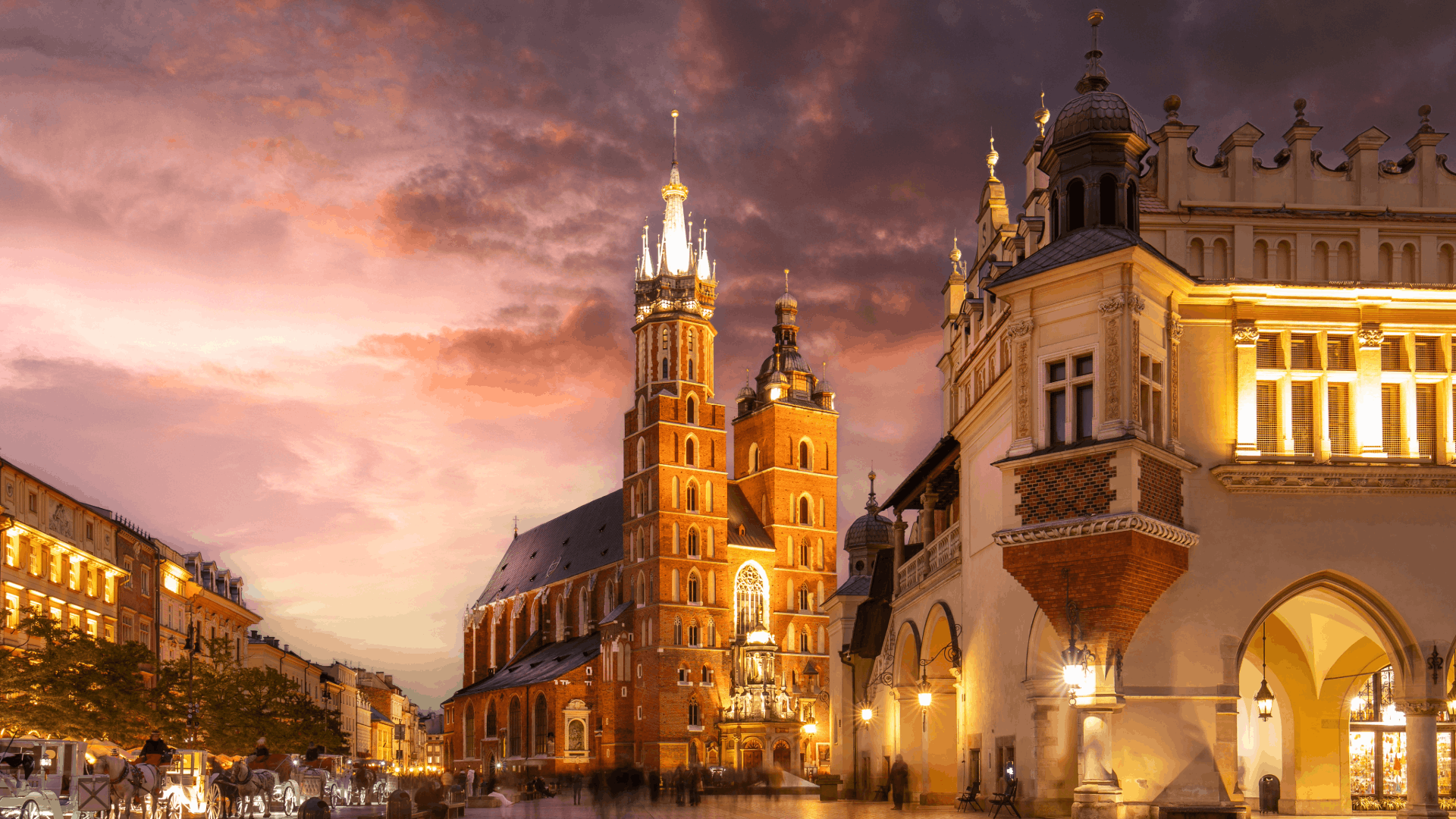
The 2026 Festival and Event Calendar
The timing of a visit significantly impacts both the atmosphere and the budget. In 2026, several major cultural events are scheduled to take place.
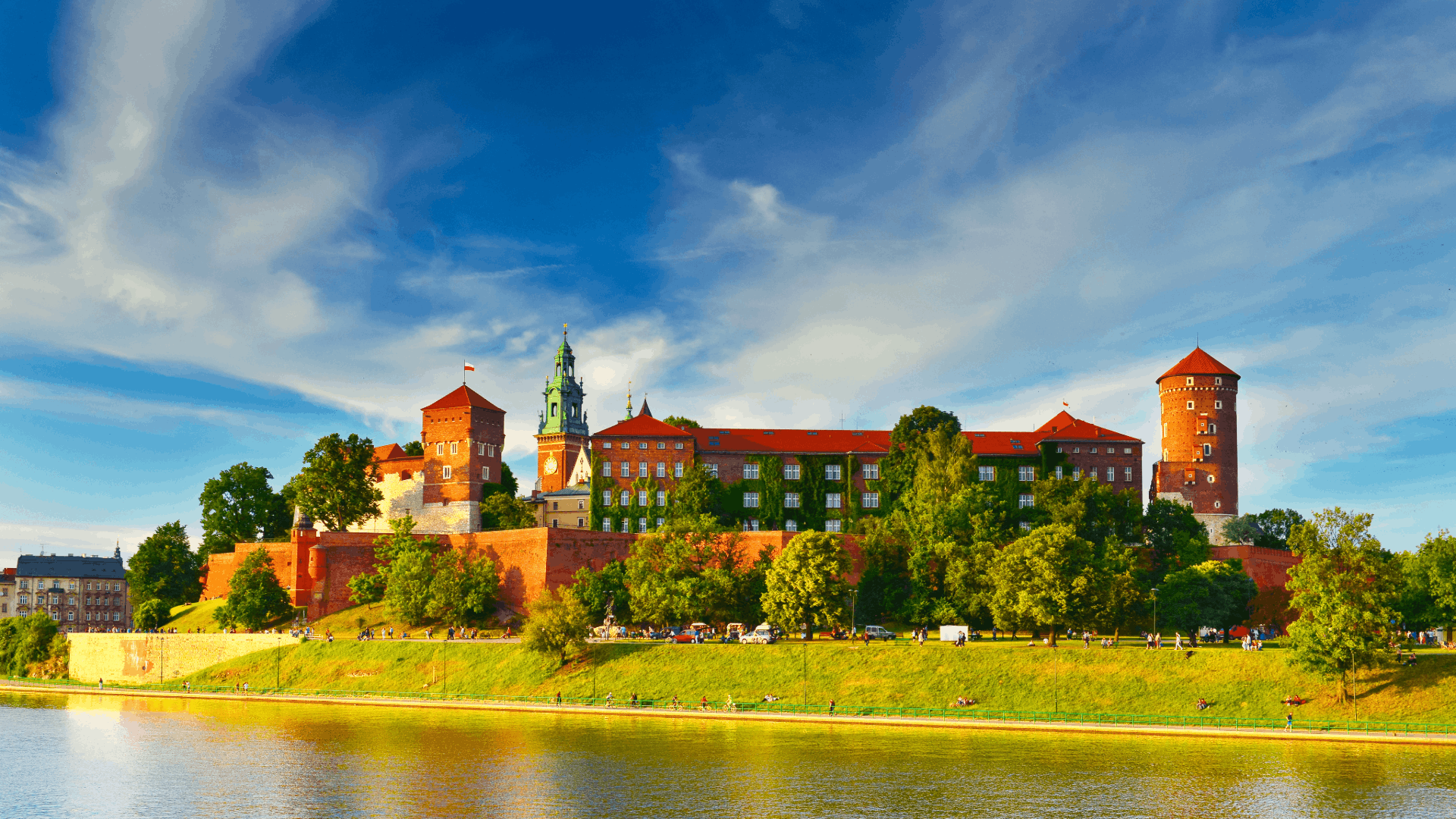
- Easter 2026 (March 26 – April 6, 2026) - The Easter Market in the Main Market Square is a highlight of the spring season. Visitors can purchase traditional handicrafts, hand-painted eggs, and regional foods. While the Wawel Castle exhibitions are closed on Easter Saturday and Sunday (April 4–5, 2026), the festive atmosphere and religious processions offer a unique cultural immersion.
- Juwenalia (May 13 – 23, 2026) - This massive student festival transforms the city into a hub of outdoor concerts and parades. It is a time of high energy, and while it brings larger crowds to the city’s green spaces like the Błonia Park, it offers many free musical performances.
- Christmas Markets (November 28, 2026 – January 1, 2027) - The Krakow Christmas Market is globally recognized for its festive charm. Historically, it begins on the last Friday of November. In 2026, visitors can enjoy mulled wine (grzaniec) and watch the traditional Szopka (nativity scene) competition, which is held on the first Thursday of December.
Planning Your 2026 Adventure
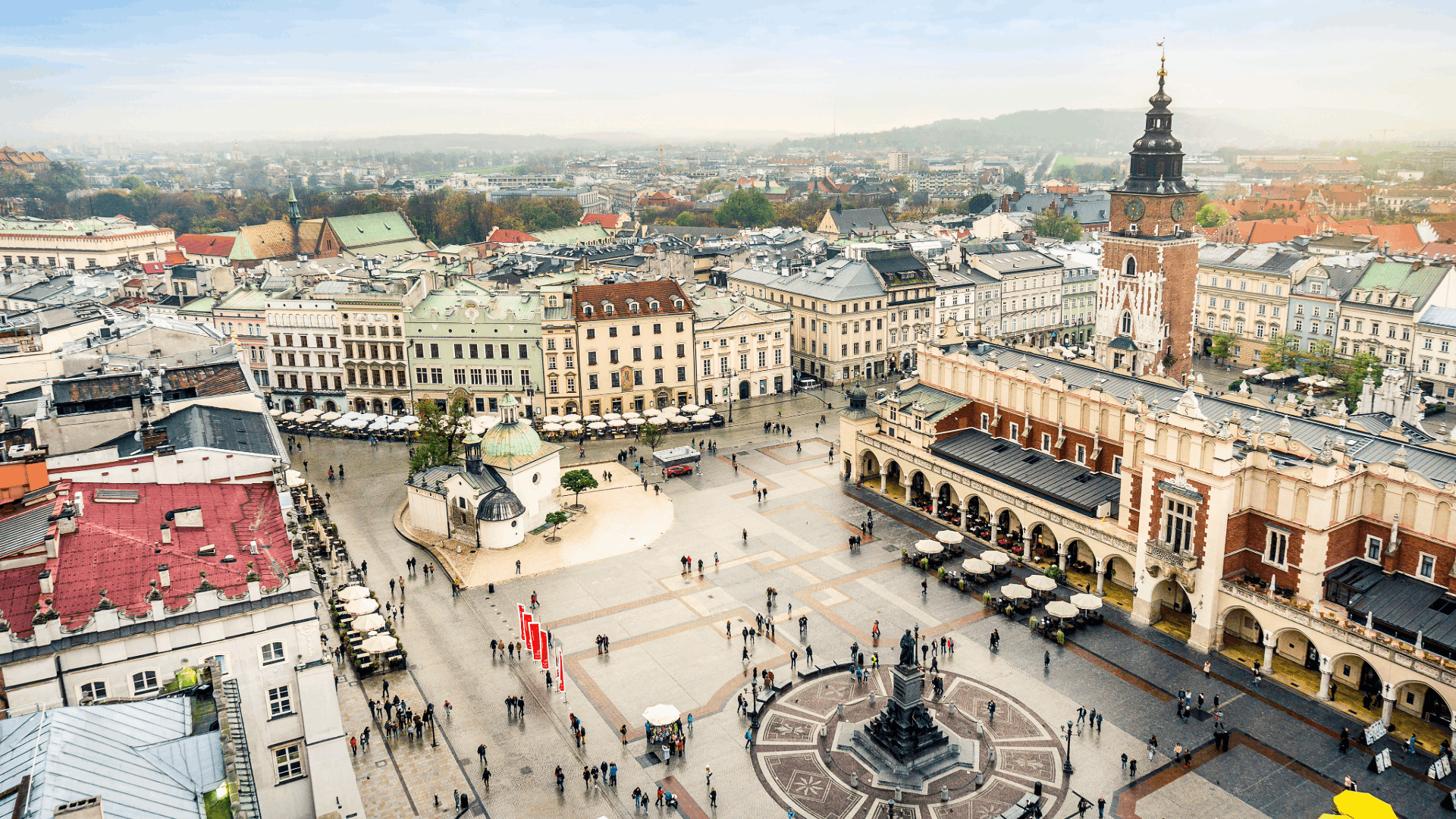
Krakow remains an unparalleled destination in 2026, offering a sophisticated blend of tragedy and beauty, tradition and modernity, all while maintaining a cost of living that is highly advantageous for international visitors. By utilizing local insights, such as the value of milk bars and the strategic use of free museum days, a traveler can enjoy a luxury experience on a mid-range budget. The city does not attempt to "polish" its history but rather allows the medieval splendour of the Sukiennice to exist alongside the somber reminders of the 20th century in Podgorze. This authenticity, combined with world-class infrastructure and high-value pricing, makes Krakow the ultimate choice for a European city break in 2026.
Ready to explore Krakow with the experts? At Hello Cracow, we specialize in providing authentic, sustainable, and locally-rooted tours that go beyond the typical tourist routes. From our high-standard Auschwitz-Birkenau excursions to our private electric golf cart city tours, we ensure every guest experiences the heart of the region with passion and professional insight.
Book your 2026 Krakow experience now with Hello Cracow and discover why we are the top-rated choice for travelers worldwide.