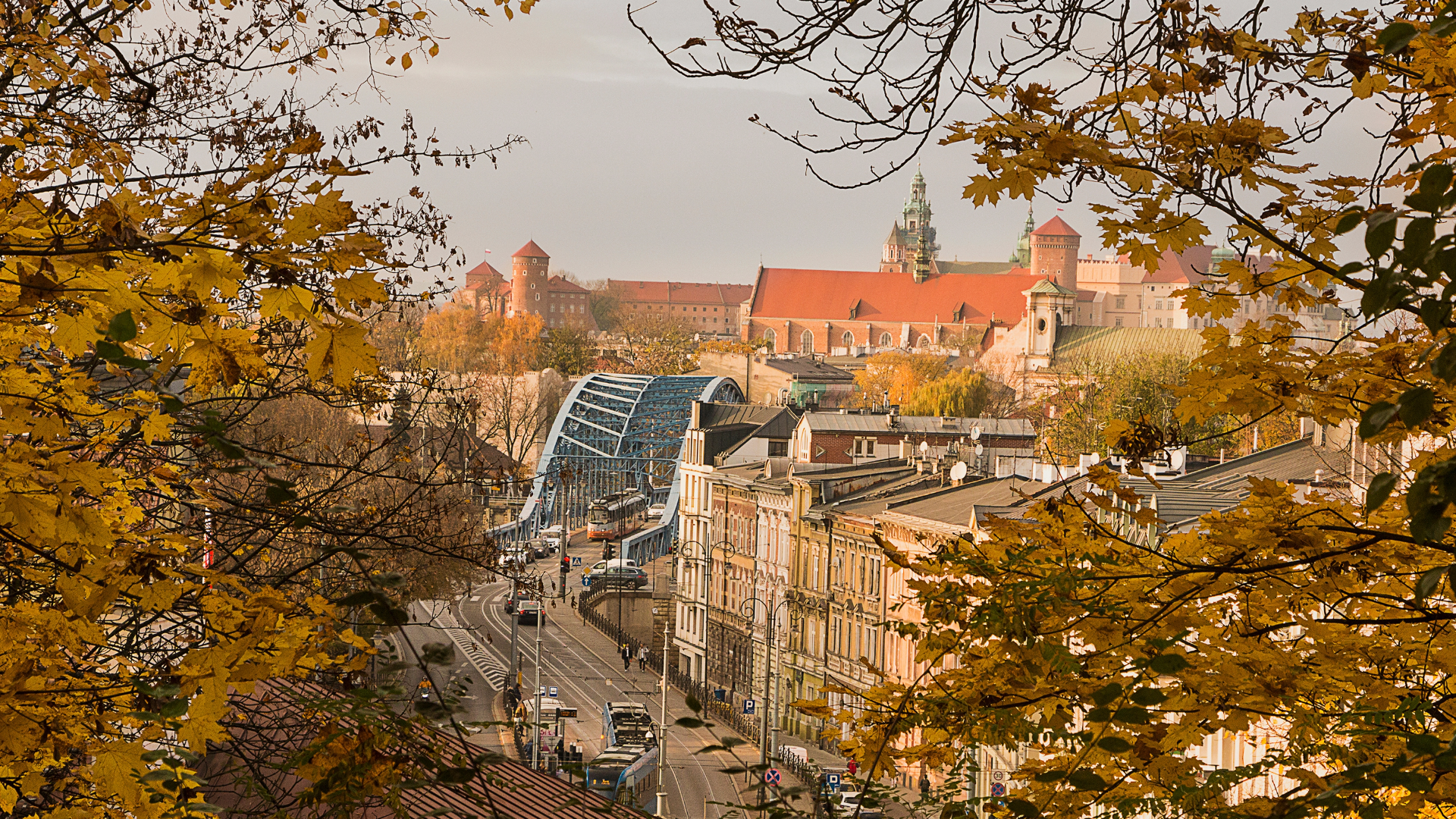




Map of the Best Viewpoints in Krakow
For the traveler visiting Krakow between January and March, the strategy for scenic viewing must shift radically from the summer playbook. Here is the bottom line: The famous medieval towers of the Main Market Square,
the Town Hall Tower and
the St. Mary’s Bugle Tower, are generally closed. Therefore, to capture the panoramic essence of the city in winter, you must pivot to two alternatives:
- The Mounds: Specifically Kosciuszko Mound and Krakus Mound. These offer the best open-air views. However, you are fighting daylight. Sunset occurs as early as 4:00 PM in January. You must arrive at Kosciuszko Mound by 2:30 PM to navigate the museum and reach the summit for the "Golden Hour" before it closes at 3:30 PM.
- Heated "Sky" Venues: Replace the wind-swept towers with glazed, heated observation decks. The best accessible view of the Old Town is from Cafe Szal (atop the Sukiennice), and the best view of the Wawel Castle is from the Groble Sky Bar or the riverside room interiors of the Sheraton Grand (as their open-air roof terrace is closed for the season).
Chase the light early (sunrise is late, around 7:30 AM), prioritize the mounds for clear air days to see the Tatra Mountains, and reserve the evenings for ground-level magic like the illuminated Vistula Boulevards.
The Vertical Limits: Why Is the Medieval Tower Closed?
One of the most frequent disappointments for winter visitors is finding the heavy wooden doors of the Main Market Square’s towers locked. Understanding why helps in adjusting expectations and itineraries.
Is St. Mary’s Bugle Tower Open in Winter?
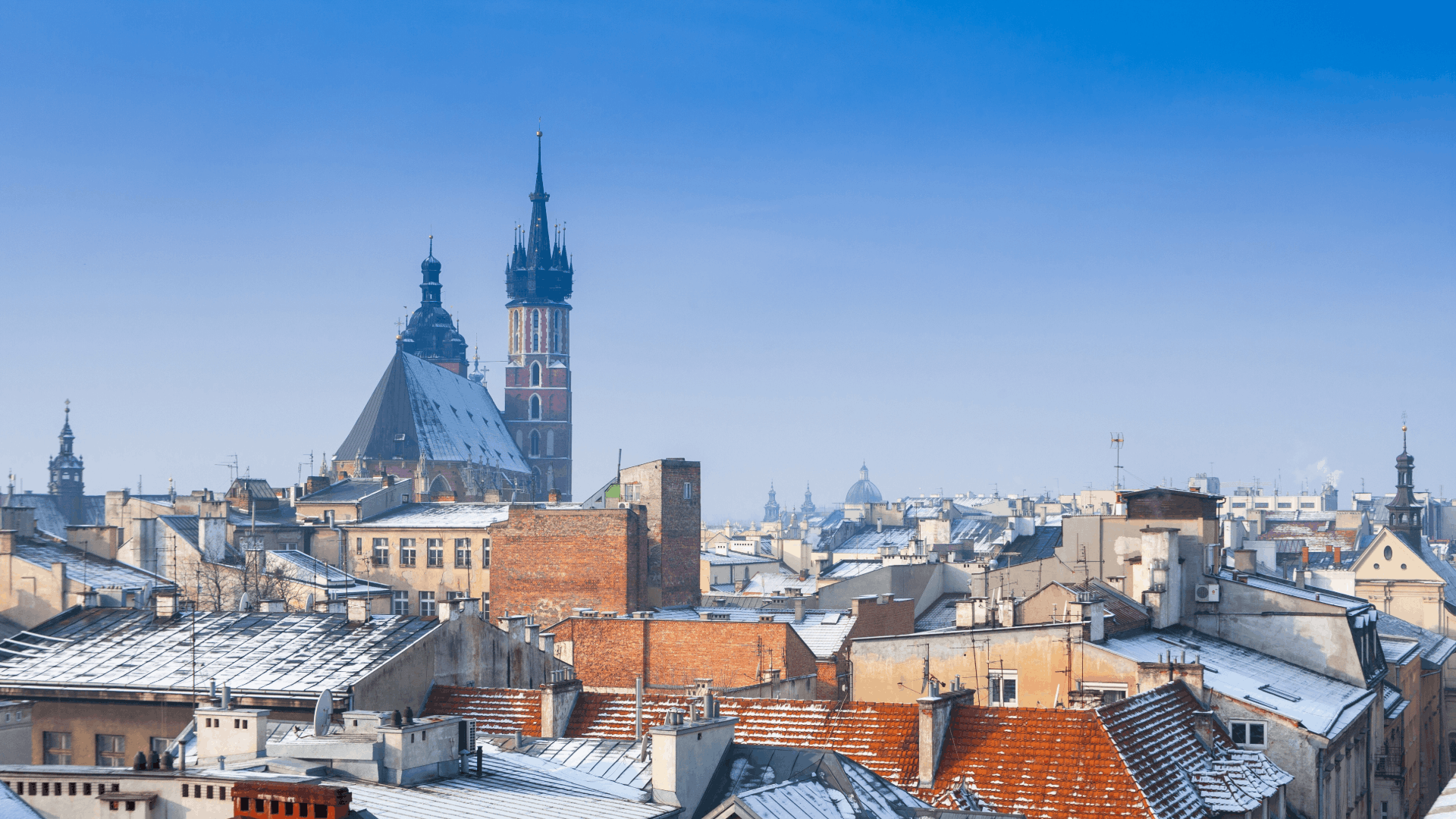
The St. Mary’s Basilica (Bazylika Mariacka) is the crown jewel of the Rynek. Its taller tower, the
Bugle Tower, stands 82 meters tall and offers the definitive view of the chartered city grid.
- The tower is closed to tourists in the wintertime. The ascent involves 239 steep, wooden steps. In freezing temperatures, the condensation from breath and the cold air make these steps hazardous. Furthermore, the viewing platform is open to the elements, making it inhospitable for staff and tourists alike during the coldest months.
- Should You Still Visit? Absolutely. While the vertical view is inaccessible, the interior view is at its peak. The Basilica remains open for tourists. The sensory experience of the Veit Stoss Altar (the largest Gothic altarpiece in the world), combined with the starry blue polychrome vaults, provides a visual feast that compensates for the lack of a skyline view.
Hello Cracow Tip: If you are visiting in the "shoulder season" (November, March, or April), check the schedule daily. Even when technically "open," the tower may close abruptly due to high winds or ice.
A Trekking Guide to Winter Panoramas
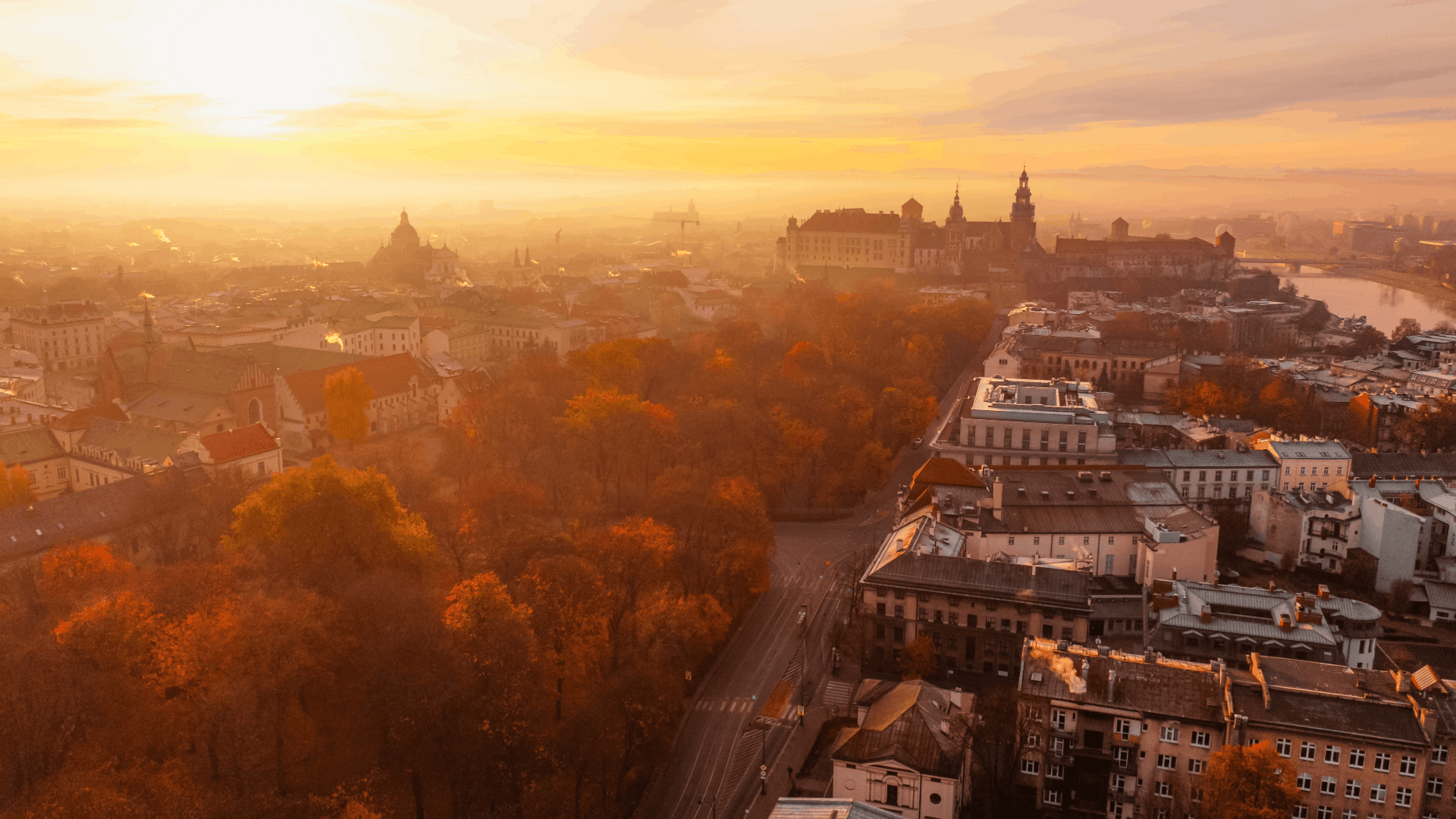
Krakow’s mounds are unique artificial hills that serve as the city's primary observation decks. In winter, they are the most reliable spots for views, as they do not "close" in the same way indoor museums do (except Kosciuszko). They offer a chance to escape the urban smog layer, often rising above the heavy air trapped in the valley, and witness the sun setting behind the Jurassic limestone cliffs.
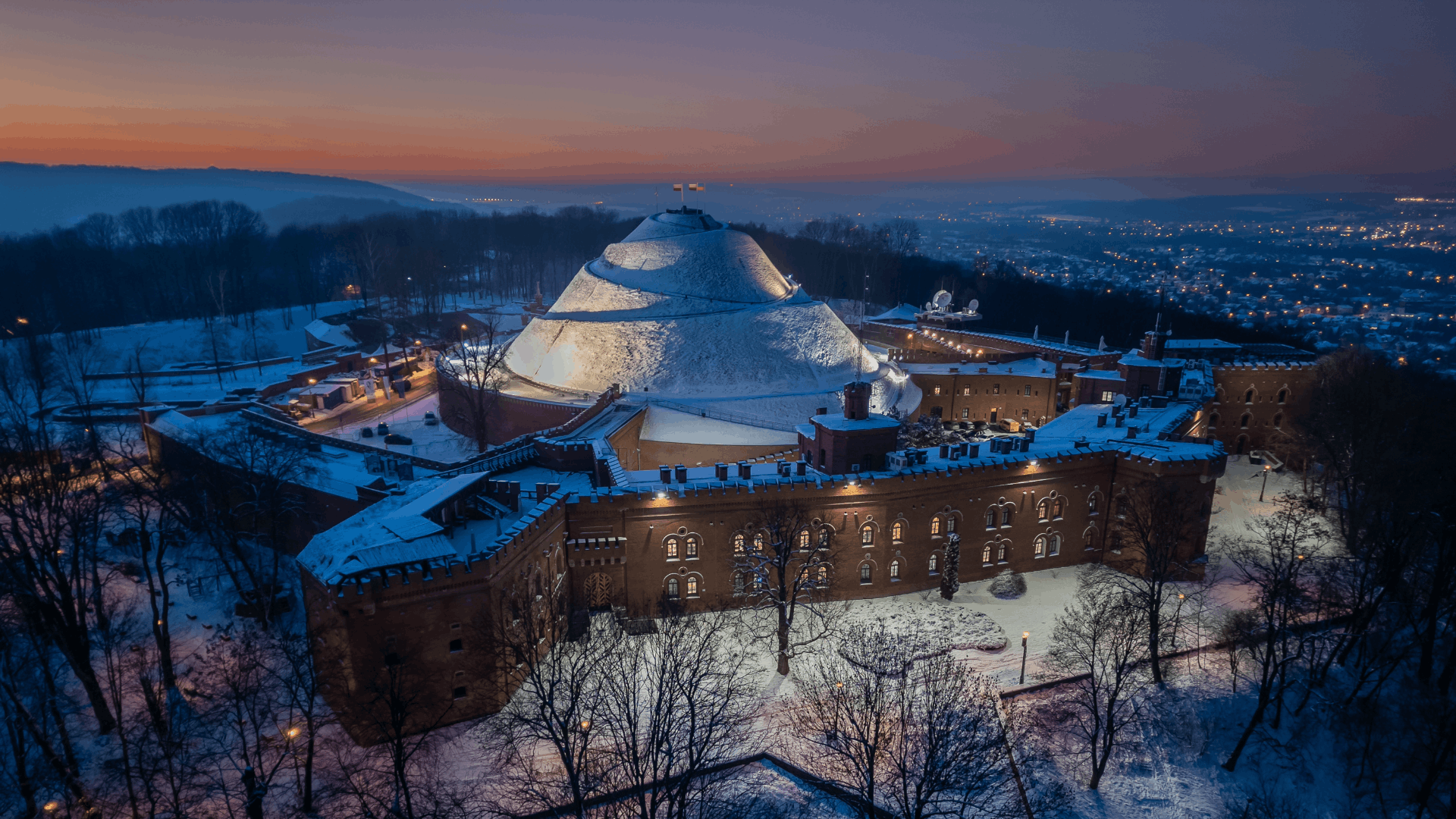
Kosciuszko Mound: The Sunset Race
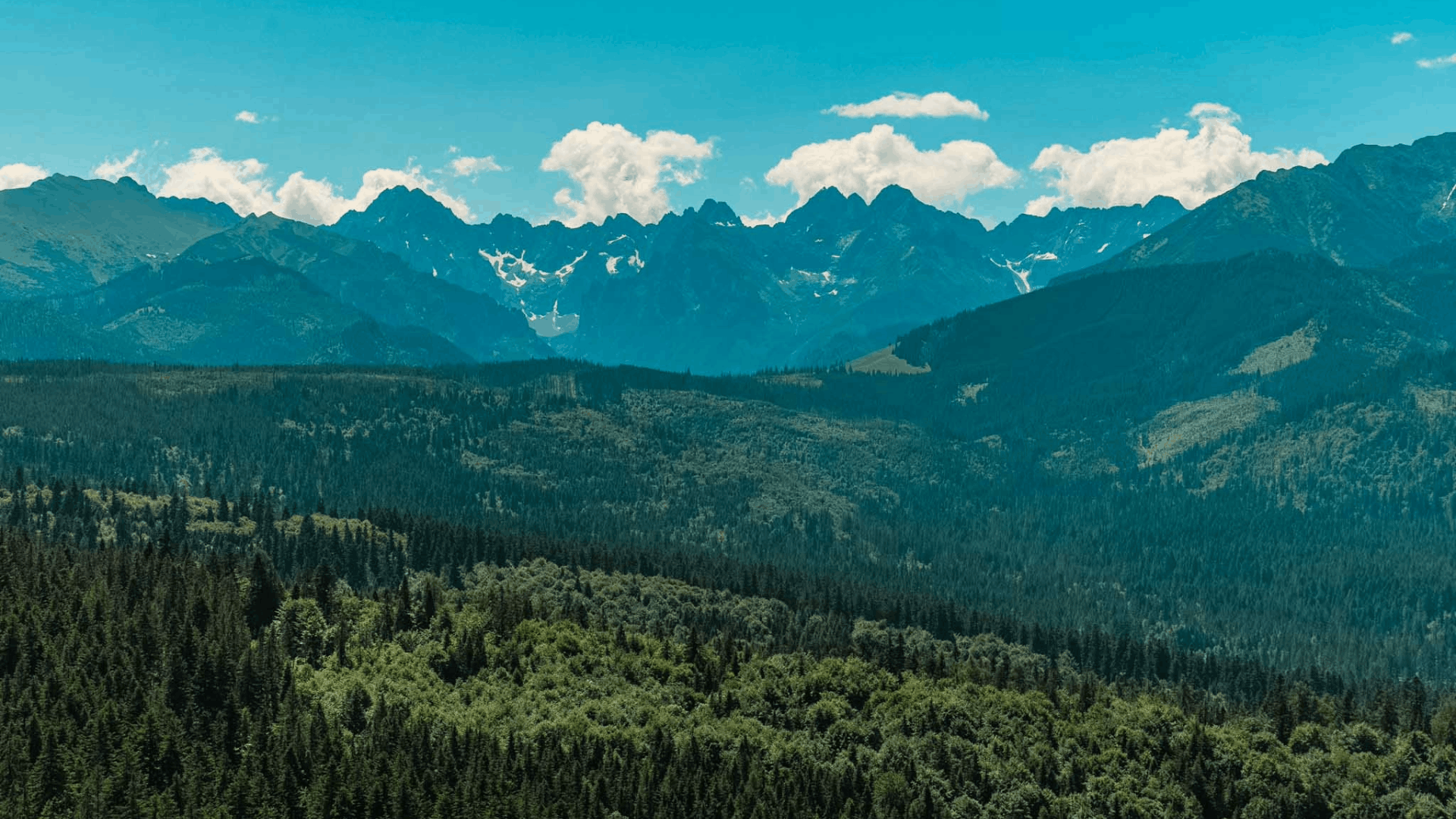
Located in the Zwierzyniec district, this is the most developed and tourist-friendly mound. It stands 330 meters above sea level. From the summit, you command the entire Vistula valley. To the east, the Old Town lies spread out like a map. To the south, on clear winter days (often following a storm front), the
Tatra Mountains are visible 100km away, jagged and white against the horizon.
- Opening Hours: In winter, the mound is open daily from 9:00 AM to 3:30 PM.
- The Trap: Sunset in January is between 3:50 PM and 4:10 PM. The mound closes before or exactly during sunset.
- Arrive by
2:00 PM. Tour the "Kosciuszko – Hero in Two Worlds" exhibition and the fortress interiors to warm up. Head to the summit at 3:00 PM. You will catch the "Golden Hour", that magical low light that turns the city gold, just before the guards usher visitors down. Do not plan for a "night view" here; it is impossible in winter.
Krakus Mound: The Mystic Sunrise
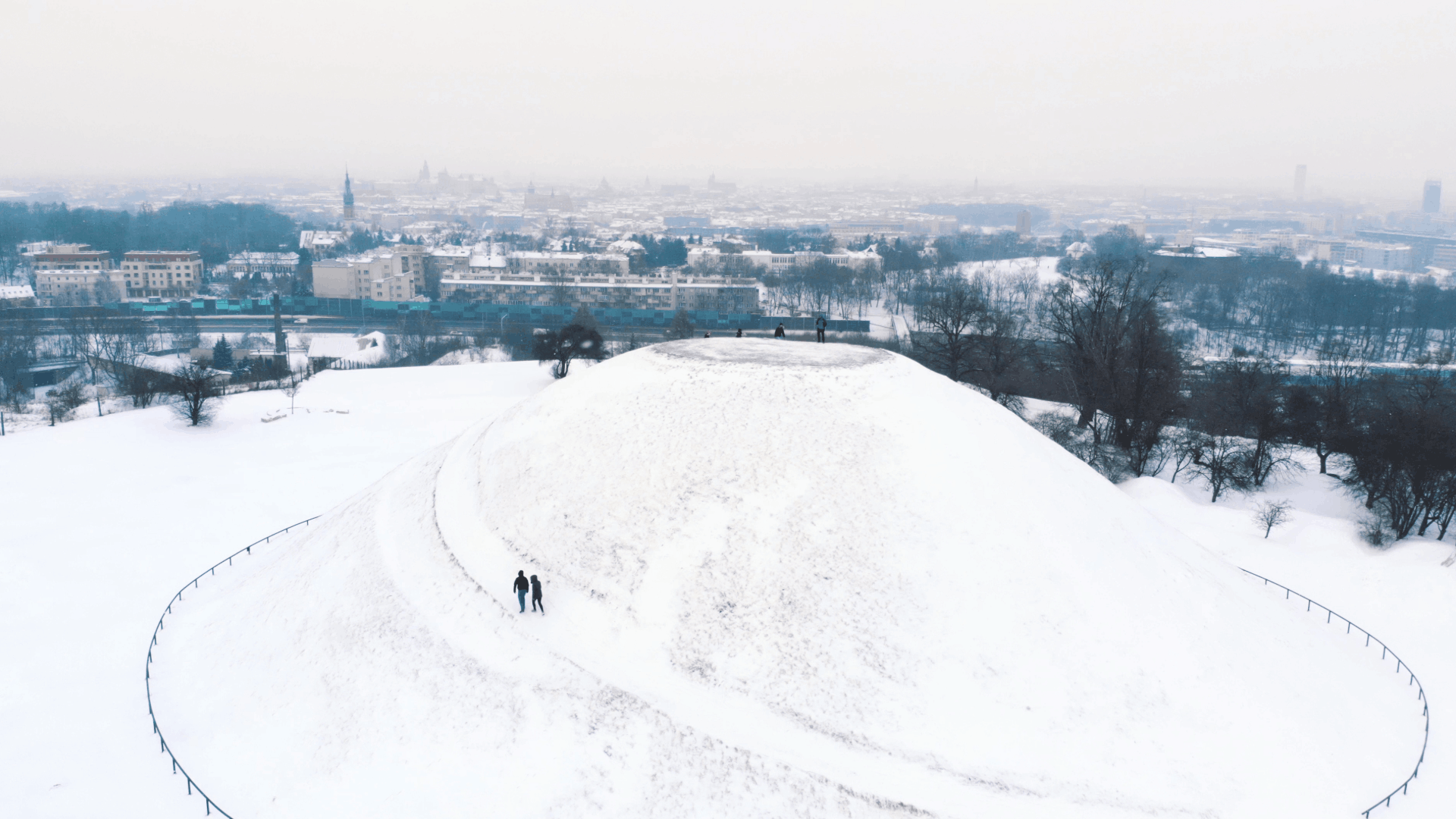
Located in Podgorze, this mound is the legendary burial site of King Krak. It is wild, unlit, and free. Unlike Kosciuszko, Krakus Mound never closes. This makes it the only high-altitude spot for sunrise photography (around 7:30 AM) or night photography.
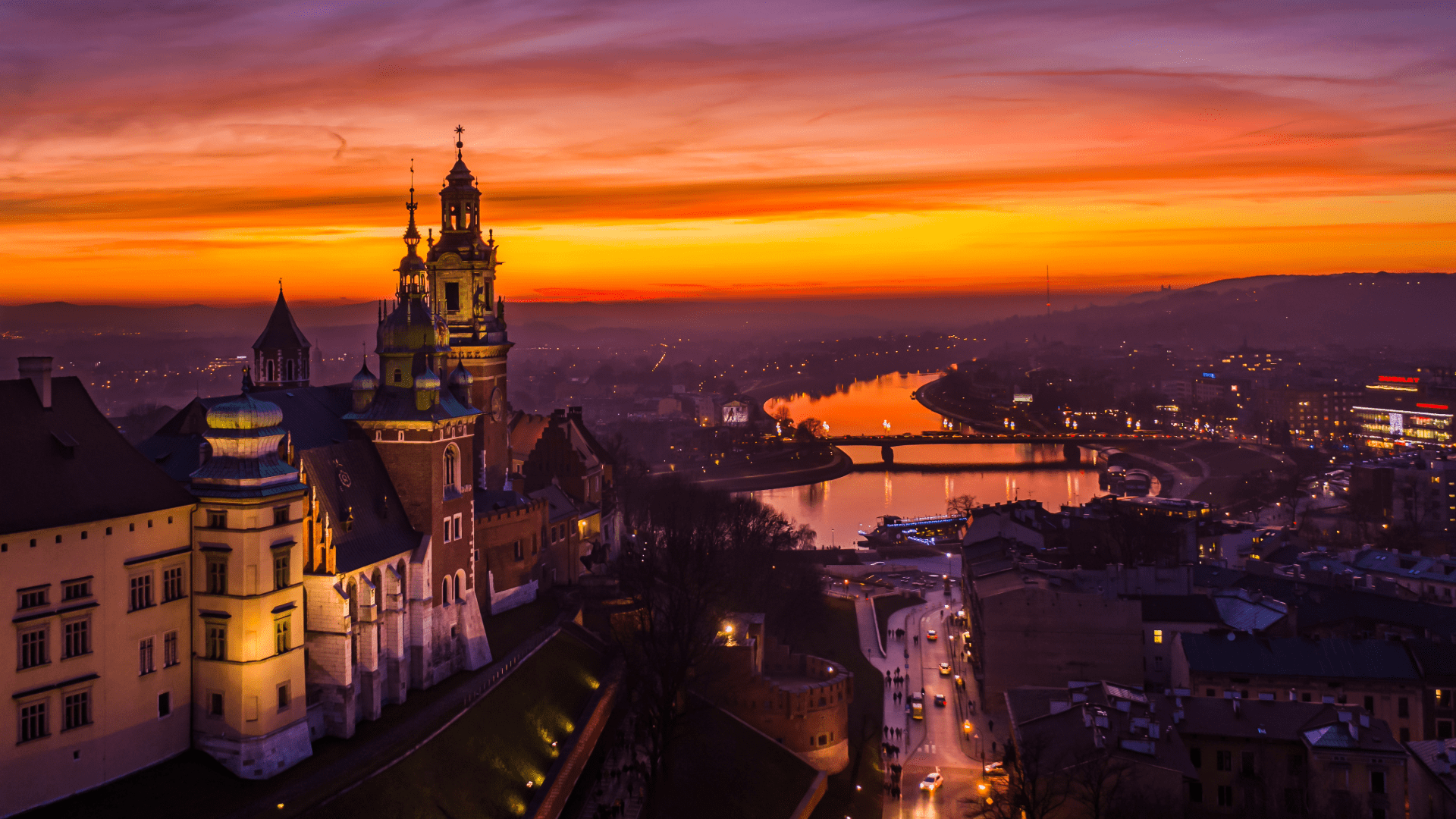
- The Light: In winter, the sun sets directly behind Wawel Castle when viewed from this angle. It creates a stunning silhouette of the castle spires against the burning sky.
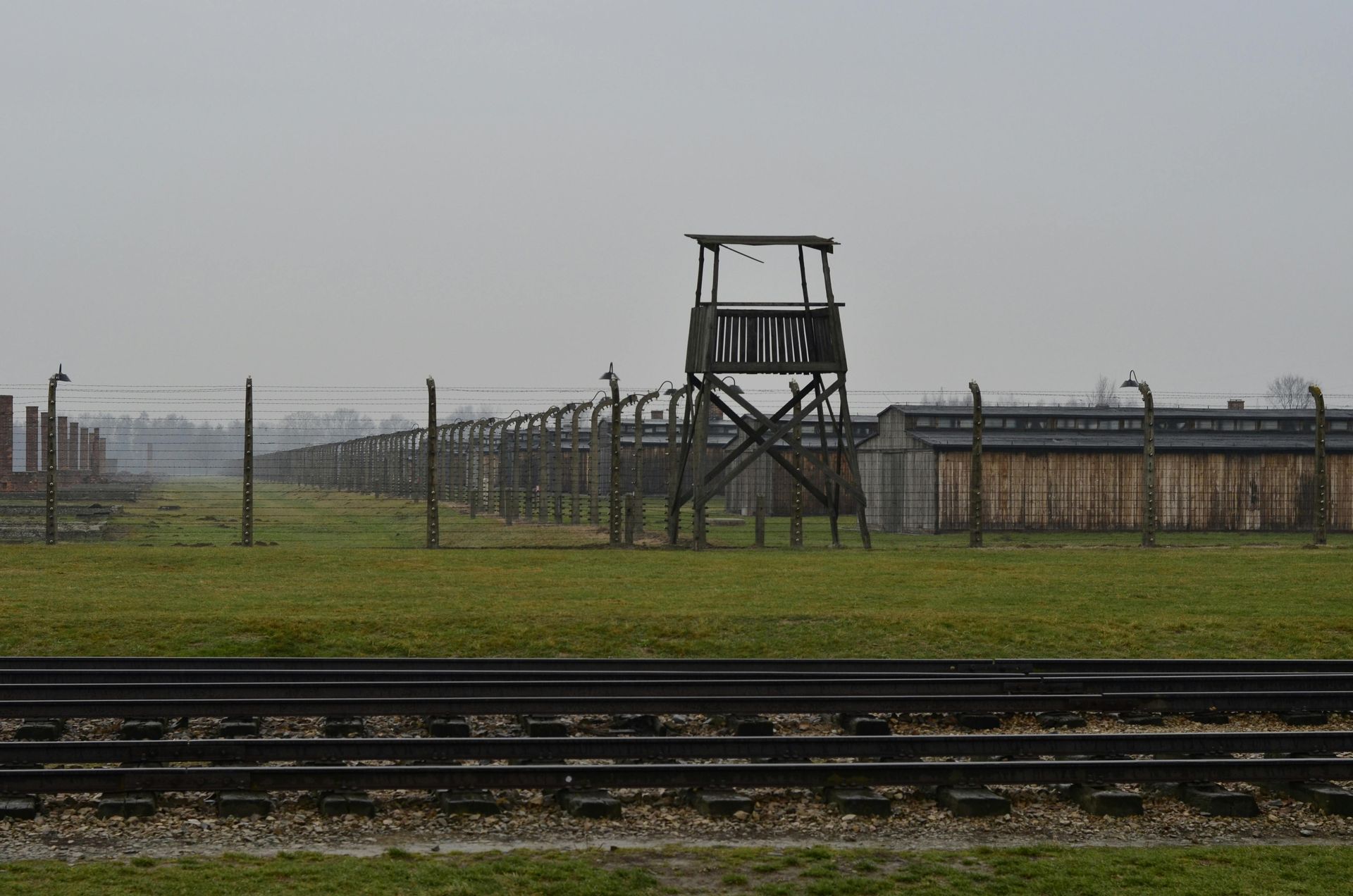
- The Atmosphere: It is raw. The wind whips across the summit. The view includes the haunting Liban Quarry (used as a set for Schindler's List) and the industrial chimneys, contrasting with the medieval center.
- Safety Warning: The path is spiral and paved with cobblestones that become incredibly slick with ice or packed snow. Traction cleats are highly recommended for the ascent. Bring a strong flashlight if visiting for sunset; the descent will be in pitch blackness.
Pilsudski Mound: The Silent Giant
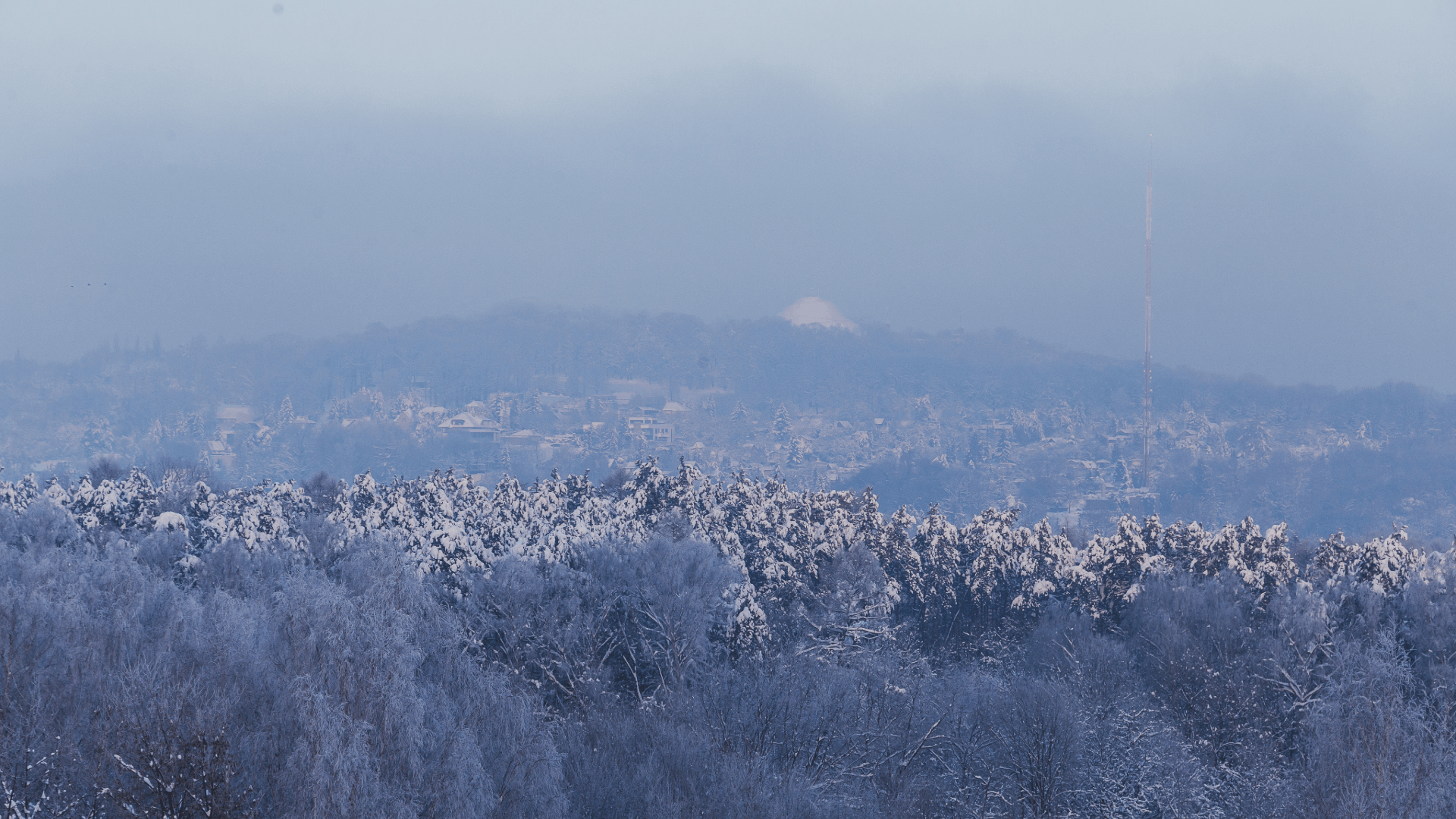
Deep in the Wolski Forest (Las Wolski), this is the highest mound. This is a hike, not a stroll. In winter, the forest is a "Narnia-esque" wonderland of snow-laden pines. The mound rises above the tree line. It is less about the city (which looks like a toy model in the distance) and more about the expanse of nature. It offers the best probability of seeing the mountains due to its superior elevation.
- Accessibility: Free entry. Requires a bus ride (Lines 134 to ZOO) and a hike. Essential for those wanting to escape the city noise.
Dining with a View
When the temperature drops to -10°C (14°F), standing on a hill loses its appeal. The travelers shift to "indoor panoramas" restaurants and bars with floor-to-ceiling glass and heating.
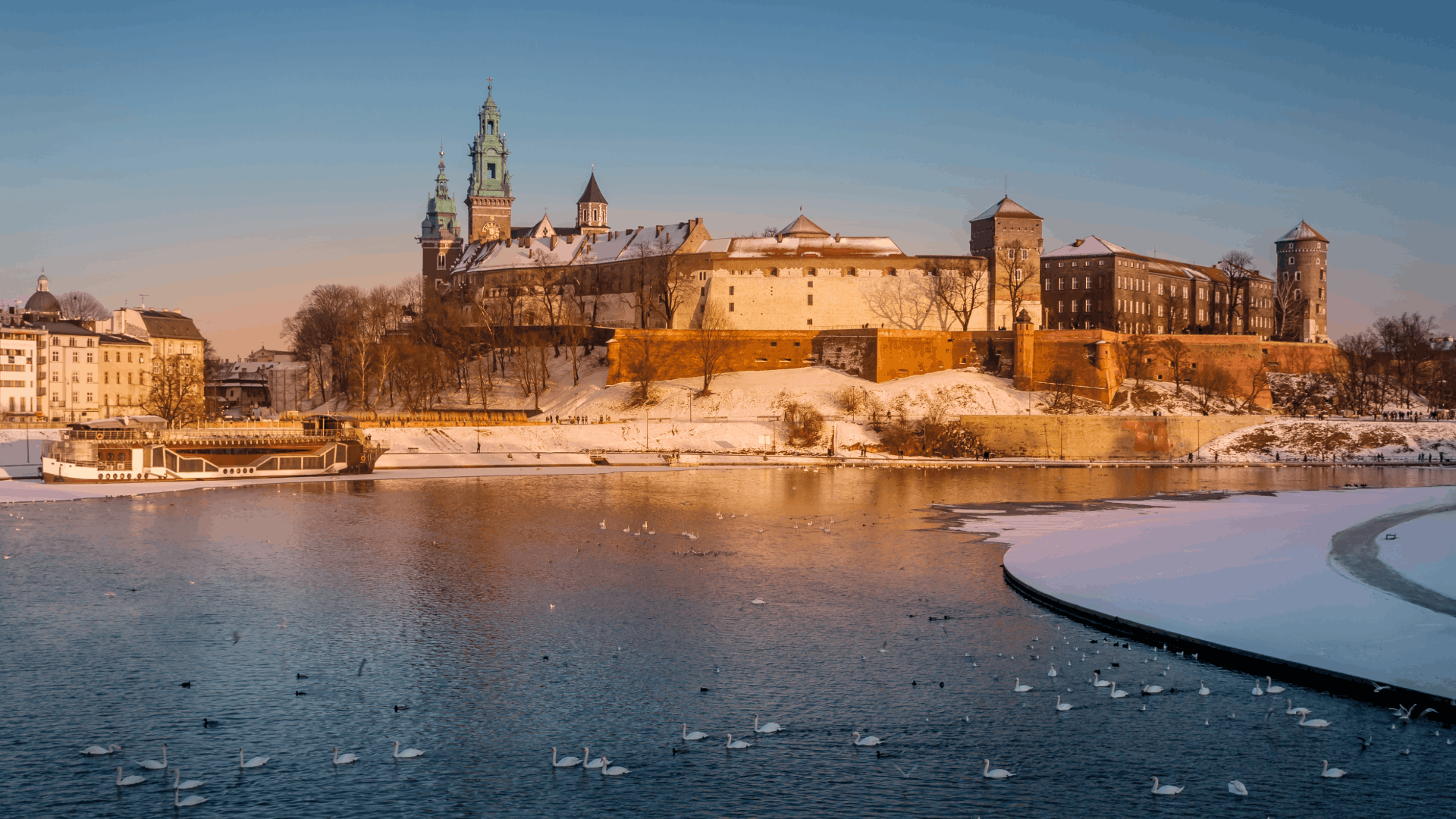
Where is the Best Winter View of Wawel?
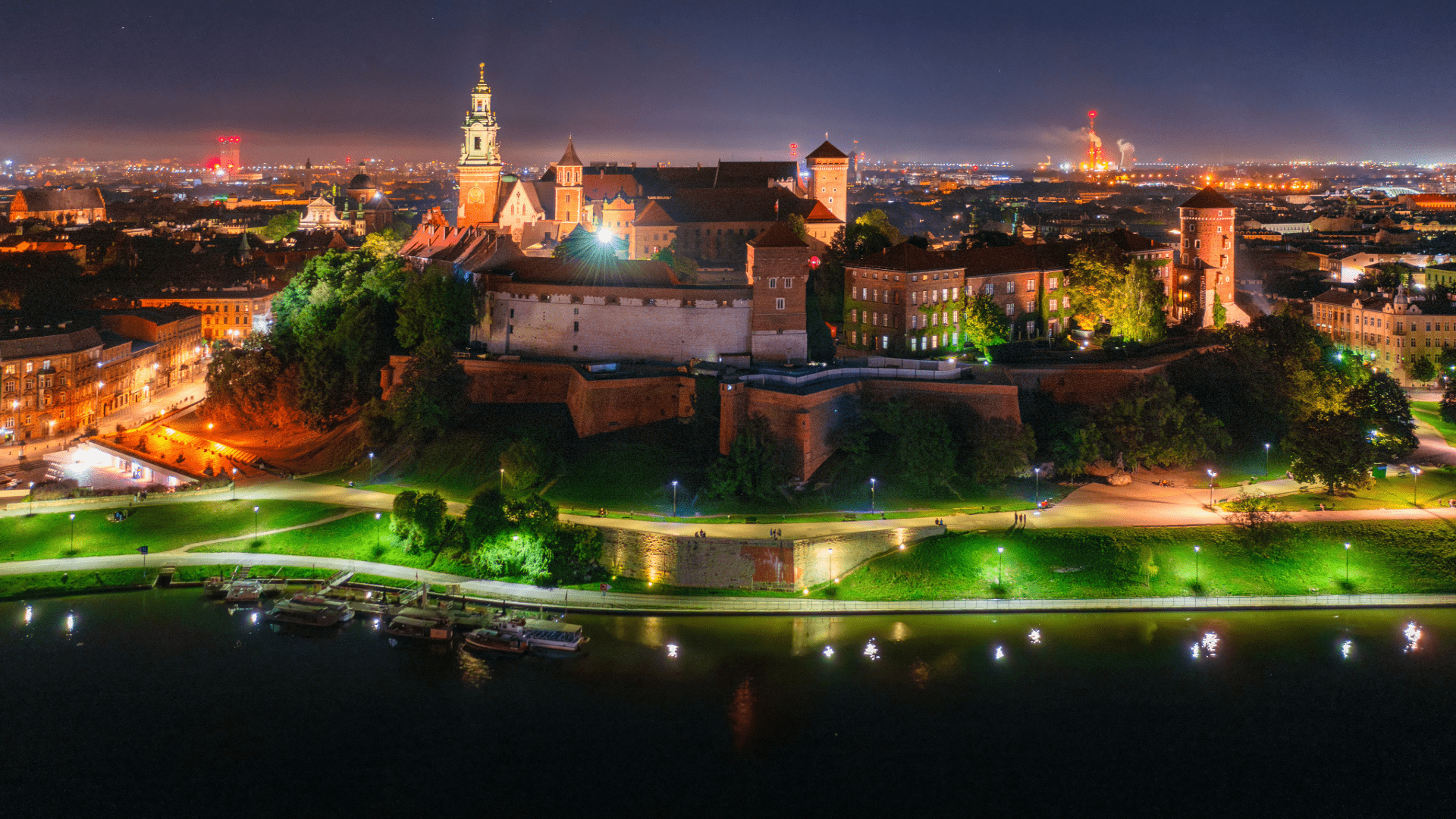
The Wawel Castle is best viewed from the north bank of the Vistula or from the Debniki side.
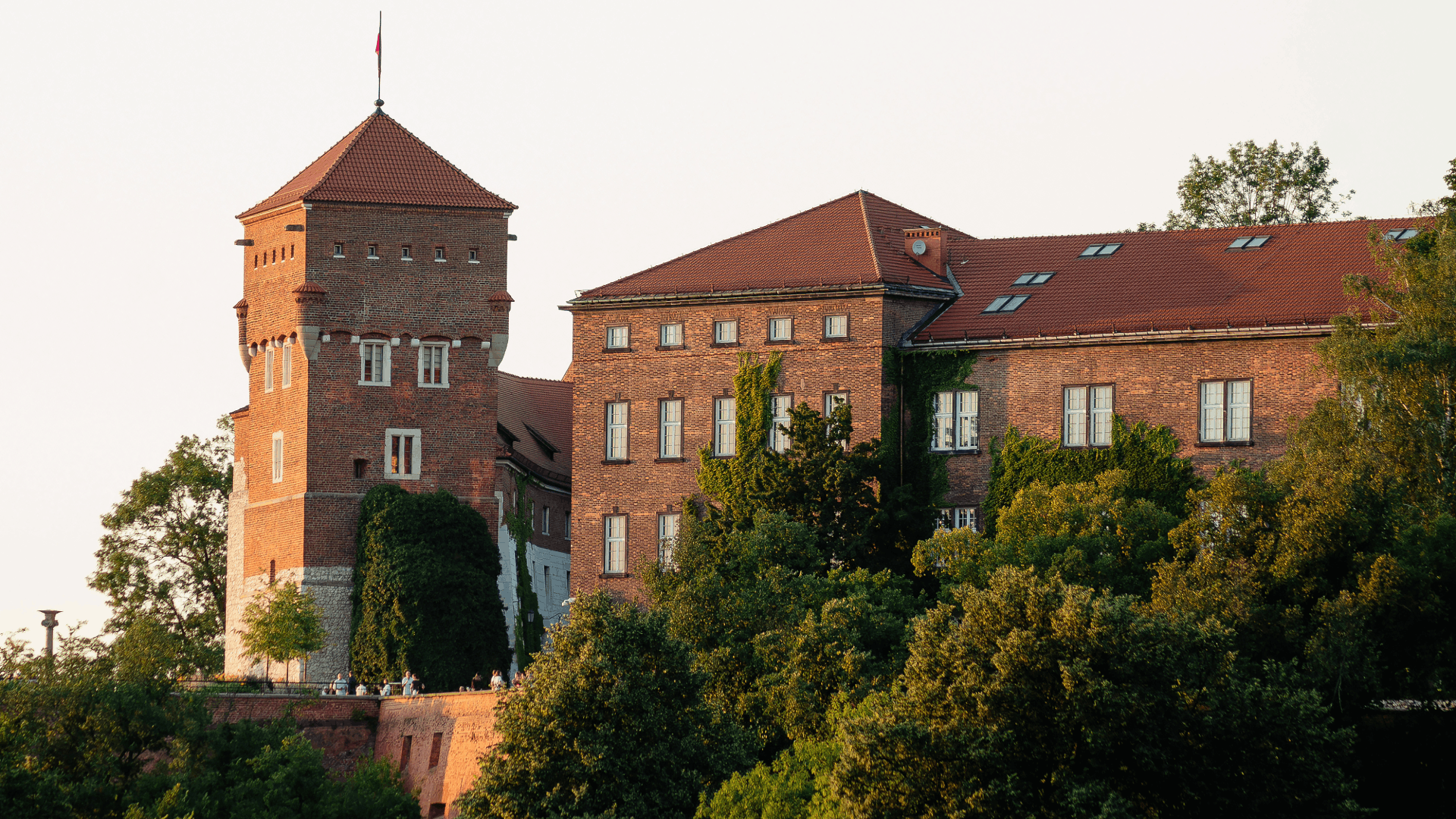
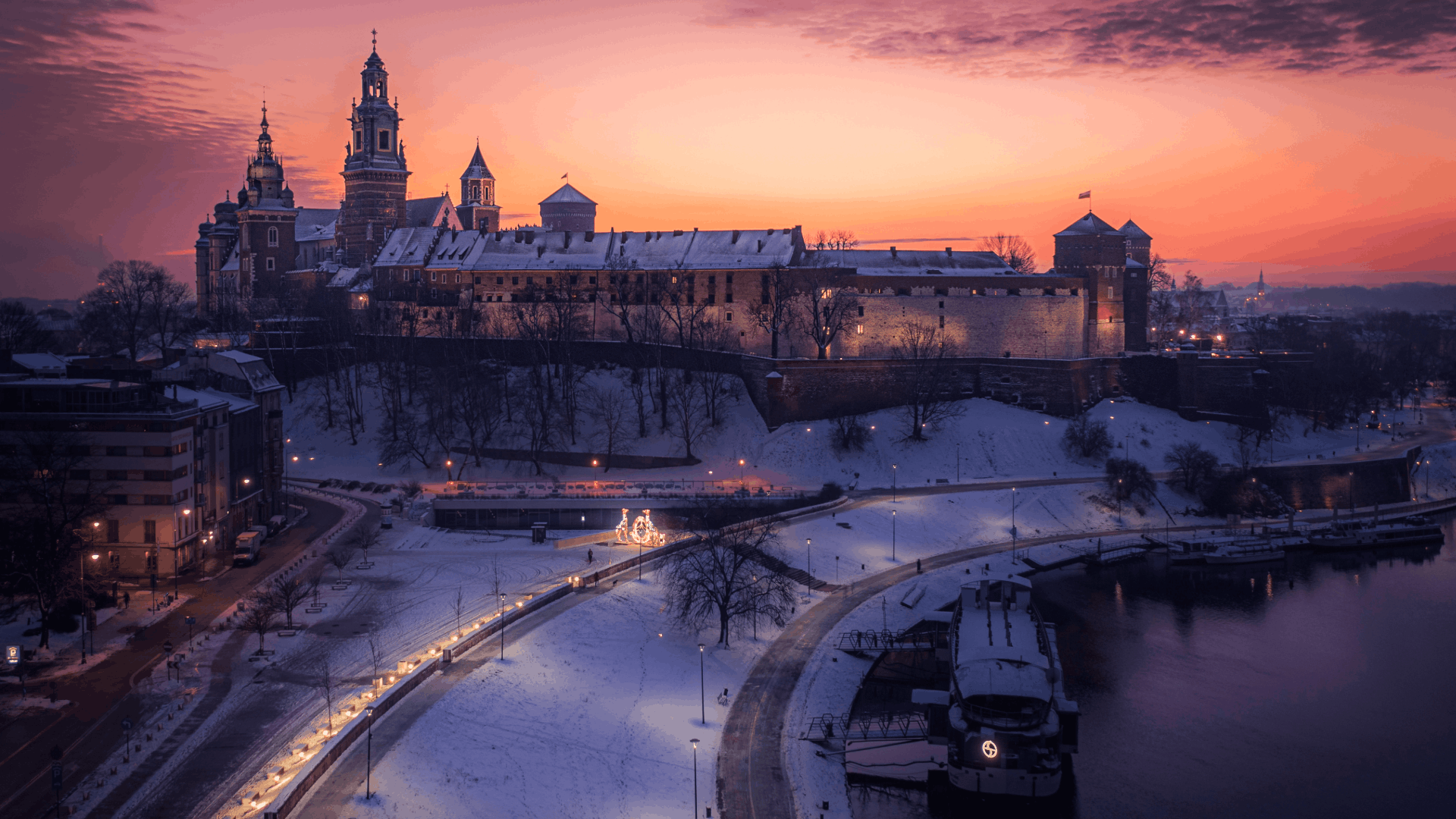
- Groble Sky Bar (Hotel Pod Wawelem): Located at the foot of the castle, this venue offers an intimate, almost voyeuristic view of the castle walls. You are looking up at the castle, not down. In winter evenings, the floodlights illuminate the red brick and the golden domes of the cathedral. The bar is enclosed and heated, making it a perfect sanctuary after a walk.
- Vidok Restaurant (Jubilat Building): Situated on the top floor of the Jubilat department store. This offers the classic "postcard" view of the Wawel bend. It is spacious and fully glazed. It is an excellent spot for a midday lunch to watch the ice floes (if any) drifting down the Vistula.
The Luxury Option
- Sheraton Grand Krakow: The famous open-air roof top terrace is typically closed for the winter season. Do not go there expecting to sit outside. The hotel’s
Club Lounge or river-facing rooms offer the same view. If you are not a guest, the lobby bar or restaurant still offers glimpses, but the prime view is from the closed terrace.
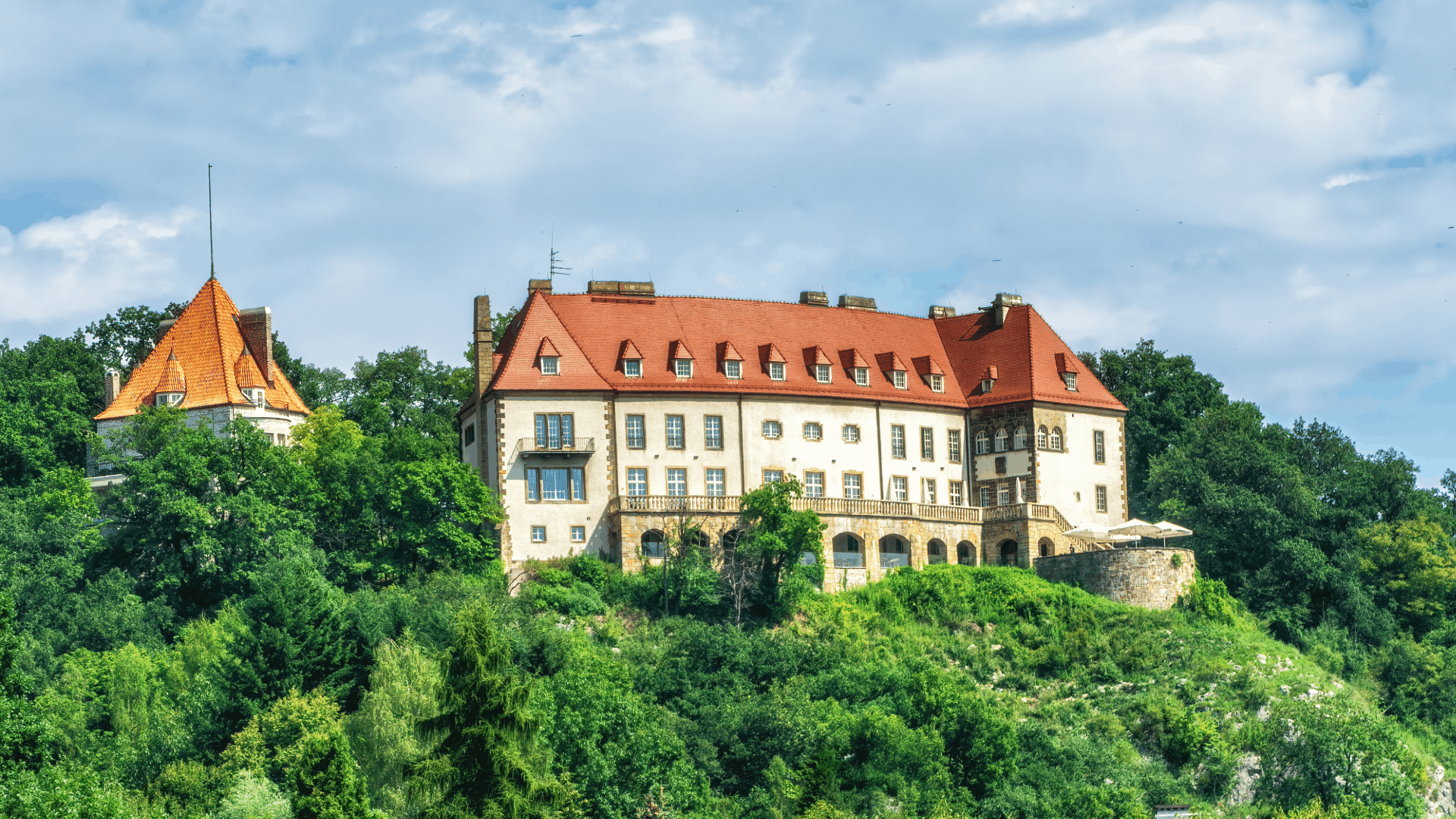
- U Ziyada (Zinar Castle): Located in Przegorzaly, 5km from the center. High-end, oriental aesthetic within a historic structure built during WWII. It sits on a limestone cliff. The terrace (and indoor windows) overlooks the Vistula meandering through the valley. It is the most expansive dining view in Krakow.
Modern & Industrial Perspectives
Can I Fly the Balloon in Winter?
The Captive Balloon (Balon Widokowy) near the Forum Hotel offers the highest view in the center (150m). During wintertime, operations are strictly wind and visibility-dependent. Do not book in advance. Walk to the Wolynski Boulevard. If you see it flying, go immediately. If it is grounded, visit the Cracow Eye (Ferris Wheel) nearby, which offers a lower (50m) but enclosed and more reliable view.
The Nowa Huta Geometry
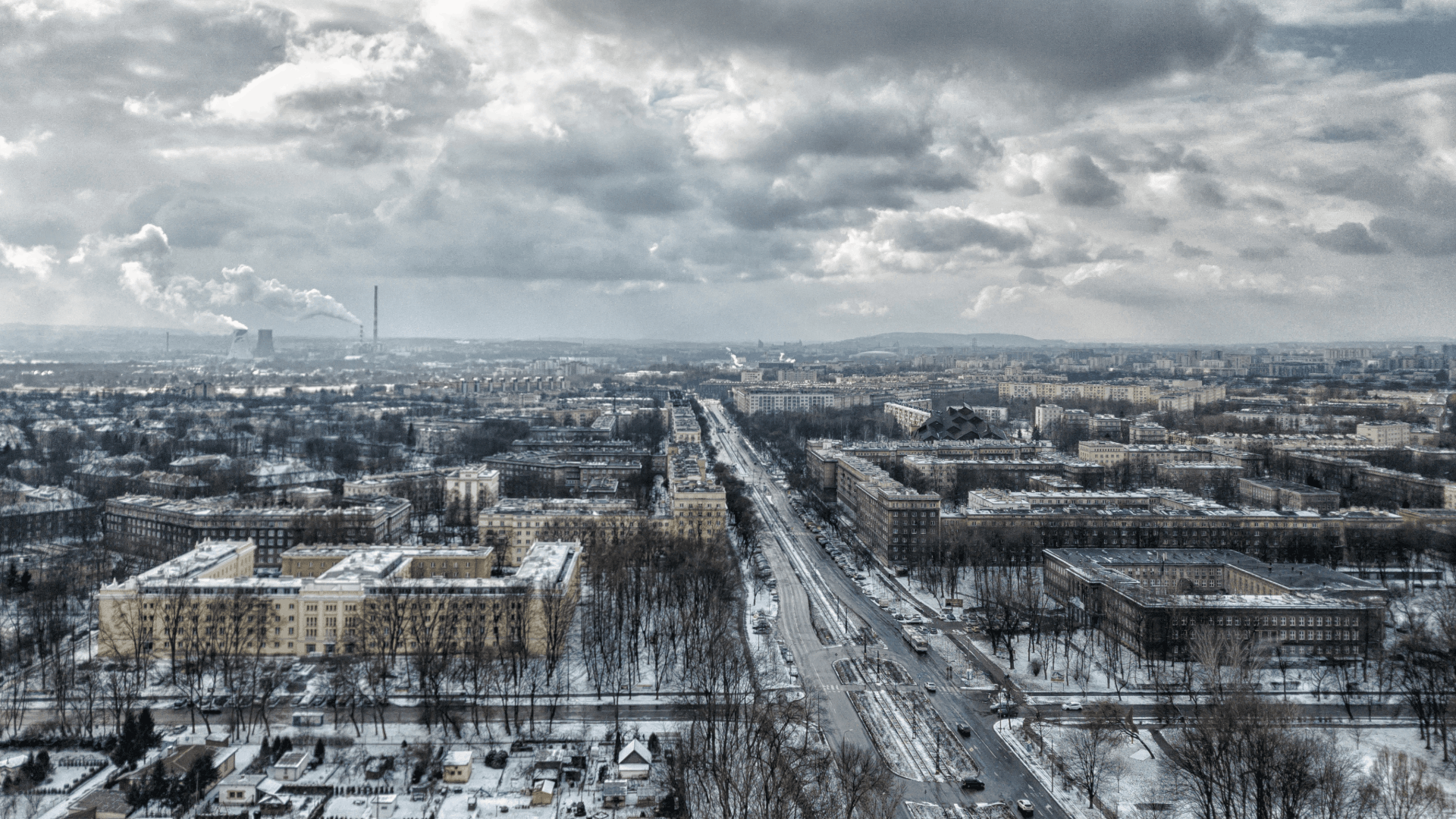
For a completely different aesthetic, take the tram to
Nowa Huta to visit
Wanda Mound (Kopiec Wandy), a smaller, historical mound. It offers a view of the industrial steelworks. In winter, the steam from the cooling towers against a grey sky creates a powerful, brutalist image distinct from the "Disney-esque" Old Town.
The Historical & Cultural Context of Views
The Ring of Fortresses
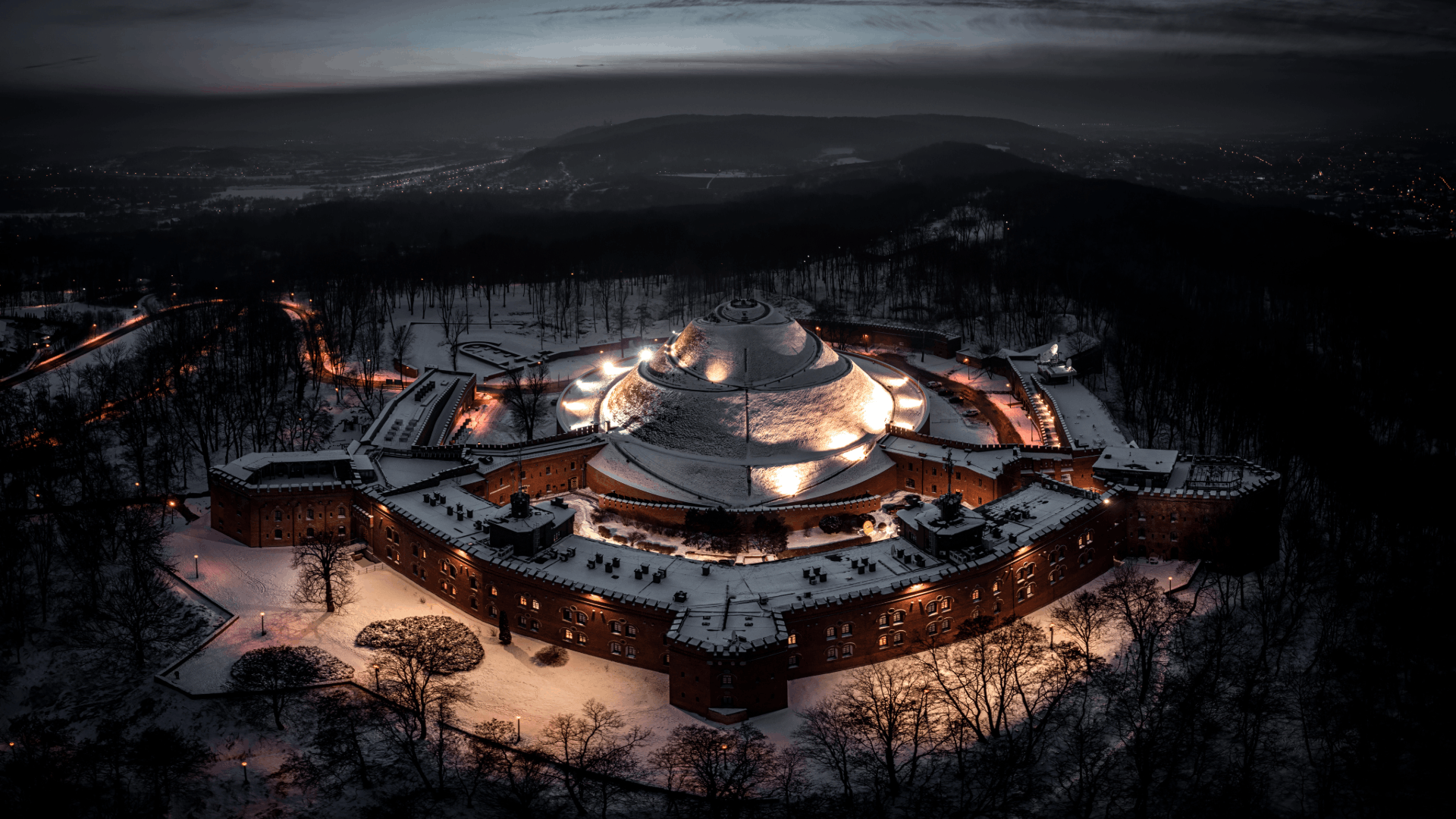
When you stand on Kosciuszko Mound, you are not just on a pile of dirt. You are standing atop a 19th-century Austrian citadel (Fort 2 "Kosciuszko"). The Austrians surrounded Krakow with a "Twierdza Krakow" (Fortress Krakow) ring. The mounds were incorporated into this defensive system. The view you see today (unobstructed lines of sight) was originally engineered for artillery fire. This explains why the views are so commanding; they were designed to be.
The Legend of the Two Towers
Looking at St. Mary’s Basilica from the ground, notice the unequal height. Legend says two brothers built them. The older brother, jealous of the younger’s progress on the stronger tower, murdered him. The Hejnal (bugle call) you hear breaking off mid-note commemorates a watchman shot in the throat by a Tatar arrow. When you look up at that tower in the swirling snow, you are looking at a sentinel that has watched over the city's tragedies and triumphs for 700 years.
The Vistula's Bend
The view from the Debniki side (near Manggha) is iconic because of the Zakole Wisly (Vistula Bend). The river naturally eroded the base of Wawel Hill, creating the steep limestone cliff that made the castle defensible. In winter, when the trees on the bank are bare, the geology of the "Jurassic Limestone" is clearly visible under the brick walls. This is the geographic reason for Krakow's existence.
Extended Practicalities
| Location | Type | Winter Status (Jan/Feb) |
|---|---|---|
| Kosciuszko Mound | Outdoor | OPEN |
| Krakus Mound | Outdoor | OPEN |
| St. Mary's Tower | Tower | CLOSED |
| Town Hall Tower | Tower | CLOSED |
| Sheraton Terrace | Rooftop | CLOSED |
| U Ziyada | Restaurant | OPEN |
| Wawel Courtyards | Historic | OPEN |
Air Quality and Visibility
- Check the App: Download Airly.
- The Rule: If PM10 is >150%, skip the distant mounds (Kosciuszko, Pilsudski). The view will be a grey wall. Stick to close-up views like Wawel or the Main Square.
- The Exception: Often, the smog sits in the valley. The top of Pilsudski Mound (Las Wolski) can sometimes be above the inversion layer, offering sunshine while the city is gloomy.
Transportation
- Uber/Bolt: Highly reliable and cheap in Krakow. Recommended for getting to Kosciuszko Mound or U Ziyada to save time in the short daylight hours.
- Trams: The backbone of travel. Use
Jakdojade app for schedules. Trams run frequently (every 5-10 mins).
Safety on the Heights
- Mounds: There are no rails on the steep sides of Krakus or Pilsudski mounds. In icy conditions, a slip could be dangerous. Stay on the designated paths.
- Riverbanks: The lower boulevards can flood or freeze. If the stone is wet near the river, do not walk close to the edge; the water is freezing and the current is stronger than it looks.
Ready to see Krakow from every angle?
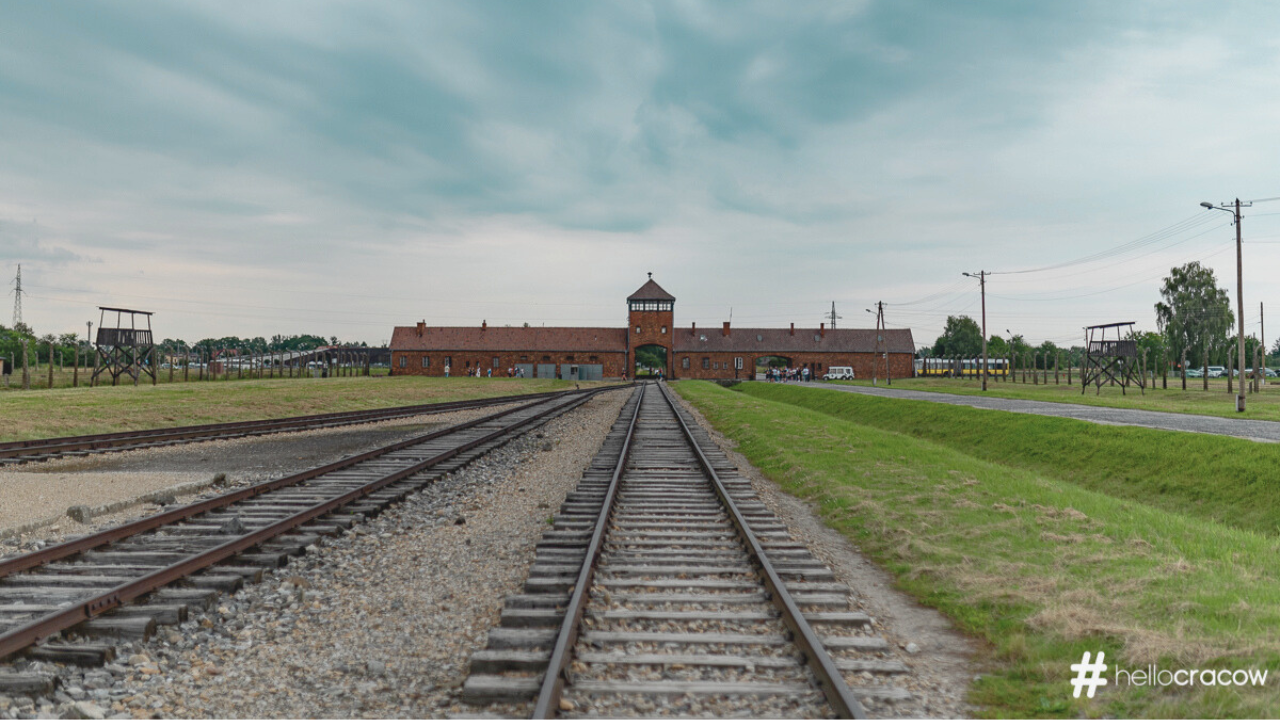
Whether you want to explore the historic streets or head out on a day trip to the Wieliczka Salt Mine or Auschwitz-Birkenau, Hello Cracow is your local expert partner. Contact us today to book your adventure.