



Experience the Magic of Christmas in Krakow
The arrival of winter in Krakow signals a refined blend of cultural heritage, religious tradition, and tourism-driven urban space. As Poland’s former capital and a UNESCO World Heritage site, the city undergoes a visible transformation. It shifts from an academic and historical center into a multisensory festive landscape. This change extends beyond surface aesthetics. It reflects a profound socio-cultural process that has been shaped over centuries. Long-standing rituals, from elaborate nativity scenes to strict Christmas Eve customs, remain essential. Today, these traditions intersect with the expectations of a rapidly growing global tourism market.
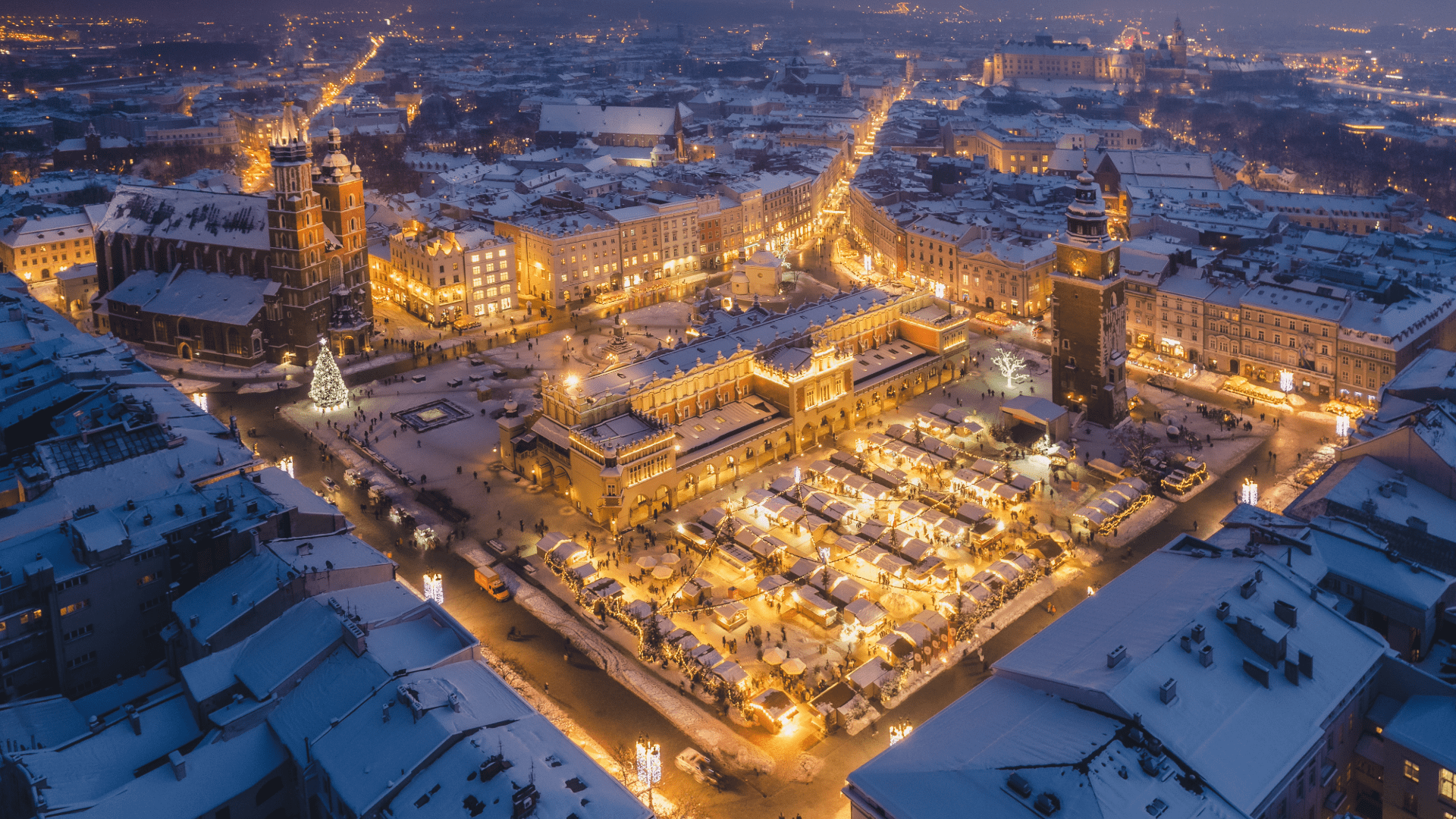
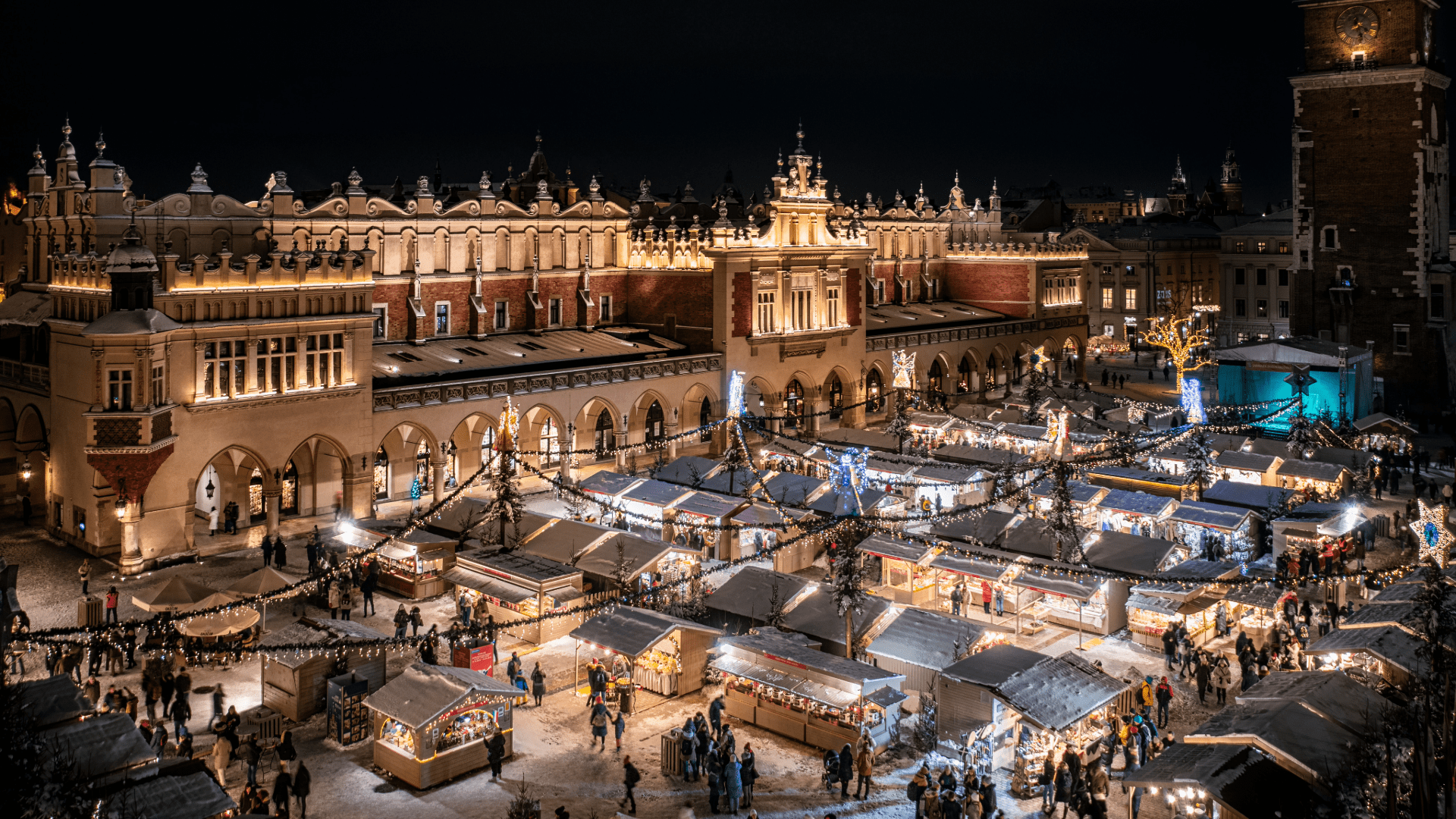
Christmas Market on the Main Market Square
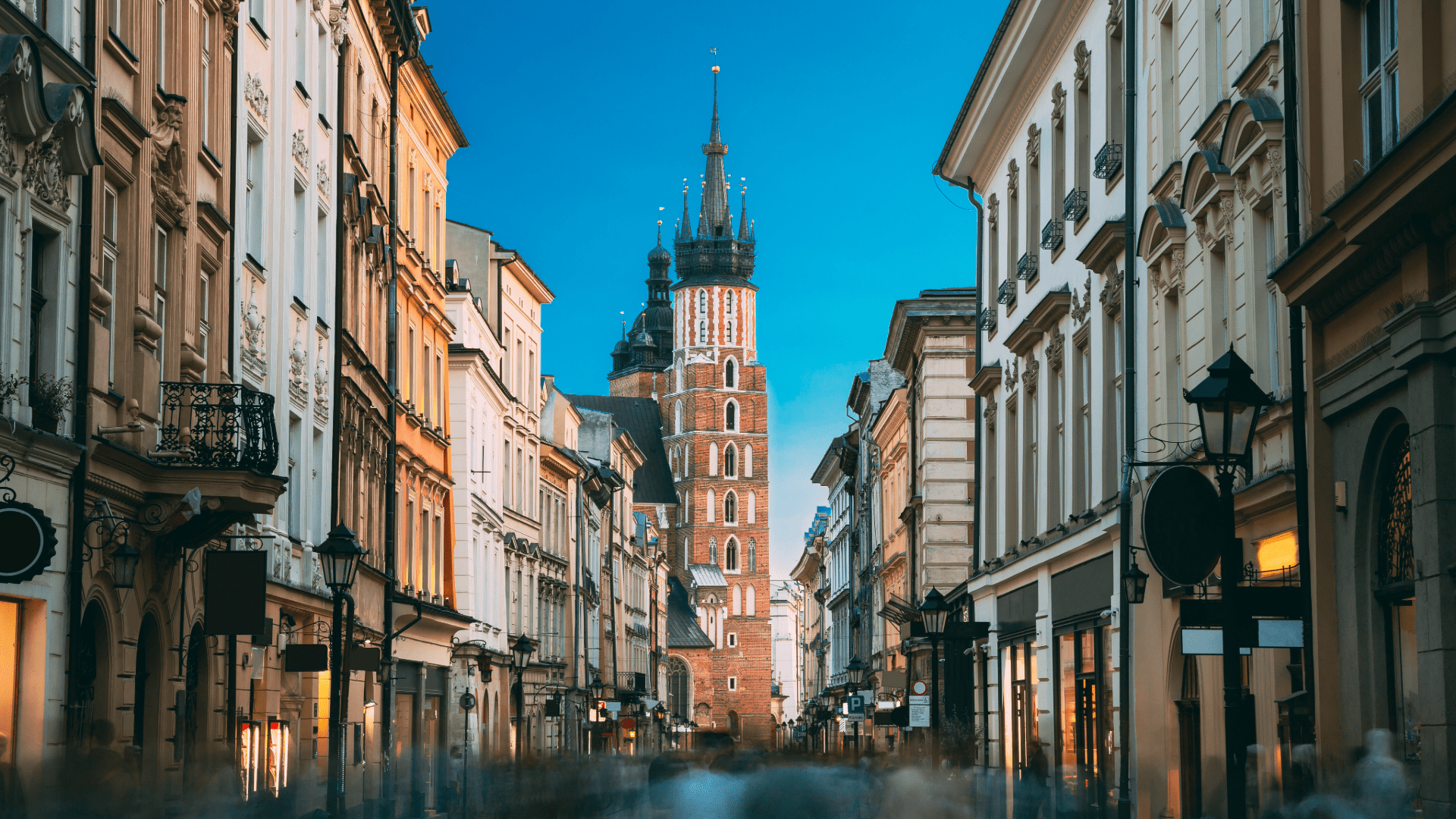
The Christmas Market on the Main Market Square functions as the economic and symbolic center of Krakow’s winter season. Scheduled from November 28, 2025, to January 1, 2026, it defines the festive calendar. The market fills Europe’s largest medieval square. It uses the Cloth Hall and St. Mary’s Basilica as a historic backdrop. This setting strengthens the sense of authenticity and place.
The procurement of goods at the market is strictly regulated to prioritize traditional crafts over mass-produced items. This curation ensures that the market remains a repository for authentic Polish craftsmanship. Key product clusters found within the wooden kiosks include:
| Product Category | Specific Examples | Origin |
|---|---|---|
| Glass and Ceramics | Hand-painted glass baubles (bombki), Bolesławiec pottery, glass art | Symbols of Polish craftsmanship exported globally; often featuring Krakow motifs. |
| Textiles and Fibers | Embroidered linens, wool socks, regional sheepskin coats, lace | Rooted in the pastoral and agricultural traditions of Southern Poland. |
| Woodcraft | Carved angels, kitchen utensils, engraved rolling pins, traditional toys | Utilizing sustainable local timber; reflects traditional Slavic woodcarving. |
| Pantry and Sweets | Honey, meads, gingerbread (pierniki), marcepan figures, roasted nuts | Highlights the regional culinary heritage of the Vistula basin and regional fruit. |
| Jewelry and Metals | Baltic amber in silver, hand-forged iron, local copper work | Connects the city to the historical "Amber Road" and local mining heritage. |
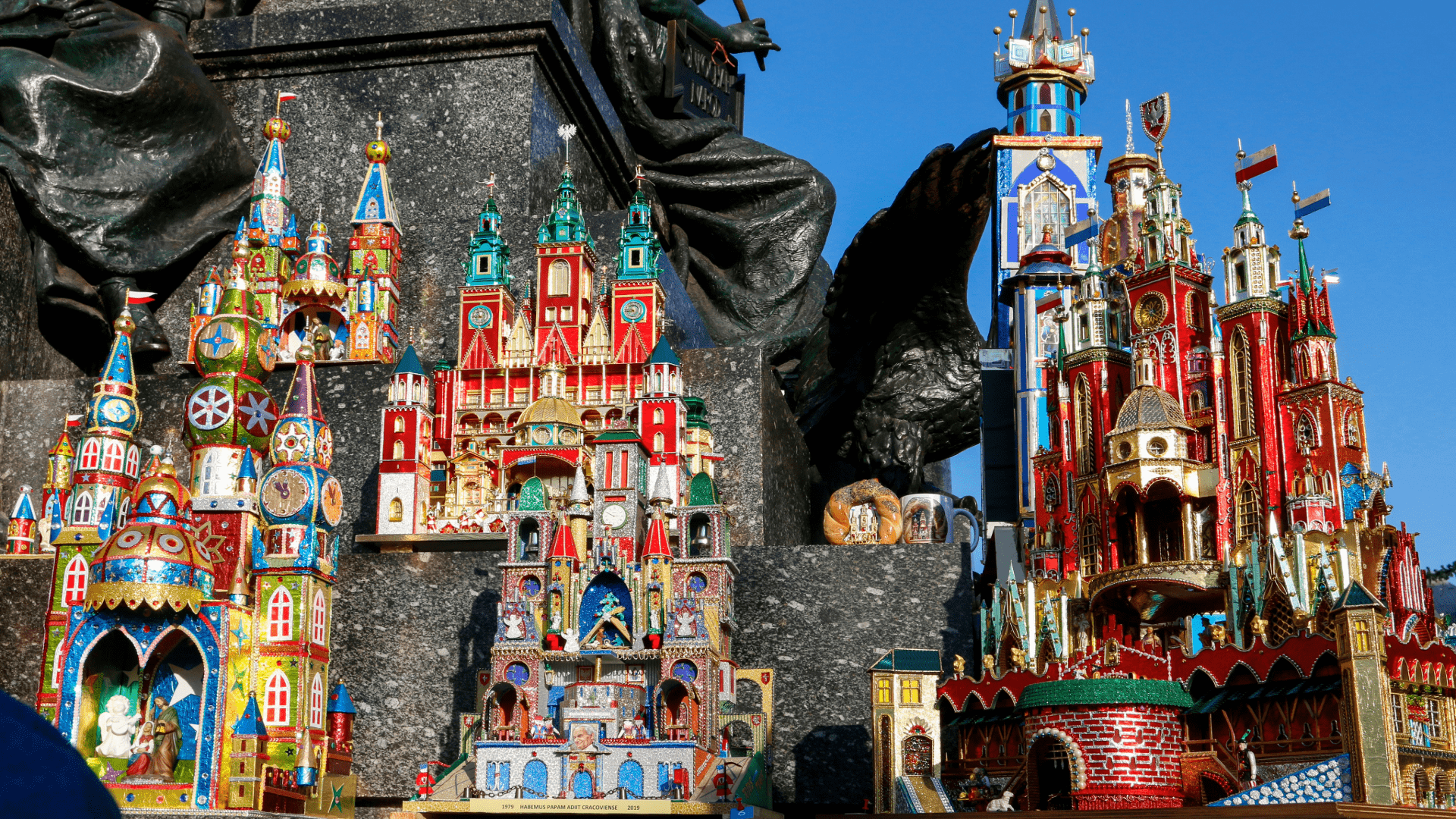
The Krakow Nativity Scene
Unlike classic nativity scenes set in rustic stables, the szopka krakowska reflects Krakow’s skyline in an idealized, kaleidoscopic way. The structures feature multi-story, symmetrical towers made from lightweight materials like wood and cardboard, with brightly colored tinfoil, known as staniol, adding their distinctive shimmer. They incorporate specific elements of Krakow’s architectural landmarks, often blending different historical styles into a single cohesive model :
- The Bugle Call Tower of St. Mary's Basilica is the most common motif, often appearing as the central spire.
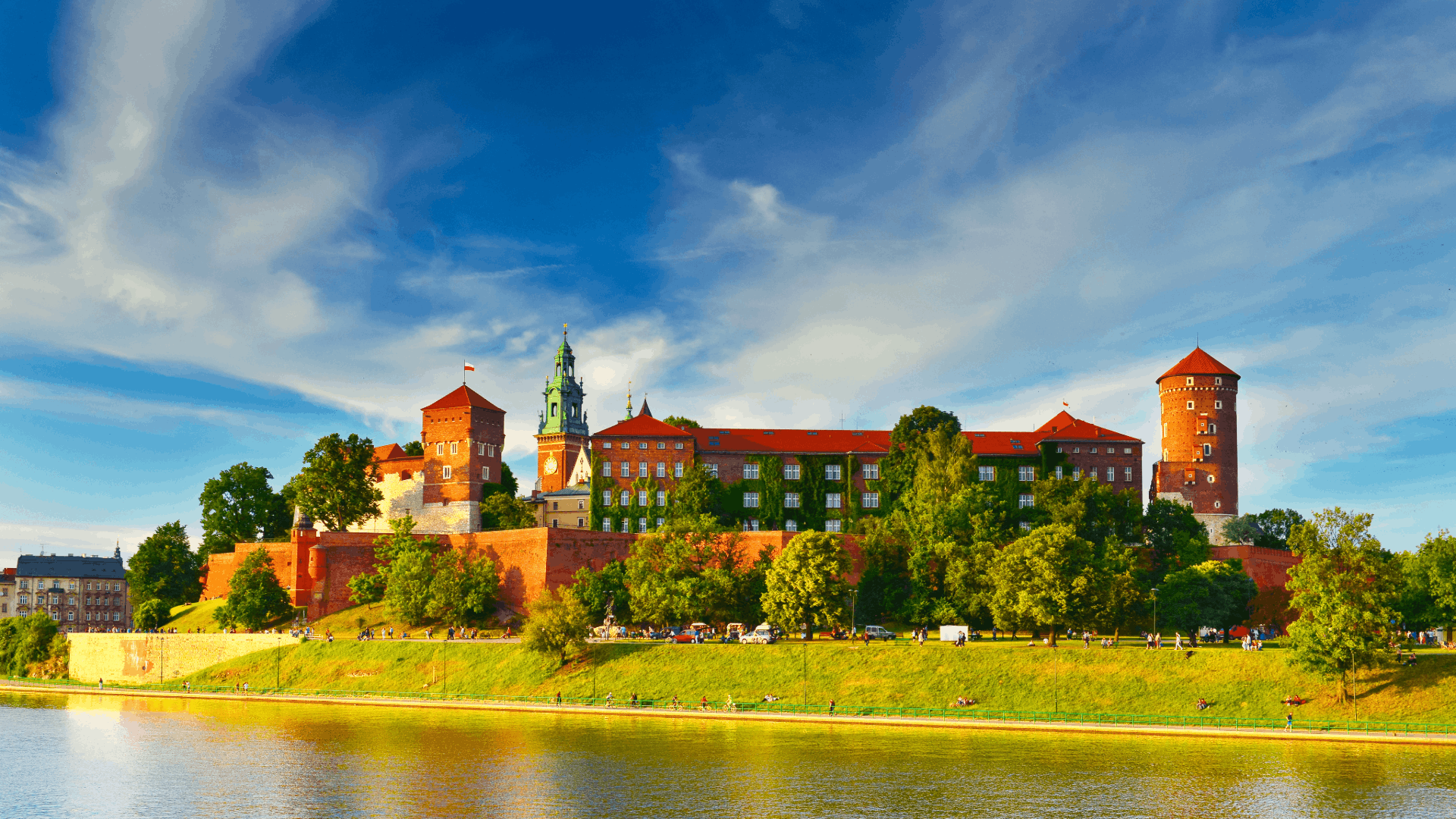
- The Renaissance Arcades and attics of the Cloth Hall and Wawel Castle cloisters.
- The Golden Domes of the Sigismund Chapel at Wawel Cathedral.
- The Barbican and other medieval defensive walls.
This architectural mimicry serves two purposes: it honors Krakow’s historical identity and creates a whimsical, fairytale aesthetic. The design transcends the specific religious scene, making each szopka visually captivating and culturally meaningful. Historical figures like the Wawel Dragon, King Casimir the Great, or Tadeusz Kosciuszko often appear with the Holy Family. This embeds the tradition firmly in Krakow’s local lore and communal memory. Modern szopki increasingly feature contemporary political or cultural figures. This evolution turns them into a dynamic form of social commentary, reflecting current events and public discourse.
The 83rd Nativity Scene Competition
The szopka competition was formalized in 1937 to preserve a craft from 19th-century Krakow masons. It takes place on the first Thursday of December, which in 2025 falls on December 4th. Builders gather at the Adam Mickiewicz monument to present their works. A jury of ethnographers and historians from the Museum of Krakow evaluates the creations. Winning works are displayed at Krzysztofory Palace from December 8, 2025, to March 1, 2026. The exhibition is complemented by the "Around the Nativity Scene" initiative. Large, double-sided, illuminated szopki appear in squares, hotels, and shop windows across the city, turning Krakow’s urban landscape into a festive open-air museum.
Polish Christmas: Wigilia
The core of the Polish festive experience is not the commercial market but the Wigilia, the Christmas Eve vigil on December 24th. In Krakow, this evening is characterized by a high degree of ritualization, balancing Lenten asceticism with celebratory abundance.
Rituals of Preparation and Participation
The Wigilia begins only when the first star appears in the night sky, symbolizing the Star of Bethlehem. The evening centers on the Oplatek ritual: sharing a thin, consecrated wheat wafer with family and friends. During this act, people exchange personal wishes for the year ahead. It serves as a key mechanism for social cohesion in Polish culture, emphasizing forgiveness and the renewal of communal bonds.
The symbolic configuration of the Wigilia table is governed by several traditional constraints:
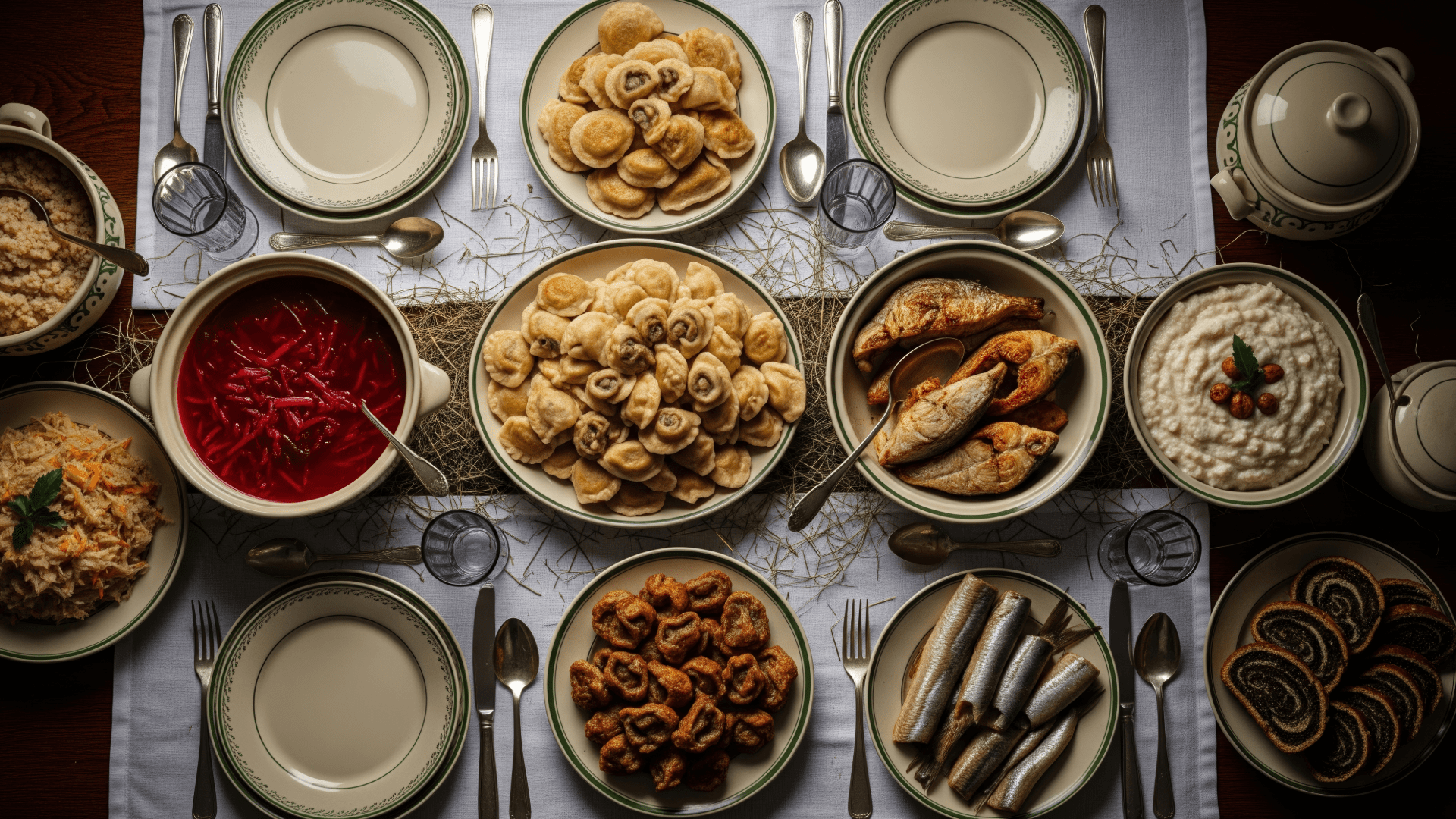
- The Empty Setting: A plate and cutlery are left for the "unexpected guest," representing Polish hospitality and the remembrance of those who cannot be present.
- Hay Under the Cloth: A small amount of hay is placed under the white tablecloth to symbolize the humble conditions of Christ's birth in a manger.
- Twelve Dishes: The menu traditionally consists of twelve dishes, symbolizing the twelve apostles or the twelve months of the year. In traditional practice, one must sample every dish to ensure prosperity in the coming year.
- The Animal Legend: Folklore suggests that at midnight on Christmas Eve, domestic animals are granted the ability to speak in human tongues as a reward for their presence at the Nativity.
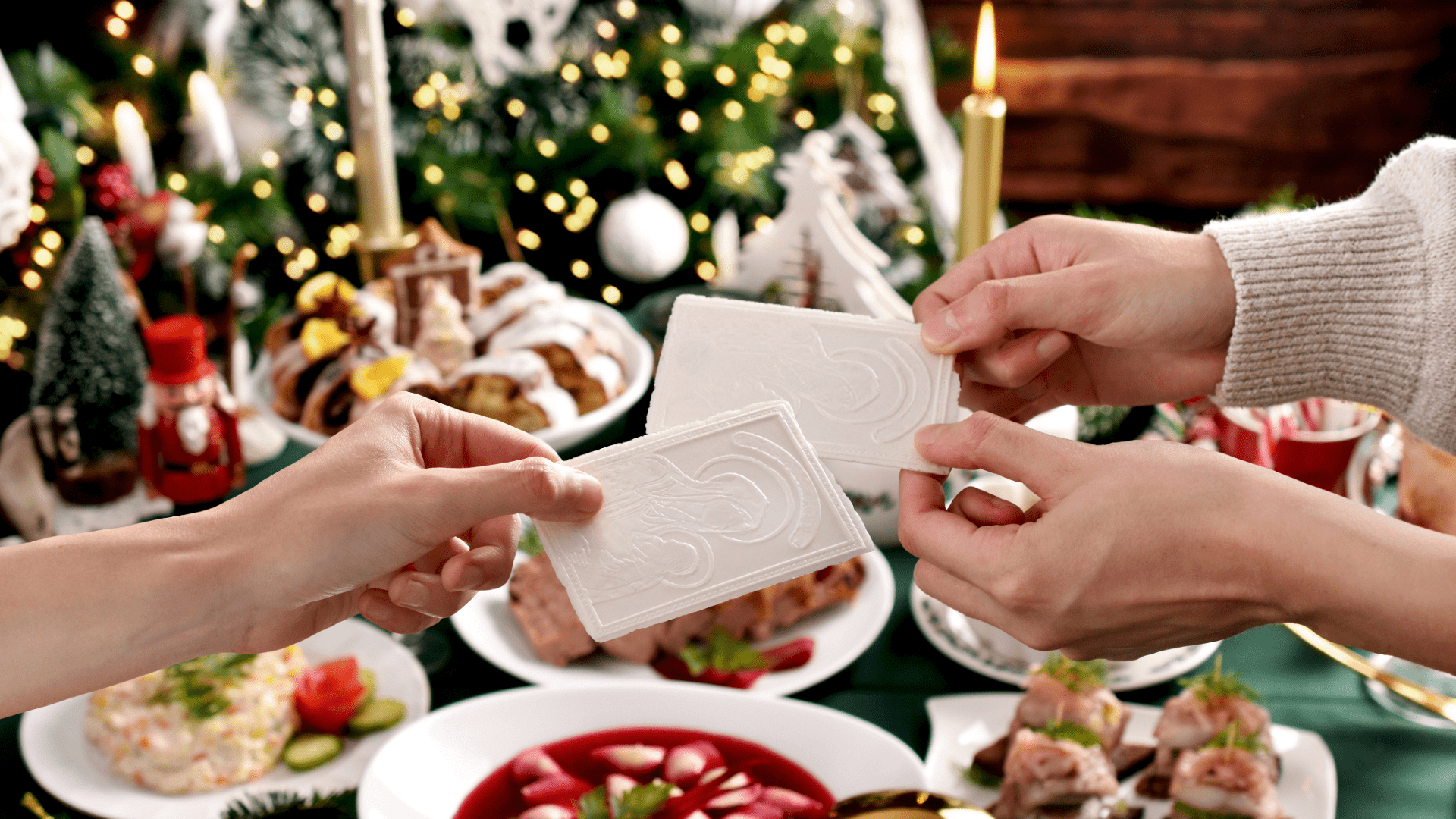
The Culinary Lexicon of Krakow and Malopolska
- Barszcz Czerwony with Uszka: A clear, fermented beet broth served with "little ears" (dumplings filled with mushrooms).
- Jewish-Style Carp: Reflecting Krakow’s rich Jewish heritage, this dish features carp simmered in a sweet jelly with raisins, almonds, and onions. It is typically served cold with chalka (challah bread).
- Karp Zatorski: The Zator region near Krakow provides a specific breed of carp known for its delicate flavor, which is a centerpiece of the meal.
- Pierogi with Cabbage and Mushrooms: A national staple in Poland, known for their savory filling made from sauerkraut and wild forest mushrooms, gently seasoned and wrapped in tender dough, most often served boiled and finished with butter or fried onions.
- Zurek Wigilijny: Unlike the everyday version made with sausage, the Christmas Eve sour rye soup is prepared on a base of fish or dried mushroom broth.
- Kutia: A sweet mixture of cooked wheat berries, poppy seeds, honey, and dried fruits. This dish highlights the historical Eastern influences on Polish cuisine.
- Kompot z Suszu: A beverage made from smoked and dried fruits (plums, apples, apricots), which serves as a digestive aid and provides the characteristic "scent of Christmas" in Polish homes.
- Sledzie (Pickled Herring Variations): Herring prepared in several styles (most commonly in oil with onions, in vinegar, or in a sweet-sour marinade) symbolizes abundance and the importance of fish during Lent.
- Cabbage with Peas: A rustic dish combining sauerkraut and yellow peas, slow-cooked and lightly seasoned, representing simplicity and the agrarian roots of Polish cuisine.
- Krokiety with Cabbage and Mushrooms: Breaded and fried crepes filled with sauerkraut and forest mushrooms, traditionally served hot and often paired with barszcz czerwony during the Wigilia meal.
- Greek-Style Fish: A Polish Christmas Eve dish consisting of fried white fish topped with a thick, slow-cooked vegetable sauce made from carrots, parsley root, celery, and tomatoes, typically served cold; despite its name having no connection to Greek cuisine.
- Poppy Seed Roll: A classic festive dessert made with sweet yeast dough rolled around a rich filling of poppy seeds, honey, nuts, and dried fruit, symbolizing prosperity and good fortune.
Embrace the Soul of a Polish Christmas
As the first star rises over the Vistula, Krakow enters its most magical season. The air fills with the scent of cinnamon and woodsmoke. The city’s heart beats to the rhythm of centuries-old carols. Beyond the glittering lights of the Main Market Square, Christmas in Poland offers a deeply soulful experience. It is anchored by the sacred rituals of the Wigilia and the artistic wonder of UNESCO-protected szopki.
May your holidays be filled with the warmth of an opłatek shared with loved ones and the sparkle of a Krakow szopka. We look forward to welcoming you to our winter wonderland!