



Krakow in January: A Kaleidoscope of Culture and Celebration
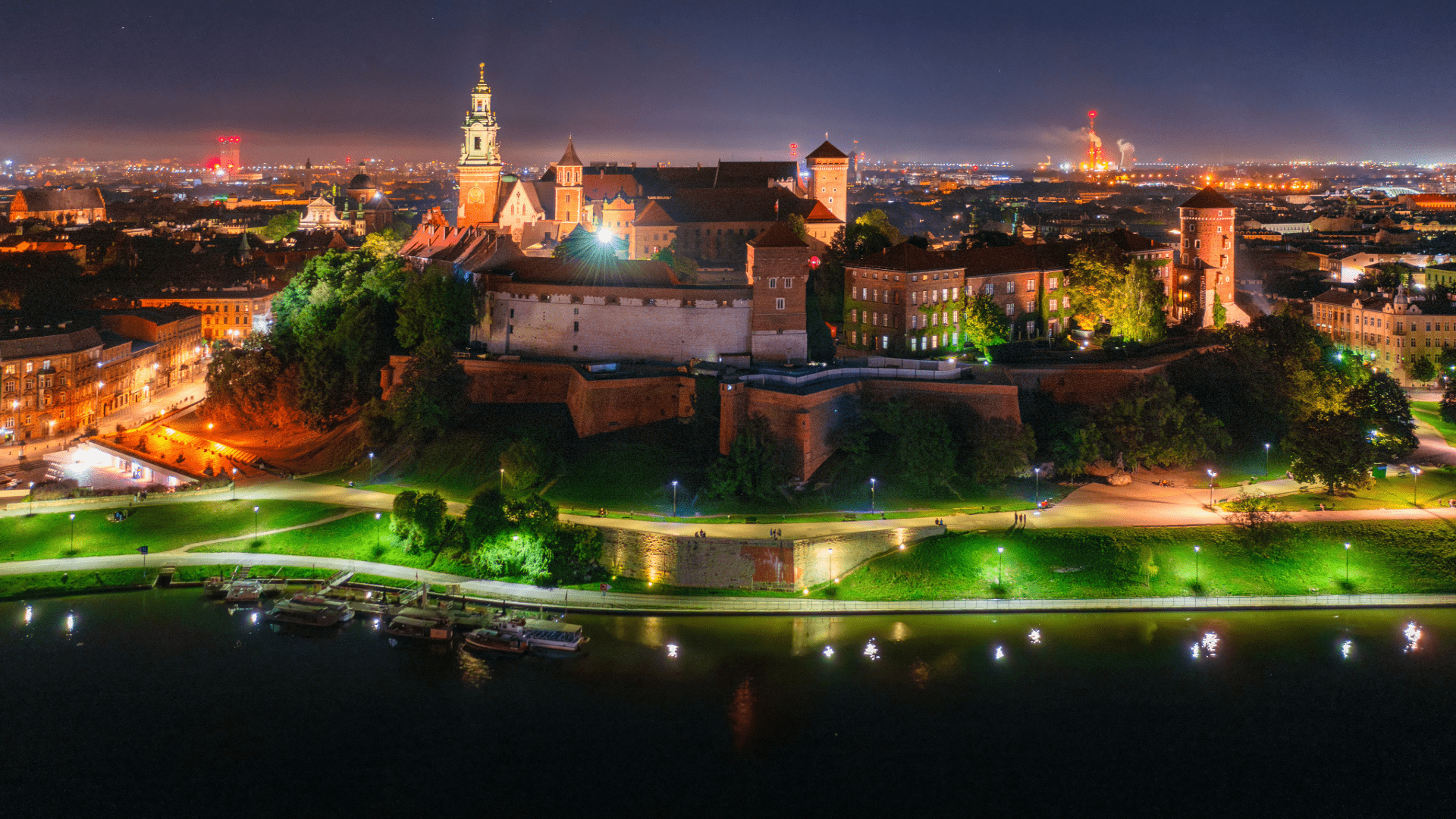
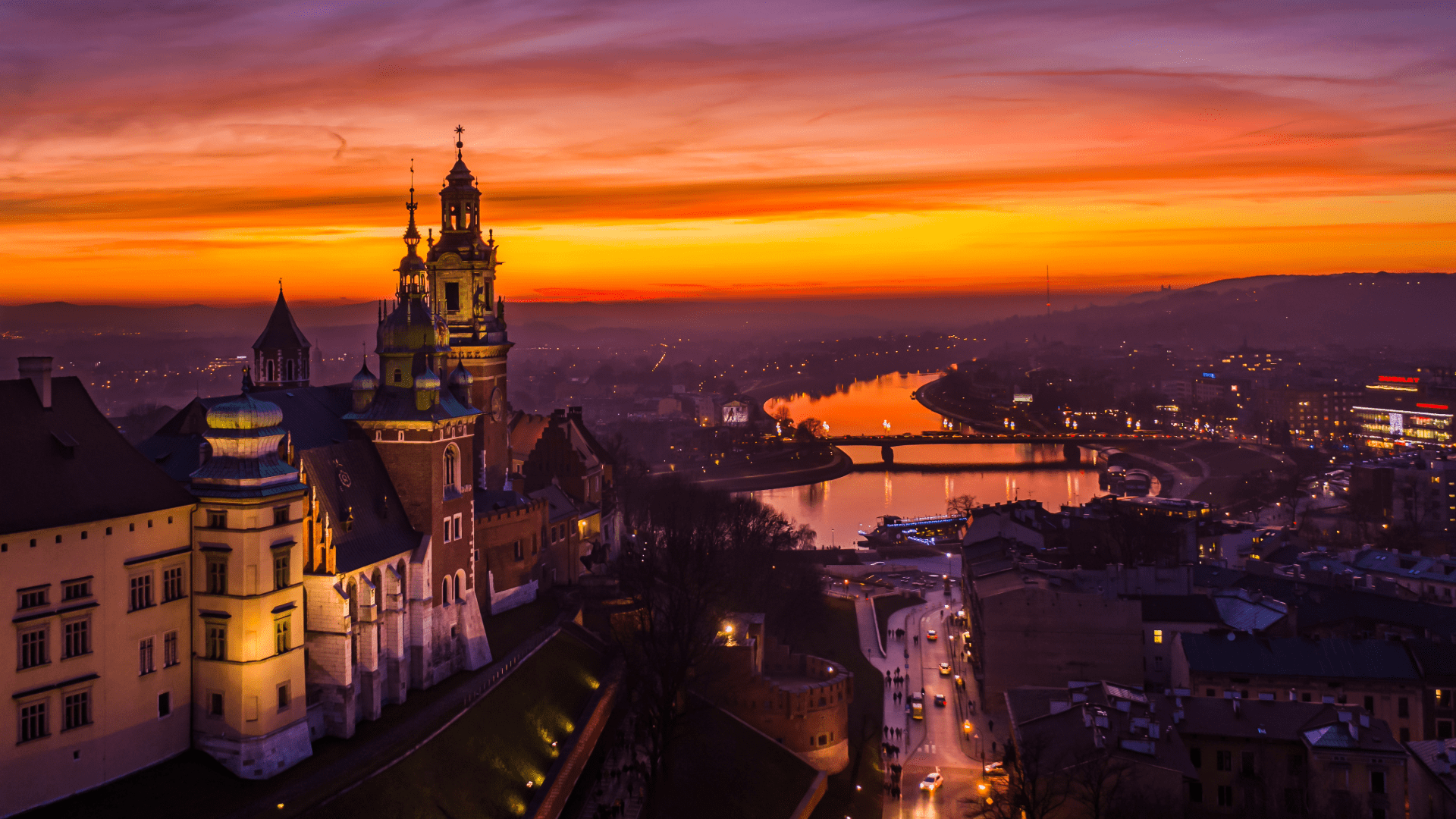
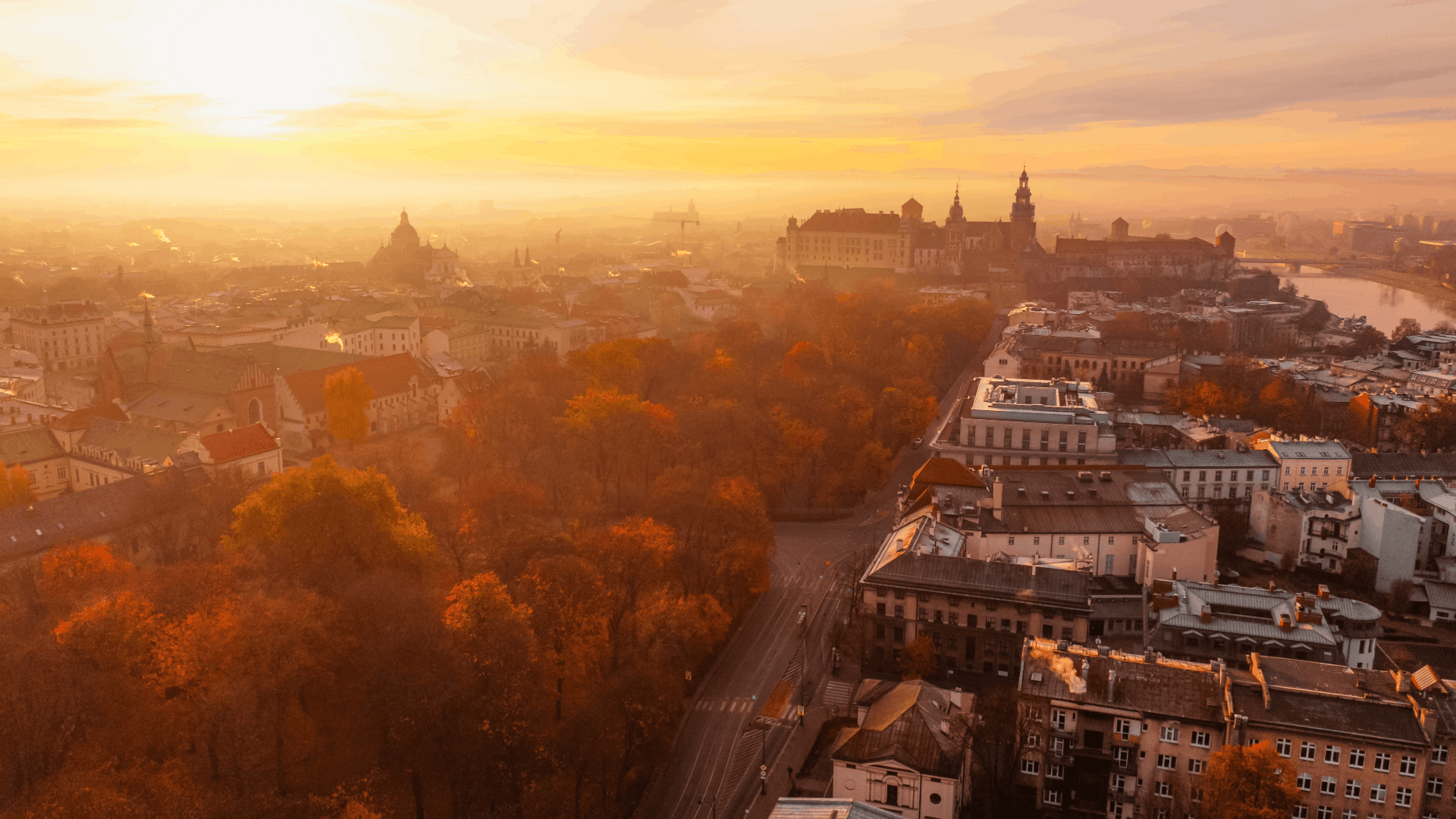
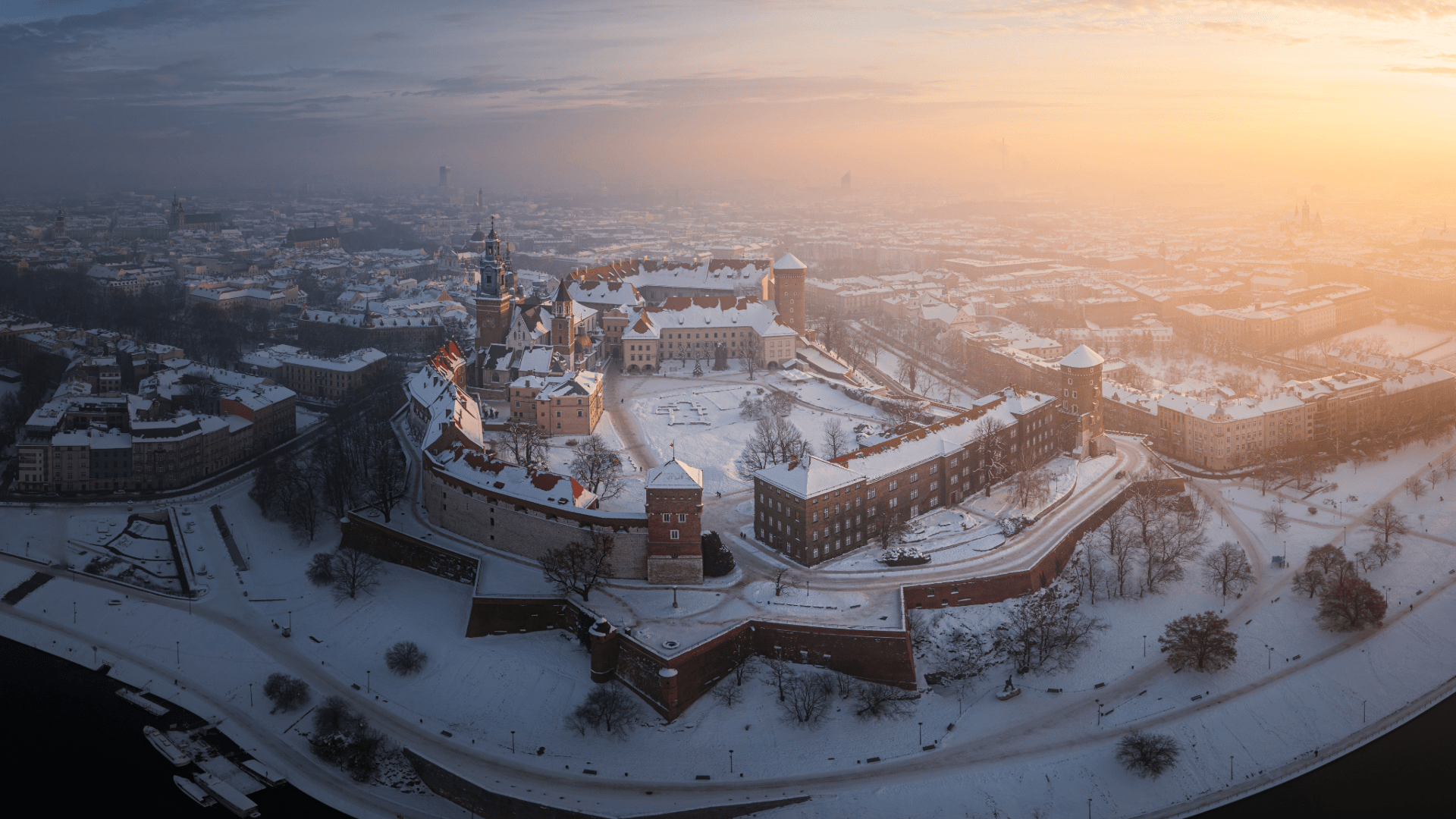
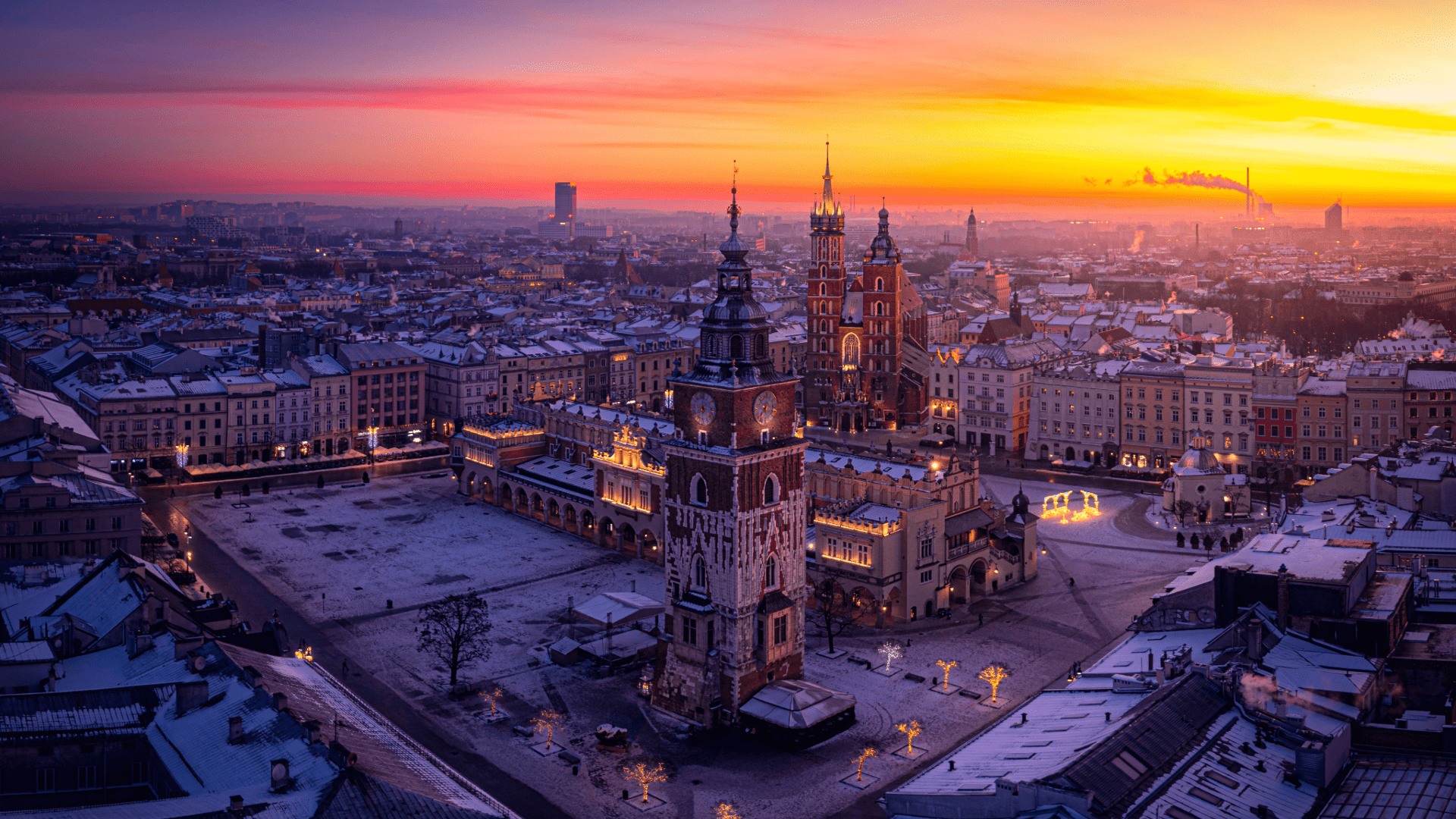
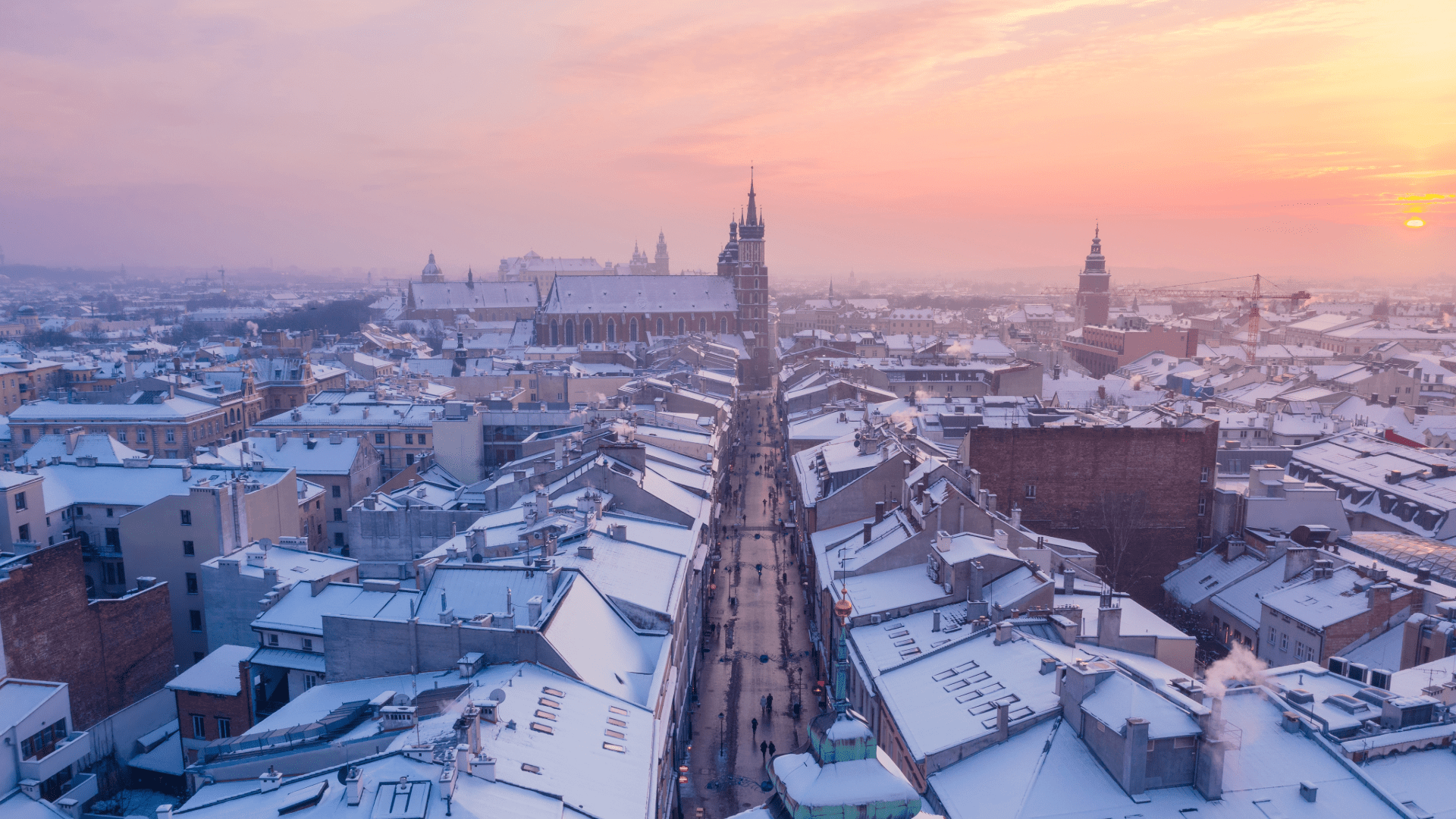
January changes Krakow in a quiet, almost cinematic way. The crowds thin out, the pace slows, and the city exhales after December’s intensity. What remains is something more intimate: streets wrapped in winter light, church towers rising through morning mist, and the soft crunch of snow underfoot in the Old Town. This is when Krakow feels most authentic. The Vistula drifts lazily beneath a pale sky, cafés glow warmly against the cold, and medieval facades take on a storybook quality under frost or fresh snowfall. Without the pressure of peak season, the city reveals its rhythm, unhurried, reflective, and deeply rooted in centuries of history that still shape everyday life.
The UNESCO Tradition: Szopki Krakowskie
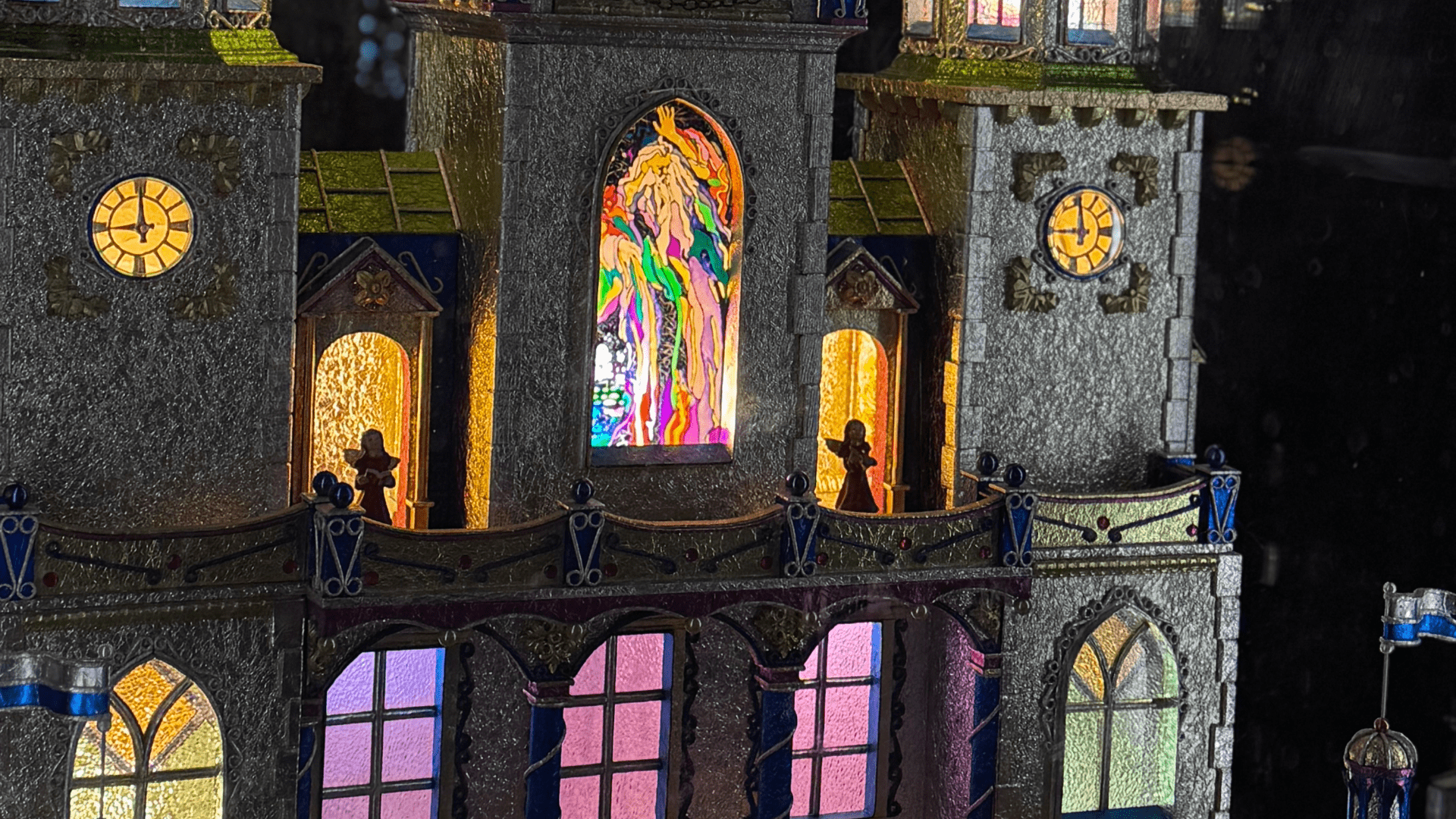
One of the most enchanting cultural highlights of Krakow in January is the Szopki Krakowskie, or Cracovian Nativity Scenes. These intricate, colorful creations are more than holiday decorations; they are a living tradition, celebrated for generations and recognized in 2018 as Poland’s first entry on UNESCO’s Representative List of the Intangible Cultural Heritage of Humanity. Walking the streets to admire the Szopki, you can see miniature versions of the city’s spires, towers, and rooftops brought to life with dazzling detail, a reminder of how history, artistry, and local pride intertwine in Krakow’s winter heart.
Historical genesis and architectural philosophy
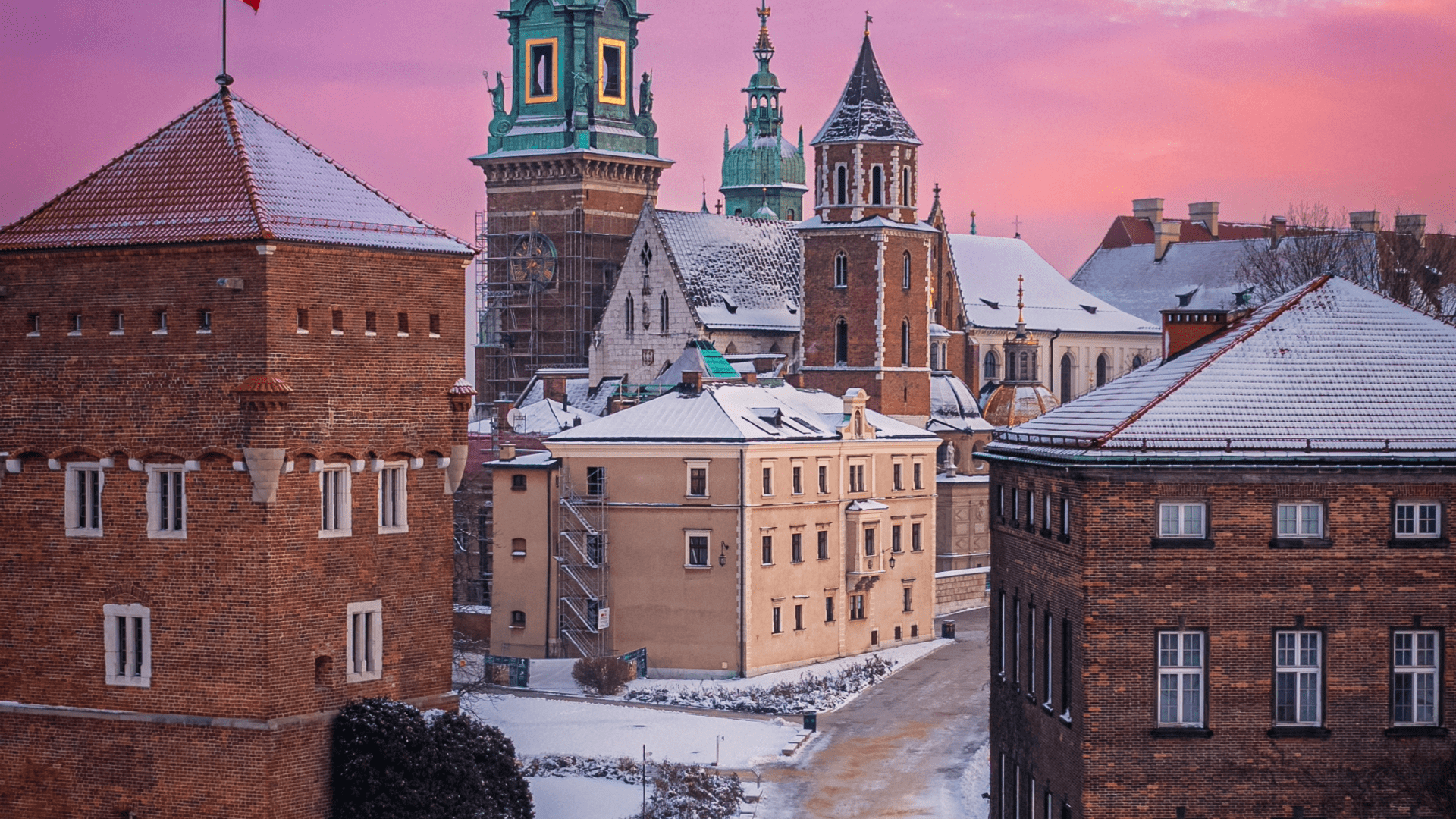
The tradition of the Krakow szopka began in the 19th century among the city’s masons and construction workers. During the cold winter months, when building work came to a halt, these craftsmen turned their skills to a creative pursuit: designing elaborate, portable puppet theaters to accompany Christmas caroling. Unlike the simple nativity scenes of Bethlehem, the Krakow szopka is a fantastical, multi-story miniature that reimagines the city itself. Its designs borrow freely from Krakow’s most iconic architecture, including the asymmetrical spires of St. Mary’s Basilica, the Renaissance silver domes of Wawel Cathedral’s Sigismund Chapel, and the medieval walls of the Barbican and St. Florian’s Gate.
Constructed from lightweight materials such as wood and cardboard, each szopka is covered in colorful aluminum foil, giving it a sparkling, jewel-like appearance that lights up the winter streets. The earliest known creator of the modern szopka style was Michał Ezenkier, a bricklayer from Krowodrza, whose work set the standard for generations of craftsmen to follow.
Engaging with the tradition
While the competition for the most beautiful szopka takes place in early December, January is when Krakow truly comes alive with these miniature masterpieces. After the contest, the winning creations are displayed in the Krzysztofory Palace, the main branch of the Museum of Krakow, where they remain on view through March 1, 2026. Visitors can linger over every glittering detail, marveling at the skill and imagination poured into each piece.
For those who enjoy exploring the city outdoors, the “All Around Nativity Scenes" initiative brings the magic to public squares. The most striking entries are placed in illuminated glass cases, creating a walking szopka trail where you can admire the miniature towers against the very monuments that inspired them. To deepen the experience, the Museum of Krakow offers guided educational walks throughout January, revealing the stories, symbolism, and meticulous craftsmanship behind each sparkling creation.
Solidarity in the cold: The WOSP phenomenon
For international visitors, January 25, 2026, offers a chance to witness one of Poland’s most beloved traditions: the Grand Finale of the Great Orchestra of Christmas Charity (Wielka Orkiestra Swiatecznej Pomocy, or WOSP). More than just a fundraising event, it’s a vibrant celebration of community, generosity, and national solidarity. Streets, squares, and concert halls come alive with music, color, and laughter, offering a unique window into the spirit of modern Poland, where civic engagement and heartfelt giving blend into an unforgettable cultural experience.
The mission and the 2026 theme
Under the 2026 slogan, “Healthy Tummies of Our Children,” the 34th Grand Finale of WOSP shines a spotlight on pediatric gastrointestinal care, raising funds for diagnosis and treatment. In Krakow, the city pulses with life as thousands of volunteers take to the streets with bright cardboard collection boxes.
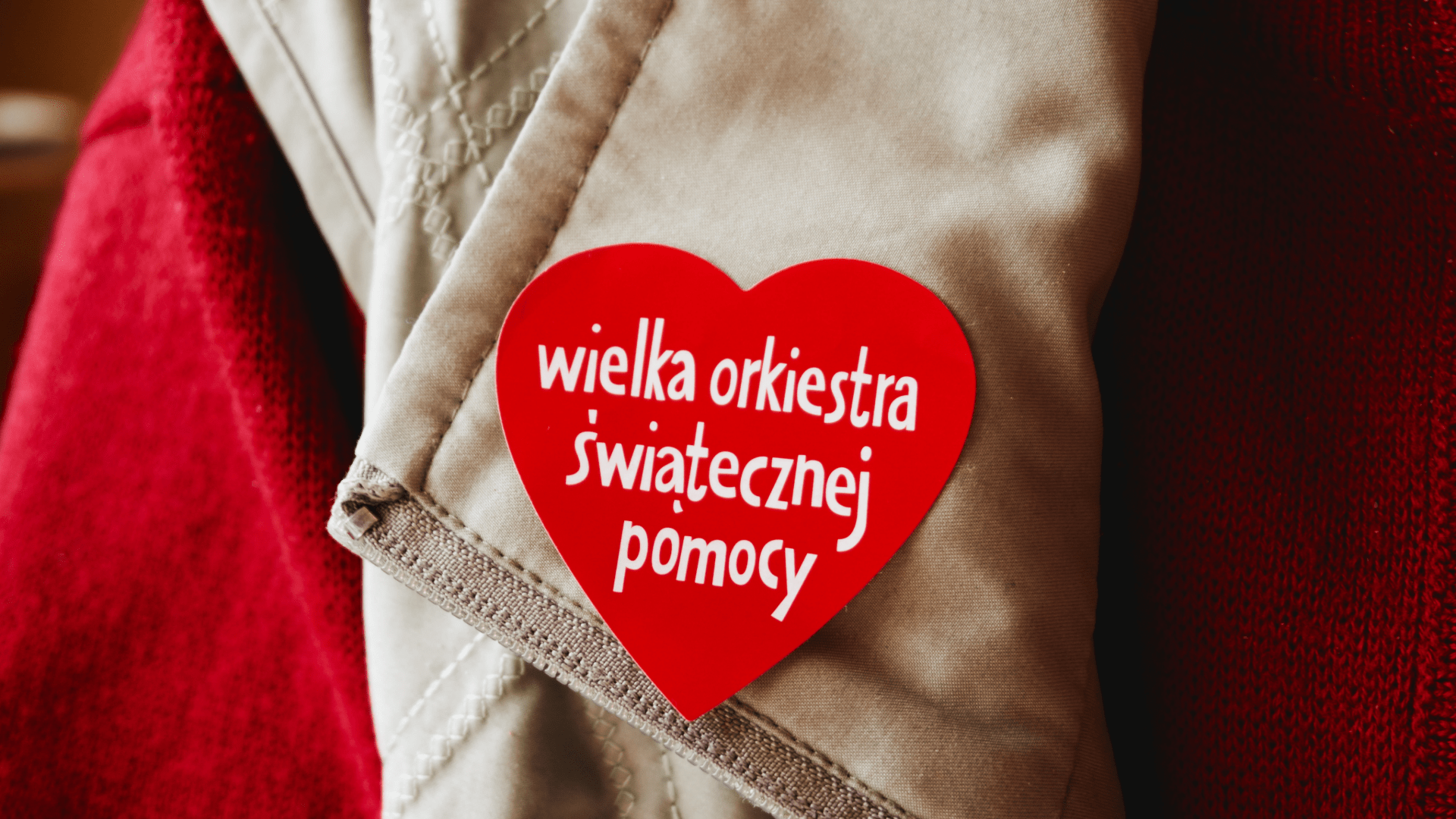
Every donation is rewarded with a small red heart sticker, which quickly becomes a badge of honor worn proudly by almost everyone you meet that day. Walking through the city on this day, it’s impossible not to be swept up in the collective energy: music, laughter, and the unmistakable sense that Krakow has come together to make a difference, one heart at a time.
Weekly event calendar
Week 1: traditions and new beginnings (Jan 1 – Jan 7)
- Jan 1, New Year’s Day: Krakow greets the New Year in a gentle, reflective way. The streets are quieter than usual, and while most shops remain closed, many restaurants and museums welcome visitors, offering a calm start to the year. Music fills historic venues like the Monastery of the Bernardine Fathers, where traditional New Year’s concerts set a festive yet intimate tone for the city.
- Jan 6, Three Kings Day: One of the most colorful days of the winter calendar, Epiphany brings the Procession of the Three Kings to life. Three parades (blue (African), green (Asian), and red (European)) wind through the streets before converging on the Main Market Square around noon. Carols, costumes, and the joyful energy of thousands of participants create a vibrant, multicultural celebration of winter and tradition. Later in the day, head to the Podgorze district for the 19th Podgorskie Kolędowanie, a beloved local event where visitors are invited to join in singing traditional Polish carols. It’s an intimate, community-focused experience that captures the warmth and spirit of Krakow’s winter celebrations.
Week 2: high culture and artistic depth (Jan 8 – Jan 14)
- Jan 8, Musica ars amanda: At the Krakow Philharmonic, young audiences and classical music newcomers are invited to “Musica ars amanda,” a symphonic concert designed to spark curiosity and wonder. The program blends engaging melodies with a lively, approachable atmosphere, making it the perfect introduction to the world of classical music for all ages.
- Jan 9, Cinderella at the Krakow Opera: For a touch of magic, the Krakow Opera stages “Cinderella,” an enchanting performance that brings fairy tales to life through soaring voices, exquisite costumes, and dramatic staging. It’s an ideal evening for families or anyone seeking a sophisticated cultural experience in the heart of the city.
Week 3: culinary crossroads and chamber music (Jan 15 – Jan 21)
- Jan 17–18, Asian Culinary Weekend: The Hala 100-lecia KS Cracovia transforms into a bustling eastern bazaar, inviting visitors to explore flavors, music, and culture from across Asia. Highlights include the Asian Festival, Sakura Japanese Festival, Korean Festival, and Matcha Festival, where families can taste traditional dishes, watch live cooking demonstrations, and immerse themselves in vibrant cultural displays.
- Jan 17, Metalowy WOSP: For those with a taste for heavier sounds, Metalowy WOSP brings the underground music scene to the city with high-energy concerts.
- Jan 21–24, Symetrie String Quartet Festival: Chamber music lovers will want to mark their calendars for the 5th “Symetrie” String Quartet Festival. Over four days, the festival celebrates the delicate balance and emotional depth of string quartet compositions, ranging from Haydn’s timeless works to contemporary masterpieces.
Week 4: finales and masterpieces (Jan 22 – Jan 31)
- Jan 24, Szopki in the City & Comedy Lab: Saturday brings the “Szopki in the City” walking tour, a chance to explore Krakow’s miniature nativity masterpieces against the backdrop of the city’s winter streets.
- Jan 25 – 34th, Grand Finale of WOSP: The city pulses with life during the Grand Finale of the Great Orchestra of Christmas Charity (WOSP). Streets, squares, and concert halls overflow with music, volunteers, and heart stickers, creating a unique display of civic engagement, generosity, and national solidarity that visitors won’t soon forget.
- Jan 30, Anime Symphony Kameralnie: Closing the month, “Anime Symphony Kameralnie” offers a one-of-a-kind concert where Japanese animation soundtracks meet classical chamber music. It’s a magical fusion of pop culture and artistry, perfect for families, students, and music lovers looking for something playful and extraordinary in Krakow’s winter calendar.
Beyond the obvious
Podgorze
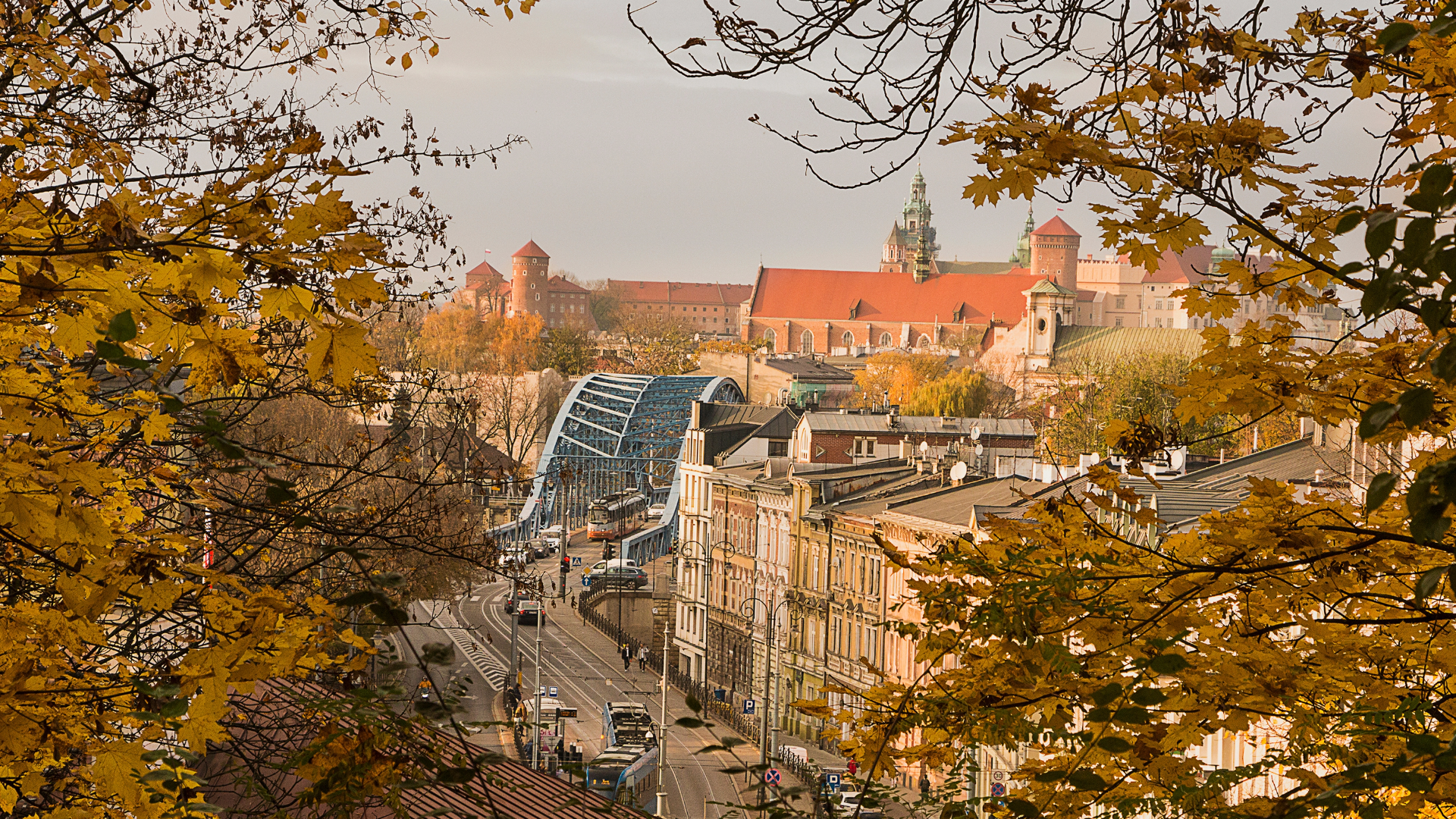
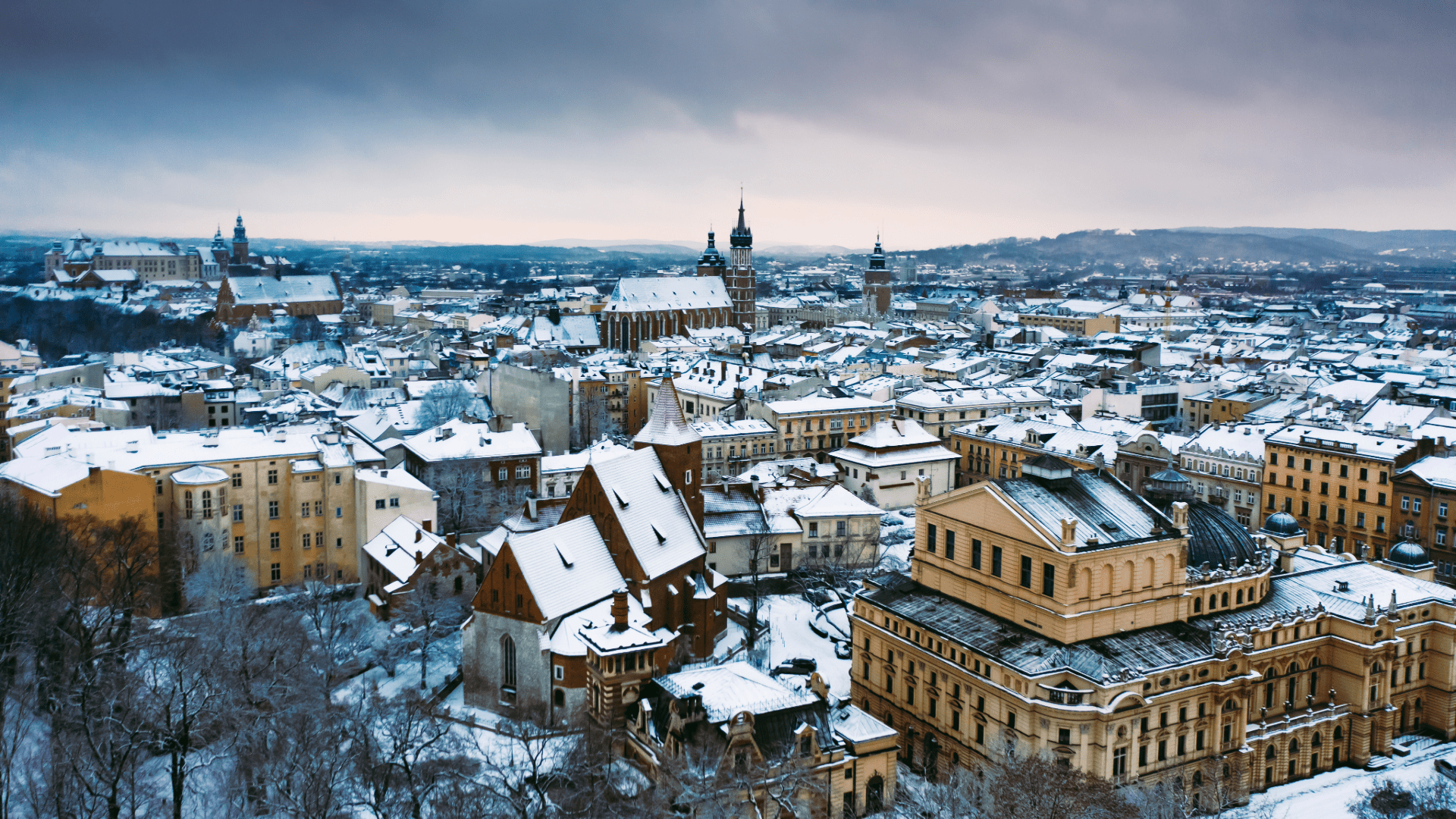
Just across the Bernatek Footbridge, Krakow’s Podgorze district offers a striking contrast to the bustling Old Town. Here, history and architecture blend with quiet streets and winter landscapes, inviting visitors to slow down and explore.
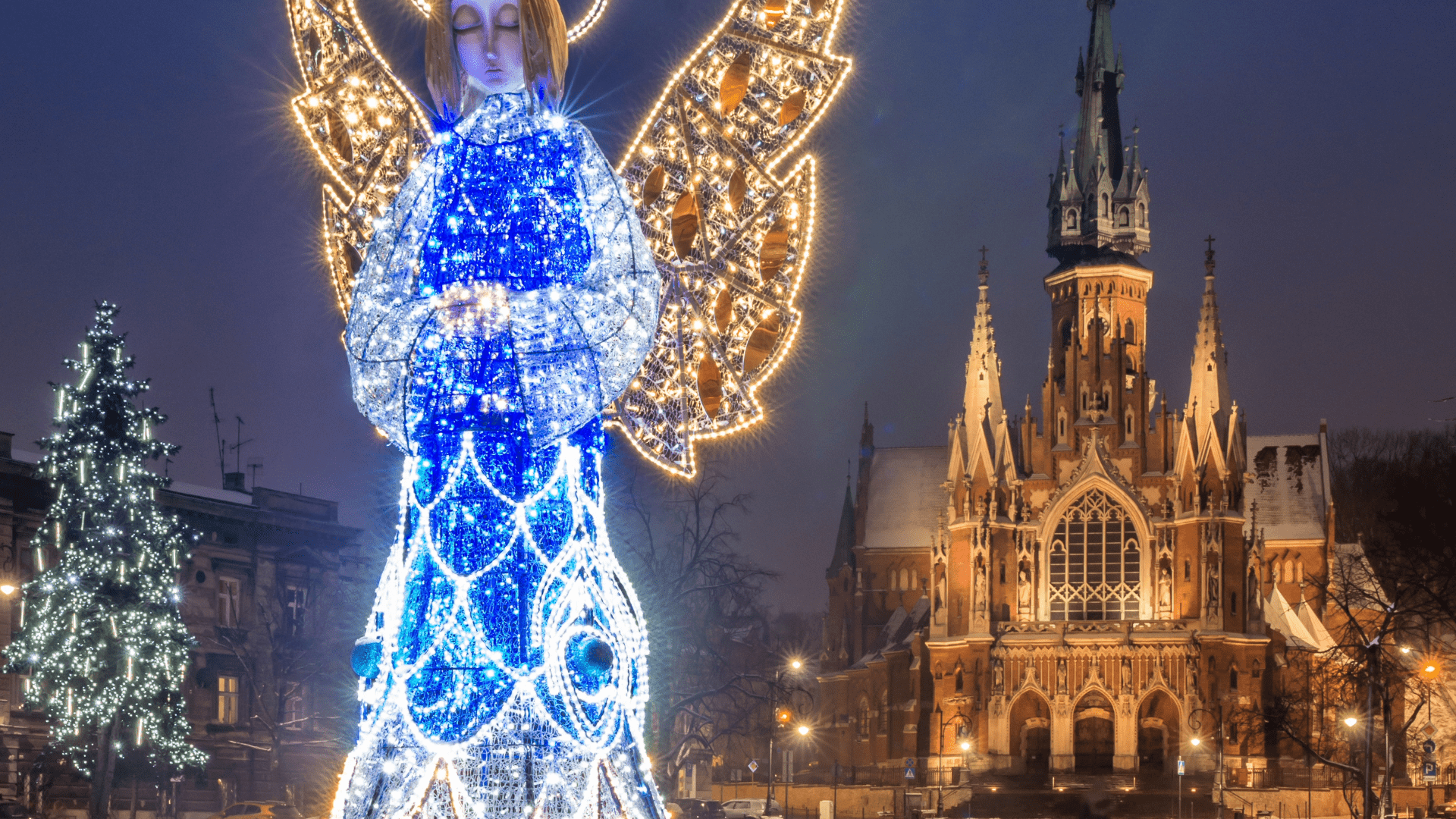
- St. Joseph’s Church: With its fairytale-like spires, this neo-Gothic gem is one of Krakow’s most enchanting churches, often overlooked by visitors who stay strictly within the Old Town. In January, the soft light and frosted rooftops give the church an almost storybook appearance.
- The Liban Quarry: A former limestone quarry with a haunting past, the Liban Quarry was one of the filming locations for Steven Spielberg’s Schindler’s List. In winter, its overgrown paths and abandoned structures take on an eerie beauty, offering a reflective, almost cinematic experience for visitors
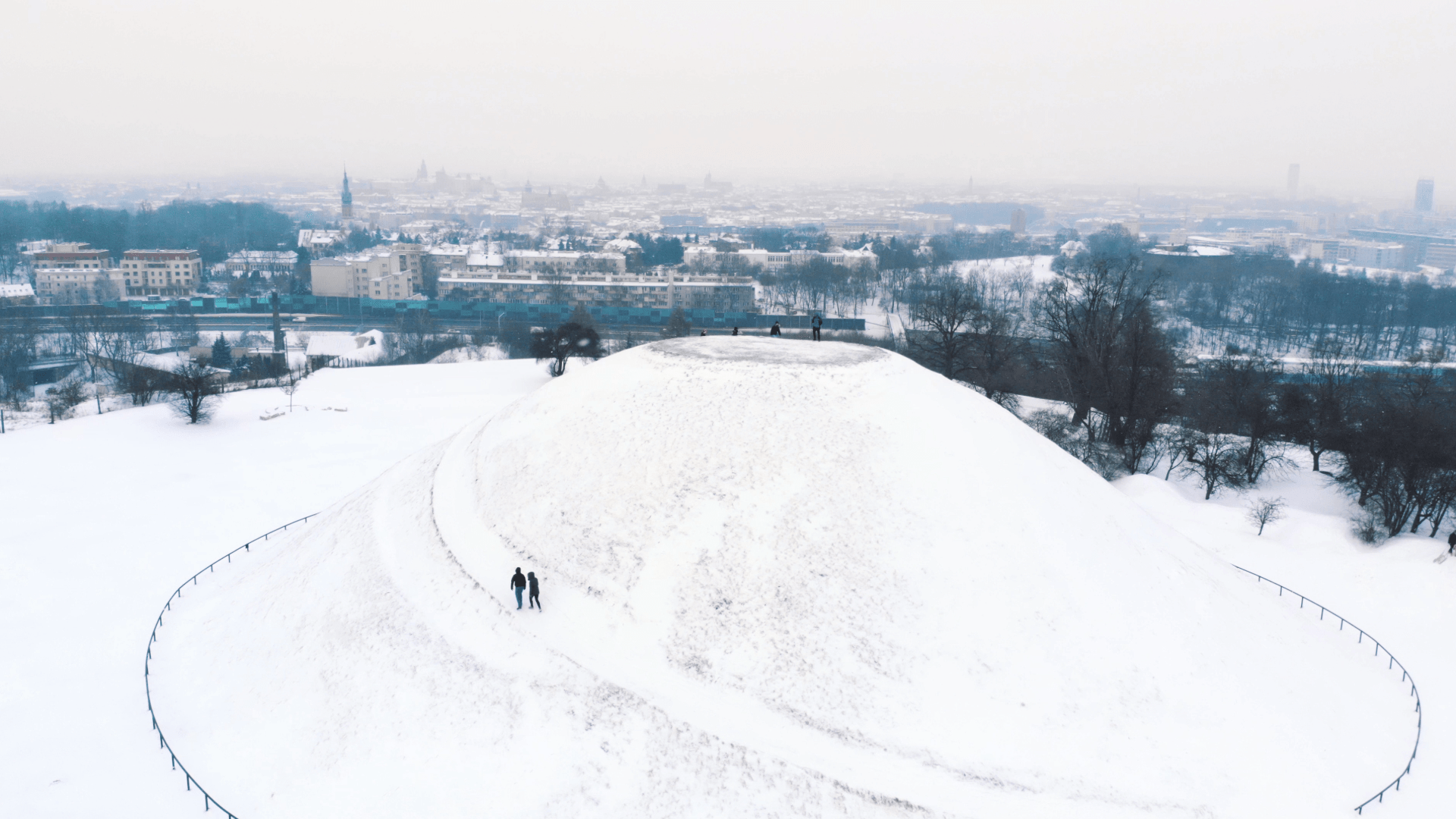
- Krakus Mound: The oldest of Krakow’s historic mounds, Krakus Mound rewards the climb with sweeping panoramic views of the city. On a clear January day, the snow-dusted Tatra Mountains stretch across the horizon, turning a simple walk into a moment of awe and quiet wonder.
Nowa Huta
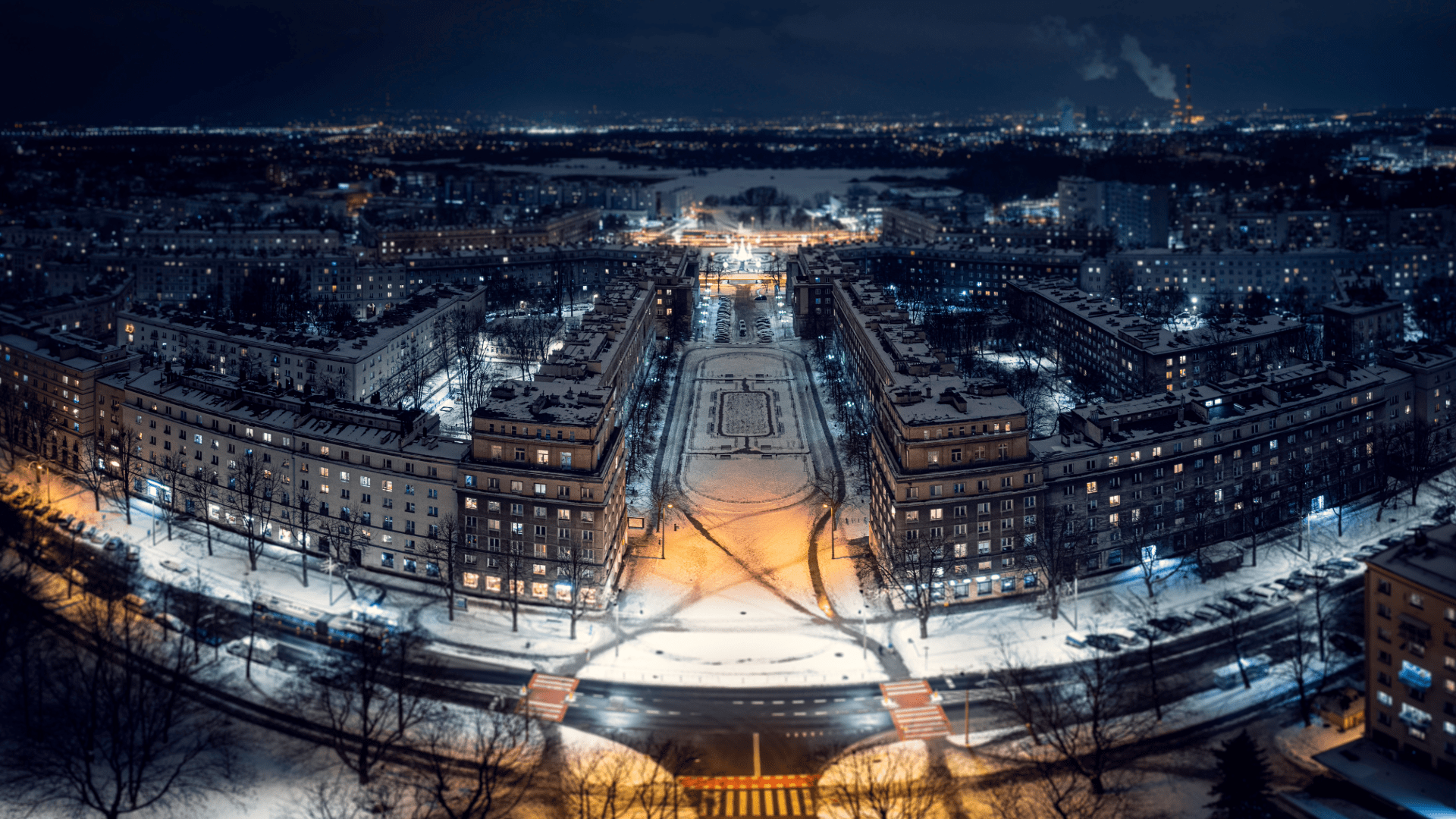
To the east of Krakow’s historic center lies Nowa Huta, a district that feels like stepping into another era. Built in the 1950s as a model socialist city, its wide boulevards and monumental architecture were designed on a grand scale inspired by Versailles, creating a striking contrast to the narrow, winding streets of the Old Town.
- The Bunkers: Beneath Nowa Huta stretches a hidden world of Cold War-era nuclear shelters. Guided tours offer a rare glimpse into the paranoia, planning, and daily life of 20th-century Krakow, revealing the layers of history beneath the city’s surface.
- The Lord’s Ark: This modernist church, constructed from river stones, stands as a bold symbol of resistance against the communist regime. Its unconventional design and powerful presence reflect the courage and resilience of the local community, making it a must-see for visitors interested in architecture and history alike.
Tour Recommendations
Exploring Krakow in the heart of winter can feel daunting, but the right guidance transforms the season into a comfortable, unforgettable adventure. Hello Cracow offers curated tours that combine convenience, cultural depth, and local insight, letting you experience the city and its surroundings at a relaxed pace.
- Zakopane and Thermal Baths Tour: Escape to Poland’s winter capital for a full-day adventure. Stroll through the traditional village of Chocholow, take a funicular ride up Gubalowka for breathtaking mountain views, and unwind for three hours in the mineral-rich Chocholow Thermal Baths, the perfect blend of sightseeing and relaxation.
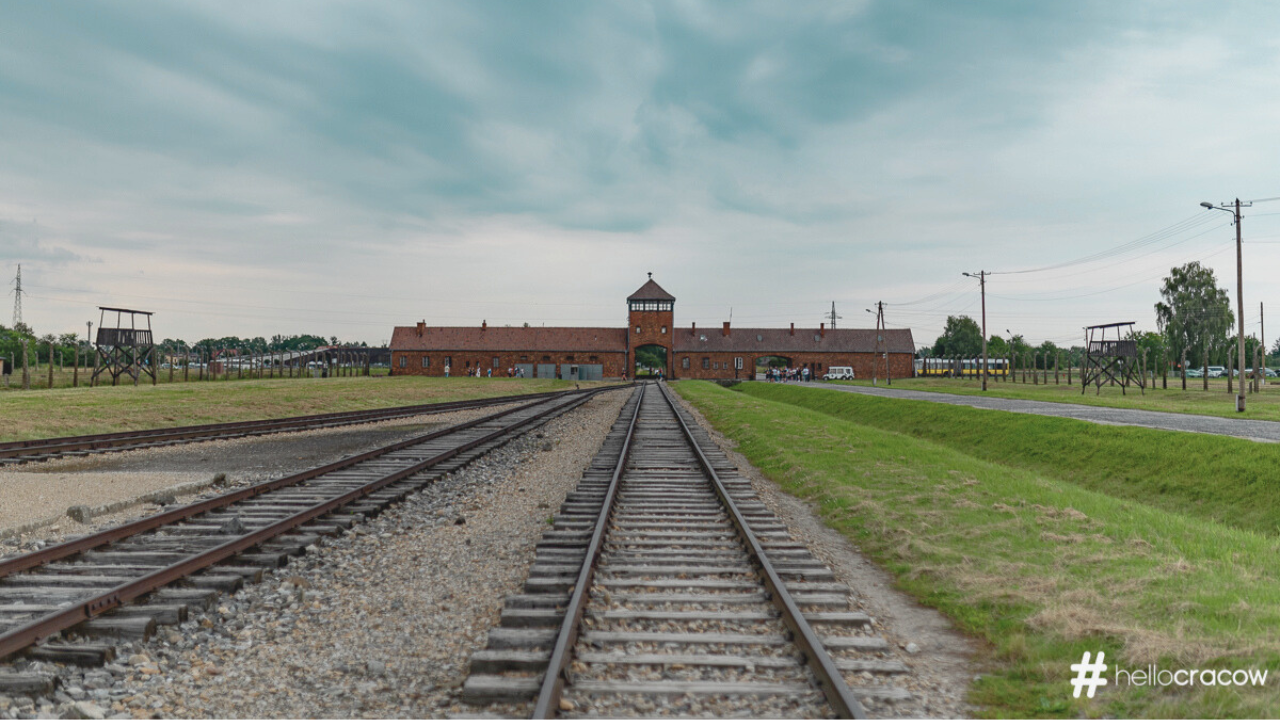
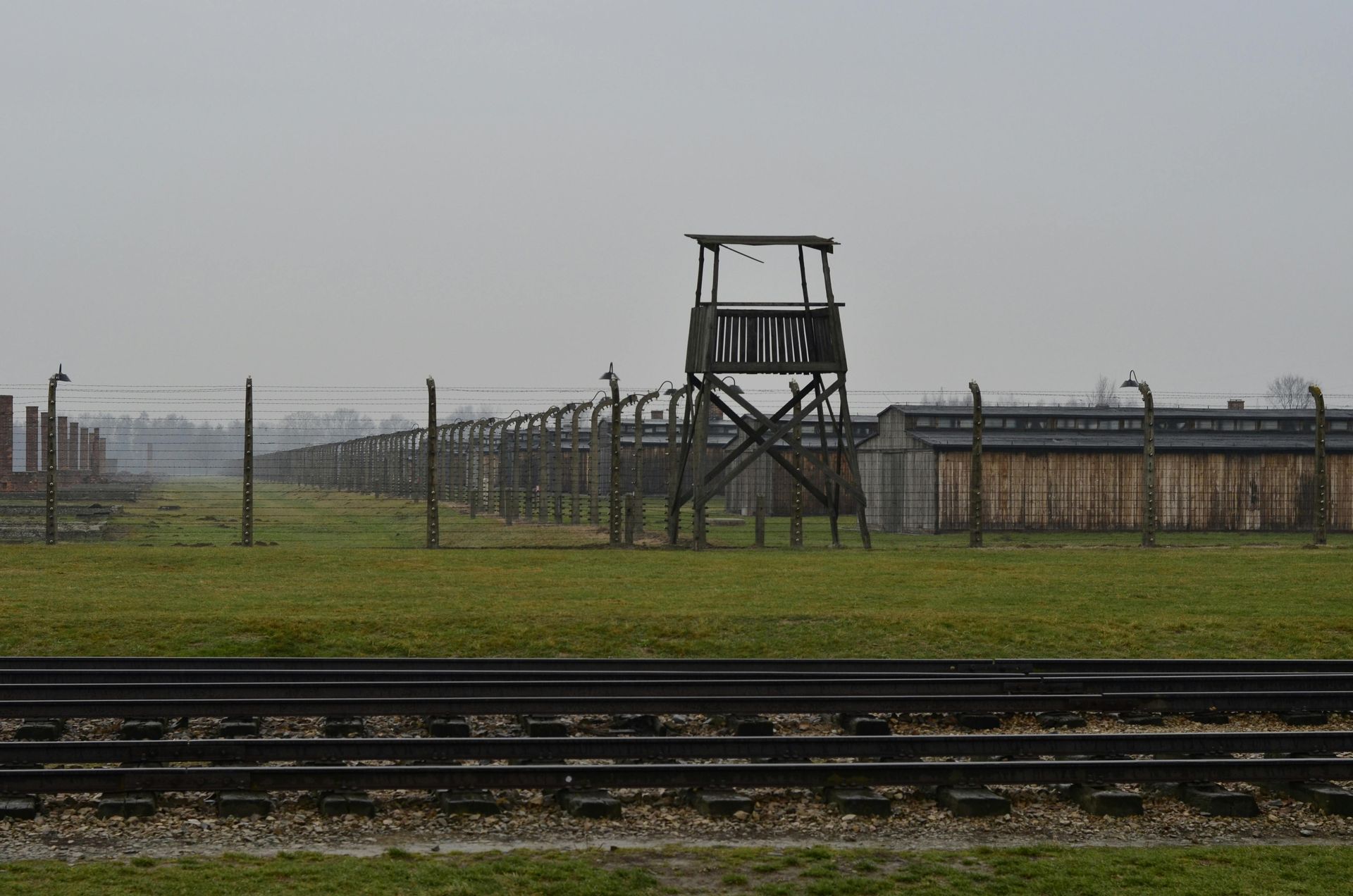
- Auschwitz-Birkenau Tour: Winter adds a reflective layer to this profoundly moving experience. The crisp air and quiet surroundings intensify the sobering reality and historical significance of the site, making it a deeply meaningful visit for those seeking to understand this chapter of history.
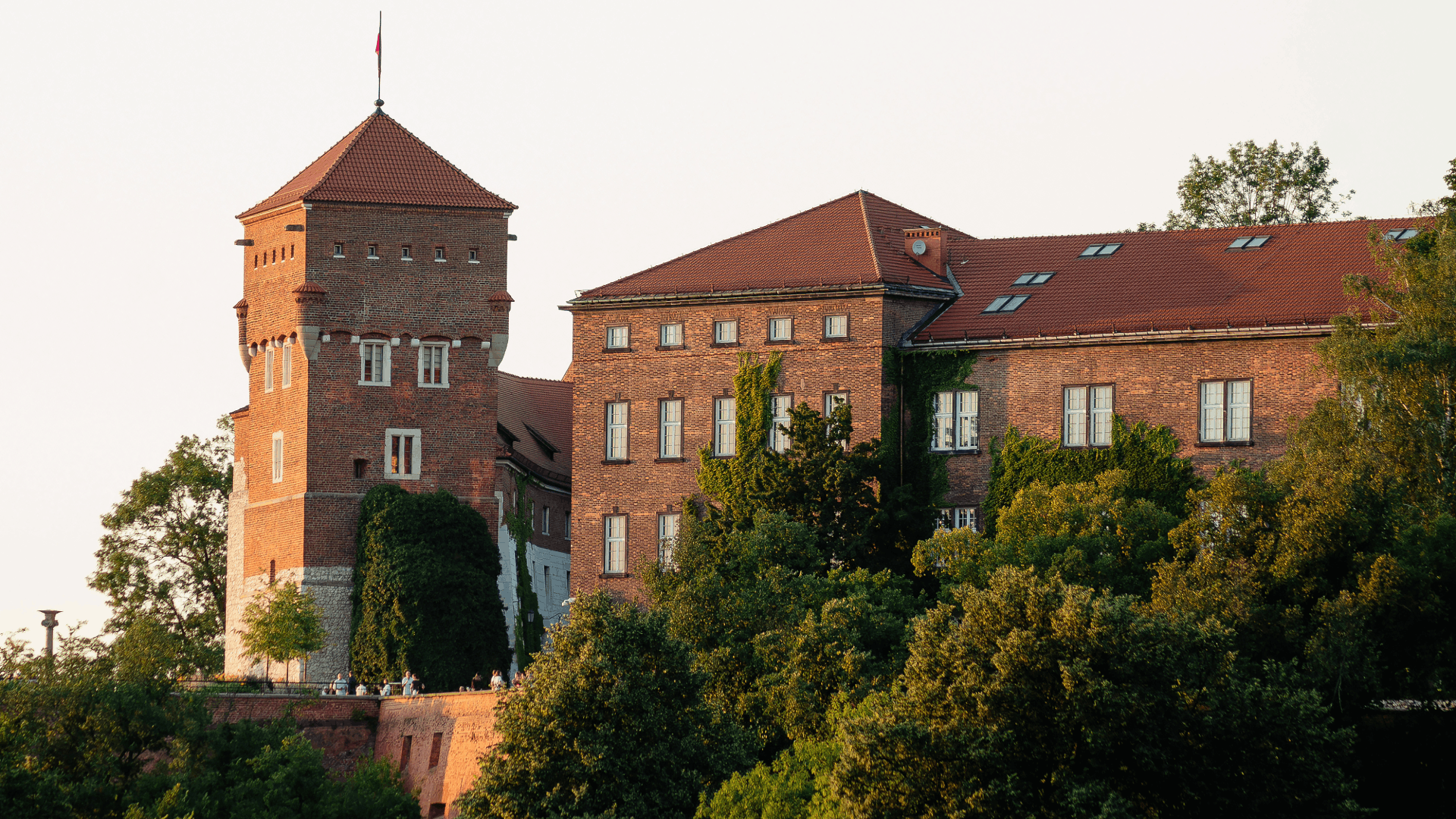
- Vistula River Sightseeing Cruise: Glide along the Vistula River on a modern, heated boat, complete with comfortable leather seating. From this unique perspective, admire the Wawel defensive walls, the city skyline, and the quiet beauty of Krakow in winter.
January in Krakow is Unrivalled
Krakow in January rewards both the prepared and the curious. It’s a month when the city’s culture comes alive; from the glittering towers of the UNESCO-listed szopki to the nationwide display of red WOŚP hearts, symbolizing solidarity and generosity. By moving beyond the familiar and embracing Krakow’s winter rhythm, visitors can uncover a side of the city that is intimate, soulful, and profoundly beautiful.
Ready to experience the magic of a Polish winter? Whether you choose a reflective visit to Auschwitz-Birkenau or a relaxing day in Zakopane and the thermal baths, Hello Cracow is your local guide, ensuring every moment is seamless, memorable, and authentically Krakow.