



10 Essential Holocaust and WWII Books
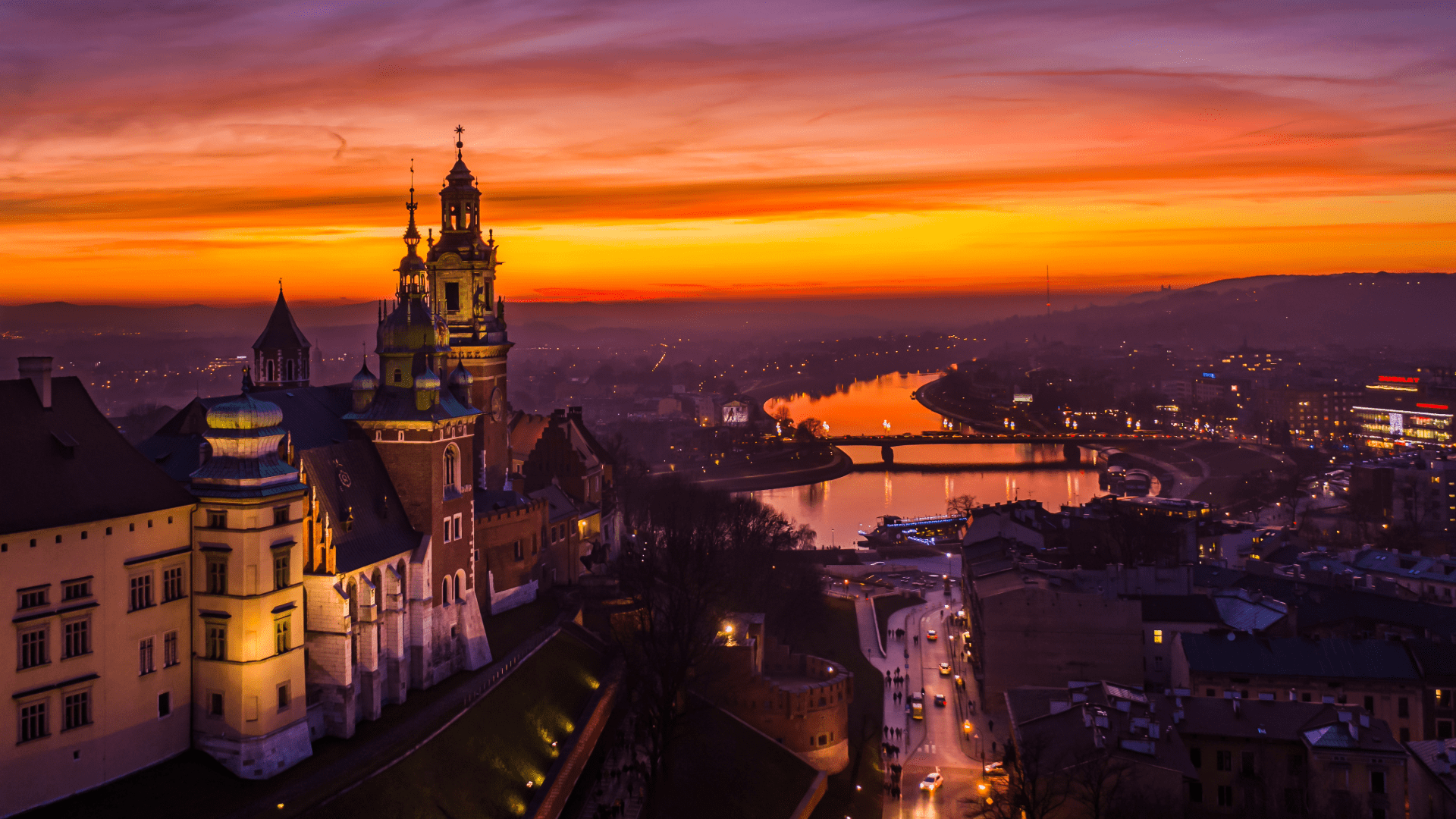
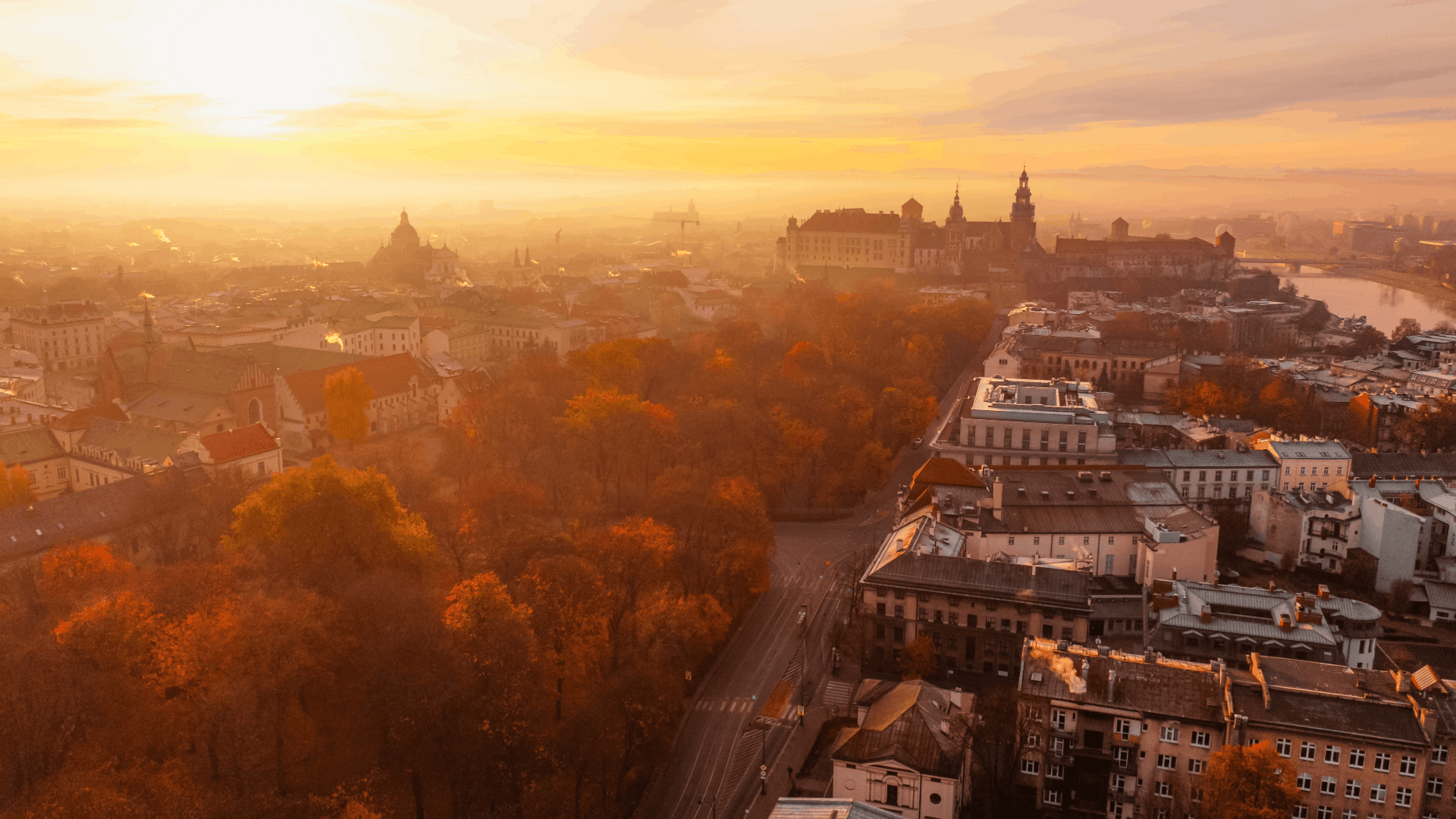
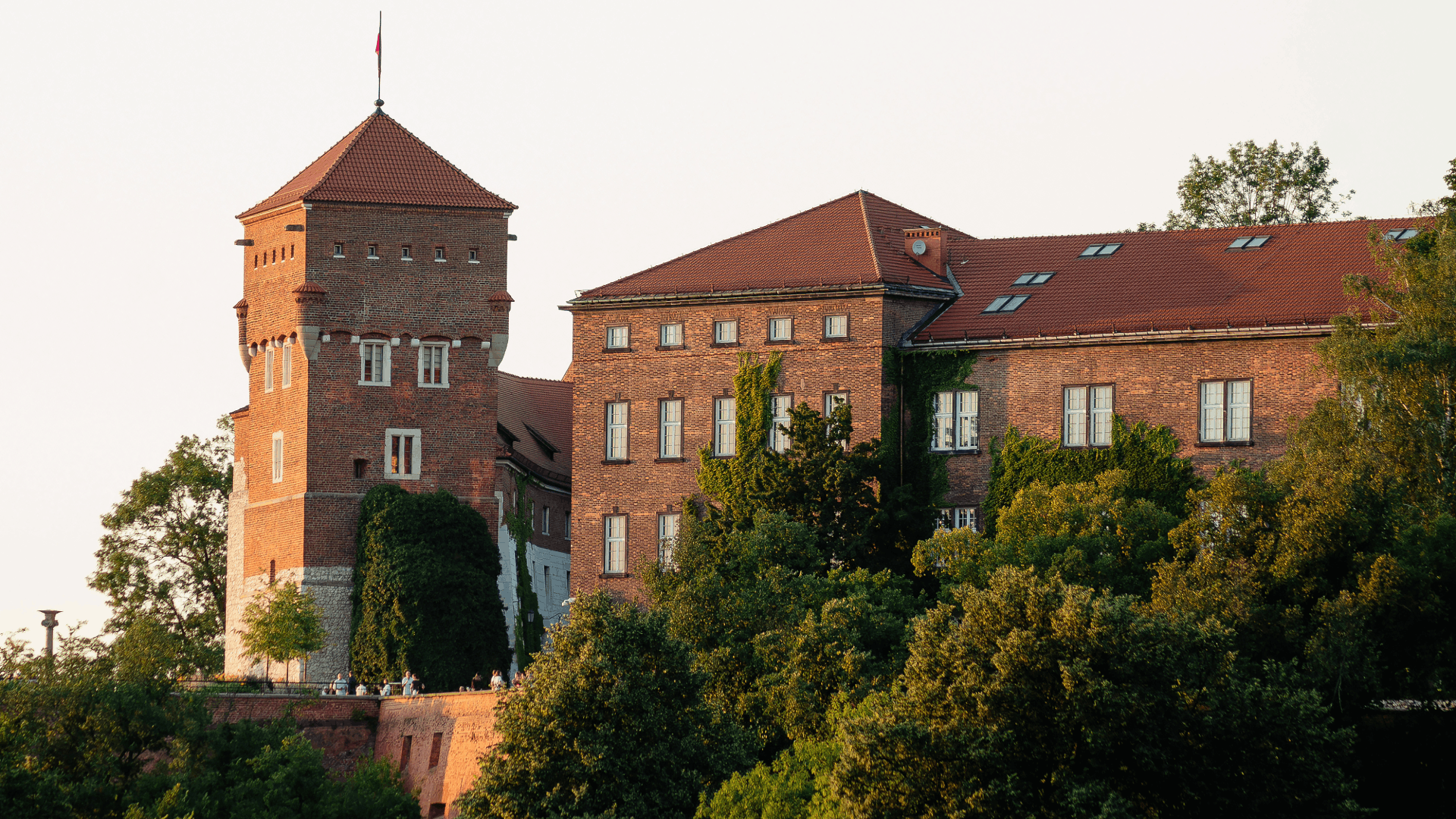
The city of Krakow stands as a unique monument to European history, where medieval grandeur meets the stark, haunting reminders of the 20th century’s greatest tragedy. For international tourists, a visit to Krakow is often a pilgrimage of memory. To truly honour this history, one must go beyond the surface-level sightseeing and delve into the narratives that define the Jewish experience in Poland. From the experience of Hello Cracow, a meaningful journey begins with preparation — specifically through the literature that has shaped our global understanding of the Holocaust. This report serves as a definitive guide for the modern traveller, weaving together historical analysis, literary recommendations, and practical travel expertise to ensure a visit that is both educational and deeply respectful.

Essential Books
"The Pilecki Report"
Witold Pilecki
Witold Pilecki was a Polish resistance leader who volunteered to be imprisoned in Auschwitz to organize an underground movement and gather intelligence. His report is a testament to superhuman courage and the complexity of the resistance within the camp. Understanding Pilecki’s story adds a layer of heroism to any visit to the memorial site.
"The Destruction of the European Jews"
Raul Hilberg
Hilberg’s work is the definitive study of the bureaucratic process of the "Final Solution." He focuses not just on the victims, but on the administrative machinery that made the genocide possible.
"Smoke over Birkenau"
Seweryna Szmaglewska
Written immediately after the liberation and published in 1945, this is one of the most important eyewitness accounts of the camp. Szmaglewska, a Polish political prisoner, documented the daily operations of Birkenau with such precision that her book was used as evidence during the Nuremberg Trials.
"If This Is a Man"
Primo Levi
An Italian Jewish chemist, Levi’s memoir is a philosophical and psychological analysis of dehumanization. He describes the
"Gray Zone" of morality in the camps, offering a perspective that is essential for those who wish to understand the internal life of a prisoner.
"Shielding the Flame"
Hanna Krall
Based on an interview with Marek Edelman, the last surviving leader of the Warsaw Ghetto Uprising, this book explores the ethics of survival and the burden of memory. While focused on Warsaw, its themes are universal to the Polish Jewish experience during the occupation.
"Auschwitz: 1270 to the Present"
Robert Jan van Pelt & Deborah Dwork
This book is an architectural and social history of the town of Oswiecim and its transformation into the capital of the Holocaust. It explains the banality of evil — how ordinary architects and town planners designed a machinery of death. It is a vital read for those interested in the structural evolution of the camp system.
"Anatomy of the Auschwitz Death Camp"
Edited by Yisrael Gutman & Michael Berenbaum
A comprehensive scholarly volume that covers every aspect of the camp’s operation, from the role of the SS to the medical experiments and the resistance movements. This is a foundational text for anyone seeking a high level of historical detail before embarking on a professional tour.
"Auschwitz. Not Long Ago. Not Far Away."
Robert Jan van Pelt
This book accompanies a major international exhibition and connects the historical facts of the Holocaust to contemporary human rights issues. It is an excellent resource for those who want to understand the modern-day significance of the memorial sites.
"Belzec, Sobibor, Treblinka: The Operation Reinhardt Death Camps"
Yitzhak Arad
This book explores the dedicated extermination camps where millions were murdered. It provides the context for the liquidations of the Krakow Ghetto, as many of Krakow’s Jews were sent to the Belzec death camp.
"Five Chimneys"
Olga Lengyel
A harrowing account from a female perspective, Lengyel was a surgical assistant who worked in the camp’s infirmary. Her detailed descriptions of the gas chambers and the moral dilemmas faced by prisoners provide a necessary, if difficult, look at the reality of Birkenau.
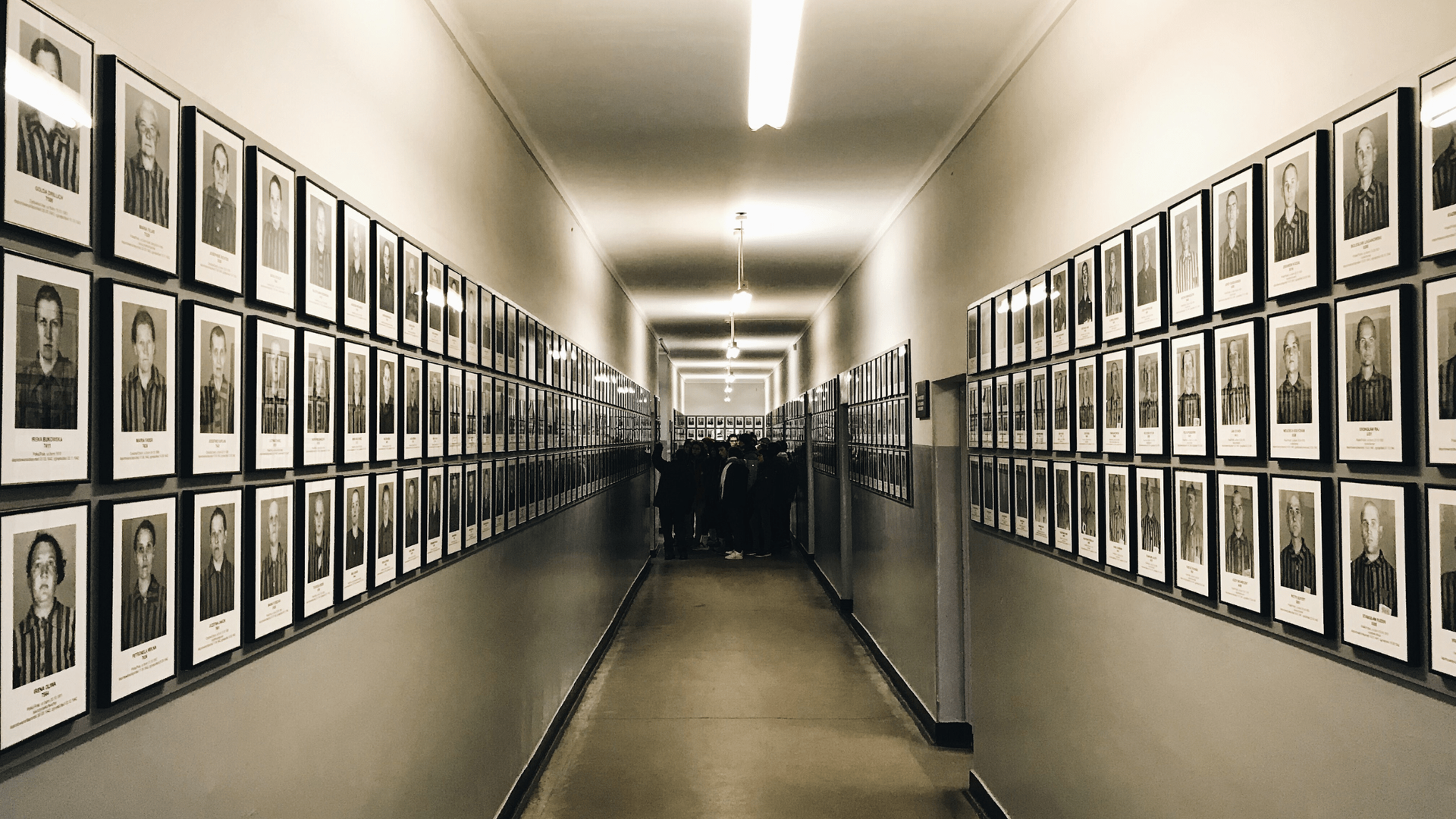
What to know before visiting Auschwitz-Birkenau?
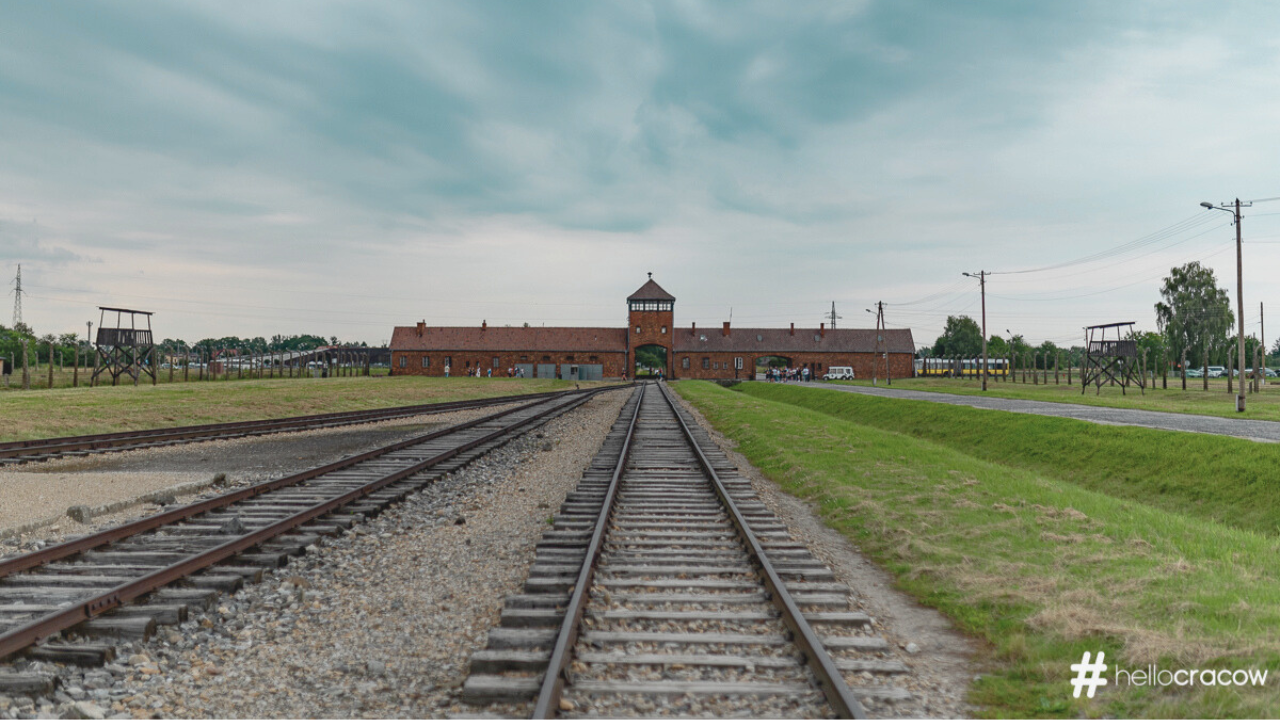
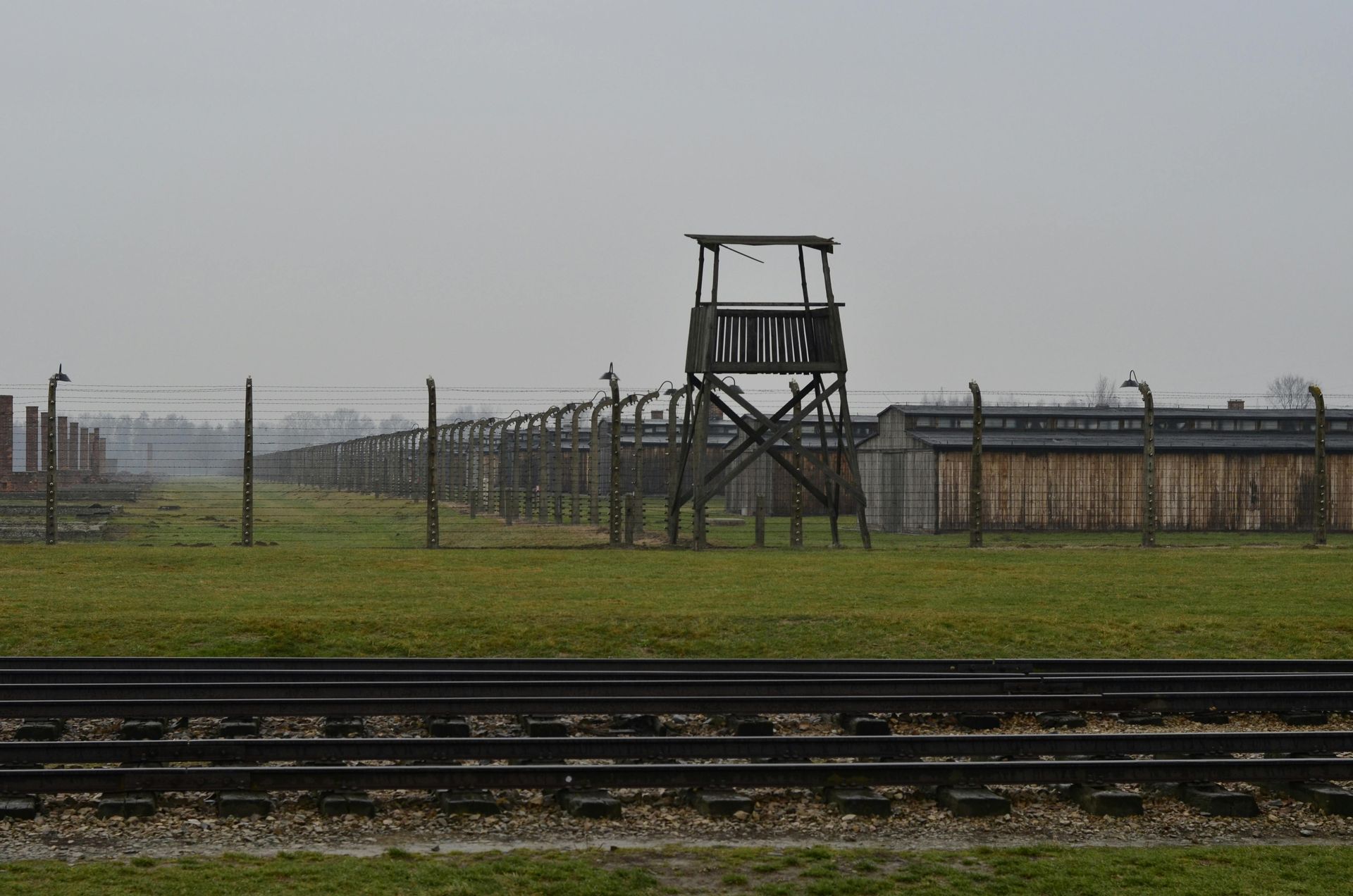
A standard visit includes both Auschwitz I (the original barracks and administrative centre) and Auschwitz II-Birkenau (the vast extermination site). The two sites are distinct in their atmosphere and historical function.
- Auschwitz I: Features brick barracks, the infamous "Arbeit Macht Frei" gate, and exhibitions of personal belongings (shoes, suitcases, hair) that emphasize the scale of the tragedy.
- Birkenau: A massive area covering 140-170 hectares. This is where the railway ramp, the ruins of the gas chambers, and the International Monument to the Victims of Fascism are located.
From the experience of Hello Cracow, many visitors are unaware of the strict entry requirements. Tickets are personal and must be booked in advance, with full names matching those on your identification.
- Bring ID: You will not be allowed entry without a valid passport or ID card that matches the name on your booking.
- Security: There are strict bag size limits (roughly A4). It is best to leave large backpacks in the tour vehicle.
- Conduct: This is a site of mourning. Visitors are expected to dress modestly and maintain a respectful silence in sensitive areas.
| Tour type | Group size | Duration | Booking link |
|---|---|---|---|
| Standard guided tour | Up to 30 | 7 hours | https://www.hellocracow.com/tour/auschwitz-birkenau-fully-guided-tour-up-to-30-visitors-from-krakow |
| Limited group tour | Max 15 | 7 hours | https://www.hellocracow.com/tour/limited-to-15-visitors-auschwitz-birkenau-guided-tour-from-krakow |
| Auschwitz & Salt Mine | Various | 11 hours | https://www.hellocracow.com/tour/auschwitz-birkenau-wieliczka-salt-mine-one-day-trip-full-of-history |
Walking Through History
A visit to Krakow is an opportunity to engage with history on a profound level. By reading the recommended literature and visiting both the famous and the lesser-known memorial sites, you are participating in an essential act of remembrance. Local experts from Hello Cracow emphasize that the goal of these visits is not just to learn about the past, but to reflect on the values of humanity and resilience in the face of adversity.
Whether you are exploring the vast ruins of Birkenau, the interactive exhibits of Schindler’s Factory, or the quiet streets of Kazimierz, having a professional guide makes all the difference. Our guides at Hello Cracow are trained to provide historical context while remaining sensitive to the emotional weight of these locations. Explore our wide range of expert-led tours, including Auschwitz-Birkenau, Schindler’s Factory, and the Jewish Quarter. We offer comfortable transport, skip-the-line tickets, and the highest standard of service for international travelers.
Contact us and book your tour today