


10 Essential Holocaust and WWII Movies

Hello Cracow • January 21, 2026

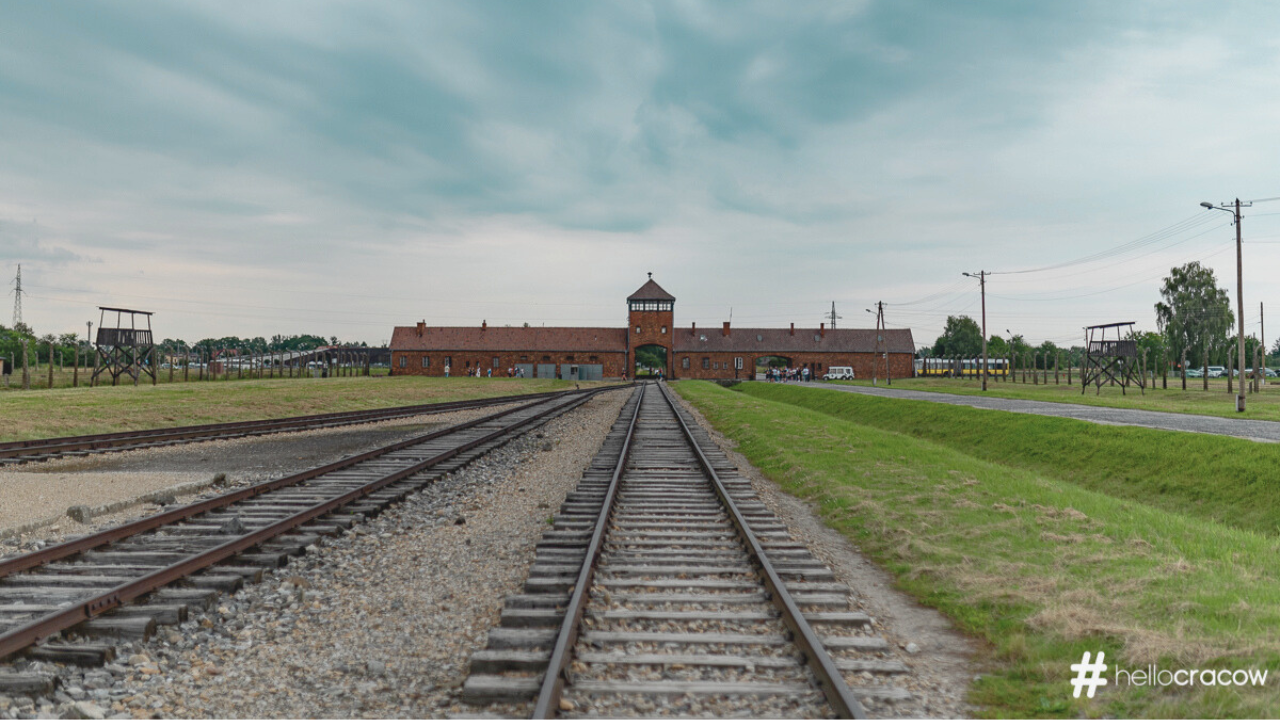
Before you stand on the grounds of Auschwitz-Birkenau or walk the halls of Schindler’s Factory, cinema can be a powerful bridge to the past. But in a world filled with romanticized "historical fiction," choosing the right source is a matter of respect. As local experts who walk these memorial sites daily, we advocate for the truth over "Hollywood tropes." The following films are not horror movies; they are raw, historically accurate reflections of human nature. Whether you are preparing for your first trip or reflecting on a past visit, these 10 essential movies provide the honest framework needed to truly understand the history of the Holocaust and World War II 
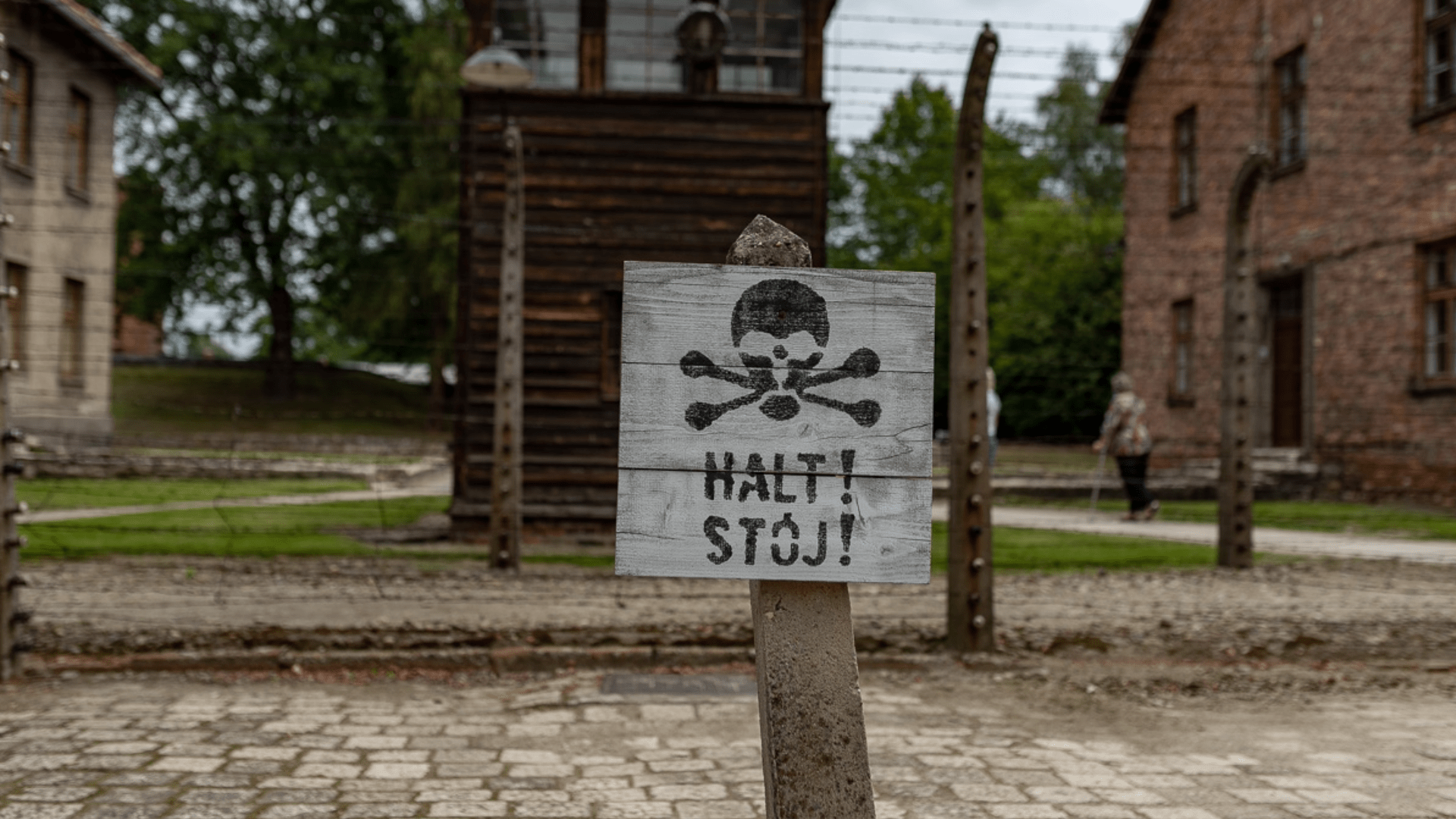
Essential Cinema

These films are selected because they avoid easy answers and focus on the complex, often cruel reality of the era.

The Zone of Interest (2023)
Dir. Jonathan Glazer

A modern masterpiece that focuses on the domestic life of Rudolf Höss and his wife, living in a beautiful home directly adjacent to the Auschwitz walls. It is a profound study of the "banality of evil," in which the horrors of the camp are heard only as muffled sounds from a garden wall.

The Pianist (2002)
Dir. Roman Polanski

Based on the memoirs of Władysław Szpilman, this film depicts the survival of a Jewish pianist in the Warsaw Ghetto. It is a raw, unyielding look at the systematic destruction of a city and its people, focusing on the loneliness and randomness of survival. Polanski, himself a survivor of the Krakow Ghetto, brings an unparalleled level of authenticity to the screen. It is a difficult watch, but necessary to understand the sheer scale of the "Final Solution."

Son of Saul (2015)
Dir. László Nemes

This film offers a claustrophobic, first-person perspective of a member of the Sonderkommando—Jewish prisoners forced to assist in the operation of the gas chambers at Birkenau. By keeping the camera tightly on the protagonist, the film portrays the horror of the camp as a blurry, constant background noise. It is an intense, exhausting experience that strips away all sentimentality.

Night and Fog (1956)
Dir. Alain Resnais

A 32-minute French documentary that was one of the first to confront the reality of the concentration camps. It juxtaposes the tranquil, overgrown remains of the camps in the 1950s with the horrific footage taken just a decade earlier. It asks a haunting question that still resonates today: "Who is responsible?" It is a brief but deeply impactful meditation on memory and the danger of forgetting.

The World at War: Genocide (1973)
Prod. Jeremy Isaacs

This specific episode of the legendary British documentary series remains one of the most accurate and sober accounts of the Holocaust ever broadcast. It combines historical analysis with witness accounts in a way that is educational and deeply moving without being sensational.

Schindler’s List (1993)
Dir. Steven Spielberg

Perhaps the most famous film on this list, it tells the story of Oskar Schindler’s transition from a war profiteer to a savior of over 1,000 Jews. Filmed largely on location in Krakow’s Kazimierz district, it provides a visual map of the city’s wartime history. While it has some cinematic flourishes, its depiction of the liquidation of the Krakow Ghetto remains a benchmark for historical cinema.

Come and See (1985)
Dir. Elem Klimov

While not strictly about the Holocaust of the Jewish people, this Soviet film depicts the scorched-earth policy in Belarus. It follows a young boy who joins the resistance, witnessing the unimaginable cruelty of Nazi "anti-partisan" units. It is widely considered one of the most visceral and "cruel" war movies ever made, showing the psychological toll of total war. It serves as a haunting reminder of the broader atrocities committed across Eastern Europe during WWII.

Shoah (1985)
Dir. Claude Lanzmann

This is not a feature film with actors, but a 9-hour documentary consisting entirely of interviews with survivors, witnesses, and perpetrators. Lanzmann refused to use archival footage, focusing instead on the landscapes of the camps today and the voices of those who were there. It is a monumental work of historical preservation.

The Last Days (1998)
Dir. James Moll

Produced by Steven Spielberg’s Survivors of the Shoah Visual History Foundation, this documentary follows five Hungarian Jews during the final year of the war. It highlights the irrationality of the Nazi machine, which accelerated the killings even as they were losing the war. The personal stories are heartbreaking but provide a face to the millions of lives lost.

The Grey Zone (2001)
Dir. Tim Blake Nelson

Based on the writings of Dr. Miklós Nyiszli, a prisoner who assisted Josef Mengele, this film depicts the 1944 revolt of the Sonderkommando at Birkenau. It focuses on the agonizing choices and the loss of traditional morality inside the camp walls. It is brutal and unrelenting, refusing to offer a "heroic" ending. It is perhaps the most accurate depiction of the physical and psychological environment of the crematoria at Birkenau.
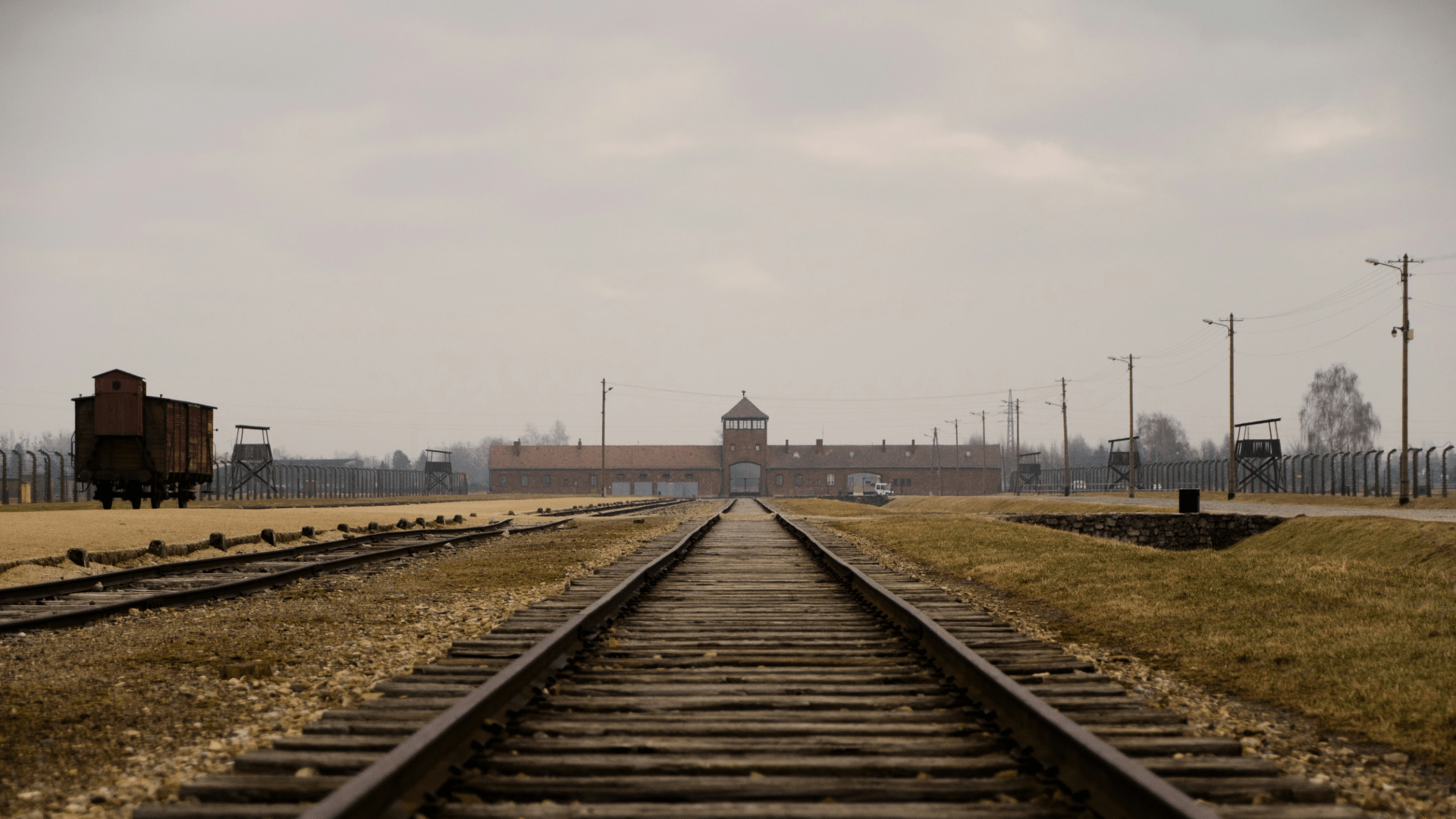
From Screen to Reality: Professional Perspectives in Krakow

While cinema can prepare the heart, only a professional educator can guide the mind through the complexities of these sites. At Hello Cracow, we believe that visiting these locations requires more than just a "tour", but a perspective built on years of research and museum-standard education.

Tour Tickets Description
Auschwitz-Birkenau Included Our guides are educators who focus on the facts, using the site's original architecture to explain how the "Final Solution" was implemented.
Schindler's Factory Included This tour connects the film locations to the real historical figures who lived and died in the Krakow Ghetto.
PLaszOw Memorial Included Often missed by tourists, this guided walk reveals the history of the camp where Amon Göth ruled, using expert knowledge to "read" the landscape.

Walking Through History

Understanding the Holocaust and WWII history is a journey that doesn't end when the credits roll or when you leave the museum gates. It is a process of constant learning and remembrance. We encourage you to balance these heavy historical insights with the vibrant, resilient life of modern Krakow—a city that has survived, rebuilt, and now stands as a witness to history. To truly honor the victims and survivors, we must seek the truth beyond the fiction. Whether you are just starting your research or are ready to stand on the ground where history happened, our team of professional guides is here to ensure your experience is respectful, accurate, and profound.
LEARN THE HISTORY WITH US
By Hello Cracow January 13, 2026
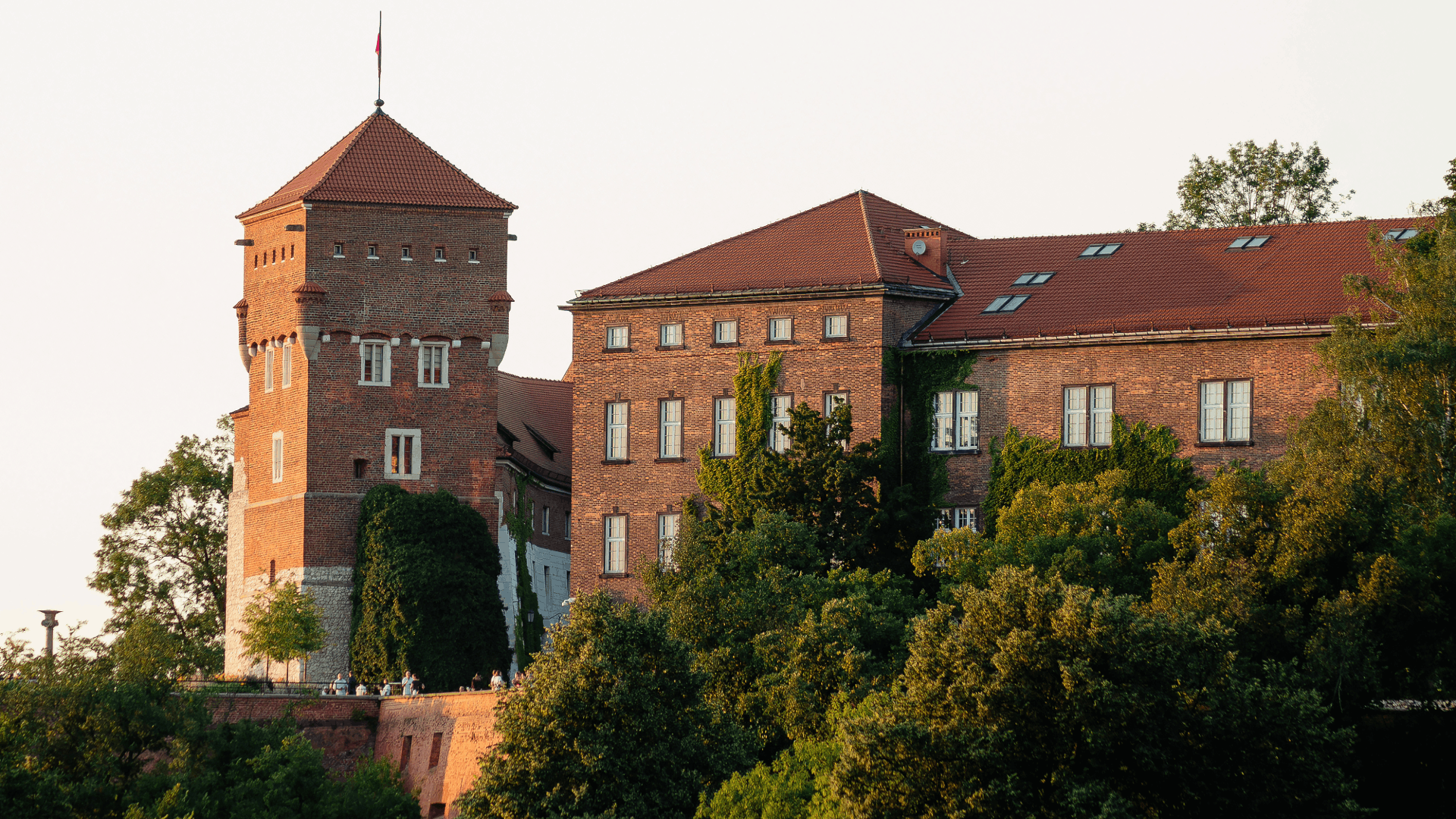
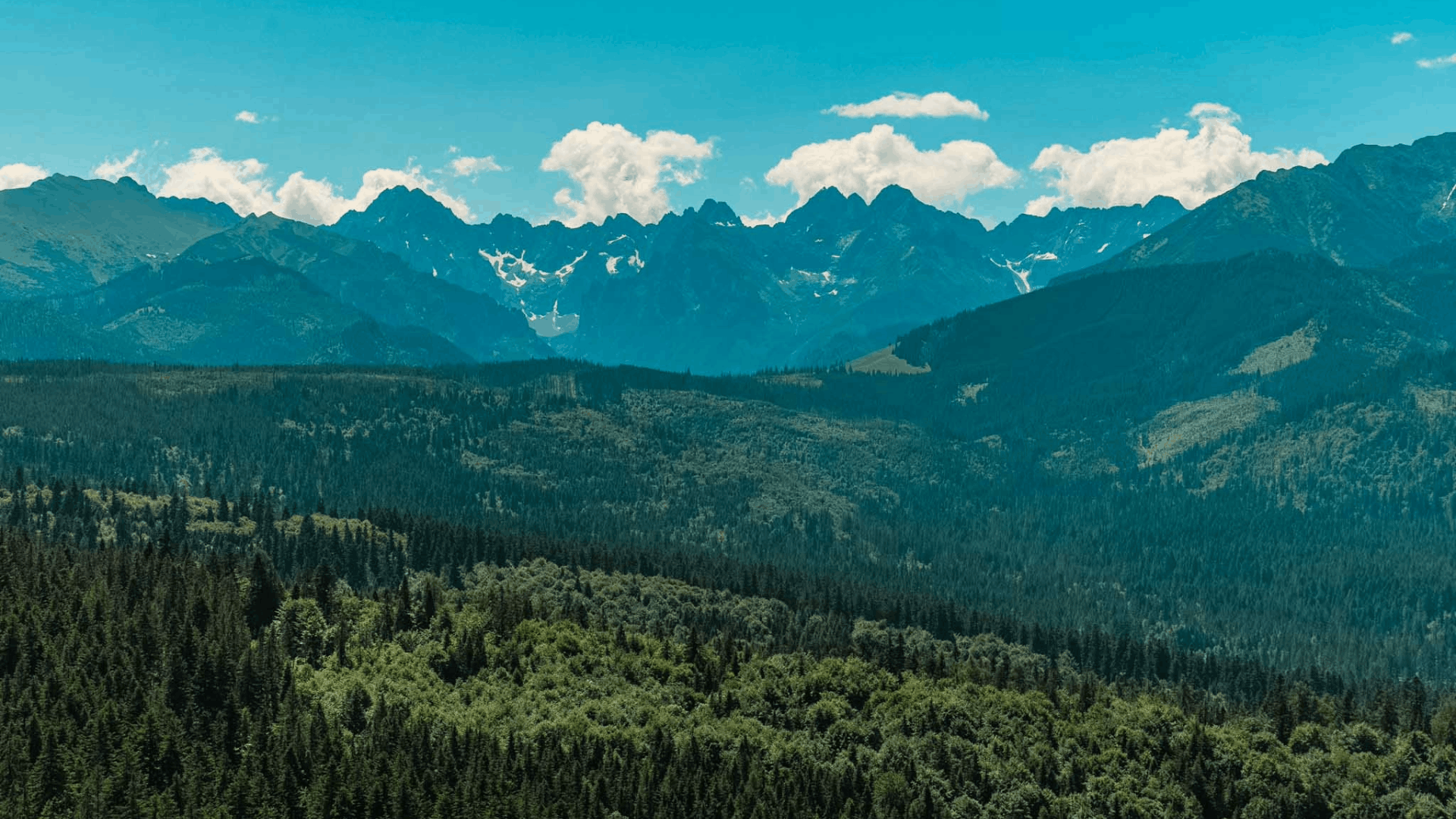
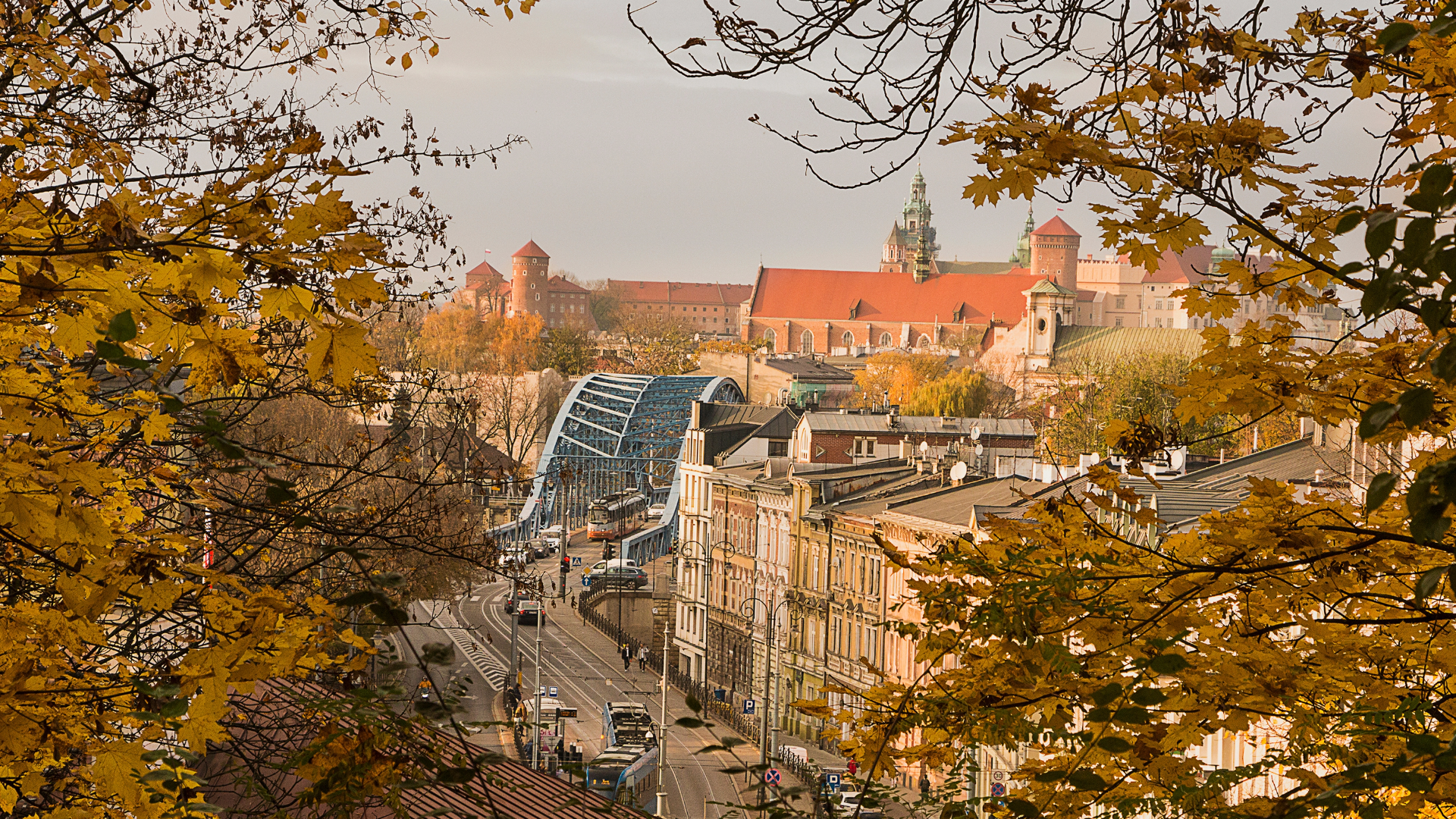
For the traveler visiting Krakow between January and March, the strategy for scenic viewing must shift radically from the summer playbook. Here is the bottom line: The famous medieval towers of the Main Market Square, the Town Hall Tower and the St. Mary’s Bugle Tower , are generally closed. Therefore, to capture the panoramic essence of the city in winter, you must pivot to two alternatives: The Mounds: Specifically Kosciuszko Mound and Krakus Mound. These offer the best open-air views. However, you are fighting daylight. Sunset occurs as early as 4:00 PM in January. You must arrive at Kosciuszko Mound by 2:30 PM to navigate the museum and reach the summit for the "Golden Hour" before it closes at 3:30 PM. Heated "Sky" Venues: Replace the wind-swept towers with glazed, heated observation decks. The best accessible view of the Old Town is from Cafe Szal (atop the Sukiennice), and the best view of the Wawel Castle is from the Groble Sky Bar or the riverside room interiors of the Sheraton Grand (as their open-air roof terrace is closed for the season). Chase the light early (sunrise is late, around 7:30 AM), prioritize the mounds for clear air days to see the Tatra Mountains, and reserve the evenings for ground-level magic like the illuminated Vistula Boulevards.
By Hello Cracow January 6, 2026
January changes Krakow in a quiet, almost cinematic way. The crowds thin out, the pace slows, and the city exhales after December’s intensity. What remains is something more intimate: streets wrapped in winter light, church towers rising through morning mist, and the soft crunch of snow underfoot in the Old Town. This is when Krakow feels most authentic. The Vistula drifts lazily beneath a pale sky, cafés glow warmly against the cold, and medieval facades take on a storybook quality under frost or fresh snowfall. Without the pressure of peak season, the city reveals its rhythm, unhurried, reflective, and deeply rooted in centuries of history that still shape everyday life.
By Hello Cracow January 6, 2026
Krakow is one of Europe’s most family-friendly cities, blending medieval legends, interactive learning, and high-energy attractions. Its compact Old Town allows families to explore comfortably without long travel times or logistical stress. Indoor museums and attractions guarantee entertainment during rainy afternoons or winter weather. From high-tech exhibits to snowy walks around Wawel Royal Castle, experiences feel educational and exciting.
By Hello Cracow December 26, 2025
The arrival of winter in Krakow signals a refined blend of cultural heritage, religious tradition, and tourism-driven urban space. As Poland’s former capital and a UNESCO World Heritage site, the city undergoes a visible transformation. It shifts from an academic and historical center into a multisensory festive landscape. This change extends beyond surface aesthetics. It reflects a profound socio-cultural process that has been shaped over centuries. Long-standing rituals, from elaborate nativity scenes to strict Christmas Eve customs, remain essential. Today, these traditions intersect with the expectations of a rapidly growing global tourism market.
By Hello Cracow December 17, 2025
Holidays are coming, and gift dilemmas return every year. The best gifts aren’t things, but moments and memories. Krakow offers experiences that relax, inspire, and connect. Its historic streets mix culture, charm, and calm in every corner. Nearby Podhale hides geothermal waters that soothe body and mind naturally. People increasingly crave memories and shared moments over material objects. The joy of things fades quickly. Millennials and Gen Z prefer experiences that connect and inspire. Studies show 82% would choose experiences over objects , as memories shape personal stories. Evening trips to thermal baths provide a relaxing escape from work stress. They are premium gifts, creating laughter, shared moments, and lasting stories.
By Hello Cracow December 10, 2025
Krakow, the historic heart of southern Poland, becomes truly magical in winter. Its medieval streets shine under fresh snow, and the Main Market Square glows with the lights of the famous Krakow Christmas Market . Yet the season also brings the classic Central European chill . Visitors often face cold winds, fast-changing weather, and sudden sleet. For many international travellers, this creates a key question: how to enjoy Krakow’s culture without suffering from the winter conditions? The solution is simple and strategic. You don’t need to battle the cold; you can use Krakow’s rich indoor attractions instead. The city offers an impressive network of warm, world-class spaces. You can explore underground museums, royal halls, and modern galleries—all within short walking distance. This compact layout lets you discover the best of Krakow while staying comfortable, no matter the forecast.
By Hello Cracow December 3, 2025
December in Krakow is not simply a winter month. It is a transformation. The city becomes a glowing stage where medieval architecture meets warm festive lights, where centuries of traditions blend with modern cultural events, and where every evening feels like a scene from a beautifully written winter story. You can walk through the same squares that kings once crossed, hear choirs in ancient churches, taste regional dishes that have been part of Polish life for generations, and witness traditions that exist nowhere else in the world. December in Krakow is built on emotions, craft, food, music, and a profound feeling of belonging to something older and larger than yourself.
By Hello Cracow November 27, 2025
Poland holds a unique role in global religious tourism, and the country maintains strong spiritual vitality despite Western European trends. This vitality is visible in the scale of domestic religious engagement across the nation. Travelers seeking deep historical and spiritual meaning find exceptional experiences in Southern Poland. This region offers the famous "Holy Triangle," which forms one coherent pilgrimage route. The route connects Krakow as a modern spiritual capital and Wadowice as the birthplace of St. John Paul II. It also links Jasna Gora in Czestochowa, which serves as a national symbol of enduring faith. Together, these sites create a complete narrative that highlights the rise of Divine Mercy devotion and the lasting presence of the Black Madonna.
By Hello Cracow November 19, 2025
For many travelers in Central Europe, the usual choices dominate. Vienna feels imperial. Prague feels romantic. Budapest feels grand and monumental. Yet in the heart of Lesser Poland sits Krakow, a city with a deeper historical soul. Krakow offers a richer, more authentic journey into the past. It stands not as an alternative, but as a destination of unmatched historical immersion.
By Hello Cracow November 11, 2025
For international visitors, November 11th in Poland is far more than a public holiday. It is a day when the entire country unites to celebrate freedom and Poland's return to the European map. In 1918, after 123 years of partitions, Poland finally regained its sovereignty and restored its voice among European nations. For more than a century, the country had been divided between three powers: Russia, Prussia, and Austria-Hungary. Yet Poland survived in the hearts of its people. Families taught the language in secret, teachers ran underground schools, and poets turned their verses into quiet acts of defiance. Preserving the Polish language, art, and traditions became an everyday struggle and a powerful expression of hope. This long resistance forged a sense of unity that remains at the core of Polish identity today. That is why Independence Day is not only a joyful occasion but also a deeply emotional one. It is a time to honor the generations who refused to let their nation fade away. Across Poland, red-and-white flags fill the streets, patriotic songs echo through cities, and people gather to remember how much was sacrificed for freedom. 
More Posts