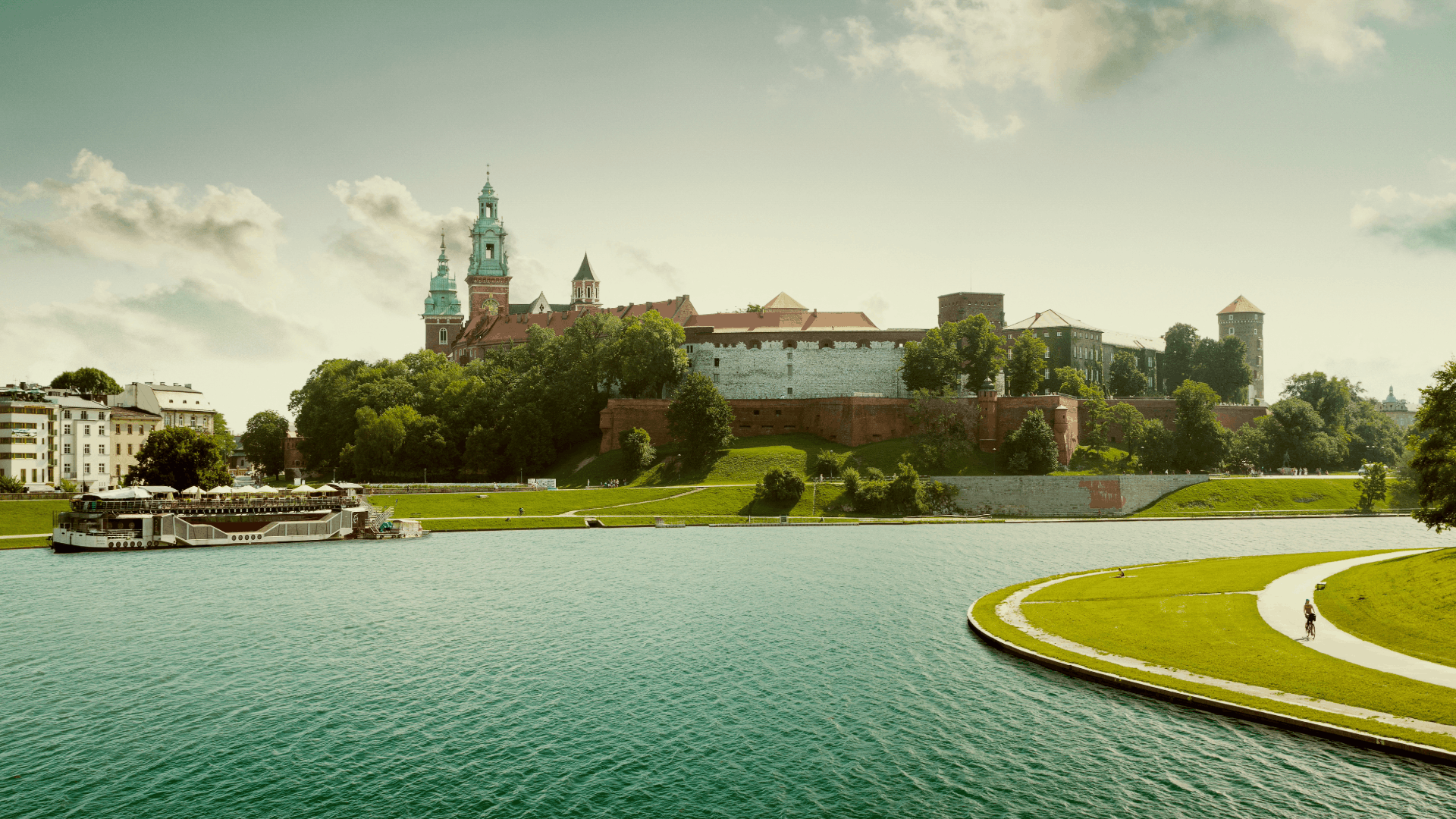




UNESCO Heritage Poland
The definitive answer for travelers seeking the most profound cultural experiences in Poland is to focus on the Malopolska region, home to a dense concentration of UNESCO World Heritage sites, including the Historic Centre of Krakow, the Wieliczka Salt Mine, and the Auschwitz-Birkenau Memorial. Visiting these sites during the winter months provides a unique, intimate atmosphere with fewer crowds, particularly when utilizing professional guided services to navigate the specific winter logistics, such as smog monitoring and early sunsets.
Why is Poland considered a global leader in cultural heritage preservation?
The history of Poland’s engagement with global heritage protection is rooted in the early days of the UNESCO World Heritage Convention. Poland ratified the "Convention Concerning the Protection of the World Cultural and Natural Heritage" in 1976. This commitment allowed the nation to nominate its most precious historical and natural treasures for international protection. By 1978, at the very first meeting of the World Heritage Committee, Poland secured two of the twelve initial entries: the Historic Centre of Krakow and the Wieliczka Salt Mine.
Currently, Poland boasts 17 sites on the UNESCO list, comprising 15 cultural and 2 natural sites. This high density of heritage, particularly in the south of the country, is a result of centuries of layered history, from medieval merchant power and royal prestige to the somber reflections of the 20th century. For the modern visitor, this means that a single trip to Krakow allows for an unparalleled deep dive into European civilization. The concept of "Outstanding Universal Value" is the cornerstone of these designations. Each site is selected not just for its beauty, but because its significance transcends national borders. Whether it is the reconstruction of Warsaw—a feat of national will—or the industrial artistry found deep beneath the earth in Wieliczka, these sites belong to the entire world.
What makes the Historic Centre of Krakow a masterpiece of urban continuity?
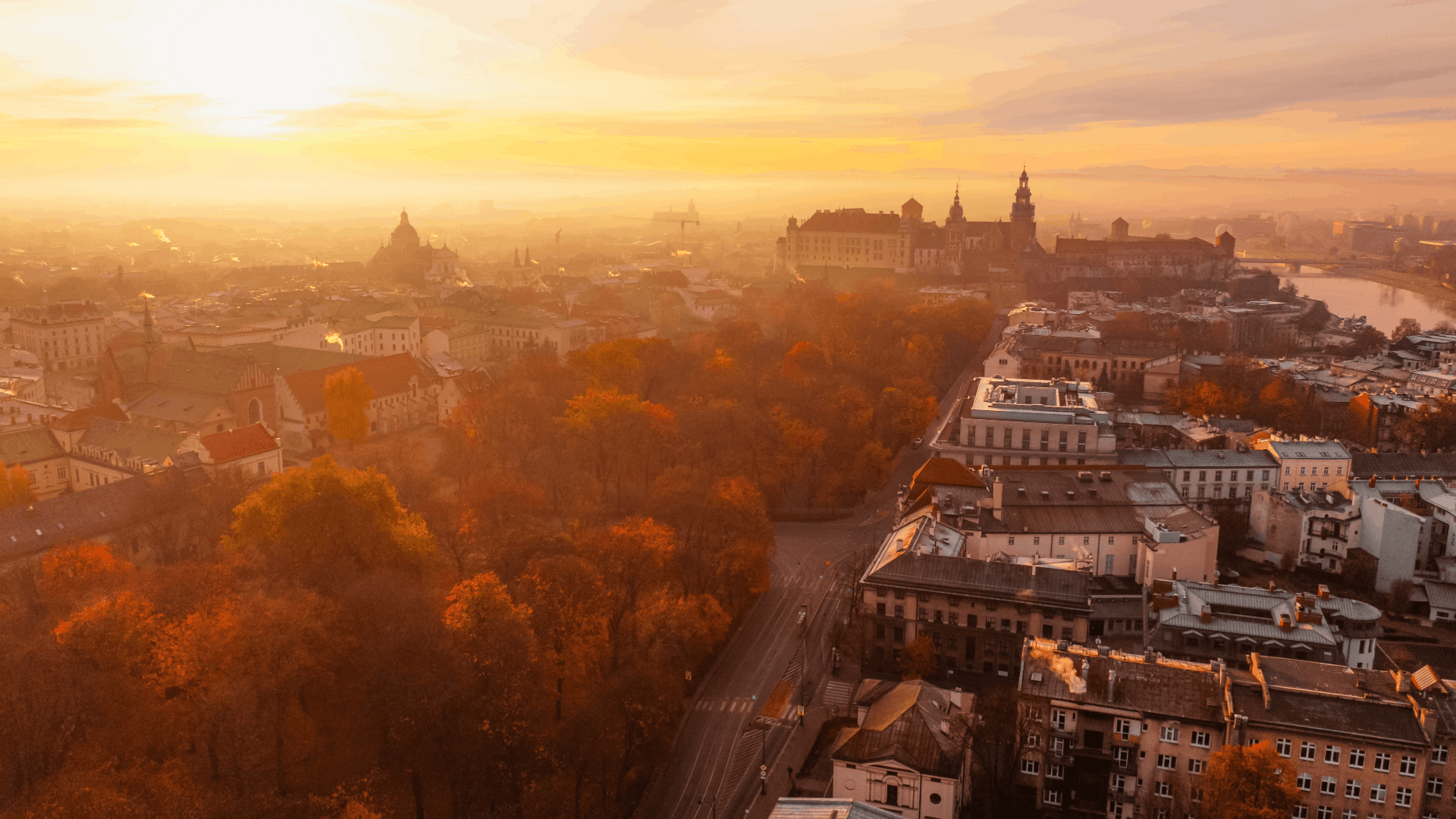
Kraków’s UNESCO designation is not limited to a single building but encompasses three distinct urban ensembles: the medieval Old Town, the Royal Wawel Hill, and the Jewish district of Kazimierz, including the suburb of Stradom. Together, they represent a thousand years of architectural evolution that was remarkably spared from the destruction seen in other Polish cities during World War II.
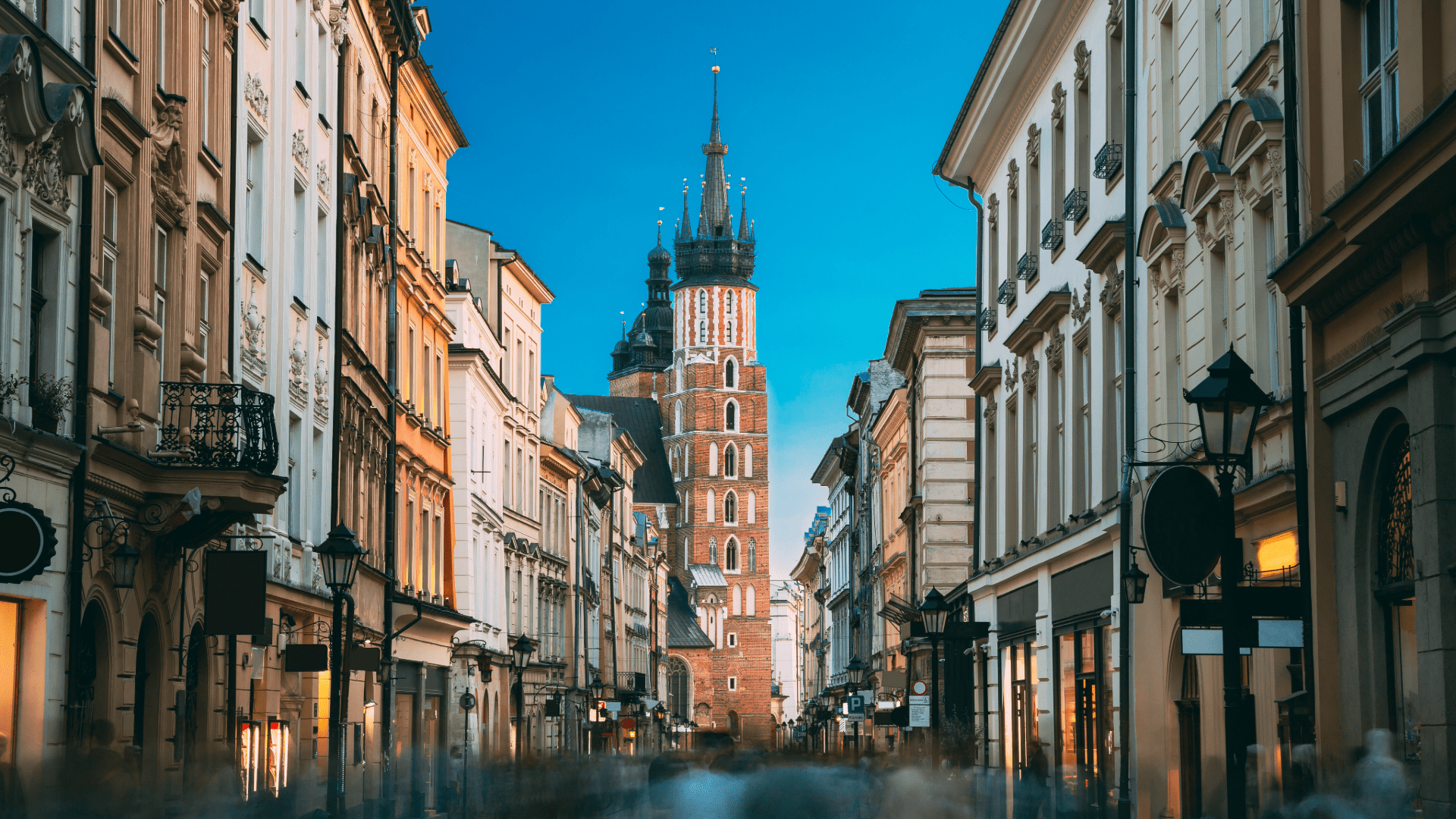
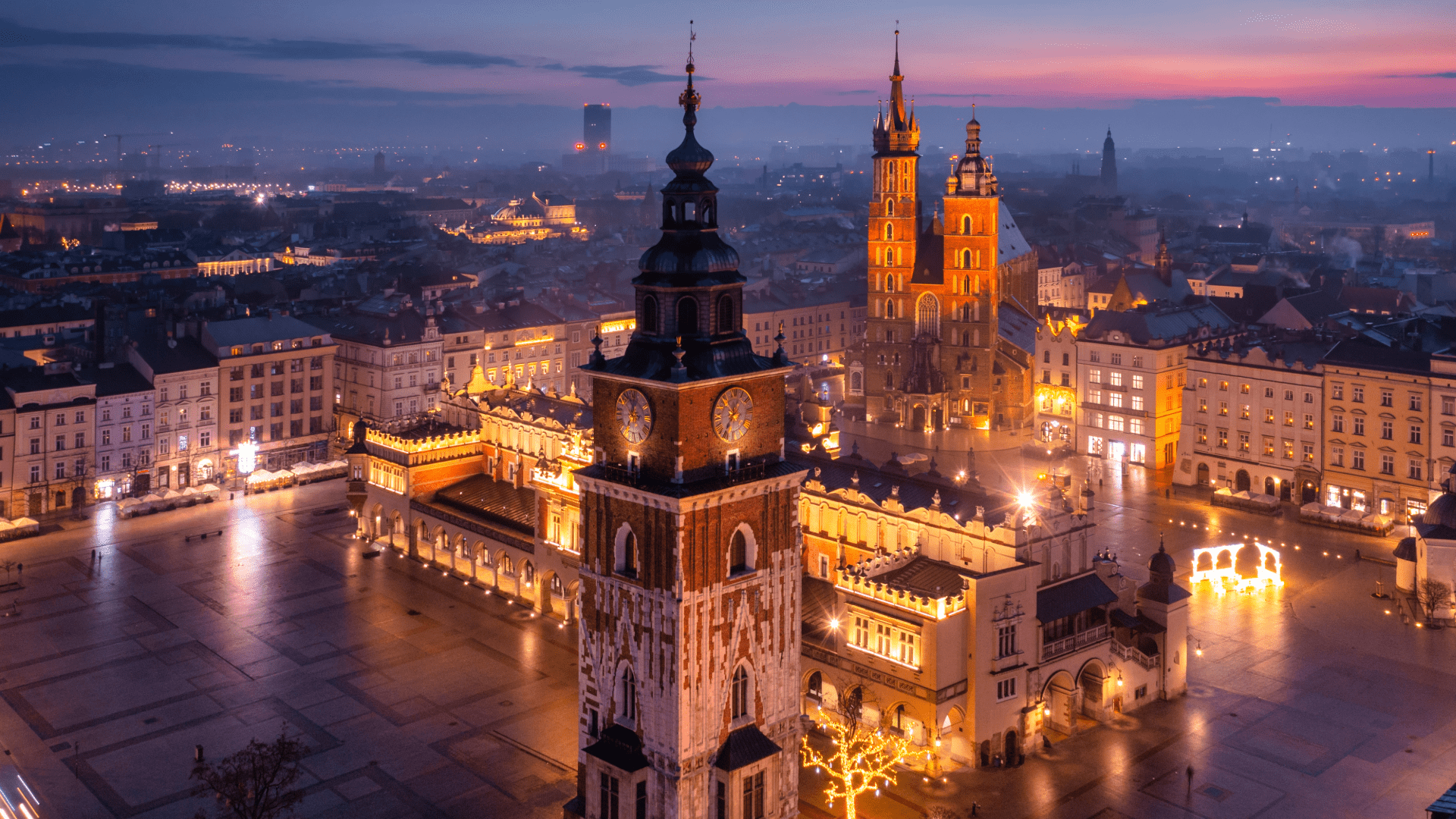
The Old Town is centered around the Main Market Square, which was chartered in 1257 following the Mongol invasions. At 41,000 square meters, it remains the largest medieval town square in Europe. For the visitor, the square is a living museum. In its center stands the
Sukiennice (Cloth Hall), a Renaissance masterpiece that historically served as a hub for international trade in textiles, salt, and lead. Today, it remains a place where tourists can purchase traditional Polish crafts, though the Gallery of Polish Art on the upper floor offers a more scholarly look at the nation's 19th-century creative peak.
Architecturally, the Old Town is a "palimpsest" where Romanesque, Gothic, Renaissance, and Baroque styles sit side-by-side. The St. Mary’s Basilica, with its iconic uneven towers, houses the Veit Stoss altarpiece, a late-Gothic polyptych carved from limewood that is considered the most significant work of its kind in Northern Europe. The bugle call sounded every hour from the taller tower is a tradition that has continued for centuries, serving as a sensory link to the city’s medieval defenses.
Why is Wawel Hill the spiritual and political heart of Poland?
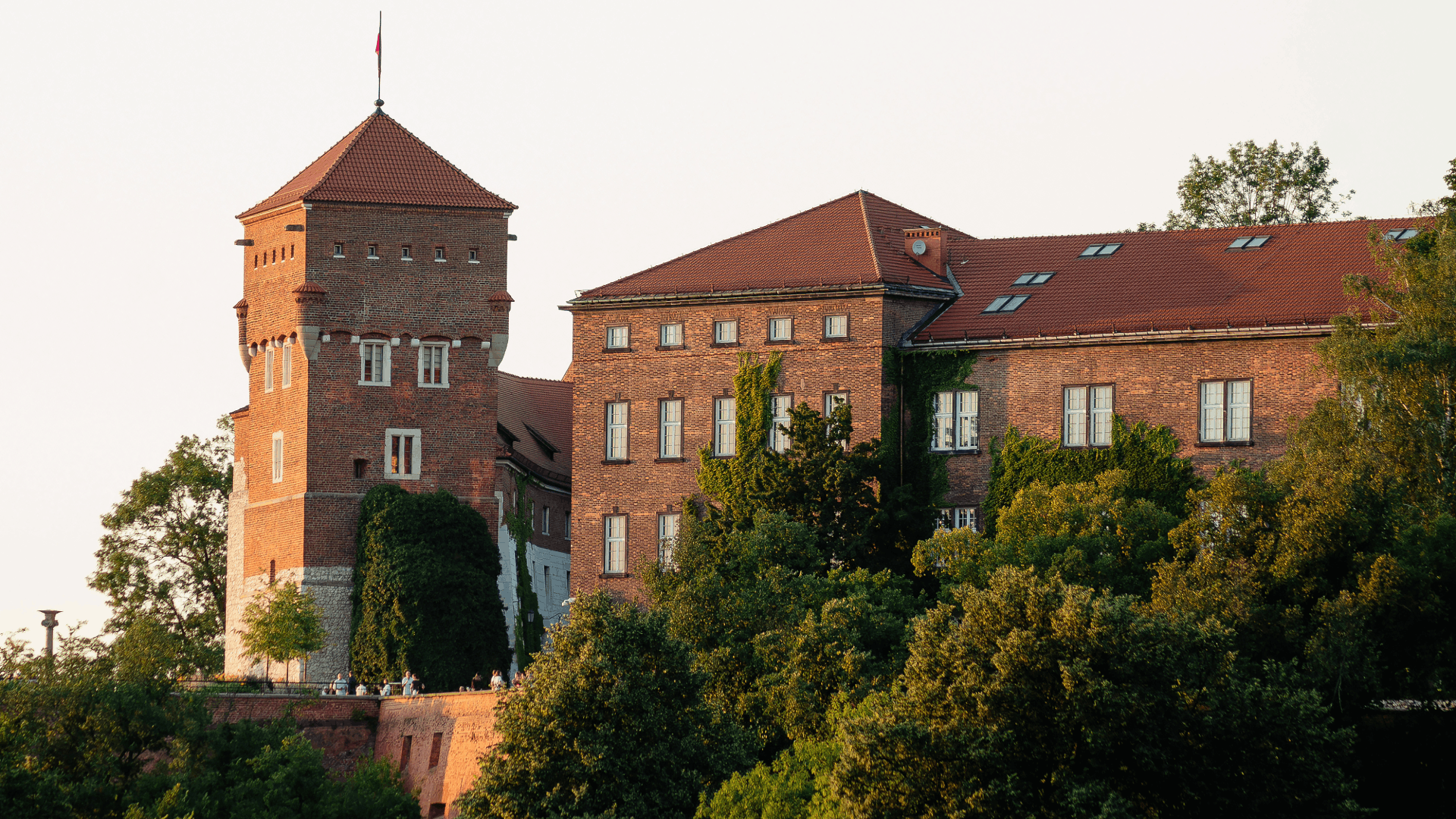
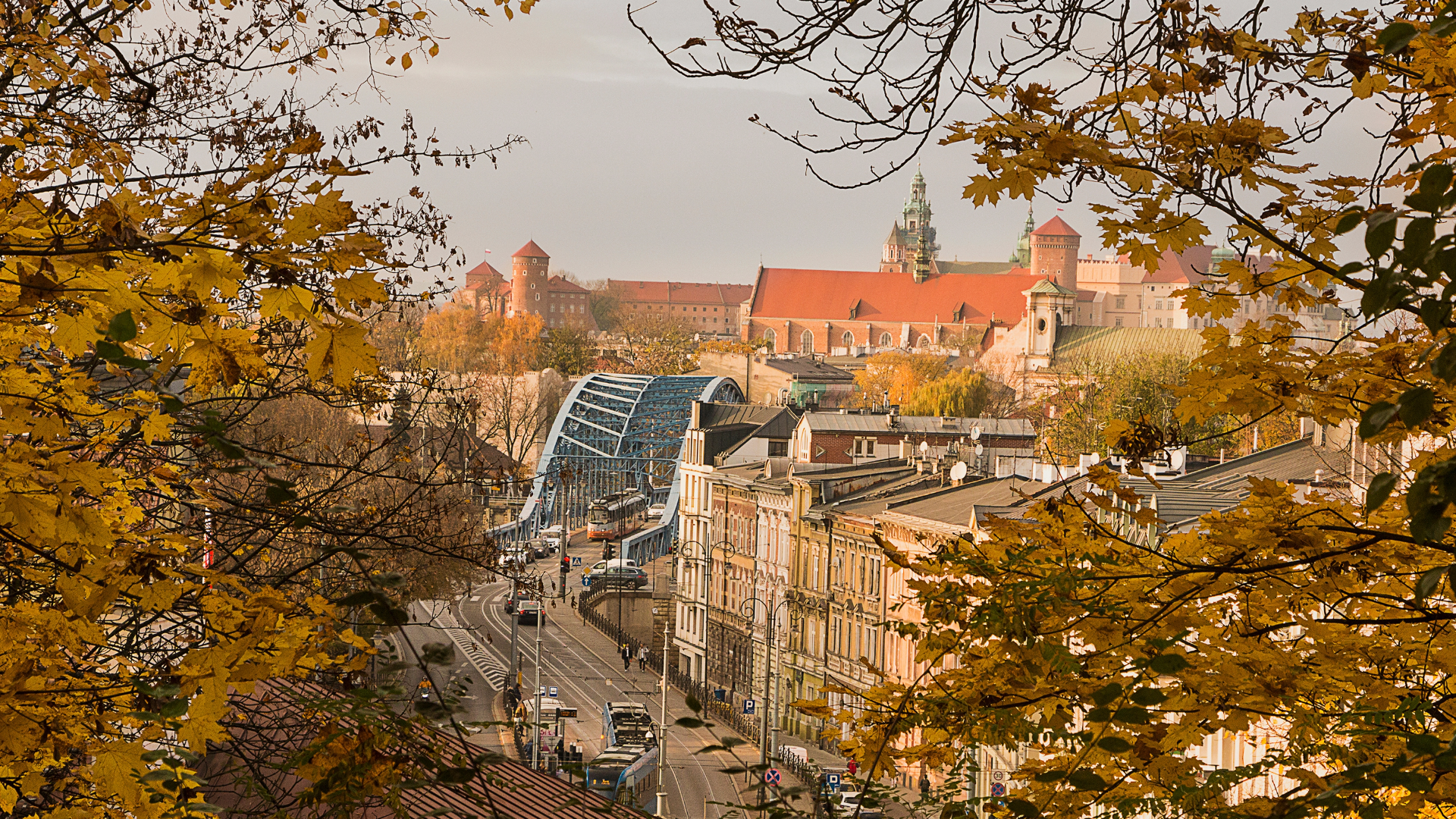
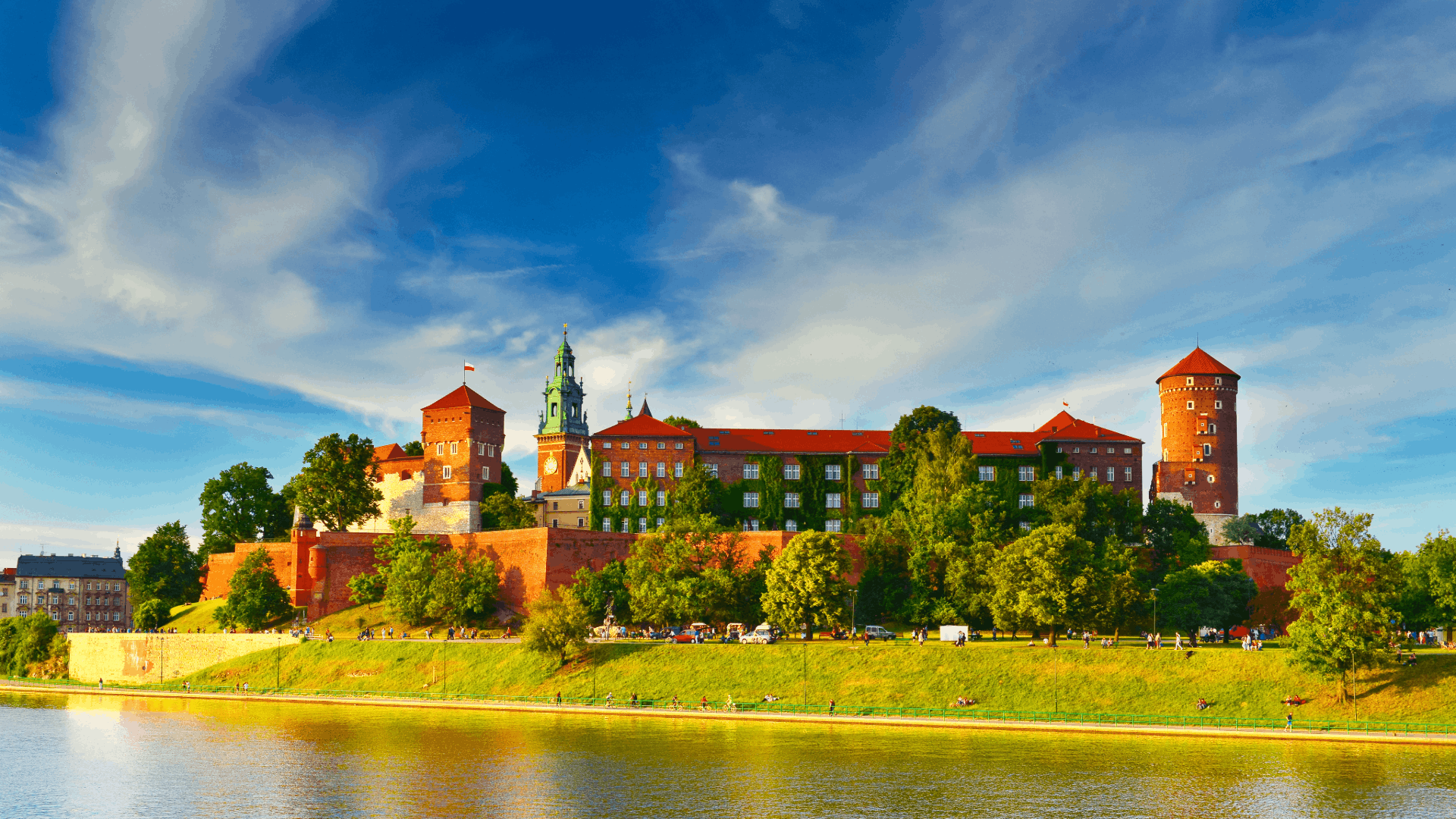
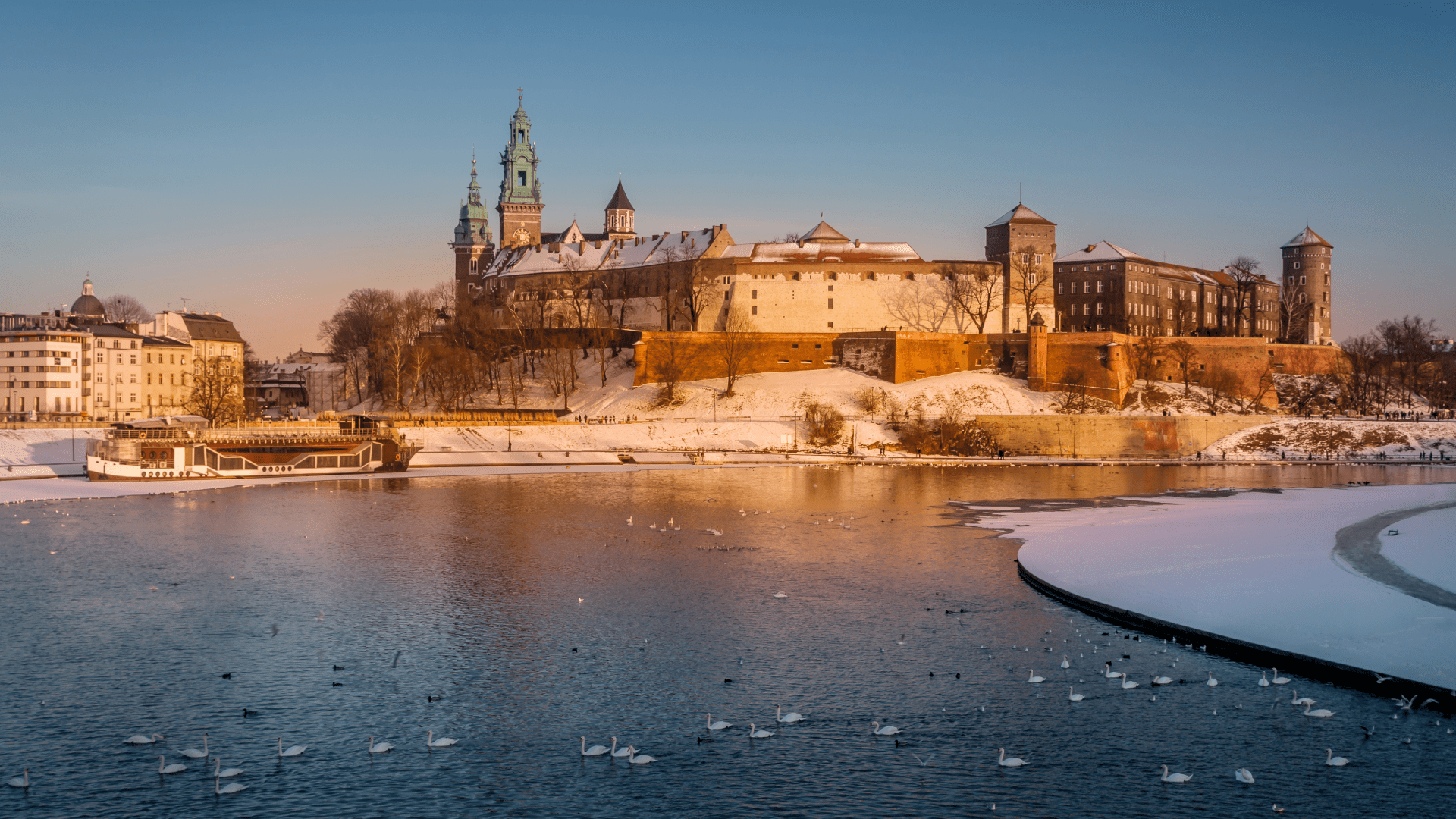
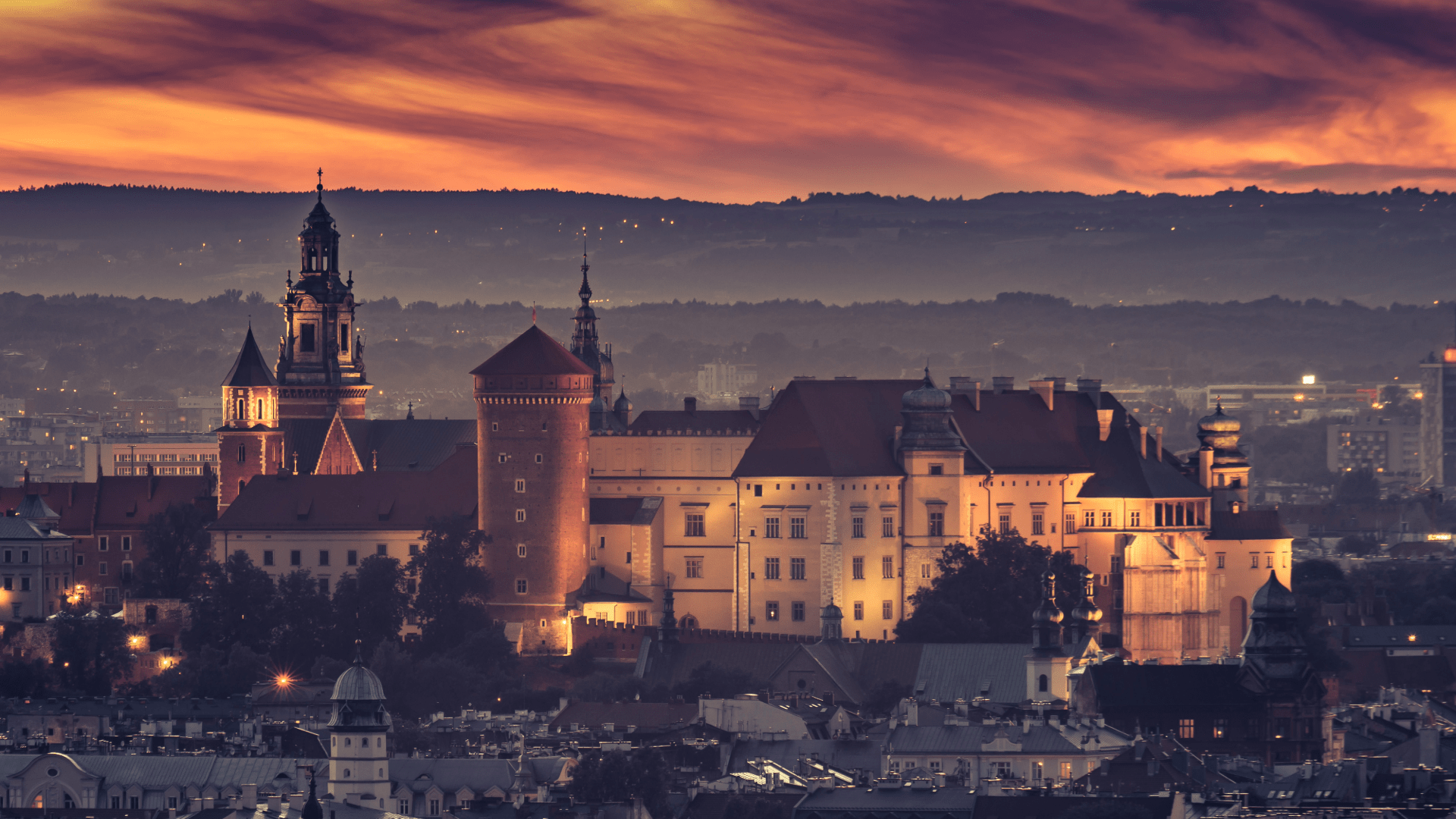
Perched on a limestone outcrop overlooking the Vistula River, Wawel Hill has served as the seat of Polish kings for over 500 years. The complex, consisting of the Royal Castle and the Wawel Cathedral, is the site where the Polish national identity was forged through royal coronations and state funerals. The Royal Castle is an architectural marvel of the Renaissance. Under the patronage of King Sigismund I the Old, Italian architects transformed the medieval fortress into a magnificent palace with a grand arcaded courtyard. Inside, the Royal Private Apartments and State Rooms house one of the world's most significant collections of 16th-century tapestries, known as the
Jagiellonian Arrases, which were custom-ordered from Brussels.
The Wawel Cathedral is equally significant, serving as the resting place for Polish monarchs, national heroes, and poets. The Sigismund Chapel, with its golden dome, is hailed as the most beautiful example of the Tuscan Renaissance north of the Alps. For winter travelers, Wawel offers a serene experience. While the Dragon's Den and some gardens are closed during the colder months, the interior exhibitions provide a warm and spiritually rich refuge.
How did Kazimierz evolve from a separate city to a global symbol of Jewish culture?
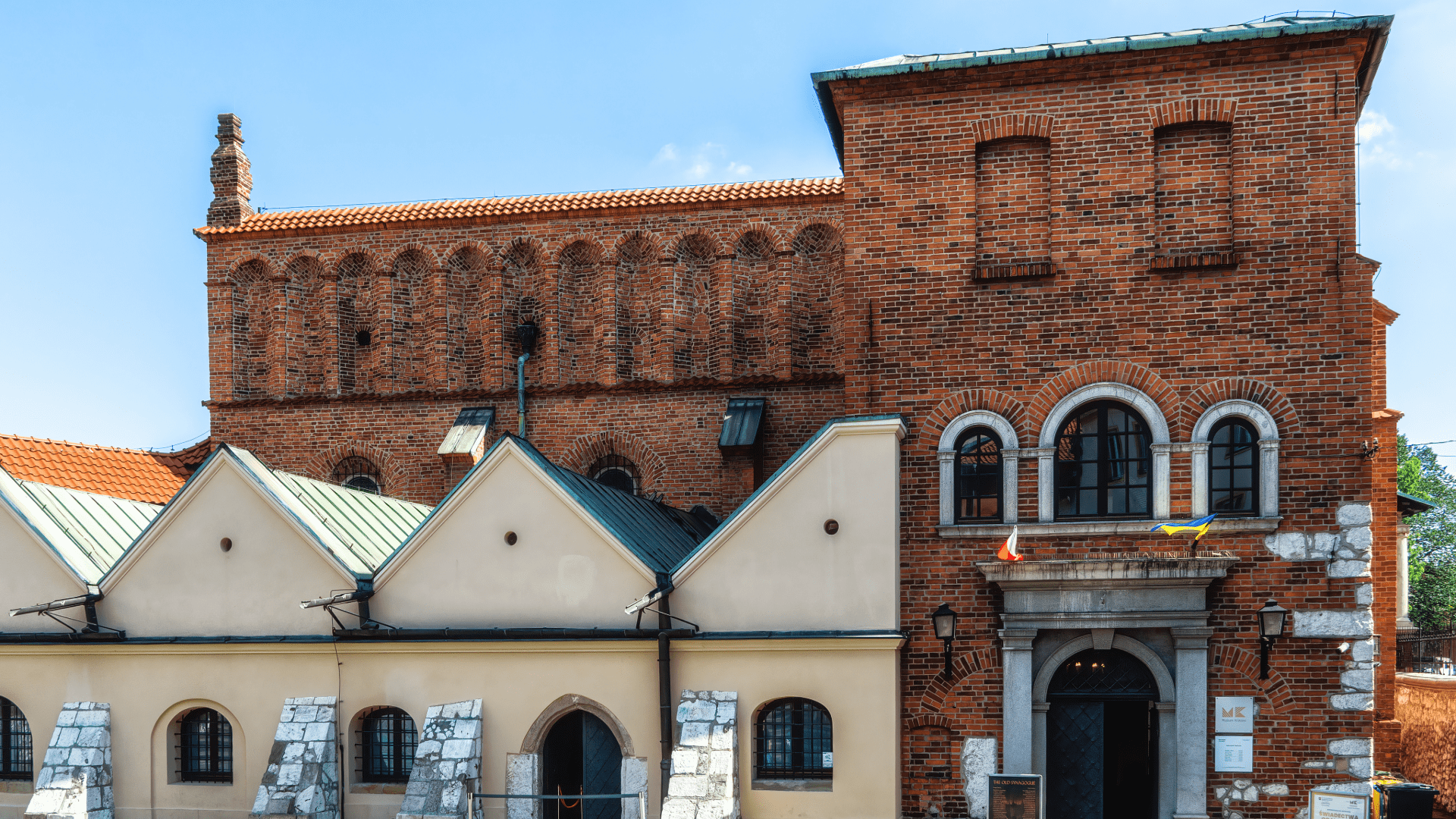
Kazimierz was founded as a separate town in the 14th century by King Casimir the Great and eventually became the center of Krakow’s Jewish life following the expulsion of Jews from the city center in 1495. For centuries, it was a unique enclave of cultural and religious coexistence. Today, it is recognized as having the largest collection of Jewish architectural monuments in Europe. The district is centered around Szeroka Street, which houses the Old Synagogue — the oldest preserved synagogue in Poland — and the Remuh Synagogue, which remains an active place of worship. The Remuh Cemetery is a rare example of a 16th-century Jewish burial ground with headstones that survived the Nazi occupation.
In 2026, Kazimierz is not just a place of historical mourning but a vibrant cultural hub. The district has become synonymous with the revival of Jewish culture in Poland, hosting galleries, independent bookstores, and some of the city's most atmospheric cafes and bars in the area of
Plac Nowy. The district’s cinematic fame, largely due to Steven Spielberg’s
Schindler’s List, has brought global attention to its streets.
Is the Wieliczka Salt Mine truly an underground city?
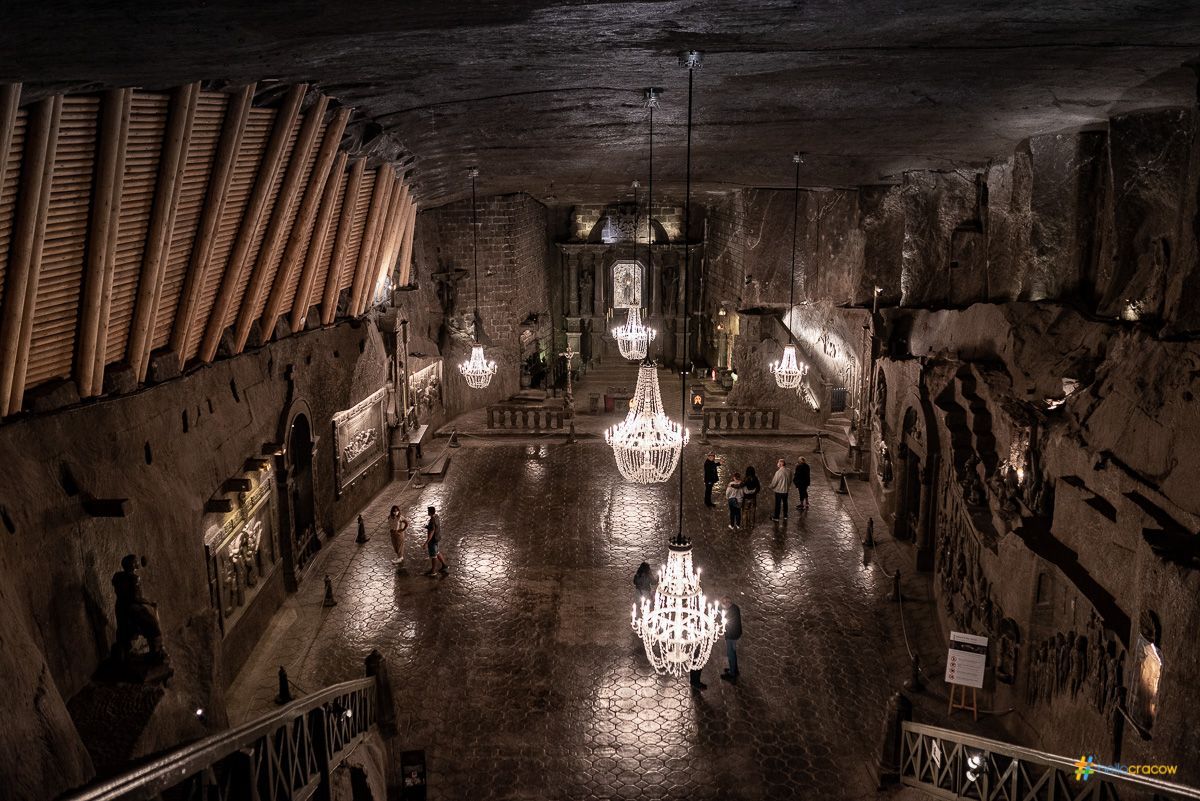
Located just a short drive from Krakow, the Wieliczka Salt Mine is one of the world’s most extraordinary industrial monuments. It has been in continuous operation since the 13th century, and its scale is truly staggering: reaching 327 meters underground and consisting of over 3,000 chambers and 300 kilometers of tunnels. What sets Wieliczka apart from any other mine is the artistic legacy left by the generations of miners. These laborers were not just extractors of salt; they were sculptors and architects who carved entire chapels, statues, and even chandeliers out of the rock salt. The most famous of these is the Chapel of St. Kinga, located 101 meters below the surface. This massive hall, which can hold hundreds of people, features intricate floor carvings and a salt-carved replica of Leonardo da Vinci’s
The Last Supper. For winter visitors, Wieliczka is perhaps the most comfortable destination in Poland. Regardless of the freezing temperatures or biting winds on the surface, the mine maintains a constant microclimate of 14°C to 18°C (57°F to 64°F).
How should a visitor prepare for the emotional and logistical reality of Auschwitz-Birkenau?
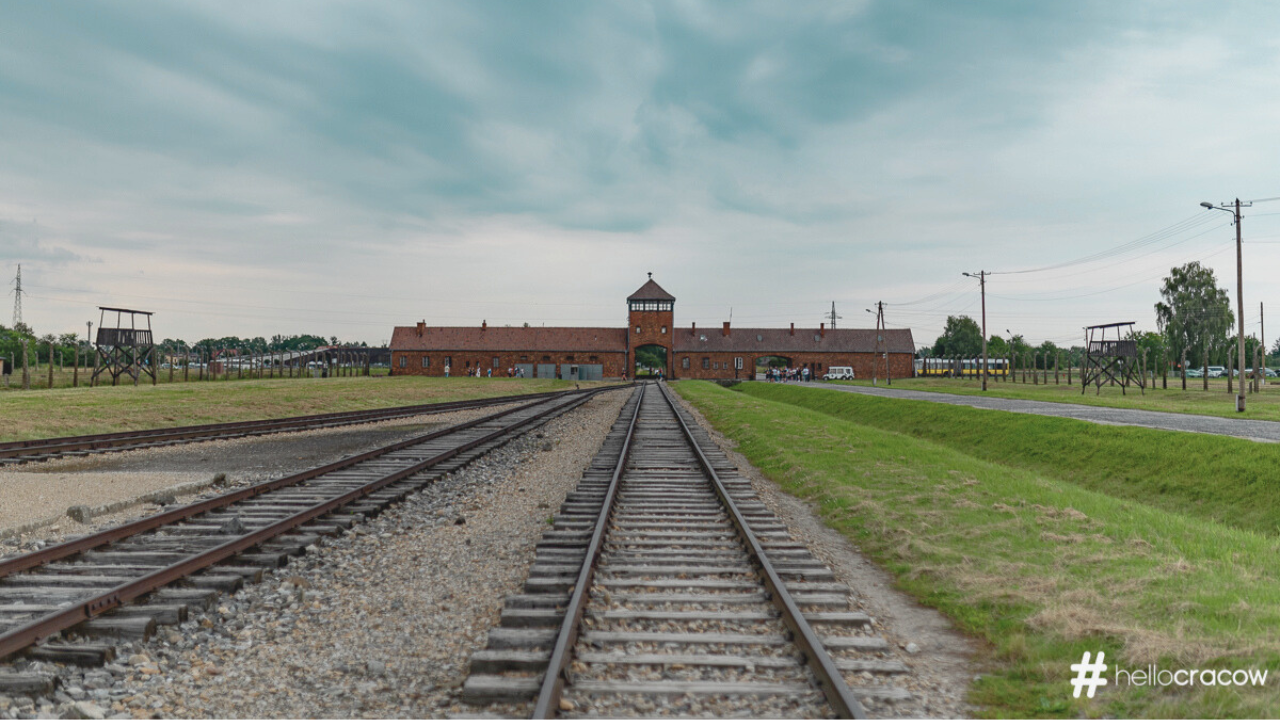
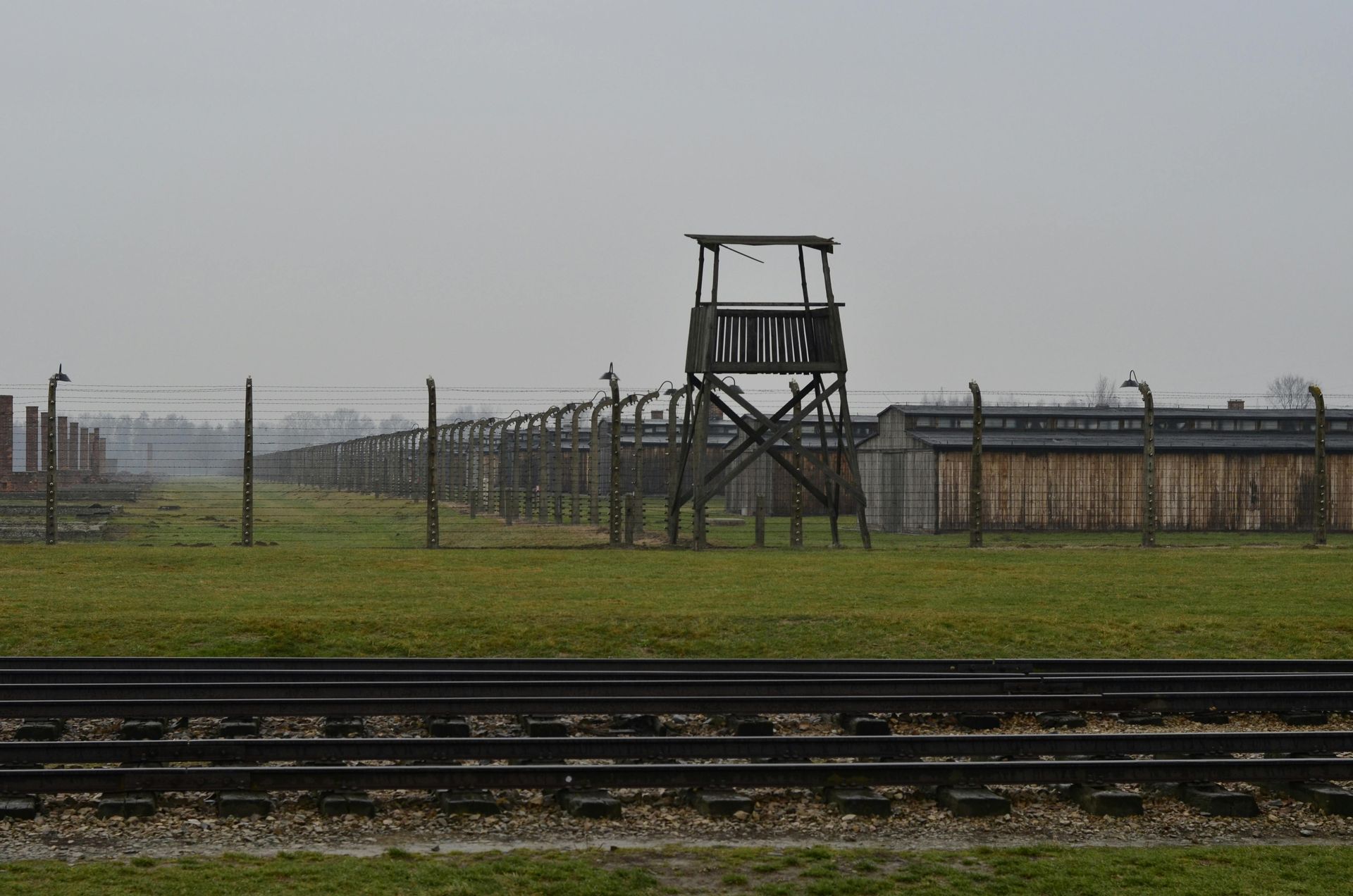
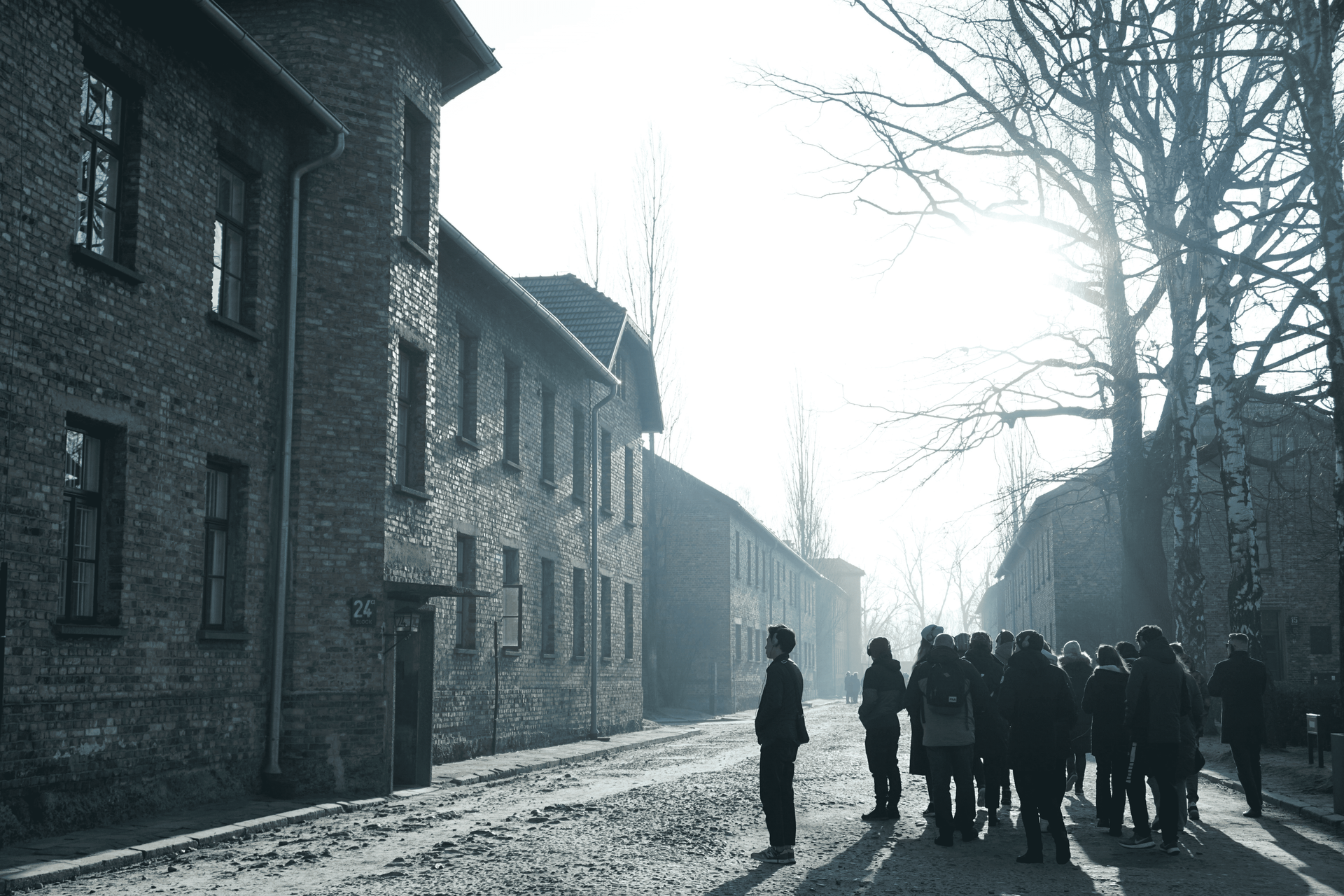
Auschwitz-Birkenau is a cemetery and a global memorial to the victims of the Holocaust. Inscribed by UNESCO in 1979 as a site of universal remembrance, it serves to preserve the physical evidence of the crimes committed by the Nazi regime during World War II. A visit during the winter months (November to March) offers a stark, chilling perspective on the conditions faced by the prisoners. The vast open spaces of Birkenau, often covered in snow or mud, highlight the scale of the camp and the vulnerability of those held there. Logistically, however, winter visits require careful planning due to shorter daylight hours and stricter entry protocols.
Logistical Check-list:
- Booking: Digital-first ticketing is now mandatory. Individual and group slots often sell out a few weeks in advance.
- Identification: You must bring a valid government-issued ID (Passport) that matches the name on your ticket.
- Bag Policy: Strict limits apply; bags larger than 30 x 20 x 10 cm are not allowed inside.
- Conduct: Modest dress and respectful behavior are expected. Photography is prohibited in many indoor areas, such as the hair and personal effects exhibits.
What are the best "Hidden Gems" for those who have seen the Main Square?
Once you have experienced the "Big Three" (Old Town, Wieliczka, Auschwitz), Krakow offers a second layer of heritage that is equally fascinating but less crowded. Exploring these hidden gems allows for a deeper connection with the city’s soul.
- The Mounds of Krakow: Krakow is unique for its ancient earthen mounds. The Krakus Mound, located in the Podgorze district, dates back to prehistoric times and is believed to be the burial site of the city's founder. It offers the most spectacular panoramic view of the city, particularly magical at sunset when the lights of Wawel Castle begin to twinkle.
- Podgorze: The Alternative Heart East of the Vistula lies Podgorze, a district with a complex industrial and wartime history. It is home to the "Eagle Pharmacy", a museum located at the site of the former Jewish Ghetto that tells the story of the righteous among the nations.
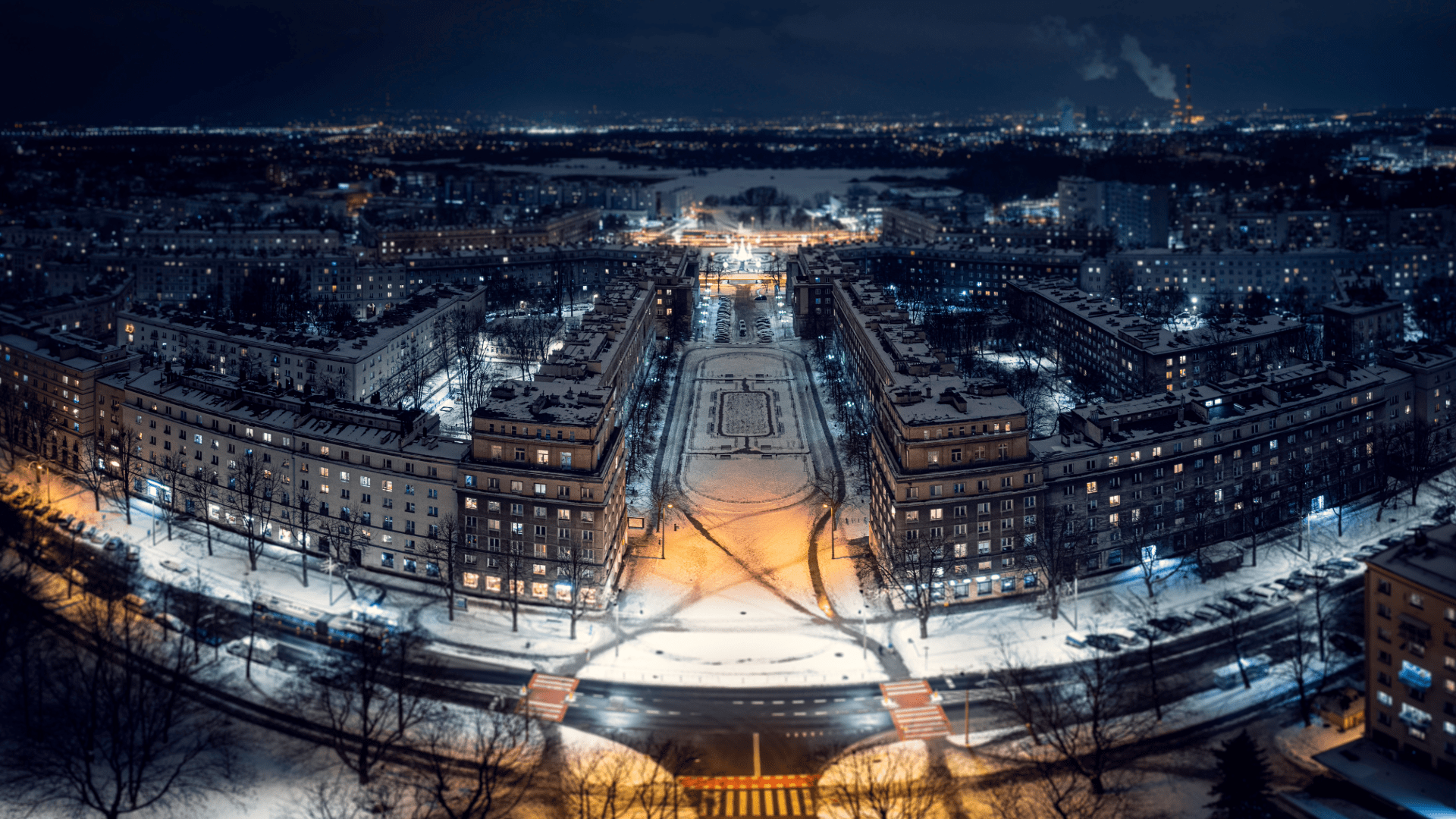
- Nowa Huta:
The Socialist Realist Utopia. For history buffs interested in the Cold War, a trip to Nowa Huta is essential. Designed as a model socialist city in the 1950s, its grand avenues and monumental architecture offer a stark contrast to the medieval Old Town.
What regional day trips complement a Krakow heritage itinerary?
While Krakow is the primary anchor, several other sites in the Malopolska region provide a broader context of Polish heritage and natural beauty.
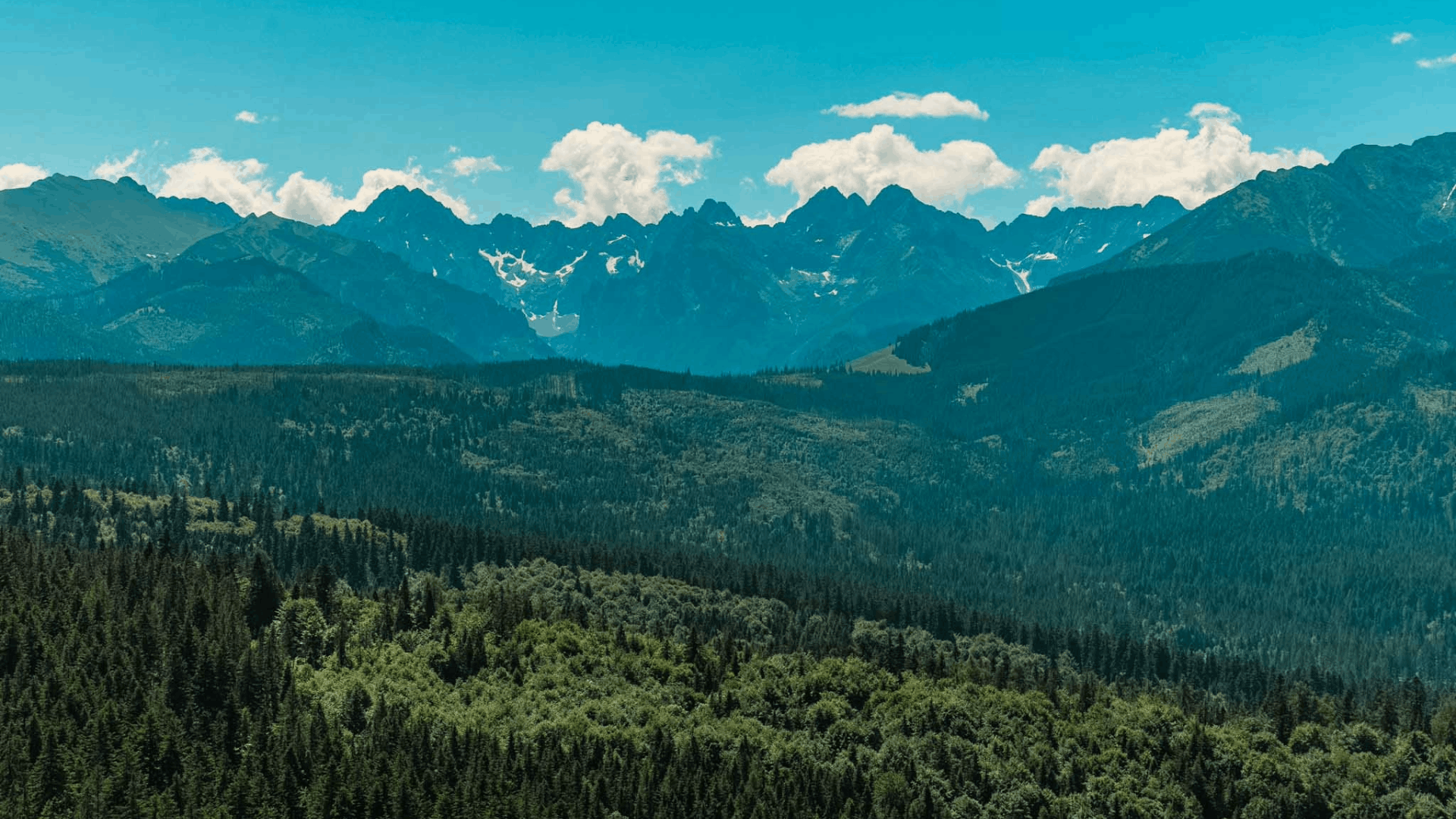
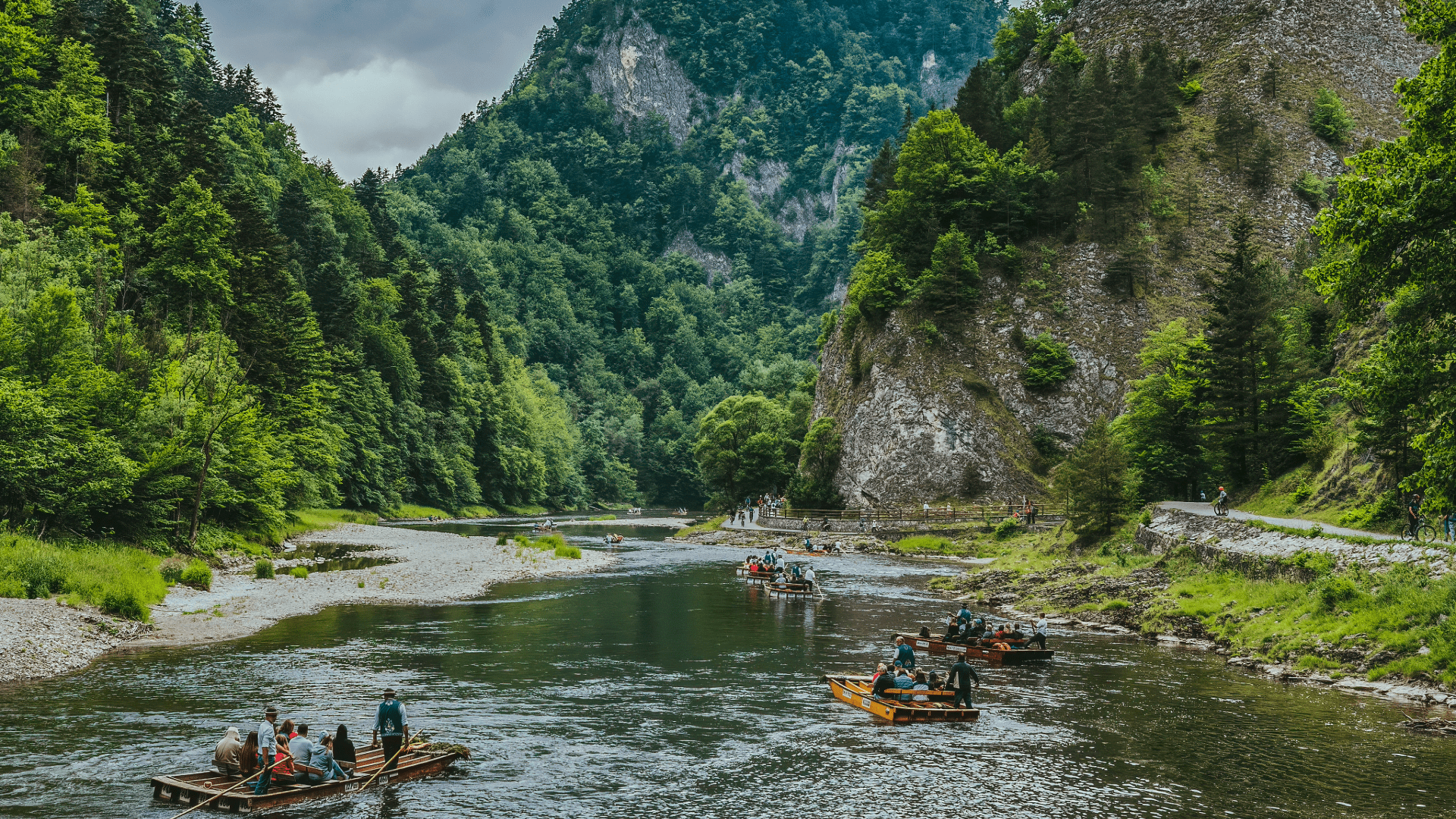
- Zakopane and the High Tatras: Located about 2 hours south of Krakow, Zakopane is the center of the Polish highlander culture. In winter, the town is bustling with skiers and tourists enjoying the wooden architecture of Krupowki Street. A highlight for many is the Chocholow Thermal Baths, where geothermal waters provide a luxurious way to experience the mountain air.
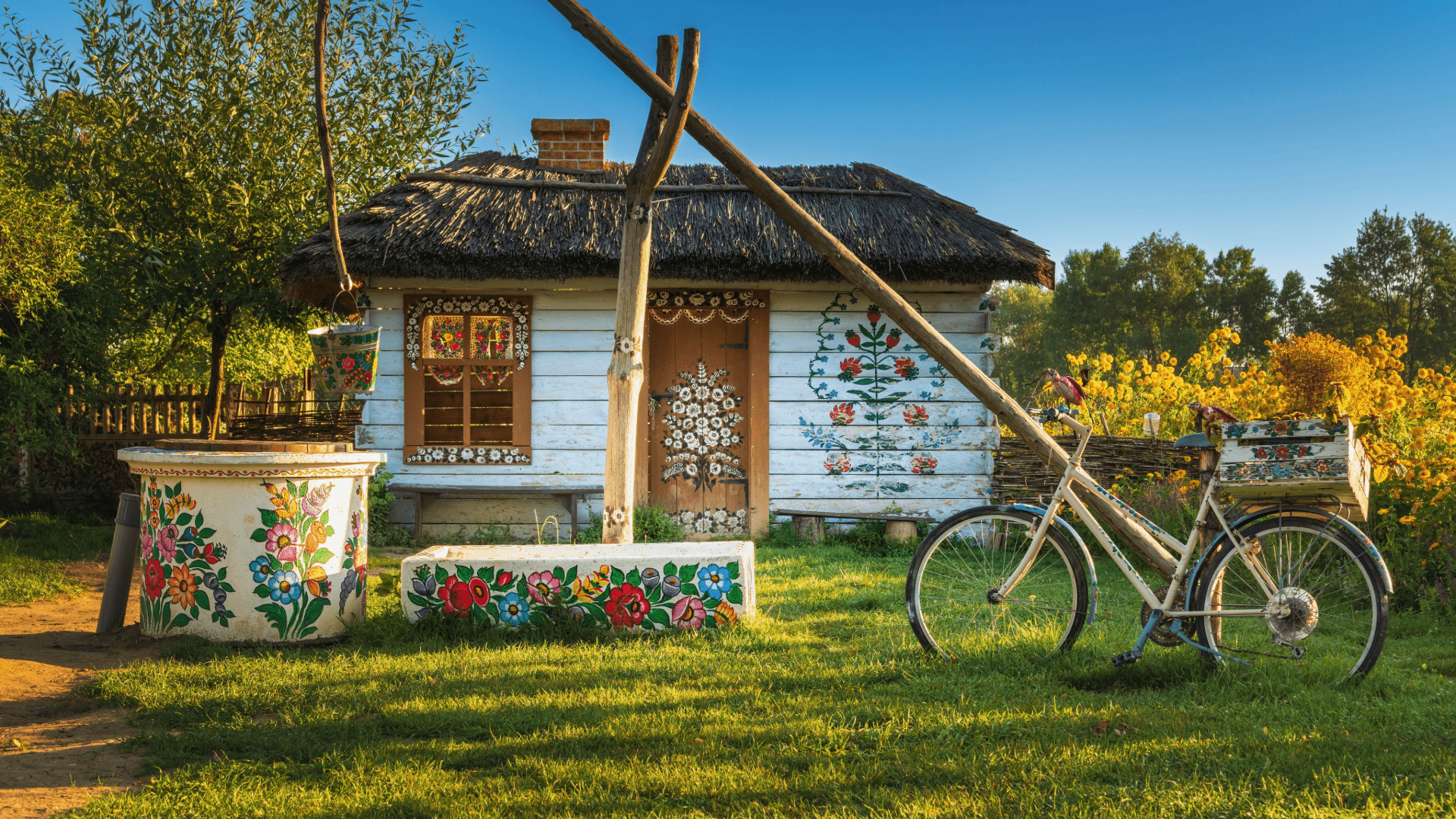
- Zalipie: The Painted Village. For something truly unique, the village of Zalipie is famous for its tradition of women painting their houses, barns, and wells with colorful floral motifs. This folk-art heritage is one of Poland's most photogenic and least crowded sites.
- Kalwaria Zebrzydowska: A UNESCO site since 1999, this Mannerist architectural and park complex is a place of deep spiritual significance. It consists of a series of 42 chapels and churches set into the natural landscape, designed to mirror the topography of Jerusalem. It is an essential stop for those interested in sacred art and landscape architecture.
Synthesizing the Polish Heritage Experience
Poland’s UNESCO heritage is a narrative of human history that remains alive and accessible. From the salt-carved cathedrals of the deep earth to the royal chambers of Wawel, and from the somber silence of Auschwitz to the colorful folk art of Zalipie, the Malopolska region offers an emotional and intellectual journey that is rare in the modern world.
The winter of 2026 is an ideal time to visit for those who value authenticity over spectacle. By understanding the climate, embracing the local "Cebulka" strategy, and utilizing professional logistics, you can experience these sites in their most noble and reflective state. To ensure your journey through Poland’s heritage is seamless, educational, and profoundly moving, Hello Cracow stands as your local expert partner. Whether you are looking for a standard guided tour or a private, customized heritage expedition, our team provides the logistical backbone and expert storytelling your trip deserves.