



10 Most Important Dates in Auschwitz-Birkenau History
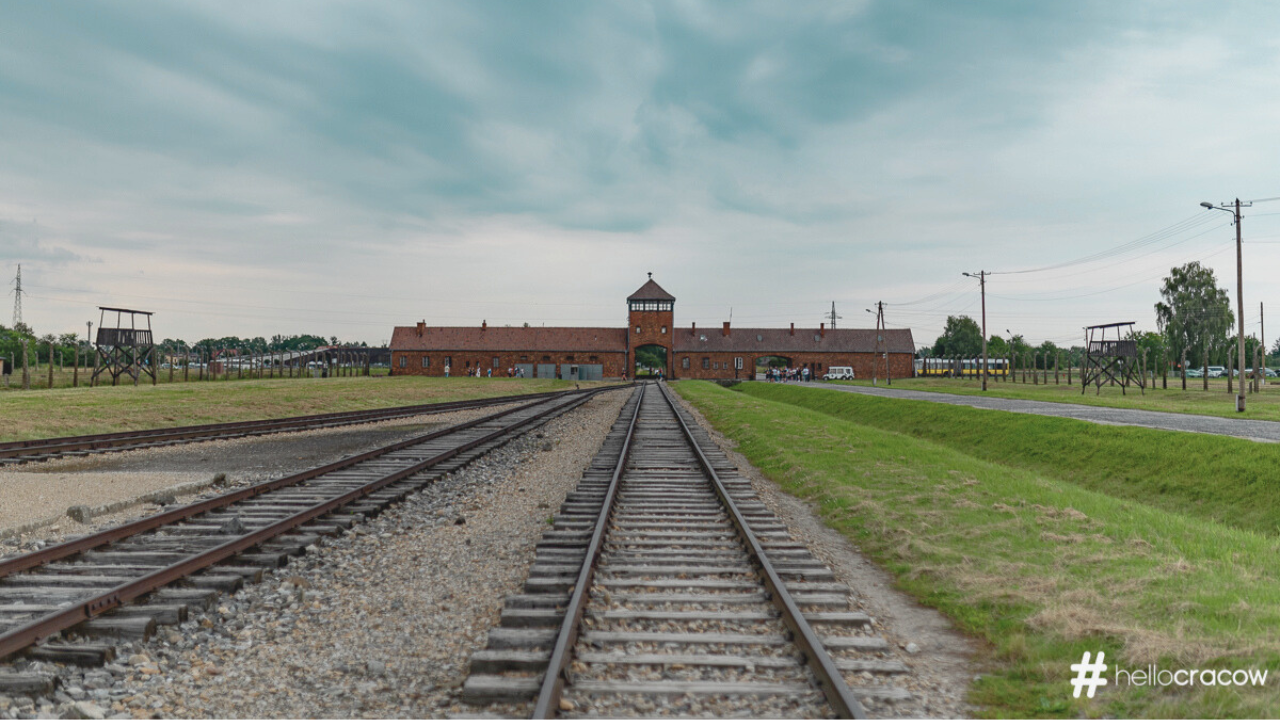
Auschwitz-Birkenau stands as the most profound symbol of the Holocaust and the organized genocide perpetrated by the Nazi German regime during World War II. Located in the town of Oswiecim and its surroundings in occupied Poland, this site transitioned from a regional concentration camp for political dissidents into a global epicenter of mass murder. To truly grasp the gravity of this site, one must look beyond its physical remnants and examine the chronological milestones, bureaucratic mechanisms, and human narratives of resistance and suffering that defined its five-year existence.
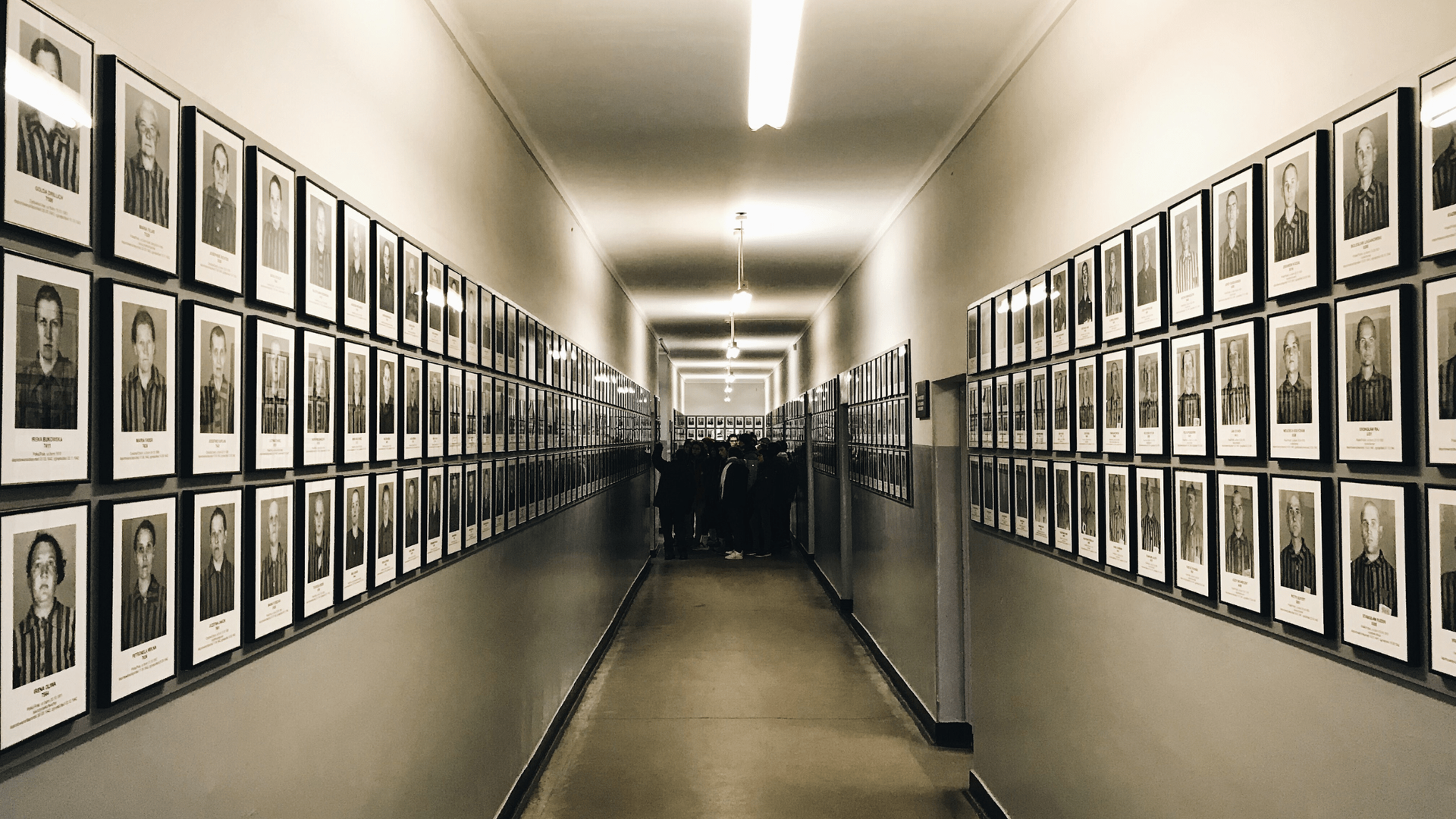
What was Auschwitz-Birkenau, and why is its history significant?
Auschwitz-Birkenau was a complex of more than 40 concentration and extermination camps built and operated by Nazi Germany in occupied Poland between 1940 and 1945. It was the site where at least 1.1 million people were systematically murdered. Its history is a testament to the industrialization of death, evolving from a prison for Polish political dissidents into the primary facility for the "Final Solution." Key milestones include its founding on April 27, 1940, the first use of Zyklon B in September 1941, and its liberation on January 27, 1945. Today, it serves as a UNESCO World Heritage site and a global memorial, requiring visitors to adhere to strict codes of conduct to honor the memory of the victims.
Why was Oswiecim chosen for the camp's location?
The selection of Oswiecim (renamed Auschwitz by the occupiers) was not accidental; it was a strategic decision rooted in logistics and geography. Following the German invasion of Poland in September 1939, the Nazi administration sought a location to isolate the Polish resistance and intelligentsia. Oswiecim, situated at the confluence of the Vistula and Sola rivers, was a significant railway hub with direct connections to major European cities. The town also possessed former Polish army barracks, providing a ready-made infrastructure for a concentration camp.
Heinrich Himmler, the head of the SS, officially ordered the establishment of the camp on April 27, 1940. Initially, the camp (Auschwitz I) was intended to house 10,000 prisoners, primarily Polish political dissidents, to suppress any potential for national uprising. This
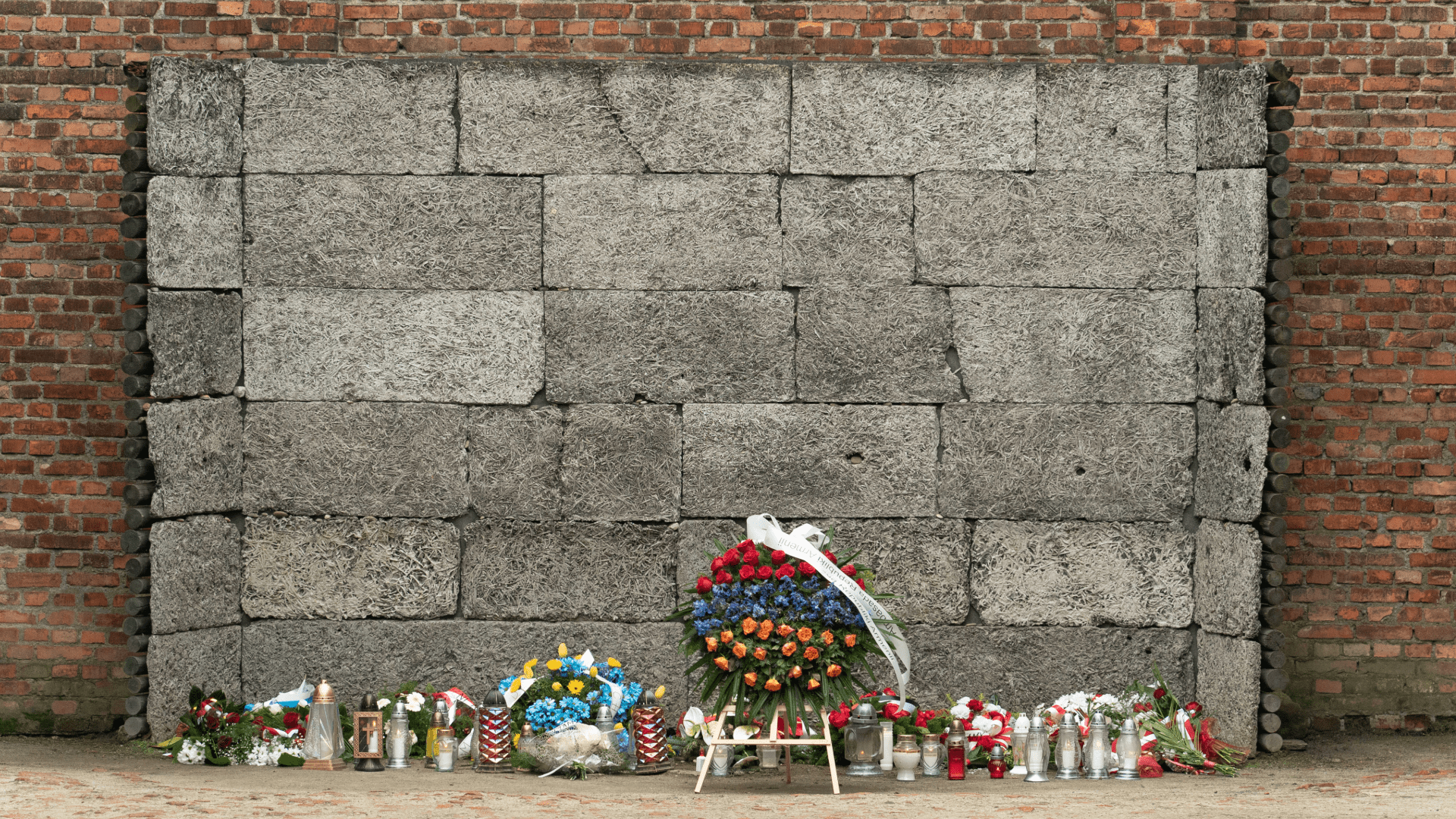
Polish phase of the camp was characterized by extreme brutality, where prisoners were often executed by firing squad at the "Death Wall" or died from starvation and overwork.
What were the most critical dates in the history of Auschwitz?
The history of the Auschwitz complex is a chronicle of escalating terror and technological refinement of murder. The following table summarizes the ten most significant dates in the camp’s history, from its administrative inception to its preservation as a national museum.
| Date | Event | Significance and impact |
|---|---|---|
| April 27, 1940 | Order to establish the camp | Heinrich Himmler orders the conversion of former Polish barracks into a concentration camp to isolate Polish political prisoners. |
| June 14, 1940 | First transport of prisoners | 728 Polish political prisoners arrive from Tarnow, marking the official start of the camp's operational history. |
| September 3, 1941 | First use of Zyklon B | An experimental gassing of 600 Soviet POWs and 250 sick Poles in Block 11 proves the "effectiveness" of hydrogen cyanide. |
| January 25, 1942 | "Final Solution" decision | Himmler decides that Birkenau will be repurposed for the mass extermination of Jews from across Europe. |
| March 1, 1942 | Auschwitz II-Birkenau starts | The second, larger camp begins operations in the village of Brzezinka, vastly increasing the capacity for mass murder. |
| March–June 1943 | Large crematoria construction | Four massive industrial crematoria (II, III, IV, and V) become operational in Birkenau, creating a factory for death. |
| October 7, 1944 | Sonderkommando Revolt | Jewish prisoners forced to work in the crematoria launch an armed uprising, damaging Crematorium IV. |
| November 25–26, 1944 | Destruction of evidence | Facing the Soviet advance, the SS begins blowing up crematoria to hide evidence of genocide from the world. |
| January 27, 1945 | Liberation of the camp | Soviet troops from the 60th Army enter the camp, finding 7,000 survivors and tons of human hair and stolen goods. |
| July 2, 1947 | Museum establishment | The Polish Parliament passes a law to preserve the site as a Monument to the Martyrdom of Nations. |
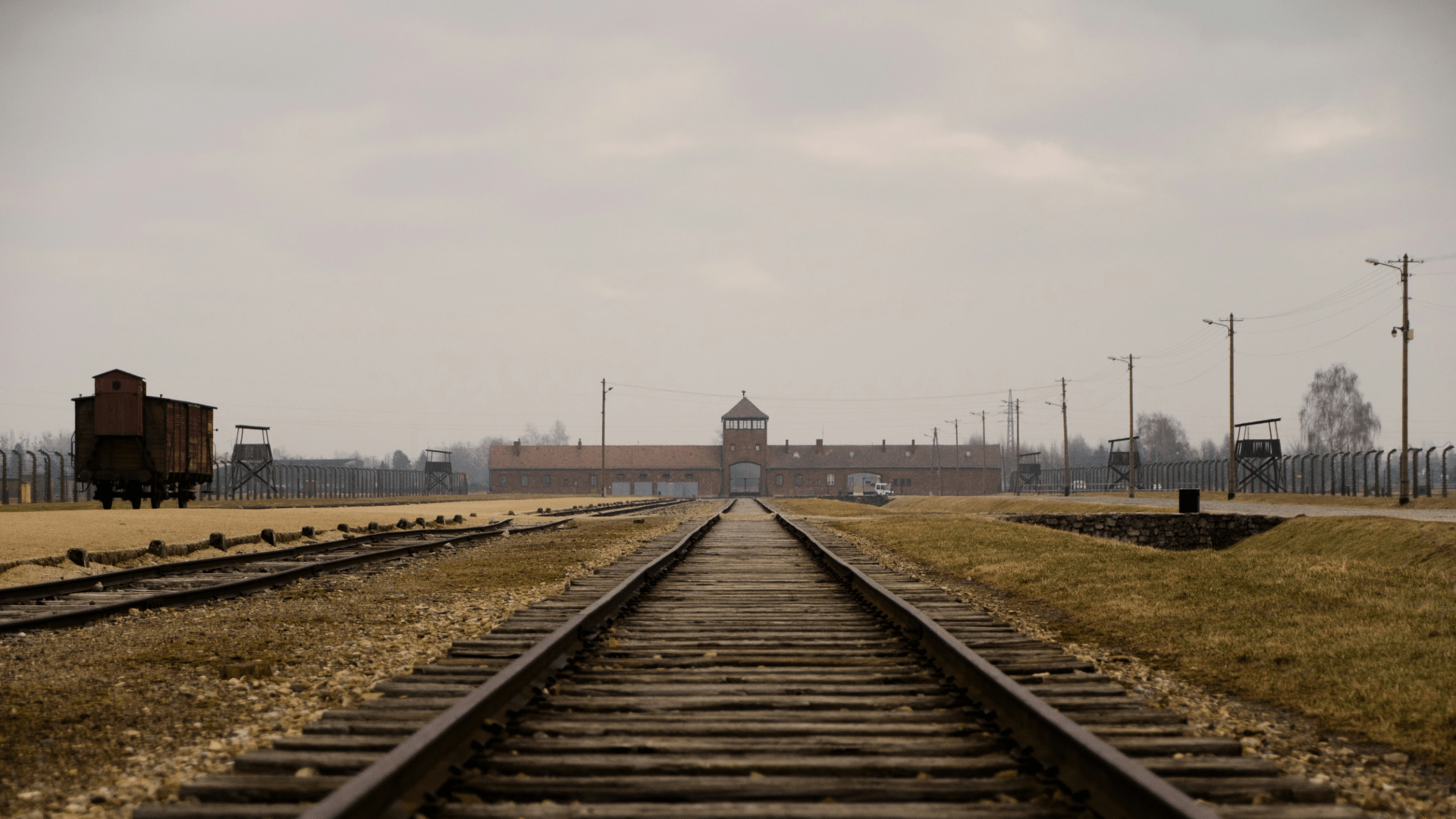
How did the camp evolve from a prison to a death factory?
The evolution of Auschwitz was a dynamic process driven by shifting Nazi ideologies and the needs of the German war economy. Initially, Auschwitz I served as the administrative center and a site for
re-education through work (Arbeit Macht Frei) for Polish citizens. However, the invasion of the Soviet Union in June 1941 led to a massive influx of Soviet Prisoners of War. These prisoners were treated with exceptional cruelty under the "Commissar Order" and became the first subjects for the experimental gassings that occurred in September 1941.
By late 1941, the Nazi leadership had formulated the plan for the total annihilation of European Jewry. This led to the construction of Auschwitz II-Birkenau, a site three kilometers away from the main camp. Birkenau was designed with a dual function: it was both the largest concentration camp in the system and a specialized center for immediate extermination. The installation of the four massive crematoria in 1943 allowed for the murder and disposal of thousands of people daily, transforming the site into an industrialized factory of death.
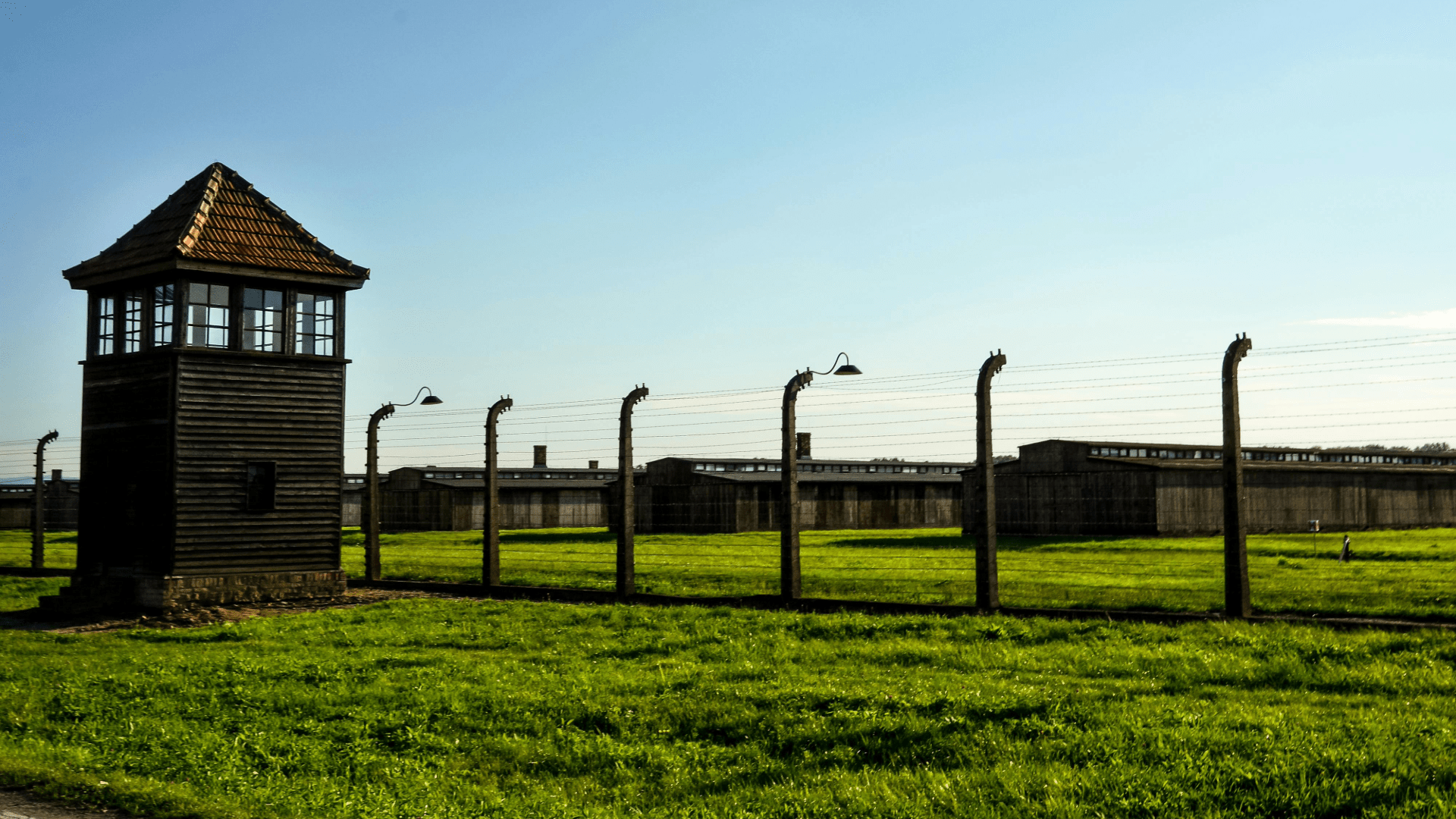
What five lesser-known facts reveal the true nature of Auschwitz?
1. The original intent was the suppression of the Polish elite
It is a common historical misconception that Auschwitz was designed from its first day as a site for the Holocaust. In reality, the camp was established in the spring of 1940 to break the spirit of the Polish nation. The first prisoners were not Jews, but 728 Polish political dissidents and priests. The SS administration, led by Rudolf Höss, sought to eliminate the
"brains" of the Polish resistance. It was only after two years of operation, and following the Wannsee Conference, that the camp's primary function shifted toward the genocide of European Jews. This transition reflects the opportunistic and escalating nature of Nazi racial policy.
2.
The tattoo system was a localized bureaucratic "solution" for the dead
Auschwitz was the only camp in the Nazi concentration system where prisoners were tattooed with identification numbers. This practice did not begin out of a desire for symbolic dehumanization (though that was its effect) but rather from a cold, administrative necessity. In late 1941, the mortality rate among Soviet POWs was so high that paper records could not keep pace with the deaths. When clothes were removed from the corpses, identity was lost. To solve this, the SS began tattooing numbers on the prisoners' chests, and later, their left forearms. This ensured that even after death, a body could be accounted for in the camp's massive ledger. This conversion of a human life into a mere serial number is the ultimate expression of the Nazi effort to strip individuals of their humanity.
3. The "Red House": Domesticity repurposed for mass murder
Before the construction of the massive crematoria in Birkenau, the SS utilized improvised facilities for murder. One of the most chilling examples was the "Czerwony Domek" (Red House), also known as Bunker 1. This was a private brick home belonging to a Polish family named Harmata, who had been evicted from the village of Brzezinka. In March 1942, the SS converted this domestic space into a gas chamber by sealing the windows and installing heavy doors. Victims were told they were going to a "disinfection bath" before being ushered into what had once been a family living room. The use of a regular house for such horrific purposes illustrates the terrifying ease with which the regime repurposed the mundane for the monstrous.
4. Solahütte and the "banality of evil"
The historical record includes the "Karl Höcker Album," a collection of photographs from 1944 that shows SS personnel (including guards and high-ranking officers) relaxing at a retreat called Solahütte, located just a short distance from the camp. The photos depict men and women laughing, eating blueberries, and enjoying the sun. These images were taken during the exact period when the Hungarian transports were arriving, and the gas chambers were working at their maximum capacity. This stark contrast highlights the psychological phenomenon of compartmentalization, where perpetrators could lead "normal" social lives while participating in the greatest crime in human history.
5. The heroic, desperate revolt of the Sonderkommando
The Sonderkommando were special units of prisoners who were forced to work in the gas chambers and crematoria. They were the most traumatized individuals in the camp, knowing that they themselves would eventually be murdered to keep the secret of the genocide. Despite this, on October 7, 1944, they launched a daring armed uprising. With the help of four women from the Union munitions factory (Ala Gertner, Róża Robota, Regina Safirsztajn, and Ester Wajcblum) who smuggled gunpowder, the prisoners blew up Crematorium IV. Although the revolt was brutally suppressed and 450 prisoners were killed, it remains the most significant act of armed resistance in the camp's history, demonstrating that even in the heart of the "factory of death," the human spirit of resistance could not be entirely extinguished.
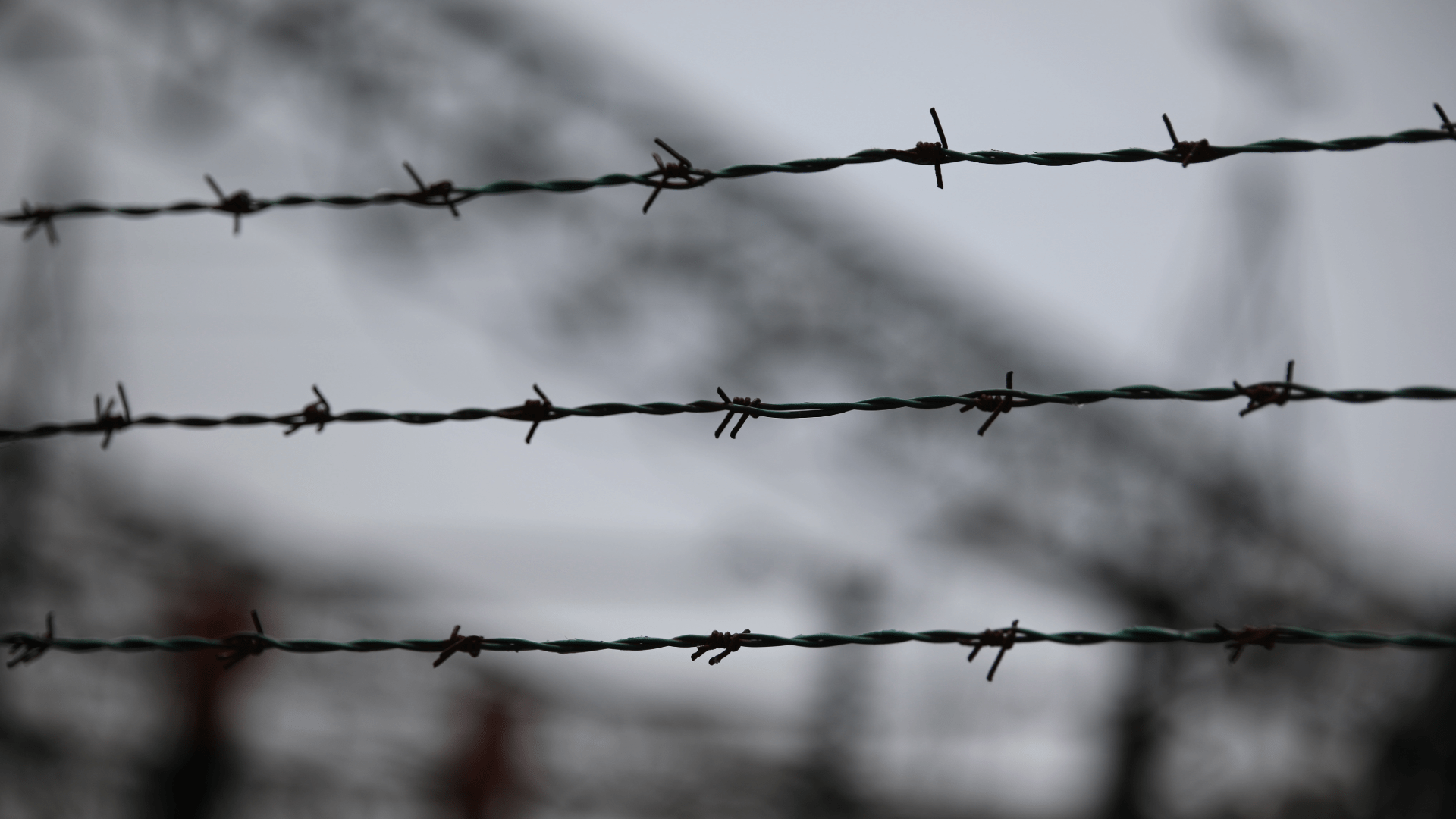
The responsibility of memory
The history of Auschwitz-Birkenau is a testament to the heights of human cruelty and the depths of systemic dehumanization. By understanding the key dates that marked the camp's transformation and the facts that reveal its inner workings, we fulfill a collective duty to "bear witness". The preservation of this site ensures that the lives lost are never forgotten and that the lessons learned from this tragedy continue to guide us toward a more just and humane future.
A visit to the Auschwitz-Birkenau Memorial is an essential, albeit difficult, part of understanding modern history. Hello Cracow is dedicated to providing you with a respectful, educational, and professionally managed tour that honors the memory of the victims while providing you with the necessary historical context.