


Easter in Krakow: Traditions, Markets, and Spring Vibes

Hello Cracow • April 1, 2026

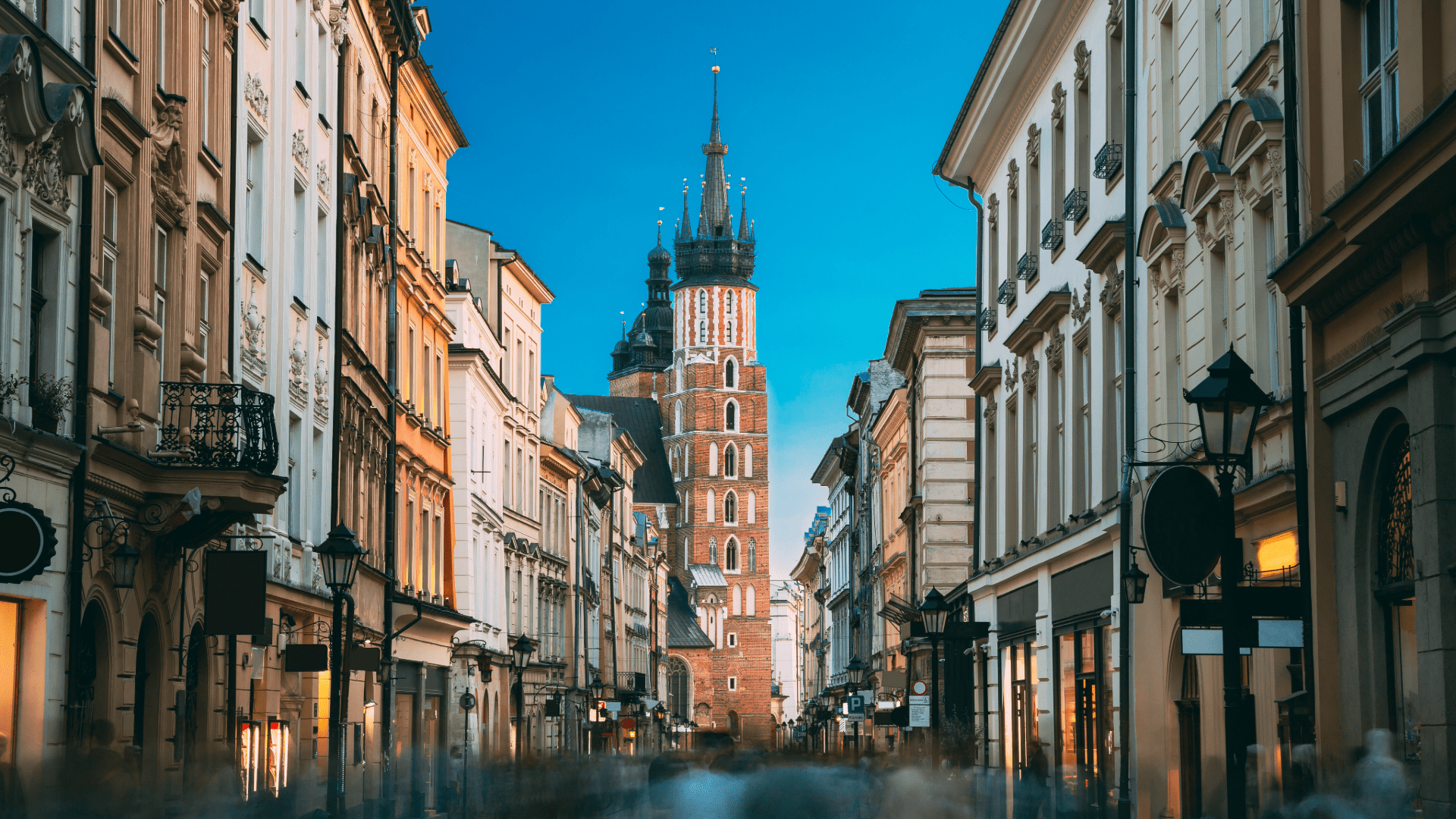
Easter in Krakow is a vibrant blend of centuries-old spiritual traditions and lively seasonal celebrations, centered around the historic Easter Market on the Main Square. The city offers a unique cultural experience featuring colorful processions, traditional food stalls, and the world-renowned Misteria Paschalia music festival. From Hello Cracow’s experience, this period represents the city's true cultural awakening, where the grey of winter is replaced by the vivid colors of handmade palms and the aroma of fresh Mazurek cakes.


As the crocuses begin to carpet the Planty Garden Ring and the Vistula boulevards fill with locals enjoying the first warm rays of sun, Krakow transforms into one of Europe’s most enchanting spring destinations. Unlike the peak summer heat, April offers a crisp, refreshing atmosphere that is perfect for long walks through the Old Town and the Jewish Quarter. Whether you are here for the deep-rooted religious ceremonies or simply to enjoy the festive buzz of the market stalls, Easter 2026 promises a kaleidoscope of history and modern spring energy.
Is the Krakow Easter Market worth visiting in 2026?

If you’re looking for a more intimate and colorful alternative to the massive winter fairs, the Krakow Easter Market is a fantastic choice for your 2026 spring break. From March 26th to April 6th, the Main Market Square transforms into a vibrant hub of artisan crafts and local folklore, making it the perfect spot to find authentic handmade gifts like pisanki (painted eggs) and unique wooden carvings.


Stepping onto the Rynek Główny during these two weeks feels like walking into a living gallery. While many European cities have shifted toward mass-produced souvenirs, Krakow remains committed to its roots. In 2026, you’ll find 96 specially selected wooden kiosks showcasing the very best of Polish craftsmanship. Local experts recommend keeping an eye out for the "drzewka emausowe" — small, colorful wooden trees with birds, a specific, centuries-old symbol of Krakow’s Easter.


One of the things people appreciate most is the scale of the event. It’s large enough to offer a huge variety of products, yet small enough that you can easily navigate it while enjoying a coffee or a glass of local fruit wine. The giant "Easter Trees" and floral installations also provide some of the best photo opportunities you’ll find in Poland this year.

 Based on what our guides often hear from travelers, here are the three items that truly stand out as authentic souvenirs:


  • Hand-Painted Pisanki: These are miniature masterpieces. Whether they are made of wood, glass, or real eggshells, the intricate patterns are a testament to Polish folk art.
  • Wieliczka Salt Carvings: Many artisans from the nearby Wieliczka Salt Mine bring their salt-based sculptures to the market — a durable and unique piece of local history.
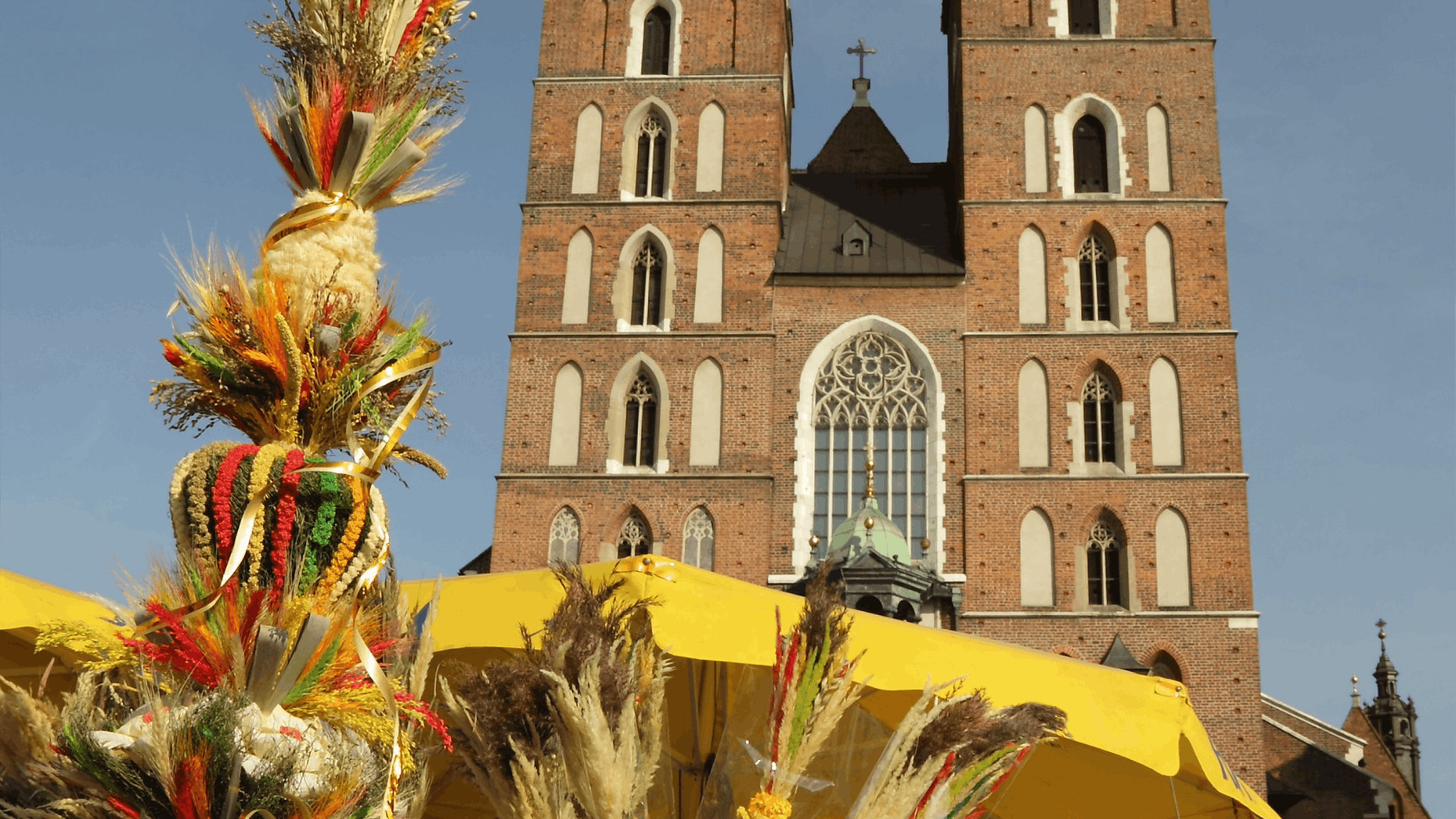
  • Traditional Easter Palms: Unlike the simple palm leaves you might see elsewhere, Polish palmy are tall, colorful arrangements of dried flowers and willow branches.
What traditional foods should you try at the Krakow Easter Market?

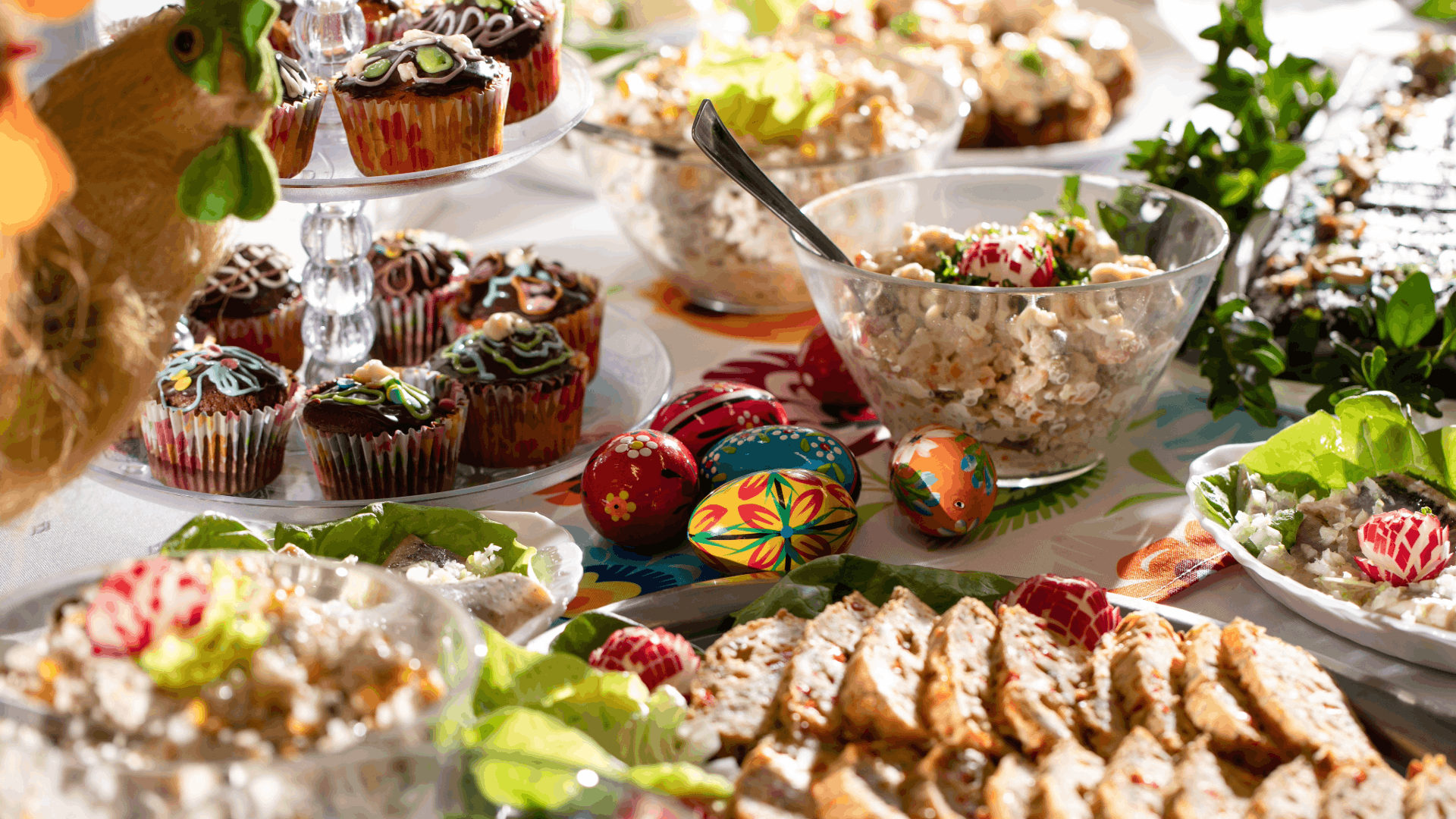
The Krakow Easter Market is a culinary paradise for anyone wanting to taste authentic Polish spring flavors, with must-try dishes including the hearty Żurek (sour rye soup) and the famous Maczanka Krakowska (slow-cooked pulled pork). For visitors in 2026, the market stalls on the Main Square offer a unique opportunity to sample regional delicacies that are often prepared only during the Easter season. From our experience, we recommend starting with a pajda ze smalcem — a thick slice of traditional sourdough bread topped with savory lard and pickles — which remains the ultimate local comfort food.


If you’re visiting from the USA or UK, you might find the variety of smoked meats and cheeses quite impressive. A real standout is the oscypek — a grilled sheep’s cheese from the Tatra Mountains, served warm with a side of tart cranberry preserve. It’s the perfect snack to enjoy while browsing the artisan kiosks. For those with a sweet tooth, the Mazurek (a flat, shortbread-style cake topped with nuts and dried fruits) and Sernik (Polish cheesecake) are the stars of the Easter table.

What are the most important Easter traditions in Poland?

Polish Easter traditions are a unique blend of deep religious devotion and colorful folk customs, ranging from the competition for the tallest handmade palms to the symbolic blessing of food baskets on Holy Saturday. For travelers, the most striking public rituals include the festive blessing of baskets on the Main Square and the world-class Misteria Paschalia music festival held in historic churches and the Wieliczka Salt Mine. These traditions offer a rare window into the soul of Poland, where centuries-old rituals are still a vibrant part of modern daily life.

Date Tradition Location & Highlights
March 29 Palm Sunday Main Square/Barbican: Competition for the tallest palms (up to several meters high!).
March 31 – April 5 Misteria Paschalia ICE Krakow & Salt Mine: High-end early music festival (Baroque/Renaissance).
April 4 Blessing of Baskets Main Square: Public blessing of food by the Cardinal; a great photo opportunity.
April 5 Resurrection Mass Local Churches: Early morning (6:00 AM) processions with bells and singing.

What happens on Palm Sunday in Krakow?

The city is being filled with palms — but don't expect actual palm leaves. In Poland, these are tall, slender arrangements of dried flowers, herbs, and willow branches. The most
 spectacular sight is at the Main Market Square and the Barbican, where craftsmen compete to see who has created the tallest and most beautiful palm.

What is the Blessing of the Baskets?

Holy Saturday is the day of
Swięconka. Throughout the morning, you will see locals carrying small wicker baskets lined with white lace and filled with bread, salt, eggs, and sausage to their local churches. At 1:00 PM, a massive public blessing takes place on the Main Square, led by the Cardinal.


Why is Misteria Paschalia world-famous?

For those who appreciate high culture, the Misteria Paschalia 2026 festival is an absolute highlight. It is one of Europe's most prestigious early music events, focusing on Baroque and Renaissance masterpieces. One of the most unforgettable experiences is a concert 101 meters underground in St. Kinga’s Chapel at the Wieliczka Salt Mine. Imagine hearing world-class vocalists like Voces Suaves in a cathedral carved entirely out of salt — it is an experience that stays with you forever.
What is the Emaus Fair and why is it special in 2026?

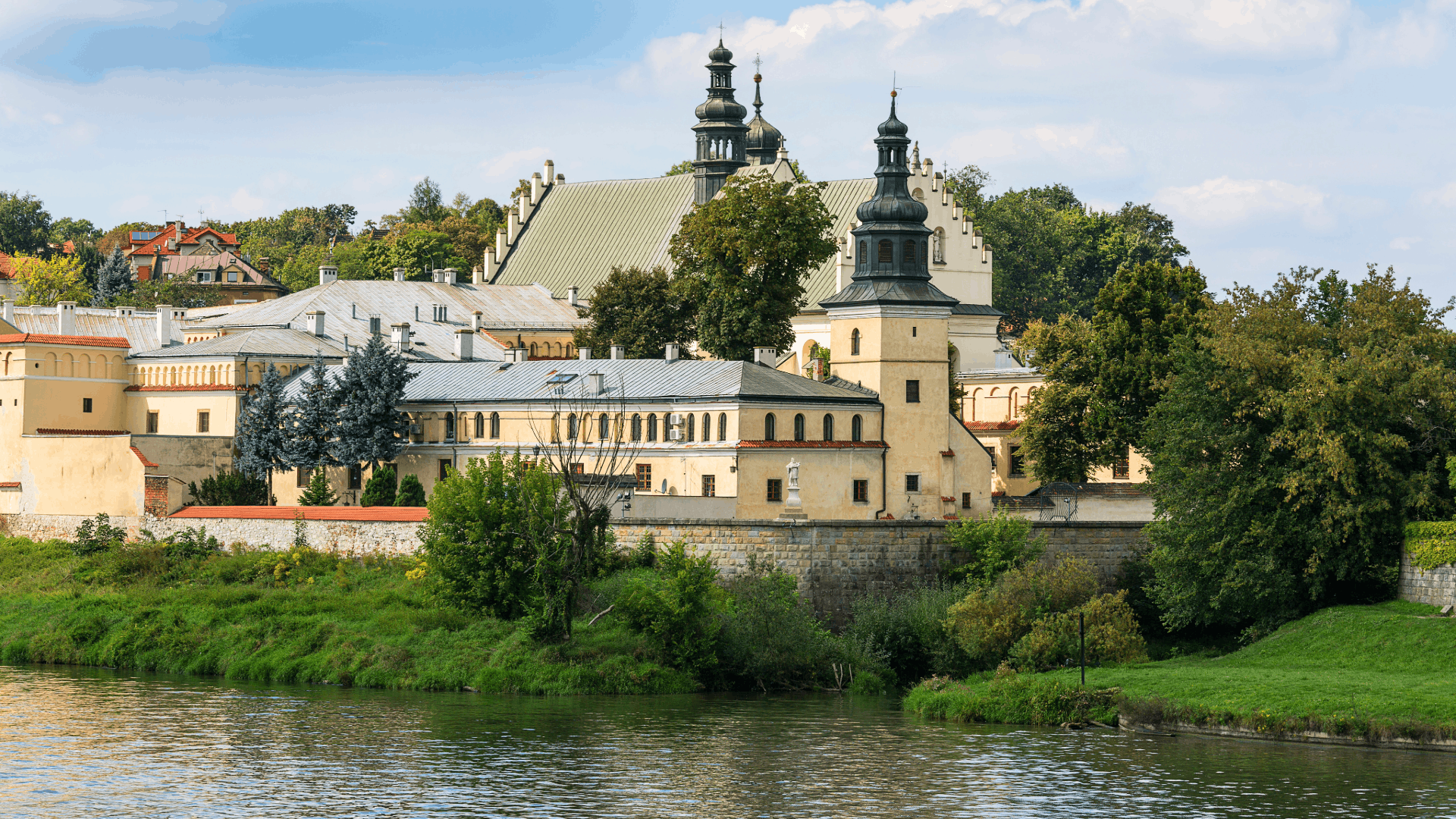
The Emaus Fair is a centuries-old Krakow tradition held on Easter Monday (April 6, 2026) in the Salwator district, featuring a colorful street market filled with traditional toys, sweets, and Emaus trees. After several years of major street renovations, 2026 marks the triumphant return of the fair to its historic roots at the intersection of Kosciuszki and Senatorska streets. This is the most authentic local holiday event, offering a nostalgic atmosphere perfect for families and travelers looking to escape the main tourist center.


Named after the biblical village of Emmaus, the fair was originally a religious indulgence that, over the centuries, evolved into a massive folk celebration. We recommend looking for the Emaus trees — small wooden trees decorated with colorful birds — and the traditional zydki (wooden figurines of scholars or musicians), which are unique symbols of Krakow’s heritage.
What is the Rekawka Medieval Festival in Podgorze?

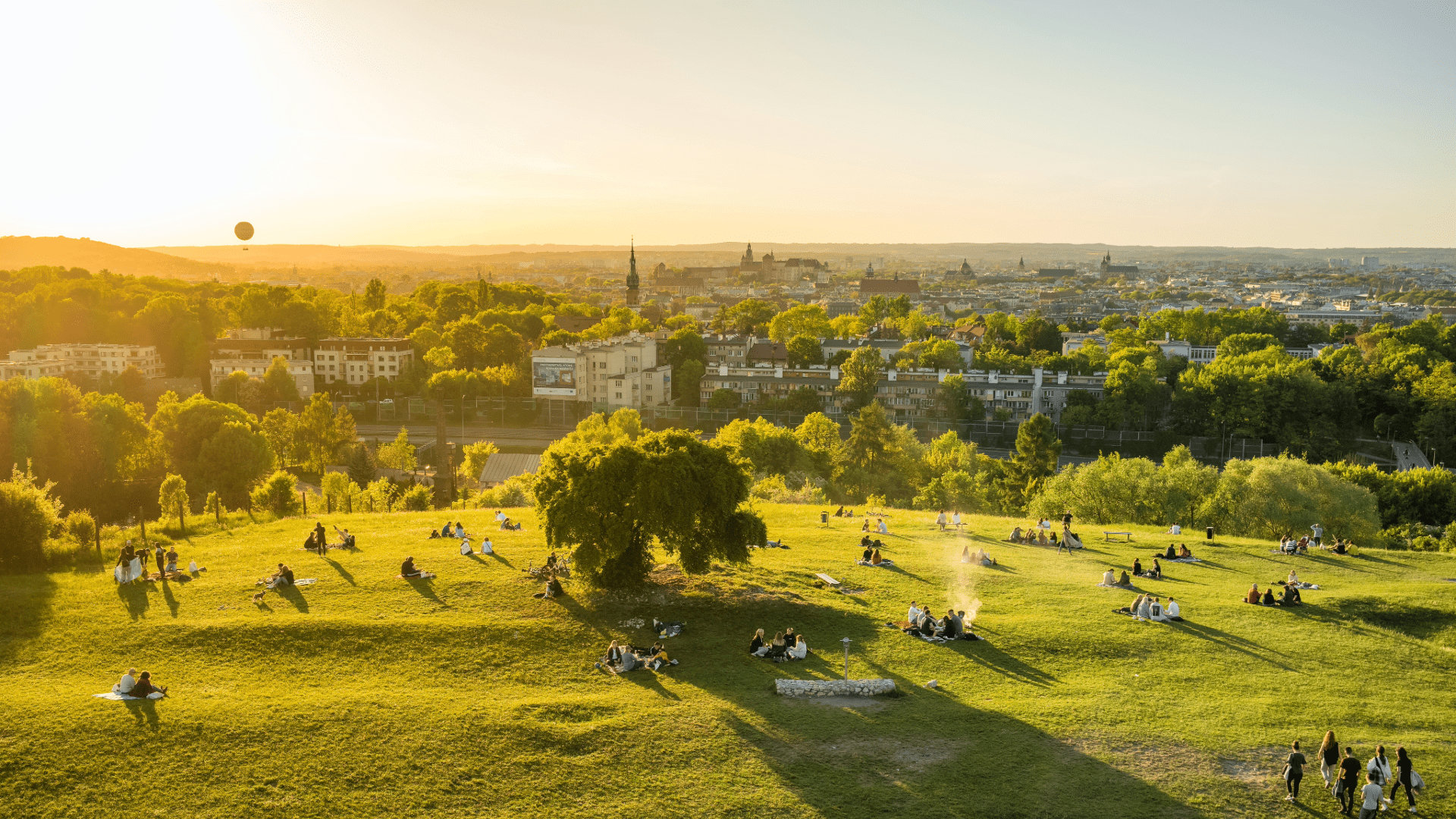
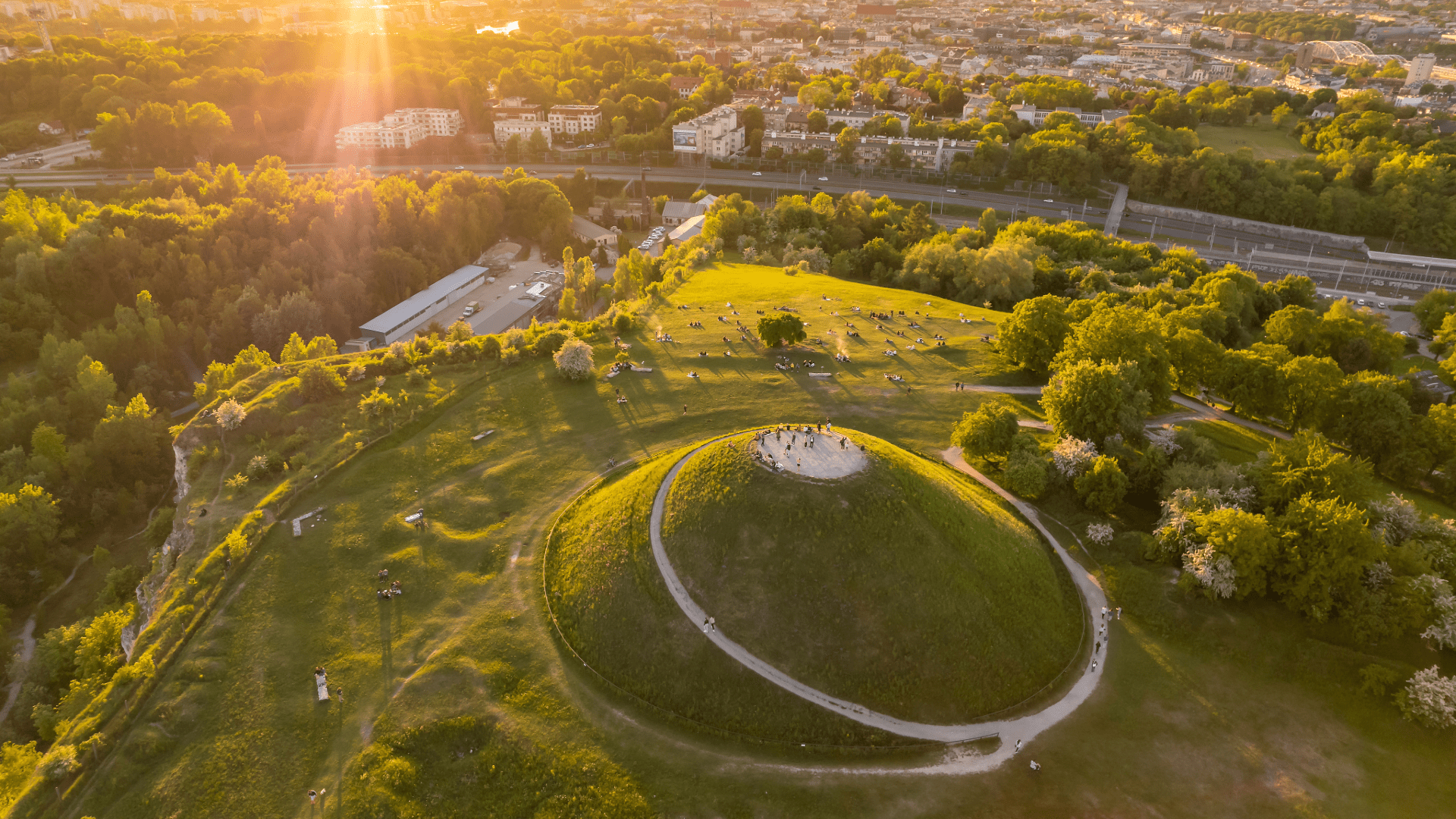
The Rekawka Festival is a spectacular medieval re-enactment held on Easter Tuesday (April 7, 2026) at the historic Krakus Mound, where hundreds of warriors in full armor recreate ancient Slavic rituals and battles. In 2026, the festival's theme is "Crime and Punishment", featuring narrated detective-style investigations led by the Prince’s Guard alongside traditional fairs and craft demonstrations. Unlike a typical history lesson, Rekawka is an immersive time machine. You can smell the woodsmoke from ancient-style hearths, taste bread baked using 10th-century recipes, and hear the clash of steel as two armies meet in a massive battle. If you are planning to attend, remember that the Krakus Mound is an outdoor, grassy area. We recommend wearing comfortable walking shoes and dressing in layers, as the spring breeze at the top of the mound can be quite brisk.
Where are the best places for a spring walk in Krakow?

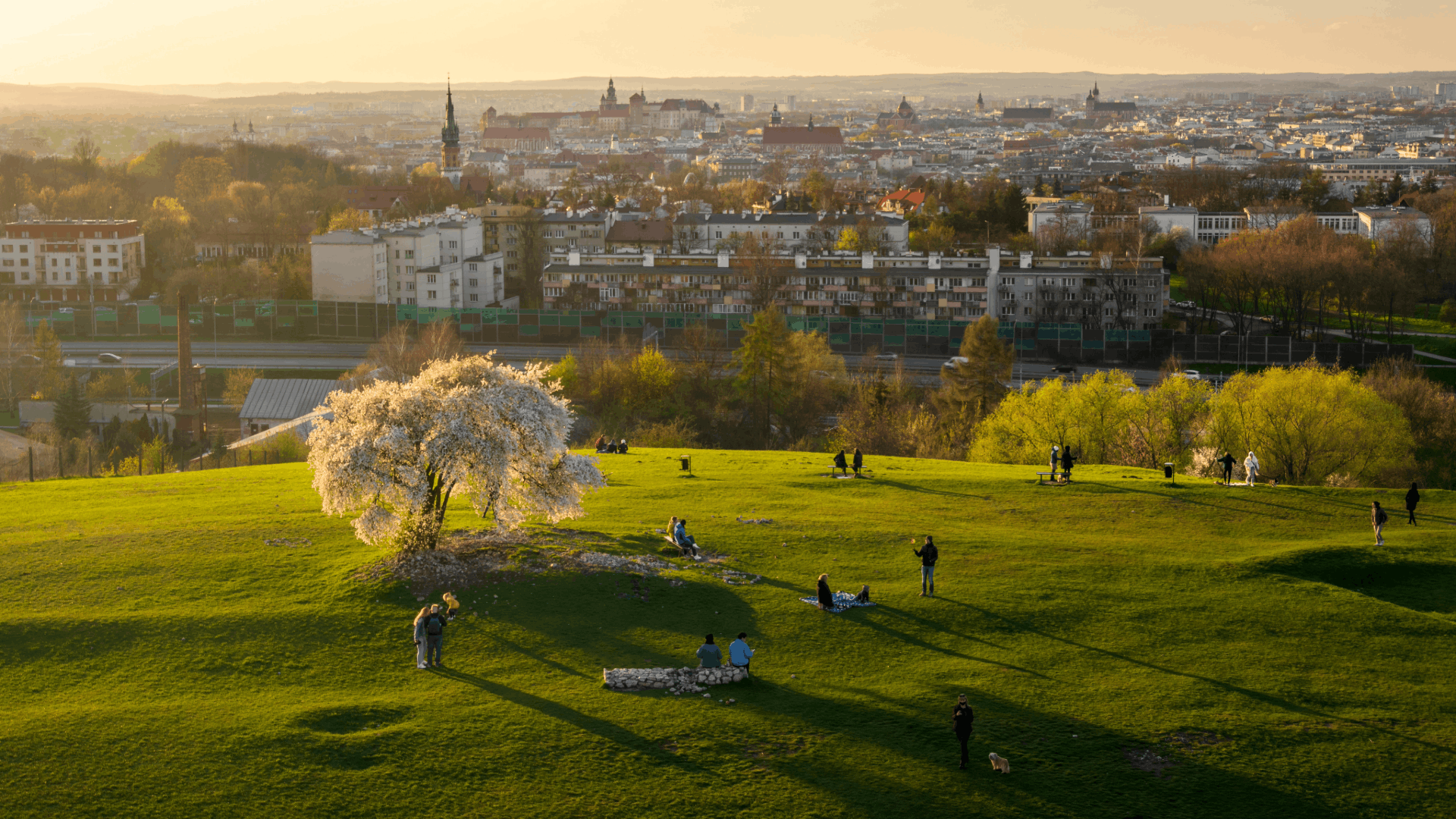
Krakow’s green heart truly comes alive in March and April, with the Planty Garden Ring and the Vistula Boulevards offering the best views of blooming crocuses and magnolias. The Botanical Garden of the Jagiellonian University is a must-see, as its famous magnolia collection usually reaches its peak just in time for the Easter holidays.


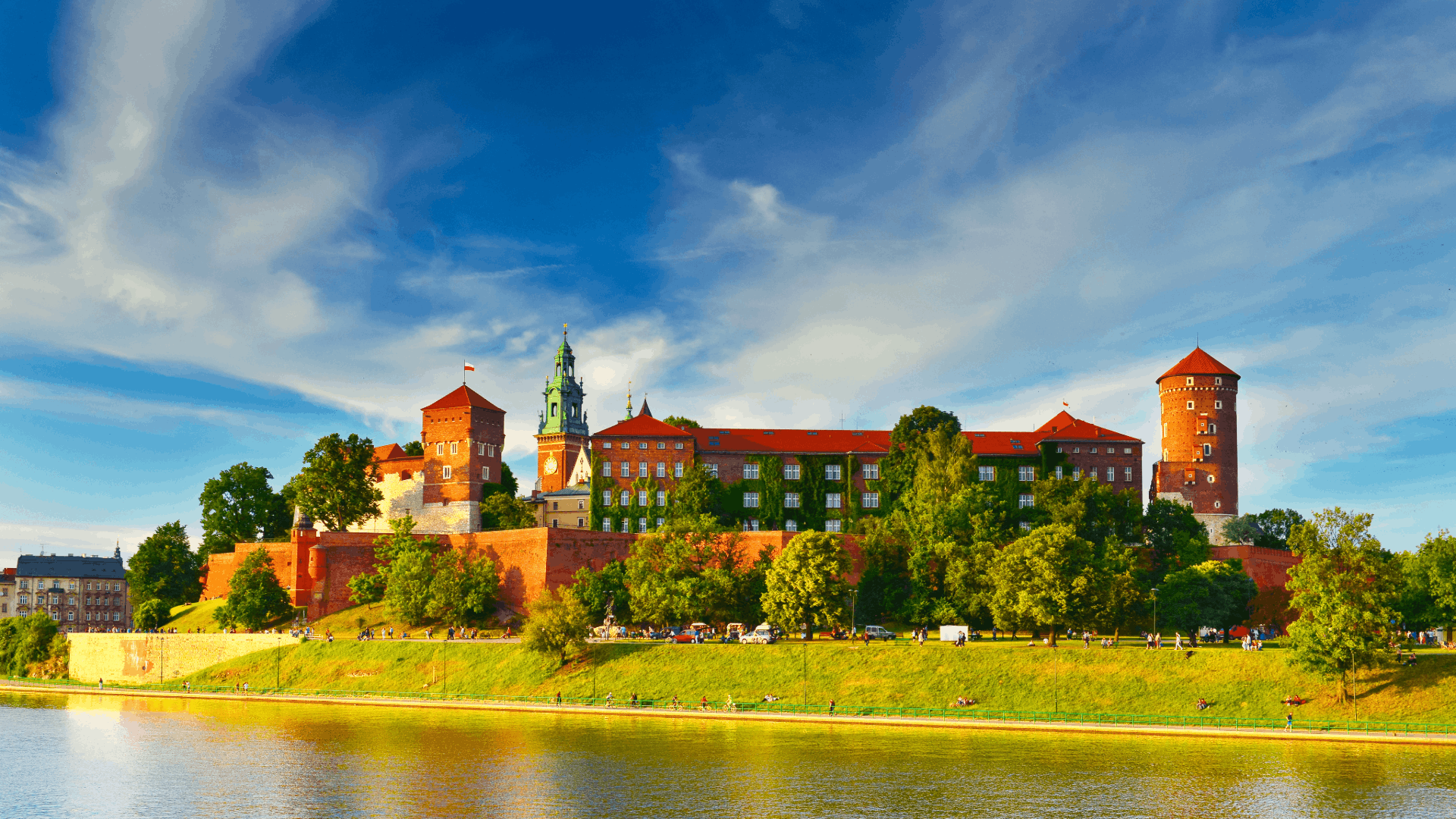
If you’re looking for that iconic Krakow spring photo, head to the Planty Garden Ring, which encircles the Old Town. In late April, you’ll find vibrant carpets of purple crocuses right under the medieval city walls. For a more expansive view, local experts recommend the Vistula Boulevards near the Wawel Castle. It’s a favorite spot for locals to enjoy a coffee or a glass of wine at one of the riverside barges while watching the sunset over the river.

Top 3 Spring Walking Routes

  • The Royal Route & Planty: Start at St. Florian's Gate and walk the full circle of the Planty gardens — look for the blooming magnolias near the Franciscan Church.
  • Vistula to Zakrzowek: For nature lovers, follow the river toward the Zakrzowek reservoir, which offers stunning turquoise waters and new walking trails through the limestone cliffs.
  • Botanical Garden (UJ): Located just a 15-minute walk from the Main Square, this is the oldest botanical garden in Poland and a sanctuary of peace and blooming spring flowers.
How can Hello Cracow make your Easter trip perfect?

At Hello Cracow, we pride ourselves on being more than just a tour operator — we are your local friends and experts in Poland. Our private transfers, confirmed entry tickets, and knowledgeable guides ensure that your 2026 Easter break is seamless, safe, and truly unforgettable.


Ready to start your Krakow adventure? Don't leave your holiday plans to chance. Contact us today to book your private tour or get a customized itinerary for your 2026 Spring break!

BOOK NOW
By Hello Cracow • September 28, 2026
Arriving in Krakow is usually straightforward, but the first hour can shape the whole trip. A late flight, heavy suitcase or unfamiliar ticket machine can quickly make a simple transfer feel more complicated than it needs to be. The good news is that Krakow is well connected by air and rail, and its main airport sits close enough to the city centre that getting to your hotel is usually fairly simple.  For most visitors, the choice comes down to Krakow Airport, the main railway station at Krakow Glowny, or a private transfer booked in advance. Each option works slightly differently, depending on what time you arrive, where you are staying and how much luggage you have. Public transport is often enough, but there are situations when paying for a direct transfer can make the first part of your trip much easier.
By Hello Cracow • September 23, 2026
October is a great month to visit Krakow if you want to see the city without the summer crowds. The weather is usually still good enough for long walks, while cooler evenings make it easier to combine time outdoors with museums, restaurants and cafés. Planty Park starts to turn gold, the Old Town is less crowded, and Kazimierz is a good place to spend an afternoon without rushing from one sight to another. There is also plenty happening around the city. October brings concerts, film screenings, literary events, food festivals and other seasonal events, so it is worth checking what is on during your visit. You can easily combine one of these with the main sights, a walk along the Vistula or an evening in one of Krakow's neighbourhoods. It is also a good time to plan a day outside the city. Wieliczka, Auschwitz-Birkenau and Zakopane are all popular options, while the Tatra Mountains can be particularly appealing in autumn. Just keep an eye on the weather, as conditions outside Krakow can be quite different.  If you are planning a trip for October, you do not need to fill every day in advance. Pick a few things you definitely want to see, check the events happening during your dates and leave some time for whatever you find along the way.
By Hello Cracow • September 15, 2026
Krakow is a city best explored on foot. A typical day can move from cobbled streets around the Old Town to the open riverside paths near Wawel, then on to Kazimierz or Podgorze, often with more walking than visitors expect. Even a simple plan can quickly turn into several hours outside, especially when you add a museum, a market, a café stop or one of the city’s many viewpoints. The right packing list starts with comfortable shoes, flexible layers and one piece of rain protection that fits in your day bag. Krakow weather changes quickly across the year, and sometimes within a single day. Spring can bring mild afternoons and sudden showers, while summer days can be warm enough for long walks but cooler once the sun goes down. Autumn tends to bring shorter days and more changeable conditions, while winter can mean cold temperatures, snow or wet streets. These differences matter when most of your day is spent moving between outdoor sights. The temperature ranges below are typical average lows and highs for Krakow-Balice, not a forecast for a particular trip. Conditions in the city centre can feel slightly different, especially on sunny days or when the wind picks up along the Vistula. Check the forecast again shortly before you travel, then pack for walking rather than for one perfect weather scenario. If you are planning trips outside Krakow, leave some room for further changes. Wieliczka is underground and noticeably cooler than the streets above, while a day in the Tatra Mountains can bring very different conditions from those in the city. A few simple choices can make it much easier to stay comfortable when your plans take you from one part of the region to another.
By Hello Cracow • September 7, 2026
A visit to Auschwitz-Birkenau asks for more than simply adding another day trip to your Krakow itinerary. The former German Nazi concentration and extermination camp is a memorial site and a place of mass murder, where the scale of what happened can be difficult to understand through buildings, photographs and numbers alone. Reading before you go cannot prepare you for the visit itself, and it should not try to. What it can do is give some of the history a human dimension. Names, individual stories, memories and difficult choices become easier to recognise when you arrive at the site. Instead of knowing only what happened, you begin to understand something about the people who experienced it. The six writers below approach this history from very different perspectives. Four of them experienced Auschwitz as prisoners, writing about the camp from their own memories and experiences. Zofia Nalkowska encountered its aftermath from a different position, collecting testimonies and evidence about what had happened there in the months following the war. Hanna Krall offers yet another perspective. She survived the Holocaust as a child but was never imprisoned at Auschwitz. Her writing instead brings readers closer to the Jewish world destroyed during the Holocaust and to the people who carried its memory into the years that followed. There is no single book that can explain Auschwitz. Taken together, however, these works can help you arrive with more context and a greater awareness of the human stories behind the place.
By Hello Cracow • August 30, 2026
When the Main Market Square starts to feel a little too busy, you don't have to leave Krakow to find a different side of the city. Just beyond the usual sightseeing route, you'll find former quarries turned into green spaces, riverside paths, hilltop viewpoints, monastery gardens and neighbourhoods where life moves at a much slower pace. There is nothing wrong with spending your first day around Rynek Glowny, St Mary's Basilica, Wawel Castle and the Royal Route. They are famous for a reason, and for a first visit, they belong on the list. But after a few hours of following tour groups, waiting for a table and navigating busy streets, you may start looking for somewhere with a little more breathing room. That's when Krakow gets interesting. You don't need a complicated day trip or a long journey out of the city. Sometimes, a 15-minute tram ride or a short walk is enough to change the atmosphere completely. Suddenly there are more trees than souvenir shops, locals walking their dogs instead of organised groups, and paths where you can simply keep walking without having to stop every few metres. And these places aren't abandoned corners of the city. Krakow residents use them every day, particularly at weekends. You'll see people jogging, cycling, meeting friends, taking their children out or simply sitting somewhere with a coffee and enjoying the afternoon. So, if you're ready to put the guidebook down for a few hours, we've collected some of the best places to experience a quieter, greener and more local side of Krakow - all without straying too far from the city itself.
By Hello Cracow • August 30, 2026
Leave Krakow’s cobblestone streets behind and head south towards a completely different Poland. Beyond the city, the landscape opens into forests, meadows and mountain villages, with the Tatra peaks rising in the distance. A quad tour through Podhale gives you a chance to experience this landscape from the tracks rather than from a coach window.  The ride is the obvious highlight, but it is the journey that makes the day special. You move through quiet countryside, forest trails and highland landscapes, stopping along the way to take in the views and experience a slower side of southern Poland. Add a bonfire, local food or a soak in the thermal baths, depending on the tour, and a few hours outside Krakow can quickly turn into one of the most memorable days of your trip.
By Hello Cracow • August 17, 2026
September is when Krakow begins to soften into autumn. The warmest days still belong to the Vistula boulevards and café terraces, but Planty Park starts to change colour, and the city’s calendar becomes more local, varied and atmospheric. For first-time visitors, Krakow can seem centred entirely on the Main Market Square, Wawel Castle and Kazimierz. September is a good month to look beyond that first impression. A single weekend can bring music from Ireland and Scotland to a Renaissance manor house, local beekeepers to a historic Kazimierz square, and hundreds of dachshunds onto the Old Town’s most famous street. The city feels less like a checklist destination and more like a place where residents have their own rituals, neighbourhoods and reasons to gather. So, what is actually happening in Krakow this September? From the biggest cultural events to the smaller local traditions worth knowing about, here’s your guide to experiencing the city beyond the usual tourist highlights.
By Hello Cracow • August 11, 2026
Visiting Auschwitz-Birkenau is not about seeing more, but about arriving prepared, moving through the site with care, and allowing enough time for the history to register. There is no perfect way to feel when you visit Auschwitz-Birkenau. Some people become quiet. Some feel overwhelmed by the scale of Birkenau. Others find that the most difficult moments are the smallest ones: a photograph, a suitcase, a pair of shoes, or a name. What matters is not performing a particular emotion. It is recognising that this is a memorial and the site of a former German Nazi concentration and extermination camp, where more than a million people were murdered. A respectful visit begins before you reach the entrance: in how you book, what you bring, how you use your phone, and how much space you leave for the experience afterwards.
By Hello Cracow • August 3, 2026
Prague has its grand squares, Vienna has its palaces, and Budapest has the Danube. Krakow has a different kind of appeal. It is a city where centuries of history are packed into a surprisingly walkable area, and where you can move from royal Krakow to Jewish Kazimierz, wartime Podgorze, and the Vistula riverbanks in the space of a single afternoon. That makes Krakow especially interesting for a short city break. You can see the famous sights, eat well, sit down for a coffee, and still come across places that tell you something about the city's past. The different parts of Krakow do not feel like separate attractions on a checklist. They connect naturally as you move through the city. And that is what we want to explore here. Beyond the obvious reasons to visit Krakow, what makes the city such a rewarding place to spend a few days? From its medieval centre and royal history to Kazimierz, Podgorze, local food, and everyday city life, these are the things that make Krakow more than just another beautiful European Old Town.
By Hello Cracow • July 27, 2026
If you are visiting Krakow in August, there is usually more to do than simply work your way through the city's main sights. The month brings a full programme of events, from long-running cultural festivals and folk celebrations to concerts, food events, and evenings of live music. The interesting part is the variety. One day might take you to a traditional festival, while the next could be about jazz, a classical concert, or a large live music event. Some of the biggest events are worth planning around, but others can easily become an unexpected part of your trip if you happen to come across them while exploring the city. This also means that August can look quite different depending on when you visit. The events are spread across the city and take place throughout the month, so the best things to do will depend partly on your exact dates. In this guide, we have gathered the main events taking place in Krakow in August, along with ideas for making the most of the city when you are not following a fixed programme. So, let’s take a look at the best events, festivals and concerts!
More Posts