







#HELLOCRACOW
Blog
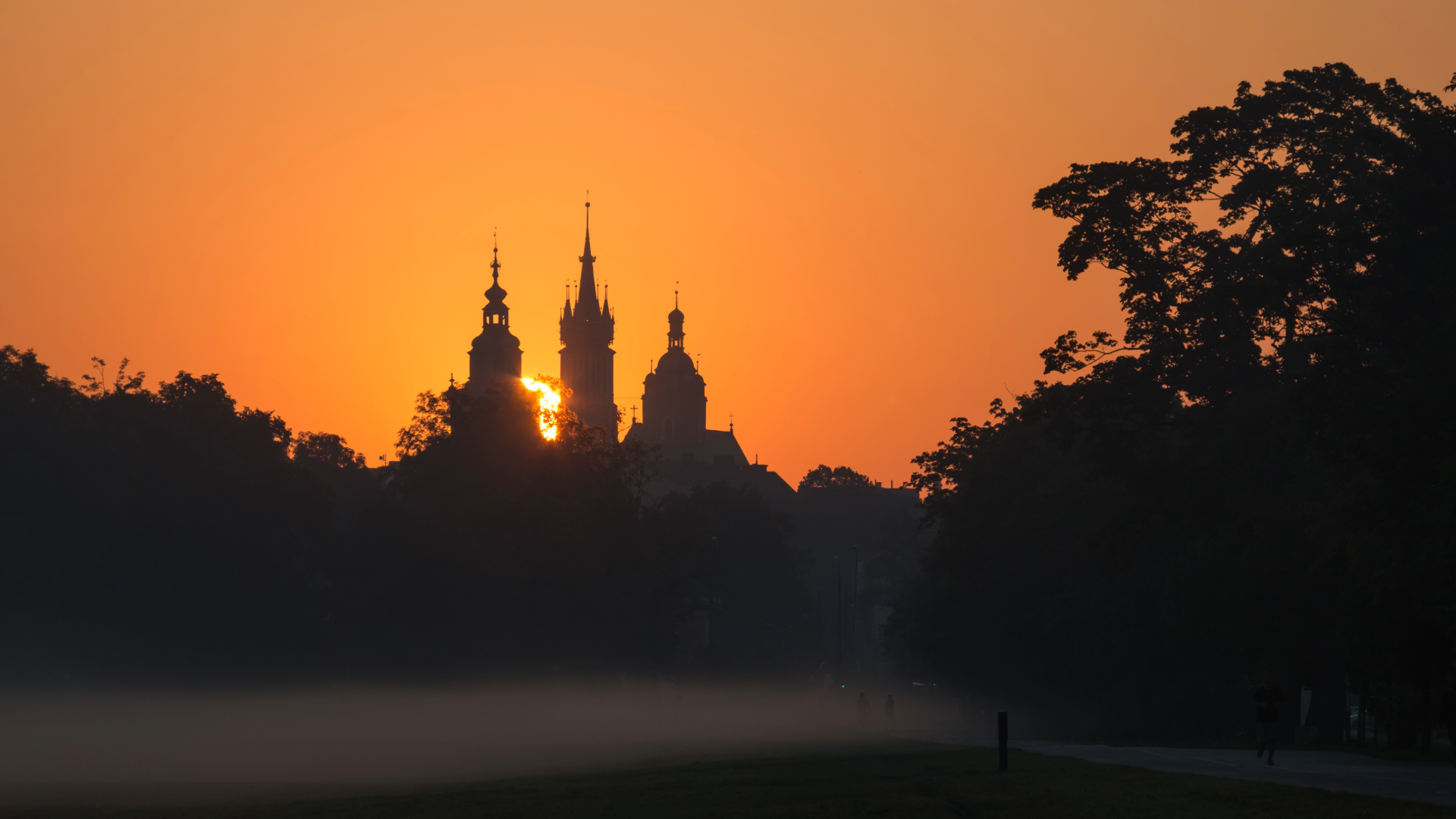
Krakow looks composed in daylight. Church towers rise above tidy rows of townhouses, cafe tables fill the squares and the sound of footsteps disappears into the rhythm of the city. Yet some of its strangest stories are not hidden at all. One hangs on a chain beside a cathedral door. Another is marked by a stone lantern that once warned travellers to keep their distance. Others wait beneath palaces, inside a forest or far below ground, where every sound seems to travel further than it should. This is not a ranking of Krakow’s most haunted attractions, and we are not going to pretend that every old wall conceals a ghost. It is a journey through the darker edge of local folklore: stories people used to explain dangerous places, preserve memories and give a shape to fears they could not always name. Around Halloween, they feel especially close. But most of them have followed Krakow for centuries.
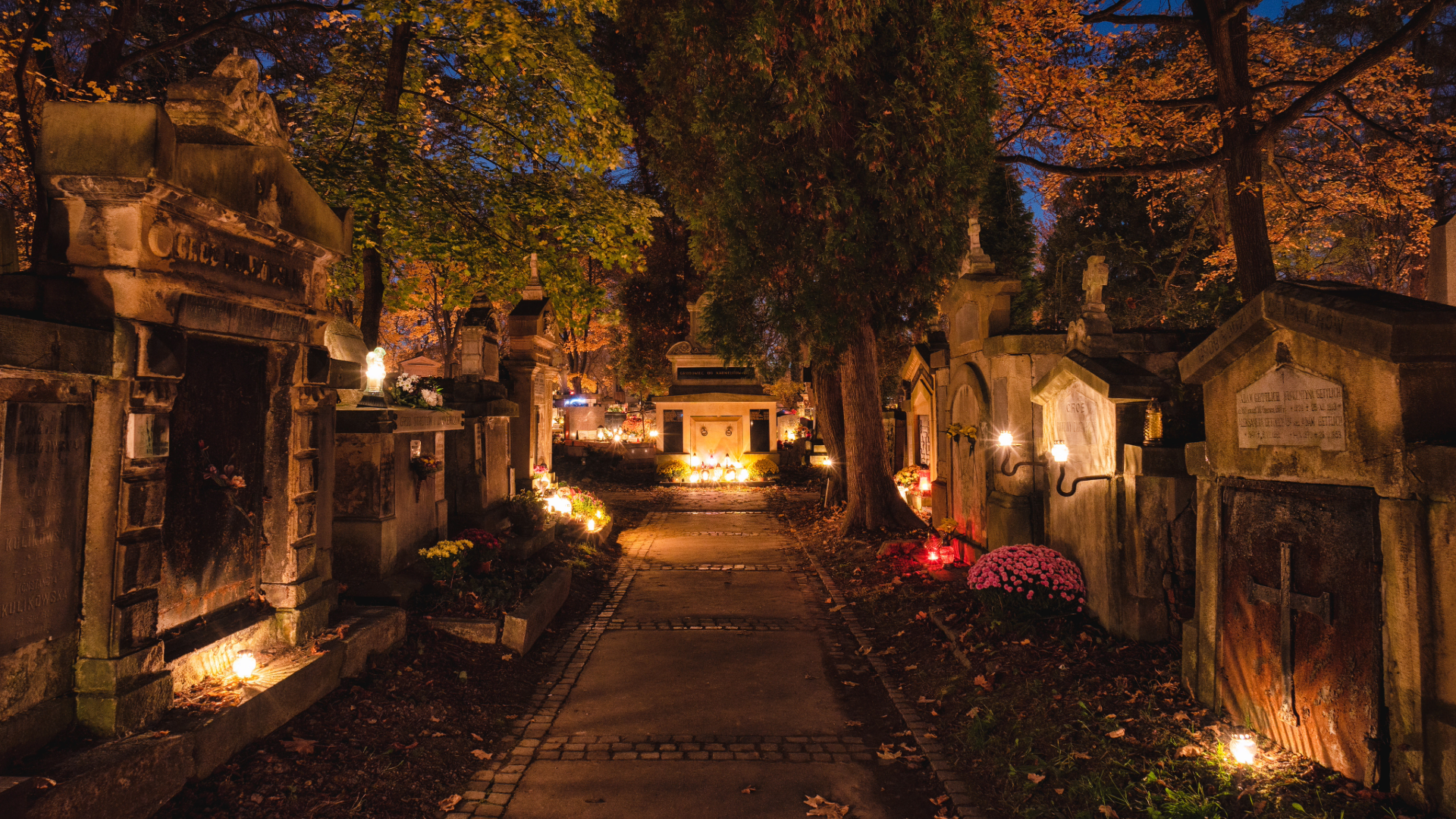
On November 1, Krakow wakes up to flowers. Chrysanthemums appear outside small shops, candle stalls line the streets near cemeteries, and trams carry families holding bags that seem too full for an ordinary Sunday. By evening, thousands of candles turn the city’s cemeteries into fields of light. For visitors, this can be one of the most moving moments to see Krakow. It should also be approached differently from a museum visit or a sightseeing stop. All Saints' Day is a public holiday, a religious observance and, above all, a day when people come to remember relatives and friends. Rakowicki Cemetery is open to visitors, but the right approach is quiet, patient and respectful.
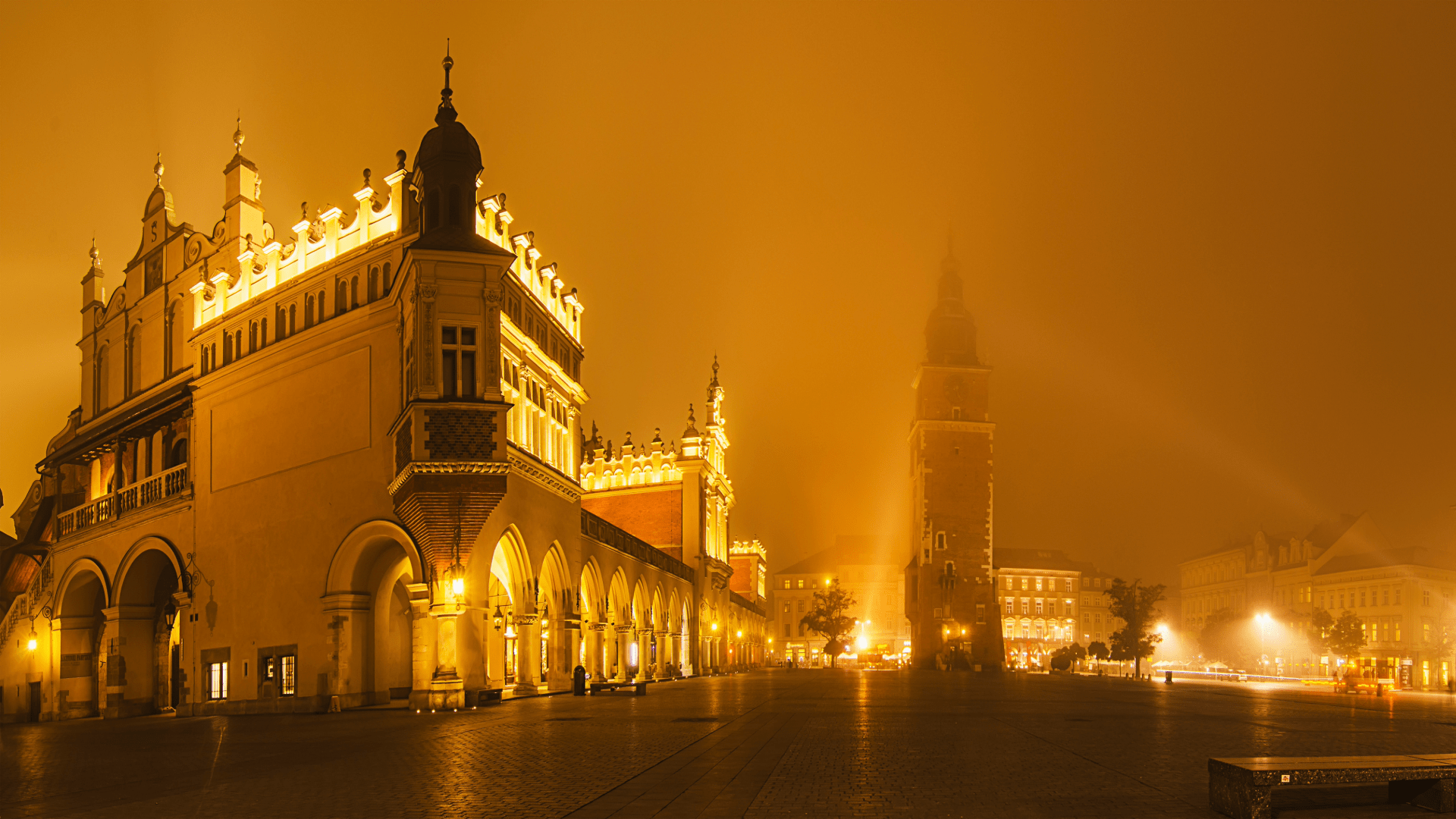
Krakow in November is a city of earlier evenings. At four o'clock, the lamps are already on around Planty Park. The windows of cafes begin to glow, the Vistula is usually wrapped in mist, and a walk that felt straightforward at lunchtime suddenly calls for a warm table somewhere nearby. That can sound like a reason to wait for spring. In practice, it gives a short stay in Krakow a different rhythm. You do not try to spend twelve hours outdoors. You walk while there is light, choose one place worth lingering in, then let the evening belong to music, film, food or a museum that would have been too easy to skip in July.
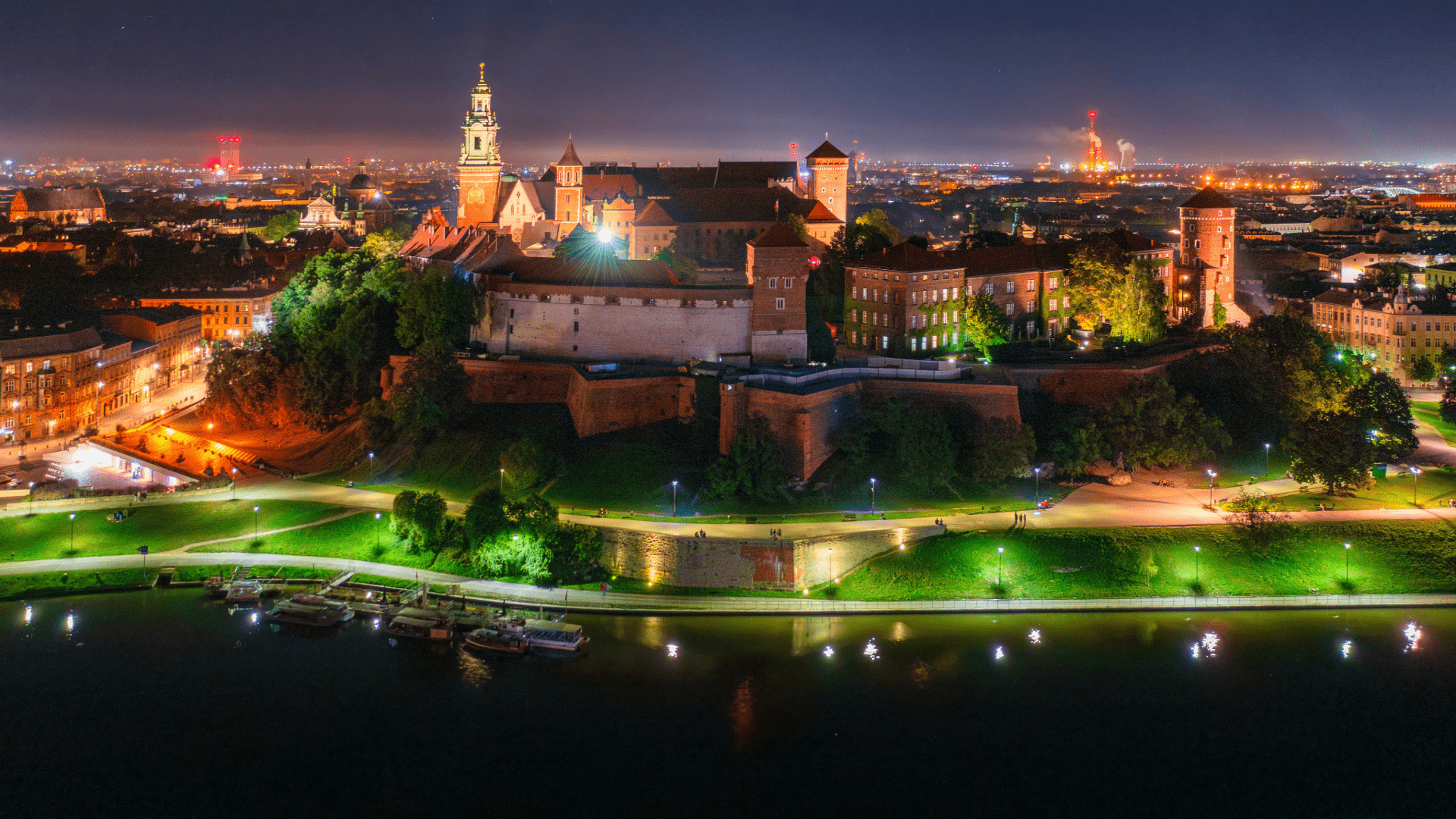
There is a particular kind of Krakow trip that starts badly for a very ordinary reason. You arrive on Friday afternoon, leave your suitcase at the hotel, and open your phone to book Auschwitz for Sunday. The English tours are gone. Schindler's Factory has no tickets until Tuesday. The restaurant you saved on Instagram is fully booked. None of these problems will ruin the weekend, but suddenly the itinerary is being decided by whatever happens to be left. A little planning avoids that without turning a city break into a spreadsheet. Krakow still leaves plenty of room for long walks, unexpected cafes and evenings that continue because you like the neighbourhood. The important thing is knowing which experiences depend on a specific time, guide, language or number of available places. Think of your reservations as the frame around the trip, not the trip itself.
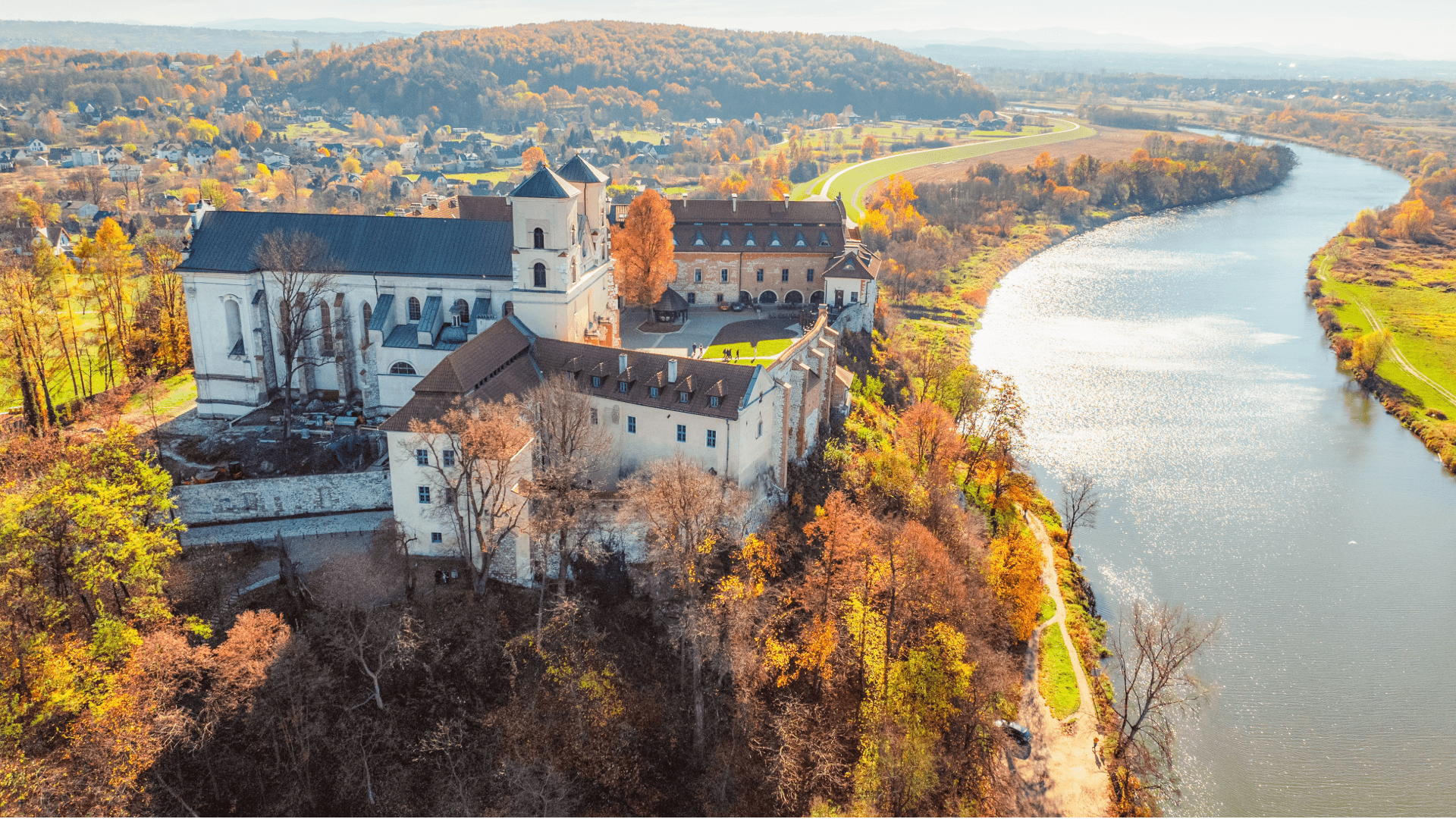
Autumn in Krakow often begins quietly. In September, you can still sit outside with a coffee near Main Market Square, walk through Planty Park in a light jacket and feel almost no urgency to leave the city before sunset. A few weeks later, the same streets look completely different. The chestnut trees drop their leaves, the light becomes softer, and an October morning that begins with clear skies can end with cold rain over Wawel Hill. That change is exactly why Krakow is so rewarding in autumn. The city feels less hurried, cafes become part of the itinerary rather than a quick stop between attractions, and a warm dinner in Kazimierz feels deserved after a day on foot. Packing well means you can enjoy all of it without cutting a walk short because your shoes are wet or your jacket is still back at the hotel. The key is not packing for cold weather alone. It is packing for several versions of the same day.

Arriving in Krakow is usually straightforward, but the first hour can shape the whole trip. A late flight, heavy suitcase or unfamiliar ticket machine can quickly make a simple transfer feel more complicated than it needs to be. The good news is that Krakow is well connected by air and rail, and its main airport sits close enough to the city centre that getting to your hotel is usually fairly simple. For most visitors, the choice comes down to Krakow Airport, the main railway station at Krakow Glowny, or a private transfer booked in advance. Each option works slightly differently, depending on what time you arrive, where you are staying and how much luggage you have. Public transport is often enough, but there are situations when paying for a direct transfer can make the first part of your trip much easier.
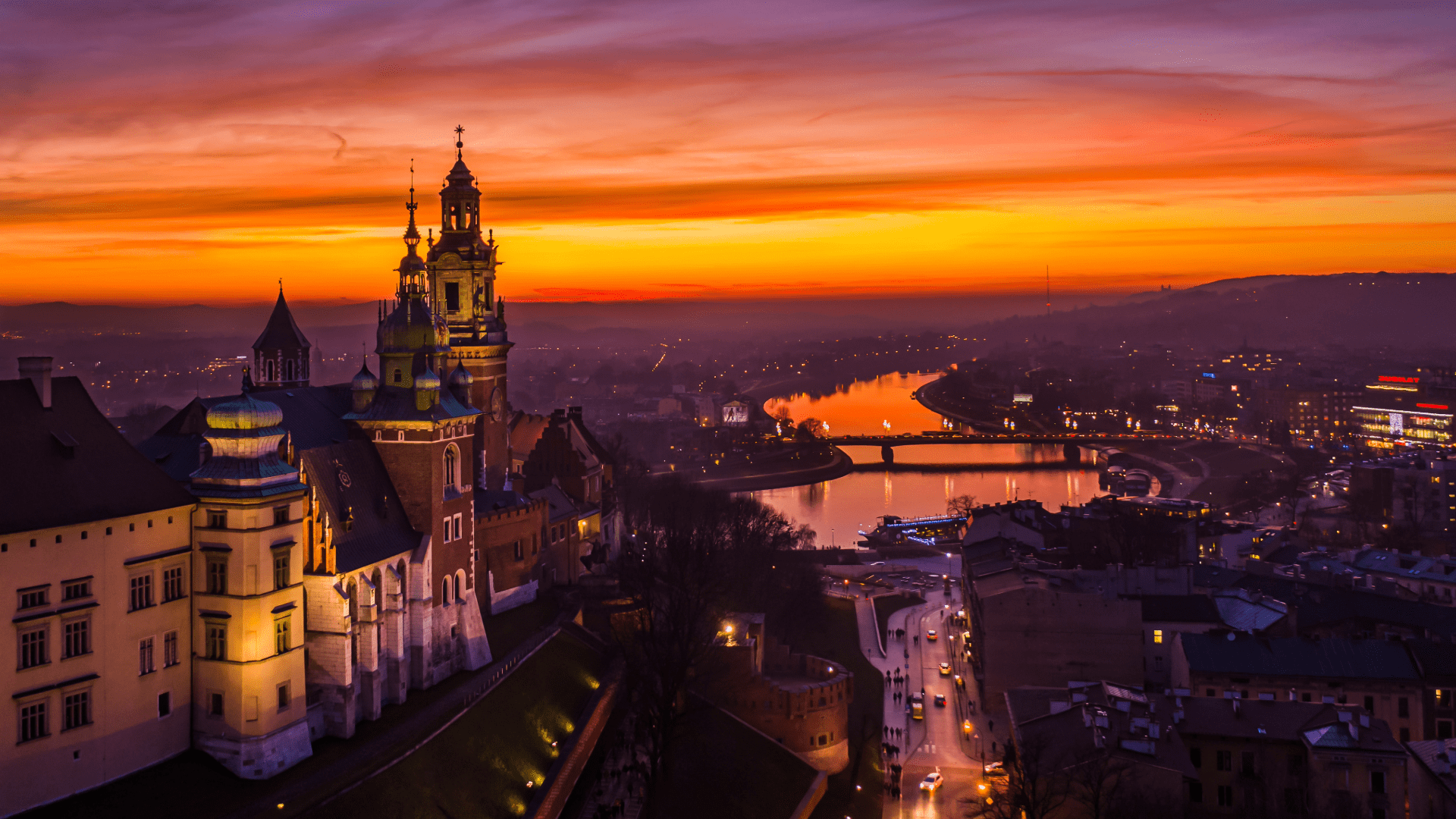
October is a great month to visit Krakow if you want to see the city without the summer crowds. The weather is usually still good enough for long walks, while cooler evenings make it easier to combine time outdoors with museums, restaurants and cafés. Planty Park starts to turn gold, the Old Town is less crowded, and Kazimierz is a good place to spend an afternoon without rushing from one sight to another. There is also plenty happening around the city. October brings concerts, film screenings, literary events, food festivals and other seasonal events, so it is worth checking what is on during your visit. You can easily combine one of these with the main sights, a walk along the Vistula or an evening in one of Krakow's neighbourhoods. It is also a good time to plan a day outside the city. Wieliczka, Auschwitz-Birkenau and Zakopane are all popular options, while the Tatra Mountains can be particularly appealing in autumn. Just keep an eye on the weather, as conditions outside Krakow can be quite different. If you are planning a trip for October, you do not need to fill every day in advance. Pick a few things you definitely want to see, check the events happening during your dates and leave some time for whatever you find along the way.
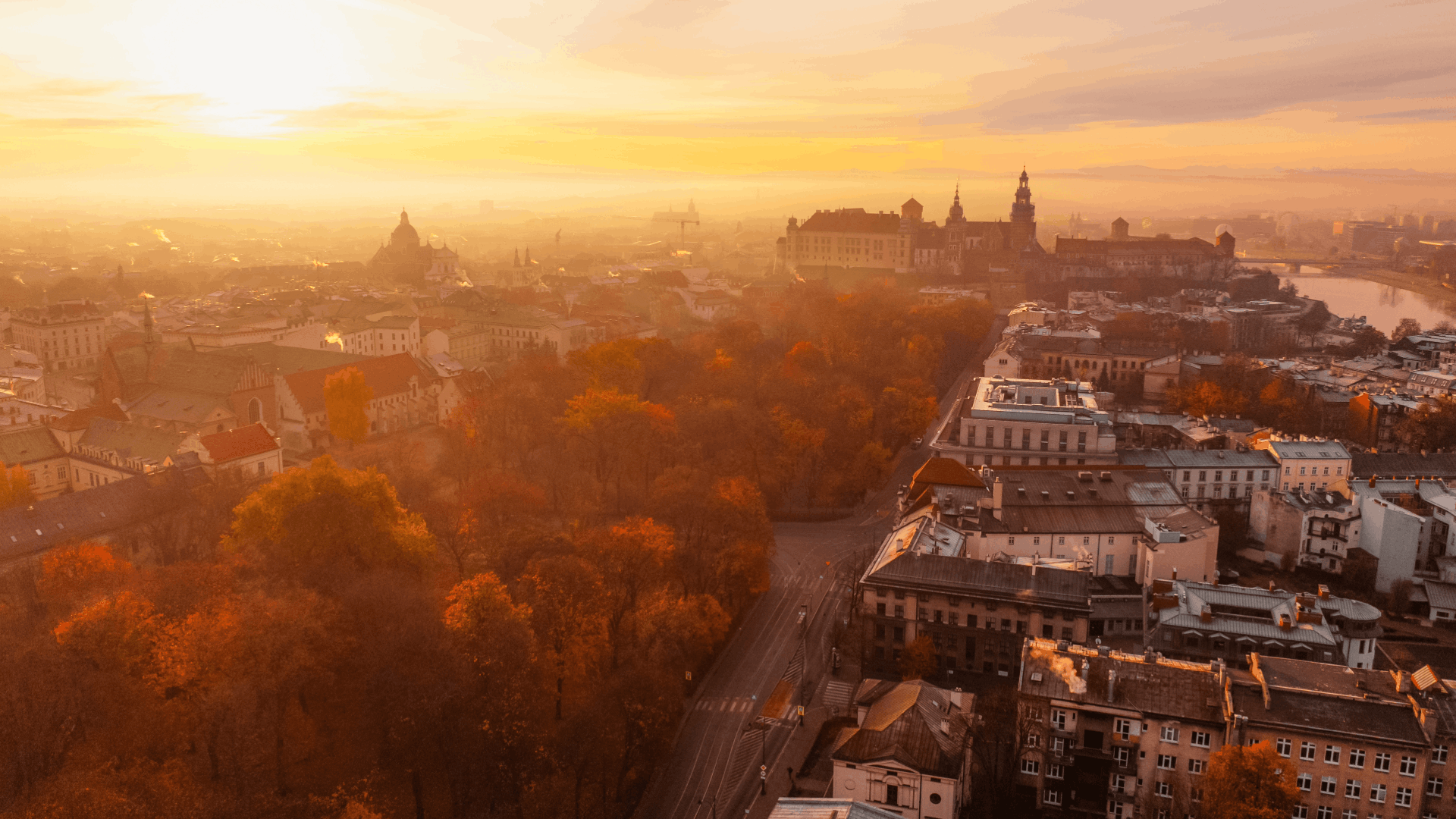
Krakow is a city best explored on foot. A typical day can move from cobbled streets around the Old Town to the open riverside paths near Wawel, then on to Kazimierz or Podgorze, often with more walking than visitors expect. Even a simple plan can quickly turn into several hours outside, especially when you add a museum, a market, a café stop or one of the city’s many viewpoints. The right packing list starts with comfortable shoes, flexible layers and one piece of rain protection that fits in your day bag. Krakow weather changes quickly across the year, and sometimes within a single day. Spring can bring mild afternoons and sudden showers, while summer days can be warm enough for long walks but cooler once the sun goes down. Autumn tends to bring shorter days and more changeable conditions, while winter can mean cold temperatures, snow or wet streets. These differences matter when most of your day is spent moving between outdoor sights. The temperature ranges below are typical average lows and highs for Krakow-Balice, not a forecast for a particular trip. Conditions in the city centre can feel slightly different, especially on sunny days or when the wind picks up along the Vistula. Check the forecast again shortly before you travel, then pack for walking rather than for one perfect weather scenario. If you are planning trips outside Krakow, leave some room for further changes. Wieliczka is underground and noticeably cooler than the streets above, while a day in the Tatra Mountains can bring very different conditions from those in the city. A few simple choices can make it much easier to stay comfortable when your plans take you from one part of the region to another.
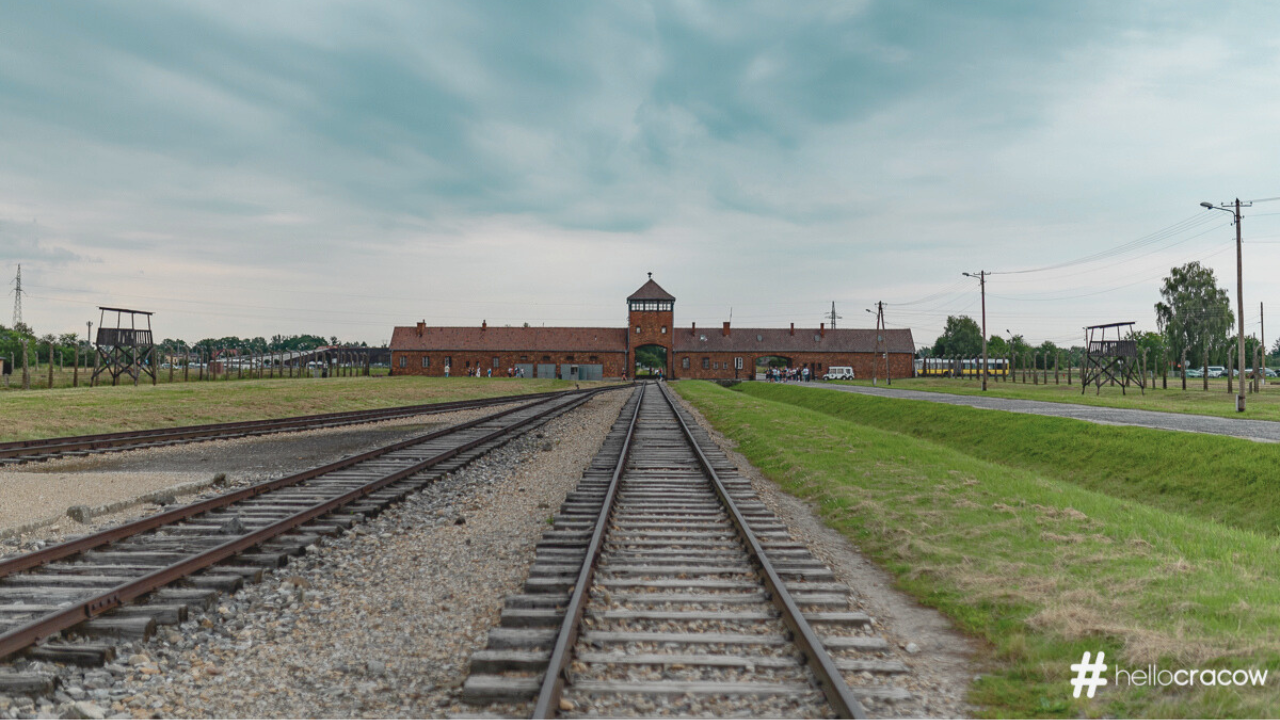
A visit to Auschwitz-Birkenau asks for more than simply adding another day trip to your Krakow itinerary. The former German Nazi concentration and extermination camp is a memorial site and a place of mass murder, where the scale of what happened can be difficult to understand through buildings, photographs and numbers alone. Reading before you go cannot prepare you for the visit itself, and it should not try to. What it can do is give some of the history a human dimension. Names, individual stories, memories and difficult choices become easier to recognise when you arrive at the site. Instead of knowing only what happened, you begin to understand something about the people who experienced it. The six writers below approach this history from very different perspectives. Four of them experienced Auschwitz as prisoners, writing about the camp from their own memories and experiences. Zofia Nalkowska encountered its aftermath from a different position, collecting testimonies and evidence about what had happened there in the months following the war. Hanna Krall offers yet another perspective. She survived the Holocaust as a child but was never imprisoned at Auschwitz. Her writing instead brings readers closer to the Jewish world destroyed during the Holocaust and to the people who carried its memory into the years that followed. There is no single book that can explain Auschwitz. Taken together, however, these works can help you arrive with more context and a greater awareness of the human stories behind the place.
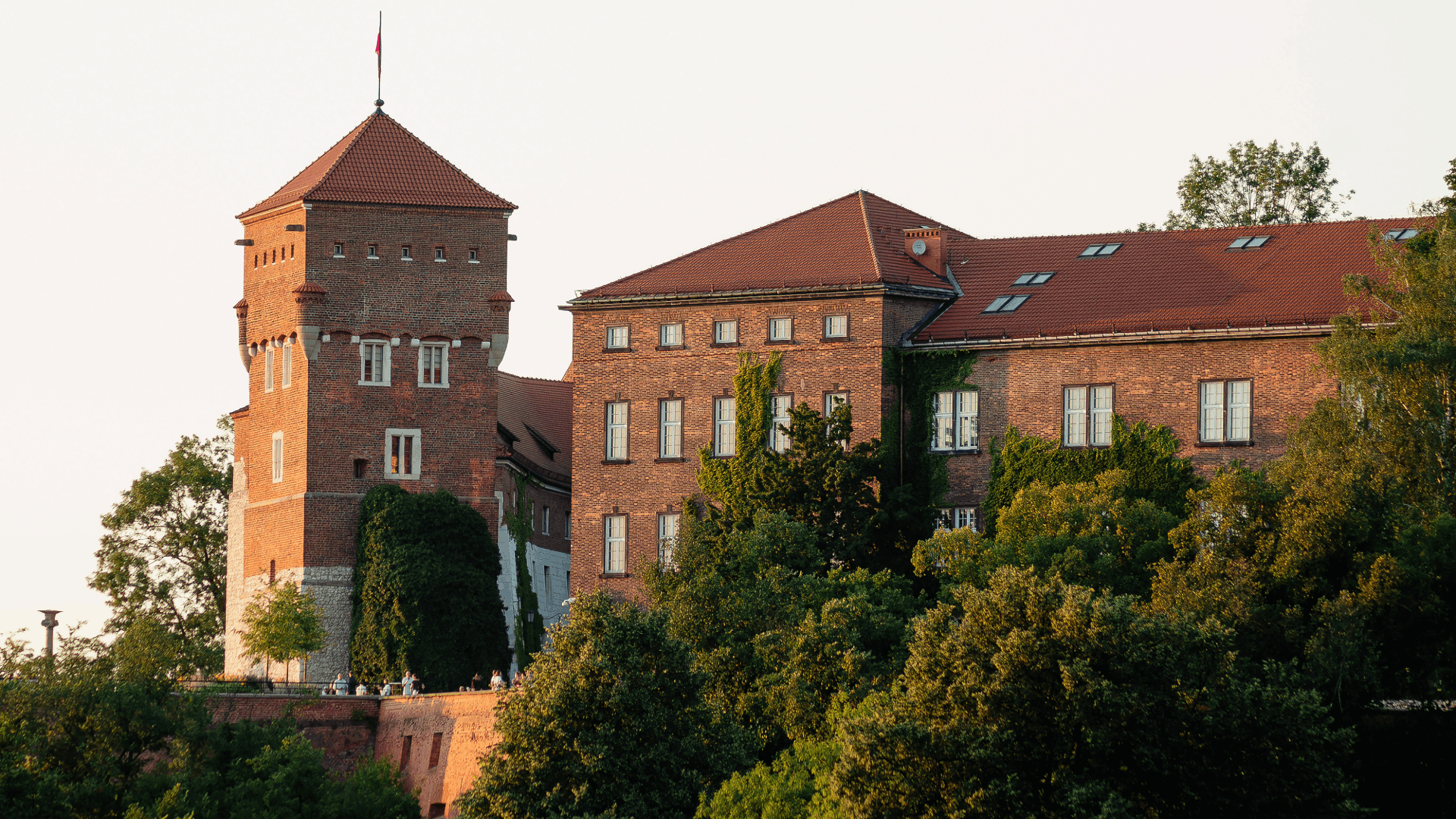
When the Main Market Square starts to feel a little too busy, you don't have to leave Krakow to find a different side of the city. Just beyond the usual sightseeing route, you'll find former quarries turned into green spaces, riverside paths, hilltop viewpoints, monastery gardens and neighbourhoods where life moves at a much slower pace. There is nothing wrong with spending your first day around Rynek Glowny, St Mary's Basilica, Wawel Castle and the Royal Route. They are famous for a reason, and for a first visit, they belong on the list. But after a few hours of following tour groups, waiting for a table and navigating busy streets, you may start looking for somewhere with a little more breathing room. That's when Krakow gets interesting. You don't need a complicated day trip or a long journey out of the city. Sometimes, a 15-minute tram ride or a short walk is enough to change the atmosphere completely. Suddenly there are more trees than souvenir shops, locals walking their dogs instead of organised groups, and paths where you can simply keep walking without having to stop every few metres. And these places aren't abandoned corners of the city. Krakow residents use them every day, particularly at weekends. You'll see people jogging, cycling, meeting friends, taking their children out or simply sitting somewhere with a coffee and enjoying the afternoon. So, if you're ready to put the guidebook down for a few hours, we've collected some of the best places to experience a quieter, greener and more local side of Krakow - all without straying too far from the city itself.