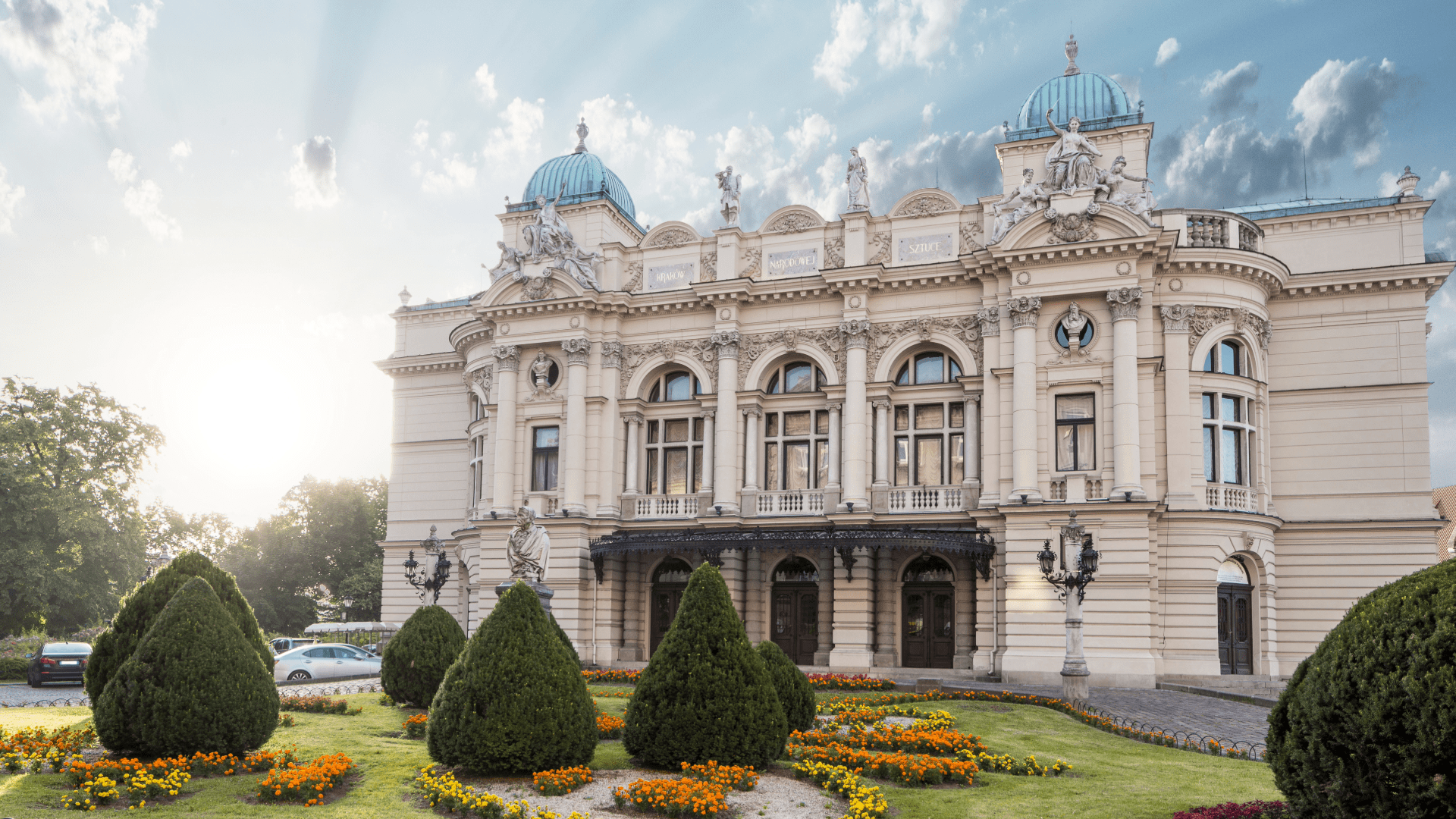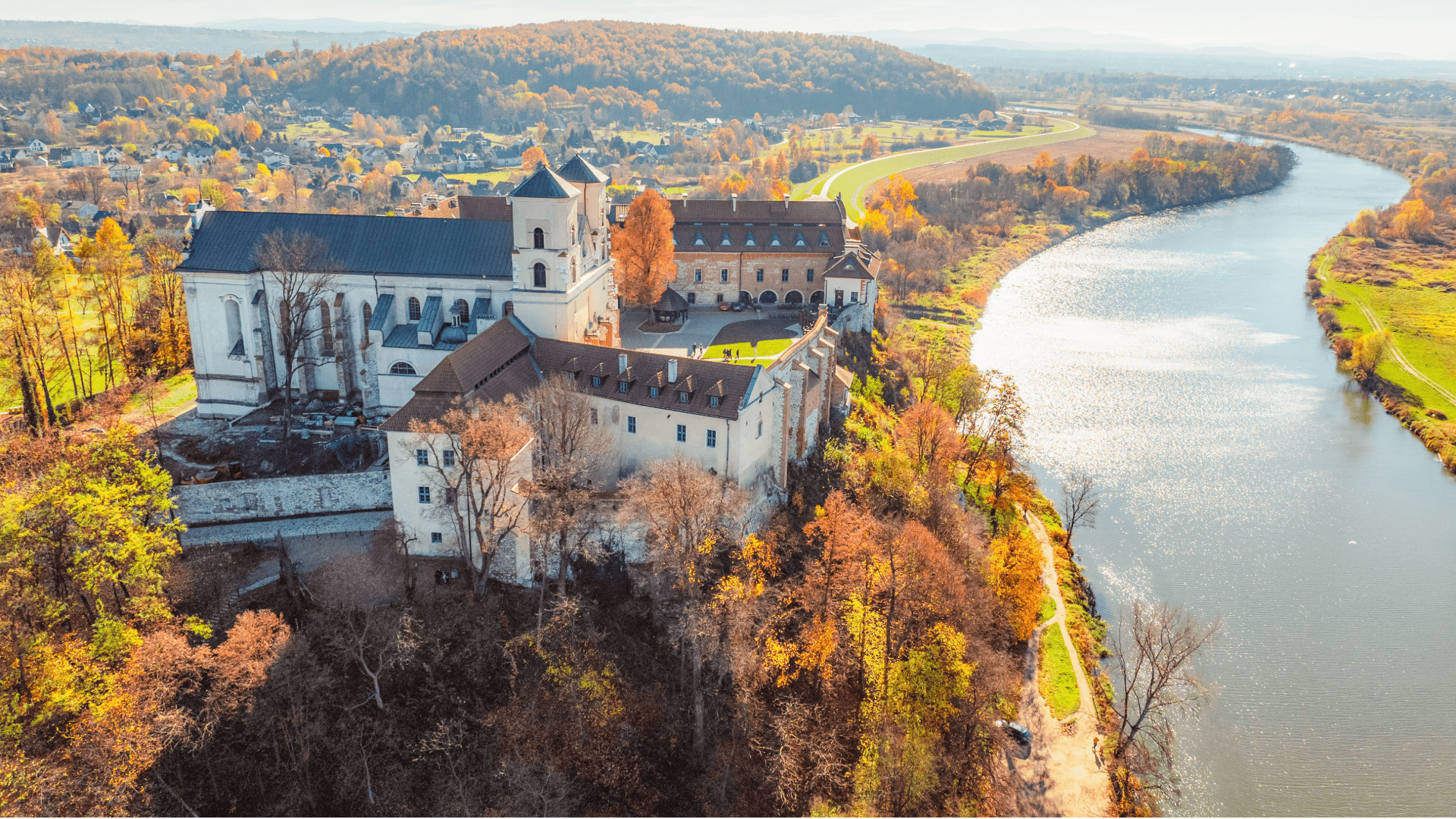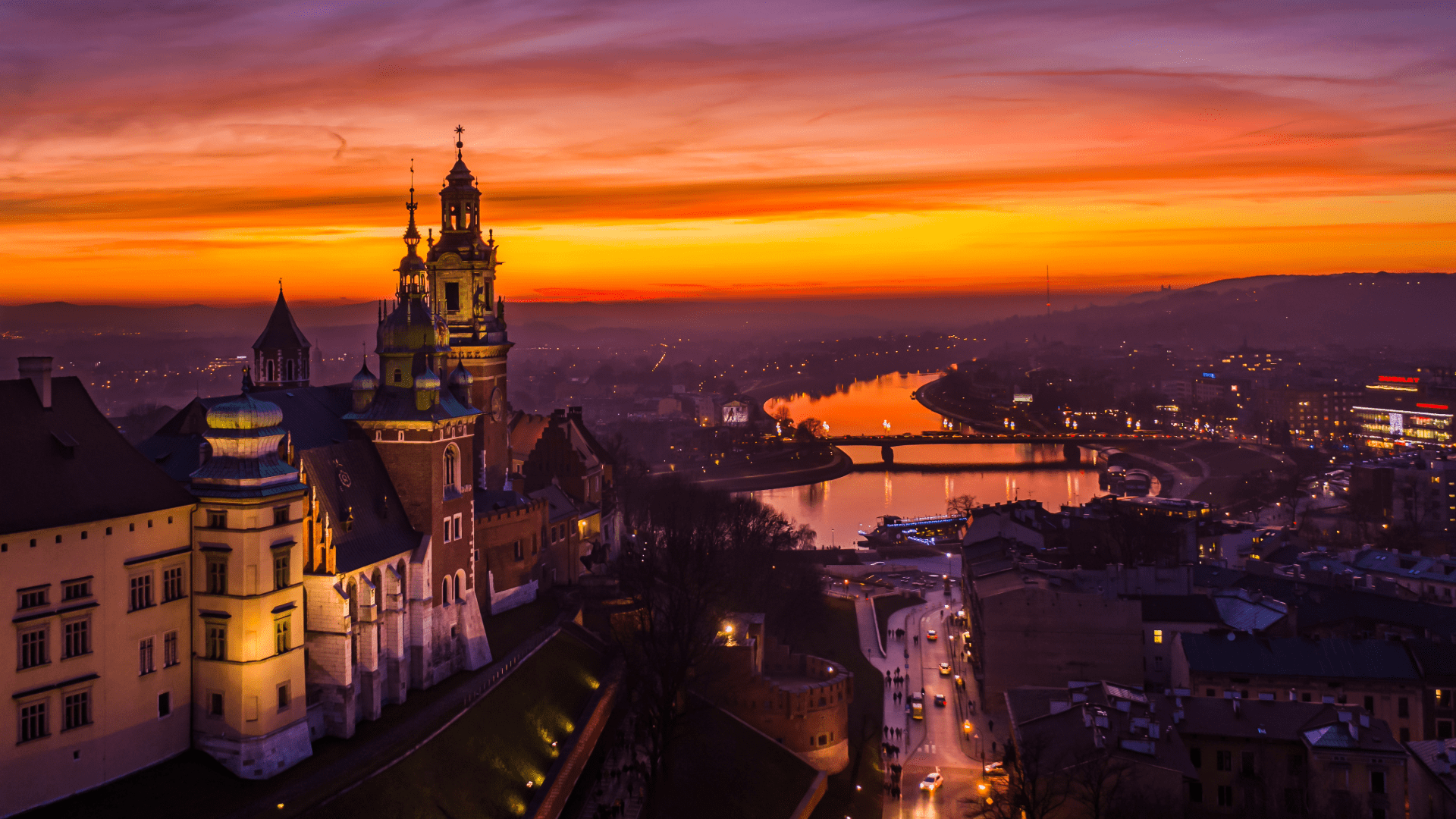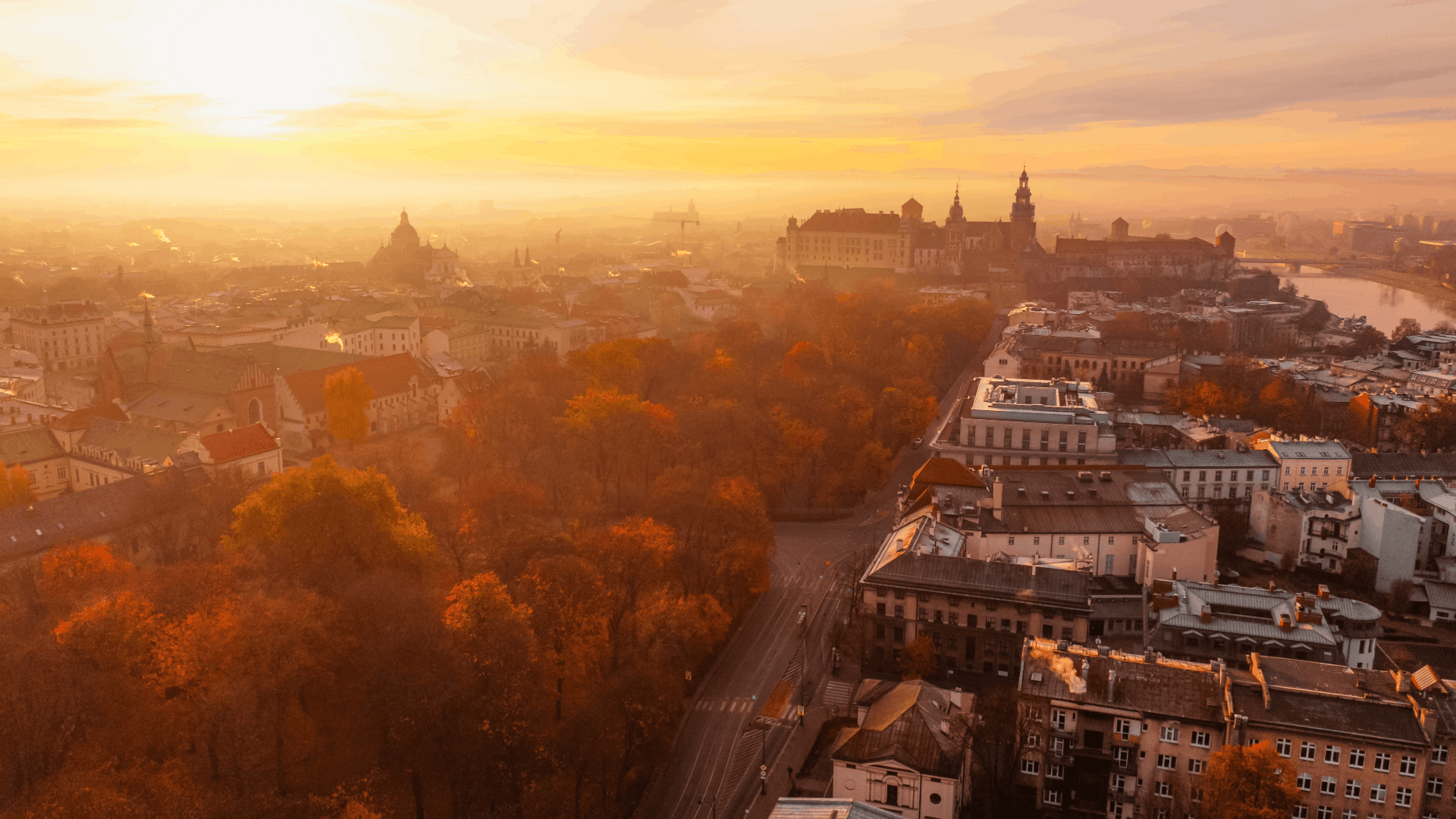



Krakow in March: A Kaleidoscope of Culture and Celebration

Hello Cracow • March 3, 2026

Krakow in the spring of 2026 is a premier global destination that masterfully bridges the gap between its medieval heritage and a future-oriented technological landscape, highlighted by the debut of the International AI Art Biennale and world-class musical events. For visitors, this period offers a perfect intersection of cultural depth, high-end comfort, and logistical convenience, all of which are best managed through the specialized guided services.
Is Krakow a safe and comfortable destination?

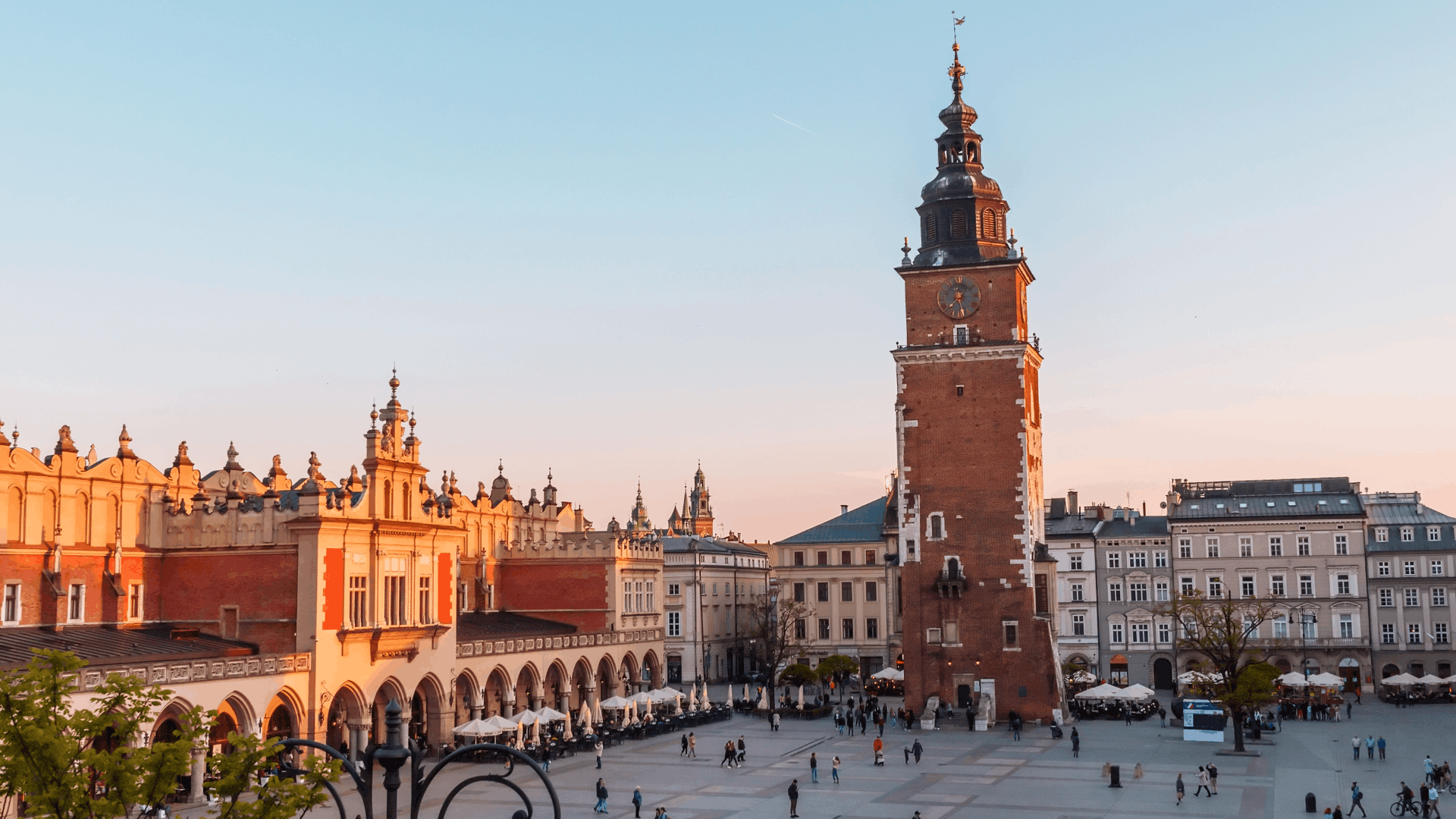
Krakow is consistently recognized as one of the safest urban environments in Europe, frequently appearing in the top 20 of global safety rankings for travelers.  For visitors, the city offers a tolerant and sheltered atmosphere where crime rates are statistically low, and the local population is generally welcoming and multilingual.  In the spring of 2026, the city has further matured as a luxury destination, shifting away from its former reputation as merely an affordable gem toward a model of quiet luxuryand intentional travel.  This evolution is particularly evident in the high standards of hospitality and the increasing availability of tailored, private experiences offered by local experts.

From the experience of Hello Cracow, safety in the city is reinforced by a tangible police presence and high-quality, accessible medical services.  While petty crimes like pickpocketing can occur in high-traffic tourist hubs such as the Main Market Square or the Planty Park, they are rare and easily avoided with standard precautions.  For American and British tourists, the comfort level is further enhanced by the widespread use of English in the service industry and the high quality of infrastructure, ranging from reliable public transport to world-class hotel facilities that meet international luxury standards. 
What is the weather like in Krakow during spring?

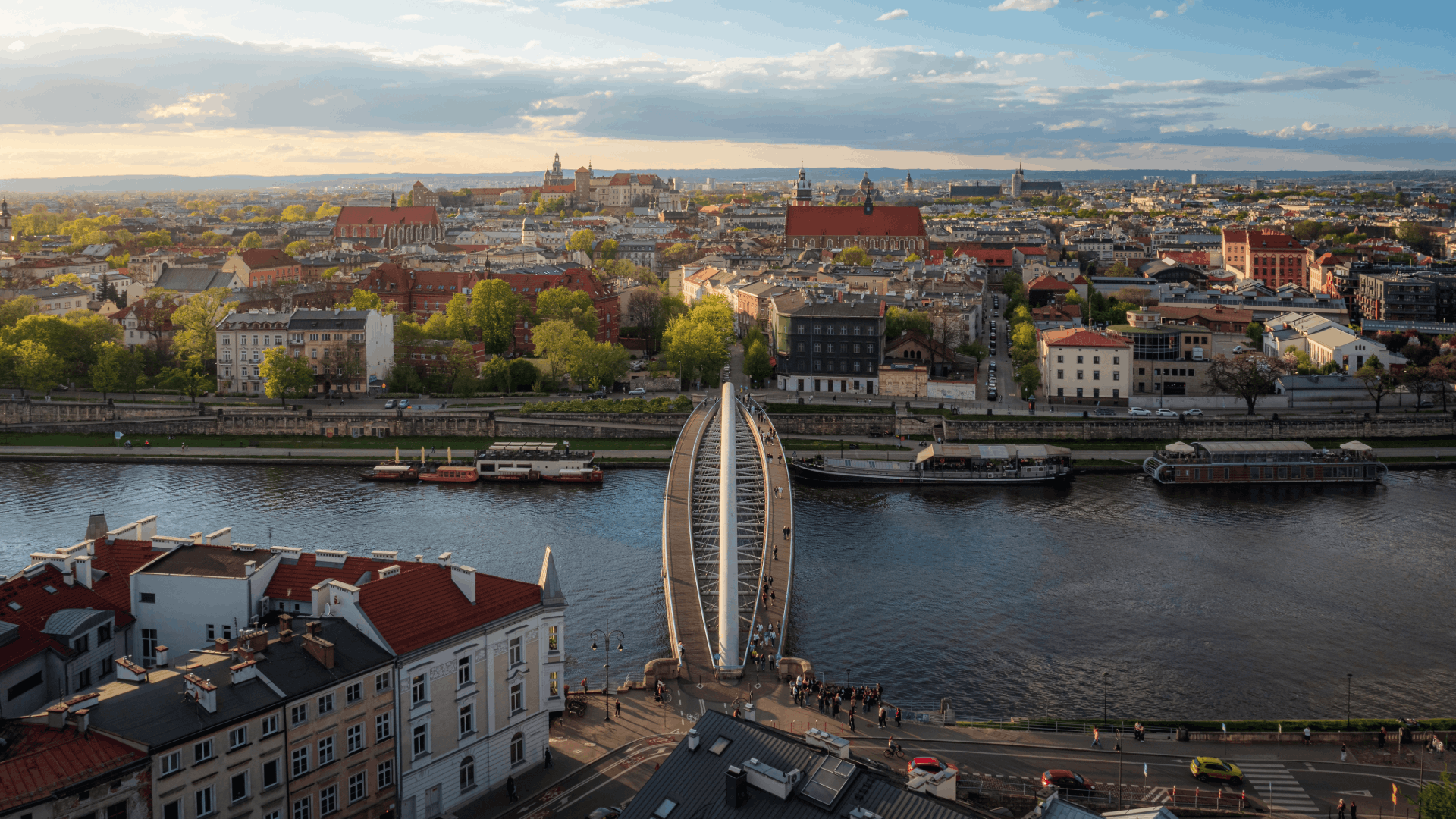
The meteorological transition in Krakow during the spring is characterized by what experts now call a coolcation climate—a mild, manageable environment that avoids the extreme heat of Southern Europe. March is a transitional month where daily high temperatures typically increase from a chilly 41°F (5°C) to a more pleasant 51°F (11°C). While nighttime lows often hover near freezing (27°F to 34°F), the increasing hours of daylight provide ample opportunity for outdoor exploration, provided one is dressed appropriately. As the city remains overcast approximately 59%  of the time in March, a waterproof jacket and comfortable, warm walking shoes are essential. Rain is common but usually takes the form of brief showers rather than all-day downpours, making it easy to duck into one of the many museums or cafes when necessary.

Weather parameter Average
Average high temp 7°C / 45°F
Average low temp 0°C / 32°F
Rainy days 12-15 days
Daylight hours ca. 12 hours

Weekly cultural and event calendar in March 2026

From the experience of Hello Cracow, the month of March in 2026 offers a dense schedule of world-class performances and innovative festivals. Below is a weekly breakdown of the must-see events:

  • Week 1 (March 1–7): The month opens with the 13th Cello Spring, featuring a unique inaugural concert at the Polish Aviation Museum that blends industrial history with classical cello. On March 6, the city launches the world's first International AI Art Biennale, an interdisciplinary event exploring human-AI collaboration through exhibitions at venues like Palac Potockich and Cogiteon. Pop music fans can catch Florence + The Machine at the TAURON Arena on March 7 as part of their "Everybody Scream" world tour.


  • Week 2 (March 8–14): International Women’s Day (March 8) is marked by Miasteczko Kobiet at TAURON Arena, offering workshops and networking for the local and expat community. Comedy takes the stage on March 12 with a show by Mateusz Socha. The week culminates on March 14–15 with the cinematic spectacle of Hans Zimmer Live: The Next Level, a high-tech electronic and symphonic show.


  • Week 3 (March 15–21): This week is dedicated to early music with the 30th Bach Days, celebrating baroque instruments like the harpsichord and viola da gamba. It also marks the start of the St. Joseph's Fair (March 19–29) on Maly Rynek, a local gem where traditional Polish craftsmen showcase woodcarving, ceramics, and leatherwork.


  • Week 4 (March 22–31): The lead-up to Easter begins with the opening of the large-scale Easter Market on the Main Market Square on March 26. On March 28–29, visitors can explore the Japanese Fair at TAURON Arena. Cultural traditions reach a peak on March 29 with the Palm Sunday procession of massive handmade palms from the Barbakan, and the start of the prestigious Misteria Paschalia Festival, which explores the music of the Baroque period through the lens of early colonial Latin American influences.
"Hidden gems" of Krakow for the second-time visitor

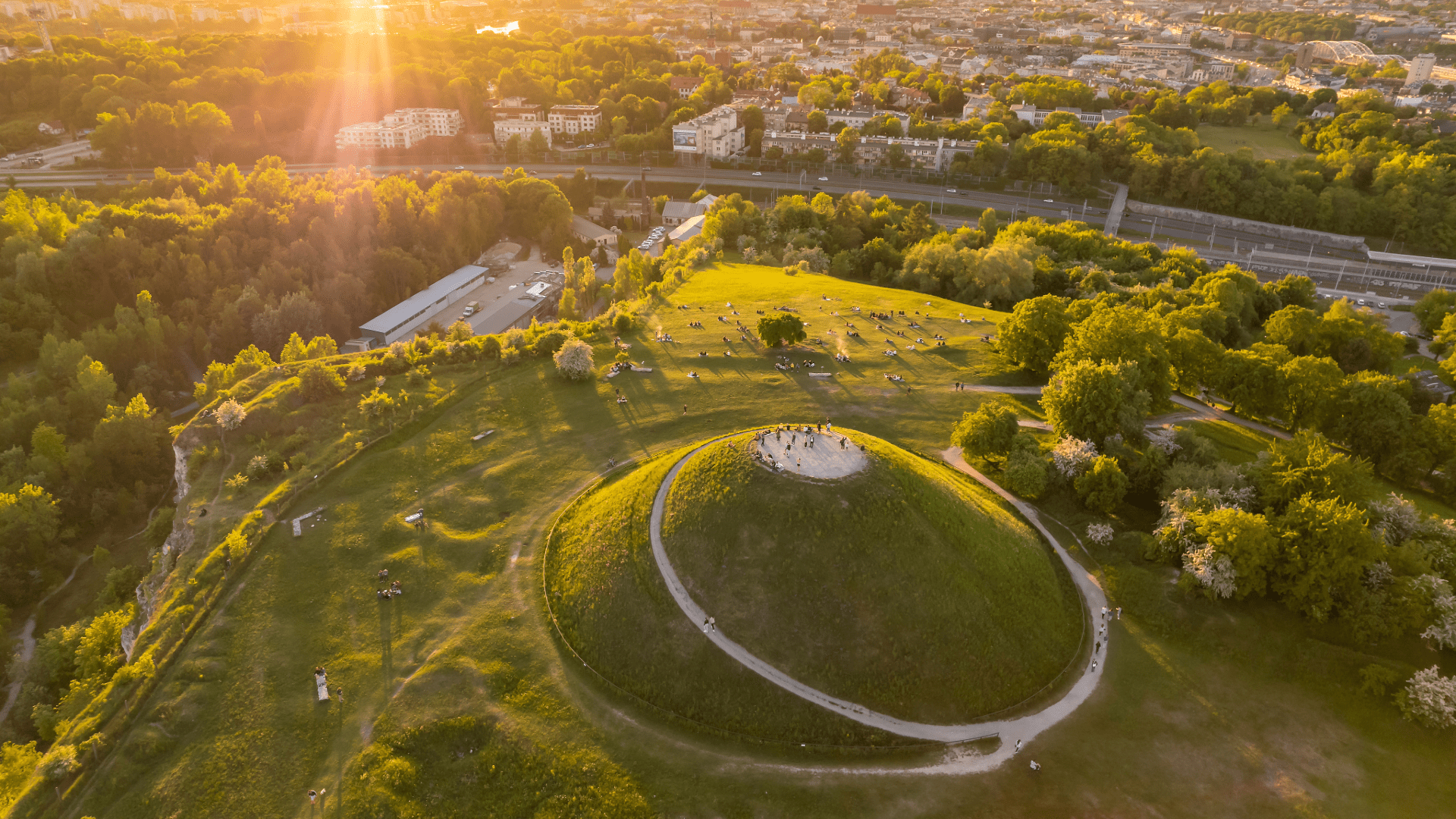
Beyond the Main Square, Krakow in 2026 offers several lesser-known attractions that provide a deeper look at Polish history and culture. Local experts recommend:

  • The Rynek Underground Museum: A high-tech archaeological site four meters beneath the Main Square, showcasing the authentic medieval foundations of the city.
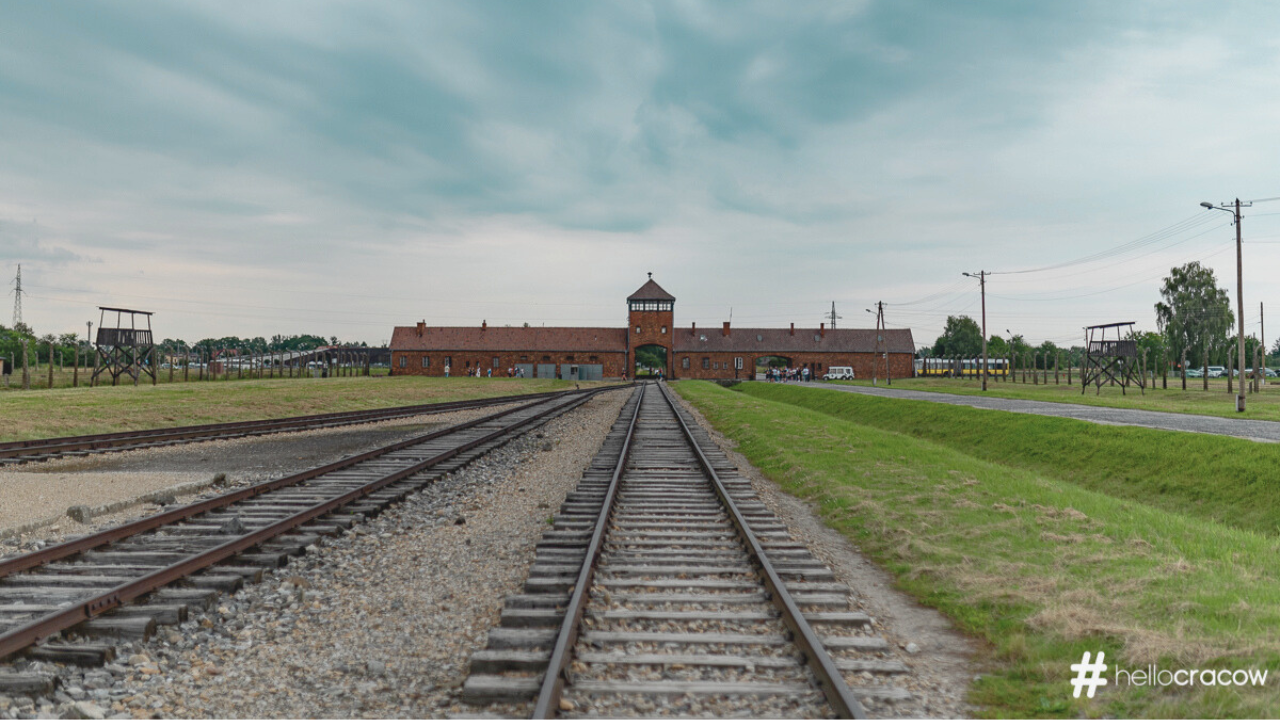
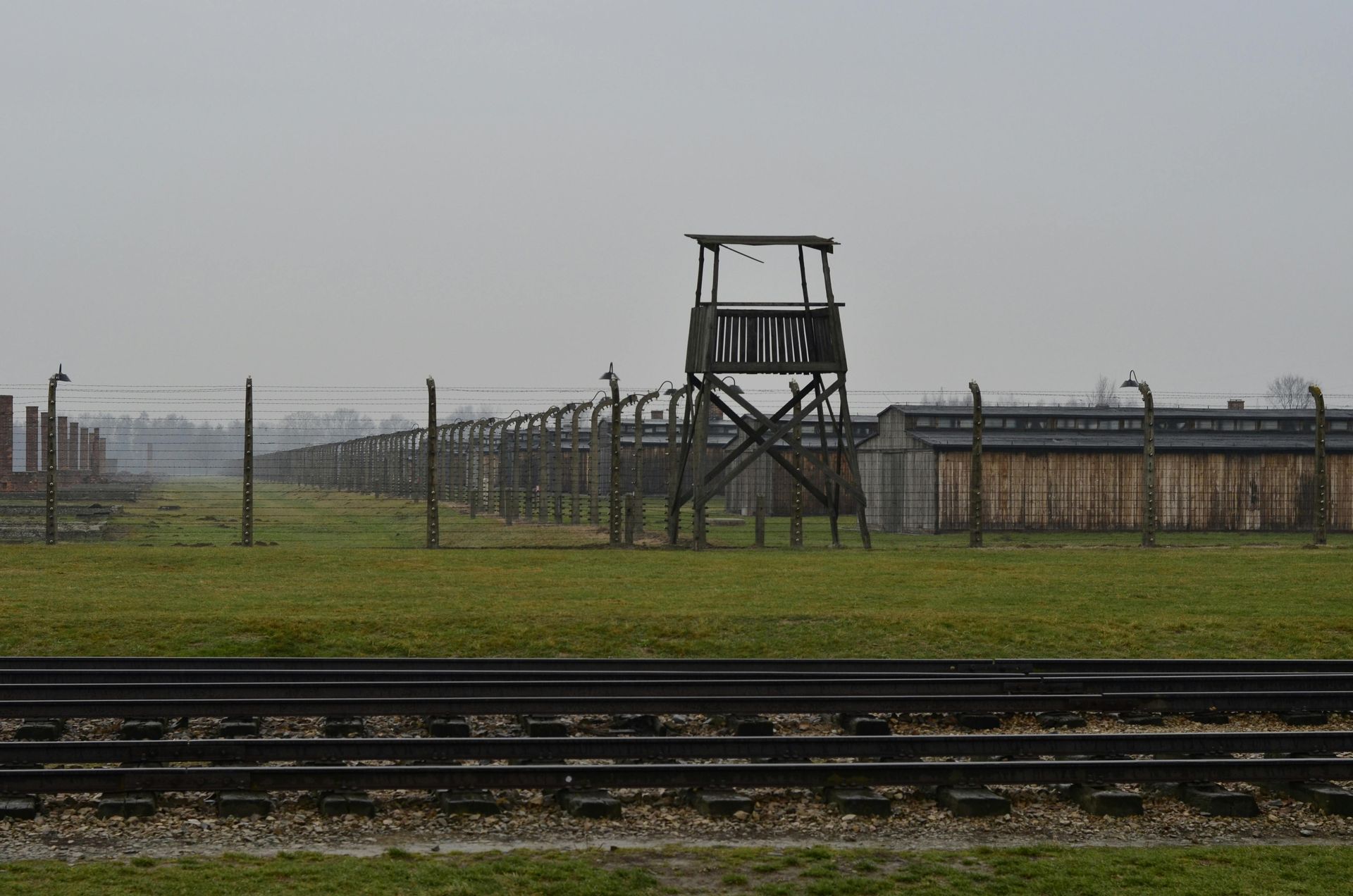
  • The Plaszow Concentration Camp: A poignant, less-visited site of memory that offers a quieter place for reflection than the main memorial at Auschwitz.
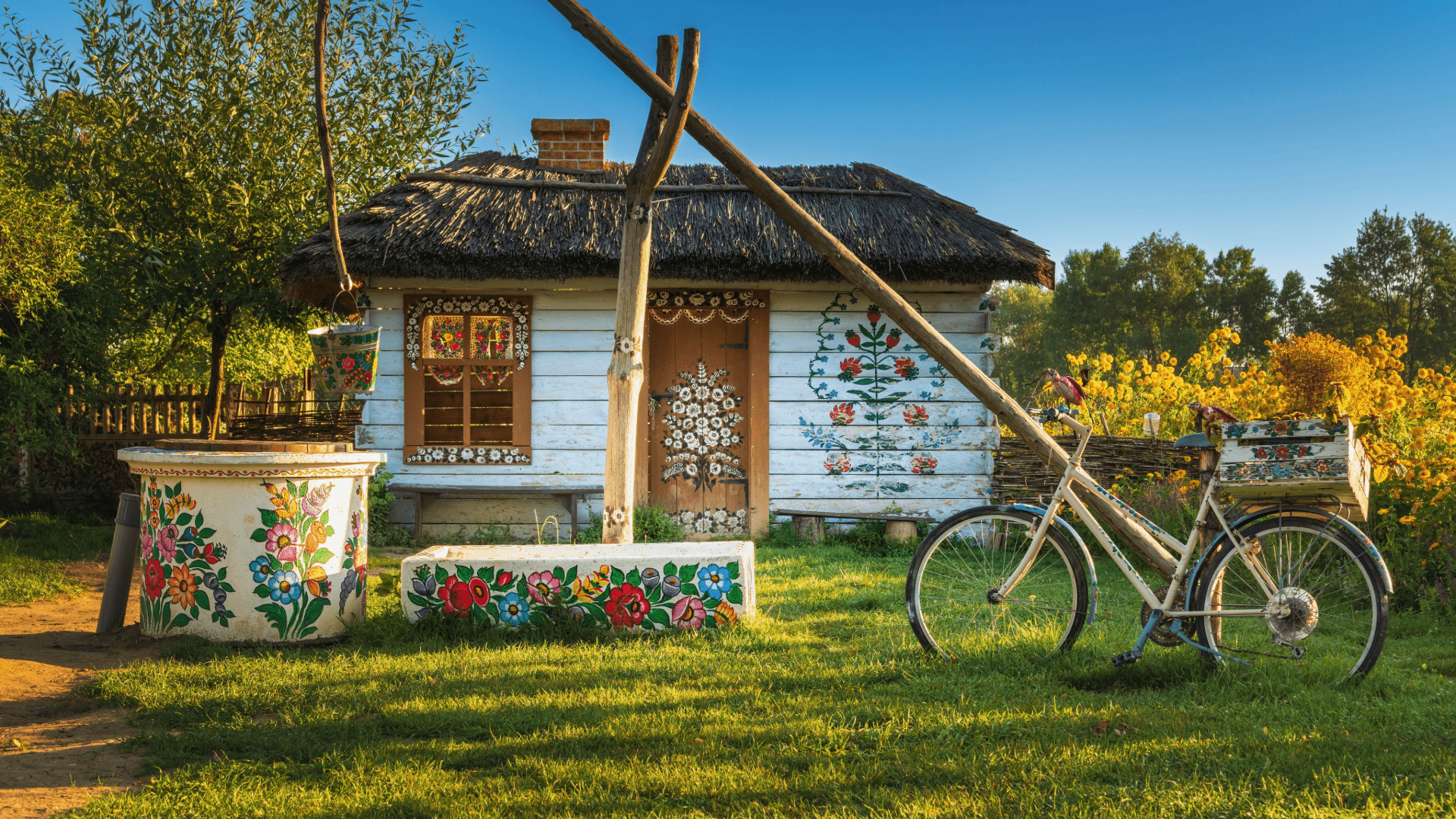
  • Zalipie: A village known for its tradition of painted floral decorations on every house.
  • Nowa Huta: A fascinating district built in the Socialist Realist style, representing the city’s complex relationship with its Communist past.
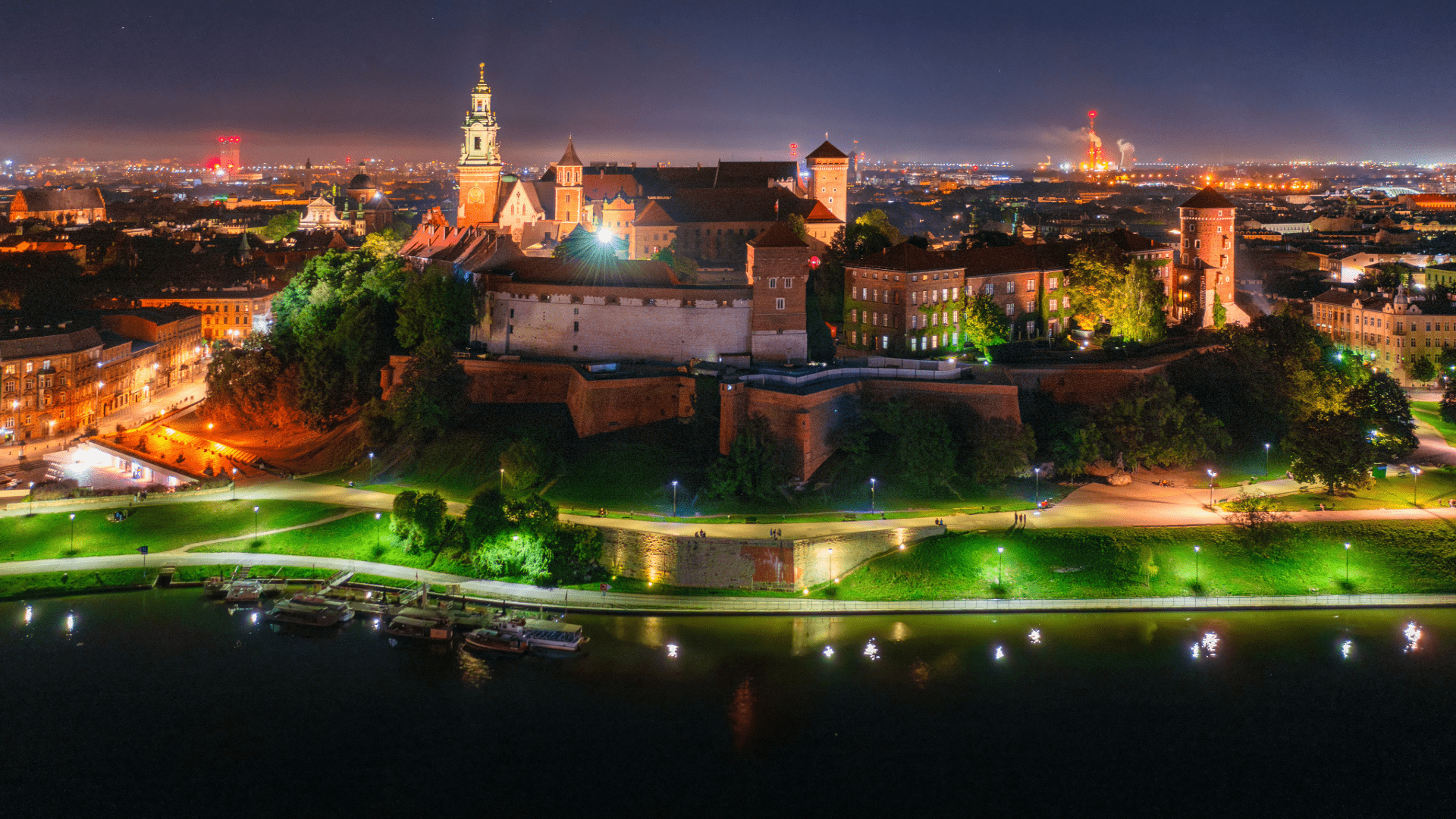
Krakow in March

To ensure your Spring 2026 visit to Krakow is managed with the highest professional standards, we invite you to contact the experts at Hello Cracow. Whether you are planning a visit to the historic salt mines, the AI Art Biennale, or the somber memorials of the 20th century, our team provides the logistical support and local insight necessary for a truly world-class experience. Discover our full range of tours and secure your reservations today!


BOOK NOW
By Hello Cracow • October 6, 2026
There is a particular kind of Krakow trip that starts badly for a very ordinary reason. You arrive on Friday afternoon, leave your suitcase at the hotel, and open your phone to book Auschwitz for Sunday. The English tours are gone. Schindler's Factory has no tickets until Tuesday. The restaurant you saved on Instagram is fully booked. None of these problems will ruin the weekend, but suddenly the itinerary is being decided by whatever happens to be left. A little planning avoids that without turning a city break into a spreadsheet. Krakow still leaves plenty of room for long walks, unexpected cafes and evenings that continue because you like the neighbourhood. The important thing is knowing which experiences depend on a specific time, guide, language or number of available places. Think of your reservations as the frame around the trip, not the trip itself.
By Hello Cracow • October 5, 2026
Autumn in Krakow often begins quietly. In September, you can still sit outside with a coffee near Main Market Square, walk through Planty Park in a light jacket and feel almost no urgency to leave the city before sunset. A few weeks later, the same streets look completely different. The chestnut trees drop their leaves, the light becomes softer, and an October morning that begins with clear skies can end with cold rain over Wawel Hill.  That change is exactly why Krakow is so rewarding in autumn. The city feels less hurried, cafes become part of the itinerary rather than a quick stop between attractions, and a warm dinner in Kazimierz feels deserved after a day on foot. Packing well means you can enjoy all of it without cutting a walk short because your shoes are wet or your jacket is still back at the hotel. The key is not packing for cold weather alone. It is packing for several versions of the same day.
By Hello Cracow • September 28, 2026
Arriving in Krakow is usually straightforward, but the first hour can shape the whole trip. A late flight, heavy suitcase or unfamiliar ticket machine can quickly make a simple transfer feel more complicated than it needs to be. The good news is that Krakow is well connected by air and rail, and its main airport sits close enough to the city centre that getting to your hotel is usually fairly simple.  For most visitors, the choice comes down to Krakow Airport, the main railway station at Krakow Glowny, or a private transfer booked in advance. Each option works slightly differently, depending on what time you arrive, where you are staying and how much luggage you have. Public transport is often enough, but there are situations when paying for a direct transfer can make the first part of your trip much easier.
By Hello Cracow • September 23, 2026
October is a great month to visit Krakow if you want to see the city without the summer crowds. The weather is usually still good enough for long walks, while cooler evenings make it easier to combine time outdoors with museums, restaurants and cafés. Planty Park starts to turn gold, the Old Town is less crowded, and Kazimierz is a good place to spend an afternoon without rushing from one sight to another. There is also plenty happening around the city. October brings concerts, film screenings, literary events, food festivals and other seasonal events, so it is worth checking what is on during your visit. You can easily combine one of these with the main sights, a walk along the Vistula or an evening in one of Krakow's neighbourhoods. It is also a good time to plan a day outside the city. Wieliczka, Auschwitz-Birkenau and Zakopane are all popular options, while the Tatra Mountains can be particularly appealing in autumn. Just keep an eye on the weather, as conditions outside Krakow can be quite different.  If you are planning a trip for October, you do not need to fill every day in advance. Pick a few things you definitely want to see, check the events happening during your dates and leave some time for whatever you find along the way.
By Hello Cracow • September 15, 2026
Krakow is a city best explored on foot. A typical day can move from cobbled streets around the Old Town to the open riverside paths near Wawel, then on to Kazimierz or Podgorze, often with more walking than visitors expect. Even a simple plan can quickly turn into several hours outside, especially when you add a museum, a market, a café stop or one of the city’s many viewpoints. The right packing list starts with comfortable shoes, flexible layers and one piece of rain protection that fits in your day bag. Krakow weather changes quickly across the year, and sometimes within a single day. Spring can bring mild afternoons and sudden showers, while summer days can be warm enough for long walks but cooler once the sun goes down. Autumn tends to bring shorter days and more changeable conditions, while winter can mean cold temperatures, snow or wet streets. These differences matter when most of your day is spent moving between outdoor sights. The temperature ranges below are typical average lows and highs for Krakow-Balice, not a forecast for a particular trip. Conditions in the city centre can feel slightly different, especially on sunny days or when the wind picks up along the Vistula. Check the forecast again shortly before you travel, then pack for walking rather than for one perfect weather scenario. If you are planning trips outside Krakow, leave some room for further changes. Wieliczka is underground and noticeably cooler than the streets above, while a day in the Tatra Mountains can bring very different conditions from those in the city. A few simple choices can make it much easier to stay comfortable when your plans take you from one part of the region to another.
By Hello Cracow • September 7, 2026
A visit to Auschwitz-Birkenau asks for more than simply adding another day trip to your Krakow itinerary. The former German Nazi concentration and extermination camp is a memorial site and a place of mass murder, where the scale of what happened can be difficult to understand through buildings, photographs and numbers alone. Reading before you go cannot prepare you for the visit itself, and it should not try to. What it can do is give some of the history a human dimension. Names, individual stories, memories and difficult choices become easier to recognise when you arrive at the site. Instead of knowing only what happened, you begin to understand something about the people who experienced it. The six writers below approach this history from very different perspectives. Four of them experienced Auschwitz as prisoners, writing about the camp from their own memories and experiences. Zofia Nalkowska encountered its aftermath from a different position, collecting testimonies and evidence about what had happened there in the months following the war. Hanna Krall offers yet another perspective. She survived the Holocaust as a child but was never imprisoned at Auschwitz. Her writing instead brings readers closer to the Jewish world destroyed during the Holocaust and to the people who carried its memory into the years that followed. There is no single book that can explain Auschwitz. Taken together, however, these works can help you arrive with more context and a greater awareness of the human stories behind the place.
By Hello Cracow • August 30, 2026
When the Main Market Square starts to feel a little too busy, you don't have to leave Krakow to find a different side of the city. Just beyond the usual sightseeing route, you'll find former quarries turned into green spaces, riverside paths, hilltop viewpoints, monastery gardens and neighbourhoods where life moves at a much slower pace. There is nothing wrong with spending your first day around Rynek Glowny, St Mary's Basilica, Wawel Castle and the Royal Route. They are famous for a reason, and for a first visit, they belong on the list. But after a few hours of following tour groups, waiting for a table and navigating busy streets, you may start looking for somewhere with a little more breathing room. That's when Krakow gets interesting. You don't need a complicated day trip or a long journey out of the city. Sometimes, a 15-minute tram ride or a short walk is enough to change the atmosphere completely. Suddenly there are more trees than souvenir shops, locals walking their dogs instead of organised groups, and paths where you can simply keep walking without having to stop every few metres. And these places aren't abandoned corners of the city. Krakow residents use them every day, particularly at weekends. You'll see people jogging, cycling, meeting friends, taking their children out or simply sitting somewhere with a coffee and enjoying the afternoon. So, if you're ready to put the guidebook down for a few hours, we've collected some of the best places to experience a quieter, greener and more local side of Krakow - all without straying too far from the city itself.
By Hello Cracow • August 30, 2026
Leave Krakow’s cobblestone streets behind and head south towards a completely different Poland. Beyond the city, the landscape opens into forests, meadows and mountain villages, with the Tatra peaks rising in the distance. A quad tour through Podhale gives you a chance to experience this landscape from the tracks rather than from a coach window.  The ride is the obvious highlight, but it is the journey that makes the day special. You move through quiet countryside, forest trails and highland landscapes, stopping along the way to take in the views and experience a slower side of southern Poland. Add a bonfire, local food or a soak in the thermal baths, depending on the tour, and a few hours outside Krakow can quickly turn into one of the most memorable days of your trip.
By Hello Cracow • August 17, 2026
September is when Krakow begins to soften into autumn. The warmest days still belong to the Vistula boulevards and café terraces, but Planty Park starts to change colour, and the city’s calendar becomes more local, varied and atmospheric. For first-time visitors, Krakow can seem centred entirely on the Main Market Square, Wawel Castle and Kazimierz. September is a good month to look beyond that first impression. A single weekend can bring music from Ireland and Scotland to a Renaissance manor house, local beekeepers to a historic Kazimierz square, and hundreds of dachshunds onto the Old Town’s most famous street. The city feels less like a checklist destination and more like a place where residents have their own rituals, neighbourhoods and reasons to gather. So, what is actually happening in Krakow this September? From the biggest cultural events to the smaller local traditions worth knowing about, here’s your guide to experiencing the city beyond the usual tourist highlights.
By Hello Cracow • August 11, 2026
Visiting Auschwitz-Birkenau is not about seeing more, but about arriving prepared, moving through the site with care, and allowing enough time for the history to register. There is no perfect way to feel when you visit Auschwitz-Birkenau. Some people become quiet. Some feel overwhelmed by the scale of Birkenau. Others find that the most difficult moments are the smallest ones: a photograph, a suitcase, a pair of shoes, or a name. What matters is not performing a particular emotion. It is recognising that this is a memorial and the site of a former German Nazi concentration and extermination camp, where more than a million people were murdered. A respectful visit begins before you reach the entrance: in how you book, what you bring, how you use your phone, and how much space you leave for the experience afterwards.
More Posts