



Memories That Matter: The Full Collection
The "Memories That Matter" series is a comprehensive tribute to the heroes of Auschwitz, documenting extraordinary acts of defiance, daring escapes, and the unbreakable human spirit. By gathering the stories of individuals like Witold Pilecki, Teddy Pietrzykowski, and Kazimierz Piechowski, this collection honors those who risked everything to resist the industrial brutality of the Holocaust and ensure the truth reached the outside world. At Hello Cracow, we believe that every name has a story and every story deserves to be remembered. You may have already encountered parts of this journey through our monthly "Memories That Matter" series on Facebook and Instagram, where we regularly bring you closer to the individual souls whose bravery defined the resistance inside Auschwitz-Birkenau.
This collection is designed to help you look beyond the numbers and see the faces of those who refused to be just a prisoner number. Whether they fought in a boxing ring, escaped in a stolen SS car, or smuggled out secret reports, these individuals proved that even in a place designed to destroy humanity, acts of bravery can shine through.
To help you navigate this collection, we have summarized the key figures whose stories we explore below:
| Name | Prisoner number | Act of defiance | Post-war legacy |
|---|---|---|---|
| Witold Pilecki | 4859 | Volunteered to enter the camp, founded the ZOW resistance | One of the history's greatest symbol of bravery, rehabilitated in the 1990s |
| Teddy Pietrzykowski | 77 | Fought boxing duels to earn food for fellow prisoners | Dedicated his life to coaching and teaching youth |
| Kazimierz Piechowski | 918 | Executed a daring escape in a stolen SS car through the main gate | Spent his life sharing his testimony to ensure we never forget |
| Jerzy Tabeau | 27273 | Escaped to write the "Report of the Polish Mayor" for the world | Became a noted cardiologist in Krakow |
| Vrba & Wetzler | 44070/29162 | Escaped to Slovakia, authored the first credible report on the gas chambers | Their report was key evidence in brining Nazi leaders to justice |
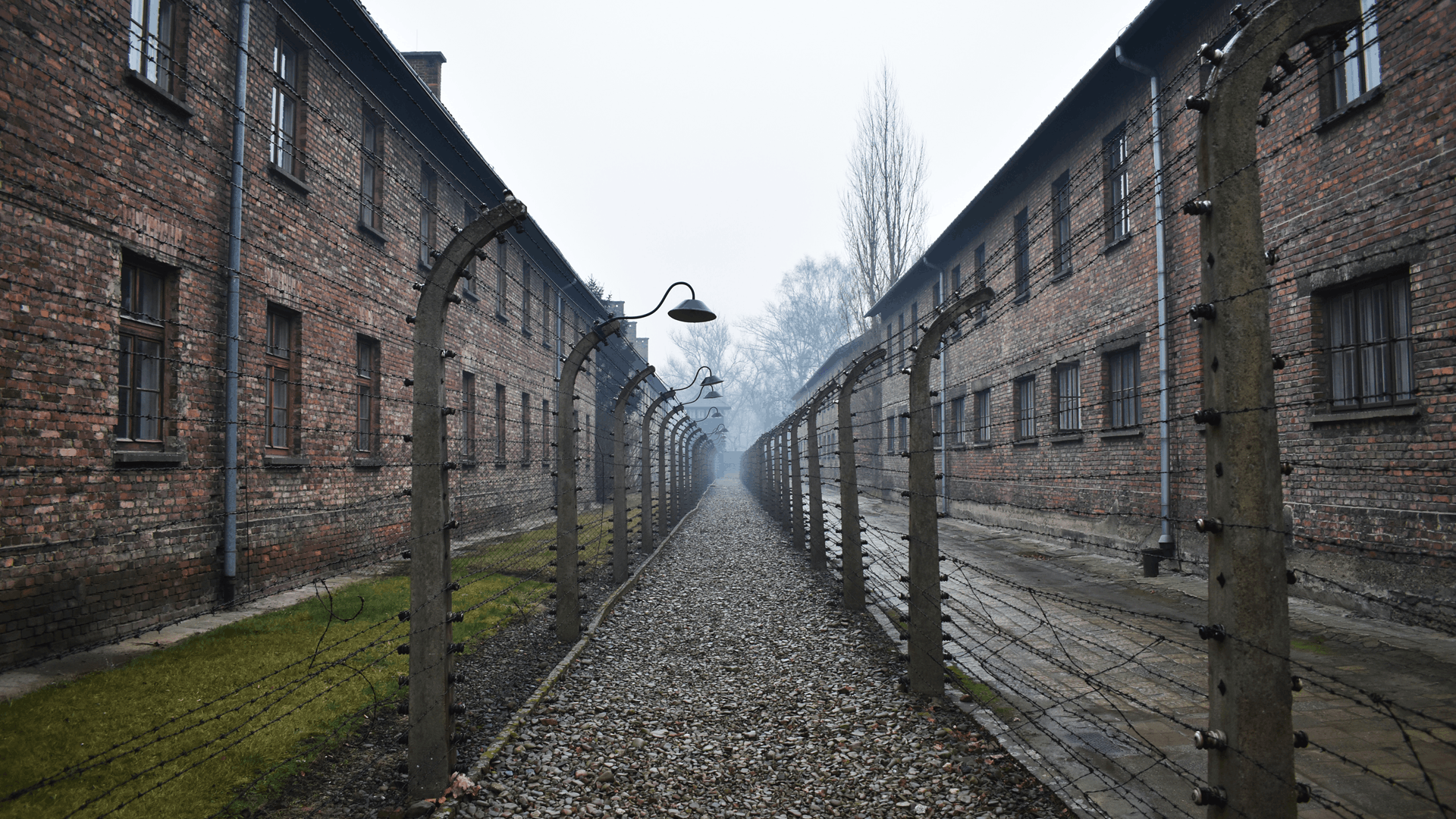
Witold Pilecki: the man who volunteered for Hell
Witold Pilecki's story is one of unimaginable courage, representing a level of sacrifice that is almost impossible to comprehend in the modern day. In 1940, while the world was only beginning to hear whispers of the horrors occurring within the newly established Auschwitz camp, Pilecki — a Polish cavalry officer and member of the underground resistance — made a decision that would define his place in history. He did not simply wait to be caugh, instead he volunteered to be captured by the Nazis during a street roundup in Warsaw. His objective was clear and incredibly dangerous: to infiltrate the camp, organize a resistance movement from within, and gather undeniable evidence of the atrocities being committed.
Building the resistance: the birth of the ZOW
Once inside, Pilecki was registered as prisoner number 4859, under the false identity of Tomasz Serafinski. He immediately set to work in an environment designed to strip away every shred of human dignity and hope. Despite the constant threat of starvation, disease, and the arbitrary brutality of the SS guards, Pilecki maintained a soldier’s discipline. He began the slow, painstaking process of identifying trustworthy fellow inmates and building what would become the ZOW (Zwiazek Organizacji Wojskowej – Union of Military Organization). This secret network was built on a system of "fives" — small cells of five men who did not know the identities of other members, a strategy designed to prevent the entire organization from being compromised if one member was caught and tortured.
Smuggling the truth to the outside world
The achievements of the ZOW under Pilecki’s leadership were nothing short of miraculous, given the circumstances. The organization managed to improve the morale of prisoners by sharing secret news from the outside world and providing extra food and clothing to those most in need. More importantly, Pilecki’s network became a vital intelligence hub. He documented the camp’s daily operations, the arrival of new transports, and the early mechanisms of mass murder. Risking his life every single day, he managed to smuggle out detailed reports to the Polish underground, which were then forwarded to the Western Allies. These became the first eyewitness accounts the world ever received of the reality inside the wire.
The daring break for freedom
After nearly three years of constant danger, Pilecki realized that the reports he was sending were not triggering the external military intervention he had hoped for. In April 1943, during a shift at the camp’s bakery, he and two companions executed a daring escape. They managed to overpower a guard, cut the phone lines, and flee into the darkness, eventually making it back to the Polish Home Army. Even after his escape, Pilecki continued to fight for his country, participating in the Warsaw Uprising in 1944. He remained a man driven by duty, never seeking fame for the incredible risks he had taken on behalf of those left behind in the camp.
A hero betrayed by two regimes
Tragically, Pilecki’s story did not find a peaceful conclusion after the war ended. When Poland fell under the control of the Soviet-backed communist regime, Pilecki remained loyal to the exiled Polish government in London. He was arrested by the secret police in 1947, accused of espionage, and subjected to a brutal show trial. Even though he had been one of the greatest heroes of the anti-Nazi resistance, he was sentenced to death. During his imprisonment, he reportedly told his wife that "Auschwitz was just a game" compared to the torture he endured at the hands of the communist authorities. He was executed in 1948 and buried in a nameless grave, his story suppressed for decades.
Today, Witold Pilecki stands as one of history's greatest symbols of moral clarity and bravery — a man who stepped into hell not to survive for himself, but to witness and resist for the sake of others. His rehabilitation in the 1990s and his posthumous recognition as a Knight of the Order of the White Eagle have finally restored him to his rightful place in the pantheon of global heroes.
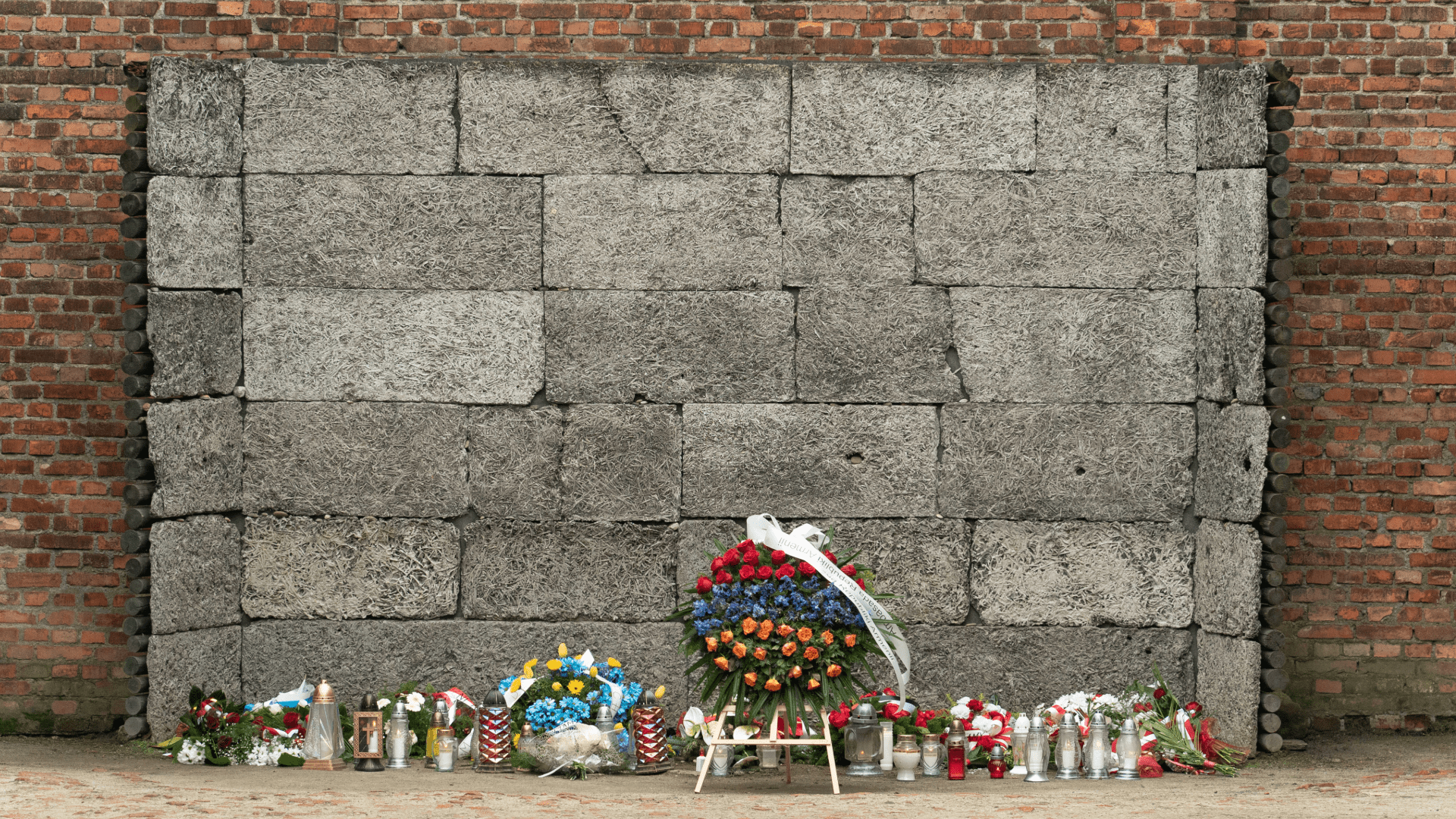
Teddy Pietrzykowski: the boxer who fought for human dignity
Before the shadows of war fell over Poland, Tadeusz "Teddy" Pietrzykowski was a household name in the vibrant sports scene of Warsaw. A rising star in the bantamweight class. Teddy’s style was defined by speed, technique, and an almost preternatural ability to avoid being hit. By 1939, he was already a champion, poised for international success. However, when the German invasion began, he did not hesitate to trade his boxing gloves for a soldier’s uniform, participating in the heroic defense of Warsaw before being captured while attempting to join the Polish forces in France.
Prisoner #77: a brutal welcome to Auschwitz
Teddy’s journey into the heart of darkness began on June 14, 1940, when he arrived at Auschwitz on the very first transport of political prisoners. He was assigned prisoner number 77, a low number that marked him as one of the camp’s "veterans" who survived the most brutal early period of its existence. In those first months, the camp was not yet the industrial death factory it would become, but a place of arbitrary and extreme violence designed to break the Polish intelligentsia. For a man of Teddy’s small stature, survival seemed unlikely amidst the back-breaking labor and starvation rations that quickly claimed the lives of thousands around him.
The boxing ring in the shadow of the chimneys
In 1941, Teddy’s life took a surreal and dangerous turn when a German "kapo" and former professional boxer, Walter Dunning, challenged him to a match. What began as a brutal form of entertainment for the guards and camp officials soon became Teddy’s primary means of staying alive. In the makeshift boxing rings of the camp, he faced opponents (often German functionaries or SS-men) who were much heavier and better fed than he was. These duels were high-stakes gambles: while a loss could mean a transfer to a penal labor detail or a fatal beating, a victory earned him a "premium" — a small loaf of bread or a piece of margarine. In the camp’s starvation economy, these rations were worth more than gold
A symbol of solidarity and shared survival
What truly distinguished Teddy was not just his skill in the ring, but his extraordinary selflessness outside of it. He refused to use his privileged position for personal comfort alone. Every extra scrap of food he won in his matches was shared with his fellow prisoners, often being smuggled to those who were too weak to work. For the other inmates, watching "Teddy" defeat an SS-favored opponent was a psychological victory that proved the "master race" could be beaten.
Joining the resistance under Witold Pilecki
Teddy’s defiance went far beyond the boxing ring. His low prisoner number and his relatively "protected" status as a camp athlete allowed him to move more freely than others, a fact he used to join the ZOW resistance movement organized by Witold Pilecki. He became a vital link in the underground chain, smuggling information, distributing medicine stolen from the SS infirmary, and participating in acts of sabotage. He even played a role in a daring attempt to eliminate key SS officers by infecting their quarters with typhus-carrying lice.
After the liberation and the end of the war, Teddy chose a quieter but no less impactful fight. He returned to Poland and dedicated the rest of his life to education, becoming a beloved physical education teacher and boxing coach in Bielsko-Biala. He rarely spoke of his fame, focusing instead on shaping the character of the youth and ensuring that the stories of solidarity he witnessed in Auschwitz were never forgotten. He lived until 1991, leaving behind a legacy that continues to inspire.
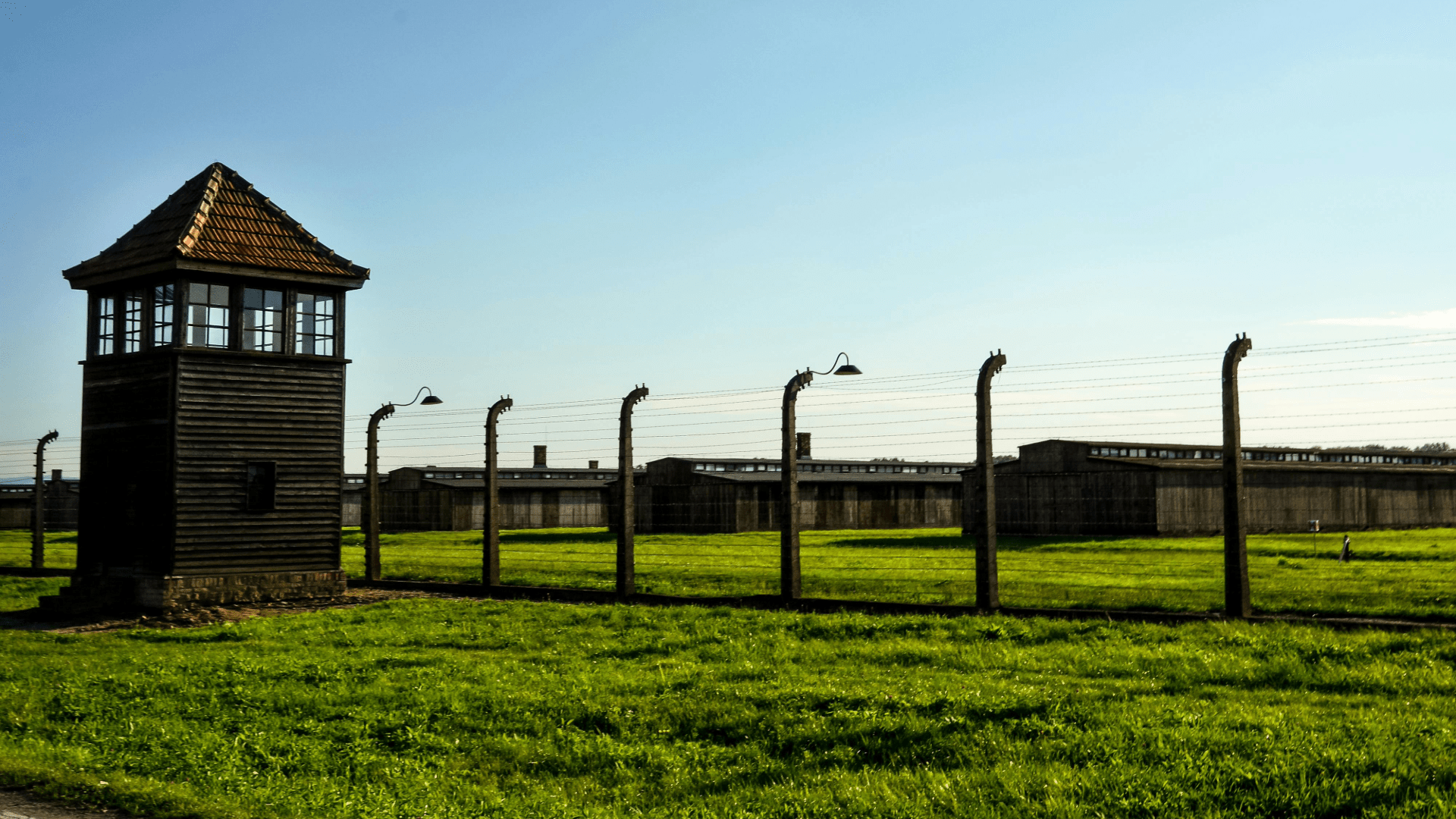
Kazimierz Piechowski: the impossible breakout
Born in 1919, Kazimierz Piechowski was a young man driven by the ideals of the Polish Boy Scouts — loyalty, honor, and service to his country. When the shadow of war fell over Poland, he naturally joined the resistance, but was captured in 1939 while attempting to cross the border into Hungary. He arrived at Auschwitz on June 20, 1940, as prisoner number 918, a member of the very first transport of political prisoners. For two long years, he endured the unimaginable cruelty and daily terror of the camp, working in the "Leichenkommando" (corpse detail), a position that forced him to witness the full scale of the Nazi atrocities firsthand.
The spark of defiance: a race against death
By early 1942, Piechowski realized that survival in Auschwitz was a game of diminishing returns. The catalyst for his escape was the news that his close friend and fellow prisoner, Eugeniusz Bendera, a talented mechanic from the camp’s garage, had been placed on the "death list." Rather than waiting for the inevitable execution, the two men — along with Stanislaw Jaster and Jozef Lempart — decided to attempt the impossible. They knew that a traditional escape through the fences was nearly suicidal, so they devised a plan so bold that the SS would never suspect it: they would walk right out of the main gate in broad daylight.
Stealing the identity of the oppressors
On the afternoon of June 20, 1942, exactly two years after Piechowski’s arrival, the four men put their plan into action. After gaining access to an SS warehouse by pretending to be part of a work detail, they broke into the storage room for uniforms and weapons. In a matter of minutes, they transformed themselves from starving, striped-clad prisoners into high-ranking SS officers, complete with submachine guns and grenades. They didn't flee into the woods — they marched straight to the camp’s garage, where Bendera used his keys to "requisition" the fastest car in the camp — an open-top Steyr 220 belonging to the camp’s commandant.
The most daring drive in history
The climax of their escape is a scene that feels more like a Hollywood thriller than historical reality. As they drove toward the main gate, the SS guards at the barrier were initially confused by the sight of an officer's car approaching from within the camp. As the car slowed down, the barrier remained lowered. In a moment of pure, cold-blooded courage, Piechowski stood up in the passenger seat and began screaming at the guards in perfect German, demanding they open the gate immediately. Terrified by the "officer's" authority, the guards snapped to attention, gave a Nazi salute, and raised the barrier. The four men drove out of Auschwitz and into history.
A life dedicated to truth and freedom
Following their miraculous escape, Piechowski and his companions successfully evaded the massive SS manhunt that followed. Kazimierz eventually joined the Home Army (AK) and continued to fight for a free Poland throughout the rest of the German occupation. However, like Witold Pilecki, his post-war life was marred by the rise of the communist regime, which viewed his wartime heroism with suspicion. He spent seven years in a communist prison for his service in the Home Army. Despite these hardships, he remained a man of deep conscience, eventually spending his later years traveling the world to share his story with younger generations.
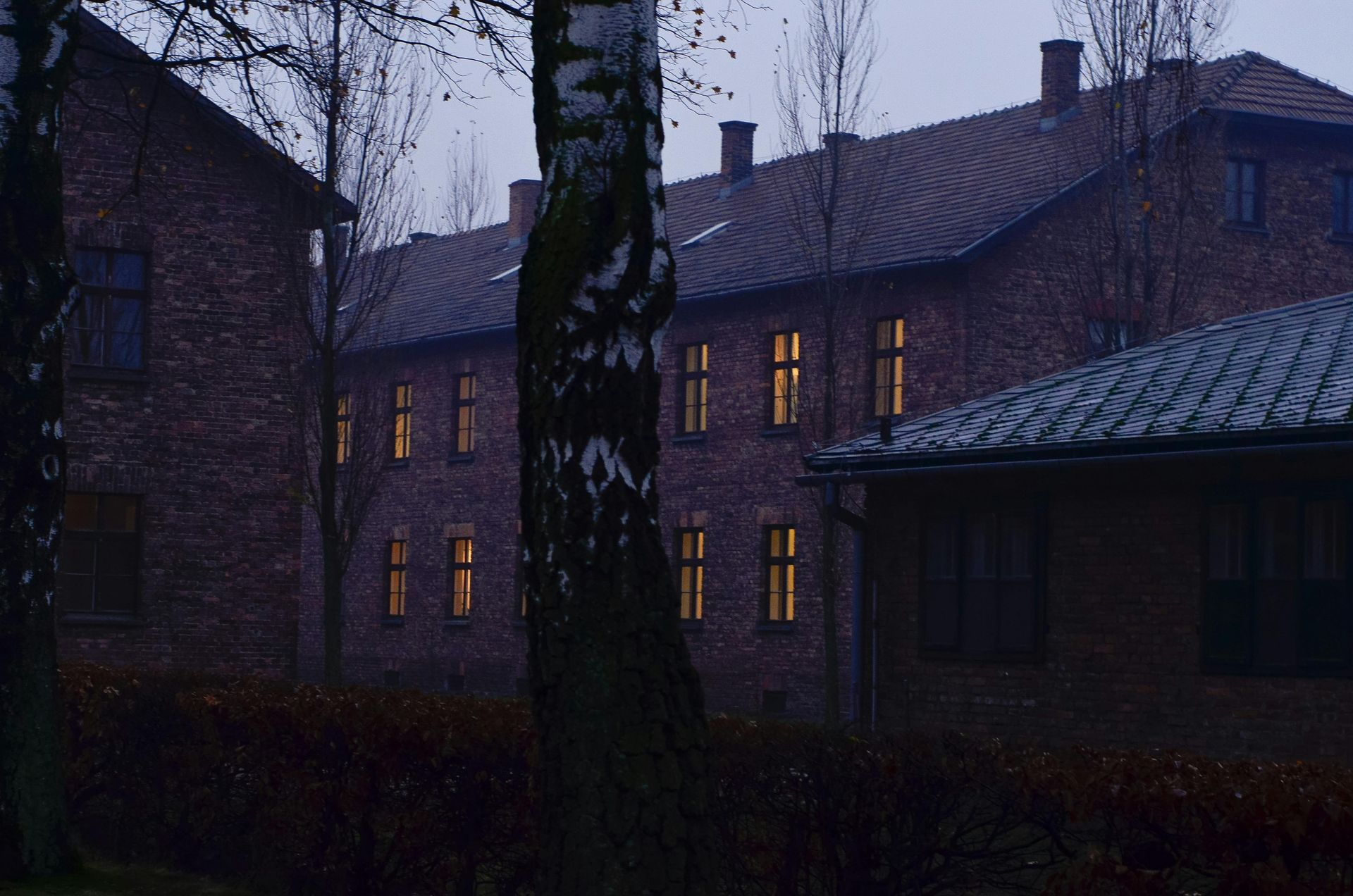
Jerzy Tabeau: the medical student who told the world
Born in 1918, Jerzy Tabeau was a young man with a bright future ahead of him as a medical student in Krakow. However, his life was abruptly interrupted by the German occupation of Poland. Like many of his peers, Tabeau refused to remain passive, joining the Polish resistance movement to fight for his country's freedom. His clandestine activities eventually drew the attention of the Gestapo, and in 1942, he was arrested. To protect his family and his comrades, he used the pseudonym Jerzy Wesołowski, but his true identity was soon discovered by the authorities, who sent him to Auschwitz.
Prisoner #27273: witnessing the mechanics of death
Upon arrival at the camp, Tabeau was assigned a prisoner number 27273. As a "veteran" prisoner with a low number, he was subjected to the full range of the camp’s horrors — from back-breaking labor and starvation to the constant threat of typhus and the arbitrary violence of the SS. However, Tabeau’s medical background gave him a unique perspective. He began to observe the camp not just as a victim, but as a witness. He meticulously noted the arrival of transports, the selection process on the ramp, and the industrial efficiency with which the Nazis were carrying out their "Final Solution."
The daring cut for freedom
By late 1943, Tabeau knew that his survival was only a matter of time and that the world needed to know the truth about what was happening behind the electrified fences. On November 19, 1943, he and fellow prisoner Roman Cieliczko executed a daring and desperate escape. Under the cover of darkness, they managed to cut through the electrified perimeter wire — a feat that very few attempted and even fewer survived. After successfully evading the immediate pursuit, Tabeau made his way back to Krakow, where he was hidden by members of the Polish underground.
The "Report of the Polish Major"
While in hiding, Tabeau did not simply focus on his own safety. He immediately set to work compiling a detailed, written account of his experiences. Known as the “Report of the Polish Major” (due to the rank he was given in the underground), this document was one of the most comprehensive eyewitness testimonies ever produced from within Auschwitz. In it, Tabeau described the gas chambers, the crematoria, and the systematic murder of thousands of people every day. His report was a chilling, clinical indictment of the Nazi genocide, providing the hard evidence that many in the West still found hard to believe.
Smuggling the truth to the global stage
The report's impact was monumental. Smuggled out of occupied Poland by the resistance, Tabeau’s testimony reached diplomats and governments in Switzerland, the United Kingdom, and the United States by early 1944. It became part of what would later be known as the "Auschwitz Protocols," a collection of reports that finally forced the Allied leaders to acknowledge the scale of the Holocaust.
After the war ended and the occupation was finally over, Jerzy Tabeau returned to his original calling. He completed his medical studies in Krakow and went on to become a highly respected cardiologist. He dedicated the rest of his long life to healing the very hearts that the war had tried to destroy. He practiced medicine quietly, rarely seeking the spotlight for his wartime heroism, and passed away in 2002.
Rudolf Vrba and Alfréd Wetzler: the men who stopped the trains
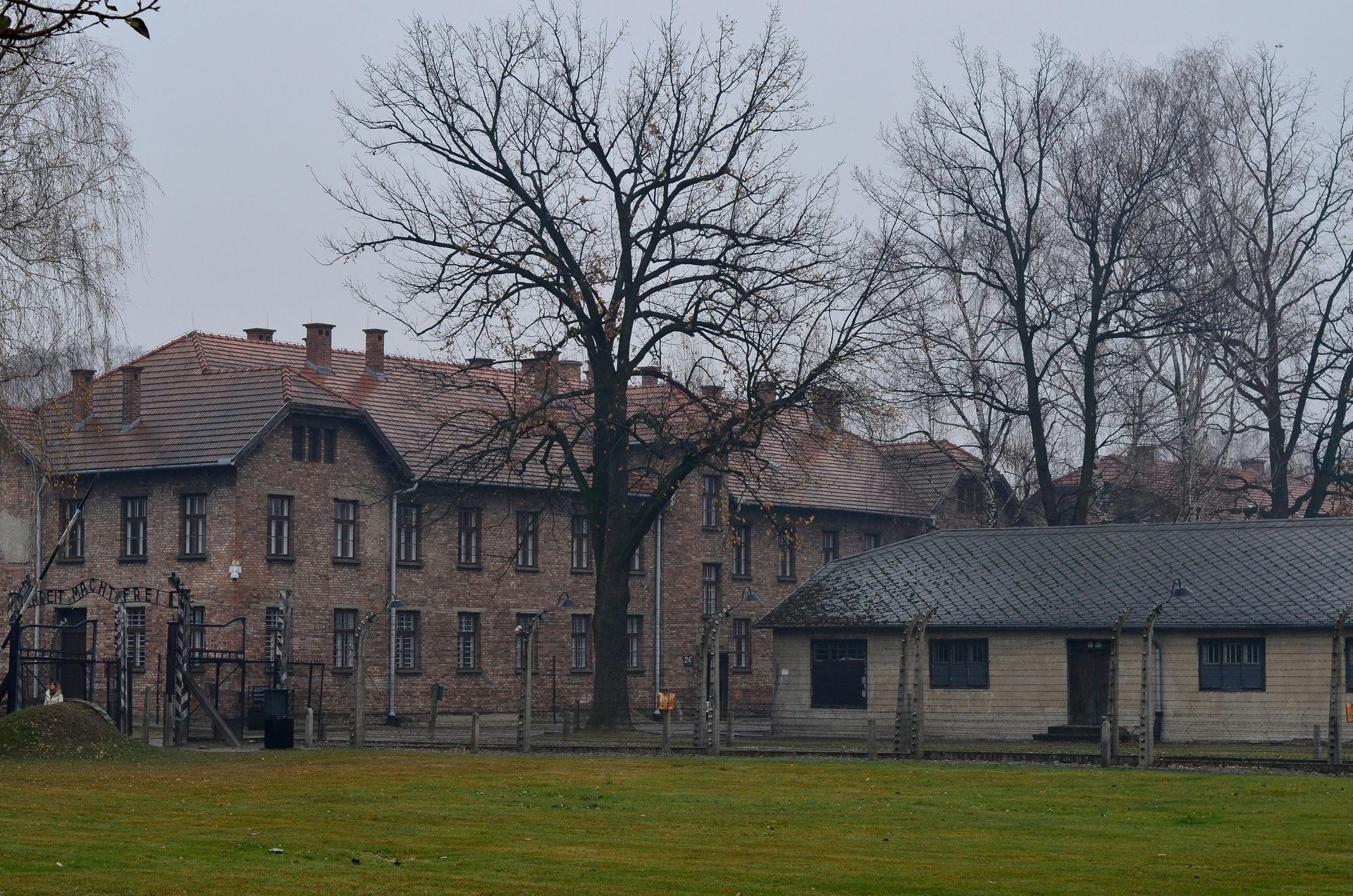
In the spring of 1944, two Slovak Jewish prisoners, Rudolf Vrba and Alfréd Wetzler, were trapped in the most lethal section of the camp: Auschwitz II-Birkenau. Vrba, registered as prisoner #44070, and Wetzler, #29162, had endured months of forced labor, starvation, and the constant threat of the gas chambers. From their vantage point inside the camp, they witnessed the arrival of thousands of people every day and the mechanical, industrial efficiency with which the Nazi regime was carrying out mass murder. They realized that the victims arriving on the trains had no idea of the fate that awaited them, and they knew the world needed a detailed, undeniable account of the genocide.
The daring plan to break the silence
The decision to escape was not born of a desire for personal safety but from a desperate need to warn the Hungarian Jewish community of the impending deportations. Vrba and Wetzler spent months meticulously planning their escape with the help of a small network of fellow inmates. They gathered information on the camp’s layout, the timing of the guard rotations, and the technical specifications of the crematoria. They knew that a traditional escape was nearly impossible, so they devised a plan to exploit the SS's own security protocols: they would hide within the camp’s perimeter and wait for the search to be called off.
Hiding in the "Mouth of the Wolf"
On April 7, 1944, the two men put their plan into action. They crawled into a hollowed-out space beneath a massive pile of wooden planks intended for construction. To prevent the SS search dogs from picking up their scent, fellow prisoners had soaked the surrounding area with a mixture of strong Russian tobacco and gasoline. For three agonizing days, Vrba and Wetzler remained motionless in their cramped hiding spot while the SS conducted a frantic search of the entire camp. They listened to the shouts of the guards and the barking of dogs just inches away, knowing that discovery meant immediate execution.
The eleven-day trek to freedom
Once the SS officially called off the search and the outer perimeter guards were withdrawn, the two men crept out from under the woodpile under the cover of night. Having already bypassed the main electrified wire to reach their hiding spot, they moved cautiously to leave the camp's administrative zone, beginning an exhausting eleven-day journey across the Beskid Mountains toward the Slovakian border. Traveling only at night and avoiding all roads and villages, they navigated through dense forests and rugged terrain, facing brutal weather and the constant fear of German patrols. Their survival during this trek was a miracle of endurance, fueled by the conviction that they carried the most important secret of the 20th century in their minds.
The report that changed history
Upon reaching Slovakia, they immediately contacted the local Jewish council and began dictating what would become the Vrba-Wetzler Report. This 32-page document was the first detailed, credible eyewitness account of the gas chambers and the true purpose of Birkenau to reach the Western Allies. It included sketches of the camp layout and statistics on the number of people being murdered daily. When the report was smuggled to the West and broadcast by the BBC, it caused an international outcry. It is credited with directly pressuring the Hungarian government to halt the deportations, saving an estimated 200,000 lives.
After the war, both men continued to contribute to the world — Vrba as a distinguished pharmacologist and Wetzler as a journalist and author.
The living legacy: join us in remembering
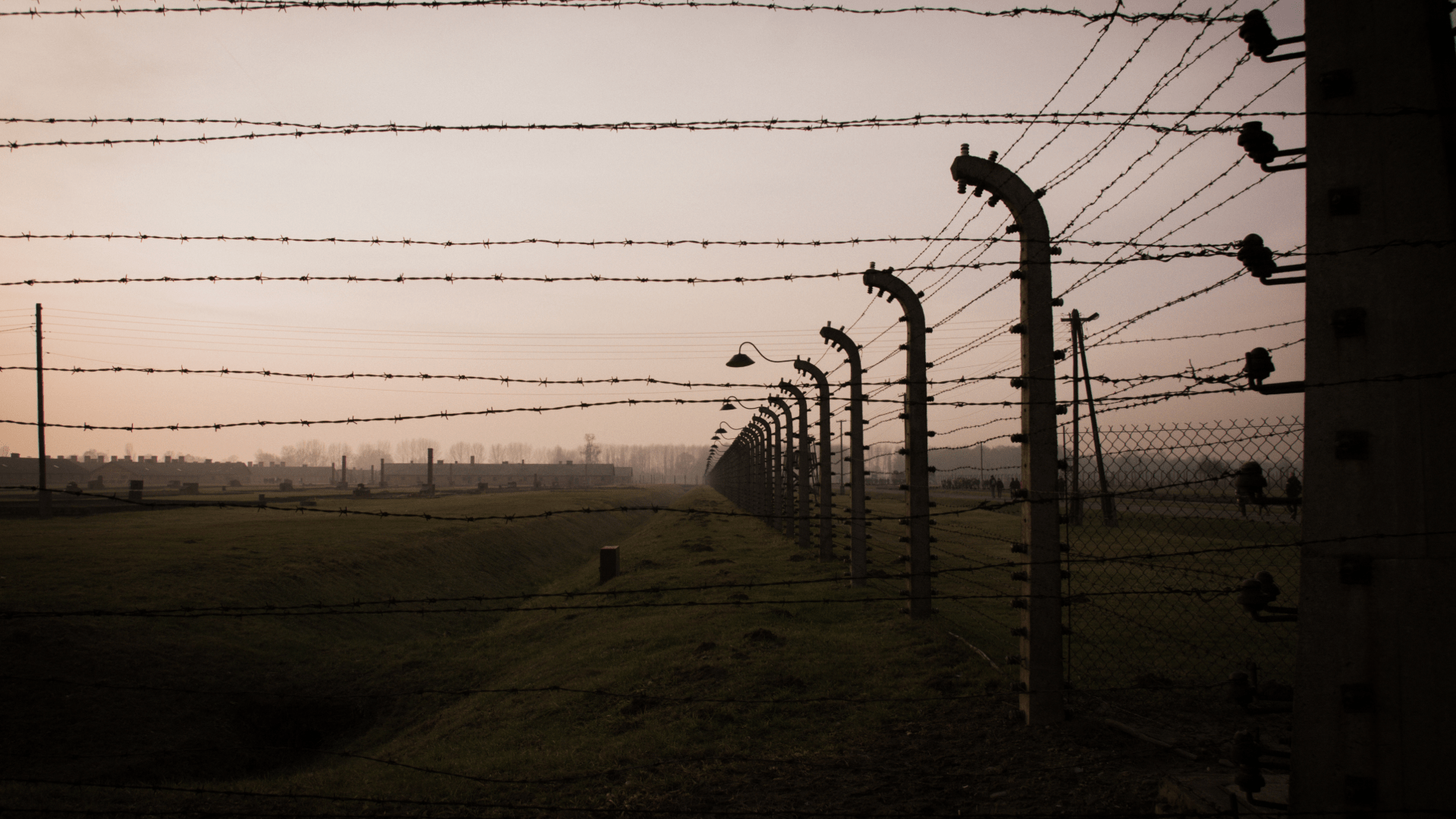
The stories of Pilecki, Teddy, and Piechowski are far more than historical footnotes. At Hello Cracow, we believe that remembering these specific acts of defiance fundamentally changes how we perceive the world today. It is a powerful reminder that even in the most impossible circumstances, human dignity and the choice to resist can never be fully extinguished. This collection is just the beginning of our journey to honor these individual lives. This article serves as a central hub for our ongoing "Memories That Matter" series, which we are continuously building on our social media profiles. We invite you to follow us there to discover more moving narratives as we continue to bring these names back into the light.
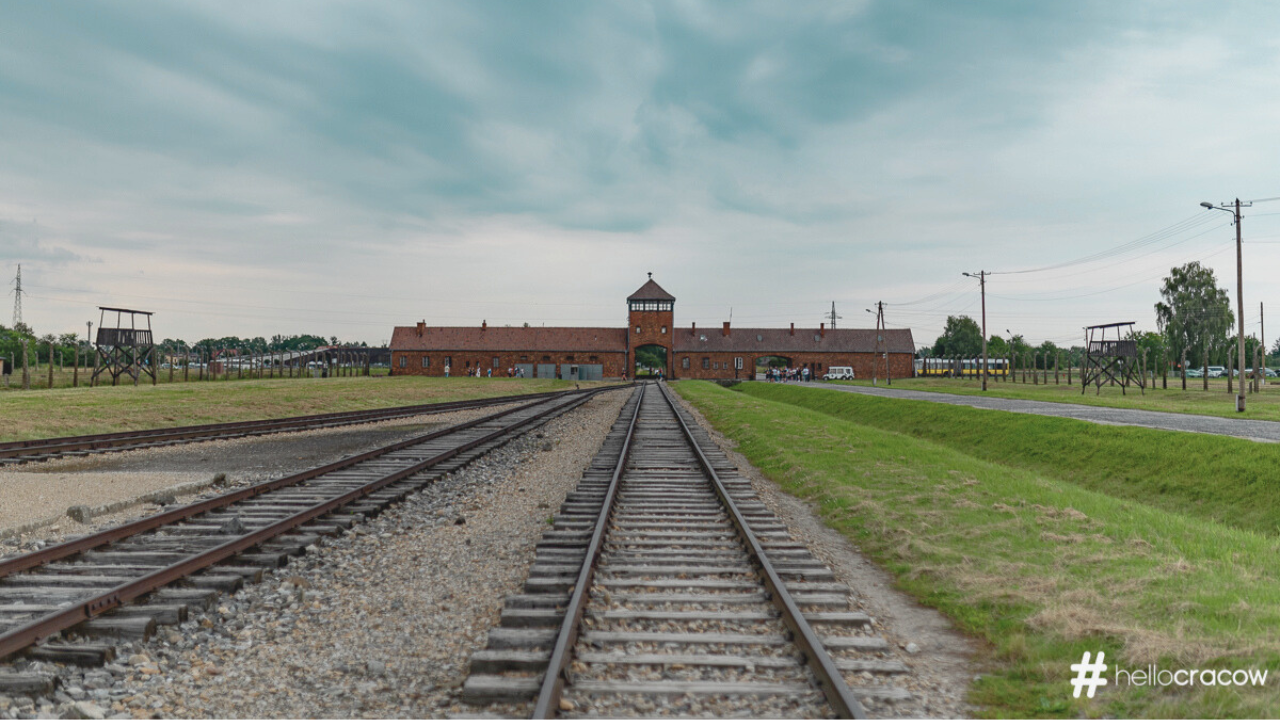
If you are planning to visit the Auschwitz-Birkenau Memorial from Krakow, we truly believe that walking the ground where these events took place is the most respectful way to honor their legacy. Our professional guides are dedicated to bringing these stories of resistance to life, helping you connect with the history that truly matters. We look forward to sharing these important memories with you in person.