



Auschwitz in 2026: The Ultimate Guide to Booking Tickets Before They Sell Out
Visiting Auschwitz-Birkenau is one of the most meaningful experiences for travelers coming to Poland. Due to the site's growing popularity and limited daily visitor capacity, planning your visit has become increasingly important in 2026. Many visitors are surprised to discover that entry passes and guided tours are often fully booked weeks before they arrive in Krakow. To avoid disappointment and ensure a smooth experience, it is worth organizing your visit early. With proper planning, you can focus on understanding the historical significance of the Memorial and reflecting on its powerful message rather than worrying about ticket availability or transportation arrangements.
Where is Auschwitz-Birkenau located?
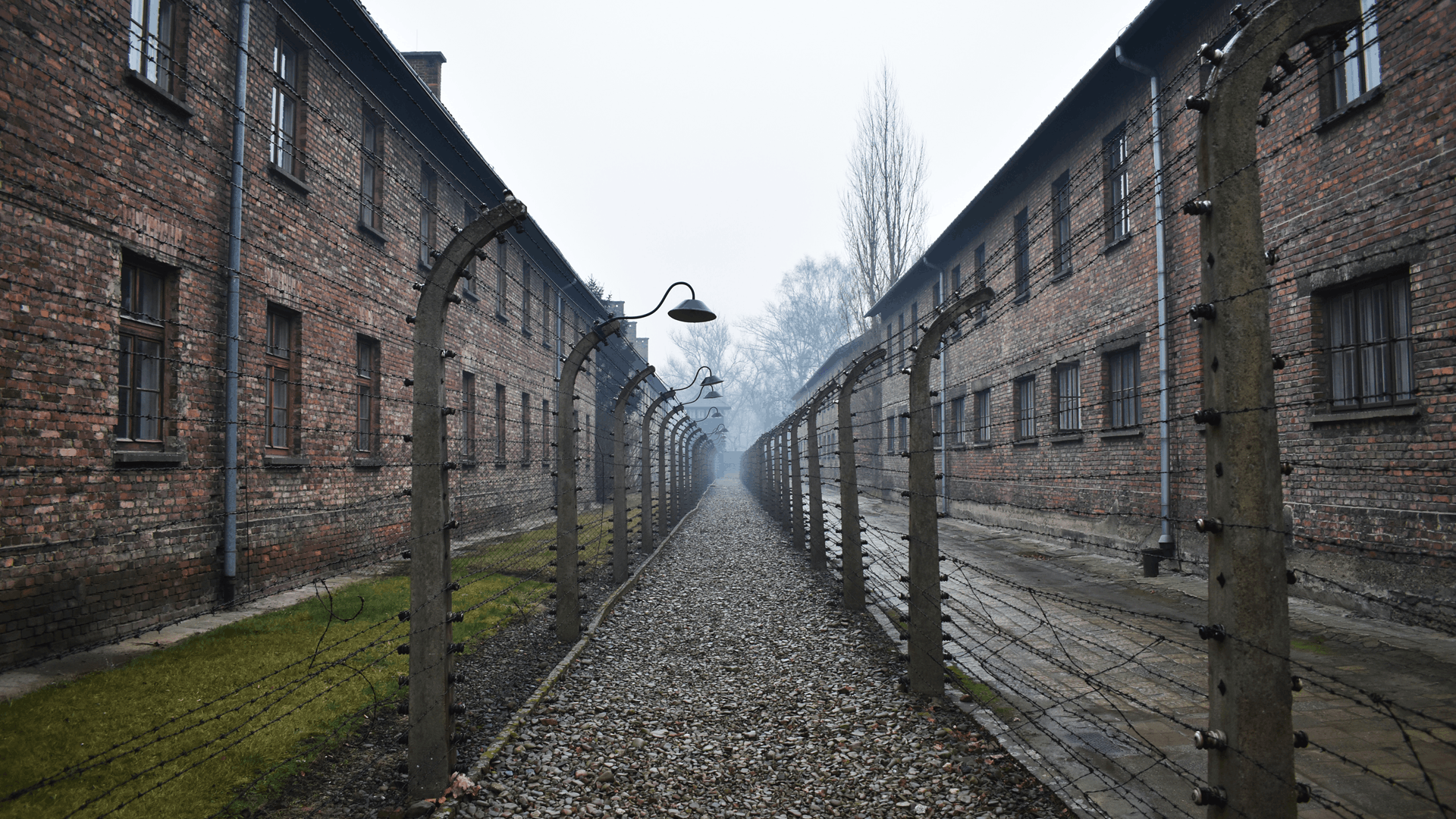
The Auschwitz-Birkenau Memorial and Museum is located in Oswiecim, a town approximately 70 kilometers west of Krakow. Thanks to its proximity and excellent transport connections, Krakow serves as the main departure point for most visitors traveling to the Memorial. The journey typically takes between 1.5 and 2 hours, depending on the chosen mode of transportation. Many first-time visitors are surprised to learn that Auschwitz-Birkenau is not a single location but a complex consisting of two separate camps connected by a shared history. Both sites form an integral part of the Memorial and are included in standard guided tours.
- Auschwitz I was established in 1940 as the first concentration camp in the area, and today functions as the museum's main visitor center. This section features permanent exhibitions, historical documents, victims' personal belongings, and preserved brick prison blocks that offer insight into the daily realities prisoners faced. It is also home to one of the site's most recognizable symbols—the main entrance gate bearing the inscription "Arbeit Macht Frei".
- Located around three kilometers away,
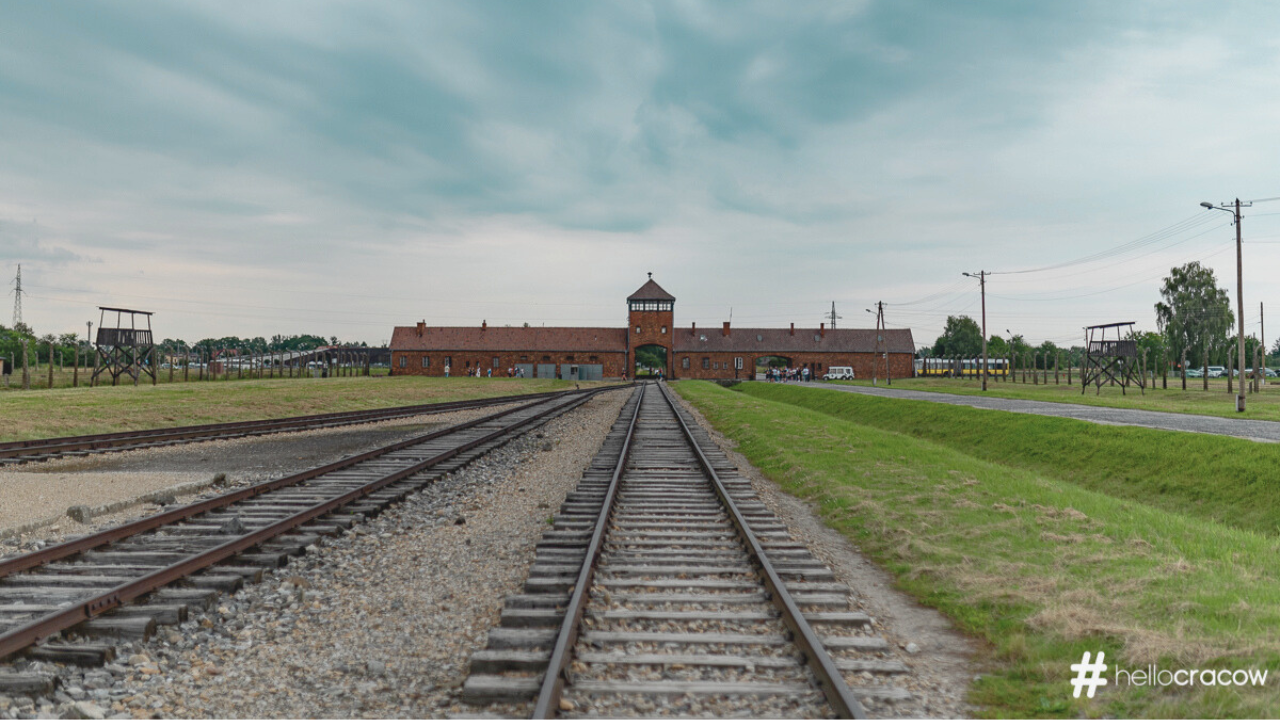
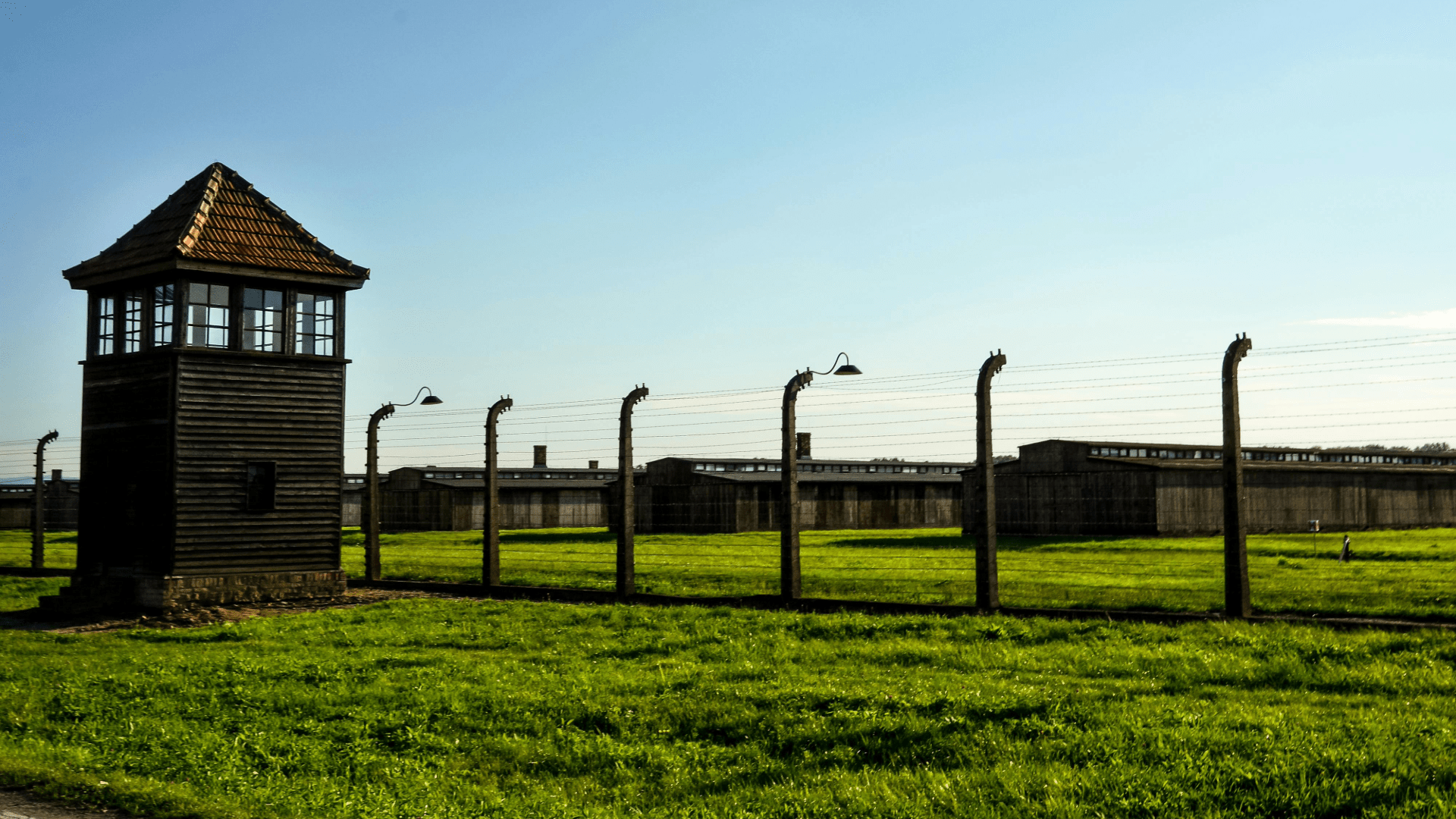
Auschwitz II-Birkenau was built as a much larger camp and became the principal site of mass deportations and extermination during the Holocaust. Covering an area of more than 170 hectares, Birkenau allows visitors to better understand the immense scale of the tragedy that unfolded there. The remains of railway tracks leading through the iconic entrance gate, rows of barracks, watchtowers, and the ruins of gas chambers and crematoria create a powerful and unforgettable impression.
| Travel metric | Details for 2026 |
|---|---|
| Distance from Krakow | ~70 kilometers (43 miles) |
| Average drive time | 1,5 hours (depending on traffic) |
| Key sites | Auschwitz I and Auschwitz II-Birkenau |
| Transport link | A4 motorway or direct rail to Oswiecim |
Can you visit Auschwitz-Birkenau on your own?
Many travelers wonder whether it is better to visit Auschwitz-Birkenau independently or as part of an organized tour. In fact, both options are available, and it is possible to explore the Memorial on your own using individual entry passes. This allows for a more flexible pace and a personal way of experiencing the site, especially for those who prefer quiet reflection. However, the majority of visitors choose to visit with an organized operator, as this option significantly simplifies the entire process. A guided tour from Krakow typically includes transport, entry arrangements, and a structured visit covering both Auschwitz I and Auschwitz II-Birkenau. This removes the need to coordinate tickets, time slots, and logistics on your own, which can be challenging during peak travel periods.
- Transportation logistics – getting to Oswiecim requires planning your journey, whether by train, regional bus, rental car, or private transfer. It is important to account for travel time and arrive before your scheduled entry slot, as delays can affect your ability to enter the site.
- Moving between Auschwitz I and Birkenau – the two parts of the Memorial are located about three kilometers apart, and visitors must rely on the museum shuttle, local transport options, or walking between the sites when continuing the visit.
While both approaches are valid, guided tours are often recommended for first-time visitors, as they reduce logistical stress and allow you to focus entirely on the historical significance of the Memorial.
The 2026 ticket scarcity: why you need to plan ahead
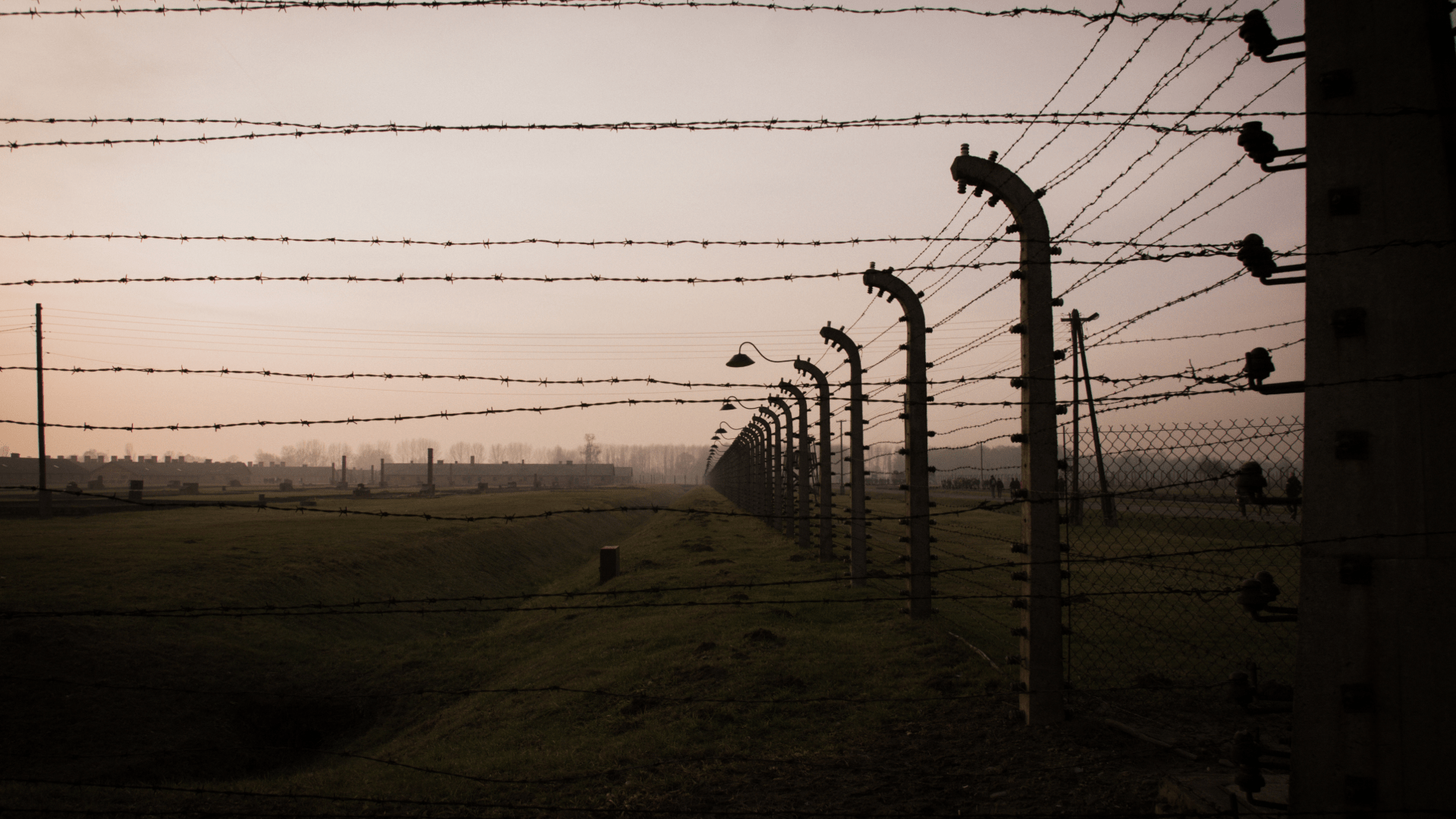
If there is one trend that has clearly shaped travel in 2026, it is the unprecedented level of interest in Poland’s most important historical destinations. Among them, Auschwitz-Birkenau stands out as one of the most visited memorial sites in Europe, attracting travelers from all over the world. This growing demand has had a direct impact on ticket availability, making planning more important than ever. The Memorial operates under a strict daily visitor limit, designed not only for logistical reasons but also to preserve the dignity and reflective nature of the site. These restrictions ensure that each visitor has enough space and time to engage with the history in a respectful and meaningful way. As a result, entry passes for popular periods—particularly spring, summer, and early autumn — are frequently fully booked six to eight weeks ahead of time.
Many travelers still make the mistake of postponing their booking until they arrive in Krakow. Unfortunately, in 2026, this approach often leads to disappointment, as last-minute availability is extremely limited. Each entry pass is also personalized, meaning it is assigned to a specific visitor and cannot be freely transferred or exchanged. To better understand how demand affects planning, it helps to look at the current situation:
- High seasonal demand: peak travel months (May–September and holiday periods) regularly sell out well in advance, especially for morning entry slots.
- Limited flexibility in tickets: entry passes are personalized and tied to specific time slots, which reduces the possibility of last-minute changes or walk-in visits.
Why booking with Hello Cracow is the stress-free choice?
While independent visits to Auschwitz-Birkenau are possible, most travelers in 2026 choose a guided tour from Krakow, as it turns a complex and time-sensitive trip into a fully organized experience. Instead of managing tickets, transport, and on-site logistics on your own, everything is coordinated in advance, allowing you to focus entirely on the visit itself. The main advantage of this “all-in-one” approach is simplicity and reliability:
- Complete organization in one booking: entry passes, guided tour services, and transport are all arranged in advance, removing the need to manage multiple reservations or worry about ticket availability on your own.
- Direct transport from Krakow: comfortable, air-conditioned vehicles take you directly from the city to the Memorial, eliminating the need to navigate train schedules, bus connections, or long walks from public transport stops.
- Simplified movement between sites: instead of relying on museum shuttles between Auschwitz I and Birkenau, transport is coordinated as part of the tour, making the transition between both parts of the Memorial smoother and more efficient.
- Practical storage during the visit: because the Museum enforces strict rules regarding bag size, travelers can safely leave larger belongings in the vehicle and bring only essential items inside the site.
In practice, visitors who choose an organized tour often experience the day in a more focused and calm way. Without the need to monitor schedules or solve logistical issues on the spot, they can fully concentrate on the historical context and guided explanations throughout the visit. This is why, for many travelers, a guided tour from Krakow becomes the most convenient and stress-free way to experience Auschwitz-Birkenau.
What to expect during your visit?
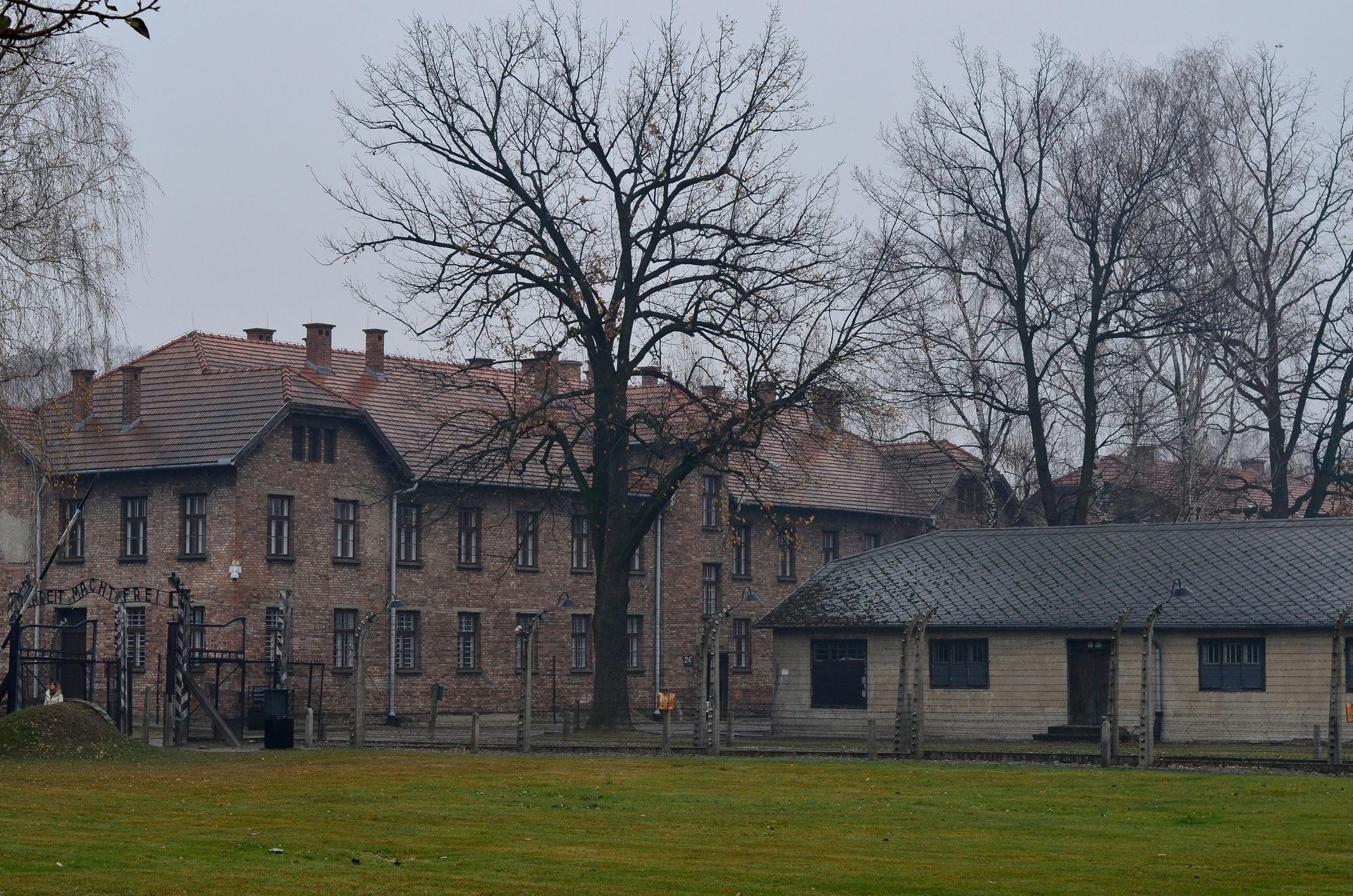
Entering the Auschwitz-Birkenau Memorial is a deeply moving experience that often remains long after they return to Krakow. It is a place defined by silence, reflection, and historical weight, and understanding the structure of the visit can help you approach the day with greater awareness and preparedness. The tour is typically divided into two distinct parts, each offering a different perspective on the history of the camp complex.
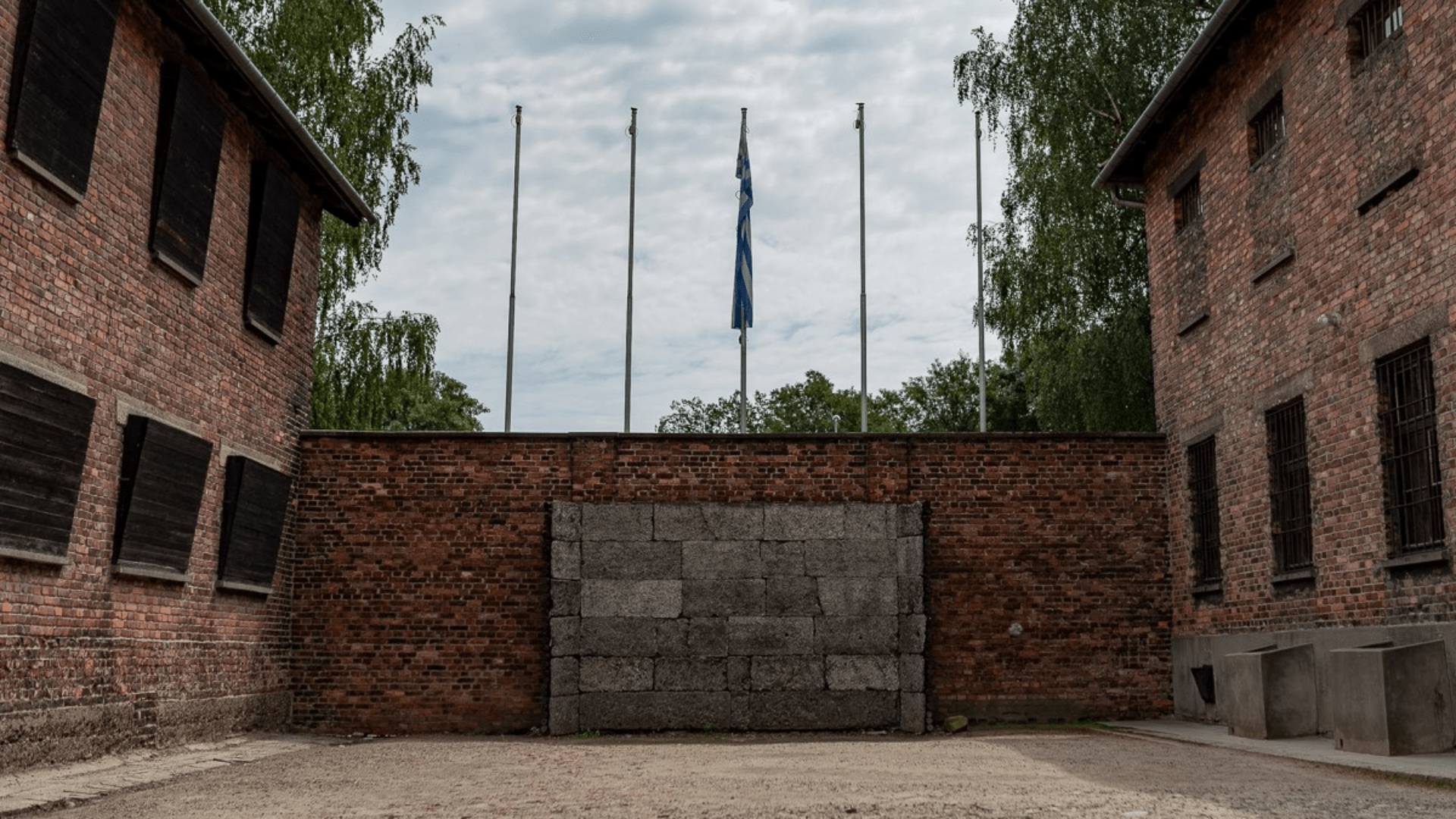
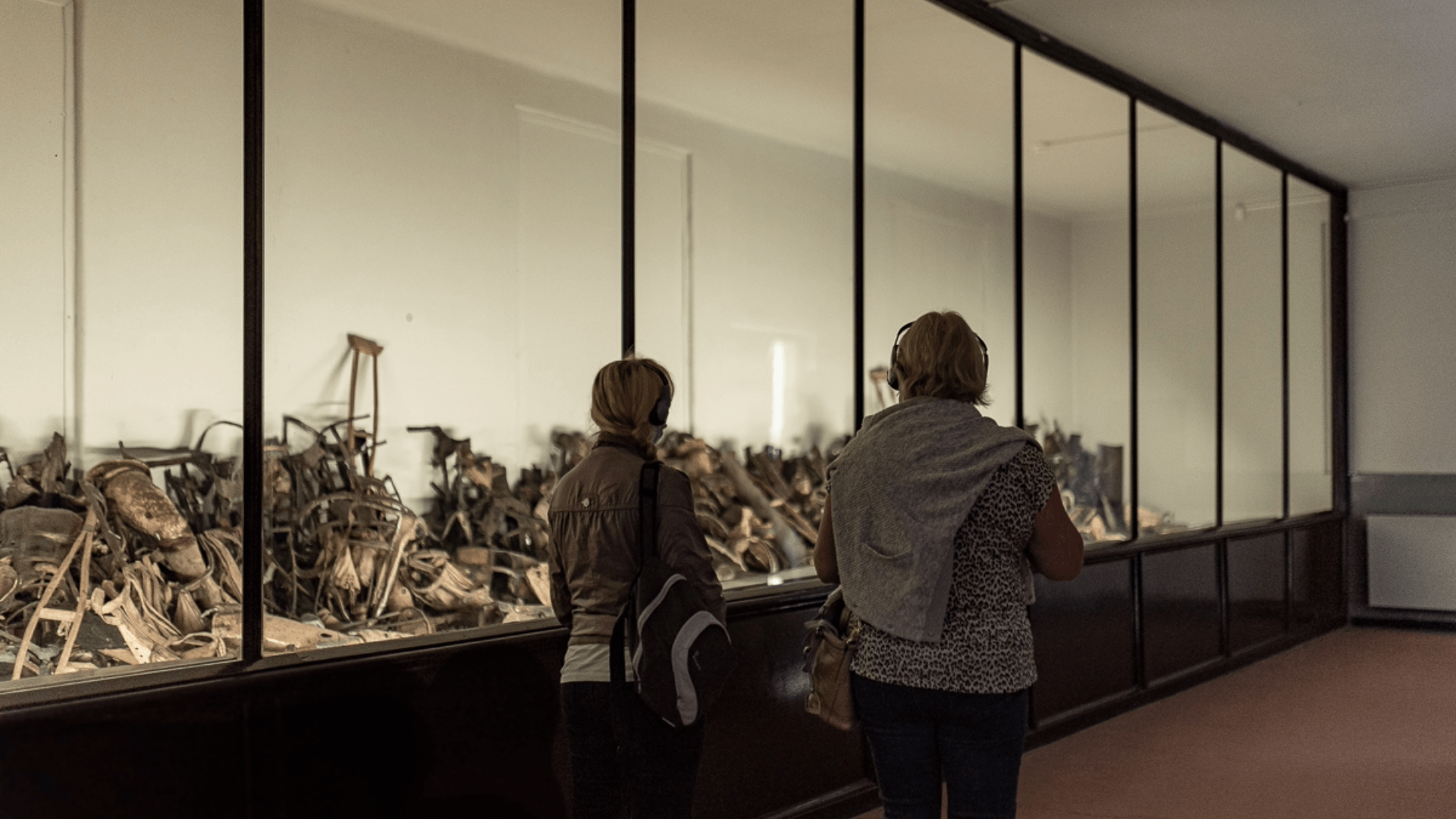
The visit usually begins at Auschwitz I, where guests follow a guided route through the original brick barracks. These buildings now serve as museum exhibitions, displaying personal belongings of victims, archival photographs, and historical documents that illustrate the functioning of the camp. The experience is structured at a steady pace, allowing time to absorb the information and reflect on the stories being presented.
After completing this part, the tour continues to
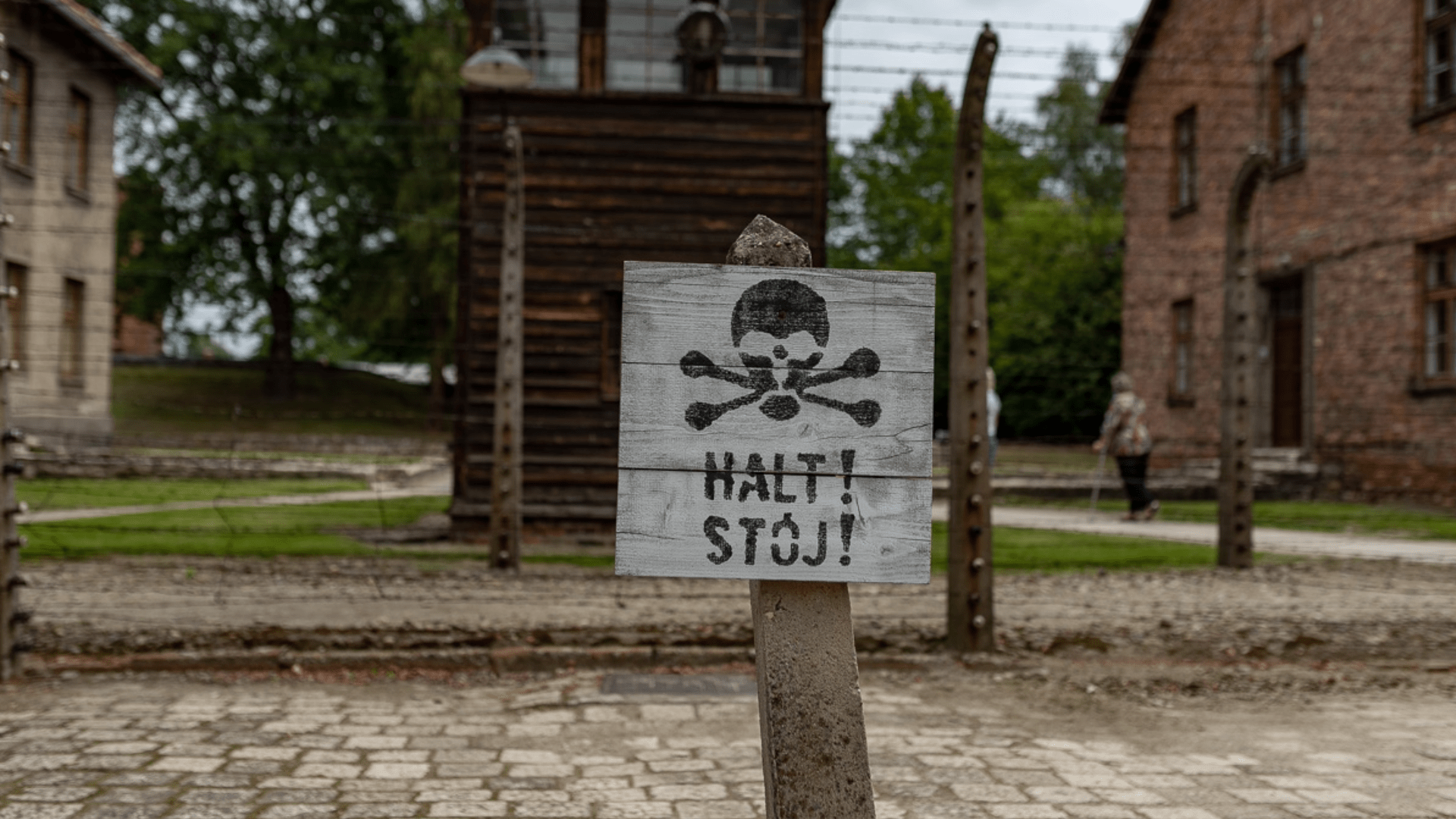
Auschwitz II-Birkenau, located a short distance away. Here, the atmosphere changes significantly due to the scale and openness of the site. The visit involves walking through vast empty fields where barracks once stood and along the railway tracks that led into the camp.
Practical realities of the visit
- Walking distances and terrain: expect several hours on foot across both sites. Birkenau in particular is open and uneven in places, so comfortable, sturdy footwear is strongly recommended.
- Security procedures: entry involves mandatory security screening similar to airport controls, including bag checks and metal detectors for all visitors.
- Respectful behavior: the Memorial is a place of remembrance. Visitors are expected to maintain a quiet and respectful attitude, follow guide instructions, and adhere to photography rules where applicable.
Quick FAQ for your 2026 visit
How long is the total trip from Krakow?
Typically, the entire door-to-door experience takes between 6 and 7 hours. This includes the 3 hours of travel time (round trip) and approximately 3.5 hours of guided exploration across both camps.
Are there breaks during the tour?
Yes, there is usually a short 15-minute break between the visit to Auschwitz I and the transfer to Birkenau. This is a good time to use the facilities or have a quick snack.
Is the tour suitable for children?
The museum officially recommends that visitors be at least 14 years old. While younger children are not strictly forbidden, the graphic nature of the exhibitions and the atmosphere of the site are designed for a mature audience.
Can I take photos?
Photography is permitted in most areas of the Memorial for personal use, provided you do not use a flash or tripods. However, there are specific areas (clearly marked) where photography is strictly prohibited out of respect for the victims.
Secure your 2026 visit with Hello Cracow
Auschwitz-Birkenau is a place that everyone should visit at least once in their lifetime to understand the lessons of the past. As we move through 2026, the key to a meaningful and stress-free experience is preparation. By choosing to book with Hello Cracow, you are ensuring that your focus remains on the history and the message of the Memorial, while we handle every logistical detail for you.
Ready to plan your journey? Check availability and book your Auschwitz-Birkenau Guided Tour from Krakow.