



Shadows of History: Exploring the Real-Life Locations of Schindler’s List in Krakow
Walking through Krakow, it's easy to forget that behind the cafés, historic buildings, and lively streets lies one of the most significant chapters of the city's history. While Schindler's List introduced millions of people to the story of Oskar Schindler and the Holocaust in occupied Krakow, experiencing the real locations is something entirely different.
The journey begins at Oskar Schindler's Factory on Lipowa Street, one of the few places where the film and history meet almost exactly. From there, the story continues through Podgorze, the district where the Nazis established the Krakow Ghetto in 1941. As you cross Pilsudski Bridge and make your way towards Kazimierz, you'll discover streets, courtyards, and buildings that still carry traces of the city's wartime past. Some of these places are authentic historical sites where the events actually unfolded. Others were carefully chosen by Steven Spielberg because they still reflected the atmosphere of 1940s Krakow during the filming of Schindler's List. Together, they create a route that blends cinema with history in a way few cities in Europe can offer.
Why do these locations matter so much?
Schindler’s List is one of the rare films in which cinema and real urban history overlap in such an intimate way. In Krakow, you are not looking at a reconstructed theme-park version of the past. You are walking through real districts where Jewish life flourished, where the Nazi occupation redrew the city, and where many scenes were filmed because the physical texture of the streets still carried historical truth.
| Location | Historical significance | Film connection |
|---|---|---|
| Lipowa 4 - Oskar Schindler’s Factory | The real site of Schindler’s enamel factory | A key anchor of the film’s story |
| Tarnowskiego Street, Podgorze | Part of the former ghetto area | Associated with the famous girl in the red coat scene |
| Plac Bohaterow Getta | Central memorial space of the former ghetto | Essential to the real history, even if some square scenes were recreated elsewhere |
| Pilsudski Bridge | A symbolic threshold between districts | Used in scenes of forced movement and expulsion |
| Szeroka Street, Kazimierz | Historic heart of Jewish Krakow | Used as a stand-in for the wartime “Zgoda Square” |
| Ciemna Street, Kazimierz | Preserved prewar street fabric | Used in Poldek Pfefferberg’s escape scene |
| Jozefa 12/passage to Meiselsa Street | Original courtyard and urban passageway | Used for deportation and liquidation scenes |
| Dajwor and Na Przejsciu | Historic Kazimierz streets | Site where a symbolic ghetto gate was built for filming |
| 7 Straszewskiego Street | Schindler’s real apartment location | Connected to Schindler’s personal story |
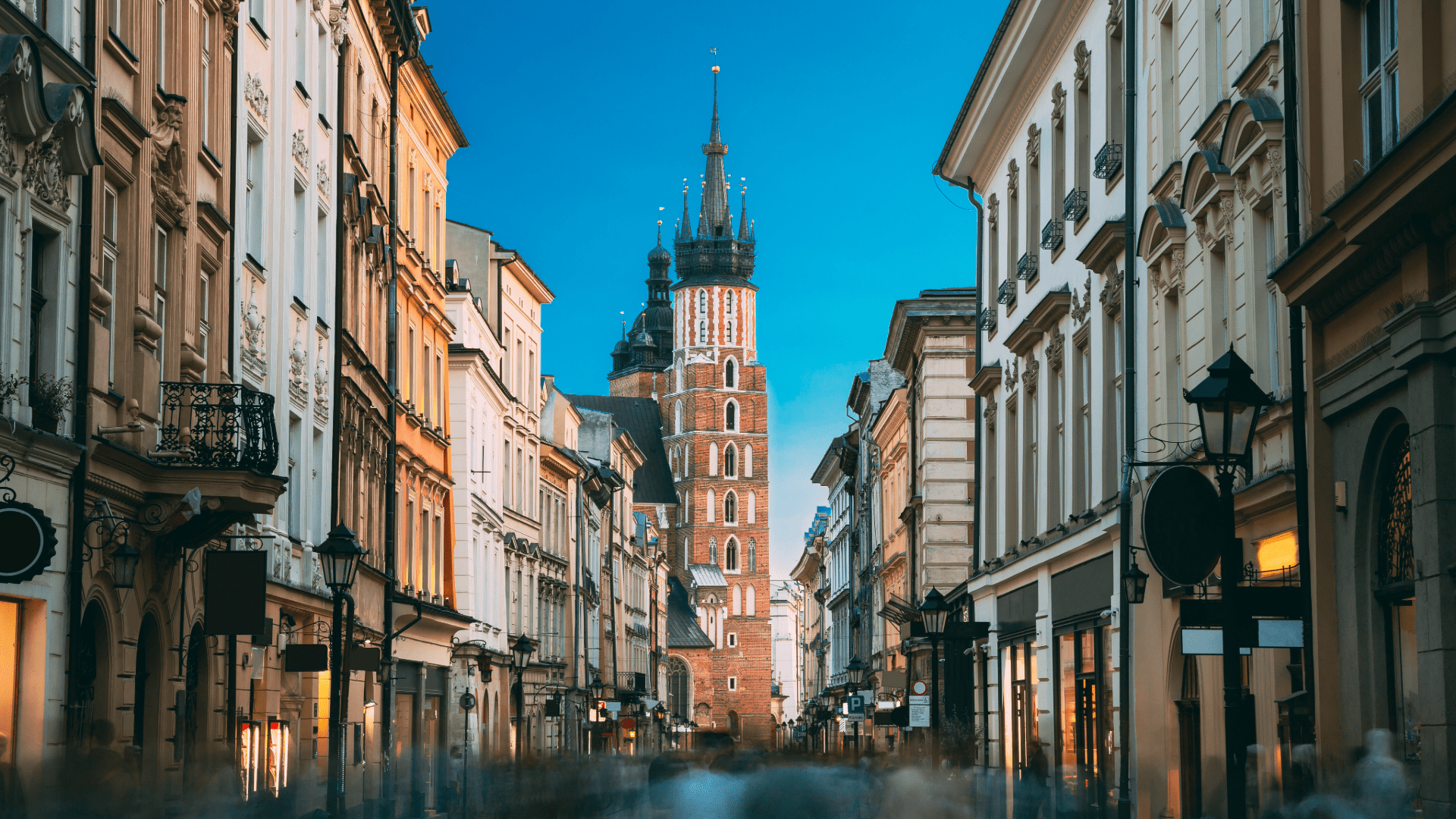
| St. Mary’s Basilica | One of Krakow’s great landmarks | Used for a clandestine meeting scene |
Where should you begin the route?
The most logical starting point is Oskar Schindler’s Enamel Factory on Lipowa Street (today part of the Museum of Krakow). The building itself was constructed in 1937, originally as a metal goods and enamelware plant producing household items such as pots, containers, and military-related supplies.
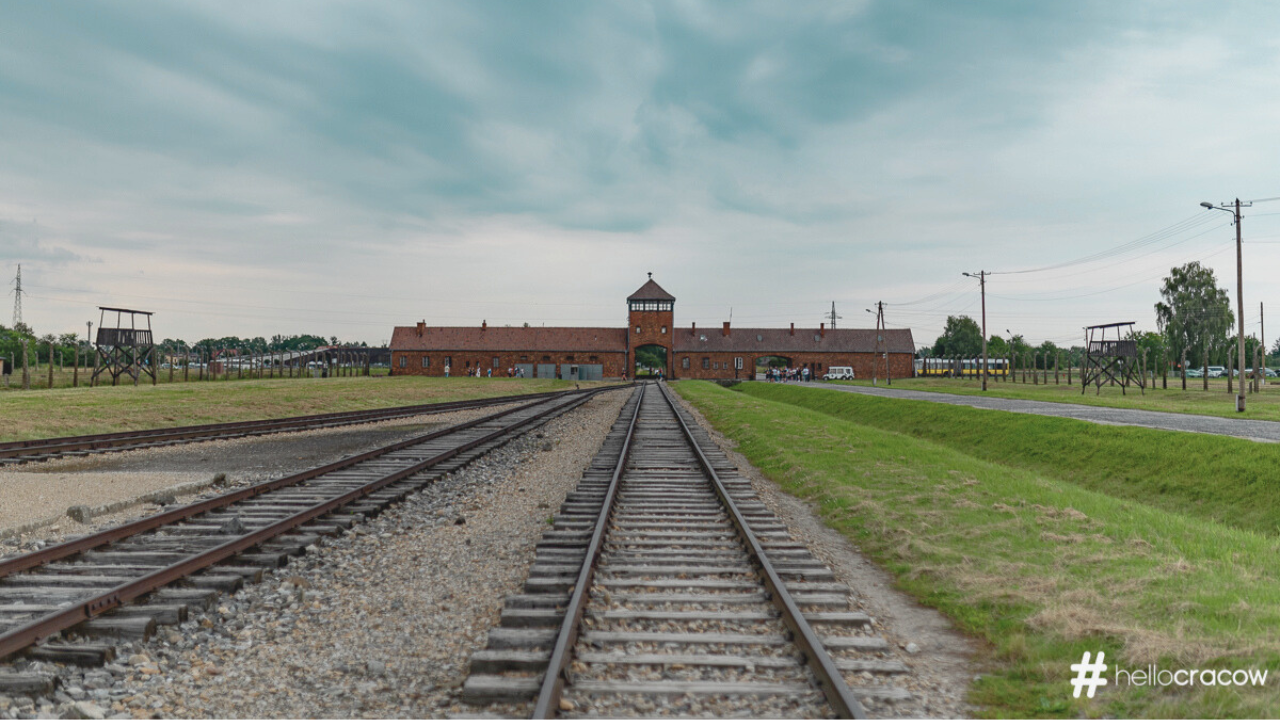
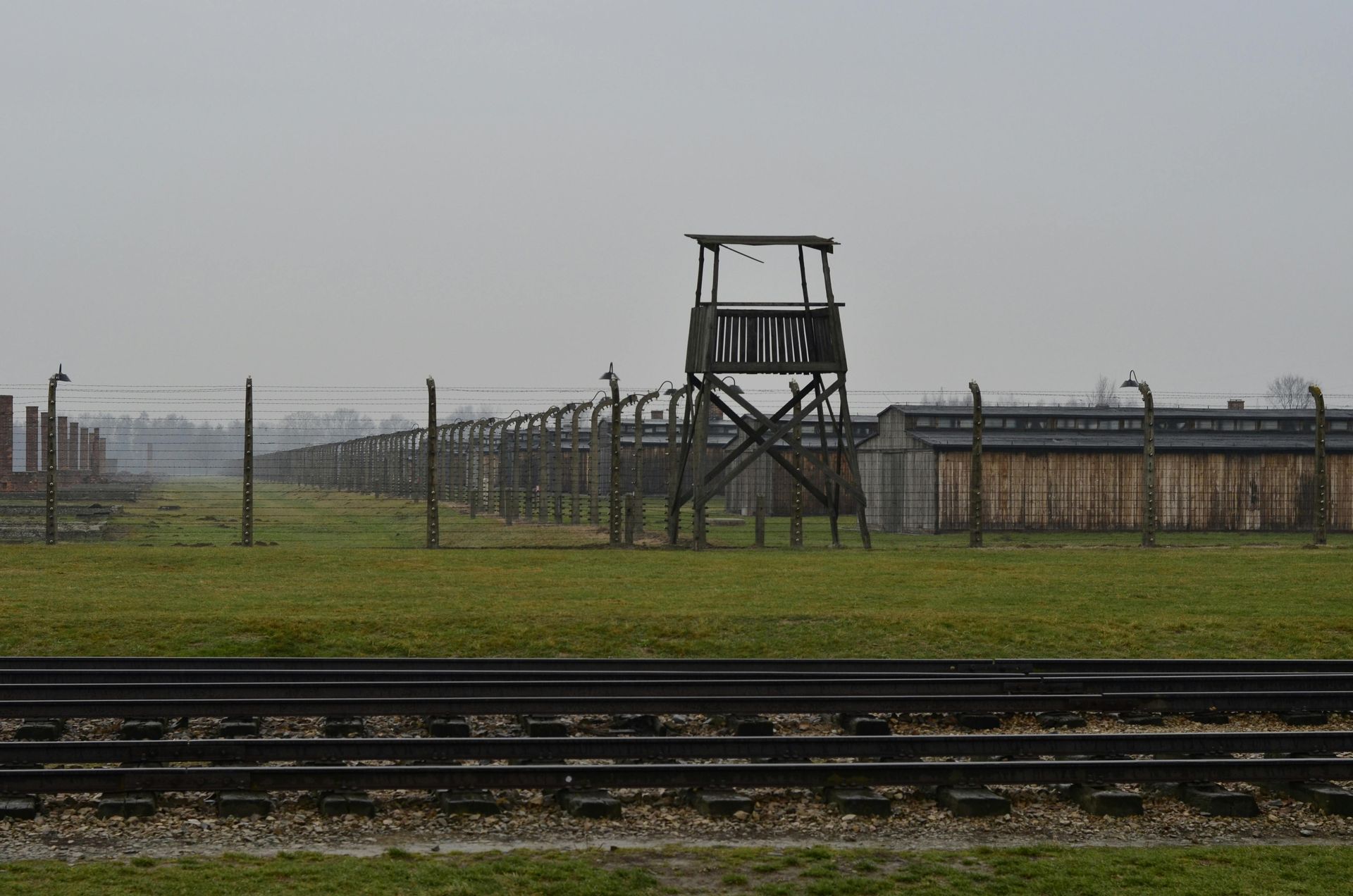
During the German occupation of Krakow after 1939, Schindler — a German industrialist and member of the Nazi Party — took over the factory and expanded its operations under wartime contracts. The workforce gradually shifted from Polish employees to Jewish workers from the Krakow Ghetto, which was established in Podgorze in 1941 after the forced displacement of around 15,000–20,000 Jewish residents from the city. At its peak, Schindler’s factory employed roughly 1,000–1,100 Jewish workers, who were officially registered as essential labourers for the German war economy. In reality, this status became a form of protection as deportations to extermination camps intensified in the region, particularly to Auschwitz-Birkenau, located around 70 km from Krakow.
This is why the site is so significant today. It represents one of the few documented cases where an industrial workplace inside the Nazi system became a mechanism of survival rather than exploitation alone. Schindler’s actions — supported by strategic manipulation of contracts, personnel lists, and SS approvals — resulted in the survival of over 1,000 people, many of whom were transferred in 1944 to a subcamp in Brünnlitz (present-day Czech Republic).
This historical context is what makes the starting point so powerful. The official Hello Cracow walking tour begins here not as a symbolic choice, but because it anchors the entire route in documented facts: occupation policies, forced labour systems, and the geography of the Krakow Ghetto itself. Standing in front of the factory today, you’re looking at the intersection of wartime industry and survival strategy — where administrative decisions, economic pressure, and individual choices briefly created a space where more than a thousand lives were saved inside a system designed for destruction.
What can you see in Podgorze?
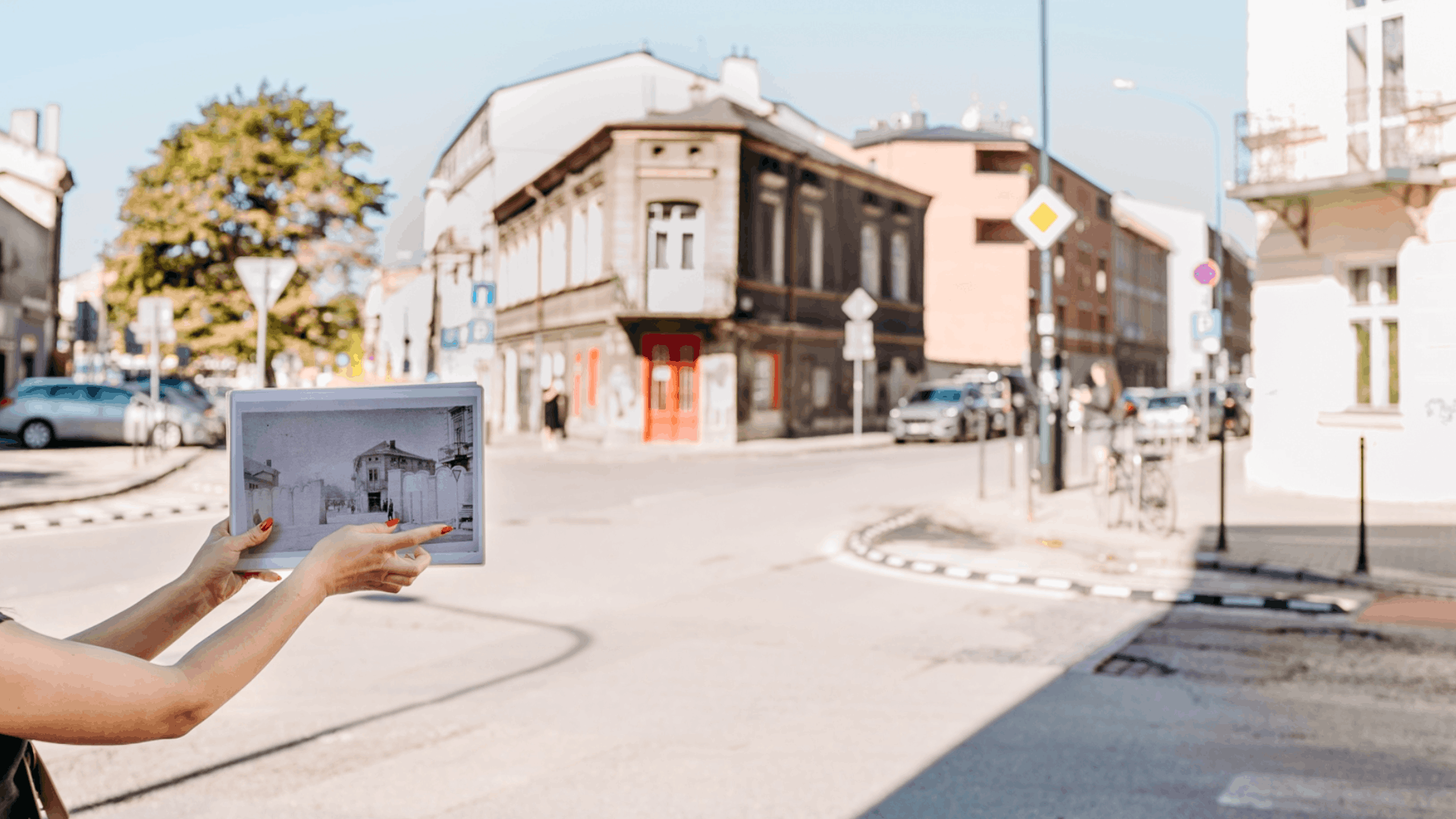
The emotional weight of the route becomes much more tangible once you cross into Podgorze. During the German occupation, this district was transformed in March 1941 into the Krakow Ghetto, following the forced removal of Jewish residents from Kazimierz and other parts of the city. Around 15,000–20,000 people were confined within an area that had previously functioned as a normal residential district. Unlike museum spaces or reconstructed memorials, Podgorze still feels like a lived-in urban environment. Cafés, apartments, and everyday street life exist alongside places marked by one of the darkest episodes in Krakow’s history. That contrast is exactly what makes walking here so striking.
One of the most recognisable points on the route is Tarnowskiego Street, which in Schindler’s List is associated with the scene of the girl in the red coat. While the film uses this moment as a powerful visual symbol, in real historical terms it reflects a broader reality of segregation, forced movement, and the gradual normalisation of violence within the ghetto environment. Spielberg’s use of colour here is often interpreted as a narrative device highlighting selective perception — what is noticed, and what is ignored, during mass persecution.
A short walk away is Plac Bohaterów Getta (Ghetto Heroes Square), one of the most important memorial spaces in Krakow today. This was not a symbolic set piece for the film, but a real location tied to the deportations of Jewish residents from the ghetto, particularly in 1942–1943, when many were transported to extermination camps such as Auschwitz-Birkenau. Even though some cinematic scenes were recreated in different locations for production reasons, this square remains central to understanding the actual geography of wartime Krakow.
Why is Pilsudski Bridge such an important stop?
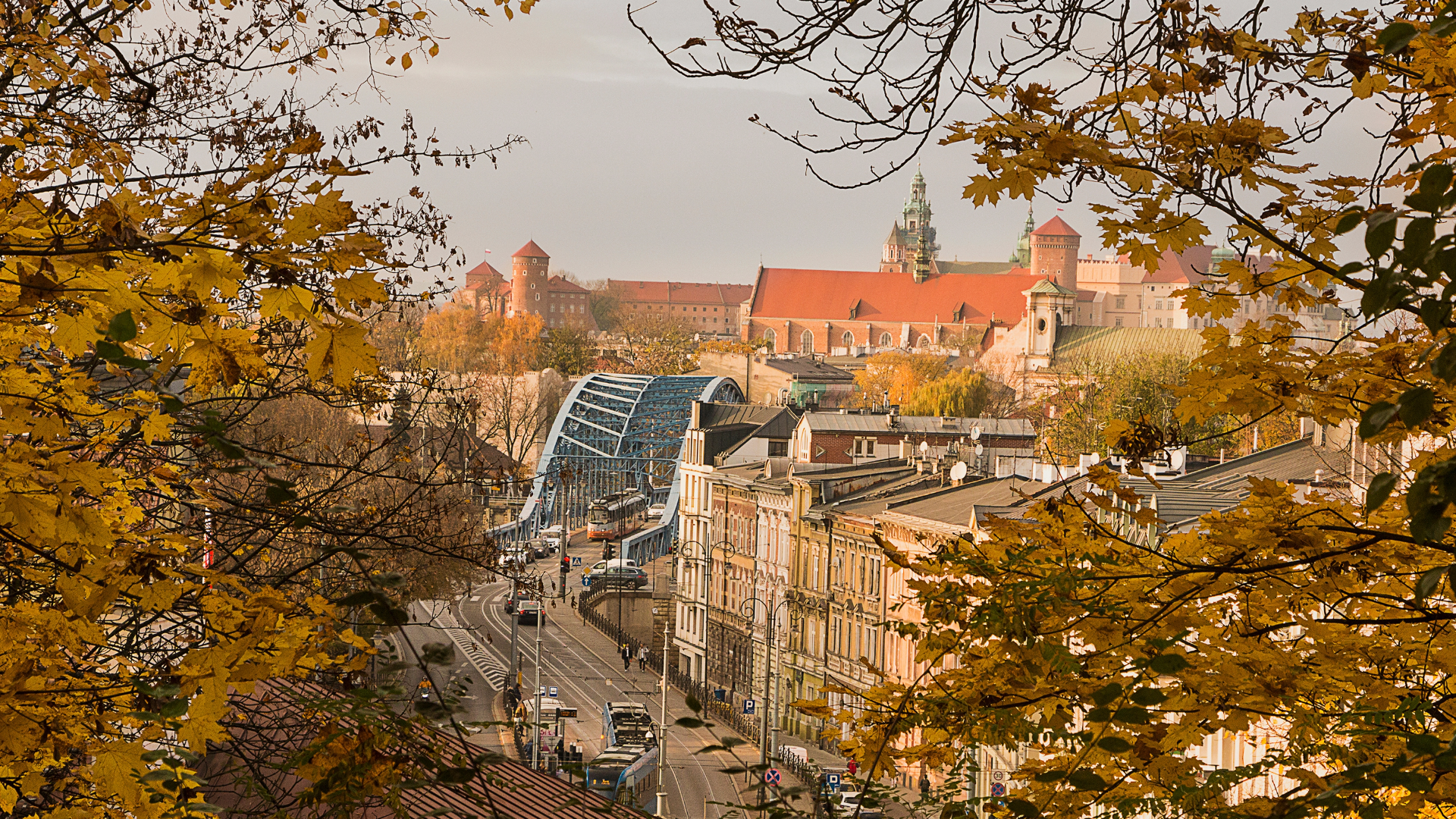
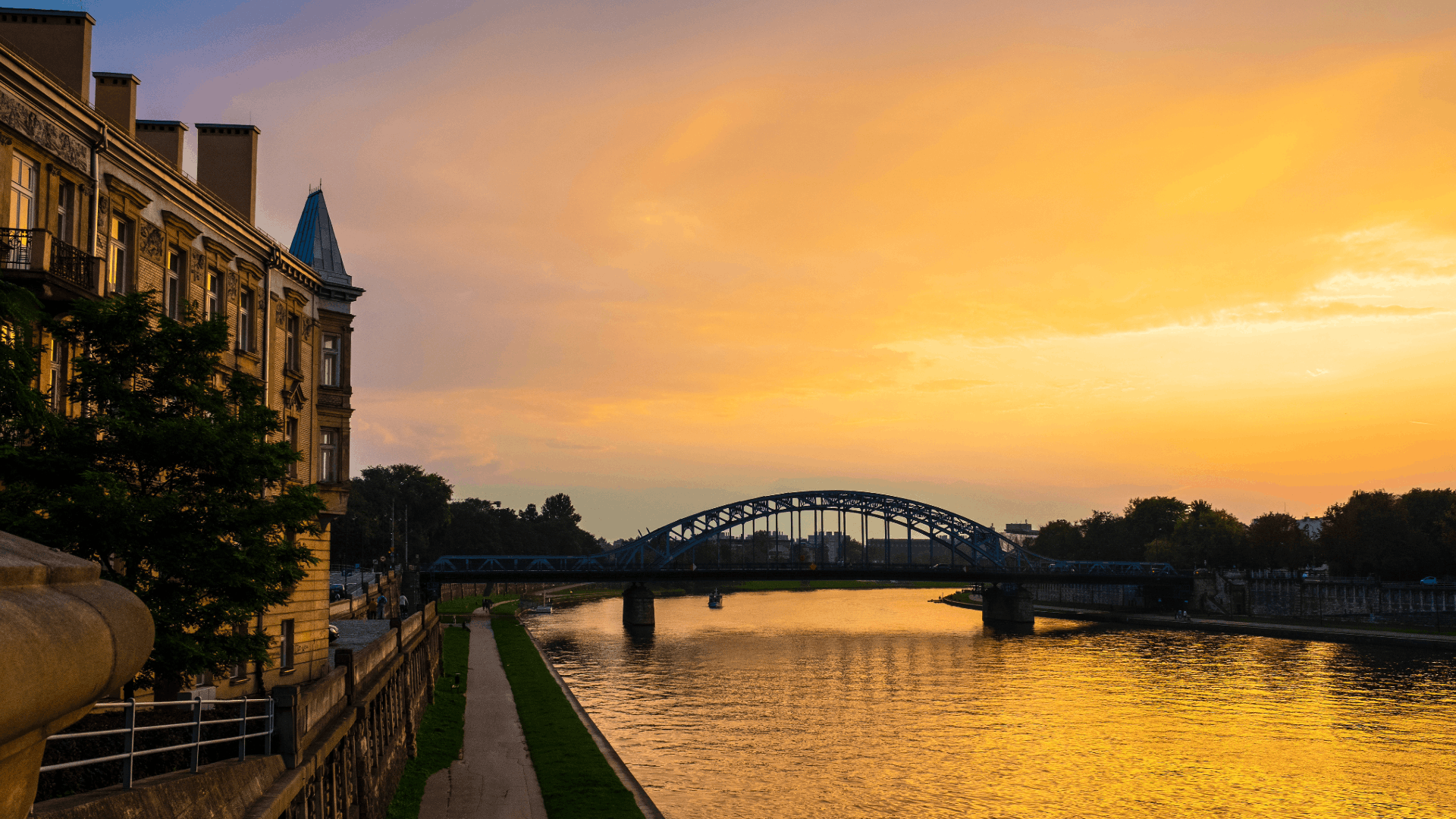
Piłsudski Bridge may look like an ordinary crossing over the Vistula River today, but in the context of wartime Krakow, bridges carried a very different meaning. They represented separation, surveillance, and controlled movement between districts that were deliberately divided by the occupying forces.
In the story behind Schindler’s List, the bridge also appears as part of a wider visual language of displacement. It reflects how movement across the city was no longer free or natural, but regulated and shaped by political decisions that affected every aspect of daily life. Walking across it on foot is one of the simplest yet most powerful moments of the entire route. On a map, Kazimierz and Podgorze are only a short distance apart. In reality during the occupation, that short distance represented a completely different world — one defined by segregation, restrictions, and forced separation.
Why was Kazimierz used so heavily in the film?
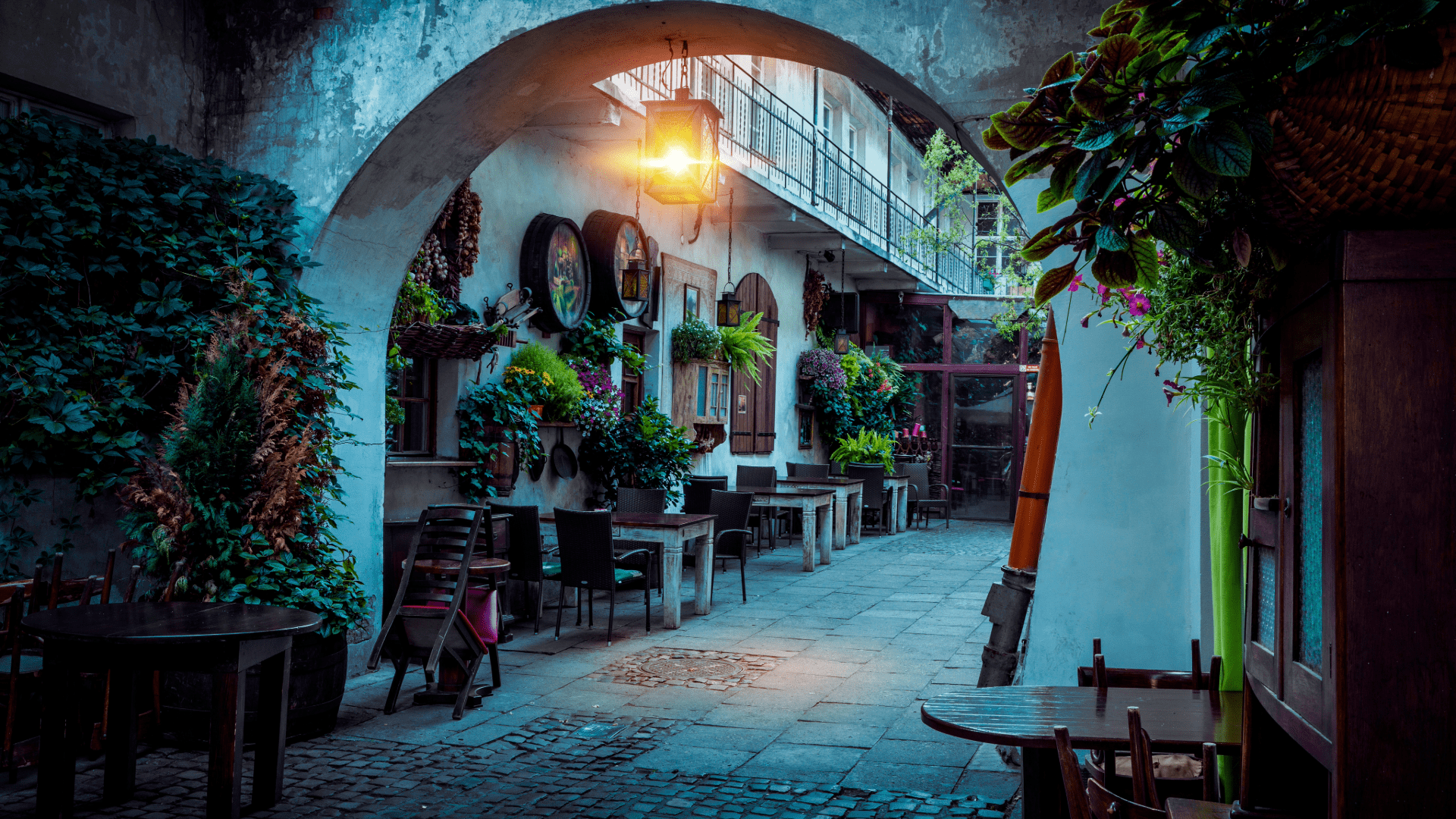
After the war, parts of the former ghetto area in Podgorze were significantly altered, rebuilt, or repurposed. In contrast, Kazimierz retained much of its pre-war street layout and architectural texture — something that made it uniquely suitable for Steven Spielberg’s production team. This is one of the key reasons Schindler’s List was filmed in Krakow at all. The district did not need to be recreated from scratch; its streets still carried the visual structure of a pre-war Jewish neighbourhood, allowing the film to draw directly from the existing urban landscape.
One of the most important locations is Szeroka Street, historically the heart of Jewish Kazimierz. In the film, it was used as a stand-in for the wartime “Zgoda Square,” a space associated with control and forced gatherings. Today, Szeroka is surrounded by restored synagogues, cultural institutions, and traces of a Jewish community that once formed a major part of Krakow’s identity. The contrast between its present-day atmosphere and its wartime representation adds another layer of meaning to the location.
A short walk away is Ciemna Street, which appears in one of the film’s most tense sequences involving Poldek Pfefferberg. The narrowness of the street plays an important cinematic role, reinforcing the feeling of pressure and urgency. What makes the scene so effective is that very little needed to be changed — the physical proportions of the street already carried that sense of confinement. Further along the route is Jozefa Street 12, with its inner courtyard and passage toward Meiselsa Street. This is one of the most significant filming locations in the entire area. It was used for scenes depicting deportations, hiding, panic, and the liquidation process. The courtyard structure itself allowed the filmmakers to stage events in a space that still felt historically authentic, without heavy set design or reconstruction.
Finally, at the intersection of Dajwor and Na Przejsciu, Spielberg’s crew constructed a symbolic ghetto gate for filming purposes. While the gate itself was temporary, its placement reinforces an important point: the film did not rely on artificial backdrops. It used real urban fabric, enhancing it only where necessary, because Krakow still contained visible traces of the world it was portraying.
What about Plaszow?
Visitors often ask about Plaszow, and it’s an important question. This place sits at the centre of Krakow’s wartime geography, but it cannot be approached in the same way as typical film locations. Today, the former site of the Plaszow forced labour and concentration camp exists as a memorial landscape. It is not a developed tourist attraction, and it should not be treated as part of a sightseeing route in the conventional sense. Walking there today means moving through a quiet, open space where very little remains physically, but where the historical weight is still deeply present.
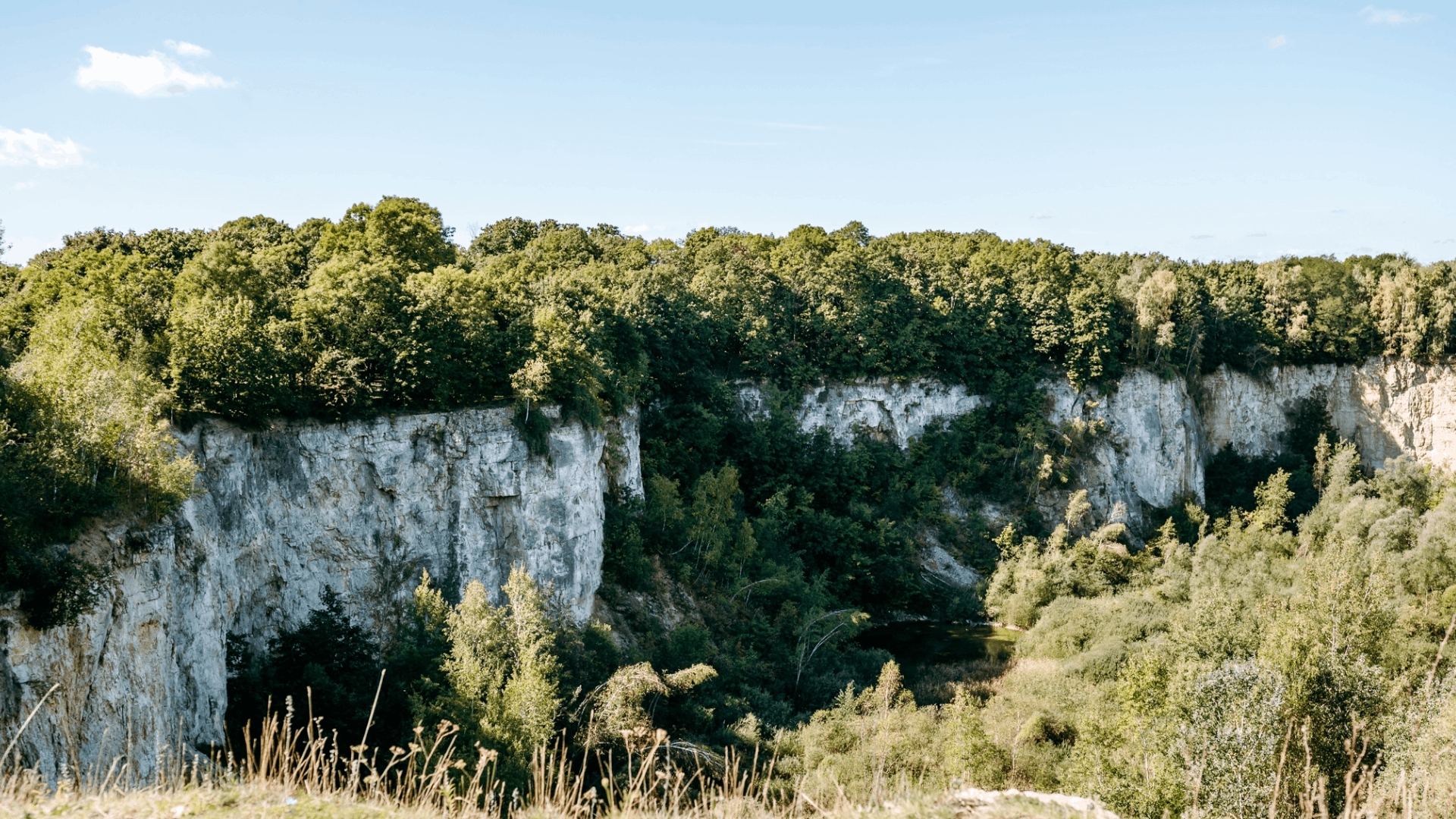
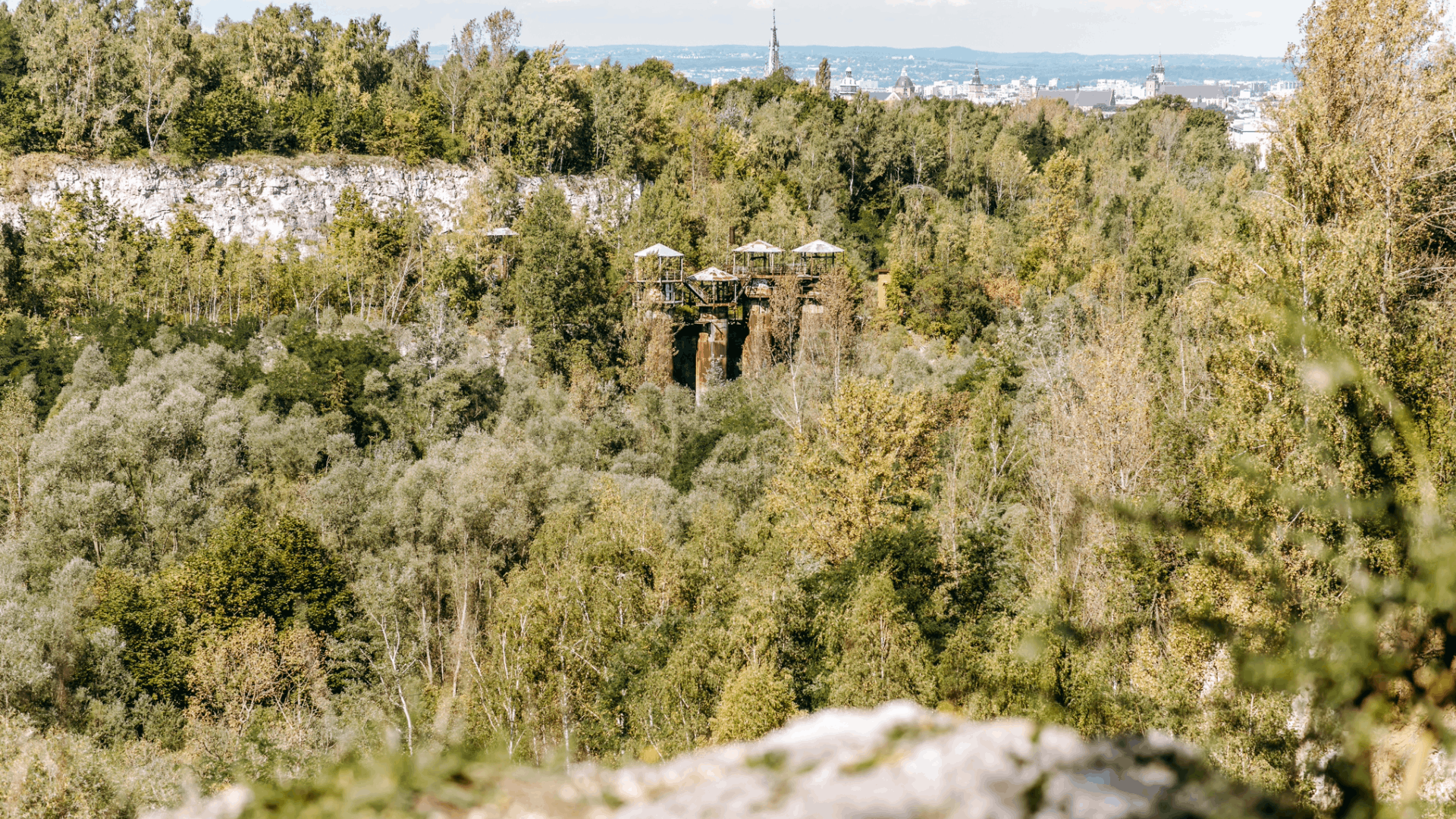
Historically, Plaszow was established by the Nazis in 1942 on the grounds of former Jewish cemeteries and surrounding terrain in the southern part of Krakow. It became a site of forced labour, imprisonment, and mass killings. For many of the people deported from the Krakow Ghetto in Podgorze, this was one of the first destinations after liquidation. It is also important to clarify something that is often misunderstood. While Schindler’s List draws heavily on Krakow’s wartime geography, Steven Spielberg did not film camp scenes on the original Plaszow memorial site. Out of respect for the real location and its history, those sequences were recreated nearby in the Liban Quarry area, which allowed production to represent the camp visually without disturbing the actual grounds.
If you choose to include Plaszow in your Krakow itinerary, it is better to do it as a moment of reflection rather than a stop on a sightseeing list. There are no exhibitions, no structured visitor infrastructure, and no interpretative experience in the typical sense. Instead, it is a space that asks for context, silence, and understanding.
One of Krakow’s most powerful walks
There are many ways to explore Krakow, but few tell the city's history as powerfully as following the route connected to Schindler's List. It's an experience that goes far beyond recognising famous filming locations. Instead, it helps you understand how the city's streets, neighbourhoods, and buildings became silent witnesses to one of the darkest chapters of the twentieth century.
If you're looking for an experience that offers more than the usual sightseeing itinerary, this walk is one of the most rewarding ways to discover a different side of Krakow — one that is thoughtful, historically grounded, and deeply human. Whether you're visiting Krakow because of Schindler's List, an interest in World War II history, or a desire to learn more about the city's Jewish heritage, our local guides provide the historical context that brings every location to life.
Ready to walk through the real history behind Schindler's List? Join our tour and discover the people, places, and stories that continue to shape Krakow more than 80 years after the events of World War II.