



The Respectful Traveler’s Guide to Visiting Auschwitz: 7 Things Nobody Tells You
Visiting Auschwitz-Birkenau is not about seeing more, but about arriving prepared, moving through the site with care, and allowing enough time for the history to register. There is no perfect way to feel when you visit Auschwitz-Birkenau. Some people become quiet. Some feel overwhelmed by the scale of Birkenau. Others find that the most difficult moments are the smallest ones: a photograph, a suitcase, a pair of shoes, or a name.
What matters is not performing a particular emotion. It is recognising that this is a memorial and the site of a former German Nazi concentration and extermination camp, where more than a million people were murdered. A respectful visit begins before you reach the entrance: in how you book, what you bring, how you use your phone, and how much space you leave for the experience afterwards.
| Before you go | What respectful preparation looks like |
|---|---|
| Mindset | Treat the visit as an encounter with history and memory, not another sightseeing activity. |
| Clothing | Choose simple, weather-appropriate clothes and sturdy shoes; the grounds are large, exposed and uneven in places. |
| Photography | Some photography is permitted, but permission is not the same as an invitation to turn every moment into content. |
| Time | Allow time for both Auschwitz I and Birkenau, plus the emotional and practical transition between them. |
| Booking | Reserve through the Auschwitz Memorial’s official system or a trusted, licensed tour operator that clearly confirms Museum entry, transport and timing. |
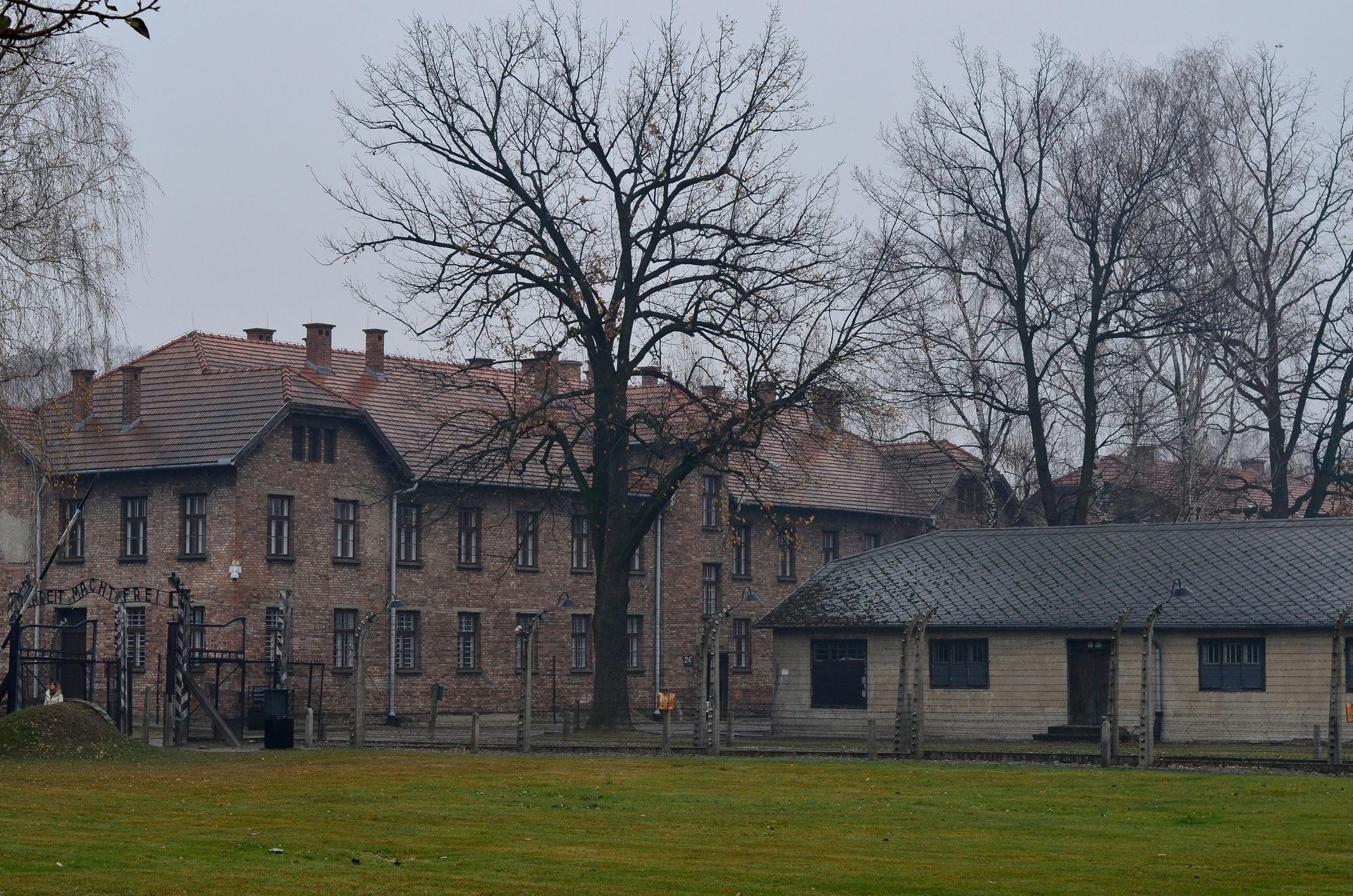
It is a memorial site, not a dark tourism experience
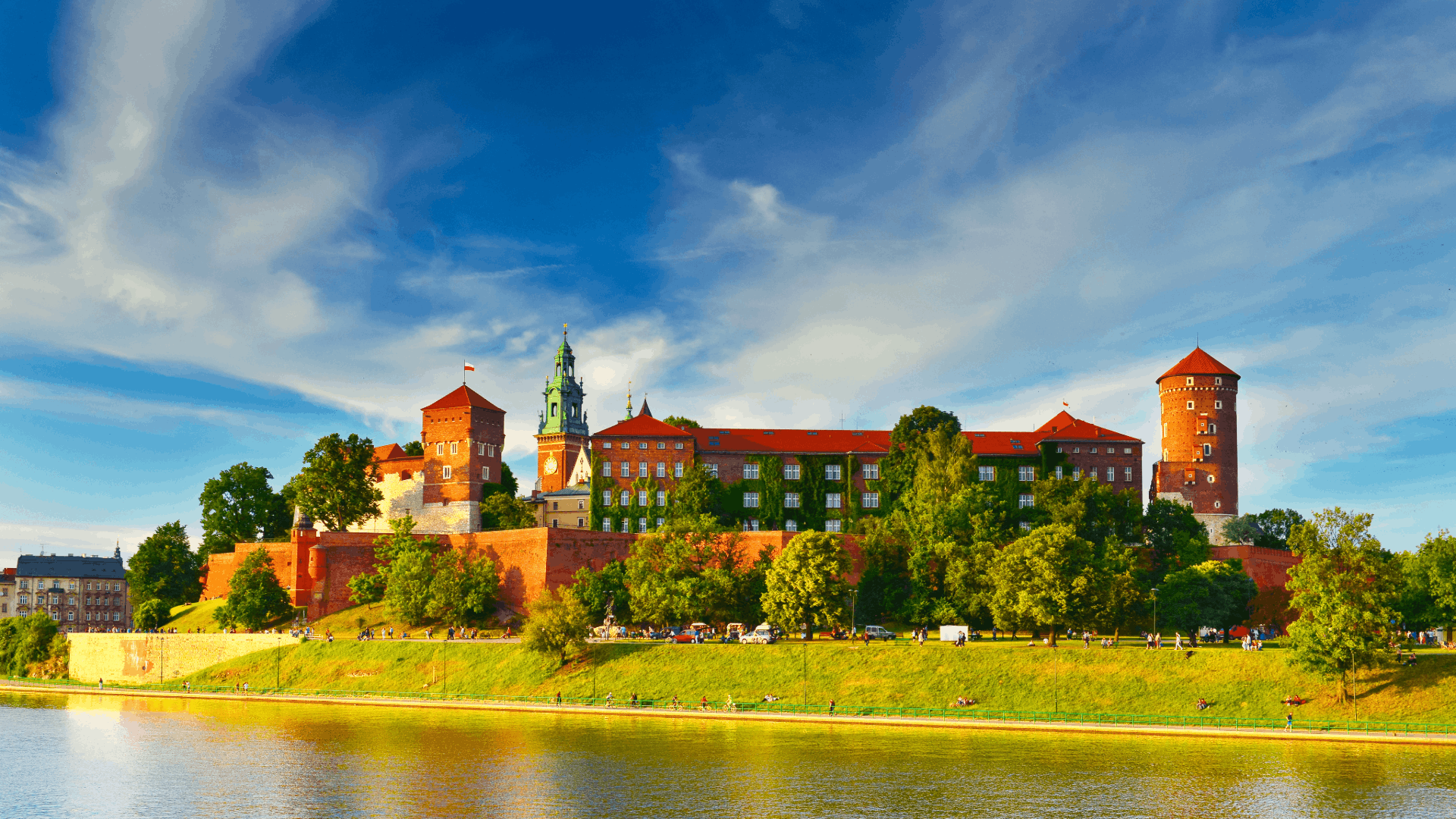
Auschwitz-Birkenau is often included in Krakow itineraries alongside the Wieliczka Salt Mine, Wawel Castle, or a trip to Zakopane. From a practical point of view, that makes sense. These are some of the region’s most important places to visit, and many travellers have only a few days in southern Poland. But emotionally and historically, Auschwitz belongs in a completely different category.
The site exists to preserve the evidence and memory of what happened there. It documents persecution, forced labour, starvation, deportation, and mass murder on an enormous scale. The barracks, railway tracks, ruins, personal belongings, and other surviving objects are not later additions created to make the story more dramatic. They are part of the physical record of the people who were imprisoned and murdered there.
That distinction matters when you visit. There is no need to rush from one “must-see” point to the next. Listen to the guide, read the information panels, and accept that some places may leave you without an immediate reaction. A respectful visit is not measured by how emotional you appear. It is measured by attention.
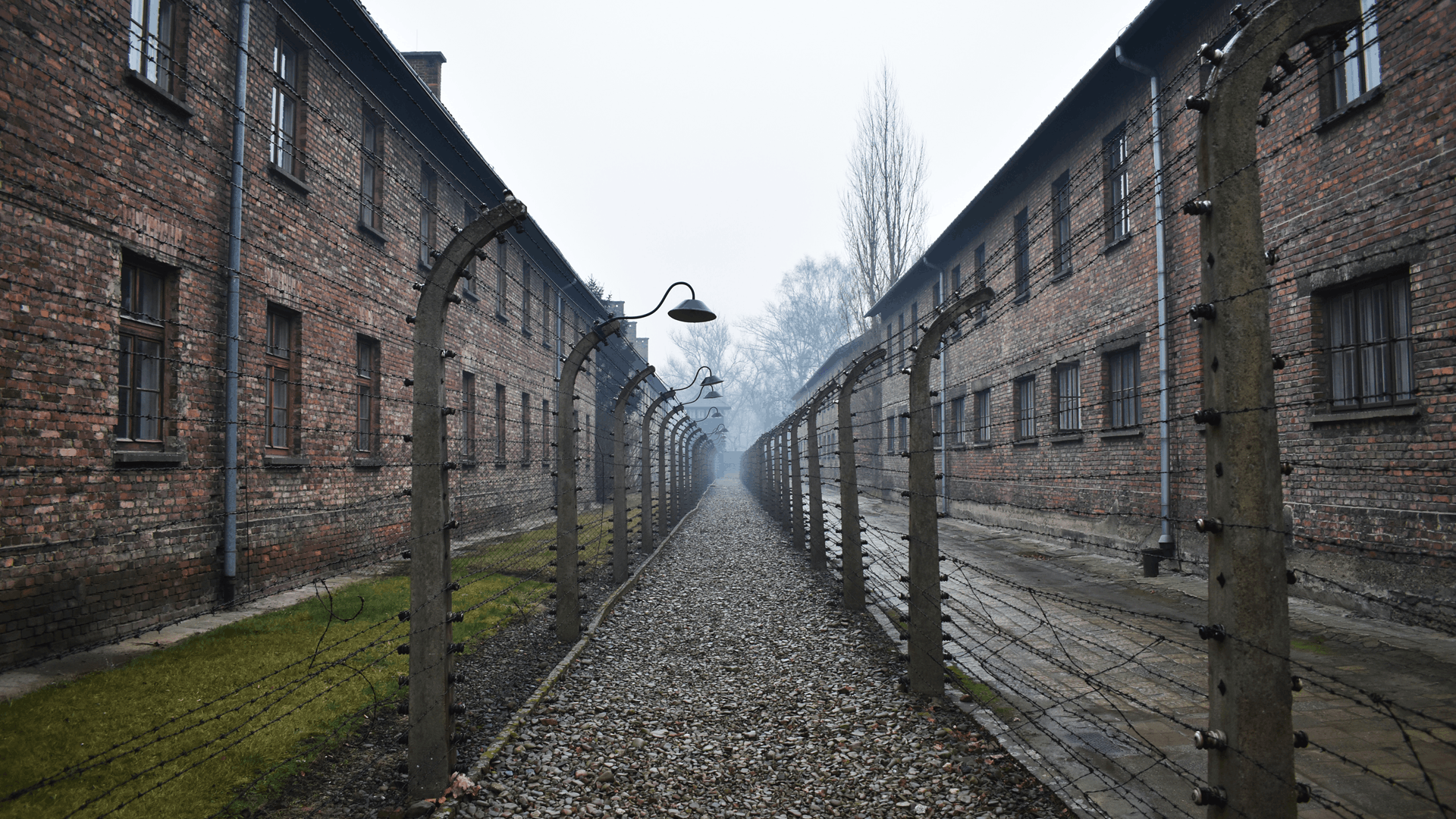
Silence is not about being perfectly quiet
Visitors often worry about saying or doing the wrong thing at Auschwitz-Birkenau. That can make the atmosphere feel more intimidating than it needs to be. Respect does not mean walking through the Memorial in absolute silence or being afraid to ask a thoughtful question. Guides are there to explain what happened, and conversation is a normal part of learning about the site.
What matters is being aware of the people around you. You may be sharing the space with survivors’ families, descendants of victims, school groups, researchers, or visitors who have come carrying their own personal connection to this history. Someone standing quietly in front of a photograph may be experiencing something very different from the person walking beside them. The practical rules are therefore quite simple. Keep your conversations low, avoid jokes or casual behaviour around the memorial spaces, put your phone on silent, and be considerate when taking photographs. If a passage is narrow, step aside rather than stopping in the middle of it. If other visitors are listening to a guide or reading an exhibition, give them the space to do so.
You will also encounter people reacting in very different ways. Some visitors may be visibly upset, others may remain quiet and focused, while some may simply be trying to understand what they are seeing. There is no single correct way to respond to a place like this.
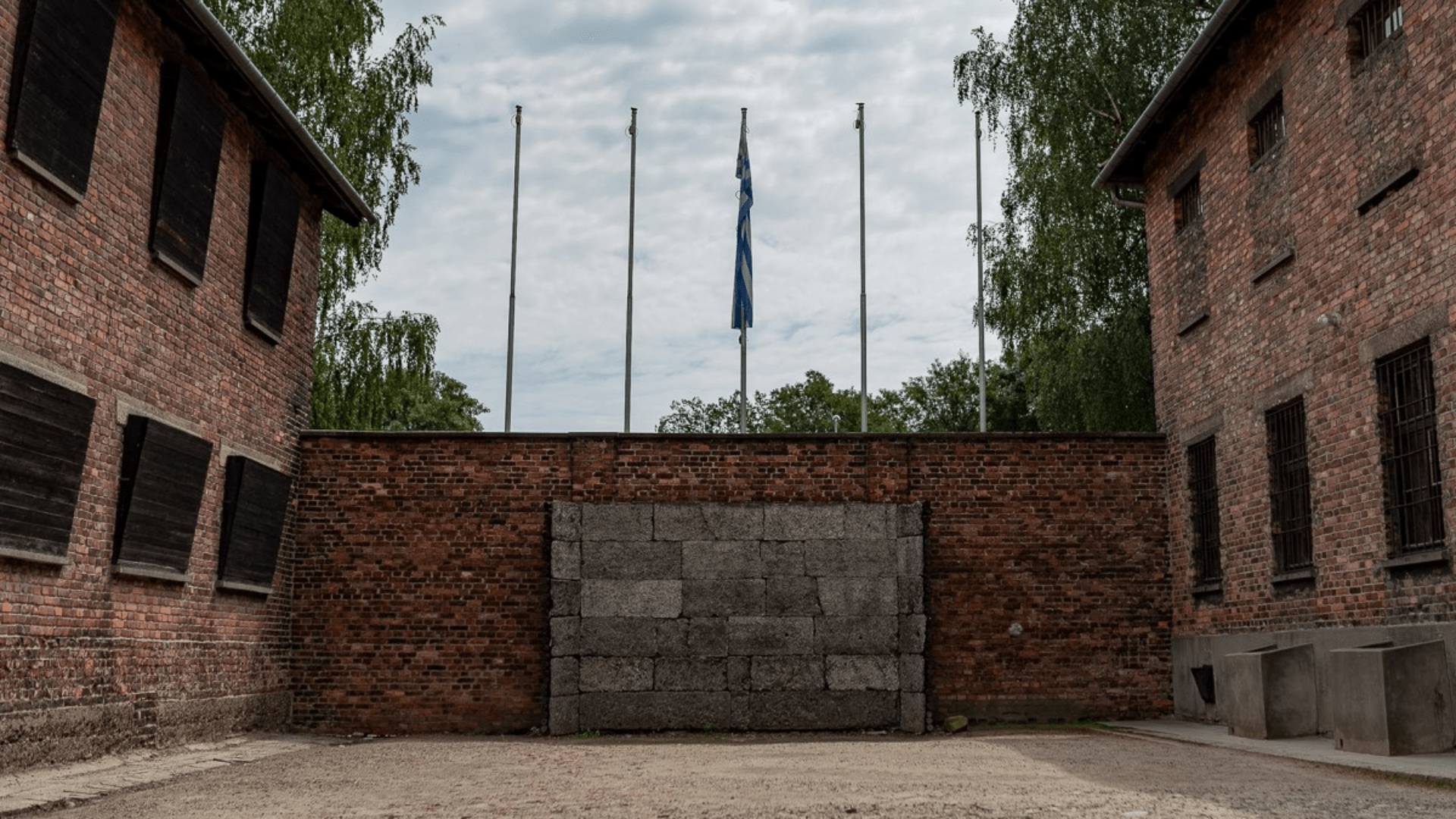
Dress for the site, not for a photo
The Museum asks visitors to dress in a manner appropriate to the nature of the place. That does not mean you need formal clothing or a specific dress code. It simply means choosing something practical, modest, and considerate of the setting.
Comfort matters more than appearance here. The visit involves a considerable amount of walking, and Birkenau is largely open and exposed to the weather. Depending on the day, you may be dealing with strong sun, rain, wind, or unexpectedly low temperatures. At Auschwitz I, you will also move through historic buildings and across uneven surfaces, so comfortable closed shoes are a much better choice than footwear designed mainly for photographs. It is worth checking the weather before leaving Krakow and preparing for more than one possibility. A light rain jacket, an extra layer, or an umbrella can make the visit considerably easier. An umbrella is particularly useful on
hot, cloudless days, because there is limited shade at Birkenau and you may spend a long time walking between the barracks, railway tracks, and memorial areas.
Clothing is also one of those small details that can affect the atmosphere of the visit. Avoid outfits with provocative slogans, graphic references, or anything deliberately designed to attract attention. You do not need to overthink what you wear. The simplest approach is usually the best one: choose something comfortable and respectful, dress for the weather, and make sure your clothing does not become a distraction from where you are and why you are there.
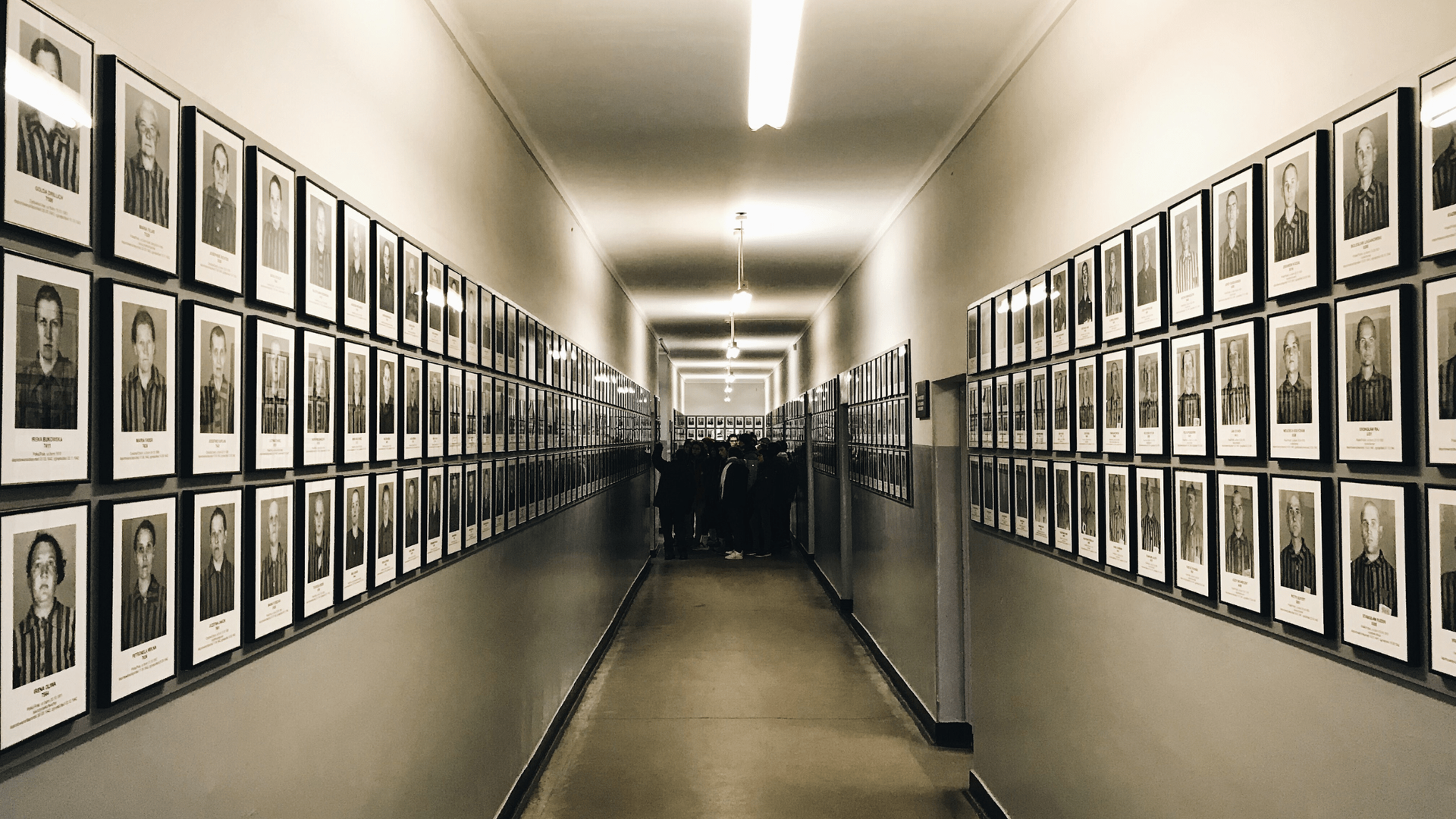
Photography is allowed in many areas, but that is not the whole question
Photography is permitted in many parts of the Memorial, but there is an important difference between what you are allowed to photograph and what is appropriate to photograph. The rules exist for practical reasons, but the character of the place also matters. Private photography is prohibited in specific areas, including the room containing victims’ hair in Block 4 and the basement of Block 11. Flash photography and tripods are not permitted inside the historic buildings, and drones are prohibited across the site. These are details worth checking shortly before your visit, as Museum regulations can change.
The more difficult question is what to photograph when you are technically allowed to do so. Before taking out your phone or camera, it is worth pausing for a moment and considering what the photograph is actually for. Will it help you remember something important, understand the site later, or share useful historical information with someone who could not visit? Or are you simply collecting an image because you are standing somewhere significant? Posed photographs, smiling selfies, and deliberately dramatic shots can feel particularly out of place here. The same applies to trying to find a more striking angle by climbing on structures, crossing barriers, or entering areas that are closed to visitors. A photograph is never worth ignoring the boundaries of the site.
You may also find that some moments are better left without a camera. There is no obligation to document every room, object, or part of the route. Sometimes putting your phone back in your pocket and simply standing there for a moment is a more meaningful way to experience what you have come to see.
Auschwitz I and Birkenau need different kinds of attention
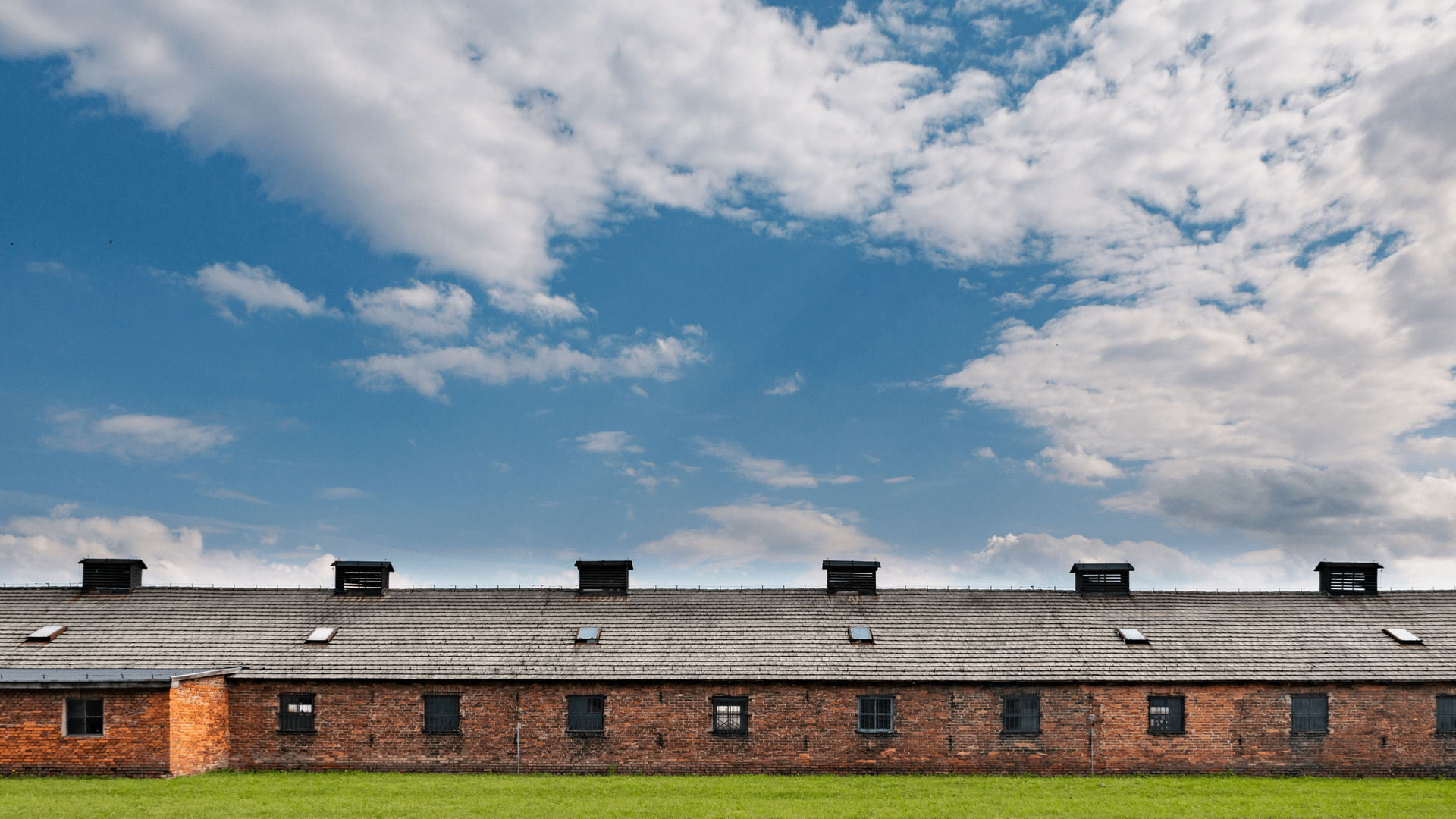
Many visitors arrive expecting Auschwitz-Birkenau to function as one continuous site. In practice, a standard visit takes you through two former camps, and the experience of each is quite different. Understanding that difference makes it easier to approach the visit without trying to rush through both parts in the same way.
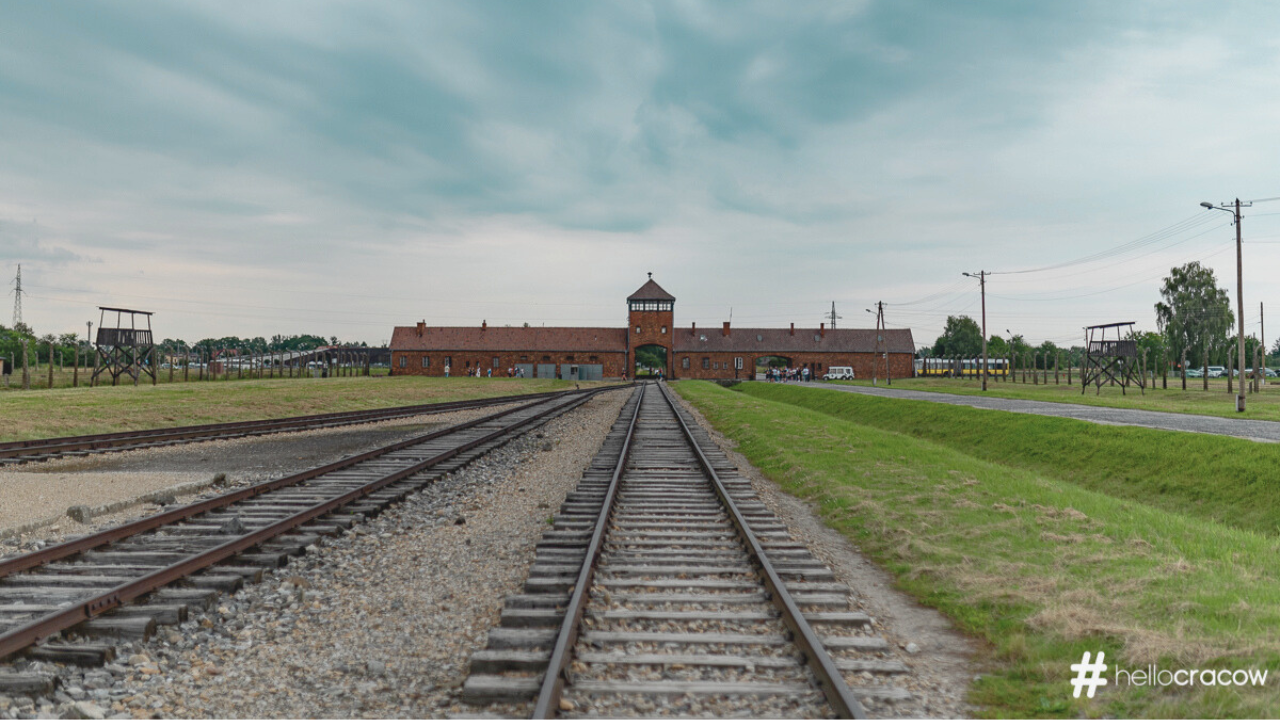
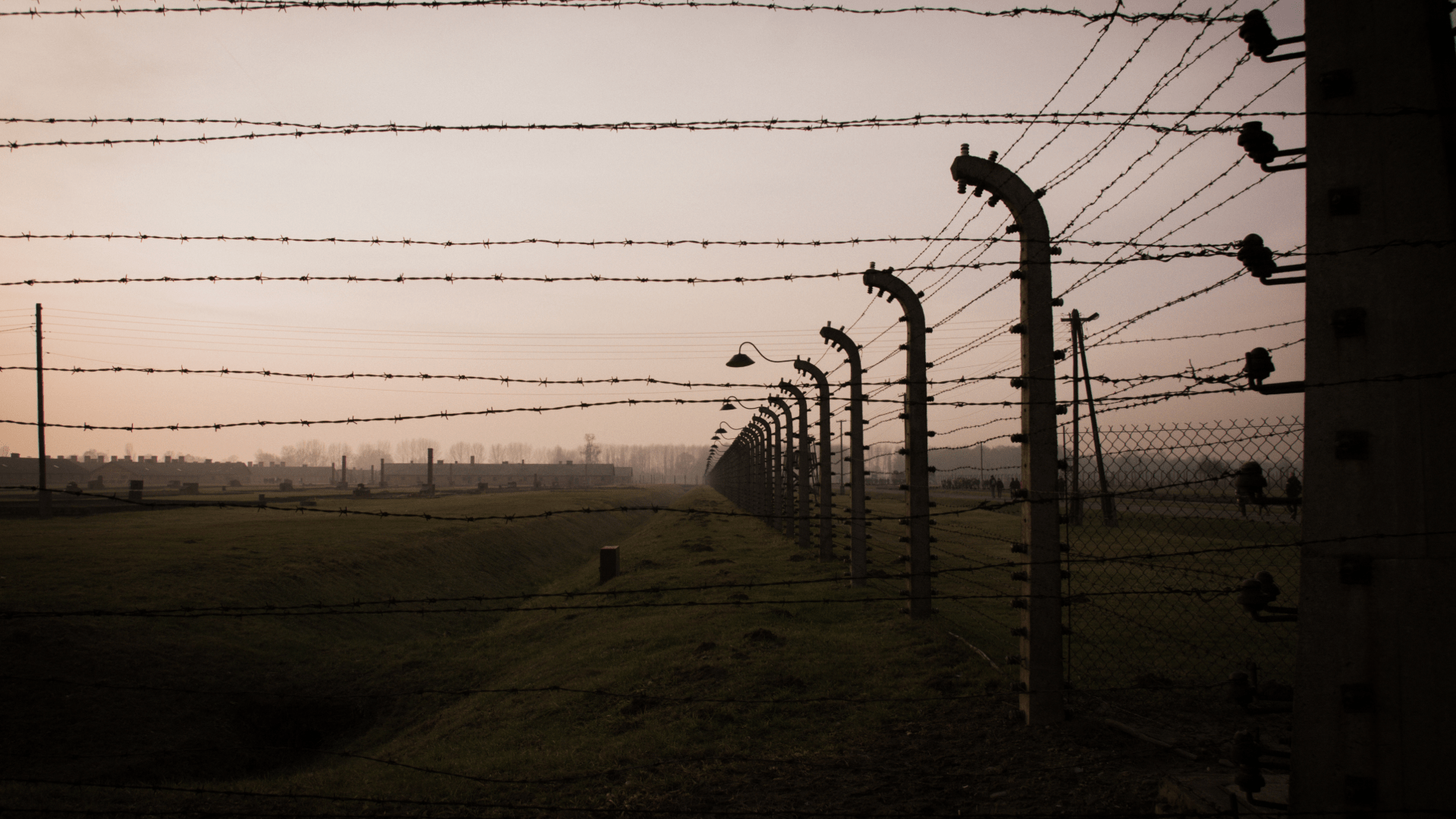
Auschwitz I is the smaller and more enclosed of the two. The site is made up largely of preserved brick blocks, several of which contain permanent exhibitions. Inside, you encounter documents, photographs, personal belongings, and testimonies that bring the history down to an intensely human scale. The buildings and rooms are relatively contained, so the experience can feel concentrated. You move from one exhibition to another, often stopping to read or listen before continuing. Auschwitz II-Birkenau opens the experience out dramatically. The railway tracks, barracks, watchtowers, fences, and remains of the camp extend across a huge area. From some points, it is difficult to see where the site ends. That physical scale is important because it helps communicate something that photographs rarely can: the enormous size of the camp and the infrastructure built around deportation and mass murder.
The two parts therefore ask you to pay attention in different ways. At Auschwitz I, much of the visit happens inside exhibitions and preserved buildings, where individual objects and testimonies can hold your attention for a long time. At Birkenau, the landscape itself becomes part of the historical evidence. You walk considerable distances, stand in open spaces, and gradually understand the scale of what was built there.
A standard visit usually allows around 1.5 hours at Auschwitz I and approximately one hour at Birkenau, although the total experience takes considerably longer once you include security procedures, the transfer between the two sites, and time spent moving through the grounds. For that reason, avoid planning the rest of your day too tightly. A rushed dinner reservation or another demanding activity immediately afterwards can leave you feeling as though you have to switch from one experience to another before you have had any time to process the visit.
Prepare emotionally, then give yourself time afterwards
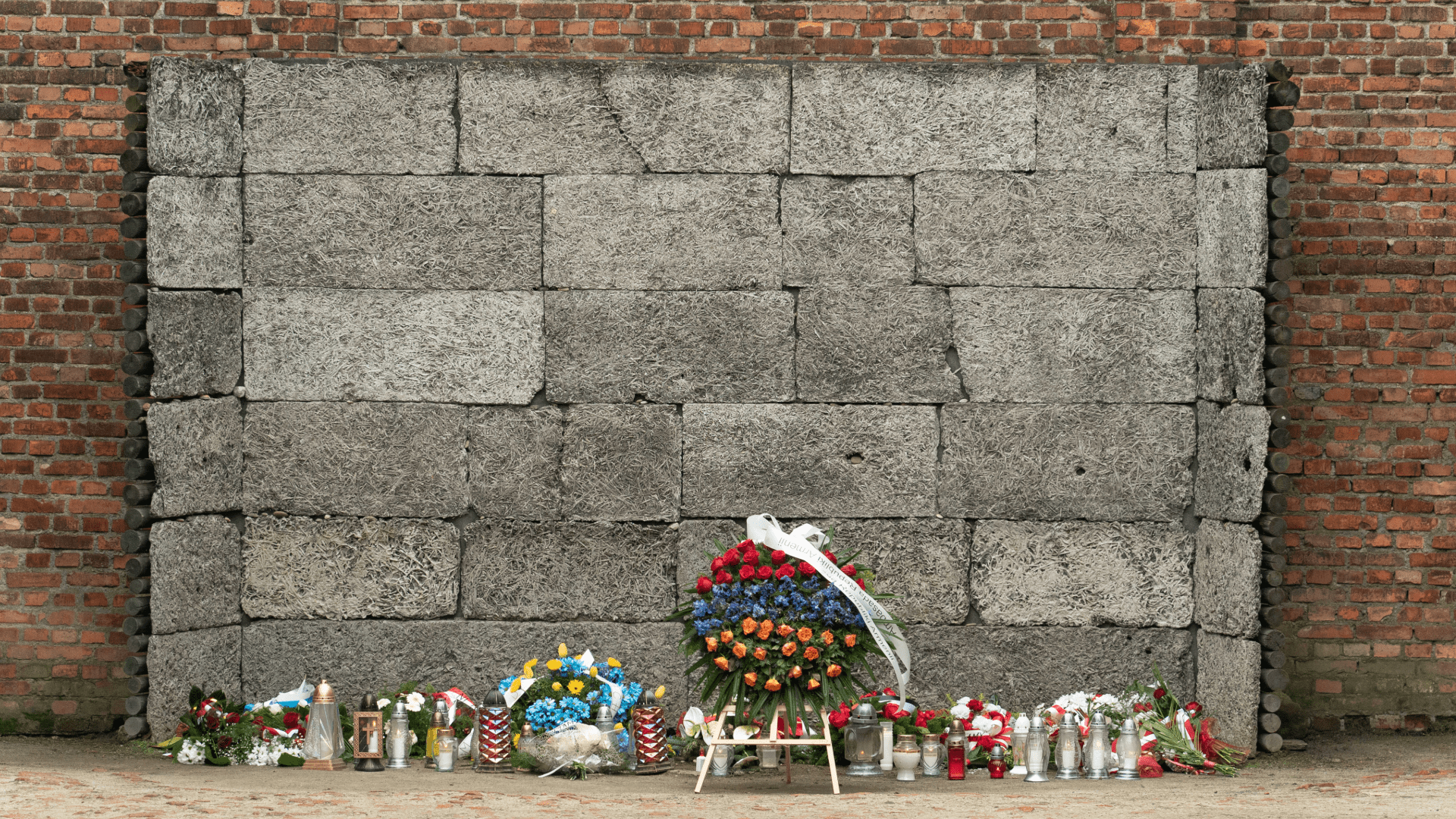
You do not need to read several books or become an expert in the history of the Second World War before visiting Auschwitz-Birkenau. A basic understanding of what happened there, however, can change the way you experience the site. When you recognise the names, dates, and historical context behind what you are seeing, the exhibitions become much easier to understand.
It is worth knowing the basic chronology before you arrive. Auschwitz was established by Nazi Germany in occupied Poland in 1940 and later developed into the largest of the German Nazi concentration and extermination camps. Jewish people deported from across Europe were the primary victims, alongside Poles, Roma and Soviet prisoners of war, and other groups persecuted by the Nazi regime. The official Auschwitz Memorial website provides preparation materials and historical resources that can be useful before your visit. You do not need to read everything. Even spending a little time understanding the history can help you arrive with a clearer idea of what you are about to see rather than encountering the information for the first time inside the exhibitions.
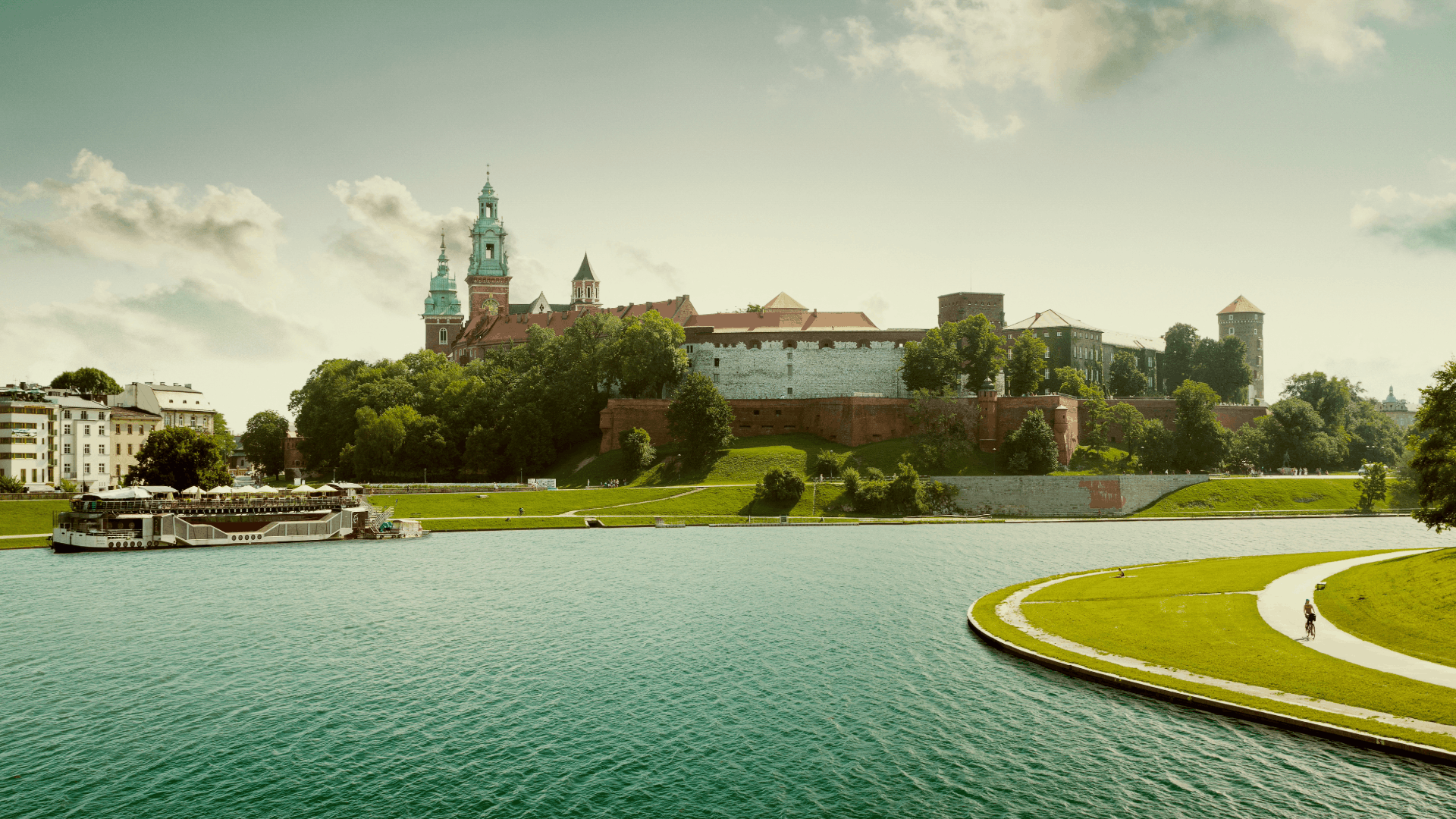
It is also worth thinking about what happens after the visit. You may feel completely fine and want to continue with your plans. You can talk about what you have seen, or you can choose not to speak. There is no standard reaction. What is useful is leaving yourself enough space to choose what you need afterwards rather than immediately rushing into another attraction or a busy evening. For some visitors, that might mean returning to Krakow and having a quiet meal. For others, it could simply mean taking a walk along the Vistula or sitting somewhere without having the next activity already scheduled. Permit yourself to slow down before moving on.
If you want to prepare a little further, Hello Cracow's blog also includes
10 key dates in the history of Auschwitz-Birkenau, along with a carefully curated list of
books and
films to explore before your visit. You do not need to work through the entire list. Even one well-chosen resource can give the places, names, and objects you encounter at the Memorial a much clearer historical context.
Booking early is part of being prepared
A respectful visit also means getting the practical details right before you arrive. Entry to the Memorial is organised around individual visitors, available entry times can fill up, and popular dates or language options may disappear sooner than expected. Leaving the booking until the last moment can create unnecessary stress, especially if Auschwitz-Birkenau is an important part of your Krakow itinerary.
You can arrange your visit directly through the Auschwitz Memorial's official booking system. Another option is to use a trusted, licensed tour operator that takes care of the main logistics in one reservation. Hello Cracow offers Auschwitz-Birkenau tours from Krakow with organised transport and Museum entry, which can be useful if you would rather have the journey and timing arranged for you. Whichever option you choose, it is worth booking once your Krakow dates are confirmed. Check every visitor's name carefully when making the reservation, as incorrect details can cause problems later.
Packing lightly will also make the day easier. The maximum permitted bag size is 35 × 25 × 15 cm, so larger luggage should be left at your accommodation, in your vehicle, or with your transport provider. Bring water for the journey, particularly if you are visiting during warmer weather, but remember that eating, smoking, and drinking alcohol are not permitted in the areas open to visitors. These details may seem minor compared with the historical importance of the visit, but getting them sorted in advance means you can arrive focused on the place itself rather than worrying about tickets, luggage, or whether you are going to make your entry time.
Visit with care
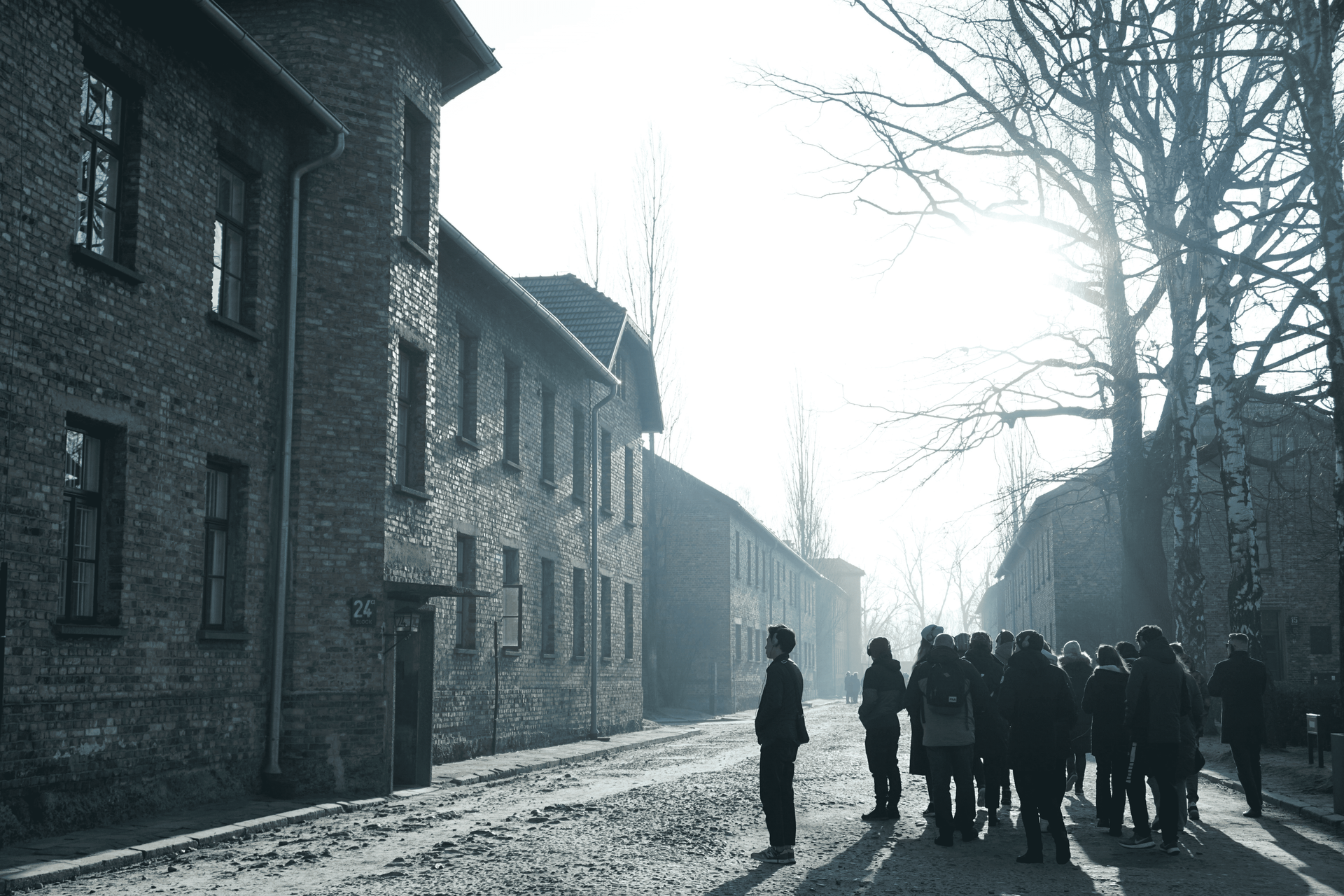
No article can tell you exactly how Auschwitz-Birkenau will affect you. There is no formula for visiting a place like this, and there is no particular emotion you are expected to take away from it. What you can do is arrive prepared. Understand where you are going, dress for the conditions, give the Memorial your full attention, and leave enough time afterwards to process what you have seen. These may seem like small practical decisions, but together they shape the way you experience the site and help preserve the dignity of the place.
If you are planning your visit from Krakow, you can explore
our Auschwitz-Birkenau guided tours. That way, the practical details are taken care of, leaving you with more time to focus on the Memorial itself and approach the experience with the attention and respect it deserves.