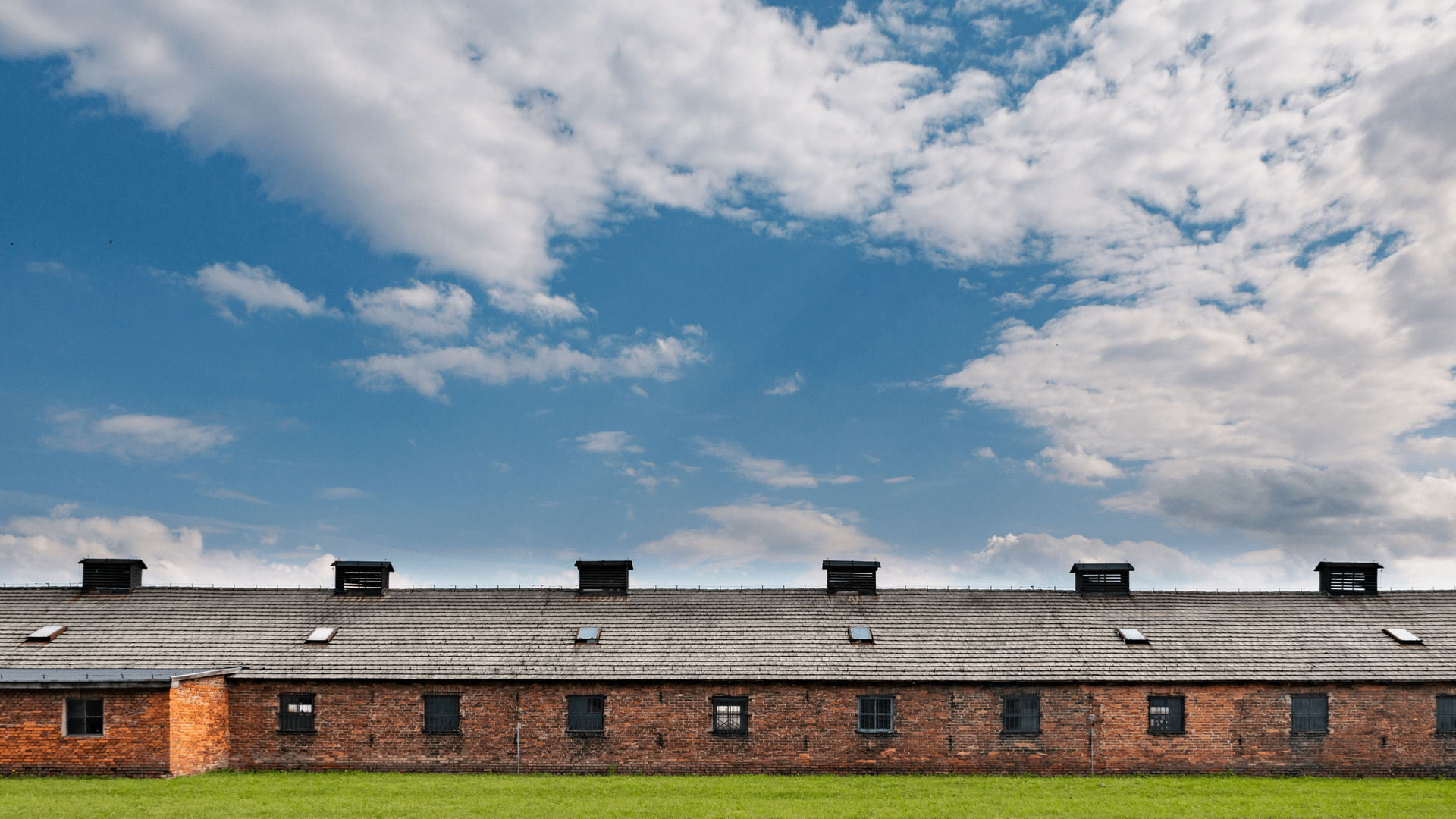




What Makes Krakow Different From Other European City Breaks?
Prague has its grand squares, Vienna has its palaces, and Budapest has the Danube. Krakow has a different kind of appeal. It is a city where centuries of history are packed into a surprisingly walkable area, and where you can move from royal Krakow to Jewish Kazimierz, wartime Podgorze, and the Vistula riverbanks in the space of a single afternoon. That makes Krakow especially interesting for a short city break. You can see the famous sights, eat well, sit down for a coffee, and still come across places that tell you something about the city's past. The different parts of Krakow do not feel like separate attractions on a checklist. They connect naturally as you move through the city.
And that is what we want to explore here. Beyond the obvious reasons to visit Krakow, what makes the city such a rewarding place to spend a few days? From its medieval centre and royal history to Kazimierz, Podgorze, local food, and everyday city life, these are the things that make Krakow more than just another beautiful European Old Town.
| City | What it does best | What feels different in Krakow |
|---|---|---|
| Prague | Fairytale Gothic and Baroque views, Charles Bridge, a dramatic castle skyline | Krakow is less theatrical but more intimate. Royal history, medieval trade, Jewish heritage and wartime memory connect within one walkable route rather than feeling like separate sightseeing zones. |
| Vienna | Imperial palaces, grand boulevards, opera and world-class collections | Krakow feels less formal and easier to explore spontaneously. Wawel has royal weight, but it sits beside the river and the Old Town rather than behind the scale of an imperial capital. |
| Budapest | The Danube panorama, thermal baths, monumental architecture and nightlife | Krakow has a more compact historic core. You can move from the Main Market Square to Wawel, Kazimierz and Podgorze without turning the day into a series of long transfers. |
| Krakow | A layered, highly walkable city where Polish royal history, Jewish heritage, WWII memory and communist-era architecture meet | It is a city to understand gradually. The key experiences are connected: Rynek Underground explains the medieval city, Wawel explains royal Krakow, and Kazimierz with Podgorze reveal its most complex human history. |
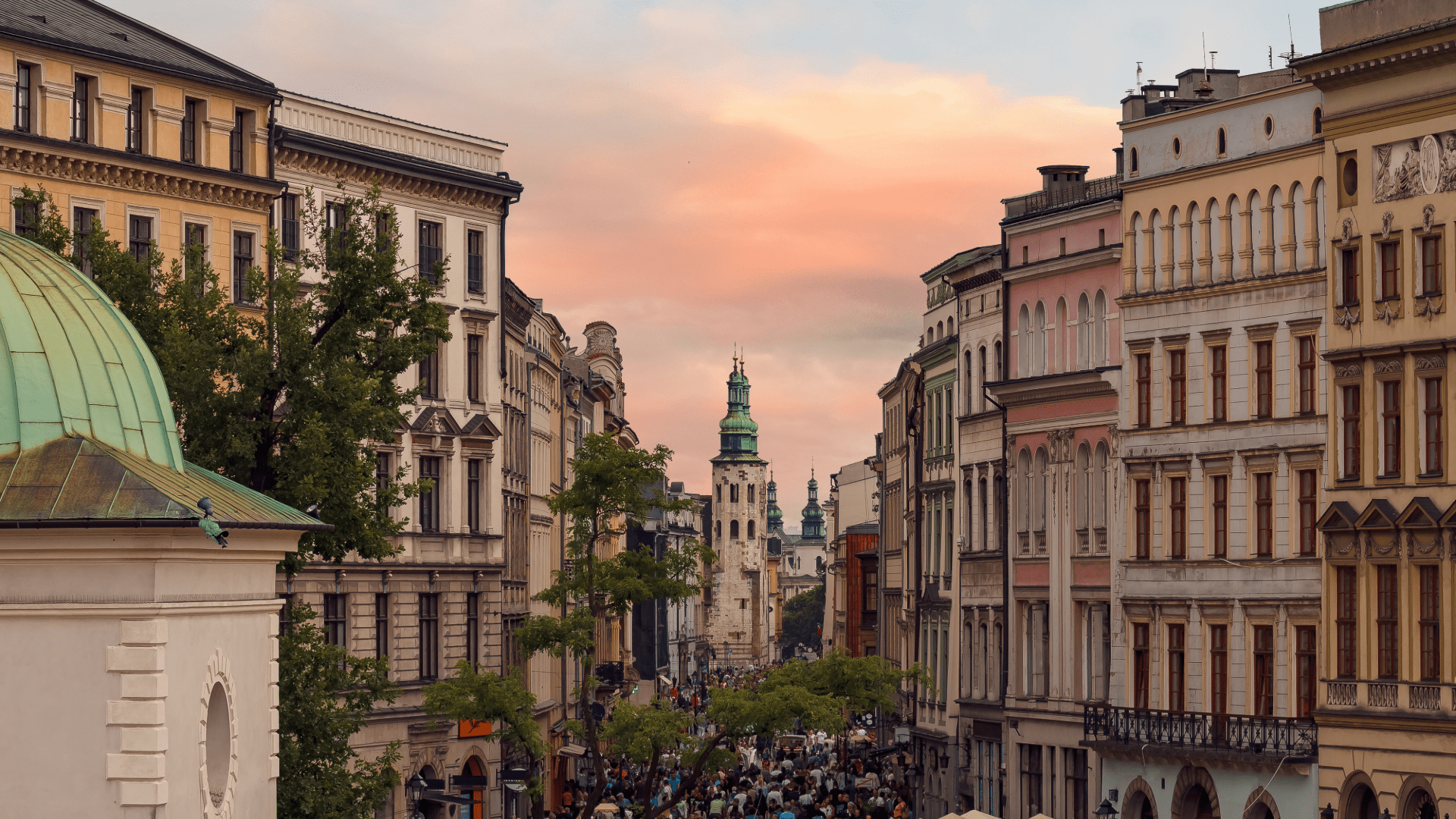
Historic centre: more than just an Old Town
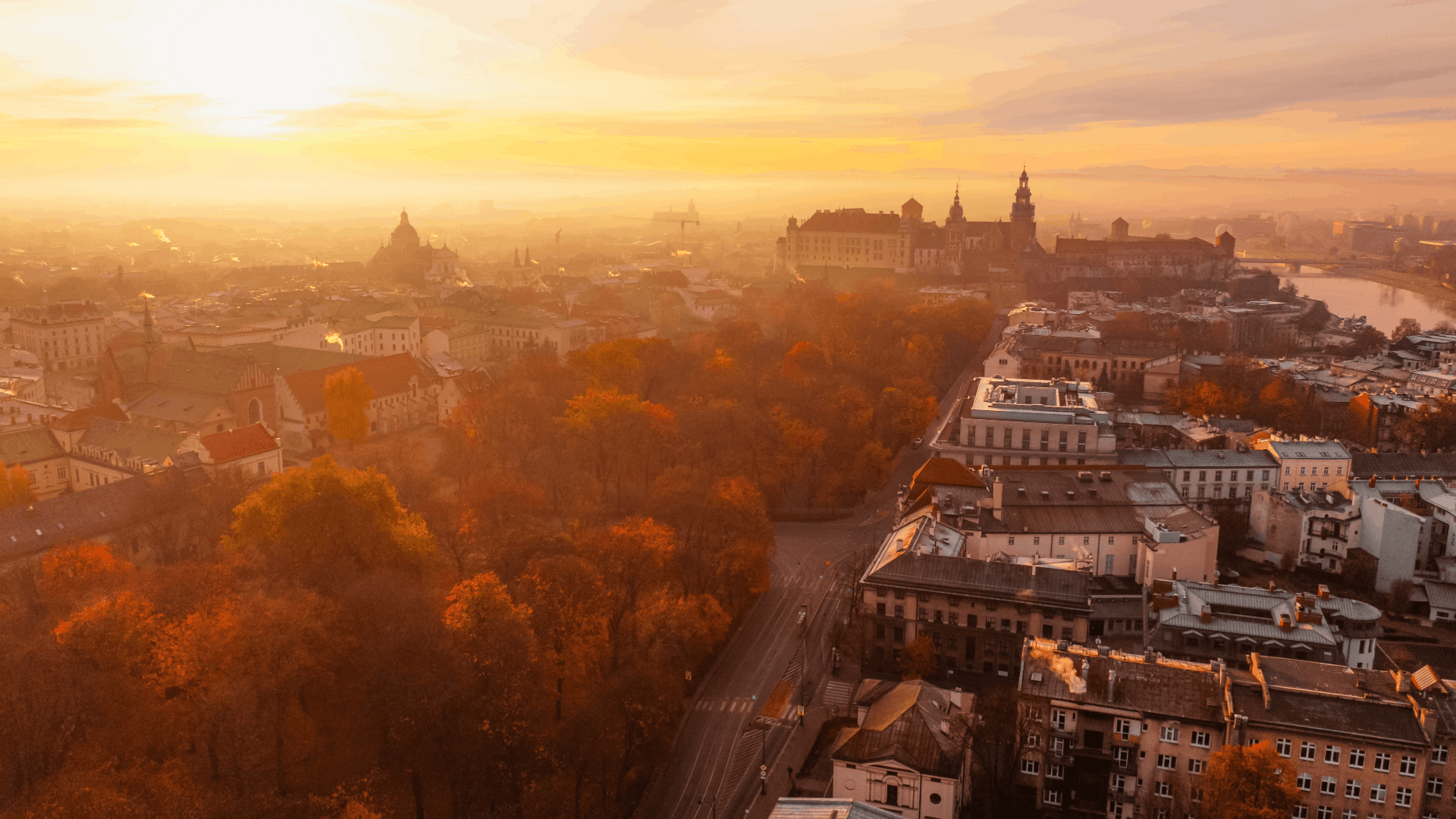
Krakow’s UNESCO-listed historic centre is much more than a collection of pretty streets around the Main Market Square. It brings together three historic ensembles: the medieval city of Krakow, the Wawel Hill complex, and Kazimierz, once a separate town. You can still feel those differences when you walk between them. Each has its own atmosphere, architecture, and part of Krakow’s story to tell.
Start at Rynek Glowny, the enormous medieval square laid out in 1257. It is still very much part of everyday Krakow. The Cloth Hall continues to function as a market, St Mary’s Basilica towers over the square, and the Town Hall Tower remains one of its most recognisable landmarks. Locals cross the square on their way somewhere else, people meet here before going out, and in summer the cafés and restaurants around the edges stay busy well into the evening.
Then take a look at what is underneath your feet. The Rynek Underground Museum takes you below the square, where archaeological remains reveal an older version of Krakow. Medieval streets, market stalls, coins, tools, merchant weights, and everyday objects show how the square functioned centuries ago. It is a useful reminder that Krakow's history is not confined to the buildings you see above ground. In places, you are literally walking over the remains of earlier versions of the city.
Prague can feel like an extraordinary architectural panorama, especially around Charles Bridge and the castle. Vienna often unfolds as a statement of imperial confidence, with grand boulevards, palaces and museums. Krakow is less formal and more compressed. Its history is close enough to touch, often in the same afternoon, without needing to travel across a vast capital.
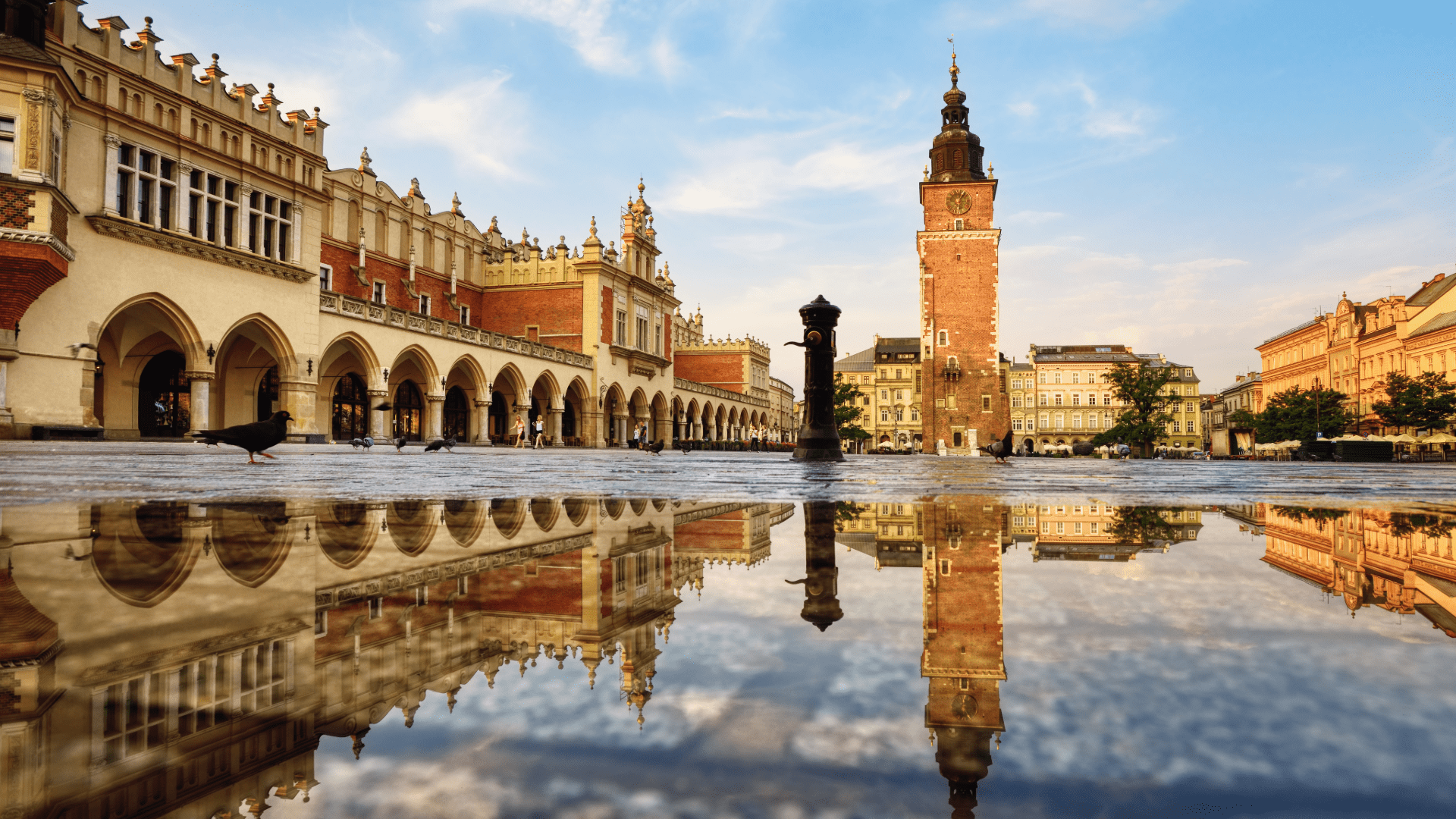
Wawel: where royal history comes together
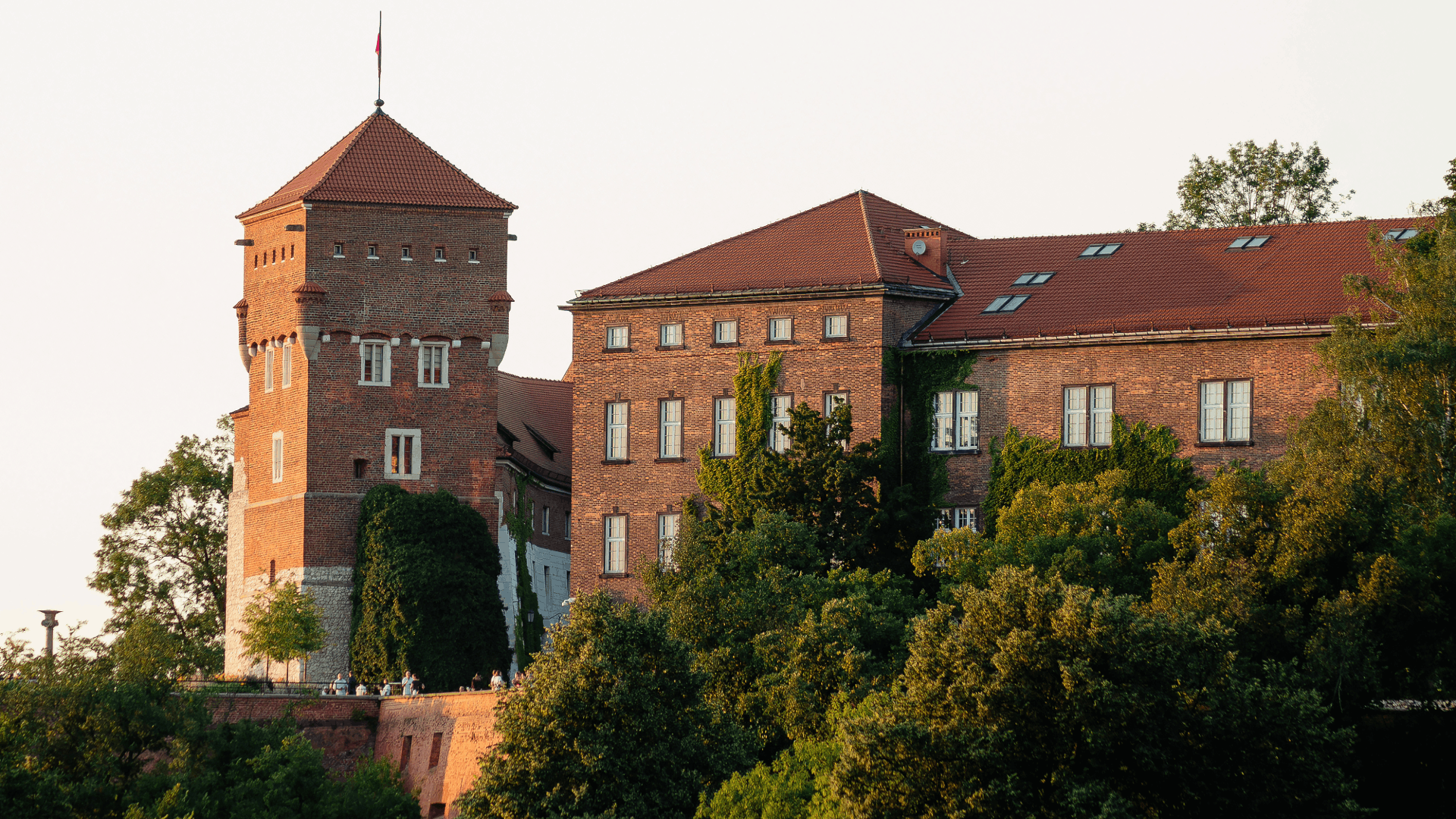
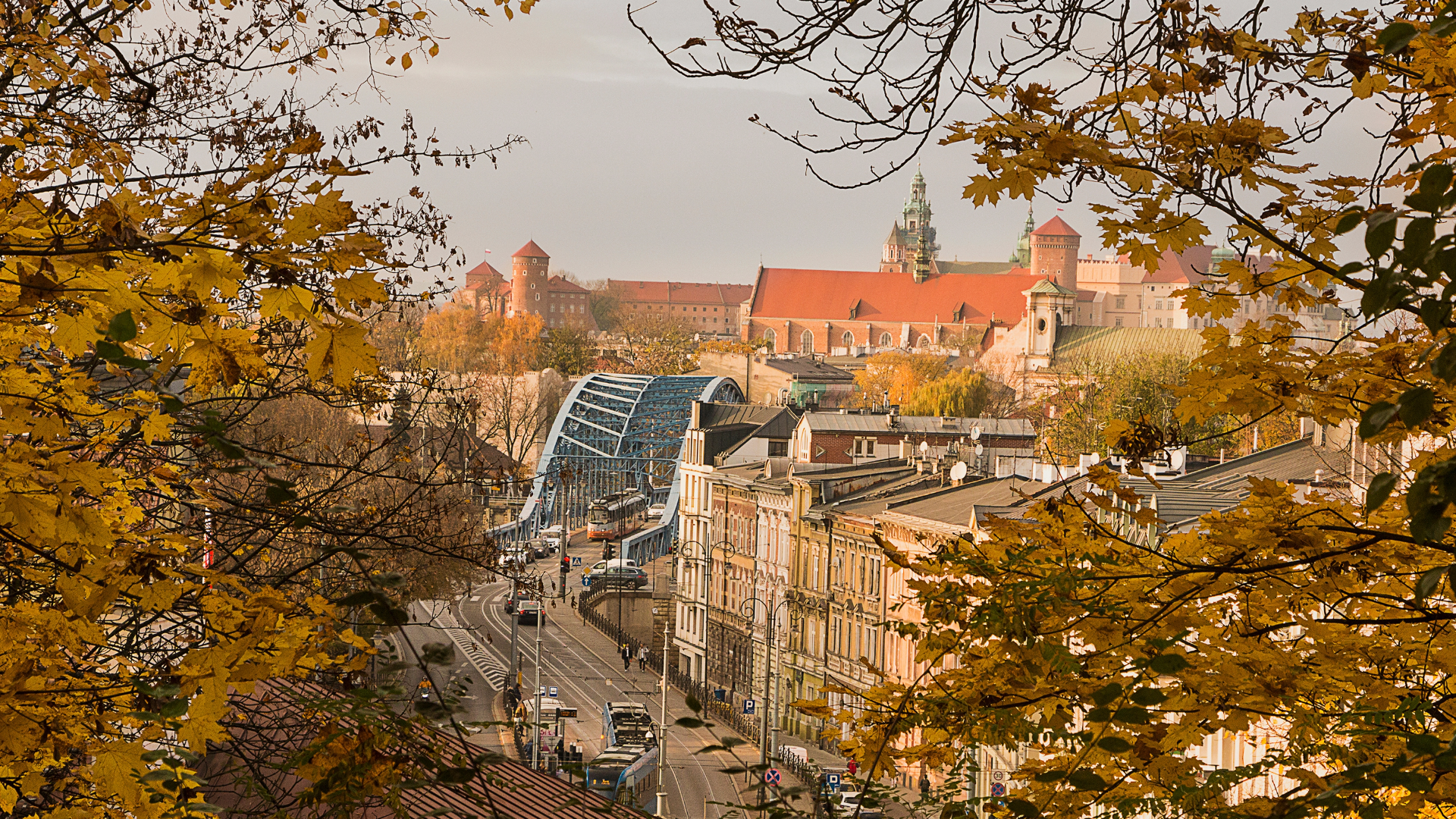
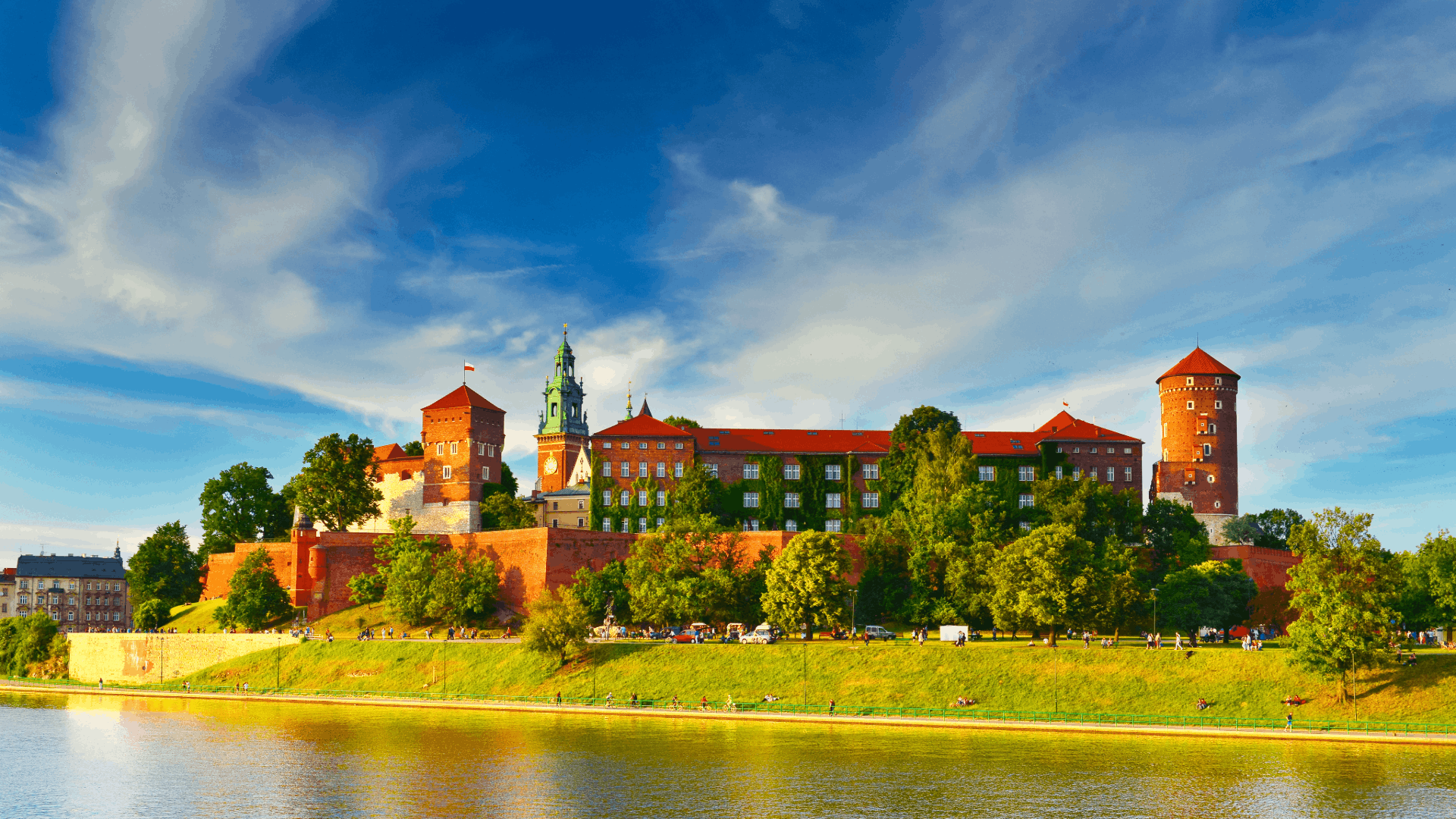
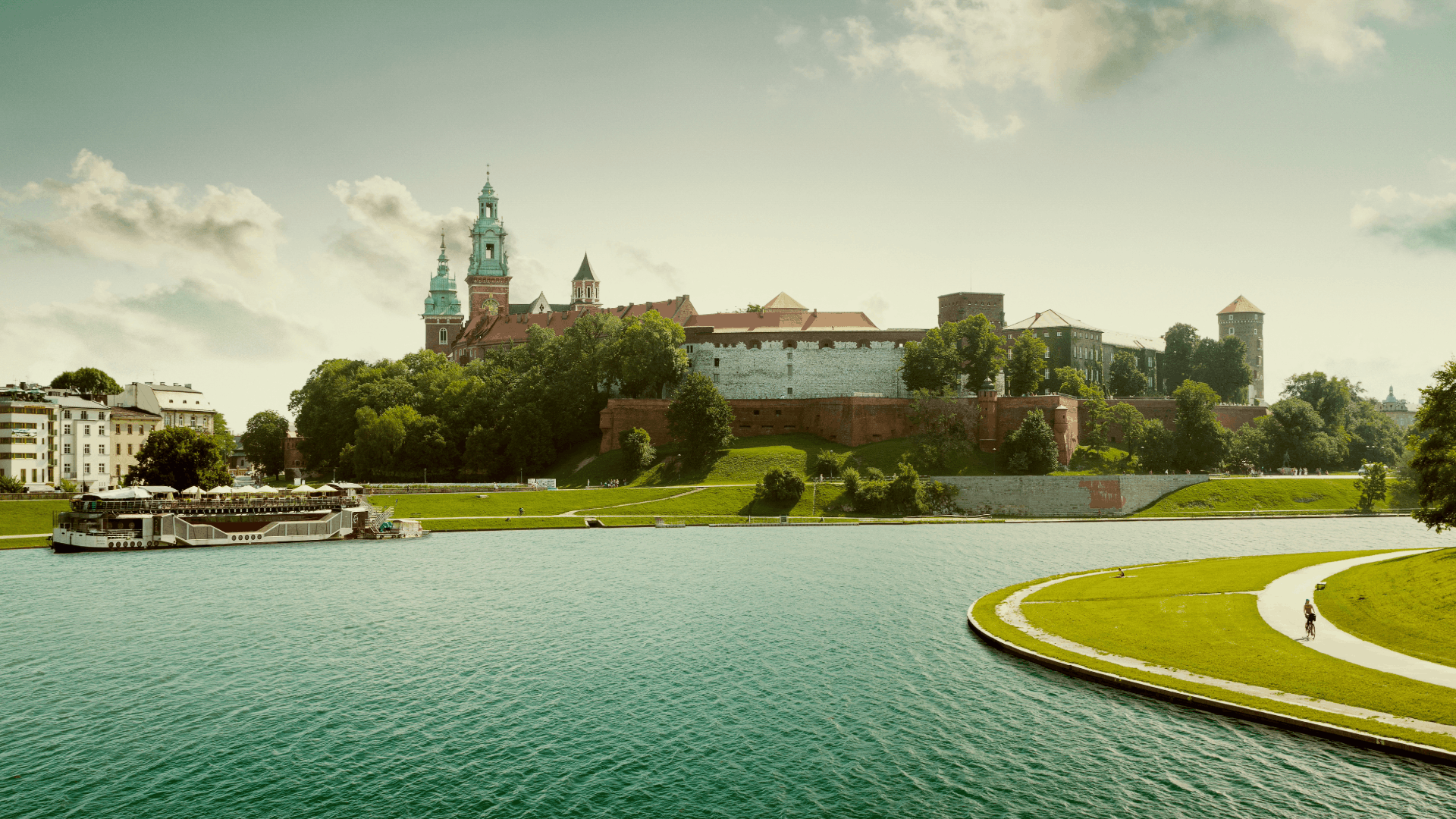
Most European cities have a castle or palace, but Wawel feels different because it is so closely tied to the city around it. The hill rises directly above the Vistula, roughly a ten-minute walk from the Main Market Square, so you can easily fit it into a day of exploring the Old Town. More importantly, Wawel has been at the centre of Polish royal history for centuries.
The hill was already an important centre of power in the early Middle Ages. Later, the cathedral became the place where Polish monarchs were crowned and buried, while the castle developed from a Gothic residence into one of the most significant Renaissance courts north of the Alps. Walking around Wawel today, you are moving through the remains of a place that was once at the heart of the Polish state. The Renaissance courtyard tells an interesting part of that story. Its elegant arcades are a reminder that Krakow was far from isolated from the rest of Europe. During the 16th century, Italian artists, German craftsmen, and Polish patrons worked at Wawel, while the royal court brought in tapestries, commissioned new buildings, and embraced Renaissance ideas. What emerged was not simply an imitation of Italian architecture, but a distinctly Central European interpretation of the period.
Wawel also works on a much more everyday level for visitors. You can explore the castle and cathedral, wander through the courtyards, stop to admire the view over the Vistula, or simply walk down towards the river after sightseeing. That combination is part of what makes the hill so memorable. In one place, you get royal history, architecture, religion, archaeology, and one of the nicest viewpoints in the centre of Krakow.
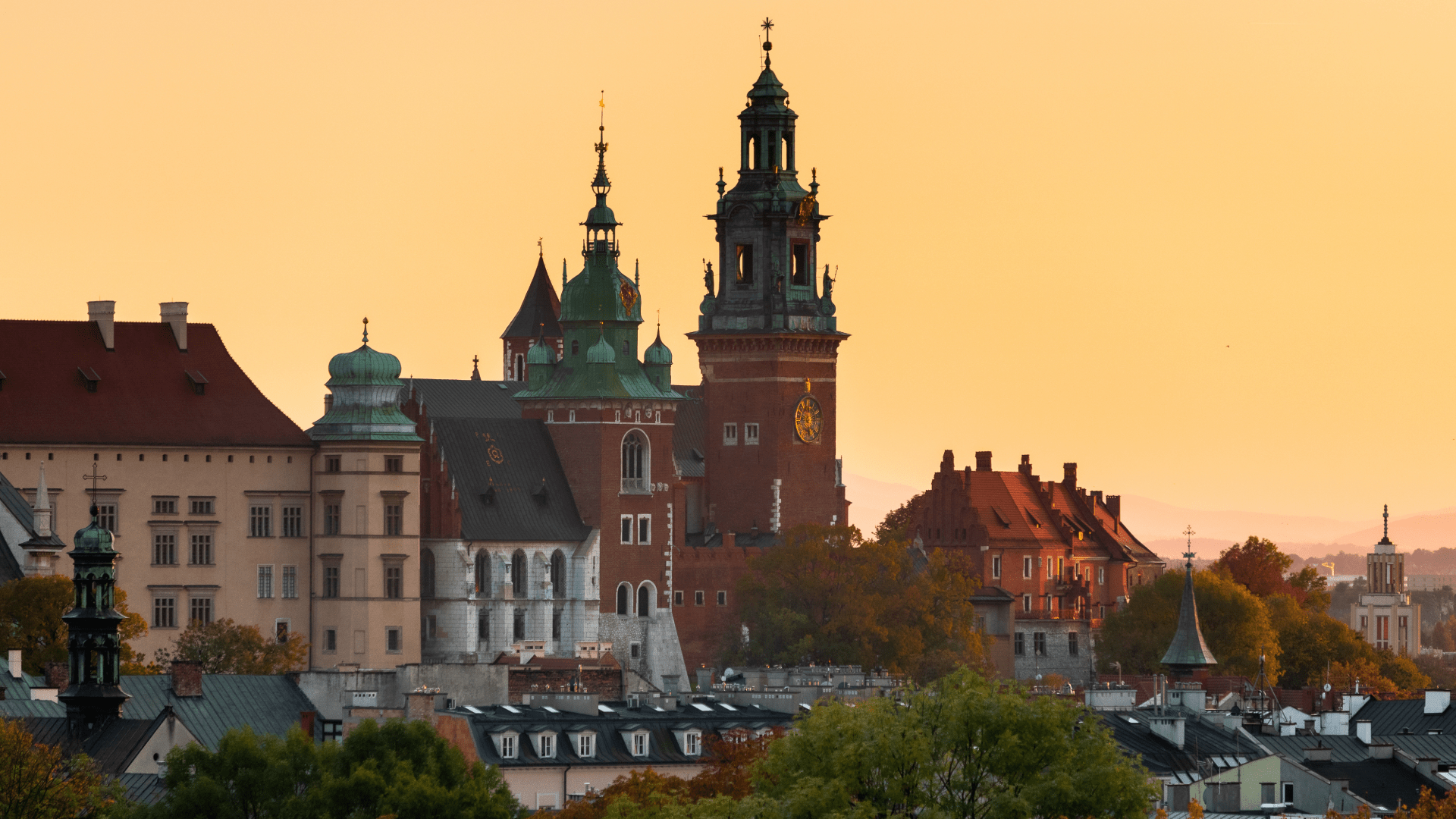
Jewish heritage is part of Krakow’s geography
Kazimierz is often described simply as Krakow’s Jewish Quarter, but that name does not really capture what makes the district important. It was once a separate town, and from the late 15th century it grew into one of the most significant centres of Jewish life in this part of Europe. Its synagogues, cemeteries, streets, and former institutions are still part of the neighbourhood today. They are places with their own history, rather than scenery created for tourists.
A walk along Szeroka Street is a good place to start. The Old Synagogue and Remuh Synagogue stand close to each other, while the old cemetery behind Remuh, with its weathered gravestones packed closely together, offers a very different atmosphere from the busy streets nearby. Kazimierz has changed enormously over the years and is now full of cafés, restaurants, bars, galleries, and the famous zapiekanki stands around Plac Nowy.
To understand the harder part of that history, you need to cross the Vistula into Podgorze. In March 1941, the Nazi authorities forced Krakow’s remaining Jewish population into a ghetto established there. The two districts are geographically close, but what happened between them represented a devastating break in the lives of thousands of people.
Several places in Podgorze help make that history more tangible:
Ghetto Heroes Square, the surviving section of the ghetto wall on Lwowska Street, the
Eagle Pharmacy, and
Oskar Schindler’s Enamel Factory on Lipowa Street. The latter is particularly worth understanding before you visit. Its permanent exhibition,
Krakow under Nazi Occupation 1939–1945, looks beyond Schindler himself and tells the wider story of the occupied city through photographs, documents, objects, and reconstructed spaces. Schindler’s efforts to save more than a thousand people are part of that story, but the exhibition places them within the much larger reality of occupation, persecution, and everyday survival.
The city is walkable without feeling small
One of the nicest things about Krakow is that you can see a lot of it on foot without feeling as though you are walking around a tiny tourist bubble. The centre is compact, but the neighbourhoods around it change enough to keep the walk interesting.
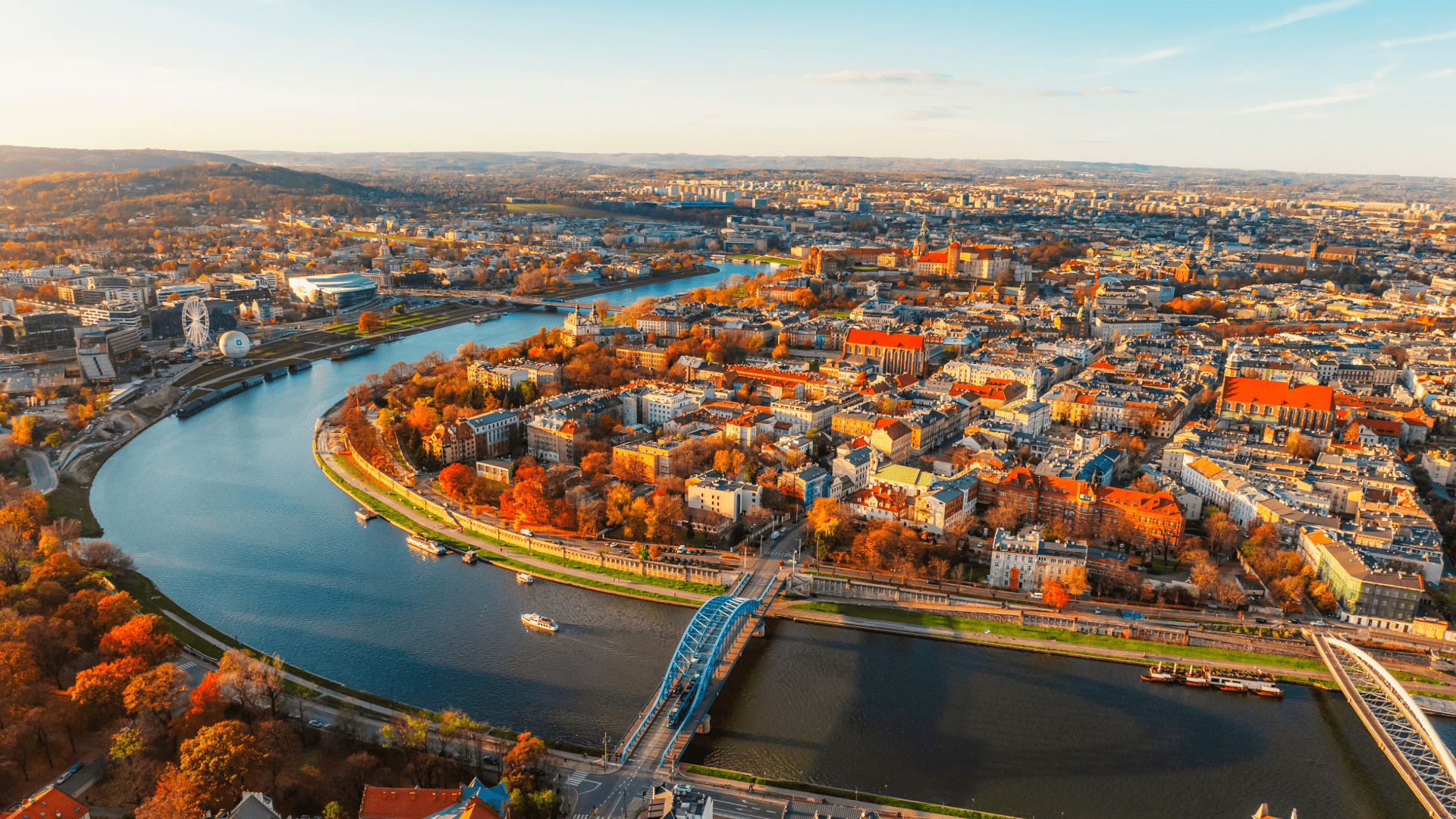
You can start at the Main Market Square and reach Wawel in roughly ten minutes. From there, follow the Vistula towards Kazimierz, cross the Father Bernatek Footbridge, and suddenly the atmosphere changes again as you enter Podgorze. Along the way, the scenery keeps shifting: medieval streets give way to the castle hill, then riverside paths, old industrial buildings, quieter residential streets, and cafés tucked into corners you might easily miss if you stick to the main routes.
The distances are also forgiving enough to make spontaneous detours worthwhile. Take Kanonicza Street instead of heading directly towards Wawel. Walk through Planty Park along the route of the old city walls. Stop inside the courtyard of Collegium Maius, browse an old bookshop, duck into a small church, or grab something from a bakery because it happens to look good. You can do all of that without having to worry that one unplanned stop has thrown off your entire day.
This is where Krakow works particularly well for a short city break. You can have a rough idea of where you are going, but you do not need to follow a perfectly optimised route. Leave some time between the major sights and you will probably find that some of the best parts of the city are the ones you were not specifically looking for.
There are hidden details beneath the famous sights
Some of the things you remember from Krakow are not necessarily the ones you planned to see. They are the details you notice while walking around: a sound from a church tower, an unexpected courtyard, an unusual monument, or a neighbourhood that suddenly looks completely different from the one you have just left.
Take the hourly trumpet call from St Mary’s Basilica. The hejnal mariacki is still played live from the tower, and it stops abruptly each time. The tradition is connected to the old legend of a watchman who was playing the trumpet to warn the city of an approaching attack when an arrow cut his call short. You might hear it while crossing the Main Market Square, sitting outside a café, or simply passing through on your way somewhere else. It takes less than a minute, but it is one of those small Krakow traditions that makes the city feel lived-in rather than preserved purely for visitors.
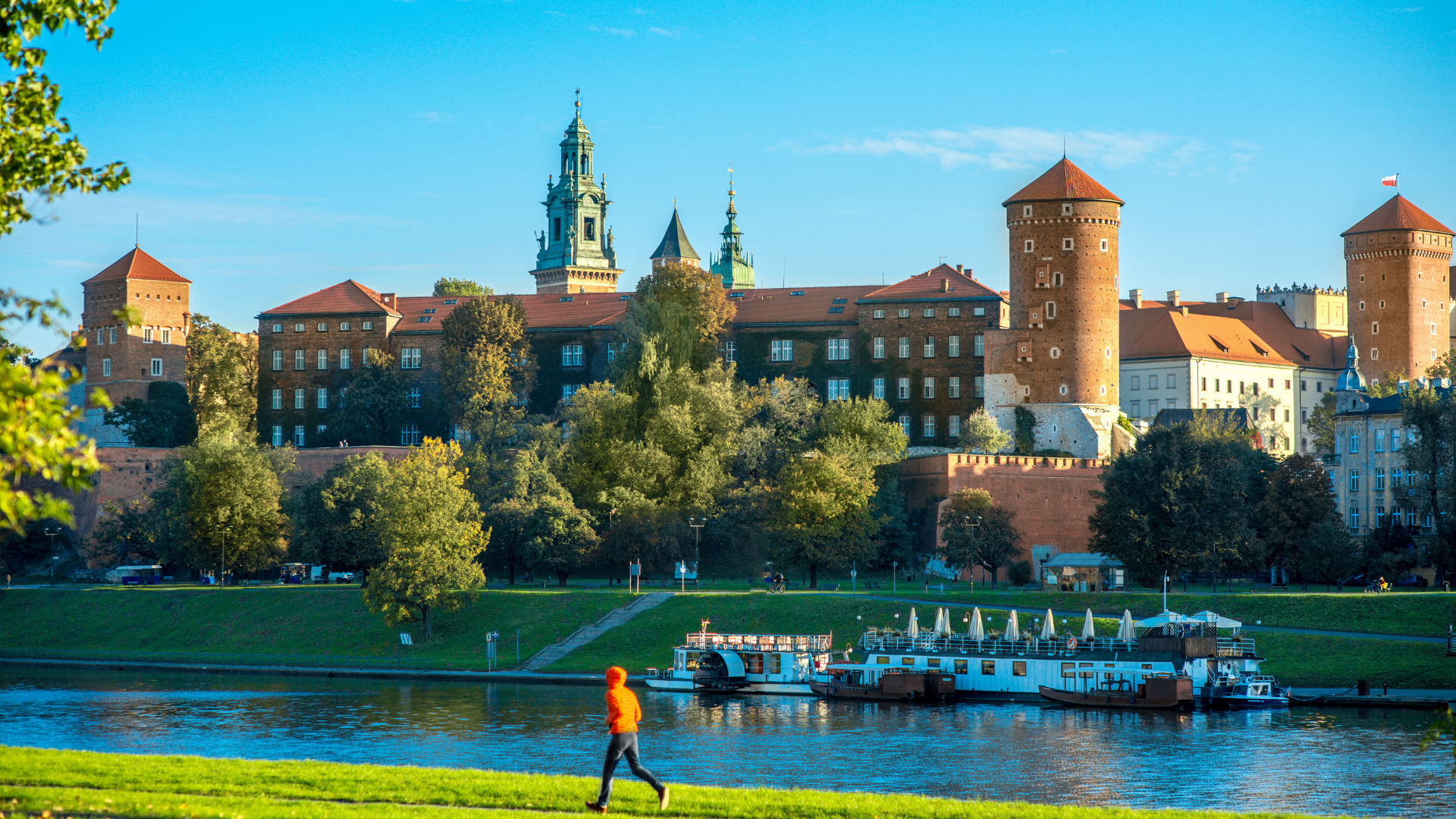
Wawel has details like this too. Look beyond the main castle façades, and you start to see how many different periods have left their mark on the hill: Romanesque remains, the Gothic cathedral, Renaissance arcades, later Austrian military additions, and the Dragon’s Den below. In Kazimierz, the same thing happens on a smaller scale. Szeroka Street has a more formal, historic character, while Jozefa, Izaaka, and the area around Plac Nowy feel much more informal and lived-in. Walking between them gives you a better sense of the neighbourhood than simply ticking off its most photographed buildings.
Podgórze has a much heavier example. Plac Bohaterow Getta is deliberately quiet, with rows of oversized empty chairs spread across the square. They represent the belongings left behind by people who were deported from the Krakow ghetto. The monument works because it does not require a long explanation or a museum display. You see it, wonder why the chairs are there, and then learn what they represent.
And then there is
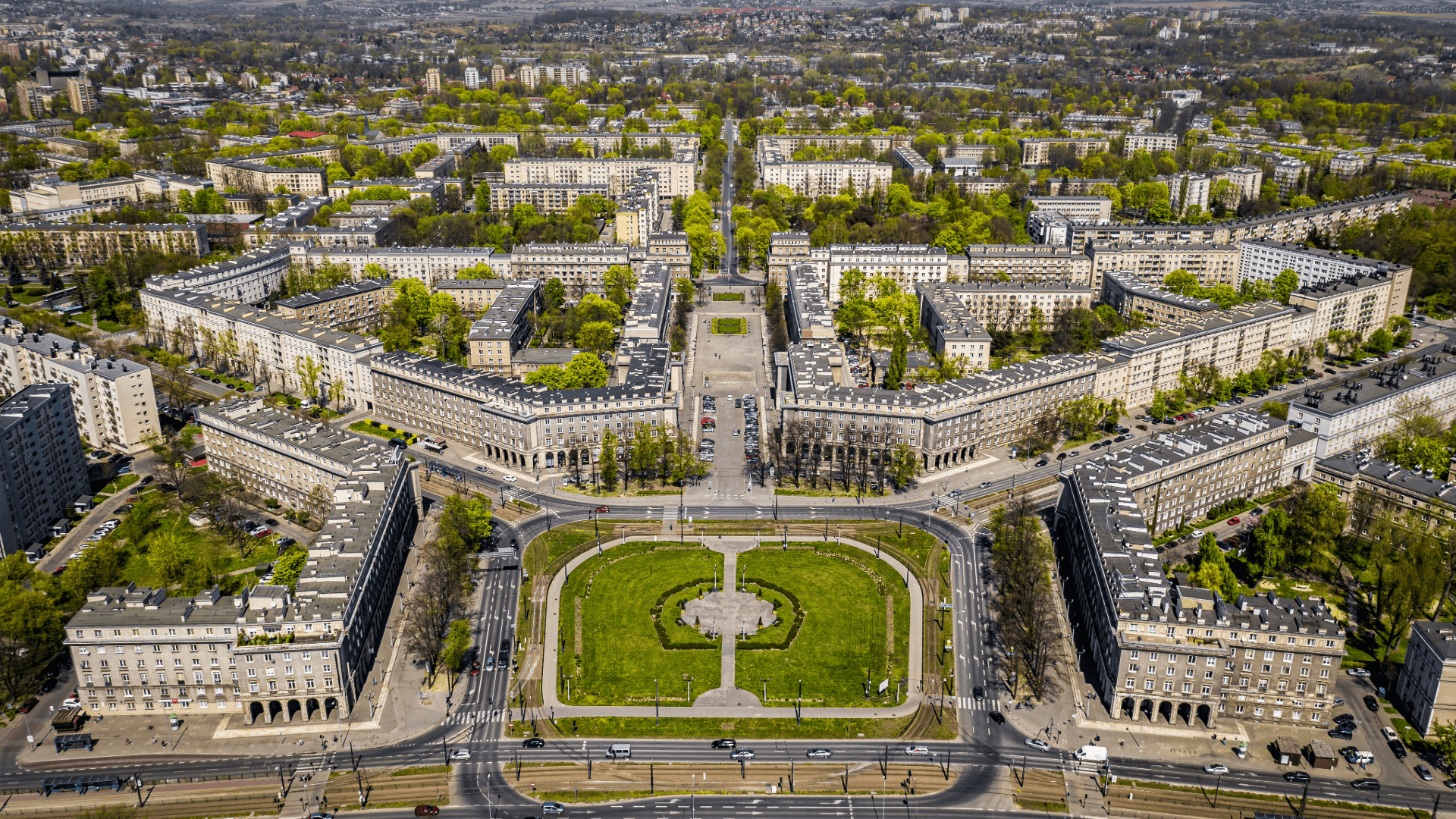
Nowa Huta, which changes the picture completely. A short tram ride from the medieval centre takes you into a planned socialist-realist district built after the Second World War. Instead of narrow streets and historic façades, you find broad avenues, monumental blocks, and a very different sense of scale. The neighbourhood was designed to represent a new communist urban ideal, but its history also includes resistance to the system and the long struggle to establish a church in a district that had originally been planned without one.
Beyond the city: summer day trips
Krakow also works exceptionally well as a base for exploring southern Poland, with some of the country’s most memorable day trips within easy reach. Auschwitz-Birkenau, the Wieliczka Salt Mine, the Tatra Mountains and Zakopane can all be visited from the city without having to change hotels or interrupt your Krakow stay.
Tatra Mountains Adventure & Quad Biking
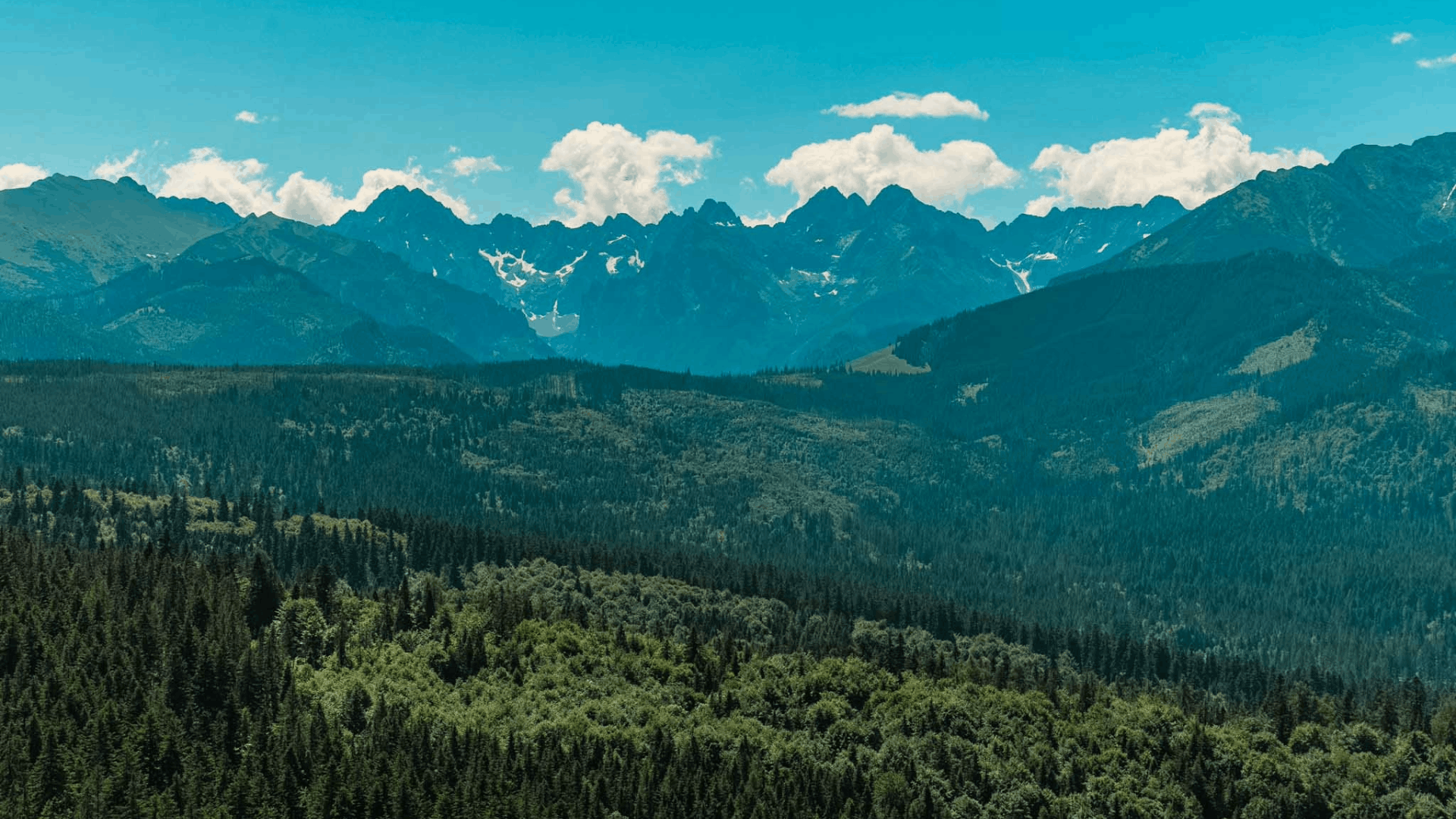
The arrival of summer marks the beginning of the best season for mountain exploration. A trip south to the Tatra Mountains allows you to swap the city heat for the fresh, alpine air of the highlands. For those seeking an adrenaline rush, a guided quad biking session through the wild trails of Podhale offers an exhilarating way to see the mountains from a different angle.
Wieliczka Salt Mine
If the August afternoon temperatures become too intense, descending 135 meters below ground into the Wieliczka Salt Mine offers a refreshing, natural reprieve. The mine maintains a constant, cool temperature of around 14°C (57°F) year-round. Exploring the vast salt chambers and the stunning St. Kinga’s Chapel is a surreal experience that feels like stepping into a subterranean kingdom, providing a unique contrast to the summer sun above.
Auschwitz-Birkenau Memorial and Museum
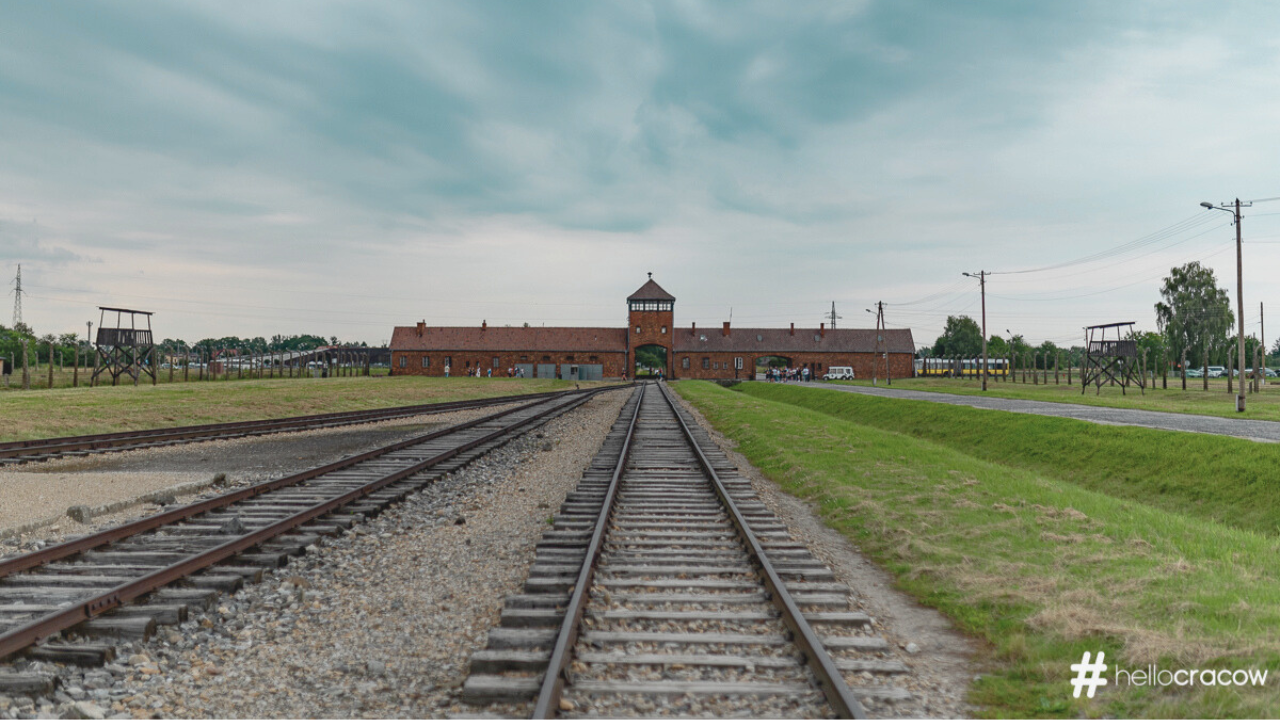
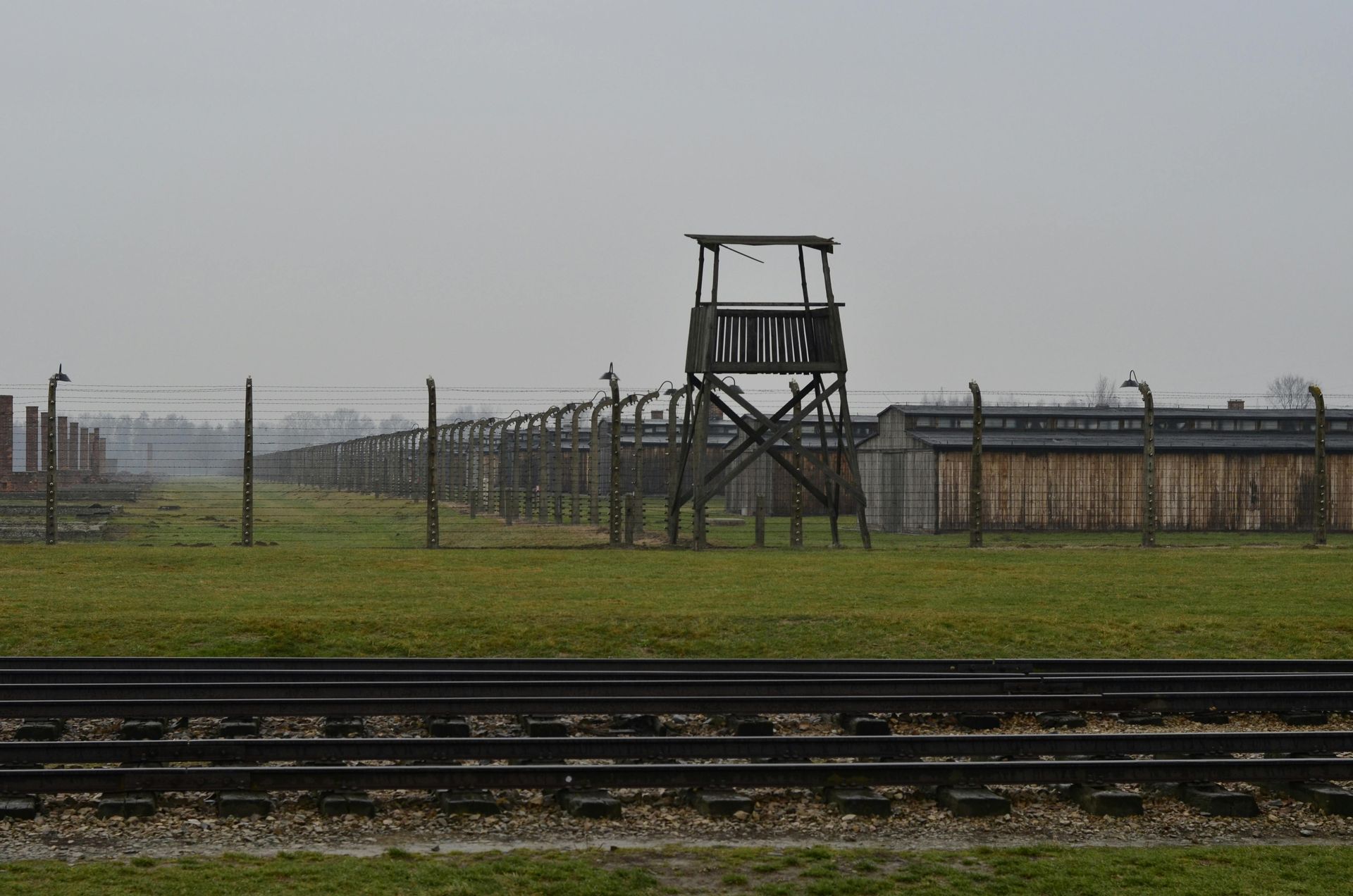
Long days also allow for a thoughtful visit to the Auschwitz-Birkenau memorial. Visiting in the early summer provides a different perspective on the site’s vast scale, as you walk through the grounds under a clear sky. It remains a foundational part of any visit to the region, and we recommend checking our comprehensive guide to prepare for the historical and emotional significance of the site.

Master the city with our Guidebook
Krakow may be smaller than some of Europe’s most famous citybreak destinations, but that is precisely what makes it so easy to explore — and surprisingly rich in experiences. We have compiled our best local secrets and practical advice into a single, comprehensive resource to help you move through the streets of Krakow like a resident. Our Free Guidebook serves as your personal expert companion, helping you skip the logistical stress and focus entirely on the festivities.
Inside our free guide, you will find:
- Curated dining recommendations: The best hidden garden cafes and authentic local eateries located away from the main tourist crowds.
- Practical transport hacks: A clear guide to using public transport and navigating the city’s historic districts efficiently.
- Cultural etiquette: Essential tips on local customs and traditions to help you feel at home in the heart of Lesser Poland.
- Walking routes: Detailed maps and itineraries for exploring the Old Town and Kazimierz at your own pace.
See Krakow beyond the checklist
Krakow is easy to enjoy at first glance. The Main Market Square, Wawel and Kazimierz will give you plenty to see, even on a short visit. But the city becomes much more interesting once you start connecting the places rather than treating them as separate stops. That is where a local guide can make a real difference. Instead of simply showing you the famous sights, a good tour helps explain how Krakow’s royal history, Jewish heritage, wartime past and everyday life fit together.
If you want to experience Krakow beyond the usual checklist, explore
Hello Cracow’s guided tours and find an experience that matches the side of the city you want to discover. Whether you are interested in royal Krakow, Kazimierz, the Second World War, local food or the stories hidden between the major landmarks, there is plenty more to uncover once you step off the obvious route.