



The Best Quiet Places in Krakow When the Old Town Gets Too Busy
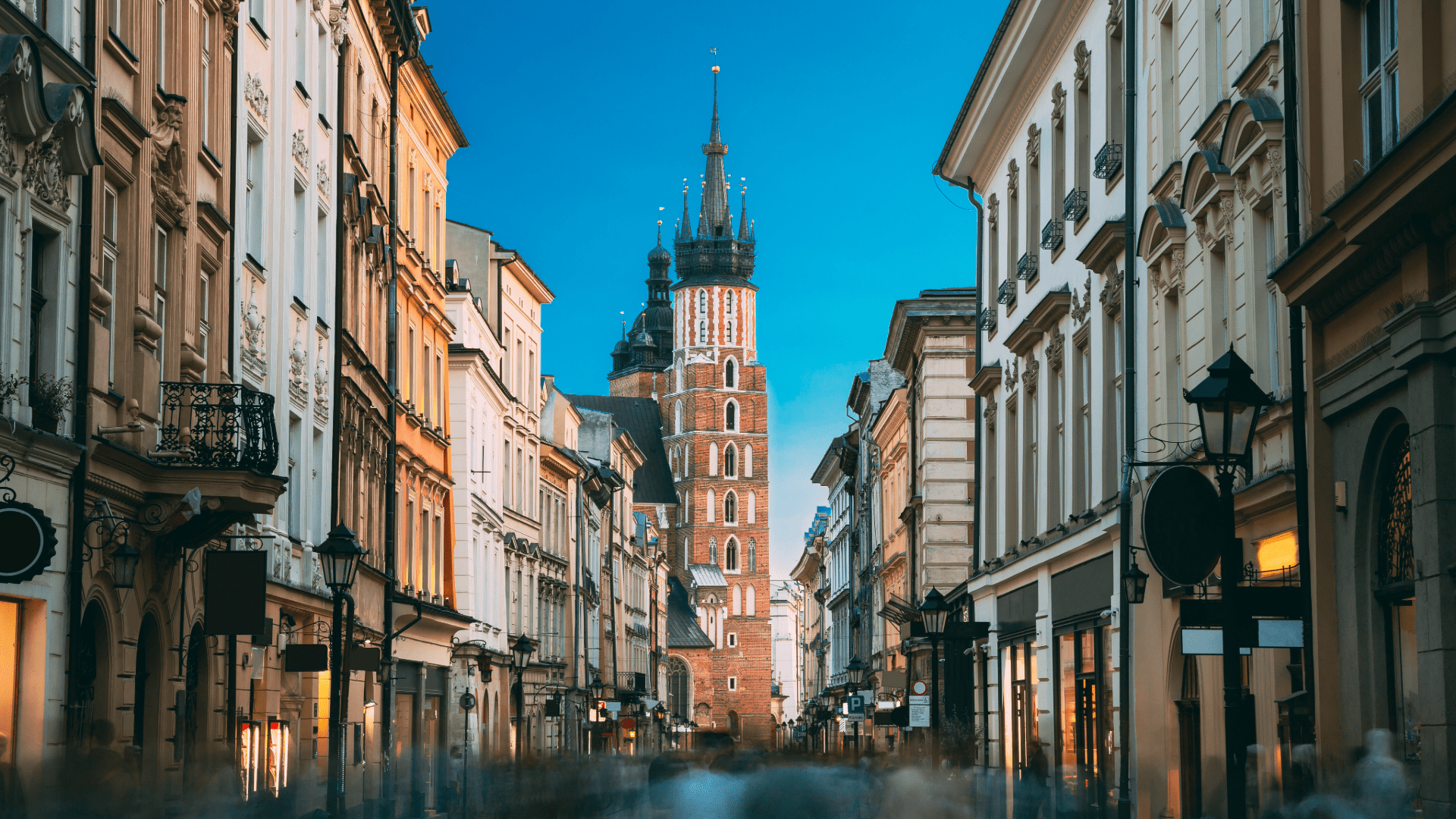
When the Main Market Square starts to feel a little too busy, you don't have to leave Krakow to find a different side of the city. Just beyond the usual sightseeing route, you'll find former quarries turned into green spaces, riverside paths, hilltop viewpoints, monastery gardens and neighbourhoods where life moves at a much slower pace. There is nothing wrong with spending your first day around Rynek Glowny, St Mary's Basilica, Wawel Castle and the Royal Route. They are famous for a reason, and for a first visit, they belong on the list. But after a few hours of following tour groups, waiting for a table and navigating busy streets, you may start looking for somewhere with a little more breathing room. That's when Krakow gets interesting.
You don't need a complicated day trip or a long journey out of the city. Sometimes, a 15-minute tram ride or a short walk is enough to change the atmosphere completely. Suddenly there are more trees than souvenir shops, locals walking their dogs instead of organised groups, and paths where you can simply keep walking without having to stop every few metres. And these places aren't abandoned corners of the city. Krakow residents use them every day, particularly at weekends. You'll see people jogging, cycling, meeting friends, taking their children out or simply sitting somewhere with a coffee and enjoying the afternoon. So, if you're ready to put the guidebook down for a few hours, we've collected some of the best places to experience a quieter, greener and more local side of Krakow - all without straying too far from the city itself.
| Place | Best for | When to go | How much time to allow |
|---|---|---|---|
| Park Bednarskiego | Shaded paths, limestone cliffs and Podgorze history | Weekday afternoon or morning | 1-2 hours |
| Salwator and Blonia Meadows | Open space, riverside walks and residential Krakow | Late afternoon | 2-3 hours |
| Park Decjusza and Wola Justowska | Mature trees, historic villas and a calmer western district | Morning or early evening | 2-4 hours |
| Krakus Mound | A wide city view without a ticket queue | Early morning | 1-2 hours |
| Nowa Huta Meadows | Nature, birdlife and a completely different Krakow | Daytime, preferably on a weekday | Half a day |
| Tyniec Abbey | River scenery, monastic history and a proper reset from the city | Morning or late afternoon | Half a day |
Park Bednarskiego: A former quarry above Podgorze
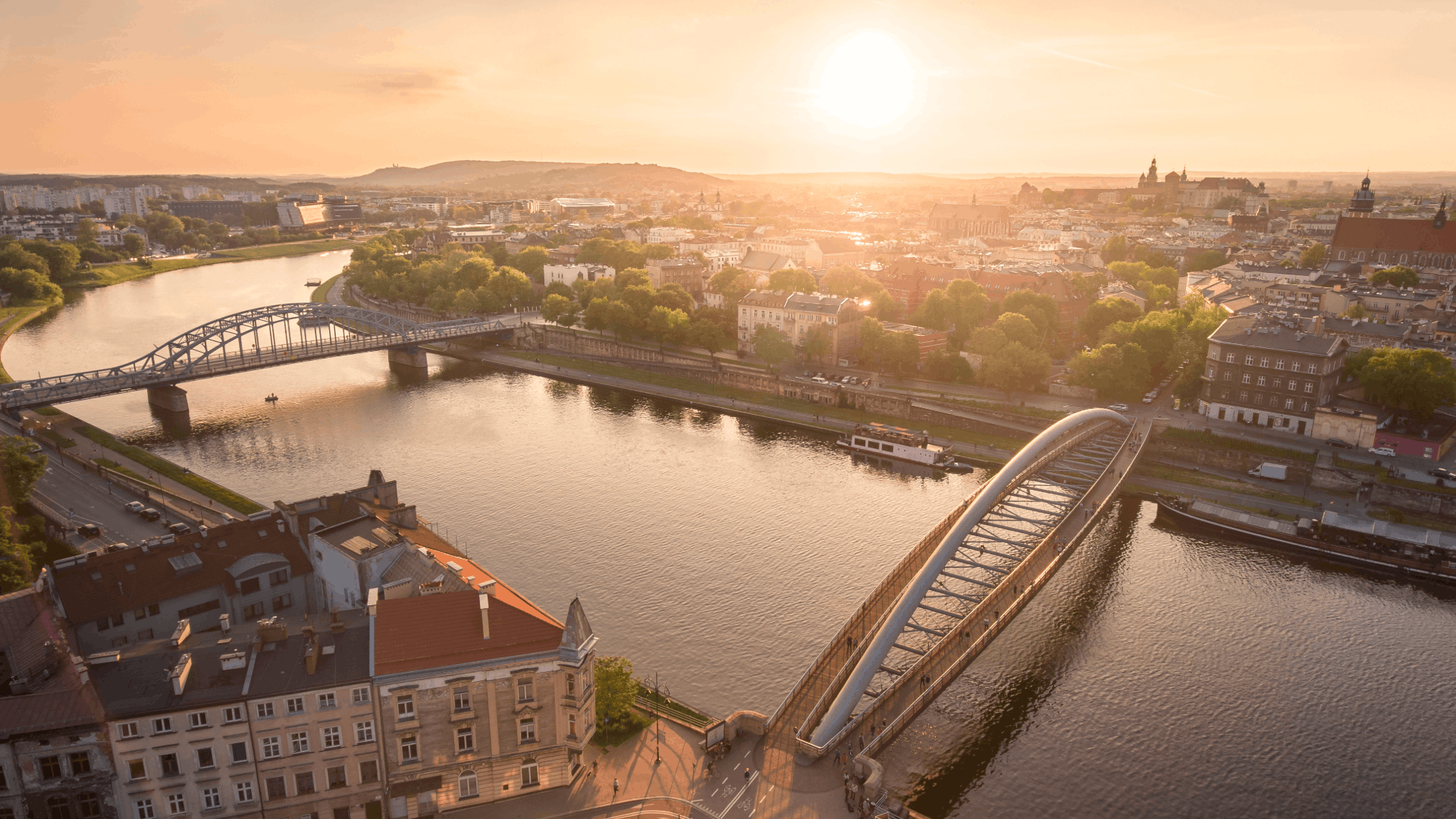
When Kazimierz starts to feel a little too crowded, Park Bednarskiego is an easy place to escape to without really leaving the city. It sits in Podgorze, just across the Vistula, but the atmosphere changes almost as soon as you start walking uphill. The park was created in 1896 on the site of a former limestone quarry, which explains much of its character. Instead of wide, flat paths and carefully arranged flowerbeds, you get winding trails, mature trees, natural rock walls and plenty of shade. It feels more secluded than many of the green spaces around the Old Town, even though it is still close to the centre.
A good way to reach it is to start at Rynek Podgorski, the district's main square. The neo-Gothic St Joseph's Church immediately catches your attention, rising above the surrounding streets. From the square, walk uphill towards the park and take your time. There is no real reason to rush this part of Podgorze. The neighbourhood has a character of its own. Podgorze was an independent town until 1915, and traces of that separate identity are still easy to notice today. There are fewer souvenir shops and tour groups, more local cafes, residential streets and small everyday details that make the area feel lived-in.
Park Bednarskiego is also a particularly good stop after visiting
Schindler's Factory or
Ghetto Heroes Square. Both places require time and attention, and a quiet walk among the trees can be a welcome pause afterwards. Instead of immediately moving on to another attraction, you can sit for a while, take in the view and let the history of Podgorze settle before continuing towards Kazimierz.
Salwator and Blonia: Space to breathe near the centre
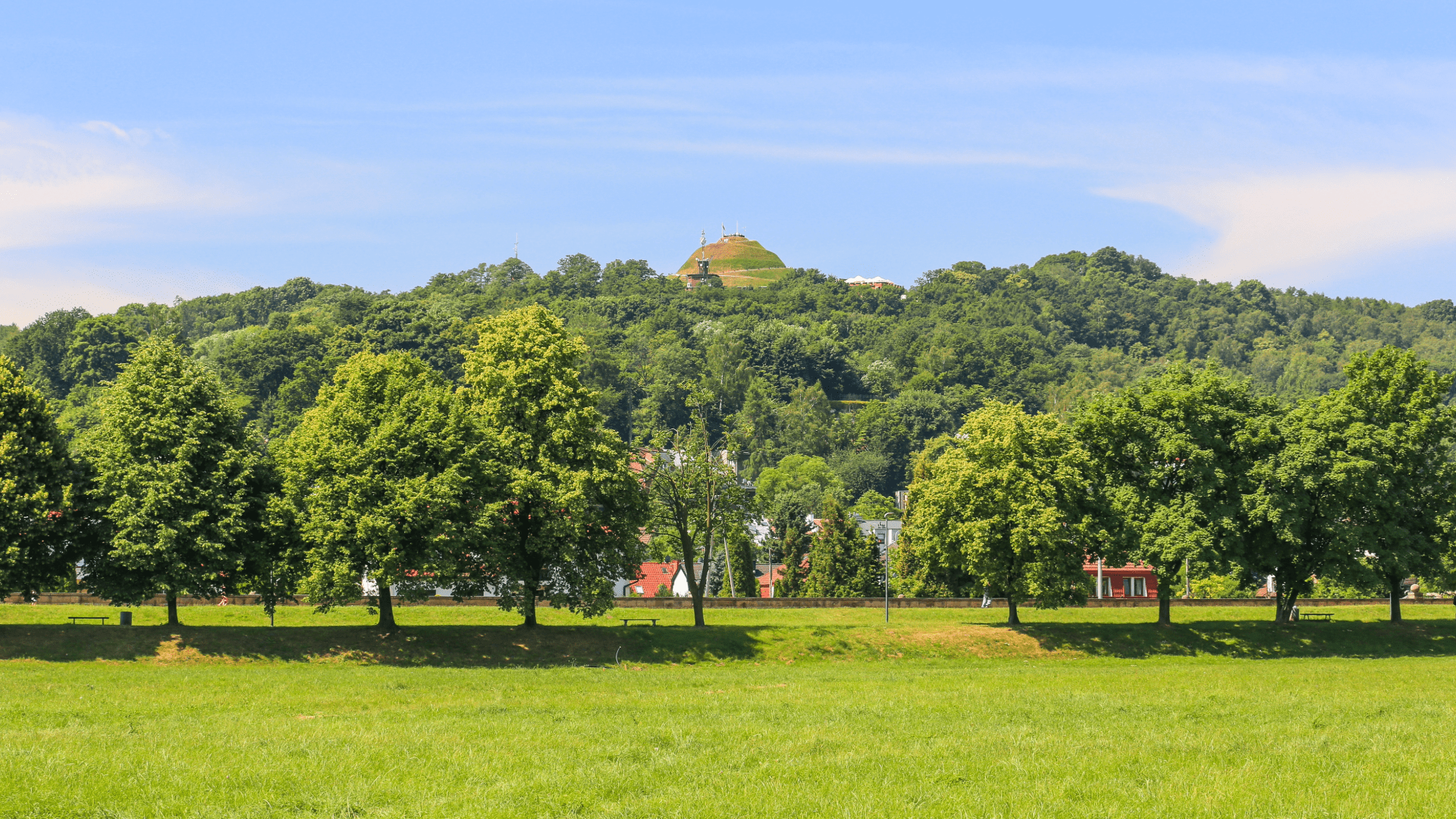
If you want to see how quickly Krakow can change from a busy city into somewhere that feels almost open and rural, head towards Salwator. Just west of the Old Town, this residential district has a noticeably slower pace, with low-rise buildings, local cafes and easy access to the Vistula. The area is best known for Blonia, a huge open meadow that has been part of Krakow's landscape for centuries. It was once used for grazing and is now one of the city's favourite places for running, cycling, walking and simply spending time outside. It is not a secret garden or a hidden park, but that is exactly the point. After narrow Old Town streets and busy squares, the sudden sense of space feels surprisingly refreshing.
One of the nicest walks starts in Salwator and follows the Vistula towards the
Norbertine Sisters' Monastery. From there, head towards Blonia and let the landscape open up around you. On a clear day, you can see towards Kosciuszko Mound and the western hills of Krakow, while the meadow itself gives you plenty of room to escape the feeling of being in a tourist centre. Come in the evening and the scene is very different from the Main Market Square. You are more likely to see runners finishing a workout, families out for a walk, cyclists crossing the meadow and locals with their dogs than groups following a guide. And you don't really need a plan here. Pick up a coffee or something sweet, walk along the river, find a spot on the grass and stay for an hour. Sometimes the best way to experience Krakow is to have absolutely nothing you need to see next.
Park Decjusza: Renaissance history without the crowds
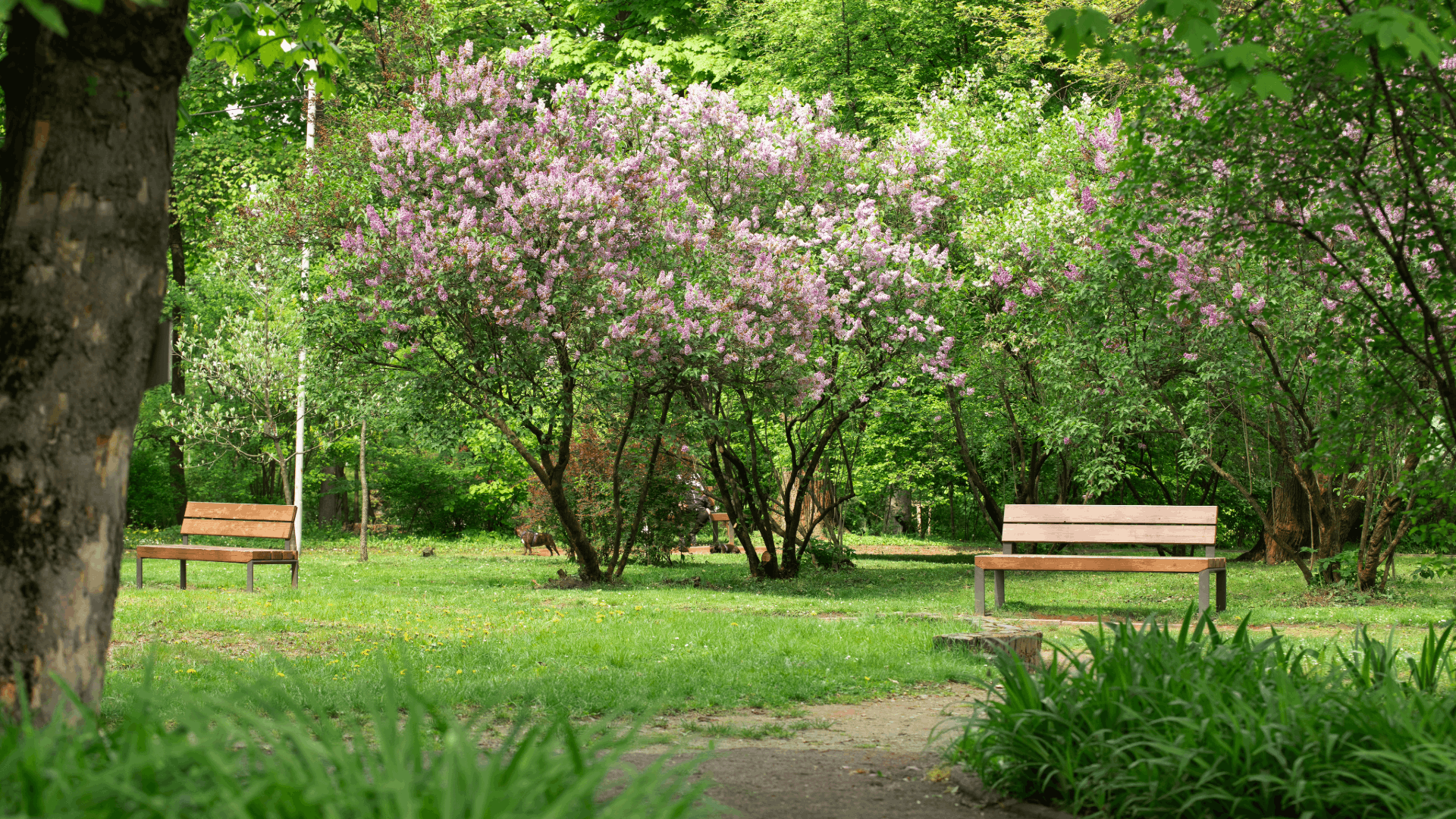
For an even quieter escape, head west to Park Decjusza. This is where history and greenery come together without the crowds you might expect around Krakow's better-known landmarks. The park surrounds Villa Decius, a Renaissance residence associated with Justus Ludwik Decius, a royal secretary and adviser to King Sigismund I. The original gardens were designed by Italian architects in the 16th century, and some of the old trees still give the park a wonderfully established, almost timeless feel. It is a particularly good choice if you enjoy the history around Wawel but don't feel like spending another afternoon inside a busy museum. Villa Decius offers a much smaller-scale glimpse into Renaissance Krakow, when royal advisers, wealthy patrons and artists helped shape the city beyond its medieval centre.
The park is also a good introduction to
Wola Justowska, one of Krakow's greenest western neighbourhoods. Once you leave the park, the streets quickly become quieter and more residential, with large trees and detached houses replacing the dense architecture of the centre. You don't need a particular reason to come here. Bring a book, pick up a coffee, find a bench and stay for a while. Or, if you feel like walking further, use Park Decjusza as the starting point for an outing towards Las Wolski. It's one of those places where Krakow feels less like a tourist destination and more like a city people actually live in.
Las Wolski: The closest thing to a forest escape
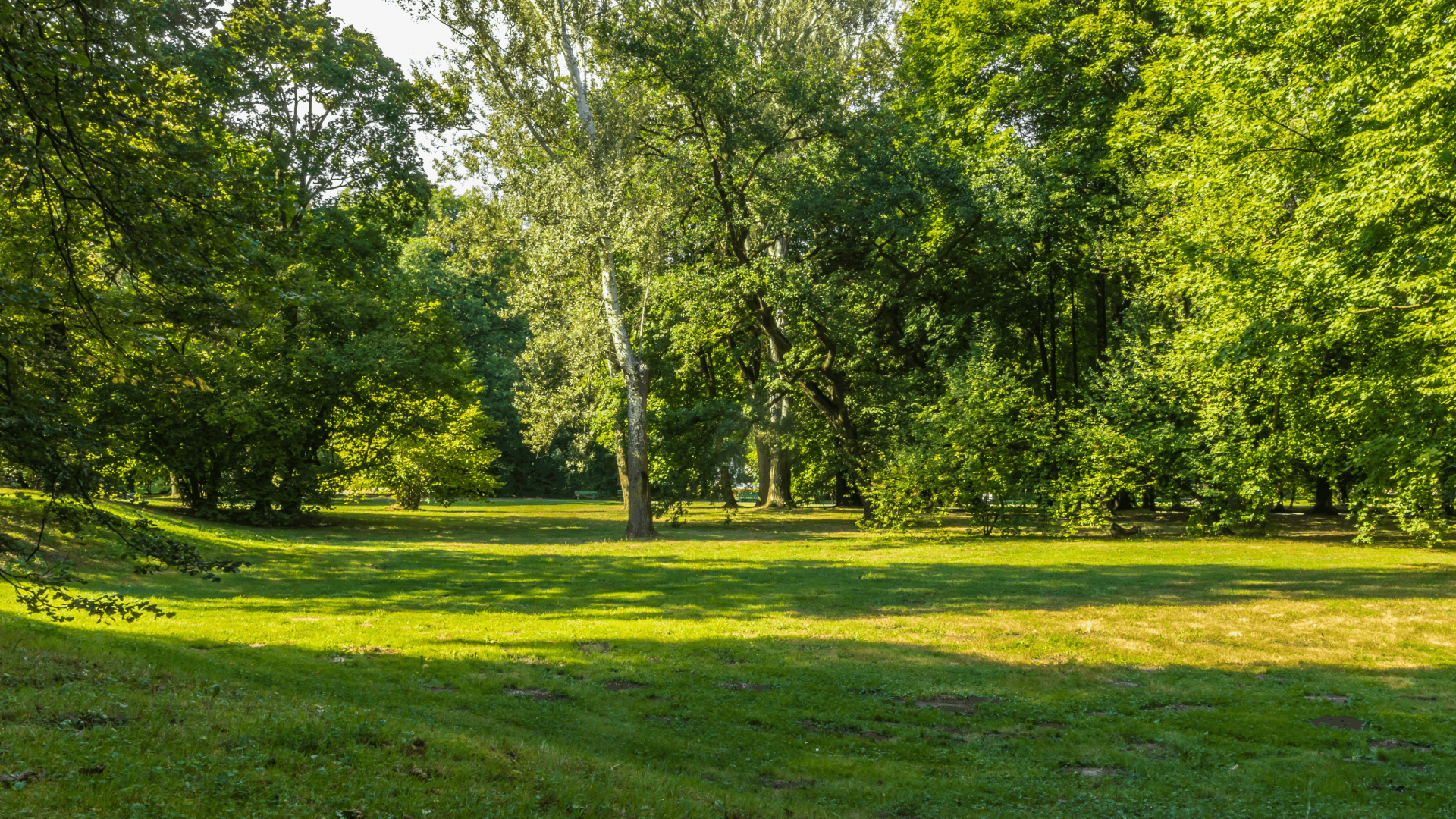
If a small city park is not quite enough, keep walking west towards Las Wolski, or Wolski Forest. Covering a large area on the western edge of Krakow, it offers more than 40 kilometres of walking paths, so you can spend a quick hour among the trees or easily turn the visit into a half-day outdoors. The forest is popular with locals, particularly at weekends, but its size means you can usually find quieter paths once you move away from the main entrances. The difference is noticeable almost immediately. Instead of traffic and buildings, you get wooded hills, changing light between the trees and long stretches of trail where Krakow seems surprisingly far away.
One of the easiest ways to explore this part of the city is to combine
Park Decjusza
and
Wolski Forest into one relaxed day. You can start with the Renaissance villa and its gardens, then continue towards the forest for a longer walk. If you want a viewpoint along the way, make your way towards Kosciuszko Mound. The monument itself attracts more visitors, especially on sunny days, but you don't have to stay around the busiest section. Some of the best moments come afterwards, when you return to the surrounding forest paths and the city gradually disappears behind the trees.
Krakus Mound: Go early, then walk away from the view
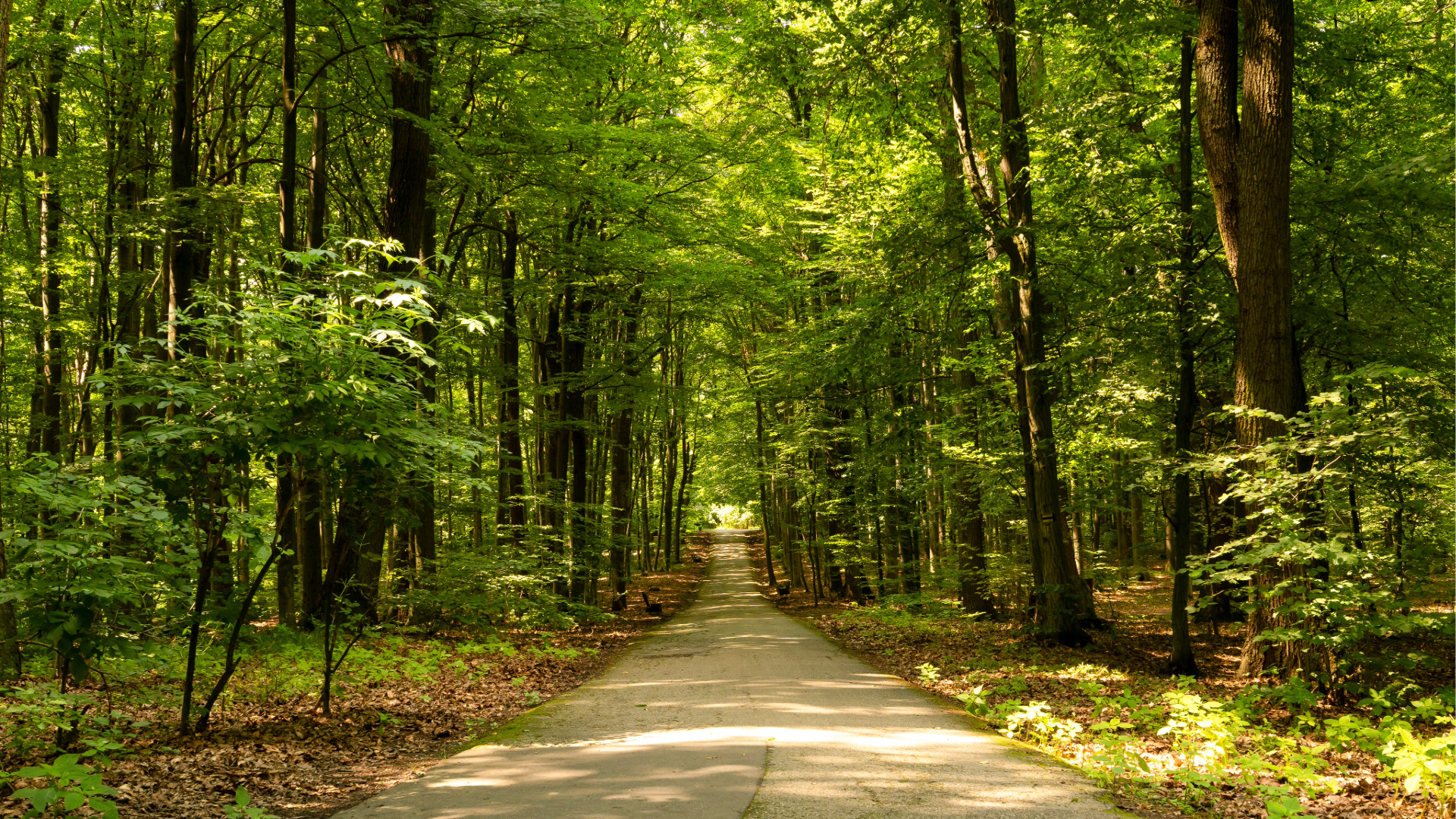
Krakus Mound is one of Krakow's best-known viewpoints, but when you visit makes a real difference. Sunset is the obvious choice, and for good reason, but it also brings more people looking for the perfect photograph. Come in the early morning instead, and the same place feels much quieter and more open. The mound stands above Podgorze, with wide views across the Vistula towards Wawel, the Old Town skyline and the industrial parts of the city. According to local legend, it marks the burial place of Prince Krak, the mythical founder of Krakow. There is no historical evidence that Krak was actually buried here, but the story has been associated with the mound for centuries and remains an important part of Krakow's folklore.
The mound itself does not require much time. The more interesting part is what you do afterwards. From here, you can wander through the quieter streets around
Lasota Hill, continue towards
Park Bednarskiego or make your way down into Podgorze. So rather than treating Krakus Mound as another item to tick off your sightseeing list, use it as a starting point. Come early, take in the view, and then keep walking. This is where the less hurried side of Podgorze really begins.
Nowa Huta Meadows: A nature reserve inside the city
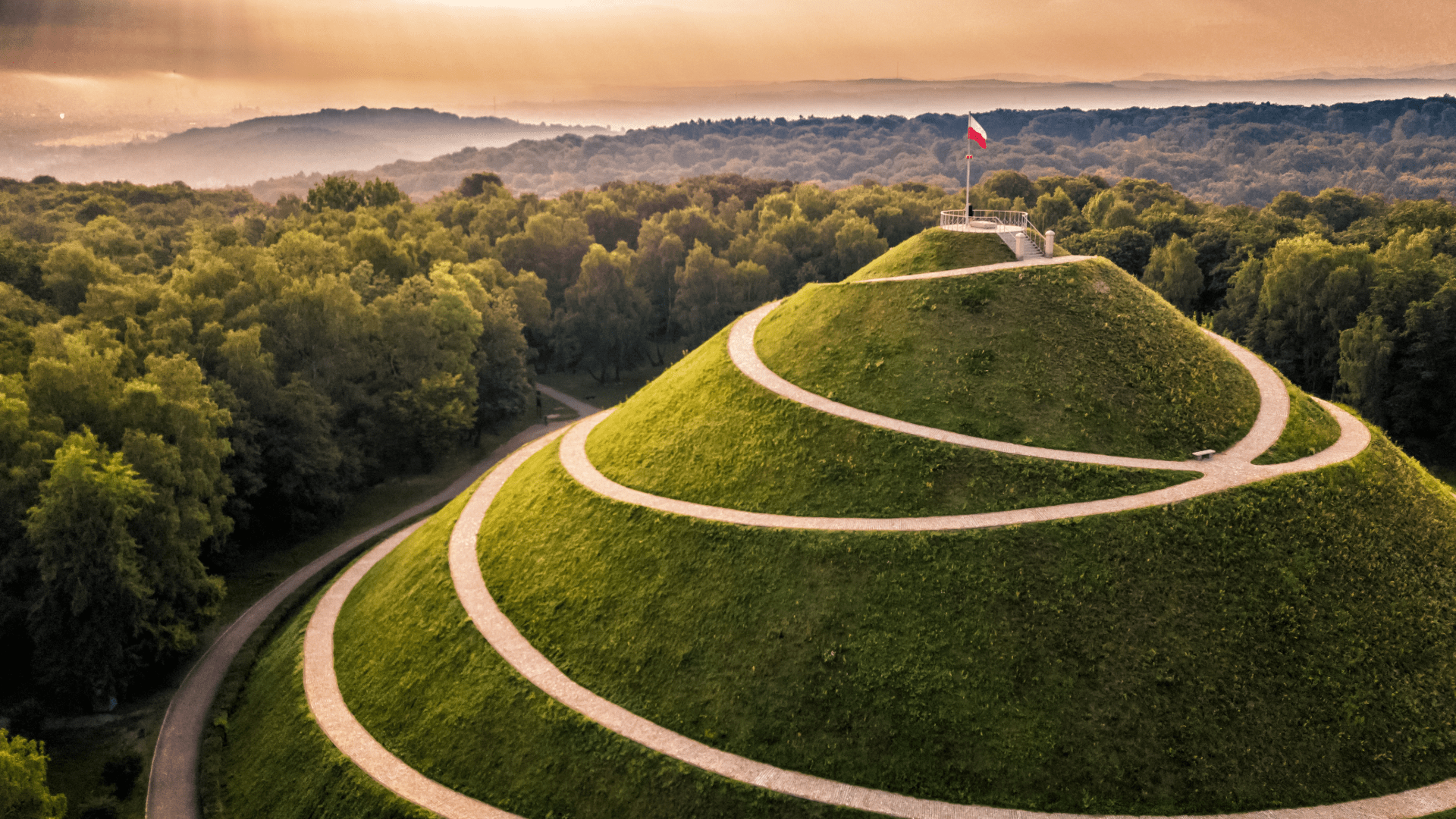
Nowa Huta can completely change the way you see Krakow. Instead of medieval churches, narrow streets and historic townhouses, you find broad avenues, monumental residential blocks and a district designed from scratch after the Second World War around the enormous steelworks. Start around Plac Centralny and the Avenue of Roses to get a sense of the district's planned, socialist-realist character. Then head towards the Nowa Huta Meadows, where the atmosphere changes once again.
The meadows are a protected Natura 2000 area, with wetlands, grassland and walking paths stretching through one of the quietest natural spaces within Krakow's boundaries. The city suddenly feels much further away. Instead of traffic and tour groups, you are more likely to hear birds, see butterflies and pass locals walking their dogs or cycling. There is no major attraction waiting at the end of the path, and that is exactly why the meadows work so well. You can simply walk, stop for a while and enjoy having some space around you.
For a fuller experience, combine the meadows with a walk through Nowa Huta's planned centre. Seeing the monumental post-war architecture first and then stepping into the surrounding natural landscape creates an interesting contrast with the Old Town—and gives you a glimpse into a completely different chapter of Krakow's history.
Tyniec Abbey: A half-day reset by the Vistula
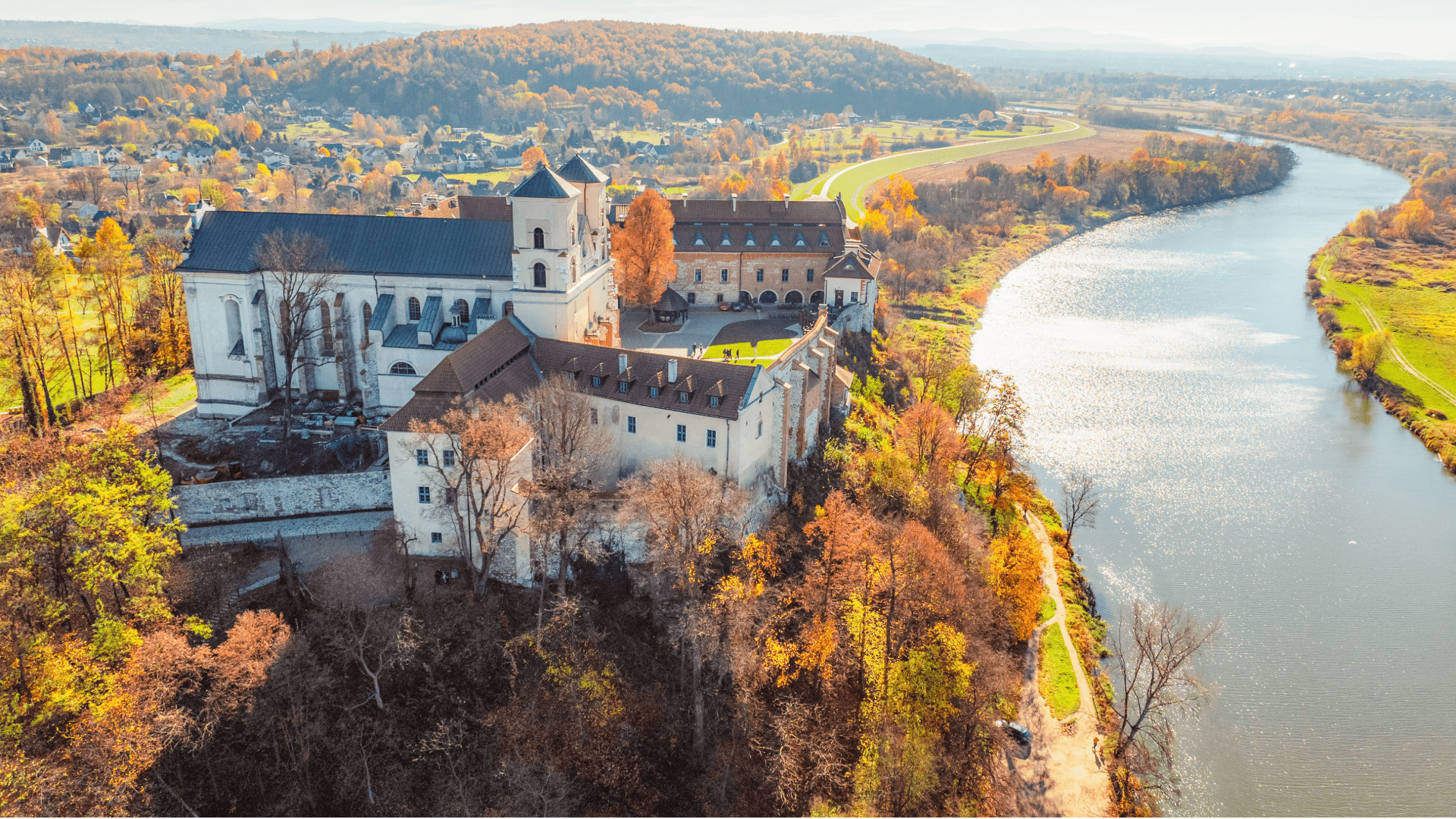
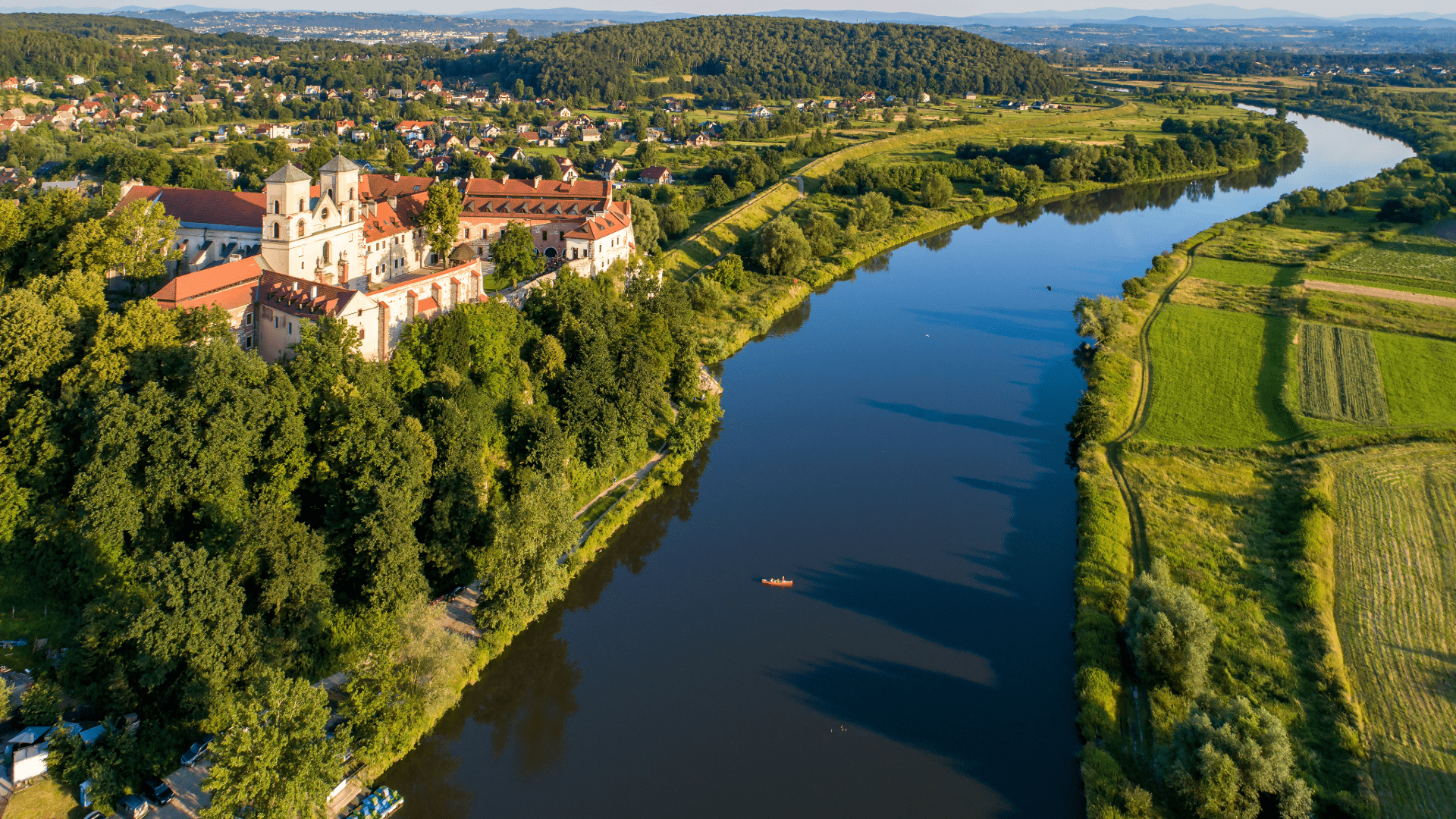
If you want to get properly away from the busy centre without travelling far, Tyniec is one of the best options. The village sits on the Vistula southwest of Krakow, with the Benedictine Abbey perched dramatically on a limestone hill above the river. You can reach it by bus in under an hour, or make the journey part of the experience by cycling along the Vistula. The setting is what makes Tyniec special. The river curves around the hill, the landscape becomes noticeably more rural, and the monastery seems to rise straight out of the surrounding greenery. There is also a lot of history here. The first Benedictine monks arrived in Tyniec in the mid-11th century, and the abbey is still home to an active Benedictine community today.
Take some time to explore the monastery grounds and church, then slow down by the river. You can find a place to sit, enjoy the view or continue along part of the riverside cycling route. Tyniec is not a place you visit to fill another few hours with sightseeing. It works better as a deliberate change of pace — especially after several busy days in Krakow. When the city starts to feel a little overwhelming, Tyniec gives you somewhere to breathe.
Master the city with our Guidebook
Planning a trip is one thing. Knowing how to make the most of your time once you arrive in Krakow is another. The city centre is easy to explore on foot, but a few local tips can make a big difference — especially when you're visiting during a busy cultural season. We've put our favourite practical advice into a Free Guidebook, designed to help you spend less time worrying about where to eat, how to get around or what to see next, and more time actually enjoying Krakow.
Inside the guide, you'll find:
- Where to eat: Local restaurants, cafés and less obvious places to stop for a meal away from the busiest tourist streets.
- Getting around Krakow: Simple advice on public transport, walking and moving between the city's main neighbourhoods.
- Local customs: A few useful tips on Polish etiquette and everyday habits that can make your visit feel more natural.
- Walking ideas: Suggested routes through the
Old Town, Kazimierz and beyond, so you can explore without constantly checking your phone.
Step beyond the obvious route
Krakow often reveals its most interesting side when you leave the Main Market Square for a few hours. A former quarry, a riverside path, a protected wetland or a monastery perched above the Vistula can give you a completely different perspective on the city. These quieter places also create a useful balance during a busy city break. After a morning of museums and historic streets, an afternoon among trees or along the river can make the rest of the trip feel much less rushed.
Explore
Hello Cracow's tours when you want deeper context for Krakow's best-known stories, and then leave some space in your itinerary to discover its quieter ones on your own. Sometimes, those unscheduled walks end up being the moments you remember most.