



Voices Of The Past: 6 Essential Polish Authors To Read Before Visiting Auschwitz
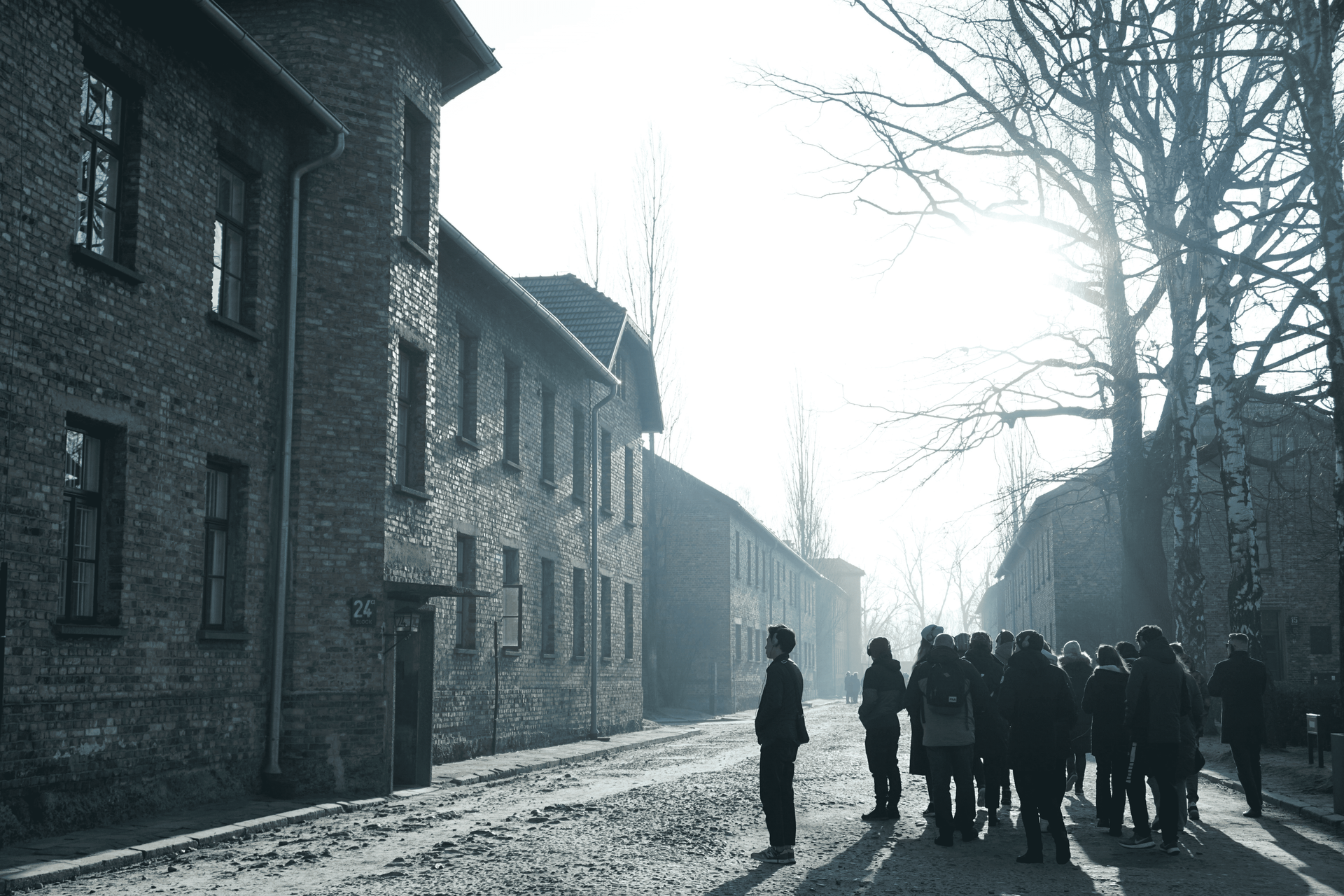
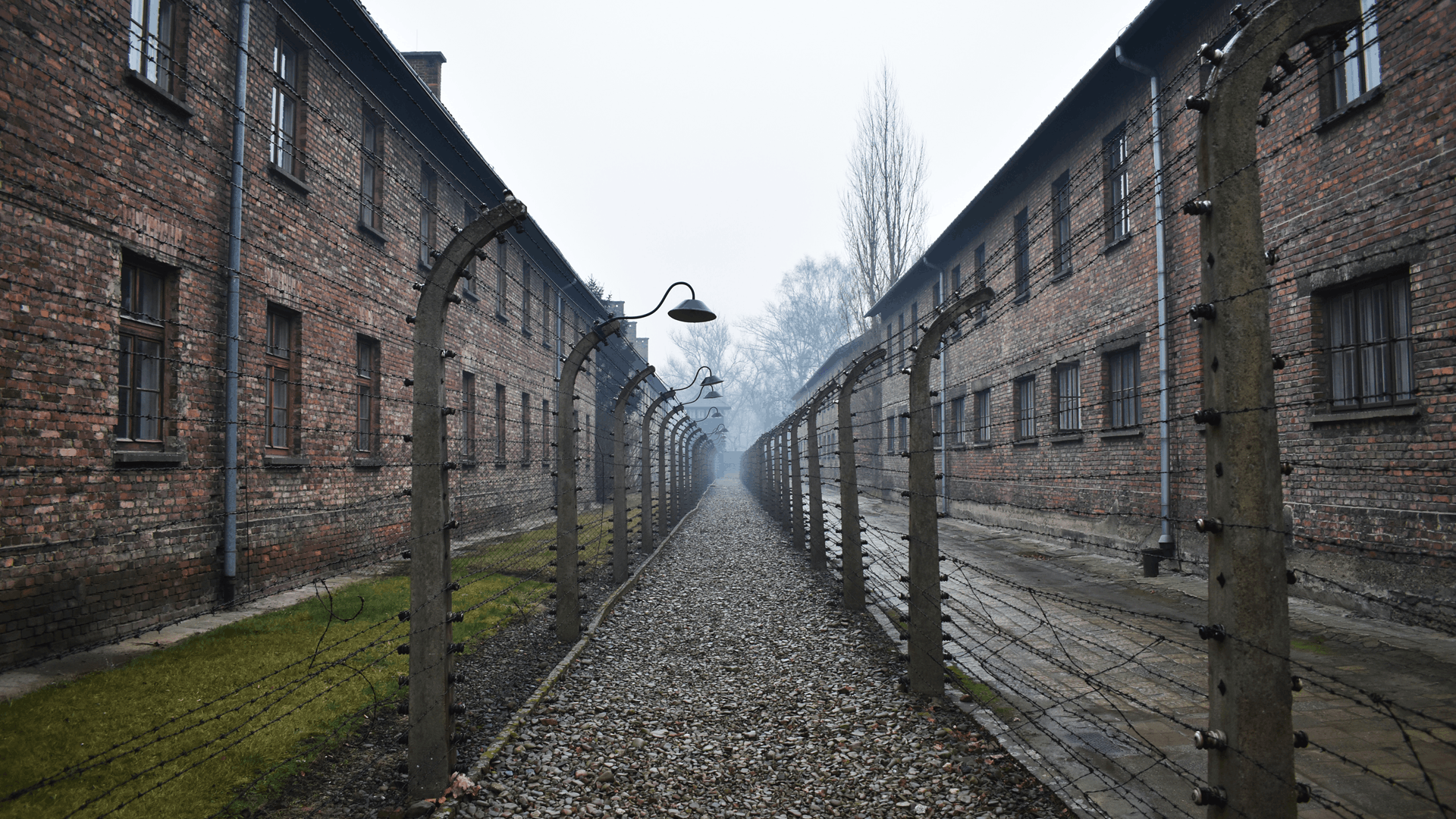
A visit to Auschwitz-Birkenau asks for more than simply adding another day trip to your Krakow itinerary. The former German Nazi concentration and extermination camp is a memorial site and a place of mass murder, where the scale of what happened can be difficult to understand through buildings, photographs and numbers alone.
Reading before you go cannot prepare you for the visit itself, and it should not try to. What it can do is give some of the history a human dimension. Names, individual stories, memories and difficult choices become easier to recognise when you arrive at the site. Instead of knowing only what happened, you begin to understand something about the people who experienced it. The six writers below approach this history from very different perspectives. Four of them experienced Auschwitz as prisoners, writing about the camp from their own memories and experiences. Zofia Nalkowska encountered its aftermath from a different position, collecting testimonies and evidence about what had happened there in the months following the war. Hanna Krall offers yet another perspective. She survived the Holocaust as a child but was never imprisoned at Auschwitz. Her writing instead brings readers closer to the Jewish world destroyed during the Holocaust and to the people who carried its memory into the years that followed.
There is no single book that can explain Auschwitz. Taken together, however, these works can help you arrive with more context and a greater awareness of the human stories behind the place.
| Author | Essential work | Connection to Auschwitz and the Holocaust |
|---|---|---|
| Hanna Krall | Shielding the Flame | Holocaust survivor; journalist writing from interviews and memory, not an Auschwitz prisoner |
| Wladyslaw Bartoszewski | Moj Auschwitz | Auschwitz prisoner no. 4427, held from September 1940 to April 1941 |
| Kazimierz Albin | List Gonczy | First Tarnow transport prisoner no. 118; escaped in 1943 |
| Tadeusz Borowski | This Way for the Gas, Ladies and Gentlemen | Auschwitz prisoner no. 119198; writer of literary camp stories |
| Zofia Nalkowska | Medallions | Member of the postwar commission investigating German crimes in Poland |
| Seweryna Szmaglewska | Smoke over Birkenau | Auschwitz-Birkenau prisoner no. 22090 and later Nuremberg witness |
Hanna Krall: Begin with the lives behind the loss
Hanna Krall's Shielding the Flame is not a book about Auschwitz, and that is precisely why it belongs on this list. Krall, a Jewish Polish writer who survived the Holocaust as a child in hiding, builds the book around her conversations with Marek Edelman, one of the leaders of the Warsaw Ghetto Uprising who later became a cardiologist in Lodz. Edelman speaks about life in the Warsaw Ghetto, the deportations to Treblinka, the uprising and what it meant to go on living after the war. His account is direct and unsentimental, but it often comes back to small, deeply human decisions: who could be helped, who could not, and what a person could do when the rules of ordinary life had completely broken down.
That perspective can be valuable before visiting Auschwitz. The Memorial confronts visitors with the physical traces of people who were murdered there: suitcases, eyeglasses, shoes and photographs. Krall's book offers a reminder of the lives behind those objects. These were people who had families, professions, friendships, plans and ordinary worries long before persecution reduced them to numbers and stripped them of their homes, possessions and identities.
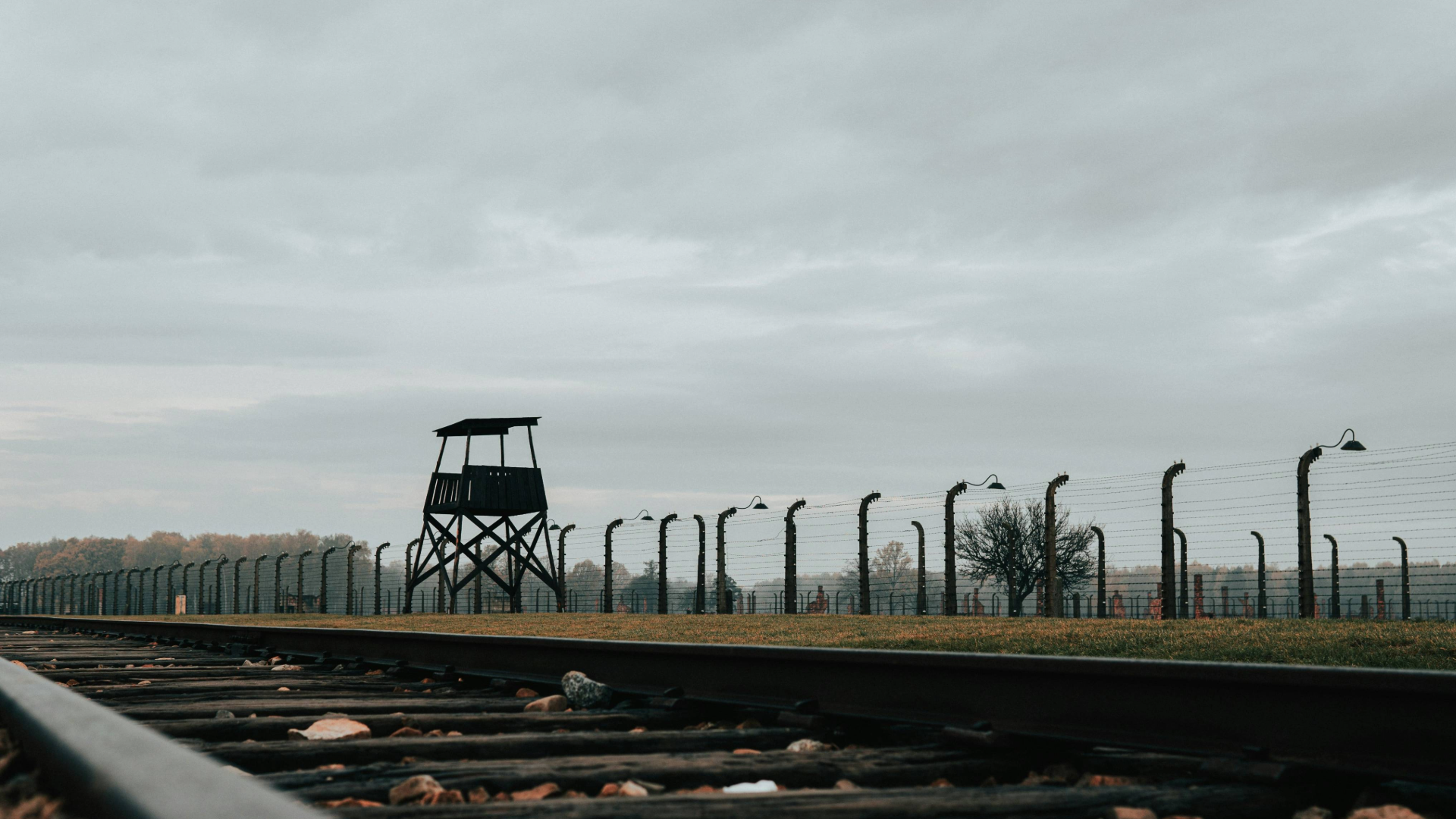
Wladyslaw Bartoszewski: One prisoner's Auschwitz
Wladyslaw Bartoszewski arrived at Auschwitz on 22 September 1940, in the second transport of Polish prisoners from Warsaw. He was only 18 years old and was given prisoner number 4427. He spent 199 days in the camp before being released in April 1941. His memoir, Moj Auschwitz, often rendered in English as My Auschwitz, offers a rare glimpse into the camp during its early years. This was before Auschwitz II-Birkenau became the principal killing centre within the Auschwitz complex and one of the largest sites of the Holocaust. Bartoszewski writes as a young Polish political prisoner, describing the camp from his own experience rather than trying to speak for everyone who was imprisoned there.
That perspective is important. Auschwitz changed over time, and prisoners' experiences differed greatly depending on when they arrived, why they had been imprisoned and what conditions they encountered. There were different prisoner groups, different forms of persecution and violence, and very different chances of survival. Bartoszewski's later life would take him into the Polish underground and the Council to Aid Jews, known as
Zegota. But in
Moj Auschwitz, he stays close to his own memories of those 199 days: what he saw, what he heard and what he experienced as an 18-year-old prisoner.
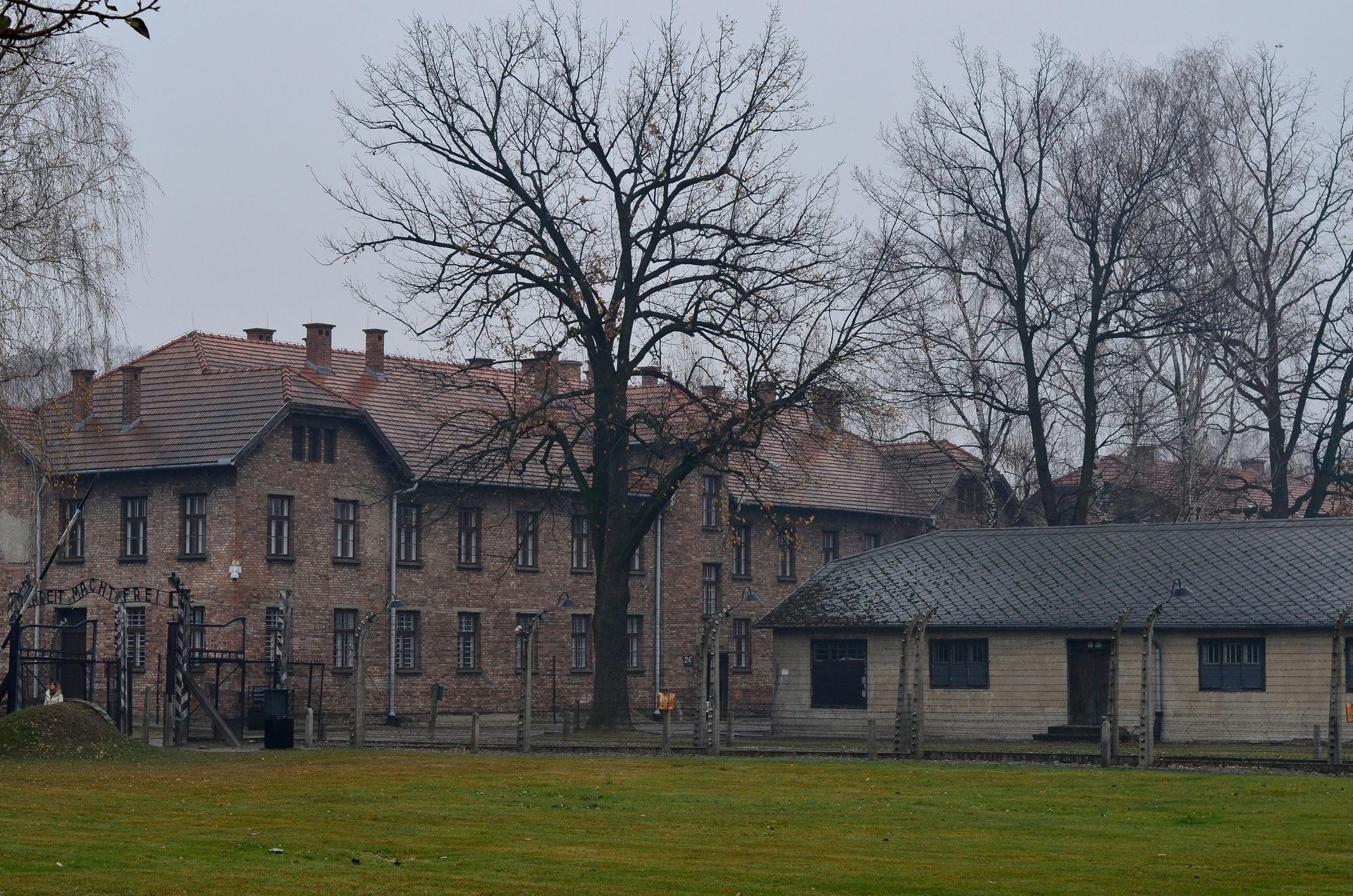
Kazimierz Albin: The story does not end at the fence
Kazimierz Albin was among the 728 Polish prisoners deported from Tarnow to Auschwitz in the first transport on 14 June 1940. He was given prisoner number 118. His memoir, List Gonczy, whose title translates as Wanted List, offers a perspective that goes beyond the image of Auschwitz as a closed world, completely cut off from everything outside its fences.
On 27 February 1943, Albin escaped from the camp with six other Polish prisoners. But escaping Auschwitz did not mean that the danger was over. He returned to occupied Krakow under an assumed name and joined
the Home Army's diversion section, living with the constant risk of being discovered. His story shows how far the consequences of imprisonment could reach beyond the camp itself. Escapees could be hunted down, their families could face reprisals, and staying alive often depended on networks of people willing to take enormous risks to help one another. Albin's memoir can be more difficult to find in English than some of the other books on this list, but it is particularly valuable for readers who want to understand Auschwitz within the wider history of occupied Poland. His story connects the camp with Tarnow, Krakow and the Polish underground, showing that the history of Auschwitz did not end at the barbed wire.
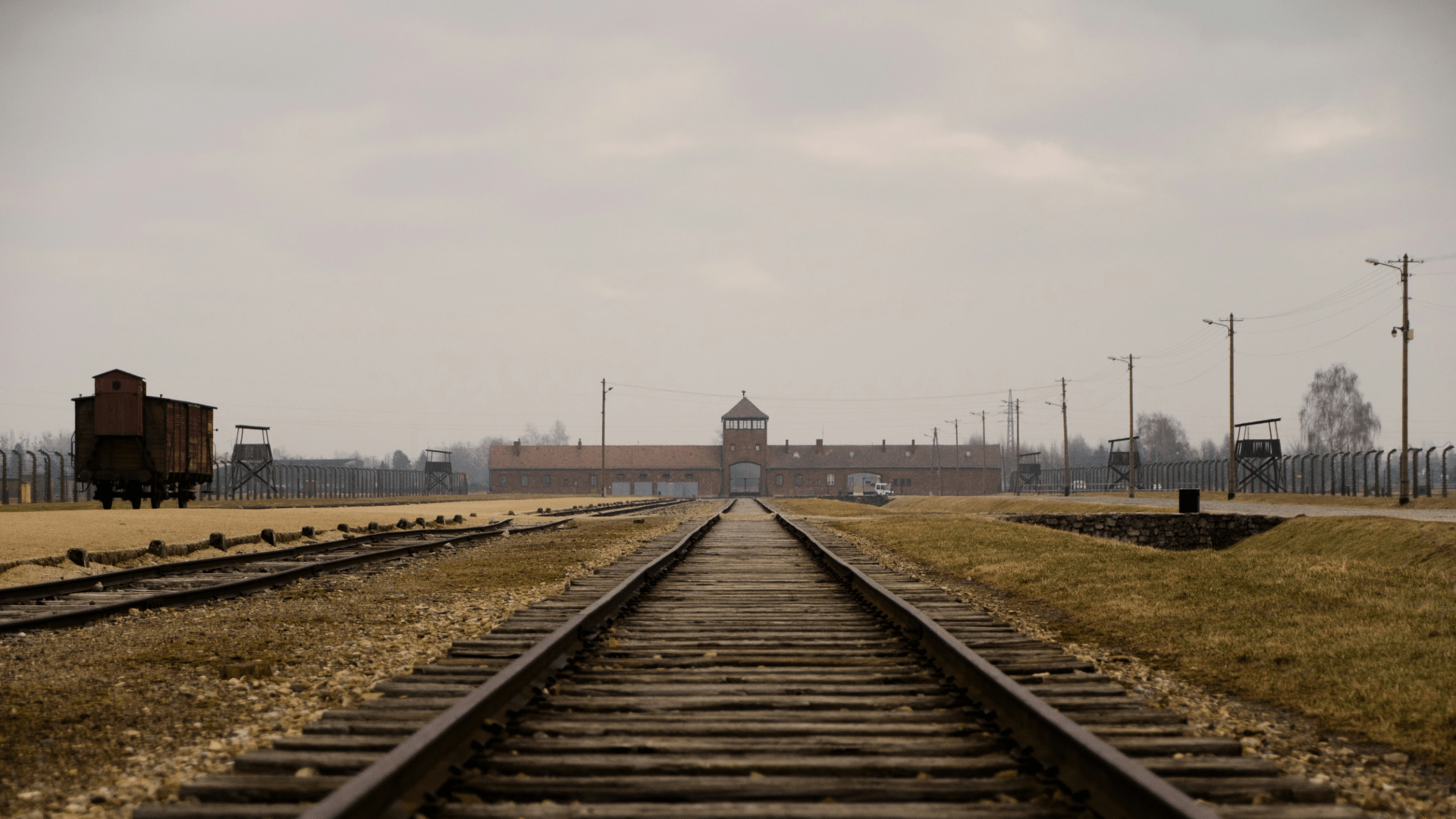
Tadeusz Borowski: The uncomfortable truth of survival
Tadeusz Borowski was arrested in 1943 and deported to Auschwitz, where he was registered as prisoner number 119198. He was later transferred to other concentration camps, including Dachau. His best-known stories are collected in English in This Way for the Gas, Ladies and Gentlemen. Borowski's work needs to be approached differently from a traditional memoir. These are literary stories shaped by his experiences, rather than straightforward autobiographical accounts or documentary records. Their narrator, often called Tadek, can seem detached, practical and even emotionally numb as he moves through a world of hunger, forced labour, selections and mass murder.
That distance is part of what makes the stories so difficult to read. Borowski does not offer simple stories of courage, resistance or moral certainty. Instead, he shows how the camp system distorted everyday choices and forced prisoners to compete for food, work assignments, shelter and even the smallest chances of survival. This perspective can be particularly important before visiting Auschwitz. It reminds readers that questions about why someone did or did not act in a particular way cannot always be judged by the standards of ordinary life. Under extreme terror, the choices available to prisoners were deliberately narrowed, and the boundaries of what seemed morally possible could be profoundly altered.
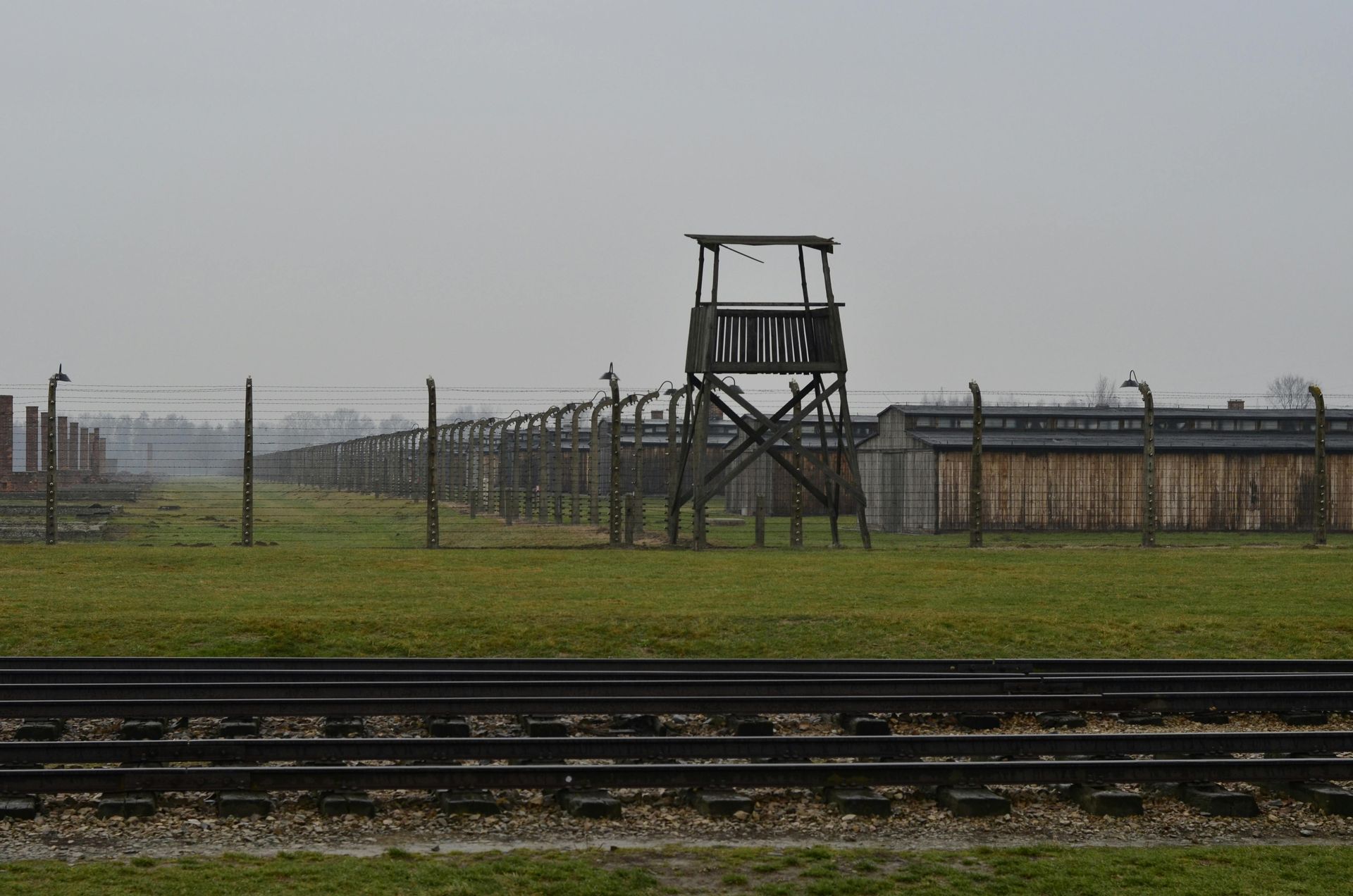
Zofia Nalkowska: When testimony becomes evidence
Zofia Nalkowska was never a prisoner at Auschwitz. After the war, she served on the Main Commission for the Investigation of German Crimes in Poland, listening to witnesses and defendants, visiting crime scenes and working with evidence gathered in the aftermath of Nazi occupation.
Her 1946 collection
Medallions contains eight short, documentary-style stories. They are brief, precise and often almost clinical in tone. That spareness gives them force. Nalkowska understood that a writer could not improve the truth by making it more dramatic. The book reaches beyond Auschwitz to other sites of German crimes in occupied Poland. This wider frame is useful for visitors because Auschwitz was part of a vast system of persecution, deportation, forced labour and murder. Reading
Medallions helps explain why historical testimony must be handled carefully: testimony belongs first to the people who gave it, even when a writer transforms it into literature.
Seweryna Szmaglewska: A voice from Birkenau
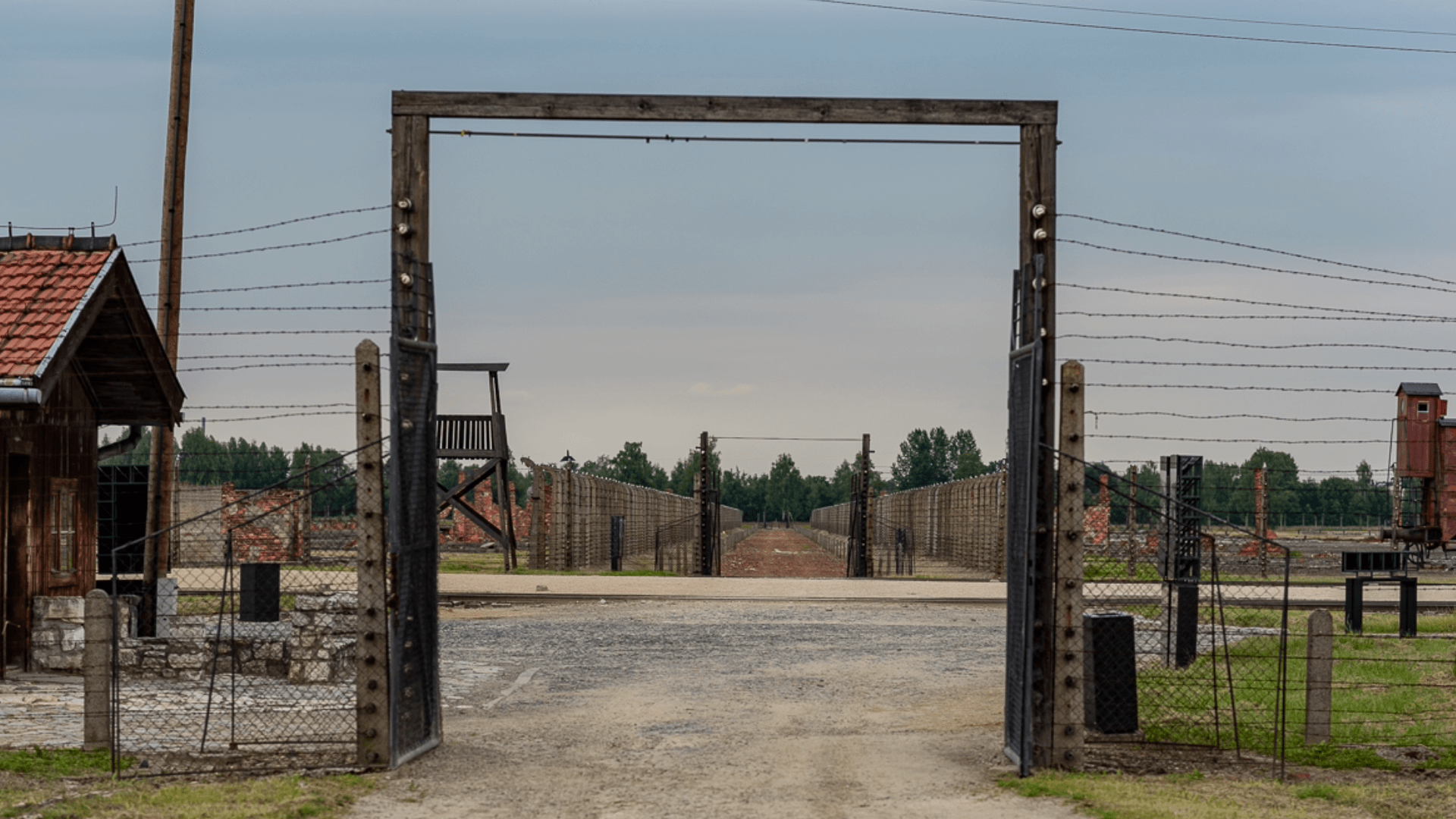
Seweryna Szmaglewska was arrested for her involvement in the Polish underground and deported to Auschwitz-Birkenau on 6 October 1942. She received prisoner number 22090 and remained in the camp for more than two years before being forced onto the evacuation march in January 1945, during which she escaped. Her book Dymy nad Birkenau, published in English as Smoke over Birkenau, became one of the earliest widely read accounts of life in the camp. Szmaglewska focuses on the daily reality of Birkenau: endless roll calls, forced labour, hunger, illness and the experiences of women and children living with the constant presence of death.
The book was also important as historical evidence. Material from
Smoke over Birkenau was used by prosecutors at the
International Military Tribunal in Nuremberg, and Szmaglewska herself testified there in 1946. Her account has the immediacy of someone writing from memories that were still painfully fresh, with a clear determination to preserve what she had witnessed and to make sure it was not forgotten.
Read slowly, then leave space for the visit
You do not need to read all six books before your visit. One carefully chosen book can give you a different perspective on what you will see at Auschwitz-Birkenau. Bartoszewski and Szmaglewska offer firsthand accounts from prisoners. Borowski turns his experiences into unsettling literary fiction. Nalkowska shows how the evidence left after the war could be transformed into literature. Krall looks beyond the camp itself, while Albin follows the story beyond the barbed wire and into occupied Krakow.
Reading cannot prepare you for everything you will encounter at the Memorial. It can, however, change how you see what is there. A photograph, a transport record, a barrack or a field at Birkenau becomes easier to place within the lives of the people who passed through that history. These books do not tell the whole story, and no single voice could. What they offer are different fragments of a much larger human experience.
If you are planning a visit from Krakow, you can explore our guided tour options. Give yourself enough time for the Memorial, arrive with some context, and leave space to take in what you see without trying to rush through it.