



What To Pack For Krakow In Autumn
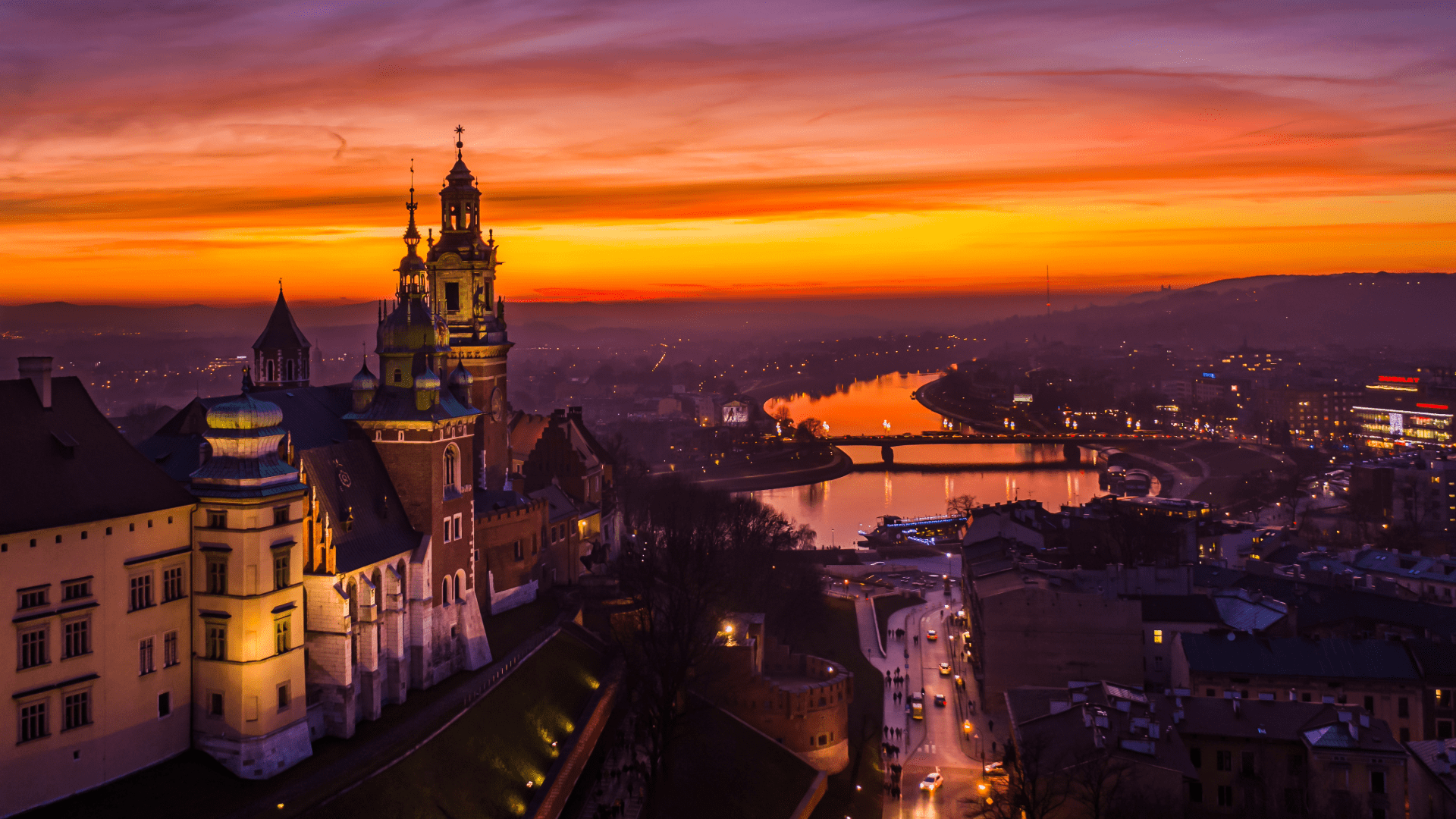
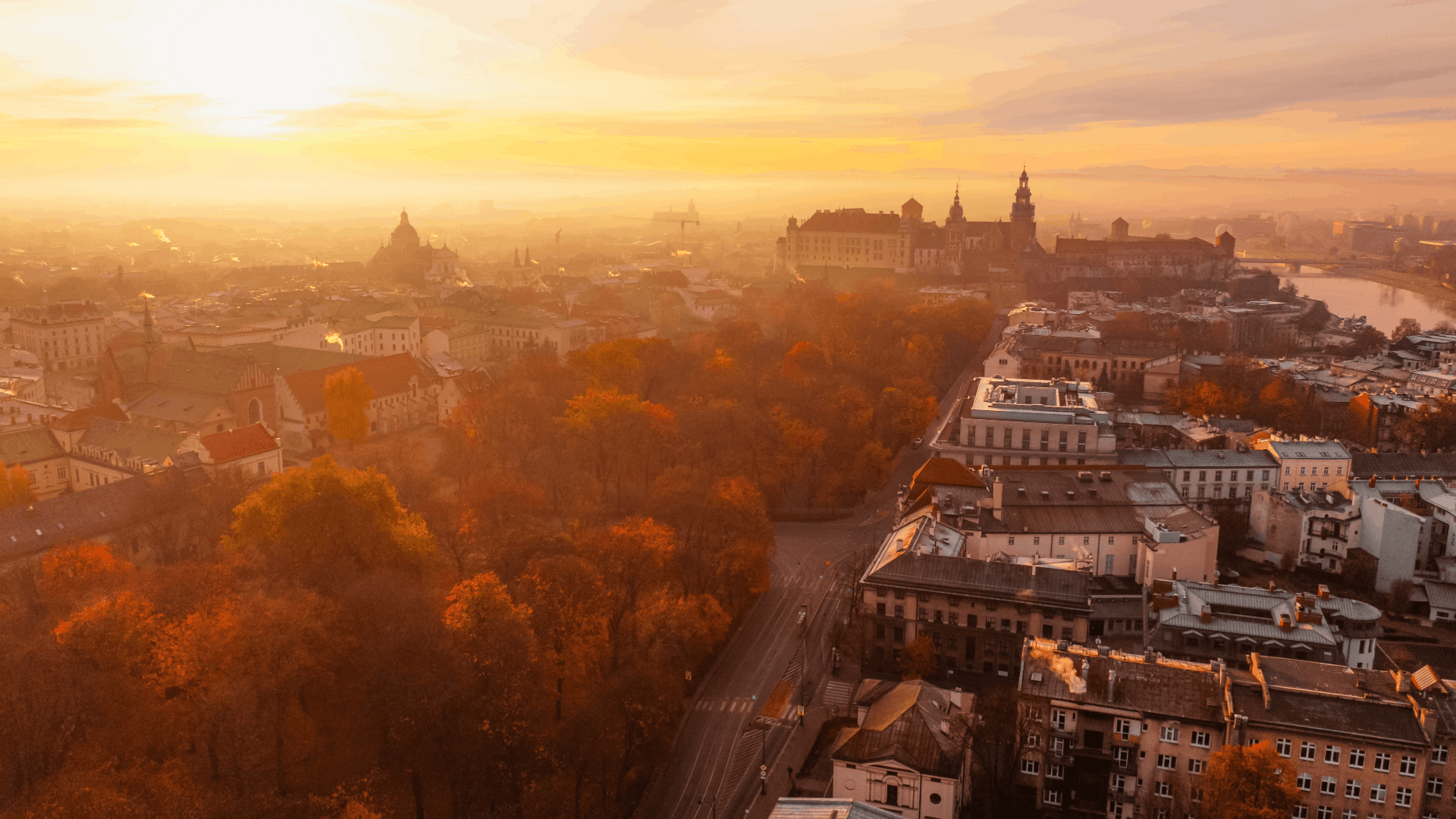
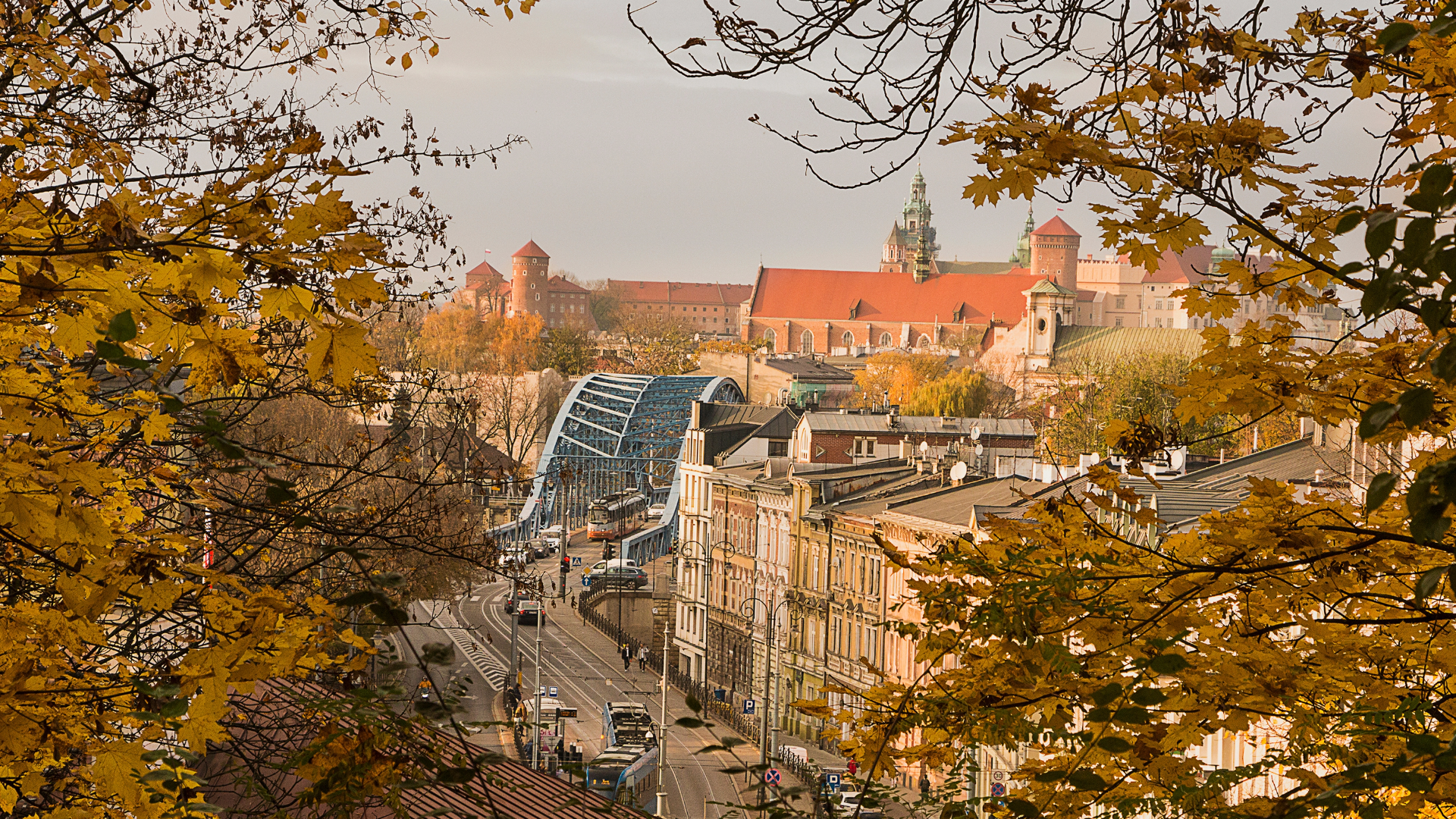
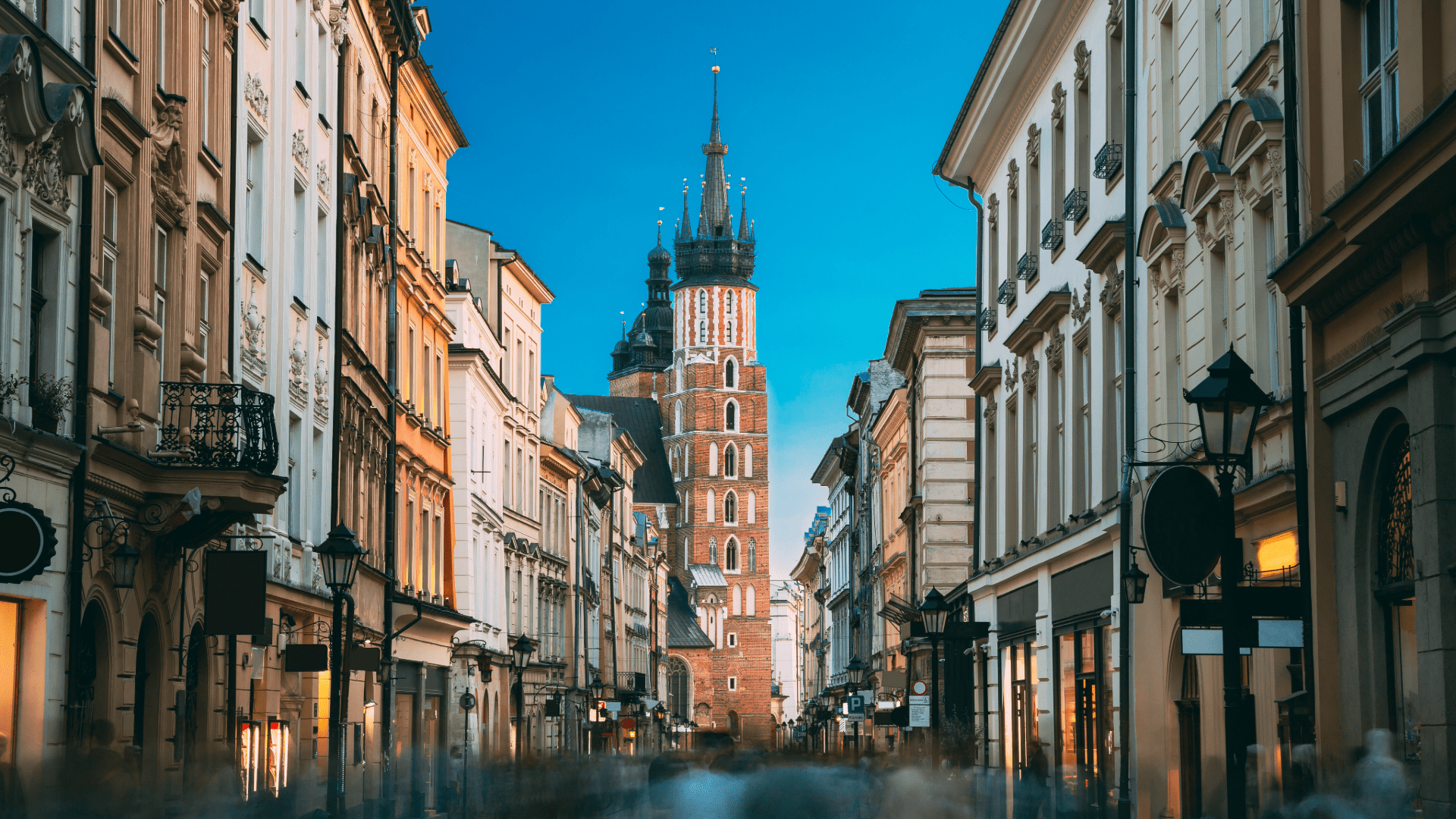
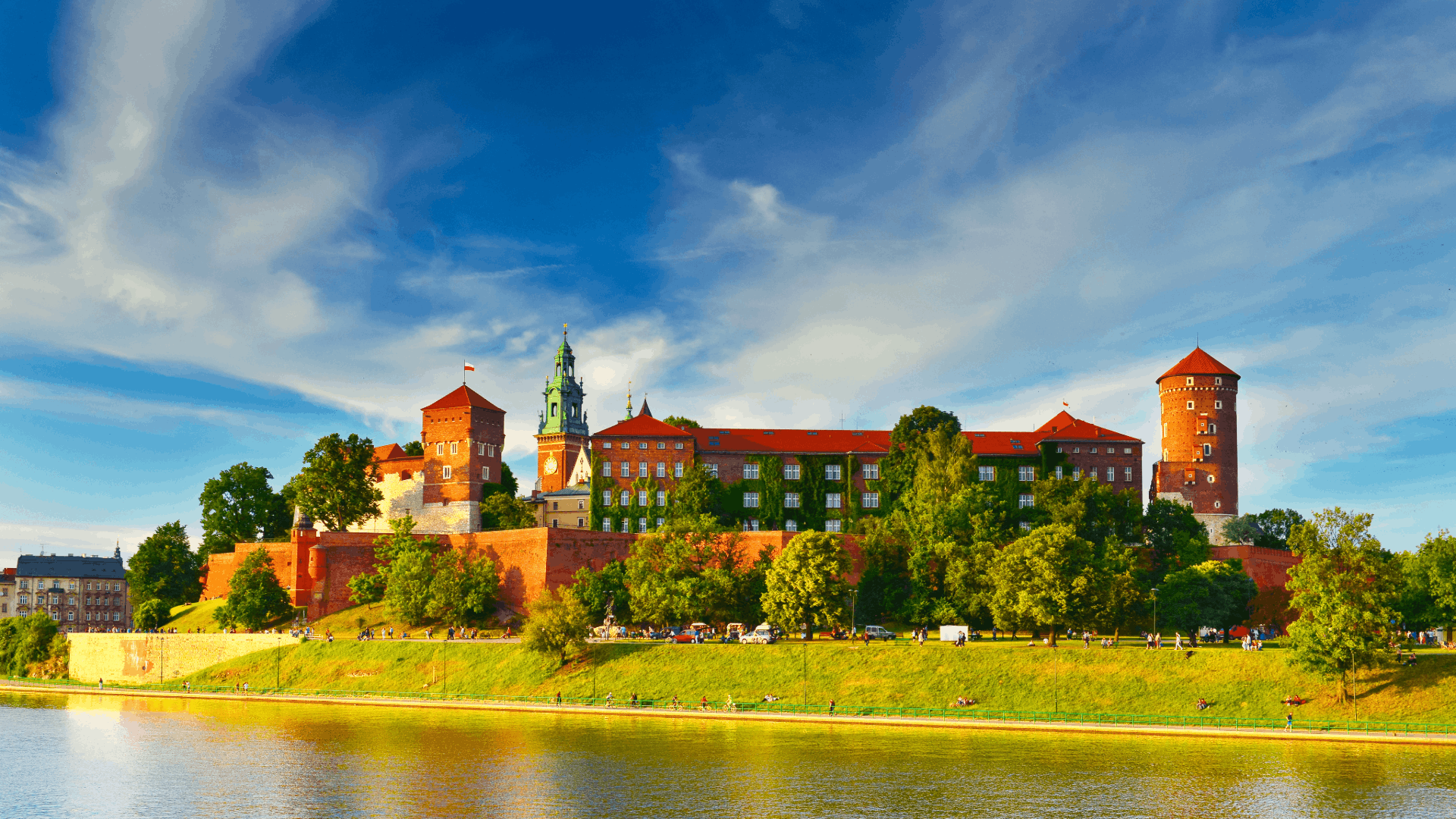
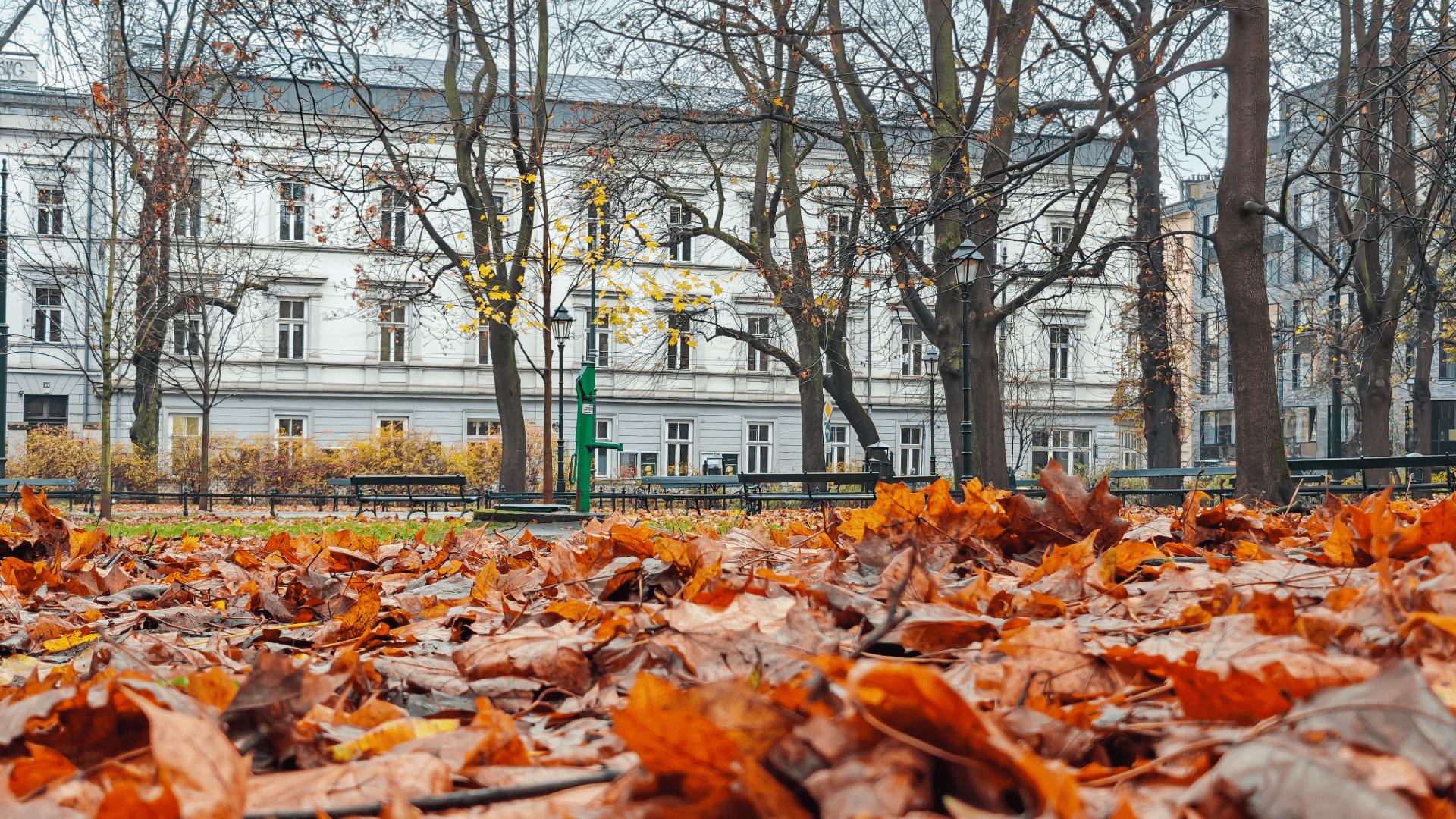
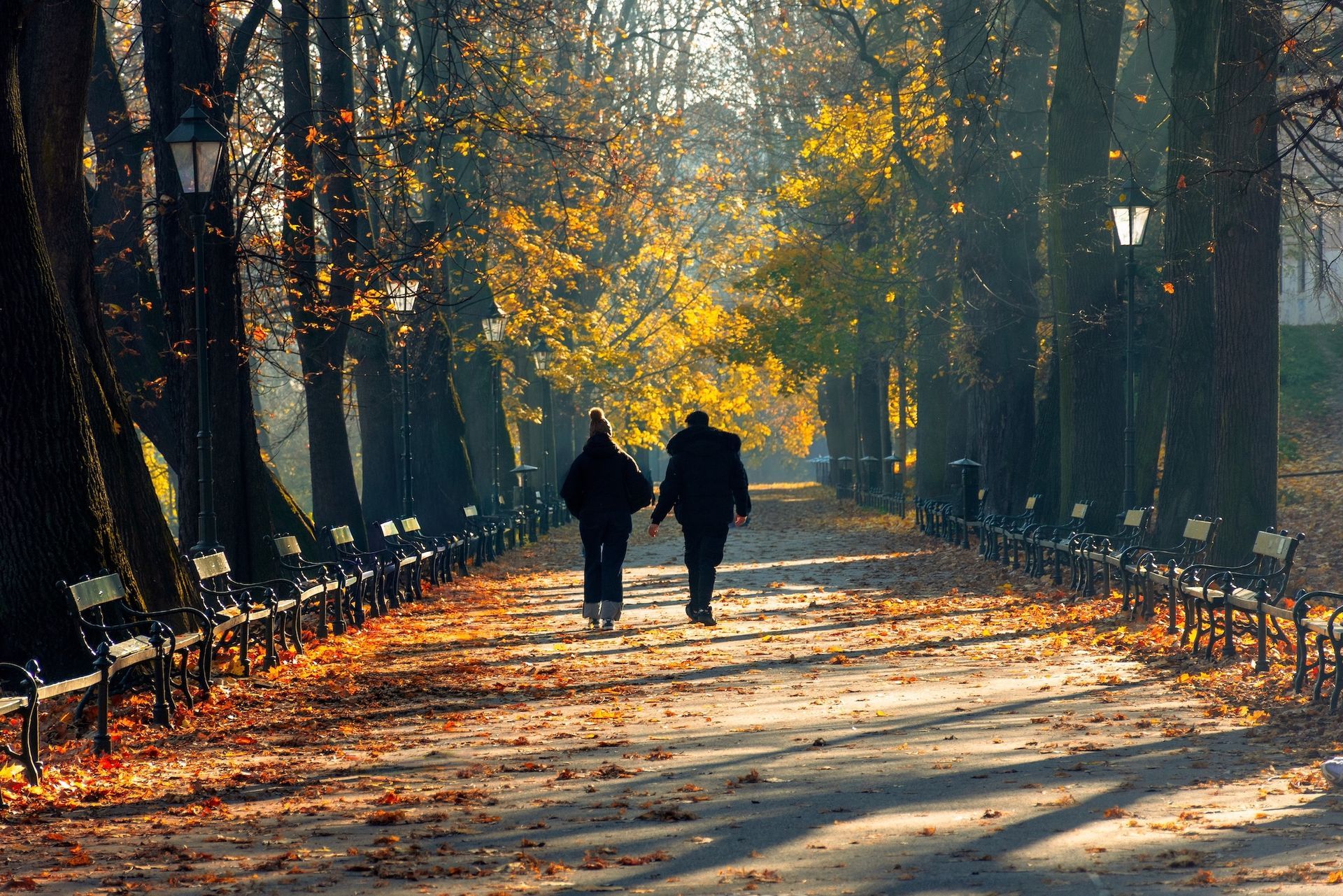
Autumn in Krakow often begins quietly. In September, you can still sit outside with a coffee near Main Market Square, walk through Planty Park in a light jacket and feel almost no urgency to leave the city before sunset. A few weeks later, the same streets look completely different. The chestnut trees drop their leaves, the light becomes softer, and an October morning that begins with clear skies can end with cold rain over Wawel Hill.
That change is exactly why Krakow is so rewarding in autumn. The city feels less hurried, cafes become part of the itinerary rather than a quick stop between attractions, and a warm dinner in Kazimierz feels deserved after a day on foot. Packing well means you can enjoy all of it without cutting a walk short because your shoes are wet or your jacket is still back at the hotel. The key is not packing for cold weather alone. It is packing for several versions of the same day.
| Month | Typical temperatures | What to prioritise |
|---|---|---|
| September | Around 19C/66F by day, 9C/48F at night | Light layers, a compact waterproof jacket and comfortable trainers |
| October | Around 13C/55F by day, 5C/41F at night | Knitwear, a waterproof outer layer and closed shoes |
| November | Around 5C/41F by day, 0C/32F at night | A warm coat, scarf, gloves and water-resistant footwear |
Start with layers, not a heavy suitcase
The best autumn outfit for Krakow begins with a simple idea: wear layers that can disappear into your bag. You may leave your hotel in a jumper and jacket, feel warm after twenty minutes around Main Market Square, then need both layers again when you reach the open paths beside the Vistula. A breathable T-shirt or long-sleeve top makes a good base. Add a cardigan, fleece or light knit for warmth, then finish with a waterproof jacket that can handle wind as well as rain. This is more useful than relying on one large coat, particularly in September and October, when museum interiors, cafes and trams can feel much warmer than the streets outside.
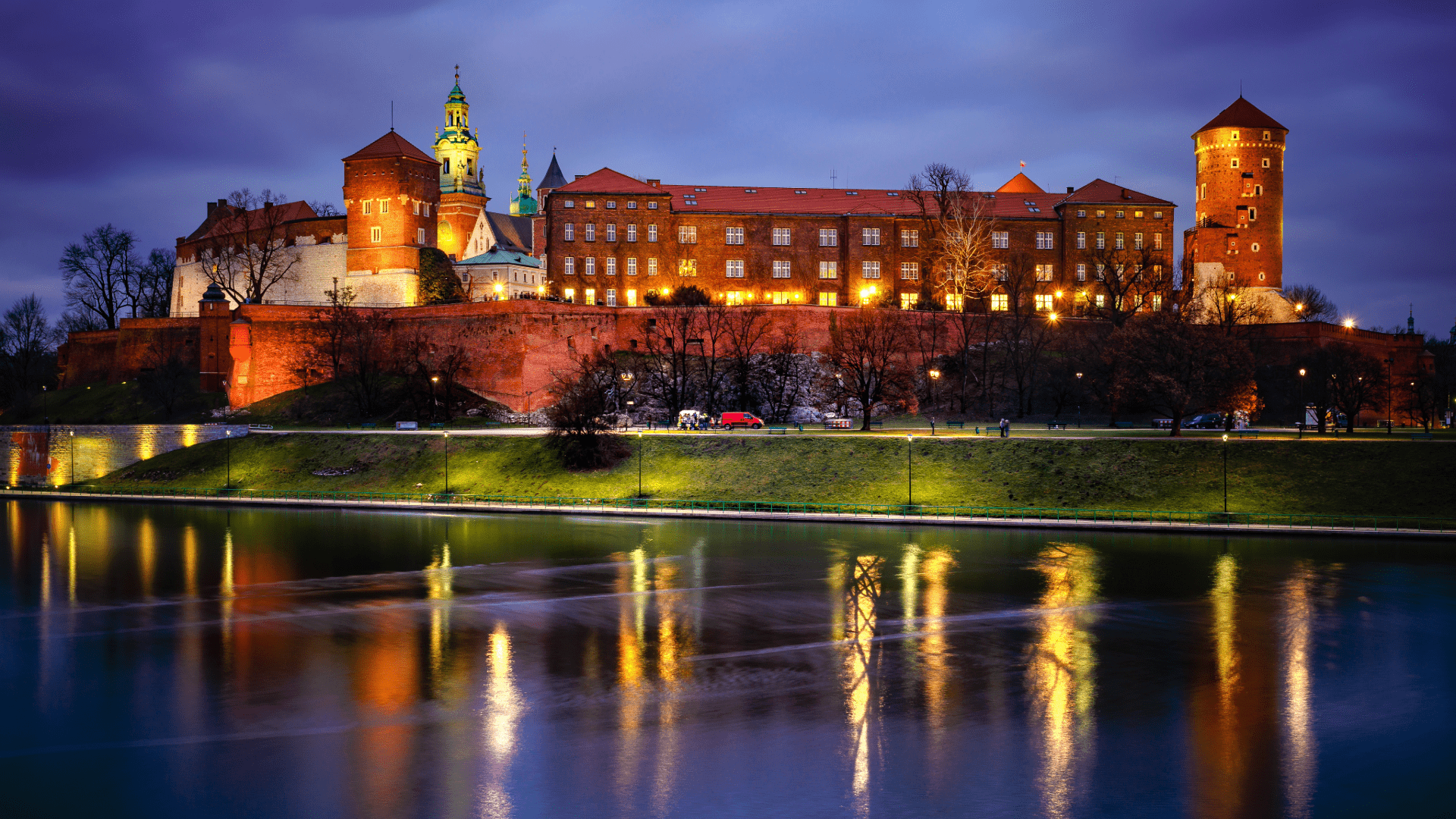
In September, one light knit and a compact rain jacket are usually enough. October calls for a warmer jumper and a proper outer layer with room underneath. By November, bring a more insulated coat, scarf, gloves and a hat. The city is still very walkable, but the evenings arrive earlier and staying warm becomes part of enjoying the atmosphere. A scarf deserves a place in your day bag from October onward. It takes up almost no room, helps on windy streets around Wawel and can make the difference between ending your evening after dinner or continuing for a walk through illuminated Old Town streets.
Shoes will shape your whole day
Krakow rewards people who walk. The route from Old Town to Wawel, through Kazimierz and across the river to Podgorze can easily become a full-day wander without ever feeling like a formal hike. The problem is that cobblestones, uneven pavements and wet leaves do not reward fragile footwear.
Bring one reliable pair of closed shoes with grip and cushioning. Trainers are fine for dry September days, but water-resistant walking shoes or ankle boots are a better choice from mid-autumn onward. The ideal pair is something you can wear for several hours without thinking about it, then still feel comfortable wearing to a casual restaurant in the evening. Avoid thin canvas shoes, smooth-soled fashion boots, and brand-new shoes that have not been broken in. They may look good in the hotel mirror, but they become less convincing after a wet walk across Wawel Hill or several hours on the stone streets of Kazimierz. If you want to pack lightly, take one practical pair for sightseeing and one cleaner, smarter pair for dinner or a concert. That is more useful than filling your suitcase with several pairs that only work in dry weather.
Rain protection is part of the plan
Autumn rain in Krakow does not always arrive dramatically. Sometimes it begins as a light drizzle just as you leave a museum, then follows you for the next hour while you decide whether to walk to Kazimierz or call a taxi. A compact umbrella helps for short distances, but it should not be your only protection.
A lightweight waterproof jacket with a hood is the most useful item in your suitcase. Look for one that is easy to fold into a backpack and roomy enough to wear over a jumper. It will protect you from rain, but it also works as a wind barrier on the river, at the top of Wawel Hill or during an evening walk through Planty. A small water-resistant day bag is also worth bringing. It keeps your phone, tickets, camera and power bank safe when the weather changes. You do not need specialist hiking equipment for a city break, but a bag that can cope with rain will make the day feel far less complicated.
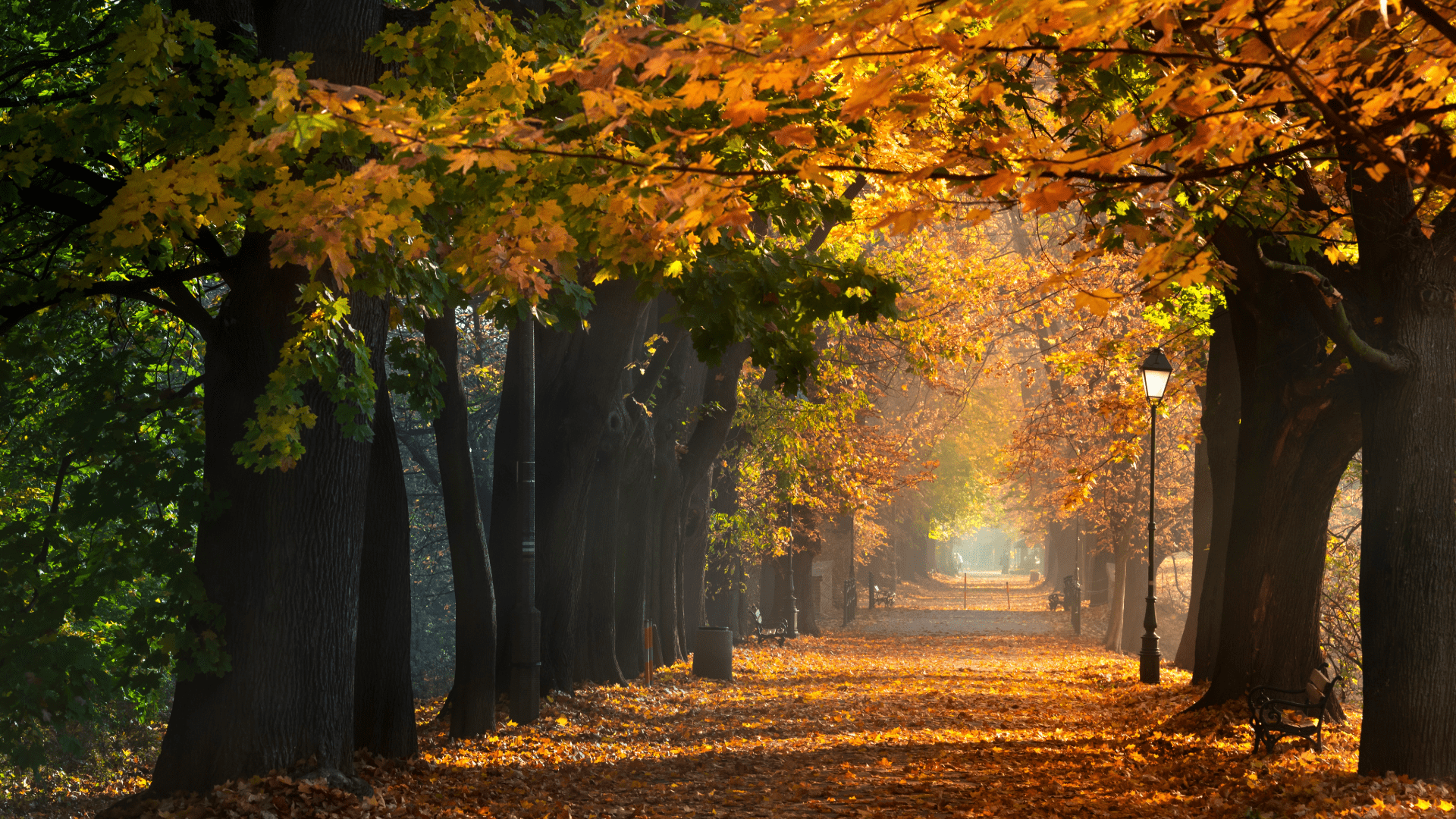
What to wear for a typical Krakow day
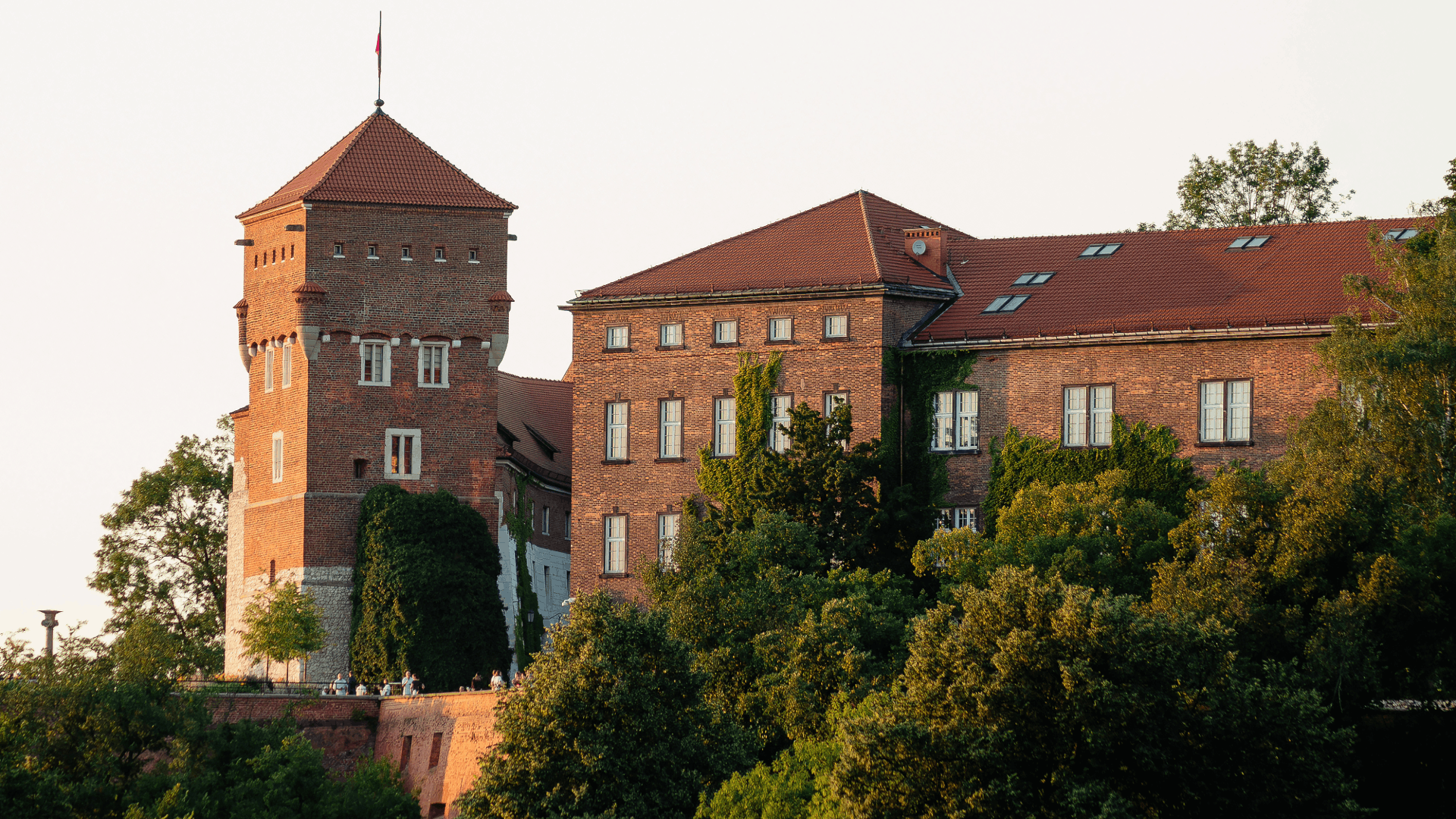
Imagine a standard October day. You begin with breakfast near the Old Town, spend the morning inside Wawel Castle, walk through Planty Park, stop for lunch around Maly Rynek, then continue to Kazimierz for the late afternoon. You may enter warm interiors several times, cross open squares where the wind feels stronger and walk on paving that remains damp long after the rain ends.
For this kind of day, wear comfortable trousers or jeans, a breathable top, a knit layer, closed shoes and a waterproof jacket. Put a scarf, umbrella, water bottle and power bank in your day bag. This simple combination works in museums, cafes, restaurants and outdoors, without making you feel overdressed for any of them. Autumn is also a good time to avoid carrying too much. You do not need a large hiking backpack for Old Town sightseeing. A compact bag that fits your outer layer, umbrella and essentials is enough, and it is easier to manage in crowded museums, trams and cafes.
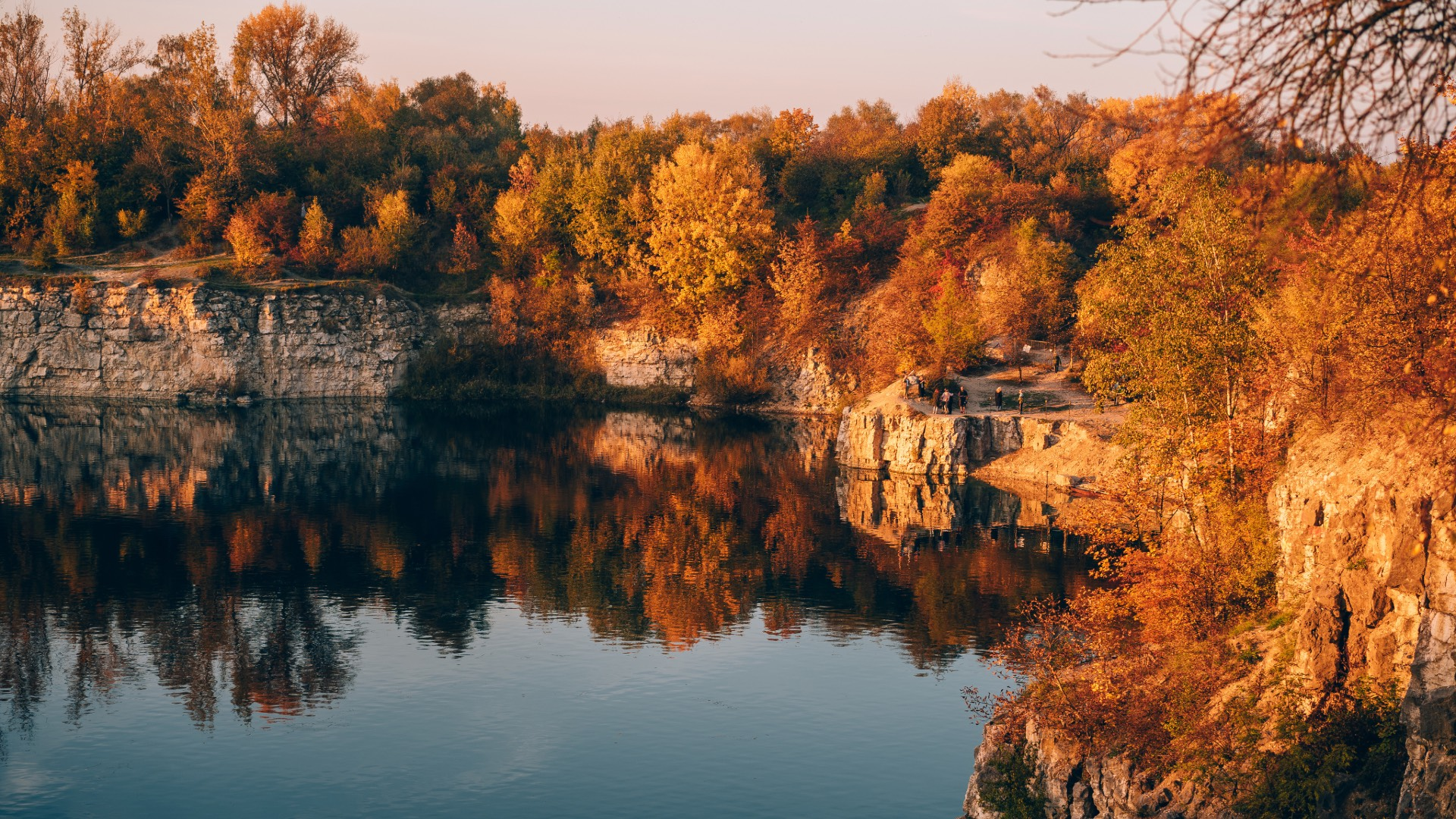
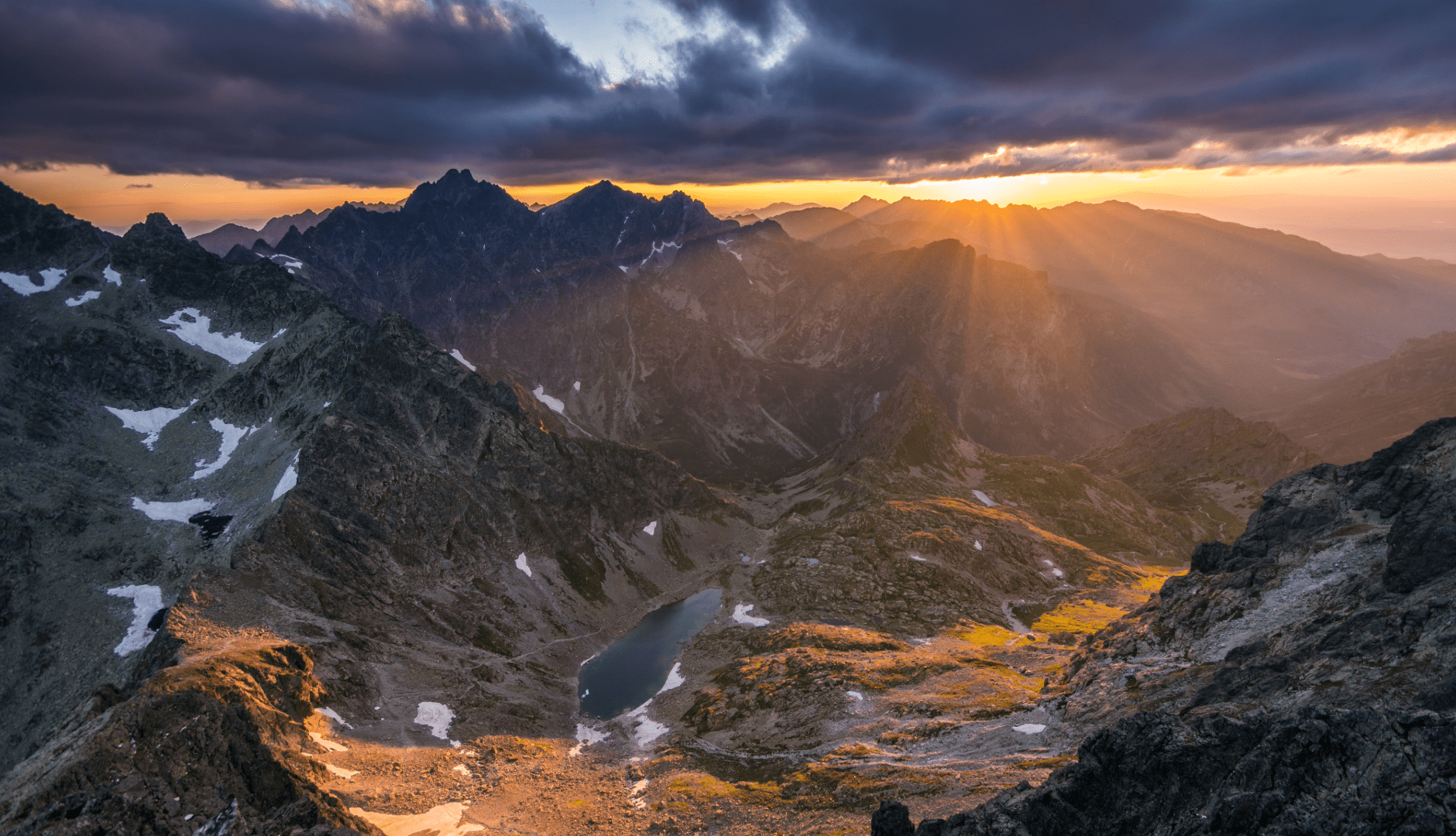
What to pack for Zakopane and the Tatra Mountains
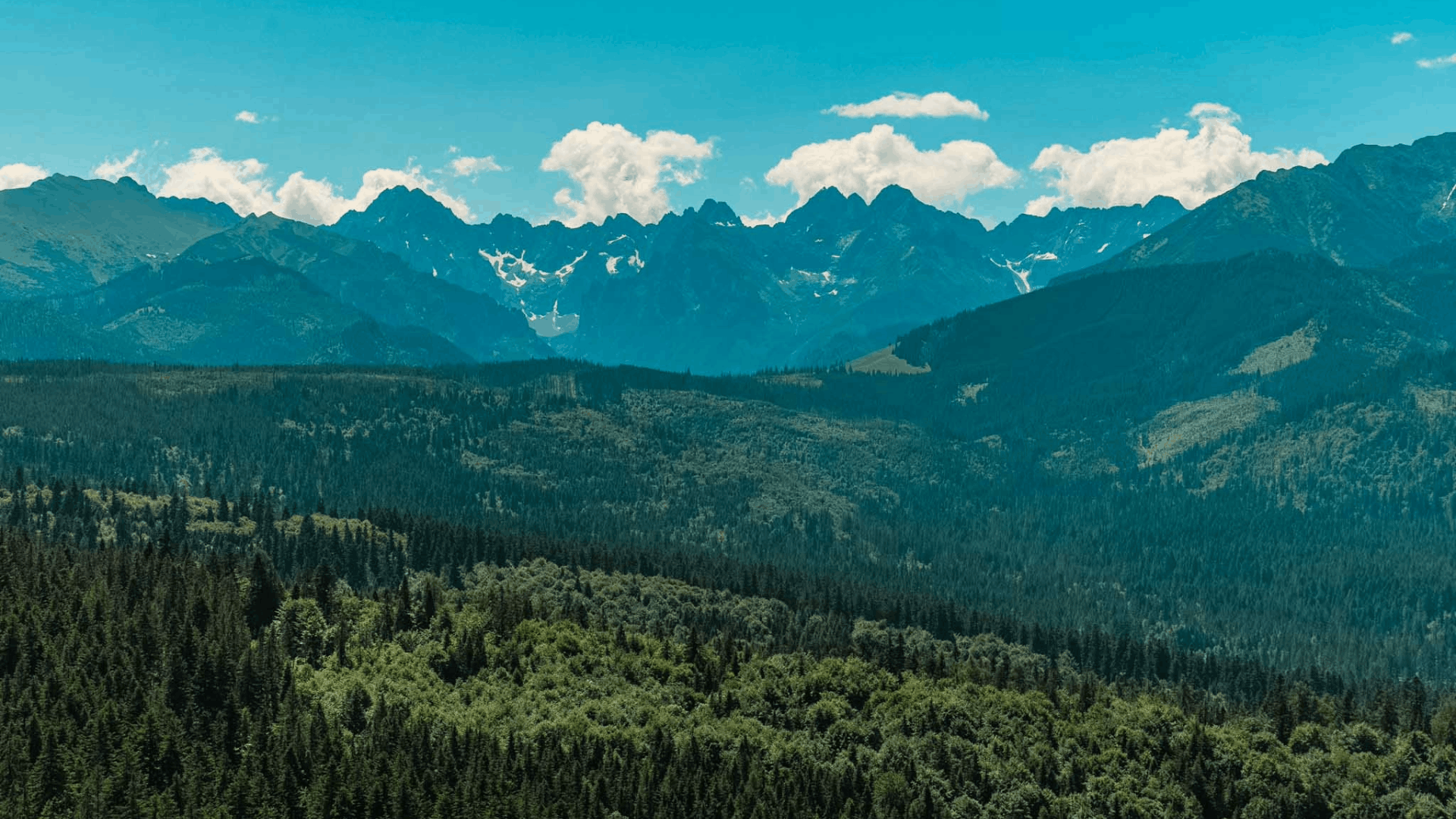
A day trip to Zakopane, Morskie Oko or the Tatra foothills needs more preparation than a day in Krakow. The city can be cool and dry while the mountains are wet, windy or much colder. A clear morning in Krakow does not guarantee comfortable conditions higher up, so check the forecast for the Tatra region, not only for the city.
Wear a moisture-wicking base layer, a warm middle layer and a waterproof jacket. Bring walking shoes with proper grip, even if your plan does not involve a demanding hike. Mountain paths can be muddy after rain, while wet leaves, early frost and sudden drops in temperature make ordinary city footwear less reliable. You do not have to commit to a long trek to experience the Tatras. Our guide to the best Tatra viewpoints accessible without a long hike includes options such as Gubalowka, scenic panoramas around Brzegi and the Sky Walk in Poronin. These places are easier to reach, but they are still exposed to mountain wind and changeable weather. A waterproof outer layer, warm mid-layer and comfortable closed shoes remain essential.
From October onward, carry a warm hat and gloves in your day bag. They may seem unnecessary when you leave Krakow, but they become useful quickly at viewpoints, on open clearings and during stops outside Zakopane. Check the Tatra National Park conditions shortly before departure and be ready to adjust your plan if weather conditions change.
For higher routes or early snow, ordinary trainers are not suitable. If autumn starts to feel like winter in the mountains, choose an itinerary focused on Zakopane, panoramic viewpoints, local food and thermal baths instead of trying to force a mountain walk with the wrong equipment.
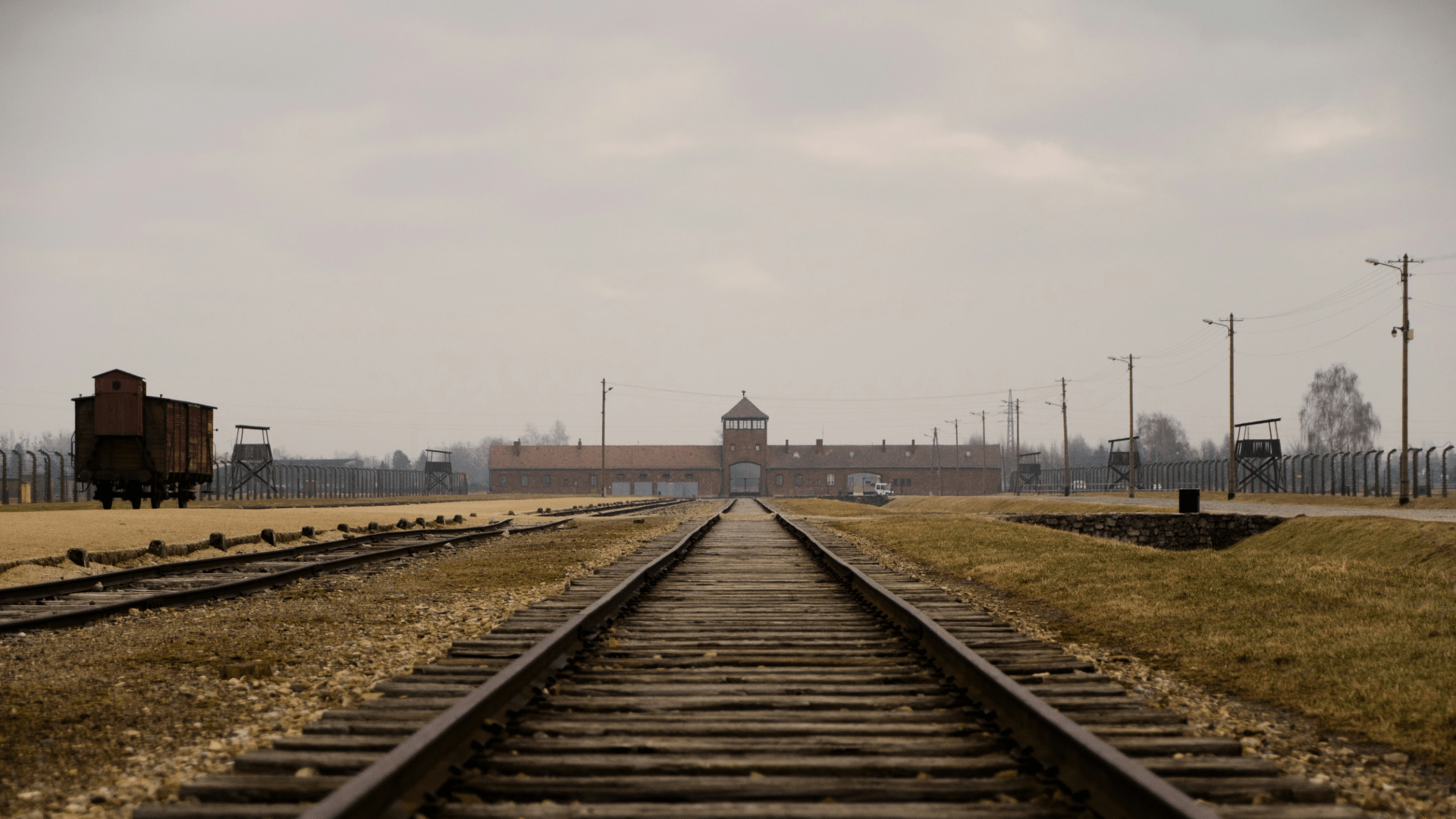
What to wear for Auschwitz-Birkenau
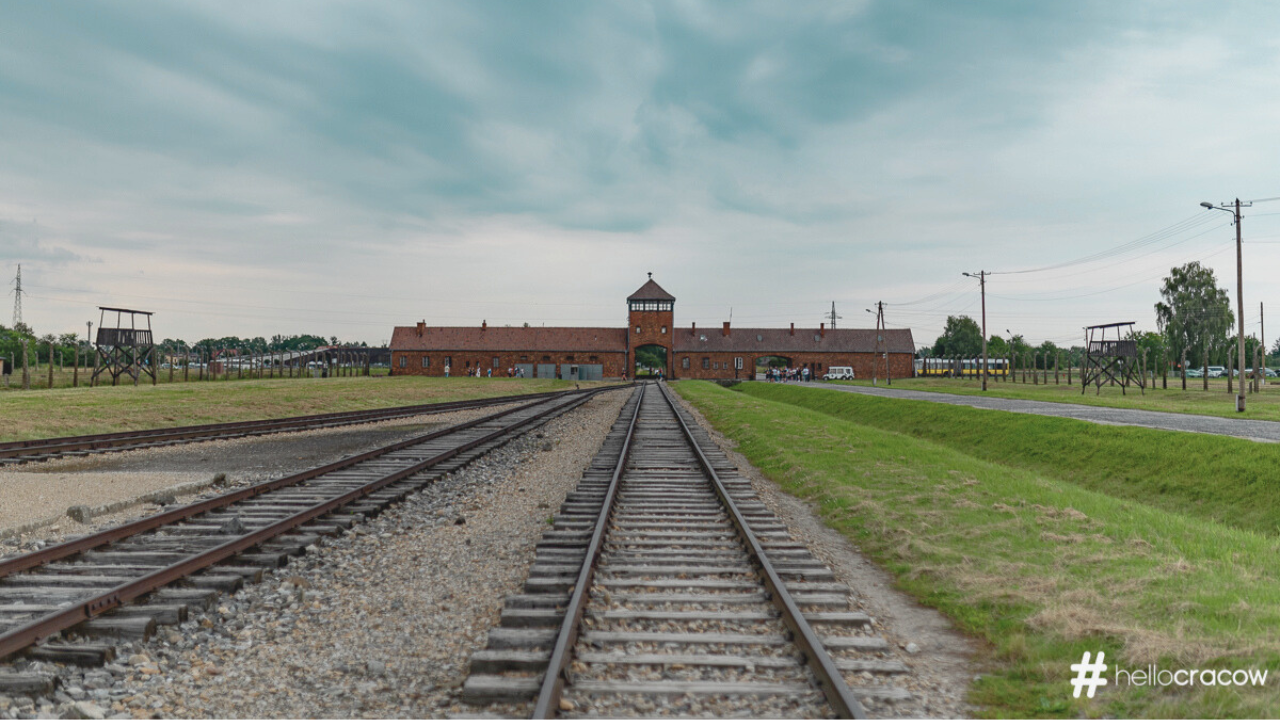
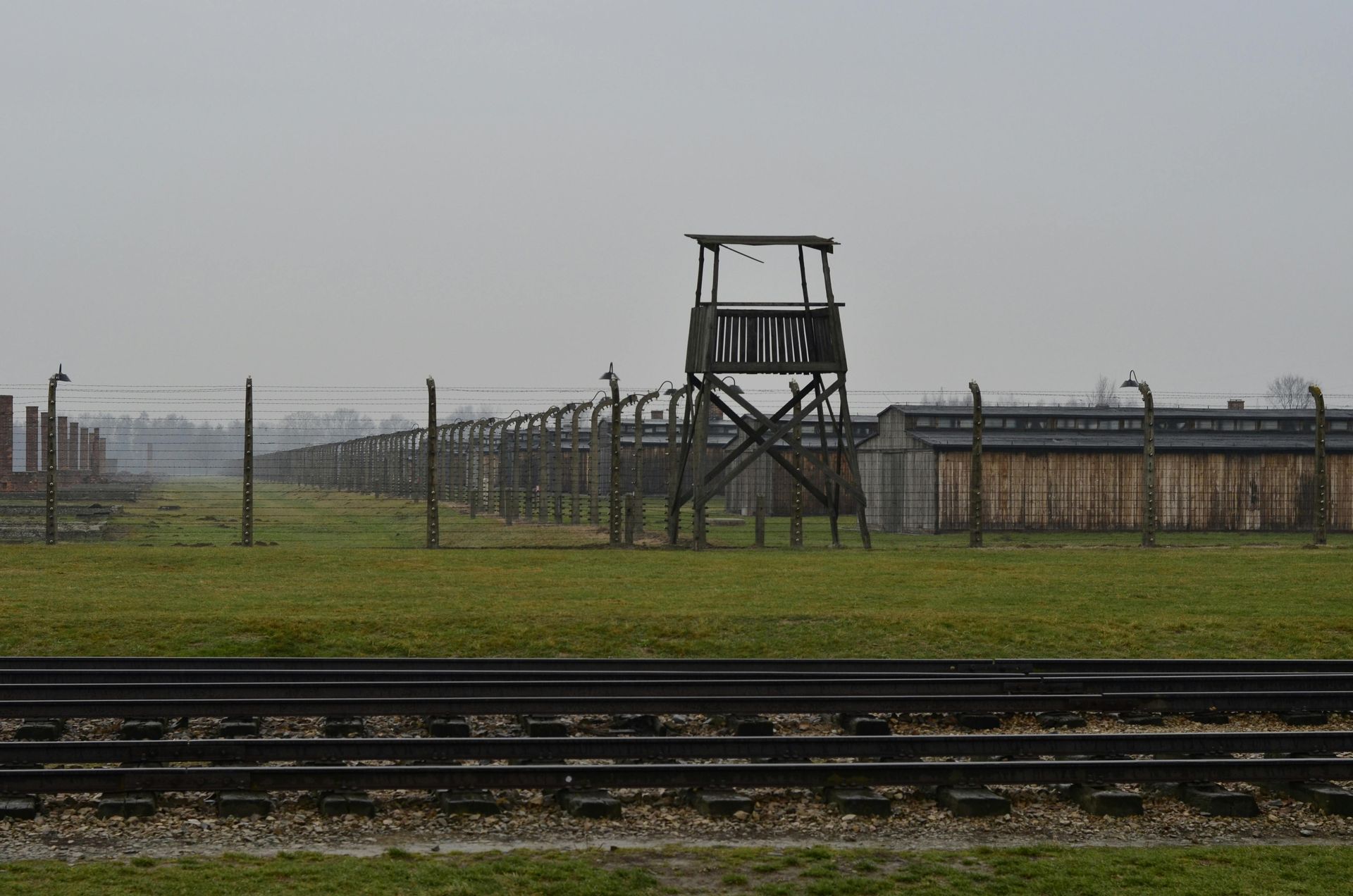
A visit to Auschwitz-Birkenau deserves careful preparation. The visit combines indoor exhibitions with long outdoor sections, particularly at Birkenau, where wind and rain can feel much colder than in central Krakow. Autumn weather should never distract from the site's history, so comfort and respect need to work together.
Choose plain, understated clothing in layers: a simple top, warm jumper or fleece, waterproof jacket and comfortable closed shoes. Avoid large slogans, extravagant outfits or anything that draws unnecessary attention. The Memorial asks visitors to dress appropriately for the site, and the walking route includes concrete, gravel and asphalt paths that can be wet or uneven in autumn. A compact bag is essential. The Museum limits backpacks and handbags to 35 x 25 x 15 cm, so leave larger luggage at your hotel or in the vehicle. The standard visit lasts around three and a half hours, and much of the experience takes place outside, making a waterproof outer layer and shoes with grip especially important.
For more practical advice on mindset, clothing, photography and how to approach the visit with care, read our
Respectful Traveler's Guide to Visiting Auschwitz. Our
complete
Auschwitz-Birkenau guide also explains what to expect from the day, from entry requirements and bag restrictions to transport and timing.
What to wear for Wieliczka Salt Mine
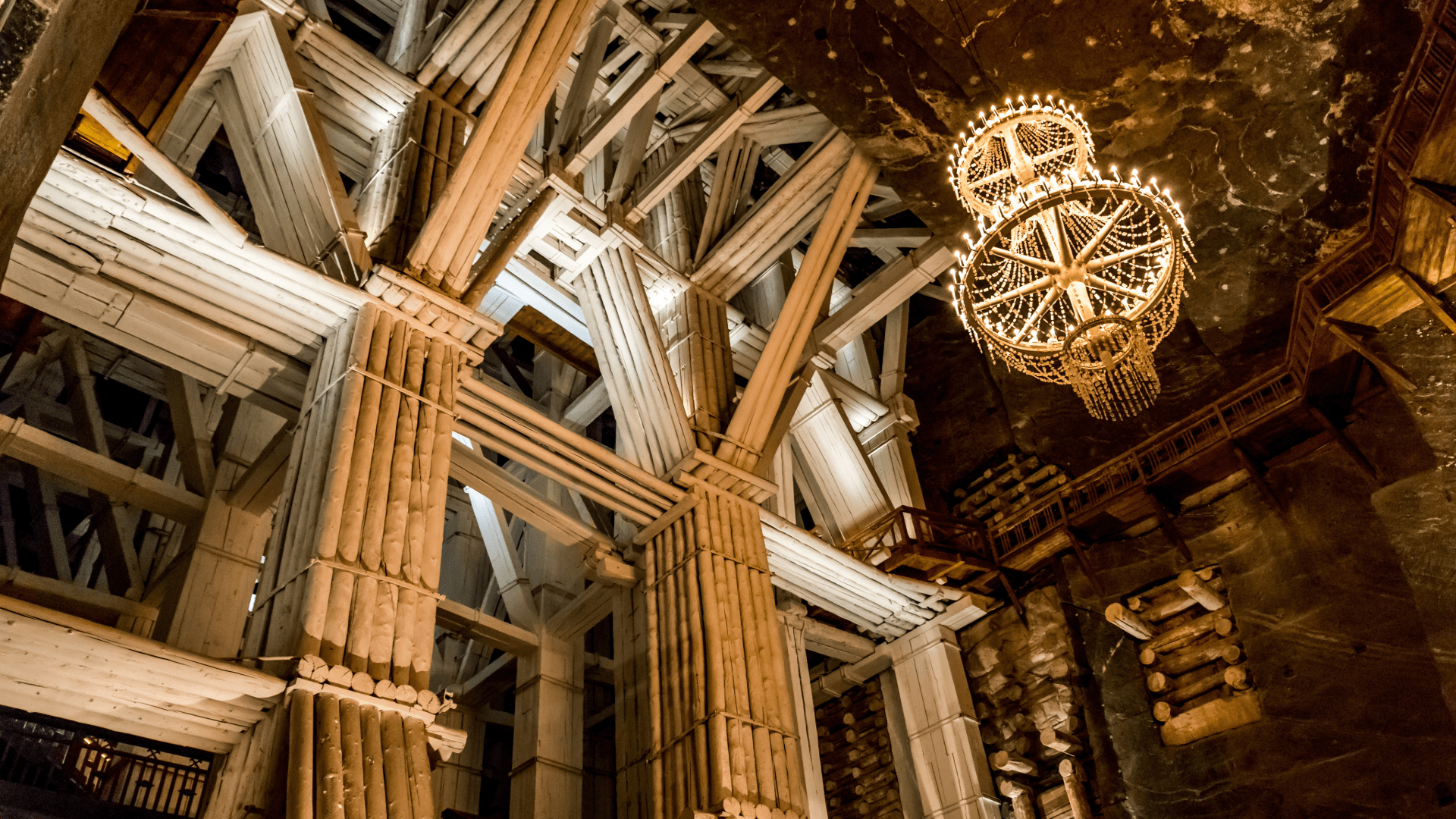
Wieliczka is one of the best autumn day trips from Krakow because the weather above ground barely affects the experience. Rain can be falling across the city, while underground you are walking through chapels, chambers and salt-carved corridors in a stable temperature of around 17-18C.
That does not mean you should dress without thinking. The tour covers around 3.5 kilometres and includes approximately 800 stairs, with 380 near the start. Comfortable trainers or walking shoes are essential, and a long-sleeve top with a light jumper works better than a heavy coat. You will be moving continuously rather than standing still, so flexible layers are more useful than bulky clothing. If Wieliczka is high on your list, our
comprehensive Salt Mine guide explains the route, its history, the underground temperature and the practical details that make the visit easier to plan.
Master the city with our Guidebook
Planning a trip to Krakow is one thing. Knowing how to make the most of your time once you arrive is another. The city centre is easy to explore on foot, but a few local tips can make a big difference — especially when you're visiting during a busy cultural season. We've put our favourite practical advice into a Free Guidebook, designed to help you spend less time worrying about where to eat, how to get around or what to see next, and more time actually enjoying Krakow.
Inside the guide, you'll find:
- Where to eat: Local restaurants, cafés and less obvious places to stop for a meal away from the busiest tourist streets.
- Getting around Krakow: Simple advice on public transport, walking and moving between the city's main neighbourhoods.
- Local customs: A few useful tips on Polish etiquette and everyday habits that can make your visit feel more natural.
- Walking ideas: Suggested routes through the
Old Town, Kazimierz and beyond, so you can explore without constantly checking your phone.
Pack for the day you want to have
You do not need to overpack for an autumn trip to Krakow. Bring clothes that work together: a waterproof jacket, a couple of warm layers, comfortable shoes and a small umbrella for your day bag. Add a scarf from October onward, plus a hat and gloves if you are heading to Zakopane or Morskie Oko. Pack swimwear for thermal baths, dress simply for Auschwitz-Birkenau, and keep one light jumper handy for Wieliczka. With those basics covered, you will be comfortable whether the day brings sun, rain or a colder evening walk back through the Old Town.