



Krakow In November: Events, Autumn Walks And What To Book
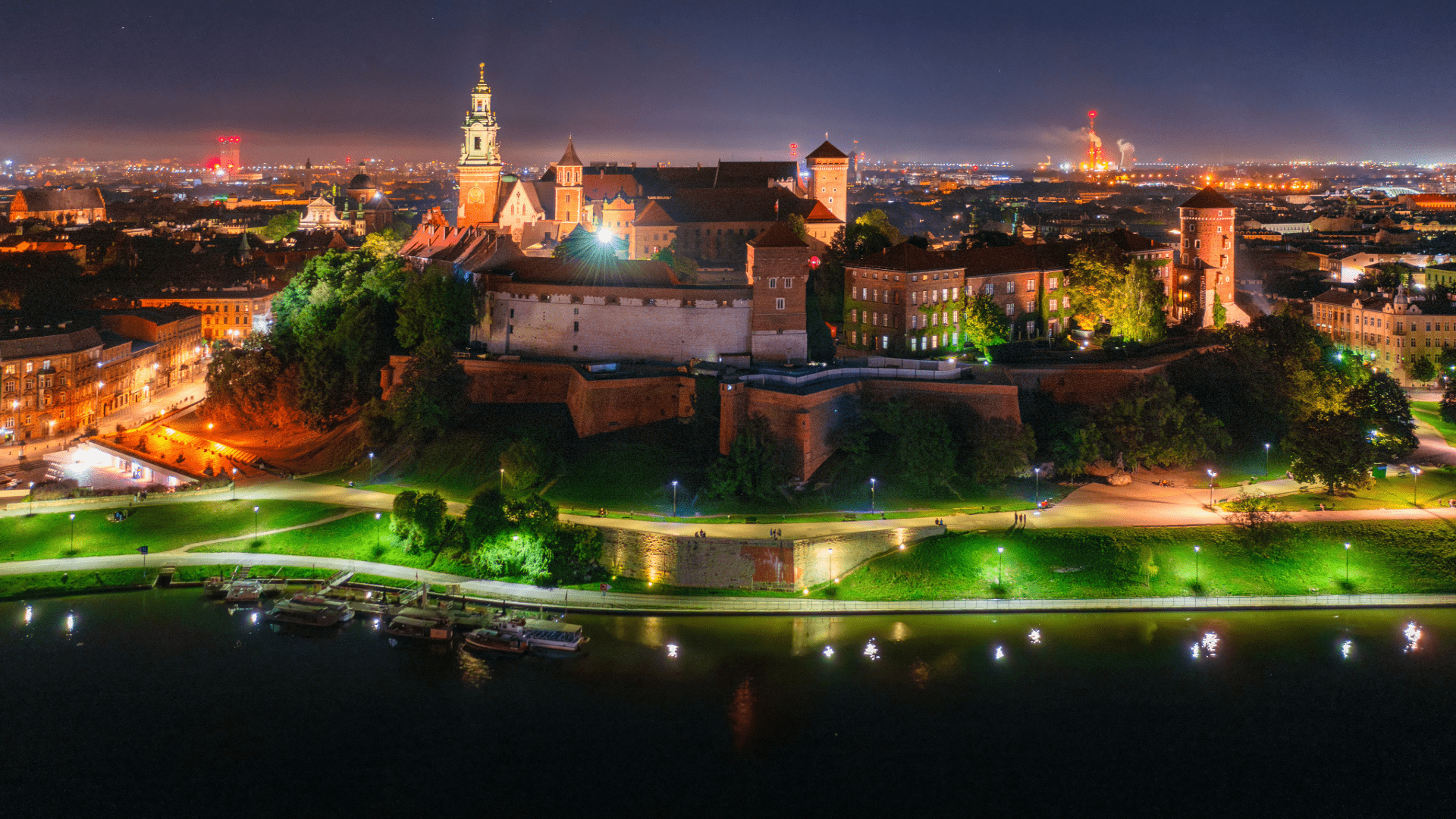
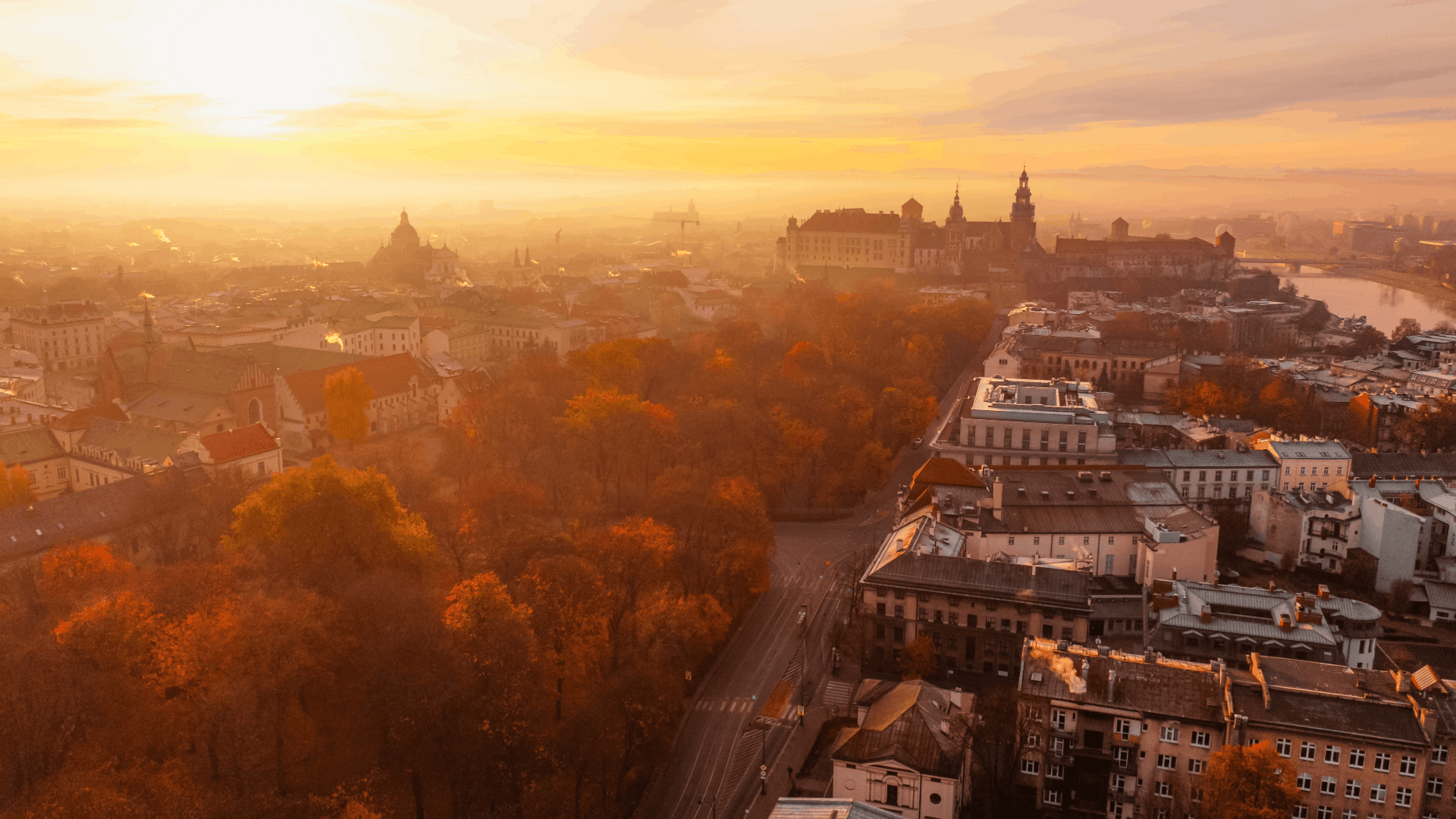
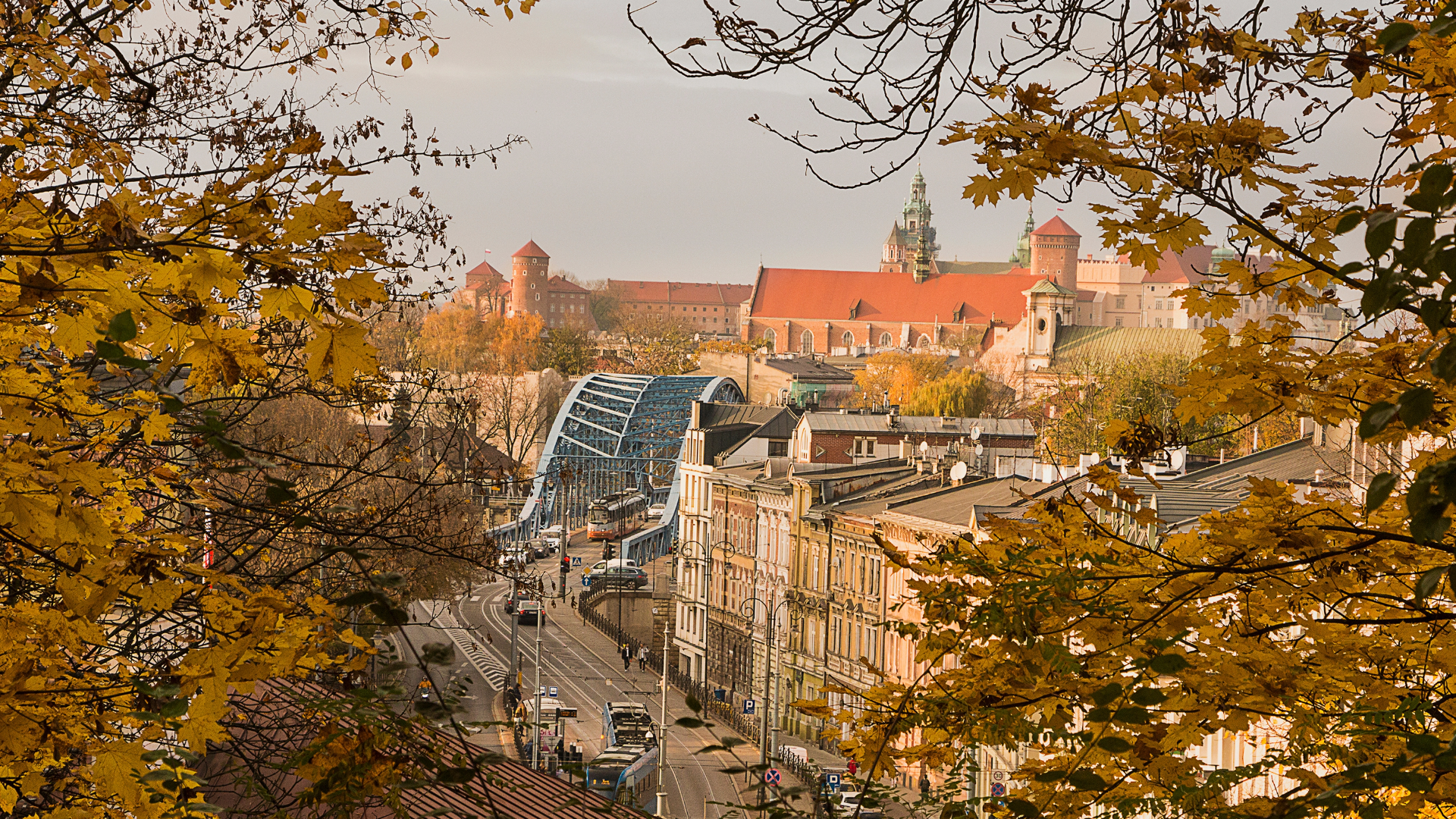
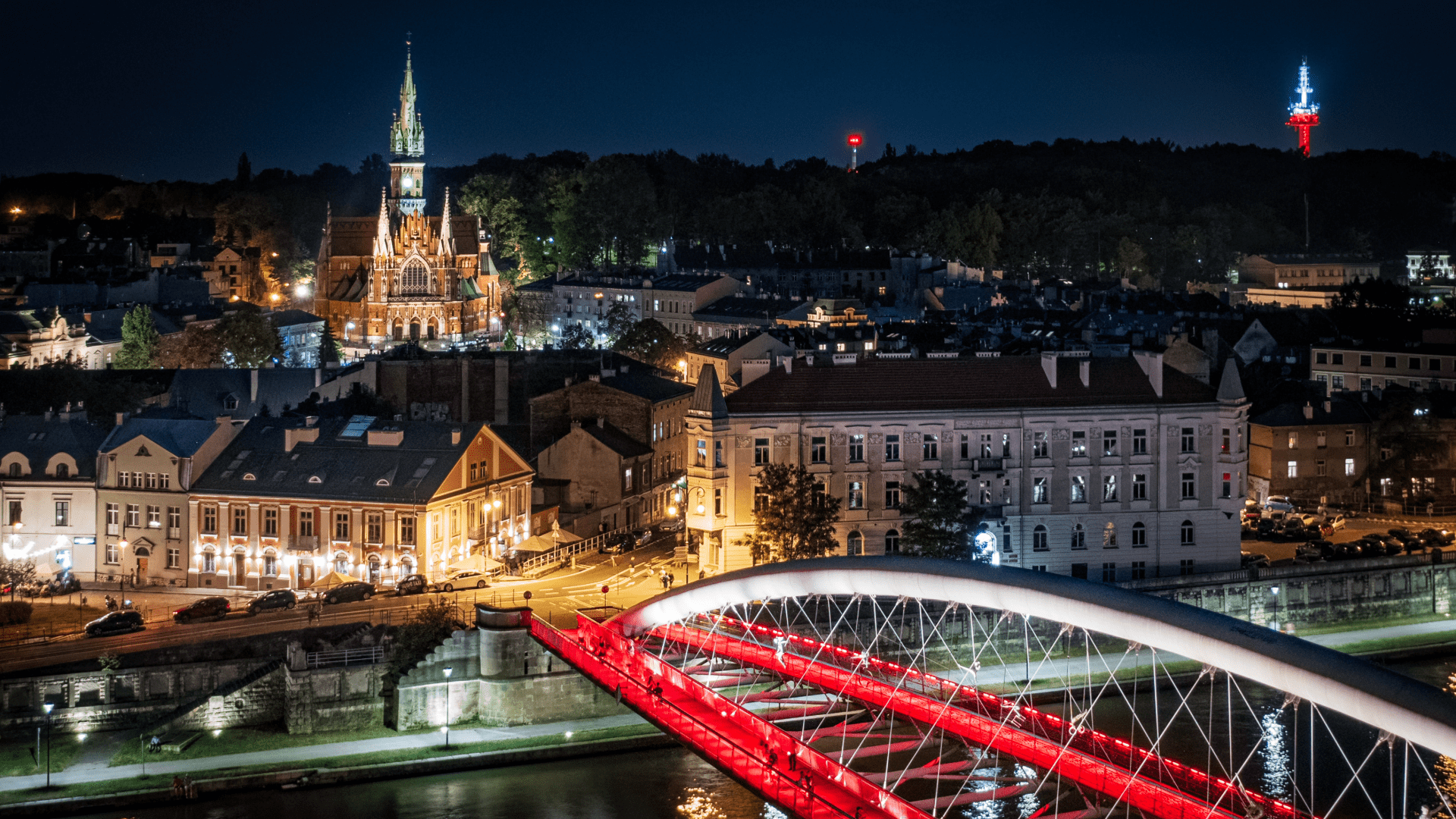
Krakow in November is a city of earlier evenings. At four o'clock, the lamps are already on around Planty Park. The windows of cafes begin to glow, the Vistula is usually wrapped in mist, and a walk that felt straightforward at lunchtime suddenly calls for a warm table somewhere nearby. That can sound like a reason to wait for spring. In practice, it gives a short stay in Krakow a different rhythm. You do not try to spend twelve hours outdoors. You walk while there is light, choose one place worth lingering in, then let the evening belong to music, film, food or a museum that would have been too easy to skip in July.
| Dates | Event | Why is it worth knowing |
|---|---|---|
| November 1 | All Saints' Day | A public holiday and one of the most meaningful dates in the Polish calendar |
| November 2-30 | Free November at Wawel | Selected Wawel exhibitions are available with free timed entry |
| November 3-7 | Krakowskie Zaduszki Jazzowe | Historic jazz concerts staged across the city |
| November 4-6 | ENOEXPO | International wine, food and hospitality fair |
| November 6-11 | Sacrum Profanum | Experimental music in unexpected Krakow spaces |
| November 10-15 | ImproFest | International improv festival, including English-language shows |
| November 12-15 | Silent Film Festival | Silent classics shown with live music and English subtitles |
| November 27 | Christmas Market opens on Main Market Square | The Old Town begins its festive season |
| November 30 | Christmas craft fair opens on Maly Rynek | Handmade gifts, folk craft and a smaller-scale market |
What is happening in Krakow this November?
November 1-8: the month begins with candles and music
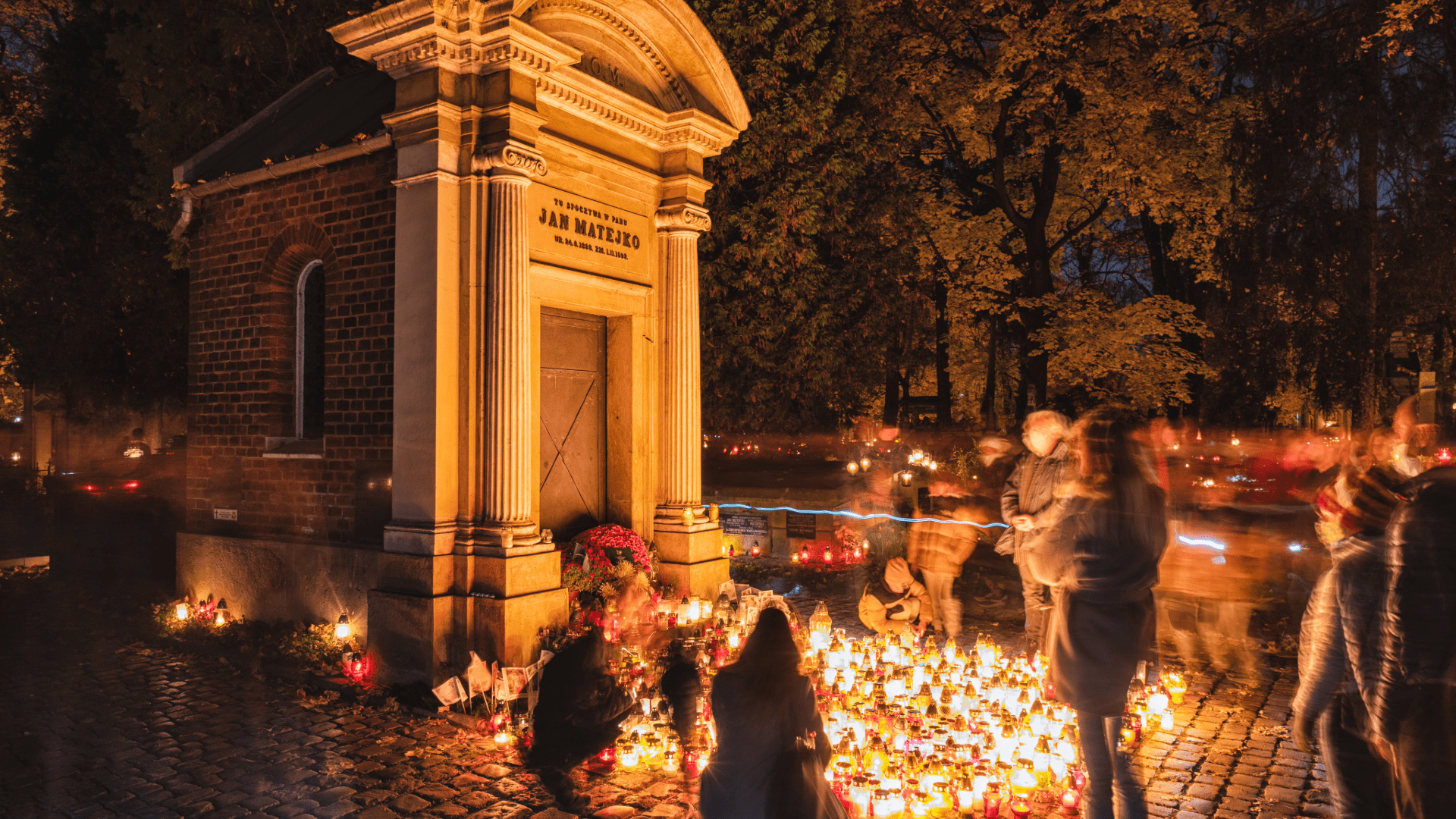
The first morning of November feels different from an ordinary Sunday. Flower stalls appear near cemetery gates, trams carry people holding bunches of chrysanthemums, and Krakow families make their way to the graves of parents, grandparents and friends. All Saints' Day, observed on November 1, is a public holiday centred on remembrance. Rakowicki Cemetery is the place most visitors notice. By evening, its paths are lined with candles, and the scale of the tradition becomes clear. It can be a moving visit, provided it is treated with care. This is a day for families, not a spectacle. Keep your distance around graves, speak quietly and avoid photographing people in mourning.
The practical side matters too. Many shops close, and Wawel Castle is shut for the day. Rather than trying to force a normal sightseeing schedule into a holiday, keep plans simple: an Old Town walk, a long lunch, perhaps a drink in Kazimierz once the evening begins. The city becomes more animated again from November 2.
- Free November at Wawel, November 2-30
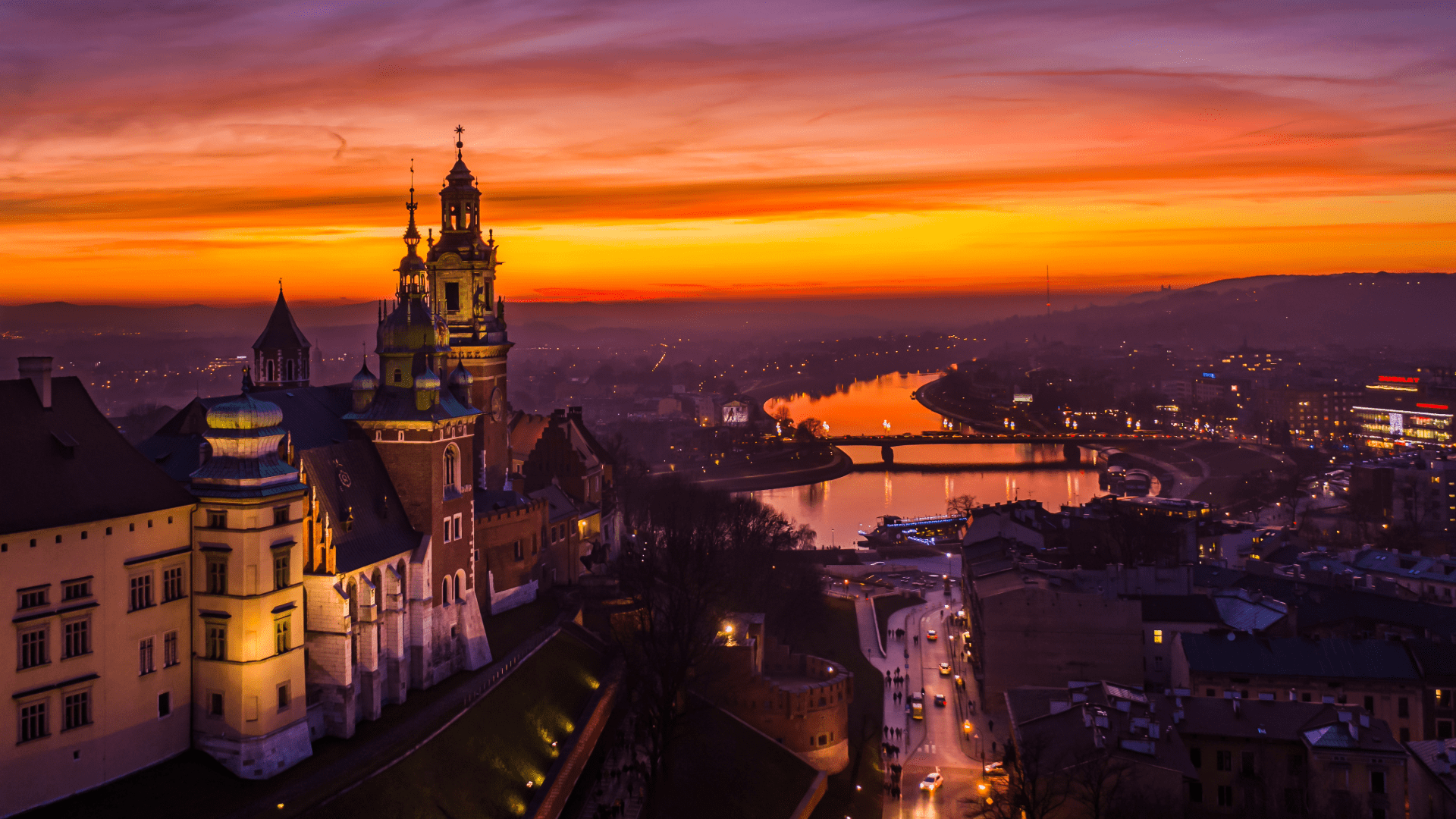
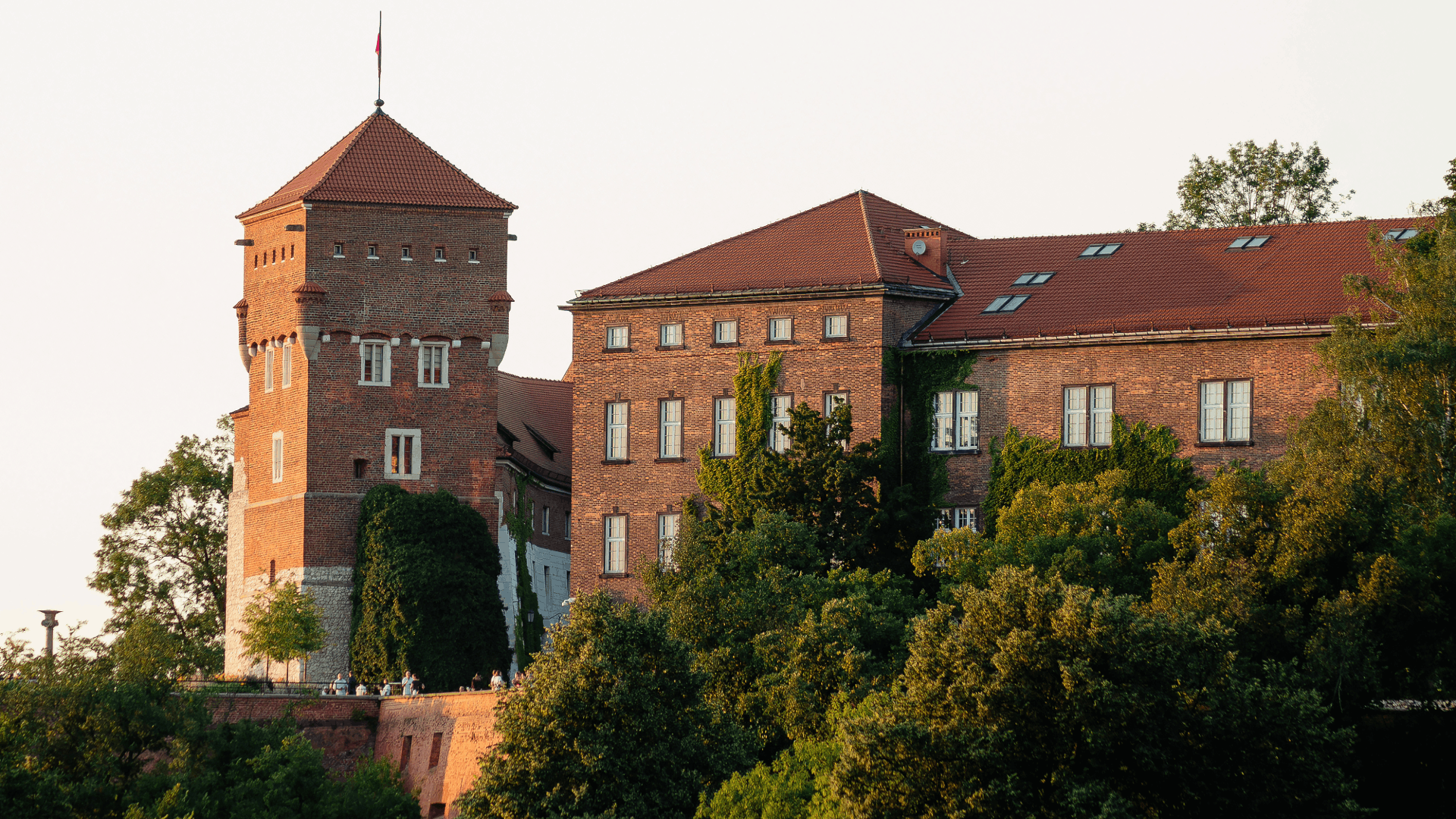
Wawel is often treated as a photograph from the riverbank or a quick stop between the Old Town and Kazimierz. November gives visitors a reason to stay longer. Selected exhibitions can be visited with free timed tickets, including royal rooms and underground spaces and Anna Jagiellon - All the Faces of the Queen. From November 6, the programme also includes Ecstasies - Bernini at Wawel. On a cold afternoon, the castle's interiors tell a fuller story of Krakow as a royal capital than the view from the hill ever could. - Krakowskie Zaduszki Jazzowe, November 3-7
Krakow's jazz festival began in 1954, when musicians met around All Souls' Day to play together. More than seventy years later, the event still belongs naturally to this part of the calendar. The 2026 edition, Play It Again, moves between young musicians, pre-war swing, the history of jazz in Krakow and new readings of Stanislaw Soyka's songs. One night might take you to Krakow Philharmonic, another to Krakow Opera or Nowohuckie Centrum Kultury. Check the venue before you book dinner: the festival is a chance to see parts of the city many visitors never reach. - ENOEXPO International Wine Trade Fair, November 4-6
Anyone expecting wine stalls around the Cloth Hall will be surprised. ENOEXPO takes place at EXPO Krakow, beyond the historic centre, and is designed for the wine and hospitality world. For visitors who enjoy food and wine, that is part of its appeal. Producers, tastings and food-pairing sessions offer a look at Poland's growing wine and cider scene, alongside bottles from abroad. It is best approached as a dedicated afternoon, not something to squeeze in between Wawel and St Mary's Basilica. - Sacrum Profanum, November 6-11
Some festivals ask you to go to a concert hall. Sacrum Profanum asks you to follow music into the city. The 2026 edition, built around the theme Ritual, uses Cricoteka in Podgorze as its central venue, then moves through places including the Jagiellonian Library, the Home Army Museum and HEVRE. It is a good choice for a traveller who has already spent the day among Gothic churches and royal rooms and wants an evening from a very different Krakow. - Sztuka do Rzeczy: Trwalosc, November 2-30
This month-long programme is built around the life of objects: repairing them, remaking them and passing skills from one person to another. Some workshops will be most useful to Polish speakers, but one project works beautifully without a shared language. From November 13, Tattoo of the City places small works made from reclaimed plaster, wood and stone in overlooked corners of Krakow. Follow the map, look down side streets and let the project interrupt the usual route between the Old Town and Kazimierz.
November 9-15: a national holiday, improvised musicals and live scores
The second week asks visitors to pay attention to dates. November 11 is a national holiday, while the days around it bring two events that work especially well for travellers who do not speak Polish.
- Polish Independence Day, November 11
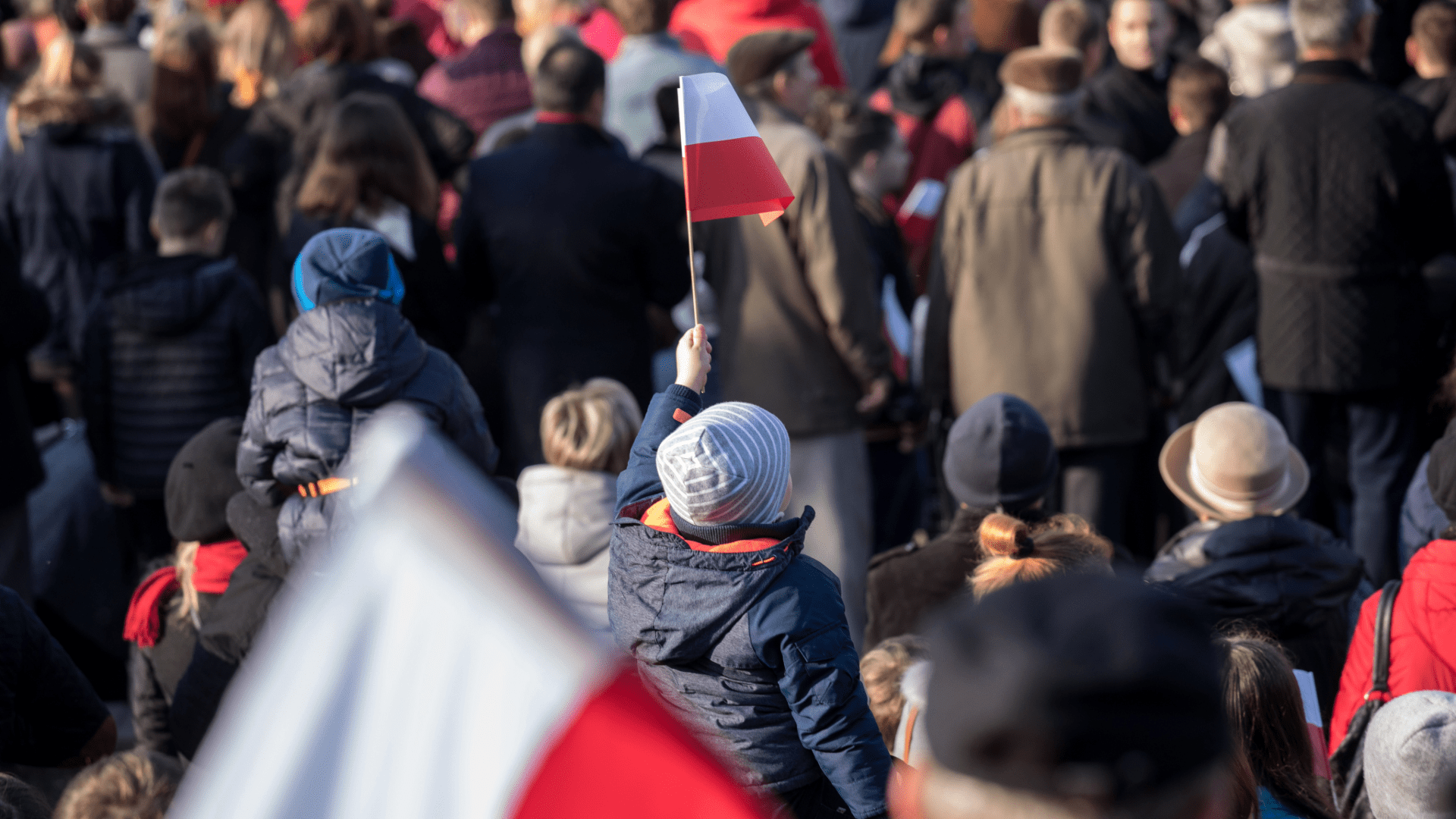
Poland returned to the map of Europe in 1918, after 123 years of partition between Russia, Prussia and Austria. Every November 11, the country marks that return to independence. In Krakow, flags appear on trams, public buildings and private windows, while official ceremonies draw people into the centre. The detailed programme for 2026 will be announced closer to the date, but expect changed opening hours and a different pace around the Old Town. Wawel will open only selected Free November routes, and many businesses may be closed. Keep the day loose rather than relying on a tightly timed museum plan. Our article on Polish Independence Day on November 11 explains the holiday's history and what visitors should expect. - ImproFest, November 10-15
Krakow's international improv festival is worth noting because its headline guests bring English-language shows to Klub Studio. On November 11, Baby Wants Candy performs The Fully Improvised Musical. Someone in the audience gives a title, and the cast has to build the story, songs, choreography and ending in real time. On November 14, the group returns with Shamilton, an improvised hip-hop musical. After several days of Polish history and grand architecture, this is a lively, unpredictable way to spend an evening. - 27th Silent Film Festival: Kontinuum, November 12-15
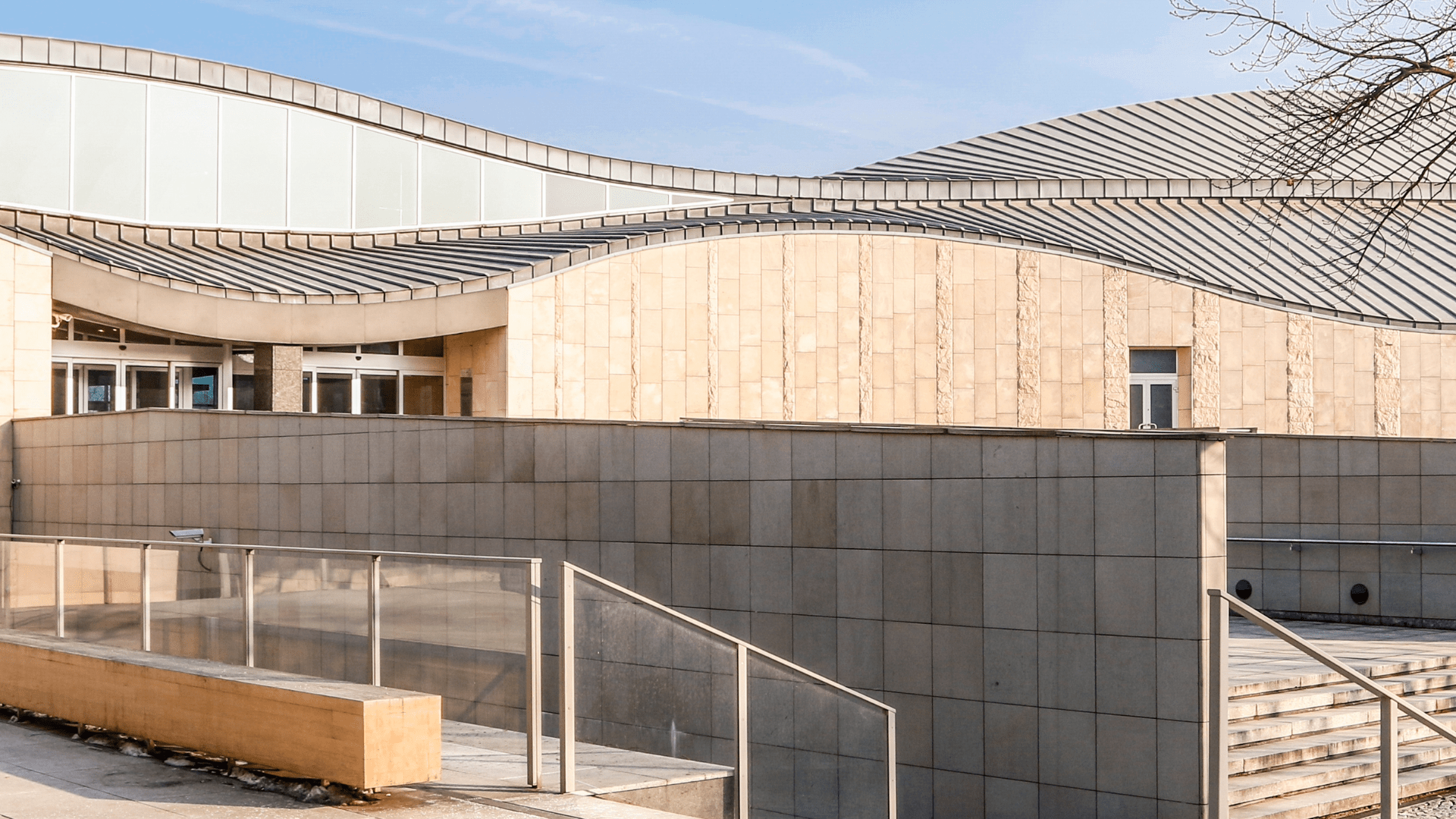
At the Silent Film Festival, the music does not sit quietly beneath the film. It is played live in the room, changing the atmosphere of every screening. The main programme takes place at Manggha Museum, across the river from Wawel, with further events at Kino Pod Baranami on the Main Market Square. The 2026 selection includes films by Fritz Lang and Jean Epstein, all shown with Polish and English subtitles. It is one of those rare cultural events where visitors can arrive without knowing the language and still feel entirely included.
November 16-22: the week to slow down indoors
By the middle of the month, there is no need to chase another packed weekend. The best plan may be a proper museum visit, a late lunch and one place chosen for the evening. Krakow has enough collections to make an indoor afternoon feel like part of the trip rather than a backup plan for rain. Our guide to Krakow's most captivating museums can help you choose between them.
- Sztuka do Rzeczy: Trwalosc, selected dates through November 30
The programme continues in studios, neighbourhood centres and small creative spaces away from the postcard version of Krakow. That is its real value for visitors. You may find a workshop in Nowa Huta, a design event in Bronowice or an open studio in a part of the city you would not otherwise have thought to visit. Check the language details before booking, but do not dismiss the programme simply because it is local in focus. - Eiko Ishioka: Who Am I?, from November 11
Manggha Museum's new exhibition looks at the work of Eiko Ishioka, the Japanese designer whose career crossed graphic design, fashion, theatre and film. She won an Academy Award for the costumes in Francis Ford Coppola's Dracula, though her posters and theatrical work are just as striking. Manggha makes a satisfying stop after Wawel: cross the river, see the castle from the opposite bank, then step into a completely different visual world.
November 23-30: the first Christmas lights
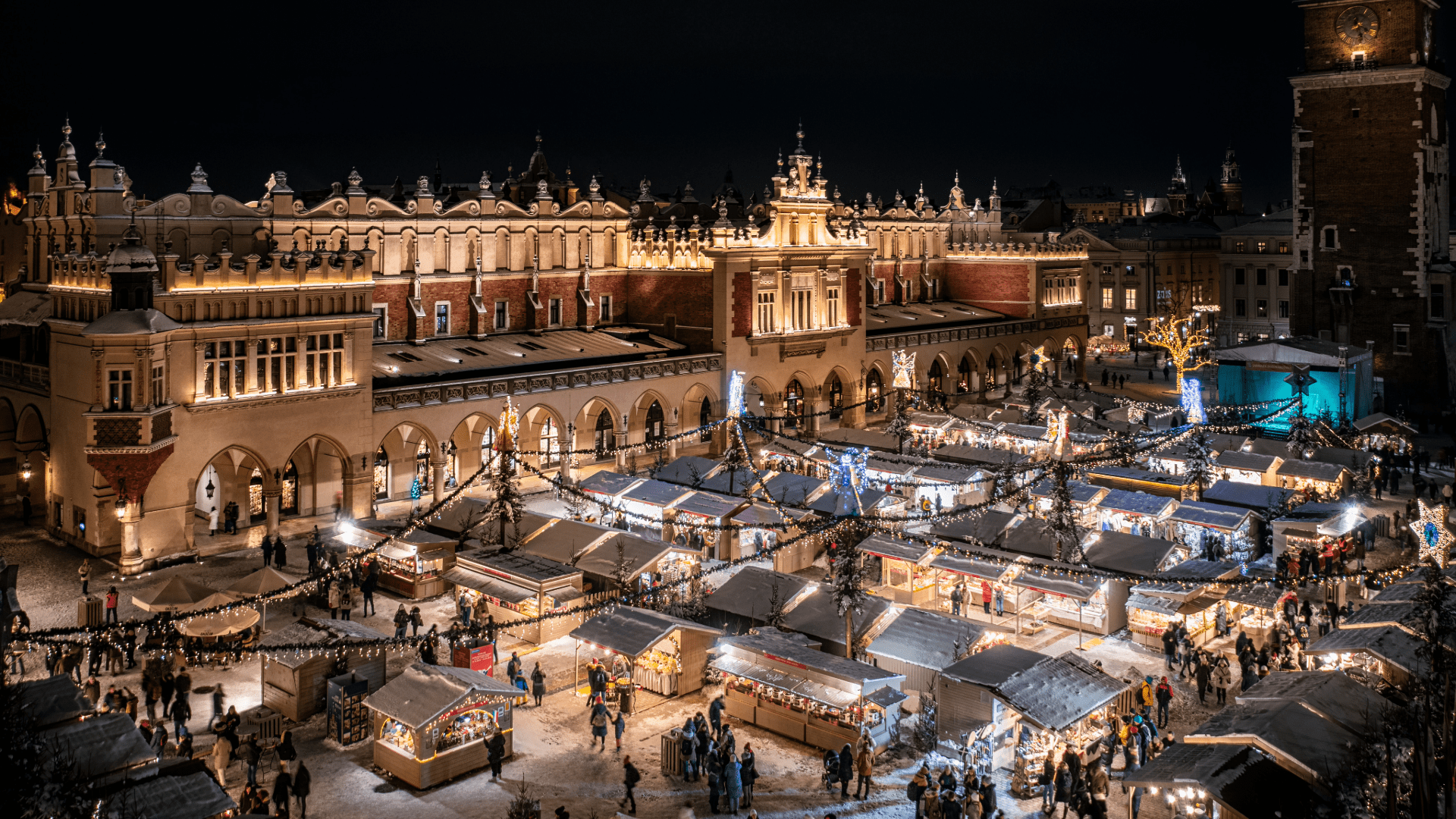
In the final week, Krakow begins to turn towards Christmas. You notice it first in the smell of grilled cheese and spices around the Main Market Square, then in the wooden stalls appearing below St Mary's Basilica. The city is not fully in holiday mode yet, which is exactly why this can be one of the nicest moments to visit.
- Vermeer at Wawel, November 27-30
Johannes Vermeer's Woman with a Pearl Necklace arrives at Wawel for only four days, on loan from Berlin's Gemaldegalerie. Painted around 1663-1664, it shows a young woman standing before a mirror, holding a necklace in her hands. The work is small and quiet, the opposite of a blockbuster exhibition, and that is part of the reason it deserves time. The display is included in Free November, but timed tickets are limited. - Christmas Market on Main Market Square, from November 27
The Main Market Square market opens before the end of the month, with mulled wine, gingerbread, grilled oscypek with cranberry and stalls selling decorations beneath the Cloth Hall. December weekends bring the largest crowds, so the opening days offer a more relaxed way to see it. Go after sunset, when the lights are on and the square feels festive without becoming overwhelming. - Christmas Craft Fair on Maly Rynek, from November 30
Maly Rynek sits only a minute from the Main Market Square, but its Christmas fair has a more intimate character. It focuses on folk craft, handmade gifts and independent makers. If the larger market starts to feel too busy, this is where to slow down and look more closely at what is being sold.
November day trips and evenings worth booking
November is a good month to leave the Old Town for a day, provided that the plan matches the season. The mountains can already feel close to winter, with shorter daylight, low cloud and sudden changes in temperature. Underground attractions, thermal pools and history-focused visits offer a more predictable alternative when rain arrives in Krakow.
- Zakopane and Thermal Baths
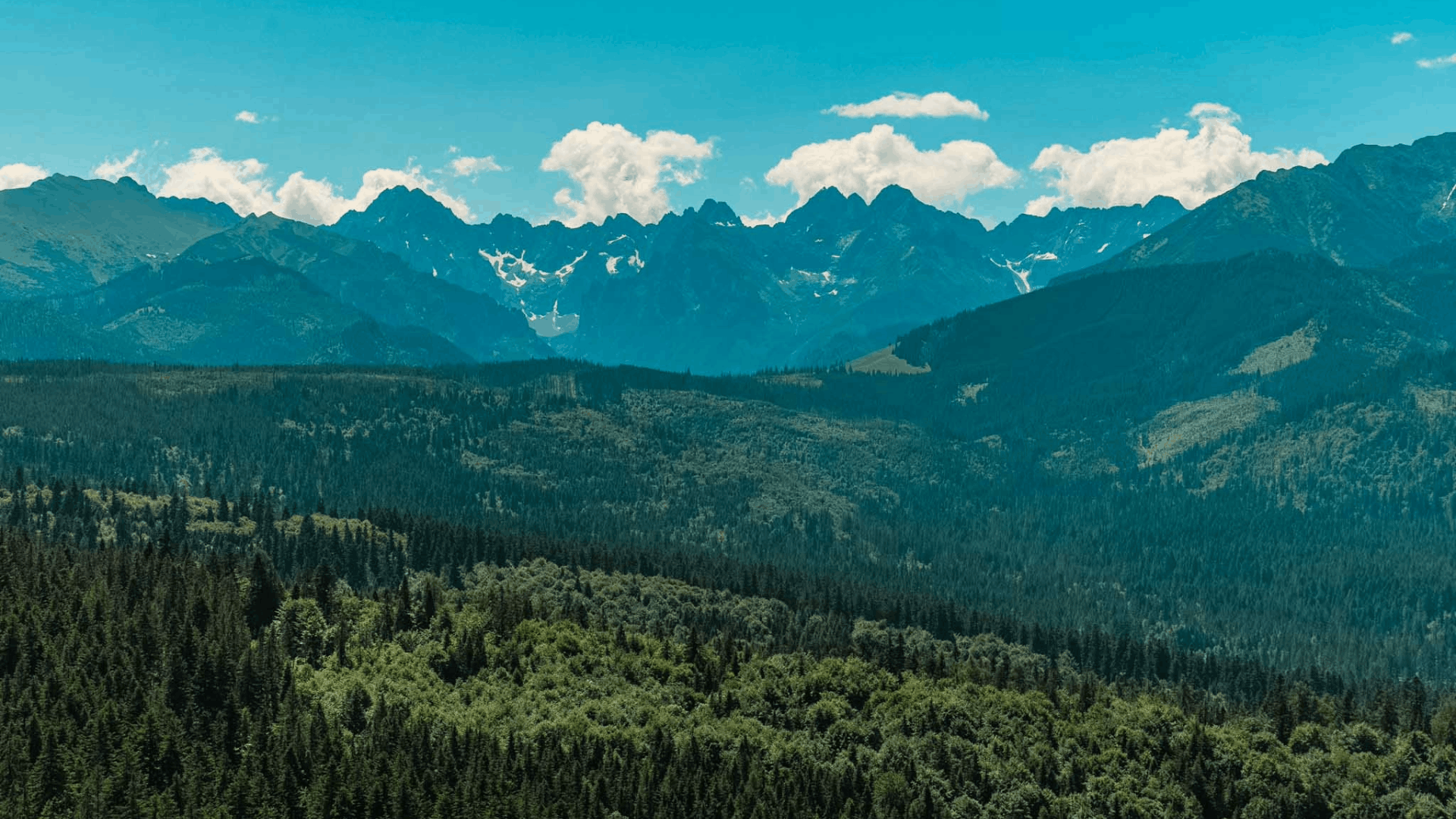
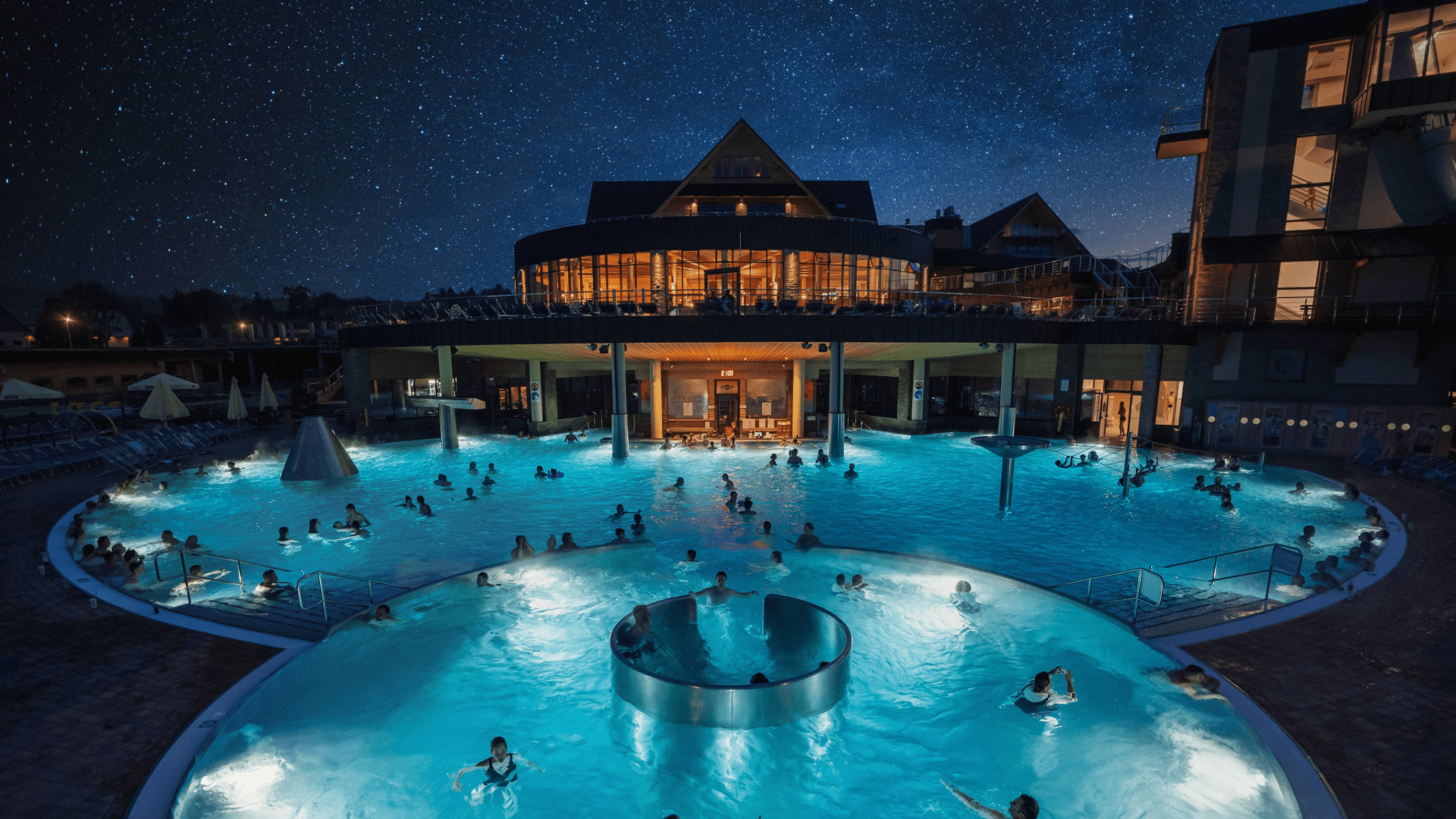
Zakopane and Thermal Baths works well in November because it combines the mountain scenery with a warm finish to the day. The journey takes you towards the Tatras, through Zakopane and Chocholow, where traditional wooden houses give a glimpse of the region's highlander architecture. You can ride the Gubalowka funicular, try oscypek, the smoked sheep's cheese closely associated with Podhale, and see the landscape in its quieter, late-autumn form. The thermal pools matter even more at this time of year: after hours outside in cold air, warm water is not simply an extra stop but a satisfying end to the whole day. - Morskie Oko
Morskie Oko remains one of the most recognisable views in the Tatra Mountains, but November asks for a more realistic approach than summer. The lake can be remarkably quiet, and a clear day may bring sharp views of the peaks reflected in the water. At the same time, the route is long, daylight is limited and mountain weather can change quickly. Rain in Krakow may mean snow, wind, ice or low visibility closer to the Tatras. Check the forecast shortly before departure, wear waterproof walking shoes and bring warm layers even if the morning in Krakow looks mild. - Auschwitz-Birkenau
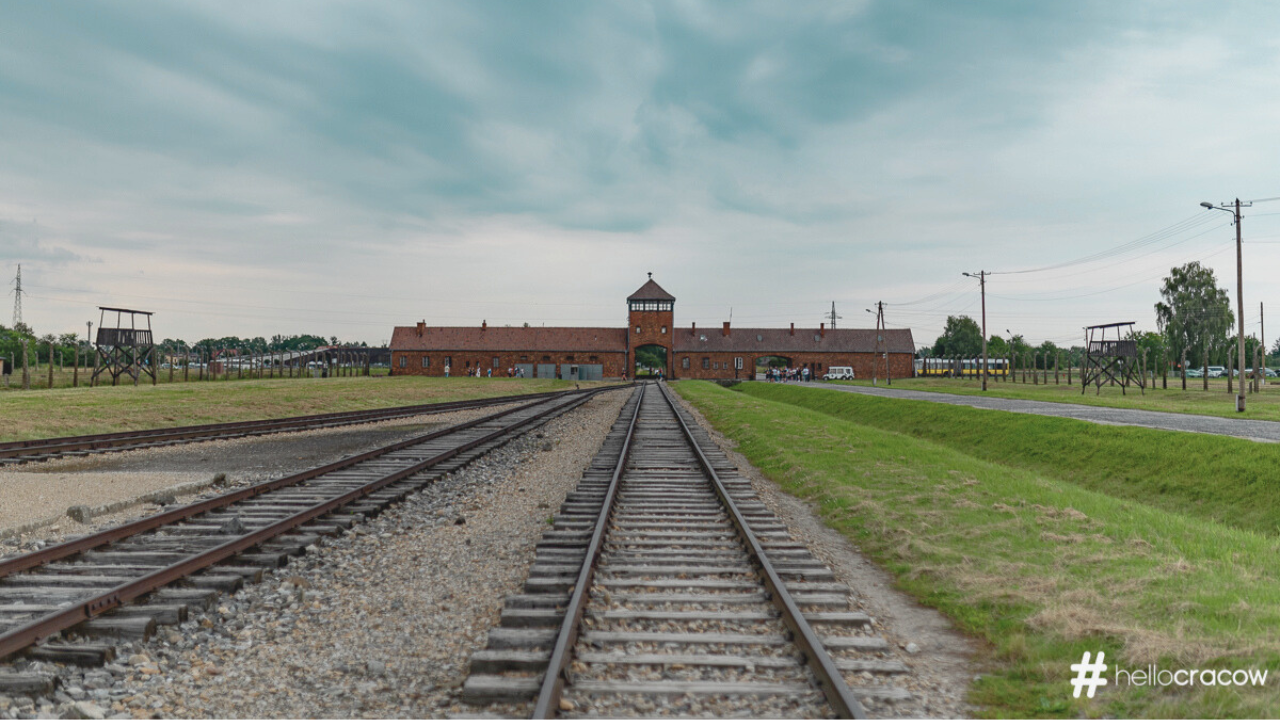
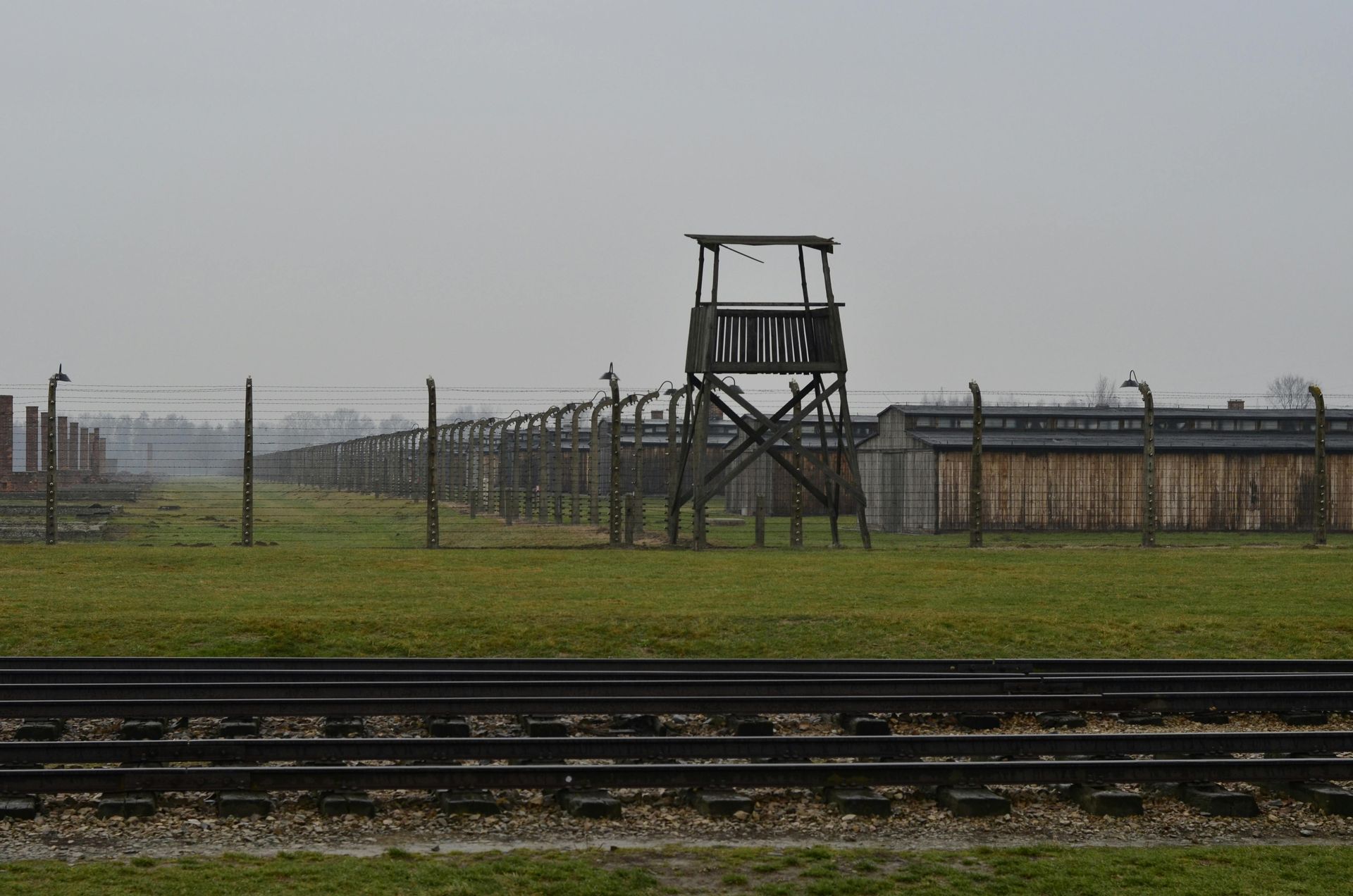
A November visit to Auschwitz-Birkenau needs a full day and should not be treated as a gap between other attractions. The Memorial covers two former camp sites, with a large outdoor area at Birkenau. Cold wind and rain can make the experience physically demanding, especially during the walk along the railway ramp and between the barracks. A waterproof outer layer, gloves, comfortable shoes and a bag small enough for site rules will make the day easier. More importantly, leave the evening open afterwards. This is a visit that deserves time to process rather than a rushed return to nightlife or another major museum. - Wieliczka Salt Mine
Wieliczka Salt Mine is one of the most dependable November choices because the weather above ground has little effect on the underground route. The temperature remains around17-18 Cthroughout the year, while the tourist trail leads through salt chambers, underground lakes and St Kinga's Chapel. Bring comfortable shoes and a light layer: the route includes several kilometres of walking and around 800 stairs. It is especially useful on a wet day, when an afternoon underground can feel far more inviting than trying to sightsee through rain. - Schindler's Story of Courage
For travellers who want to understand Krakow's wartime history through the streets where it unfolded, Schindler's Story of Courage is a strong November option. The route connects Jewish Kazimierz, the former Krakow Ghetto in Podgorze and the area around Oskar Schindler's Factory. Seeing these districts together explains far more than visiting one museum alone: their close distance across the river makes the wartime transformation of the city easier to grasp. Dress for time outdoors, and choose a morning or early-afternoon departure while there is still daylight. - Polish Folk Show With Dinner
A November plan does not have to mean another full day away from Krakow. When rain sets in after dark, the Polish Folk Show with Dinner offers a warmer way to spend an evening. Traditional dishes are served alongside live music and dance, giving the night a sense of occasion without another long walk through the cold. It fits particularly well after a day at Wawel, Wieliczka or the museums around the Old Town.
Master the city with our Guidebook
Planning a trip to Krakow is one thing. Knowing how to make the most of your time once you arrive is another. The city centre is easy to explore on foot, but a few local tips can make a big difference — especially when you're visiting during a busy cultural season. We've put our favourite practical advice into a Free Guidebook, designed to help you spend less time worrying about where to eat, how to get around or what to see next, and more time actually enjoying Krakow.
Inside the guide, you'll find:
- Where to eat: Local restaurants, cafés and less obvious places to stop for a meal away from the busiest tourist streets.
- Getting around Krakow: Simple advice on public transport, walking and moving between the city's main neighbourhoods.
- Local customs: A few useful tips on Polish etiquette and everyday habits that can make your visit feel more natural.
- Walking ideas: Suggested routes through the
Old Town, Kazimierz and beyond, so you can explore without constantly checking your phone.
November details that make the difference
November in Krakow is easier when you plan around the small practical things rather than trying to predict every hour of the weather.
- Treat November 1 and November 11 differently from normal sightseeing days. Both are public holidays, so check museum hours, restaurant opening times and transport changes before setting out.
- Use the daylight well. By the second half of the month, it becomes dark before 4pm. Keep outdoor walks, Wawel Hill and riverside views for the morning or early afternoon, then save museums and concerts for later.
- Bring a compact umbrella, but do not rely on it alone. Rain and wind can make umbrellas awkward on open streets and by the Vistula. A waterproof jacket with a hood is usually more useful.
- Reserve indoor events before you arrive. November's best jazz concerts, live-score film screenings and smaller performances take place in venues with limited capacity. A ticket can rescue an evening when rain changes the rest of the plan.
- Do not expect Christmas-market crowds from the first day. The markets open at the end of November, but the first weekday evenings are often the best time to visit: the lights are on, the stalls are open and the square is still easier to move through.
A November day in Krakow rarely follows the same plan from morning to night. You may begin with a clear walk around Wawel, find rain by the time you reach the river and end up in a museum you had not expected to visit. Later, you may stay longer over dinner because the cold makes the next street feel less urgent. Reserve the experiences that would be disappointing to miss, then leave enough room for the city to change your plans a little.