



What To Pack For Krakow: The Seasonal Guide For Every Month
Krakow is a city best explored on foot. A typical day can move from cobbled streets around the Old Town to the open riverside paths near Wawel, then on to Kazimierz or Podgorze, often with more walking than visitors expect. Even a simple plan can quickly turn into several hours outside, especially when you add a museum, a market, a café stop or one of the city’s many viewpoints. The right packing list starts with comfortable shoes, flexible layers and one piece of rain protection that fits in your day bag.
Krakow weather changes quickly across the year, and sometimes within a single day. Spring can bring mild afternoons and sudden showers, while summer days can be warm enough for long walks but cooler once the sun goes down. Autumn tends to bring shorter days and more changeable conditions, while winter can mean cold temperatures, snow or wet streets. These differences matter when most of your day is spent moving between outdoor sights.
The temperature ranges below are typical average lows and highs for Krakow-Balice, not a forecast for a particular trip. Conditions in the city centre can feel slightly different, especially on sunny days or when the wind picks up along the Vistula. Check the forecast again shortly before you travel, then pack for walking rather than for one perfect weather scenario.
If you are planning trips outside Krakow, leave some room for further changes. Wieliczka is underground and noticeably cooler than the streets above, while a day in the Tatra Mountains can bring very different conditions from those in the city. A few simple choices can make it much easier to stay comfortable when your plans take you from one part of the region to another.
| Month | Typical temperature | Main packing priority |
|---|---|---|
| January | -5C to 2C/23F to 36F | Warm waterproof outerwear |
| February | -4C to 4C/25F to 39F | Insulated jacket and waterproof shoes |
| March | -1C to 8C/31F to 46F | Flexible layers and rain protection |
| April | 4C to 15C/39F to 59F | Light waterproof jacket |
| May | 9C to 20C/48F to 68F | Breathable layers and compact rainwear |
| June | 12C to 23C/54F to 73F | Sun protection and a thin rain layer |
| July | 14C to 25C/57F to 77F | Comfortable summer shoes and umbrella |
| August | 13C to 25C/56F to 77F | Light layers for heat and storms |
| September | 9C to 19C/48F to 66F | Sweater and closed walking shoes |
| October | 5C to 14C/40F to 57F | Waterproof jacket and sturdy footwear |
| November | 1C to 8C/33F to 46F | Warm coat, scarf and waterproof shoes |
| December | -3C to 3C/26F to 37F | Proper winter coat and warm accessories |
January
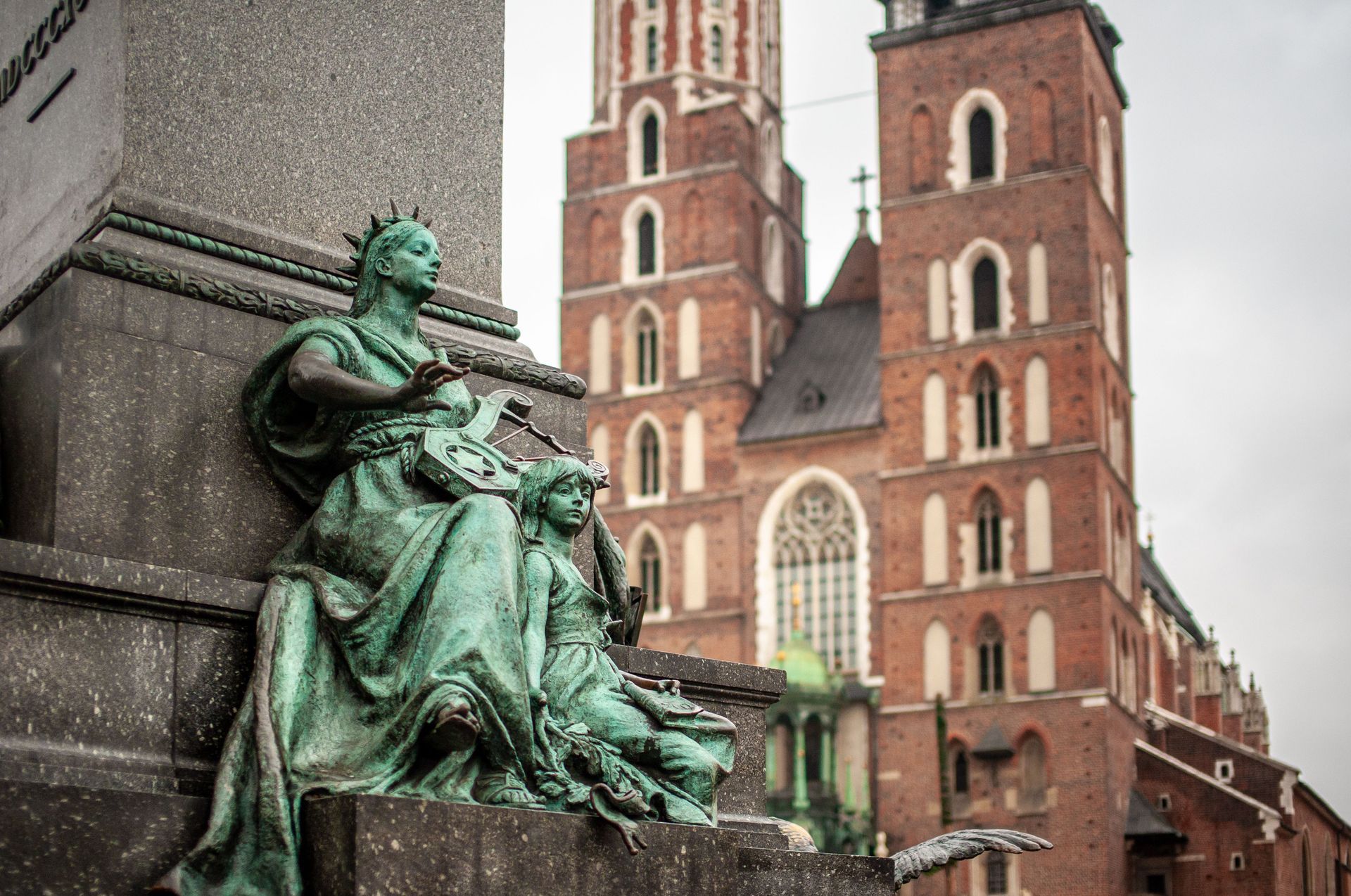
January is when Krakow feels most wintry. The Old Town looks beautiful in cold weather, especially around the Christmas market period, but long walks can become uncomfortable quickly without a warm outer layer. Bring a waterproof insulated coat, gloves, a hat that covers your ears and shoes with a reliable sole for wet or icy pavements.
A thermal top is more useful than a second heavy sweater because it gives you flexibility indoors. Museums, restaurants and trams are heated, so layers make a much bigger difference than one oversized coat.
February
February can bring brighter days, but winter still has a firm hold on the city. Pack much as you would for January, with waterproof footwear and a warm jacket as your base. A lighter mid-layer is useful for milder afternoons, especially if you are moving between the Old Town, Wawel and Kazimierz on foot.
This is also a good month for a compact backpack. You may start the day in a scarf and gloves, then want somewhere to put them after lunch.
March
March is one of Krakow's least predictable months. A sunny afternoon can feel like the start of spring, while a cold morning can still feel close to winter. Bring a waterproof jacket that works over a fleece or light down layer, rather than relying on one heavy winter coat.
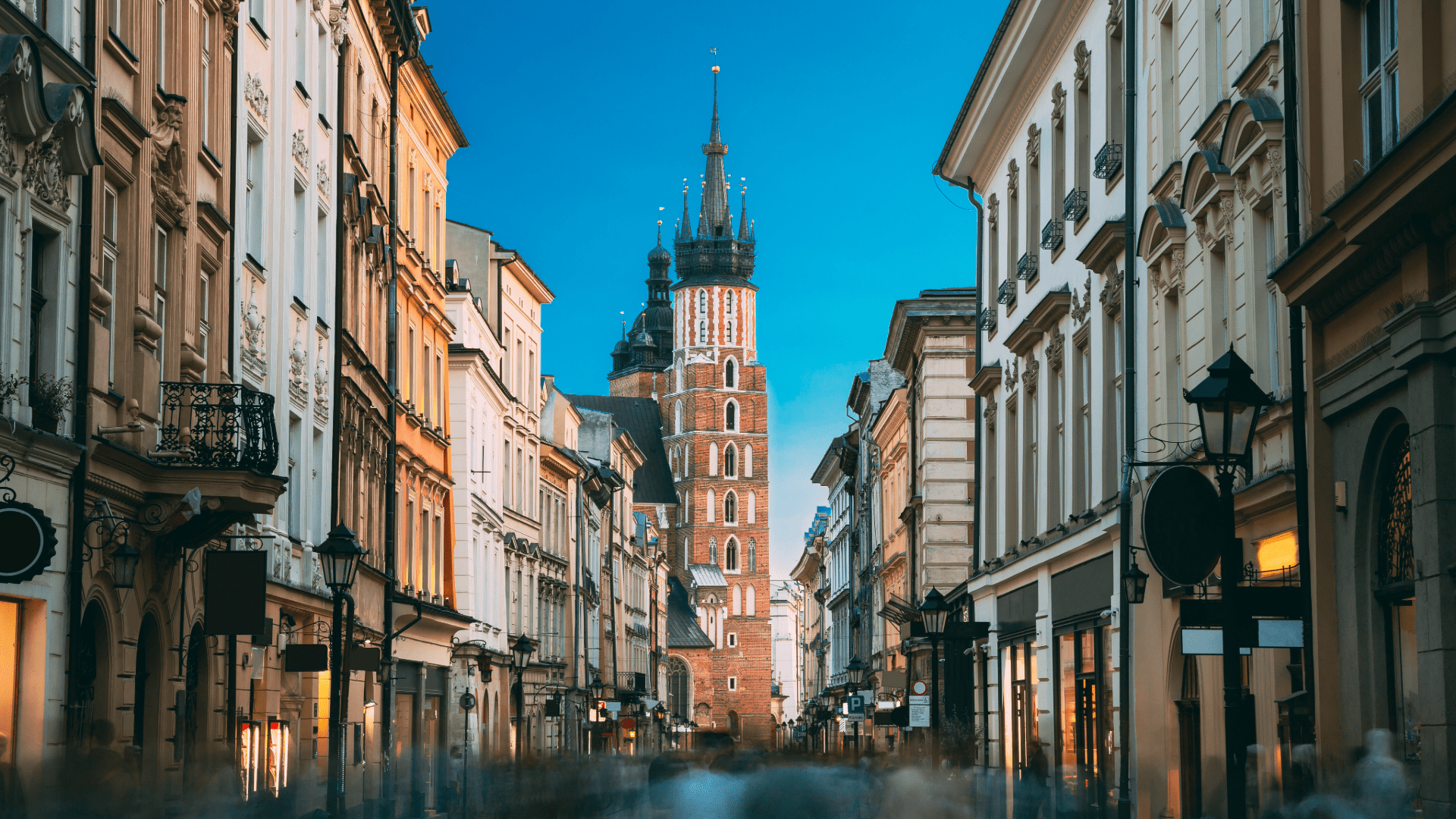
Closed, comfortable walking shoes remain the safest choice. Krakow's pavements can be wet after rain, and the cobbles around the Main Market Square are far less enjoyable in thin-soled shoes.
April
April gives Krakow more colour and longer sightseeing days. Cafe tables begin appearing outside, Planty Park becomes greener, and the city feels easier to explore at a slower pace. At the same time, showers and sudden drops in temperature are common enough to justify a compact umbrella or lightweight waterproof.
Pack a T-shirt, a long-sleeved top and a light sweater. This simple combination covers most April days without filling your suitcase with clothes you will not use.
May
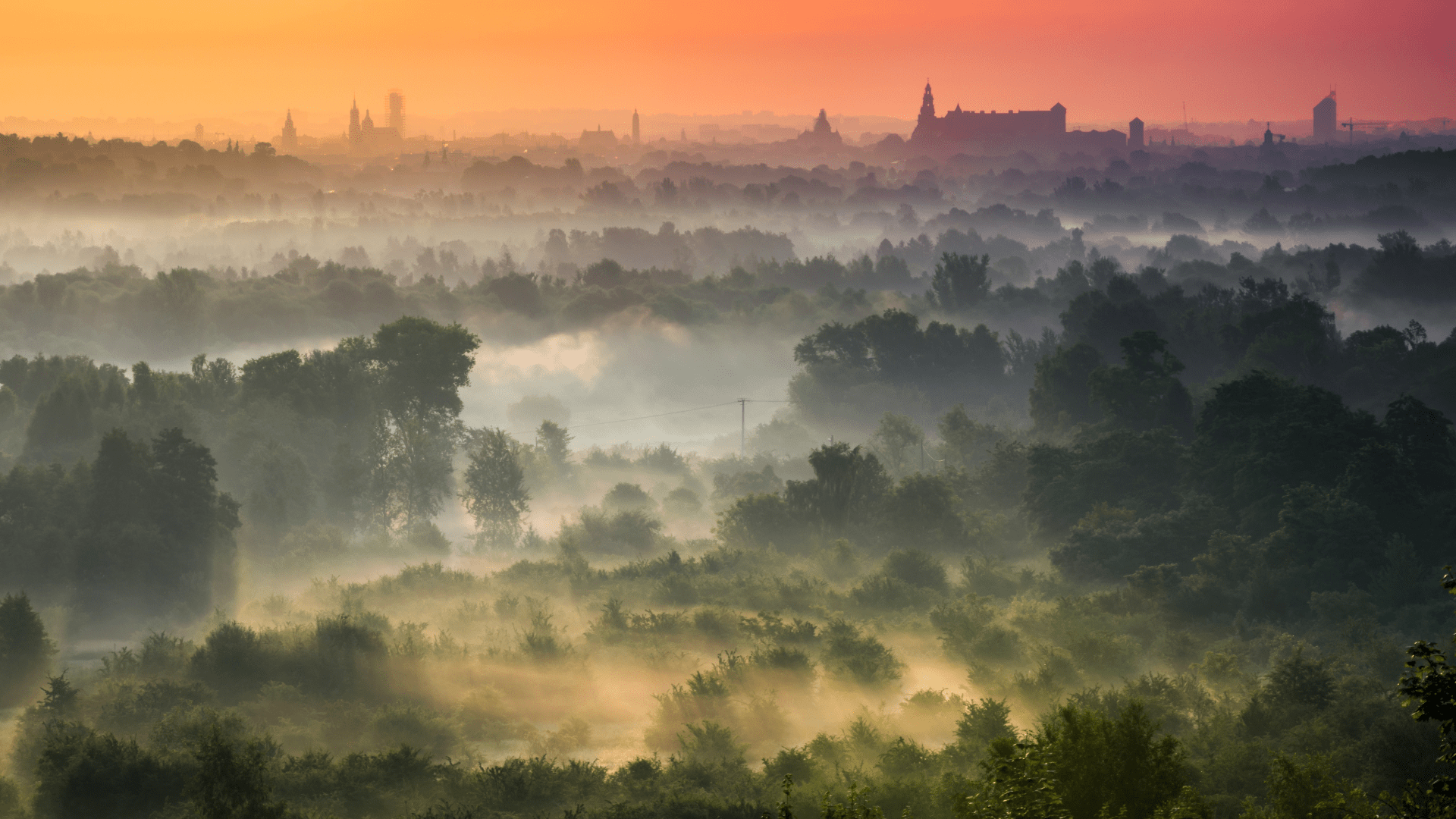
May is one of the best months for walking around Krakow. The weather is often mild, the parks are green and daylight lasts well into the evening. A light jacket, breathable layers and comfortable trainers will usually cover you well.
Do not leave rain protection at home. May can bring frequent showers, and a small waterproof layer is more practical than changing your whole plan when the weather turns. A reusable water bottle is also worth carrying, especially on longer walks through Podgorze or along the Vistula.
June
June feels like the beginning of Krakow's outdoor season. Pack light clothing, sunglasses, sunscreen and shoes that can handle a full day on foot. Add one thin long-sleeved layer for church visits, cooler evenings and air-conditioned transport.
Rain is still part of the picture. A foldable rain jacket takes up very little space and works better than getting caught in a thunderstorm in sandals or a cotton shirt.
July
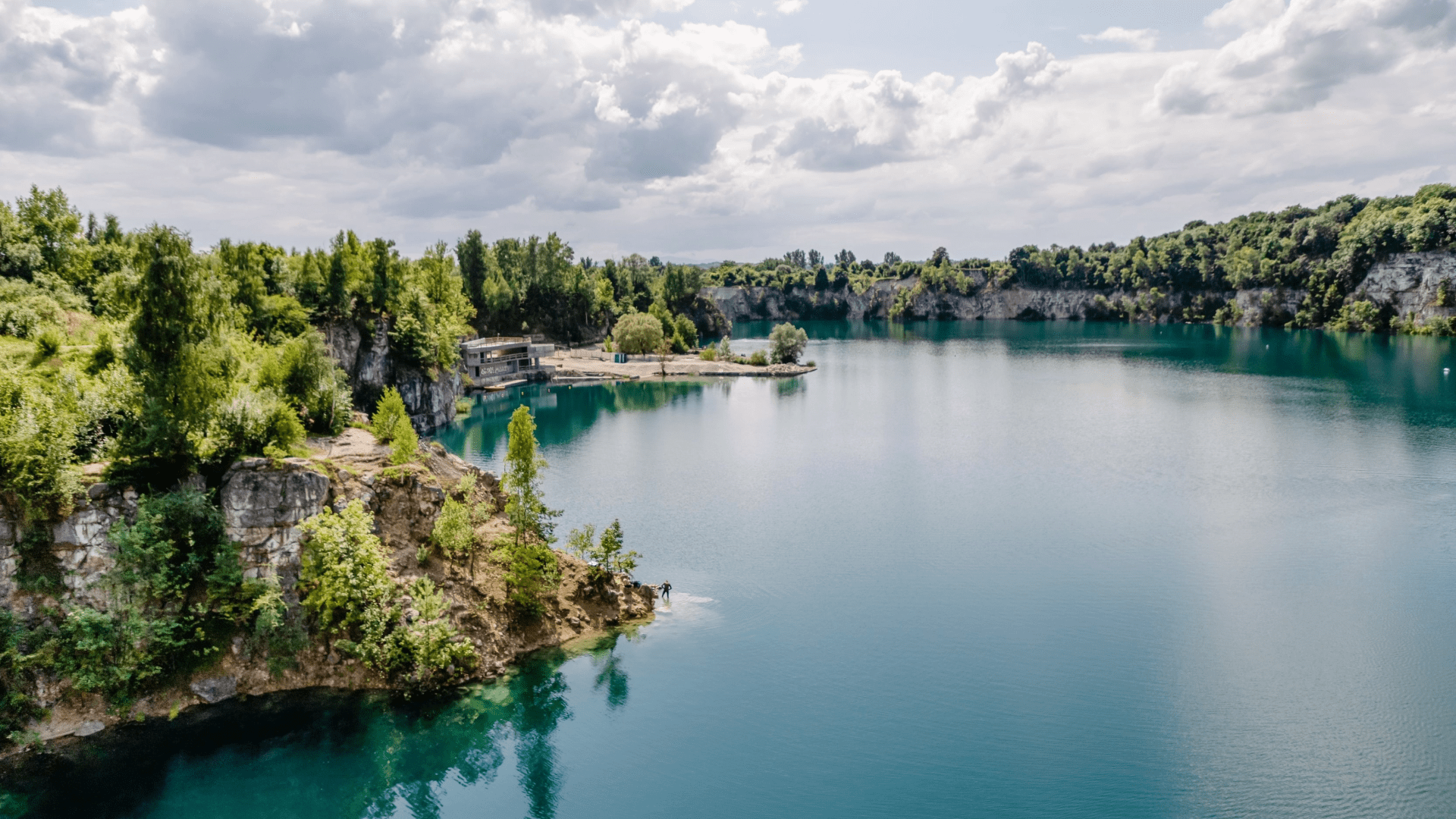
July is typically Krakow's warmest month and also has the highest average monthly rainfall. Plan for heat during the day, especially around the open Main Market Square, but keep a light rain layer in your day bag. Breathable shoes, a hat and sun protection matter more than fashionable footwear that will leave you with sore feet after a few hours.
This is the month when a refillable bottle becomes essential rather than optional. Carry water before you begin a long walk, particularly if you are heading across the river to Podgorze or exploring the less shaded parts of the city.
August
August often feels similar to July, with warm afternoons, busy streets and plenty of time for outdoor sightseeing. Plan for sun during the day, especially around the Main Market Square and on exposed riverside paths, but keep a compact umbrella or light rain jacket in your day bag for sudden storms. Breathable clothes, comfortable shoes, sunglasses and sunscreen will make full days in the city much easier.
A refillable water bottle is worth carrying whenever you head out. Bring one thin extra layer too, as evenings in Kazimierz or by the Vistula can feel noticeably cooler after sunset.
September
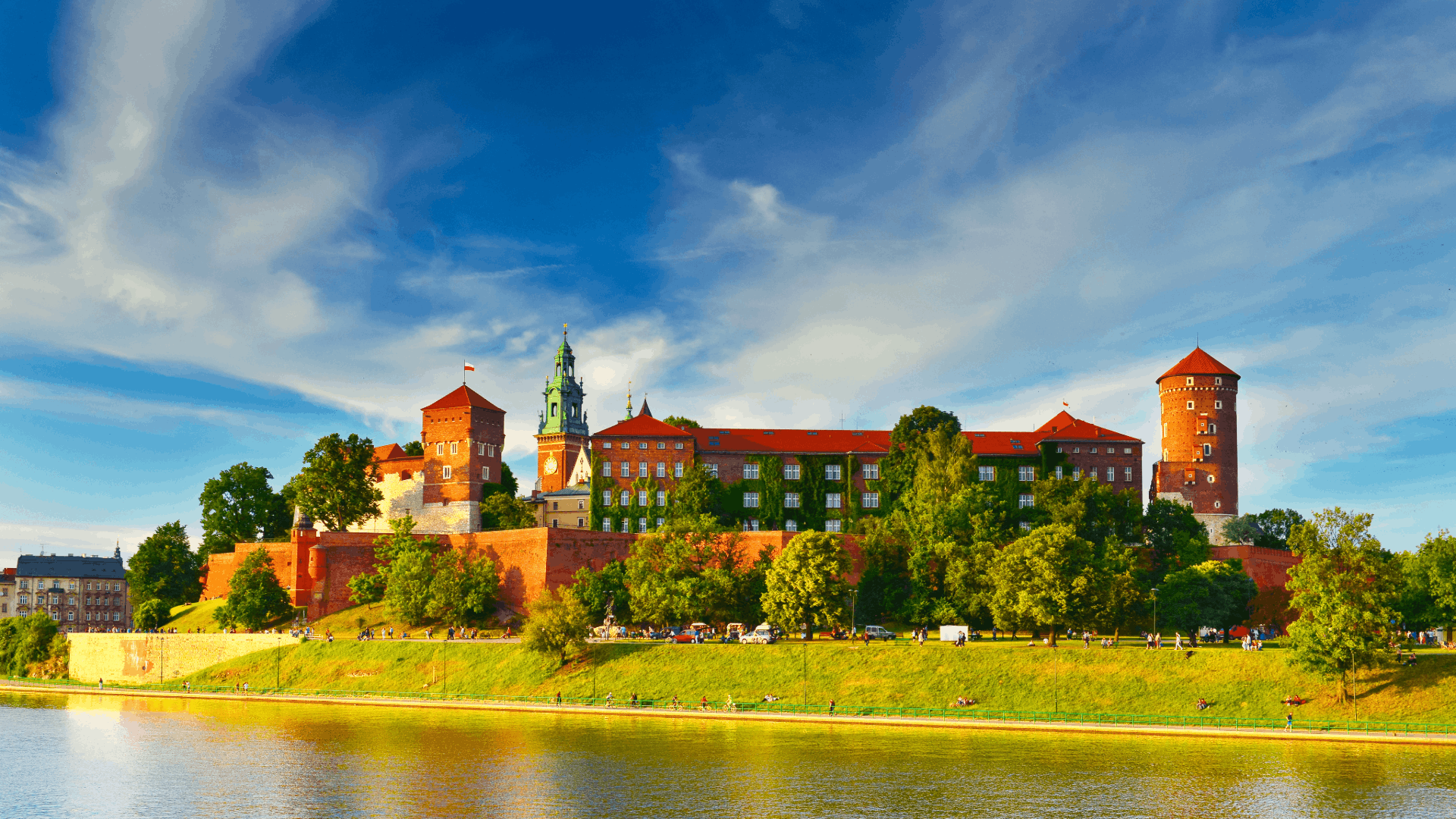
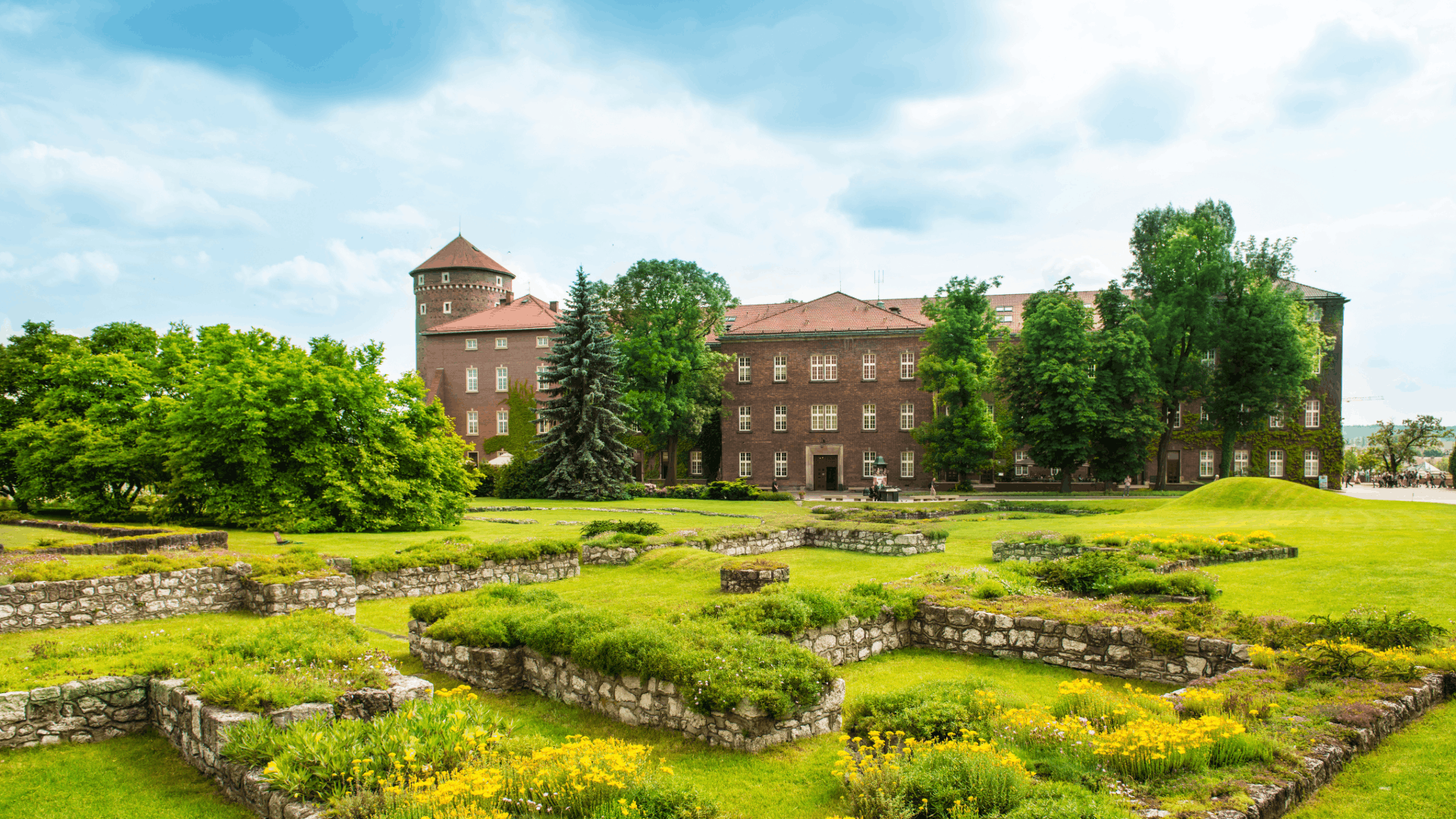
September often gives visitors the most comfortable balance: milder daytime temperatures, fewer very hot afternoons and cooler evenings. Pack a light sweater or overshirt, a waterproof jacket and closed walking shoes. You may still want sunglasses during the day, especially when walking through the open spaces around Wawel or along the river.
A small evening layer matters more than many visitors expect. After sunset, the temperature can drop quickly, even after a warm afternoon.
October
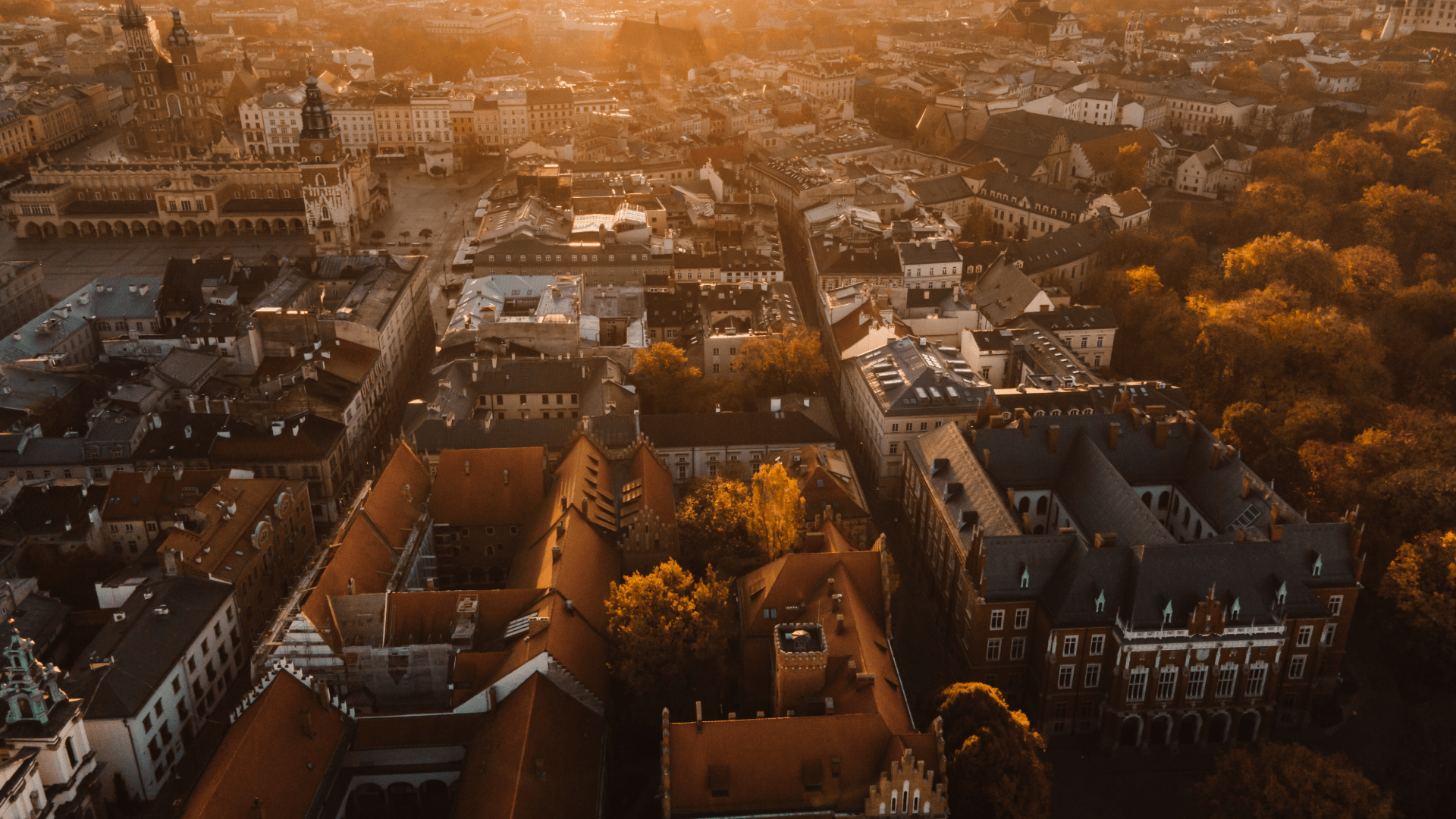
October gives Krakow its autumn atmosphere: golden leaves in Planty Park, quieter streets after summer and crisp air around the Old Town. It is a rewarding month for city walks, provided you bring a waterproof jacket and shoes that can handle wet leaves and rain.
A sweater, long trousers and a scarf are usually more useful than heavy winter clothing. The goal is to stay comfortable in changing weather without carrying too much.
November
November can be cool, damp and grey, but it also suits travellers who prefer museums, restaurants and unhurried walks over peak-season crowds. Bring a warmer coat than you would in October, plus a scarf and waterproof footwear.
This is a month when a proper day bag helps. You may want to carry an umbrella, gloves, a power bank and an extra layer without overfilling your pockets.
December
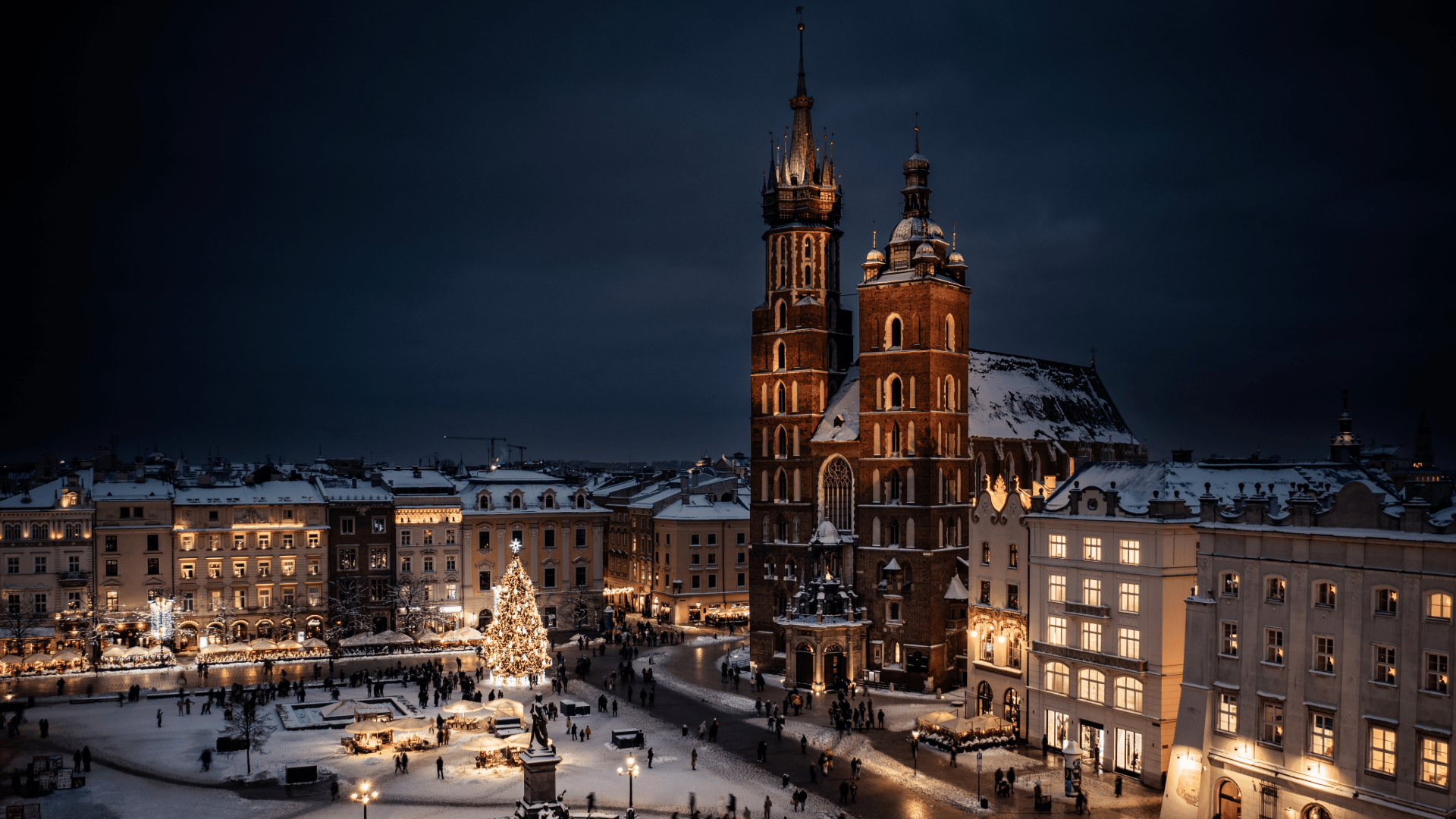
December in Krakow calls for a real winter coat, warm socks, gloves and shoes suitable for wet pavements or snow. The city is especially atmospheric after dark, when visitors often spend longer outside at the Christmas market, walking between the Main Market Square and nearby streets.
Dress for the evening rather than only for the daytime forecast. A warm layer, hat and gloves can decide whether a winter walk feels memorable or simply uncomfortable.
Master the city with our Guidebook
Planning a trip to Krakow is one thing. Knowing how to make the most of your time once you arrive is another. The city centre is easy to explore on foot, but a few local tips can make a big difference — especially when you're visiting during a busy cultural season. We've put our favourite practical advice into a Free Guidebook, designed to help you spend less time worrying about where to eat, how to get around or what to see next, and more time actually enjoying Krakow.
Inside the guide, you'll find:
- Where to eat: Local restaurants, cafés and less obvious places to stop for a meal away from the busiest tourist streets.
- Getting around Krakow: Simple advice on public transport, walking and moving between the city's main neighbourhoods.
- Local customs: A few useful tips on Polish etiquette and everyday habits that can make your visit feel more natural.
- Walking ideas: Suggested routes through the
Old Town, Kazimierz and beyond, so you can explore without constantly checking your phone.
The three things to bring all year
Whatever month you choose, pack comfortable walking shoes, a light rain jacket and a day bag that leaves your hands free. You will likely spend more time walking than the distance between the main sights suggests, especially if you combine the Old Town with Kazimierz, Podgorze or the riverside. Layers are useful throughout the year. Mornings can feel quite different from afternoons, and some attractions have their own conditions. Wieliczka Salt Mine, for example, stays around 14°C underground, so a light jacket can be useful even on a warm summer day. If you are planning a trip to the Tatra Mountains, check the conditions separately, as the weather there can be very different from Krakow.
The forecast is worth checking again a few days before your trip and once more on the morning you head out. Pack for the conditions you are actually likely to encounter, rather than for the average temperature alone, and you will be ready to explore Krakow without spending the day thinking about the weather. With the right shoes, a few layers and a quick look at the forecast, you can spend less time worrying about the weather and more time exploring Krakow.