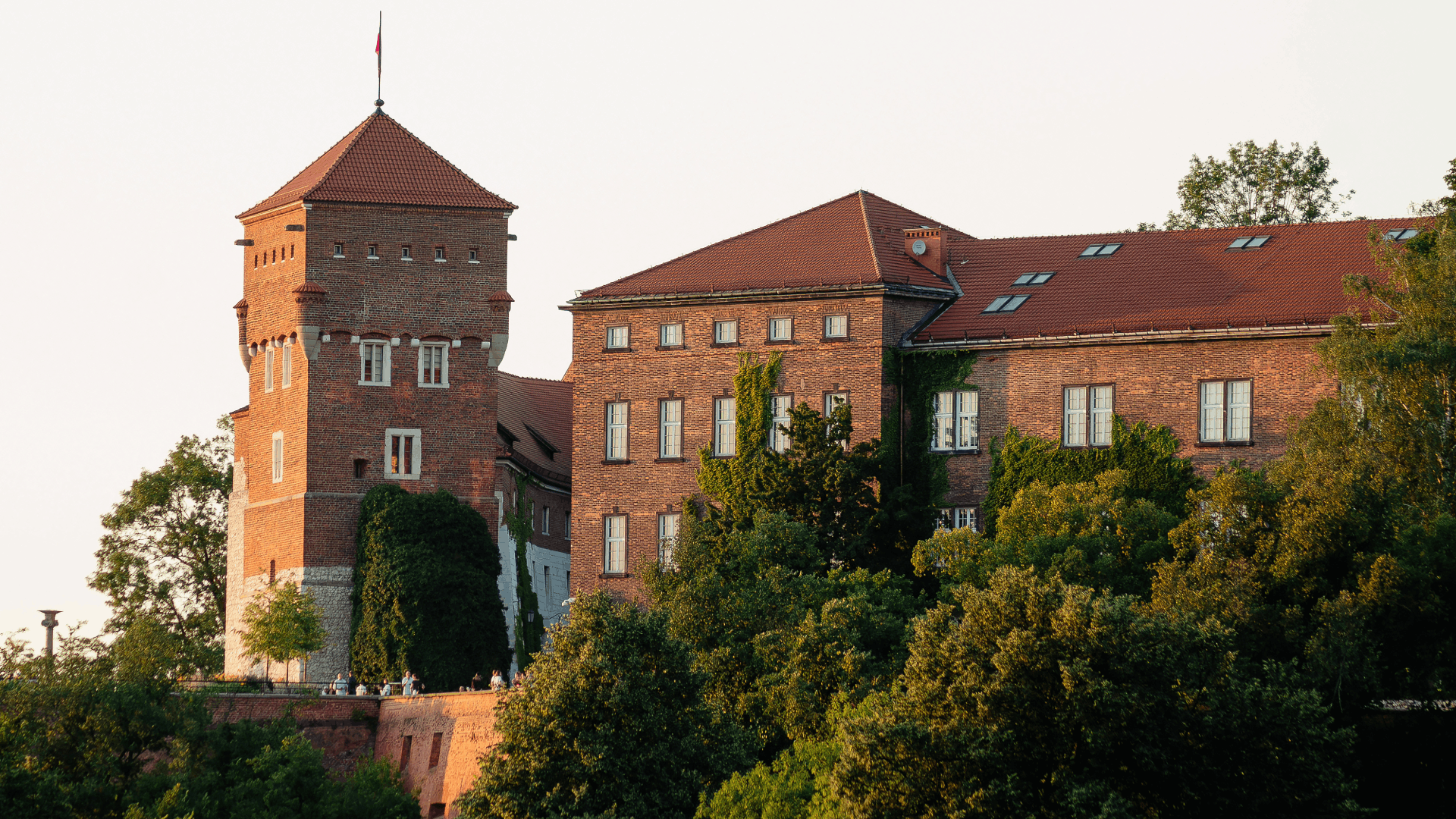




Spooky Krakow: Dragon Bones, Haunted Mines and Devil’s Rocks
Krakow looks composed in daylight. Church towers rise above tidy rows of townhouses, cafe tables fill the squares and the sound of footsteps disappears into the rhythm of the city. Yet some of its strangest stories are not hidden at all. One hangs on a chain beside a cathedral door. Another is marked by a stone lantern that once warned travellers to keep their distance. Others wait beneath palaces, inside a forest or far below ground, where every sound seems to travel further than it should.
This is not a ranking of Krakow’s most haunted attractions, and we are not going to pretend that every old wall conceals a ghost. It is a journey through the darker edge of local folklore: stories people used to explain dangerous places, preserve memories and give a shape to fears they could not always name. Around Halloween, they feel especially close. But most of them have followed Krakow for centuries.
Discover Krakow Legends: From Salt to the Moon
Krakow’s darker stories are only one doorway into its folklore.
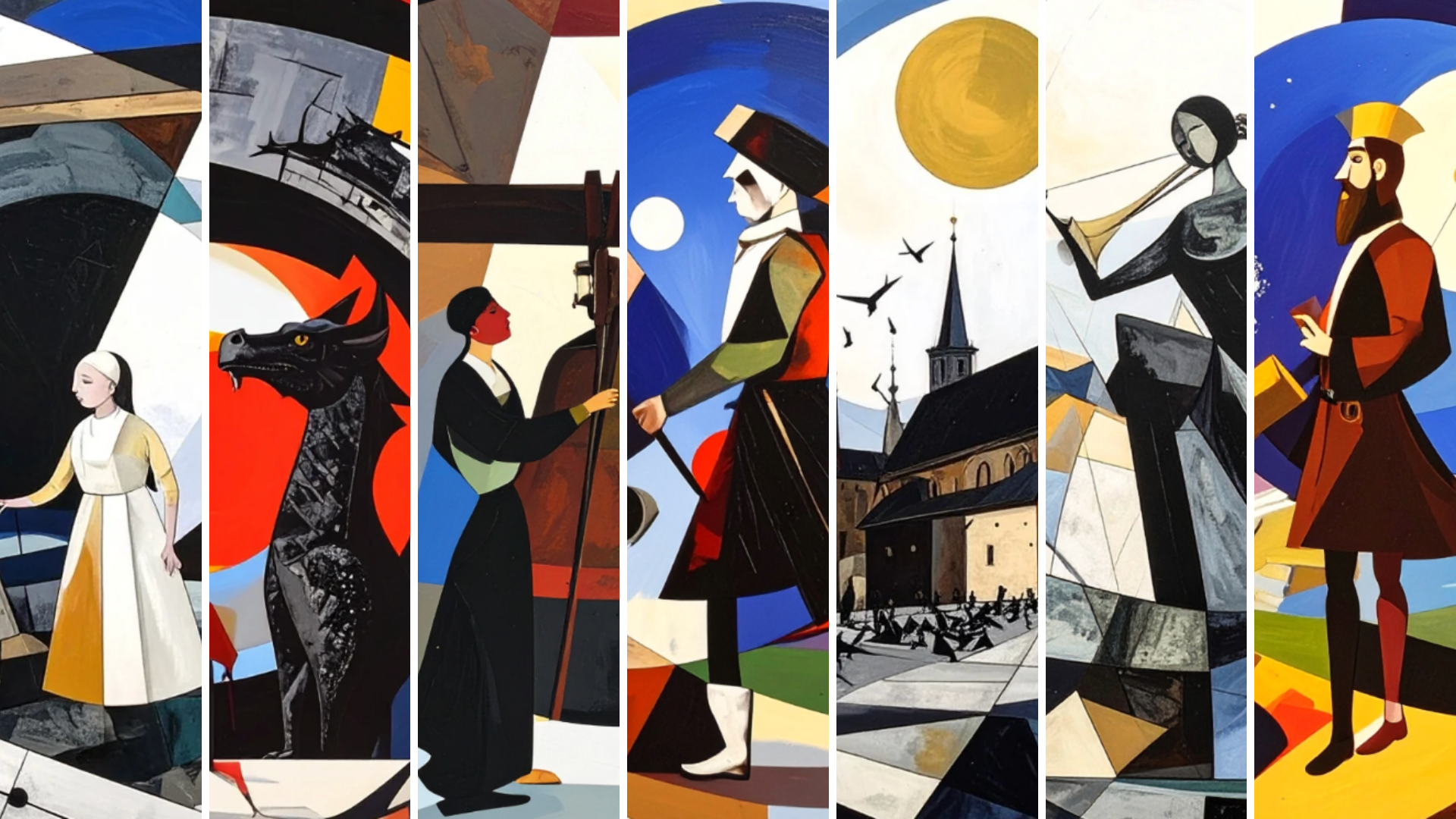
Krakow Legends: From Salt to the Moon explores a much wider world of mystery, adventure, magic, history and living tradition. The series brings together seven cinematic audio stories connected with Krakow and its surroundings, each combining a complete legend with historical context and places that can still be visited today. Created by
Hello Cracow and Krakow Tourism Alliance, the series is available to read and listen to in English, Italian, French and Spanish on Spotify, Apple Podcasts and YouTube.
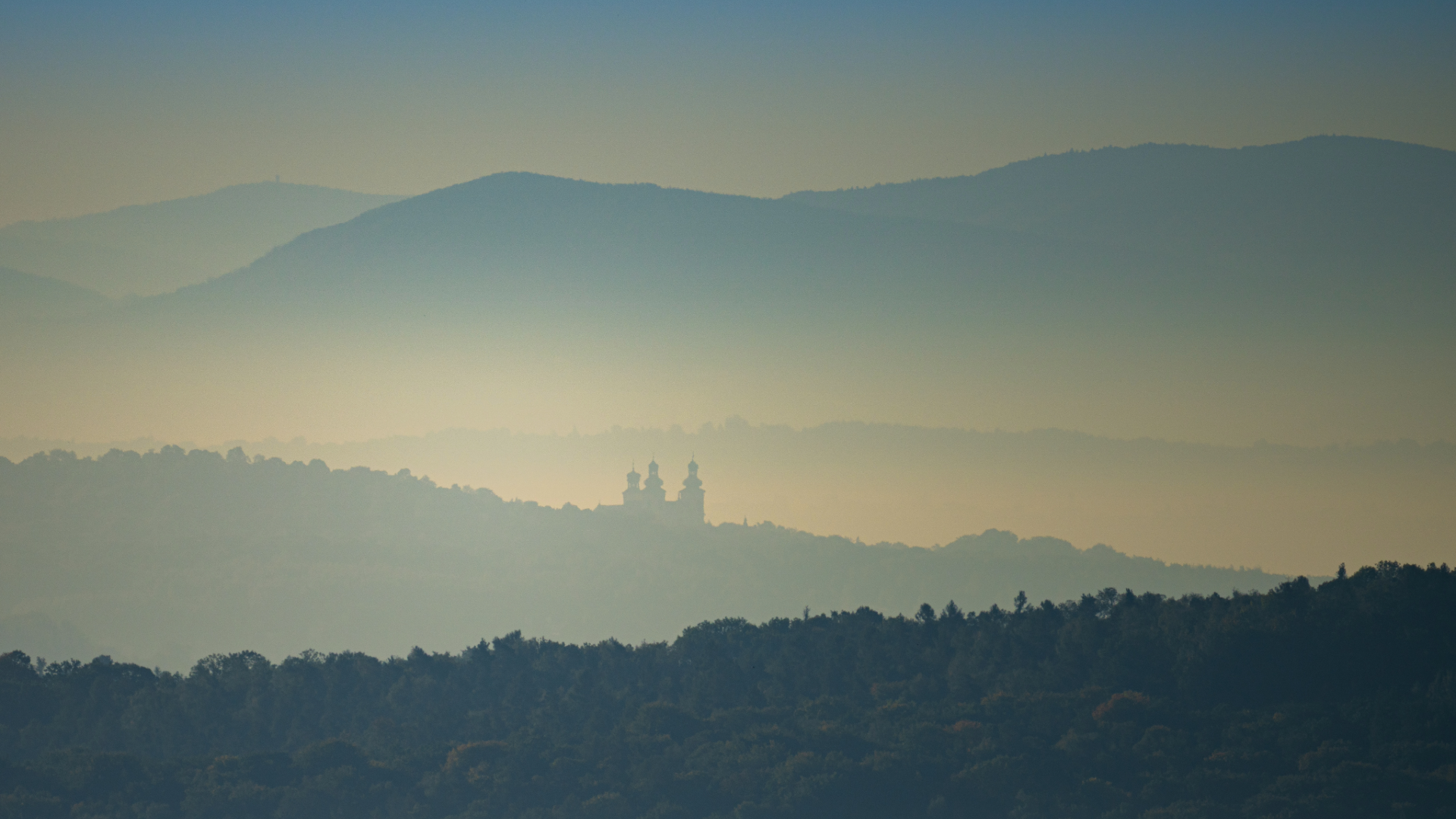
Lanterns of the Dead: A light you did not want to follow
Imagine walking beyond Krakow’s medieval walls after sunset. There are no electric lamps, no illuminated signs and no bright windows leading you safely onwards. Then, in the distance, a flame appears above the road. It might seem reassuring. In medieval Krakow, it could mean the opposite.
Lanterns of the dead were stone structures placed near cemeteries, hospitals, shelters and leprosaria. Their light marked places associated with illness and death, warning travellers that they were approaching ground where caution was necessary. Over time, the flame gathered more spiritual meanings too. It stood between the world of the living and places occupied by the sick, the dying and the dead. Krakow’s surviving Gothic lantern can be found beside St Nicholas Church at 9 Kopernika Street. It did not originally stand there. Dating from the 14th century, it once marked the leprosarium near St Valentine’s Chapel in Kleparz and was moved to the church grounds in 1871. Today it stands quietly among trees and stone, easy to miss if you do not know what you are looking for. That may be what makes it so unsettling. It is not a theatrical Halloween prop but a real object from a world in which one small flame could deliver a serious warning: do not come any closer.
Medieval Krakow relied on signals that could travel further than a human voice. At the edge of the city, a flame warned travellers away. High above the streets, sound could carry in every direction. In Krakow’s folklore, one such sound became a warning that never reached its natural end. Every hour, the hejnal rises above the Main Market Square and then stops so suddenly that even those expecting the silence may still look up.
The Melody Without the Final Note, part of
Krakow Legends: From Salt to the Moon, follows the story held inside that unfinished phrase.
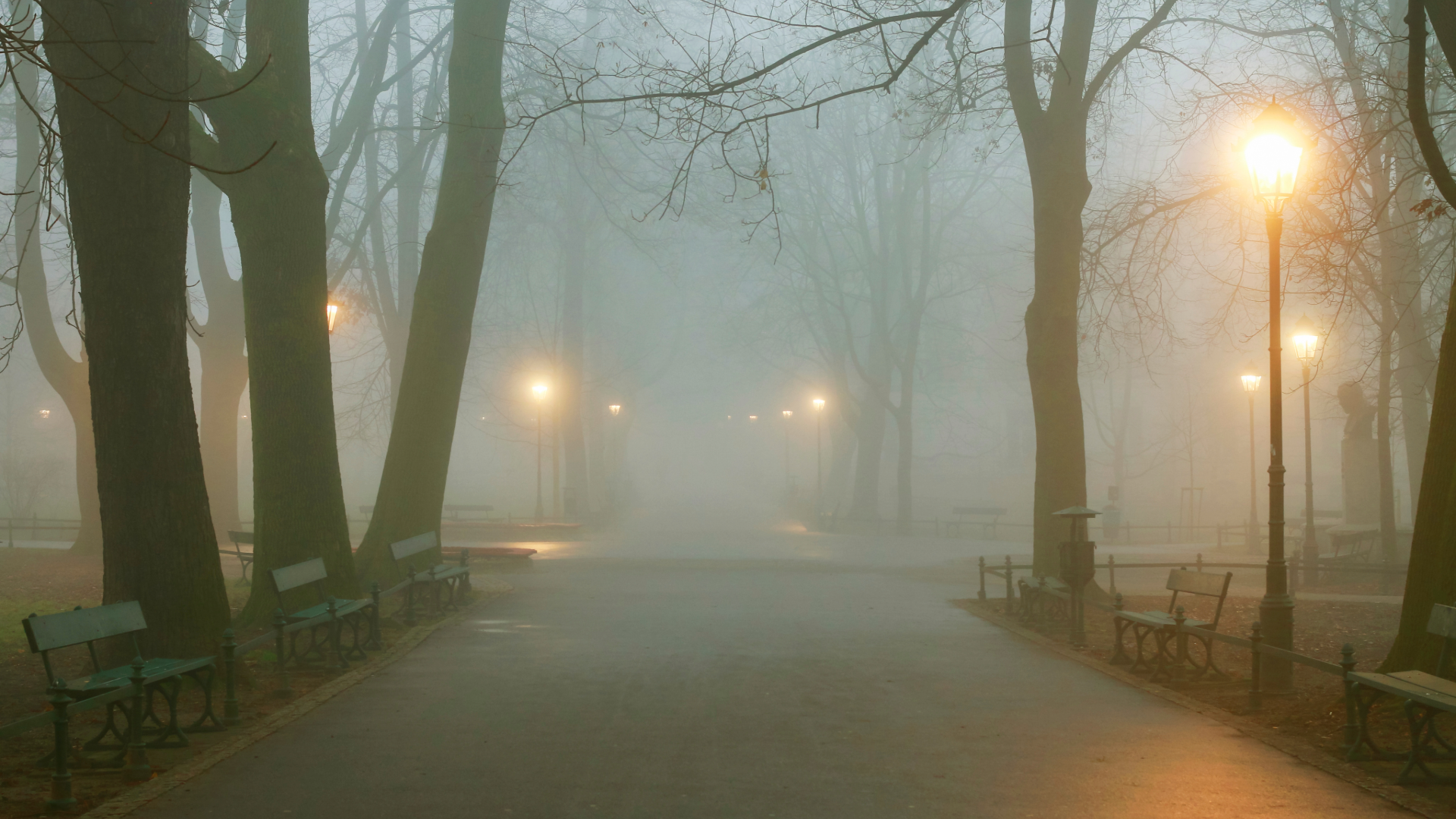
The Dragon Bones that must never fall
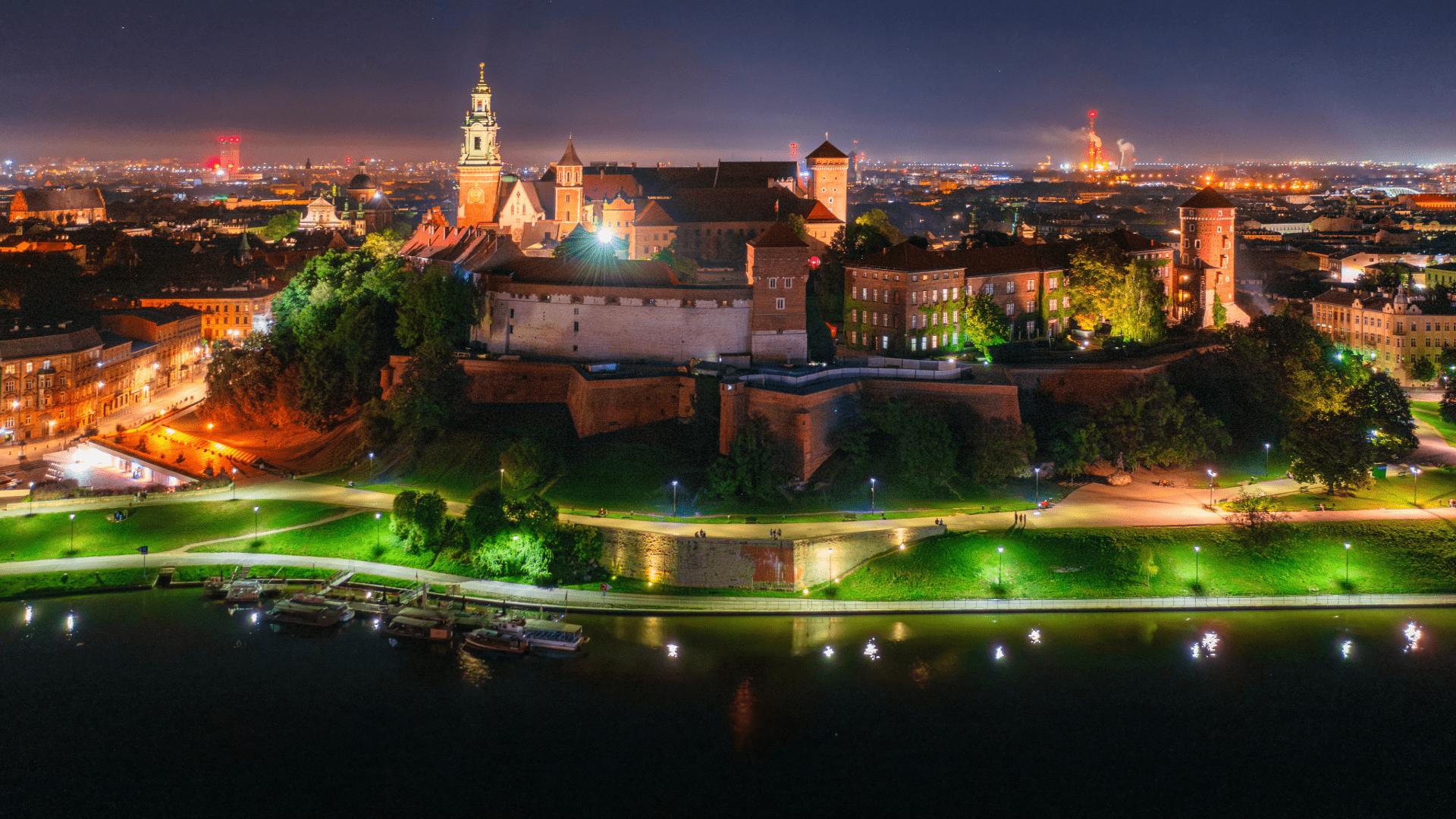
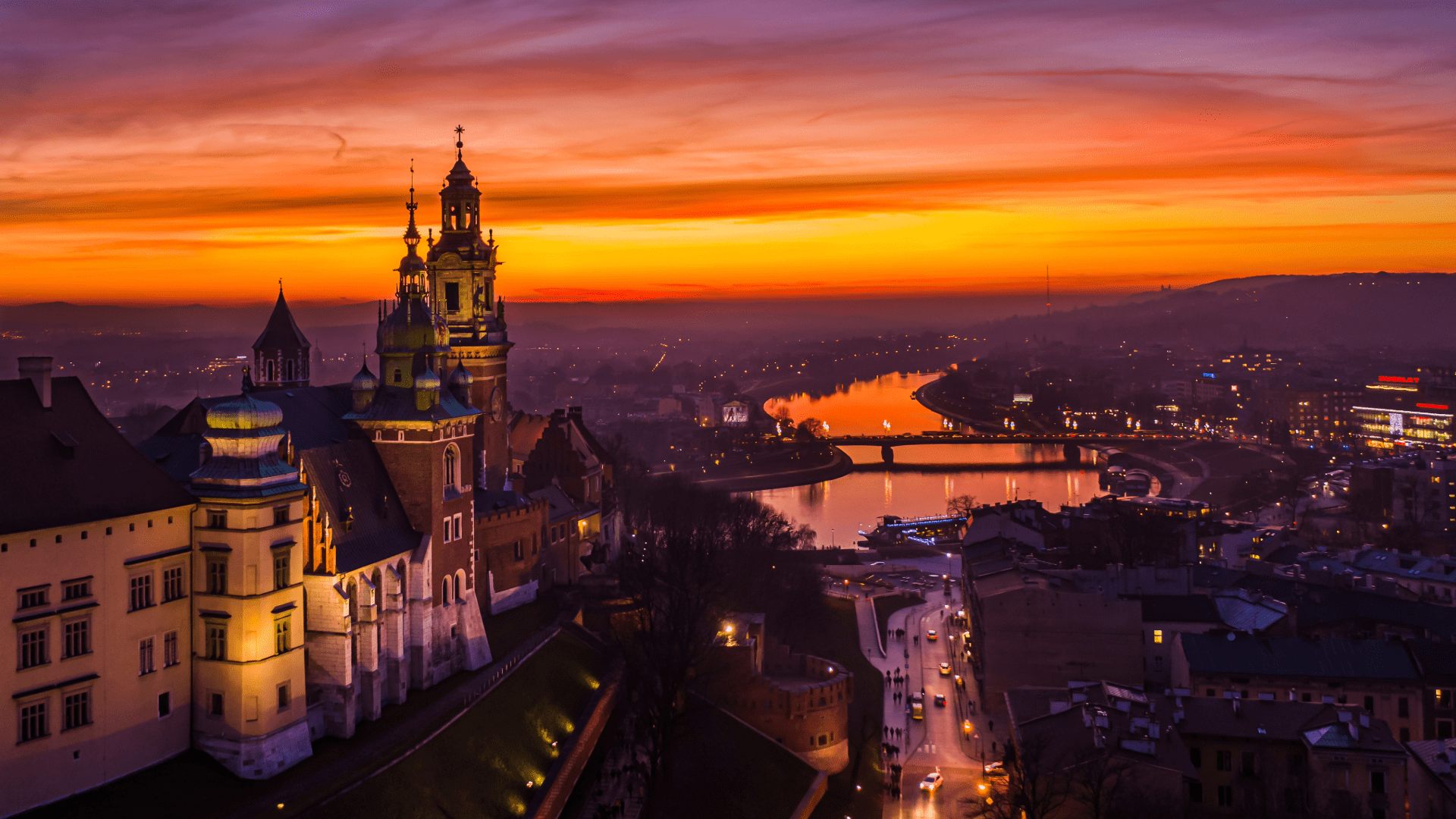
Leave the old lantern behind and follow the city towards Wawel Hill. At the western entrance to Wawel Cathedral, visitors often look towards the heavy doors and carved stonework. Look higher. Three enormous bones hang above the entrance on an iron chain. They have been there for centuries. Long before their animal origins were identified, Krakow found a more memorable explanation: they were the remains of the Wawel Dragon.
In 1937, researchers identified them as remains of a rhinoceros, a whale and a mammoth rather than a fire-breathing creature. That knowledge has done little to weaken the warning attached to them. According to the best-known version, the world will end if the bones ever fall from their chain. The prophecy may sound easy to dismiss, right up to the moment someone asks whether you would be willing to unfasten the chain yourself. Krakow has sensibly left that experiment undone.
The bones are only one fragment of a much older story written into Wawel Hill. Beneath the castle lies a real limestone cave known as the Dragon’s Den, while medieval chronicles already placed a terrible creature near Krakow’s earliest rulers. History provides the cave and the ancient texts. Folklore supplies the breath, claws and fear. The full legend waits in
The Dragon Beneath Wawel, one of the seven stories in
Krakow Legends: From Salt to the Moon. Here, it is enough to stand under the bones and remember the bargain Krakow has apparently made with them: remain above the door, and the city remains standing.
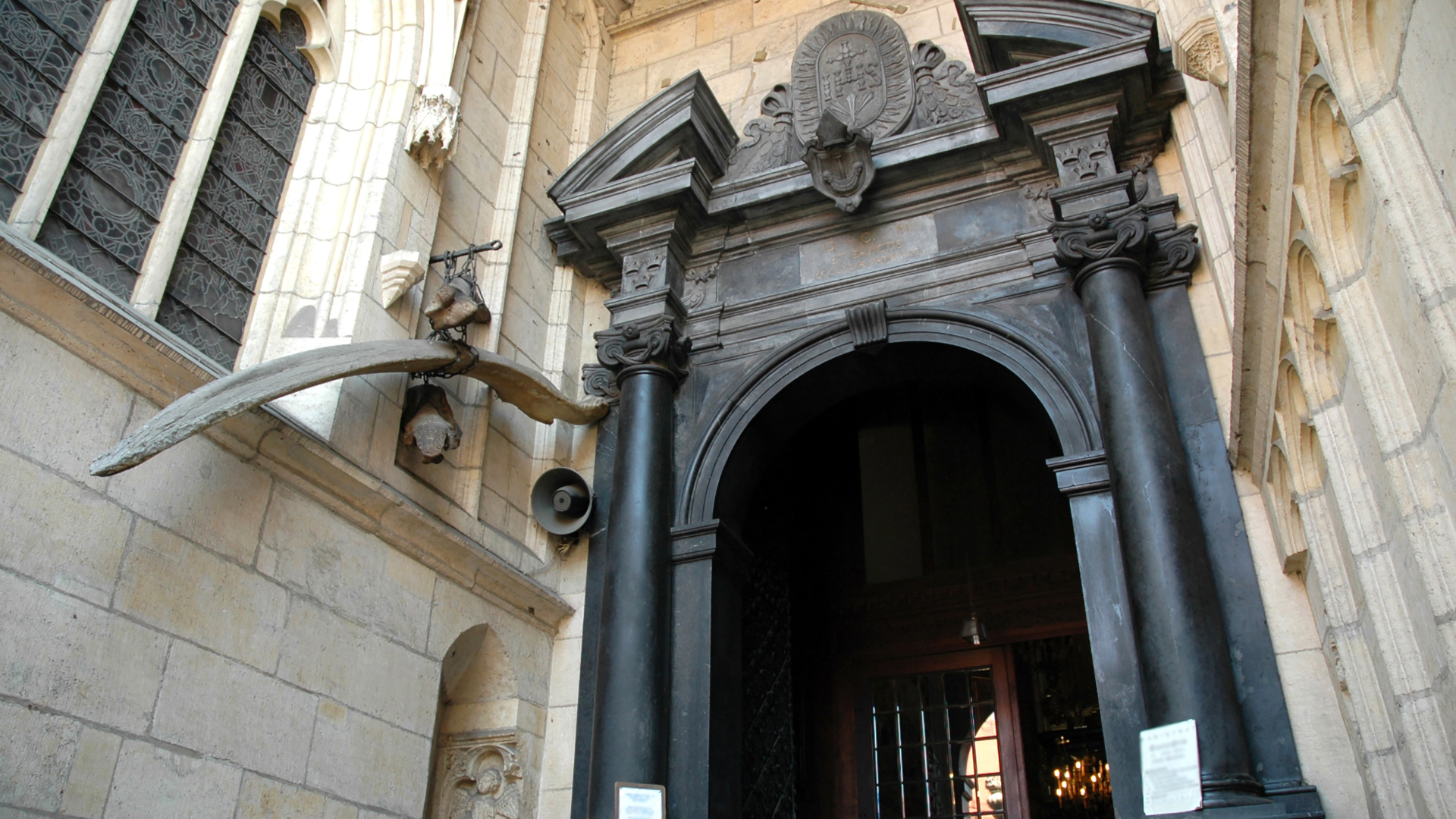
Krzysztofory Palace: Treasure behind a door nobody can find
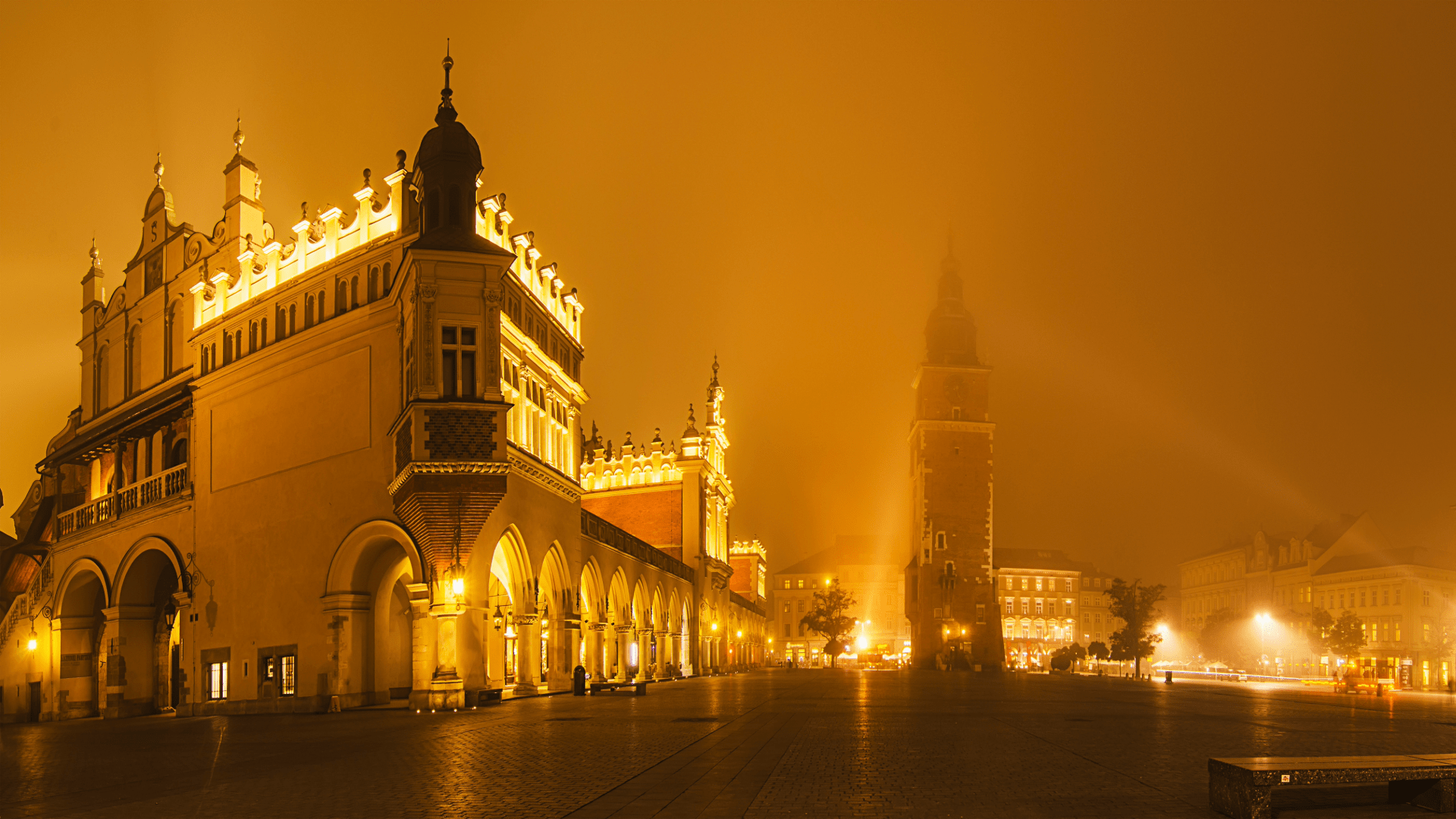
From Wawel, return towards the Main Market Square. The crowds grow thicker, restaurant windows throw light across the pavement and the city feels safely familiar again. At number 35 stands Krzysztofory Palace, an elegant building with the kind of facade that gives nothing away. The next story begins underneath your feet.
Krzysztofory has long been connected with alchemists, sorcerers and a treasure concealed somewhere in its cellars. Gold is said to lie beyond a hidden entrance, guarded by a devil who has no intention of making the route easy. Different versions add different figures: a mysterious rooster, a Black Lady appearing at night, or an underground chamber that can be found only under very particular circumstances. The palace’s real history gives these stories unusually fertile ground. In the 16th century, people connected with crafts and pharmacy were active here. An intriguing but unresolved tradition also links the building with the alchemist Michal Sedziwoj, while local legend placed the workshop of Master Twardowski in its cellars. No reliable map leads to the treasure. That is precisely why the story survives. A treasure with a known address becomes a museum exhibit. A treasure behind a door that refuses to be found can trouble the imagination for generations.
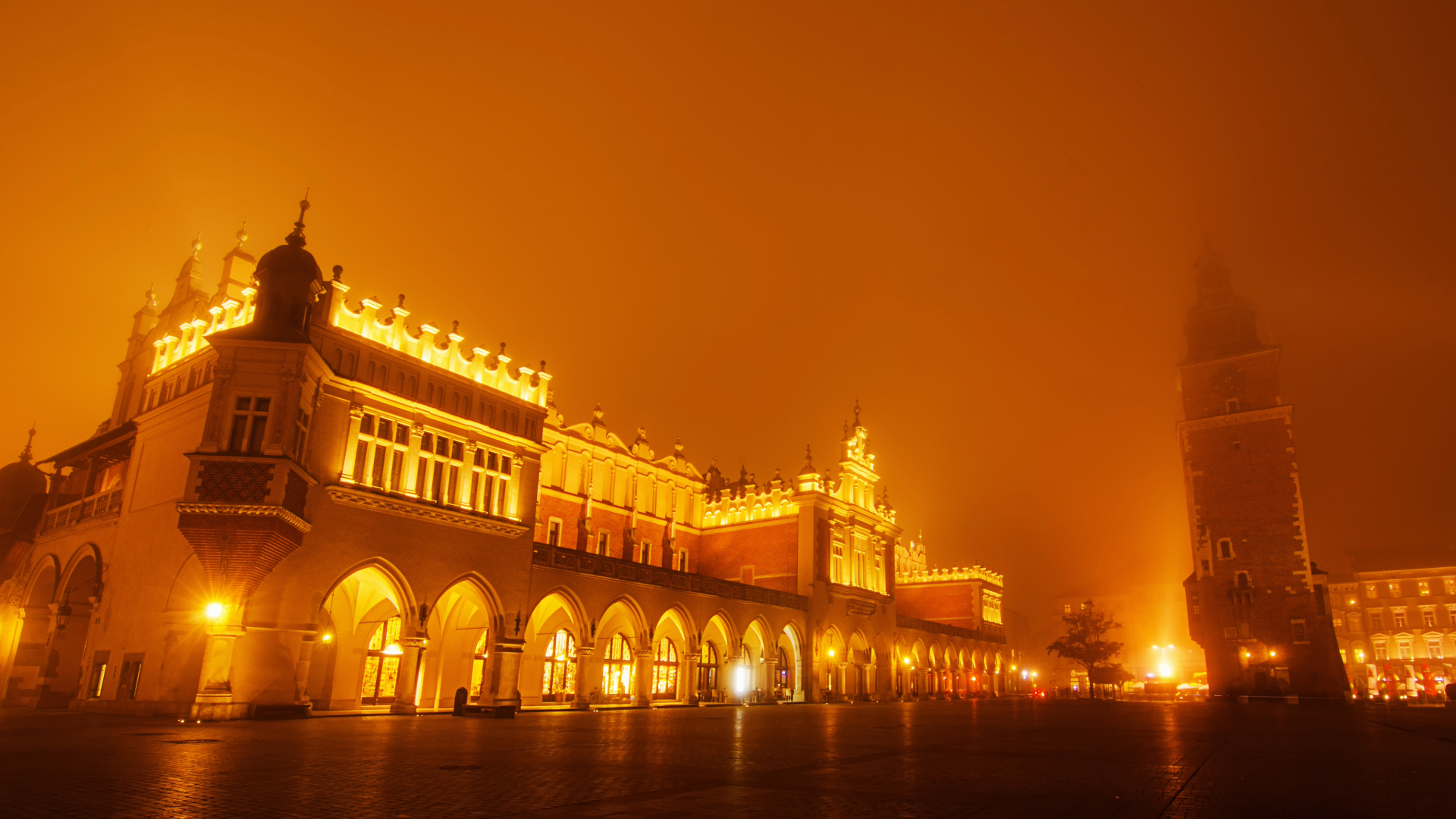
Today Krzysztofory Palace is home to the Museum of Krakow. Outside, the square remains bright and busy. Yet after hearing the stories, it is difficult to cross it without wondering how much of the city exists below the streets we use every day, and how many doors have remained hidden simply because nobody knew where to knock. Stories of hidden gold do not end beneath Krzysztofory Palace. Another mystery connected with wealth and an unfulfilled ambition has lingered around the Cloth Hall for centuries.
The Knights Who Are Still Waiting follows the traces of that unfinished story.
Skalki Twardowskiego: Krakow’s own Faust
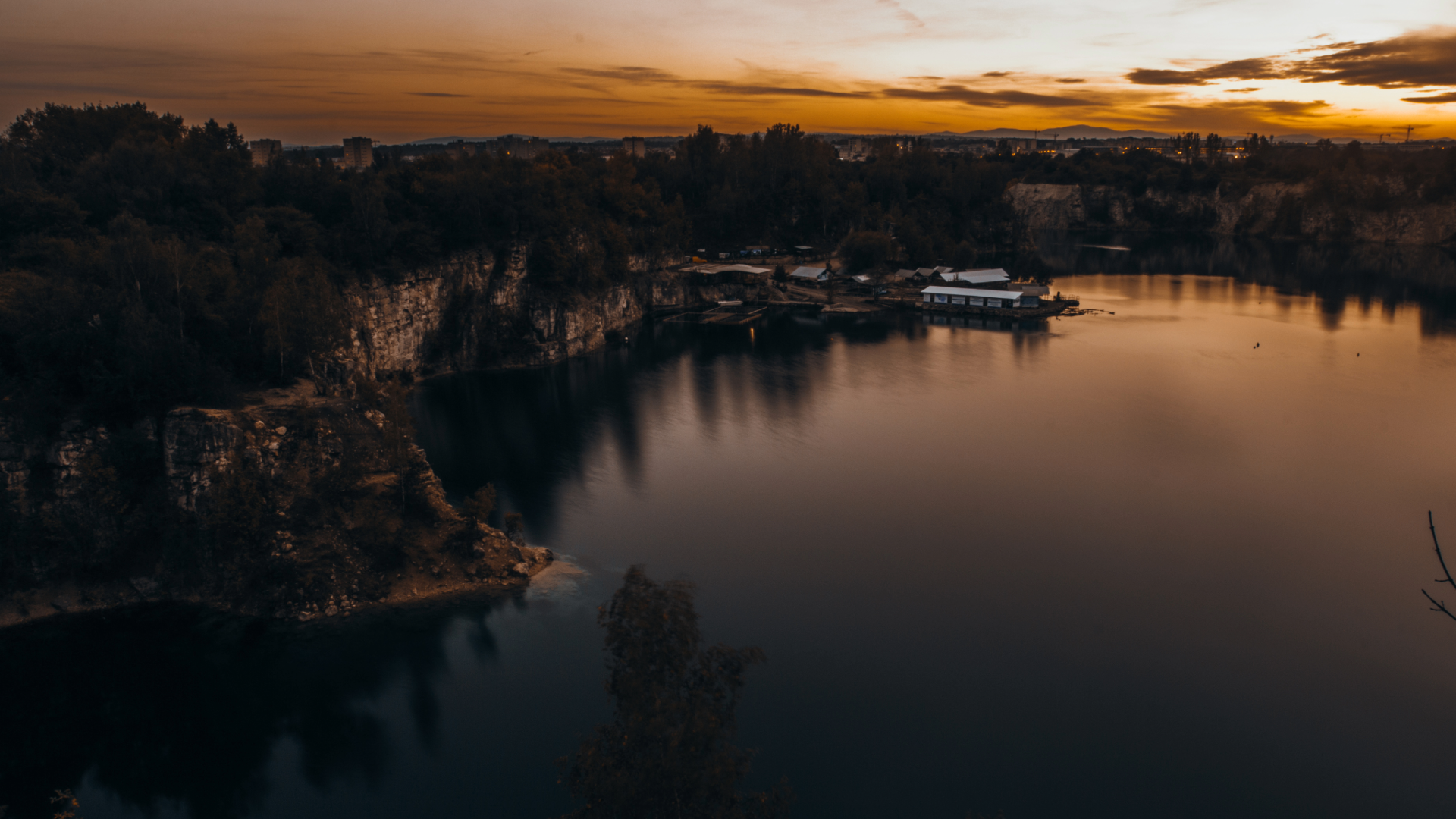
Leave the lights of the Main Market Square and travel south-west to Zakrzowek. Today it is one of Krakow’s most distinctive recreational areas: a park built around striking blue water that filled a former limestone quarry. The reservoir dates from 1990, but the surrounding rock carries a much older atmosphere. Beside it rise Skalki Twardowskiego, pale limestone cliffs and wooded paths bearing the name of Krakow’s most famous sorcerer.
Master Twardowski is sometimes described as the Polish Faust: a learned man fascinated by knowledge, magic and power, who entered into an agreement with the Devil. Krakow made the story its own. The scholar became connected with local streets, houses, inns, caves and rocks until he seemed less like a character from a distant book and more like somebody who had recently left the room. Local tradition places his school of magic somewhere among these cliffs. Whether he ever existed as a single historical person is far less certain than the world surrounding his legend. Renaissance Krakow really was a centre of scholarship, astrology and alchemical interests. The city attracted people willing to search for hidden structures in nature, and the boundary between experiment, philosophy and magic did not always look as clear as it does today.
At Skalki Twardowskiego, the legend no longer needs a hidden cellar or a locked door. The broken limestone, dark openings and sudden views over the water do the work. Walk between the rocks at dusk and the landscape begins to resemble evidence left behind after an experiment whose purpose has been forgotten. At dusk, Twardowski begins to feel less like a name on a map and more like a shadow that has followed Krakow beyond its streets. How did one man leave traces in so many corners of the city, and where does that trail finally lead? The Man Who Outwitted the Devil follows it into the unknown.
Panienskie Skaly: The forest that closed behind the nuns
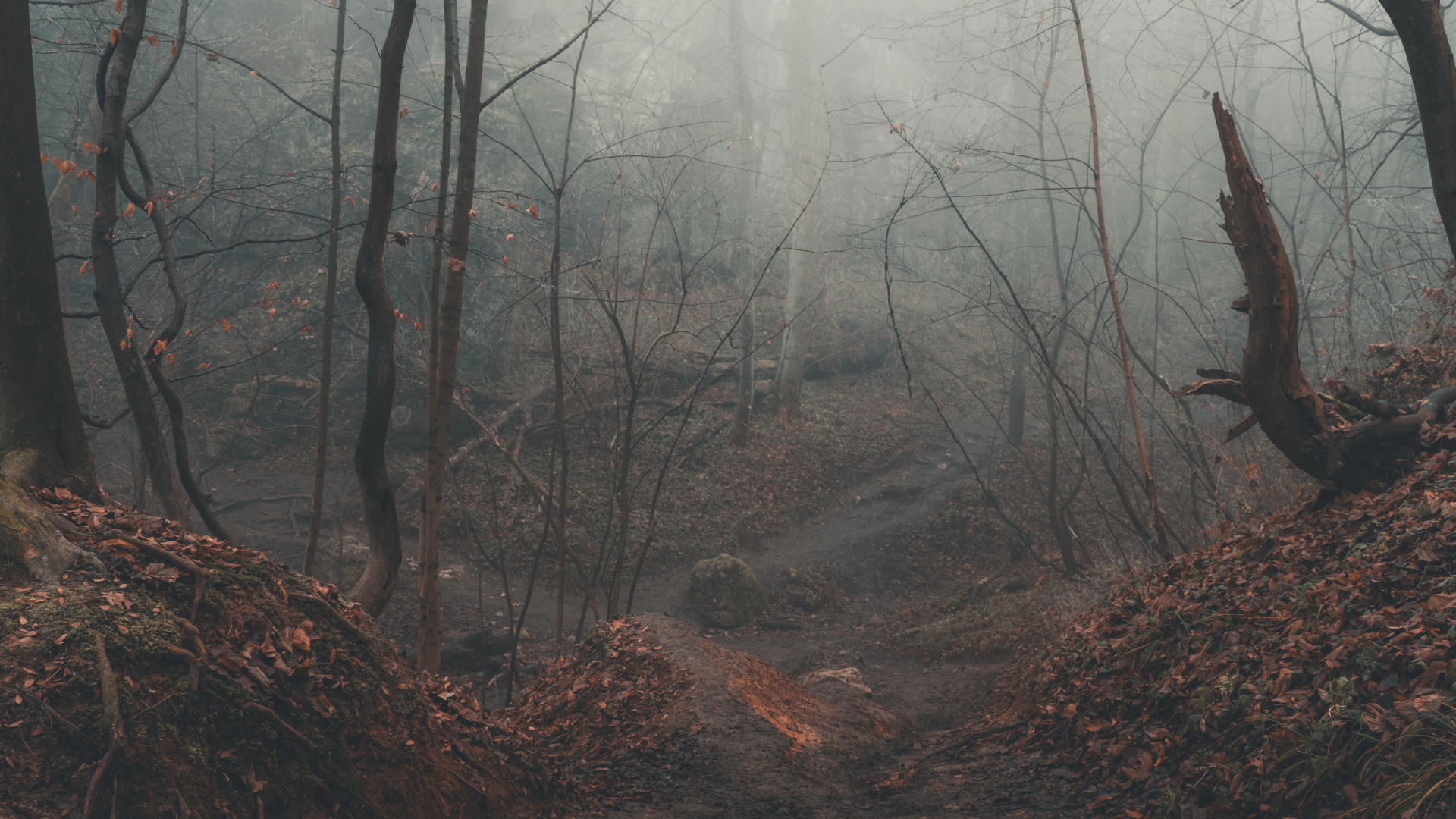
Continue west and the darkness changes again. Wolski Forest is one of Krakow’s great green escapes, crossed by walking paths and filled with beech, oak and limestone formations. In autumn, leaves soften every sound. Deeper inside the forest, steep walls close around a narrow ravine known as Panienskie Skaly, the Maiden Rocks.
Their name comes from the Norbertine nuns of Zwierzyniec, once called the Maidens of Zwierzyniec. In 1241, a Mongol invasion reached Krakow and destroyed their wooden monastery. History records the attack. Legend follows the fleeing sisters into the forest. With their pursuers close behind, the nuns prayed for rescue. According to the version retold by the city, Mary answered by shielding them with walls of rock. In another telling, the cliffs closed above the sisters and hid them completely. Either way, the forest itself becomes their refuge.
The real Panienskie Skaly are a protected nature reserve, and the geological formation needs no supernatural explanation. Still, this is what folklore often does best. It takes a place already shaped by stone, shadow and silence and gives people a reason to remember what happened nearby. The story also leads back towards Zwierzyniec, the Norbertine monastery and Krakow’s memories of the Mongol invasions. Those same memories appear in another tradition, although in a far more colourful form: the annual procession of the Lajkonik. Its full story can be heard in
The Rider Who Returns Every Year.
Is the Wieliczka Salt Mine haunted?
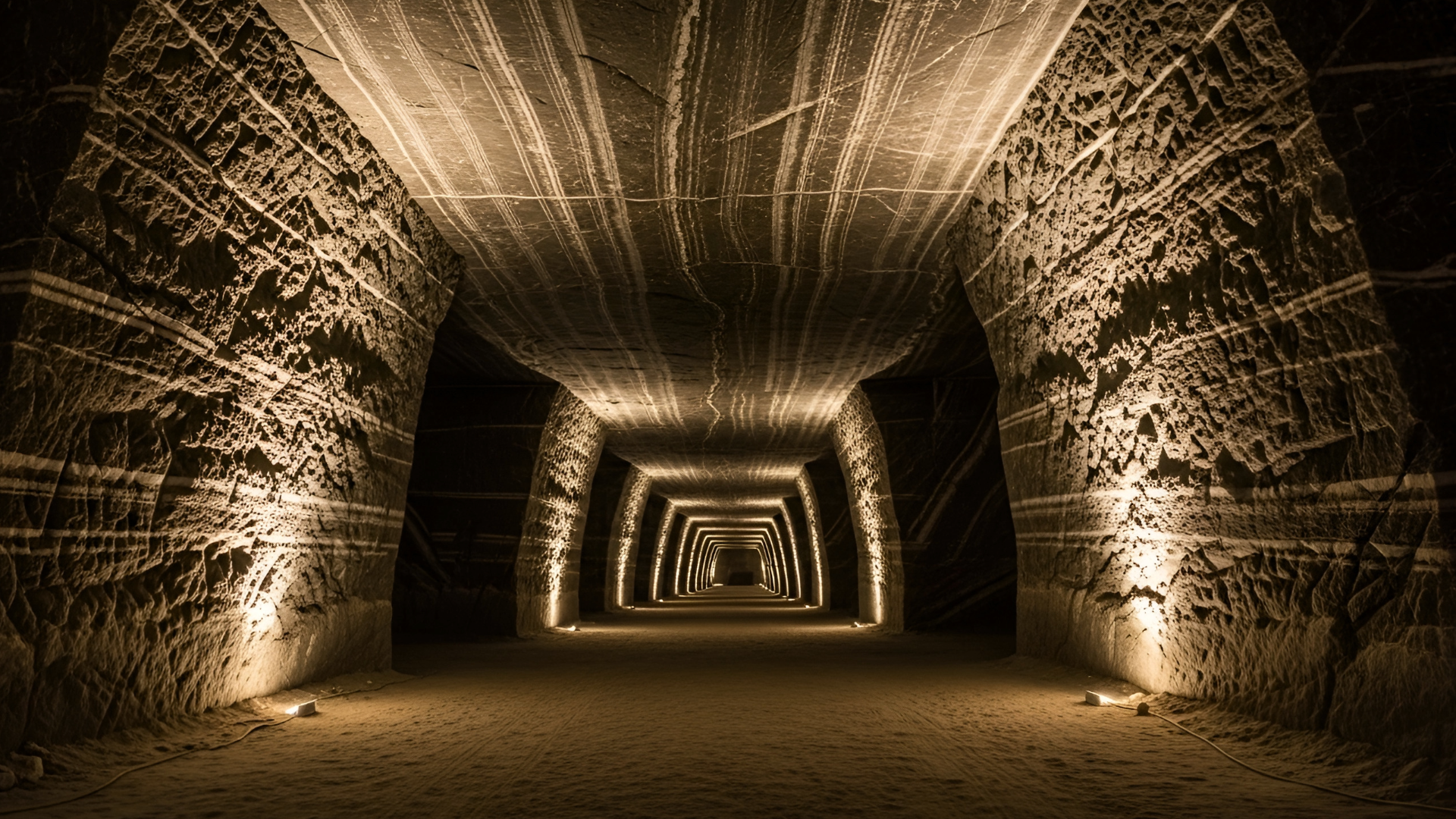
From the silence of the forest, the route moves beyond Krakow and below the ground. Wieliczka does not need invented ghost stories. A descent into the mine already changes the rules of the world above. Wooden stairs carry visitors beneath the streets. Salt covers walls that look like stone. Chapels, chambers and underground lakes appear where daylight should have made them impossible. Sound behaves differently in long passages, and the knowledge that generations of miners worked in this darkness gives every empty corridor a human weight. So, is the Wieliczka Salt Mine haunted?
There is no strong basis for presenting it as a documented paranormal site. What Wieliczka does have is a rich body of mining folklore, shaped by the real dangers of underground work. Its spirits were not always there simply to frighten people. Sometimes they warned, judged or protected them. The best-known is the Skarbnik, the guardian spirit of the mine. He was believed to appear before danger: collapsing rock, water, fire or another threat hidden beyond the reach of a lamp. Honest and hardworking miners might receive his help. Careless or greedy people had more reason to fear him. Visitors can see this protective role represented in the mine’s Skarbnik Chamber: a group of salt sculptures shows the spirit standing in front of two miners and stopping them from entering a tunnel that has collapsed.
Then there is Bieliczka, also called the White Lady. Some stories describe her as the Skarbnik’s daughter; others build a melancholy tale around a lost love and a woman waiting below ground. She belongs less to horror than to the sadness of separation, patience and promises stretched across time.
These figures reveal something important about Polish mining folklore. Underground spirits gave moral order to a place filled with unpredictable danger. They reminded workers to respect the mine, one another and forces they could not control. Another Wieliczka story begins not with a ghost but with a young princess, a distant salt mine and a decision whose consequences reach Poland. Its mysteries unfold in The Ring Hidden in Salt. It belongs to the same underground world, but its atmosphere is one of wonder rather than fear.
Devil’s Rock in Ojcow: A stone standing the wrong way up
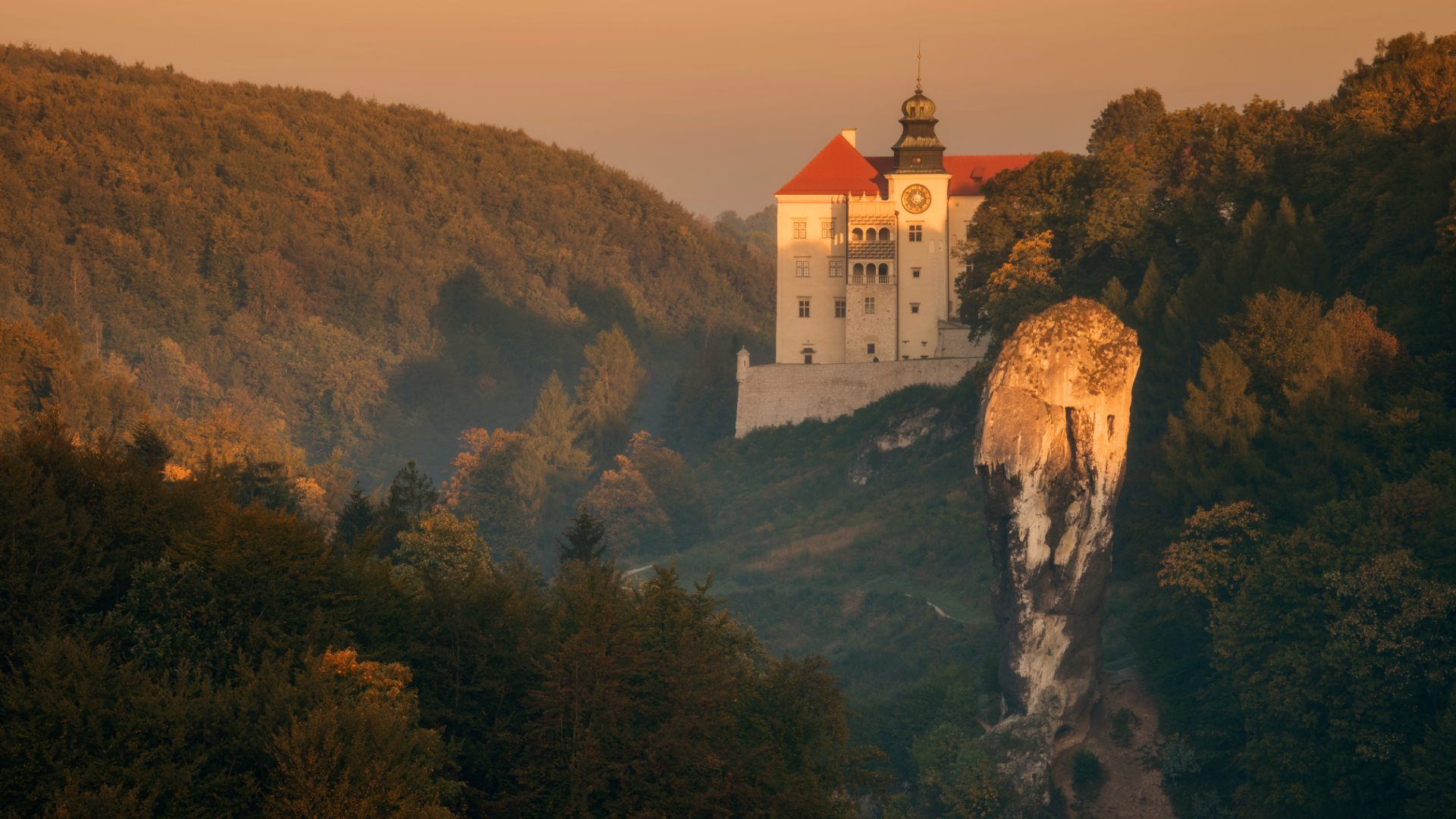
For the final story, return to daylight but not entirely to reason. Our route ends outside Krakow, beneath Pieskowa Skala Castle in Ojcow National Park. Here, a 25-metre limestone column rises beside the road, balanced in a way that looks almost deliberately unreasonable. Its narrowest part is at the bottom.
Today it is known as Hercules’ Club. Earlier folk names and stories connected it with the Devil and with Pan Twardowski. According to one tale recorded by the national park, the Devil was ordered to carry the enormous rock into the Pradnik Valley and set it upright on its narrow end. It was the kind of demand no human could fulfil. The stone nevertheless stands there: massive, vertical and apparently balanced against common sense. Geology has a perfectly reasonable explanation. The limestone formation was shaped over an immense period by erosion and karst processes. Local folklore prefers the version involving the Devil carrying a 25-metre rock through the valley. Both explanations ask us to look up. Only one makes us wonder what price might have been attached to the task.
From the valley, one story leads back to Wawel, where another object of impossible scale waits high above the city. Krakow hears its voice only on chosen days, but an older mystery asks what made that voice unlike any other. The Heart That Wakes Krakow follows the answer without giving it away too soon.
Krakow does not keep its stories in one place
The darker tales in this article reveal only one side of Krakow’s imagination. Krakow Legends: From Salt to the Moon travels further, through stories filled with wonder, adventure, humour, danger and magic. Created by Hello Cracow and Krakow Tourism Alliance, the series consists of seven cinematic audio stories. Each episode lets the legend unfold before exploring its historical background and the real places that keep it alive today, from the depths of Wieliczka to Wawel Hill, the Main Market Square, Zwierzyniec and the Moon.
Read and listen in
English, Italian, French and Spanish on the Hello Cracow website,
Spotify, Apple Podcasts and YouTube.