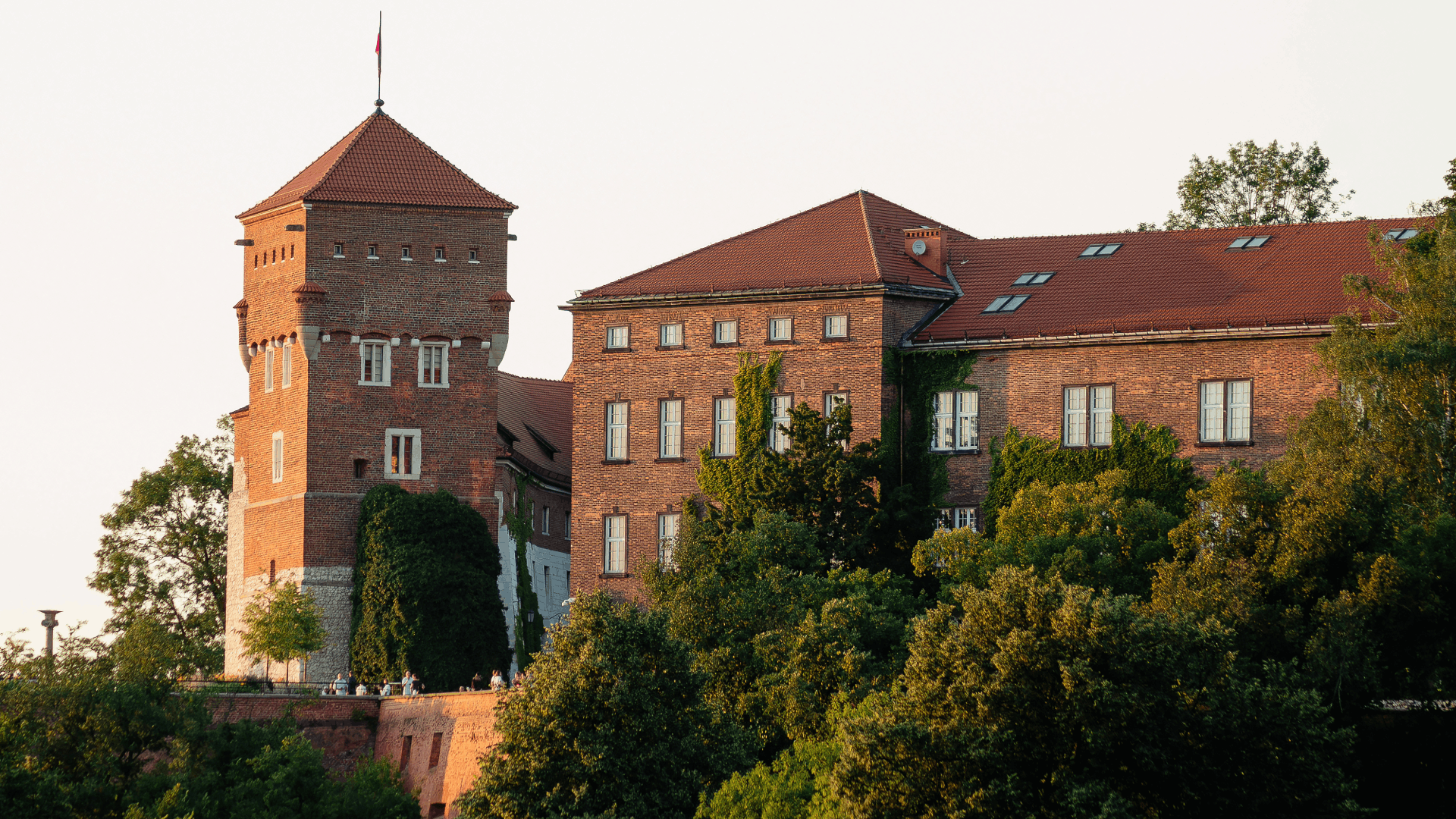




What To Pack For Krakow In Winter: The Practical Guide
A Krakow winter day can begin with clear cold air over Main Market Square, turn into sleet somewhere between Wawel and Kazimierz, and end in a warm restaurant when it is already dark outside. The mistake is packing for one version of the weather: a dramatic snowy weekend, perhaps, or a mild European city break. Most visitors need to prepare for both. From November through February, Krakow calls for clothes that work while walking, standing at tram stops and spending long evenings outside museums, restaurants and concert venues. The city is compact, but a typical day can still mean several kilometres on foot. You may start with coffee near your hotel, cross the Old Town to Wawel, follow the river towards Podgorze, then realise after dinner that the final tram stop is still ten cold minutes away.
A good winter suitcase is less about bringing the heaviest coat you own and more about having the right things within reach. Dry shoes, a layer you can add after sunset and gloves tucked into your bag will do more for your trip than a suitcase packed with outfits that only work indoors.
| Month | Typical temperature range | What it usually feels like |
|---|---|---|
| November | Around 0 C to 7 C | Damp streets, wind, rain and early darkness |
| December | Around -4 C to 2 C | Colder evenings, sleet and Christmas Market weather |
| January | Around -5 C to 1 C | Frosty mornings, snow and icy pavements |
| February | Around -4 C to 3 C | A mix of clear cold days, snowmelt and slush |
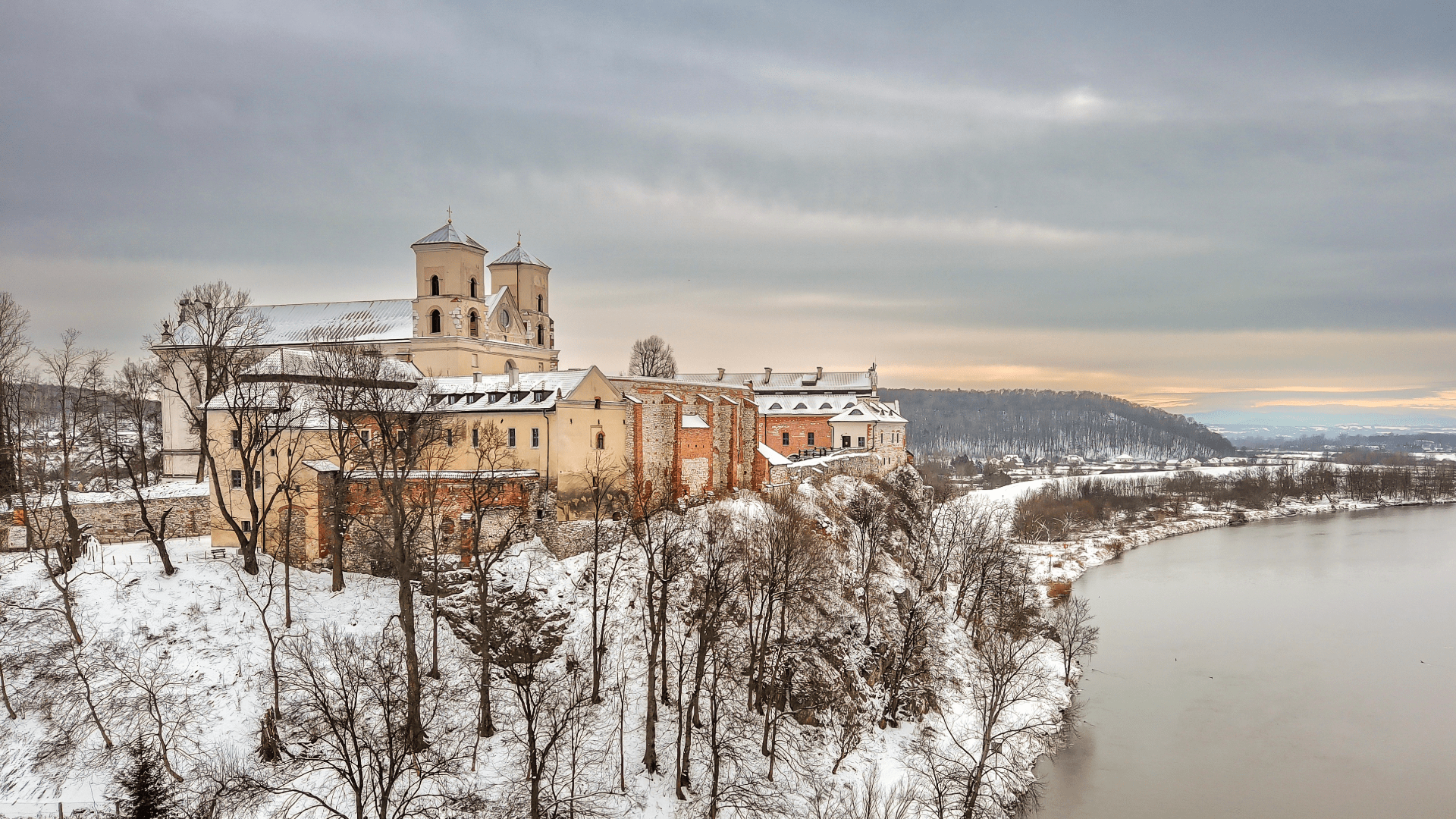
The forecast > the temperature
Look beyond the highest temperature shown in your weather app. A forecast of
3 C
means very different things depending on whether it comes with sunshine, wind, rain or wet snow. A cold but dry day is easy to enjoy if you are walking between cafes and museums. A rainy day near freezing point needs a hood, better shoes and a little more patience. The awkward days are usually those hovering around
0 C
. Pavements stay wet through the afternoon, then become slippery when the temperature falls after dark. You notice it most on the cobbles around the Old Town, the paths around Wawel Hill and the open sections of the Vistula boulevards, where wind has more room to move.
Check the forecast the evening before and again in the morning. If rain is expected, wear the waterproof shoes from the start. It is much better to carry an extra jumper in your bag than to spend the day in wet socks. If snow is forecast, allow extra time for walking and do not plan a tightly timed route between attractions on opposite sides of the city.
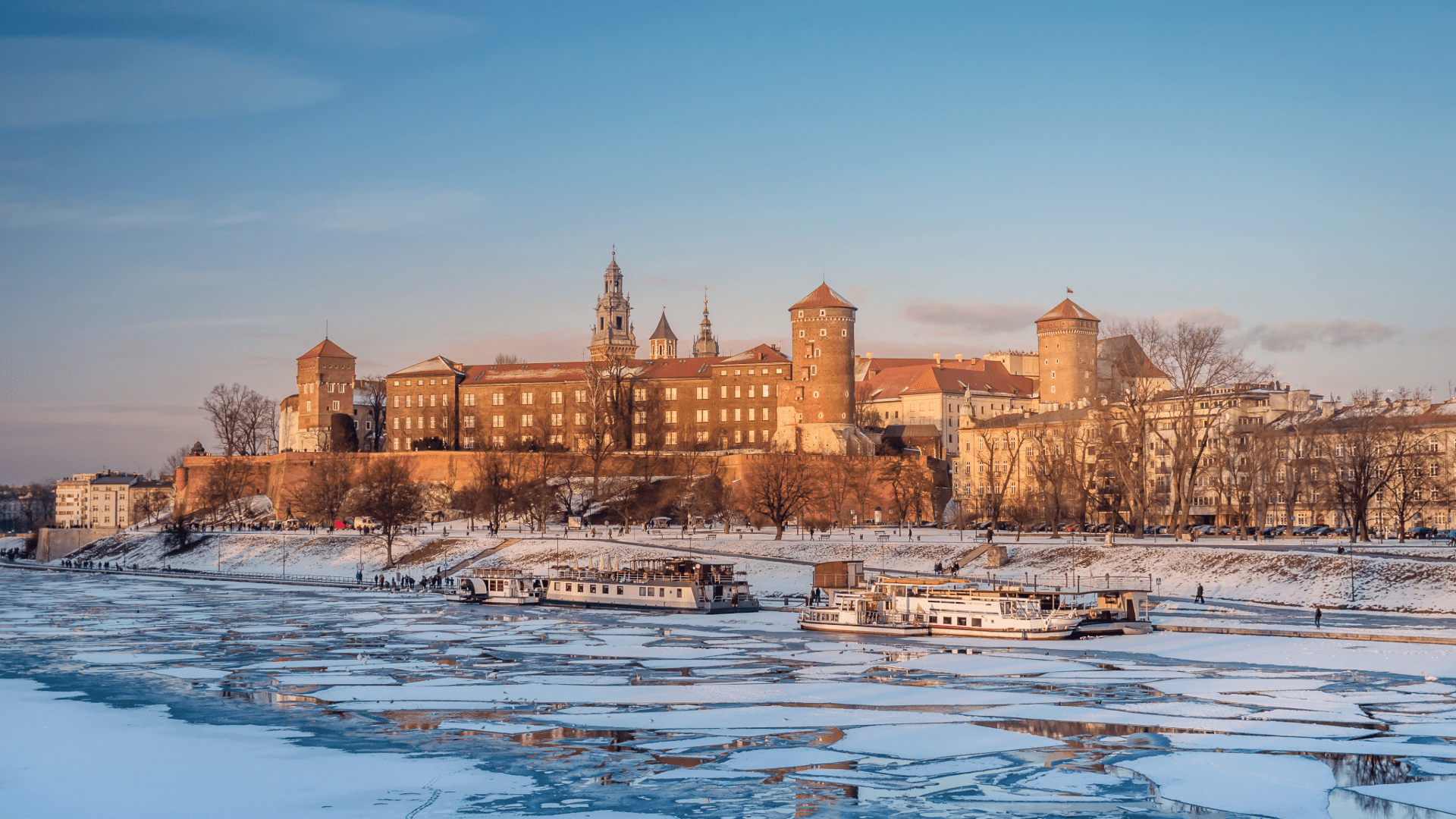
Begin with shoes you trust (no kidding)
Krakow is a walking city, even in winter. The Old Town is compact, but a normal day can still include Wawel, Planty Park, Kazimierz and a long return walk after dinner. Add cobblestones, puddles and slush, and footwear becomes the first thing worth getting right. Bring waterproof or water-resistant shoes with decent grip. Trainers are fine if they are weatherproof and have a solid sole, but smooth-soled fashion boots can become frustrating once the streets are wet. You do not need serious hiking boots for Krakow itself. You simply need shoes that will stay comfortable through several hours on your feet and will not leave you worrying about every patch of ice.
Think about the moments between attractions as much as the attractions themselves. You may spend forty minutes inside St Mary's Basilica or a museum, then come back out into the cold with a few more hours still ahead of you. Shoes that keep your feet dry make that transition much easier.
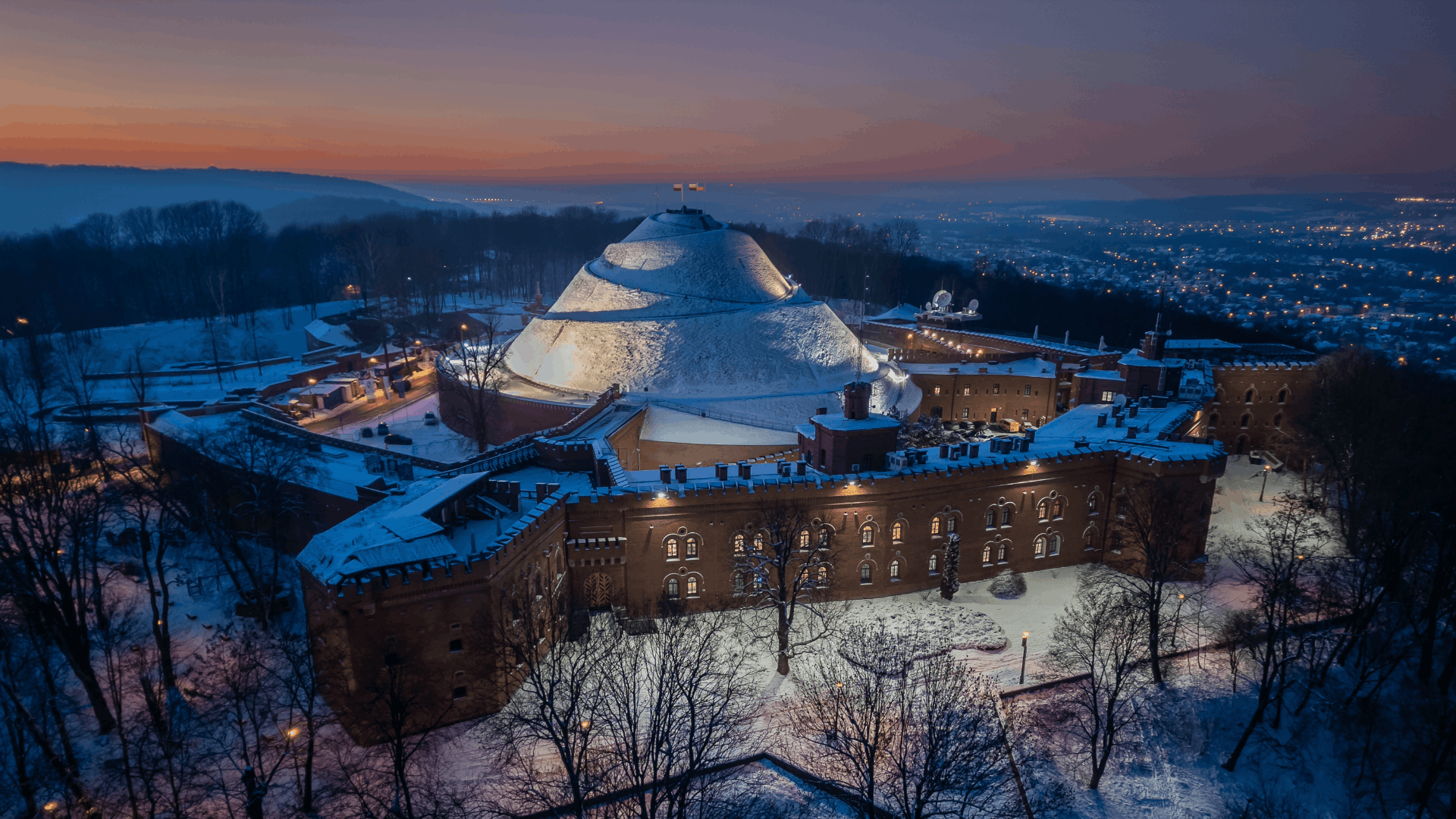
Wear layers you can actually live in
Krakow's indoor spaces are warm. You may arrive at a museum wearing gloves and a scarf, then find yourself in a heated gallery, tram or restaurant ten minutes later. A huge jumper under a huge coat sounds sensible until you have nowhere to put either of them. Think in three lighter layers instead:
| Layer | What works well | When you will be glad you packed it |
|---|---|---|
| Base layer | Long-sleeve top, merino top or thermal layer | Frosty mornings and full days outdoors |
| Middle layer | Wool jumper, fleece, cardigan or light down layer | Late afternoons, riverside walks and cold tram stops |
| Outer layer | Waterproof coat with a hood | Rain, sleet and wind around open squares |
The advantage of layers is that they let you adapt without ending the day early. You can remove a cardigan in a cafe, add it again before crossing the square and still have a waterproof coat ready when the rain begins. This matters most in November, when a mild morning can create a false sense that winter clothes will not be needed. A scarf, hat and gloves should stay in your day bag rather than at the hotel. You may not need them at breakfast, but you will probably be glad to have them once the light fades. A hood is useful too. Umbrellas work well for a light shower, but less so when the wind catches them near the river or on the exposed Main Market Square.
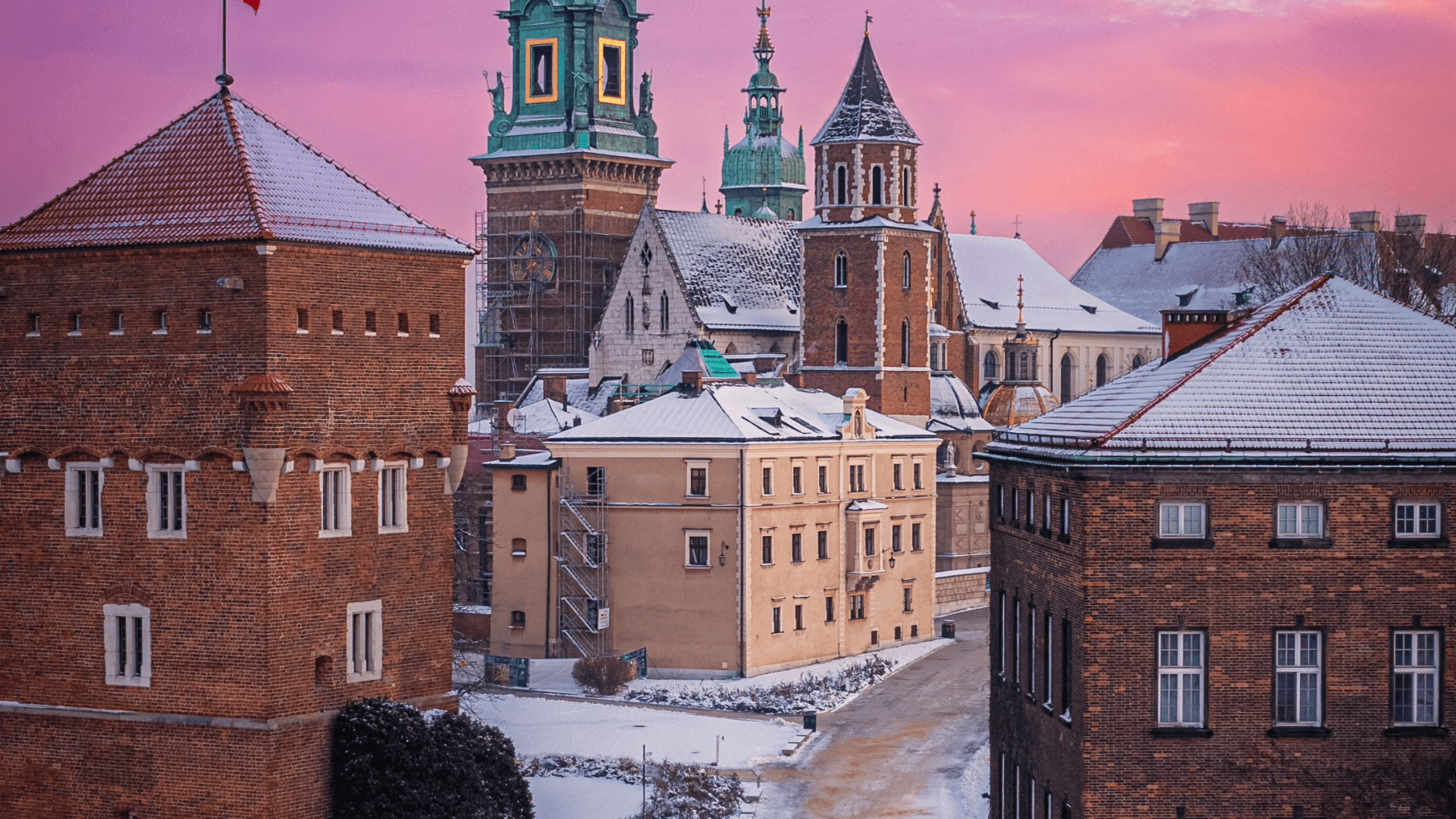
Keep these things in your day bag
Winter plans often change halfway through the day. A museum visit takes longer than expected, a concert finishes later than planned, or a sudden shower makes you choose a cafe over another walk. A small bag with the right essentials means you can stay out comfortably instead of returning to the hotel every time the weather changes.
- A compact umbrella for light rain and snow.
- Gloves, a scarf and a hat for after sunset.
- Lip balm and hand cream for dry, cold air.
- A power bank, since low temperatures can drain a phone battery more quickly.
- A reusable water bottle. It is easy to forget to drink when it is cold.
- A tote bag for a jumper or scarf once you go indoors.
- Something reflective if you are joining a mountain trip or spending time outside the centre after dark.
These are small additions, but they make the day feel much less fragile. A power bank can save you when you are using maps in the cold, while a spare tote bag stops you from carrying wet gloves in your pocket for the rest of the afternoon. Winter travel is often comfortable when the practical details are handled before they become annoying.
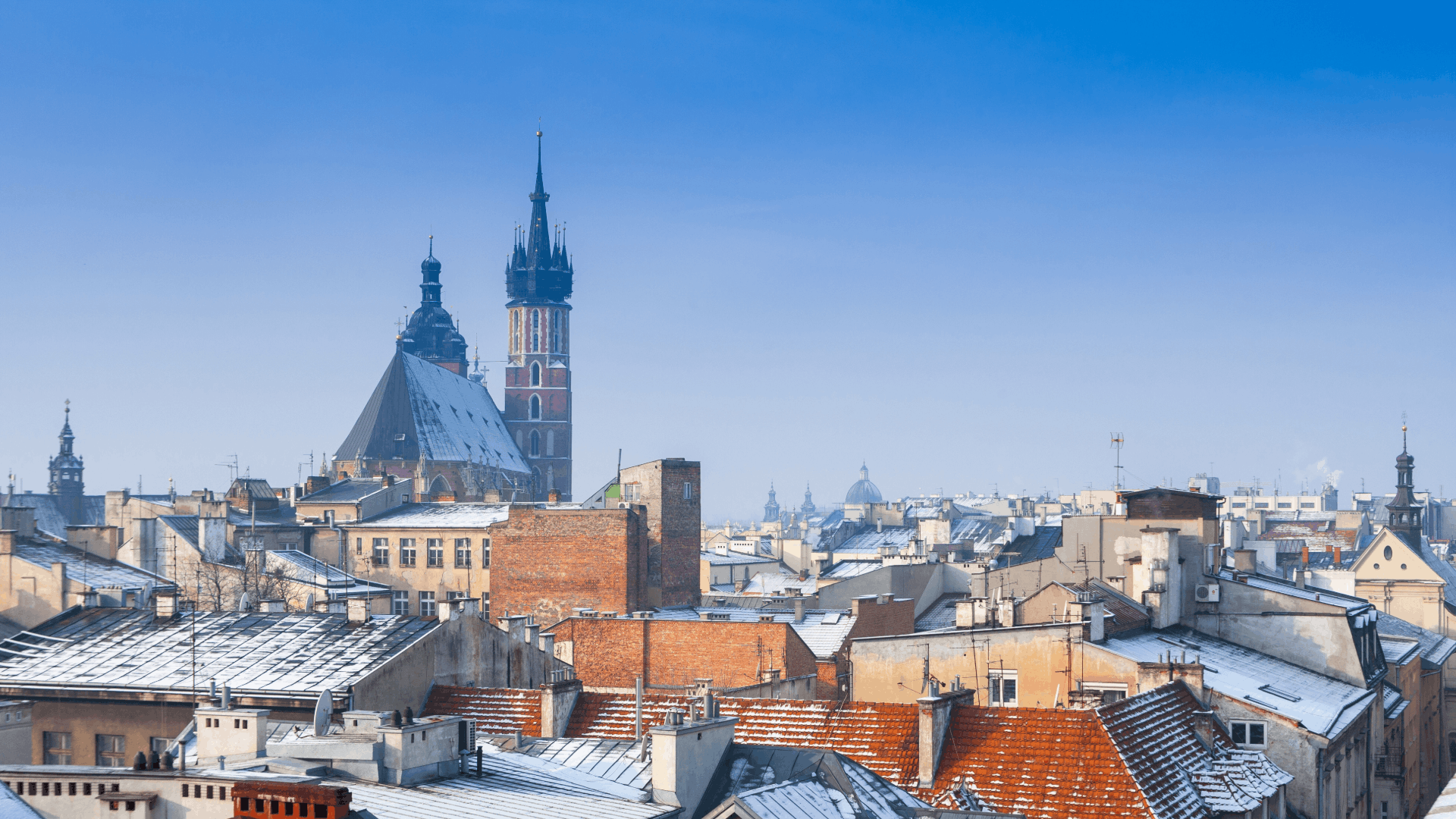
November and December: Damp days and long evenings
November often catches visitors out because it does not always look like winter. The temperature can still be above freezing, but wet leaves, steady rain and dark afternoons make the city feel colder than the number on the forecast suggests. By December, the Christmas lights are on, but the pavements around the Old Town are often wet and the air becomes noticeably sharper after sunset. December also brings Christmas Market evenings. Standing on Main Market Square with a cup of mulled wine or grilled oscypek is part of the experience, but it is easy to underestimate how quickly you cool down while standing still. A warm coat, gloves and shoes with grip make those evenings much more enjoyable, particularly if you plan to stay for music, browse the stalls or walk back through Planty afterwards.
Bring one outfit that can take you from a museum to dinner without needing a complete change. A jumper, trousers that do not mind damp pavement and a slightly smarter coat are enough for most restaurants and concert venues in Krakow. You do not need formal evening clothes, but it is useful to have something that still feels comfortable after a full day outside.
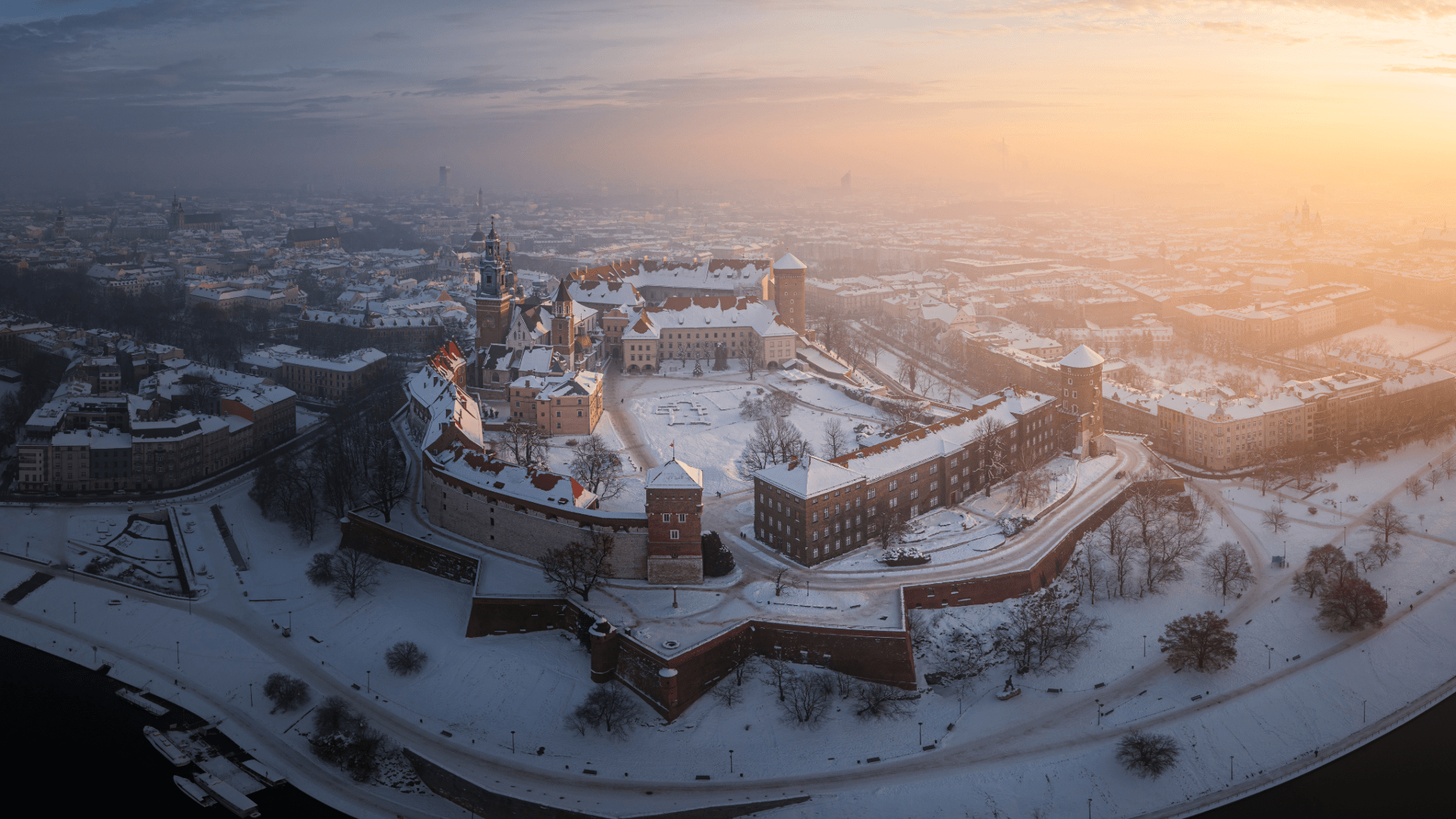
January and February: Cold mornings, slush and clear days
January is usually the coldest month, while February can shift between snow, bright sunshine and thawing slush. You may get the postcard version of Krakow, with snow on Wawel and quiet streets around Planty. You may also get puddles, grey skies and a lot of wet pavement. Packing for both is far more useful than hoping for one version of winter. This is when thermal base layers, insulated gloves and a properly warm coat earn their place in your bag. Jeans are perfectly fine for a city day, but they take a long time to dry if you are caught in snow or rain. For a longer stay, add one pair of trousers made from a quicker-drying fabric. That way, a wet walk through Kazimierz does not leave you without a comfortable option the next day.
Winter has its advantages once you are dressed for it. A clear morning walk through the Old Town can be far quieter than summer, and the city feels less rushed before the day visitors arrive. The shorter days also make it easier to slow down naturally: a museum in the afternoon, coffee somewhere warm, then dinner or a concert when darkness has already settled over the streets.

What to pack for Wieliczka Salt Mine
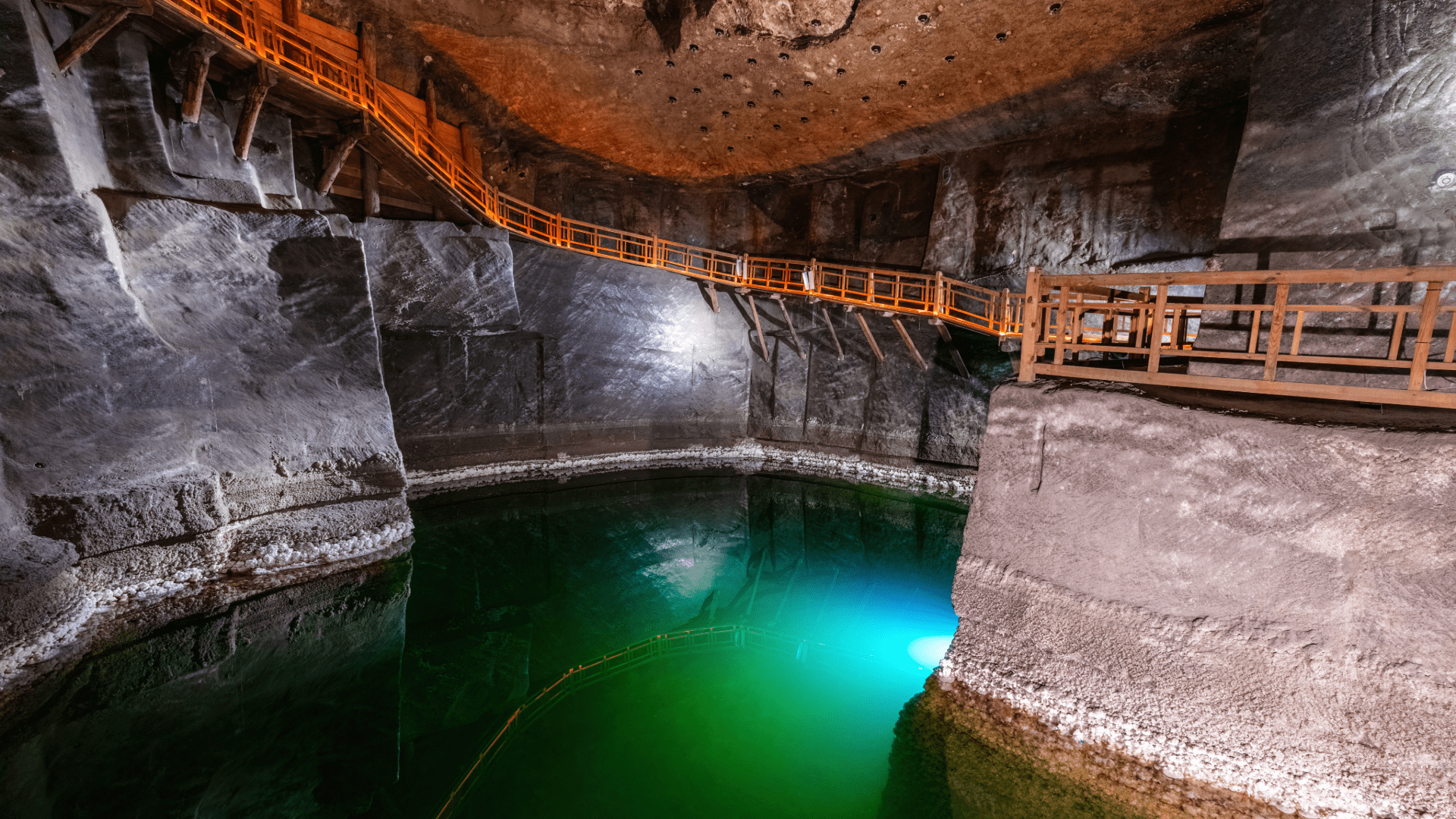
Wieliczka is one of the easiest winter excursions to plan because the weather outside barely affects the underground route. That does not mean dressing as though you are visiting in summer. You may leave Krakow in a heavy coat, but once you have descended into the mine, the conditions change completely. The route stays around
17-18 C
throughout the year. Visitors cover about 3.5 kilometres and around 800 stairs, including 380 steps at the beginning.
Wear closed shoes with a stable sole, and keep a light jumper or cardigan with you. Your full winter coat will feel unnecessary underground, but the temperature can still feel cool once you have stopped walking or gathered with your group in one of the larger chambers. A small bag is more useful than a large backpack, especially on the first long staircase. Our guide to visiting Wieliczka Salt Mine explains the route, the underground conditions and the parts of the visit that are easy to underestimate. A Hello Cracow Wieliczka Salt Mine tour with transport keeps the travel, entry and guided visit in one plan when winter weather makes extra logistics less appealing.
What to wear for Auschwitz-Birkenau
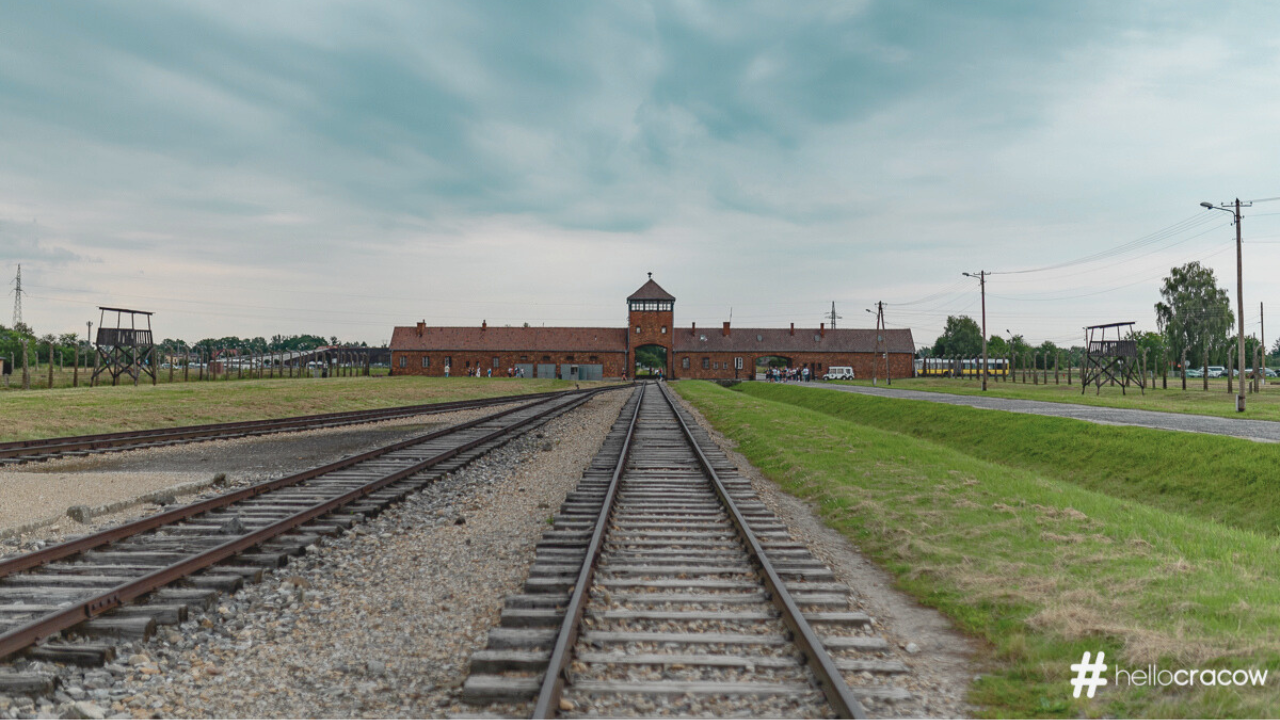
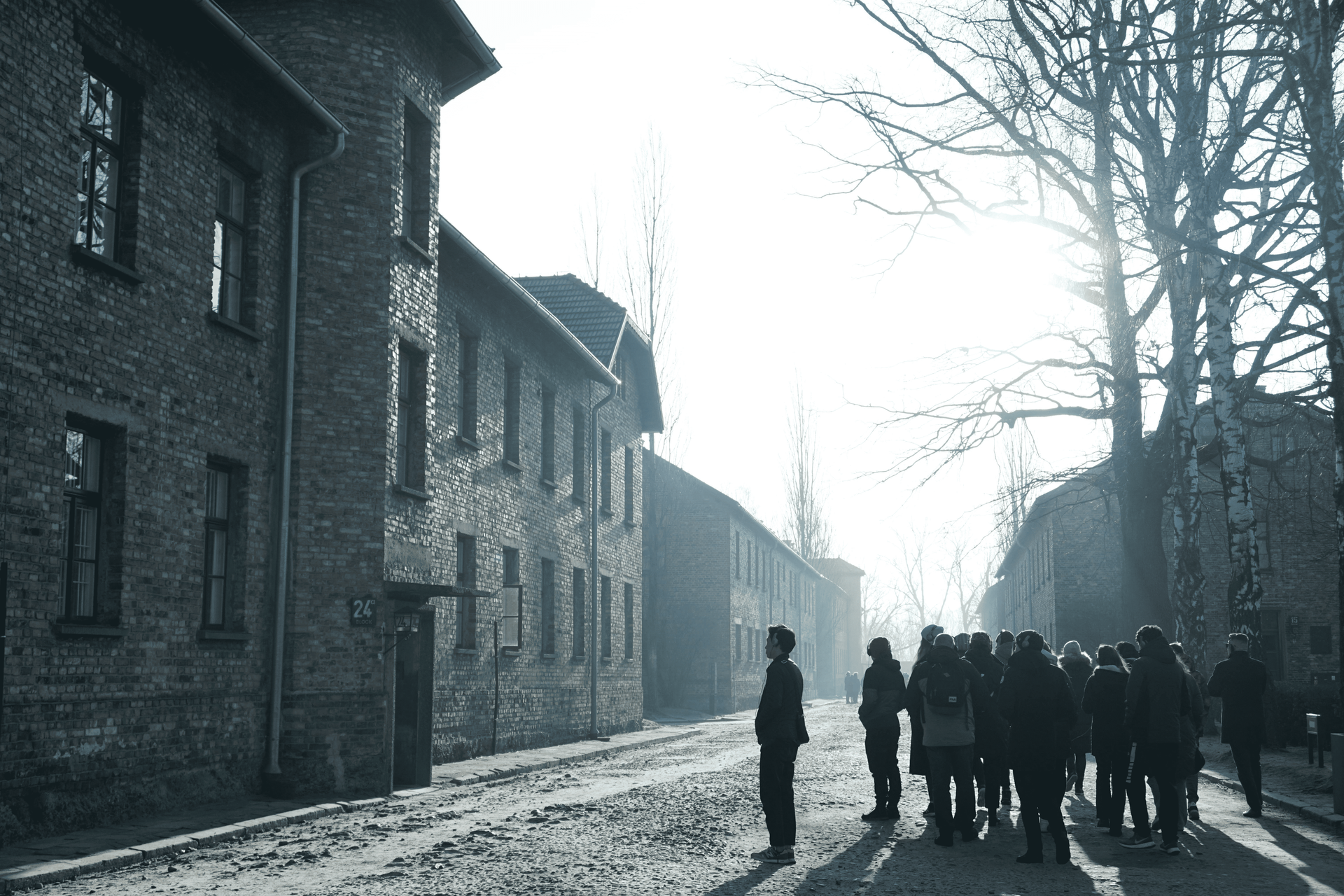
Auschwitz-Birkenau needs practical preparation and a respectful approach. Wear simple, warm clothing that lets you focus on the visit rather than the cold. This is not a day for shoes that hurt after an hour or for a coat chosen only because it looks good in photographs. The visit includes Auschwitz I and a large outdoor area at Birkenau. In winter, the railway ramp, barracks and memorial area can be exposed to wind, rain and snow. A waterproof coat, comfortable closed shoes, gloves and a hat are worth bringing even if the morning in Krakow feels mild. Layers help because you will move between buildings and open spaces throughout the visit, sometimes spending longer outside than expected.
Keep your bag small and easy to manage. You will be walking, standing and passing through security procedures, so a large day pack can become a burden. Bring water, tissues and the items you need for warmth, then leave the rest at your accommodation. Our Respectful Traveler's Guide to Visiting Auschwitz covers clothing, photography, behaviour and the emotional preparation that matters before a visit.
What to pack for Zakopane, Morskie Oko and thermal baths
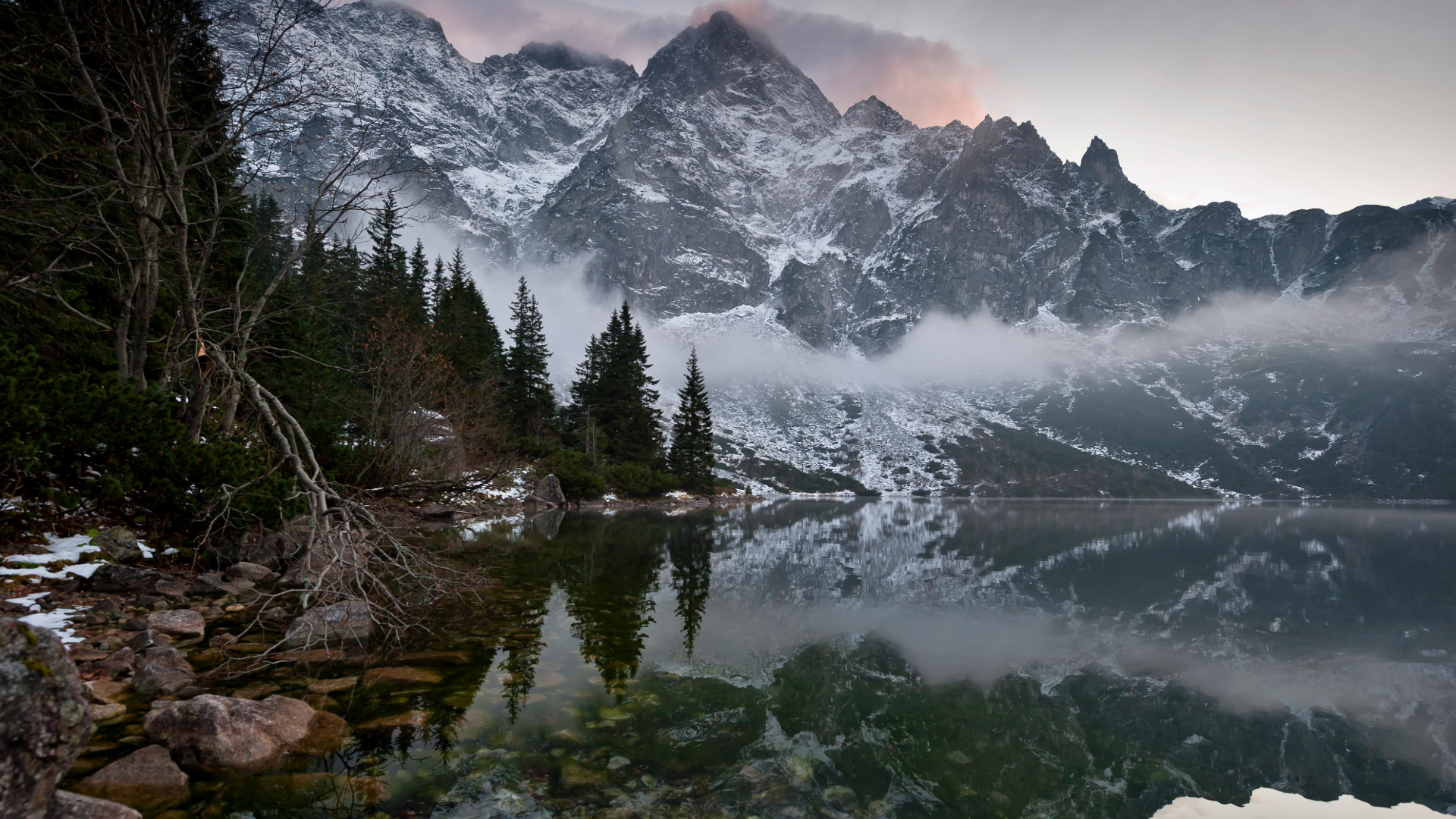
Krakow and the Tatras can be having completely different days. Rain in the city may become snow, ice or low cloud closer to Zakopane. On some winter mornings, the mountains are completely hidden from view; on others, they appear sharply against a clear sky. The forecast needs checking again before you leave, especially from December through February.
For Zakopane or Morskie Oko, pack waterproof walking boots with grip, warm socks, gloves, a hat and a proper waterproof outer layer. Add a warm jumper or fleece even if the forecast appears mild. Thermal leggings or a base layer are worth taking during the coldest months, particularly if you plan to spend time outside waiting for transport or walking in the shade.
A Morskie Oko day tour from Krakow needs realistic expectations about winter conditions. Do not judge the mountains by the weather outside your Krakow hotel. For gentler viewpoints and alternatives to a long hike, see Panoramic Peaks: The Best Tatra Mountain Viewpoints Accessible Without a Long Hike.
Thermal baths need their own small packing plan. A swimsuit is the obvious item, but a few other things will make the return journey much more comfortable. Bring flip-flops for wet changing-room floors, a waterproof pouch for your phone, a reusable water bottle and a dry bag or zip bag for wet swimwear. If you wear contact lenses, glasses are useful as a backup because steam and chlorinated water can be irritating.
The thing people often forget is what happens after the pools. You will still need to walk from the changing area to the coach or car, possibly with damp hair and cold air outside. Put dry underwear, warm socks and a hat in your day bag. A light insulated jacket is also easier to pull on after a swim than a fitted coat, particularly if you have been sitting in outdoor thermal water while snow falls around you.
A Zakopane and Thermal Baths tour is particularly satisfying in winter: a few hours in the mountain landscape, then warm outdoor pools before the return to Krakow. For more detail on the route, local stops and the thermal experience, read our Zakopane and Thermal Baths guide.
A winter packing list that covers most trips
For a three- or four-day Krakow stay between November and February, these are the things worth prioritising. Start with the items that protect you from wet and cold conditions, then add extras according to whether you are heading to the mountains, the mine or thermal pools. Pack for wet pavements, sudden cold and long evenings rather than for a single perfect forecast. If your feet stay dry, your layers are easy to adjust and your coat can handle rain, winter in Krakow becomes much easier to enjoy.
| Pack first | Add if you have space | Add for day trips |
|---|---|---|
| Waterproof shoes with grip | A second pair of shoes | Walking boots |
| Warm waterproof coat with a hood | Thermal base layer | Extra warm socks |
| Jumper or fleece | Compact umbrella | Gloves, hat and neck warmer |
| Scarf and gloves | Power bank | Waterproof trousers for the mountains |
| Small day bag | Hand cream and lip balm | Swimwear and flip-flops for thermal baths |
As the evenings draw in, let Krakow continue after you have left the streets.
Krakow Legends: From Salt to the Moon is Hello Cracow's bespoke audio series, created with Krakow Tourism Alliance, telling seven stories shaped by places you can still visit: Wawel, the Main Market Square, Zwierzyniec and the Wieliczka Salt Mine. Put on your headphones after a day of sightseeing and hear the city through its dragons, miners, kings and old mysteries.