


Visiting Zakopane & Thermal Baths: A Comprehensive Guide

Hello Cracow • October 21, 2025

For visitors exploring Krakow, a trip to Zakopane reveals a very different side of Poland. The region offers towering peaks, crisp mountain air, and rejuvenating wellness experiences. Known as the "Winter Capital of Poland," Zakopane is the perfect gateway to the Tatra Mountains. Here, the unique Goral (Highlander) culture thrives in local traditions, cuisine, and architecture. Adventure and relaxation go hand in hand in Zakopane. You can carve through snowy slopes or trek scenic alpine trails. After a day in nature, soaking in soothing hot springs completes the experience. Zakopane promises an unforgettable blend of energy and tranquility for every visitor.
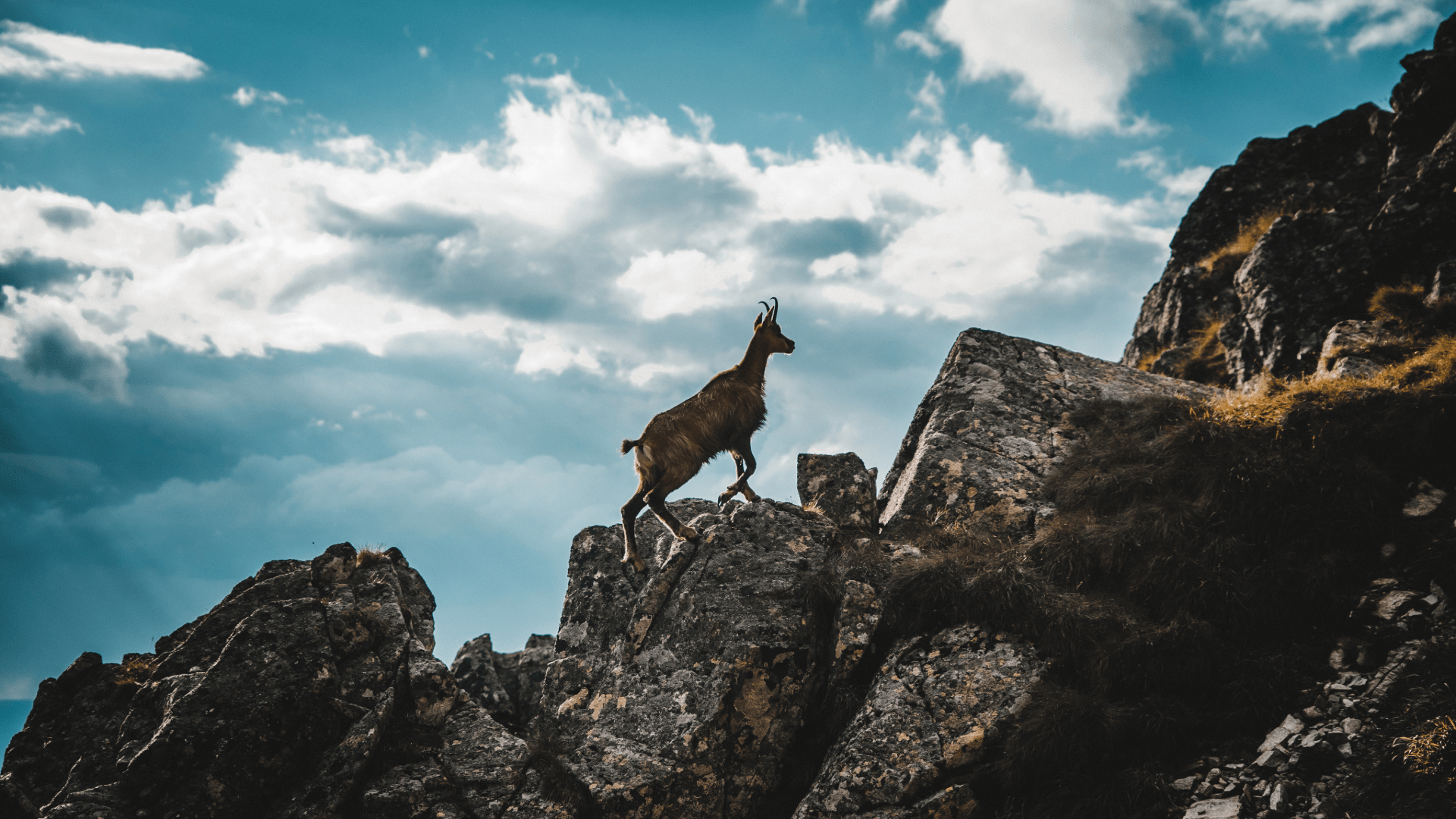
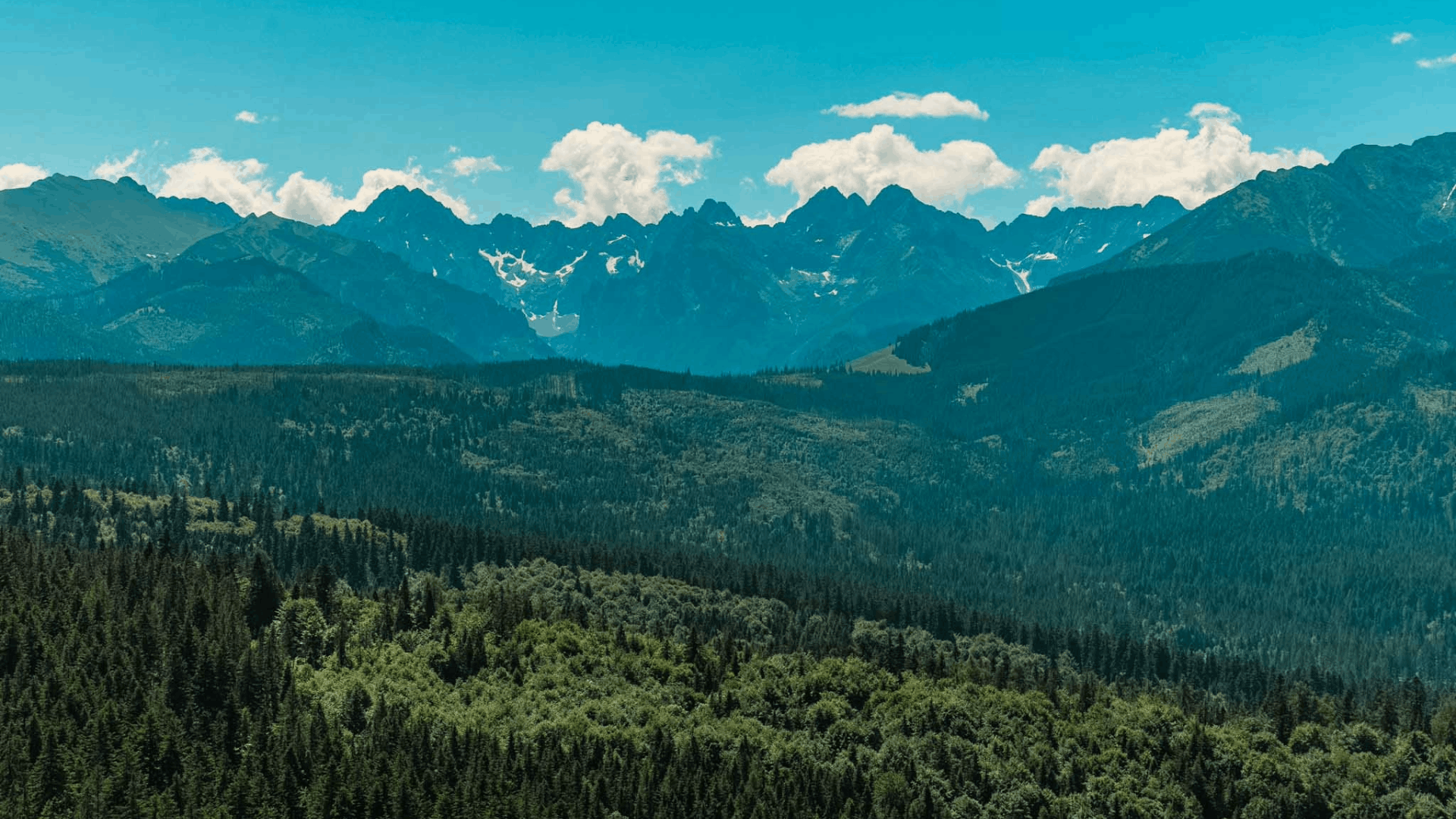
View of the Tatra Mountains near Zakopane

Tatra National Park: A Wilderness of Rugged Beauty

The Tatra Mountains, a UNESCO Biosphere Reserve, form the highest part of the Carpathians. They are Poland's premier mountain destination. Spanning over 200 square kilometers, Tatra National Park is a haven for wildlife. Bears, lynxes, and marmots inhabit the park. It also offers more than 270 kilometers of marked hiking trails. These trails cater to beginners and seasoned trekkers alike.

The true draw of the Tatras lies in their breathtaking scale and iconic landscapes. Visitors can choose trails from gentle valley strolls to demanding summit climbs in summer. Rysy, Poland's highest peak, is a must for adventurous hikers. Natural landmarks near Zakopane include Morskie Oko, the largest lake in the Tatras, and the serene Chocholowska Valley. With its dedication to preserving the pristine environment, the Tatra Mountains provide an authentic wilderness experience. 
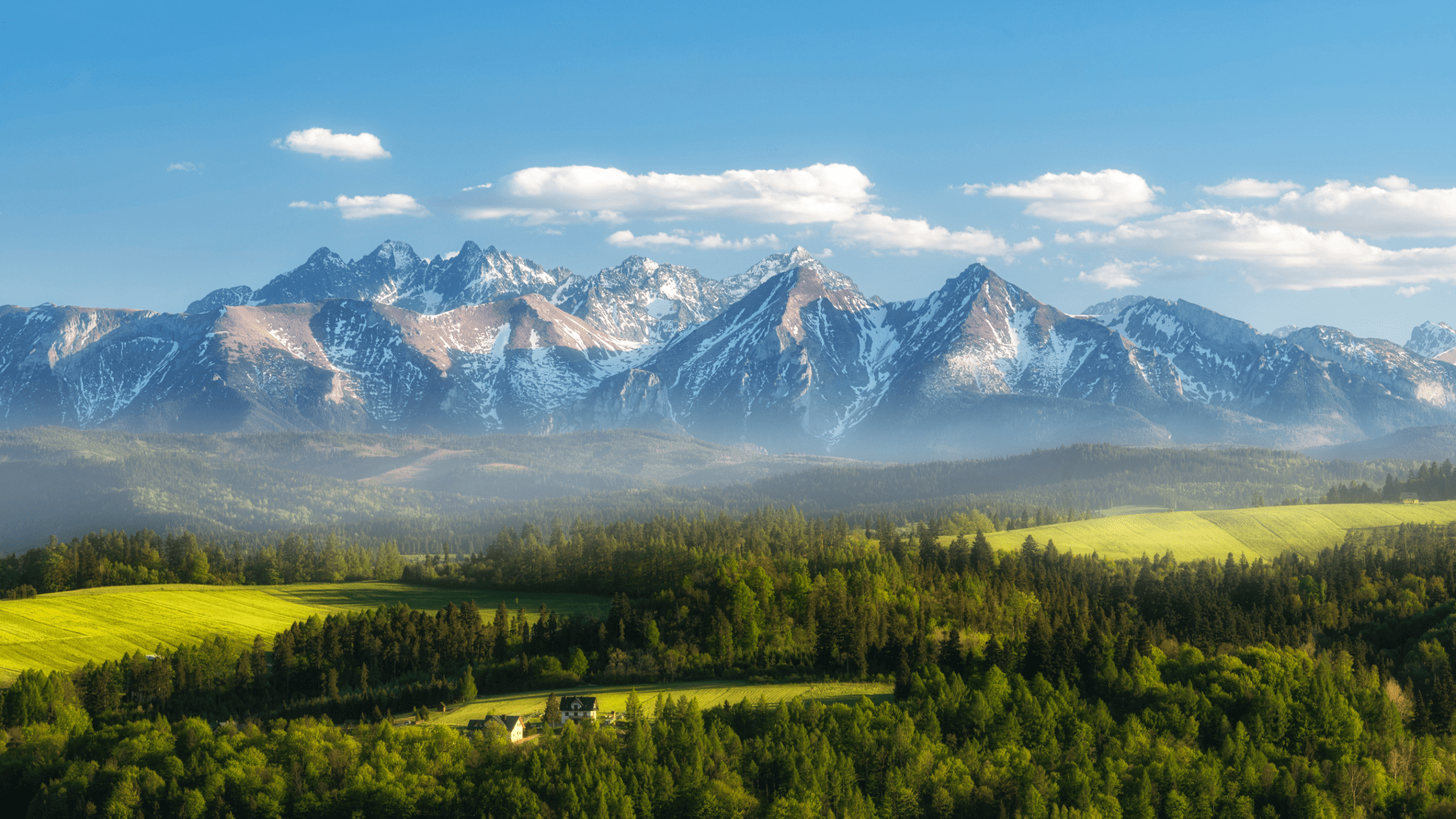
View of the Tatra Mountains near Zakopane

Zakopane: The Heart of Highlander Culture

Zakopane is a vibrant hub of unique local culture. At its heart lies Krupowki Street, a lively one-kilometer promenade often called the "vena cava" of the town. This bustling street is the center of commercial life, lined with bars, shops, and attractions, all reflecting the traditional spirit of the Podhale region.

Architecture and Heritage

Zakopane is famous for its distinctive wooden architecture. This style is visible in landmarks like the Church of the Holy Heart of Jesus. Local accordionists and street performers add to the lively cultural scene. For deeper insight into regional traditions, the Tatra Museum, just off Krupowki, offers exhibits on Goral history, folklore, and lifestyle.

Essential Highlander Cuisine: The Terroir of Podhale

No visit to Zakopane is complete without trying the Highlander cuisine. This food is deeply influenced by the mountain environment. The region is renowned for protected dairy products, including Oscypek, a spindle-shaped, salty, smoked sheep cheese. Bryndza, a soft, slightly spicy rennet cheese, is Poland's first EU-recognized regional product. Podhale lamb is also distinctive, flavored by the alpine flora the sheep graze on. This reflects centuries of local breeding traditions. Other regional treats include Moskol with garlic butter, a traditional potato pancake, offering visitors authentic mountain flavors.
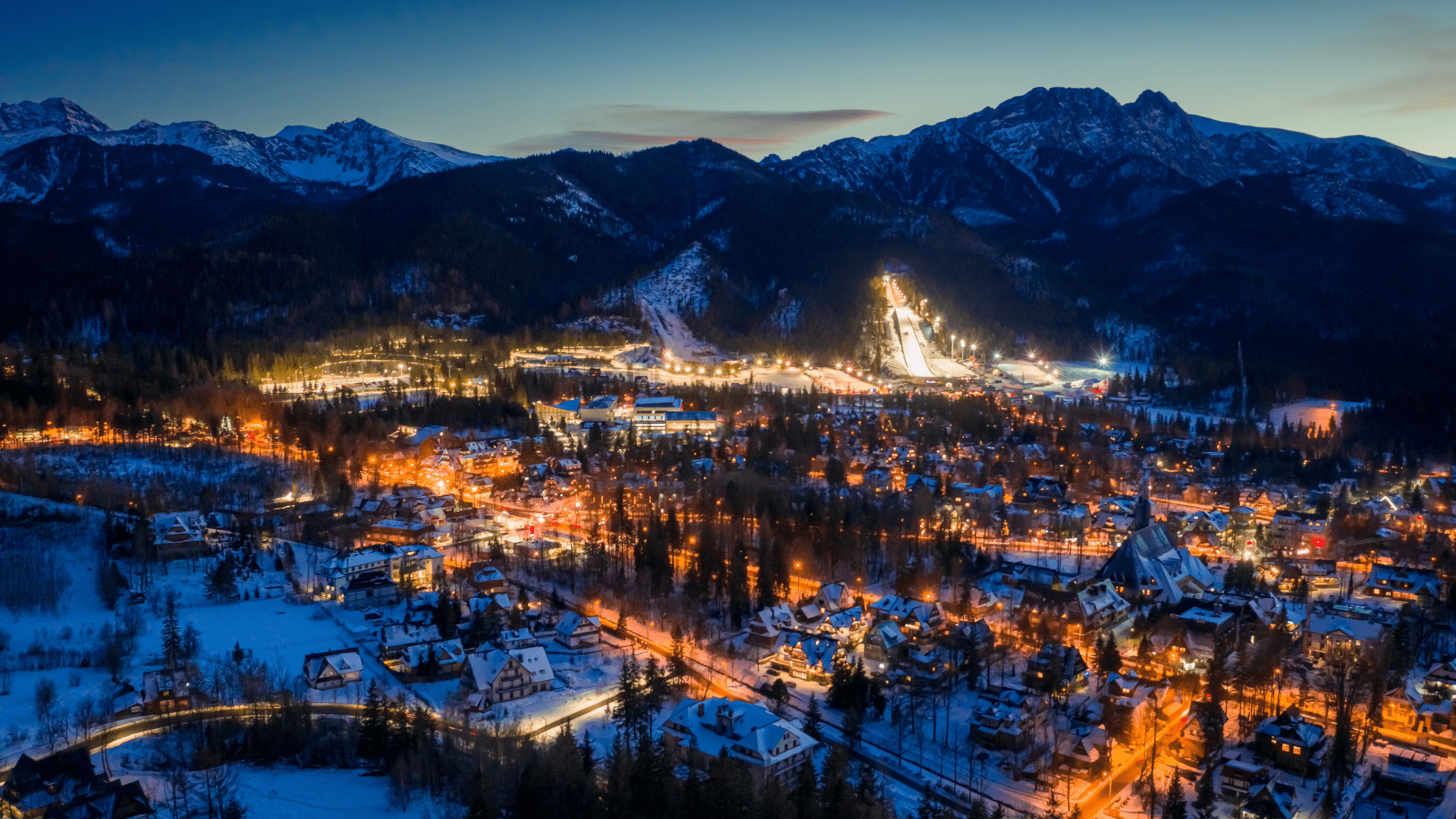
Aerial view of Zakopane in winter evening

The Science of Thermal Waters

The thermal baths near Zakopane offer a modern approach to balneotherapy, harnessing geothermal waters drawn from natural underground sources. Carefully maintained at temperatures between 30°C and 38°C, these waters provide a soothing and effective experience year-round.

The Therapeutic Mineral Profile

The healing benefits of Tatra thermal waters stem from their rich mineral composition, which helps dilate blood vessels, improve circulation, and boost tissue oxygenation. Key minerals include Calcium, supporting bone regeneration and easing muscle tension; Magnesium, which fights fatigue and promotes healthy skin; and Sulfur, known for relieving rheumatic pain and its anti-inflammatory properties. Sodium and Potassium further help maintain the body's water-electrolyte balance. Additionally, Iodo-Bromo-Saline waters are prized for enhancing skin defenses, offering antioxidant effects, and improving tissue elasticity. Together, these minerals transform a simple soak into a rejuvenating therapy for muscles, bones, and the cardiovascular system.
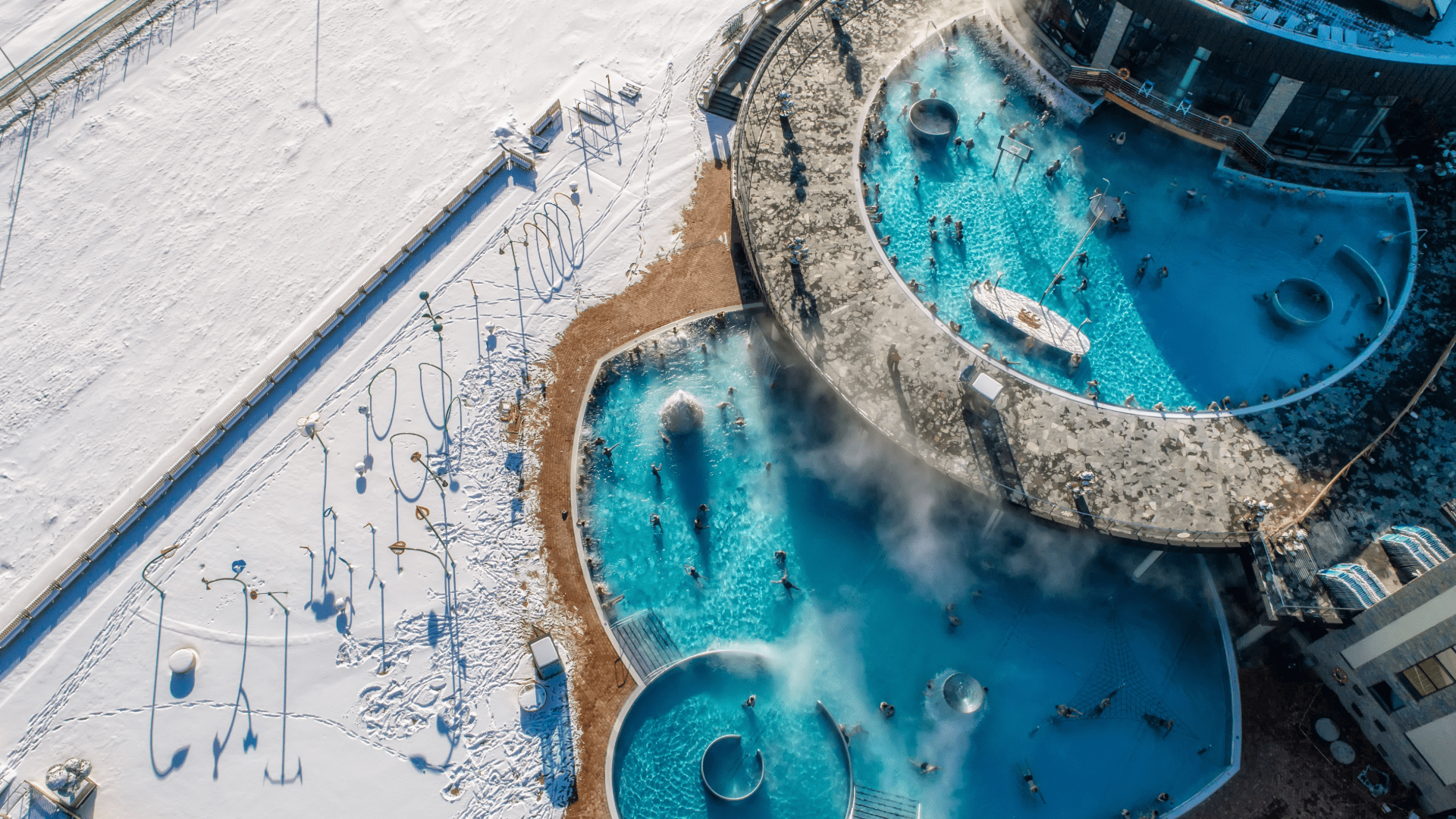
Thermal baths in Zakopane from above

Seamless Wellness from Krakow

For travelers looking to pair Zakopane's breathtaking landscapes with ultimate relaxation, the Zakopane and Thermal Baths from Krakow tour centers on Chocholowskie Termy, one of Europe's largest thermal bath complexes. Just 15 km from Zakopane in the village of Chocholów, this premier destination draws geothermal water directly from a natural hot spring.

The complex boasts extensive facilities, including indoor and outdoor pools at varying temperatures, multiple tube slides, artificial waves, and seven small Jacuzzi pools. Booking the combined tour ensures a seamless experience: transport, funicular tickets, and entry are all arranged in advance. This way, visitors can dive straight into thermal relaxation after exploring the stunning Tatra Mountains, making the most of every moment in the region.
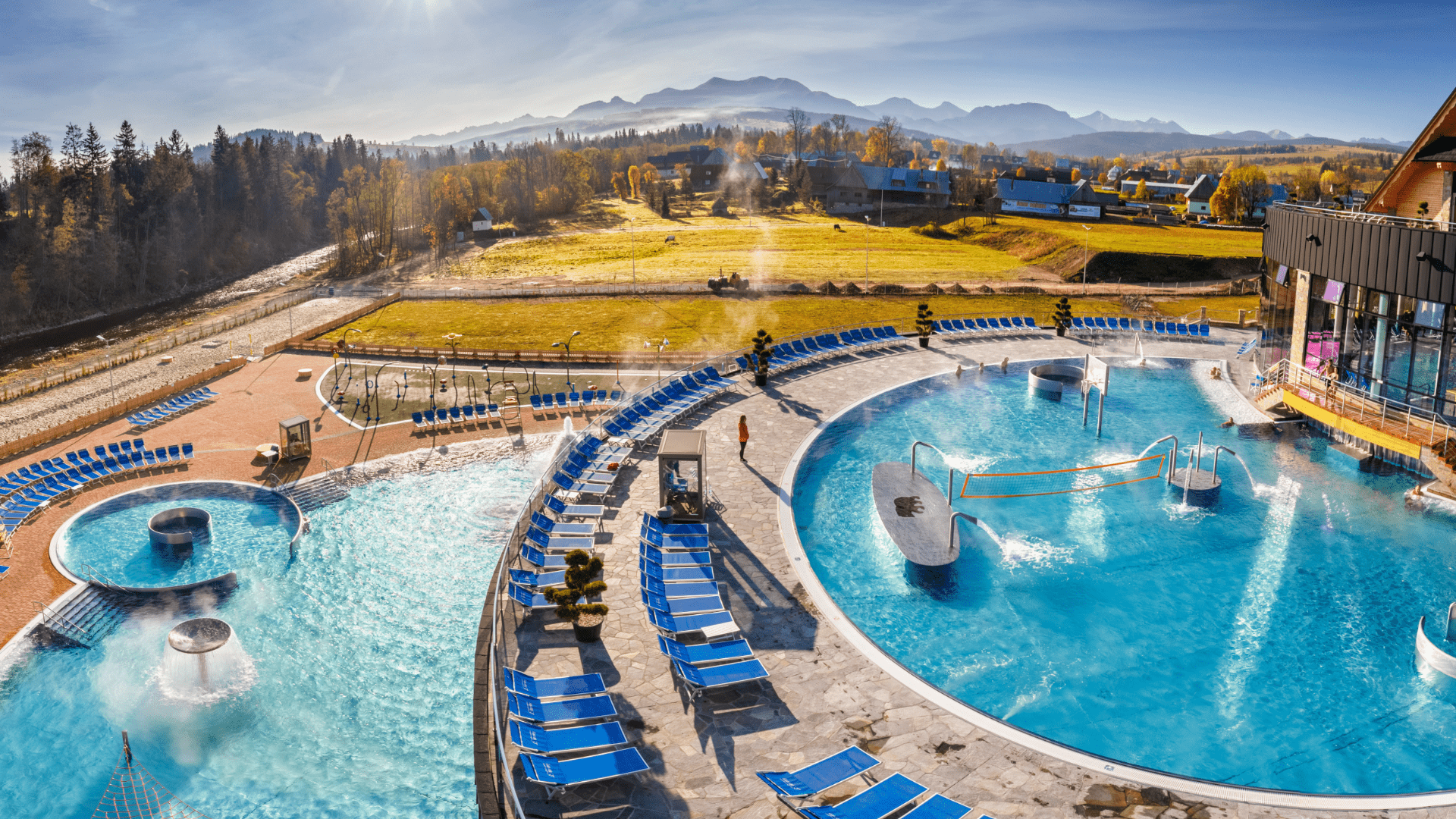
Thermal baths in Zakopane from above
Planning a trip to the thermal baths? Here’s your ultimate checklist so you can just relax and enjoy!
  • Sauna Protocol: If you enter a dedicated saunarium, be aware that the cultural norm, practiced for hygiene and therapy, is often full nudity; swimsuits are generally not allowed inside the sauna or steam rooms. Always sit on a clean towel, ensuring no direct contact between your body and the wood.
  • Swimsuit - obvious, but don't forget it! Some spas also allow swim shorts, just check the rules.
  • Towel & flip-flops - many places rent towels, but it's cheaper and easier if you bring your own. Flip-flops are mandatory in the sauna area for safety and hygiene.
  • Water bottle - thermal baths are hot, and you'll want to stay hydrated. In the breaks between heat sessions, you should drink large amounts of water.
  • Lock for your locker - most spas provide them, but having your own is always safer.
  • Hairbrush & toiletries - showers are mandatory before and after, so pack the basics.
  • A light robe - optional, but perfect if you want extra comfort between pools. In passageways, restaurants, and on terraces, wear a towel or a bathrobe.
  • Phone in a waterproof case - if you want those Insta-worthy snaps without stress! Note: leave your mobile phone, watch, and jewelry securely in the changing room before entering the sauna room.
  • And one more tip: don't bring jewelry - minerals in the water can tarnish it.
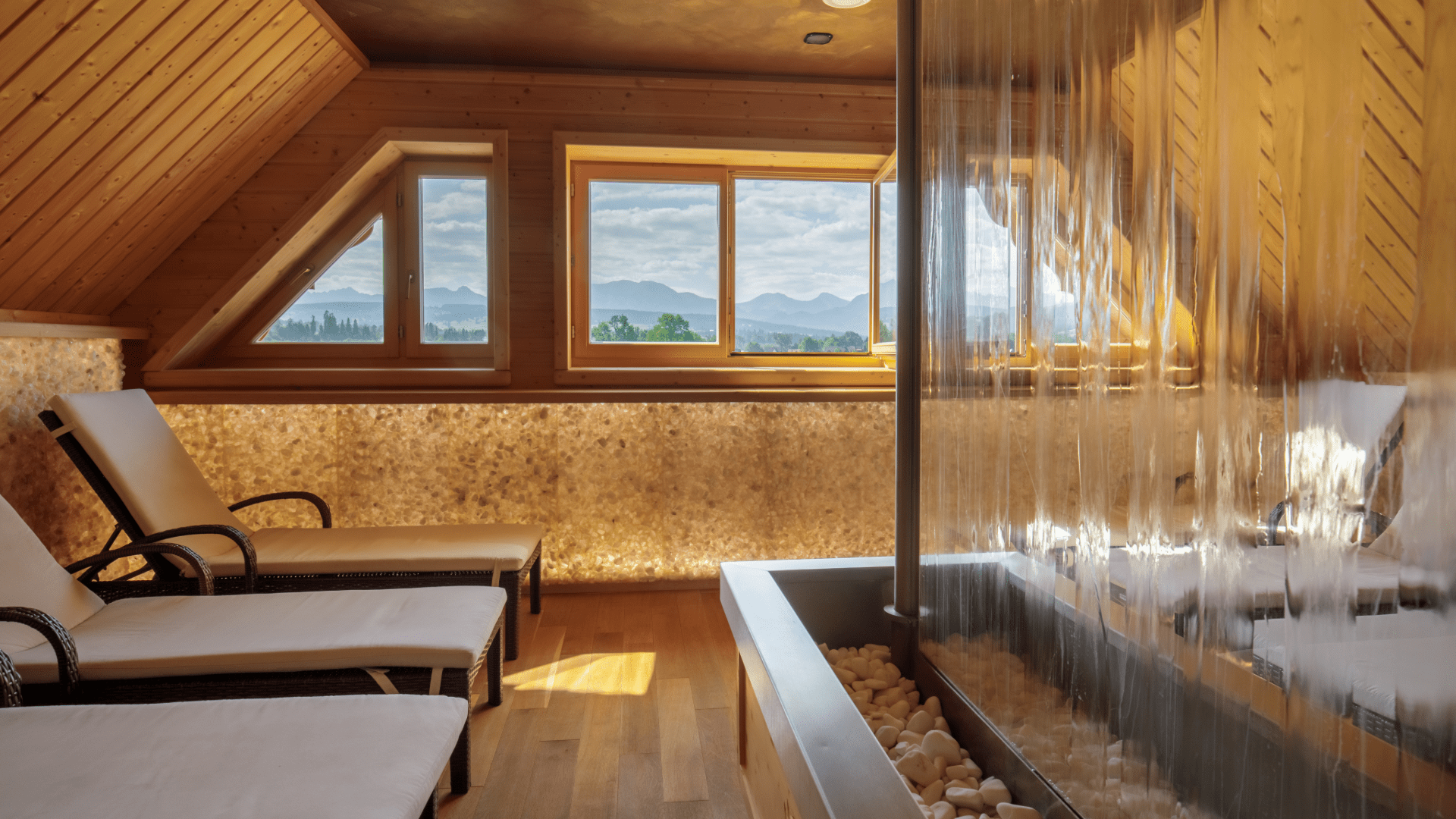
Interior of wooden chalet with mountain view

Book Your Stress-Free Tatra Escape Today

Zakopane delivers an unmatched blend of mountain adventure, rich local culture, and soothing wellness - a perfect complement to any visit to Krakow. Make your journey effortless and unforgettable with our expertly organized Zakopane and Thermal Baths from Krakow tour. Immerse yourself in the region's stunning landscapes and enjoy the rejuvenating benefits of the thermal springs, all in one seamless experience. Explore all our excursions and secure your ideal Polish mountain adventure at Hello Cracow Tours.
By Hello Cracow • October 5, 2026
Autumn in Krakow often begins quietly. In September, you can still sit outside with a coffee near Main Market Square, walk through Planty Park in a light jacket and feel almost no urgency to leave the city before sunset. A few weeks later, the same streets look completely different. The chestnut trees drop their leaves, the light becomes softer, and an October morning that begins with clear skies can end with cold rain over Wawel Hill.  That change is exactly why Krakow is so rewarding in autumn. The city feels less hurried, cafes become part of the itinerary rather than a quick stop between attractions, and a warm dinner in Kazimierz feels deserved after a day on foot. Packing well means you can enjoy all of it without cutting a walk short because your shoes are wet or your jacket is still back at the hotel. The key is not packing for cold weather alone. It is packing for several versions of the same day.
By Hello Cracow • September 28, 2026
Arriving in Krakow is usually straightforward, but the first hour can shape the whole trip. A late flight, heavy suitcase or unfamiliar ticket machine can quickly make a simple transfer feel more complicated than it needs to be. The good news is that Krakow is well connected by air and rail, and its main airport sits close enough to the city centre that getting to your hotel is usually fairly simple.  For most visitors, the choice comes down to Krakow Airport, the main railway station at Krakow Glowny, or a private transfer booked in advance. Each option works slightly differently, depending on what time you arrive, where you are staying and how much luggage you have. Public transport is often enough, but there are situations when paying for a direct transfer can make the first part of your trip much easier.
By Hello Cracow • September 23, 2026
October is a great month to visit Krakow if you want to see the city without the summer crowds. The weather is usually still good enough for long walks, while cooler evenings make it easier to combine time outdoors with museums, restaurants and cafés. Planty Park starts to turn gold, the Old Town is less crowded, and Kazimierz is a good place to spend an afternoon without rushing from one sight to another. There is also plenty happening around the city. October brings concerts, film screenings, literary events, food festivals and other seasonal events, so it is worth checking what is on during your visit. You can easily combine one of these with the main sights, a walk along the Vistula or an evening in one of Krakow's neighbourhoods. It is also a good time to plan a day outside the city. Wieliczka, Auschwitz-Birkenau and Zakopane are all popular options, while the Tatra Mountains can be particularly appealing in autumn. Just keep an eye on the weather, as conditions outside Krakow can be quite different.  If you are planning a trip for October, you do not need to fill every day in advance. Pick a few things you definitely want to see, check the events happening during your dates and leave some time for whatever you find along the way.
By Hello Cracow • September 15, 2026
Krakow is a city best explored on foot. A typical day can move from cobbled streets around the Old Town to the open riverside paths near Wawel, then on to Kazimierz or Podgorze, often with more walking than visitors expect. Even a simple plan can quickly turn into several hours outside, especially when you add a museum, a market, a café stop or one of the city’s many viewpoints. The right packing list starts with comfortable shoes, flexible layers and one piece of rain protection that fits in your day bag. Krakow weather changes quickly across the year, and sometimes within a single day. Spring can bring mild afternoons and sudden showers, while summer days can be warm enough for long walks but cooler once the sun goes down. Autumn tends to bring shorter days and more changeable conditions, while winter can mean cold temperatures, snow or wet streets. These differences matter when most of your day is spent moving between outdoor sights. The temperature ranges below are typical average lows and highs for Krakow-Balice, not a forecast for a particular trip. Conditions in the city centre can feel slightly different, especially on sunny days or when the wind picks up along the Vistula. Check the forecast again shortly before you travel, then pack for walking rather than for one perfect weather scenario. If you are planning trips outside Krakow, leave some room for further changes. Wieliczka is underground and noticeably cooler than the streets above, while a day in the Tatra Mountains can bring very different conditions from those in the city. A few simple choices can make it much easier to stay comfortable when your plans take you from one part of the region to another.
By Hello Cracow • September 7, 2026
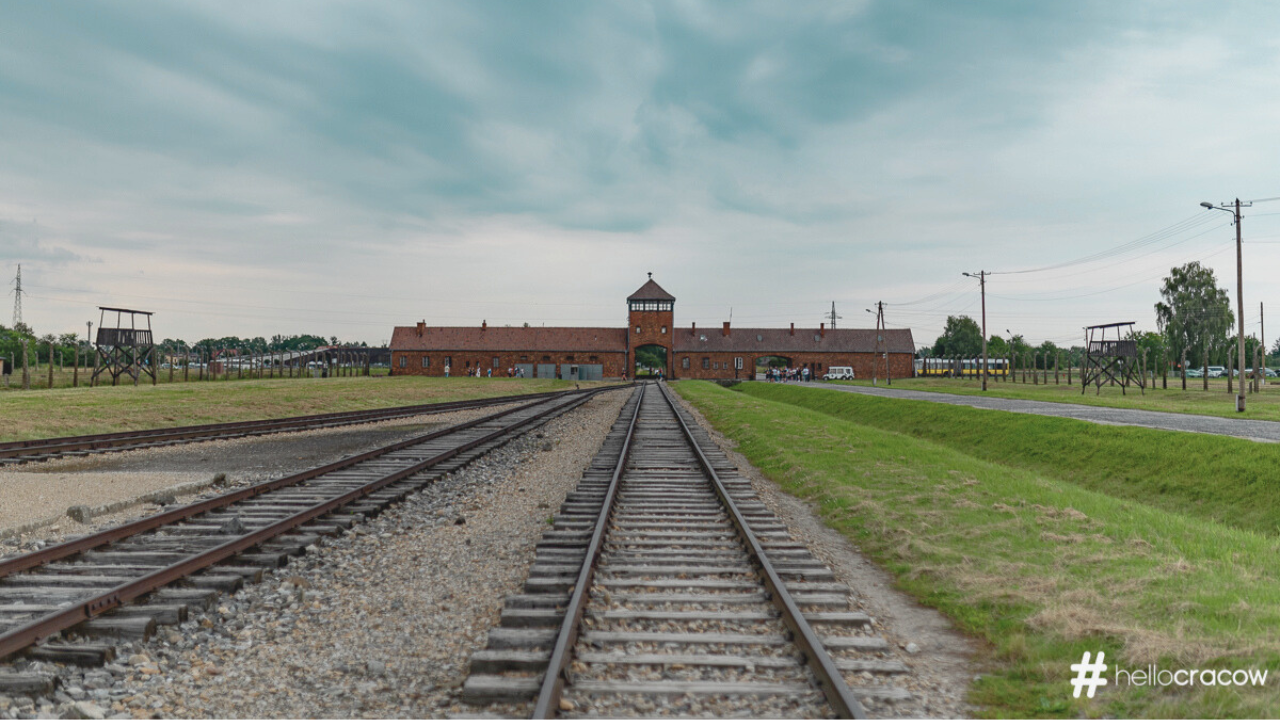
A visit to Auschwitz-Birkenau asks for more than simply adding another day trip to your Krakow itinerary. The former German Nazi concentration and extermination camp is a memorial site and a place of mass murder, where the scale of what happened can be difficult to understand through buildings, photographs and numbers alone. Reading before you go cannot prepare you for the visit itself, and it should not try to. What it can do is give some of the history a human dimension. Names, individual stories, memories and difficult choices become easier to recognise when you arrive at the site. Instead of knowing only what happened, you begin to understand something about the people who experienced it. The six writers below approach this history from very different perspectives. Four of them experienced Auschwitz as prisoners, writing about the camp from their own memories and experiences. Zofia Nalkowska encountered its aftermath from a different position, collecting testimonies and evidence about what had happened there in the months following the war. Hanna Krall offers yet another perspective. She survived the Holocaust as a child but was never imprisoned at Auschwitz. Her writing instead brings readers closer to the Jewish world destroyed during the Holocaust and to the people who carried its memory into the years that followed. There is no single book that can explain Auschwitz. Taken together, however, these works can help you arrive with more context and a greater awareness of the human stories behind the place.
By Hello Cracow • August 30, 2026
When the Main Market Square starts to feel a little too busy, you don't have to leave Krakow to find a different side of the city. Just beyond the usual sightseeing route, you'll find former quarries turned into green spaces, riverside paths, hilltop viewpoints, monastery gardens and neighbourhoods where life moves at a much slower pace. There is nothing wrong with spending your first day around Rynek Glowny, St Mary's Basilica, Wawel Castle and the Royal Route. They are famous for a reason, and for a first visit, they belong on the list. But after a few hours of following tour groups, waiting for a table and navigating busy streets, you may start looking for somewhere with a little more breathing room. That's when Krakow gets interesting. You don't need a complicated day trip or a long journey out of the city. Sometimes, a 15-minute tram ride or a short walk is enough to change the atmosphere completely. Suddenly there are more trees than souvenir shops, locals walking their dogs instead of organised groups, and paths where you can simply keep walking without having to stop every few metres. And these places aren't abandoned corners of the city. Krakow residents use them every day, particularly at weekends. You'll see people jogging, cycling, meeting friends, taking their children out or simply sitting somewhere with a coffee and enjoying the afternoon. So, if you're ready to put the guidebook down for a few hours, we've collected some of the best places to experience a quieter, greener and more local side of Krakow - all without straying too far from the city itself.
By Hello Cracow • August 30, 2026
Leave Krakow’s cobblestone streets behind and head south towards a completely different Poland. Beyond the city, the landscape opens into forests, meadows and mountain villages, with the Tatra peaks rising in the distance. A quad tour through Podhale gives you a chance to experience this landscape from the tracks rather than from a coach window.  The ride is the obvious highlight, but it is the journey that makes the day special. You move through quiet countryside, forest trails and highland landscapes, stopping along the way to take in the views and experience a slower side of southern Poland. Add a bonfire, local food or a soak in the thermal baths, depending on the tour, and a few hours outside Krakow can quickly turn into one of the most memorable days of your trip.
By Hello Cracow • August 17, 2026
September is when Krakow begins to soften into autumn. The warmest days still belong to the Vistula boulevards and café terraces, but Planty Park starts to change colour, and the city’s calendar becomes more local, varied and atmospheric. For first-time visitors, Krakow can seem centred entirely on the Main Market Square, Wawel Castle and Kazimierz. September is a good month to look beyond that first impression. A single weekend can bring music from Ireland and Scotland to a Renaissance manor house, local beekeepers to a historic Kazimierz square, and hundreds of dachshunds onto the Old Town’s most famous street. The city feels less like a checklist destination and more like a place where residents have their own rituals, neighbourhoods and reasons to gather. So, what is actually happening in Krakow this September? From the biggest cultural events to the smaller local traditions worth knowing about, here’s your guide to experiencing the city beyond the usual tourist highlights.
By Hello Cracow • August 11, 2026
Visiting Auschwitz-Birkenau is not about seeing more, but about arriving prepared, moving through the site with care, and allowing enough time for the history to register. There is no perfect way to feel when you visit Auschwitz-Birkenau. Some people become quiet. Some feel overwhelmed by the scale of Birkenau. Others find that the most difficult moments are the smallest ones: a photograph, a suitcase, a pair of shoes, or a name. What matters is not performing a particular emotion. It is recognising that this is a memorial and the site of a former German Nazi concentration and extermination camp, where more than a million people were murdered. A respectful visit begins before you reach the entrance: in how you book, what you bring, how you use your phone, and how much space you leave for the experience afterwards.
By Hello Cracow • August 3, 2026
Prague has its grand squares, Vienna has its palaces, and Budapest has the Danube. Krakow has a different kind of appeal. It is a city where centuries of history are packed into a surprisingly walkable area, and where you can move from royal Krakow to Jewish Kazimierz, wartime Podgorze, and the Vistula riverbanks in the space of a single afternoon. That makes Krakow especially interesting for a short city break. You can see the famous sights, eat well, sit down for a coffee, and still come across places that tell you something about the city's past. The different parts of Krakow do not feel like separate attractions on a checklist. They connect naturally as you move through the city. And that is what we want to explore here. Beyond the obvious reasons to visit Krakow, what makes the city such a rewarding place to spend a few days? From its medieval centre and royal history to Kazimierz, Podgorze, local food, and everyday city life, these are the things that make Krakow more than just another beautiful European Old Town.
More Posts