


Krakow in February: A Kaleidoscope of Culture and Celebration

Hello Cracow • February 5, 2026

Krakow in February 2026 stands as a monumental intersection of global modernization and deeply rooted Slavic tradition. Historically, the second month of the year was viewed as a quiet, frigid period of transition between the holiday season and the awakening of spring. However, the 2026 winter season has redefined this narrative, positioning the city as a vibrant cultural corridor. This transformation is driven by the strategic relocation of world-class events, such as the Intel Extreme Masters, alongside the local winter school break, which breathes a unique local energy into the city’s public spaces. 

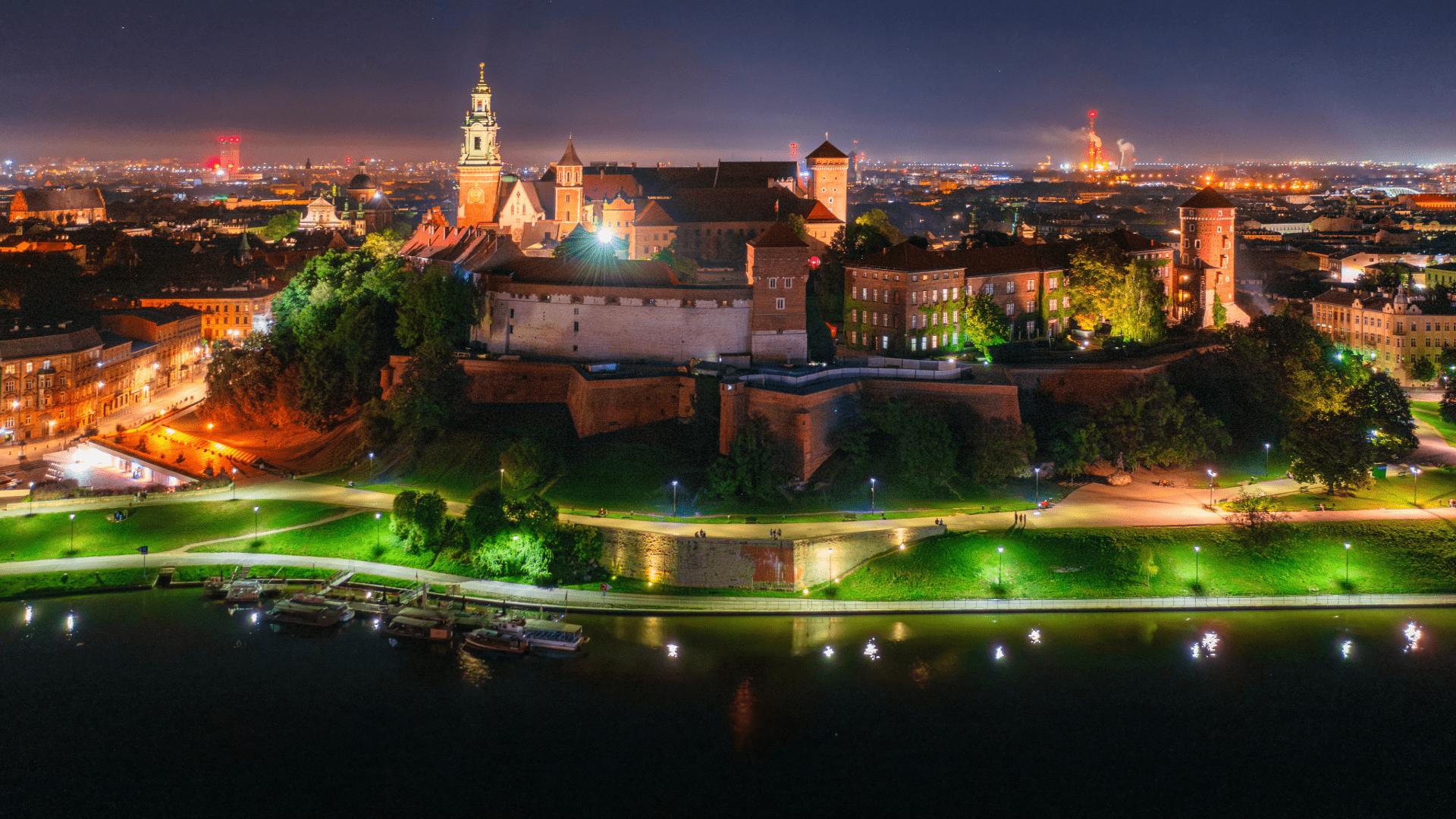
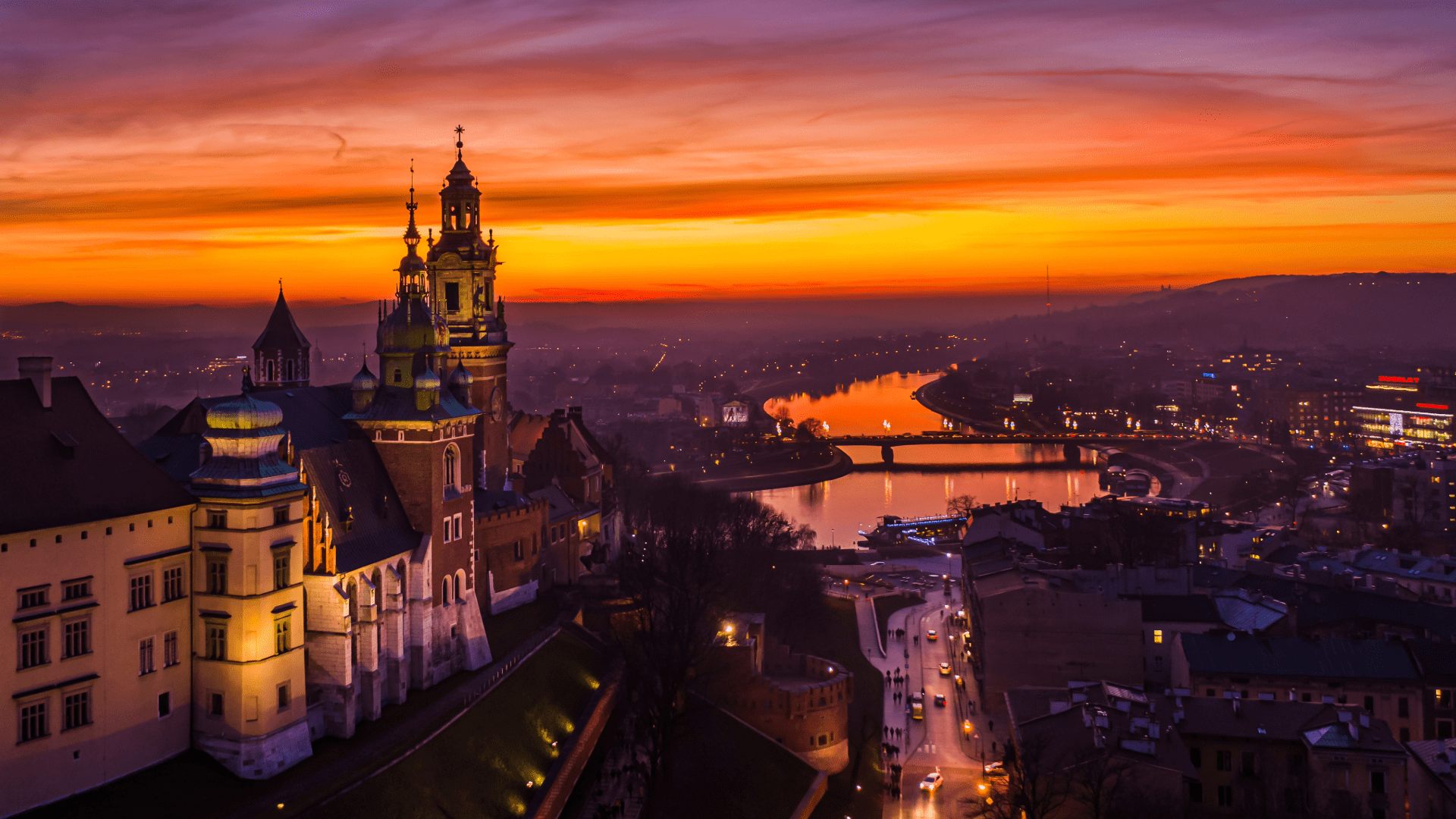
Wawel Castle - winter view

The February 2026 Experience

The appeal of Krakow in February 2026 is rooted in its high Information gain for cultural enthusiasts. The month is anchored by three major international festivals: the Intel Extreme Masters (IEM), which brings the global e-sports community to the Tauron Arena; the Opera Rara festival, which democratizes baroque music by placing it in unconventional settings; and the 45th International Sea Song Festival, "Shanties". Concurrently, the National Museum hosts Poland's only Van Gogh painting, while the city's streets are adorned with UNESCO-listed nativity scenes (szopki). This period also encompasses the winter break(February 2–15), during which the city implements an extensive "Winter in the City" program for children, making it an ideal window for family travel. 

Quick Facts Table for 2026 Winter Visitors

Category Practical details for 2026
Average temperature High: 3°C (37°F) / Low: -5°C (23°F)
Winter Break February 2 – February 15, 2026
Major public holday Fat Thursday - February 12, 2026
Primary transport app Jakdojade (for real-time tram and bus navigation)

The Sociocultural Impact of the Winter Break

The Winter Break is a period where the city’s cultural infrastructure is specifically reoriented toward family engagement and local community building. In 2026, the Lesser Poland province schedules its break for the first half of February. For visitors, this means the city’s museums, theaters, and sports facilities are at their most interactive. Programs like "Winter in the City"ensure that nearly every municipal institution offers workshops, often in multiple languages, to accommodate the growing international resident and tourist population.   

This local energy creates a lived-in feeling that avoids the artificiality of high-summer tourism. Families visiting will find that the city’s parks, such as Jordan Park, become central social hubs, with ice rinks and cafes filled with residents. This creates a rare opportunity for authentic cultural exchange, where tourists can participate in local rituals — such as skating through the ice alley or attending a children's shanty concert — alongside Krakowian families.
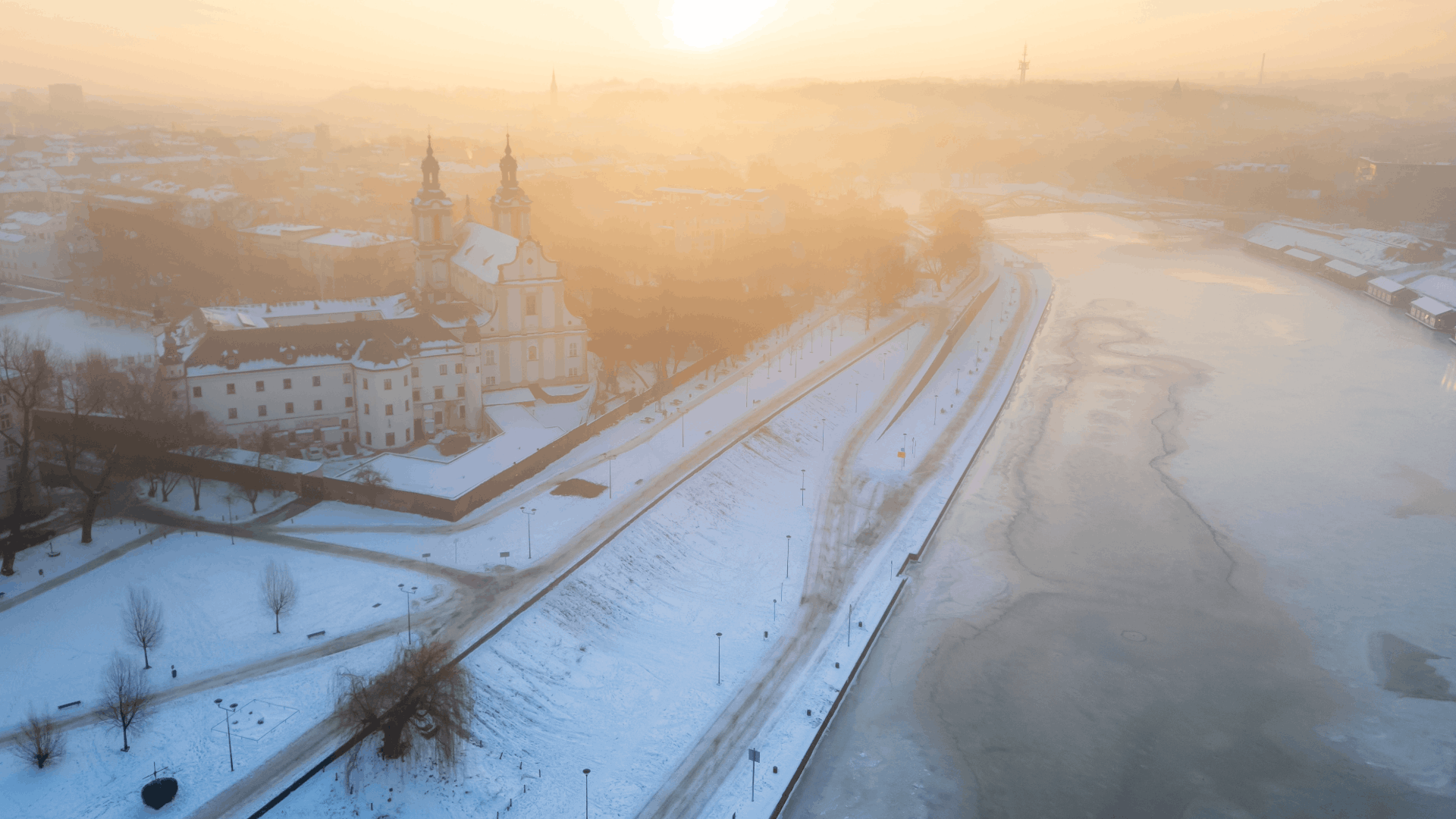
Vistula river frozen

The 2026 Esport Revolution: Intel Extreme Masters (IEM)

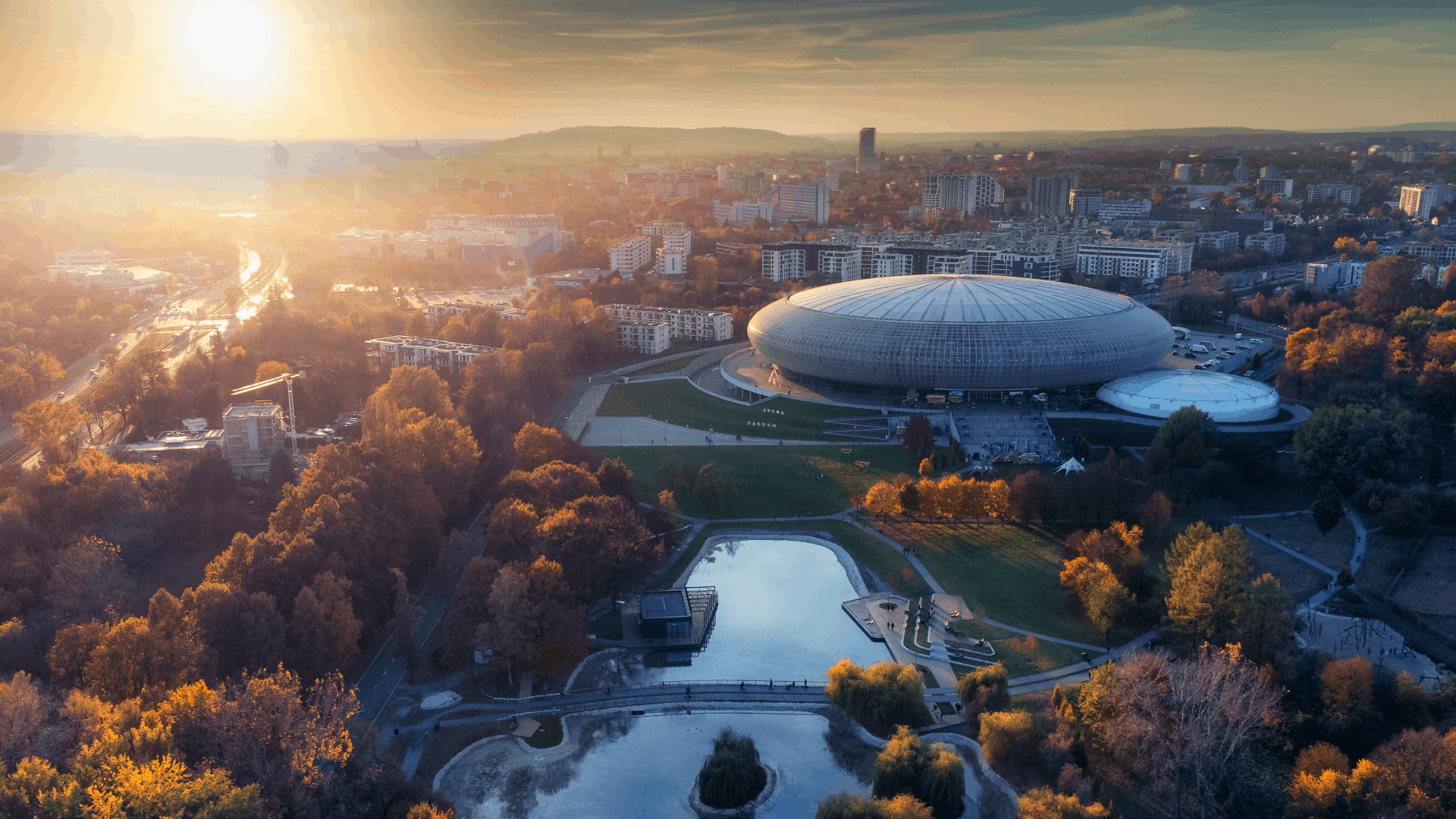
The defining event of February 2026 is undoubtedly the relocation of the Intel Extreme Masters to Krakow. Historically synonymous with Katowice, the 2026 edition begins the "Third Chapter" of this legendary e-sports tournament. This move to the Tauron Arena Krakow signifies the city's growing capacity for massive technological tourism. The tournament centers on Counter-Strike 2, with 24 world-class teams competing for a prize pool of $1,250,000.


For the first time, Krakow sees an influx of tech tourists — visitors who may not be traditional history seekers but are drawn by the city’s cutting-edge infrastructure. This demographic shift has led to an increase in high-speed internet cafes and gaming lounges in districts like Kazimierz, blending the old-world aesthetic with a high-tech pulse.

Artistic De-elitization: The Opera Rara Festival

While IEM captures the digital frontier, the Opera Rara festival (February 3–21) reclaims the historical heart of the city through artistic subversion. The festival is renowned for its rarely performed baroque and contemporary works, but in 2026, its most significant contribution is the democratization of the opera experience. 

Perhaps the most talked-about event of the season is the
"bar.okowa uczta" (Baroque Feast), directed by Cezary Tomaszewski. This performance takes place in the iconic milk bar, Zaczek, located on Czarnowiejska Street. By placing Claudio Monteverdi's madrigals in a Soviet-era cafeteria, the festival strips away the pretension of the opera house. Audience members sit at shared tables, often with the performers themselves, channelling the intimate, almost erotic atmosphere of the original Florentine Camerata feasts.

The Maritime Soul in a Landlocked City: Shanties 2026

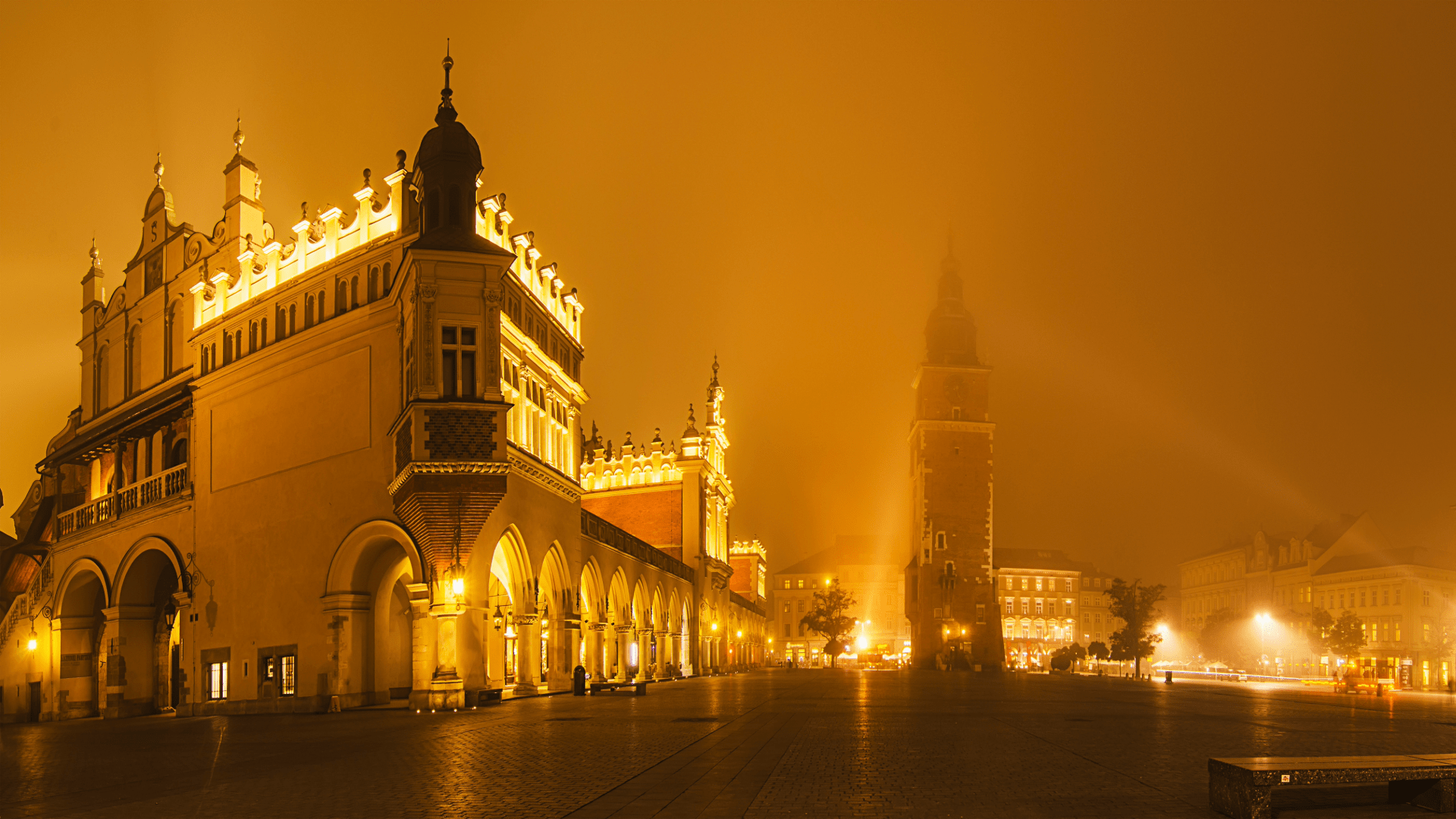
From February 18 to February 21, the 45th International Festival of Sea Songs, "Shanties", reinforces Krakow's status as the most "maritime" city in Poland despite its inland location. This festival is a cornerstone of the February calendar, drawing performers and sea-salt enthusiasts from across Europe. The festival concludes with a grand outdoor concert at the Main Market Square on February 21, allowing visitors to experience the "harbor atmosphere" under the shadow of the Town Hall Tower.

  • February 20: The concert "Woda zdrowia doda" (Water adds health) by the group Klang focuses on hygiene and the health benefits of water.   
  • February 21: The concert "Hej Ho! Hej Ho! Oplyniemy morskie ZOO" (We’ll sail the sea zoo) provides an interactive musical tour of marine life.   
  • The "Spiewnik Szanteczki": A specially published songbook for children is distributed to encourage them to learn traditional work songs. 
Visual Arts and Heritage: Van Gogh and Shigeru Ban

Krakow's museum circuit in February 2026 is defined by two major temporary exhibitions that emphasize contrast: the earthy realism of the 19th-century Dutch masters and the paper-based humanitarianism of contemporary Japan. 

Van Gogh at the National Museum (MNK)

From January 29 through the end of the year, the Main Building of the National Museum hosts Vincent van Gogh’s "Country Cottages among Trees". This is the only work by the artist in a Polish public collection, a deposit from the John Paul II Collection of the Archdiocese of Warsaw. Painted in September 1883, the work represents the early Dutch period, characterized by dark, somber tones influenced by the Hague School. The painting offers a quiet Van Gogh, far removed from the vibrant yellows of Arles. It invites reflection on the artist’s humble beginnings and the realism that underpinned his later stylistic revolutions. 

Shigeru Ban and Japanese "Urushi" at Manggha

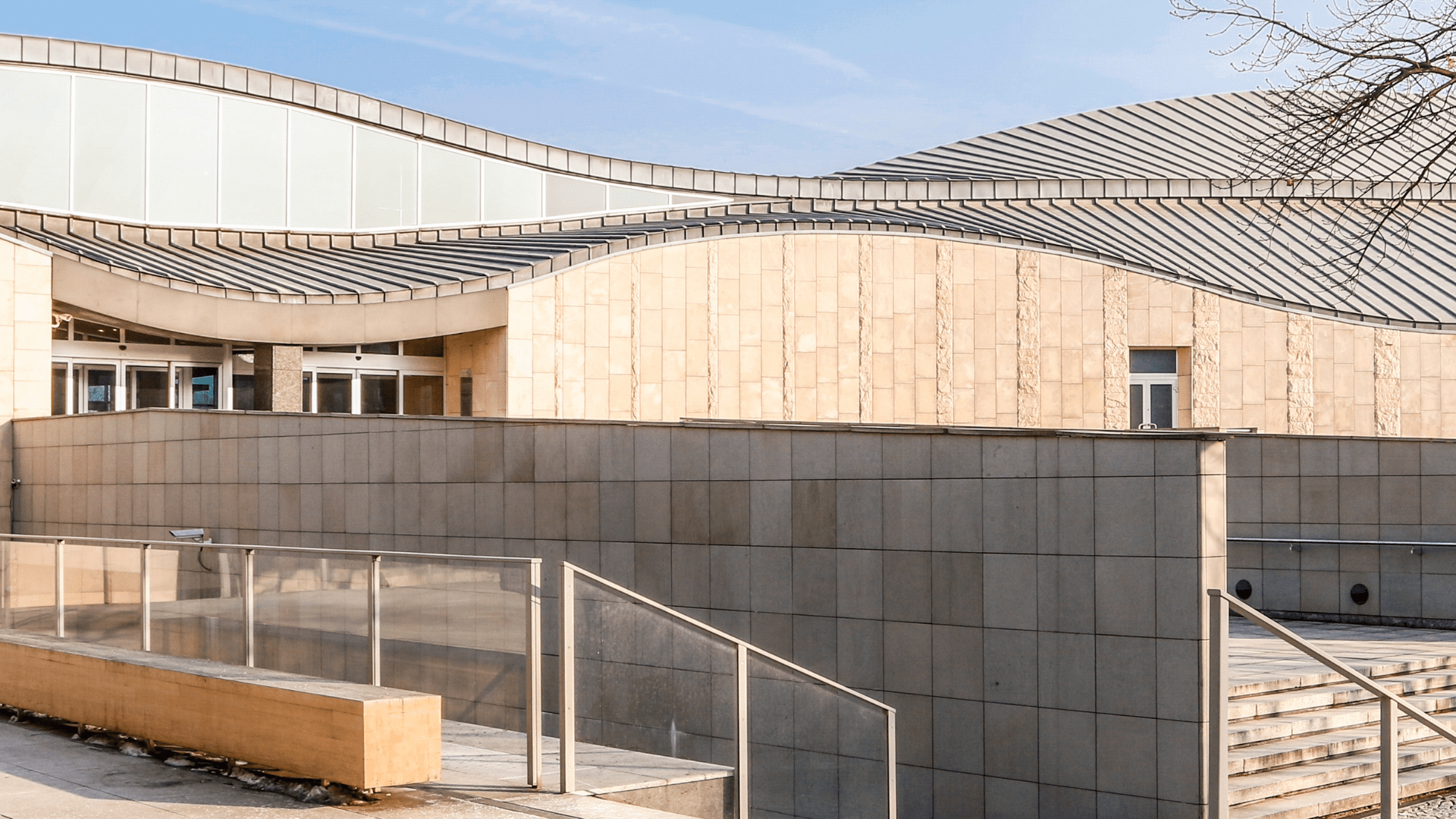
The Manggha Museum of Japanese Art and Technology offers a dual perspective on craftsmanship. This Pritzker Prize-winning architect, Shigeru Ban is celebrated for his "Architecture of Empathy", using cardboard and paper tubes for disaster relief. His work in Poland following the Ukrainian refugee crisis is featured prominently, showcasing how engineering genius can serve humanitarian needs. Manggha helds as well "The Shine of Time", an exhibition of traditional Japanese lacquer (urushi), running until February 22. It displays techniques such as maki-e (sprinkling gold/silver powder) and raden (mother-of-pearl inlay), demonstrating the intersection of utility and high art. 
The Culinary Experience: Fat Thursday

Fat Thursday is arguably the most important culinary date in the Polish winter. It marks the last week of Carnival before Lent. The tradition mandates eating at least one paczek (deep-fried doughnut) to ensure good luck for the year. Pro Tip: the queues at popular bakeries like Gorace Paczki on Szewska Street or Michalek on Krupnicza can be hours long. Everyone should try the traditional rose jam filling, though modern versions with pistachio or Nutella are increasingly popular. Beyond the paczek look for faworki (angel wings), which are crispy, thin dough strips dusted with powdered sugar.

Family Fun: The "Winter in the City" Program

During the Winter Break (Feb 2–15), Krakow is a playground for families. The emphasis is on active, outdoor recreation and creative indoor workshops. The winter chill is best embraced at the Ice Park in Jordan Park. Unlike a traditional rectangular rink, this features a scenic 360-meter ice path that winds through the trees, staying open for skaters through February 28. For a more sensory experience, the Garden of Lights at the Stanislaw Lem Garden of Experiences offers a glowing, walk-through wonderland.

For families seeking structured engagement, several Krakow institutions provide English-friendly programs designed to keep young minds active:

  • Maple Bear Krakow: Running from February 2–6, this bilingual theater and cinema camp dives into the behind-the-scenes magic of costume and set design.
  • Archaeology Museum: Perfect for history buffs, offering hands-on workshops in calligraphy and the intricate world of ancient Celtic art.
  • COM-COM Zone (Center of Sport and Recreation): A great option for burning off energy, featuring intensive swimming lessons and specialized "Little Lifeguard" workshops throughout the break.

Valentine’s Day in the City of Kings

February 14 in Krakow is a sophisticated affair, far removed from the commercialized chaos often seen in major Western capitals. Romantic Itinerary Ideas:

  • Valentine’s  Music Concerts: Held in the ballroom of the Palac Pod Baranami on the Main Market Square. Hit romantic themes are played in an interior dripping with gold and history. 
  • Heated Vistula Cruises: A 1-hour cruise on the Vistula provides a romantic perspective of the illuminated Wawel Castle. 
  • Painting with Wine: The Guild of Food Crafts (Westerplatte Street) offers an event where couples can paint while enjoying local wines and snacks. 
  • Silent Love at Tauron Arena: For high-energy couples, this silent disco provides a unique way to dance in the city's largest venue without the noise of a traditional club.

Value of Krakow in February

Krakow in February 2026 is a destination that rewards the curious traveler who is willing to look beyond the gray skies and embrace the warmth of its cultural interior. The relocation of global events like IEM demonstrates a city that is looking toward the future, while the continued celebration of traditions like the szopki and Fat Thursday ensures its historical soul remains intact. Krakow offers a rare combination of modern excitement and old-world charm, all accessible via a sophisticated transport and payment infrastructure. Whether attending a baroque opera in a milk bar, cheering for an e-sports champion, or bathing in mountain thermal pools, February in Krakow is a kaleidoscope of culture that leaves a lasting impression on all who visit. Hello Cracow specialist team invites you to book your winter 2026 journey and become part of the city's unfolding legend. 
BOOK NOW
By Hello Cracow • November 2, 2026
A Krakow winter day can begin with clear cold air over Main Market Square, turn into sleet somewhere between Wawel and Kazimierz, and end in a warm restaurant when it is already dark outside. The mistake is packing for one version of the weather: a dramatic snowy weekend, perhaps, or a mild European city break. Most visitors need to prepare for both. From November through February, Krakow calls for clothes that work while walking, standing at tram stops and spending long evenings outside museums, restaurants and concert venues. The city is compact, but a typical day can still mean several kilometres on foot. You may start with coffee near your hotel, cross the Old Town to Wawel, follow the river towards Podgorze, then realise after dinner that the final tram stop is still ten cold minutes away. A good winter suitcase is less about bringing the heaviest coat you own and more about having the right things within reach. Dry shoes, a layer you can add after sunset and gloves tucked into your bag will do more for your trip than a suitcase packed with outfits that only work indoors.
By Hello Cracow • October 27, 2026
Krakow looks composed in daylight. Church towers rise above tidy rows of townhouses, cafe tables fill the squares and the sound of footsteps disappears into the rhythm of the city. Yet some of its strangest stories are not hidden at all. One hangs on a chain beside a cathedral door. Another is marked by a stone lantern that once warned travellers to keep their distance. Others wait beneath palaces, inside a forest or far below ground, where every sound seems to travel further than it should.  This is not a ranking of Krakow’s most haunted attractions, and we are not going to pretend that every old wall conceals a ghost. It is a journey through the darker edge of local folklore: stories people used to explain dangerous places, preserve memories and give a shape to fears they could not always name. Around Halloween, they feel especially close. But most of them have followed Krakow for centuries.
By Hello Cracow • October 27, 2026
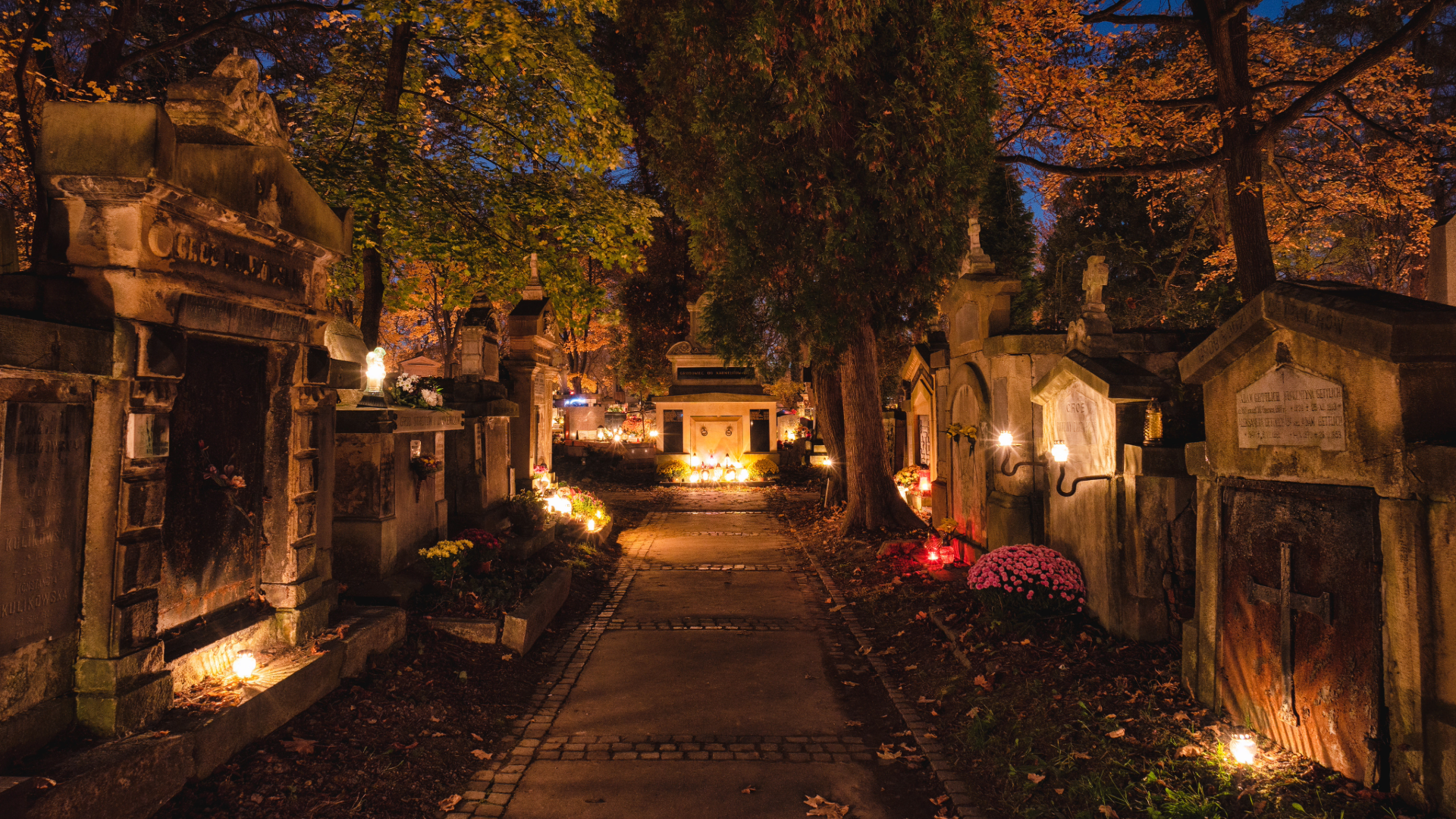
On November 1, Krakow wakes up to flowers. Chrysanthemums appear outside small shops, candle stalls line the streets near cemeteries, and trams carry families holding bags that seem too full for an ordinary Sunday. By evening, thousands of candles turn the city’s cemeteries into fields of light.  For visitors, this can be one of the most moving moments to see Krakow. It should also be approached differently from a museum visit or a sightseeing stop. All Saints' Day is a public holiday, a religious observance and, above all, a day when people come to remember relatives and friends. Rakowicki Cemetery is open to visitors, but the right approach is quiet, patient and respectful.
By Hello Cracow • October 18, 2026
Krakow in November is a city of earlier evenings. At four o'clock, the lamps are already on around Planty Park. The windows of cafes begin to glow, the Vistula is usually wrapped in mist, and a walk that felt straightforward at lunchtime suddenly calls for a warm table somewhere nearby. That can sound like a reason to wait for spring. In practice, it gives a short stay in Krakow a different rhythm. You do not try to spend twelve hours outdoors. You walk while there is light, choose one place worth lingering in, then let the evening belong to music, film, food or a museum that would have been too easy to skip in July.
By Hello Cracow • October 6, 2026
There is a particular kind of Krakow trip that starts badly for a very ordinary reason. You arrive on Friday afternoon, leave your suitcase at the hotel, and open your phone to book Auschwitz for Sunday. The English tours are gone. Schindler's Factory has no tickets until Tuesday. The restaurant you saved on Instagram is fully booked. None of these problems will ruin the weekend, but suddenly the itinerary is being decided by whatever happens to be left. A little planning avoids that without turning a city break into a spreadsheet. Krakow still leaves plenty of room for long walks, unexpected cafes and evenings that continue because you like the neighbourhood. The important thing is knowing which experiences depend on a specific time, guide, language or number of available places. Think of your reservations as the frame around the trip, not the trip itself.
By Hello Cracow • October 5, 2026
Autumn in Krakow often begins quietly. In September, you can still sit outside with a coffee near Main Market Square, walk through Planty Park in a light jacket and feel almost no urgency to leave the city before sunset. A few weeks later, the same streets look completely different. The chestnut trees drop their leaves, the light becomes softer, and an October morning that begins with clear skies can end with cold rain over Wawel Hill.  That change is exactly why Krakow is so rewarding in autumn. The city feels less hurried, cafes become part of the itinerary rather than a quick stop between attractions, and a warm dinner in Kazimierz feels deserved after a day on foot. Packing well means you can enjoy all of it without cutting a walk short because your shoes are wet or your jacket is still back at the hotel. The key is not packing for cold weather alone. It is packing for several versions of the same day.
By Hello Cracow • September 28, 2026
Arriving in Krakow is usually straightforward, but the first hour can shape the whole trip. A late flight, heavy suitcase or unfamiliar ticket machine can quickly make a simple transfer feel more complicated than it needs to be. The good news is that Krakow is well connected by air and rail, and its main airport sits close enough to the city centre that getting to your hotel is usually fairly simple.  For most visitors, the choice comes down to Krakow Airport, the main railway station at Krakow Glowny, or a private transfer booked in advance. Each option works slightly differently, depending on what time you arrive, where you are staying and how much luggage you have. Public transport is often enough, but there are situations when paying for a direct transfer can make the first part of your trip much easier.
By Hello Cracow • September 23, 2026
October is a great month to visit Krakow if you want to see the city without the summer crowds. The weather is usually still good enough for long walks, while cooler evenings make it easier to combine time outdoors with museums, restaurants and cafés. Planty Park starts to turn gold, the Old Town is less crowded, and Kazimierz is a good place to spend an afternoon without rushing from one sight to another. There is also plenty happening around the city. October brings concerts, film screenings, literary events, food festivals and other seasonal events, so it is worth checking what is on during your visit. You can easily combine one of these with the main sights, a walk along the Vistula or an evening in one of Krakow's neighbourhoods. It is also a good time to plan a day outside the city. Wieliczka, Auschwitz-Birkenau and Zakopane are all popular options, while the Tatra Mountains can be particularly appealing in autumn. Just keep an eye on the weather, as conditions outside Krakow can be quite different.  If you are planning a trip for October, you do not need to fill every day in advance. Pick a few things you definitely want to see, check the events happening during your dates and leave some time for whatever you find along the way.
By Hello Cracow • September 15, 2026
Krakow is a city best explored on foot. A typical day can move from cobbled streets around the Old Town to the open riverside paths near Wawel, then on to Kazimierz or Podgorze, often with more walking than visitors expect. Even a simple plan can quickly turn into several hours outside, especially when you add a museum, a market, a café stop or one of the city’s many viewpoints. The right packing list starts with comfortable shoes, flexible layers and one piece of rain protection that fits in your day bag. Krakow weather changes quickly across the year, and sometimes within a single day. Spring can bring mild afternoons and sudden showers, while summer days can be warm enough for long walks but cooler once the sun goes down. Autumn tends to bring shorter days and more changeable conditions, while winter can mean cold temperatures, snow or wet streets. These differences matter when most of your day is spent moving between outdoor sights. The temperature ranges below are typical average lows and highs for Krakow-Balice, not a forecast for a particular trip. Conditions in the city centre can feel slightly different, especially on sunny days or when the wind picks up along the Vistula. Check the forecast again shortly before you travel, then pack for walking rather than for one perfect weather scenario. If you are planning trips outside Krakow, leave some room for further changes. Wieliczka is underground and noticeably cooler than the streets above, while a day in the Tatra Mountains can bring very different conditions from those in the city. A few simple choices can make it much easier to stay comfortable when your plans take you from one part of the region to another.
By Hello Cracow • September 7, 2026
A visit to Auschwitz-Birkenau asks for more than simply adding another day trip to your Krakow itinerary. The former German Nazi concentration and extermination camp is a memorial site and a place of mass murder, where the scale of what happened can be difficult to understand through buildings, photographs and numbers alone. Reading before you go cannot prepare you for the visit itself, and it should not try to. What it can do is give some of the history a human dimension. Names, individual stories, memories and difficult choices become easier to recognise when you arrive at the site. Instead of knowing only what happened, you begin to understand something about the people who experienced it. The six writers below approach this history from very different perspectives. Four of them experienced Auschwitz as prisoners, writing about the camp from their own memories and experiences. Zofia Nalkowska encountered its aftermath from a different position, collecting testimonies and evidence about what had happened there in the months following the war. Hanna Krall offers yet another perspective. She survived the Holocaust as a child but was never imprisoned at Auschwitz. Her writing instead brings readers closer to the Jewish world destroyed during the Holocaust and to the people who carried its memory into the years that followed. There is no single book that can explain Auschwitz. Taken together, however, these works can help you arrive with more context and a greater awareness of the human stories behind the place.
More Posts