



Religious Tourism in Krakow and the Surrounding Area
Poland holds a unique role in global religious tourism, and the country maintains strong spiritual vitality despite Western European trends. This vitality is visible in the scale of domestic religious engagement across the nation. Travelers seeking deep historical and spiritual meaning find exceptional experiences in Southern Poland. This region offers the famous "Holy Triangle," which forms one coherent pilgrimage route. The route connects Krakow as a modern spiritual capital and Wadowice as the birthplace of St. John Paul II. It also links Jasna Gora in Czestochowa, which serves as a national symbol of enduring faith. Together, these sites create a complete narrative that highlights the rise of Divine Mercy devotion and the lasting presence of the Black Madonna.
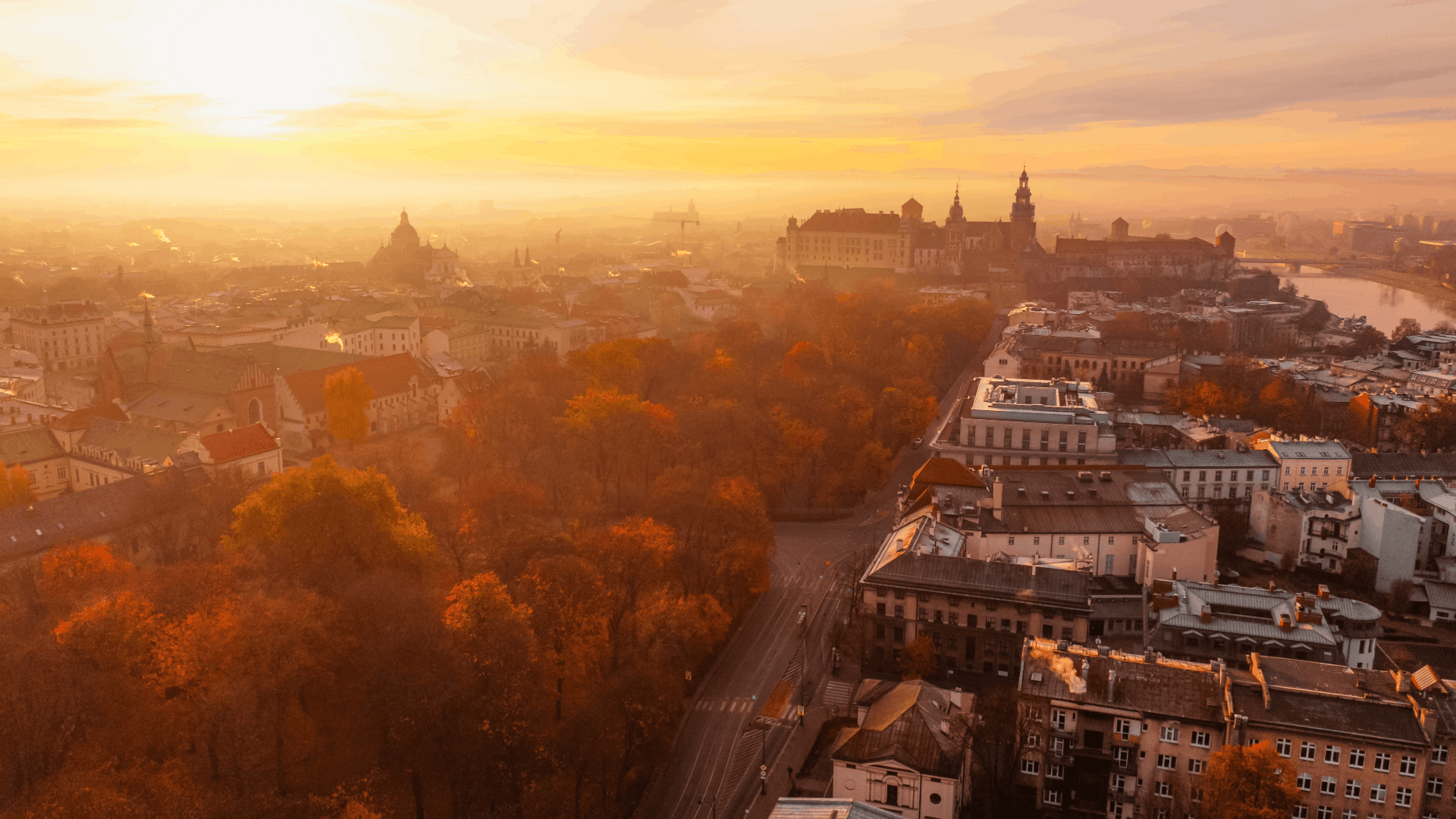
Krakow: The Royal City
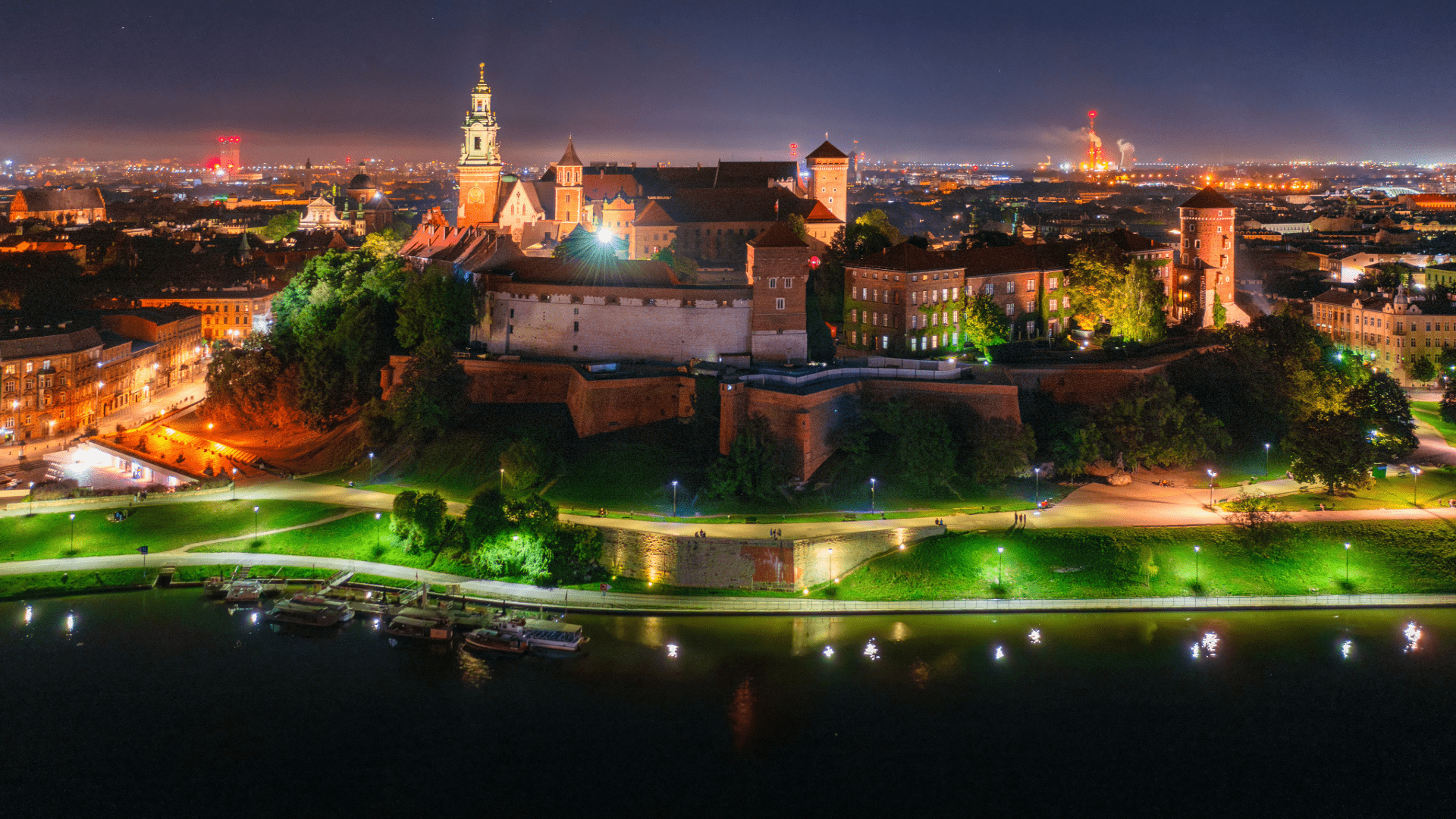
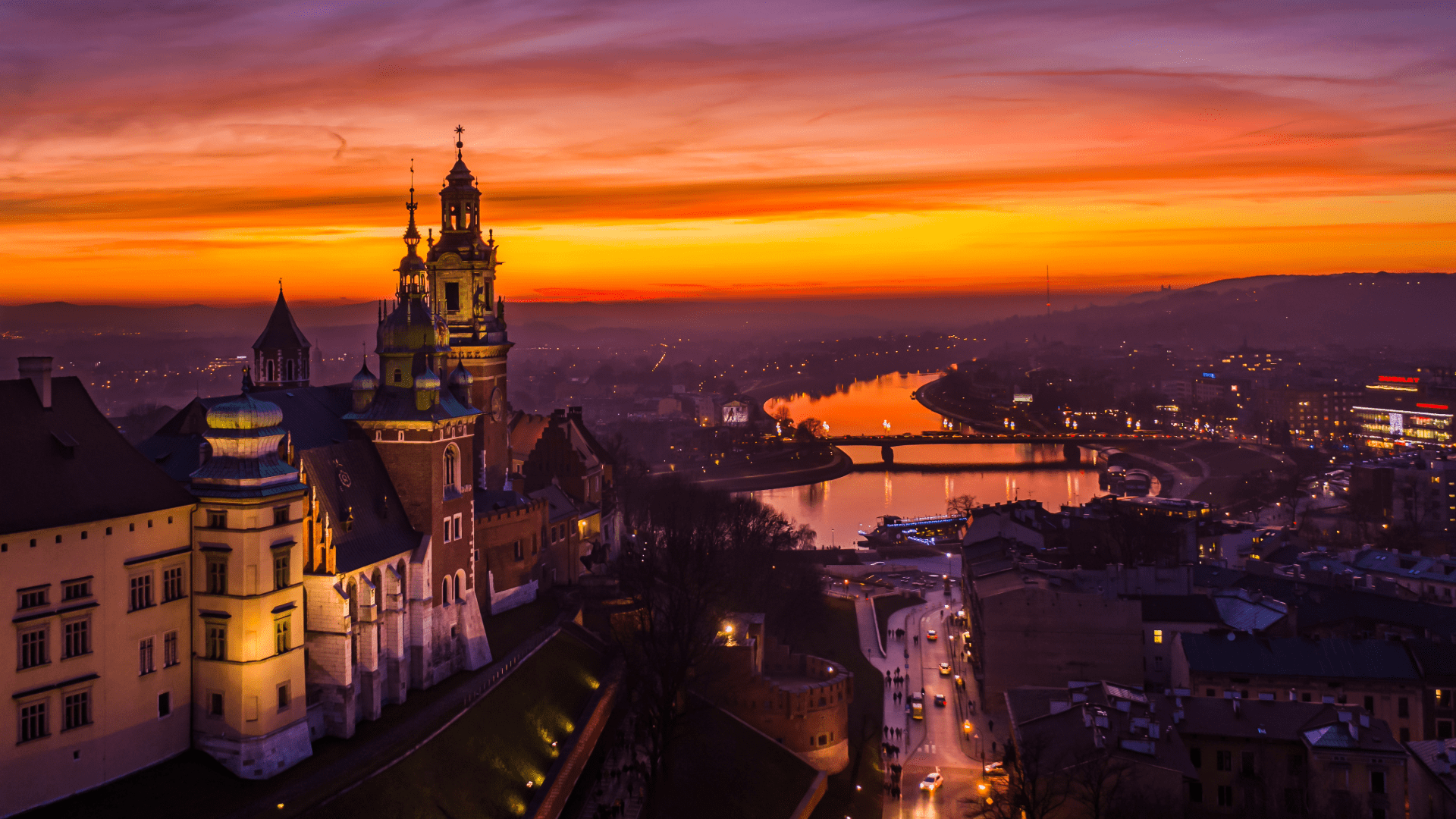
Wawel Cathedral
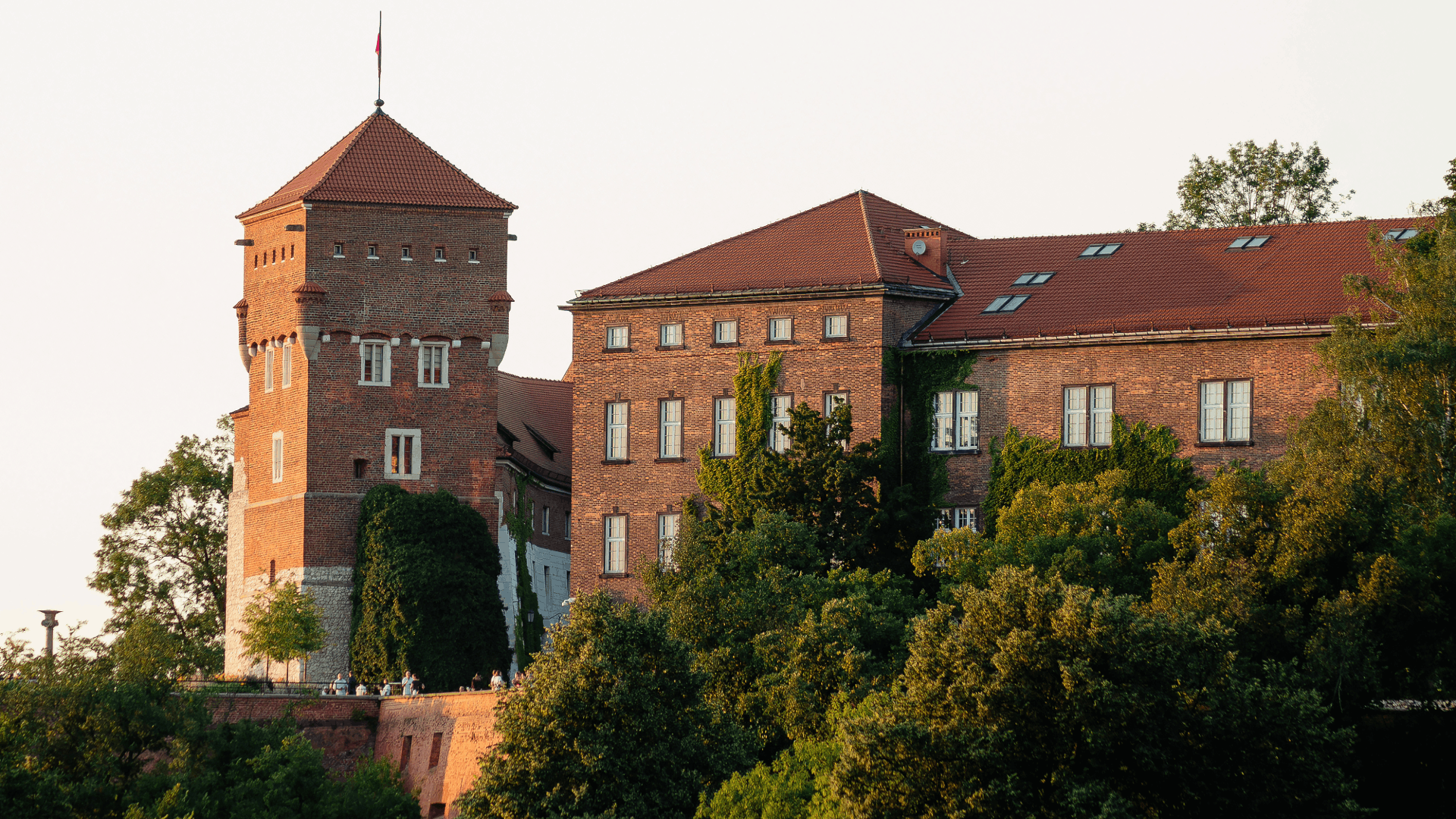
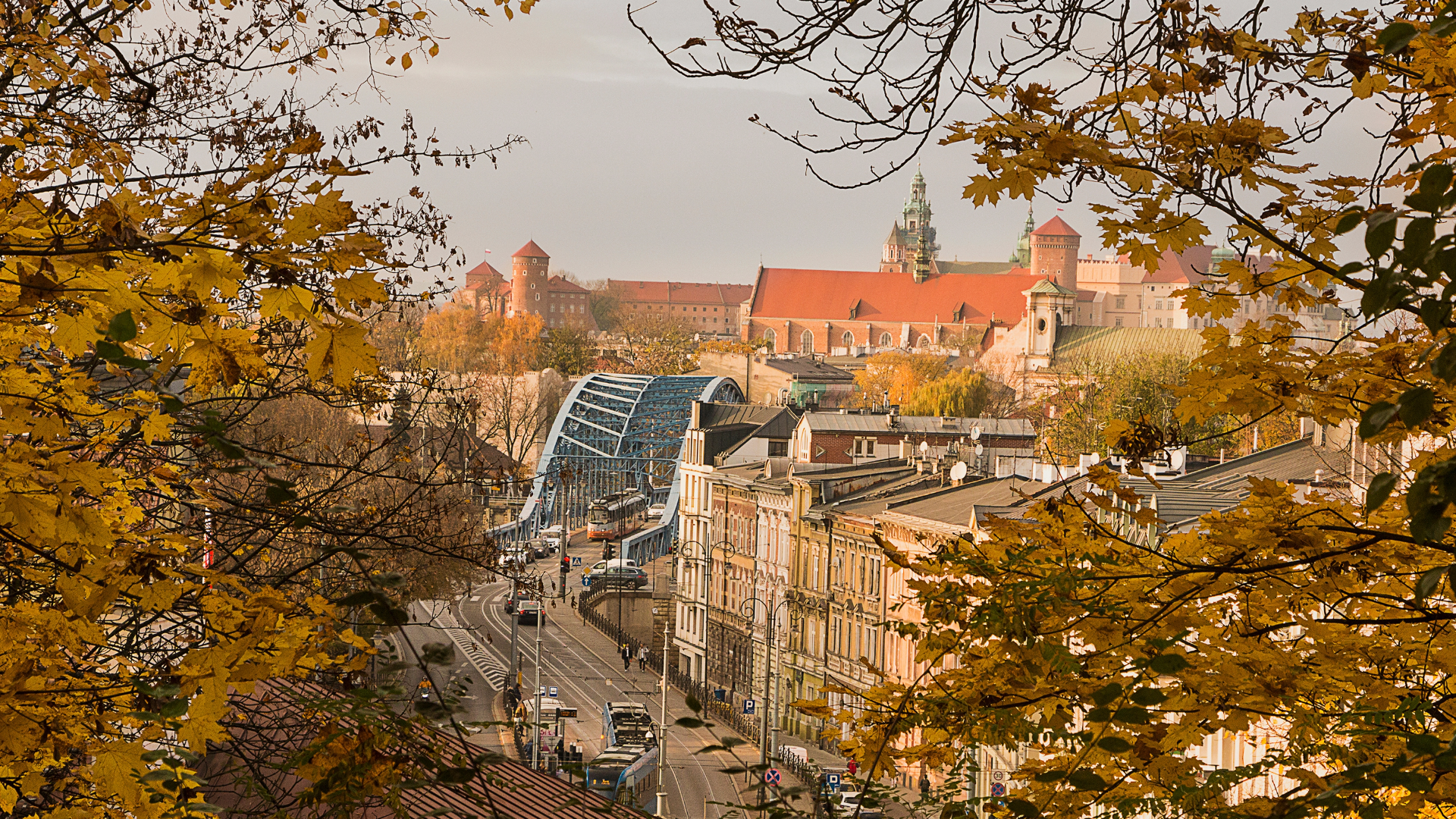
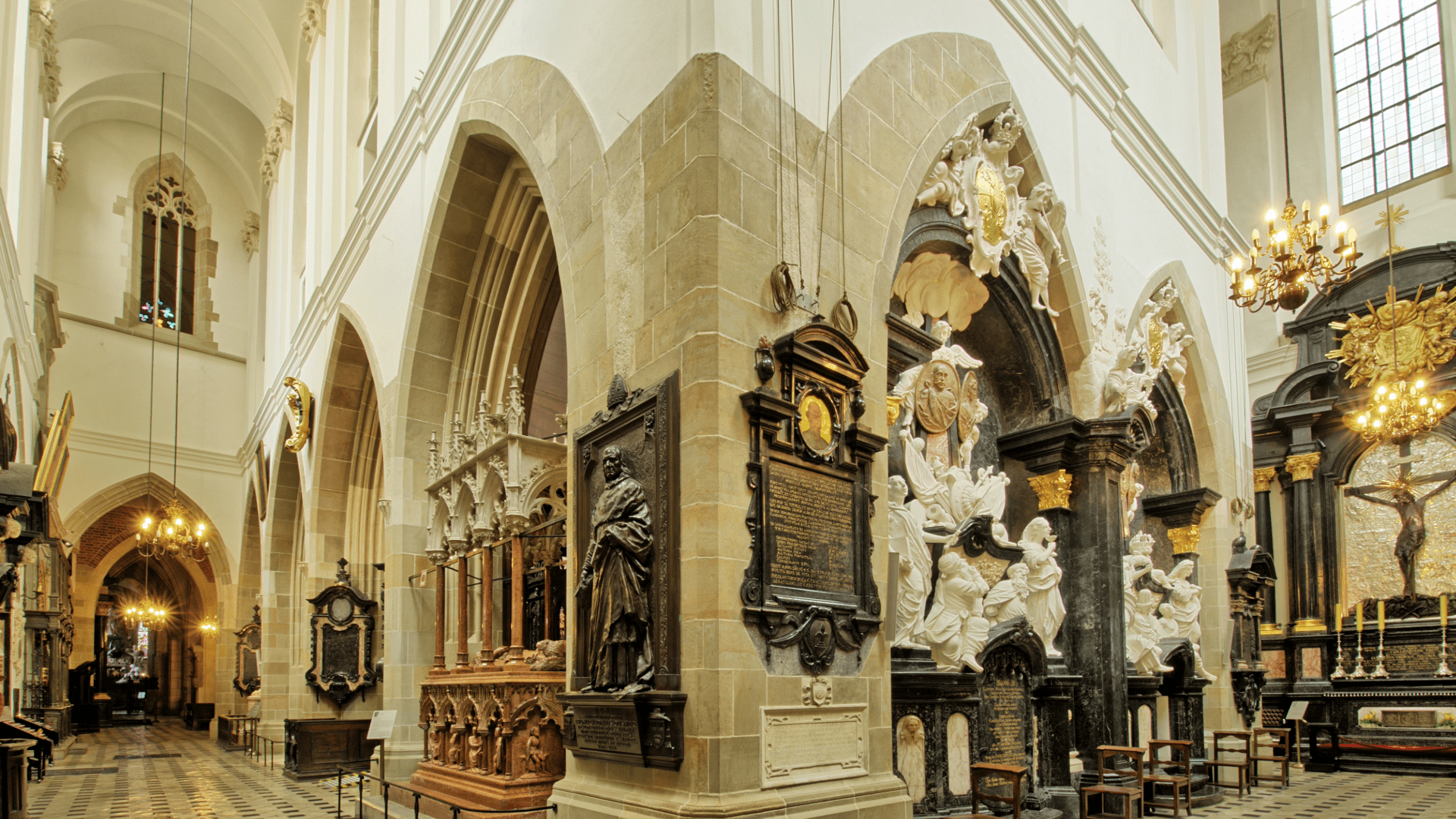
Krakow's Wawel Hill, crowned by the Wawel Cathedral, stands as a powerful symbol of Poland's enduring identity. This Gothic landmark served for centuries as the main site of royal coronations. It also acted as the royal necropolis that holds the tombs of Polish kings, including Casimir III the Great and John III Sobieski. The cathedral's meaning extends far beyond architecture and remains deeply spiritual. It is dedicated to St. Stanislaus, whose martyrdom is linked to the idea of a united Polish State. His grave has long been honored as the Altar of the Homeland.
After Poland lost independence in the 18th century, Wawel became the National Pantheon. It welcomed national heroes like Tadeusz Kosciuszko and Marshal Jozef Pilsudski, which strengthened its symbolic role. This reliance on the Church to express national identity shaped the entire Polish spiritual journey. Wawel also holds a key place in modern pilgrimage history. Its importance grew further when Cardinal Karol Wojtyla became Pope John Paul II, reinforcing Krakow's status as a spiritual capital.
St. Mary’s Basilica
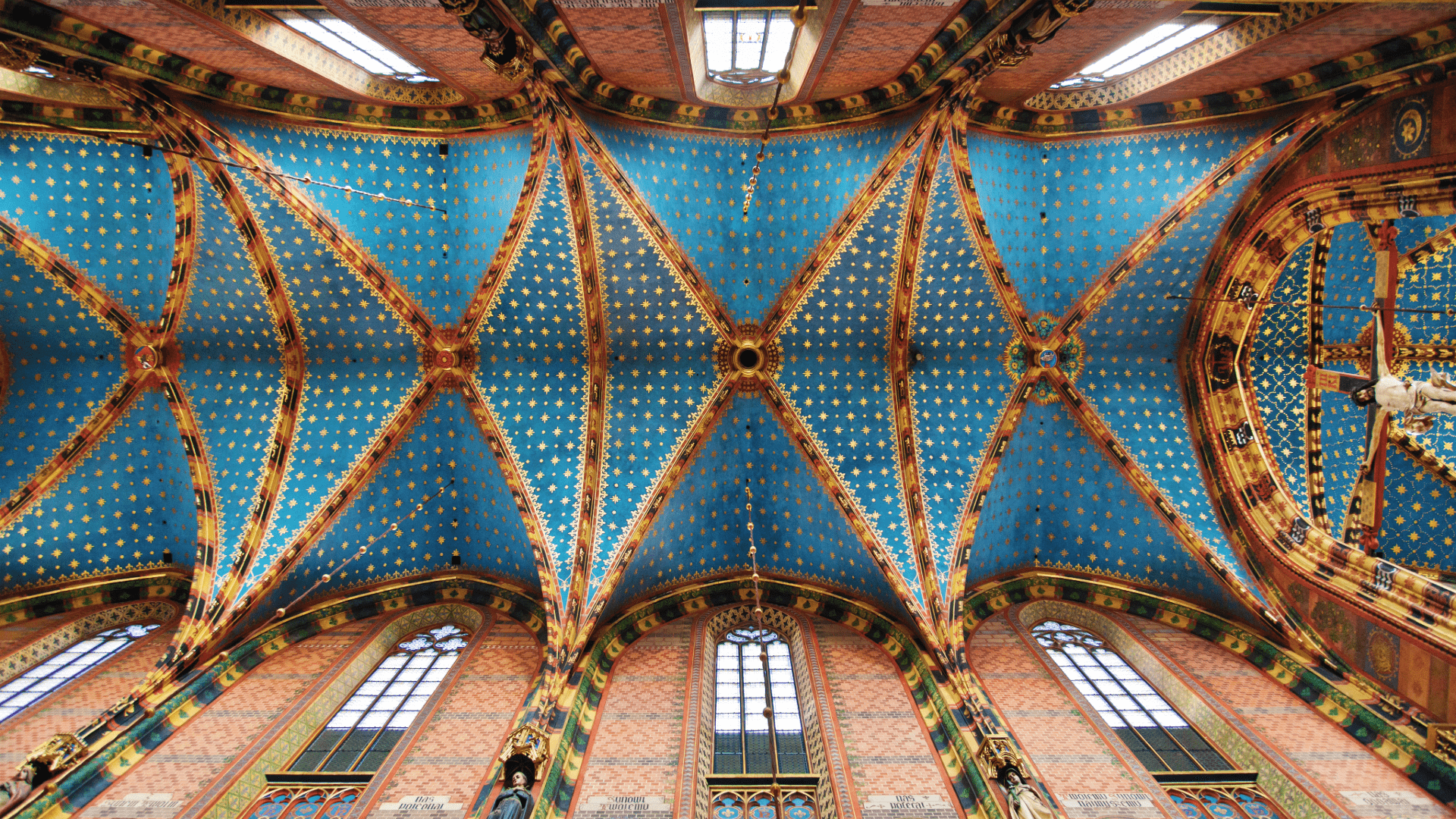
Located prominently on the Old Town Market Square, St. Mary's Basilica is renowned for its striking Gothic design. It is also famous for the magnificent Veit Stoss altarpiece. Visitors should remember that the basilica serves as an active place of worship. It is not a secular tourist stop but a functioning site for prayer and religious services. Respect for the sacred space is essential during any visit. This respect includes proper conduct and modest attire. Staff members enforce rules that require covered shoulders and knees inside the basilica. They may refuse entry to anyone dressed inappropriately, which protects the dignity of the site. This policy also helps tour groups move smoothly and reduces the chance of disruptions during scheduled visits.
Lagiewniki
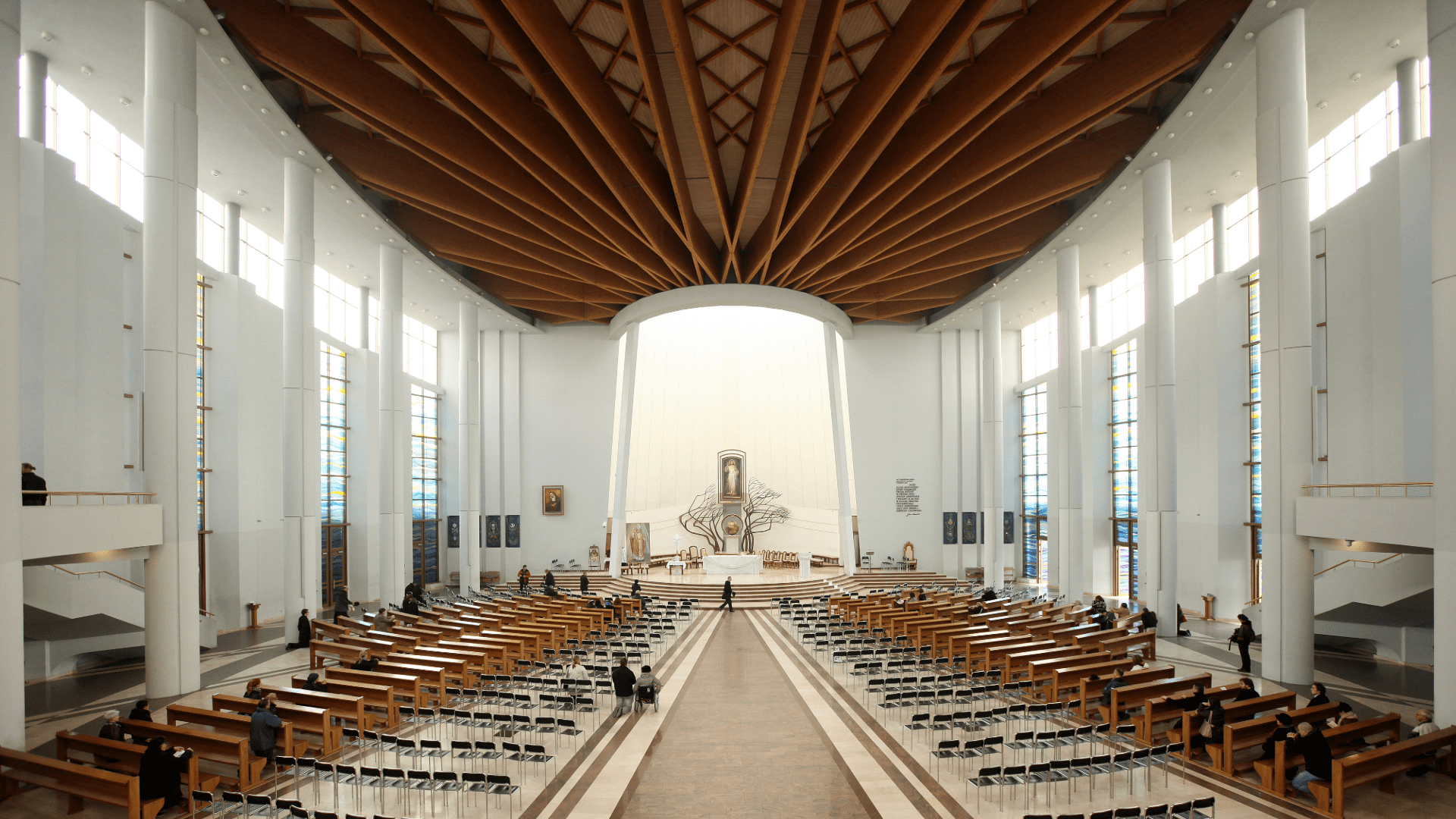
The Sanctuary of Divine Mercy in Lagiewniki represents the modern and dynamic side of Polish spirituality. It lies south of Krakow's Old Town and has grown rapidly since the early 2000s. Today, it is the second-largest pilgrimage site in Poland. It also ranks among the thirty biggest Christian holy destinations in the world. The appeal of Lagiewniki is deeply universal and speaks to people across cultures. Its message centers on God's boundless love revealed through St. Faustina Kowalska. This message was promoted globally by St. John Paul II. Unlike Jasna Gora, which carries a national focus,
Lagiewniki reaches an international audience. Visitors come from nearly one hundred countries, with seventy-eight percent arriving from Europe. The site continues to grow and strengthen its global mission each year. The worldwide fame of the Merciful Christ image supports this development. These factors suggest that Lagiewniki may soon stand as a major European pilgrimage center. This growth adds clear strategic value to Krakow's tourism sector. The complex features a modern basilica that welcomes thousands of worshippers. It also includes the historic convent chapel with the first Divine Mercy image and St. Faustina's tomb.
Wadowice – The Roots of St. John Paul II
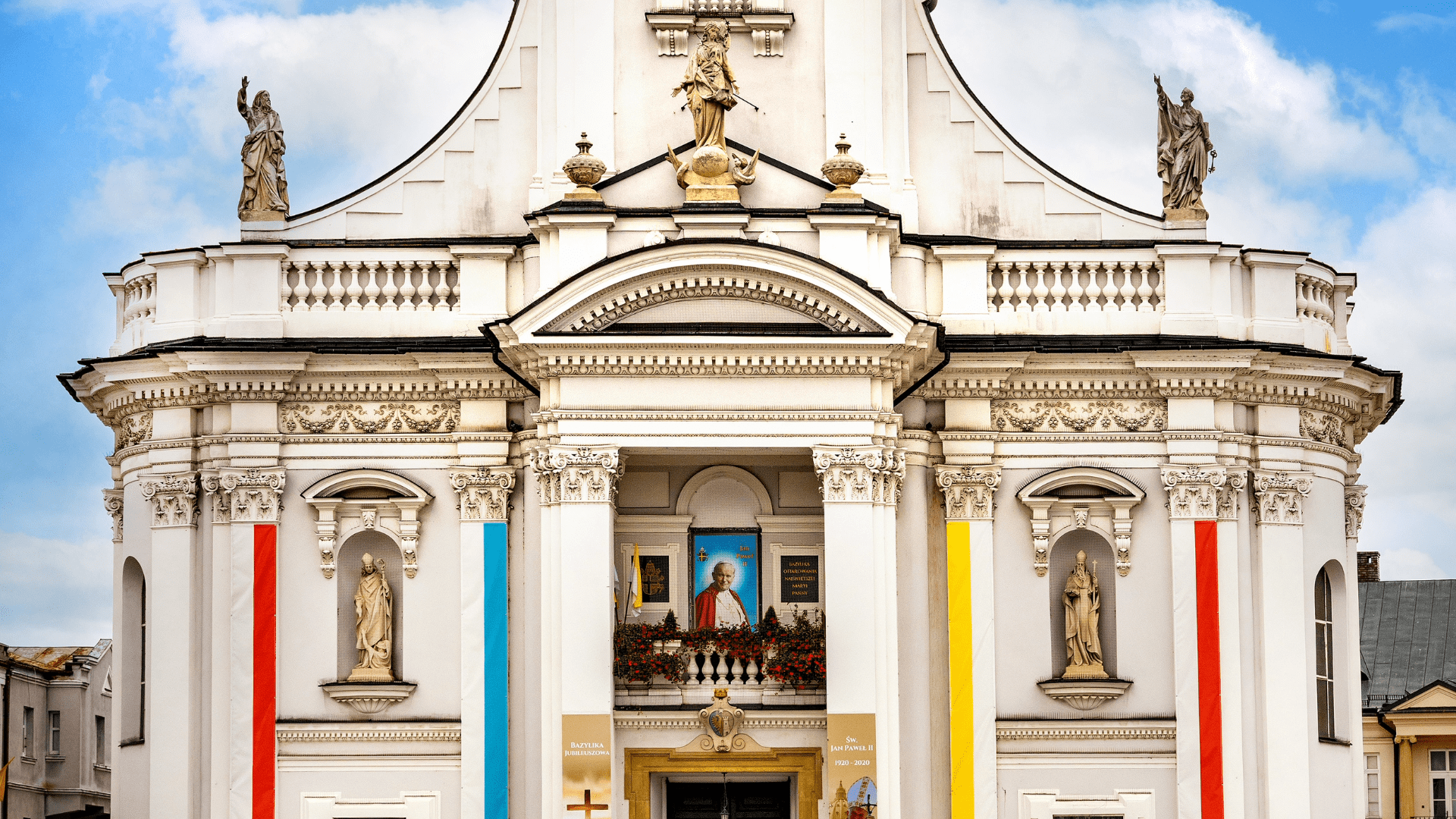
The John Paul II Family Home Museum offers an intimate and multimedia look into the future Pope's early life. A standard guided tour lasts about ninety minutes. It uses personal objects to illustrate his childhood and formative experiences. Visiting the Family Home allows travelers to see the birthplace of a man who shaped modern European history. His life and mission are closely linked to the collapse of communism. A tour of this modest home carries significant historical meaning. It reveals the roots of the faith and determination that later inspired a nation and confronted an empire. Next to the museum stands the Basilica of the Presentation of the Blessed Virgin Mary. This is the church where Karol Wojtyla was baptized and served as an altar boy.
The Patriotic Procession and The Military Display
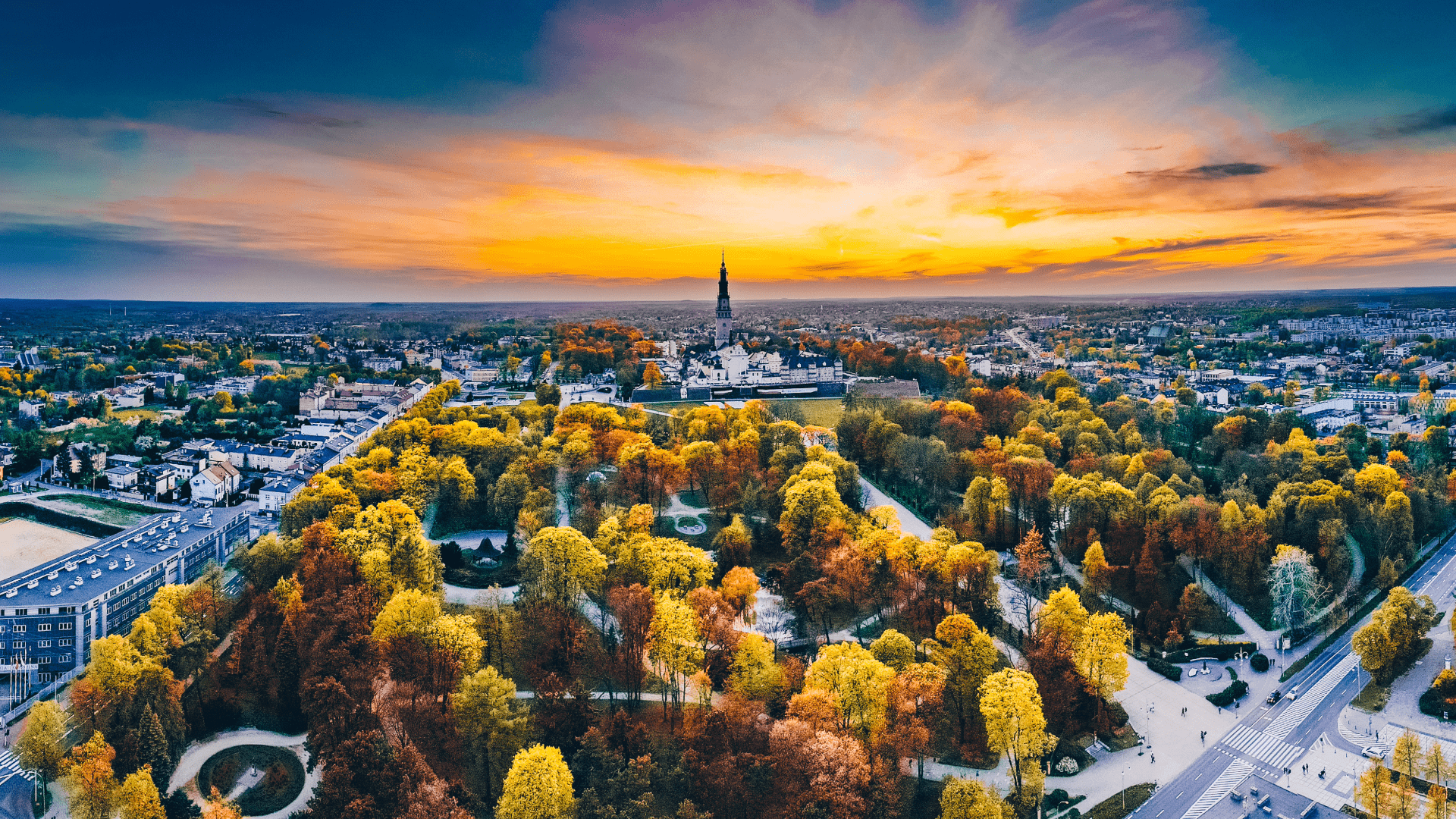
Jasna Gora is Poland's most important center of devotion and welcomes between 3.5 and 4 million pilgrims each year. Its influence reaches far beyond religious practice and reflects the strength of national identity and resilience. The sanctuary has long helped shape ethnic ties and national unity in difficult historical periods. During these times, religious faith played a key role in preserving the nation. The miraculous image of the Black Madonna stands at the heart of this tradition. It is so important that it is linked to the national feast of the Mother of God, Queen of Poland, celebrated on May 3rd. Globally,
Jasna Gora ranks among the most significant pilgrimage destinations in Christianity. Its visitor numbers have historically matched sites such as Fatima and Lourdes. The devotion here is also defined by the scale of walking pilgrimages. Each year, around 140 000 walkers arrive in about 250 organized groups. Jasna Gora therefore hosts the largest number of foot pilgrims in the world.
Extending the Pilgrimage Beyond the Main Centers
Kalwaria Zebrzydowska: UNESCO’s Sacred Landscape of the Passion
Located near Wadowice, Kalwaria Zebrzydowska is a cultural landscape of deep spiritual importance. It is the only Polish pilgrimage site on the UNESCO World Cultural and Natural Heritage List since 1999. The site is famous for its design, blending natural terrain with chapels and paths. These paths symbolically depict the Passion of Jesus and the life of the Virgin Mary. Kalwaria Zebrzydowska is a leading European center for the cult of the Suffering Christ and the Mother of God. Its value comes from monumental open-air religious reenactments, especially during Holy Week. These performances draw over 200,000 participants annually. They also attract cultural heritage tourists seeking unique European traditions. As a result, Kalwaria Zebrzydowska is a highly valued secondary destination for pilgrims and travelers.
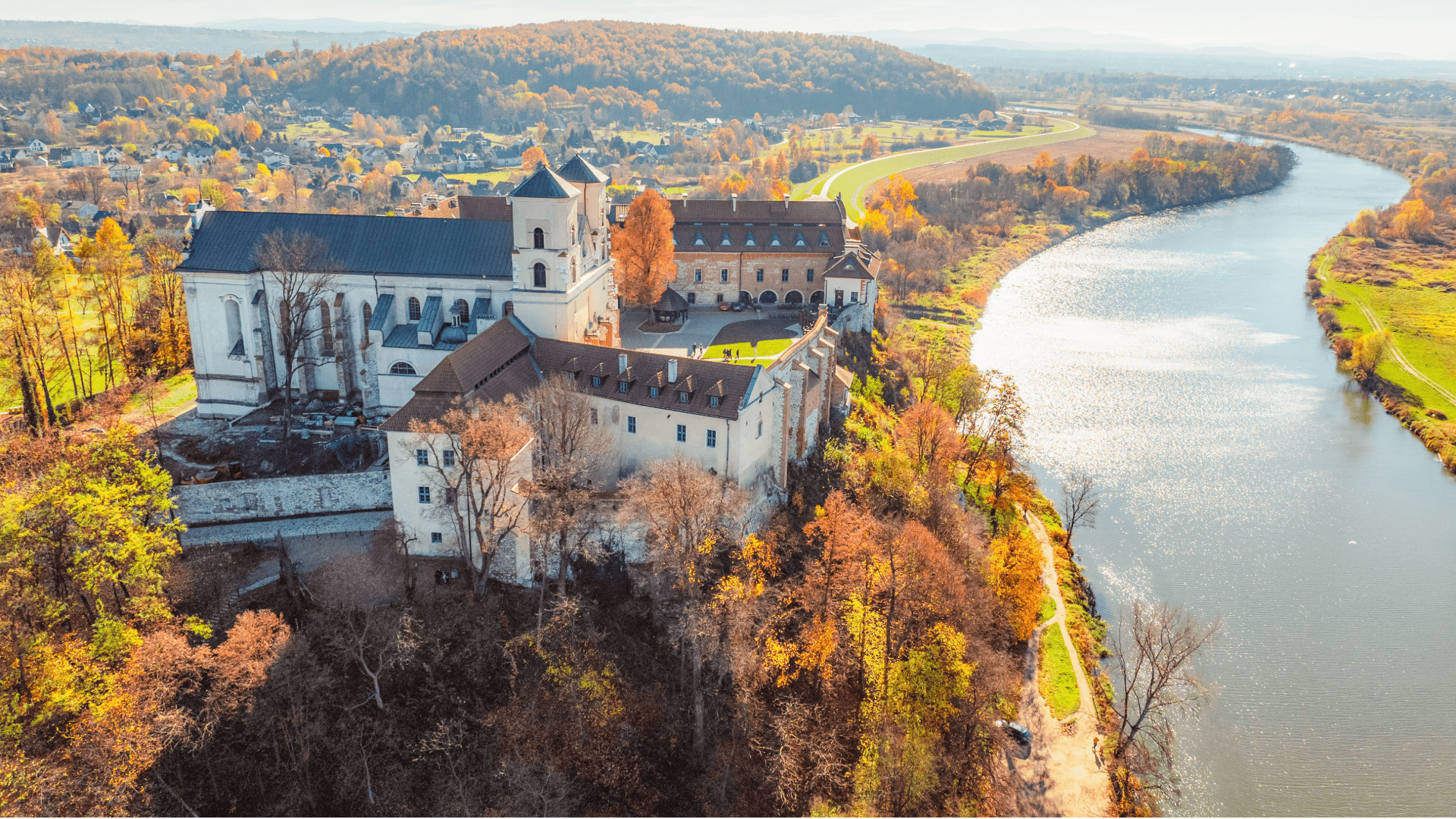
Tyniec Abbey: Monastic Calm and Benedictine Hospitality
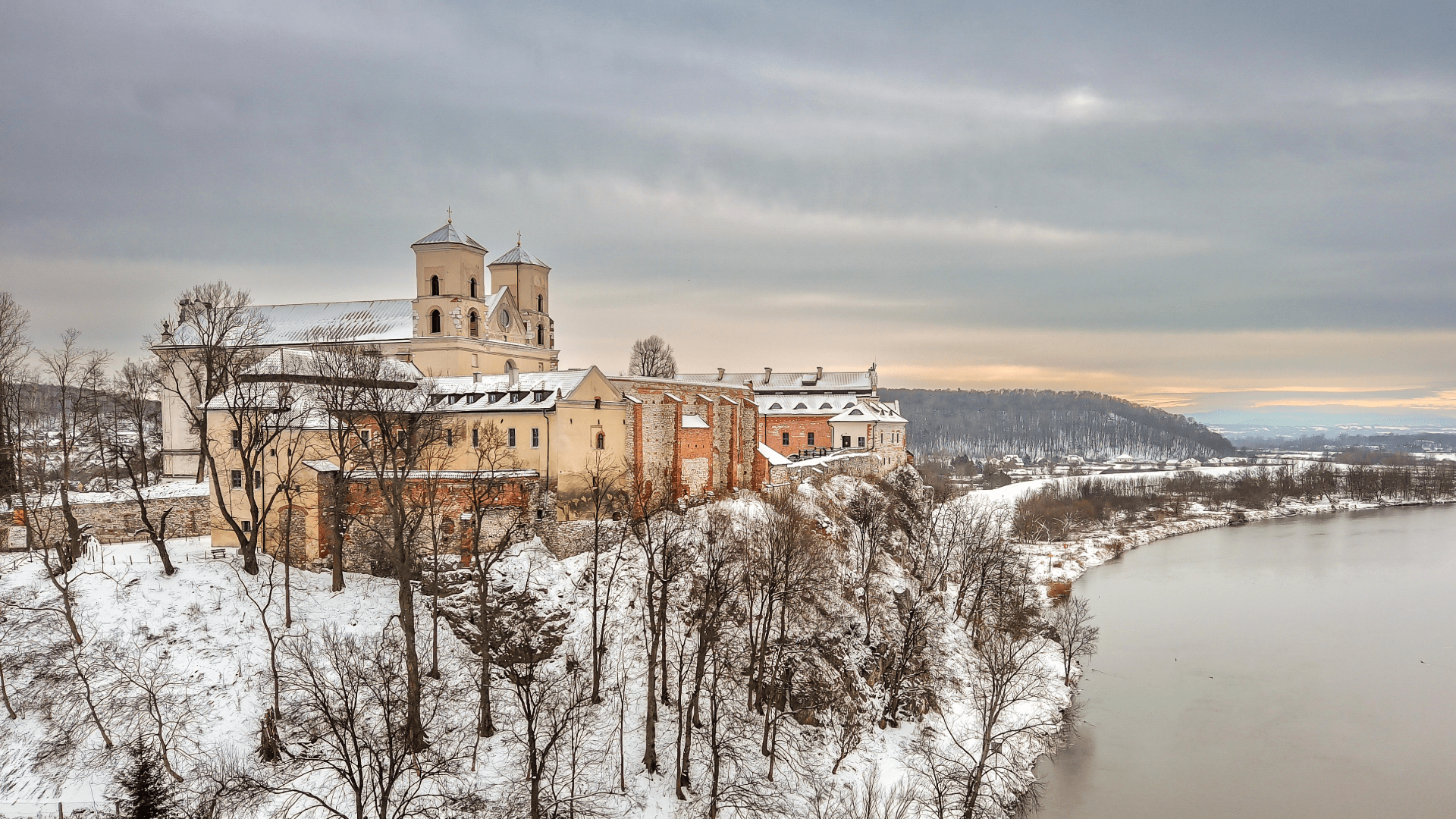
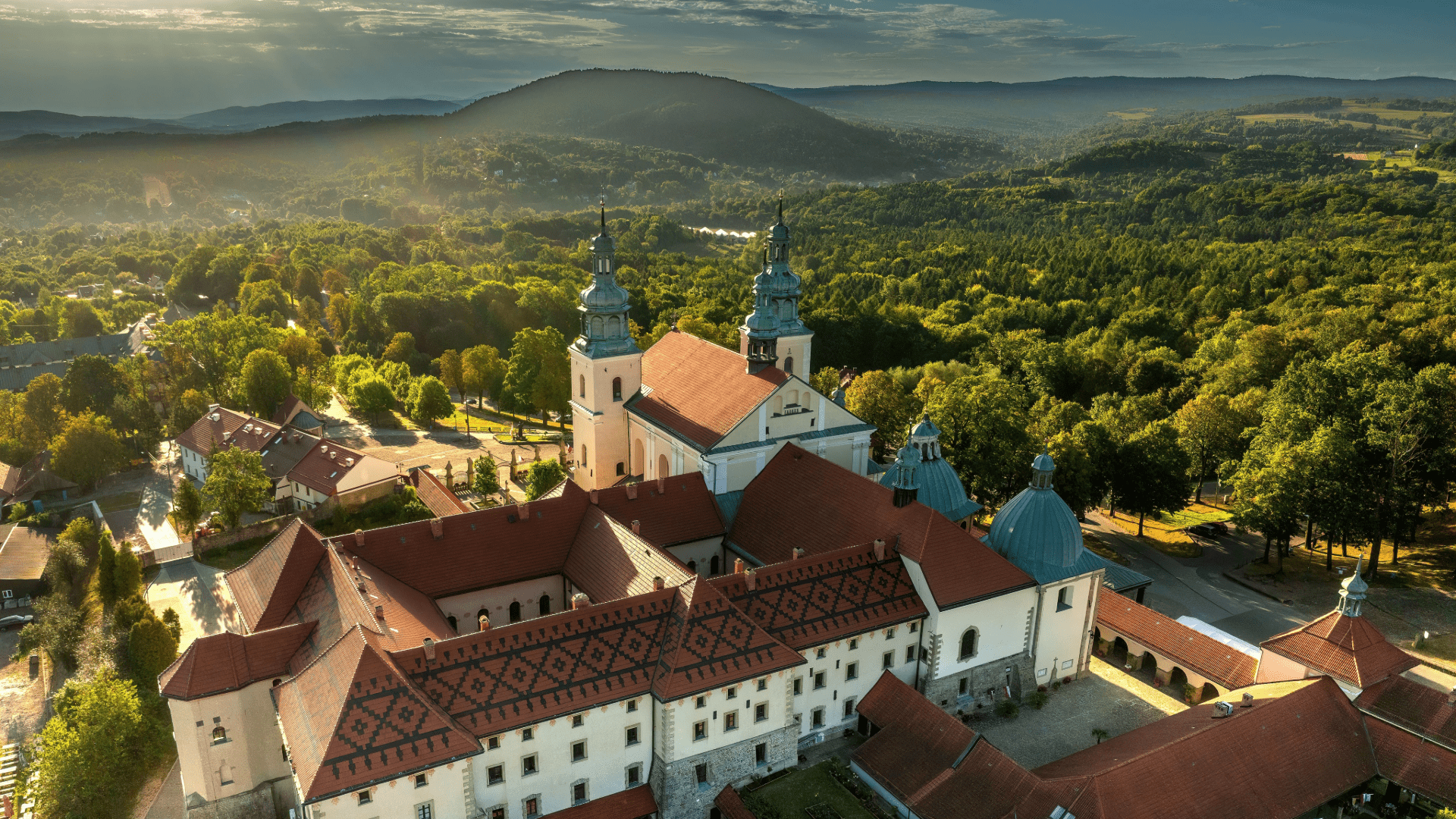
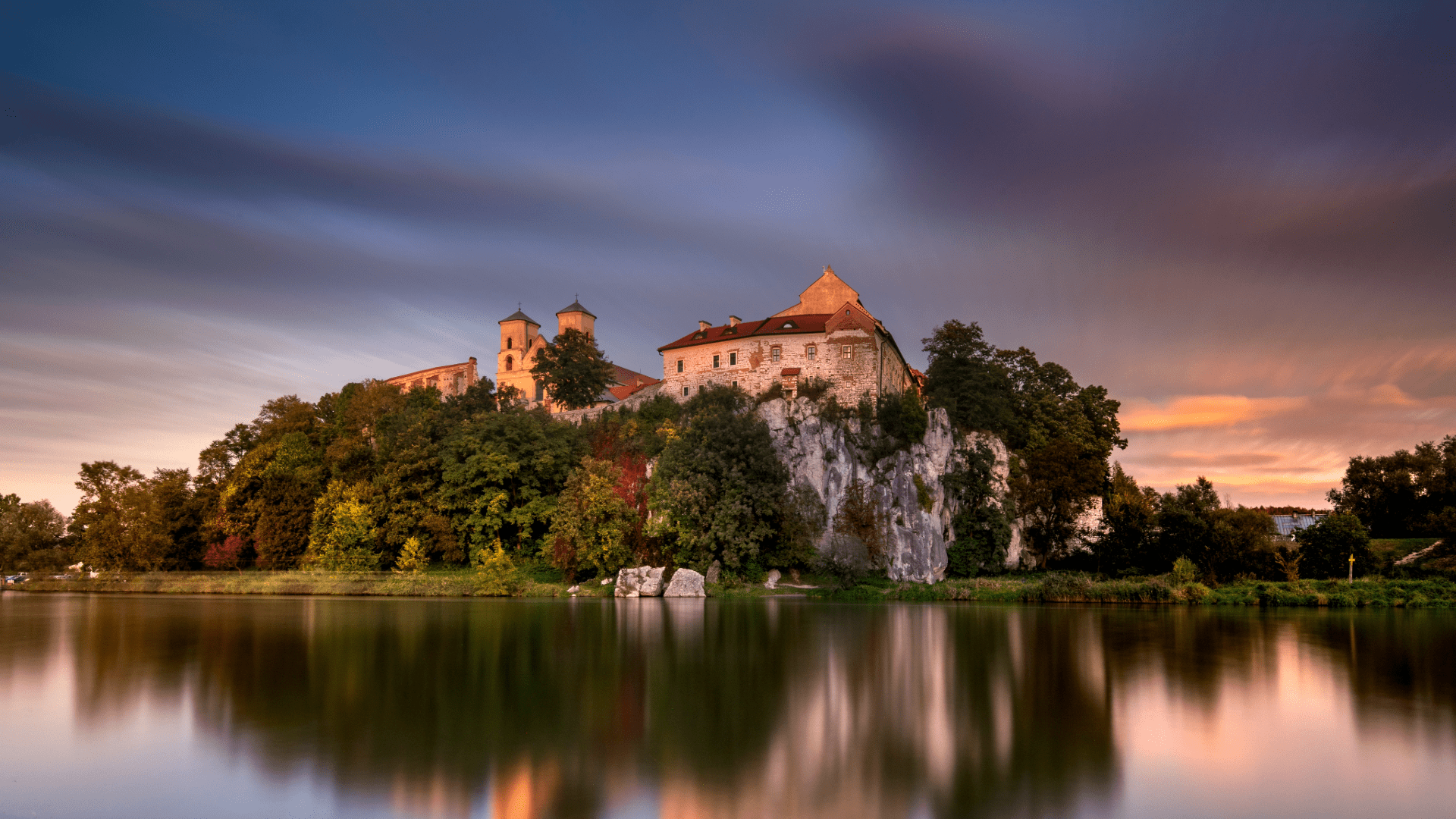
Perched above the Vistula River, Tyniec Abbey is Poland's oldest monastery, nearly one thousand years old. The site features a Gothic cloister and Romanesque crypts dating back to the 11th century. Tyniec combines ancient spirituality with modern tourism trends, appealing to those seeking spiritual retreats and slow travel. Visitors can stay in the abbey's Guest House and join workshops exploring the Benedictine way of life. The Museum of Tyniec Abbey displays liturgical objects and remarkable Romanesque sculptures. Monks support local traditions through artisan products like honey, herbal tinctures, and locally brewed beer. This approach sustains heritage while integrating the abbey with the surrounding community and economy.
Embark on Your Journey of Faith
The pilgrimage route linking Krakow, Wadowice, and Częstochowa offers a full view of Poland's rich spiritual heritage. It combines the historical power of sites like Wawel and Jasna Gora with modern devotion tied to St. John Paul II and the Divine Mercy cult. This living tradition remains vibrant, adapting to new forms of pilgrimage and modern, outward-focused centers. Don't let travel planning distract from your spiritual journey. Book an expert-guided tour through Poland's most meaningful spiritual landscapes. Contact Hello Cracow Tours today to arrange a personalized pilgrimage or cultural heritage experience.