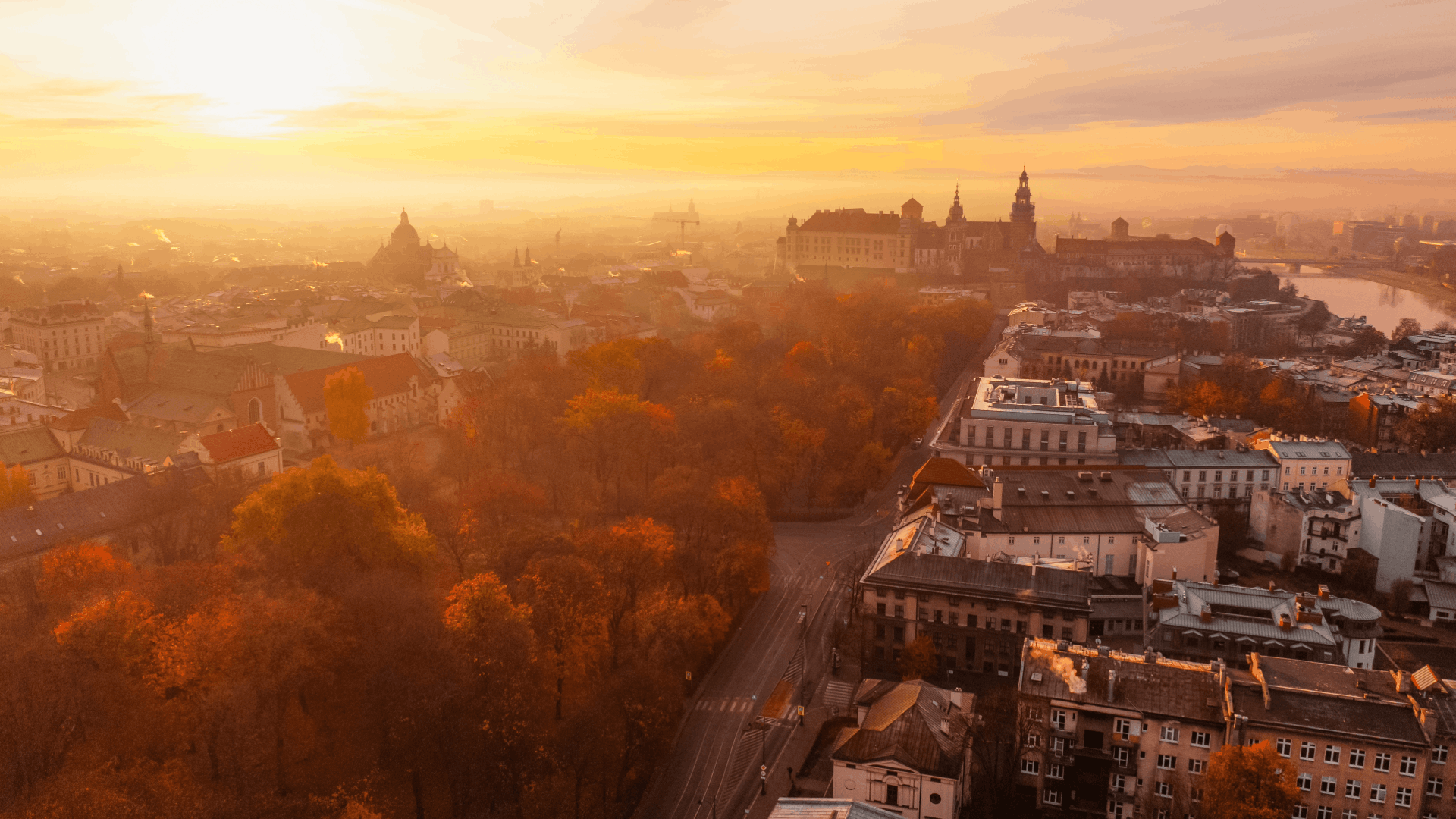




Krakow in July: A Kaleidoscope of Culture and Celebration
If you're planning a summer trip to Poland, July is arguably one of the best times to experience Krakow at its absolute peak. With average daytime temperatures ranging between 24°C and 28°C (75°F–82°F), extended daylight lasting until nearly 9 PM, and dozens of cultural events taking place across the city, Krakow transforms into one of Europe's most vibrant summer destinations. This month brings a packed calendar of festivals, open-air concerts, jazz performances, street theatre shows, food events, historical reenactments, and cultural celebrations. Whether you're exploring the medieval streets of the Old Town, relaxing by the Vistula River, or discovering the atmosphere of Kazimierz, there's always something happening around the next corner.
What makes July particularly special is the way the entire city becomes a stage. Events are no longer confined to museums and concert halls. Historic courtyards, palace gardens, market squares, riverside boulevards, and hidden corners of the city regularly host performances, exhibitions, and community gatherings. It's a month when Krakow's rich history and modern cultural scene blend seamlessly together. If you're searching for a destination that combines over 1,000 years of history, world-class cultural events, and an energetic summer atmosphere, Krakow delivers exactly that.
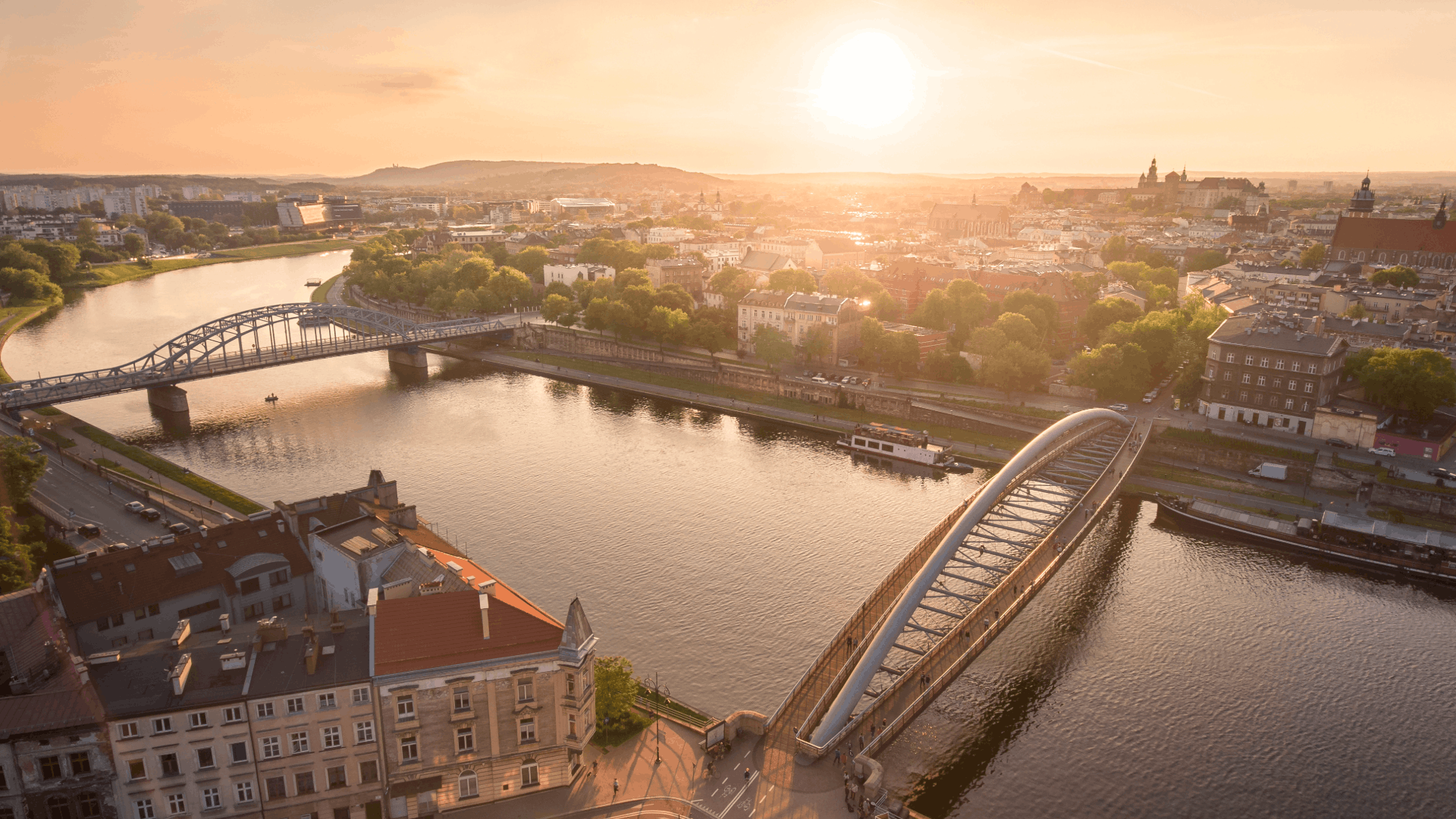
Week 1: Jewish heritage, chamber music, and the start of festival season
July starts with an impressive lineup of cultural events, making the first week of the month one of the most exciting periods to visit Krakow. Whether you're interested in history, live performances, or local traditions, plenty is happening across the city.
- 35th Jewish Culture Festival (July 1–5, 2026) – One of Krakow's most significant annual cultural events, bringing together music, history, workshops, exhibitions, and discussions celebrating Jewish heritage. Hosted in the atmospheric Kazimierz district, the festival attracts thousands of visitors from Poland and abroad every year.
- ULICA Festival (July 3–5, 2026) – International street theatre takes over Krakow's public spaces, transforming squares, streets, and courtyards into open-air stages. Expect acrobatics, visual performances, interactive shows, and creative spectacles throughout the city centre.
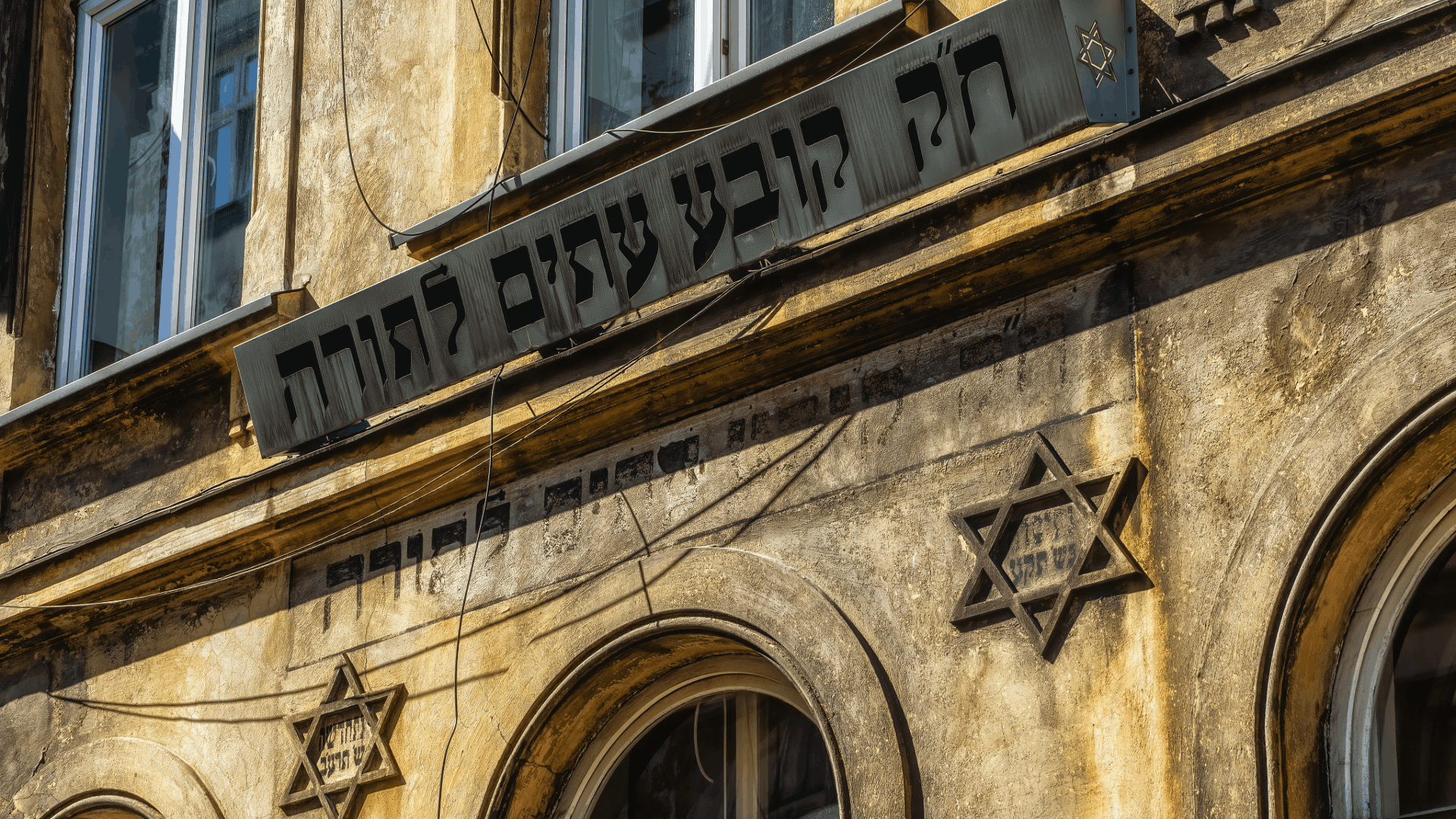
Week 2: Opera elegance
The second week of July in Krakow offers a balanced rhythm of high-culture performances, open-air festivals, and relaxed summer experiences, making it ideal for travellers who want both structure and freedom in their itinerary.
- Royal Opera Festival 2026 (until July 18, 2026) – One of the highlights of Krakow's summer cultural calendar, offering world-class opera performances in prestigious venues. A perfect choice for travellers looking to experience a refined and unforgettable evening in the city.
- ULICA Festival – Part Two (July 10–12, 2026) – Krakow's renowned street theatre festival returns for a weekend of creative performances, visual spectacles, and interactive shows across the city centre. Ideal for visitors who enjoy discovering culture while exploring Krakow's historic streets.
- Summer Jazz Festival Krakow 2026 (throughout July) – One of Europe's largest jazz festivals, featuring concerts in clubs, theatres, courtyards, and outdoor venues across the city. Whether you're a dedicated jazz enthusiast or simply looking for a unique evening experience, the festival offers performances almost every week throughout July.
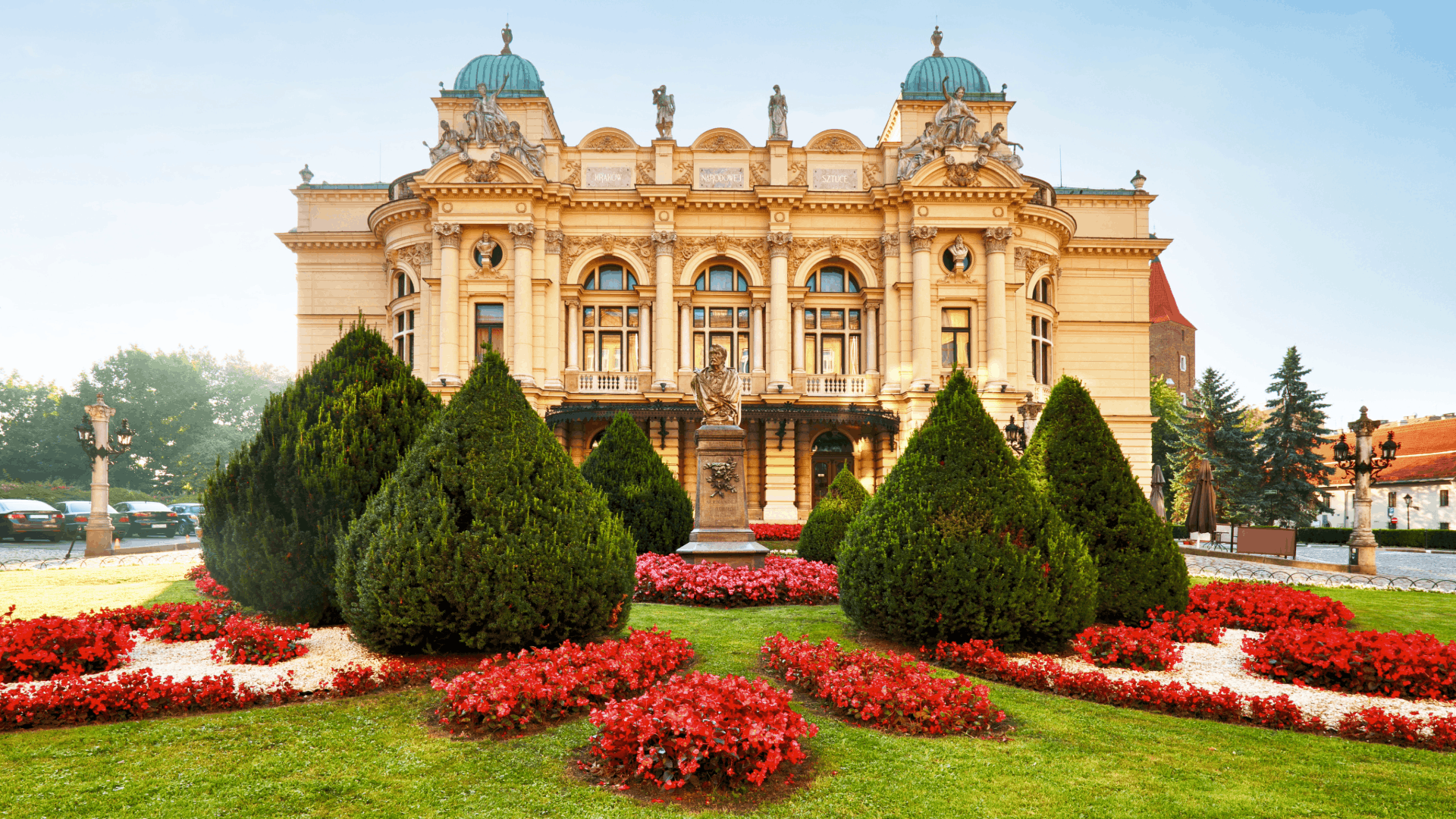
Week 3: Jazz energy and historic dance
Mid-July in Krakow brings a clear shift in atmosphere, with the city leaning into music, creativity, and open-air cultural experiences that feel both energetic and deeply rooted in tradition.
- 20th Night of Jazz (July 18, 2026) – One of the most important jazz events of the summer, made even more special by its connection to 100 years of jazz in Krakow. Concerts and live performances take place across multiple venues, turning the entire city into a stage for improvisation, rhythm, and late-night culture.
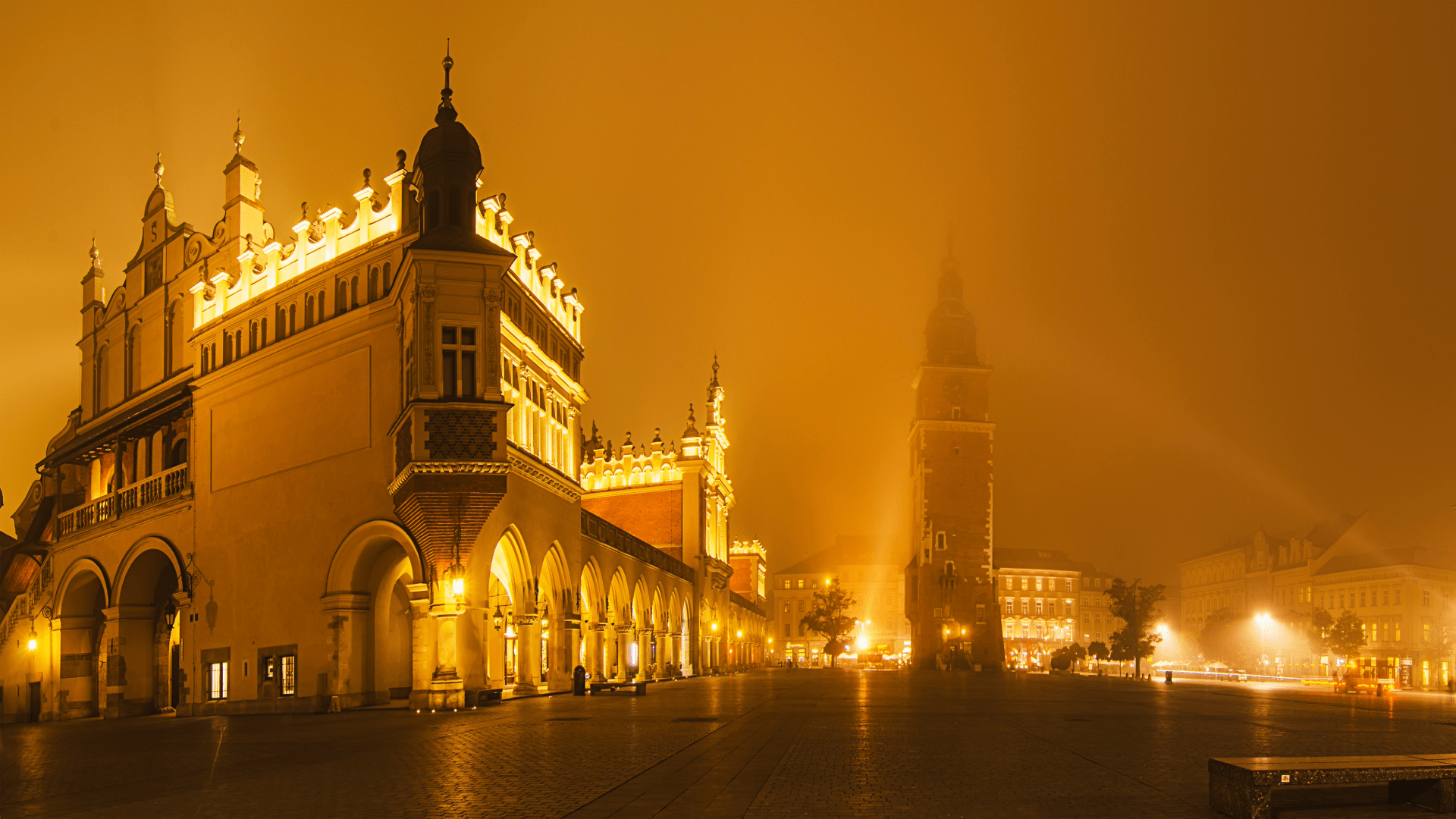
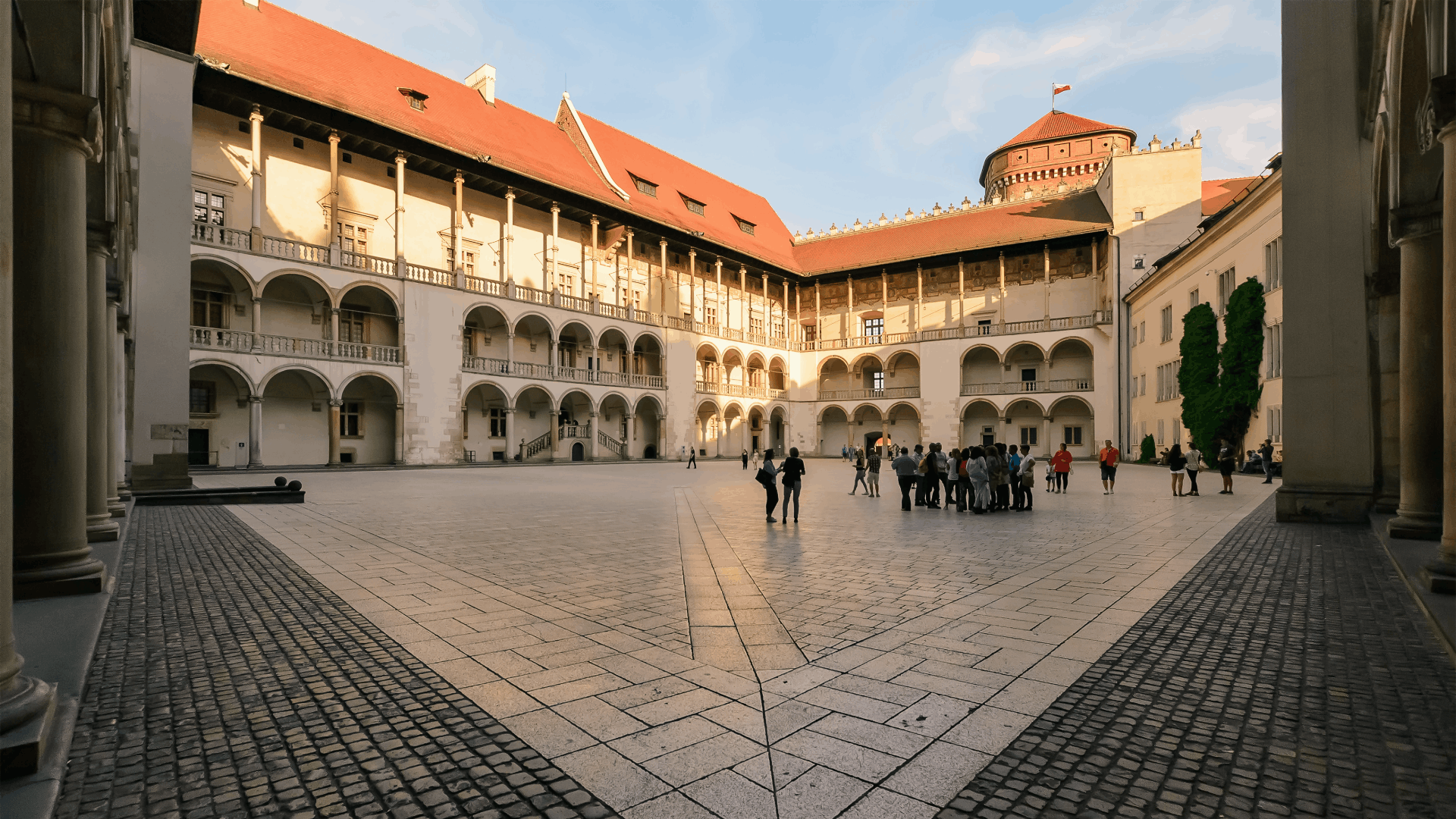
- 27th Cracovia Danza Court Dance Festival (July 18–26, 2026) – A uniquely Krakow celebration of historic court dance, combining elegant choreography, period costumes, workshops, and performances in iconic locations such as Wawel Castle and the Main Market Square. It’s one of the few festivals that directly connects visitors with the city’s royal heritage in such a visual and interactive way.
Week 4: Big music weekends, local heritage, and food events
The last full week of July is widely considered the peak of Krakow's summer season. With major music festivals, one of the city's biggest food events, and cultural celebrations taking place over the same weekend, it's an excellent time to experience Krakow at its most vibrant.
- Erste Summer Sounds 2026 (July 24–25, 2026) – One of Poland's largest contemporary music festivals, with Krakow hosting the opening stop of the 2026 tour. Featuring leading Polish and international artists, it's a must-visit event for music lovers looking for a high-energy summer atmosphere.
- Gastro Miasto Krakow (July 24–26, 2026) – One of Krakow's most popular culinary festivals, bringing together dozens of local restaurants, street food vendors, craft producers, and chefs. It's the perfect opportunity to discover modern Polish cuisine alongside international flavours in a relaxed outdoor setting.
- Imieniny Krzysztofa – Krzysztofory Palace Festival (July 25–26, 2026) – A local cultural festival celebrating Krakow's traditions through exhibitions, workshops, live demonstrations, and performances. The 2026 edition focuses on craftsmanship and the city's working heritage, offering visitors an authentic glimpse into Krakow's history beyond the main tourist attractions.

What do locals do in Krakow in July?
While July is packed with festivals and major events, locals don't spend every weekend rushing from one attraction to another. Instead, they make the most of the long summer days by combining Krakow's cultural calendar with simple outdoor experiences that define the season.
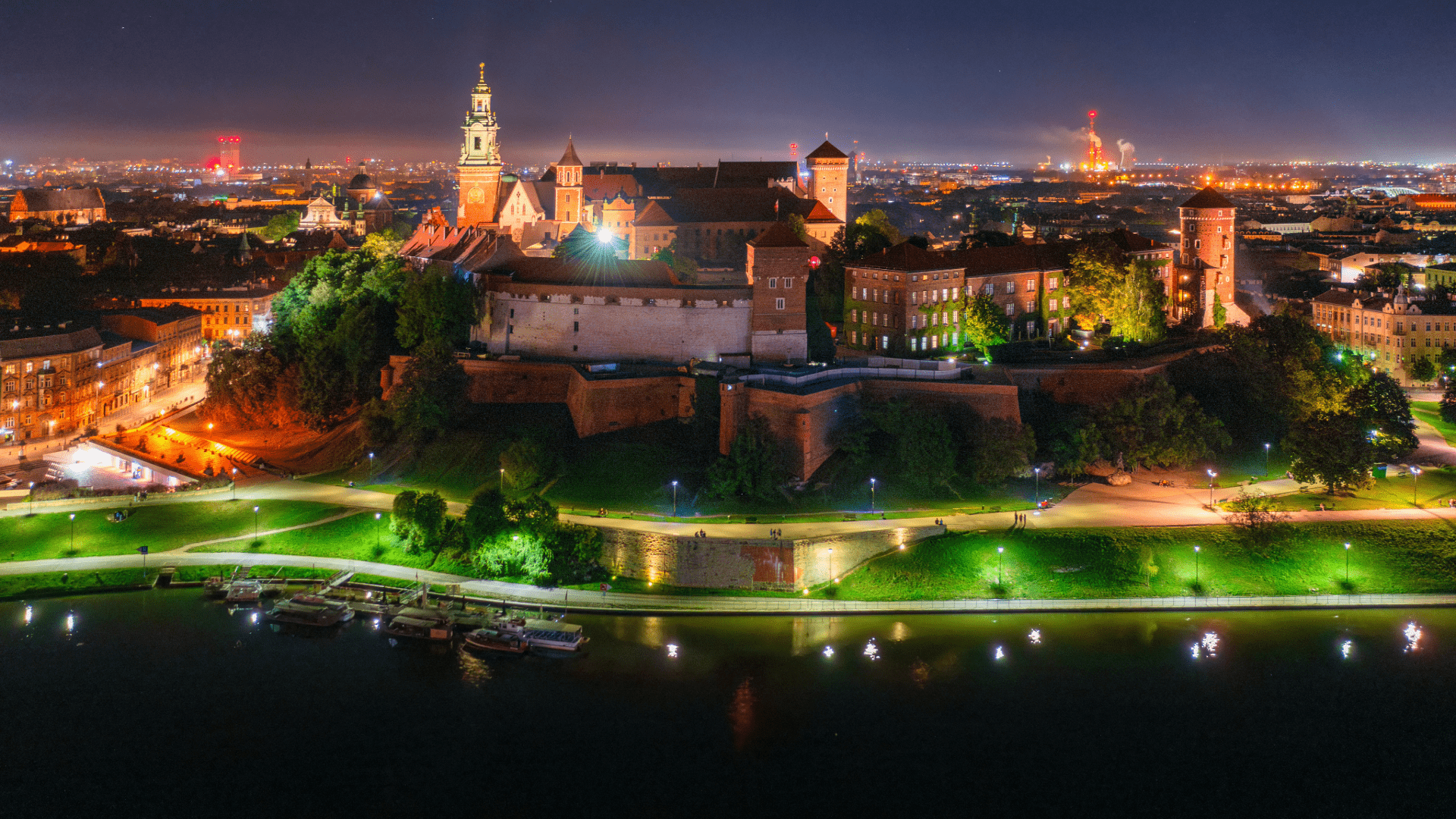
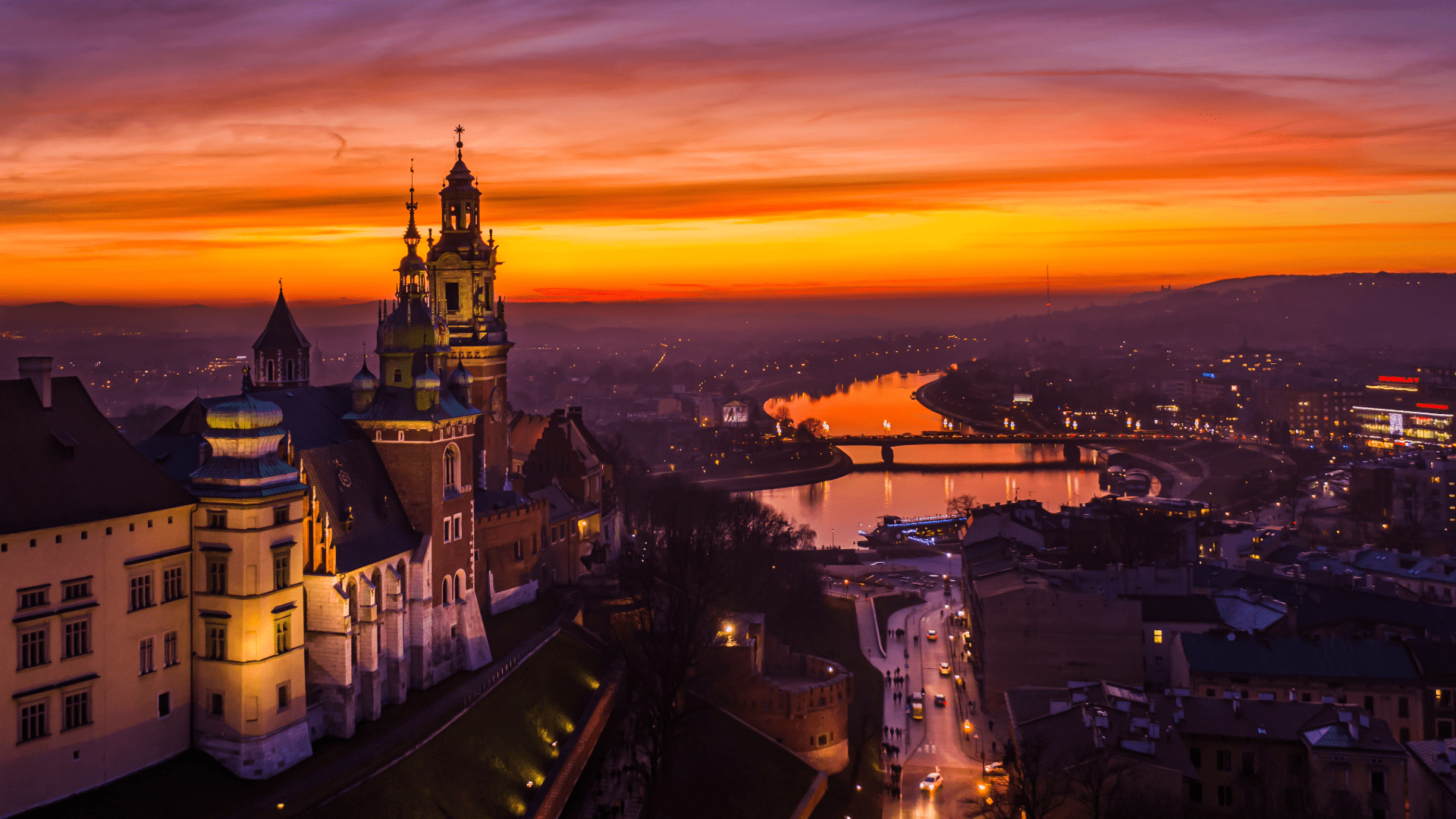
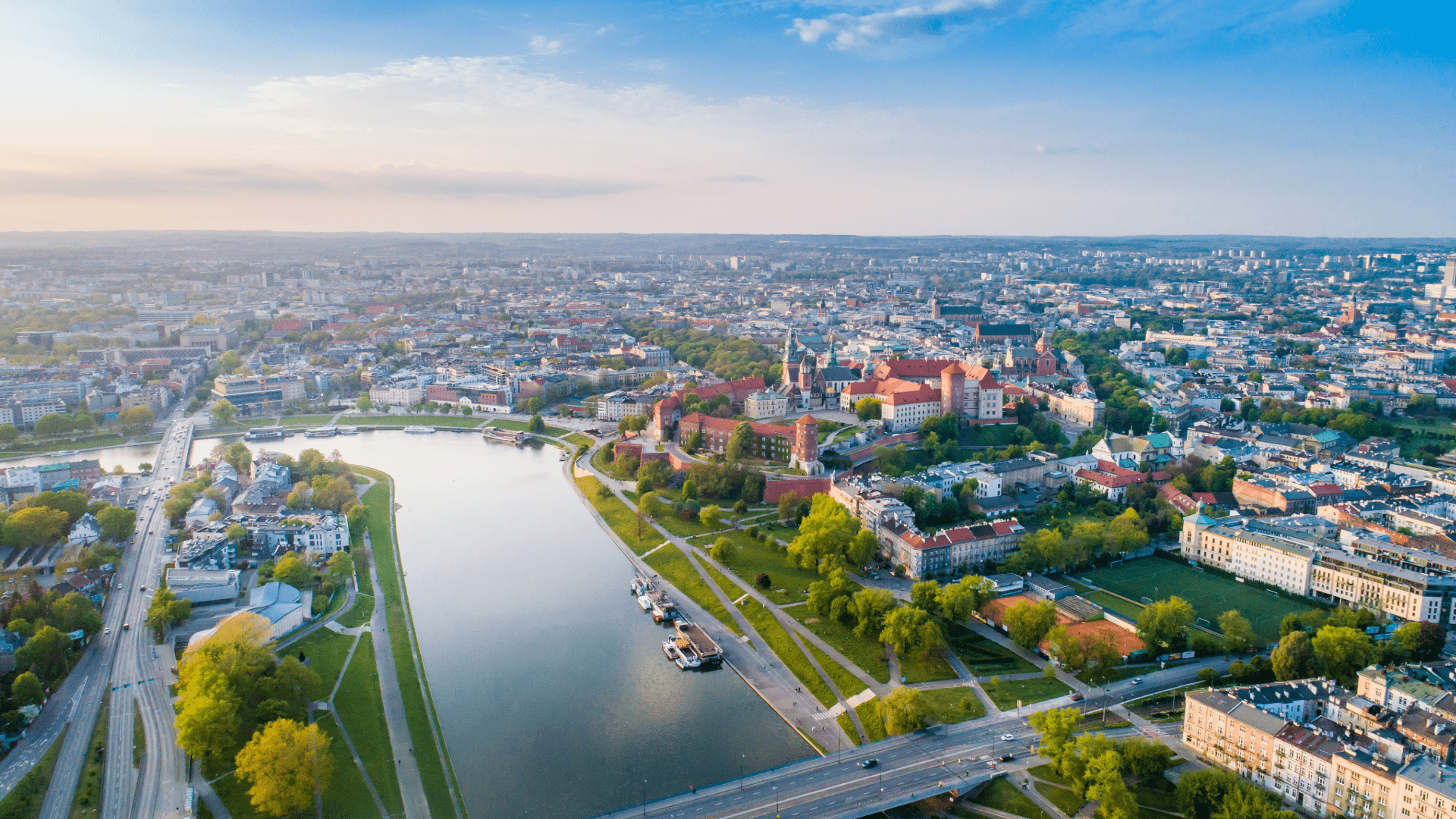
One of the most popular places to unwind is the Vistula Boulevards, where residents gather after work for evening walks, cycling, picnics, or drinks at riverside bars. As the temperature cools after sunset, the area fills with people watching the boats, listening to live music, or simply enjoying views of Wawel Castle illuminated against the night sky.
Many locals also head to Planty Park, the 4-kilometre green belt surrounding Krakow's Old Town. Early mornings are ideal for a peaceful walk or coffee before the city becomes busy, while evenings bring runners, families, and friends meeting under the shade of centuries-old trees. When it comes to food, summer is the perfect excuse to spend hours in Kazimierz, Krakow's historic Jewish Quarter. Rather than planning a full itinerary, locals often enjoy a relaxed lunch on a terrace, browse independent shops and galleries, and stay into the evening as cafés, cocktail bars, and live music venues come to life.
Warm July evenings also mean spending more time outdoors. Seasonal beer gardens, rooftop bars, and open-air cinemas become popular meeting spots, while food markets and weekend events create a lively atmosphere across different neighbourhoods — not just in the city centre. Another local habit is escaping the crowds for a day. Many residents use July weekends to explore
Ojcow National Park, or take a day trip to
Zakopane and the
Tatra Mountains, where cooler temperatures and mountain scenery provide a refreshing break from the summer heat.
Beyond the city: Summer day trips
Sixteen hours of daylight provide the perfect opportunity to venture beyond the city limits. While Krakow has plenty to offer, the surrounding region of Lesser Poland holds some of the country’s most iconic landscapes and historical sites, all easily accessible for a full day of exploration.
Tatra Mountains Adventure & Quad Biking
The arrival of summer marks the beginning of the best season for mountain exploration. A trip south to the Tatra Mountains allows you to swap the city heat for the fresh, alpine air of the highlands. For those seeking an adrenaline rush, a guided quad biking session through the wild trails of Podhale offers an exhilarating way to see the mountains from a different angle.
Wieliczka Salt Mine
If the July afternoon temperatures become too intense, descending 135 meters below ground into the Wieliczka Salt Mine offers a refreshing, natural reprieve. The mine maintains a constant, cool temperature of around 14°C (57°F) year-round. Exploring the vast salt chambers and the stunning St. Kinga’s Chapel is a surreal experience that feels like stepping into a subterranean kingdom, providing a unique contrast to the summer sun above.
Auschwitz-Birkenau Memorial and Museum
Long days also allow for a thoughtful visit to the Auschwitz-Birkenau memorial. Visiting in the early summer provides a different perspective on the site’s vast scale, as you walk through the grounds under a clear sky. It remains a foundational part of any visit to the region, and we recommend checking our comprehensive guide to prepare for the historical and emotional significance of the site.

Master the city with our Guidebook
Navigating the royal capital during its peak cultural season requires more than just a standard map. We have compiled our best local secrets and practical advice into a single, comprehensive resource to help you move through the streets of Krakow like a resident. Our Free Guidebook serves as your personal expert companion, helping you skip the logistical stress and focus entirely on the festivities.
Inside our free guide, you will find:
- Curated dining recommendations: The best hidden garden cafes and authentic local eateries located away from the main tourist crowds.
- Practical transport hacks: A clear guide to using public transport and navigating the city’s historic districts efficiently.
- Cultural etiquette: Essential tips on local customs and traditions to help you feel at home in the heart of Lesser Poland.
- Walking routes: Detailed maps and itineraries for exploring the Old Town and Kazimierz at your own pace.
Why book your July Krakow trip with Hello Cracow?
Krakow in July 2026 offers everything you could want from a European summer city break — world-class festivals, centuries of history, vibrant nightlife, outdoor dining, and unforgettable day trips. From internationally renowned cultural events to riverside evenings and hidden local gems, something is happening almost every day of the month.
Because July is one of Krakow's busiest travel periods, it's worth planning ahead. The most popular attractions, including the Wieliczka Salt Mine, Auschwitz-Birkenau, and Zakopane day trips, often sell out days or even weeks in advance. Festival weekends also bring larger crowds, making early bookings the best way to secure your preferred experiences. At Hello Cracow, we've found that the most memorable trips aren't built around ticking off attractions — they're about creating the right balance. A morning exploring Krakow's UNESCO-listed Old Town, an afternoon tasting local cuisine in Kazimierz, an evening at a jazz concert or festival, followed by a day trip into the mountains or underground salt chambers. That's what makes a summer visit to Krakow truly unforgettable.
Ready to discover Krakow in July 2026? Browse our tours or get in touch with the Hello Cracow team to create a personalised itinerary and experience the very best of the city this summer.