



7 Common Mistakes Tourists Make When Visiting Krakow And How To Avoid Them
Krakow is one of those cities that's easy to enjoy from the moment you arrive. The historic centre is compact, most of the major attractions are within walking distance, and it's hard not to fall in love with the atmosphere. But after talking to thousands of visitors over the years, we've noticed that many people make the same small mistakes.
They're rarely serious enough to ruin a trip. Instead, they're the kind of things that leave you thinking,
"I wish I'd known that yesterday". Booking Auschwitz a little too late, paying more than necessary at an ATM, ending up in an overpriced restaurant just off the Main Market Square, or not realising how tickets and transport work — none of these are disasters, but they can make your visit more expensive or less enjoyable than it needs to be. That's exactly why we put this
guide together. A little local knowledge goes a long way in Krakow, and knowing what to avoid means you can spend less time dealing with the practicalities and more time enjoying the city itself.
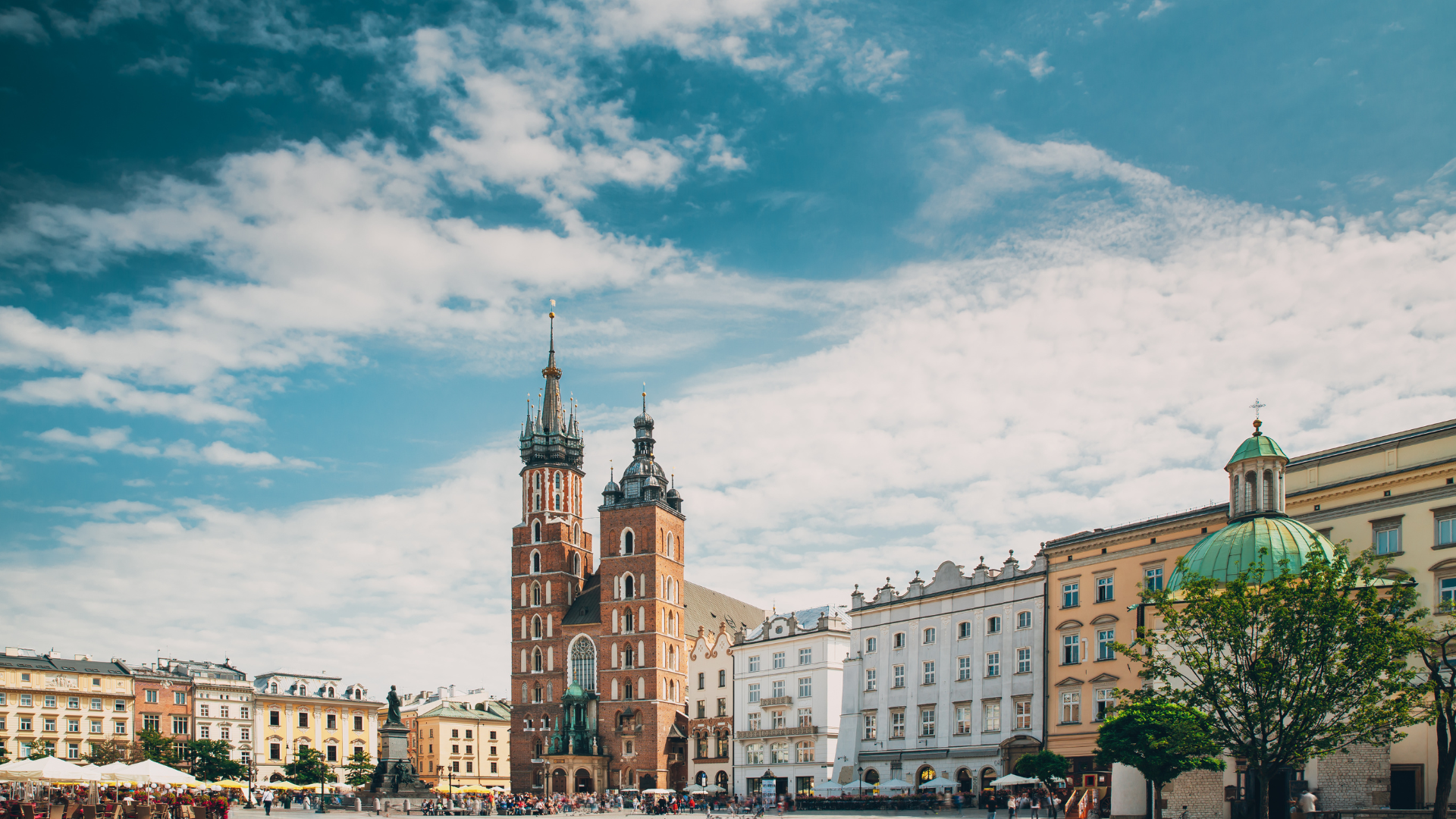
1. Waiting too long to book Auschwitz or Wieliczka
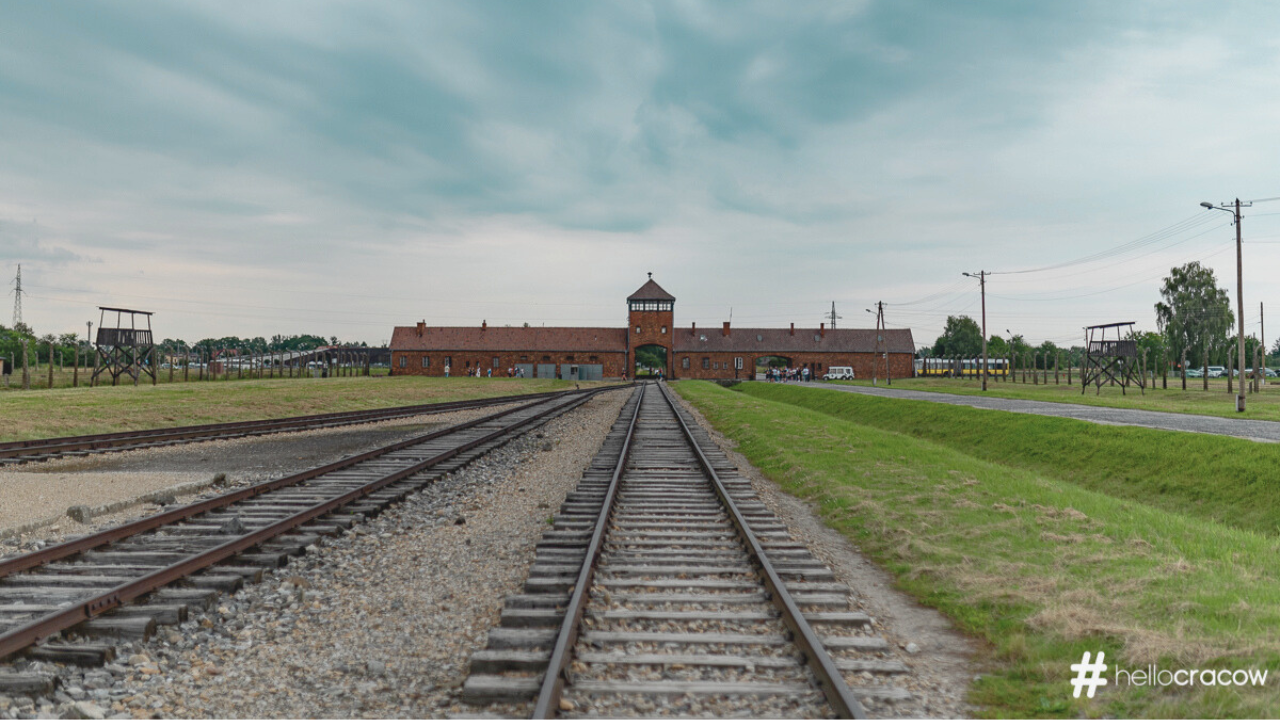
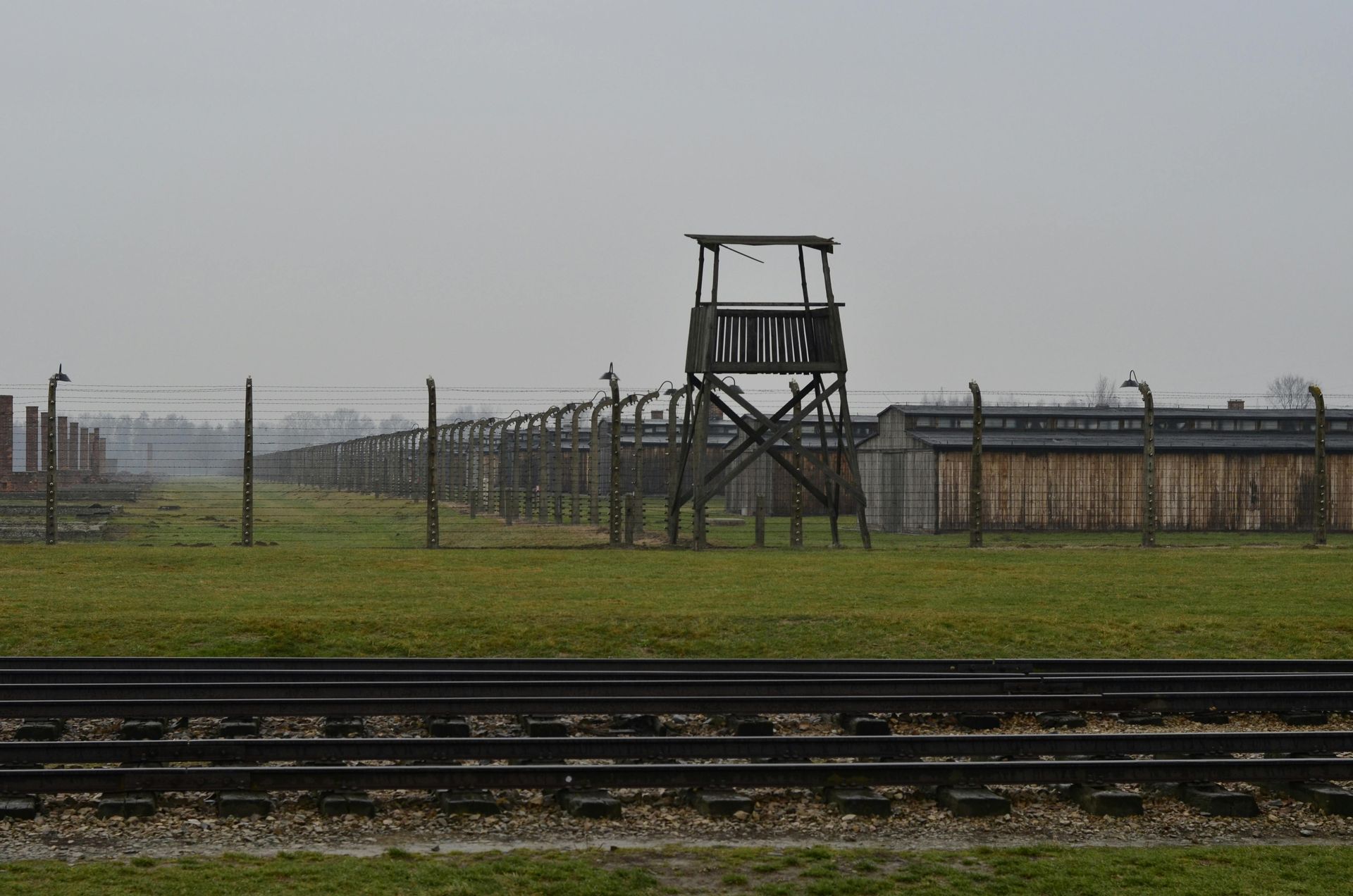
This is probably the mistake we see most often. Many visitors arrive in Krakow assuming they'll book
Auschwitz-Birkenau or the Wieliczka Salt Mine once they've settled into the city. It sounds like a sensible plan — until they discover that the tour they wanted is already full or that the only remaining departure time no longer fits their itinerary.
It's not always about tickets selling out completely. More often, it's the most convenient morning departures, tours in English, or well-organised schedules that disappear first. You might still find availability, but not necessarily at the time or in the language you were hoping for. Our advice is simple: if visiting Auschwitz or Wieliczka is one of the reasons you're coming to Krakow, book it before you arrive. Everything else — walking around the Old Town, visiting Wawel Castle, exploring Kazimierz — can usually be done much more flexibly. These tours are the parts of your itinerary that are hardest to replace at the last minute. Planning them first also makes organising the rest of your stay much easier. Once you know which day your tour is scheduled, you can build the rest of your Krakow itinerary around it instead of trying to squeeze it in wherever there's still space.
If you're comparing options, it's worth checking the official Hello Cracow tours page in advance to see current availability and choose the departure that best suits your plans.
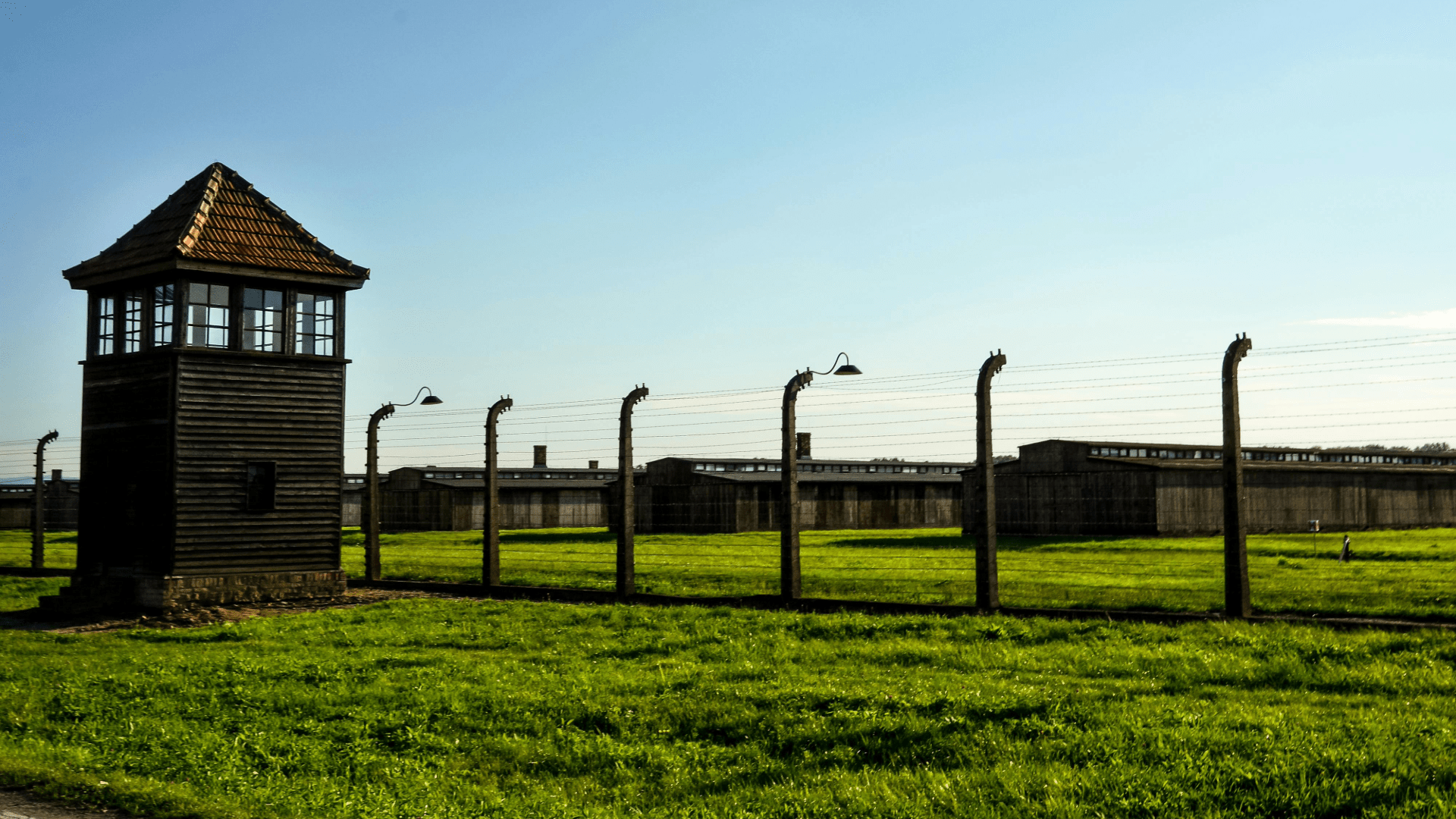
2. Using the wrong ATM or accepting the wrong currency conversion
This is one of those travel mistakes that almost everyone makes at least once. You've just arrived in Krakow, you need some cash, and the ATM asks a simple question:
Would you like to be charged in your home currency instead of Polish zloty? It sounds helpful — after all, seeing the amount in euros, pounds, or dollars feels easier to understand.
In reality, it's usually the opposite of what you want. That option, known as
dynamic currency conversion, often comes with a less favourable exchange rate than the one your own bank or card provider would use. The difference on a single withdrawal might not seem huge, but over the course of a trip it can easily add up, especially if you're withdrawing larger amounts or using the option more than once. We regularly hear from visitors who only realise this after checking their bank statement back home. At the time, choosing their own currency simply felt like the safer option.
A good rule to remember is straightforward: whenever you're paying or withdrawing money in Poland, choose
Polish zloty (PLN) rather than your home currency. In most cases, you'll get a better exchange rate by letting your own bank handle the conversion instead of accepting the one offered by the ATM or payment terminal. It's a small decision that takes just a second, but it can save you an unexpected extra cost during your trip.
3. Assuming every “traditional” restaurant is actually local
Krakow is a fantastic city for food lovers. From pierogi and zurek to regional dishes you may never have tried before, there are plenty of places where you can experience traditional Polish cuisine. The mistake many visitors make is assuming that the most obvious restaurant is automatically the most authentic one.
Around the Main Market Square and other busy tourist streets, it's easy to find restaurants that look exactly how visitors imagine Polish dining should look: wooden interiors, folk decorations, traditional music, and menus full of familiar dishes. Some of these places are great, but others rely more on their location and appearance than on the quality of the food itself. One of the simplest ways to find a better meal is to look beyond the busiest streets. Our guides often notice that visitors have much better experiences when they choose places that locals actually use rather than restaurants designed mainly to catch passing tourists. A few signs can help. Shorter menus often mean fresher preparation and more focus on what the kitchen does best. Seasonal dishes are usually a good indication that the restaurant follows local ingredients rather than serving the same menu all year. And a busy restaurant filled with locals is often a much better sign than a waiter standing outside trying to convince people to come in.
For one of the most authentic and affordable Polish food experiences, don't overlook a
bar mleczny
(milk bar). These simple cafeterias have been part of Polish food culture for decades, serving classic home-style meals at very reasonable prices. You won't find the polished tourist atmosphere here — but you'll find something much more valuable: everyday Polish food the way many locals still enjoy it.
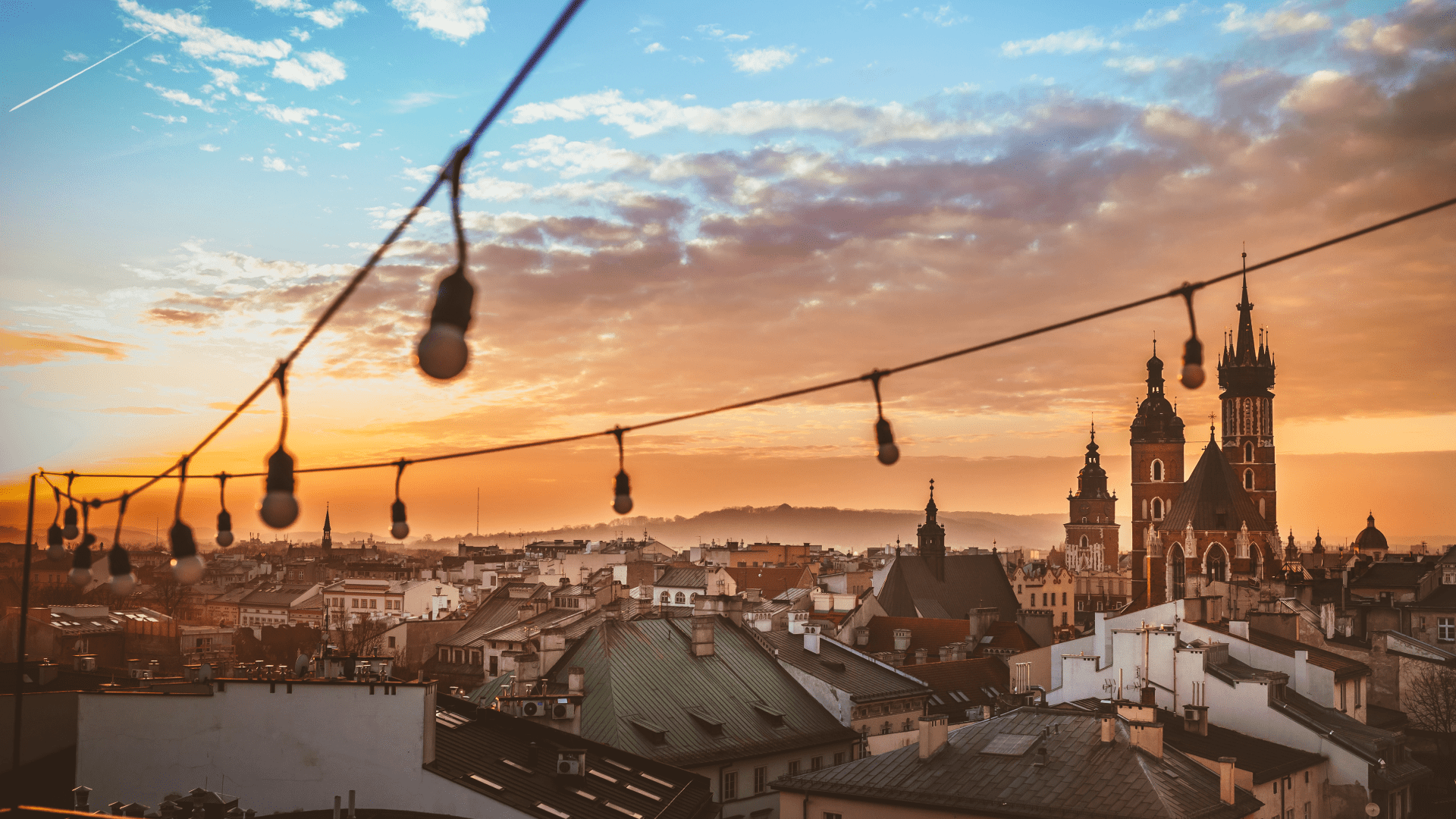
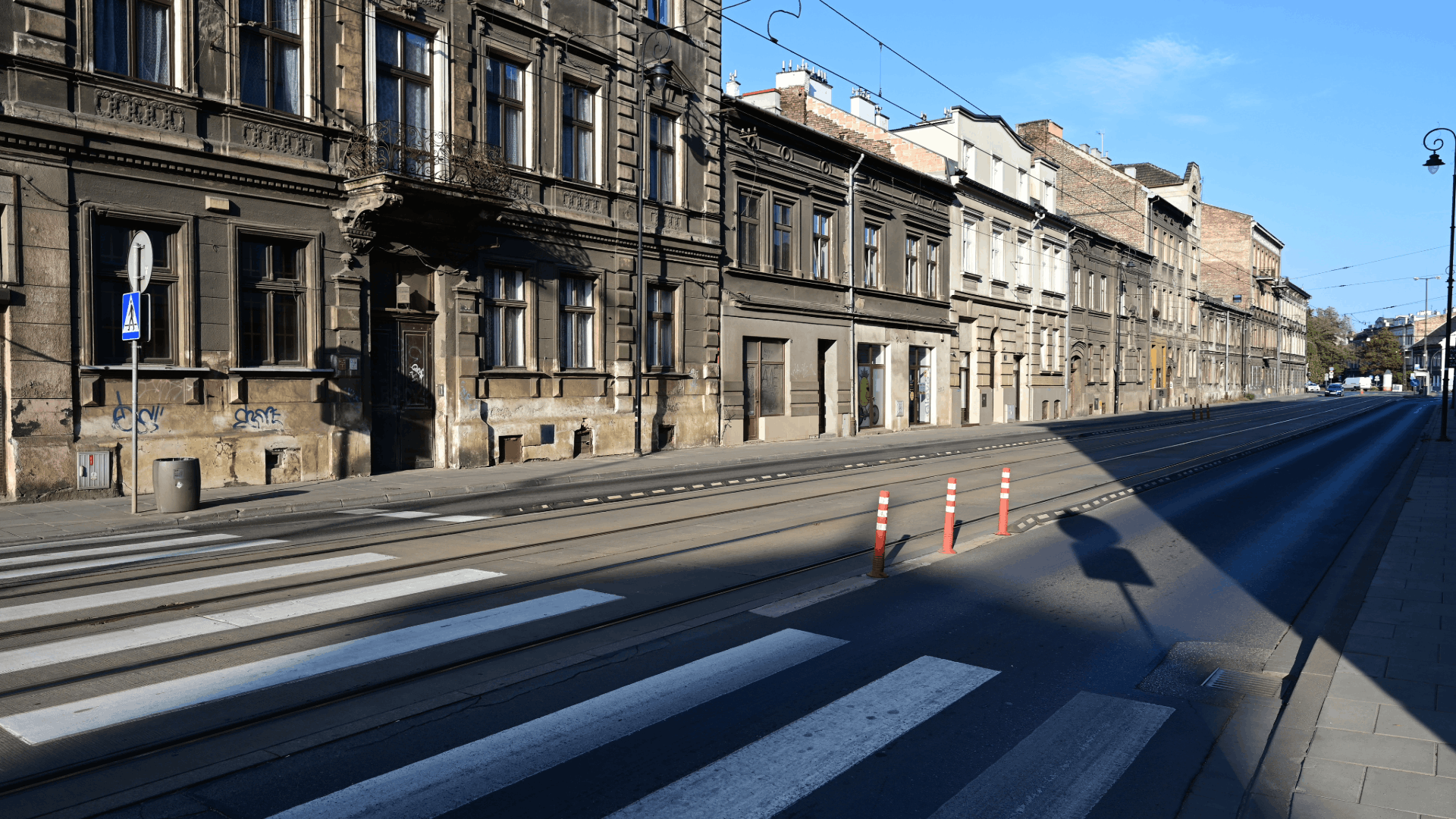
4. Treating pedestrian rules casually
Krakow is a city made for walking. Most of the places visitors want to see—from the Main Market Square and Wawel Castle to Kazimierz and the Vistula boulevards — are close enough to reach on foot. Because of that, many tourists spend hours simply wandering through the streets without ever thinking much about transport.
However, one thing worth remembering is that pedestrian rules in Poland are taken seriously. Many visitors arrive with habits from cities where crossing on a red light is almost automatic, especially when the road appears empty and there are no cars nearby. In Krakow, this approach can lead to an unpleasant surprise. Crossing against a red pedestrian signal or walking across the street outside a designated crossing can result in a fine. The fact that you are a tourist usually does not change the situation — local rules apply to everyone. What feels like a harmless shortcut to a visitor may simply look like breaking a traffic rule from a local perspective. This mistake is especially common around the Old Town, where people are often focused on sightseeing rather than paying attention to crossings. Visitors stop to take photos, follow a group, or rush to the next attraction and forget that busy city centres still have active traffic.
The good news is that avoiding the problem is very simple. Krakow has plenty of
marked pedestrian crossings, traffic lights, and pedestrian areas,
so there is rarely any reason to take unnecessary risks. The city itself is a very walkable place, but walkable does not mean that street rules are optional. Follow the local habits, and exploring the area on foot will be one of the easiest and most enjoyable parts of your visit.
5. Jumping into random unmarked taxis
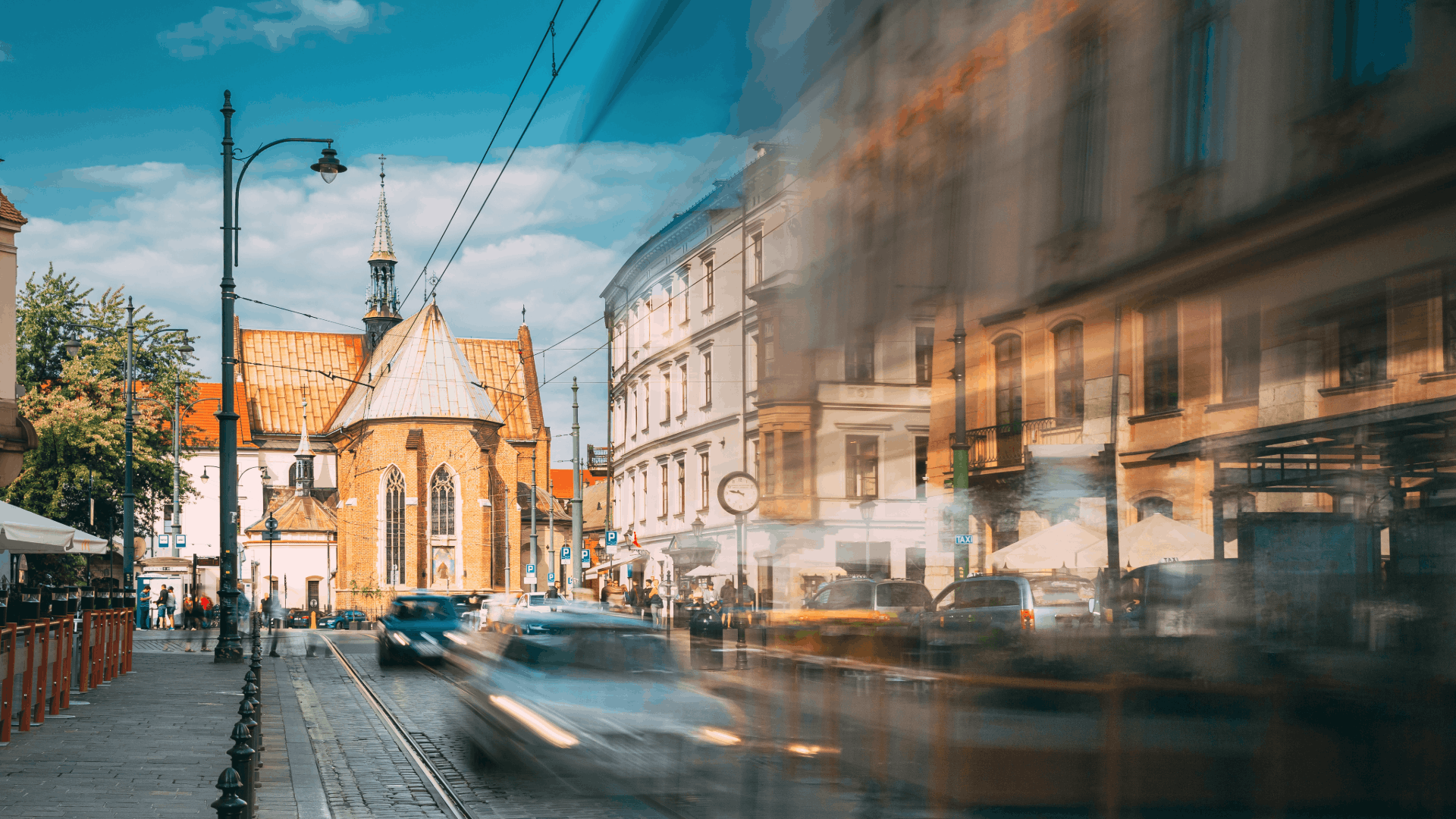
This is one of those travel mistakes that has been around for years, but it still catches visitors off guard. After a long flight, a late-night arrival, or a busy evening in the city, the last thing many people want to do is compare prices or think about transport options. Someone approaches offering a ride, the car is already waiting, and it feels like the easiest solution. That is exactly when problems can happen.
Most taxi experiences in Krakow are completely normal, but choosing a random car from the street — especially one without clear markings or a transparent price system — can sometimes mean paying much more than expected. The issue is not usually getting from A to B; it is the uncertainty about the final cost. The safest approach is simple: use a recognised taxi app, take a licensed taxi from an official stand, or check the estimated price before getting in. A few seconds of preparation can save you from an unpleasant surprise at the end of the journey. This is especially worth remembering when arriving at the airport, train station, or returning late at night from the city centre. These are the moments when tired visitors are most likely to choose the first available option without checking the details.
For the ones who prefer to have everything organised in advance, pre-booked transfers can be a convenient alternative. Services such as
Hello Cracow airport transfers allow you to arrange your ride before arrival, so you can simply meet your driver and start your trip without worrying about transport decisions after a long journey.
6. Thinking Wawel Hill works like one attraction with one ticket
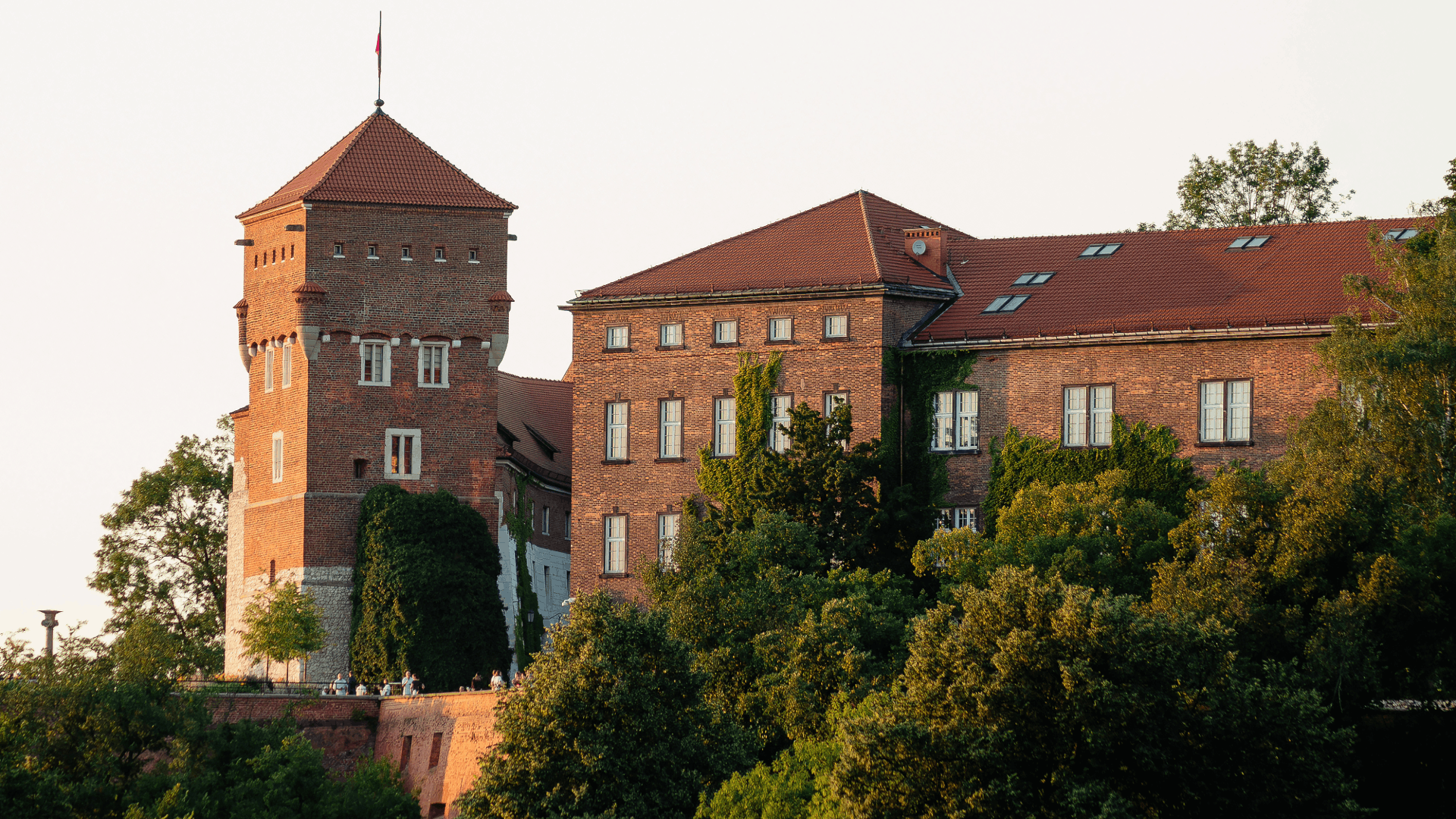
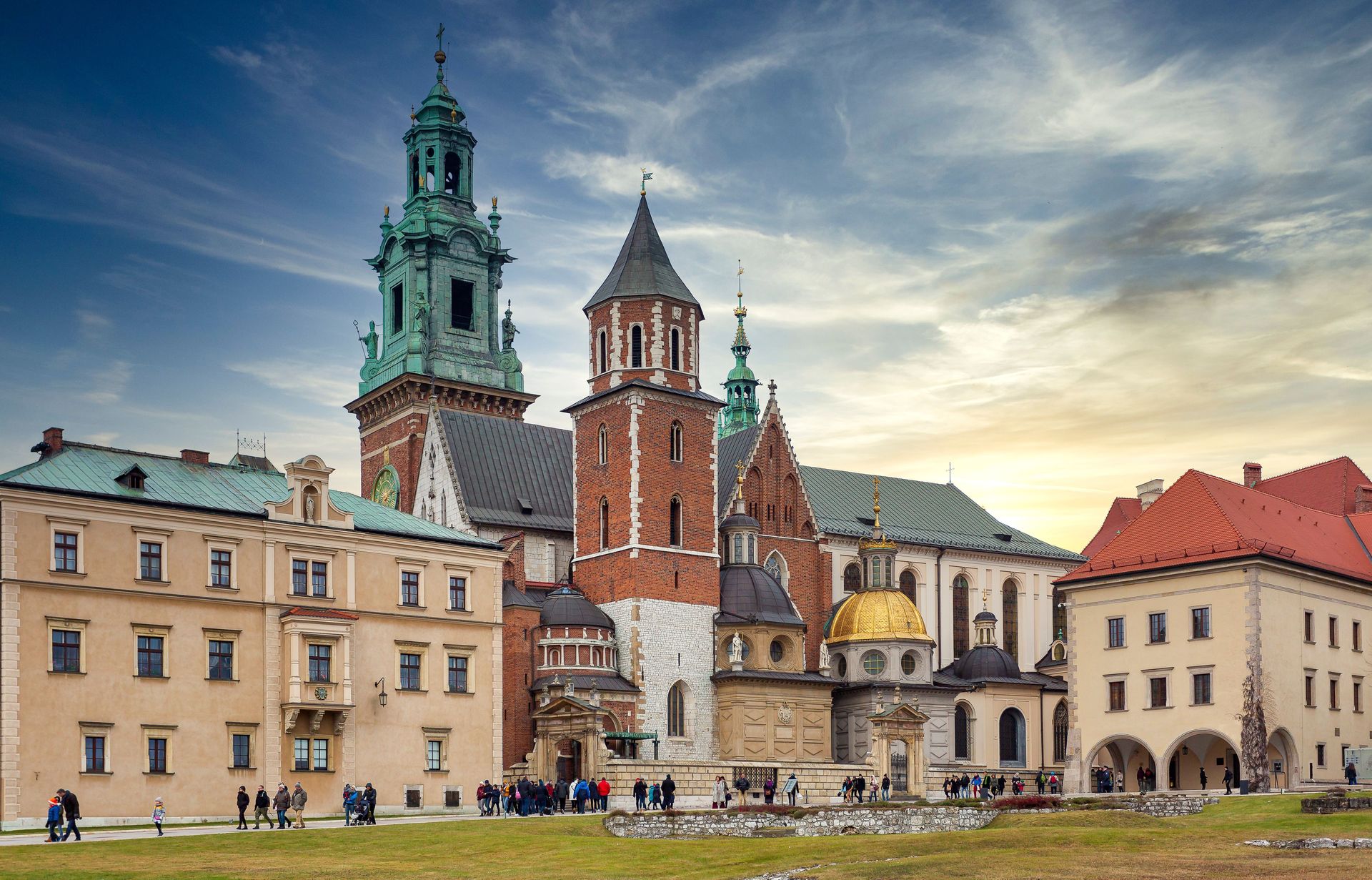
Wawel Castle is one of Krakow’s biggest highlights, but it is also one of the places where visitors most often arrive with the wrong expectations. Many people imagine it works like a typical castle attraction: one entrance, one ticket, one route through the building. In reality, Wawel is much more complex.
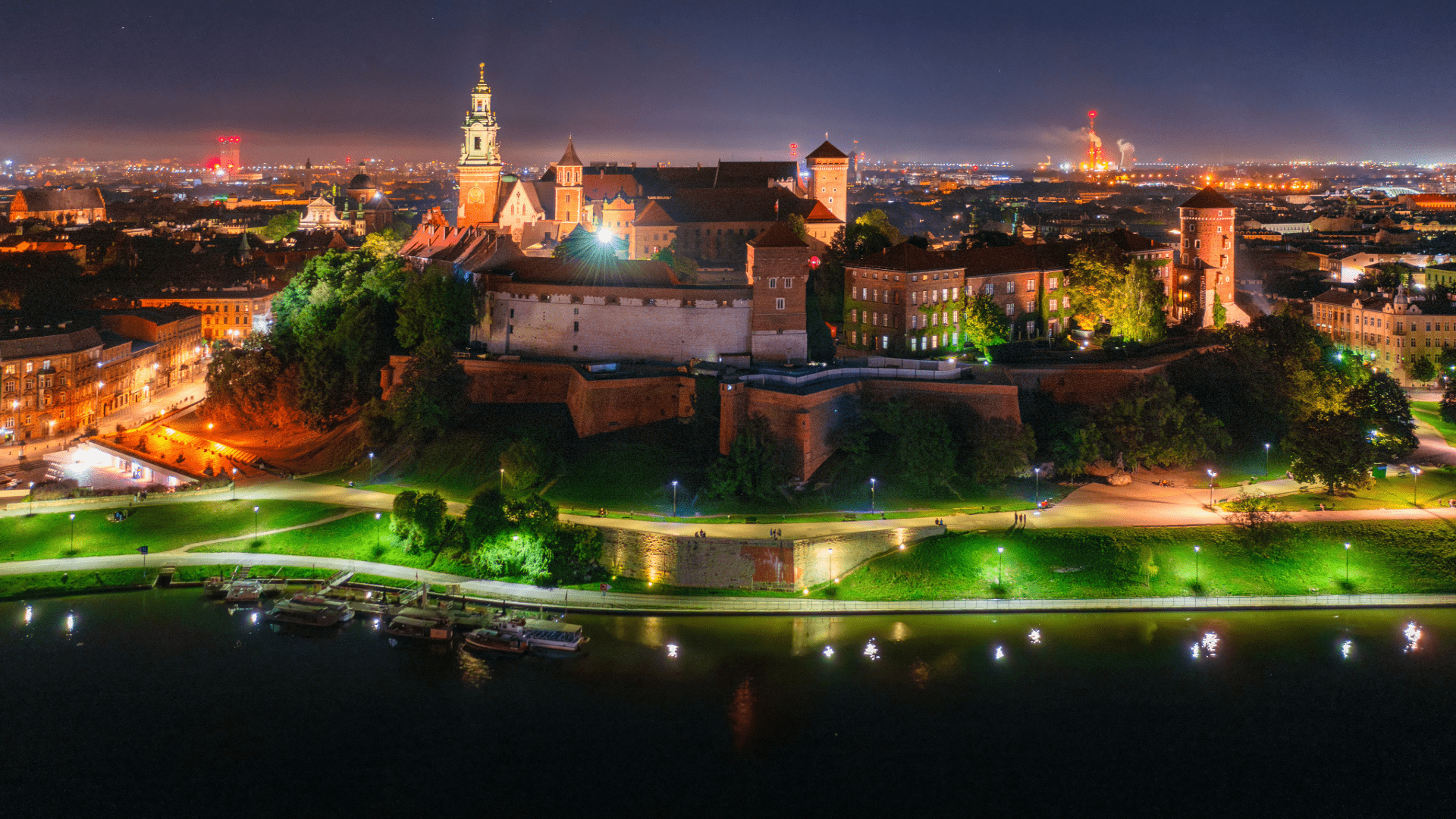
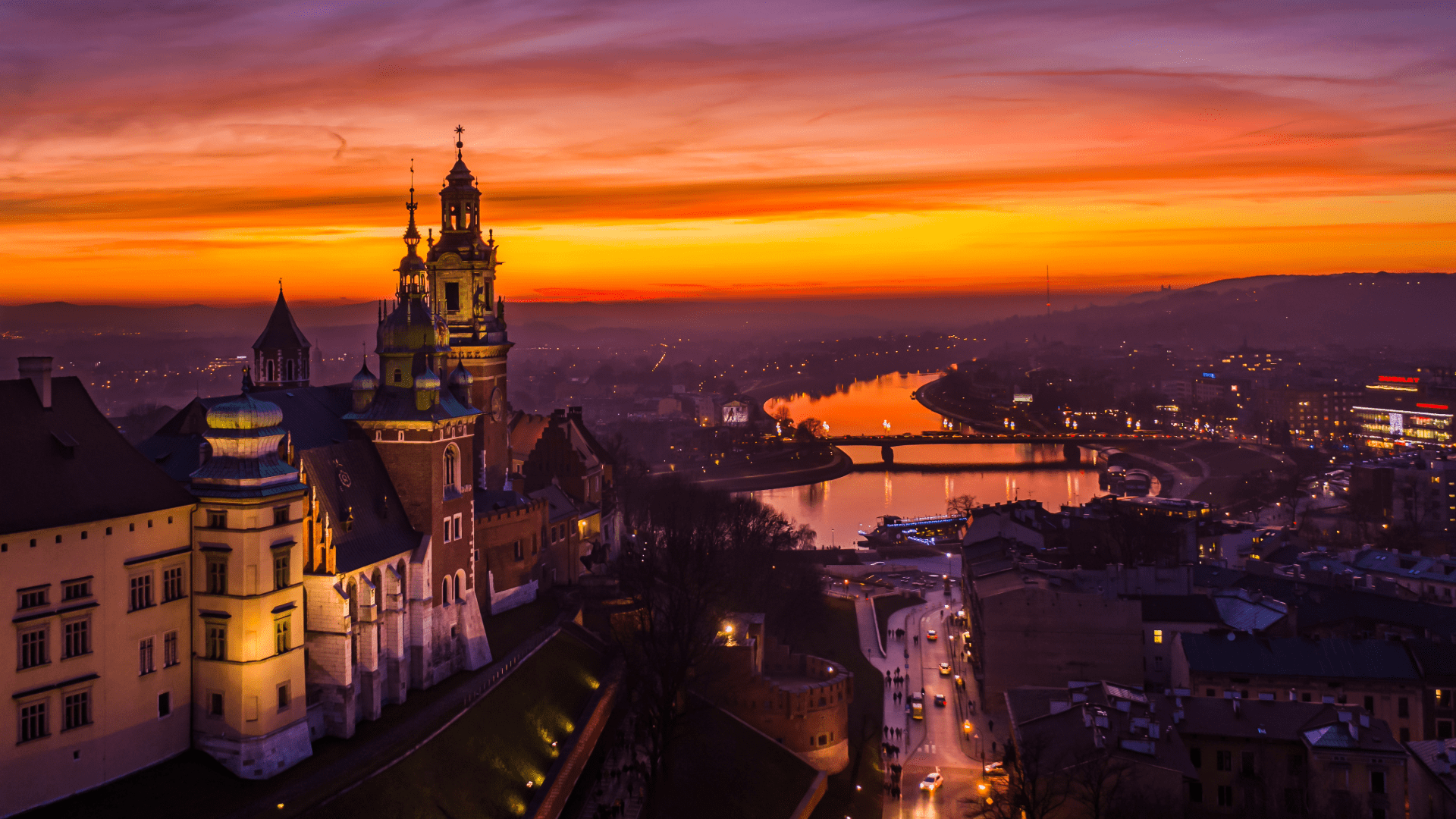
The Wawel Hill area includes several different parts, each with its own purpose, ticketing system, and visiting rules. The castle interiors, State Rooms, private royal apartments, Cathedral, towers, courtyards, and temporary exhibitions are not always included together. Depending on what you want to see, you may need a different ticket or a separate entry. This often leads to a frustrating situation: visitors arrive excited to explore, only to realise that the exhibition they were most interested in requires another ticket, has limited availability, or follows a different visiting schedule. Others spend valuable sightseeing time trying to decide where to go instead of actually enjoying the place. The easiest way to avoid this is to decide beforehand what interests you most. Are you mainly coming to see the royal interiors and learn about Poland’s monarchs? Do you want to visit Wawel Cathedral and its historical tombs? Or would you rather join a guided tour that combines the most important highlights?
Wawel is absolutely worth including in your Krakow itinerary, but it is not the kind of attraction you should approach completely spontaneously. A few minutes of planning beforehand can make the difference between a rushed visit and a much more rewarding experience.
7. Falling for aggressive nightlife promoters
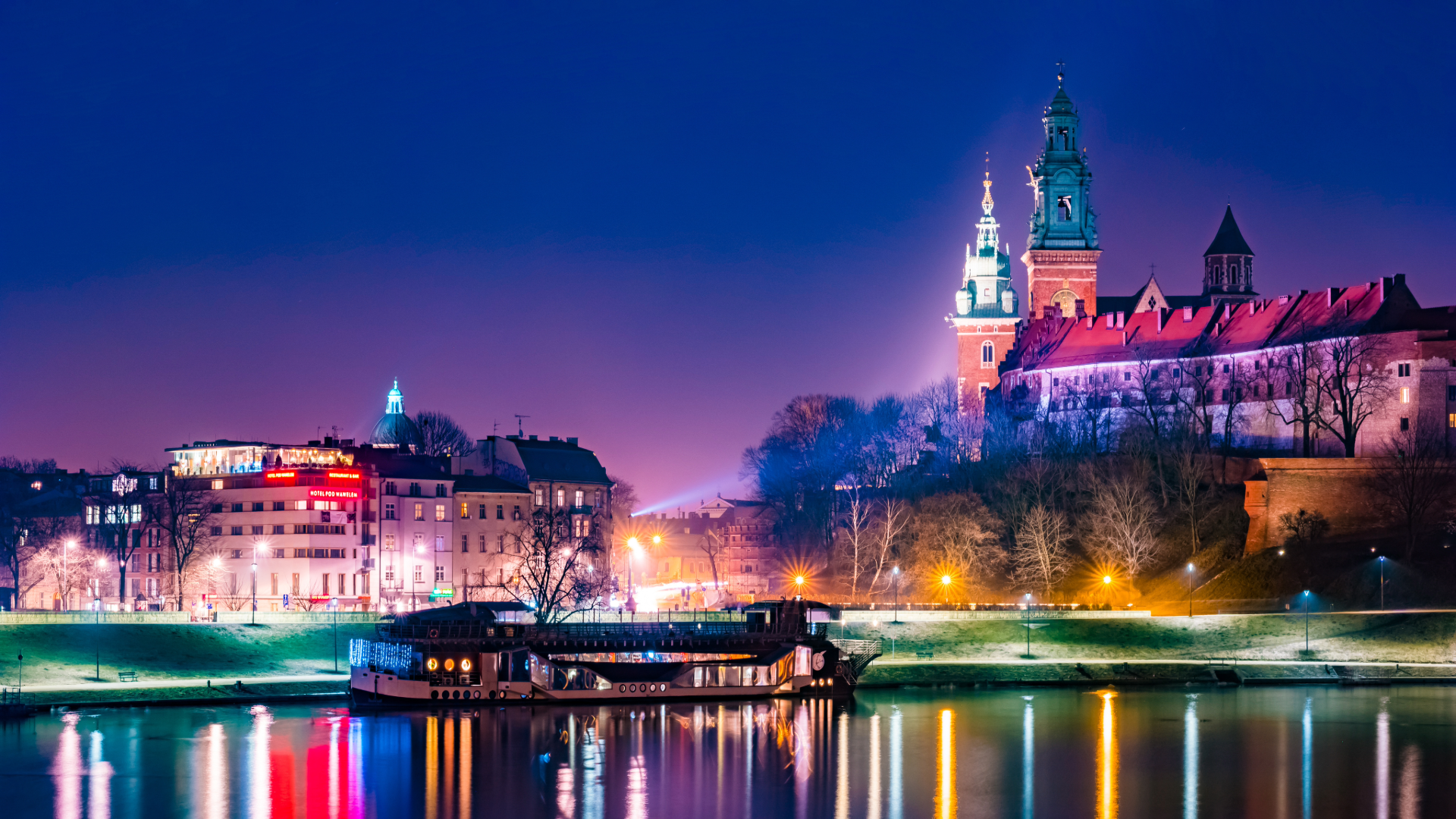
Krakow has a lively nightlife scene, with plenty of great bars, pubs, and clubs to choose from. For many visitors, especially those staying in the city centre, an evening out is an important part of the experience. But nightlife is also one area where it pays to slow down and trust your instincts.
A common mistake is accepting an offer simply because someone makes it sound impossible to refuse. A “free drink", a “special promotion”, or an invitation that suddenly becomes urgent can feel tempting when you are already in holiday mode. However, if someone is putting a lot of pressure on you to enter a place immediately, it is worth taking a step back. This does not mean that every promoter or nightlife venue is a problem. Many places in Krakow operate normally and simply want to attract customers. The issue is that the most aggressive approaches are often not a sign of quality. A good bar or club usually does not need to convince people by creating pressure on the street.
The best nightlife choices are usually the ones you make yourself. Take a moment to check the place, look at reviews, see where locals and other visitors are actually spending their evening, and avoid offers that feel unclear or overly urgent. Krakow has no shortage of places where you can enjoy a great night out. The safest rule is simple: if you feel rushed into making a decision, keep walking. The city is full of better options waiting around the next corner.
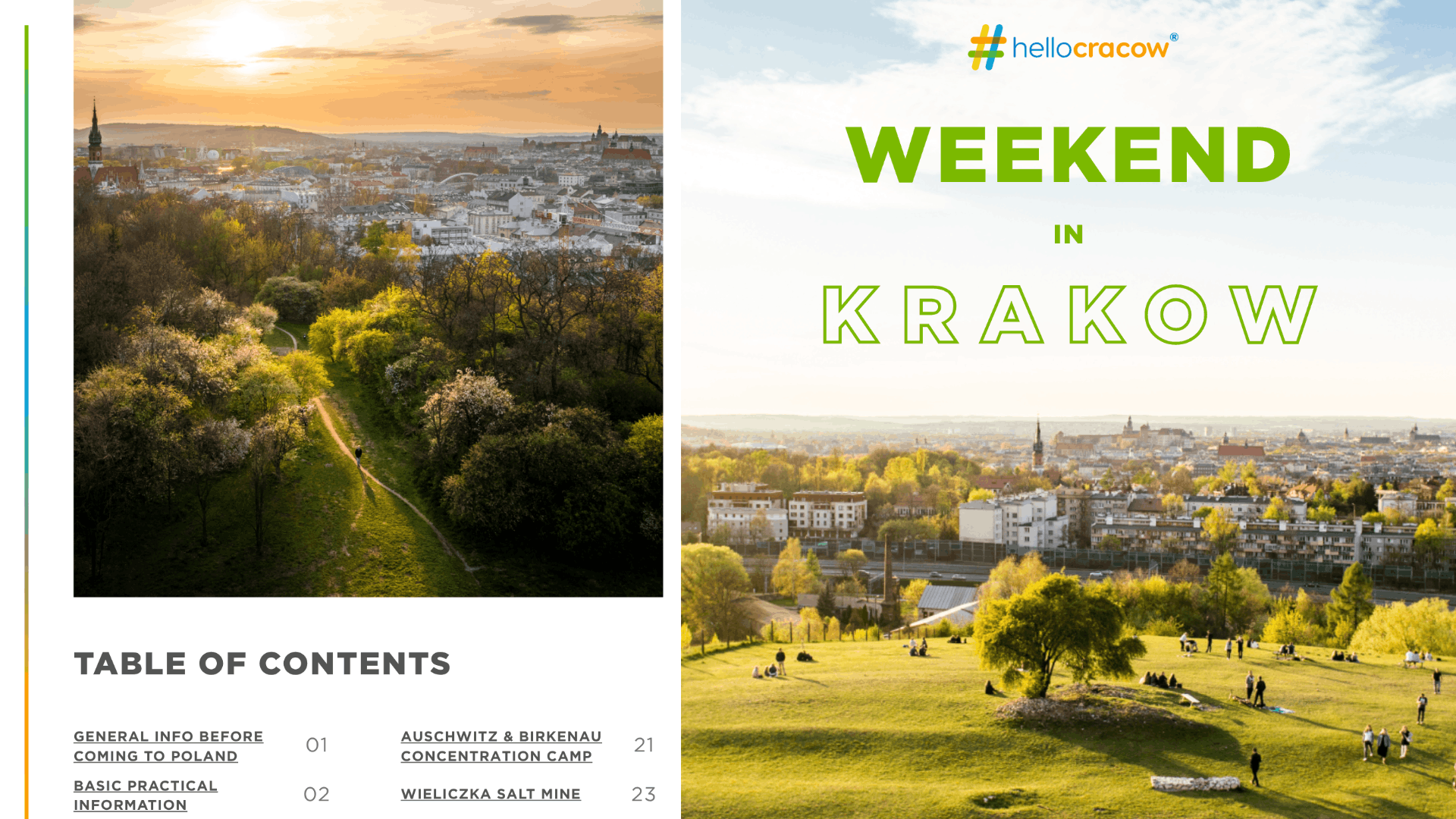
Master the city with our Guidebook
Navigating the royal capital during its peak cultural season requires more than just a standard map. We have compiled our best local secrets and practical advice into a single, comprehensive resource to help you move through the streets of Krakow like a resident. Our Free Guidebook serves as your personal expert companion, helping you skip the logistical stress and focus entirely on the festivities.
Inside our free guide, you will find:
- Curated dining recommendations: The best hidden garden cafes and authentic local eateries located away from the main tourist crowds.
- Practical transport hacks: A clear guide to using public transport and navigating the city’s historic districts efficiently.
- Cultural etiquette: Essential tips on local customs and traditions to help you feel at home in the heart of Lesser Poland.
- Walking routes: Detailed maps and itineraries for exploring the Old Town and Kazimierz at your own pace.
Final thoughts
Most of these mistakes are easy to avoid once you know they exist. They won't necessarily ruin your trip, but avoiding them can save you time, money, and a fair amount of unnecessary stress. A little planning goes a long way in Krakow. Booking popular tours before you arrive, choosing to pay in Polish zloty, venturing beyond the most obvious restaurants, following local pedestrian rules, using licensed taxis, understanding how Wawel works, and being cautious with overly aggressive nightlife promotions are all small decisions that can make a noticeable difference.
The good news is that Krakow is an incredibly rewarding city to explore. It's compact enough to discover on foot, rich in history, and full of places that reveal themselves once you step beyond the busiest tourist routes. The fewer practical problems you have to deal with, the more time you'll have to enjoy everything that makes the city special. Hopefully, these tips will help you avoid some of the most common pitfalls and make your visit a little smoother. Then you can focus on what really matters — experiencing Krakow, rather than figuring it out as you go.