


Auschwitz vs. Salt Mine: if you only have one day, which should you choose?

Hello Cracow • March 24, 2026

If you only have one day, choosing between Auschwitz and the Wieliczka Salt Mine depends on whether you seek a deeply sobering historical reflection or a physically active underground exploration. While combining both into a single 11-hour marathon is technically possible, local experts recommend visiting them on separate days to manage the intense emotional and physical demands. 
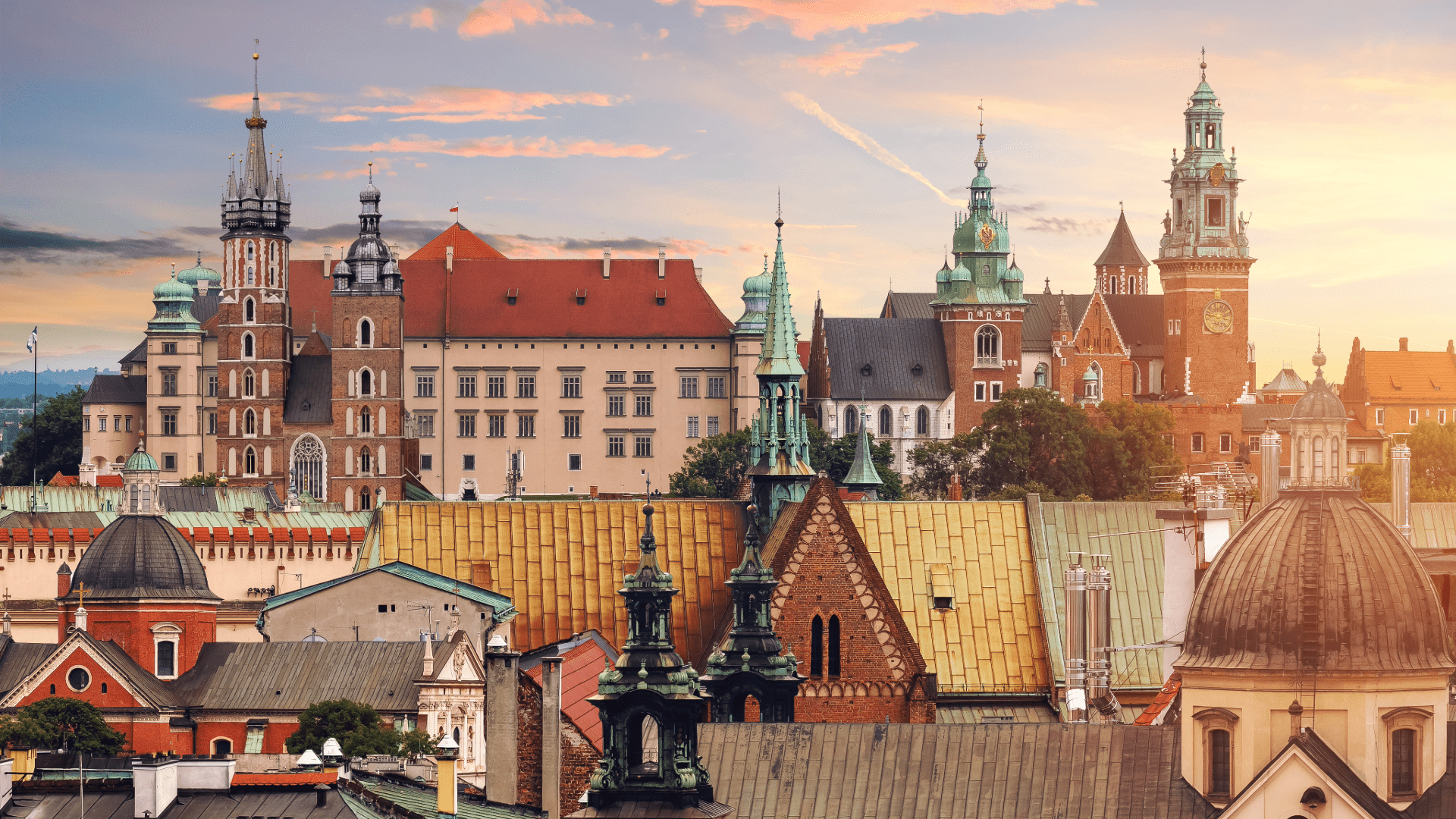
What should I expect from visiting Auschwitz-Birkenau?

Visiting the Auschwitz-Birkenau Memorial is a profoundly sobering and emotionally heavy experience. The site requires a minimum of 3.5 hours to explore both the main camp (Auschwitz I) and the vast grounds of Birkenau (Auschwitz II). To ensure a smooth entry, you must bring a valid ID or passport. Security is strict, and you are only allowed to bring a small bag, with maximum dimensions of 35x25x15 cm or the size of an A4 sheet of paper (30x20x10 cm). Larger backpacks must remain in the vehicle or baggage storage.

BOOK NOW

How demanding is the Wieliczka Salt Mine tour?

The Wieliczka Salt Mine offers a completely different atmosphere, serving as a breathtaking showcase of underground engineering. Exploring the tourist route takes about 2.5 to 3 hours. You should prepare for a physical workout, as the journey involves descending 800 steps and walking approximately 2 to 3 kilometers through subterranean tunnels. The mine maintains a constant, cool temperature of 14°C to 16°C year-round, making an extra layer of clothing essential even during the summer. Exploring the mine is only permitted alongside a licensed guide. 

BOOK NOW

How do the two sites compare for a day trip?

Feature Auschwitz-Birkenau Wieliczka Salt Mine
Duration 3.5 hours minimum 2.5 to 3 hours
Physical effort Extensive walking on uneven, muddy ground 800 steps, 2-3 km of walking
Climate Outdoors, exposed to sun or rain Indoors, constant 14°C - 16°C
Bag limit Max 30x20x10 cm (A4 size) Max 35x20x20 cm
Atmosphere Somber, silent, respectful Tourist route, interactive

Can I really do both in one day without the stress?

Yes, you absolutely can combine both of these incredible sites into a single, seamless day trip if your time in Krakow is limited. With our highly rated Auschwitz-Birkenau & Wieliczka Salt Mine One-Day Trip Full of History, we handle all the complicated logistics so you can focus entirely on the experience. This comprehensive package includes convenient door-to-door transport from your hotel, guaranteed entrance tickets to both UNESCO sites, so you never have to worry about availability, and the deep knowledge of professional, licensed guides. To keep your energy up during this 11-hour journey, a hearty lunch box is also provided for the ride between the locations.

BOOK NOW

What are other must-see attractions in and around Krakow?

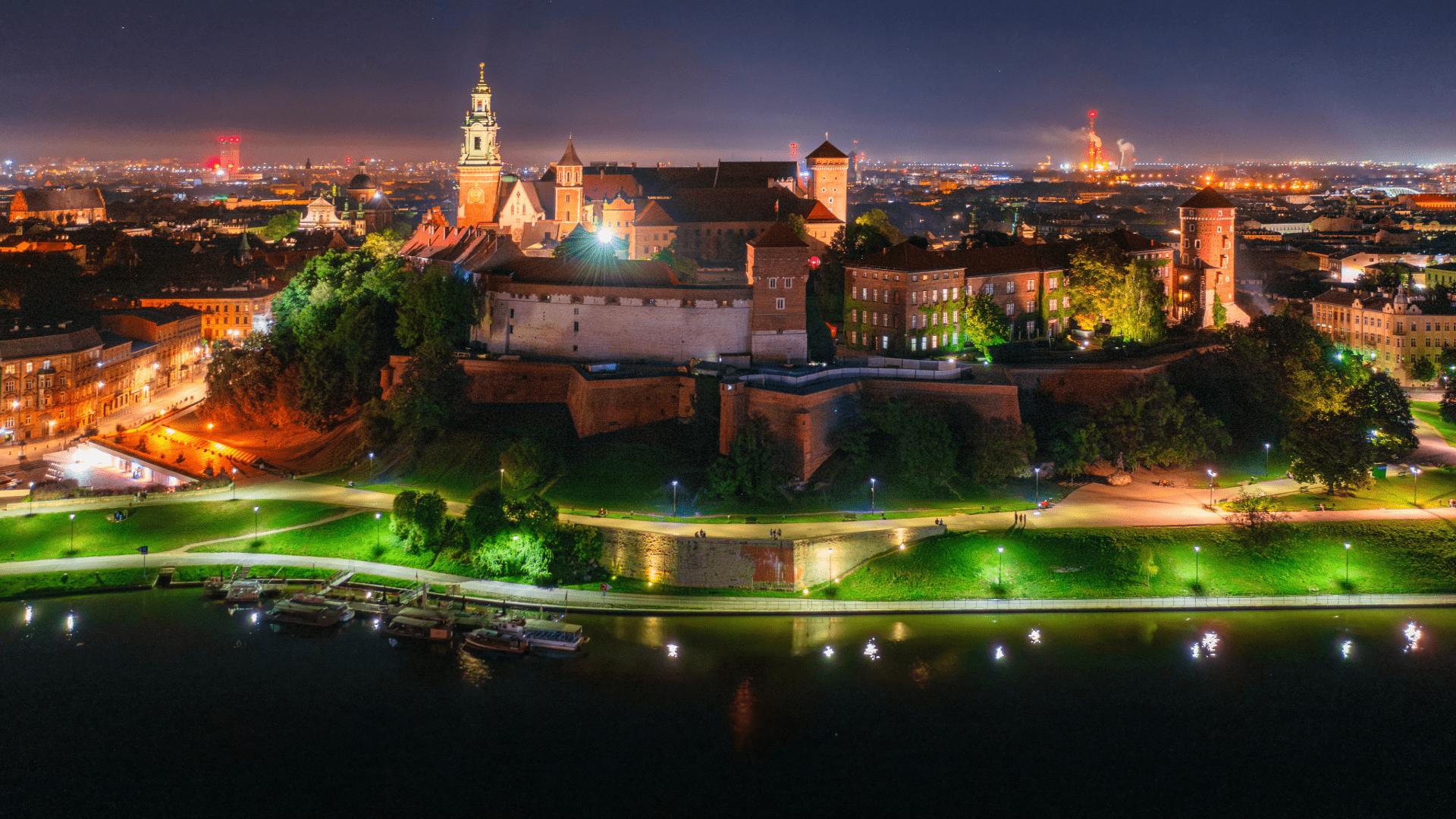
Beyond the major UNESCO sites, the Lesser Poland region offers incredible depth for travelers. In Krakow itself, you can dive into history at the interactive Oskar Schindler's Enamel Factory or visit the iconic Wawel Royal Castle and Cathedral. The Kazimierz district, once the center of Jewish culture, now thrives with vibrant artistic and nightlife scenes.


If you want to step off the beaten path, local experts recommend exploring less obvious gems:


  • Polish Aviation Museum: A fantastic stop for visitors interested in technology and aviation history.
  • Zakrzowek: A former limestone quarry now filled with stunning turquoise water, surrounded by white cliffs and lush greenery.
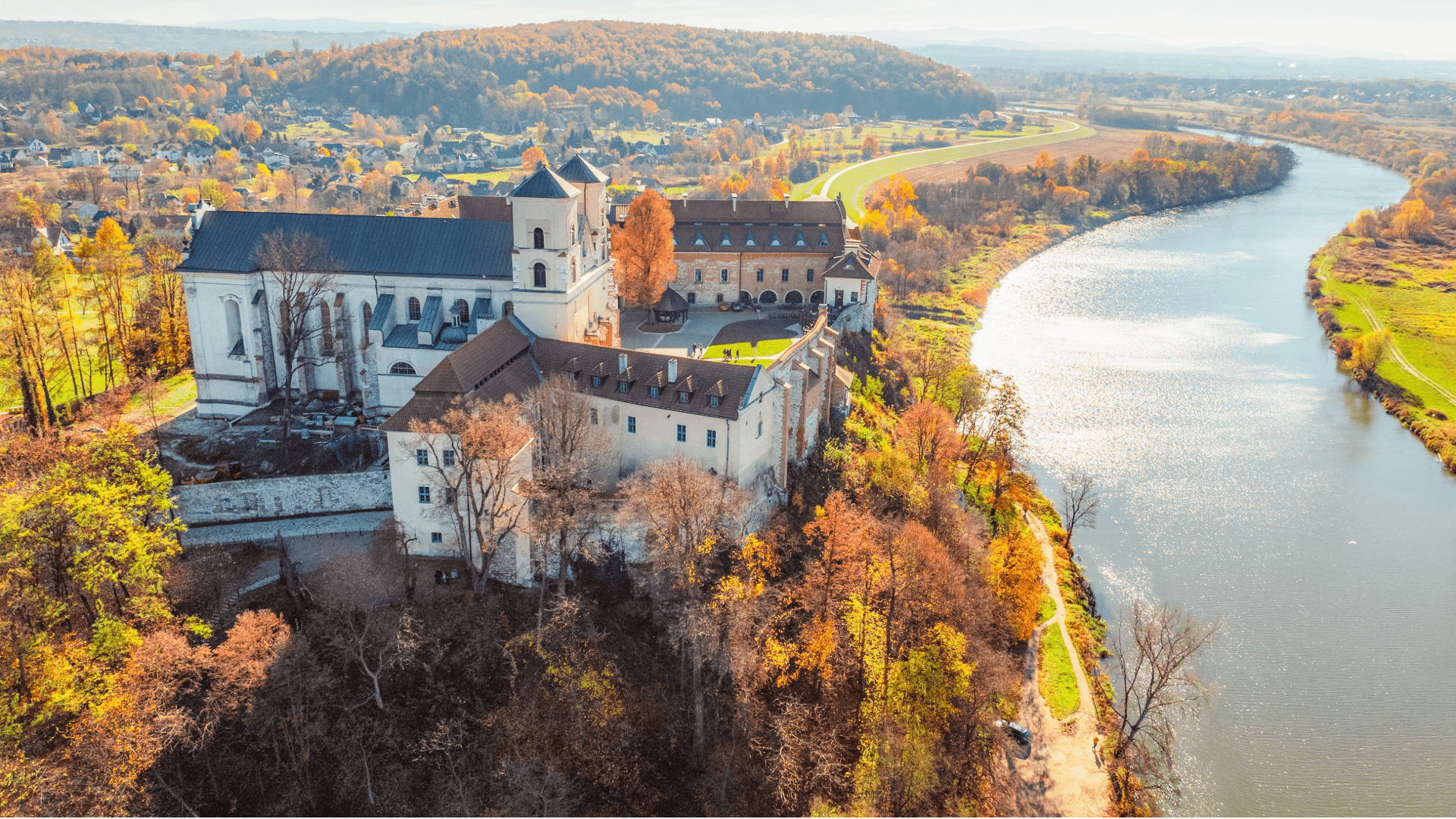
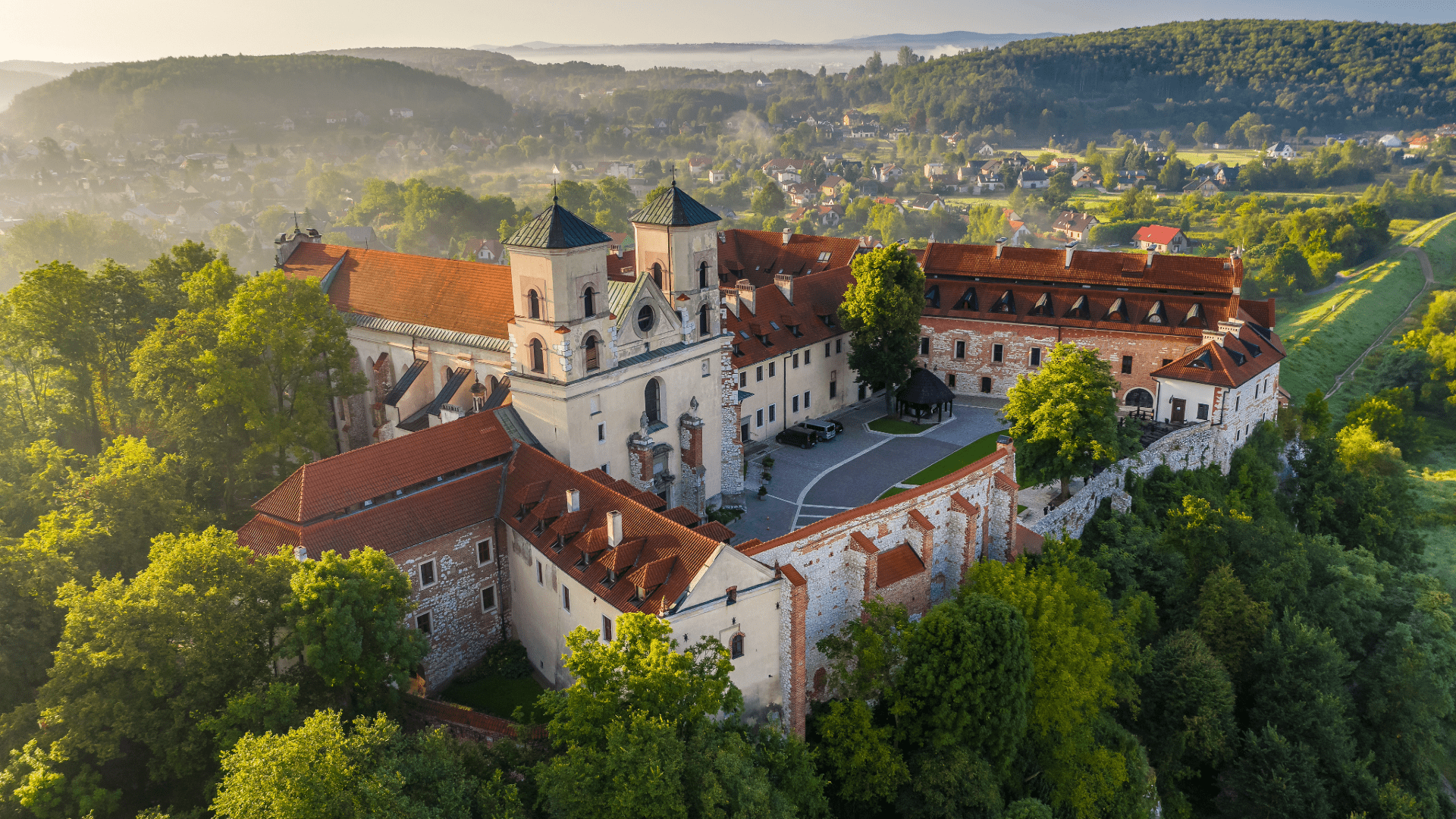
  • Tyniec Benedictine Abbey: A beautifully situated monastery on the Vistula River, accessible by boat.
  • The Nowa Huta Steelworks Shelters: Step back into the Cold War era. You can explore a labyrinth of underground nuclear bunkers and administrative buildings from the 1950s.
Ready to discover the Pearls of Malopolska?

Don't settle for a standard tourist experience. Whether you want to hike the jagged cliffs of Trzy Korony or enjoy a peaceful float down the river on a traditional wooden raft, Hello Cracow is here to make it happen. As a Tripadvisor Travelers' Choice "Best of the Best" winner, we pride ourselves on providing authentic, locally-rooted adventures. Book your unforgettable journey today!
BOOK NOW
By Hello Cracow • November 2, 2026
A Krakow winter day can begin with clear cold air over Main Market Square, turn into sleet somewhere between Wawel and Kazimierz, and end in a warm restaurant when it is already dark outside. The mistake is packing for one version of the weather: a dramatic snowy weekend, perhaps, or a mild European city break. Most visitors need to prepare for both. From November through February, Krakow calls for clothes that work while walking, standing at tram stops and spending long evenings outside museums, restaurants and concert venues. The city is compact, but a typical day can still mean several kilometres on foot. You may start with coffee near your hotel, cross the Old Town to Wawel, follow the river towards Podgorze, then realise after dinner that the final tram stop is still ten cold minutes away. A good winter suitcase is less about bringing the heaviest coat you own and more about having the right things within reach. Dry shoes, a layer you can add after sunset and gloves tucked into your bag will do more for your trip than a suitcase packed with outfits that only work indoors.
By Hello Cracow • October 27, 2026
Krakow looks composed in daylight. Church towers rise above tidy rows of townhouses, cafe tables fill the squares and the sound of footsteps disappears into the rhythm of the city. Yet some of its strangest stories are not hidden at all. One hangs on a chain beside a cathedral door. Another is marked by a stone lantern that once warned travellers to keep their distance. Others wait beneath palaces, inside a forest or far below ground, where every sound seems to travel further than it should.  This is not a ranking of Krakow’s most haunted attractions, and we are not going to pretend that every old wall conceals a ghost. It is a journey through the darker edge of local folklore: stories people used to explain dangerous places, preserve memories and give a shape to fears they could not always name. Around Halloween, they feel especially close. But most of them have followed Krakow for centuries.
By Hello Cracow • October 27, 2026
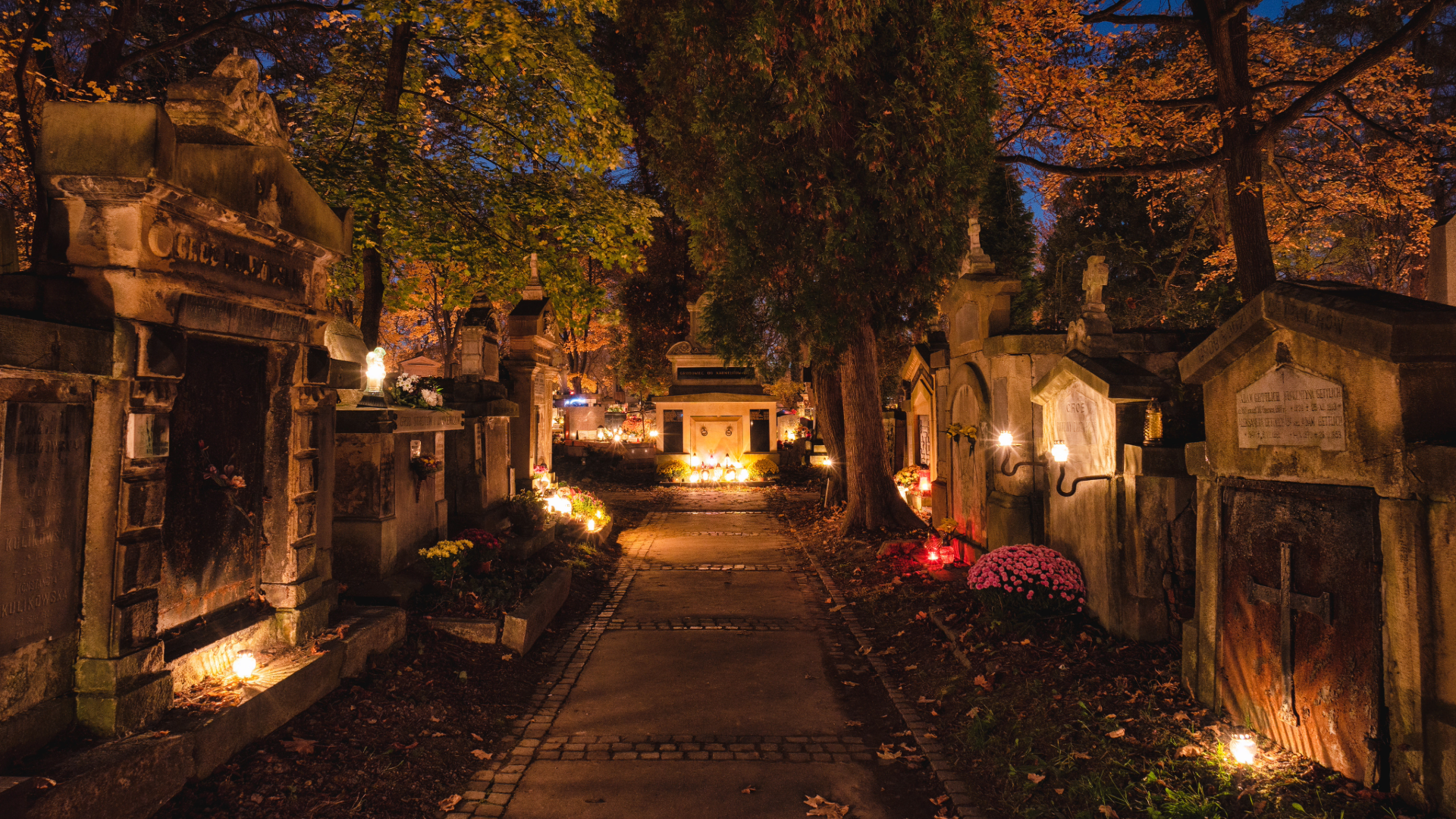
On November 1, Krakow wakes up to flowers. Chrysanthemums appear outside small shops, candle stalls line the streets near cemeteries, and trams carry families holding bags that seem too full for an ordinary Sunday. By evening, thousands of candles turn the city’s cemeteries into fields of light.  For visitors, this can be one of the most moving moments to see Krakow. It should also be approached differently from a museum visit or a sightseeing stop. All Saints' Day is a public holiday, a religious observance and, above all, a day when people come to remember relatives and friends. Rakowicki Cemetery is open to visitors, but the right approach is quiet, patient and respectful.
By Hello Cracow • October 18, 2026
Krakow in November is a city of earlier evenings. At four o'clock, the lamps are already on around Planty Park. The windows of cafes begin to glow, the Vistula is usually wrapped in mist, and a walk that felt straightforward at lunchtime suddenly calls for a warm table somewhere nearby. That can sound like a reason to wait for spring. In practice, it gives a short stay in Krakow a different rhythm. You do not try to spend twelve hours outdoors. You walk while there is light, choose one place worth lingering in, then let the evening belong to music, film, food or a museum that would have been too easy to skip in July.
By Hello Cracow • October 6, 2026
There is a particular kind of Krakow trip that starts badly for a very ordinary reason. You arrive on Friday afternoon, leave your suitcase at the hotel, and open your phone to book Auschwitz for Sunday. The English tours are gone. Schindler's Factory has no tickets until Tuesday. The restaurant you saved on Instagram is fully booked. None of these problems will ruin the weekend, but suddenly the itinerary is being decided by whatever happens to be left. A little planning avoids that without turning a city break into a spreadsheet. Krakow still leaves plenty of room for long walks, unexpected cafes and evenings that continue because you like the neighbourhood. The important thing is knowing which experiences depend on a specific time, guide, language or number of available places. Think of your reservations as the frame around the trip, not the trip itself.
By Hello Cracow • October 5, 2026
Autumn in Krakow often begins quietly. In September, you can still sit outside with a coffee near Main Market Square, walk through Planty Park in a light jacket and feel almost no urgency to leave the city before sunset. A few weeks later, the same streets look completely different. The chestnut trees drop their leaves, the light becomes softer, and an October morning that begins with clear skies can end with cold rain over Wawel Hill.  That change is exactly why Krakow is so rewarding in autumn. The city feels less hurried, cafes become part of the itinerary rather than a quick stop between attractions, and a warm dinner in Kazimierz feels deserved after a day on foot. Packing well means you can enjoy all of it without cutting a walk short because your shoes are wet or your jacket is still back at the hotel. The key is not packing for cold weather alone. It is packing for several versions of the same day.
By Hello Cracow • September 28, 2026
Arriving in Krakow is usually straightforward, but the first hour can shape the whole trip. A late flight, heavy suitcase or unfamiliar ticket machine can quickly make a simple transfer feel more complicated than it needs to be. The good news is that Krakow is well connected by air and rail, and its main airport sits close enough to the city centre that getting to your hotel is usually fairly simple.  For most visitors, the choice comes down to Krakow Airport, the main railway station at Krakow Glowny, or a private transfer booked in advance. Each option works slightly differently, depending on what time you arrive, where you are staying and how much luggage you have. Public transport is often enough, but there are situations when paying for a direct transfer can make the first part of your trip much easier.
By Hello Cracow • September 23, 2026
October is a great month to visit Krakow if you want to see the city without the summer crowds. The weather is usually still good enough for long walks, while cooler evenings make it easier to combine time outdoors with museums, restaurants and cafés. Planty Park starts to turn gold, the Old Town is less crowded, and Kazimierz is a good place to spend an afternoon without rushing from one sight to another. There is also plenty happening around the city. October brings concerts, film screenings, literary events, food festivals and other seasonal events, so it is worth checking what is on during your visit. You can easily combine one of these with the main sights, a walk along the Vistula or an evening in one of Krakow's neighbourhoods. It is also a good time to plan a day outside the city. Wieliczka, Auschwitz-Birkenau and Zakopane are all popular options, while the Tatra Mountains can be particularly appealing in autumn. Just keep an eye on the weather, as conditions outside Krakow can be quite different.  If you are planning a trip for October, you do not need to fill every day in advance. Pick a few things you definitely want to see, check the events happening during your dates and leave some time for whatever you find along the way.
By Hello Cracow • September 15, 2026
Krakow is a city best explored on foot. A typical day can move from cobbled streets around the Old Town to the open riverside paths near Wawel, then on to Kazimierz or Podgorze, often with more walking than visitors expect. Even a simple plan can quickly turn into several hours outside, especially when you add a museum, a market, a café stop or one of the city’s many viewpoints. The right packing list starts with comfortable shoes, flexible layers and one piece of rain protection that fits in your day bag. Krakow weather changes quickly across the year, and sometimes within a single day. Spring can bring mild afternoons and sudden showers, while summer days can be warm enough for long walks but cooler once the sun goes down. Autumn tends to bring shorter days and more changeable conditions, while winter can mean cold temperatures, snow or wet streets. These differences matter when most of your day is spent moving between outdoor sights. The temperature ranges below are typical average lows and highs for Krakow-Balice, not a forecast for a particular trip. Conditions in the city centre can feel slightly different, especially on sunny days or when the wind picks up along the Vistula. Check the forecast again shortly before you travel, then pack for walking rather than for one perfect weather scenario. If you are planning trips outside Krakow, leave some room for further changes. Wieliczka is underground and noticeably cooler than the streets above, while a day in the Tatra Mountains can bring very different conditions from those in the city. A few simple choices can make it much easier to stay comfortable when your plans take you from one part of the region to another.
By Hello Cracow • September 7, 2026
A visit to Auschwitz-Birkenau asks for more than simply adding another day trip to your Krakow itinerary. The former German Nazi concentration and extermination camp is a memorial site and a place of mass murder, where the scale of what happened can be difficult to understand through buildings, photographs and numbers alone. Reading before you go cannot prepare you for the visit itself, and it should not try to. What it can do is give some of the history a human dimension. Names, individual stories, memories and difficult choices become easier to recognise when you arrive at the site. Instead of knowing only what happened, you begin to understand something about the people who experienced it. The six writers below approach this history from very different perspectives. Four of them experienced Auschwitz as prisoners, writing about the camp from their own memories and experiences. Zofia Nalkowska encountered its aftermath from a different position, collecting testimonies and evidence about what had happened there in the months following the war. Hanna Krall offers yet another perspective. She survived the Holocaust as a child but was never imprisoned at Auschwitz. Her writing instead brings readers closer to the Jewish world destroyed during the Holocaust and to the people who carried its memory into the years that followed. There is no single book that can explain Auschwitz. Taken together, however, these works can help you arrive with more context and a greater awareness of the human stories behind the place.
More Posts