



Zakopane Adventures: Thrills, Relaxation, and the Tatra Soul
Nestled at the foot of the majestic Tatra Mountains, Zakopane is more than just Poland's "Winter Capital". It is a vibrant, year-round destination that masterfully blends breathtaking natural beauty with a rich cultural heritage. From the exhilaration of high-altitude adventures to the restorative bliss of thermal springs, Zakopane offers a multifaceted experience for every type of traveler. To truly unlock this unique region without the hassle of logistics, consider an expertly guided tour. As your gateway to this stunning landscape, we will guide you through Zakopane's iconic landmarks, its hidden gems, and the authentic soul that makes it a must-visit destination.
The iconic trio: peaks, promenades, and panoramic vistas
Krupówki: The beating heart of the highlands
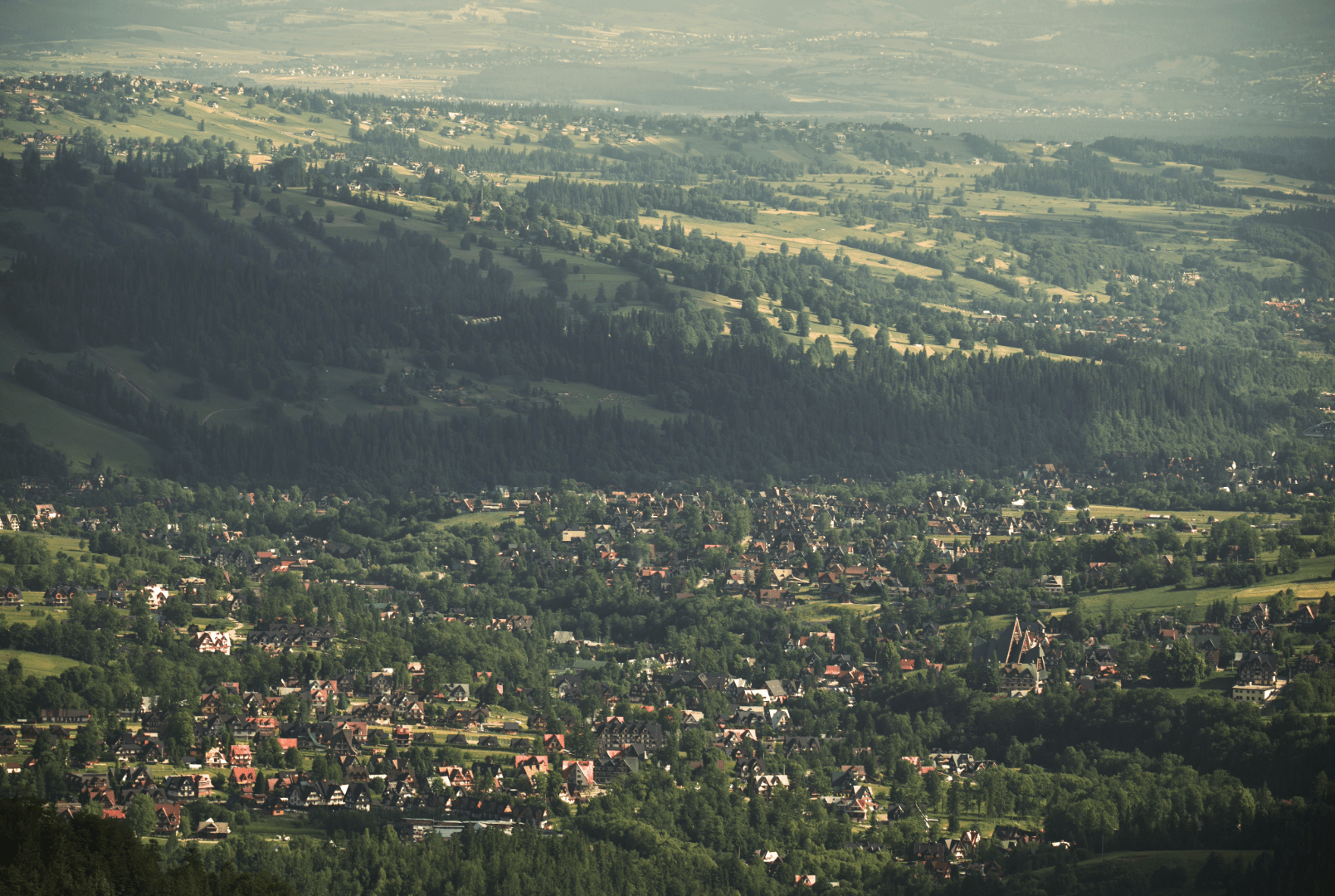
The bustling heart of Zakopane is undoubtedly Krupówki, a vibrant promenade that stands as one of the most famous streets in Poland. Here, the vibrant atmosphere is a feast for the senses. The air fills with the aroma of local street food and the distinct melodies of highland folk music. Lined with souvenir shops, traditional highlander restaurants called Karczmy, and bustling market stalls, Krupówki is the ideal place to soak in the town's lively culture. People can sample local delicacies, such as the famous Oscypek-a traditional smoked cheese made from salted sheep's milk-or browse for artisanal crafts and wooden carvings.
Did you know?
At 1,100 meters long, Krupówki is a completely pedestrianized street, making it the perfect place to stroll and enjoy the atmosphere.
Vistas from above: Gubałówka and Kasprowy Wierch
For a quick and unforgettable view of the Tatras, the journey to the peaks of Gubałówka and Kasprowy Wierch is a quintessential Zakopane experience. The funicular railway to
Gubałówka
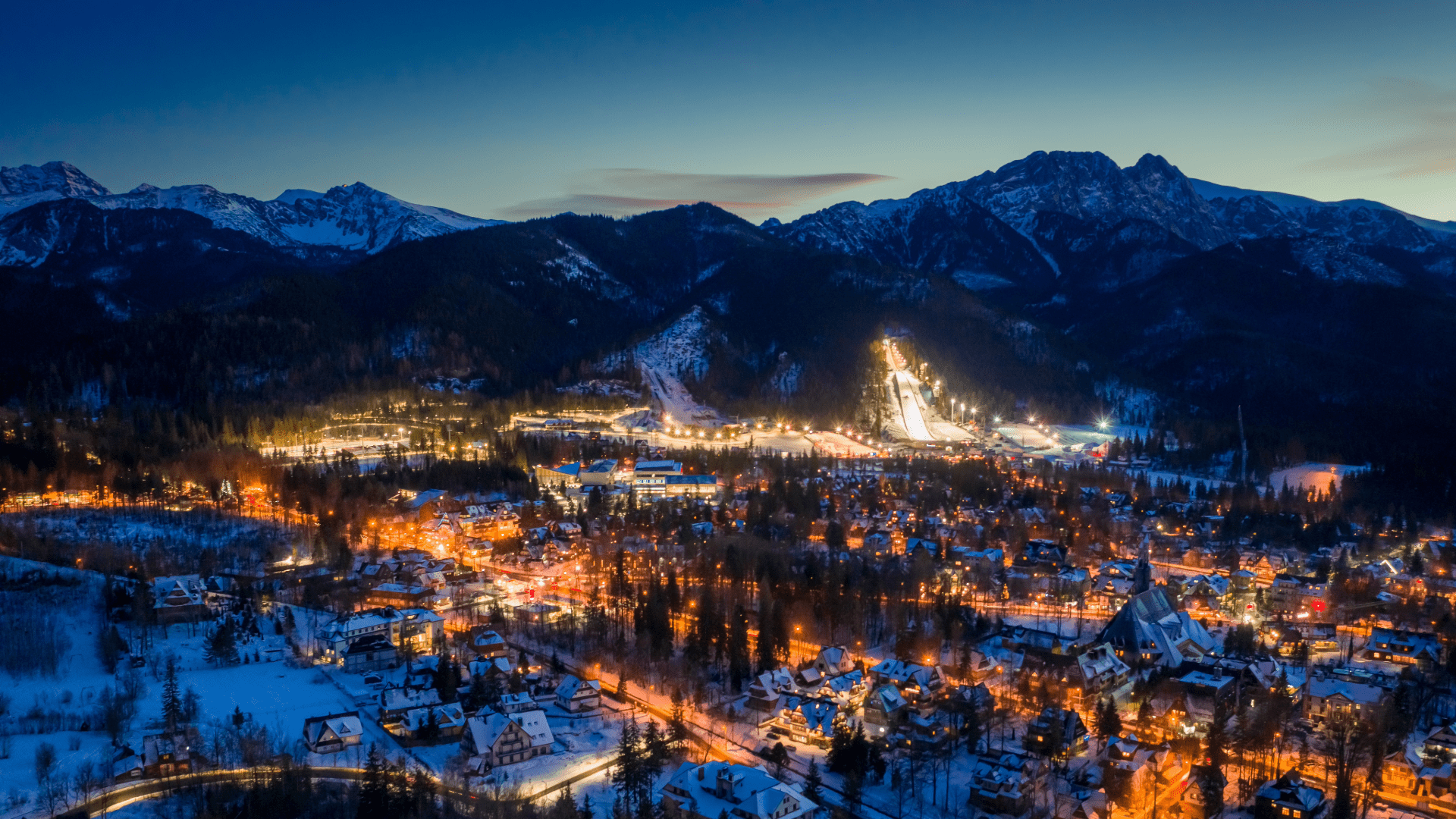
(1129 m a.s.l.) offers a convenient ride to a summit with a spectacular panoramic view of the Tatras and the town of Zakopane itself. At the top, a lively marketplace, cafes, and seasonal attractions, including a popular gravity slide in the summer, await people. In winter, the area transforms into a popular ski slope and a hub for winter fun.
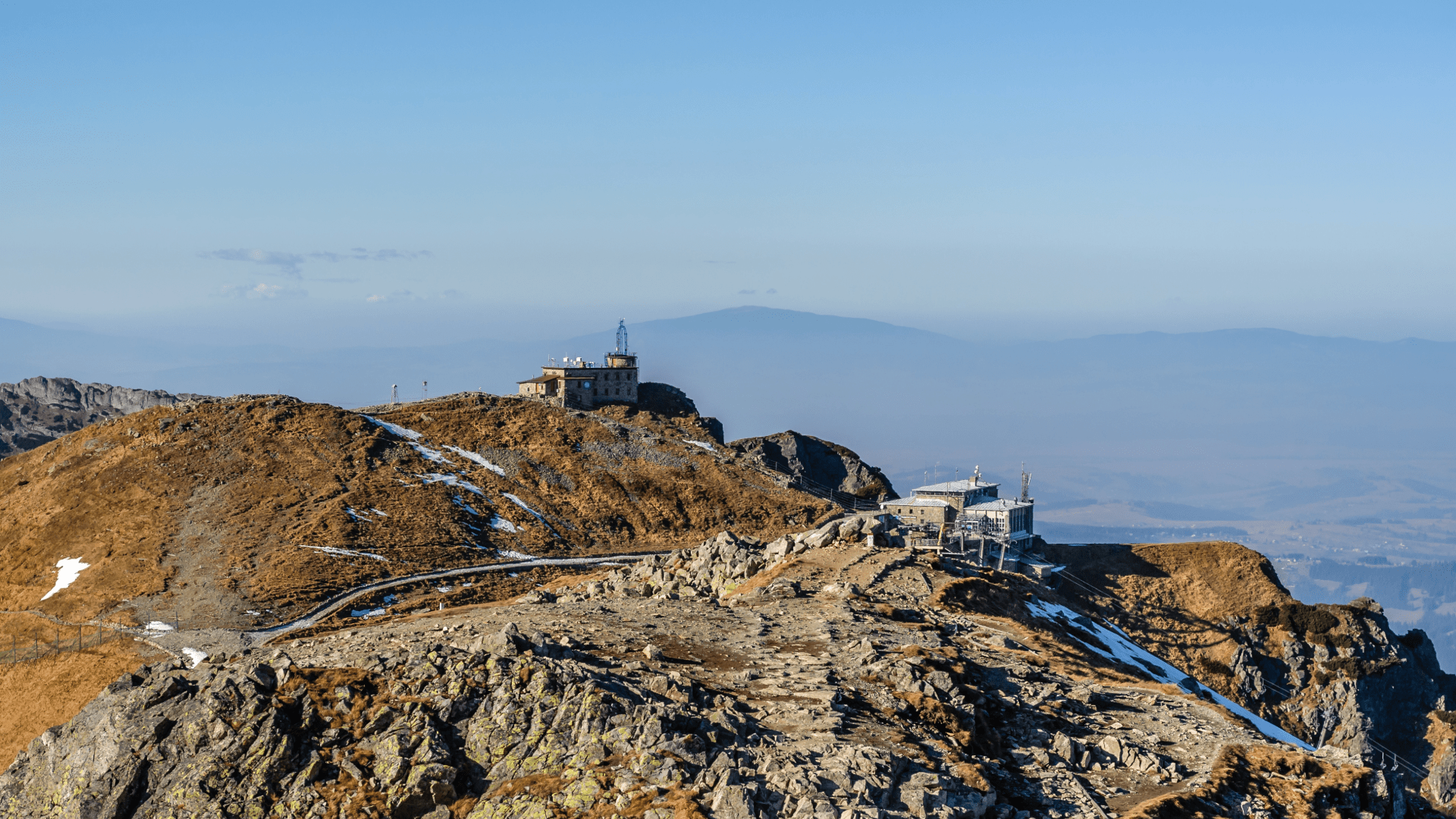
For a truly high-altitude perspective, the cable car to Kasprowy Wierch (1987 m a.s.l.) is a year-round journey from Kuźnice that provides breathtaking views of both the Polish and Slovak Tatras. The summit is home to Poland's highest meteorological observatory and a mountain shelter, making it a destination for those who want to experience the majesty of the high mountains without a long hike. In the winter, it's a premier destination for advanced skiers and snowboarders seeking natural snow conditions.
Did you know?
The summit of Kasprowy Wierch is home to Poland’s highest meteorological observatory, a testament to the region’s unique climatic conditions.
The majestic Tatra trails: A hiker's paradise
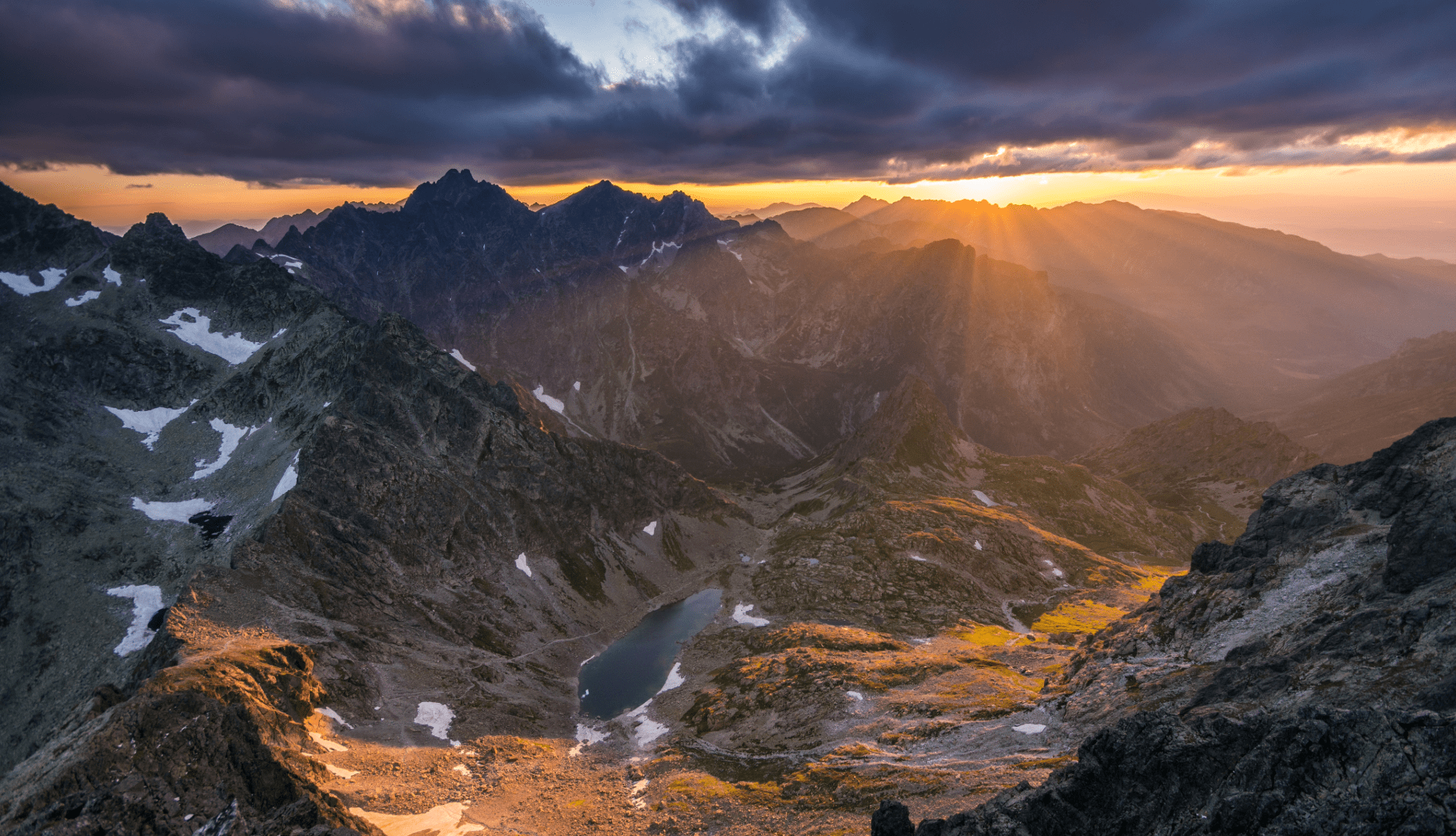
The true soul of Zakopane lies in the Tatrzański Park Narodowy (Tatra National Park), which offers a network of 275 km well-marked trails catering to all levels of experience. The park is the main reason people have been visiting for centuries. For a family-friendly excursion, the hike to Morskie Oko, the largest and arguably most beautiful lake in the Tatras, is a must. The path is a paved road, making it accessible for families. Other picturesque valleys like Dolina Kościeliska and Dolina Chochołowska offer easy walking trails through stunning limestone landscapes, forests, and streams, with the latter being particularly famous for its breathtaking "purple carpet" of crocuses in the spring.
How to prepare for your Tatra hike?
The weather in the mountains can change very quickly, so it's essential to be prepared for all conditions. You should pack a waterproof jacket, warm clothes, and a head cover to protect yourself from the sun or cold. A backpack is a must, so your hands are free for hiking, and a good pair of broken-in hiking boots with a thick sole will prevent your feet from getting tired. Don't forget snacks, water, a fully charged phone, and a first aid kit. For more advanced or winter hikes, specialized equipment like crampons, an ice axe, and knowledge of how to use them is essential. It is also important to note that the colors of the marked trails do not indicate the level of difficulty, so always research your chosen route beforehand
Did you know?
When hiking in the Tatras, it is a local custom to greet other hikers. This is not just a polite gesture; it can help mountain rescue teams pinpoint your last known location if you were to get lost.
Post-adventure bliss: Immerse yourself in thermal wellness
The natural landscape of Zakopane extends far beyond its peaks and trails. The region is renowned for its abundance of thermal springs, which provide a perfect counterbalance to the physical demands of mountain exploration. The availability of thermal wellness transforms Zakopane from a simple mountain retreat into a holistic destination for both adventure and rejuvenation.
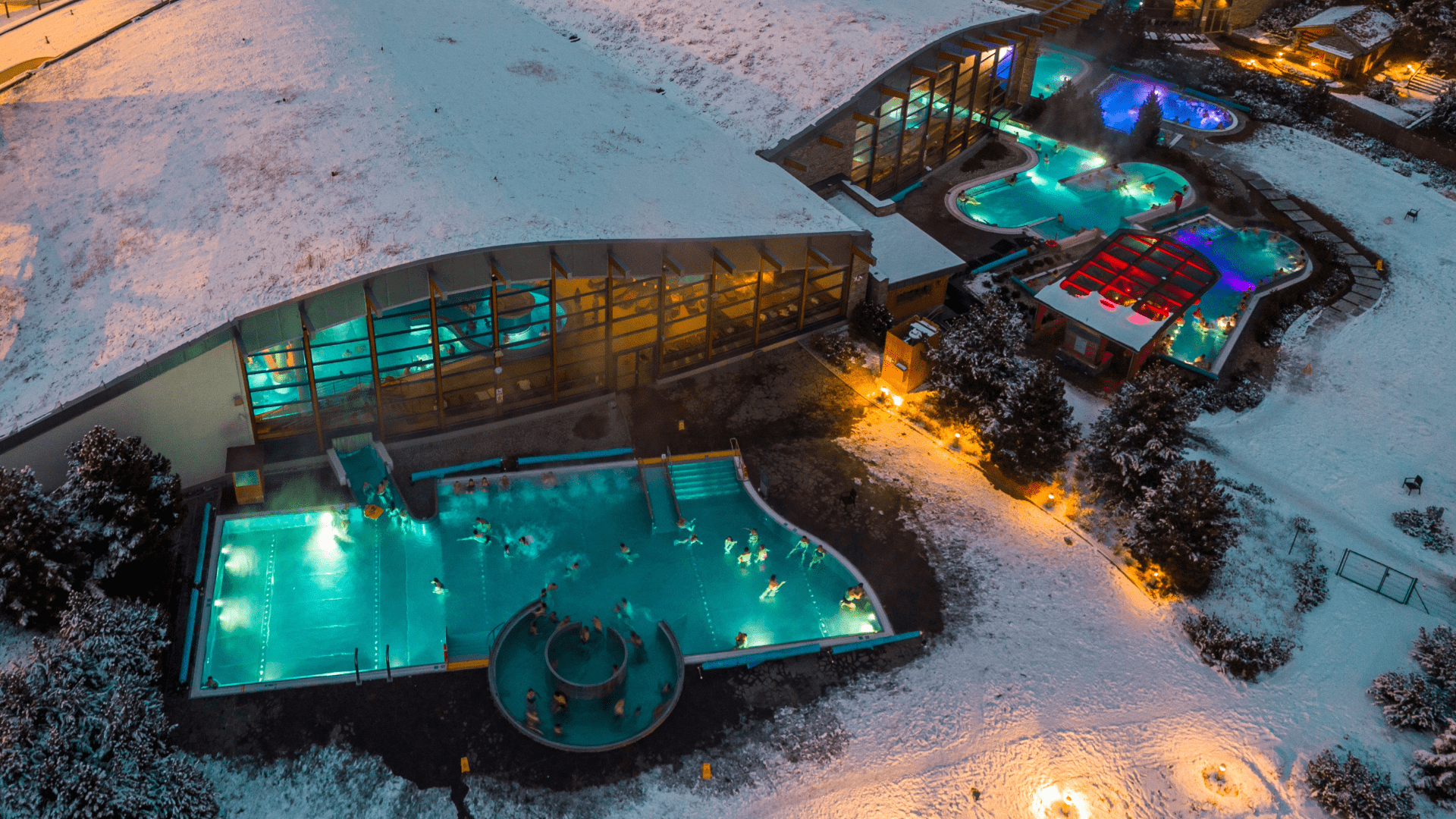
The thermal pools in and around Zakopane are supplied by mineral-rich geothermal waters, offering a natural and relaxing remedy after a day of hiking or skiing. Soaking in these warm waters helps to soothe tired muscles, improve circulation, and simply restore the body and mind. The experience is elevated by the stunning mountainous backdrop, especially when enjoying an outdoor pool as snow gently falls in winter.
The region boasts several world-class thermal complexes, each with its unique charm:
- Chochołowskie Termy: This is the largest thermal complex in Podhale, featuring nearly 4500 m² of water surface and 46 diverse pools with water rich in valuable minerals.
- Terma Bania: Located in Białka Tatrzańska, it is a popular choice for both families and those seeking relaxation.
- Termy Bukovina: Found in Bukowina Tatrzańska, this complex offers a stunning view of the Tatras from its pools.
- Termy Gorący Potok: Located in Szaflary, it provides a rustic, natural spa experience. For a truly unique and exclusive indulgence, the area also offers a "Piwne Spa" (Beer Spa), a distinctive option for adults seeking an unconventional form of relaxation.
Preparing for your thermal spa visit
To make your visit to the thermal baths as relaxing as possible, a little preparation goes a long way. You should pack a swimsuit, a towel, and flip-flops. For women, this can be a one-piece or two-piece swimsuit. For men, swimming shorts or trunks are the standard attire. Before entering the pools, it is required that you shower your entire body with soap. To ensure safety and hygiene, you should leave all valuables, including watches, bracelets, and jewelry, in your locker. It is also forbidden to bring your food, drinks, or alcohol into the facility.
Did you know?
The thermal waters in Zakopane are rich in beneficial minerals like calcium, magnesium, and sulfur, which help support bone regeneration, reduce muscle tension, and combat fatigue.
For the adrenaline seeker: thrills beyond the slopes
While Zakopane is celebrated for its hiking and skiing, the town also offers a wide array of high-octane activities for those seeking an extra dose of excitement. These options go beyond the traditional mountain sports and showcase the region's capacity for year-round thrills.
In winter, the adventure doesn't stop at the ski lift. Snowmobile tours are guided expeditions that take you deep into the snow-covered mountain trails around Gubałówka, Kościelisko, and Witów, providing exhilarating fun and spectacular views of the snow-capped Tatra. Another unique experience is a thrilling dogsled ride, where you can glide across the snow, creating a memorable, fairy-tale moment. For a truly one-of-a-kind family adventure, Snowlandia is a winter park featuring the largest snow maze in the world, a snow castle, and a toboggan run, all constructed entirely from snow.
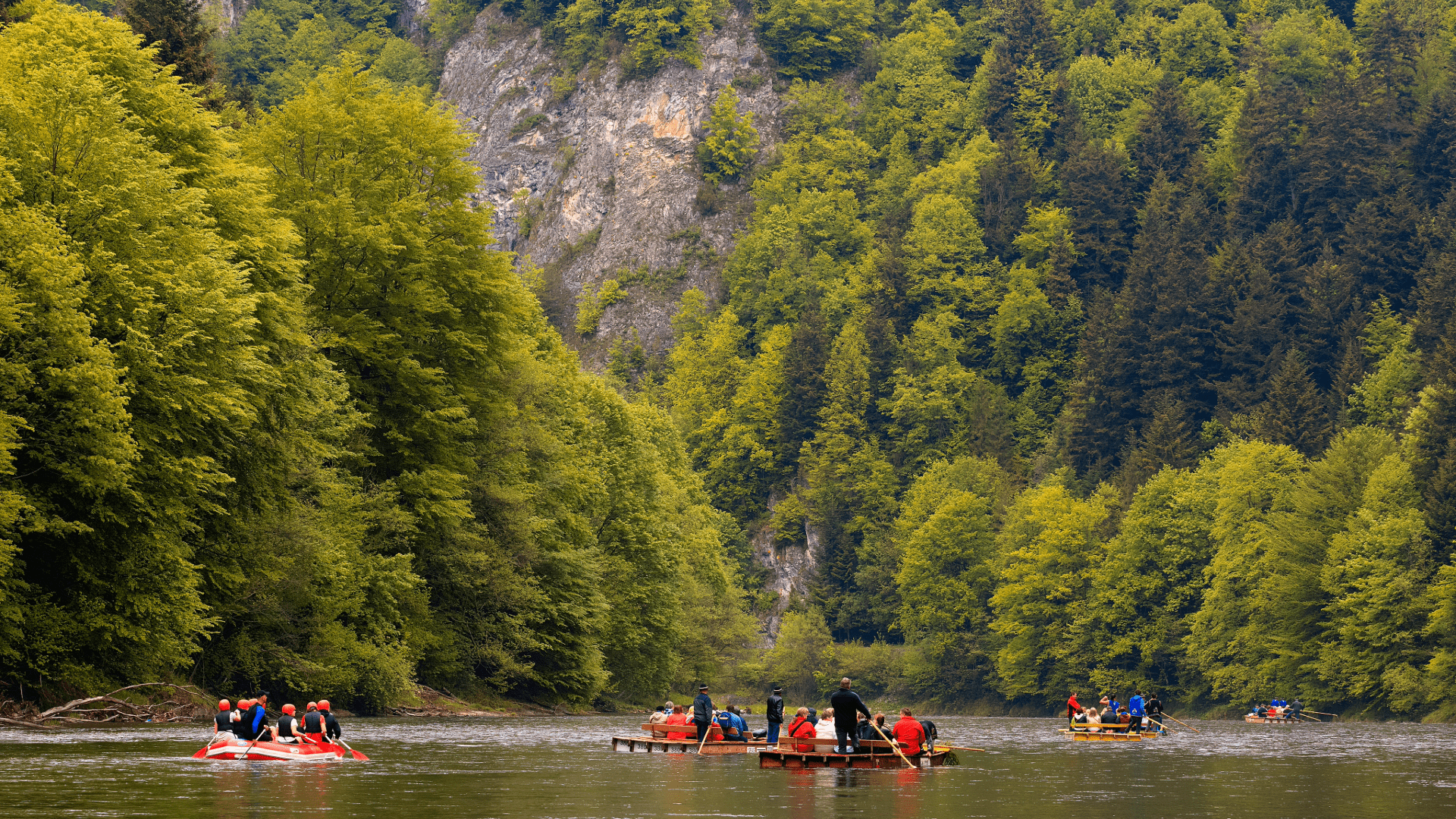
When the snow melts, a new set of adventures emerges. Rafting on the Dunajec River Gorge is a spectacular journey through a river that forms a natural border between Poland and Slovakia. People can choose between a tranquil ride on traditional wooden rafts, a centuries-old tradition, or a more exhilarating experience on pontoons or kayaks. For those who prefer land-based thrills, guided quad tours offer a high-energy off-road exploration of the mountain trails, while paragliding from Gubałówka or Butorowy Wierch provides an unforgettable bird's-eye view of the entire Tatra panorama.
A truly unique and year-round attraction is the Wielka Krokiew, Poland's most famous ski jump, where world-class competitions take place. In a rare twist, people can experience the thrill of a ski jumper by sliding down the landing slope on a giant pontoon, a feature that is unique in Europe.
Gear up for winter thrills
For winter activities like snowmobiling, it's best to dress as you would for skiing: warm thermal underwear, a winter jacket, winter pants, gloves, a scarf, and boots that go above the ankle. Rental companies often offer protective suits to shield you from the frost and wind. For a traditional sleigh ride, also known as a kulig, warm winter clothing is a must. Essentials include a hat, gloves, and a scarf, especially for evening rides when temperatures drop. If there is not enough snow for a sleigh, the ride will be conducted in a horse-drawn carriage instead. For dog sledding, dressing in layers is highly recommended, starting with a base layer. A fleece or wool second layer will provide warmth, topped by a thick, protective outer layer. Don't forget wool socks and comfortable snow boots with good traction.
Unearthing Zakopane's authentic soul: The gastronomic heart
A deep dive into regional cheeses
The gastronomic landscape of the highlands is perhaps most palpably felt through its cuisine. The famed Oscypek cheese is more than a regional delicacy, but a protected symbol of Podhale's pastoral tradition. For a truly hands-on experience, the Muzeum Oscypka offers a unique cultural workshop where people can learn the secrets of the cheese-making process and even make their oscypek under the guidance of a traditional baca (shepherd). A crucial tip for identifying a genuine Oscypek is to note that it is only produced and sold between May and October, and should bear an "Owczy" (sheep) label.
A guide to authentic dining
To truly understand Zakopane's culinary soul, one must step inside a Karczma. These traditional highlander restaurants are a cultural institution, recognizable by their characteristic wooden architecture. The menu is a map of the region's flavors, featuring hearty dishes designed to sustain people in the mountains. Here, you can savor kwaśnica, a traditional cabbage soup often made with spare ribs, or moskole, which are traditional potato pancakes. A great way to find an authentic Karczma is to venture off the main street of Krupówki into the quieter side streets, where you will find places cherished by local patrons.
Food in mountain huts
The mountain huts, known as schroniska, are an integral part of the hiking experience. They serve as a welcome refuge from the elements, offering a place to rest and refuel. Within this tradition, one dish has achieved legendary status: the Szarlotka, a traditional Polish apple cake that is a must-have for many who visit the Tatras. The simple, comforting sweetness of a slice of warm apple pie is the perfect reward after a challenging trek, making it a symbolic end to a day's effort.

Your gateway to the Tatras with Hello Cracow
Zakopane is a destination of unparalleled diversity, where the call of the mountains harmonizes with the warmth of highlander culture. Whether you seek the thrill of a snowy adventure, the tranquility of a thermal bath, or a journey into Poland's rich cultural heritage, Zakopane delivers a memorable experience for every season. The seamless integration of natural wonders, adrenaline-pumping activities, and authentic cultural experiences is what truly sets this town apart.
To experience all this magic without the stress of planning and logistics, Hello Cracow is your trusted partner. Our expertly curated tours provide convenient transportation from Kraków, insightful guidance, and a perfectly balanced itinerary that allows you to fully immerse yourself in the adventure. We take care of the details so you can focus on making unforgettable memories.
Ready to discover the magic of Zakopane? Book your unforgettable journey with Hello Cracow today