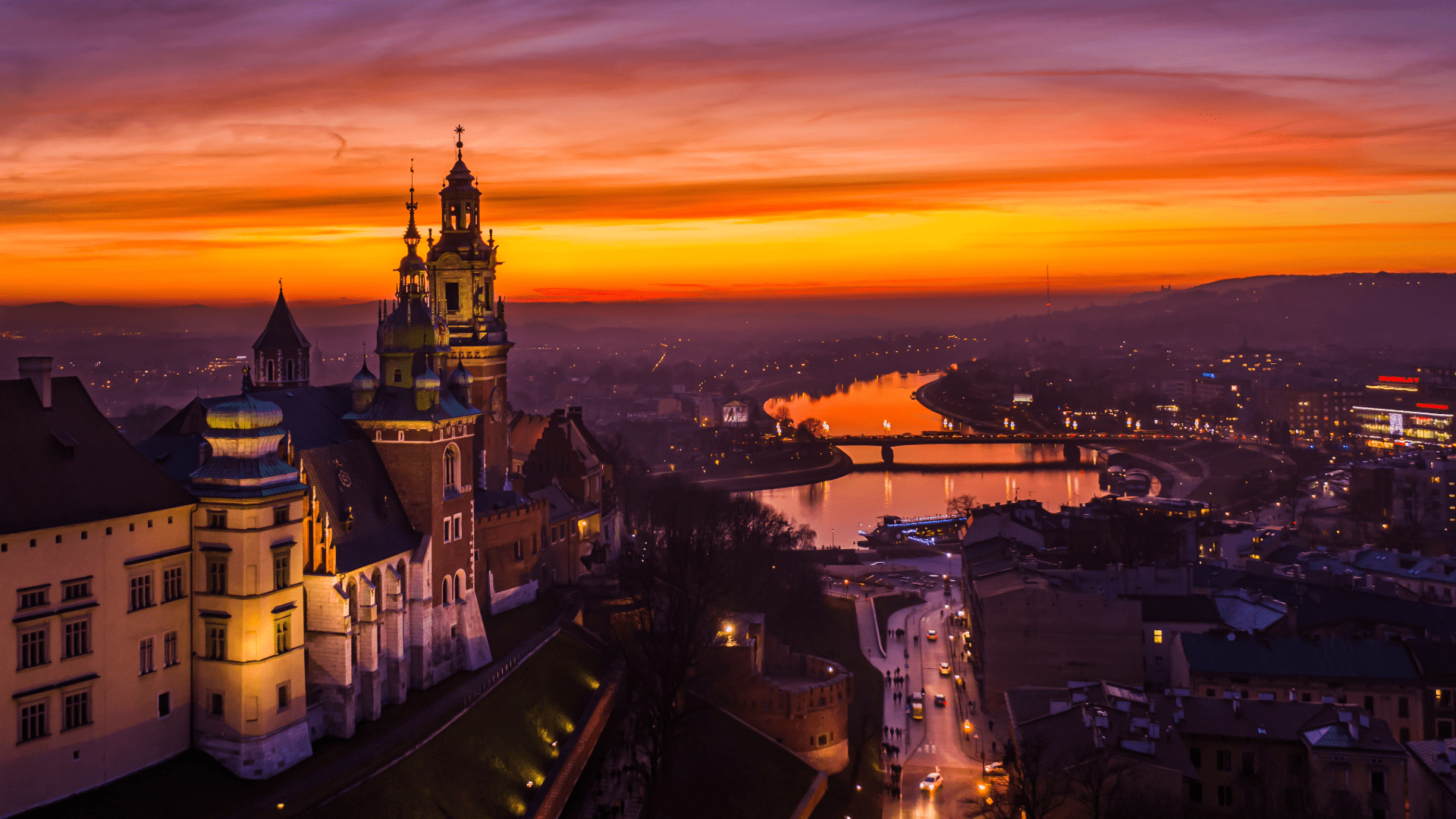




Krakow vs Prague: which city is better for a weekend break?
Prague and Krakow can look like the same weekend on paper. There’s an old square to get your bearings in, a castle above the river and a neighbourhood you’ll probably wish you’d given more time. The resemblance goes deeper than the skyline. Merchants from Poland once brought goods into Prague, and members of the same royal family rebuilt palaces in both cities. Look for those connections and the differences become more interesting, too. A castle visit, a walk across the river or time in a historic Jewish quarter can fit into either weekend, but each city makes a different day of it.
If you’re booking a first weekend in Central Europe, we’d recommend Krakow. You can spend one day getting to know the city and use the next to follow whatever interested you most, whether that’s Jewish history, local food or a trip beyond the centre. Prague is the better choice if the weekend you’ve been picturing starts with Charles Bridge and ends over a Czech lager on the other side of the river.
| If you are looking for... | Krakow | Prague |
|---|---|---|
| A city that feels easy from the first day | Compact centre, mostly flat routes and neighbourhoods that connect naturally | Walkable, but hillier and more spread across the Vltava |
| Everyday costs | Lower 30-minute transport fare; casual meals cost about the same in both cities | Lower average price for local draught beer |
| Jewish history and remembrance | The synagogues of Kazimierz, the former Krakow Ghetto and the Eagle Pharmacy | The Old-New Synagogue and the Holocaust memorial at the Pinkas Synagogue |
| A day outside the city | The salt workings at Wieliczka or a walk through the limestone valley in Ojcow | The royal mint in Kutna Hora or the sandstone viewpoints of Bohemian Paradise |
| Christmas markets and traditions | Main Market Square, craft stalls on Maly Rynek and the Krakow nativity scene exhibition | Main Market Square, craft stalls on Maly Rynek and the Krakow nativity scene exhibition |
| Legends connected to real places | Dragons, kings, miners, devils and stories from Wawel to Wieliczka | Golem, Princess Libuse, alchemists and Charles Bridge mysteries |
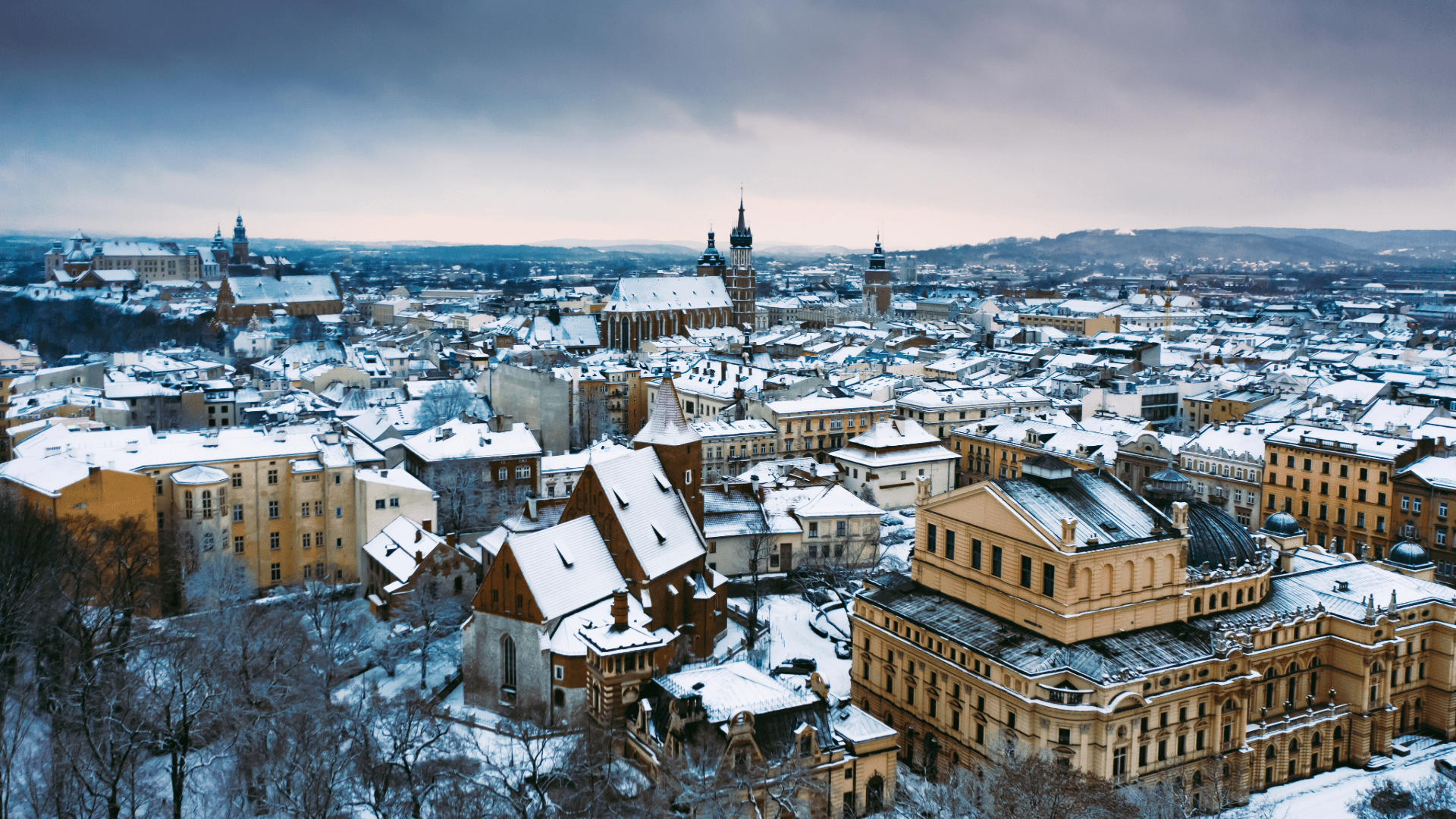
From one market square to another
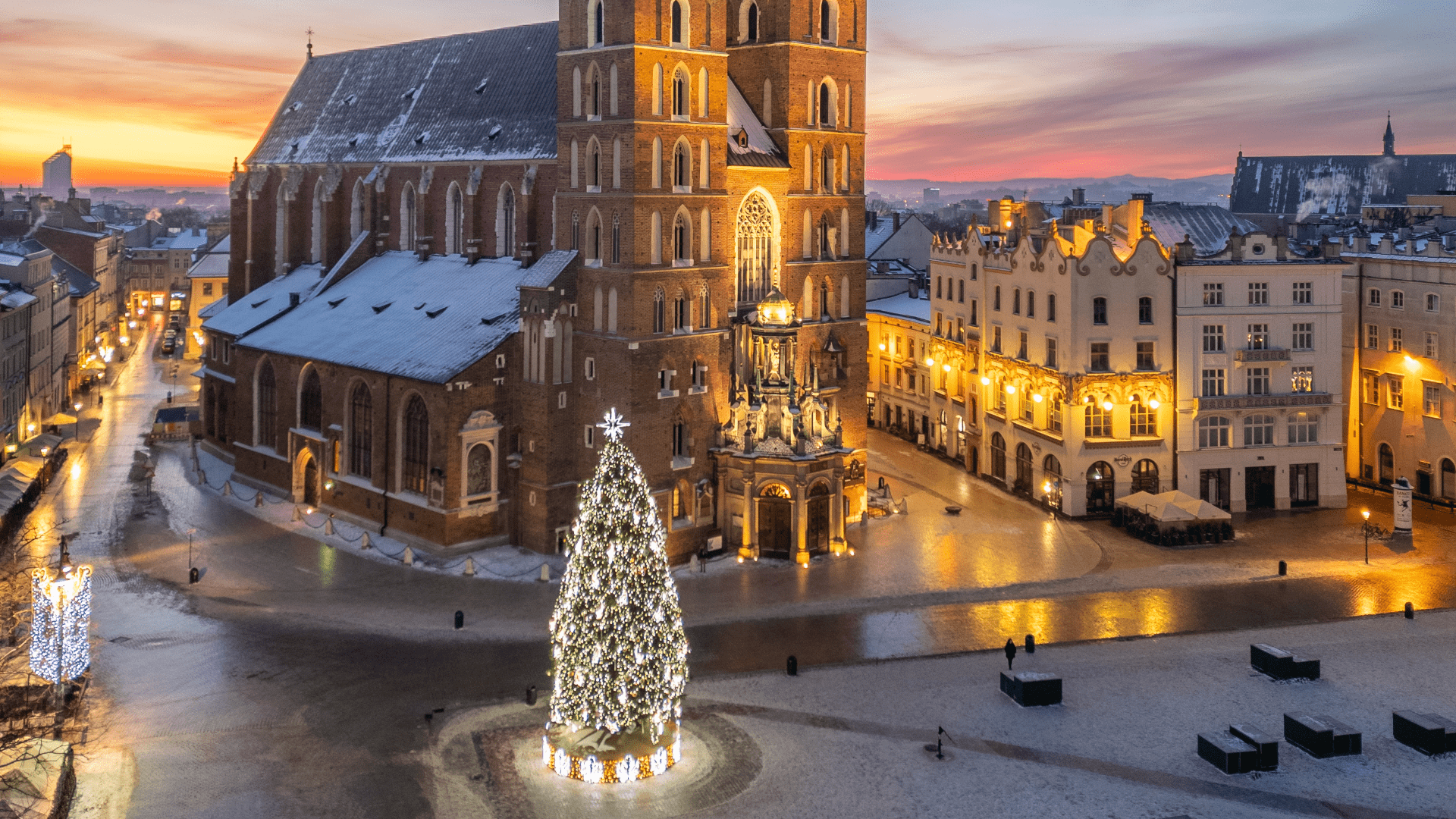
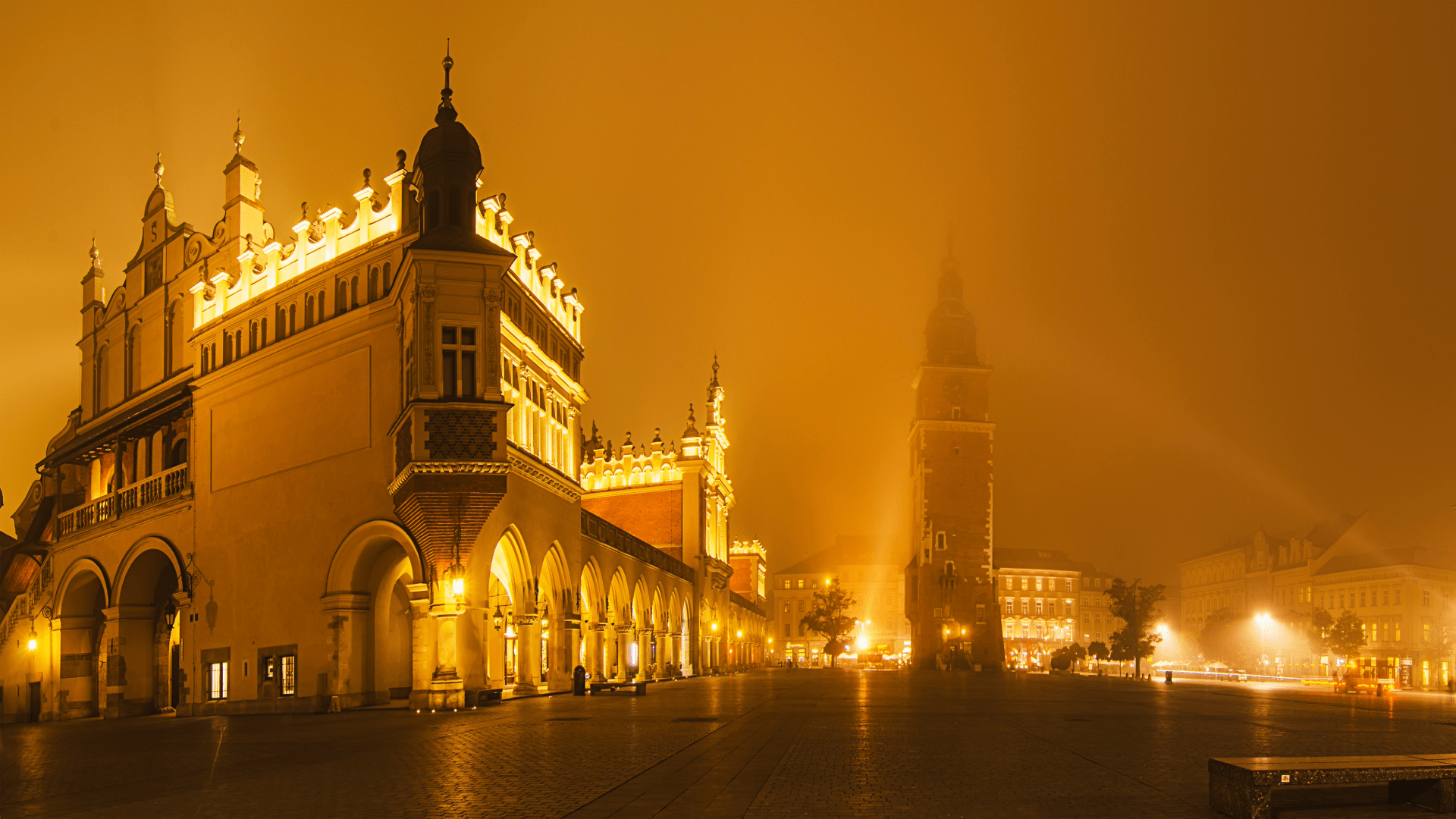
In Krakow, the Cloth Hall is the building you keep coming back to as you cross Main Market Square. Walk through its arcades, come out on the other side and you’re still in the same square, but the view has changed. The towers of St. Mary’s Basilica come back into sight, and if the trumpet sounds while you’re there, you can hear it even as you turn towards the university streets. In Prague, one of the most interesting parts of the old marketplace is tucked behind the Church of Our Lady before Tyn. Follow the lane into Tyn Yard and you’ll find the courtyard where visiting merchants, including traders from Poland, stored their goods, paid customs duties and could stay the night.
That first walk gives you a good reason to put the map away for a bit in either city. In Prague, the view keeps drawing you farther: from the Old Town to Charles Bridge, across to Mala Strana, then up a street where you’ll want to turn around and see how much higher you’ve climbed. In Krakow, the change can happen before you’ve gone more than a few streets. Turn towards Collegium Maius and the noise of the market drops away as you step into the arcaded university courtyard. Prague gives you a view worth crossing the river for. In Krakow, turning a corner can be enough to change the mood of the morning.
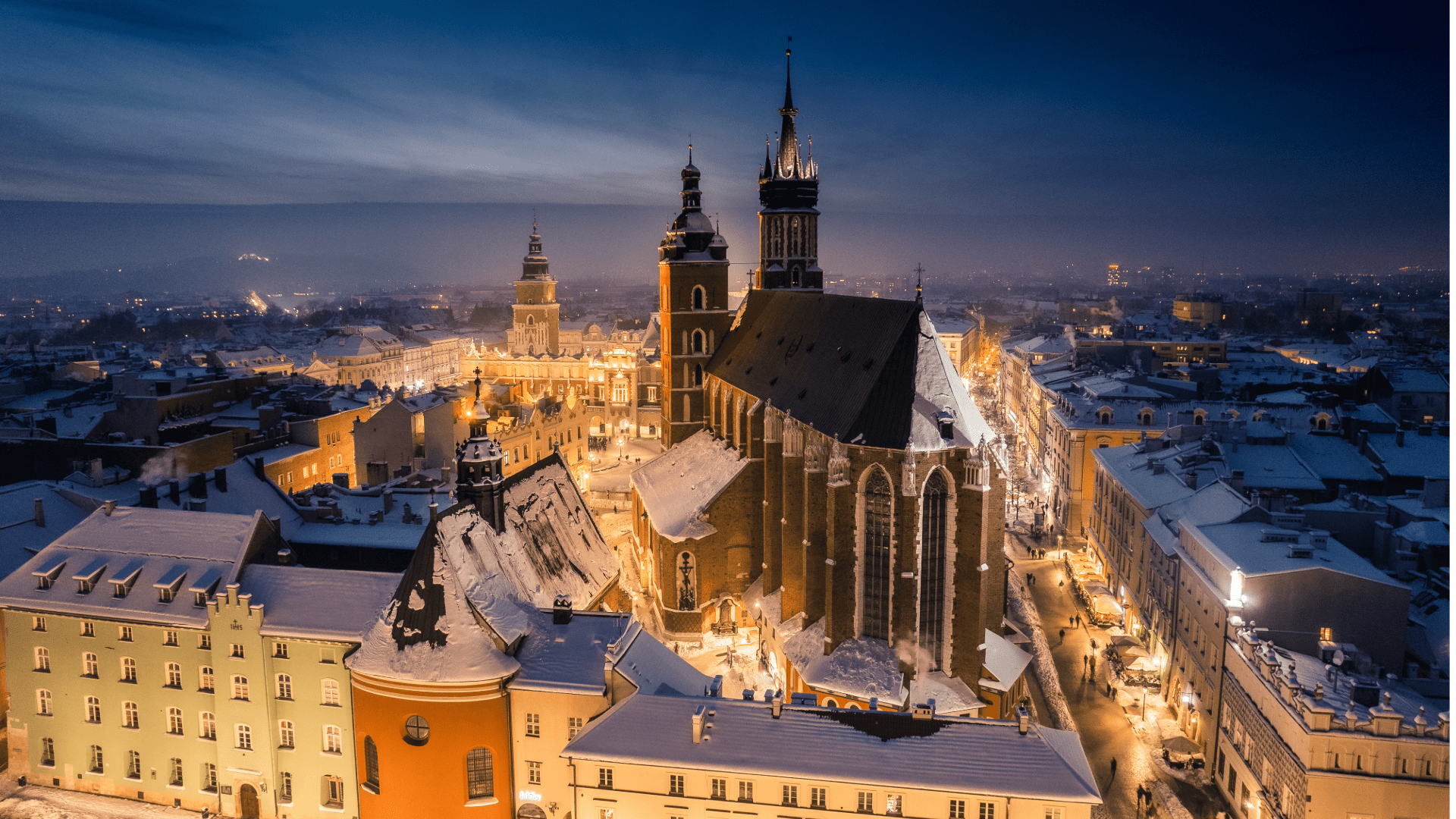
The histories you meet along the way
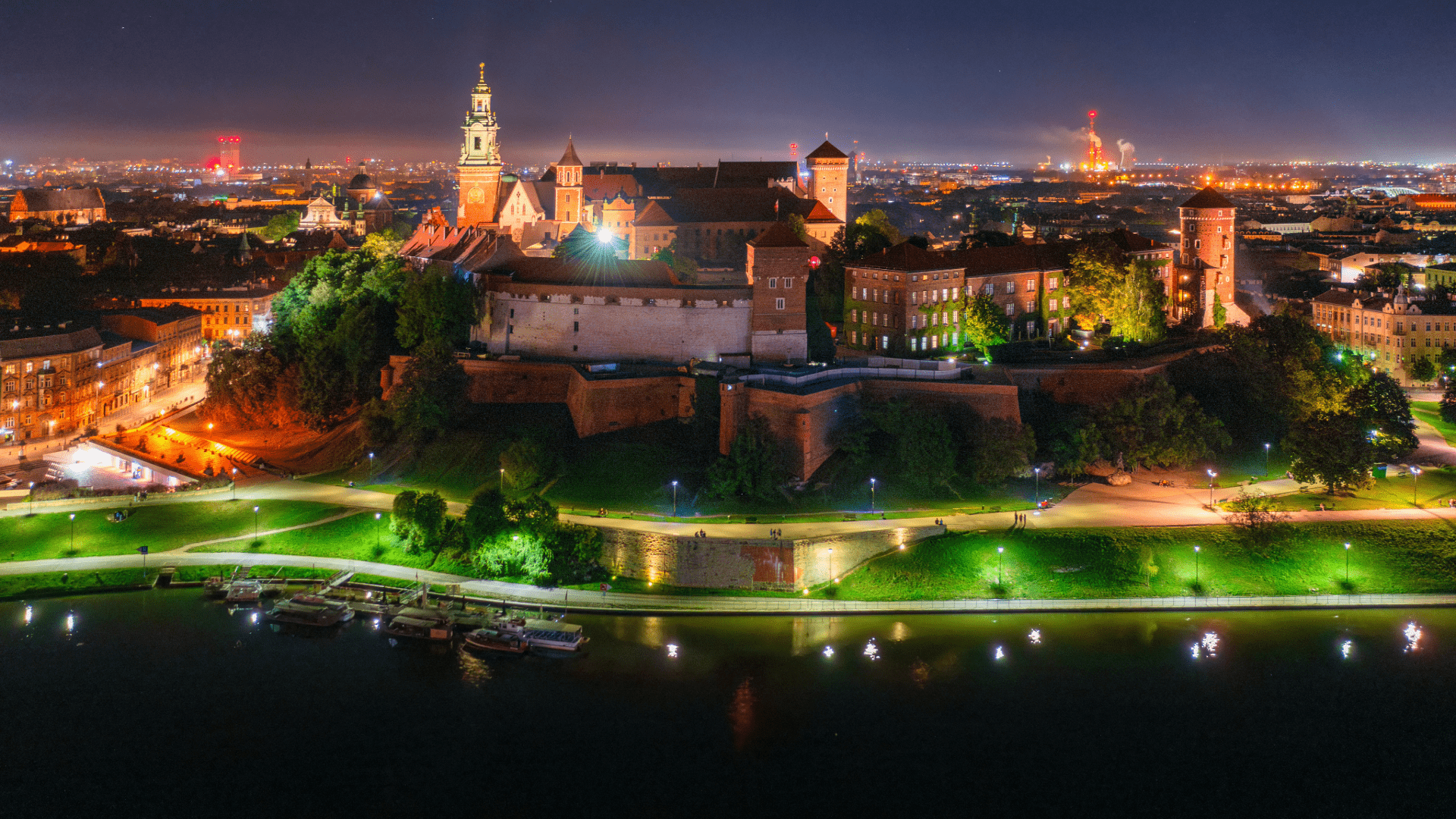
At Prague Castle, look for the Riders’ Staircase beside Vladislav Hall. It was built so knights could ride their horses into the palace for indoor tournaments, which tells you more about the scale of the room than a photograph ever could. The king who commissioned the hall was Vladislav Jagiellon. His younger brothers, Alexander and Sigismund I, commissioned the rebuilding of Wawel’s palace in Krakow. At Wawel, look up at the galleries around the Renaissance courtyard. The two palaces may feel quite different when you’re standing inside them, but the kings who shaped them grew up in the same family.
The family connection explains part of what you see in the two castles. The streets outside them hold other histories. In Josefov and Kazimierz, the synagogues recall Jewish communities that helped shape both cities for centuries. To understand what happened to those communities under Nazi occupation, it’s worth going beyond the royal sights in either city. In Prague’s Pinkas Synagogue, the names of Jewish victims of the Holocaust are grouped by the places where they last lived. In Krakow, you can begin in Kazimierz, where the synagogues tell part of the story of Jewish life before the war, then cross the Vistula to Podgorze, where the German occupiers established the Krakow Ghetto in 1941. On Ghetto Heroes Square, the Eagle Pharmacy still stands on the corner. It was the only pharmacy within the ghetto, and its staff helped pass food and information across its boundaries. Walk there from Kazimierz and the geography becomes part of the history: you can see how near the neighbourhoods were and how radically the occupation changed what it meant to cross from one to the other.
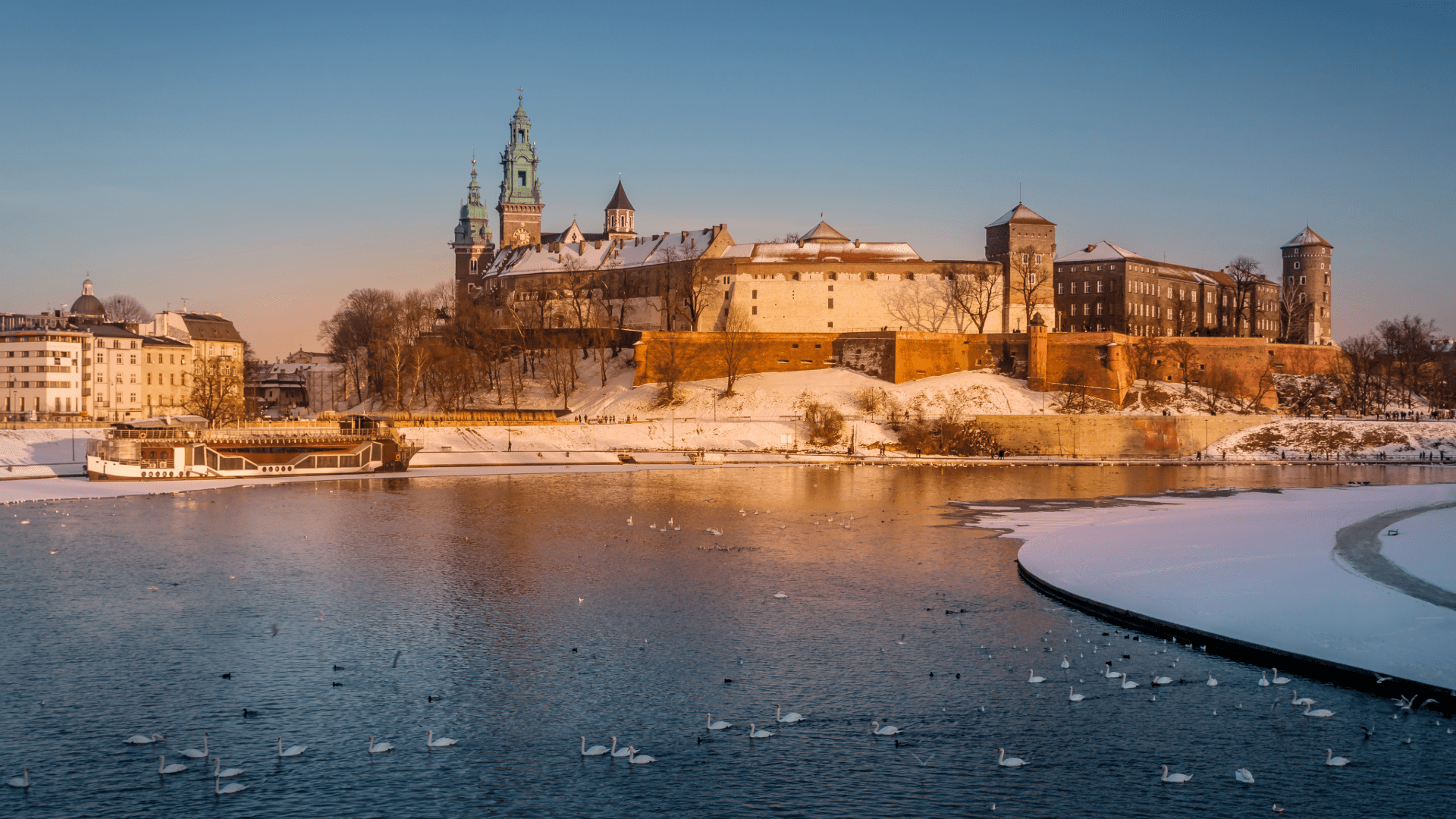
Eating, drinking and spending the evening
The easiest way to feel the difference between the two cities is to sit down for dinner without having planned it.
In Prague, the obvious choice is often a pub. You hear glasses hitting wooden tables, see a line of beer taps behind the bar and order a fresh lager before deciding whether you want goulash, roast pork with dumplings or svickova. It can be a very good evening, particularly in an old beer hall with painted ceilings and locals at the next table. Prague does this ritual exceptionally well.
Krakow has pubs too, but its evenings tend to move between different places. You might start with pierogi or sour rye soup near the Old Town, walk to Kazimierz for duck, mushrooms or Polish dishes with a modern twist, then end up in a wine bar, jazz cellar or cafe that has no reason to close early. Around Jozefa Street, Szeroka and Plac Nowy, dinner does not have to determine the rest of the night. Everything is close enough to change your mind halfway through it.
A casual meal costs about the same in both cities: around £8.50 in Prague and £8.80 in Krakow. The clearer difference is what you pay for a beer with it. A half-litre of local draught beer comes to roughly £2.35 in Prague and £3.40 in Krakow. These are crowdsourced citywide estimates from November 2026, converted into pounds, rather than prices you should expect to see on every menu. For public transport, a standard 30-minute ticket is about £1.15 in Krakow, compared with £1.35 for a paper ticket in Prague. If you’re deciding on price alone, compare the flights and two nights’ accommodation for your actual dates first. That will tell you more about what the weekend will cost than the difference between two lunches.
A clockmaker in Prague, a magician in Krakow
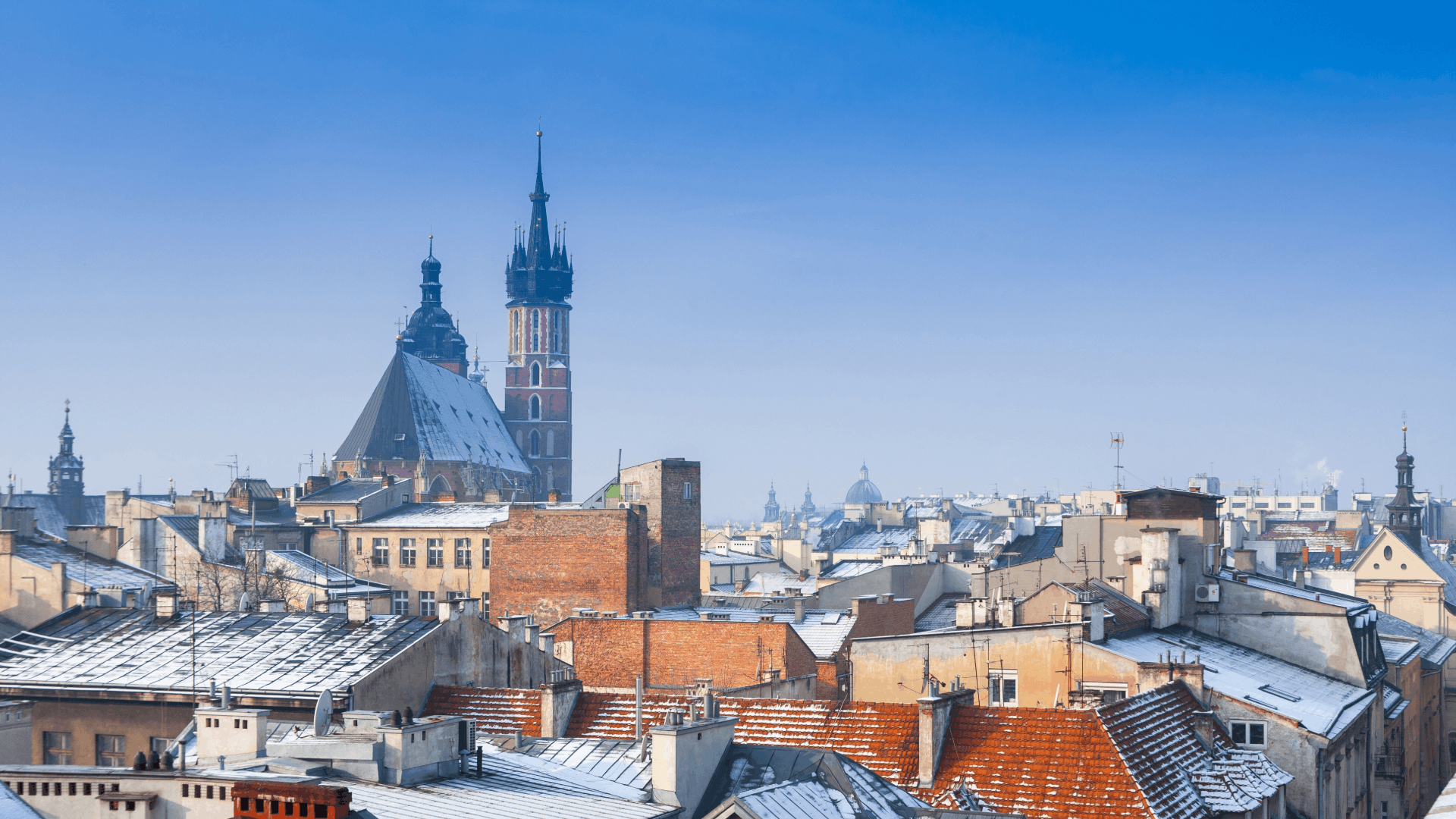
A few minutes before the hour, people gather beneath Prague's Astronomical Clock and raise their phones towards the two little windows where the Apostles will appear. While you wait, there's a story about the man who supposedly made the clock stop. According to legend, Prague's councillors heard that Master Hanus might build an even finer clock for another city. They had him blinded so he could never make another. When Hanus found out who was responsible, he asked his apprentice to lead him back to the tower. He ran his hands over the mechanism until he found the lever he was looking for, then pulled until it snapped. The gears ground to a halt. In one telling, the clock stayed silent for years because nobody knew how to repair it. Hanus really did work on the clock, but the original mechanism was installed in 1410, decades before he laid a hand on it. The story gives him credit for building it and, more memorably, for knowing exactly how to break it.
In Krakow, the trick is hidden in a single word. Pan Twardowski, a magician who struck a bargain with the Devil, agreed to surrender his soul on one condition: the Devil could claim it only in Rome. Twardowski had no plans to go to Italy. For years, he thought he'd got away with it. Then, one night, he stopped at an inn and learned its name. Rome. In the Krakow Legends version, Twardowski flees on the back of a giant rooster and ends up on the Moon, where he can see Krakow but can't get back. There's one lovely detail at the end: a spider lowers itself to the city on a thread, finds out what's been happening and climbs back up to tell him. Here on Earth, one of the buildings associated with the magician is Krzysztofory Palace on Main Market Square, whose cellars have their own tales of magic and buried treasure.
Twardowski's tale is one of seven audio stories in
Krakow Legends: From Salt to the Moon, created by Hello Cracow and Krakow Tourism Alliance. Each episode tells the legend first, then explores the history and places behind it. If you've already walked past Krzysztofory Palace, this is a good episode to start with.
Silver, salt and a day away from the city
In Kutna Hora, the name Italian Court sounds out of place until you learn why it's there. King Wenceslas II brought in specialists from Florence to help reform Bohemia's currency, and the court became a royal mint. This was where silver from the mining town was turned into coins. Visit the mint before walking up to St. Barbara's Church and you'll have a better sense of how a town outside Prague came to afford a Gothic church on that scale.
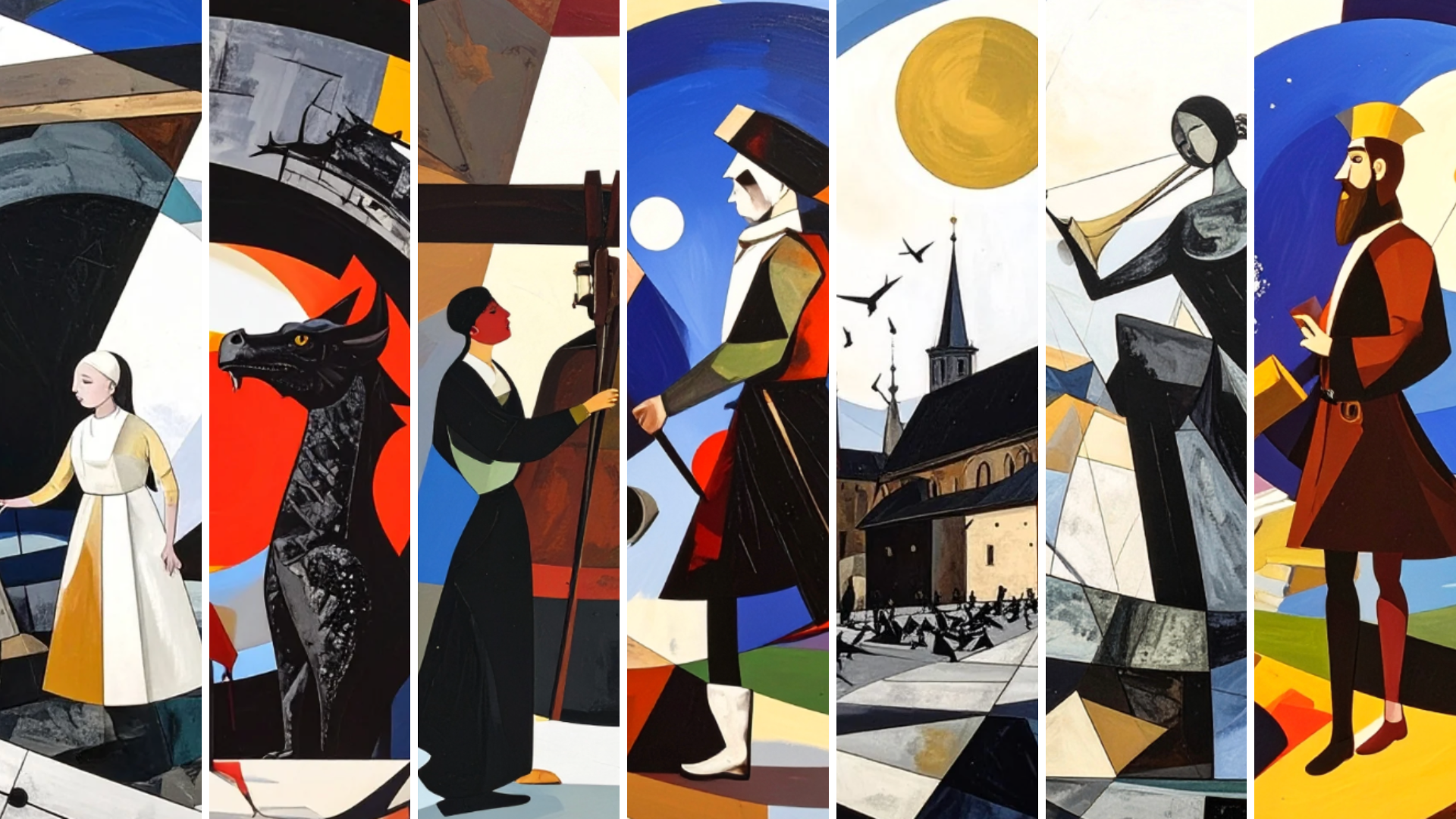
At Wieliczka, the story goes in the other direction. You leave daylight behind at the shaft and follow the galleries into the mine itself. St. Kinga's Chapel is the room most people come to see, but look up in the other chambers, too. The huge timber supports give you a sense of the carpentry it took to keep those spaces open. Kutna Hora shows you what a mining town built with its wealth; at Wieliczka, you get to see what it took to bring that wealth to the surface.
For a day in the open air, the choice comes down to the kind of walk you feel like doing. In Bohemian Paradise, outside Prague, the paths near Hruba Skala take you through the woods and out to viewpoints above the sandstone towers. In Ojcow, about 30 km from central Krakow, it is good to start down on the valley floor. Follow the Pradnik stream past a little wooden chapel built over the water, then carry on towards Krakow Gate, where two limestone cliffs frame the mouth of a side gorge. You can turn back there and still feel you've had a proper walk, with time left for dinner in Krakow.
What to do with two days
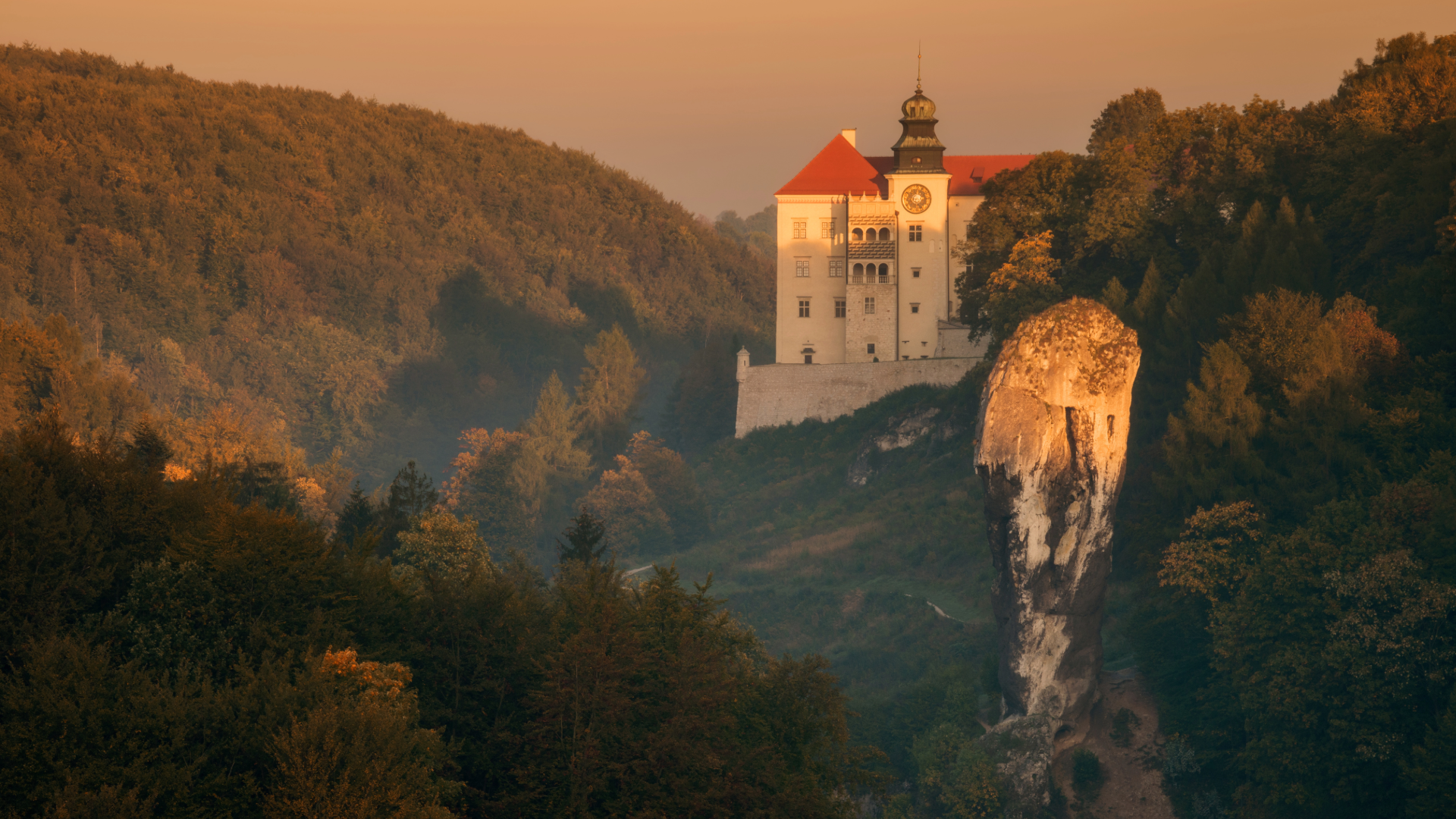
Saturday is a good day for the castles in either city, but there’s no need to make the rest of the day look the same. In Prague, take a tram up to the castle and come back down on foot through Mala Strana. Give yourself time to stop for lunch before crossing the Vltava again. If you carry on to Kampa, you’ll see Charles Bridge from below, with the people on it looking back towards the hill you’ve just come down. That’s an afternoon well spent even if you never make it back to Old Town Square.
At Wawel, choose what you actually want to see. The royal rooms and the cathedral tell different parts of the story, and there’s little point rushing through both if one interests you more. Afterwards, rather than booking another museum straight away, spend the afternoon in Kazimierz. If you’re there for the history, start at the Old Synagogue and give yourself time to look around the streets nearby. If you’ve had enough of interiors, get something to eat around Plac Nowy and carry on down to the river. A morning at Wawel gives the day enough structure; the afternoon can take care of itself.
Sunday is worth thinking about before you go, especially in Prague. The Jewish Museum sites close on Saturdays and Jewish holidays, so save Josefov for Sunday if the Pinkas Synagogue or the Old Jewish Cemetery is on your list. It’s worth giving them the morning instead of trying to squeeze them in before you leave. In Krakow, use the second day to pick up a thread from the first. If the market square made you curious about the trading city that once stood there, book a slot at Rynek Underground. If you’re more interested in what you saw in Kazimierz, cross the river to Podgorze and give the Eagle Pharmacy and Ghetto Heroes Square the time they deserve. And if you’re travelling home on Sunday afternoon, choose one of those plans and stop there. It’s a better use of the morning than watching the time through two visits.
Krakow or Prague: which should you book?
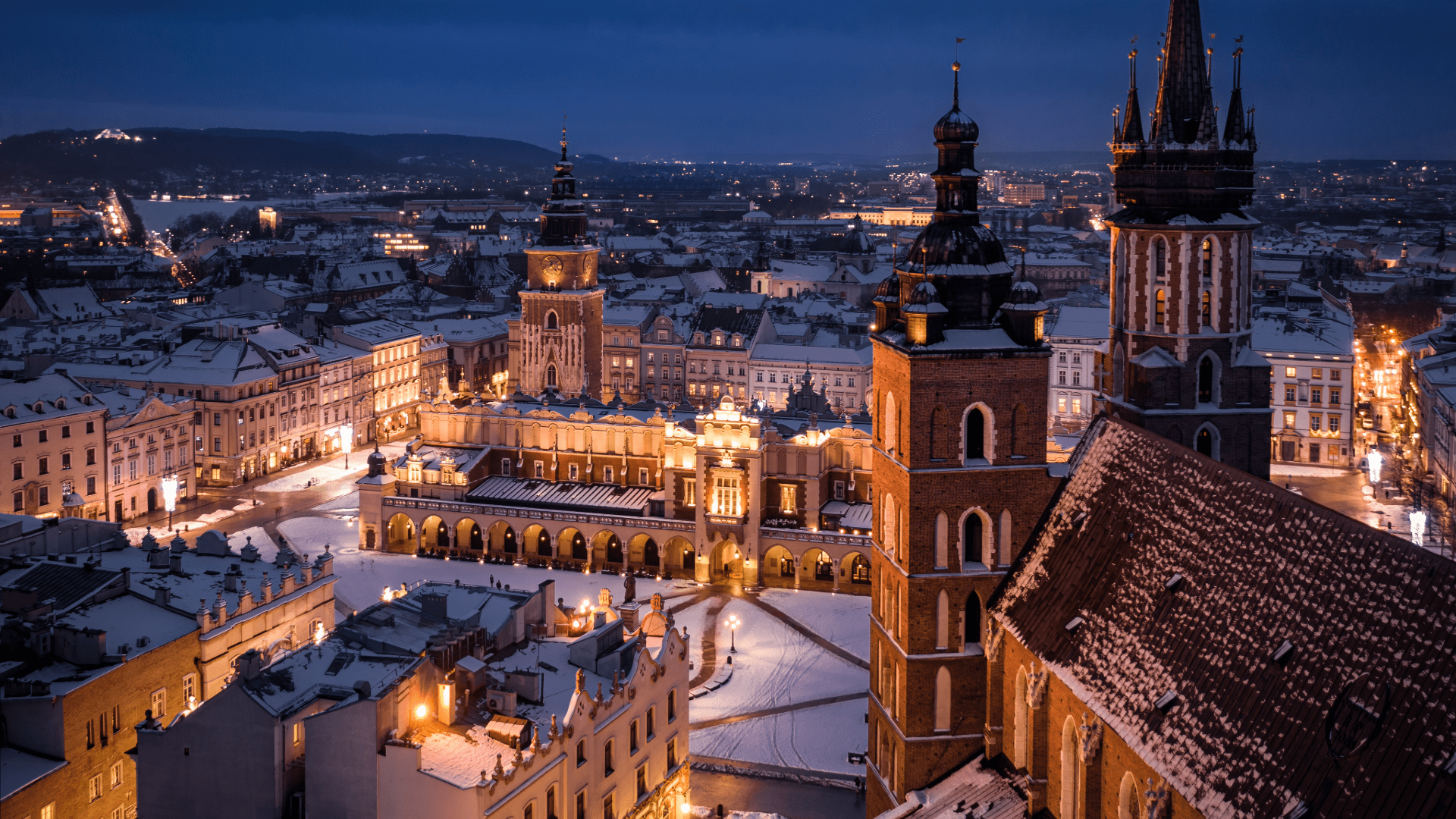
If you’ve been looking forward to seeing Prague from across the Vltava, book Prague. That view, followed by an afternoon in Mala Strana, is worth the trip on its own. But if you’re equally tempted by both cities, Krakow is our recommendation for a first weekend. Wawel gives you a good place to start, but the rest of the visit doesn’t have to follow the castle’s story. Spend a morning learning how the old trading city worked, or give a neighbourhood your full attention and stay there for dinner. Two days are enough to get a sense of Krakow beyond the places you came to see.