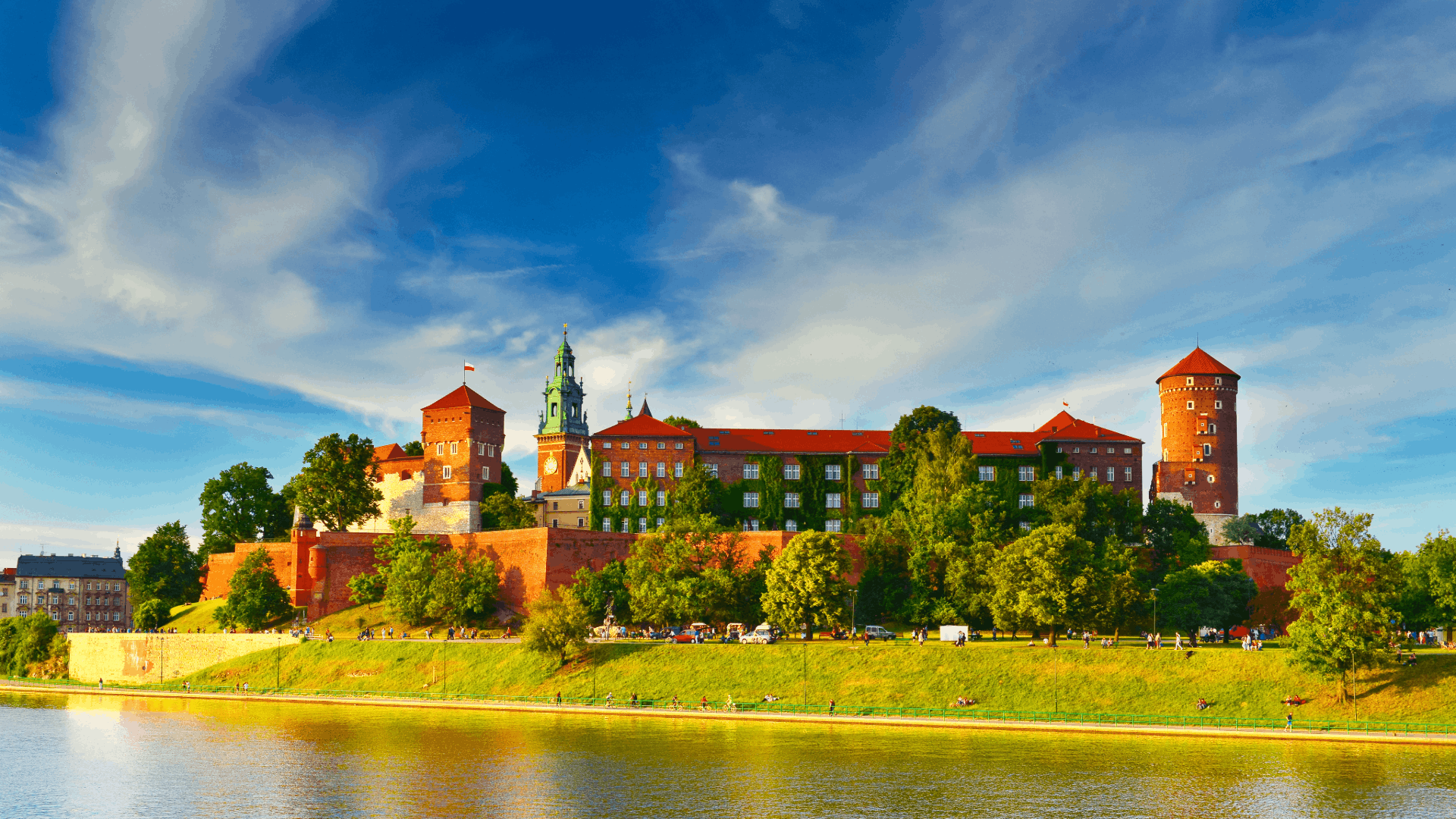




10 Hidden Gems East of the Vistula in Krakow
When travelers think of Krakow, visions of the Wawel Castle, Main Market Square, and Kazimierz often come to mind. But venture east of the Vistula River, and you'll uncover a different, lesser-known side of the city—authentic, historic, and surprisingly beautiful. Whether you're a returning visitor or exploring Krakow for the first time, here are 10 hidden gems that deserve a spot on your itinerary.
1. Kopiec Krakusa – The Mythical Origin Point of Krakow
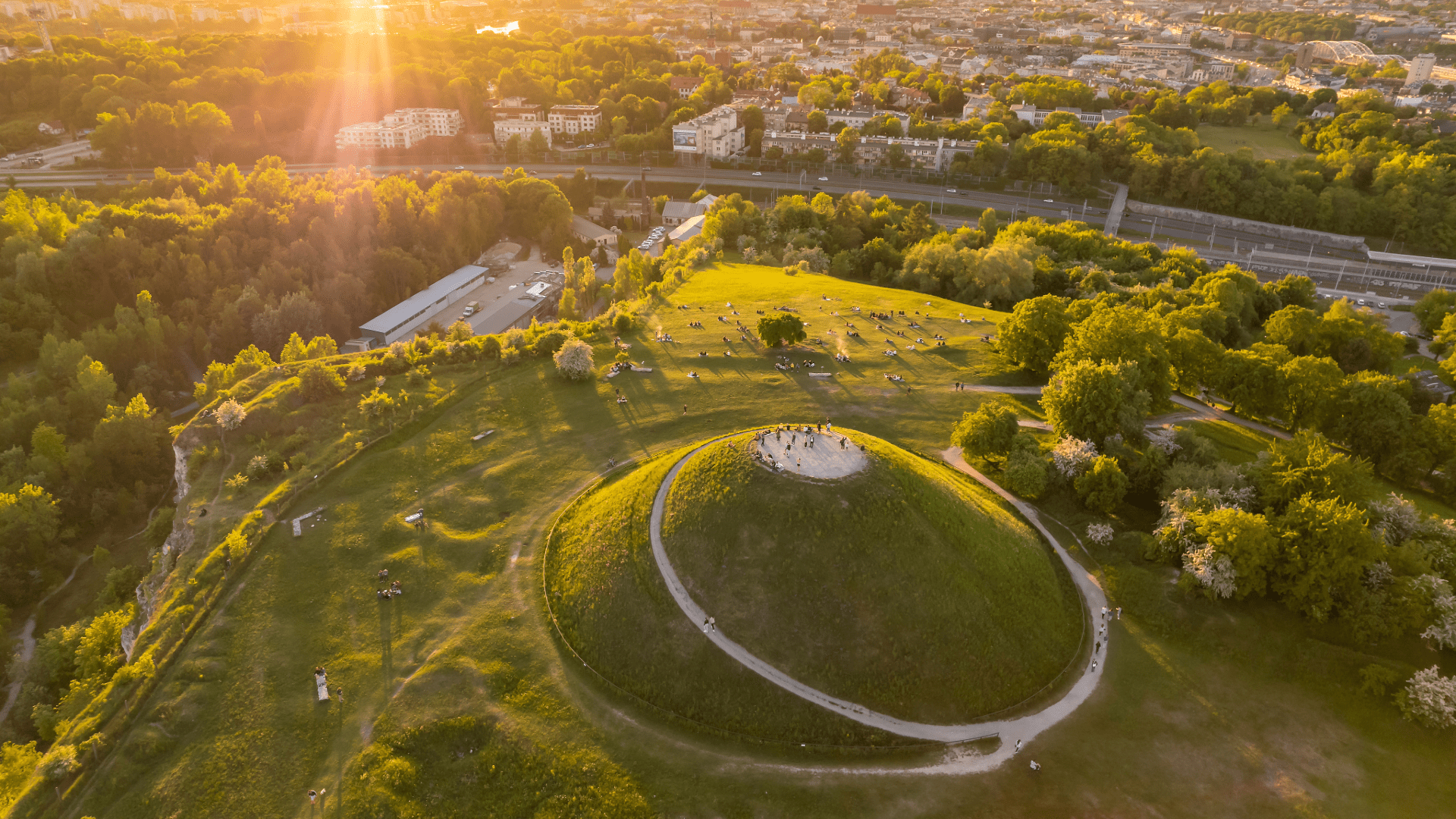
Rising above the Podgórze district, Krakus Mound is more than just a stunning viewpoint. It is a monument steeped in myth and mystery. According to legend, King Krak was first laid to rest at the very summit of the hill. Only afterward did his two sons construct the earthen mound in his honor. While the precise reasons for its construction remain a matter of debate. Some scholars believe the mound may also have been used for ceremonial gatherings or astronomical observations.
Climbing its grassy slope rewards visitors with sweeping views of Krakow’s skyline, including the distant spires of the Old Town. And the winding course of the Vistula below. Despite being far from the bustling city center. The mound is often dotted with locals enjoying picnics, solstice rituals, or simply a moment of quiet reflection. Above the noise of the modern city.
Did you know?
During the Rękawka Festival, celebrated here each spring, reenactors in medieval garb bring to life Slavic customs and combat—an ancient ritual once believed to honor the dead with eggs rolled down the hill.
2. Zakrzówek – A Crystalline Refuge in the Urban Jungle
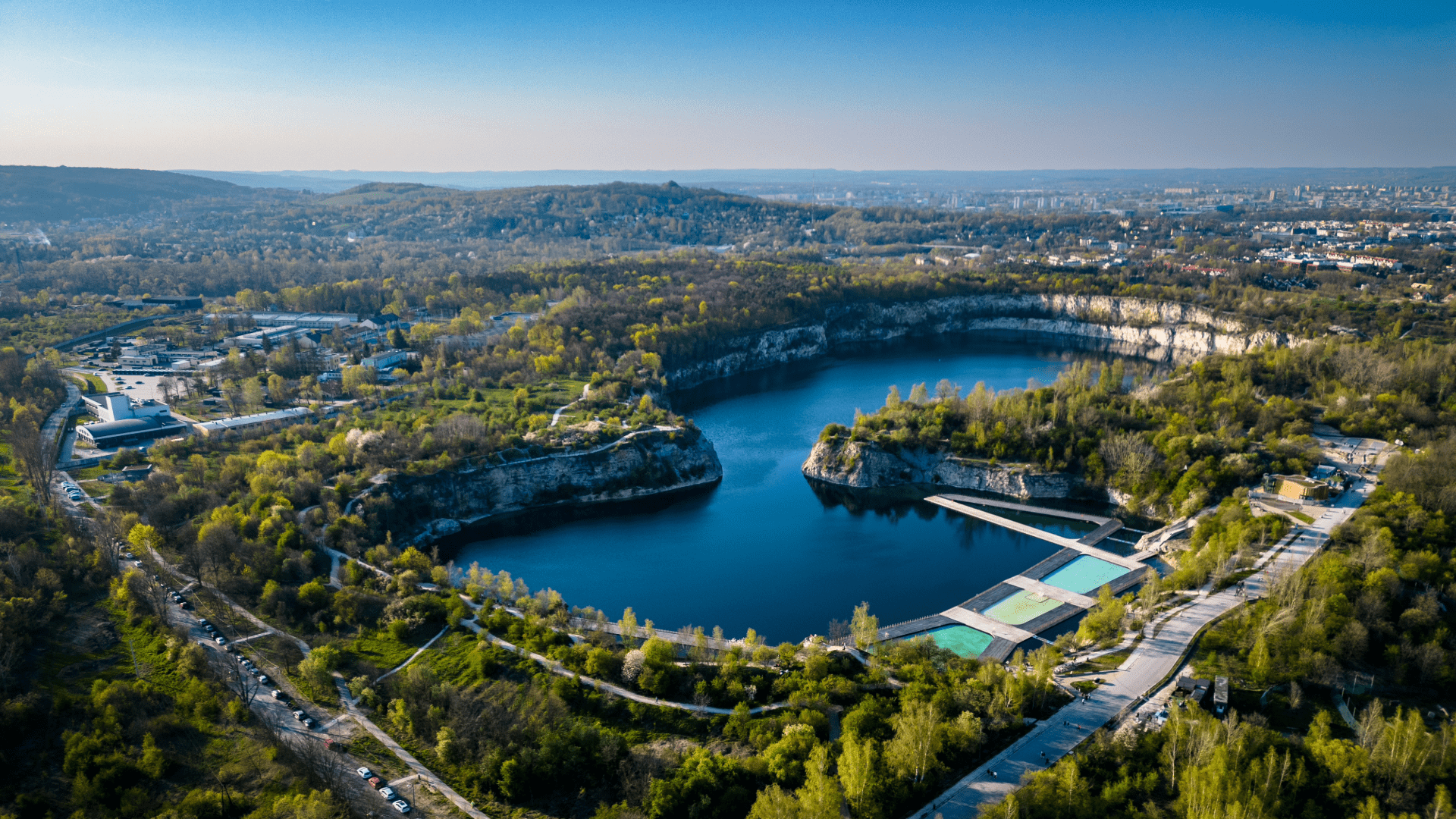
Imagine descending into a secluded canyon where aquamarine water sparkles beneath limestone cliffs, and you’re only a stone’s throw from the heart of Krakow. That’s Zakrzówek—a post-industrial marvel transformed into one of the city's most surreal natural escapes. Formed after a limestone quarry was flooded in the 1990s, this lagoon offers some of the clearest water in the region.
Adored by divers, swimmers, and photographers alike, Zakrzówek is now undergoing a sensitive redesign to balance recreation with environmental protection. Elevated footbridges, observation decks, and designated swimming zones are being developed to make this urban oasis more accessible—without losing its untouched charm.
Did you know?
During World War II, Karol Wojtyła—later Pope John Paul II—was drafted as a quarry laborer here under German occupation.
3. Botanical Garden – Time Travel Through Flora
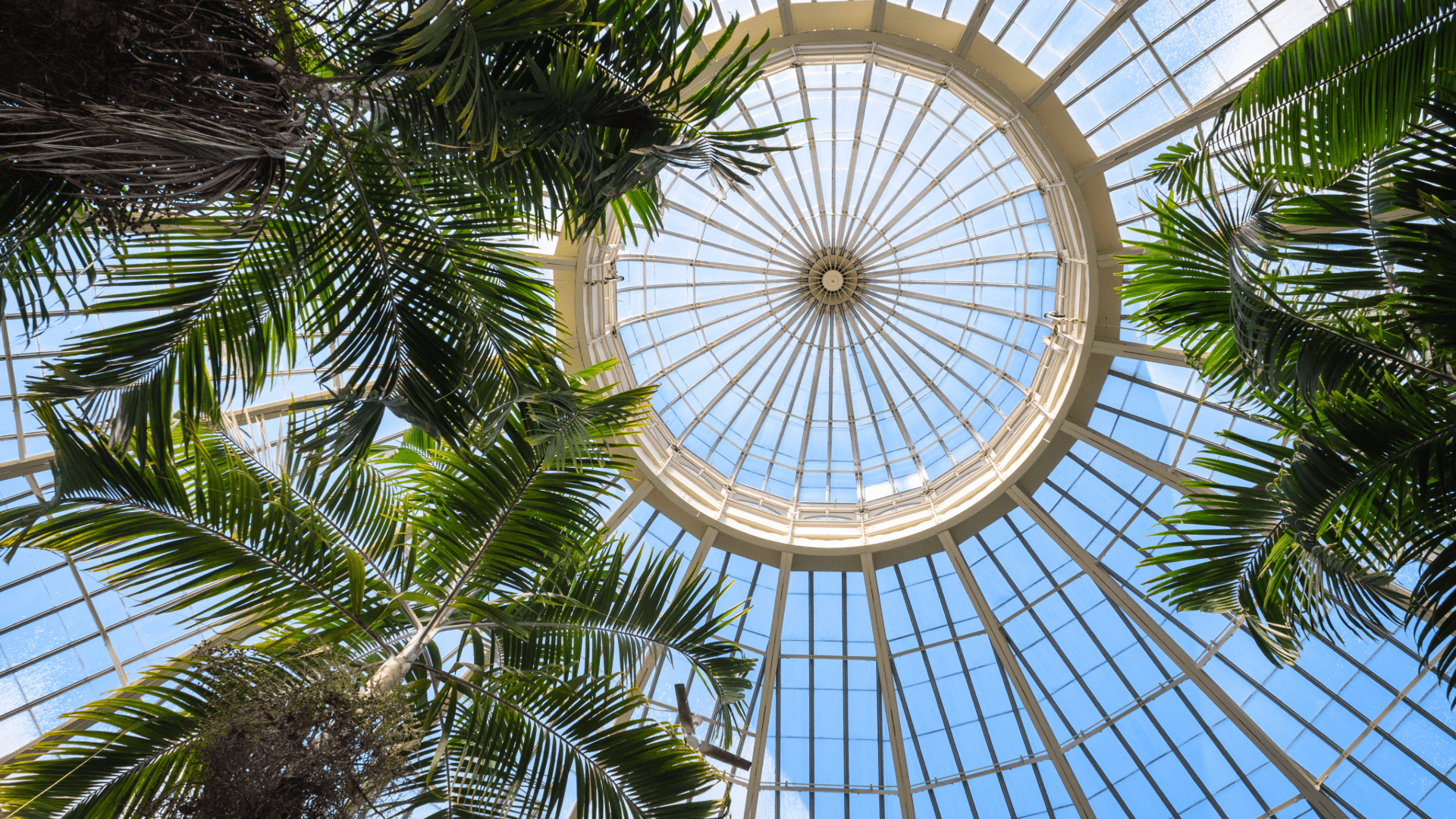
Tucked behind the historic Planty Park, the Jagiellonian Botanical Garden feels like stepping into a living museum. Founded in 1783 as part of Poland’s oldest university, this 10-hectare garden preserves an extraordinary variety of global flora—from ancient ginkgo trees to carnivorous plants, delicate orchids, and aromatic herb beds.
Visitors can stroll through 18th-century greenhouses, each with its own microclimate. The palm house, in particular, transports you to a tropical rainforest, offering a truly immersive experience. It’s more than just a walk—it’s a sensory expedition through centuries of botanical curiosity and scientific pursuit.
Did you know?
Some of the specimens here, including plants from South America, were collected during 19th-century expeditions sponsored by the university.
4. The Museum of Stained Glass – Krakow’s Cathedral of Glass
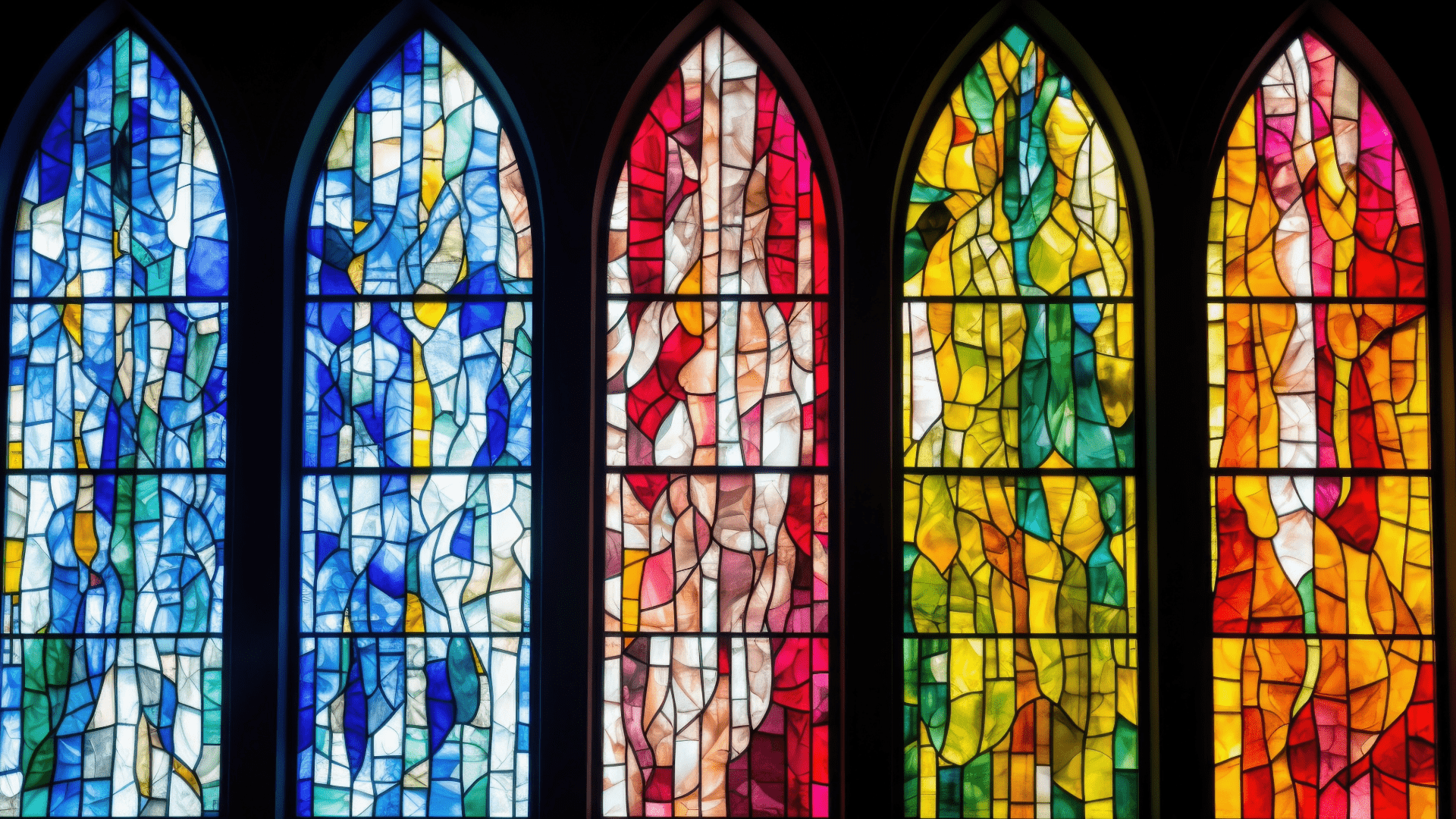
The Museum of Stained Glass will enchant art lovers and culture seekers, a working atelier that has preserved its craft since 1902. Far from being a static exhibit, this is a living museum. You can witness glass artists delicately placing each colored shard, as they’ve done for generations. The scent of lead, paint, and ancient wood fills the air—it’s as though time has slowed inside these walls.
The museum’s crown jewels include original designs from the Young Poland movement, with connections to Stanisław Wyspiański and other luminaries. A guided tour reveals how religious and secular Krakow alike was literally shaped in color and light.
Did you know?
The museum’s own workshop has contributed to iconic landmarks such as the Franciscan Church and Wawel Cathedral. Every piece you see in progress may soon adorn a sacred or historical space.
5. Podgórze – Krakow’s Poetic Underdog
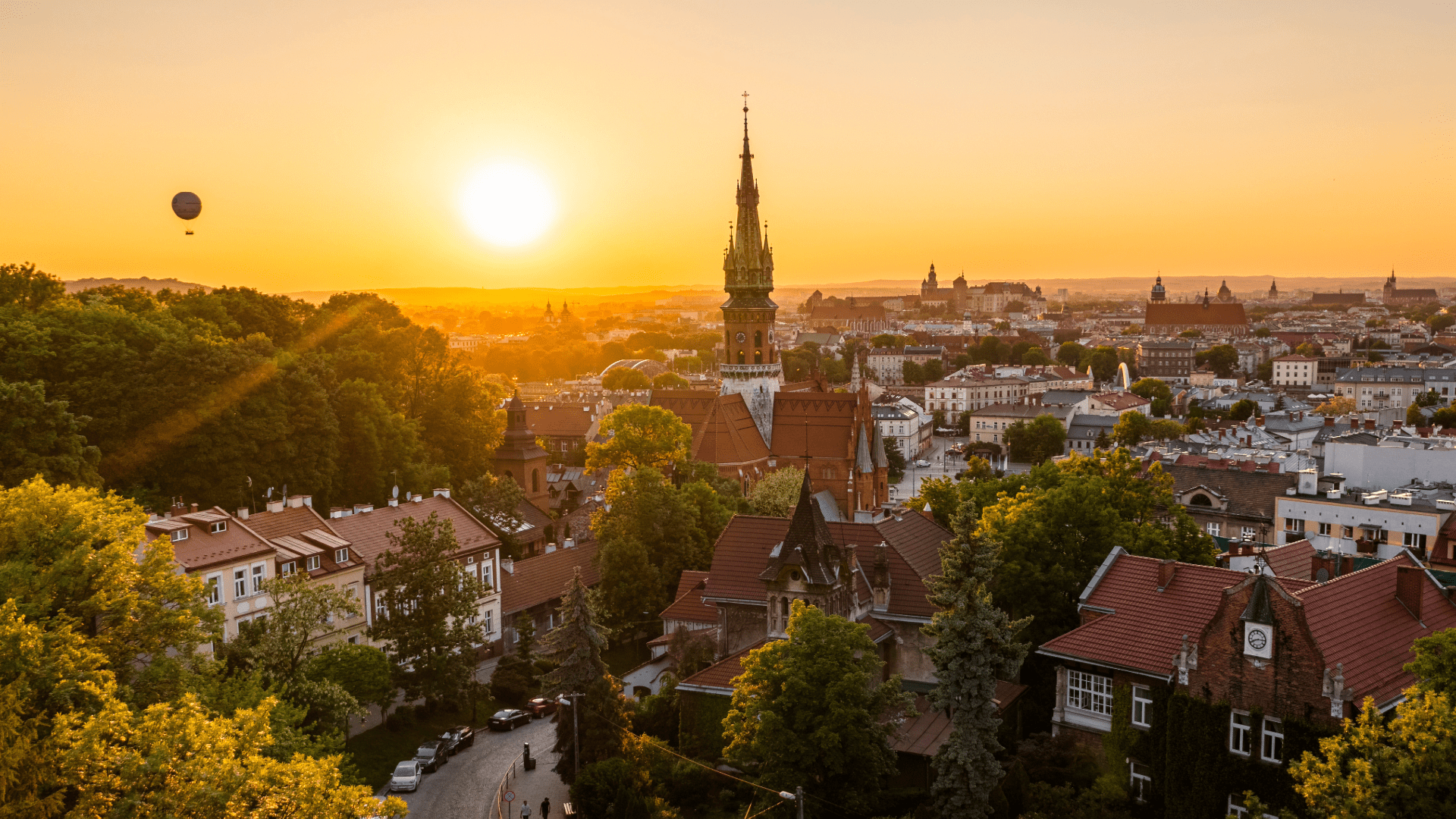
Often overshadowed by its famous neighbor Kazimierz, Podgórze is a district where history and hope intermingle on every corner. Once a separate town, later a site of unspeakable tragedy during the Holocaust. And now a place for artists and locals seeking authenticity. It’s a neighborhood that lives and breathes stories.
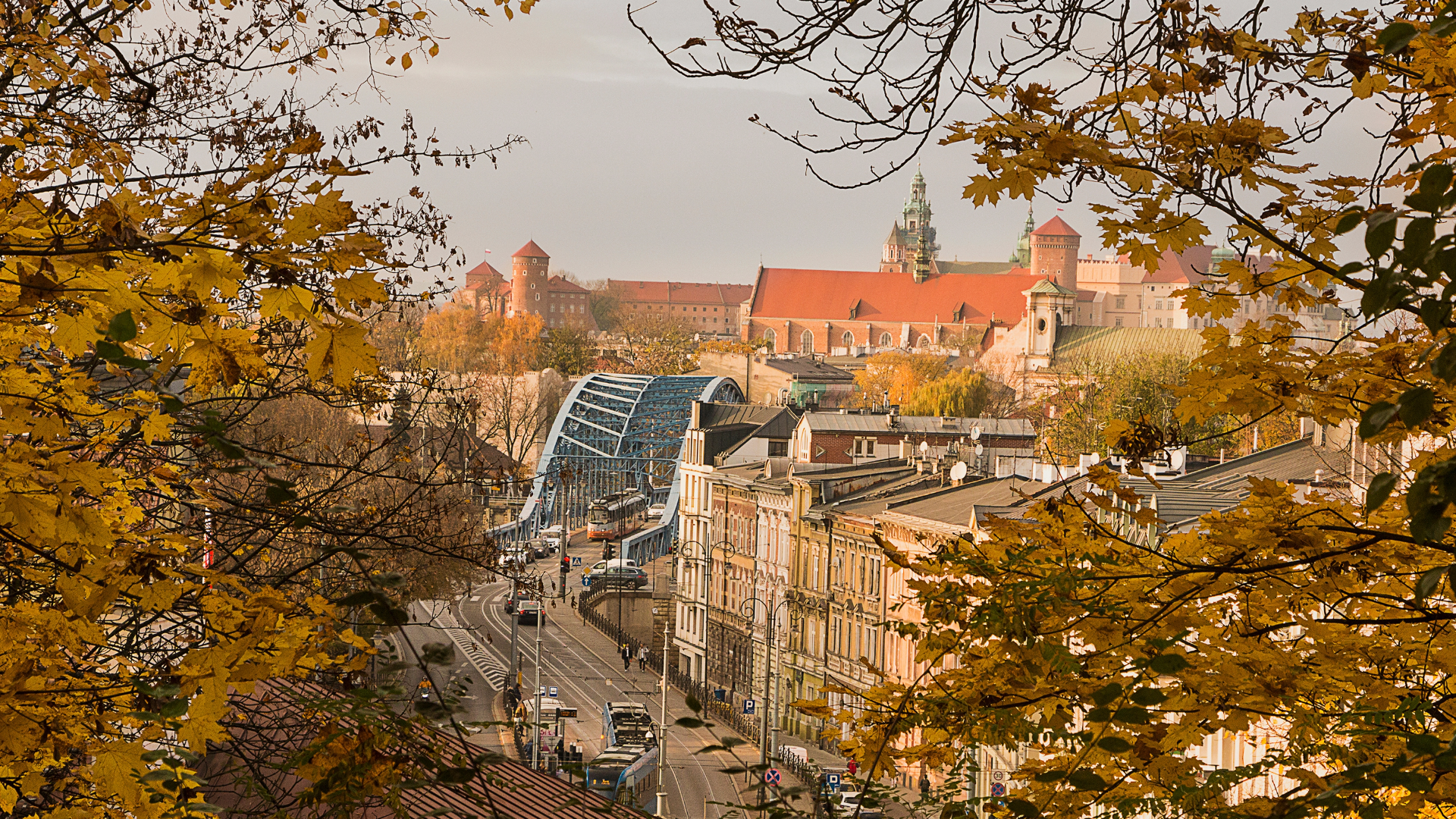
Walk along Rynek Podgórski, where elegant facades hint at Austro-Hungarian splendor. Pause at the Ghetto Heroes Square, where empty chairs symbolize the silence left behind by Krakow's lost Jewish community. Then, cross to the Schindler Factory Museum, a masterfully curated space that doesn't just recount WWII history. It immerses you in it. Beyond the heavy past, Podgórze’s present is light-filled and hopeful. Artisan bakeries, conceptual galleries, indie bookstores, and some of the best panoramic walks in the city await.
Did you know?
The hauntingly beautiful pedestrian bridge—Kładka Bernatka—not only links Kazimierz and Podgórze but also showcases aerial sculptures of acrobats.
6. Kopiec Wandy – The Lesser-Known Sister of Krakus
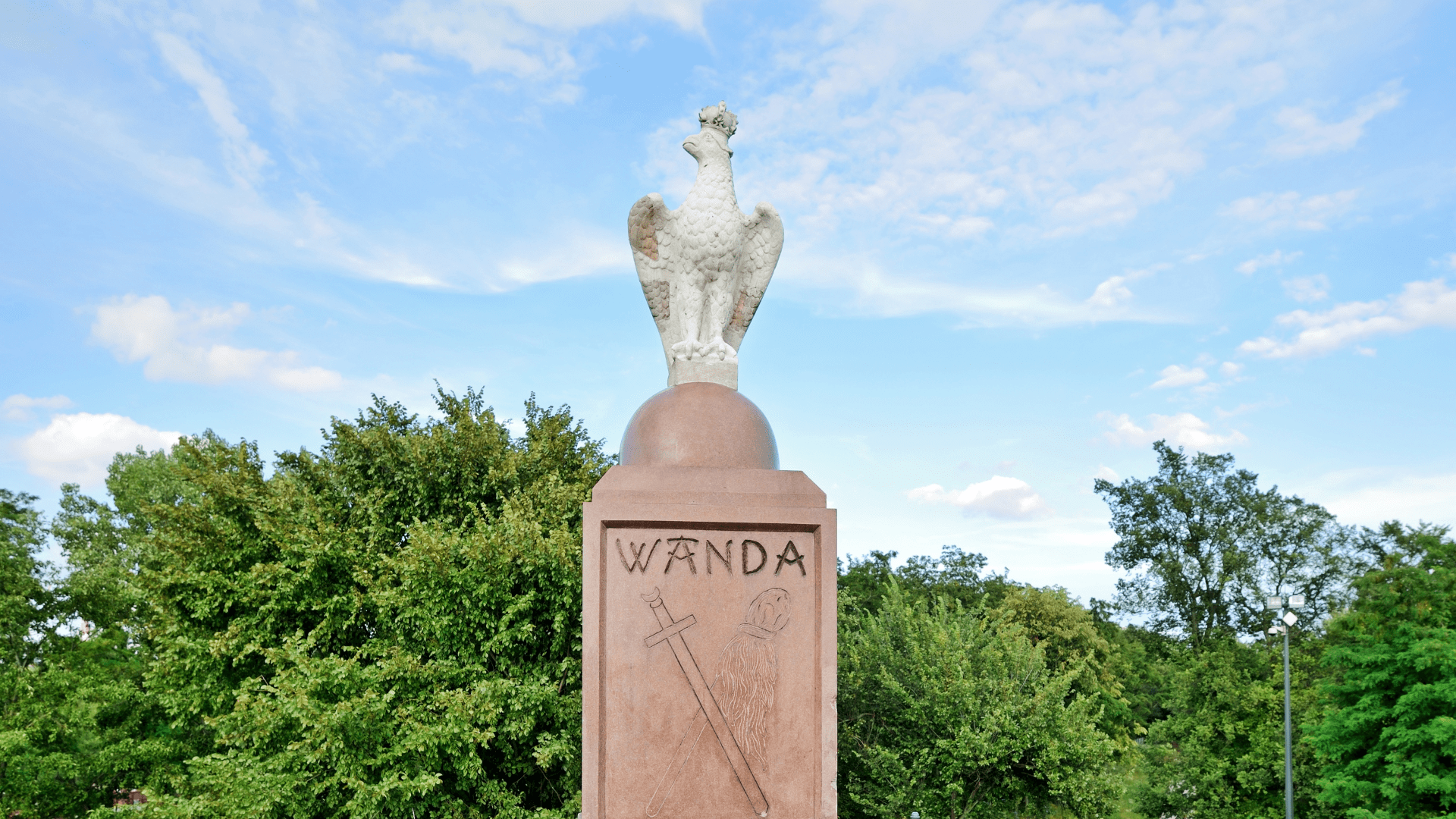
Far less frequented than its older sibling, Krakus Mound, the Wanda Mound in Nowa Huta is shrouded in a quieter, more melancholic legend. Said to be the burial site of Princess Wanda, who drowned herself rather than marry a German prince. The mound has stood sentinel at Krakow’s eastern gate for over a millennium.
Nestled on the quieter edges of Nowa Huta, the Wanda Mound stands as a poetic symbol of Poland’s enduring legends. The area around it, with its mix of Soviet-era planning and green spaces, offers a fascinating juxtaposition. Of ideology and identity—perfect for those wanting to see a side of Krakow that tourists rarely touch.
Did you know?
The alignment between Wanda and Krakus Mounds during solar events has sparked theories of ancient calendrical use. Today, it attracts enthusiasts of Slavic traditions during seasonal gatherings like Kupala Night.
7. Fort 31 “Benedykt” – The Fortress in the Mist
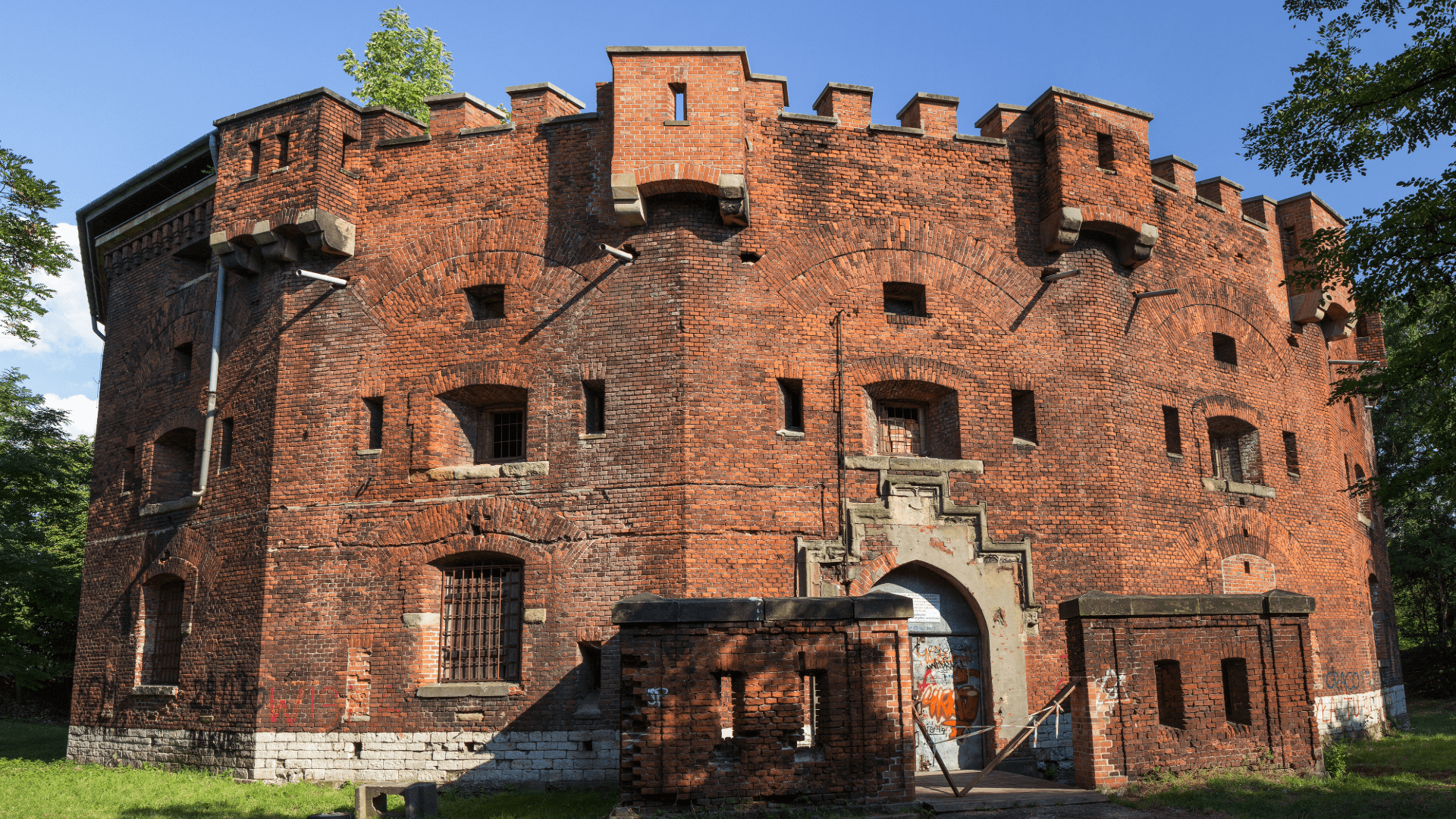
Hidden within the trees of Krakus Mound’s slopes is Fort 31 “Benedykt,” a haunting relic of Krakow’s 19th-century fortress ring. Built by the Austro-Hungarians to defend against Russian incursions, it’s one of the last standing artillery forts from this era. Though not accessible inside due to safety concerns, its eerie presence and ivy-covered ramparts make it a magnet for urban explorers and history buffs.
What makes Fort Benedykt even more captivating is how it seems to quietly watch over the city. The surrounding nature has reclaimed much of the structure, lending it an almost romantic ruin-like quality—perfect for moody photographs or contemplation.
Did you know?
The fort once housed a garrison and was equipped with shadowy underground chambers, remnants of 19th-century military engineering. Whispers persist among locals about forgotten tunnels that may still snake beneath Krakow’s streets.
8. The Benedictine Abbey in Tyniec – Silence That Echoes Through Centuries
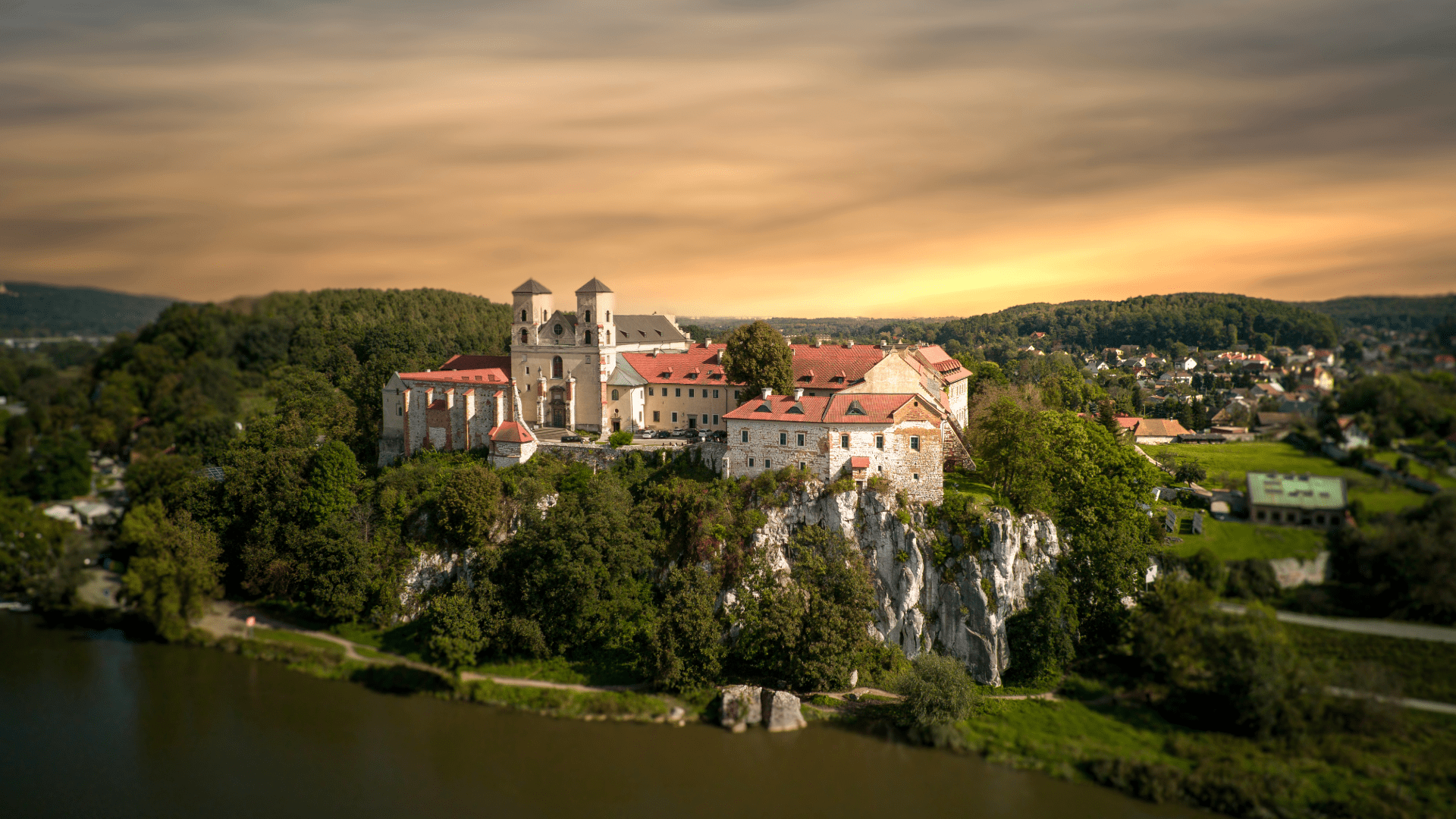
Perched dramatically above the Vistula River, the Benedictine Abbey in Tyniec is Krakow’s oldest functioning monastery, founded in the 11th century. Approaching it feels like entering a sacred pocket outside of time. The monks still follow their daily rhythm of prayer and work, creating an atmosphere of deep serenity that draws pilgrims, historians, and seekers of peace alike.
Inside, the abbey stuns with a blend of Romanesque austerity and Baroque flourish. The church, with its gilded altar and ancient choir stalls, speaks of devotion forged across generations. The monks also make and sell products—herbal liqueurs, honey, and cosmetics—handcrafted according to time-tested monastic recipes.
Did you know?
From the abbey’s terrace, you can take in the sweeping bend of the Vistula. On quiet days, catch glimpses of birds of prey or deer moving through the forested hills below.
9. Zalew Bagry – Krakow’s Secret Riviera
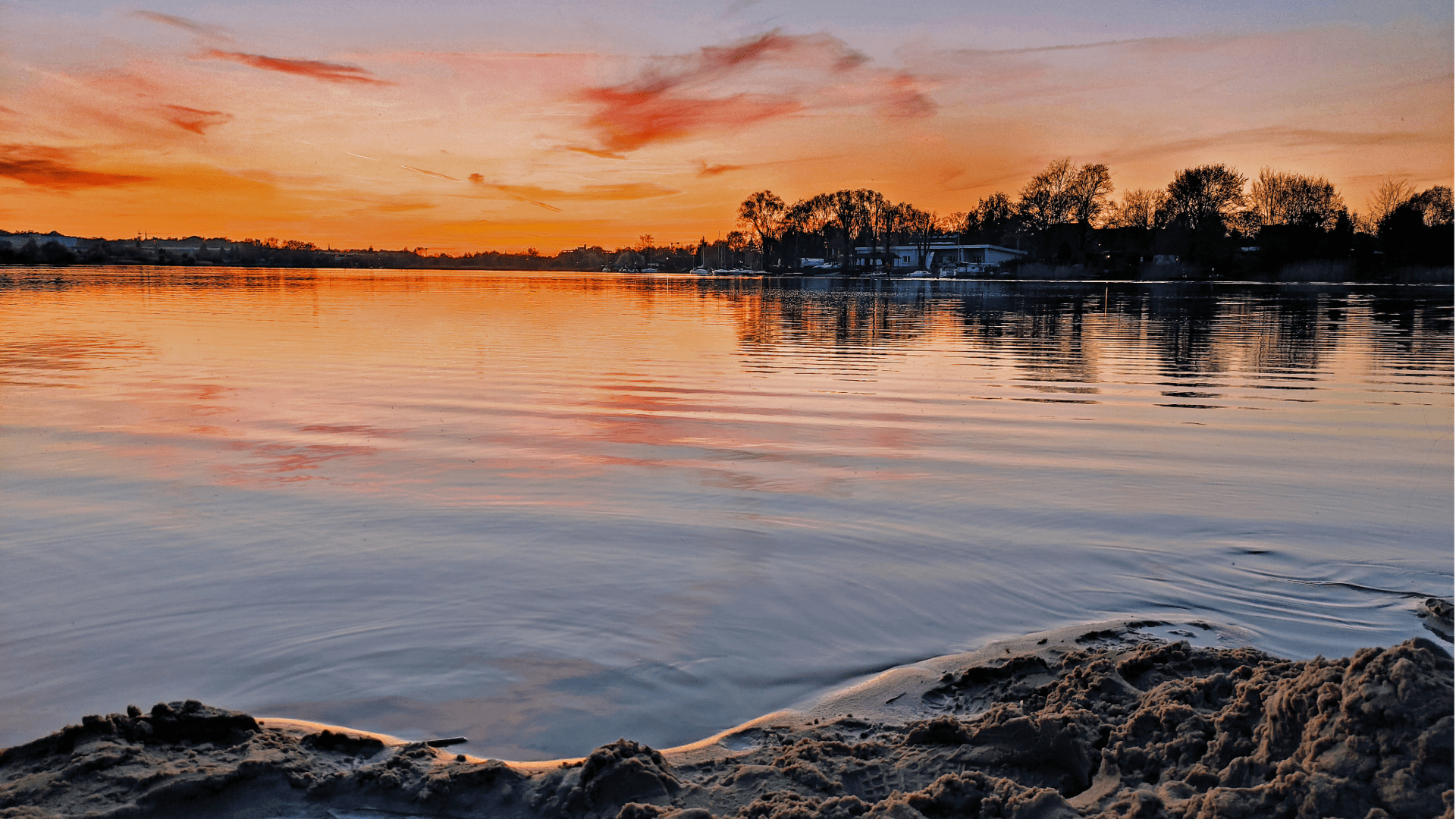
Tucked away in the Płaszów district, Zalew Bagry offers a burst of summer energy with its mix of sandy beaches, sailboats, and city skyline in the distance. Once a gravel pit, this artificial lake has transformed into one of Krakow’s best-kept secrets for sunbathing, kayaking, and wakeboarding.
Families lounge under colorful umbrellas, while students chill on paddleboards or sip craft beer from nearby food trucks. There's even a sailing club for kids, making it a favorite weekend spot that combines adventure with a surprisingly tranquil setting.
Did you know?
The lake’s name comes from the massive dredging equipment—bagry—used to dig it out. Today, the machines are gone, but the name (and vibe) stuck around.
10. The former site of the Płaszów concentration camp – Lessons Carved Into the Landscape
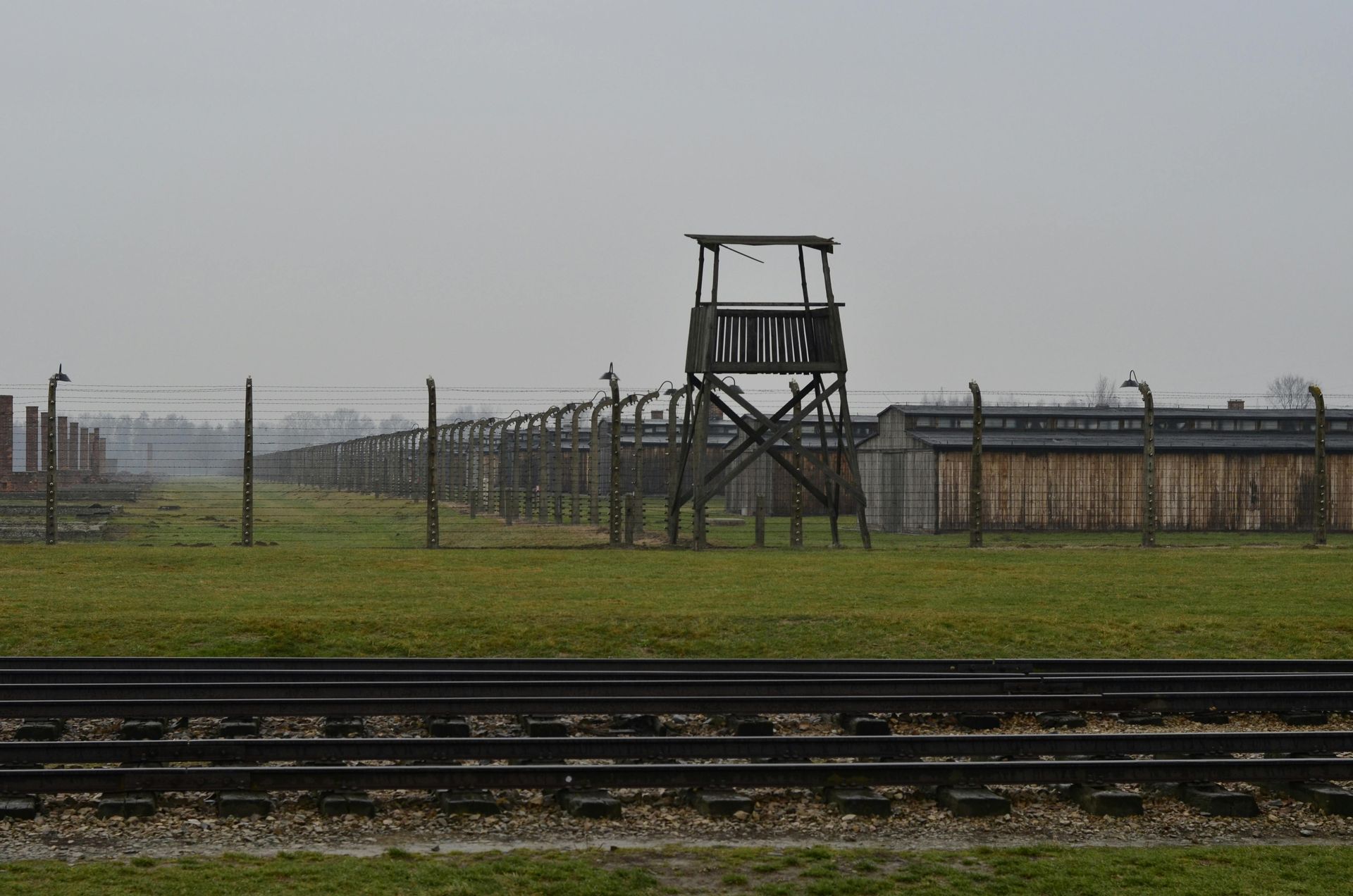
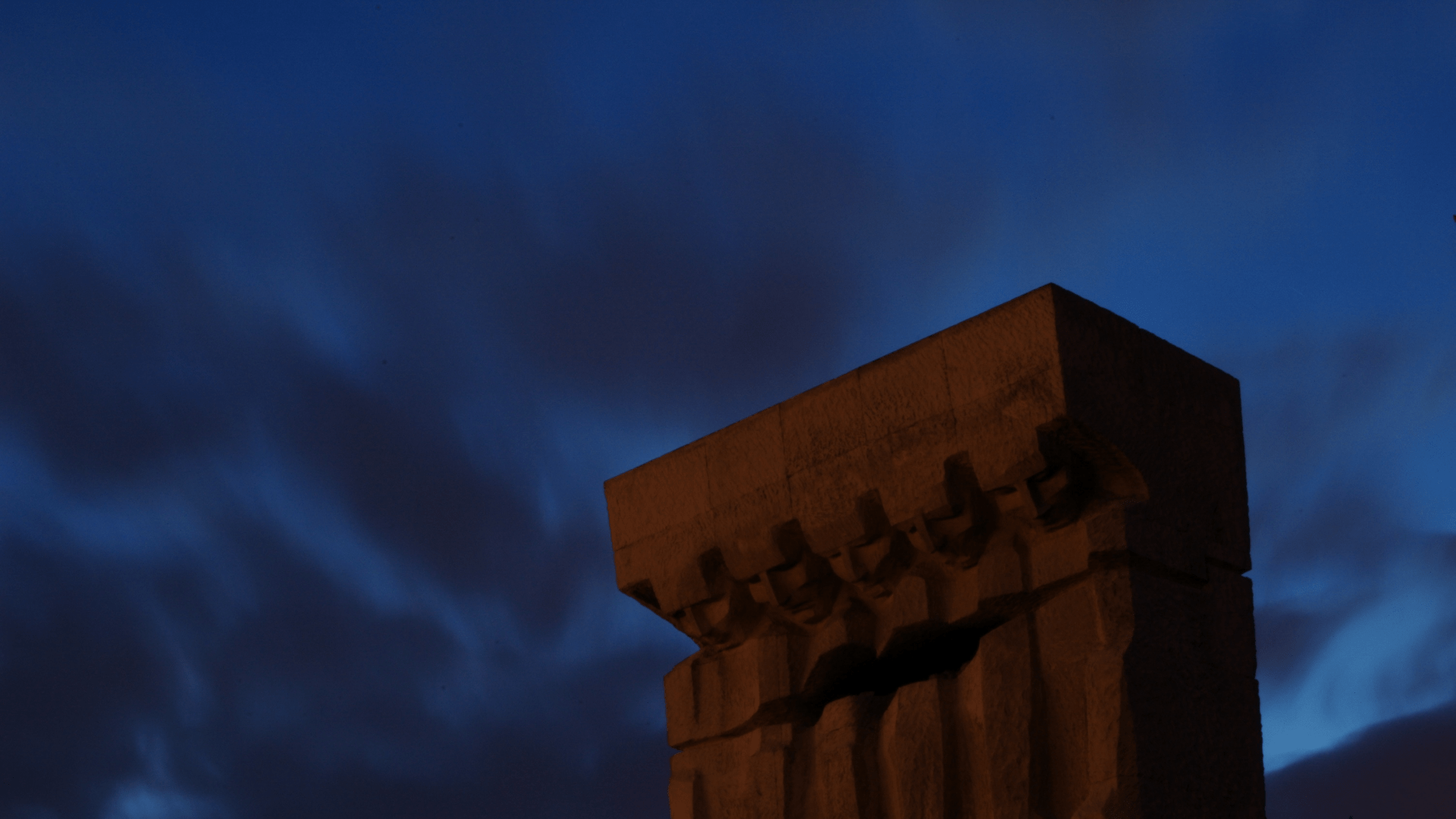
A place of solemn reflection, the former site of the Płaszów concentration camp is not a typical tourist attraction. That’s precisely why it matters. The rolling green fields and sparse signage may feel understated at first glance. But beneath this quiet surface lies one of the most powerful historical testimonies in Krakow.
Visitors can trace paths through the grounds where thousands perished under Nazi rule. Minimalist memorials—like the imposing Grey House or the unforgettable monument to the victims—are designed to provoke contemplation. A visit here is a reminder that travel can be a means of remembrance as much as recreation.
Did you know?
Some scenes from Schindler’s List were filmed near the memorial site. Spielberg deliberately chose locations nearby rather than the actual camp, to respect its sanctity.
Got Inspired? Let #HelloCracow Be Your Guide
Krakow’s eastern side is brimming with stories—some whispered by ancient hills, others etched in glass, stone, or water. Whether you’re looking for peace, adrenaline, or historical depth, these lesser-known gems offer a fresh, immersive view of the city beyond the postcard.
Ready to uncover these places with local experts who know where the soul of Krakow really hides?
Book your personalized experience now at
Hello Cracow Tours and let us guide you beyond the obvious.