



Krakow After Dark: The Magic of Autumn Evenings
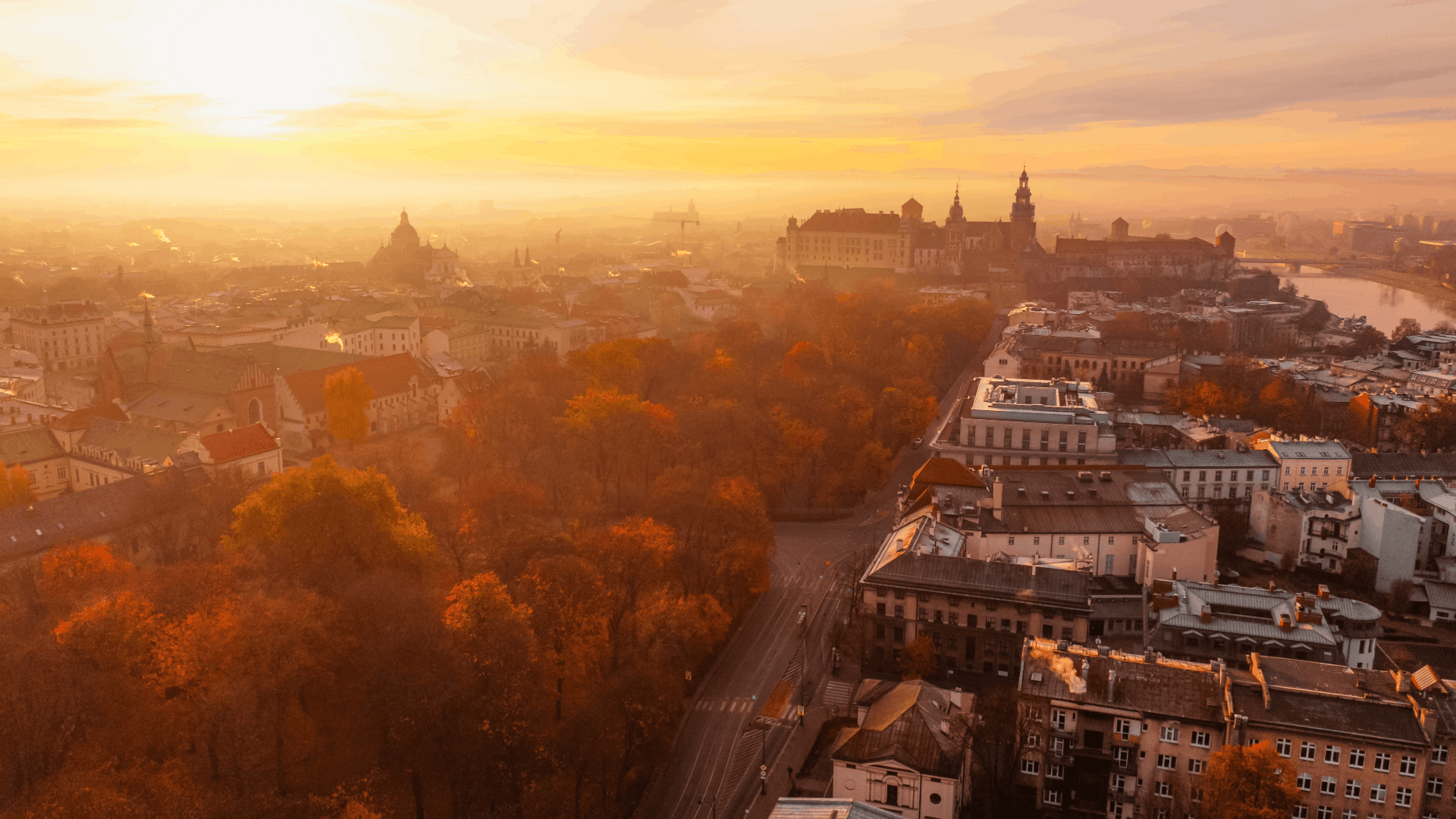
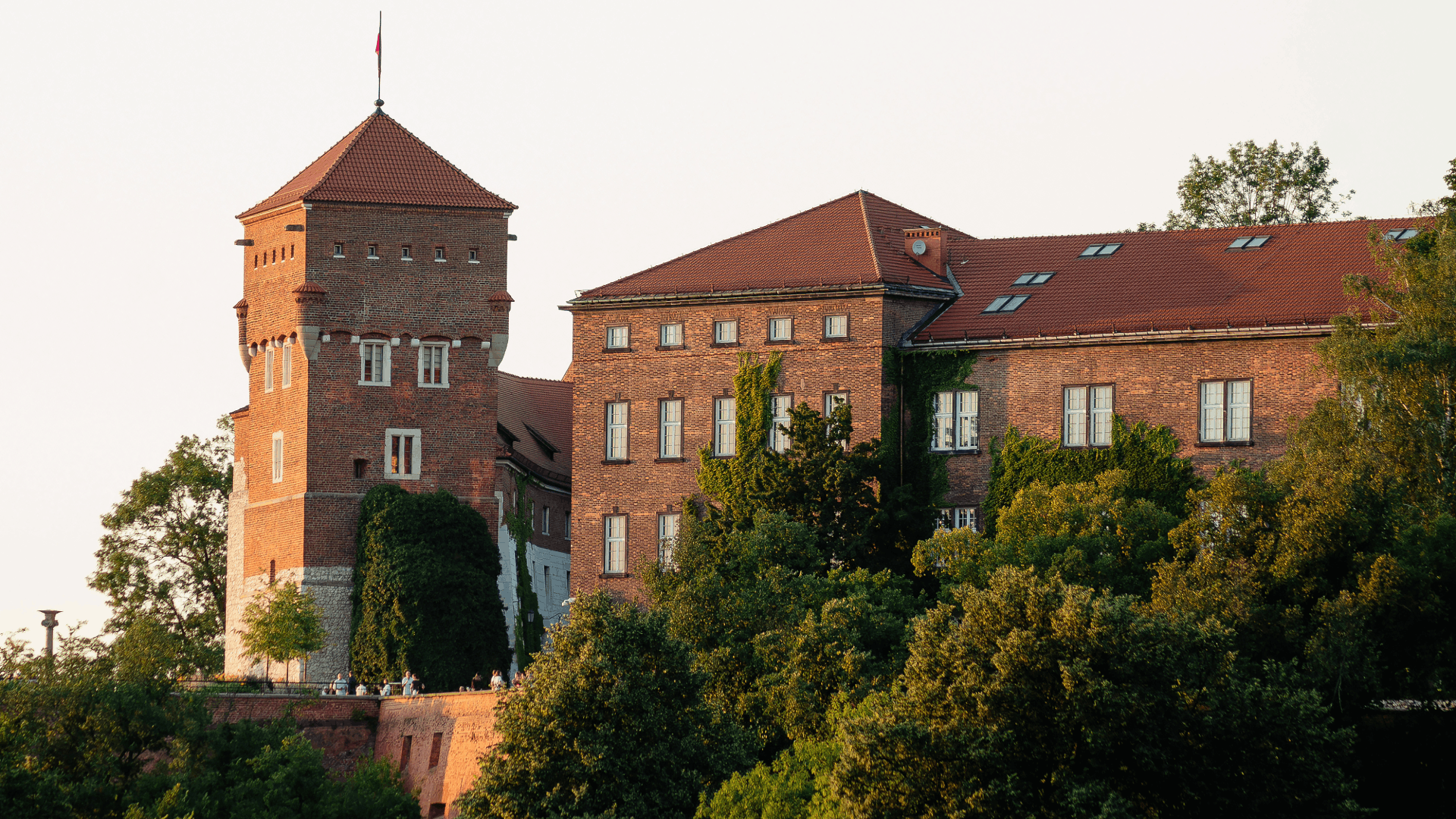
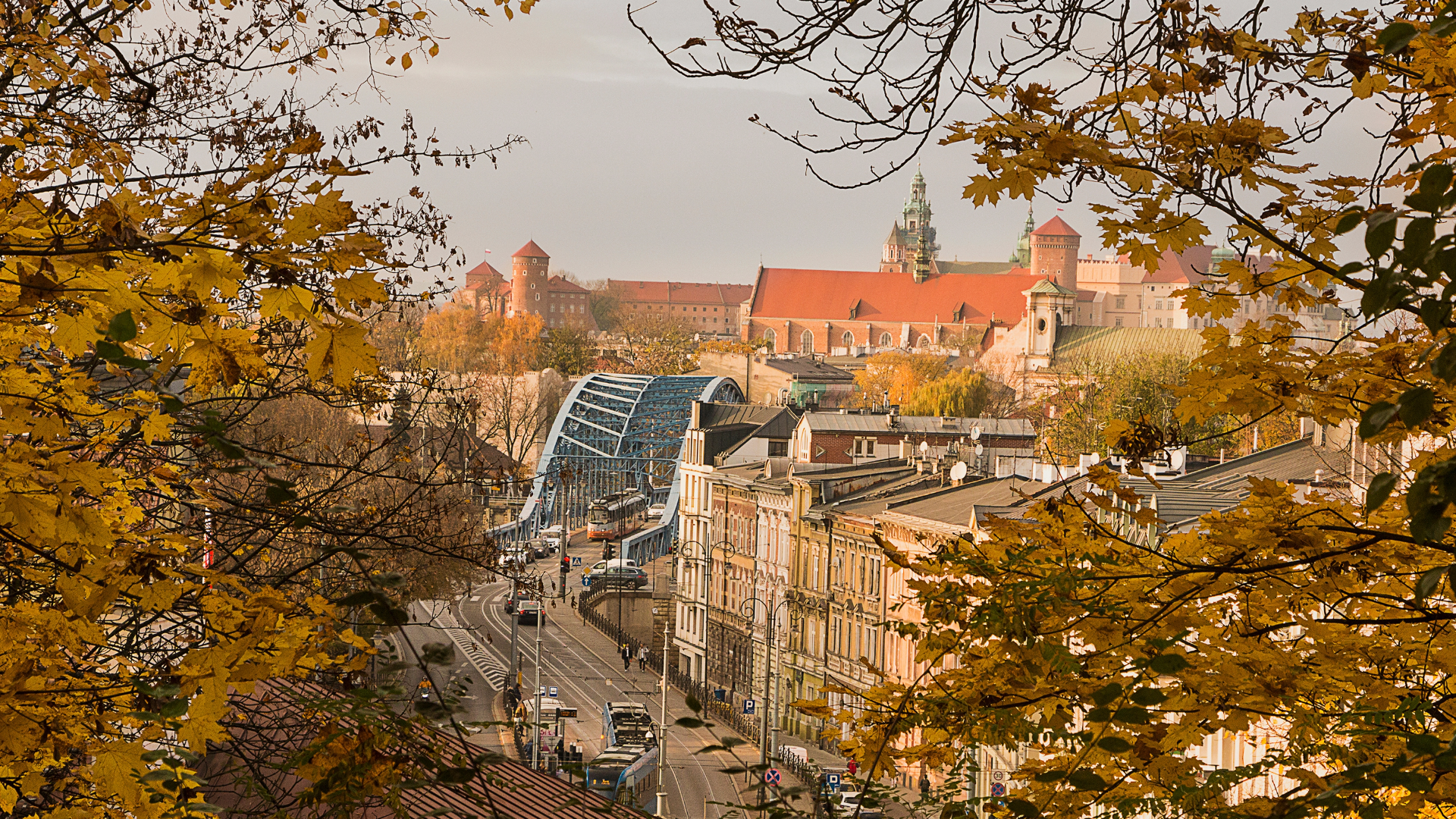
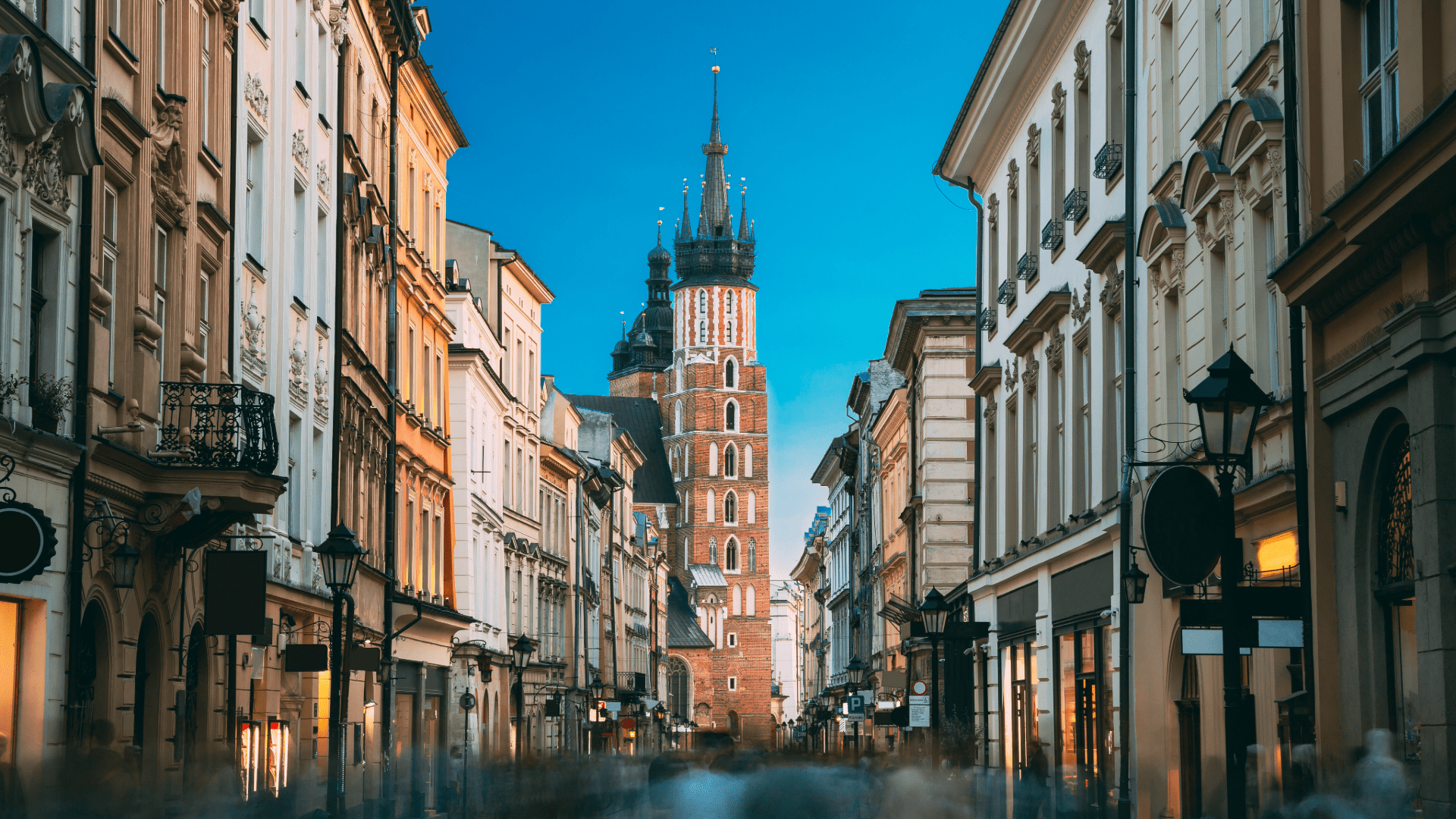
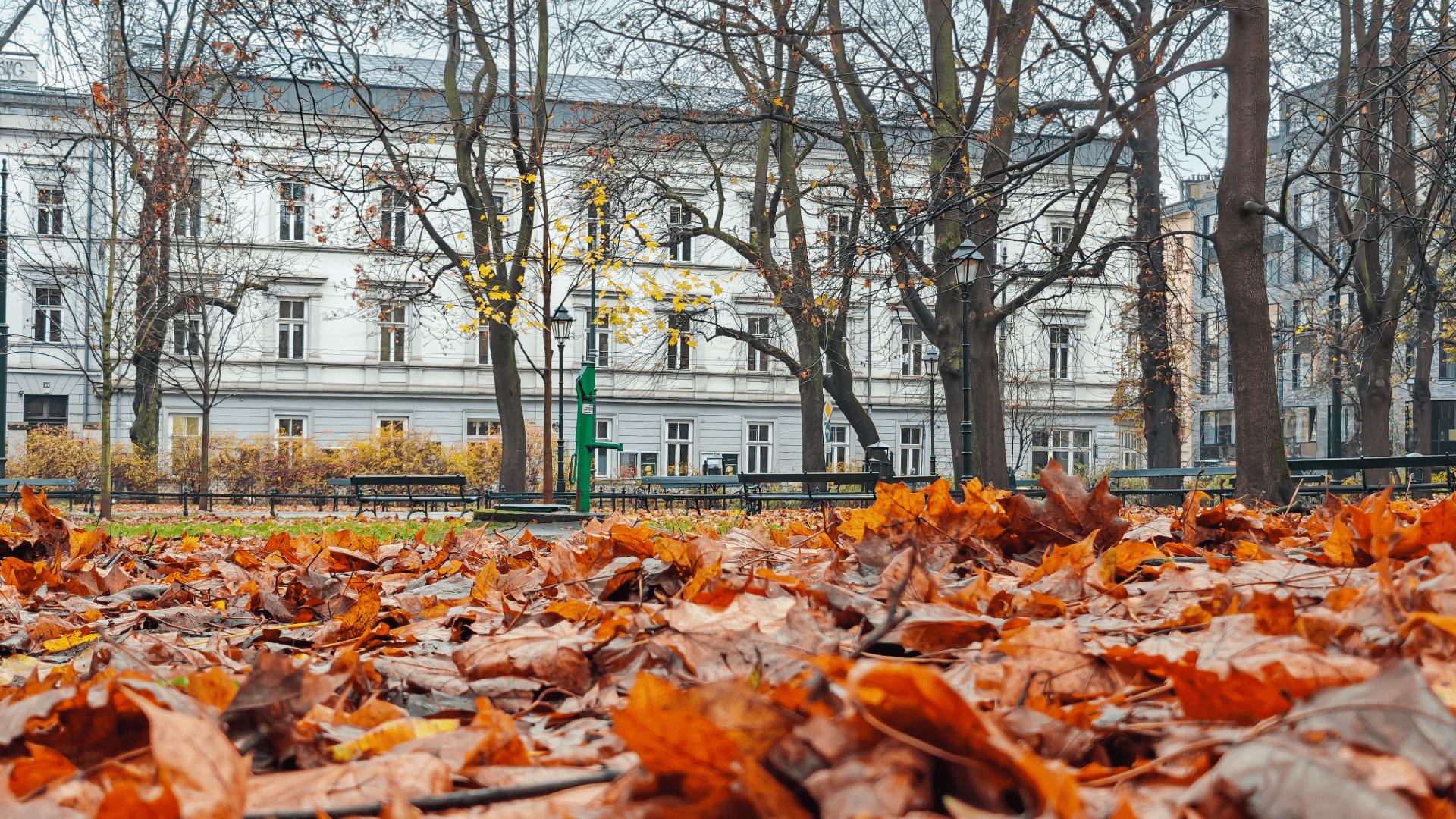
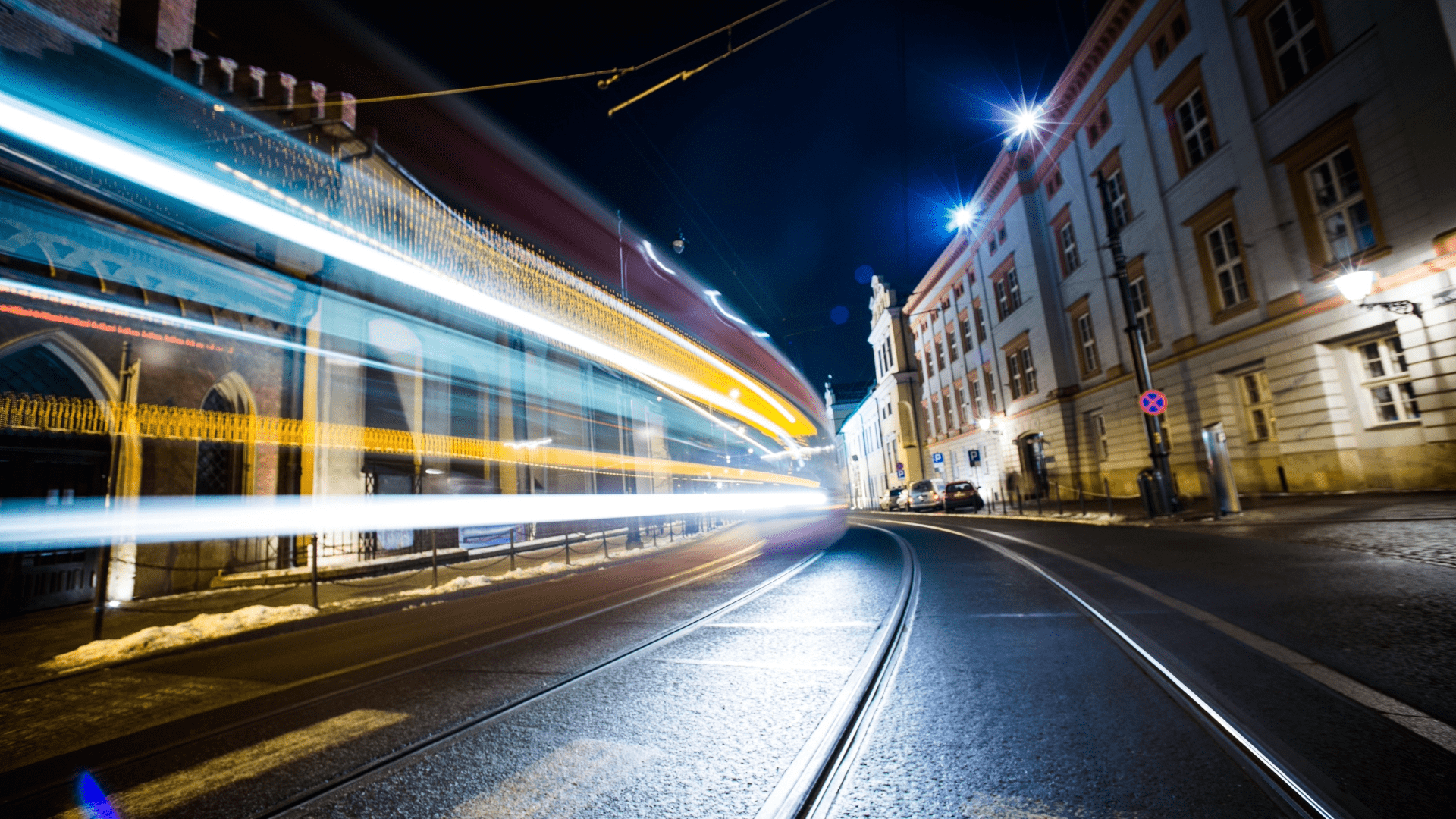
Krakow is universally celebrated for its stunning medieval architecture, exemplified by the Main Market Square and the Wawel Royal Castle. To truly experience the city's soulful depth, wander at sunset during the cool autumn evenings. Shorter days are not a loss, but an invitation for history to speak through lamplight and shadow. Many visitors arrive hoping for the famous "Golden Polish Autumn", though its vivid colors vanish quickly with the first frost. Only a night or two below zero can strip the trees of their brilliant gold and crimson. Seasoned travelers, therefore, focus on the reliable nightly transformation of light, architecture, and atmosphere. Cobblestones absorb the warm glow of street lamps, while facades emerge under carefully arranged illumination. This consistent display of light and culture outshines the fleeting unpredictability of autumn weather.
Kazimierz at Night: Where History Meets Bohemian Vibe
Kazimierz, the historic Jewish quarter of Krakow, stands as the quintessential destination for evening exploration. By day, Kazimierz is a UNESCO-protected district preserving five centuries of Jewish life, scarred by the Holocaust. At night, the neighborhood sheds its solemnity and transforms into Kraków's vibrant bohemian heart. Independent galleries, intimate bars, and vintage boutiques draw artists, intellectuals, and travelers into their creative and lively rhythm.
The illumination of sacred history
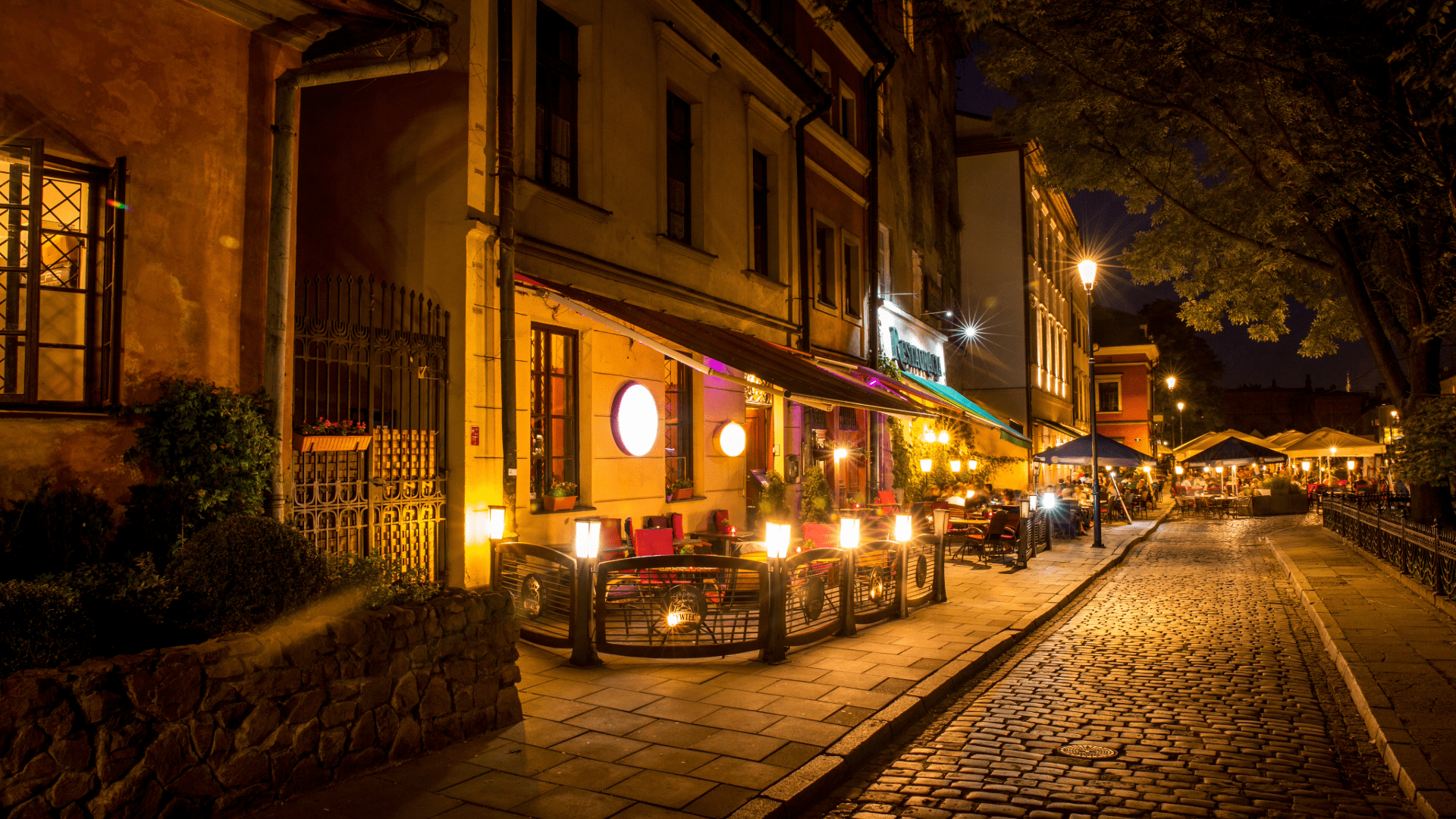
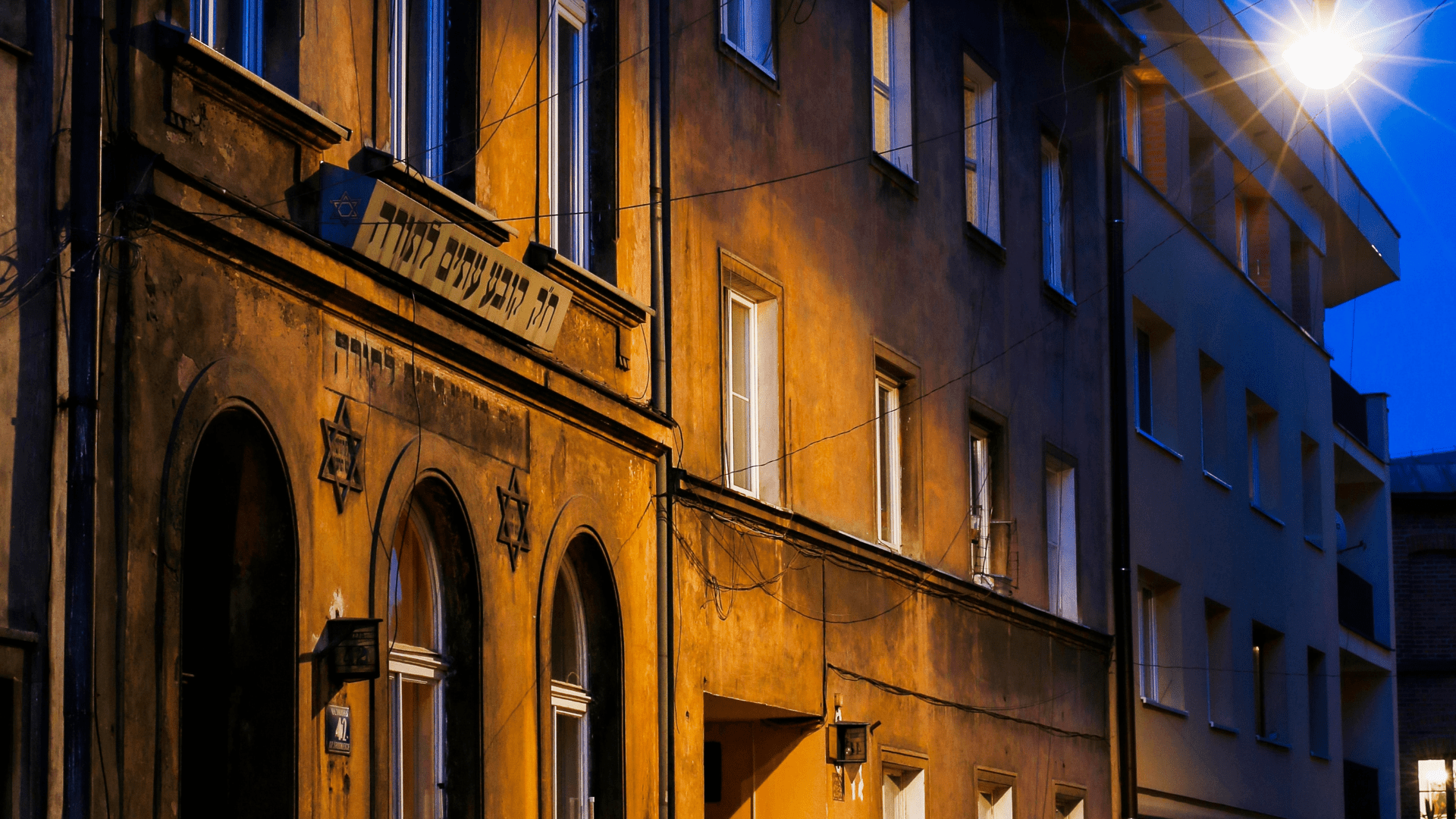
In the evening hours, Kazimierz reveals a powerful emotional and aesthetic juxtaposition. Soft illumination bathes the architectural landmarks, amplifying the district's unique, nostalgic, and sometimes melancholic depth. At its spiritual and geographic center lies Szeroka Street, remarkable in Europe for historically housing four synagogues.
Today, landmarks like the Old Synagogue and the Remuh Synagogue provide a majestic, illuminated presence, allowing travelers to appreciate the neighborhood's enduring resilience. One of the district's most compelling, yet lesser-known, atmospheric details centers on Szeroka Street No. 22. This spot, once the location of the synagogue known as "Na Górce," is associated with the great cabalist, Rabbi Natan Spira. Local legend suggests that on some nights, a light can still be seen flickering in the window, where the ghost of Spira, known as the "Revealer of the Depths," studies holy texts by candlelight.
Street art, courtyards, and the culinary pulse
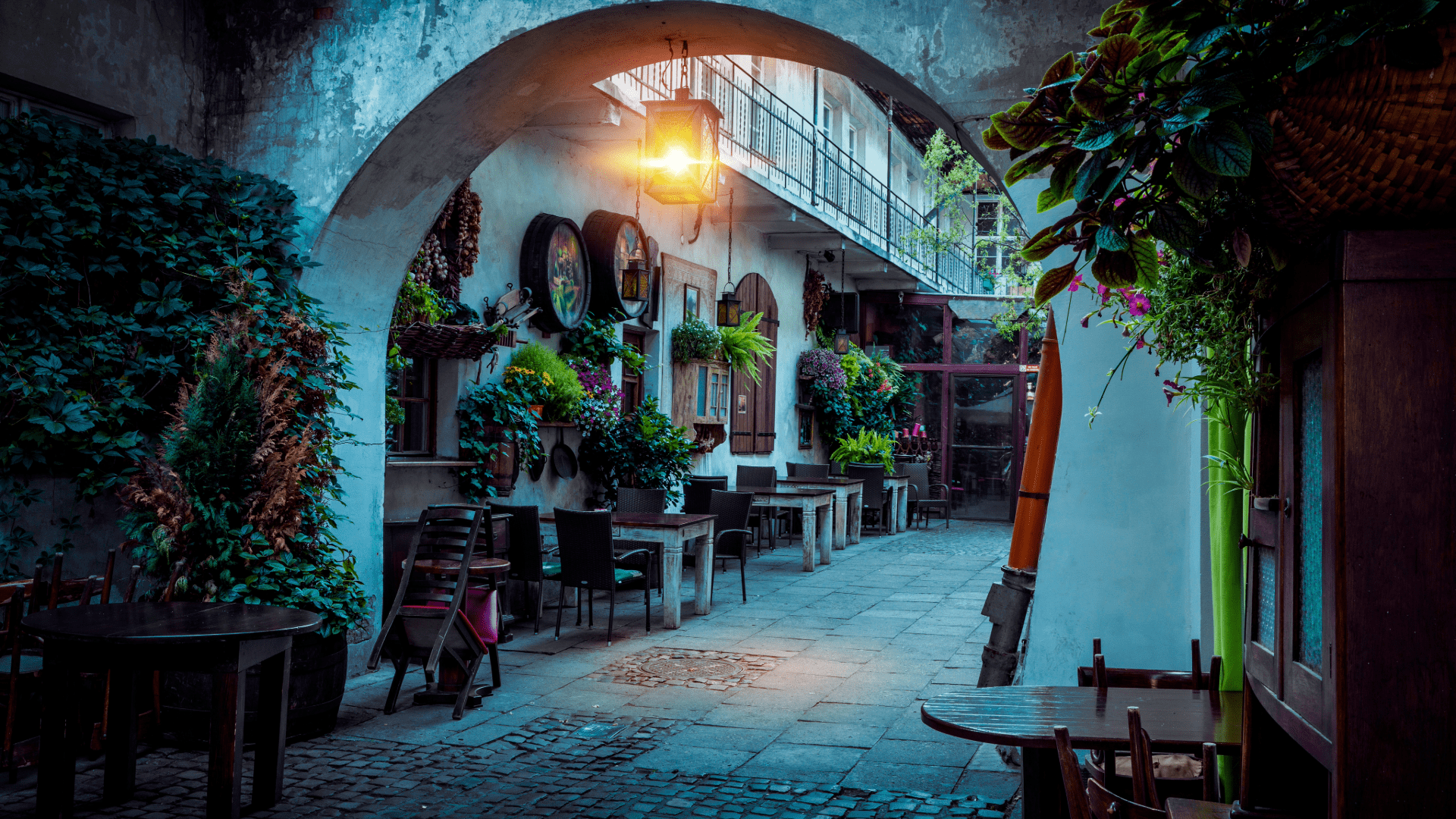
As one wanders through Kazimierz after sunset, the shadows play across the brickwork, revealing hidden gems that are less obvious in daylight. These include tucked-away courtyards and significant pieces of street art, which gain an intimate, shadowy allure under the evening light. Certain favorite spots, such as Mleczarnia, a renowned cozy café and bar in Kazimierz, are strategically situated near the historic Schindler's List Passage and celebrated street art, offering a perfect blend of culture and comfort.
No evening walk through Kazimierz is complete without a stop at Plac Nowy. This area, famous for the circular building known as Okrąglak, transforms into a bustling hub of authentic, late-night Polish street food. At the heart of this nocturnal culinary scene stands the zapiekanka, a hearty, open-faced toasted sandwich that offers a perfect, budget-friendly refueling stop during hours of exploration. In sharp contrast, the energy here collides with the quiet introspection near the synagogues, underscoring the district's complex and resilient identity.
The Poignant Glow of Autumn
All Saints’ Day (Zaduszki)
The most visually stunning and culturally significant autumn event is All Saints’ Day on November 1st, closely followed by All Souls’ Day on November 2nd. This centuries-old tradition has roots in the ancient pagan observance of Dziady, when people believed that ancestral souls returned to earth. Communities once lit fires at crossroads to warm wandering spirits and guide them safely home to their families. Alongside this, ceremonial loaves were baked to nourish the visiting dead, reinforcing ties between the living and departed.
Today, the deep cultural impulse to honor and guide the deceased continues with equal intensity across Poland. November 1st is a solemn, non-commercial national holiday, when families gather in cemeteries to remember their loved ones. The ritual of lighting countless votive candles directly on the graves is a living continuation of the pagan fire custom. This annual practice unites generations, blending memory, faith, and symbolism into one collective act of cultural continuity.
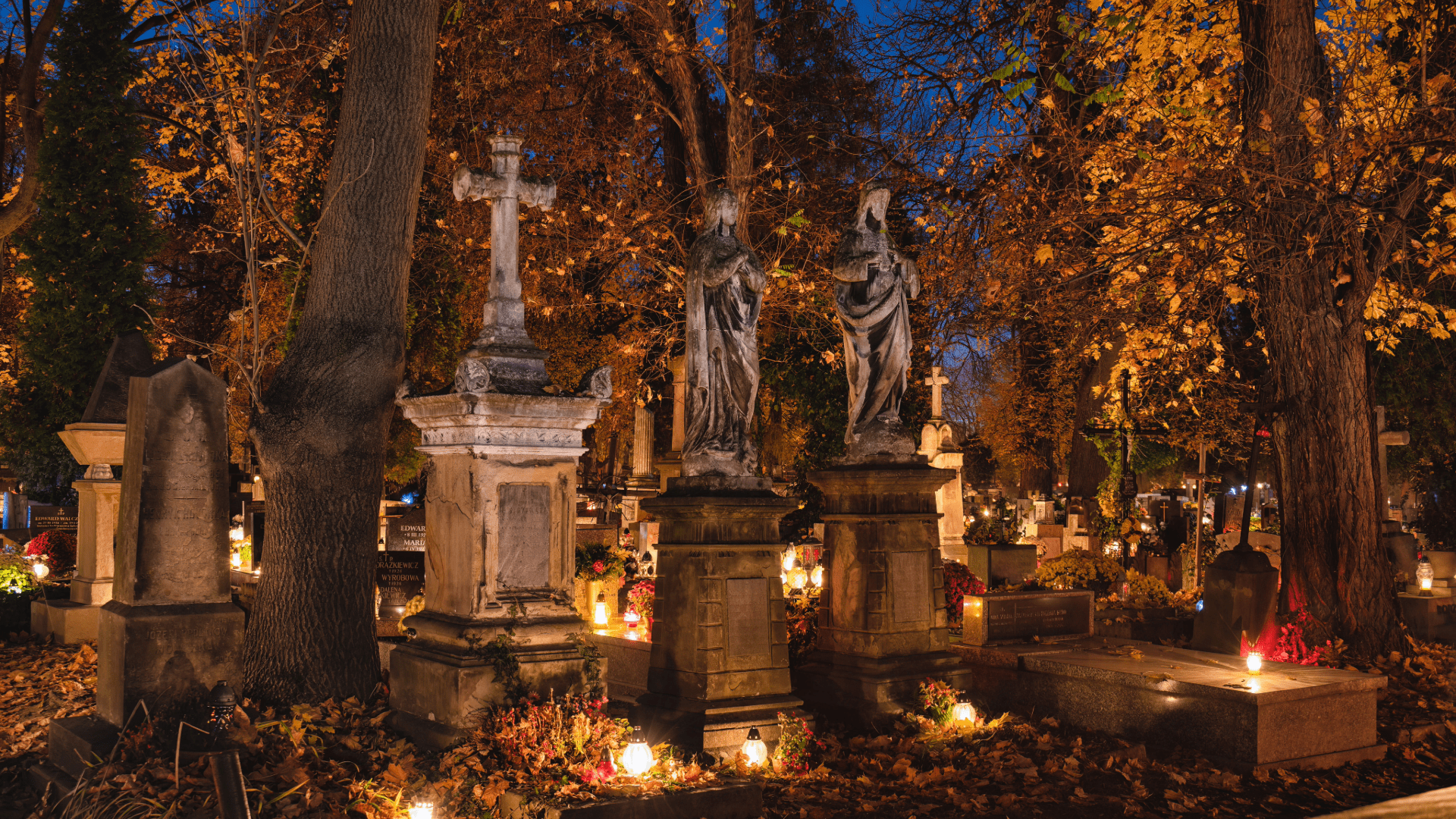
For travelers, the most unforgettable experience begins at dusk and extends well into the night. Cemeteries across Kraków, especially the vast Rakowicki and the picturesque Salwator, are illuminated by a sea of flickering flames. The extraordinary concentration of light creates both warmth and atmosphere, transforming graveyards into landscapes of shimmering remembrance. Visitors witness not only a breathtaking visual spectacle but also a moving expression of shared cultural identity.
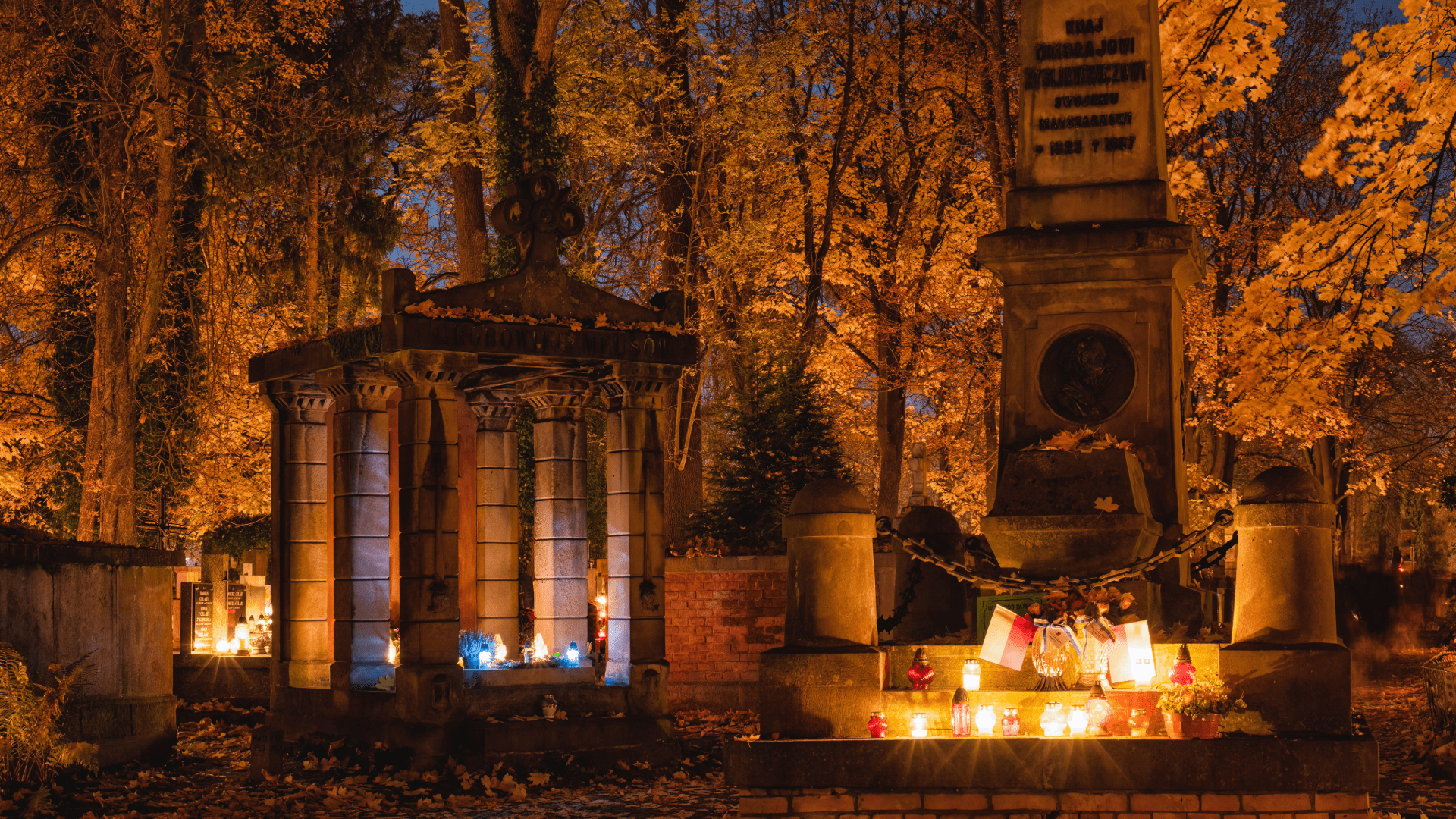
Tourists are welcome, provided they participate respectfully in this sacred tradition. The custom is to arrive before nightfall, purchase candles from vendors outside the gates, and contribute to the luminous display. Candles are placed not only on family graves but also at monuments honoring historical figures and collective tragedies. Many Poles extend remembrance to memorials for those who suffered under Communism or other periods of hardship. This gesture underscores the ritual’s profound role as a visible act of national memory.
Autumn music festivals and intimate venues
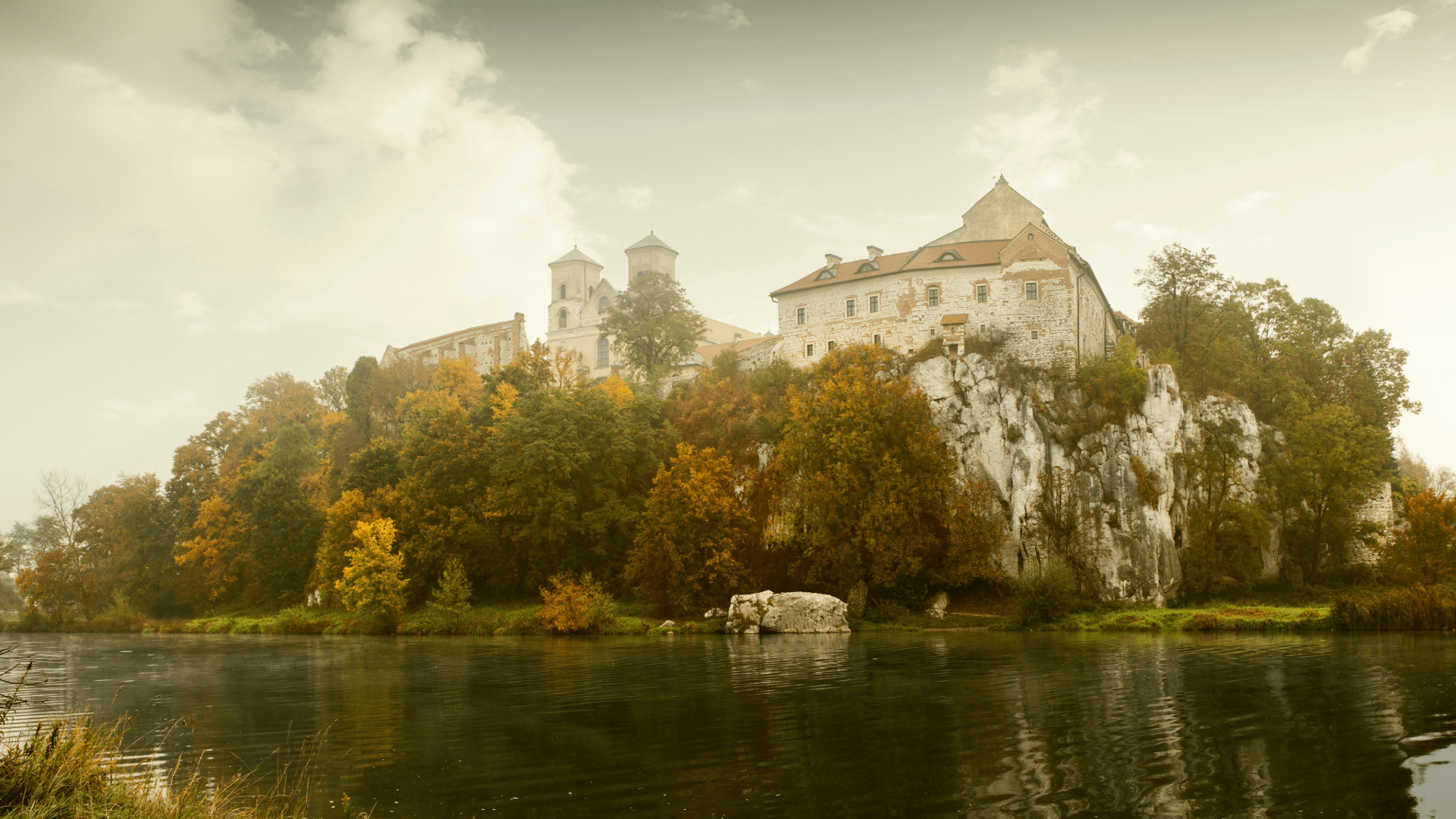
As the temperature drops, Krakow's renowned cultural scene shifts indoors, thriving within intimate, cozy venues. Beyond the well-known tourist routes, October is anchored by high-profile cultural programming. The Unsound Festival (7th-12th October) brings a global focus on experimental and avant-garde music, often exploring complex digital and societal themes. Throughout the month, historic venues like the Monastery of the Bernardine Fathers host accessible classical concerts, including candlelight tributes to Chopin and other composers.
Warming Up: Autumn Culinary Experiences and Cozy Havens
The essential autumn drink: Grzaniec
The most iconic way to find warmth in the city is through Grzane wino (mulled wine) or Grzane piwo (mulled beer). Known collectively as Grzaniec, this festive brew is a key part of the Polish autumn experience. It blends rich wine or beer with aromatic spices, such as cinnamon, cloves, orange, and honey. The aroma alone is enough to create a cozy, festive mood. These beverages are readily available in the city's historic pubs and cozy bars like Eszeweria and Singer. They can even be enjoyed aboard evening Vistula cruises.

Hearty comfort foods
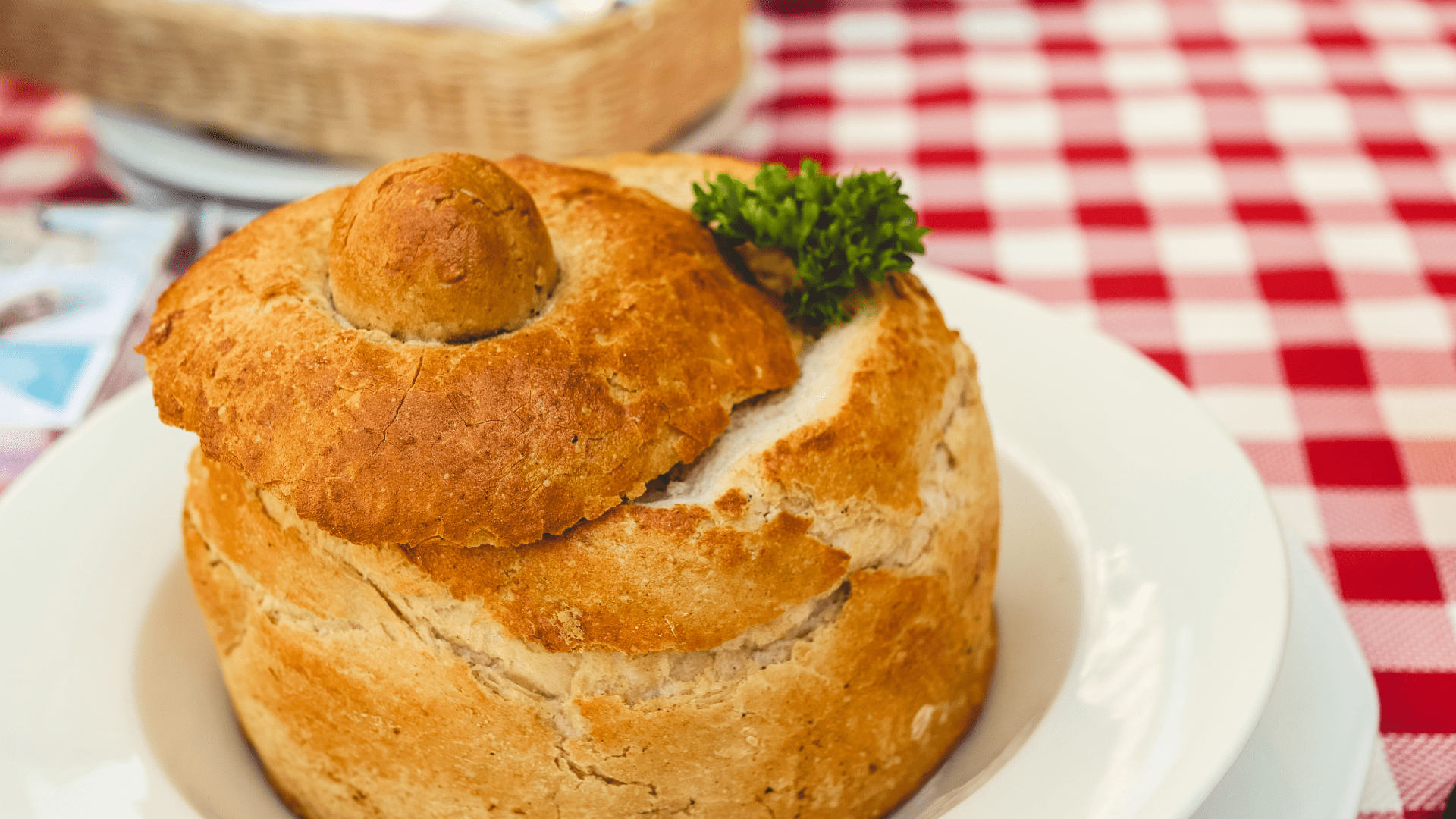
Polish gastronomy naturally transitions to heartier fare in the cold. Visitors are encouraged to sample traditional, warming soups, which are staples of autumn dining. One modern twist can be found at establishments like Soup Culture, which serves soups in edible dough cups. Furthermore, no autumn culinary adventure is complete without indulging in traditional pierogi (dumplings), particularly the classic pierogi ruskie (potato and cheese).
Kazimierz’s cozy corners
The historical preservation of Kazimierz, combined with its strong artistic designation, results in an abundance of truly unique nighttime venues. These venues often occupy beautifully restored, historic buildings, creating environments that feel infused with culture, poetry, and history. These atmospheric spaces are superior to more generic venues found in heavily commercialized districts.
Our recommendations for cozy, authentic evening stops in Kazimierz include:
- Alchemia and Eszeweria: These are quintessential Kazimierz spots, celebrated for their intimate, antique-filled atmosphere, which provides immediate warmth and a unique historic charm on a chilly night.
- Mleczarnia: Located conveniently near the Schindler's List Passage, this venue functions as a local favorite, transitioning smoothly from a café by day to a deeply atmospheric bar by night.
- Cytat Cafe: Known for its book-filled, cozy interior, the café provides a personalized literary quote with every order, appealing particularly to the intellectual traveler.
Alternative Evening Adventures: Glimpses from a Different Perspective
Vistula River reflections
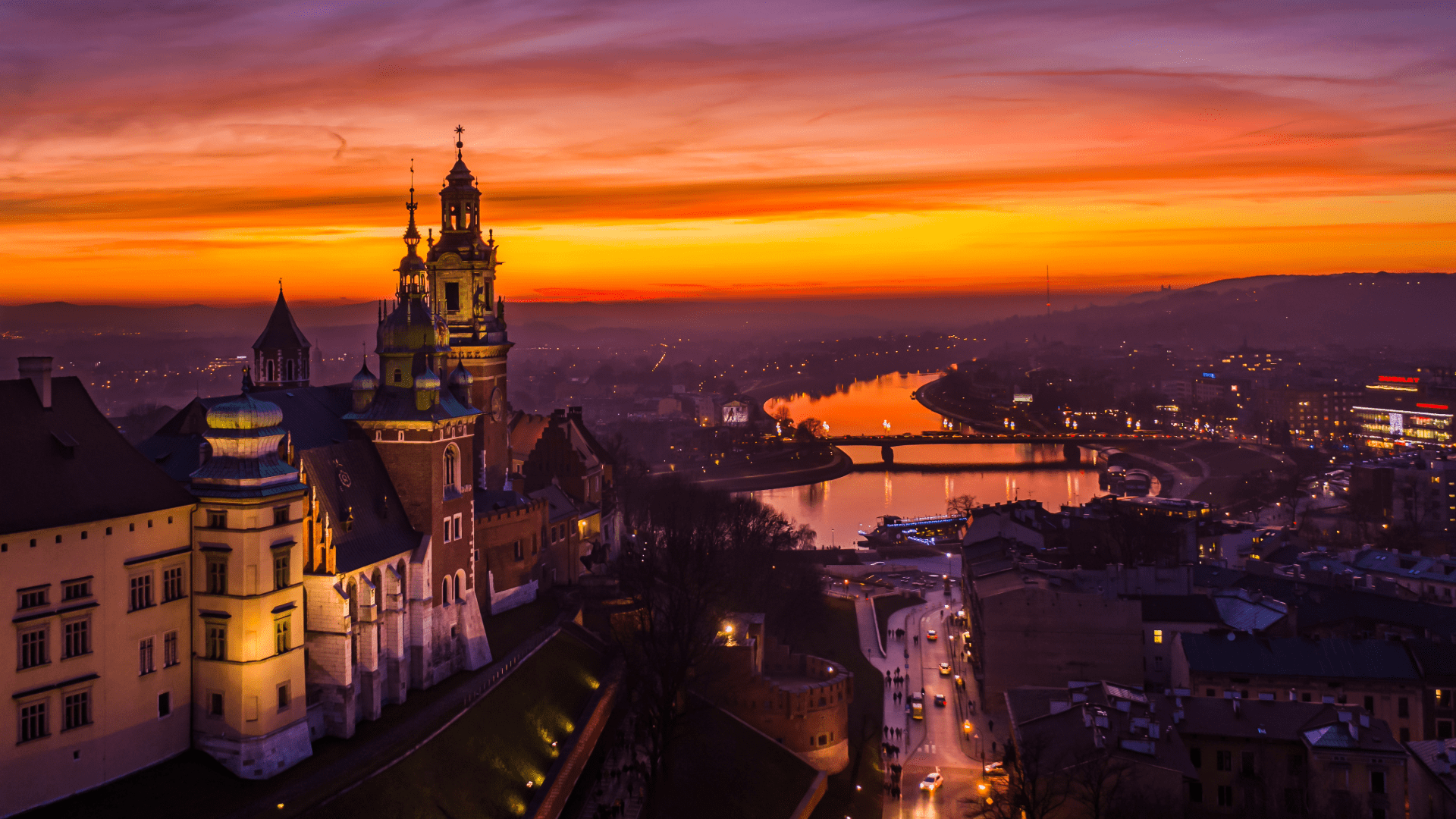
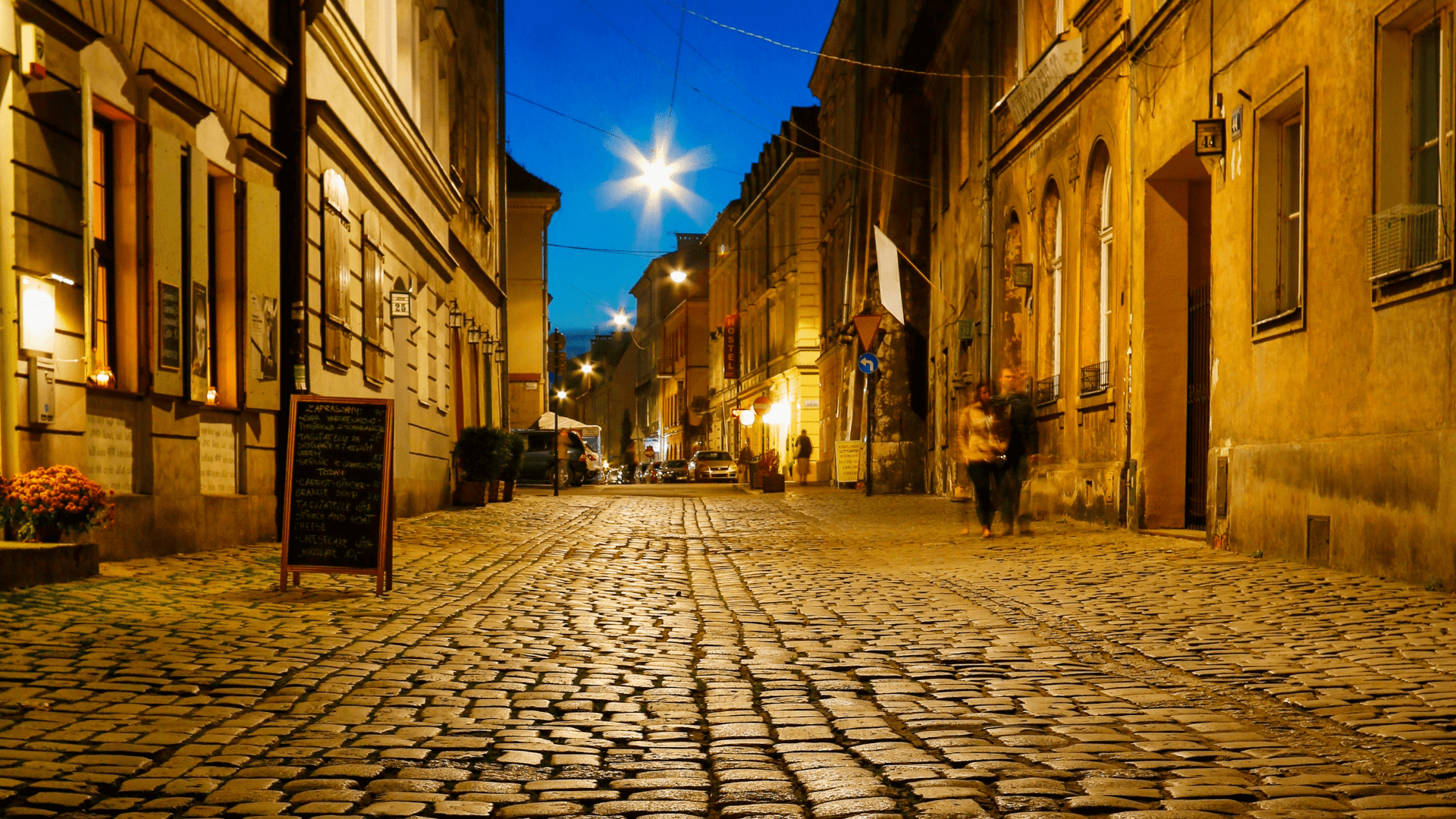
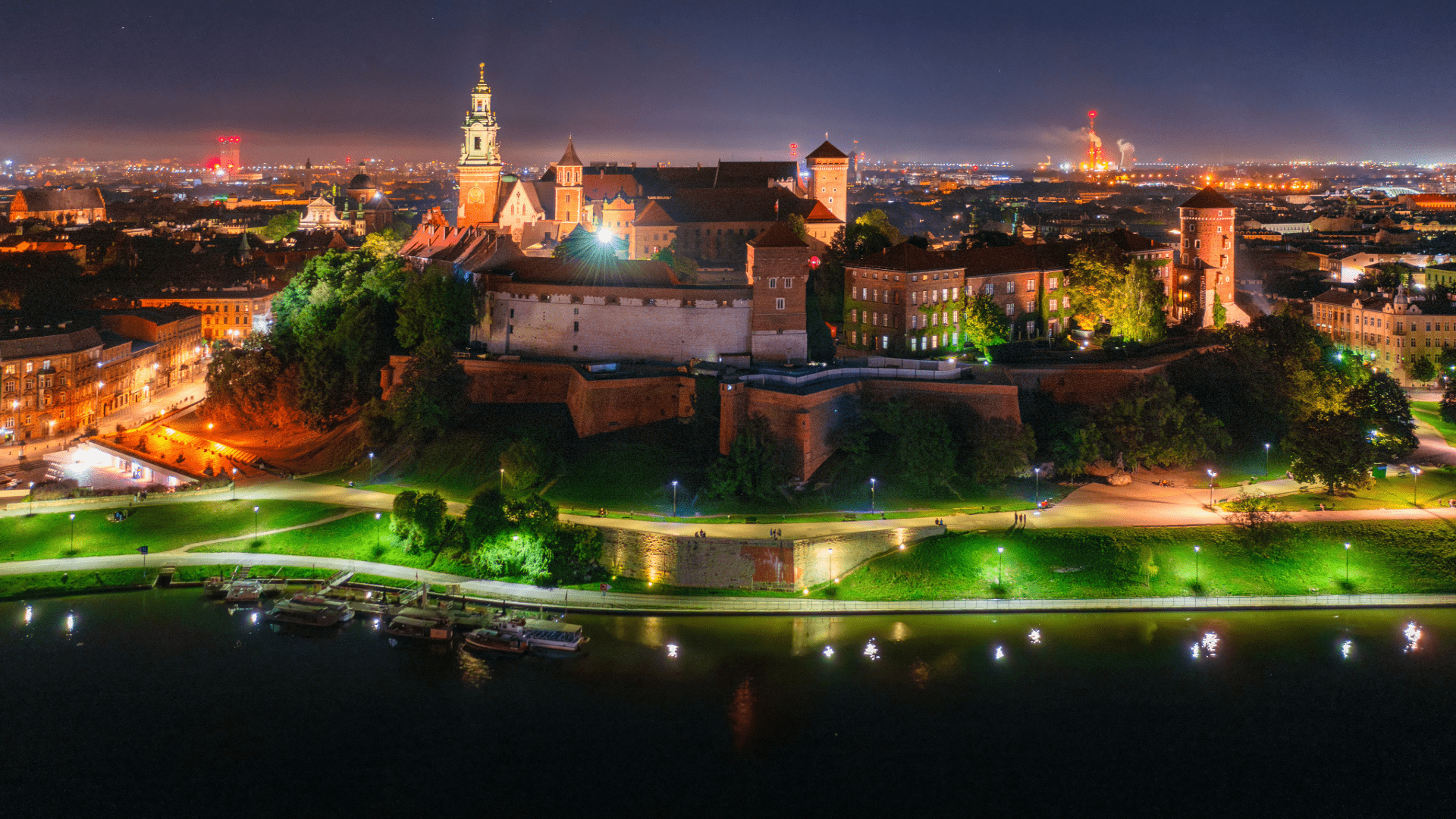
For a truly romantic and grand perspective, an evening cruise on the Vistula River is essential. Seeing the city's illuminated skyline, especially the majestic Wawel Castle perched atop the hill, reflected on the cool water, provides a striking, high-level contrast to the street-level experience. Night cruises are marketed as the most atmospheric option, providing a relaxing, hour-long viewing experience. Cruise operators often tailor packages for the autumn season. For instance, many services feature a "Mulled Wine Cruise", allowing one to sip Grzaniec while admiring the magical illumination of the city lights and the starry sky.
Night tours of lore and legend
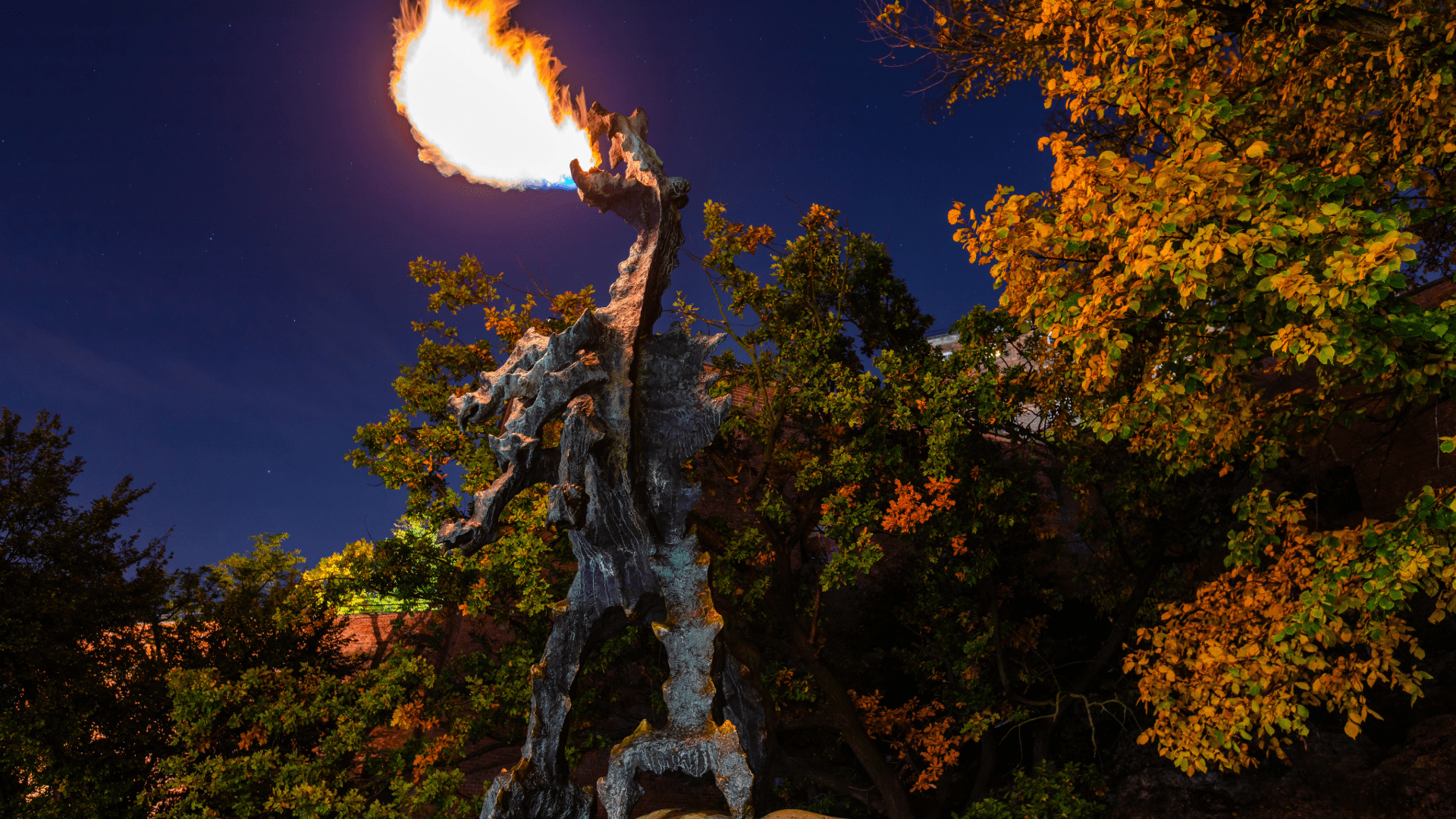
The gothic architecture of Kraków's Old Town is ideally suited for tours focused on local folklore, history, and the macabre after nightfall. These specialized evening walks offer an adventurous way to engage with the city's past. They focus on tales of ghosts, medieval devils, and the famous Wawel Dragon. Historical figures such as secretive alchemists and kings are also featured (we described some of the most famous ones in this article).
The city's jazz heart
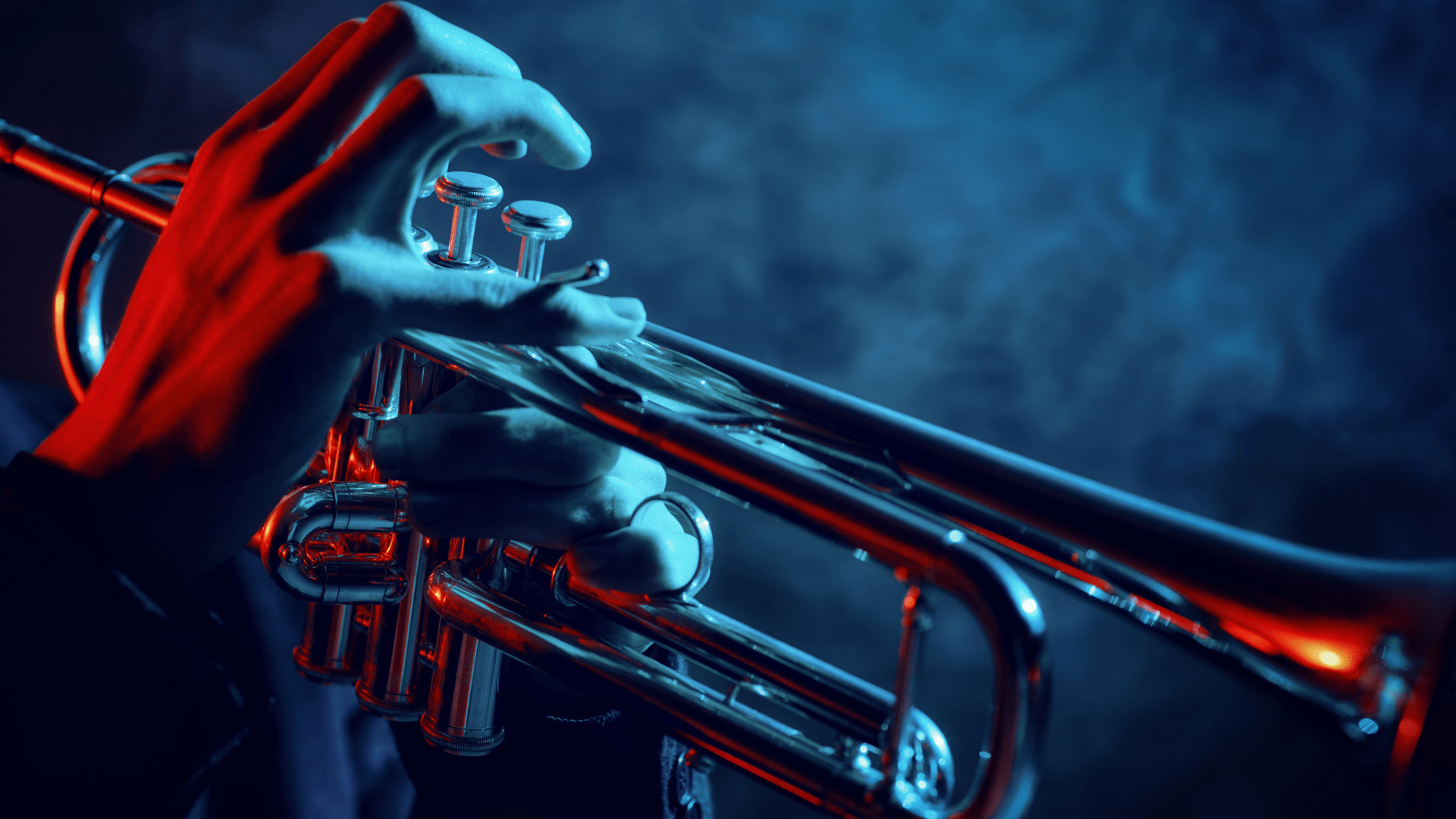
As previously noted, the city's jazz scene is vital to its after-dark identity. One is encouraged to seek out intimate jazz clubs, positioning them as essential cultural stops. The cozy interiors of venues like the Harris Piano Jazz Bar, located near the Main Square, provide a perfect atmosphere. The Jazz Club u Muniaka also offers a warm setting for enjoying high-quality music while escaping the evening chill. The best evening experiences often involve combining these activities. Start with a historic dinner, then take a Vistula cruise, and finish at a jazz club.
Essential Practical Tips for Your Autumn Evening Sightseeing
Layering is non-negotiable
Autumn weather in Krakow, particularly from October into November, is unpredictable. Days can be mild, but the evenings and nights are guaranteed to be significantly cooler, with temperatures often dropping to only a few degrees above zero or even near freezing. The difference between indoor warmth and outdoor air can be abrupt.
Travelers should adhere to the principle of layering. gloves. These become useful even if not strictly necessary during warmer parts of the day. A waterproof jacket or light rain gear is also essential because October often brings rain. Heavy cloud cover is common in November, making rain protection advisable. Furthermore, comfortable, warm, and water-resistant boots are necessary for navigating damp cobblestones. Such footwear maximizes enjoyment during long evening walks.
Nighttime safety and transport integrity
Krakow is generally considered safe after dark, particularly in the well-lit, populated areas of the Main Square and Kazimierz. However, you should maintain the vigilance expected in any major European city. Petty theft is a risk in crowded tourist areas and on public transport during peak hours. A crucial logistical warning concerns transportation integrity. Unlicensed taxis often target people near busy spots, such as the main rail station and the Main Market Square. They frequently charge exorbitant fees. To ensure safety and fair pricing, it is best to use only licensed taxis, like Radio Taxi, Mega Taxi, or Icar Taxi. Widely available ride-hailing services, such as Bolt and Uber, are also safe alternatives.
Your Next Chapter: Customizing the Krakow Evening
Krakow’s autumn evenings offer a profoundly rich and atmospheric experience, often surpassing the standard daytime sightseeing agenda. Partner with local experts who understand the nuances of the season and the hidden gems that appear only after dark. Ready to swap the stress of planning for the unforgettable experience of Krakow After Dark?
Contact HelloCracow today to craft a bespoke, memorable evening itinerary, leveraging their established expertise in the Old Town and Kazimierz to design your perfect autumn adventure.