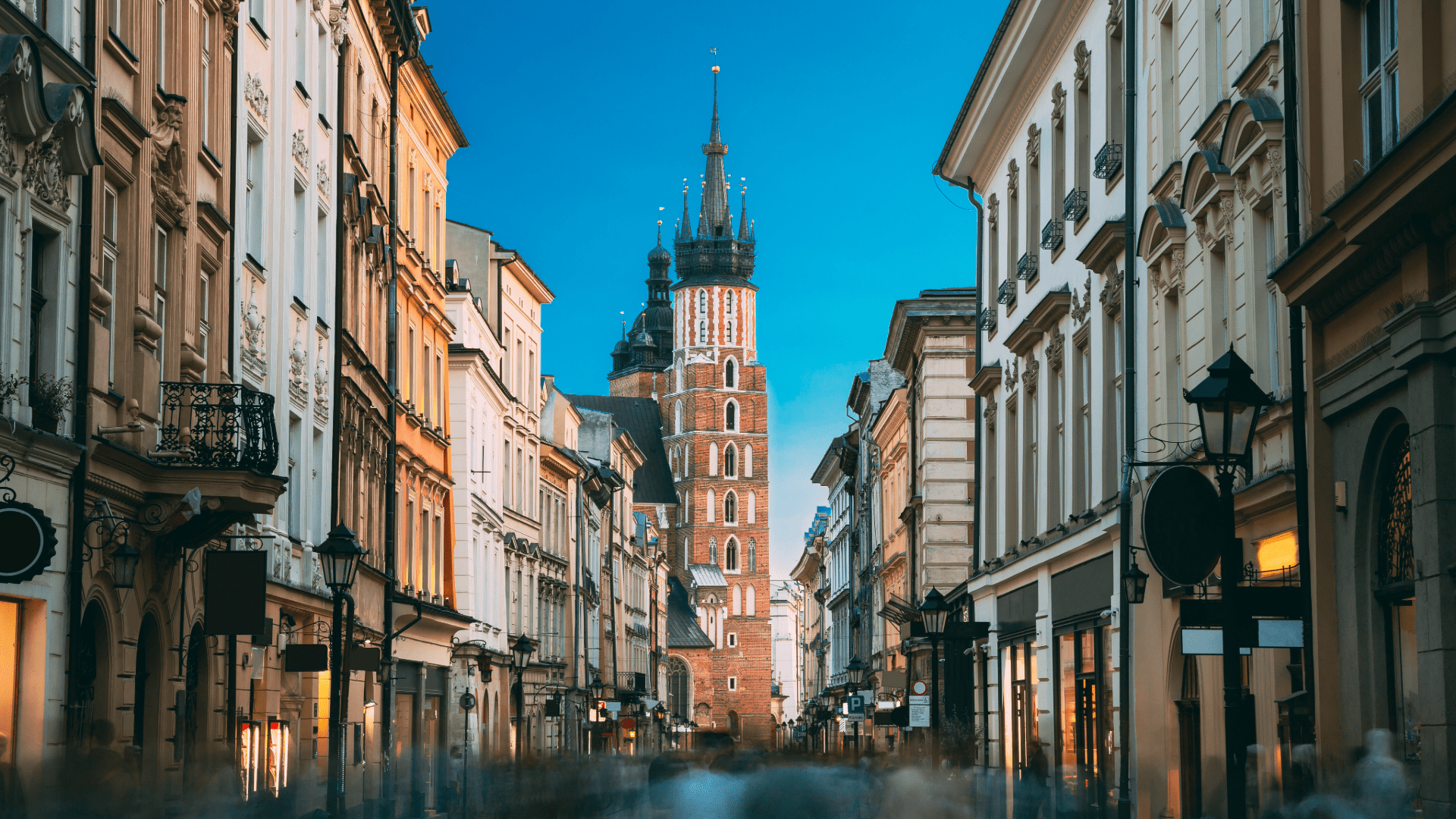




10 Reasons Why Krakow in Autumn Will Steal Your Heart
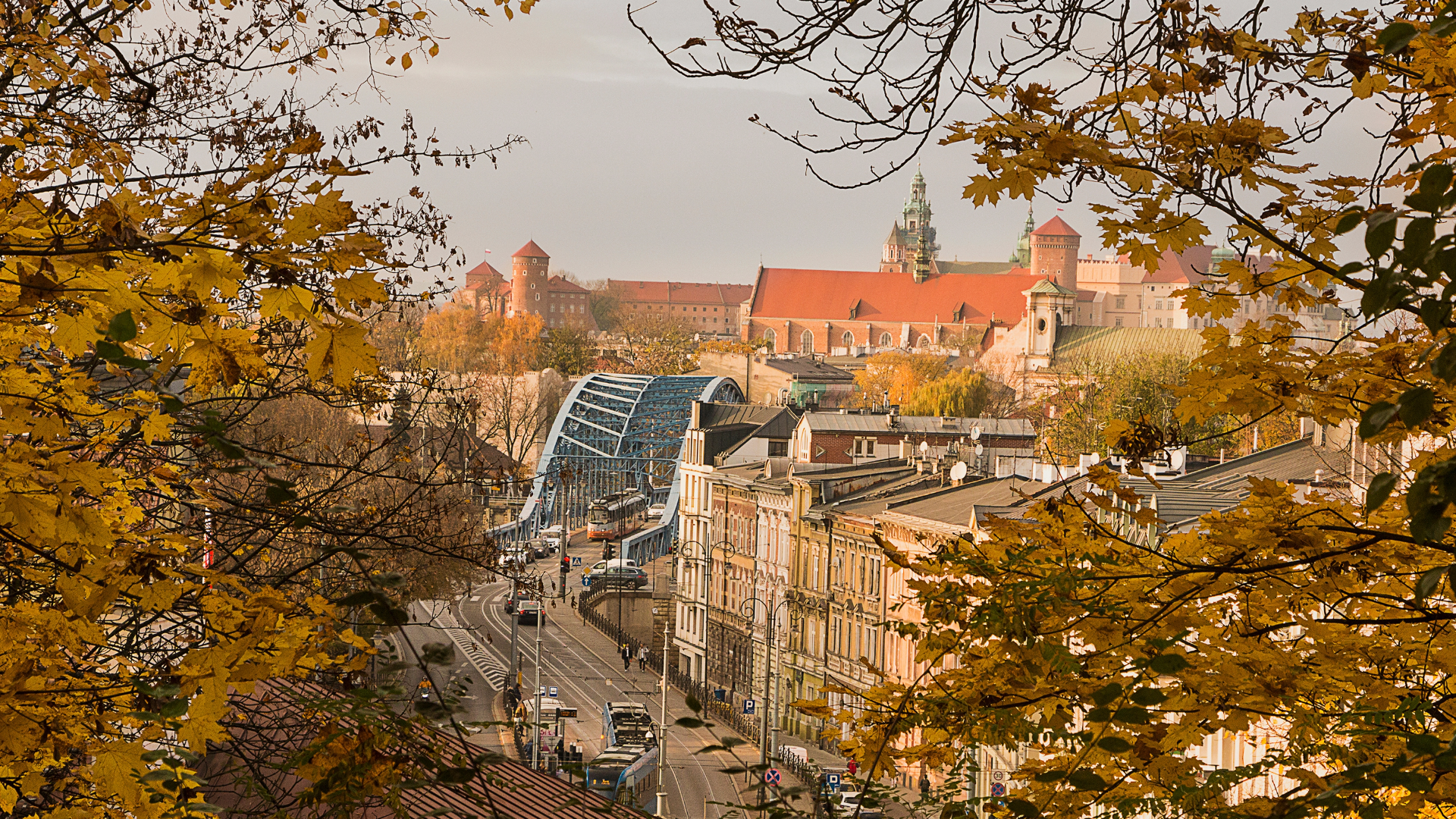
Autumn in Krakow is a transformative experience, often described as the "Golden Polish Autumn". During this season, the city undergoes a profound change. The vibrant energy of summer gives way to a quieter, more reflective atmosphere. The landscape turns into a breathtaking palette of golds, yellows, and fiery reds. Crisp autumn air and rustling leaves add to the sense of seasonal beauty. Warm, golden light bathes the city’s historic architecture in a magical glow. This article is a comprehensive guide to Krakow’s autumn wonders. It reveals ten reasons why visiting the city in autumn is unique. The journey presents both iconic landmarks and hidden, authentic charms. Krakow is shown as a city equally rich in nature, history, and culture.
The 10 Reasons: A curated journey through autumn
1. Embracing the Golden Polish Autumn: A stroll through city parks
The city's unique charm in autumn is perhaps best experienced by beginning the journey in its tranquil green spaces.
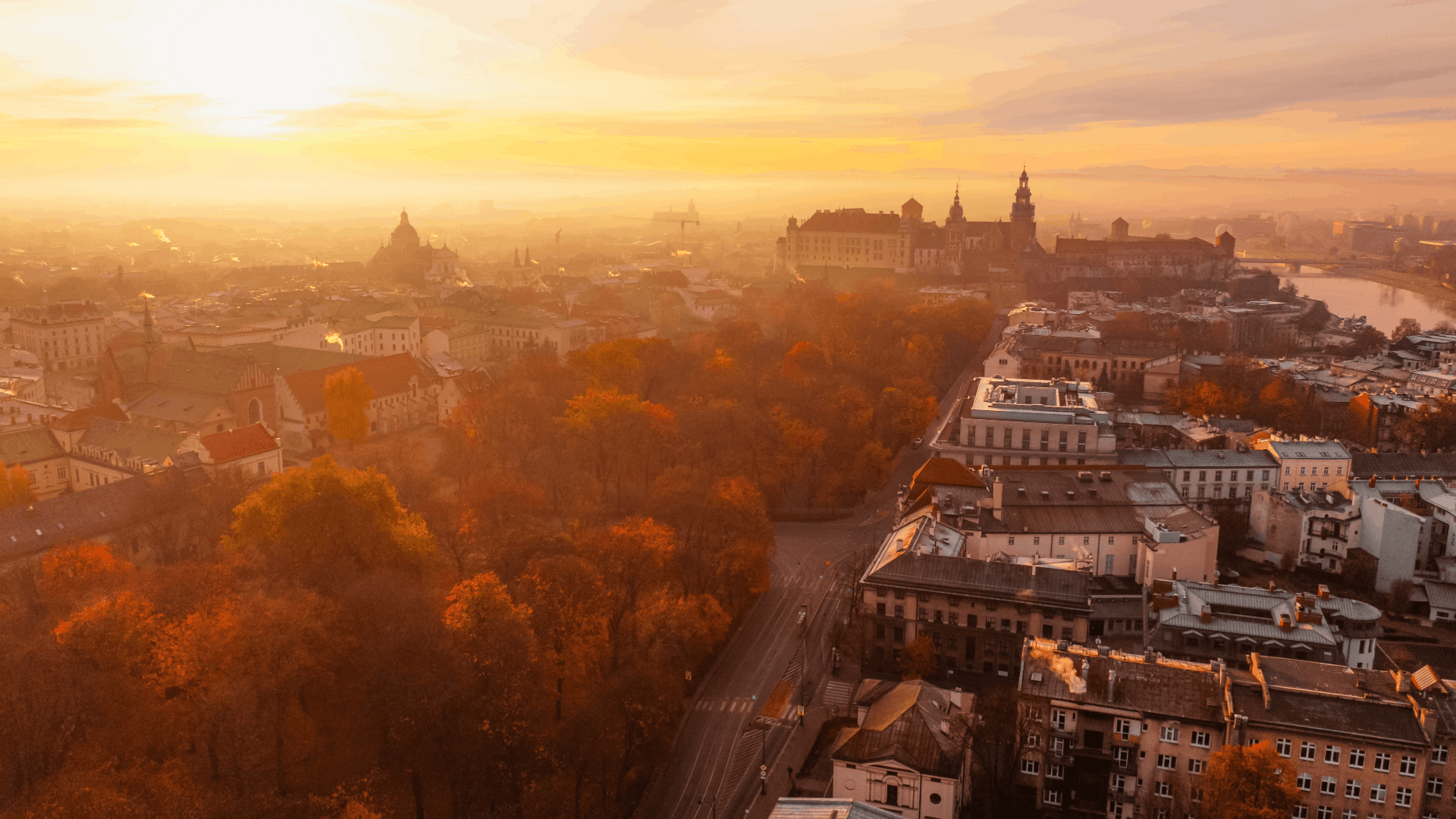
Planty Park, a verdant ring that encircles the Old Town, is the perfect starting point. This green belt, created on the site of the former medieval city walls, transforms into a "golden wonderland" as the trees take on warm, golden hues. A stroll here offers a serene escape from the urban bustle, allowing visitors to appreciate the tranquility of nature right at the city's heart.
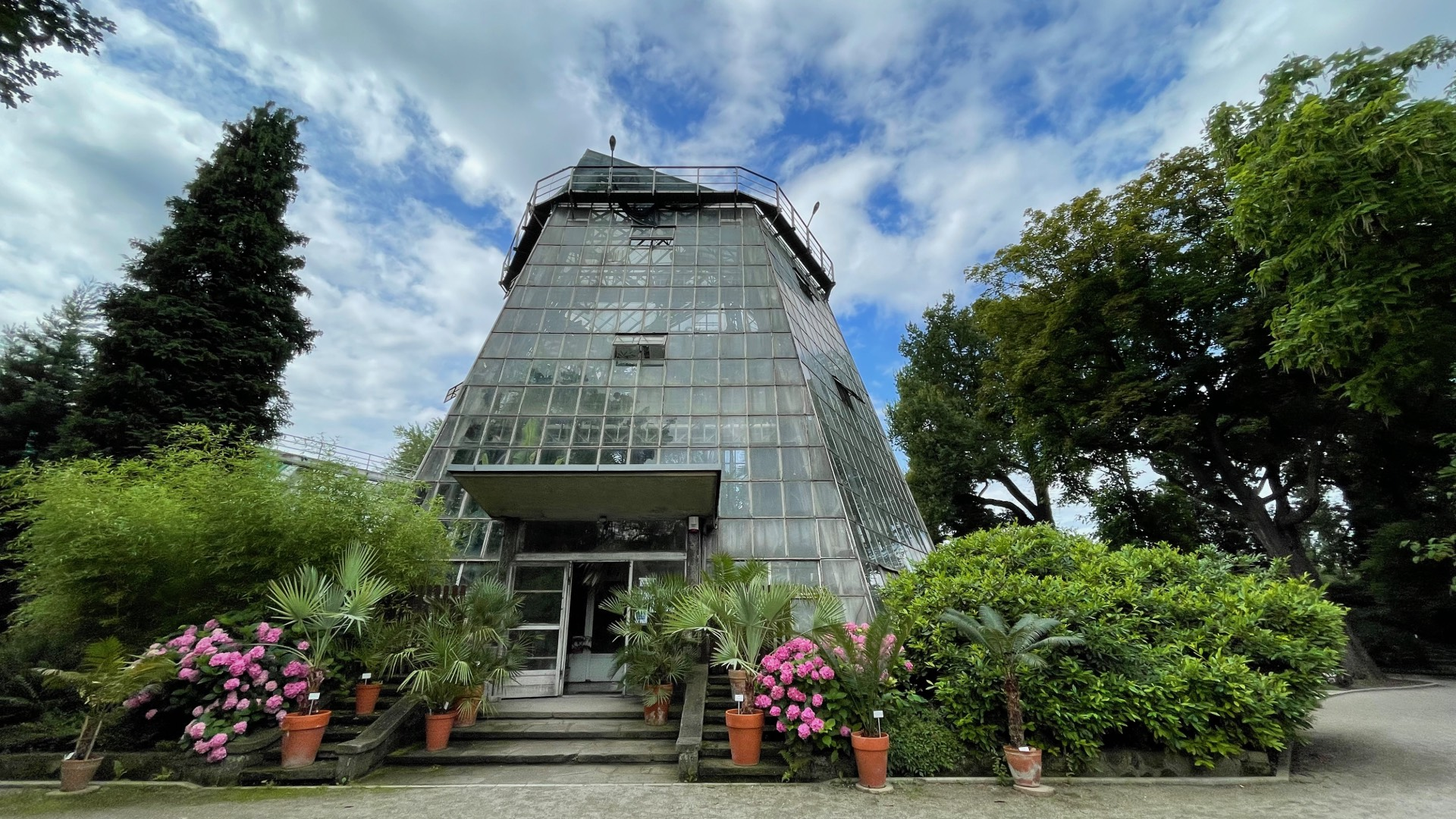
A brief journey can also lead to the Jagiellonian University Botanical Garden is Poland's oldest botanical garden, and in autumn it becomes a "true feast for the eyes". Its rich palette of colors comes from maples, oaks, and ash trees. On cooler days, the greenhouses provide a warm retreat. There, visitors can admire tropical spices, offering a striking contrast to the outdoor scenery. This closeness of peaceful, nature-filled areas to Krakow’s historical core is truly remarkable. Walking, biking, or riding in an electric golf cart is ideal for exploring this blend of nature and city life. Such accessibility lets travelers stand in a medieval city and, within steps, enter the golden-hued tranquility of a park.
2. Unearthing history in the quieter Old Town
Autumn presents a unique opportunity to experience Krakow's historical heart without the bustling summer crowds. The
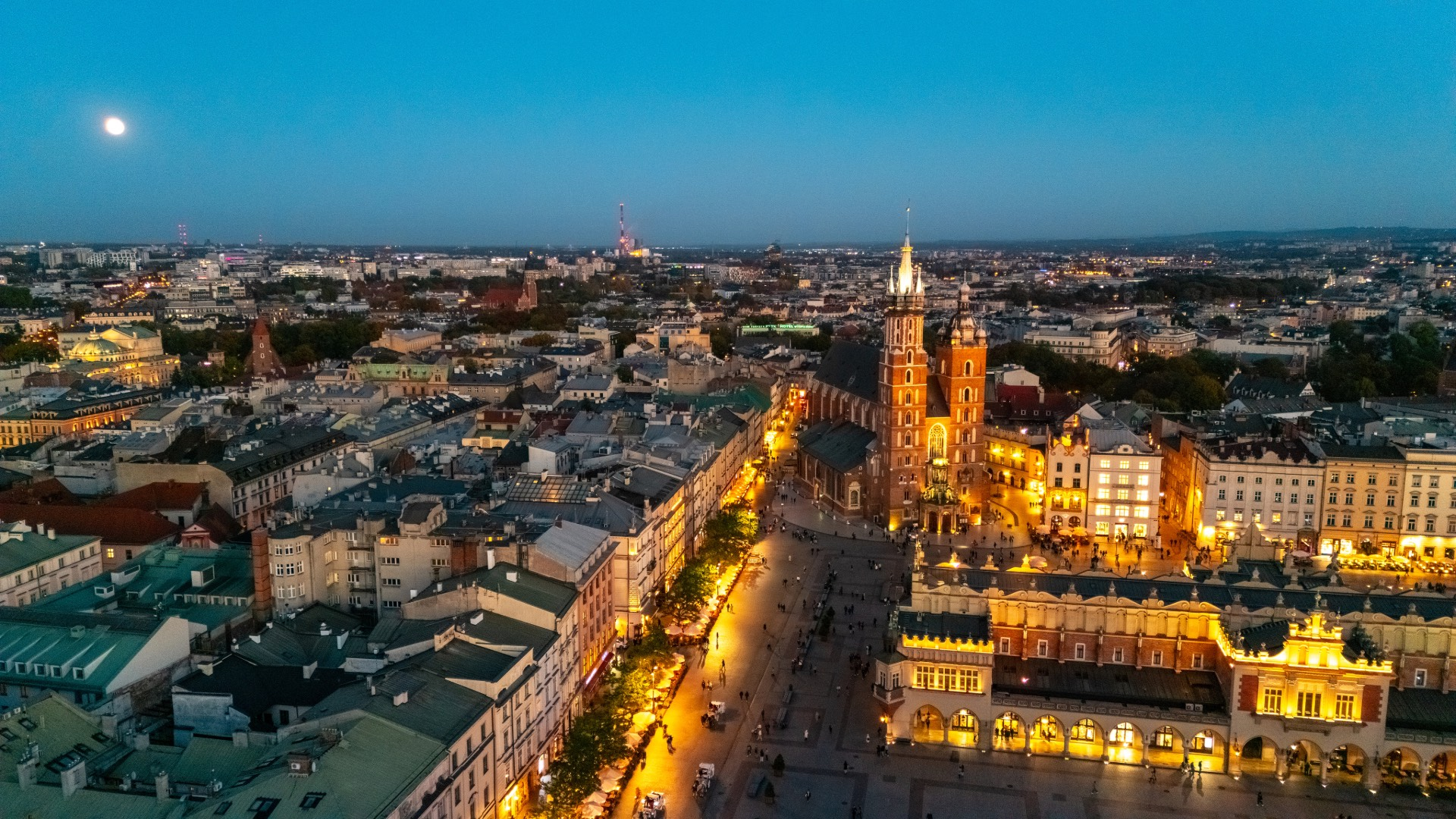
Main Market Square (Rynek Główny), a UNESCO World Heritage Site and the largest medieval square in Europe, acquires an exceptional charm in the fall. The atmosphere becomes notably quieter, with golden leaves occasionally falling onto the cobblestones, creating a more intimate and reflective setting for exploration.
The iconic Cloth Hall and the imposing spires of
St. Mary's Basilica are even more majestic under the soft autumnal light. This serene ambiance extends to the
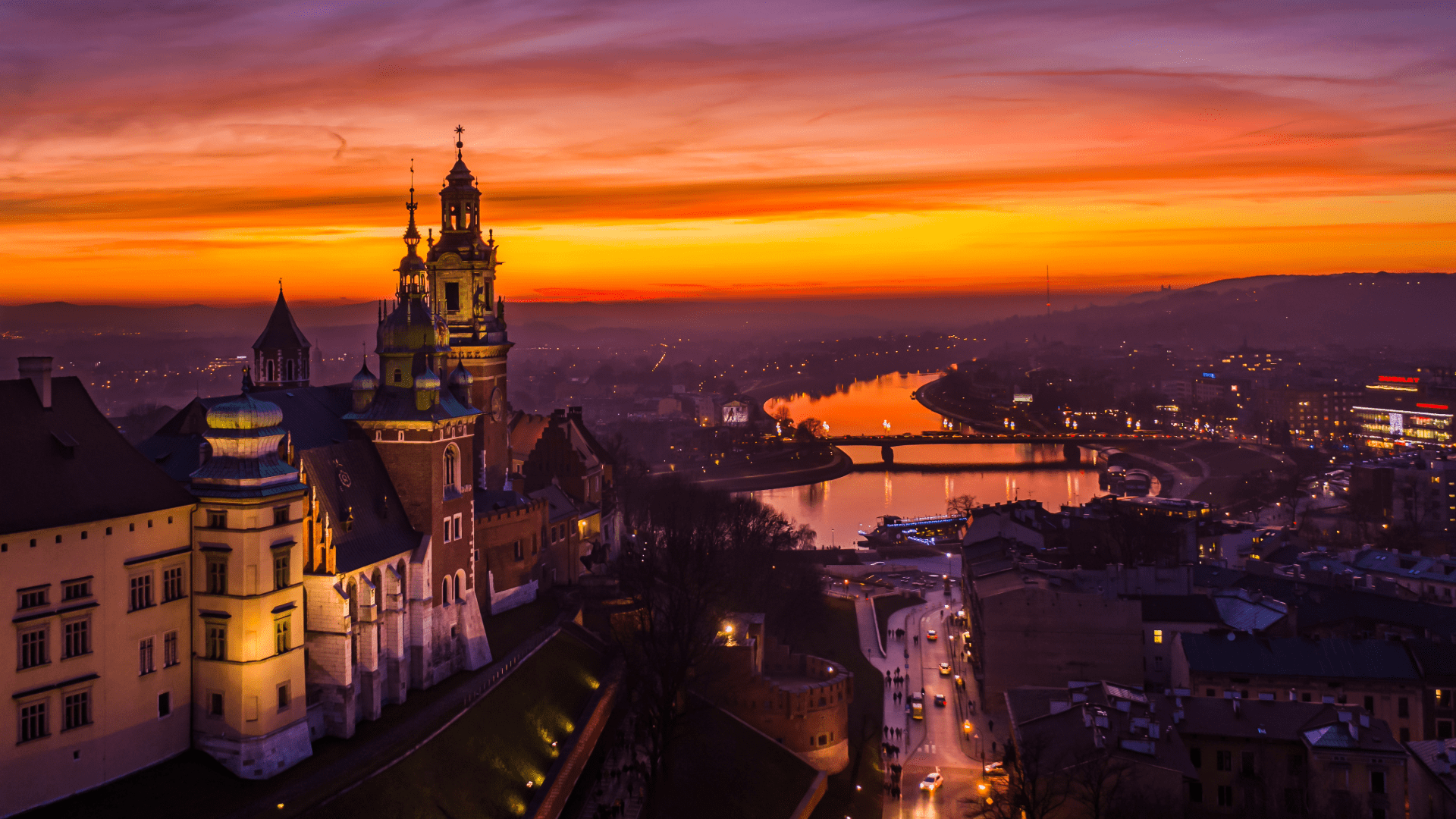
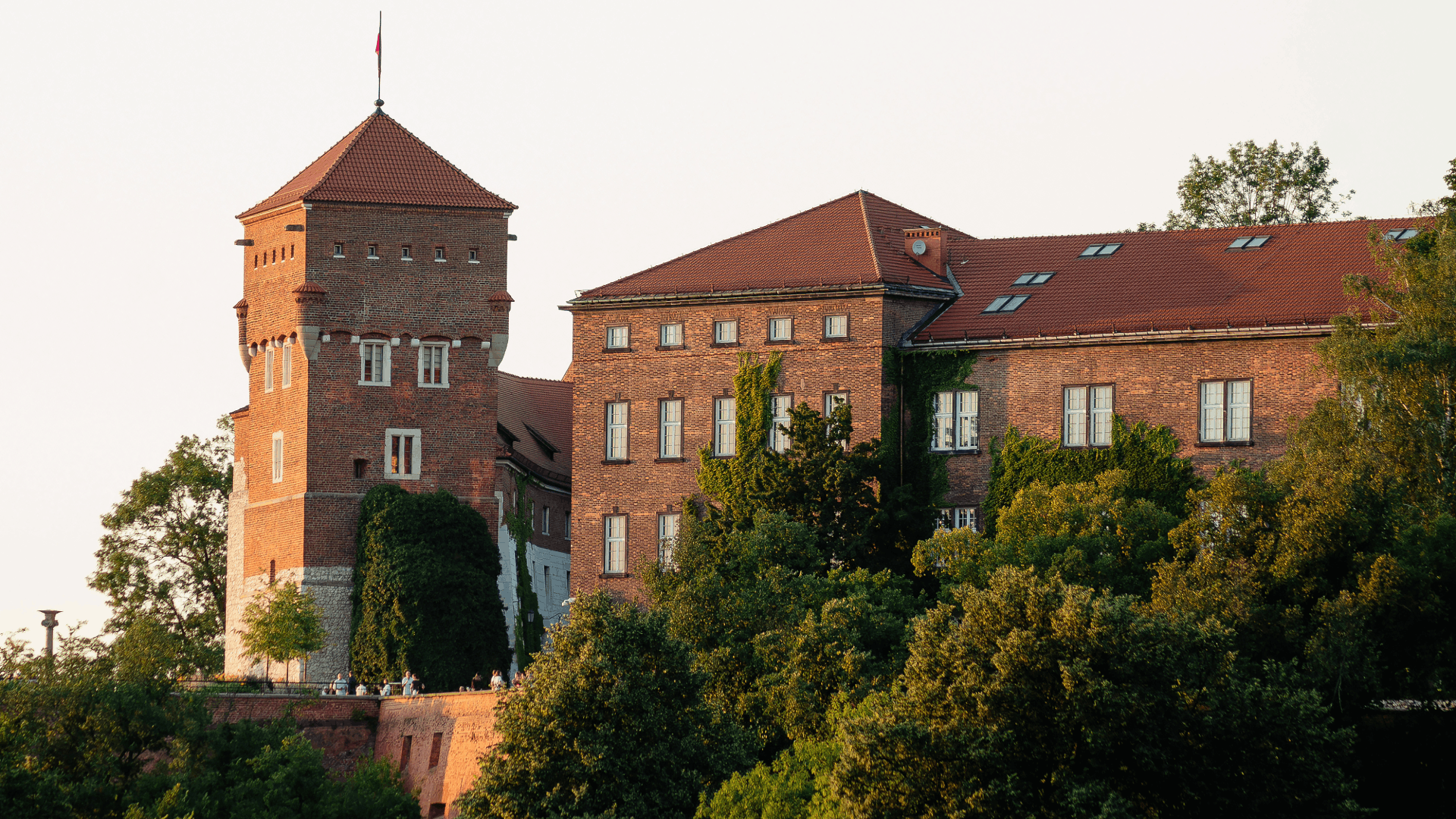
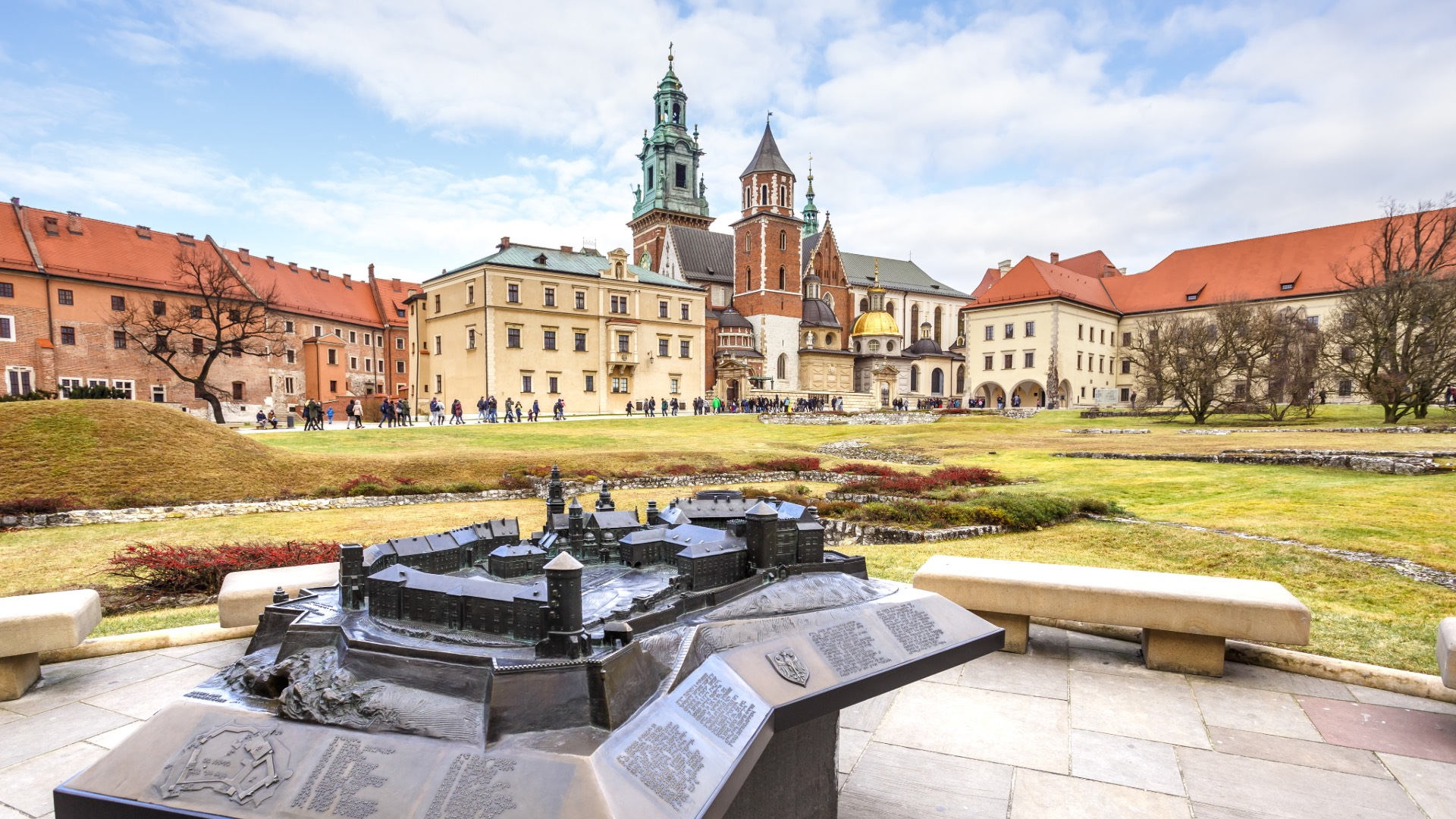
Wawel Royal Castle and Cathedral. A climb up the
Sigismund Tower rewards visitors with a spectacular panoramic view of the entire city, with its historic rooftops and surrounding landscape bathed in autumn colors. The noticeable reduction in tourist numbers during this season is not a drawback but a significant advantage. It allows for a more profound and personal engagement with these historic sites, turning a simple visit into a truly memorable experience. This quieter atmosphere is the direct cause of an improved travel experience, offering a compelling reason for a fall visit that a summer-focused guide cannot.
3. A poignant journey into the past: Schindler's Factory and Auschwitz
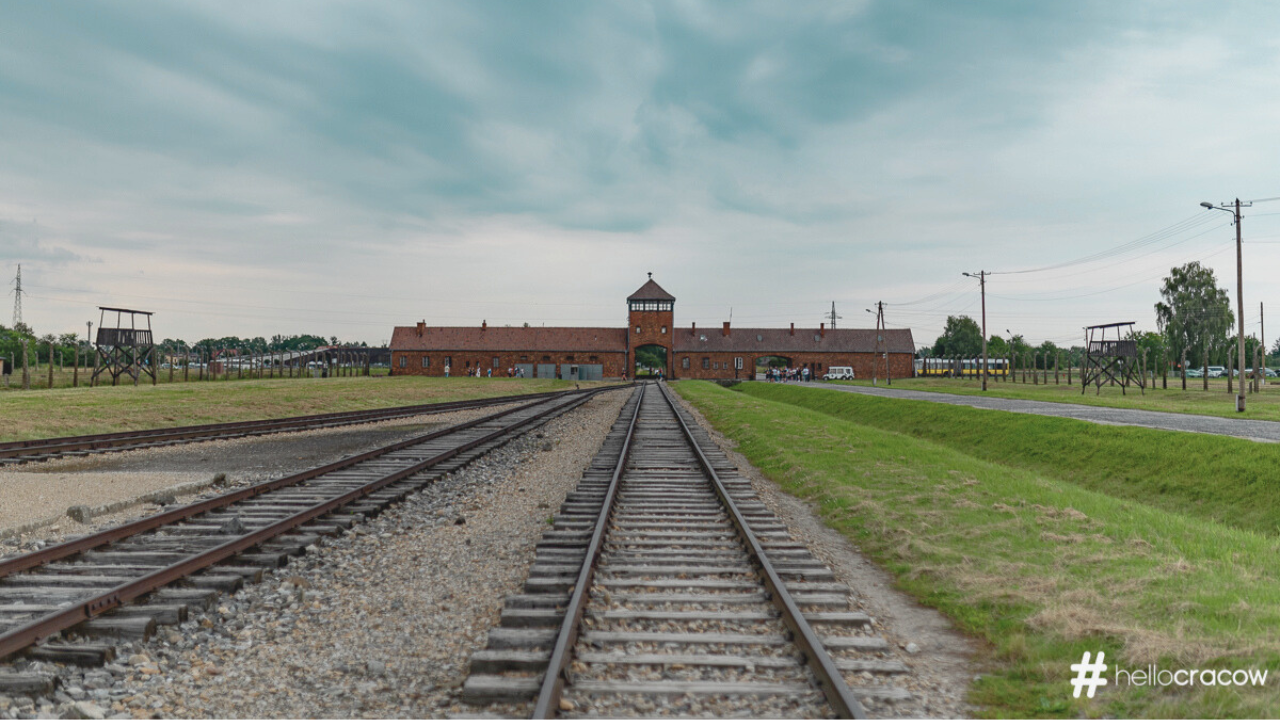
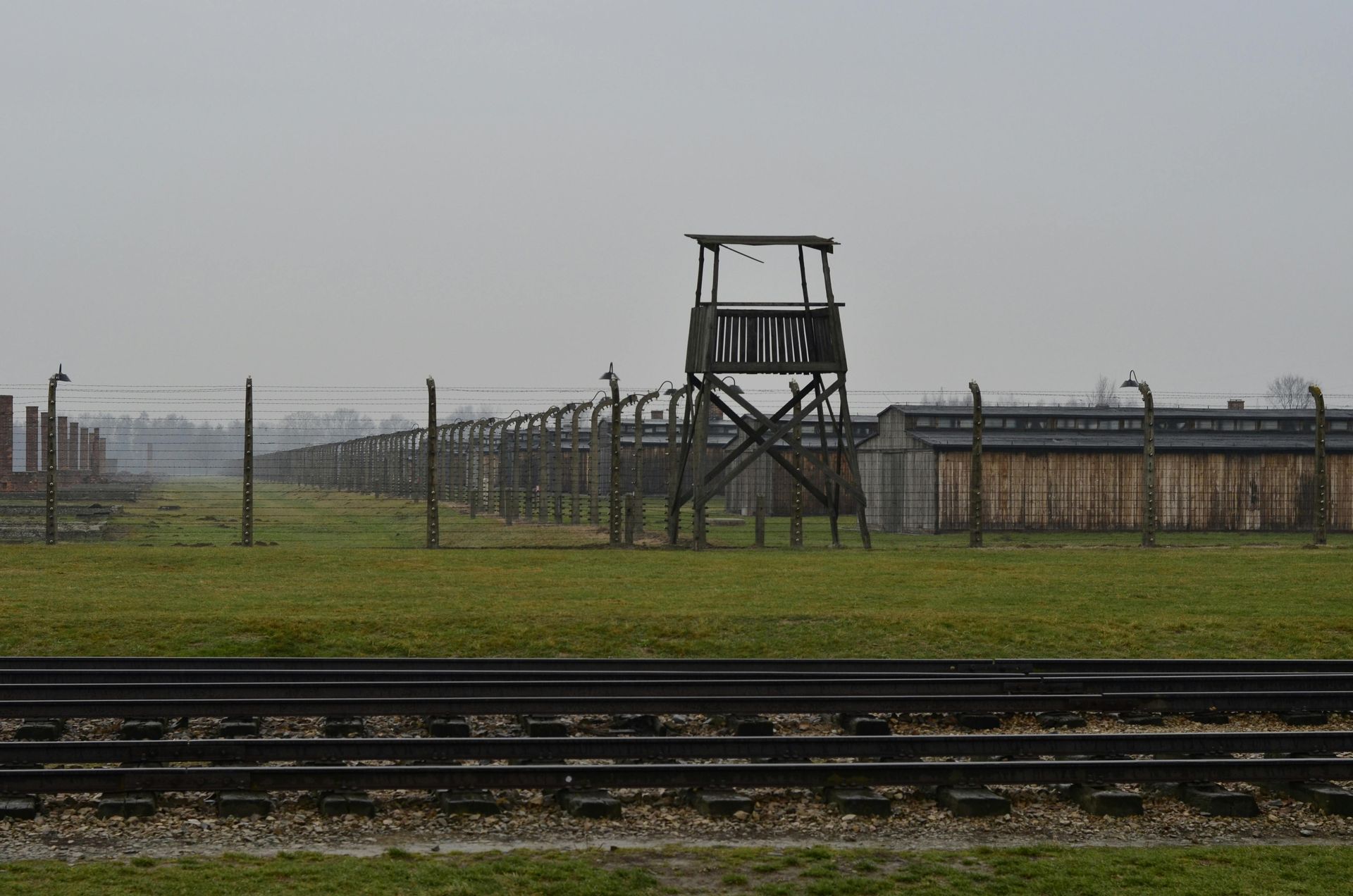
A visit to Krakow is an opportunity for deep historical reflection, and the autumnal season lends a particularly poignant atmosphere to this experience. A trip to the
Auschwitz-Birkenau memorial is a solemn but necessary part of a historical tour of Europe. The somber mood of the season naturally amplifies the experience, allowing for a deeper level of introspection and empathy. From a practical standpoint, autumn is also the last season to visit before the onset of cold winter temperatures, which can make a tour of the site more challenging.
Similarly, a visit to the Schindler's Factory Museum, made famous by Steven Spielberg's film, offers a powerful narrative of Krakow during World War II and the heroism of Oskar Schindler. The museum's exhibits provide a moving testament to a difficult past. The natural, contemplative mood of autumn provides the ideal psychological context for approaching these profoundly important sites. It offers travelers a unique opportunity to engage with history on a more emotional level, transforming a historical obligation into a profoundly reflective journey. To facilitate this crucial experience, fully guided tours from Krakow are highly recommended.
4. Finding cozy corners and bohemian charms: The Jewish Quarter
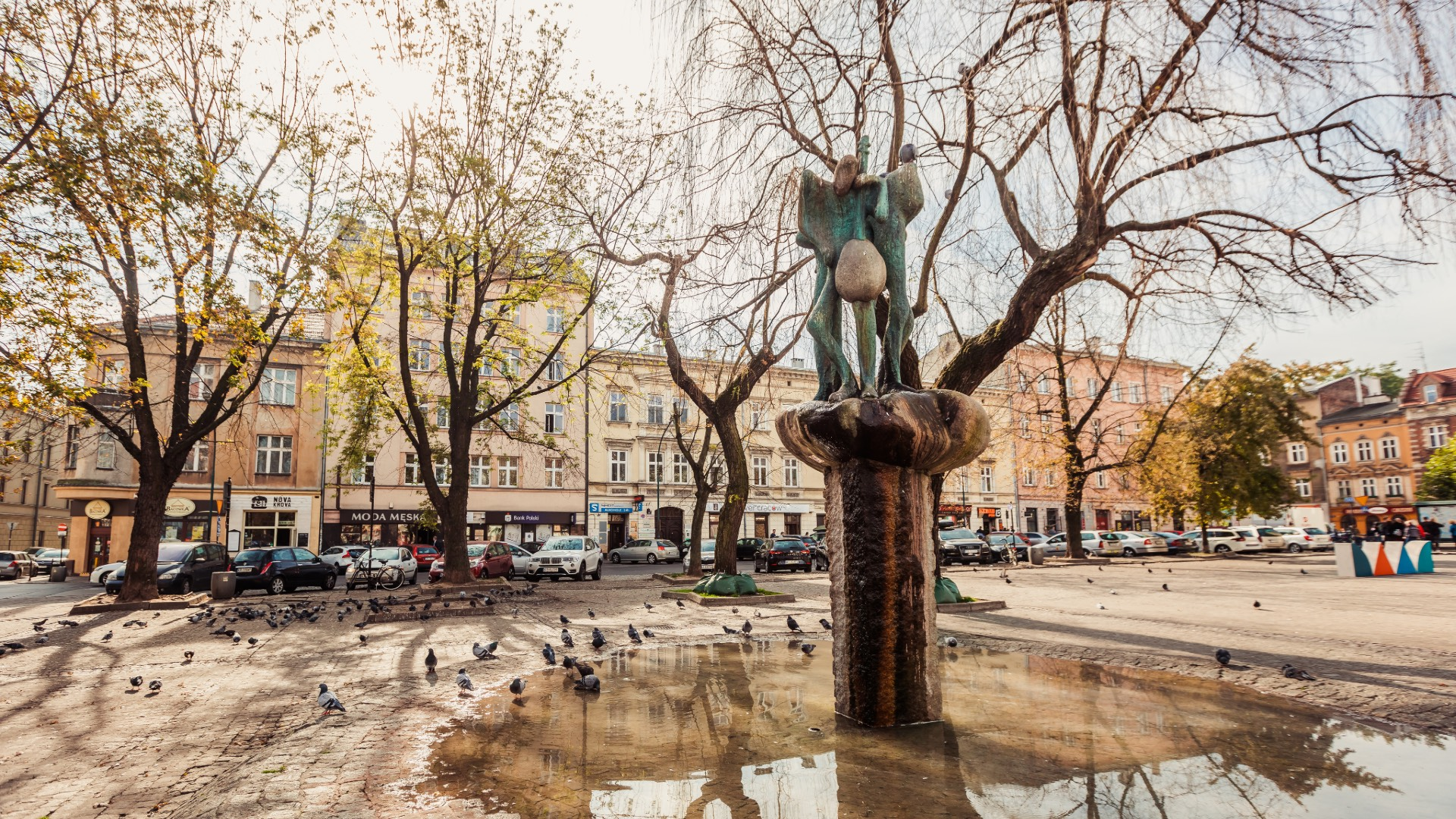
Beyond its grand historical monuments, Krakow reveals an intimate, artistic side in Kazimierz, the historic Jewish Quarter. Autumn gives this area a special charm, creating an "intimate and artistic climate" that invites exploration. The district blends historical memory, with ancient synagogues like the 15th-century Old Synagogue, and vibrant contemporary culture. Visitors can wander streets lined with unique art galleries, independent bookshops, and cozy cafes. Kazimierz is also a culinary hotspot, offering authentic Jewish cuisine. After a day of exploring, a visit to a warm teahouse like Czajownia provides a perfect spot to relax and people-watch. This district encapsulates Krakow's multiple identities—a place of historical memory and a lively modern cultural hub. The journey from solemn historical sites to a local teahouse shows how the city’s layers unfold in autumn.
5. Feasting on atumn flavors: A culinary adventure
Autumn in Krakow is the perfect season to enjoy the city’s warming cuisine. Seasonal dishes feature
hearty mushroom or pumpkin soups, pierogi with sauerkraut or mushrooms, crispy potato pancakes, and the classic pork cutlet. These flavors reflect Poland’s beloved autumn tradition of
mushroom picking, when forests around Krakow fill with foragers. Many local restaurants use freshly gathered mushrooms, adding authenticity to traditional meals.
Krakow’s street food scene is equally tempting. The obwarzanek, a
braided bagel sold on street corners, is a must-try snack, while grilled oscypek cheese with cranberry jam is another iconic treat. For a deeper experience, the Krakow Street Food tour combines sightseeing with tastings, offering an authentic introduction to the city’s culinary heritage. Food lovers seeking refinement will also find a thriving fine dining culture.
To explore a curated selection of Krakow’s top culinary spots, download our free ebook via the newsletter.

6. Escaping to nature’s masterpiece: Beyond the city limits
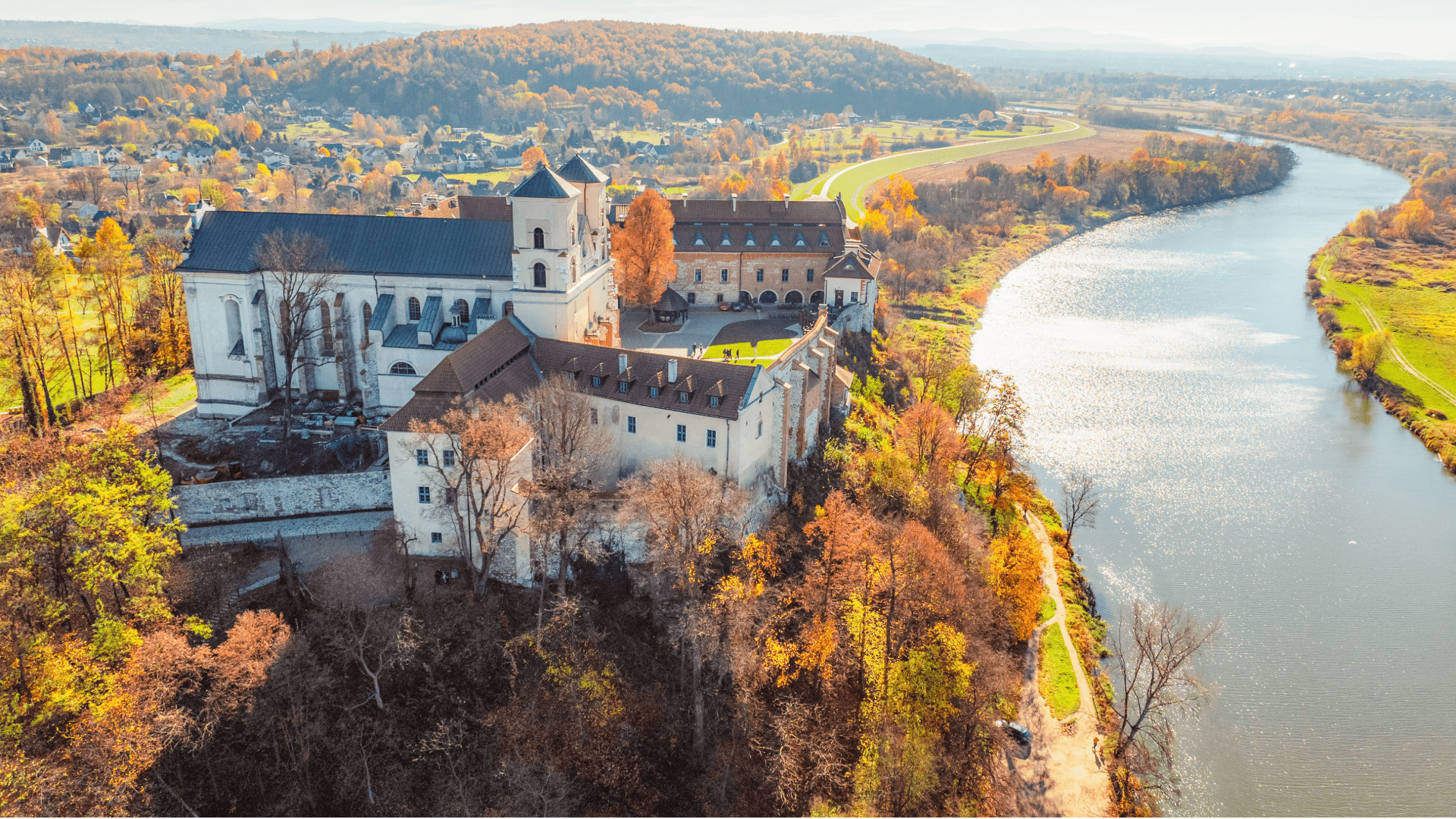
While Krakow dazzles with its autumn charm, it also serves as a gateway to stunning natural escapes. Just outside the city lies
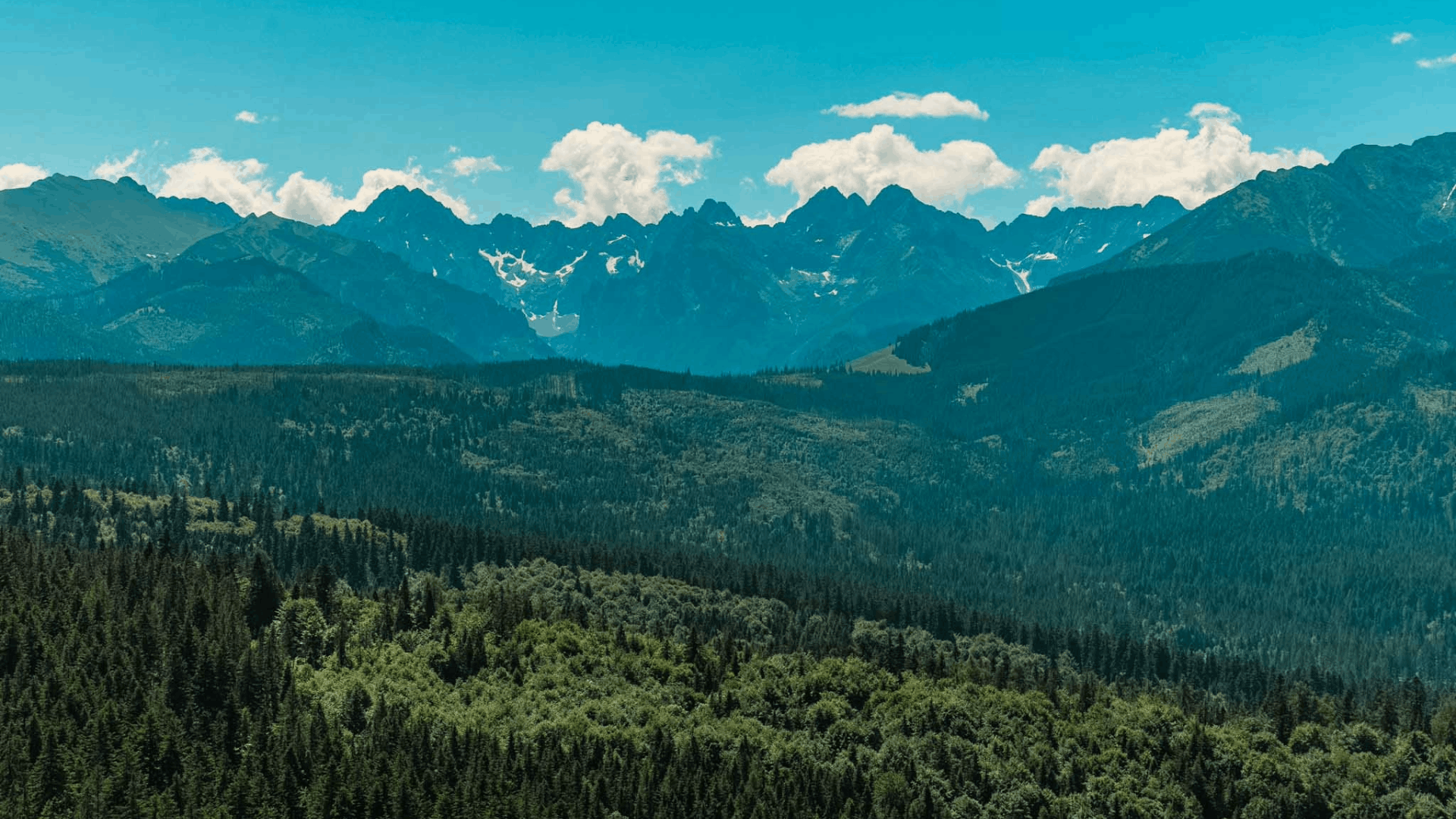
Ojcow National Park, a perfect day trip for those craving nature. Its scenic hiking trails wind past dramatic limestone cliffs, unique rock formations, and the ruins of a medieval castle. In autumn, the beech and maple forests glow with rich colors, making the park especially enchanting.
For an even more striking landscape, the
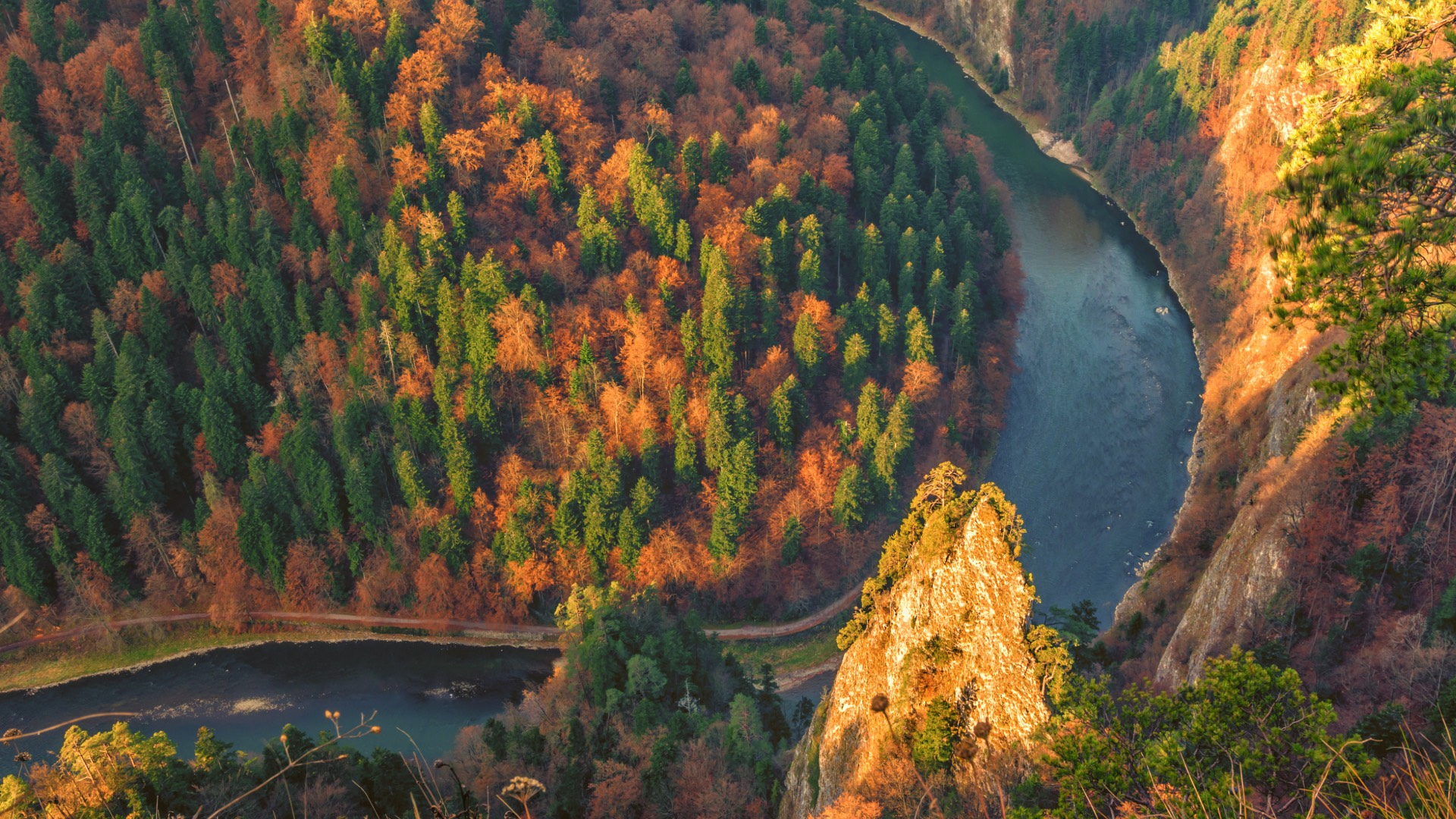
Dunajec River Gorge offers breathtaking views. Around Krościenko and Tylmanowa, the gorge reveals some of the most spectacular scenes of the “Golden Polish Autumn,” often surpassing the better-known stretches of the Pieniny Mountains. These less-crowded spots provide an authentic experience away from the tourist trail. Together, such excursions show Krakow’s role not just as a cultural capital but also as a perfect base for exploring the natural wonders of the wider Lesser Poland region.
7. Diving into Krakow's rich festival scene
Autumn in Krakow is a season of cultural richness, with world-class festivals attracting artists and audiences from around the globe. Literature takes center stage with the
Conrad Festival, the city’s most important literary event. It brings together leading Polish and international writers for thought-provoking discussions and presentations. Running alongside is the
International Book Fair, creating a unique synergy for book lovers.
Music fans have much to enjoy: the Unsound Festival pushes boundaries with experimental sounds.
Sacrum Profanum blends classical and jazz in bold, innovative performances. For jazz enthusiasts,
Kraków Jazz Week offers competitions and concerts showcasing the genre’s diversity. This lineup transforms Krakow into a high-energy cultural hub each autumn, offering travelers more than sightseeing. With literature, music, and art converging, the season highlights Krakow as a vibrant meeting place for global culture.
8. Experiencing unique local traditions
An autumn visit to Krakow offers a vibrant glimpse into the city’s cultural soul. September begins with literary highlights, including the
Futurological Congress, inspired by Stanisław Lem, where book lovers and industry professionals gather. In October, the award-winning
Etiuda&Anima International Film Festival brings short films and animations from around the world, showcasing the best of independent cinema. Beyond cultural events, autumn in Krakow also celebrates timeless traditions.
From early September, mushroom picking becomes a national pastime, with families heading to forests in search of porcini and chanterelles. The season’s bounty finds its way into local restaurants, such as Pod Aniołami, where visitors can savor traditional Polish flavors. Together, these experiences, literary, cinematic, and culinary, paint a portrait of Krakow that goes far deeper than typical sightseeing. Autumn here is not only about golden leaves but also about traditions and events that connect travelers with the living history of Poland.

9. A magical perspective from above and within
To truly appreciate Krakow’s layered history and beauty, it’s worth exploring the city from different heights and depths. One of the most spectacular viewpoints is
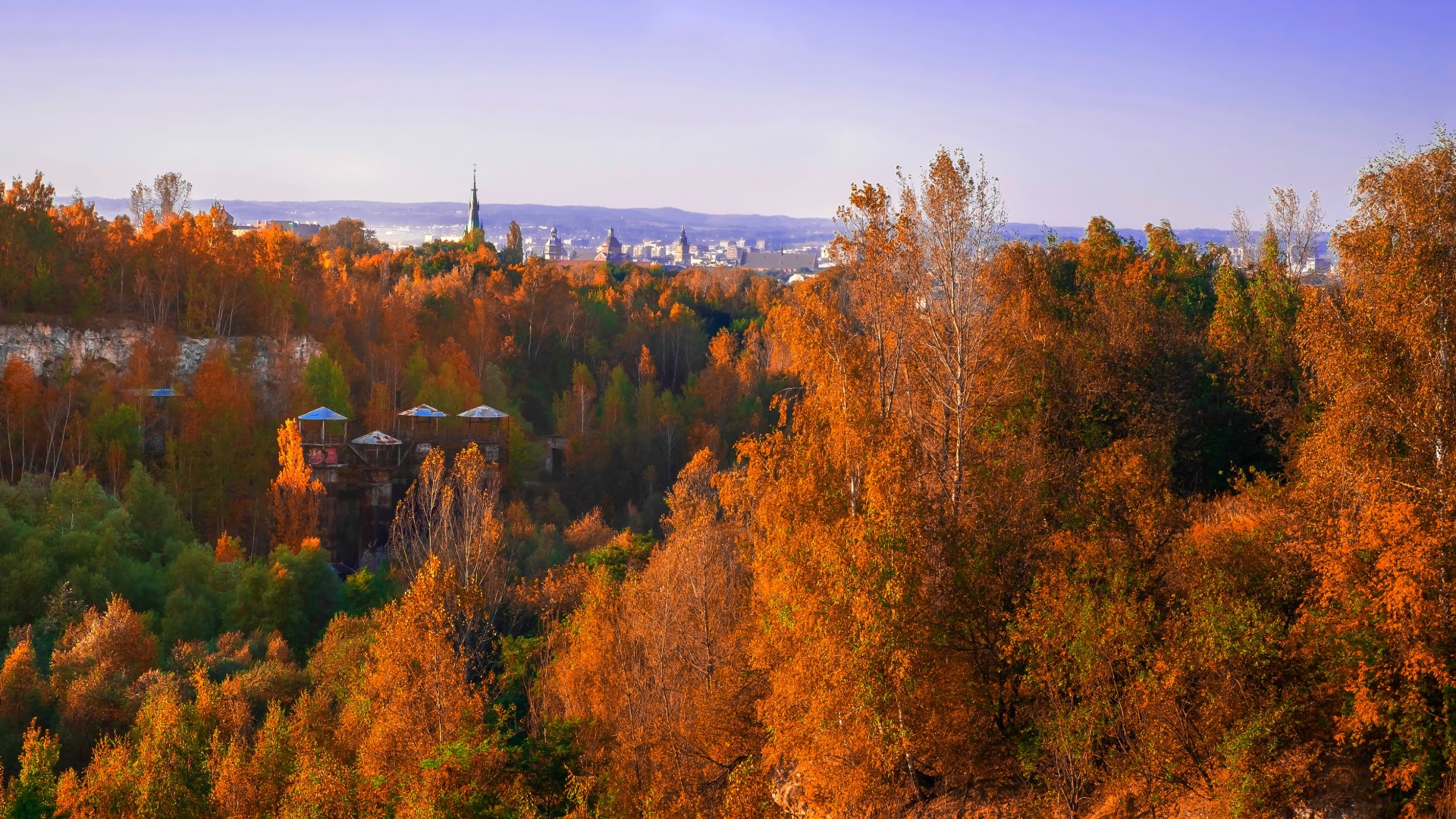
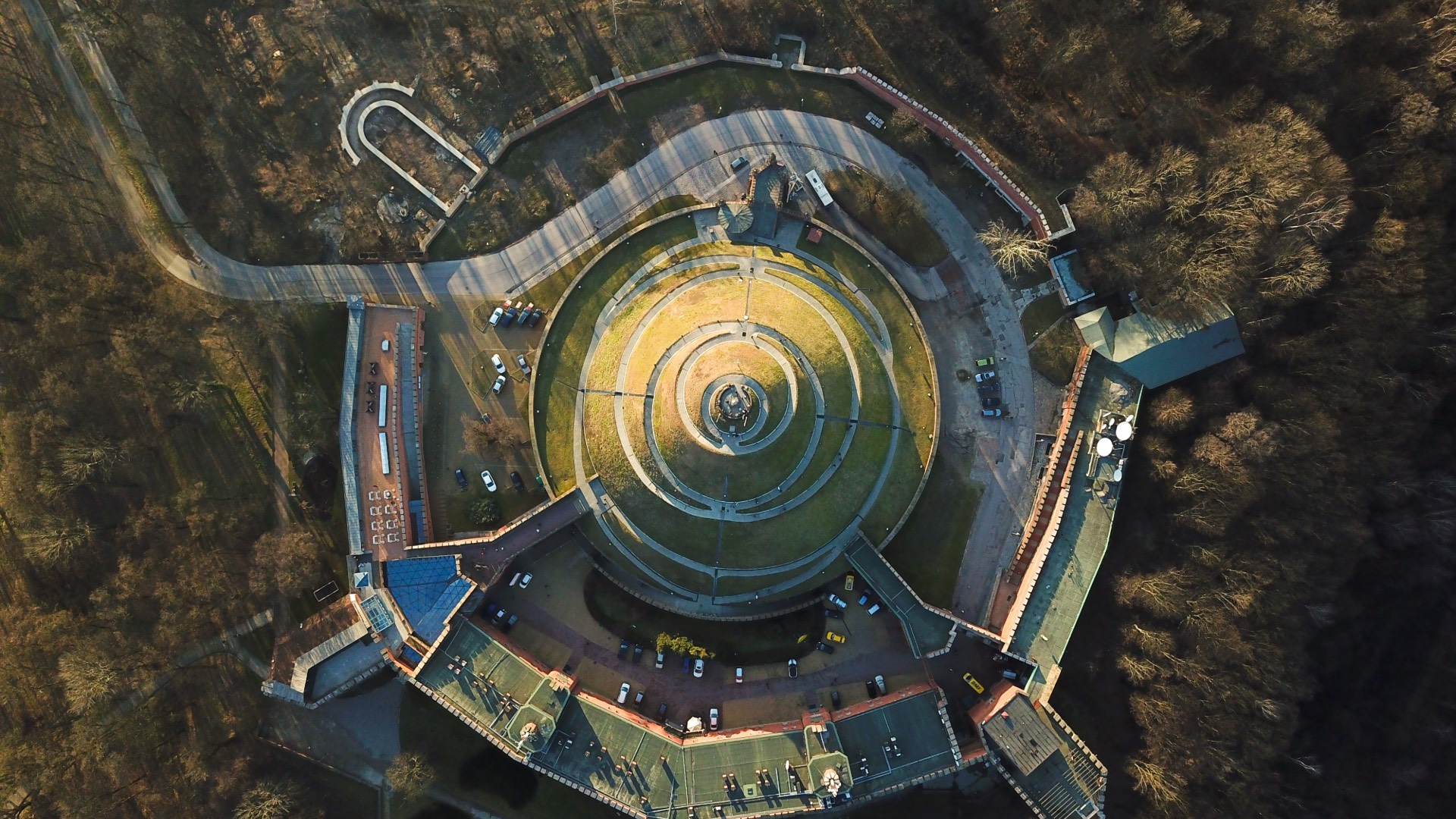
Kościuszko Mound, an artificial hill offering sweeping panoramas of Krakow. In autumn, the city is surrounded by “golden forests,” creating a breathtaking scene from above.
For a complete contrast, head underground to the Rynek Underground Museum beneath the Main Market Square. This fascinating space reveals the city’s medieval past through interactive exhibitions and archaeological treasures. On a rainy autumn afternoon, it’s the perfect way to step back in time while staying sheltered. Together, these two perspectives—soaring over the rooftops and descending below the cobblestones—capture Krakow’s unique character. The city invites discovery not only along its bustling streets but also vertically, with experiences that reveal both its heights and hidden depths, making every visit a true journey into history and wonder.
10. Comfort and convenience: A hassle-free adventure
An often-overlooked but significant advantage of visiting Krakow in autumn is the enhanced comfort and convenience it offers. The cooler temperatures make walking through the city's compact and easily navigable Old Town much more pleasant than in the heat of summer. The decrease in tourist volume also leads to "lower prices" for accommodation and flights.
For a completely hassle-free touring experience, especially on days with unpredictable weather, the city offers tours in electric
golf buggies. These vehicles are thoughtfully "equipped with transparent rain covers and a heating system" to ensure comfort regardless of the conditions. They also provide the convenience of free hotel pick-up and multi-language audio guides, making it simple to explore key sites like the Old Town, Kazimierz, and Schindler's Factory. This customer-centric approach turns potential weather-related concerns into an opportunity to enjoy a unique, comfortable, and comprehensive tour.
Your autumn adventure awaits
Krakow in autumn is a city of duality and depth, where tranquil nature complements the richness of history and culture. From the quiet, reflective atmosphere of historical sites to the vibrant energy of world-class festivals, the season offers a unique, authentic experience. This experience is simply not possible during the peak summer months. The city’s gold-hued parks, comforting traditional cuisine, and deep cultural traditions combine to create an unforgettable journey.
For a seamless and enriching journey that unveils the best of this magical city, consider a guided tour. Expert guides can navigate the historic streets, reveal hidden stories, and provide the context that turns sightseeing into a true discovery.