


Krakow in November: A Kaleidoscope of Culture and Celebration

Hello Cracow • November 5, 2025

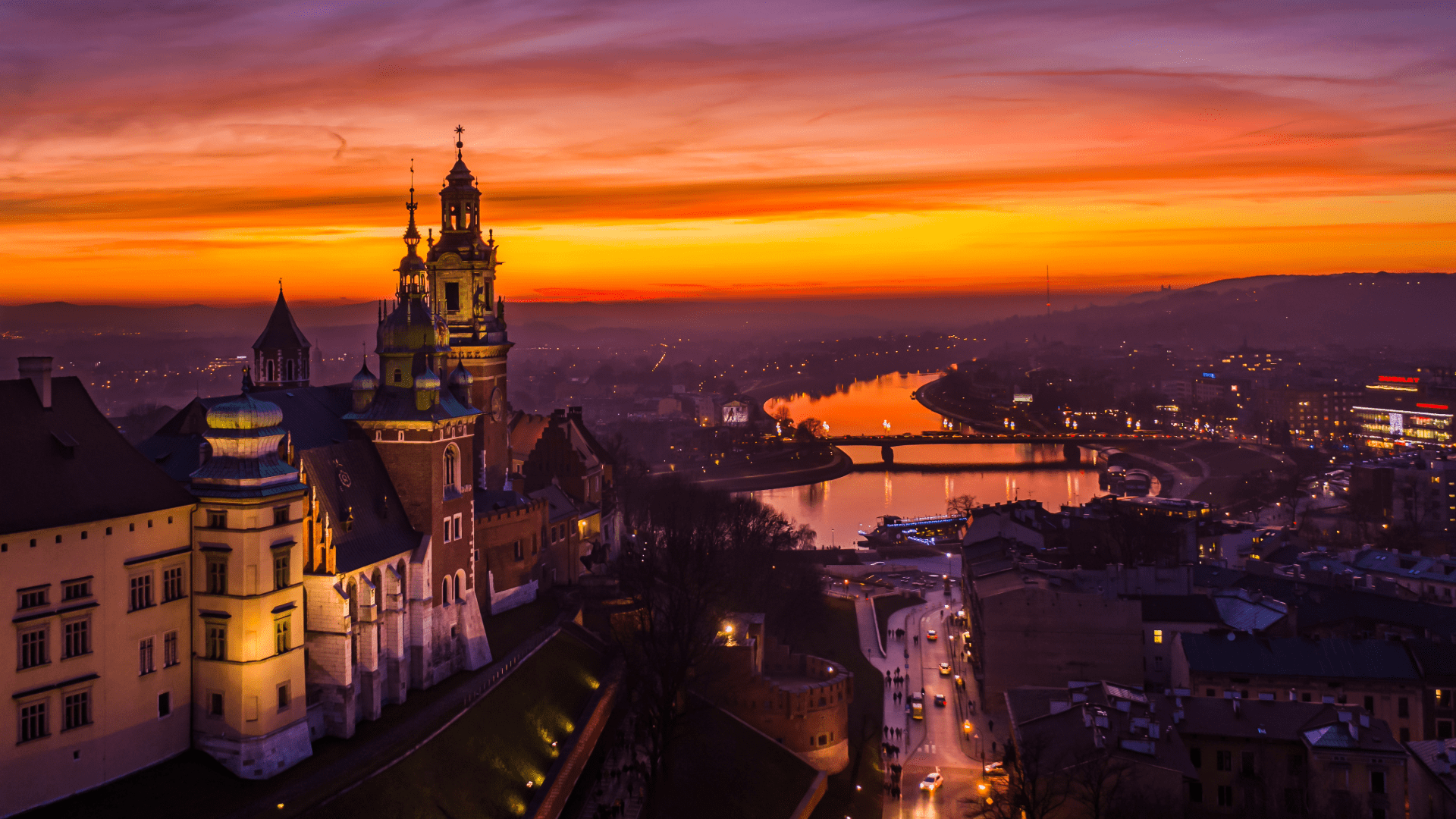
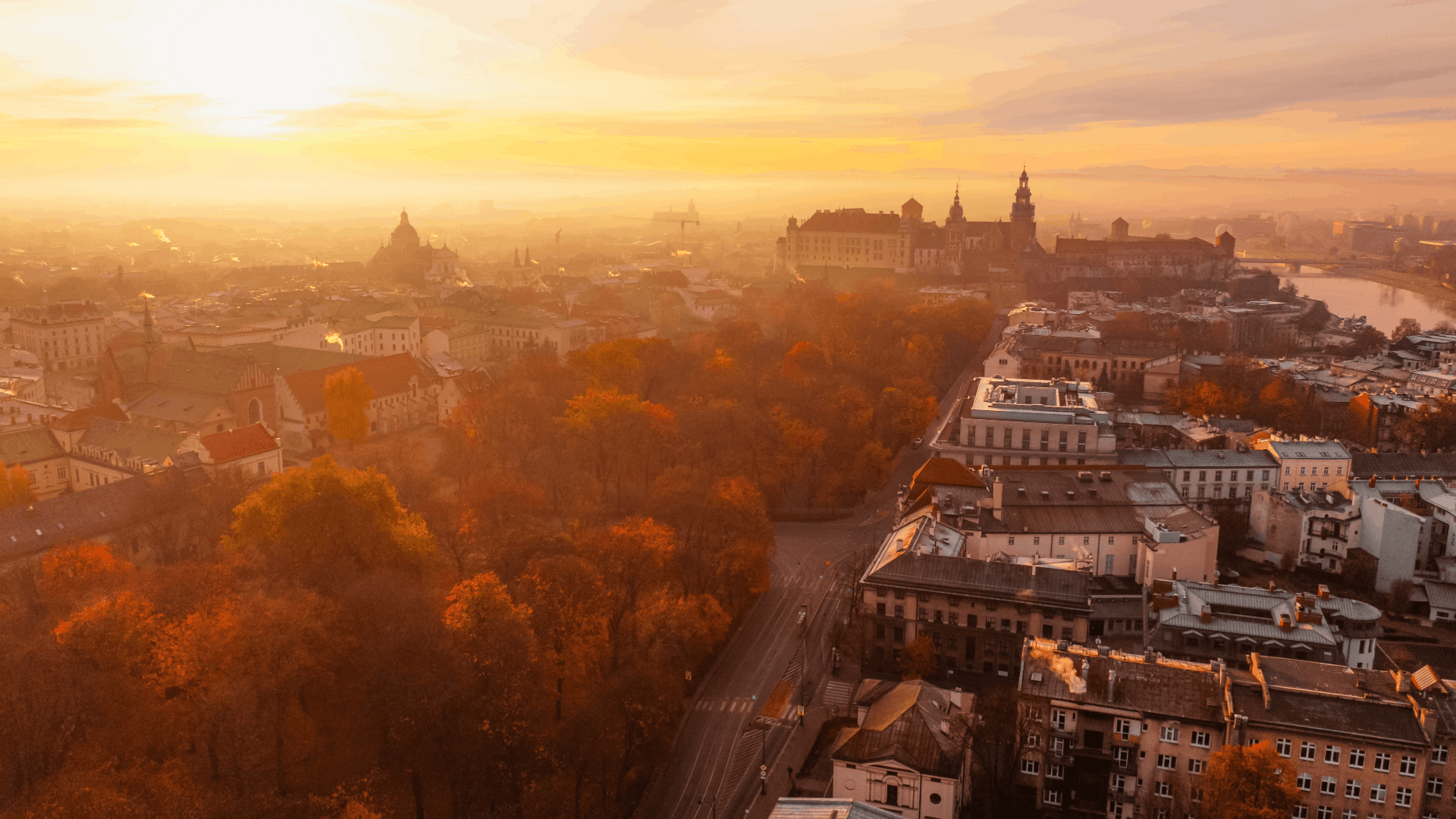
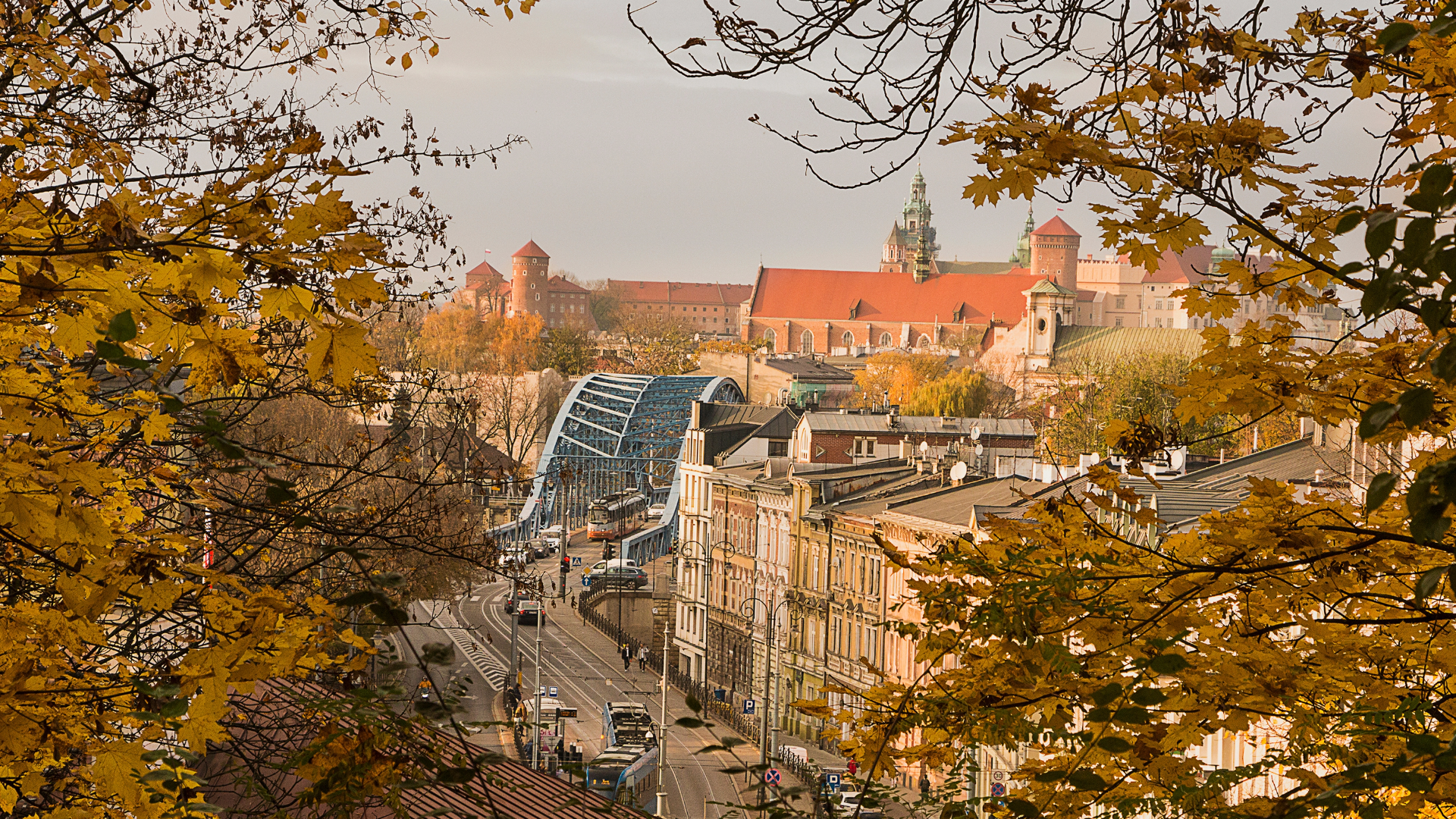
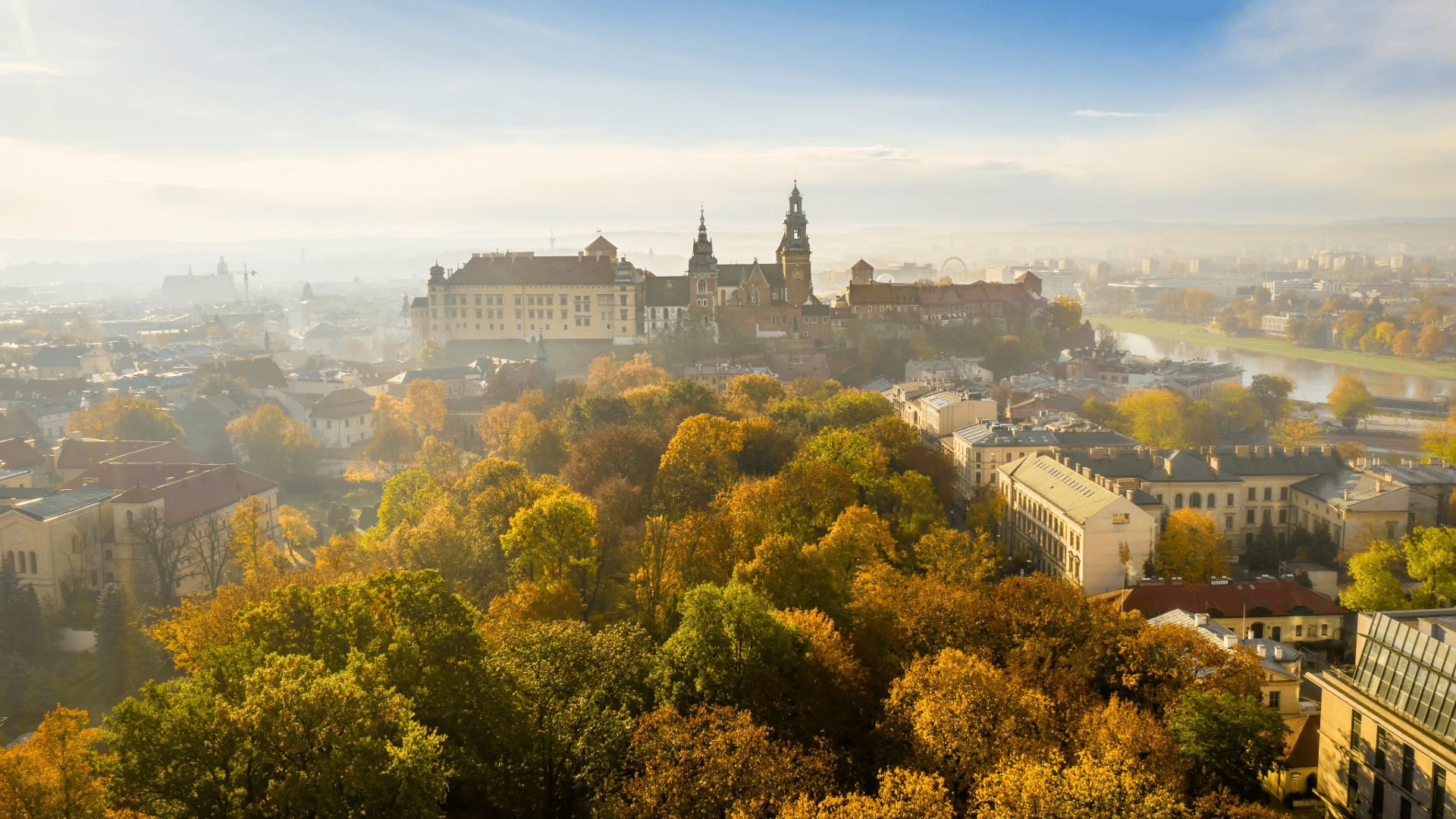
As summer's vibrant colors fade, Krakow enters a calm and beautiful transformation in November. The city slows down before December's festive crowds arrive. The air turns crisp, and mist often drifts over the Vistula River. Planty Park glows with amber and golden leaves, wrapping the Old Town in warmth. This season feels cinematic and reflective. It's the perfect time for travelers who seek culture and quiet, not the rush of peak - season sightseeing. 
Weather, Packing, and Costs

Prevailing environmental conditions in Krakow - cool weather with average daytime temperatures between 1 °C and 9 °C, and shorter daylight hours of about 8 - 9 hours - act as a natural cultural filter. Cold weather demands thoughtful preparation and adaptability to frequent rain and changing conditions.


The most important advice for November is to wear sturdy, layered clothing for comfort and warmth. Temperatures fluctuate significantly, particularly when moving between the chilly external streets and the well-heated interiors of museums, restaurants, and venues. Essential items for the travel wardrobe include:


  • Outerwear: A warm, waterproof, or highly water-resistant coat is essential to counter rain, potential snow, and wind chill.
  • Layers: Base layer tops and thermal tights are highly recommended for maintaining core temperature without adding excessive bulk. Sweaters, fleeces, and long-sleeved tops should be packed to allow for adaptive layering.
  • Accessories: A warm hat, gloves (or mittens), and a sturdy scarf are crucial for protecting extremities.
  • Footwear: Warm, comfortable, and waterproof boots are paramount, both for warmth retention and for providing secure footing on potentially slick, wet cobblestones.


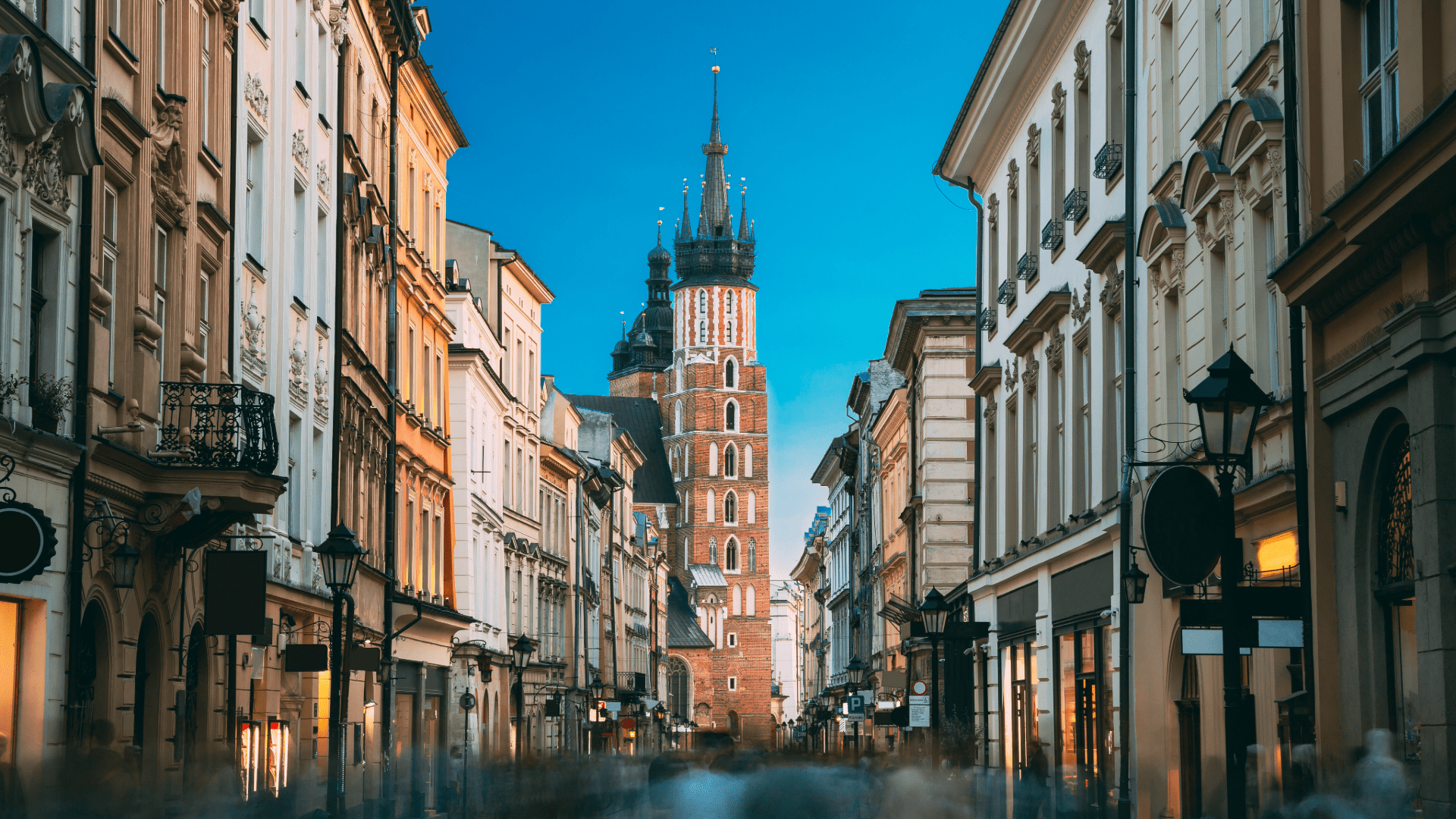
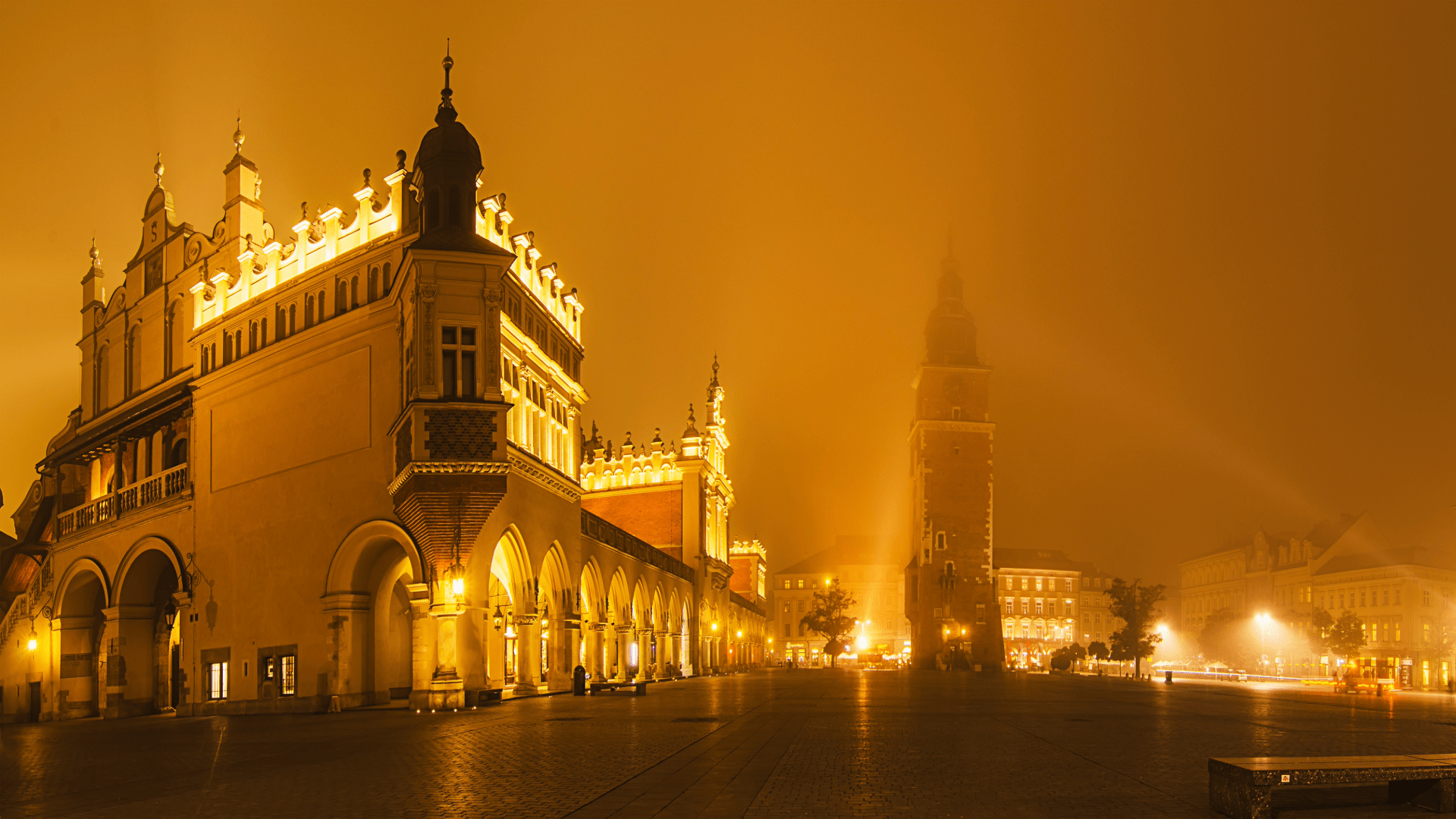
November firmly occupies the low season, which translates directly into significantly fewer crowds at historically busy and popular sites like the Wawel Royal Castle, the historic districts, and the Main Market Square. This tranquility allows for a calmer, more personal, and reflective exploration. Furthermore, this seasonal decrease in tourist demand often results in noticeably cheaper accommodation rates compared to the shoulder months or the congested Christmas period. 
Key November Traditions

All Saints' Day (November 1st)

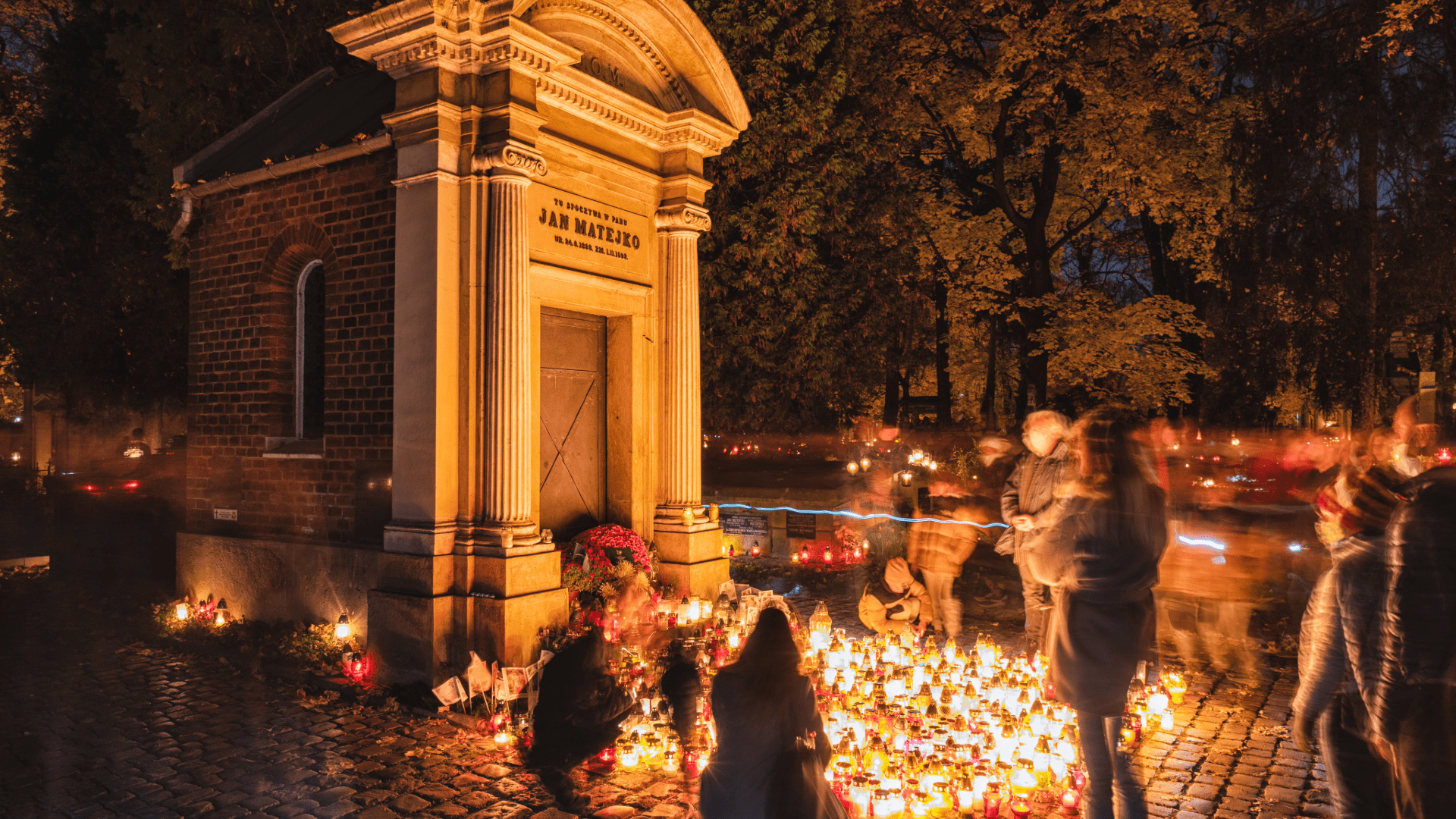
Wszystkich Świętych is one of Poland's most important and traditional holidays. It is deeply rooted in Christian heritage and shared community values. The day honors the memory of the deceased through quiet reflection and solemn beauty. Families visit cemeteries together, creating a moving display of remembrance. They carefully clean graves and decorate them with flowers and glowing znicze - memorial candles. As night falls on November 1st, cemeteries transform into luminous landscapes. Thousands of flickering lights create a sea of warmth and reverence. The historic Rakowicki Cemetery stands out for its cultural and national significance. Many distinguished figures in Polish history rest there. 
National Independence Day (November 11th)

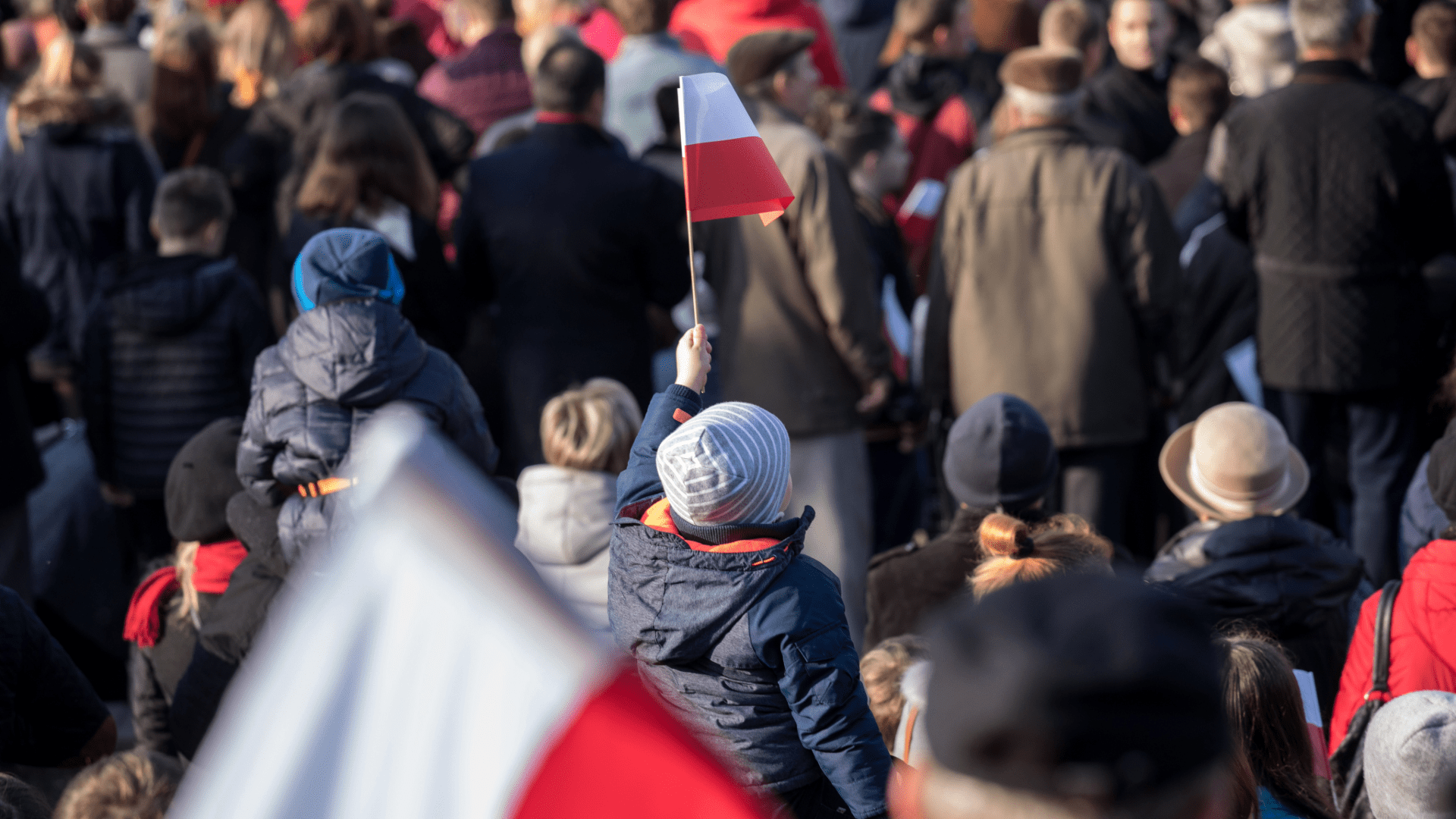
Krakow's November calendar maintains its focus on deep historical and cultural engagement with Narodowe Swieto Niepodleglosci (National Independence Day) on November 11th. This state holiday commemorates Poland's regaining of sovereignty in 1918, following over a century of partitions and foreign occupation. The day is characterized by a strong and visible manifestation of the Polish spirit, blending solemn military formalities with profound public celebration. The central public festival takes place in the Main Market Square, featuring the "Lesson of Singing -  Joyful Independence." This unique event gathers large, diverse crowds for the communal singing of patriotic songs. Visitors are encouraged to observe the celebratory spirit and may choose to wear the national colors of white and red to respectfully align with the public demonstrations of national pride. 
Andrzejki (St. Andrew’s Eve: November 29th/30th)

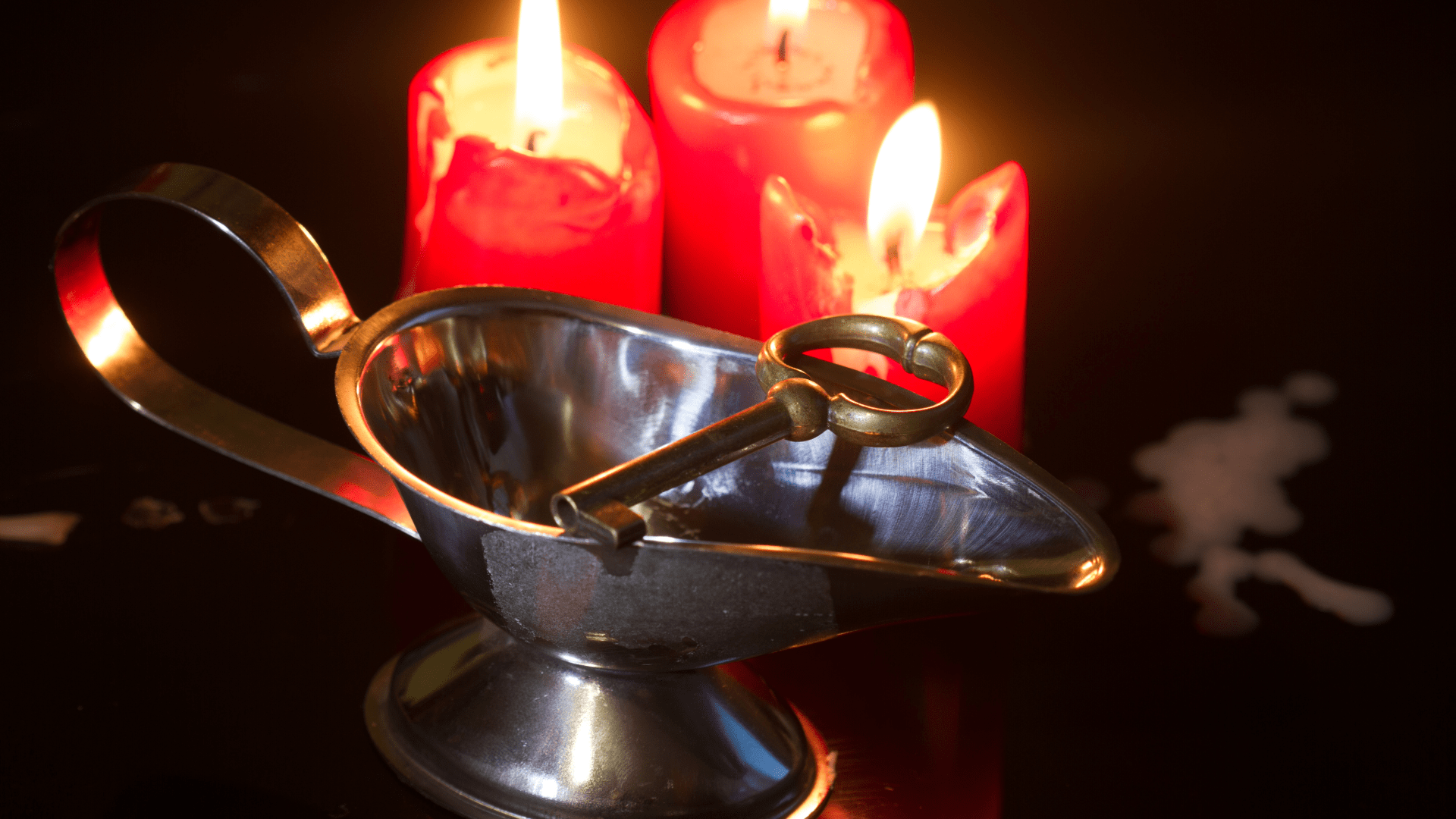
The month of historical focus and national pride culminates in an evening dedicated to lighthearted folklore: Andrzejki (St. Andrew's Eve) on the night of November 29th/30th. This tradition fills the final evenings of autumn with a distinct atmosphere of magic and playful fortune-telling. The central ritual involves Polish participants engaging in wax divination: hot wax is poured through the eye of a key into a basin of cold water, and the resulting shape of the solidified wax figure is then interpreted to predict future omens and life trajectories. 
World-Class Arts and Avant-Garde Festivals

Music and Jazz Legacy

Krakow's music scene reaches remarkable intensity in November. The focus turns toward improvised and contemporary sound art. A major highlight is the 70th Kraków All Souls "Zaduszki" Jazz Festival. It is one of Europe's oldest and most respected jazz events. Concerts often take place in intimate, atmospheric venues like the historic Alchemia club in Kazimierz. The Audio Art Festival (November 14 - 23, 2025) adds experimental energy to the month. It explores postmodern sound, merging audio and visual art installations. Another key event is the Sacrum Profanum Festival (November 6 - 11, 2025). It celebrates the blending of genres and aesthetics within modern music. 

Design and Galleries

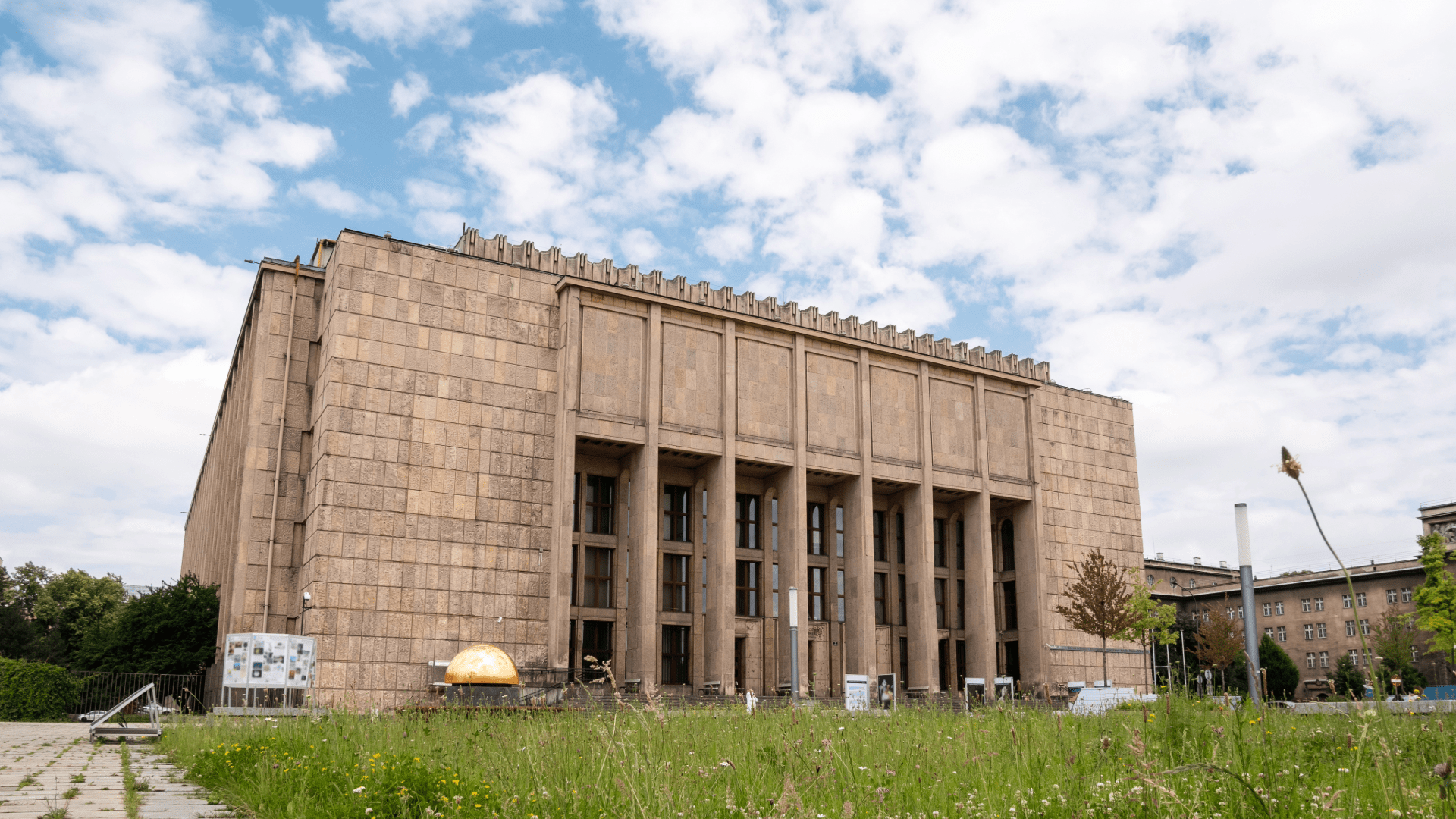
For travelers interested in the material and applied arts, November provides substantial and comfortable indoor activities. The city hosts "A Thing for Art - Design in Kraków" (November 3-30, 2025), an extensive project encompassing approximately seventy events across thirty different locations. Related events, such as Cracow Design Days, actively promote Polish contemporary design and functional art. The necessity of seeking shelter from the cooler weather naturally elevates indoor pursuits, making gallery hopping and visiting major indoor exhibitions - such as "Chełmoński" or the monumental "Matejko. Malarz i Historia" at the National Museum - a perfectly timed and highly rewarding experience. 
Essential Indoor Destinations and Guided Tours

Wieliczka Salt Mine

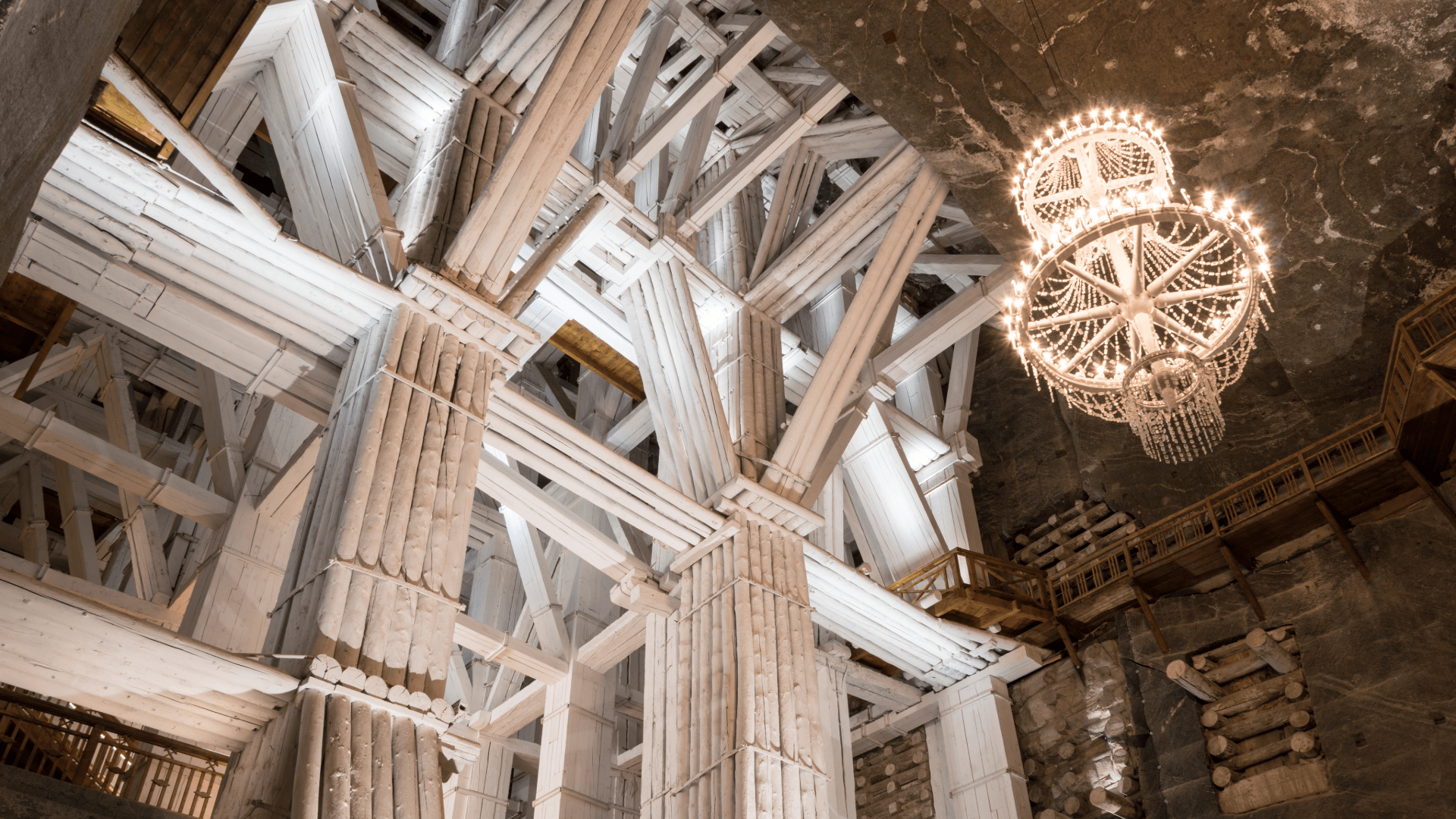
The UNESCO-listed Wieliczka Salt Mine is an outstanding choice, functioning as the quintessential climate-controlled, full-day escape from the external elements. The mine offers a stable subterranean environment that is impervious to the weather above, presenting a stunning world of chapels, galleries, and elaborate sculptures carved entirely from rock salt. 

Rynek Underground Museum

Directly beneath the Main Market Square is the Rynek Underground Museum, a state-of-the-art archaeological exhibition. This modern museum offers an immersive experience that systematically maps the history of medieval Krakow, built around actual preserved excavated streets and architectural remnants. 

Wawel Castle & Wartime Reflection

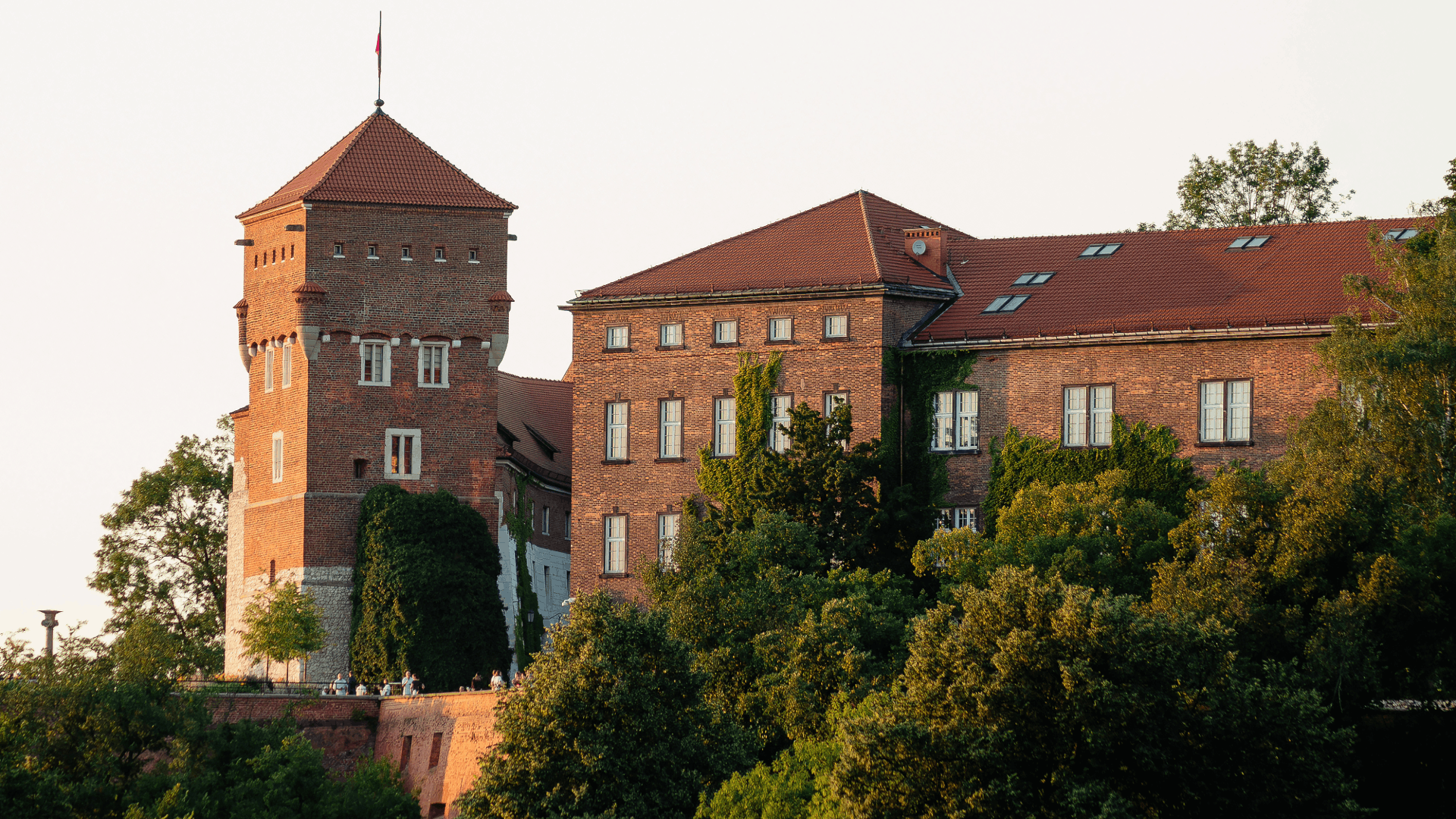
The Wawel Royal Castle feels especially peaceful in November. Fewer visitors allow for calm and unhurried exploration. You can fully appreciate the Royal Chambers and historic architecture without the summer crowds. The Oskar Schindler's Enamel Factory museum also offers a powerful indoor experience. November's reflective mood deepens the emotional impact of its stories. The exhibits feel even more poignant and meaningful during this quiet season. 
Culinary Retreats and Grzane Piwo

The Essential Warmth of Grzaniec

The perfect cure for November's chill is Grzaniec, Poland's beloved warm alcoholic drink. It includes two versions: Grzane Wino (mulled wine) and Grzane Piwo (mulled beer). While mulled wine is known across Europe, Grzane Piwo is uniquely Polish. It's a must-try for curious travelers seeking authentic local flavors. The drink is made by gently heating light lager with aromatic spices. Fresh ginger, cinnamon sticks, cloves, honey, and citrus slices create its signature taste. Some recipes add sweet raspberry syrup for extra depth. The result is a rich, fragrant, and unexpectedly delightful winter drink.

Krakow’s Cozy Hideouts and Autumn Menu

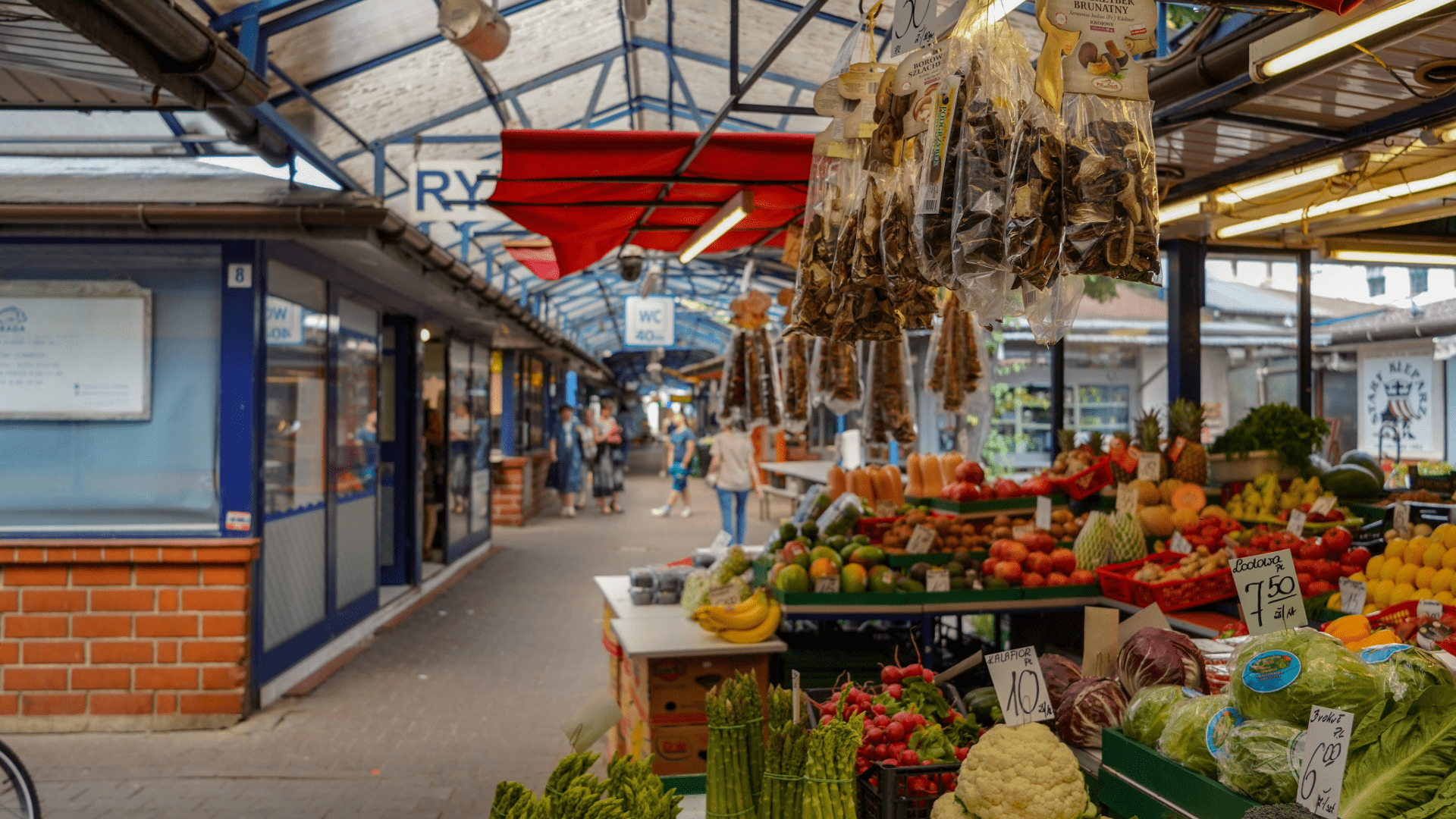
The chilly November air creates a growing desire for warmth and comfort. Krakow's café and cellar culture thrives in this season. Travelers should explore authentic, cozy spots in the city's historic districts. The Kazimierz Jewish Quarter is especially famous for its inviting charm. Places like Eszeweria and Mleczarnia offer intimate cafés and bars full of local character. November's food scene celebrates hearty Polish classics that nourish the body and soul. Traditional soups take center stage, including sour beetroot soup and creamy mushroom soup. Both are perfect companions for cold, reflective evenings. 
Your Authentic Krakow Adventure

November in Kraków is an invitation to experience the city's soul; a tale of history, avant-garde art, and unparalleled authenticity. Don't just observe; immerse yourself. Let Hello Cracow craft your seamless, unforgettable journey through the autumn magic. Explore all our expertly guided tours- from the illuminated depths of Wieliczka to the historical echo of Kazimierz - and secure your authentic Kraków experience today.

BOOK HERE
By Hello Cracow • October 5, 2026
Autumn in Krakow often begins quietly. In September, you can still sit outside with a coffee near Main Market Square, walk through Planty Park in a light jacket and feel almost no urgency to leave the city before sunset. A few weeks later, the same streets look completely different. The chestnut trees drop their leaves, the light becomes softer, and an October morning that begins with clear skies can end with cold rain over Wawel Hill.  That change is exactly why Krakow is so rewarding in autumn. The city feels less hurried, cafes become part of the itinerary rather than a quick stop between attractions, and a warm dinner in Kazimierz feels deserved after a day on foot. Packing well means you can enjoy all of it without cutting a walk short because your shoes are wet or your jacket is still back at the hotel. The key is not packing for cold weather alone. It is packing for several versions of the same day.
By Hello Cracow • September 28, 2026
Arriving in Krakow is usually straightforward, but the first hour can shape the whole trip. A late flight, heavy suitcase or unfamiliar ticket machine can quickly make a simple transfer feel more complicated than it needs to be. The good news is that Krakow is well connected by air and rail, and its main airport sits close enough to the city centre that getting to your hotel is usually fairly simple.  For most visitors, the choice comes down to Krakow Airport, the main railway station at Krakow Glowny, or a private transfer booked in advance. Each option works slightly differently, depending on what time you arrive, where you are staying and how much luggage you have. Public transport is often enough, but there are situations when paying for a direct transfer can make the first part of your trip much easier.
By Hello Cracow • September 23, 2026
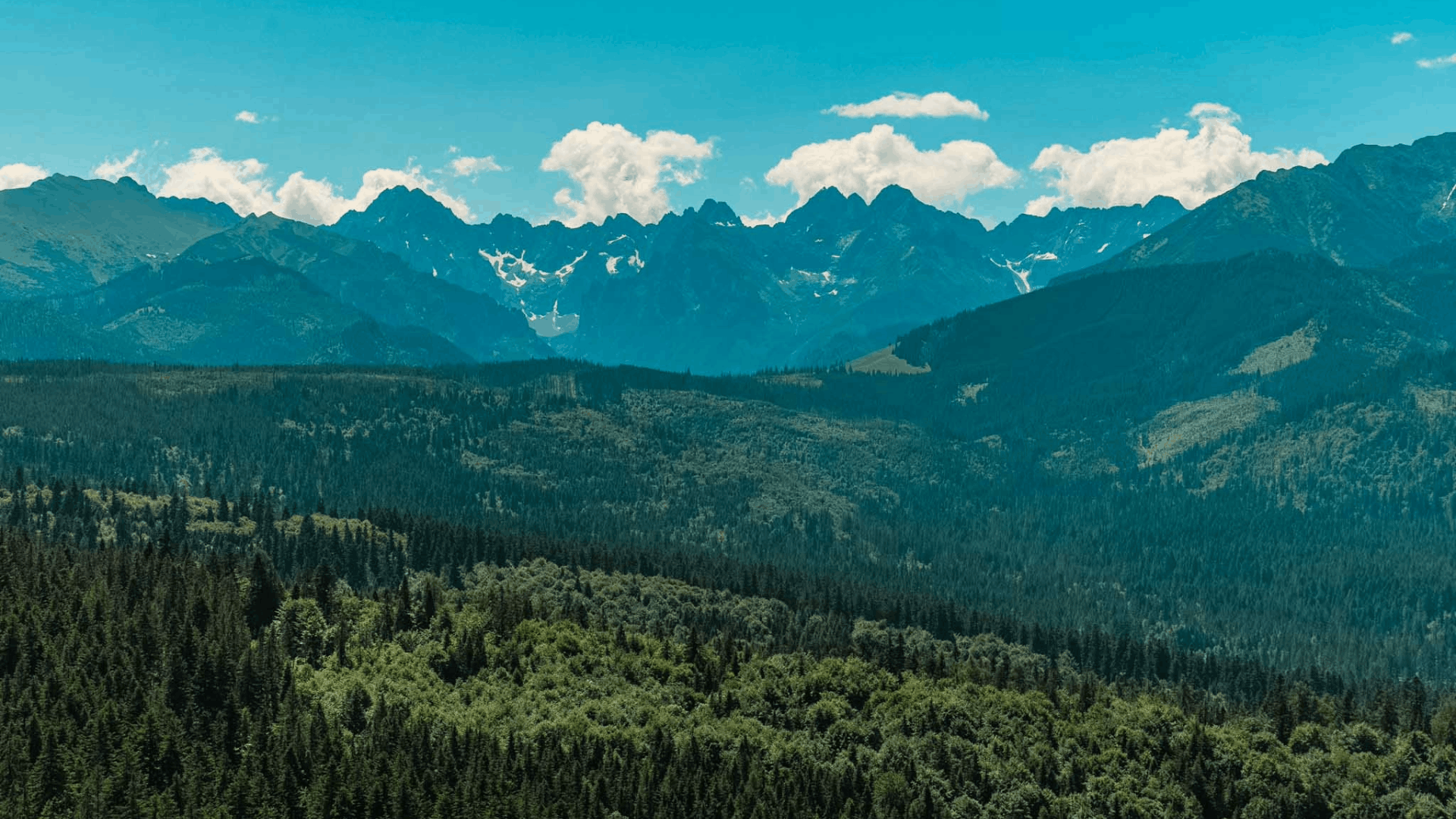
October is a great month to visit Krakow if you want to see the city without the summer crowds. The weather is usually still good enough for long walks, while cooler evenings make it easier to combine time outdoors with museums, restaurants and cafés. Planty Park starts to turn gold, the Old Town is less crowded, and Kazimierz is a good place to spend an afternoon without rushing from one sight to another. There is also plenty happening around the city. October brings concerts, film screenings, literary events, food festivals and other seasonal events, so it is worth checking what is on during your visit. You can easily combine one of these with the main sights, a walk along the Vistula or an evening in one of Krakow's neighbourhoods. It is also a good time to plan a day outside the city. Wieliczka, Auschwitz-Birkenau and Zakopane are all popular options, while the Tatra Mountains can be particularly appealing in autumn. Just keep an eye on the weather, as conditions outside Krakow can be quite different.  If you are planning a trip for October, you do not need to fill every day in advance. Pick a few things you definitely want to see, check the events happening during your dates and leave some time for whatever you find along the way.
By Hello Cracow • September 15, 2026
Krakow is a city best explored on foot. A typical day can move from cobbled streets around the Old Town to the open riverside paths near Wawel, then on to Kazimierz or Podgorze, often with more walking than visitors expect. Even a simple plan can quickly turn into several hours outside, especially when you add a museum, a market, a café stop or one of the city’s many viewpoints. The right packing list starts with comfortable shoes, flexible layers and one piece of rain protection that fits in your day bag. Krakow weather changes quickly across the year, and sometimes within a single day. Spring can bring mild afternoons and sudden showers, while summer days can be warm enough for long walks but cooler once the sun goes down. Autumn tends to bring shorter days and more changeable conditions, while winter can mean cold temperatures, snow or wet streets. These differences matter when most of your day is spent moving between outdoor sights. The temperature ranges below are typical average lows and highs for Krakow-Balice, not a forecast for a particular trip. Conditions in the city centre can feel slightly different, especially on sunny days or when the wind picks up along the Vistula. Check the forecast again shortly before you travel, then pack for walking rather than for one perfect weather scenario. If you are planning trips outside Krakow, leave some room for further changes. Wieliczka is underground and noticeably cooler than the streets above, while a day in the Tatra Mountains can bring very different conditions from those in the city. A few simple choices can make it much easier to stay comfortable when your plans take you from one part of the region to another.
By Hello Cracow • September 7, 2026
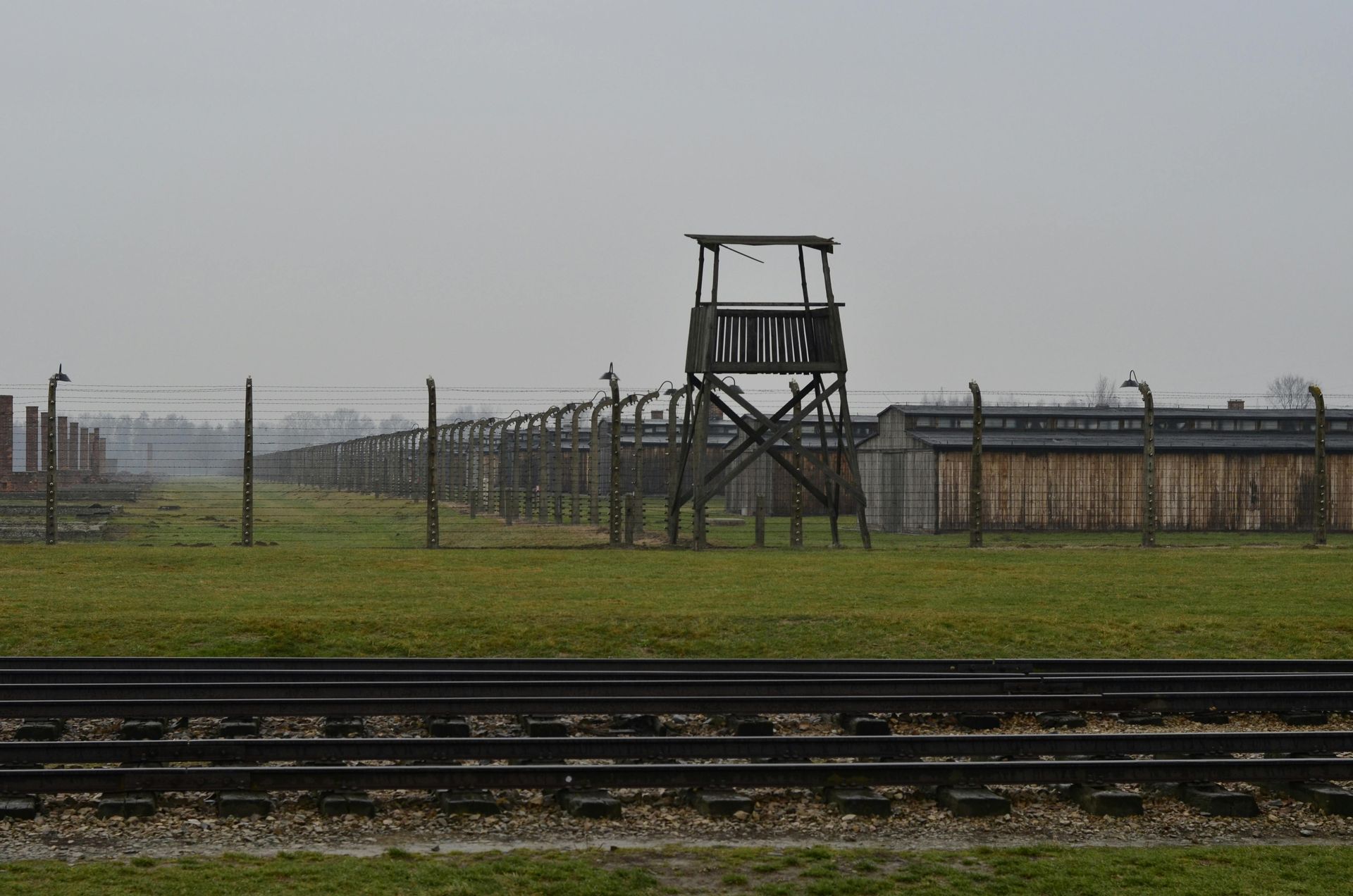
A visit to Auschwitz-Birkenau asks for more than simply adding another day trip to your Krakow itinerary. The former German Nazi concentration and extermination camp is a memorial site and a place of mass murder, where the scale of what happened can be difficult to understand through buildings, photographs and numbers alone. Reading before you go cannot prepare you for the visit itself, and it should not try to. What it can do is give some of the history a human dimension. Names, individual stories, memories and difficult choices become easier to recognise when you arrive at the site. Instead of knowing only what happened, you begin to understand something about the people who experienced it. The six writers below approach this history from very different perspectives. Four of them experienced Auschwitz as prisoners, writing about the camp from their own memories and experiences. Zofia Nalkowska encountered its aftermath from a different position, collecting testimonies and evidence about what had happened there in the months following the war. Hanna Krall offers yet another perspective. She survived the Holocaust as a child but was never imprisoned at Auschwitz. Her writing instead brings readers closer to the Jewish world destroyed during the Holocaust and to the people who carried its memory into the years that followed. There is no single book that can explain Auschwitz. Taken together, however, these works can help you arrive with more context and a greater awareness of the human stories behind the place.
By Hello Cracow • August 30, 2026
When the Main Market Square starts to feel a little too busy, you don't have to leave Krakow to find a different side of the city. Just beyond the usual sightseeing route, you'll find former quarries turned into green spaces, riverside paths, hilltop viewpoints, monastery gardens and neighbourhoods where life moves at a much slower pace. There is nothing wrong with spending your first day around Rynek Glowny, St Mary's Basilica, Wawel Castle and the Royal Route. They are famous for a reason, and for a first visit, they belong on the list. But after a few hours of following tour groups, waiting for a table and navigating busy streets, you may start looking for somewhere with a little more breathing room. That's when Krakow gets interesting. You don't need a complicated day trip or a long journey out of the city. Sometimes, a 15-minute tram ride or a short walk is enough to change the atmosphere completely. Suddenly there are more trees than souvenir shops, locals walking their dogs instead of organised groups, and paths where you can simply keep walking without having to stop every few metres. And these places aren't abandoned corners of the city. Krakow residents use them every day, particularly at weekends. You'll see people jogging, cycling, meeting friends, taking their children out or simply sitting somewhere with a coffee and enjoying the afternoon. So, if you're ready to put the guidebook down for a few hours, we've collected some of the best places to experience a quieter, greener and more local side of Krakow - all without straying too far from the city itself.
By Hello Cracow • August 30, 2026
Leave Krakow’s cobblestone streets behind and head south towards a completely different Poland. Beyond the city, the landscape opens into forests, meadows and mountain villages, with the Tatra peaks rising in the distance. A quad tour through Podhale gives you a chance to experience this landscape from the tracks rather than from a coach window.  The ride is the obvious highlight, but it is the journey that makes the day special. You move through quiet countryside, forest trails and highland landscapes, stopping along the way to take in the views and experience a slower side of southern Poland. Add a bonfire, local food or a soak in the thermal baths, depending on the tour, and a few hours outside Krakow can quickly turn into one of the most memorable days of your trip.
By Hello Cracow • August 17, 2026
September is when Krakow begins to soften into autumn. The warmest days still belong to the Vistula boulevards and café terraces, but Planty Park starts to change colour, and the city’s calendar becomes more local, varied and atmospheric. For first-time visitors, Krakow can seem centred entirely on the Main Market Square, Wawel Castle and Kazimierz. September is a good month to look beyond that first impression. A single weekend can bring music from Ireland and Scotland to a Renaissance manor house, local beekeepers to a historic Kazimierz square, and hundreds of dachshunds onto the Old Town’s most famous street. The city feels less like a checklist destination and more like a place where residents have their own rituals, neighbourhoods and reasons to gather. So, what is actually happening in Krakow this September? From the biggest cultural events to the smaller local traditions worth knowing about, here’s your guide to experiencing the city beyond the usual tourist highlights.
By Hello Cracow • August 11, 2026
Visiting Auschwitz-Birkenau is not about seeing more, but about arriving prepared, moving through the site with care, and allowing enough time for the history to register. There is no perfect way to feel when you visit Auschwitz-Birkenau. Some people become quiet. Some feel overwhelmed by the scale of Birkenau. Others find that the most difficult moments are the smallest ones: a photograph, a suitcase, a pair of shoes, or a name. What matters is not performing a particular emotion. It is recognising that this is a memorial and the site of a former German Nazi concentration and extermination camp, where more than a million people were murdered. A respectful visit begins before you reach the entrance: in how you book, what you bring, how you use your phone, and how much space you leave for the experience afterwards.
By Hello Cracow • August 3, 2026
Prague has its grand squares, Vienna has its palaces, and Budapest has the Danube. Krakow has a different kind of appeal. It is a city where centuries of history are packed into a surprisingly walkable area, and where you can move from royal Krakow to Jewish Kazimierz, wartime Podgorze, and the Vistula riverbanks in the space of a single afternoon. That makes Krakow especially interesting for a short city break. You can see the famous sights, eat well, sit down for a coffee, and still come across places that tell you something about the city's past. The different parts of Krakow do not feel like separate attractions on a checklist. They connect naturally as you move through the city. And that is what we want to explore here. Beyond the obvious reasons to visit Krakow, what makes the city such a rewarding place to spend a few days? From its medieval centre and royal history to Kazimierz, Podgorze, local food, and everyday city life, these are the things that make Krakow more than just another beautiful European Old Town.
More Posts