


Echoes of Zakopane: Highlander Culture, Wooden Villas, and Mountain Myths
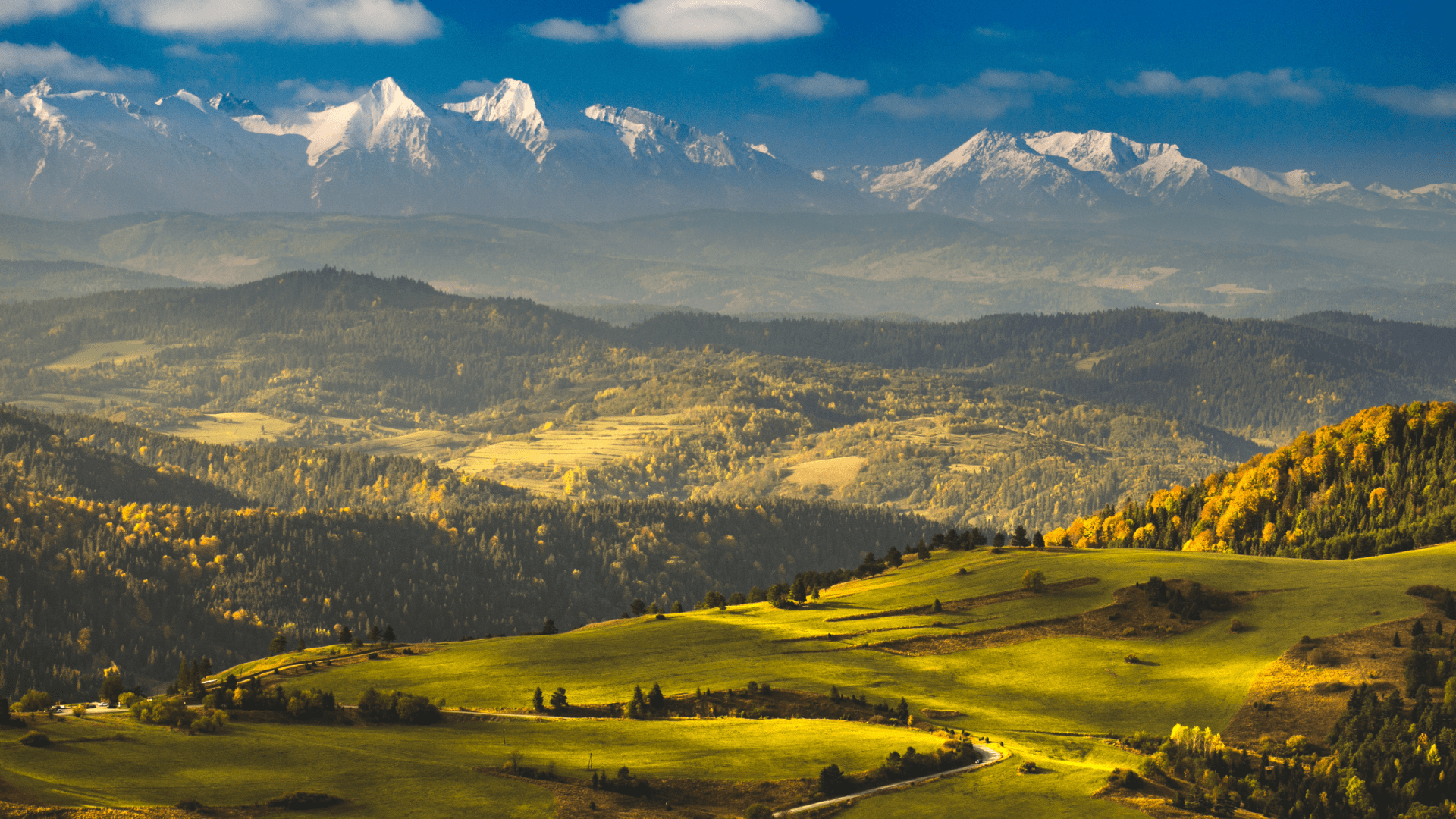
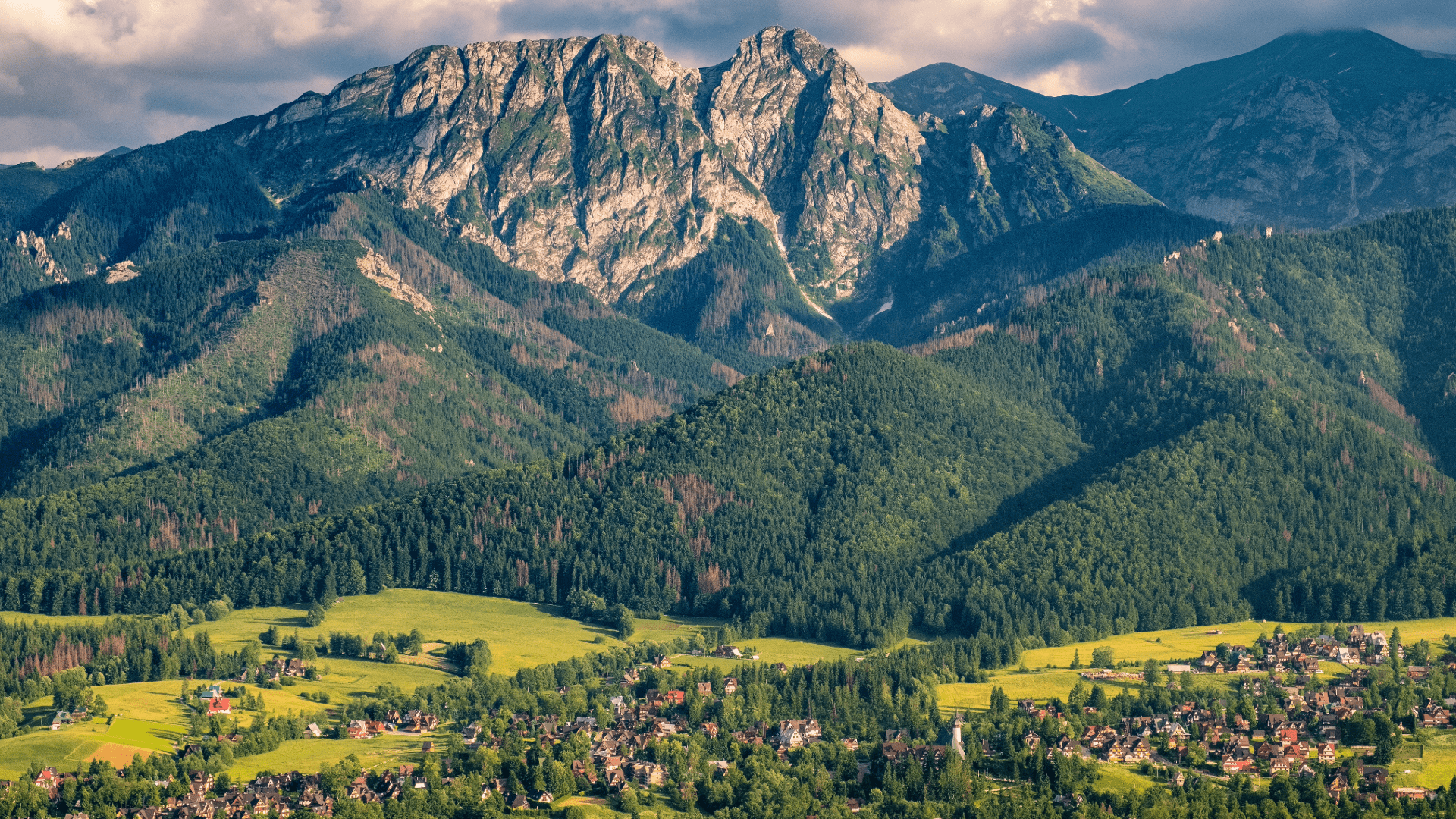
Zakopane, renowned for its breathtaking mountain vistas and exhilarating ski slopes, consistently draws countless adventurers seeking thrilling experiences. However, beneath the majestic Tatra peaks, a profound and richer narrative unfolds, revealing a vibrant tapestry of Podhale traditions, legends, and a dynamic Highlander culture that proves as rugged and captivating as the landscape. This destination transcends mere sightseeing; it represents an immersive journey into a unique ethnographic heart where each intricately carved wooden villa whispers tales of the past, every haunting melody carries centuries of history, and even the smoky aroma of Oscypek cheese extends an invitation to explore a heritage unlike any other.
The Unyielding Spirit of Highlanders
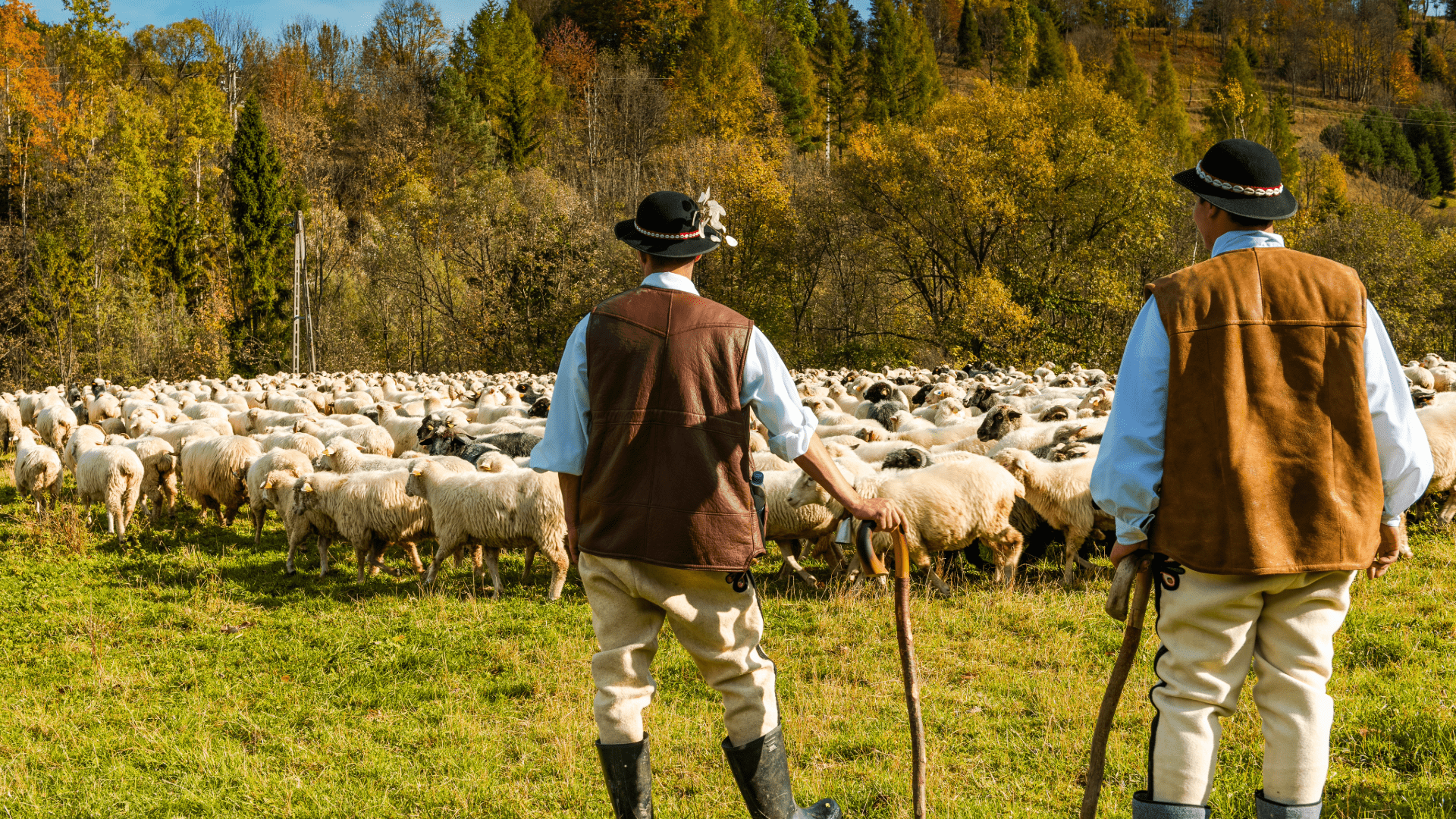
The Highlanders of Podhale are far more than simply picturesque inhabitants of a beautiful land; they stand as fierce guardians of a meticulously preserved culture, embodying a living testament to resilience and enduring tradition. This distinctive "góralszczyzna," or Highlander spirit, formed a pivotal element of the "Zakopane myth," which profoundly captivated 19th-century visitors who perceived it as wild, pristine, and exceptionally attractive. Their powerful sense of belonging, coupled with a proud display of their traditions even beyond their native region, truly distinguishes them as a unique ethnographic group.
A Living Dialect and Mountain Melodies
The Podhale dialect is a key Highlander feature. It immediately identifies a true Goral. This fascinating Polish variation includes archaisms. It also borrows from Slovak, Hungarian, and Balkan languages. This reflects centuries of interactions. The dialect is used daily in homes and schools. Thus, it's a living part of their identity. Kazimierz Przerwa-Tetmajer's stories, published around 1900, solidified their popularity.
Highlander music is both energetic and deeply emotional. It's profoundly rooted in Goral life. It accompanies daily chores and sheep grazing. You'll hear it on Tatra expeditions. It's part of liturgical events and holidays. Significant family gatherings also feature it. Traditional bands have a lead violinist, the prymista. Two second violinists support them. A bassist plays a basolia. This instrument resembles a small cello. Highlanders are known for their beautiful voices. They are powerful and polyphonic. Their songs often include characteristic shouts. Experiencing this vibrant music firsthand is special. Live performances in local restaurants are great. Inns also offer authentic auditory journeys. This lets you delve into Podhale's soul.
Dances of Strength and Grace
Highlander dances, rooted in Vlach shepherd culture, are primarily masculine, emphasizing male strength and agility. Women's roles are mainly decorative, and there's no close physical contact; the man controls the dance's mood and pace. Traditionally, one couple performed this dance. The man's solos were dominant. He'd end by turning his partner. Then he would kneel and bow with his hat. The zbójnicki, or bandit's dance, is energetic. It features 4 to 16 men. They do high jumps and deep squats. Vigorous bounces are also common. This dance often integrates into the Highlander dance. It's linked to zbójnicy folklore. These were heroic figures. They stole from the rich to help the poor. These performances highlight the physical artistry and rich narrative of Highlander dance.
Highlander Dress
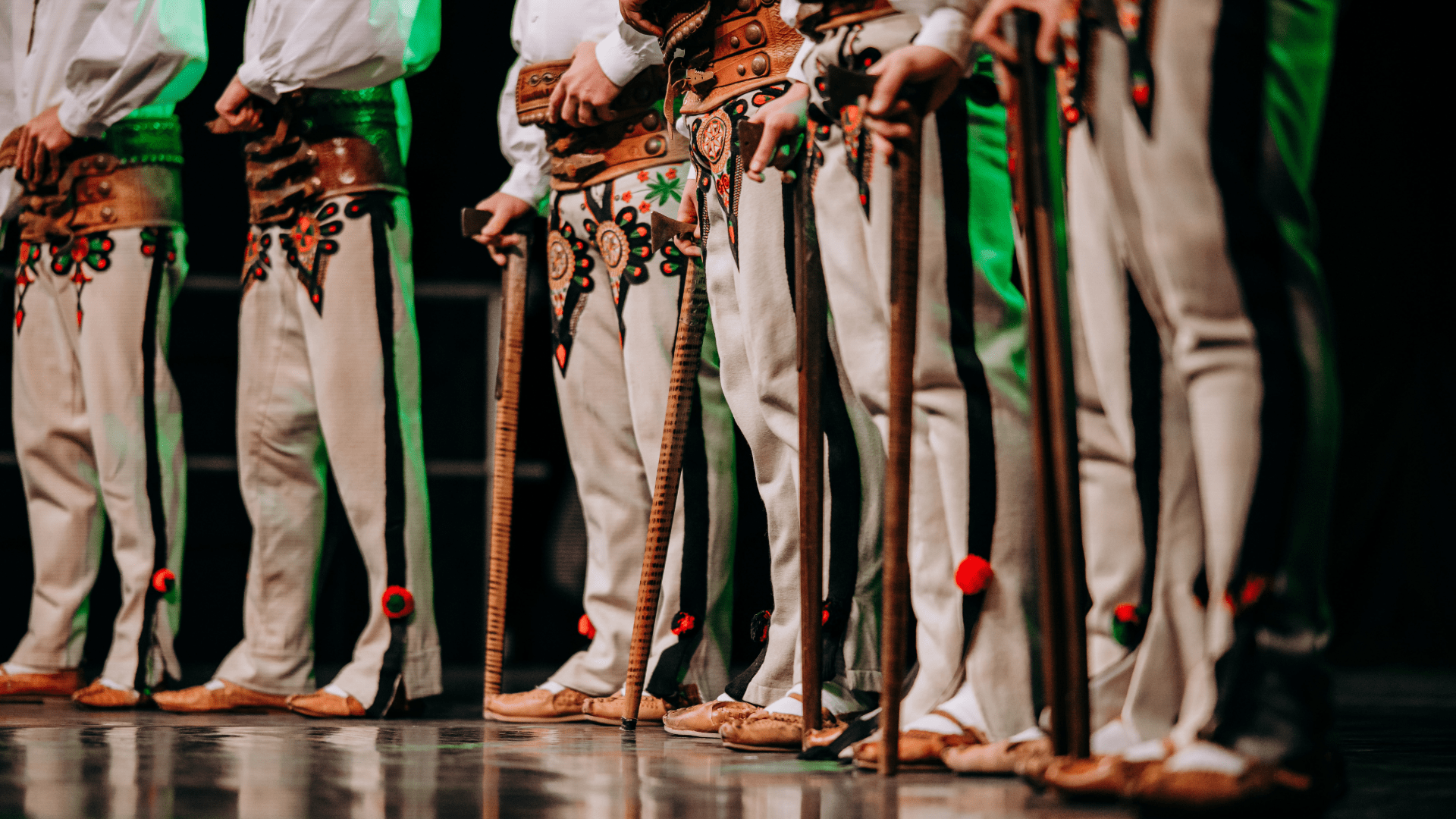
Highlander clothes were once everyday wear. Now, they are mainly for ceremonies. You'll see them at weddings and funerals. Visitors to Zakopane will often see them too. These outfits are unique to each Goral group. Sometimes, they include family elements. Men's attire features a linen shirt. It fastens with a metal clasp. Trousers are bright with black stripes. They have distinctive parzenica embroidery. The parzenica evolved from string loops. It reinforced trouser cuts. Now, it's colorful wool yarn. Men also wear serdaki (vests) and cuchy (coats). They have wide leather belts. Felt hats are adorned with seashells. Traditional shepherd's bags complete the look.
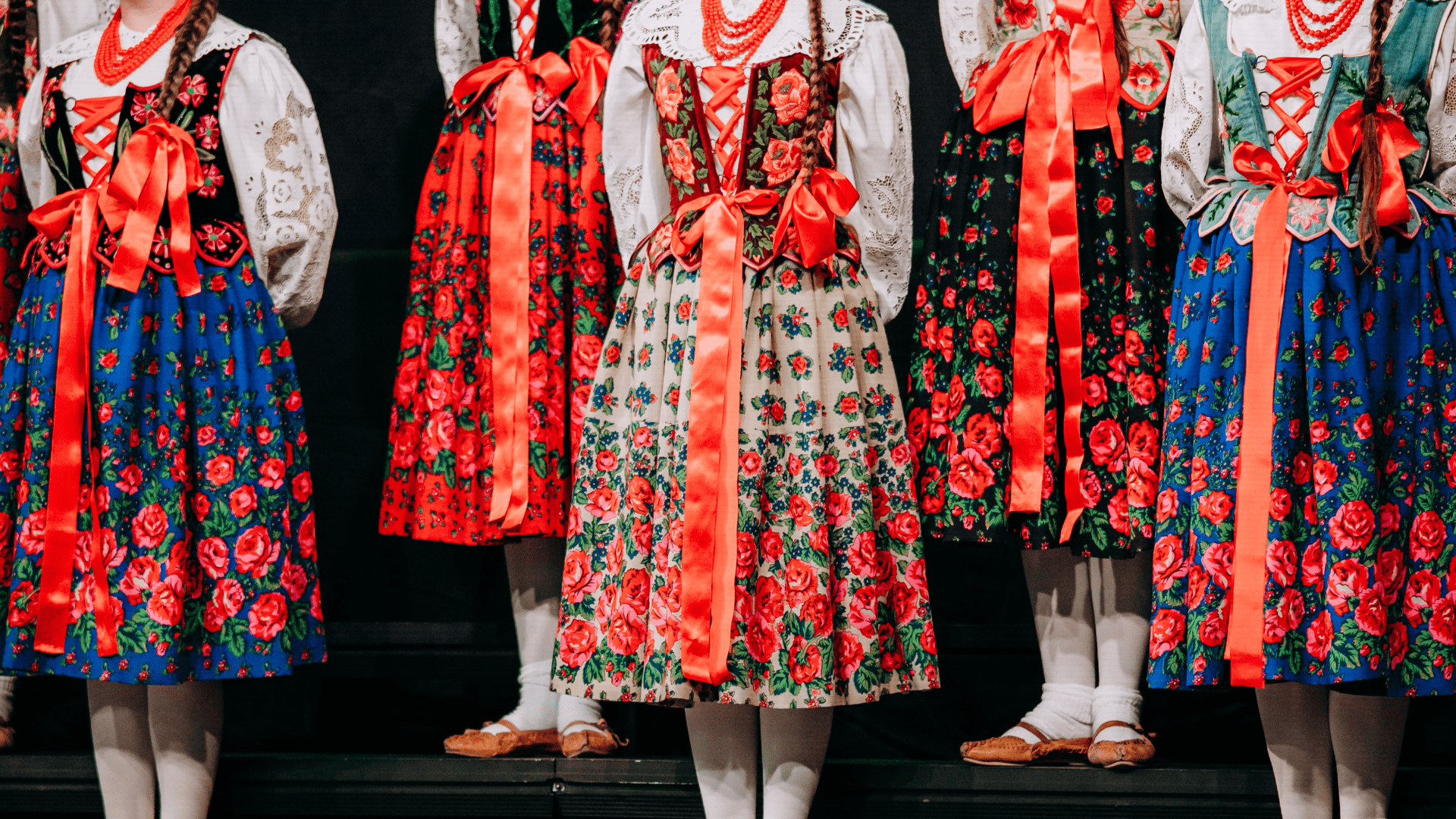
Women's attire, in contrast, is notably more varied and ornate, featuring a richly embroidered white shirt, an intricately embroidered corset-often crafted from velvet or silk and embellished with floral motifs such as lilies, amaranths, edelweiss, and beads-a long, patterned skirt, and kierpce (moccasins). Historically, corsets were adorned with thistles and edelweiss, later incorporating shimmering sequins and glass beads. Corals constitute an indispensable element, with numerous strings of genuine corals symbolizing wealth and elevated social status. Observing these vibrant traditions, perhaps by visiting local markets or craft workshops where elements of these garments are still meticulously produced, offers a tangible connection to the profound Highlander identity.
Art in Wood and Glass
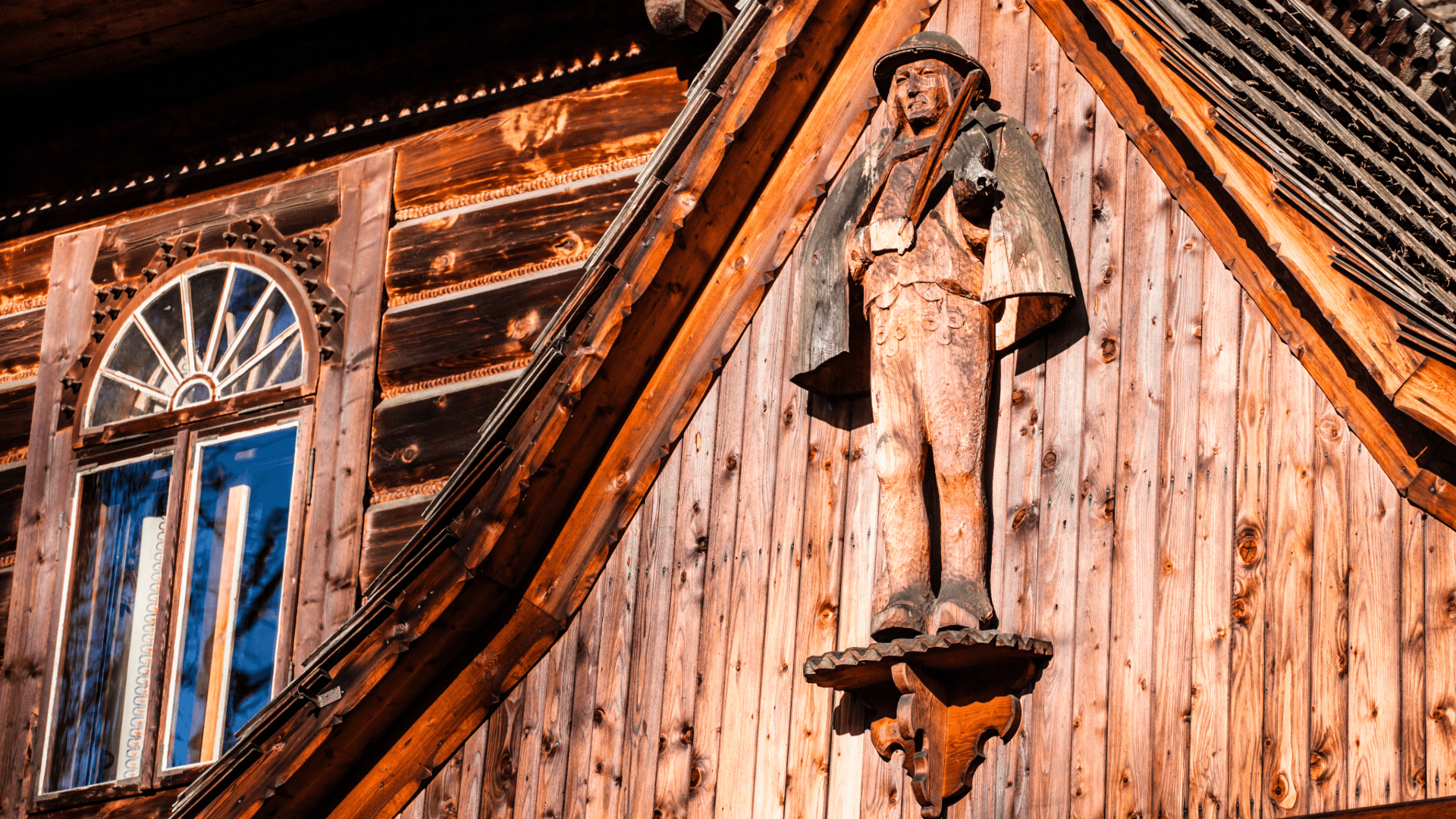
Highlander art is both functional and decorative. Women create colorful embroideries for clothing, while men in Zakopane are known for wood carving, producing sculptures and souvenirs sold locally. Traditional wooden houses often feature owners' carvings. Glass painting, a characteristic art form in Podhale with Slovakian roots, has adorned homes and churches for over a century. Other notable art forms include leather goods (belts, bags, shoes) and metal items (bells, clasps, shepherd's axes). Visiting workshops and galleries allows direct observation and purchase, supporting local artisans.
The "Zakopane myth" arose from early visitors' perception of Highlander culture as "wild, pristine, and exceptionally attractive." Pioneers like Dr. Tytus Chałubiński promoted the region with Highlander guides and musicians. The International Festival of Mountain Folklore further demonstrates global interest. This shows a direct link: Highlander culture attracted early tourism, which now economically sustains these cultural practices. Visitor demand, initially for "wild" experiences and now for authentic immersion, provides a crucial economic incentive for Highlanders to maintain their traditions through performances, crafts, and sales, linking cultural preservation to economic viability.
Architectural Wonders
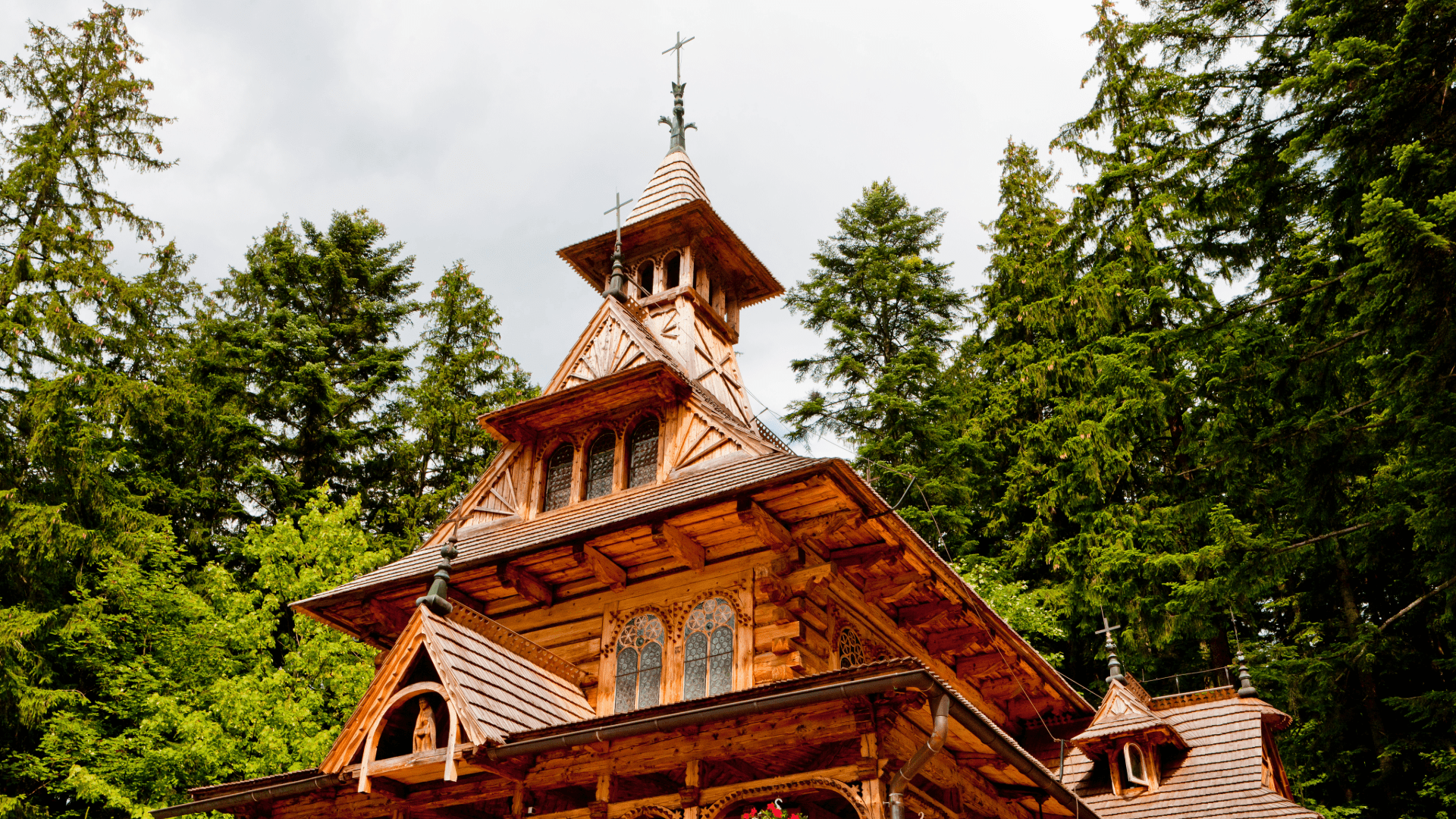
Zakopane's architectural landscape is as distinctive as its rich cultural heritage, largely defined by the unique "Zakopane style" of wooden villas, which has remarkably evolved into a nationwide phenomenon.
Stanisław Witkiewicz's Vision
The distinct Zakopane style was created by Stanisław Witkiewicz. He moved to Zakopane in 1890. This architectural style drew inspiration from local buildings. It blended Highlander elements. Motifs from the Tatra Mountains were also included. Its goal was to give larger buildings a "Highlander cottage atmosphere." Architectural tours offer great insight. They reveal Witkiewicz's genius. His impact on the region's aesthetic is indelible.
The Zakopane style, created by Stanisław Witkiewicz, is a "nationwide phenomenon" and Podhale's "trademark." It emerged as Zakopane became a cultural hub for the Polish elite, and the Tatra Mountains symbolized Polish strength during the partitions. More than just an aesthetic, the Zakopane style was a cultural and national manifesto. Witkiewicz used indigenous Highlander forms. He crafted a distinctly Polish architectural language. It was rooted in the local landscape. This provided unique identity during foreign rule. Zakopane's architecture offers crucial insight. It highlights a pivotal period of Polish history. Art and culture forged national identity. They also built regional pride.
Iconic Wooden Villas
These magnificent wooden villas stand among Zakopane's most celebrated landmarks. The very first villa designed by Witkiewicz in this distinctive style was Willa "Koliba," constructed between 1892 and 1893 on Kościeliska Street. Other notable examples of this architectural brilliance include Willa "Atma," now serving as the Karol Szymanowski Museum and intimately connected with the renowned composer; Willa "Harenda," which houses the Jan Kasprowicz Museum; Willa "Obrochtówka"; Willa "Oksza," now a 20th-century art gallery; Willa "Ornak"; Willa "Pod Jedlami," widely considered the most impressive building in Witkiewicz's style and a truly valuable wooden monument; Willa "Witkiewiczówka"; and Czerwony Dwór (Red Manor), recognized as one of Zakopane's most beautiful and historically significant homes.
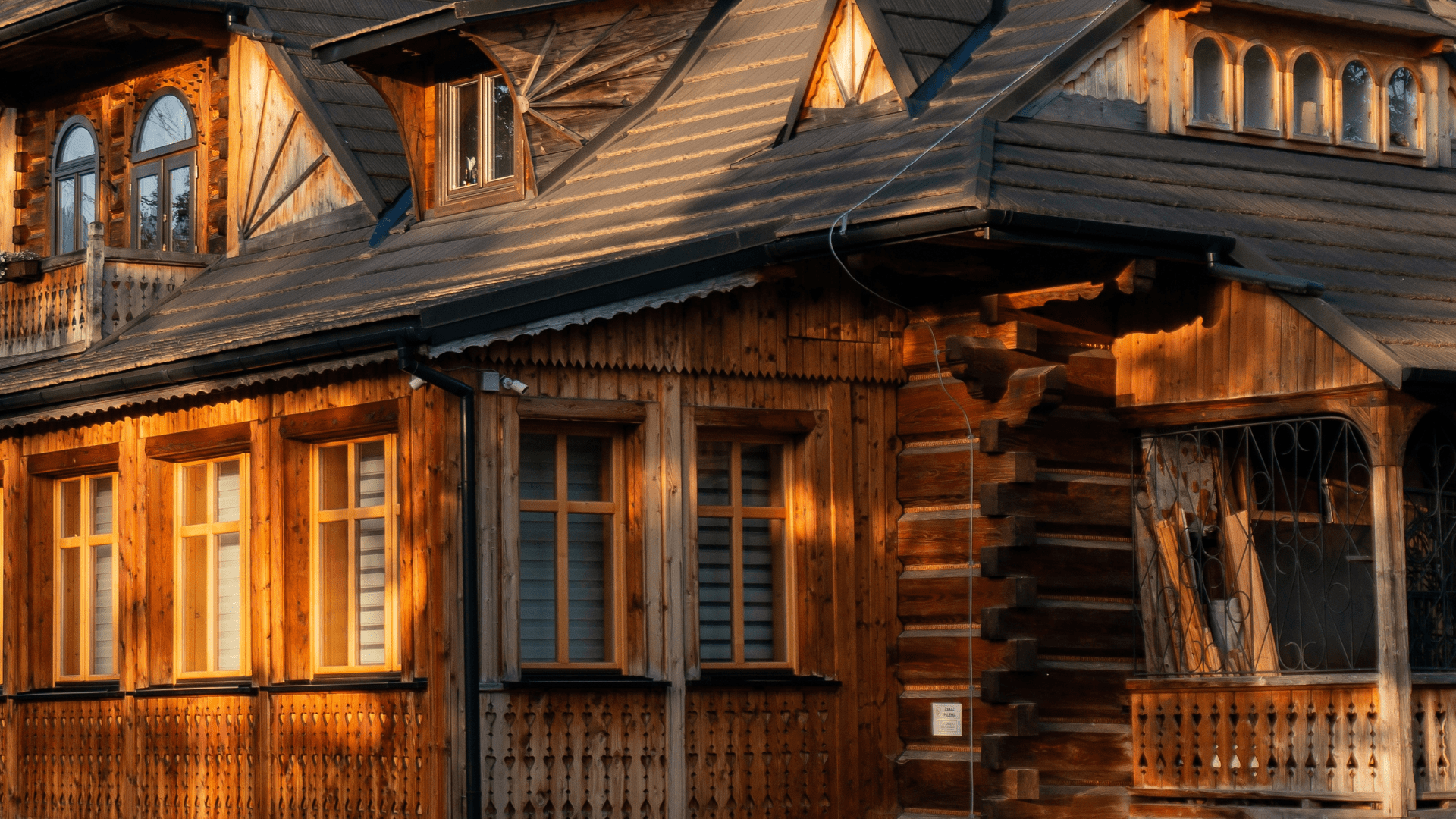
Traditional Highlander Home
Before grand villas, Highlander villages featured scattered wooden log homes, often south-facing for sunlight. Their roofs were shingled, sometimes with an interior beam carved with the construction year and carpenter's name. A typical hut had a "white room" for ceremonies, a "komora" (storage), a "sień" (hallway), and a "black room" for daily living, darkened by fireplace smoke. Later, sheds were added to the west for wind protection.
Zakopane's early growth was rapid and chaotic. This led to a disordered street network. Traffic jams were persistent. Unauthorized construction was widespread. Architectural styles became a mix. This happened despite Władysław Zamoyski's efforts. He invested in waterworks, a post office, and schools. Karol Stryjeński later won a planning competition. However, urban planning struggled. It couldn't keep pace with Zakopane's popularity. This creates tension. Traditional Highlander buildings met modern urban challenges. The chaotic blend of styles is notable. The Zakopane style was significant. Yet, it didn't fully dictate the city's development.
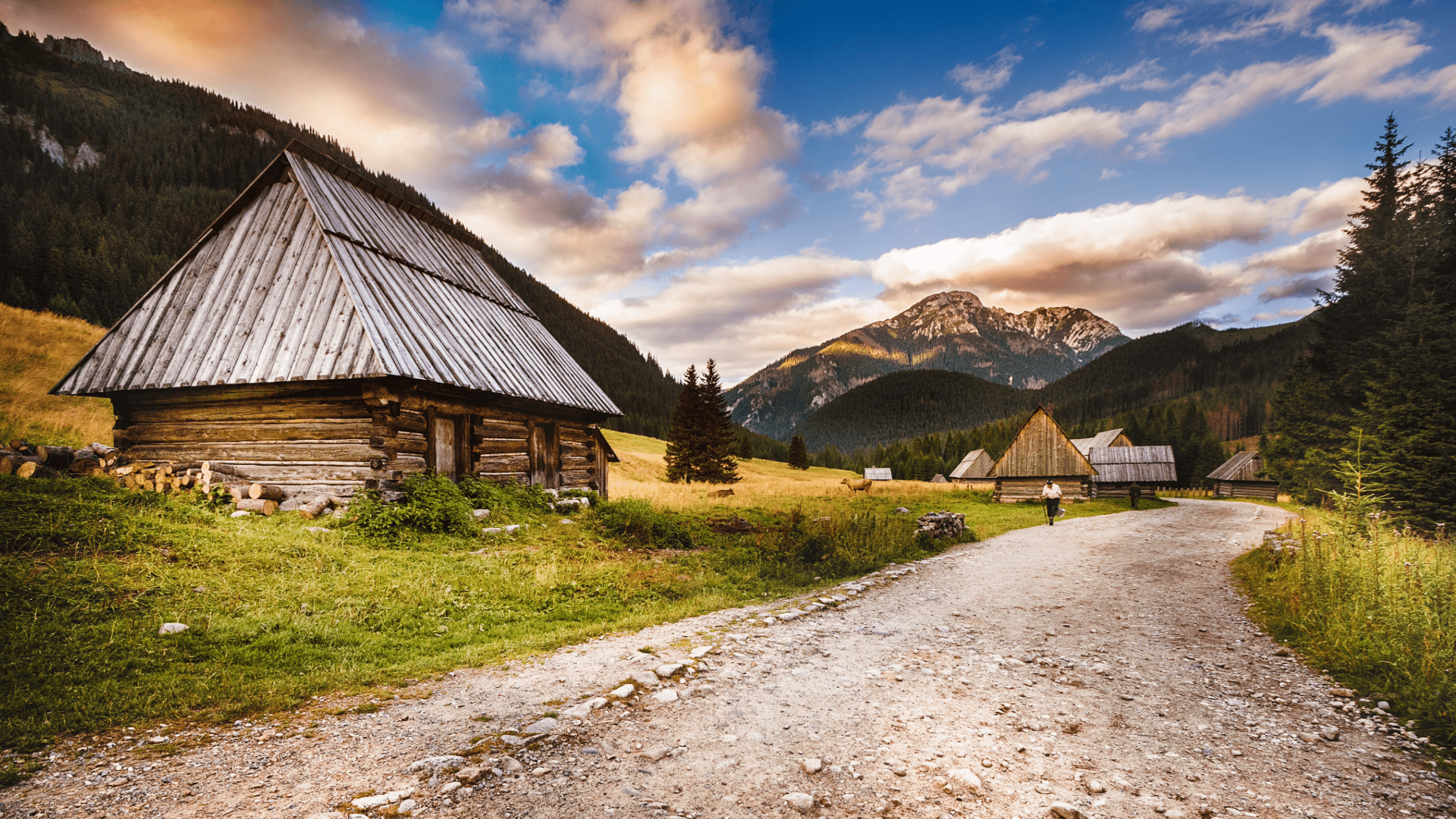
Legends and Folklore
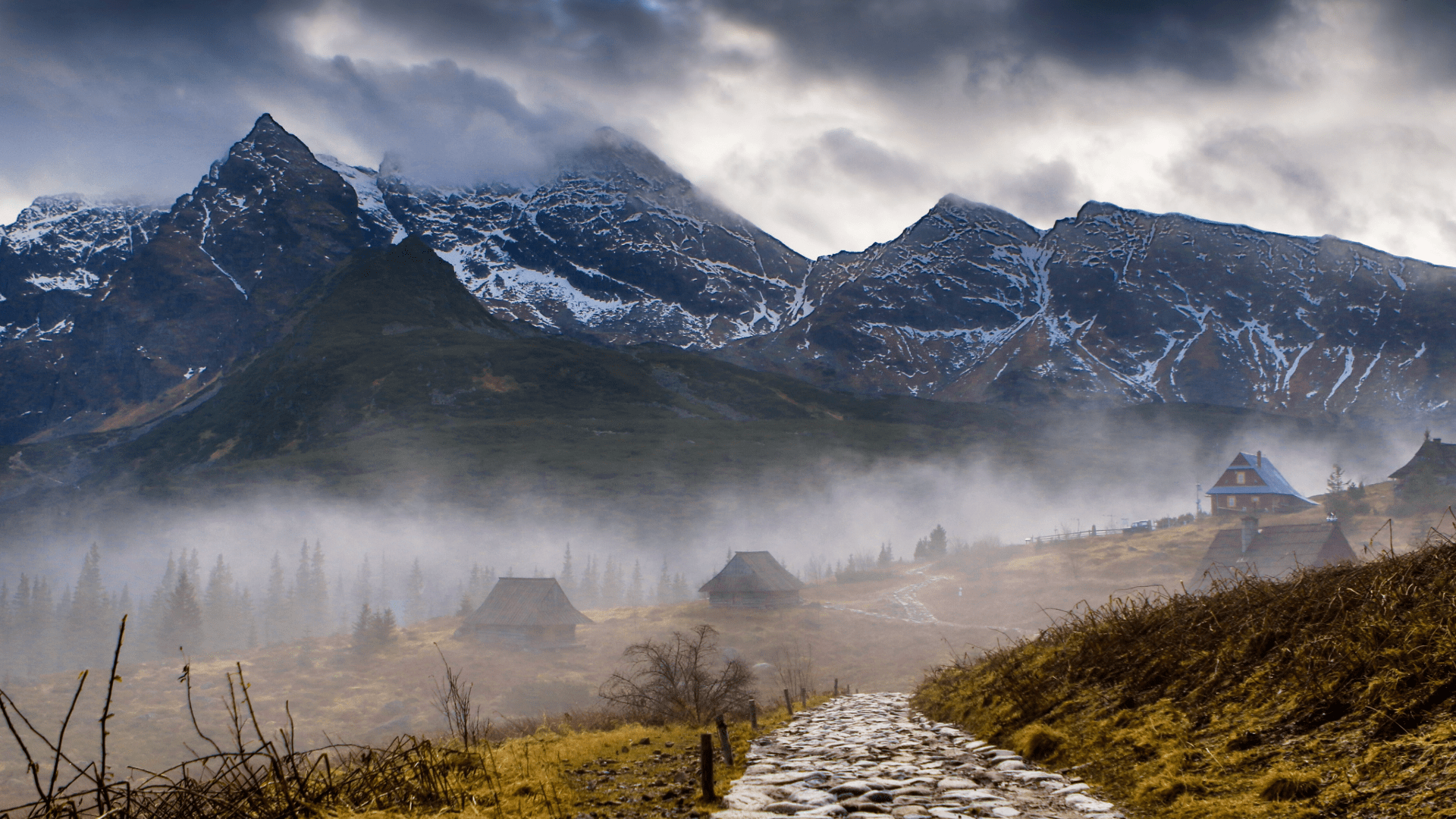
The majestic Tatra Mountains and the enchanting Podhale region are deeply imbued with myths and rich folklore, powerfully reflecting the profound connection between the Highlanders and their rugged environment. These captivating stories offer invaluable insight into the deeply held beliefs and vivid imagination of a people who have long lived amidst the powerful forces of nature.
The Sleeping Knights of Giewont
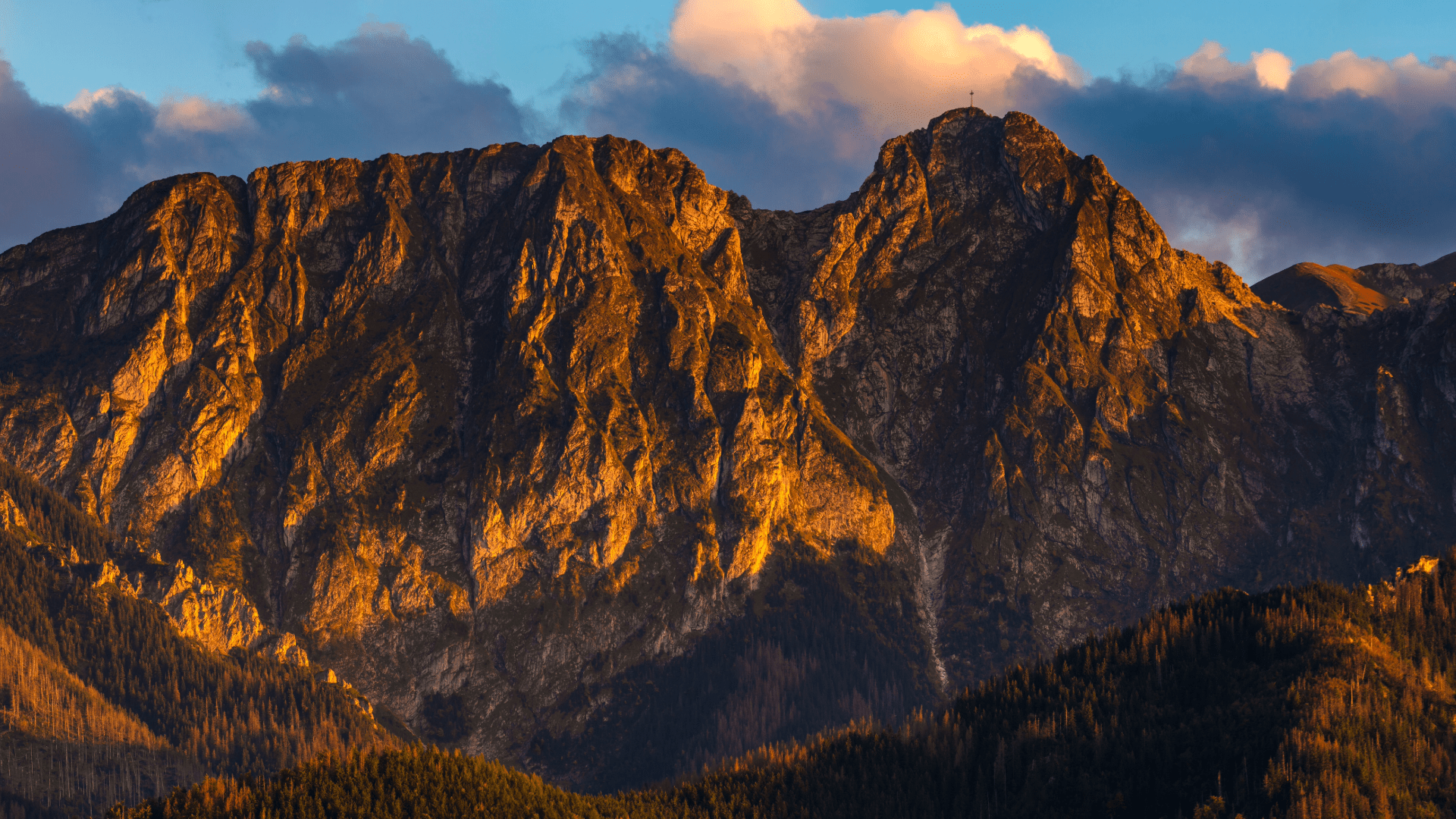
The iconic Giewont peak in the Tatras, resembling a sleeping person, is tied to a powerful legend. It tells of a blacksmith who, for a bag of gold and strict secrecy, was led to a cave where an army of knights and their horses lay dormant, ready to awaken to defend Poland's independence. However, the blacksmith revealed the secret, causing his gold to turn to sand and the cave to vanish. This legend symbolizes hope and national resilience, suggesting a hidden strength awaits. The steel cross on Giewont, erected by Highlanders, reinforces its mythical status, and guided tours often incorporate this potent tale for visitors.
Mysteries of Morskie Oko
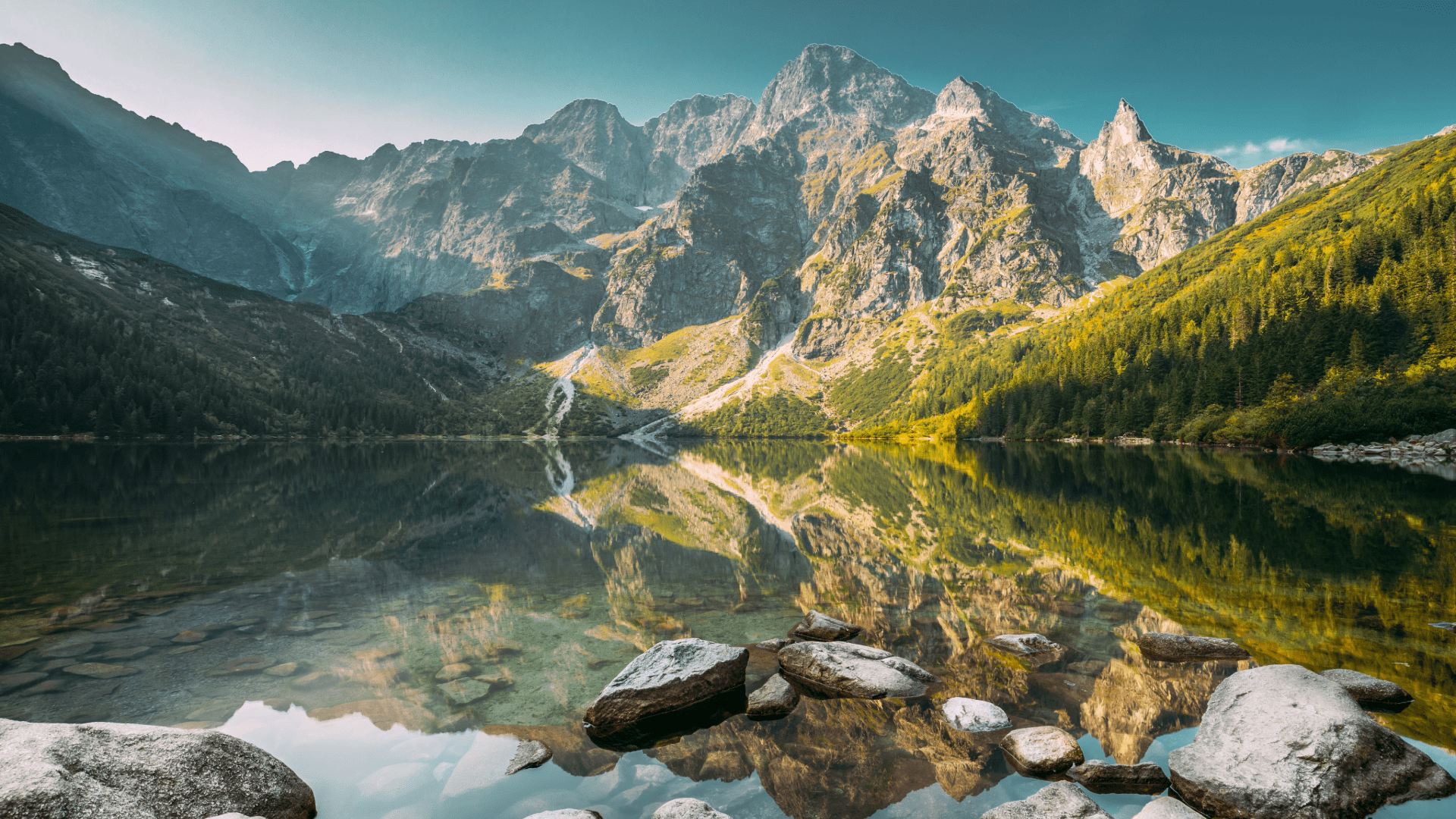
Morskie Oko, the largest and most captivating lake in the Tatra Mountains, is enveloped by its collection of enchanting legends. Some stories assert that Morskie Oko is mysteriously connected to the Adriatic Sea through subterranean passages, adding an intriguing layer of geological wonder to its natural beauty. Other tales speak of hidden treasures submerged at its depths, often guarded by formidable mountain devils or the restless spirits of the penitent.
Supernatural Beings of Podhale
Highlanders traditionally believed their world was full of diverse supernatural creatures, a mix of pagan and Christian influences. Płanetnicy, cloud demons, controlled weather, stemming from a legend of the Devil's failed creation. They also punished infanticide, appearing as old men vanishing into forests. Słonecznice, or sun ray demons, attacked those who slept in on Sundays. Strzygonie were terrifying entities that rose from graves on moonless nights to attack people. It was thought those born with inverted pupils could become strzygonie after death, their bodies rigid with open, smiling eyes. Specific burial rituals, like burying the deceased face down with a cross, aimed to prevent this transformation.
Culinary Traditions and Local Specialties
Highlander cuisine serves as a direct reflection of the region's rugged landscape and the pastoral lifestyle that has long defined it. Simple, incredibly hearty, and profoundly aromatic, truly "smelling of tradition and a shepherd's hut smoke."
Oscypek
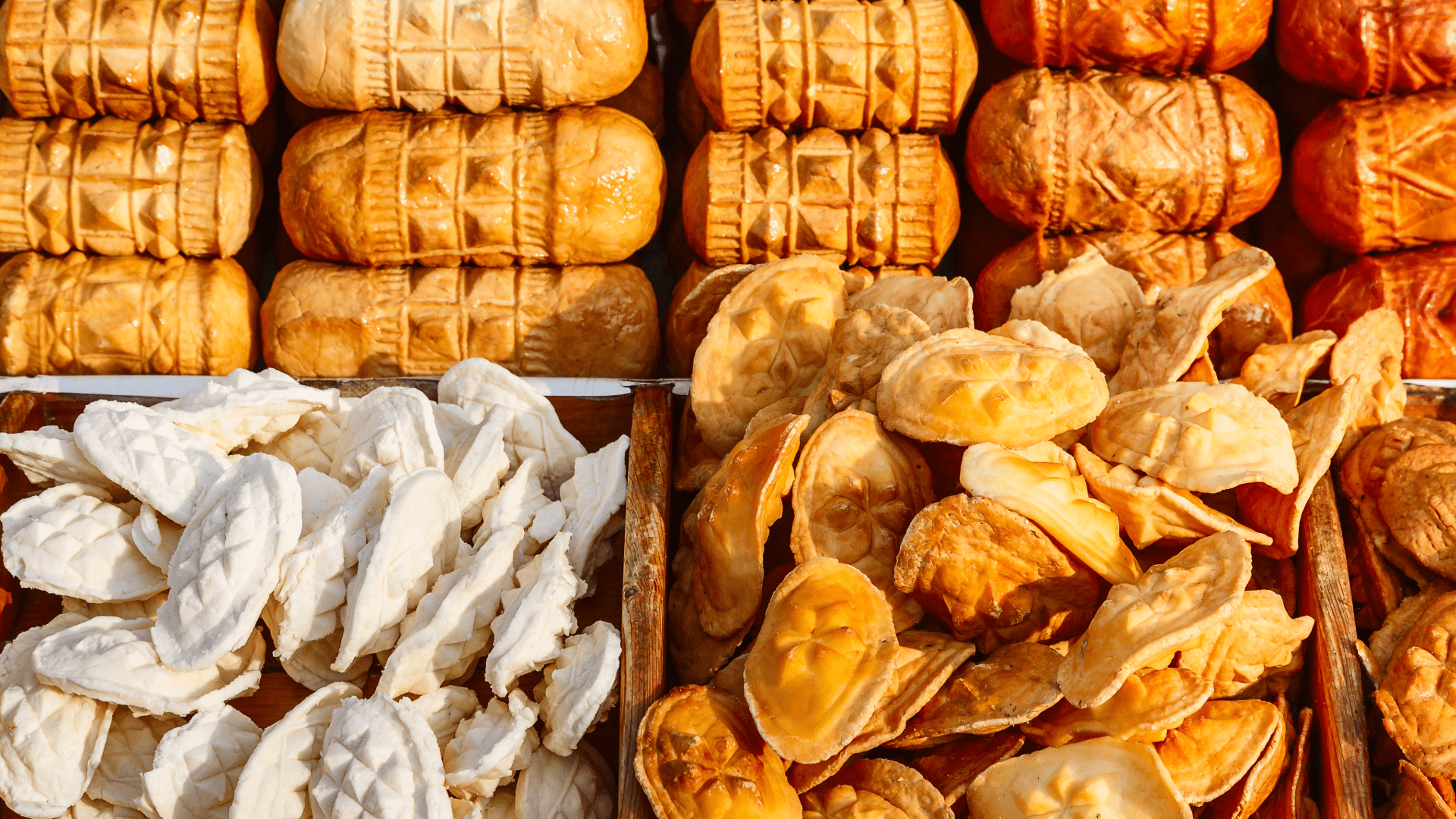
Oscypek is far more than just a cheese; it is a traditional, smoked sheep's cheese and an unmistakable symbol of the Podhale region. Its unique tradition and intricate production methods can be thoroughly explored at the Oscypek Museum in Zakopane. This distinctive cheese is produced exclusively within the Tatra Mountains, crafted from salted sheep's milk, often blended with cow's milk for added complexity. Hot Oscypek served with cranberries is a widely popular snack or a delightful accompaniment to various dishes. Visitors are also highly encouraged to sample bundz, a fresh sheep's cheese, and bryndza, a soft, salty sheep's cheese frequently used in pierogi or pancakes.
Hearty Highlander Cuisine
Reflecting the less fertile land, Highlander cuisine fundamentally relies on staple products such as potatoes, cabbage, and grains, complemented by the extensive rearing of sheep and lambs. The foundation of the traditional diet consisted of boiled potatoes, locally known as grule or rzepa, along with bryjka (a thick gruel) or its denser form, kluska. Jarcana flour, derived from barley, oat, or corn, was also widely utilized, with corn flour gaining particular popularity during Austro-Hungarian times. Beyond Oscypek, dairy products included whey, buttermilk, and żętyca (sheep's milk whey). Sweet and sour milk, white cheese, butter, and eggs were typically sold rather than consumed daily, reserved primarily for special occasions due to their economic value.
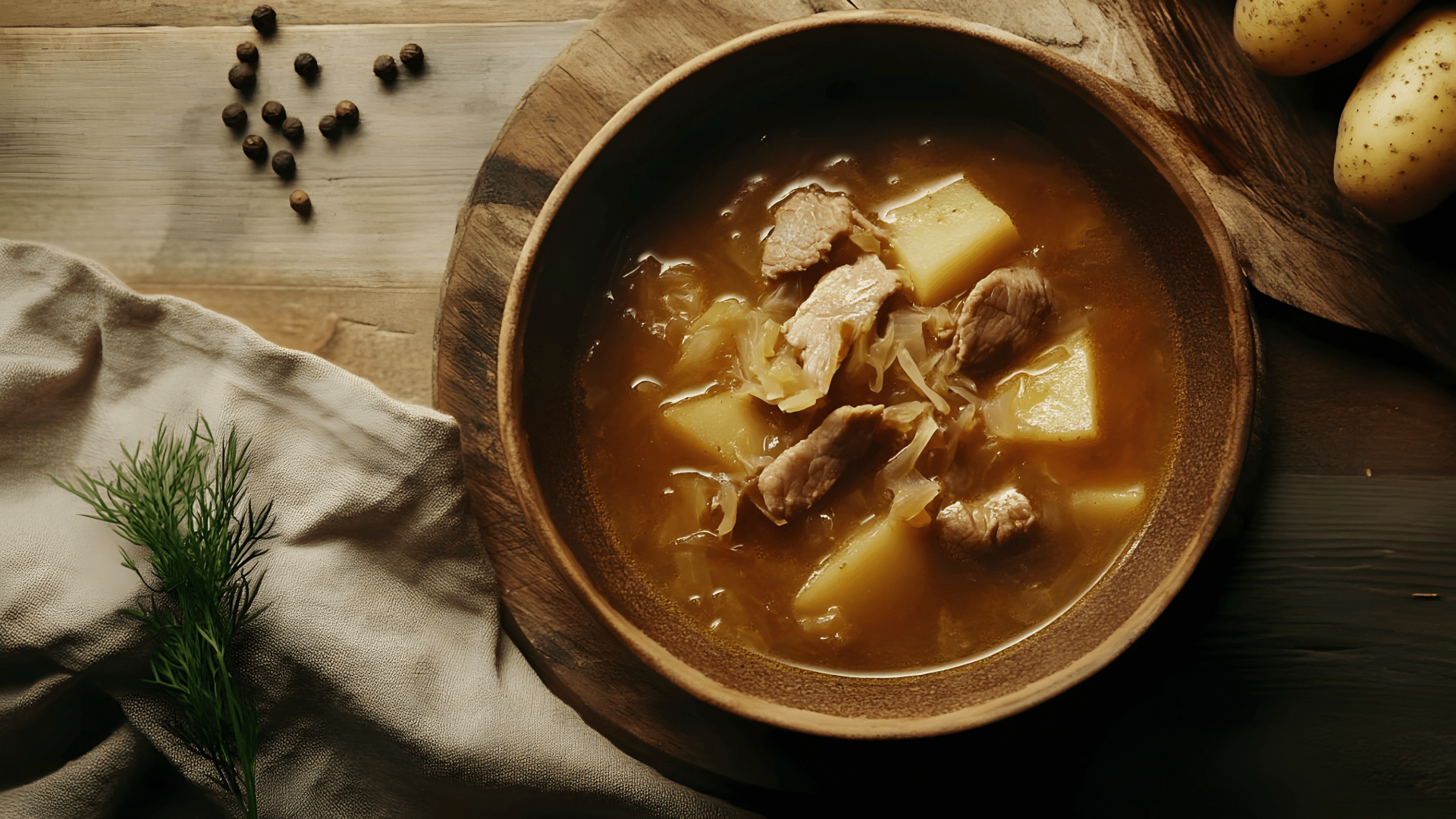
Kwaśnica, a hearty sauerkraut soup, is a regional delicacy. It's often made with mutton and served with potatoes or bread. Meat lovers can enjoy various lamb and mutton dishes. Placek po zbójnicku is a substantial potato pancake. It comes with rich pork goulash. Vegetarians have cheese-based options. They can also try moskol, a traditional potato pancake. It's made from boiled potatoes, flour, water, salt, and egg. Moskol is typically served with garlic butter. For dessert, bombolki are highly recommended. These are yeast dumplings generously drizzled with butter and honey.
Your Gateway to Authentic Zakopane
Zakopane and the Podhale region are more than just scenic. They offer a vibrant, living museum of Highlander culture. It's deeply steeped in history. The region is rich in artistic expression. It brims with captivating legends. Polyphonic melodies resonate through the valleys. Intricate parzenica embroidery adorns costumes. The Zakopane style features architectural marvels. Hearty flavors of Oscypek await. Every element invites deeper exploration. This truly unique destination blends ancient myths with modern life. It offers an experience beyond typical sightseeing.
Are you ready to unveil the soul of Zakopane and Podhale for your clients? Contact Hello Cracow today to tailor an unforgettable journey into the heart of the Polish mountains.